









· CGK Kannai Campus
What is school life like in New Zealand?
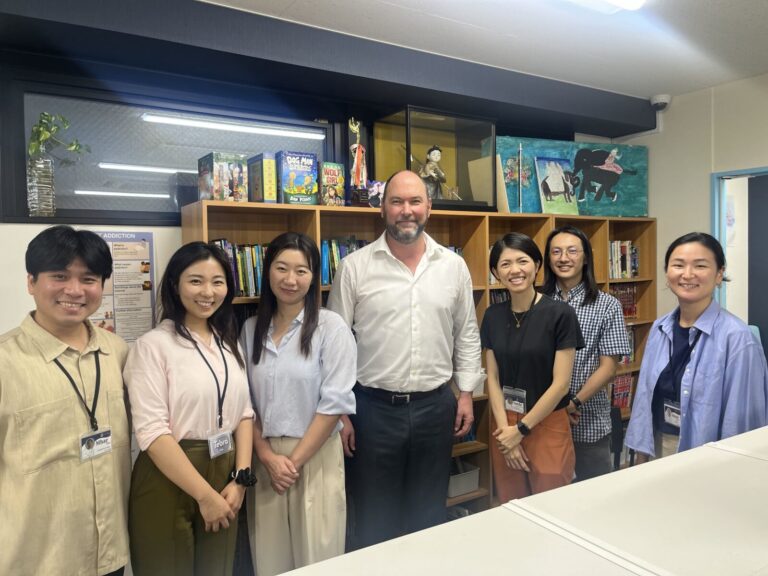
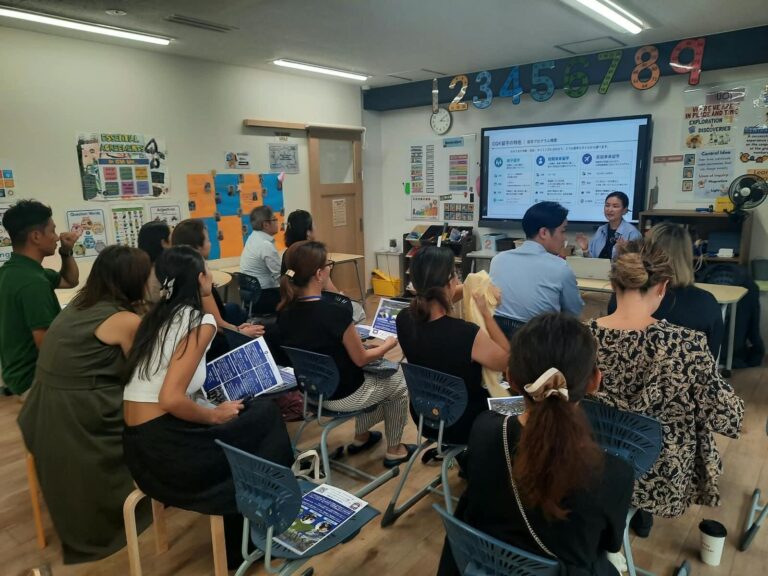
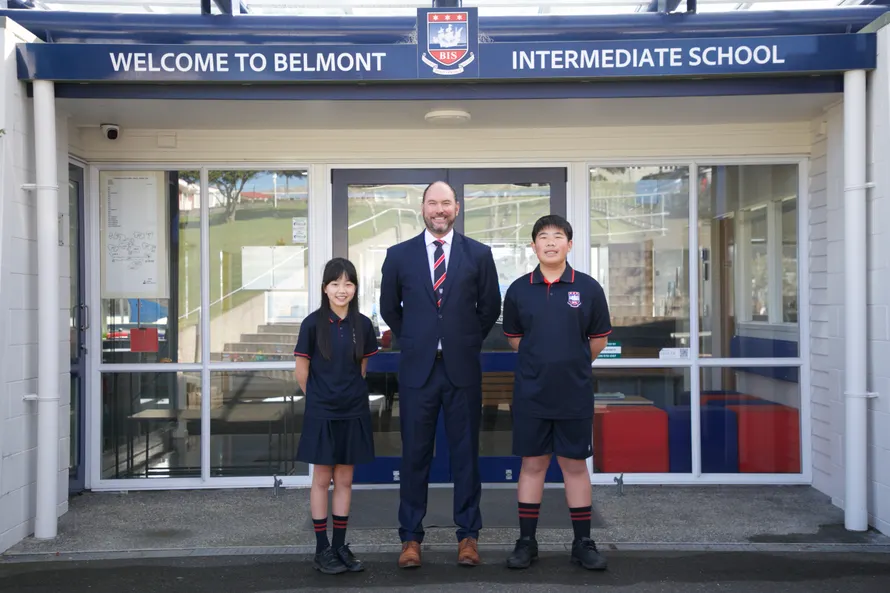
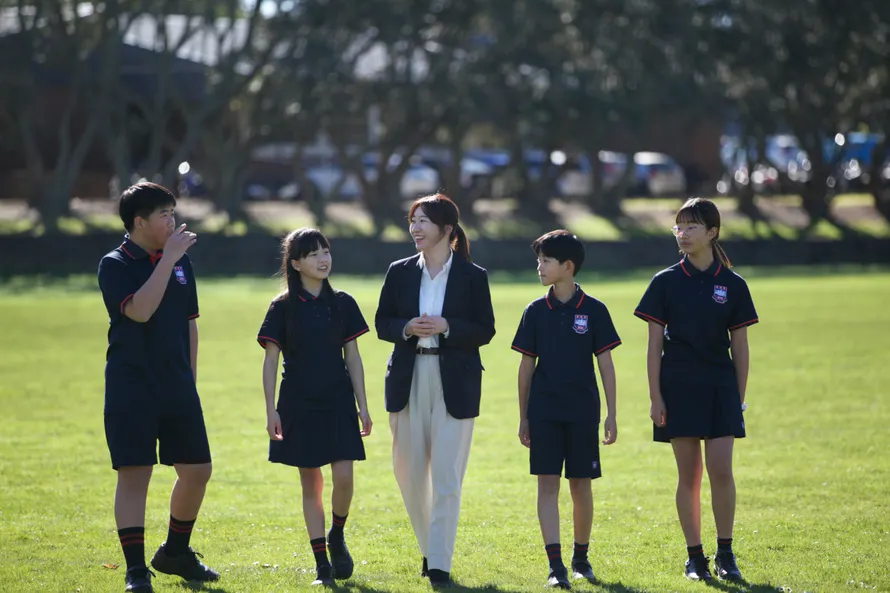
CGK welcomed Nick Hill, Principal of Belmont Intermediate School, and Lee Rang Lim, the school’s International Student Director, to Yokohama. Families heard directly from our Auckland partner school about daily life, the curriculum and support for international students. This information session was open to current CGK families.
- Attendance
- 13 families
CGK’s Study Abroad Support
The CGK Study Abroad Team opened the session with an overview of our programmes, students’ past experiences and our network of partner schools. CGK offers opportunities ranging from short-term experiences lasting a few weeks to long-term placements at local schools overseas. We work closely with families to find a study abroad experience that suits each child’s age, interests and stage of development, taking each family’s hopes and expectations into account.
CGK strongly recommends a one-year study abroad programme in Grade 7, the second year of Middle School. Living and learning in another culture helps students develop independence and see the world from different perspectives. CGK helps students prepare for independent life overseas and works with their host schools while they are abroad.
Belmont Intermediate School
Nick and Lee then introduced Belmont Intermediate School, a partner with which CGK has built a relationship of trust since the early days of its study abroad programme. Nick returned to our Kannai Campus this September, following his first visit in 2023.
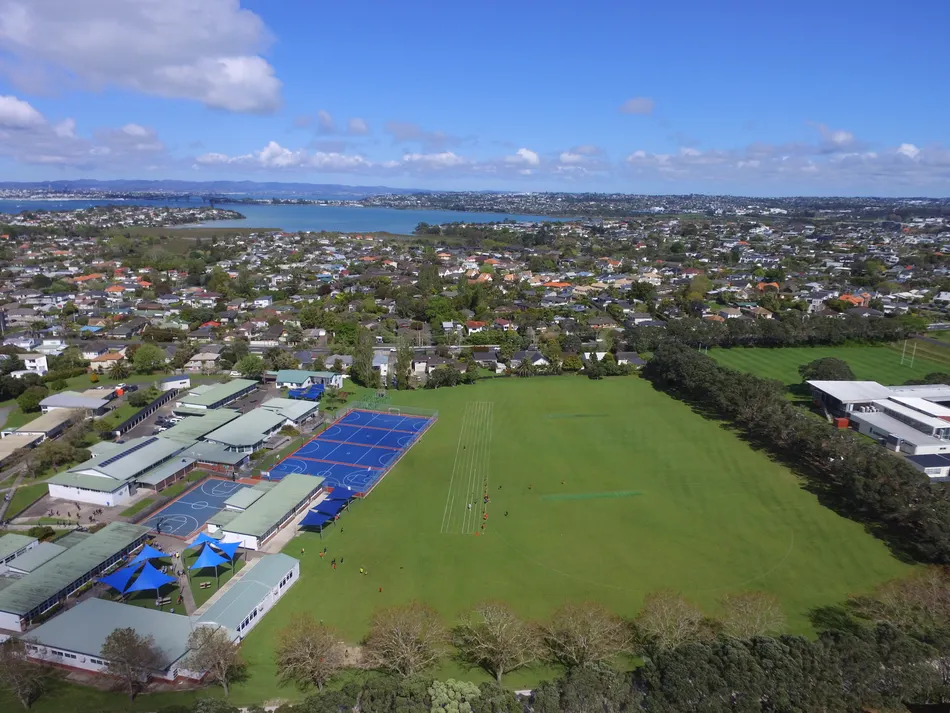
Located on Auckland’s Devonport Peninsula, Belmont is surrounded by beaches and greenery. It serves students aged 10–13 as they move from primary to secondary education. Students explore a wide range of subjects, discover their interests and strengths, and build a foundation for the next stage of their education.
Belmont places a strong emphasis on wellbeing and pastoral care. International students take part in the same school life as local students. Staff who specialise in international student support check in regularly on their academic progress, daily life and homestay experience.
Six Questions from CGK Families
Parents who were considering study abroad asked about the curriculum, English language support, student safety and visa requirements. Here is a recap of the answers from Nick Hill and Lee Rang Lim.
Q1Which students are eligible for Belmont’s 24-hour emergency support?
Lee explained that the service is available to all international students enrolled at Belmont. At the time of the session, Belmont had 25 international students. Of these, 23 were staying with a parent and about two were studying independently.
During regular meetings each term, Lee and the international student support team check how students are doing in class and in their daily lives.
Q2Does Belmont have partnerships with schools other than CGK?
Nick explained that CGK is one of Belmont’s few international partner schools. The two schools have built a relationship of mutual trust through years of exchanges, dating back to the early days of CGK’s study abroad programme.
Q3What is an Intermediate School, and why does it cover two years?
Intermediate school is a distinctive part of New Zealand’s education system. It covers Years 7 and 8 and helps students make the transition from primary to secondary education.
Nick described it as a time of significant physical and emotional development. Students try a range of elective subjects and take an active role in discovering their strengths and what they would like to explore further.
Q4How does the New Zealand curriculum compare with CGK’s International Baccalaureate (IB) education?
Nick explained that foundational mathematics and English may include more traditional teaching, while inquiry-based learning and cross-curricular projects have much in common with CGK’s approach to IB education. Students can bring the independence and curiosity they have developed at CGK to their learning at Belmont.
Q5How are students placed in ESOL classes, and how do they balance them with regular lessons?
Lee explained that placement in ESOL (English for Speakers of Other Languages) classes is based on an English placement test taken upon enrolment. Students who need extra support leave their homeroom class at designated times for ESOL lessons. Their homeroom teachers provide worksheets and other materials to help them catch up on what they have missed.
Q6How does the length of a stay affect visa requirements?
Lee explained that a school term in New Zealand typically lasts about 10 weeks and that visa requirements depend on the planned length of study.
Under certain conditions, a visitor visa allows one period of school study of up to three months within a calendar year. Longer placements generally require a student visa. Families should check Immigration New Zealand’s current requirements for short-term study before making travel plans.
Individual Consultations and Next Steps
After the group session, families spoke directly with Nick and Lee about the best times to travel, how long their children might study abroad, and what activities are available during school holidays.
CGK continues to offer individual counselling to current CGK families after the session. You might be wondering, “We haven’t made any specific plans yet, but what options are available?” or “Our child is still quite young. When would be a good time to consider studying abroad?” We welcome these conversations from the earliest stages. We take time to understand each child’s personality, stage of development and aspirations, along with what matters to their family, and work together on a plan.
Thank you to all the families who attended and to Nick Hill and Lee Rang Lim for joining us from New Zealand. CGK will continue to support children as they take their first steps towards exploring the wider world and embracing new challenges.