IB PYP World School with Inquiry-based Curriculum Providing World Standard Childcare and Global Education
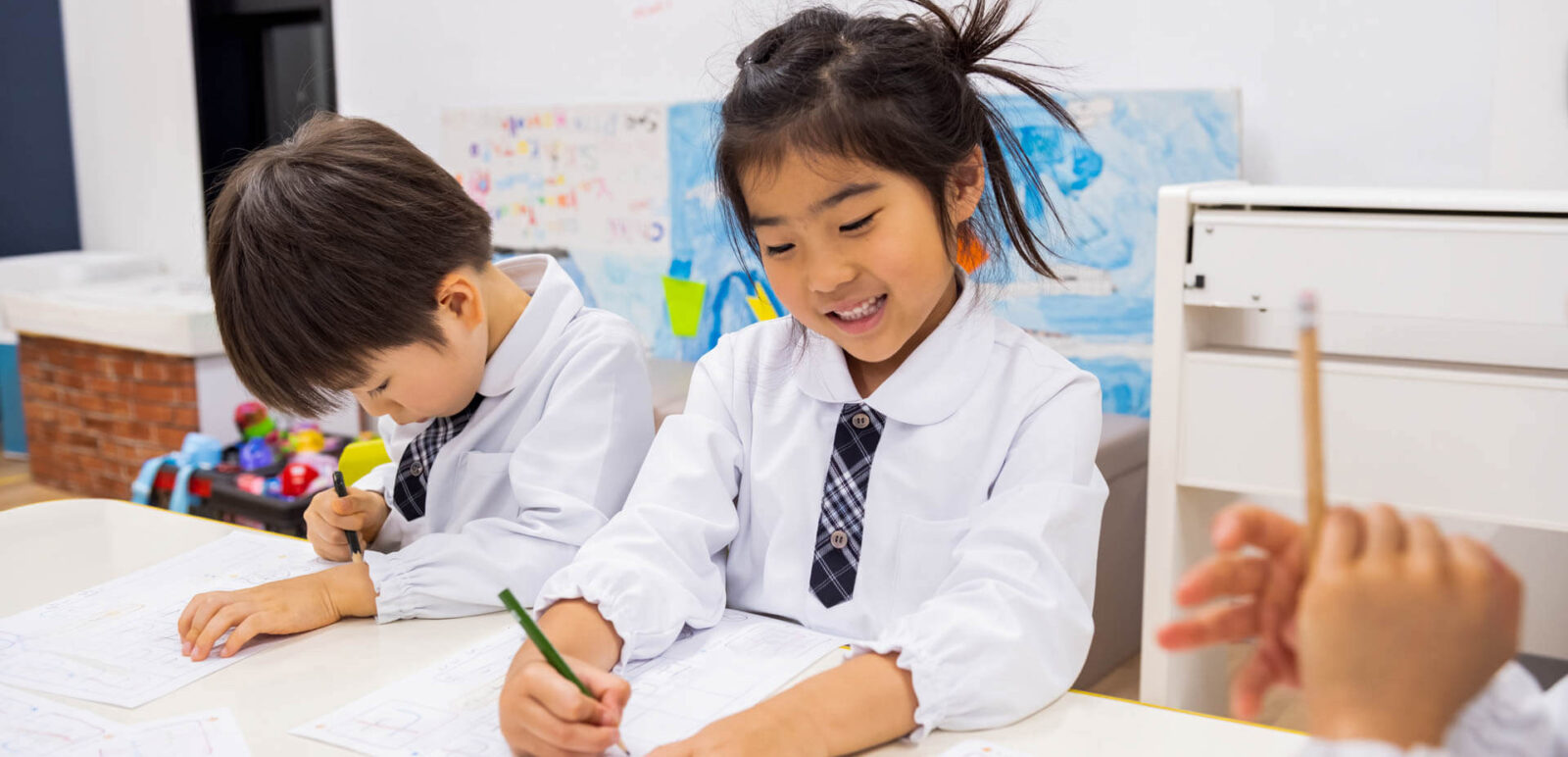
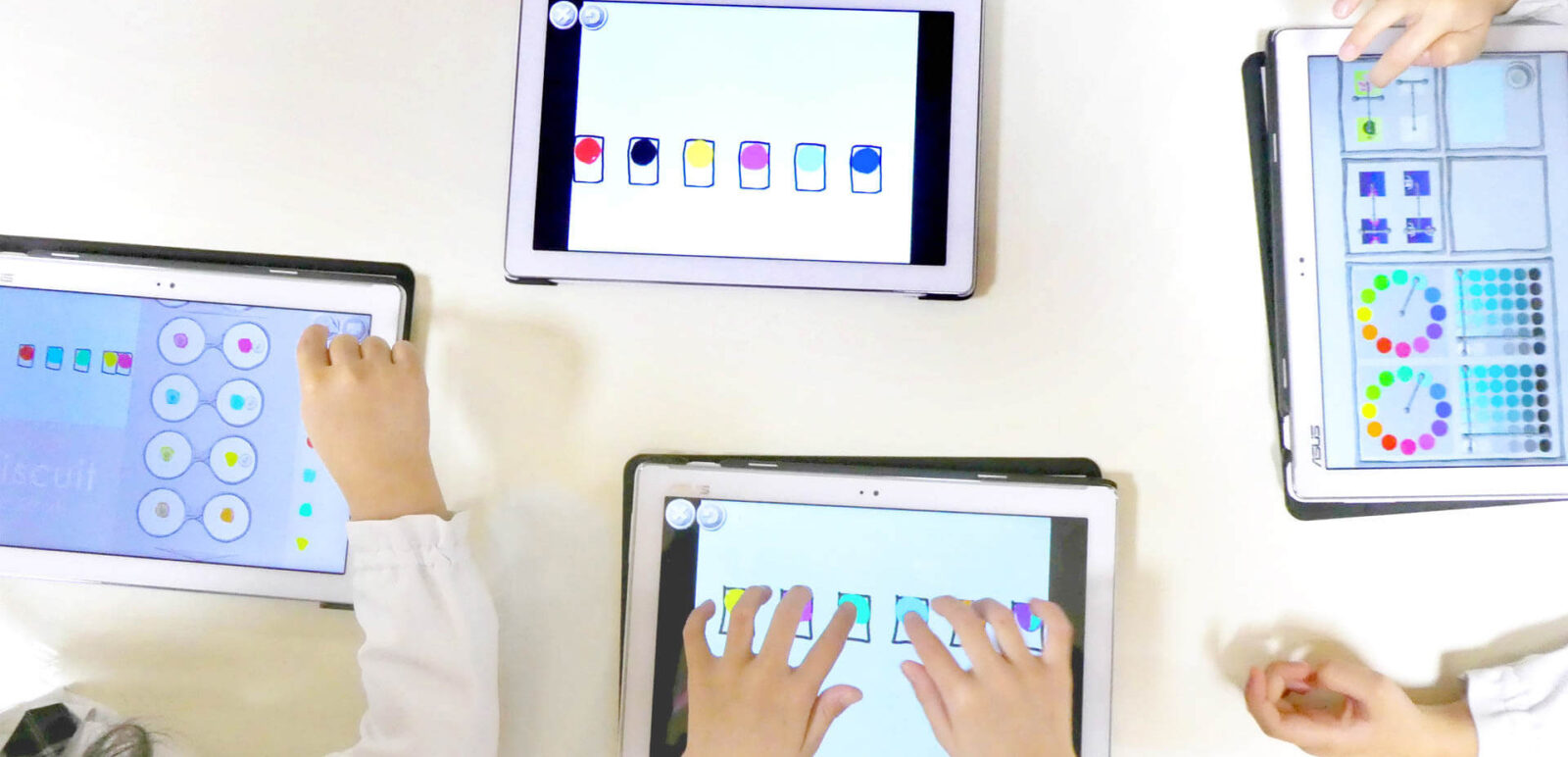
Through "childcare" and "global education" from early childhood, CGK International School nurtures the physical and mental growth of children to provide them with infinite future possibilities. As an IB PYP World School, we offer a high-quality inquiry-based learning curriculum and aim to develop future lifelong learners.
What we nurture in these early childhood years are not only "cognitive skills," which are directly manifested as learning outcomes, but also "non-cognitive skills," such as communication and emotional maturity, which are important throughout the future. As an integrated school that continues through high school, we also focus on social-emotional learning, emphasizing appropriate timing and approach rather than short-term results.
We arouse children's interest and curiosity in new worlds and nurture them to have a truly global perspective.
Fulfilling Childcare & Education Program
At CGK, children are cared for full time from 8:30am to 5:00pm (8:00am to 6:30pm if extended care is included). There are no shorter hours or less than 5 day-a-week courses. (Only 2 year olds can choose from 2-5 days per week.)
While providing attentive care as a preschool, we offer a full curriculum along with a variety of programs, which are of the highest standard in both quantity and quality.
CGK has introduced the IB program, which is highly acclaimed around the world, and as an IB PYP World School, we implement an inquiry-based learning curriculum. One of CGK's founding missions has been to help our children develop a spirit of inquiry, and being an IB PYP World School is very important to us.
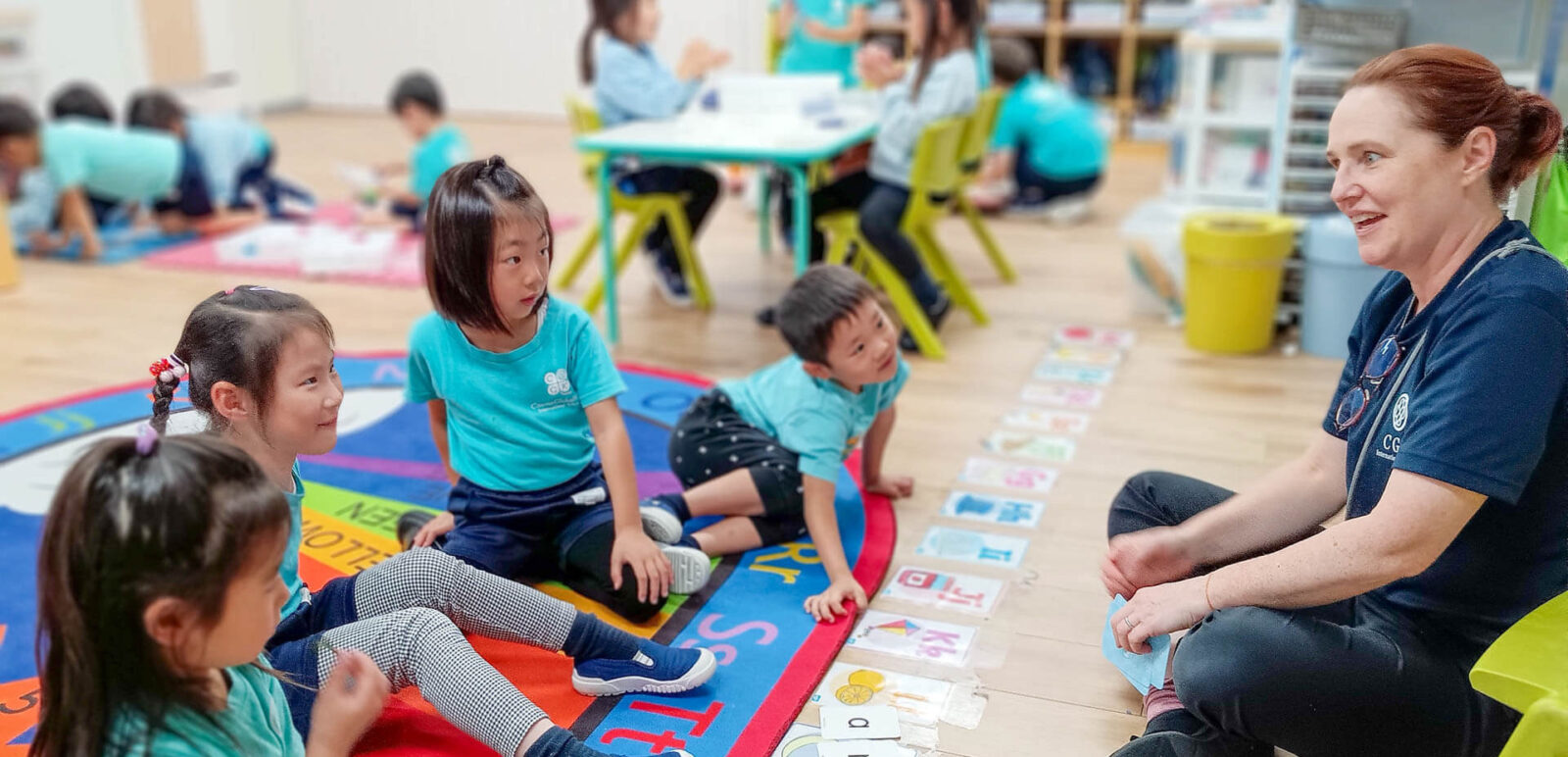
Through the IB transdisciplinary program, children naturally connect and understand the basic knowledge and concepts of multiple subjects without being aware of the boundaries of the subjects. IB is an ideal form of education in which children actively and vigorously enjoy inquiring and learning, rather than the old image of learning in which students sit in chairs and mechanically work on assigned tasks. Because it is student-centered, children naturally deepen their learning as if they were playing.
All of our Japanese teachers are qualified nursery teachers (hoikushi). Appropriate support by highly professional nursery teachers who are familiar with the growth of children in early childhood is very important not only for childcare but also for the quality of education, and we also collaborate with parents appropriately. As a preschool in Japan, we flexibly incorporate the best aspects of both Japan and other countries to provide childcare and education that emphasizes the development of non-cognitive skills based on a foundation that emphasizes children's wellbeing.
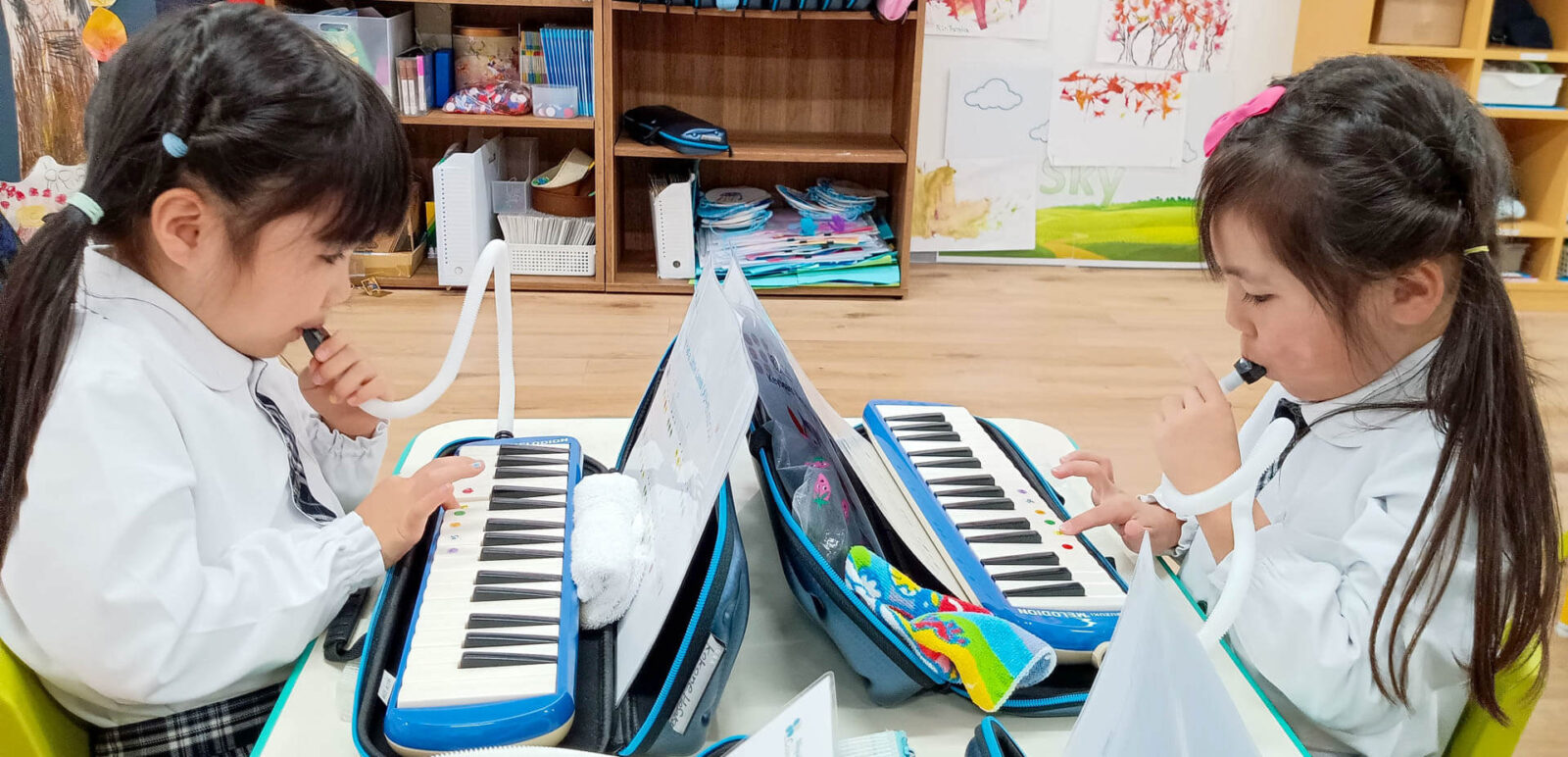
During daily Japanese language classes, children learn what they would learn in a Japanese preschool or kindergarten, such as cooperation, consideration, discipline, manners, etiquette, songs, crafts, musical instruments, and offer seasonal events, in cooperation with non-Japanese classes. With Japanese language time, IB inquiry-based learning is also approached in both English and Japanese to deepen inquiry and understanding.
We have adopted the Singapore Maths curriculum, widely recognized as the best math curriculum in the world. Students who learned Singapore math regularly test the highest in international assessments such as the PISA test.
Our grade aligned math skills take into account the standards of multiple countries, including Japan, and are designed to ensure our students will be well prepared for any academic challenges regardless of where they may continue their learning after CGK.
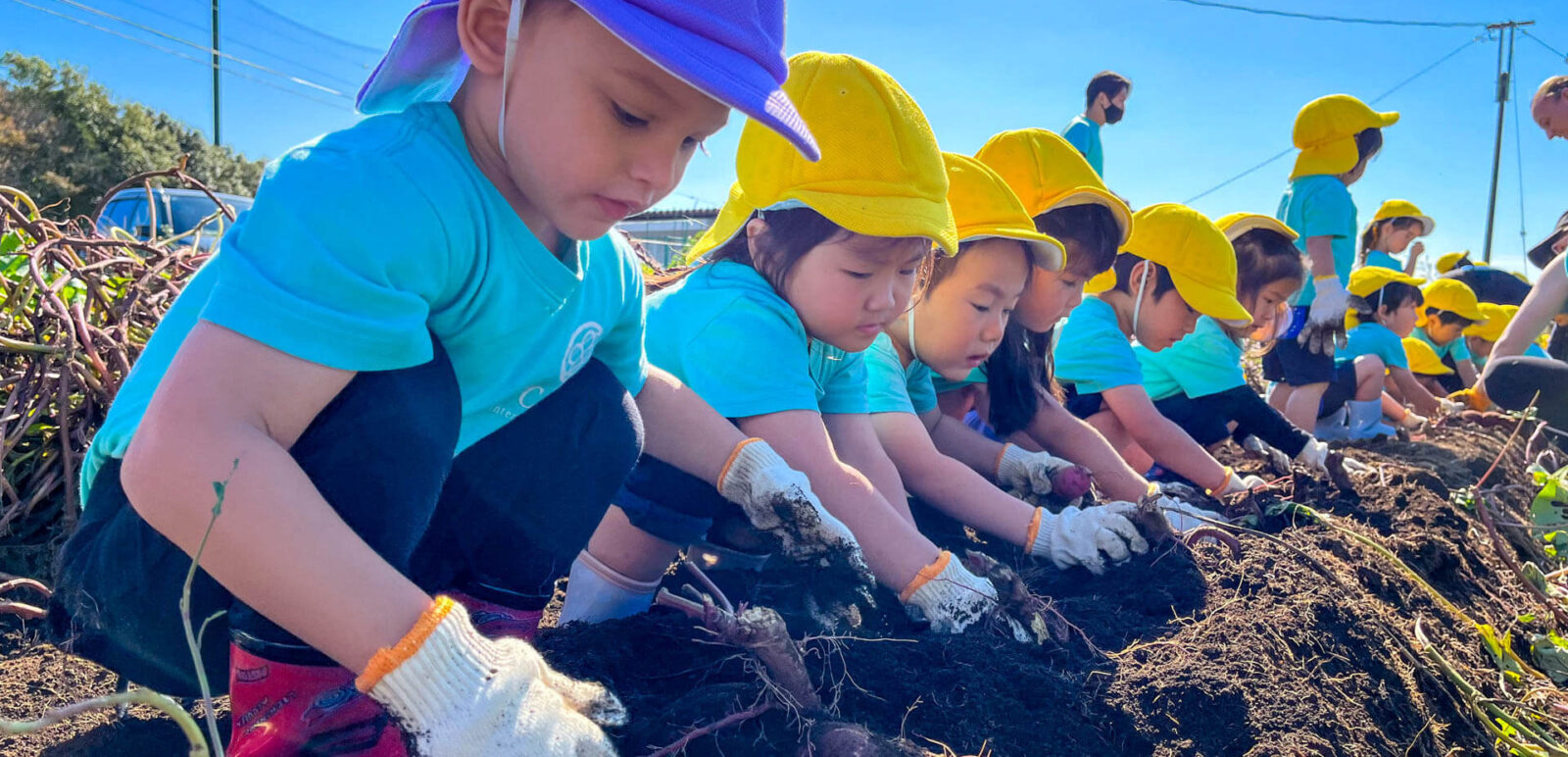
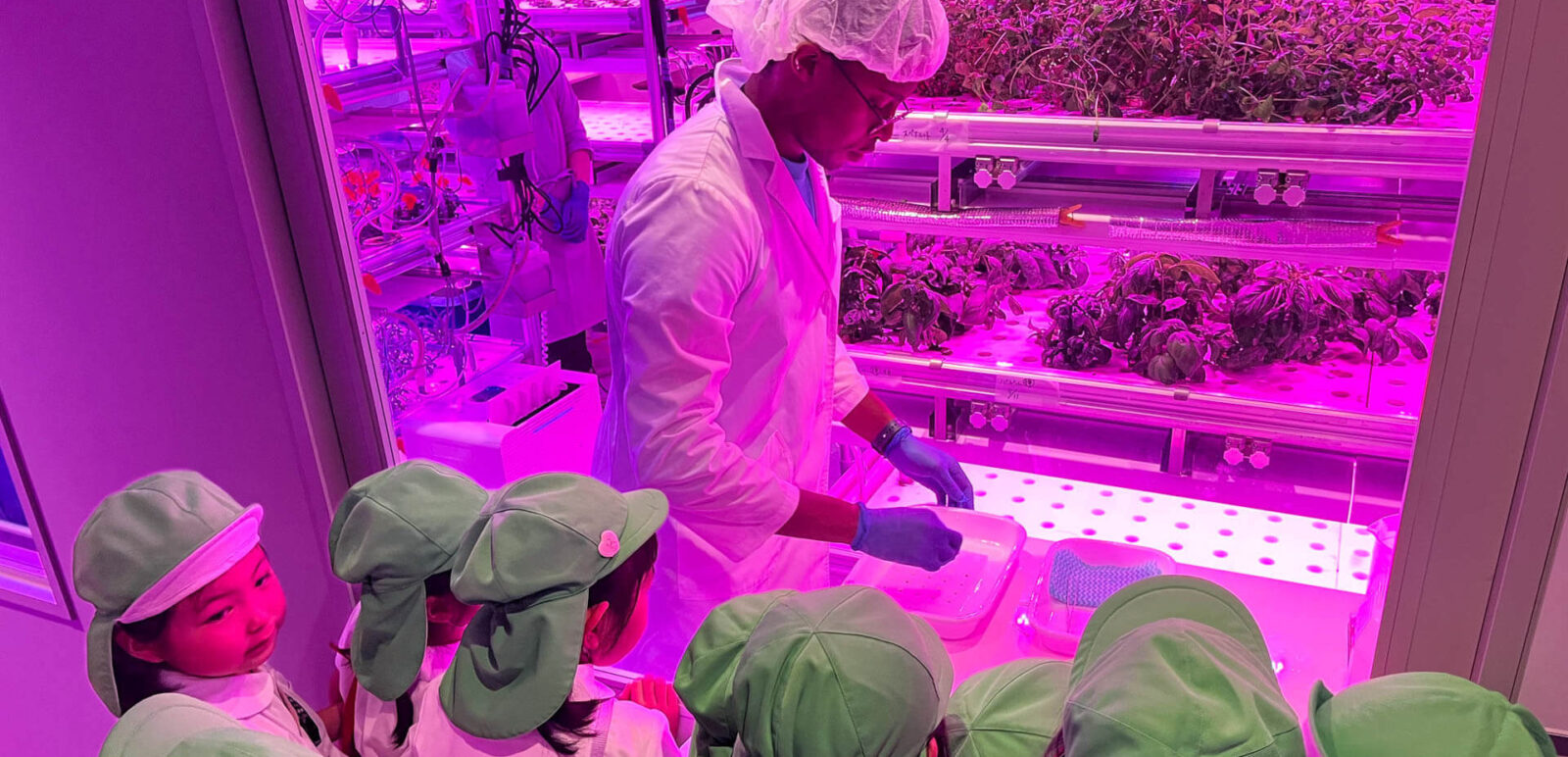
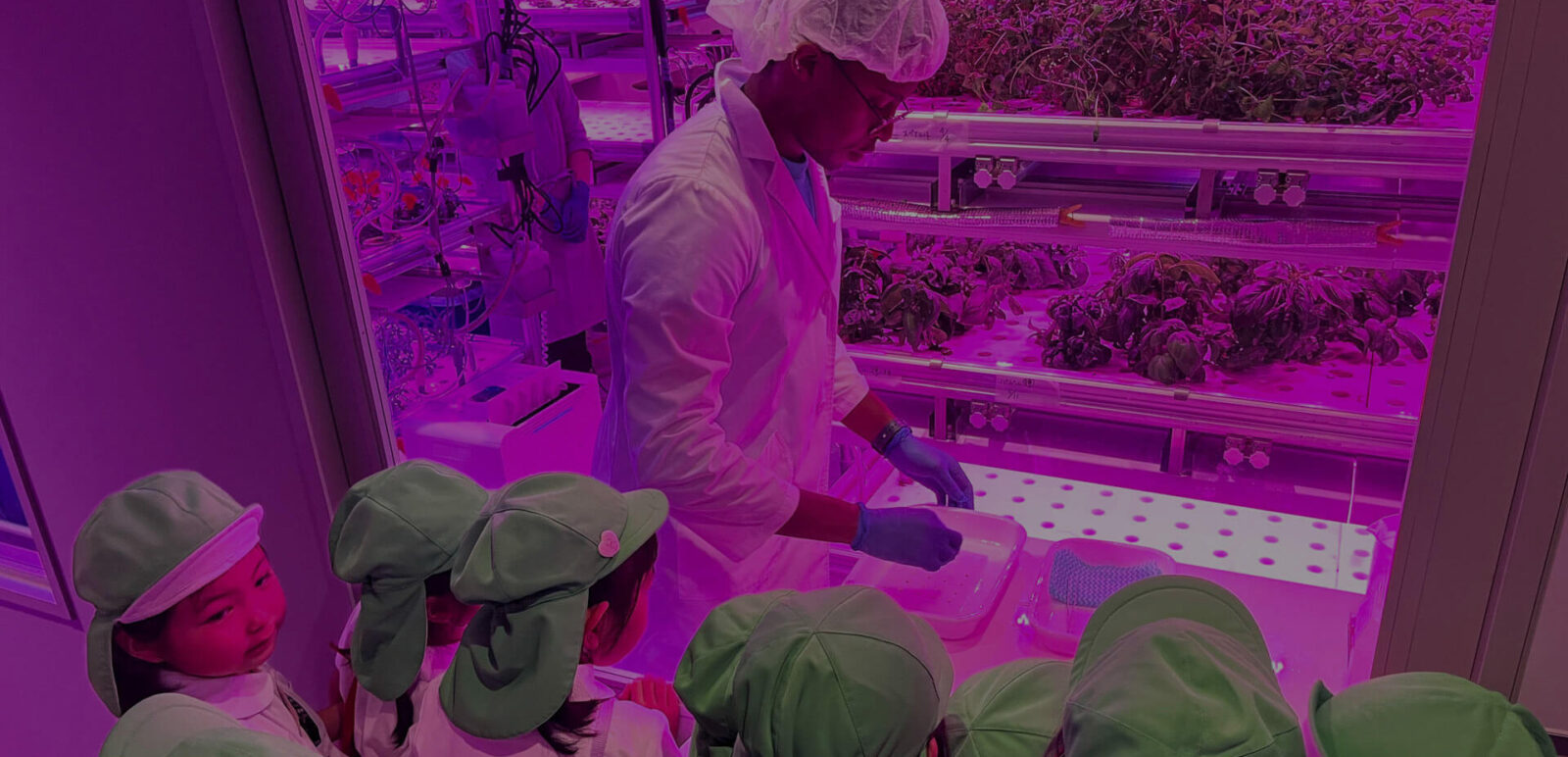
We collaborate with an Italian restaurant and farmers to create food education programs. On a daily basis, we not only teach the importance of food and good manners, but also offer a variety of hands-on experiences.
In the farming experience, we not only enjoy harvesting, but also provide special experiences with an awareness of the aim of each one, such as weed pulling, plowing, planting, cooking with the harvest, and cooking lessons by professional chefs and renting out a restaurant to experience a course meal. Using the example of food distribution from producer to consumer, we are working to deepen understanding of food from diverse perspectives. In a series of activities, we actively incorporate the SDGs into our food education, not only from the perspective of our daily lives, but also from the larger perspective of global issues related to food.
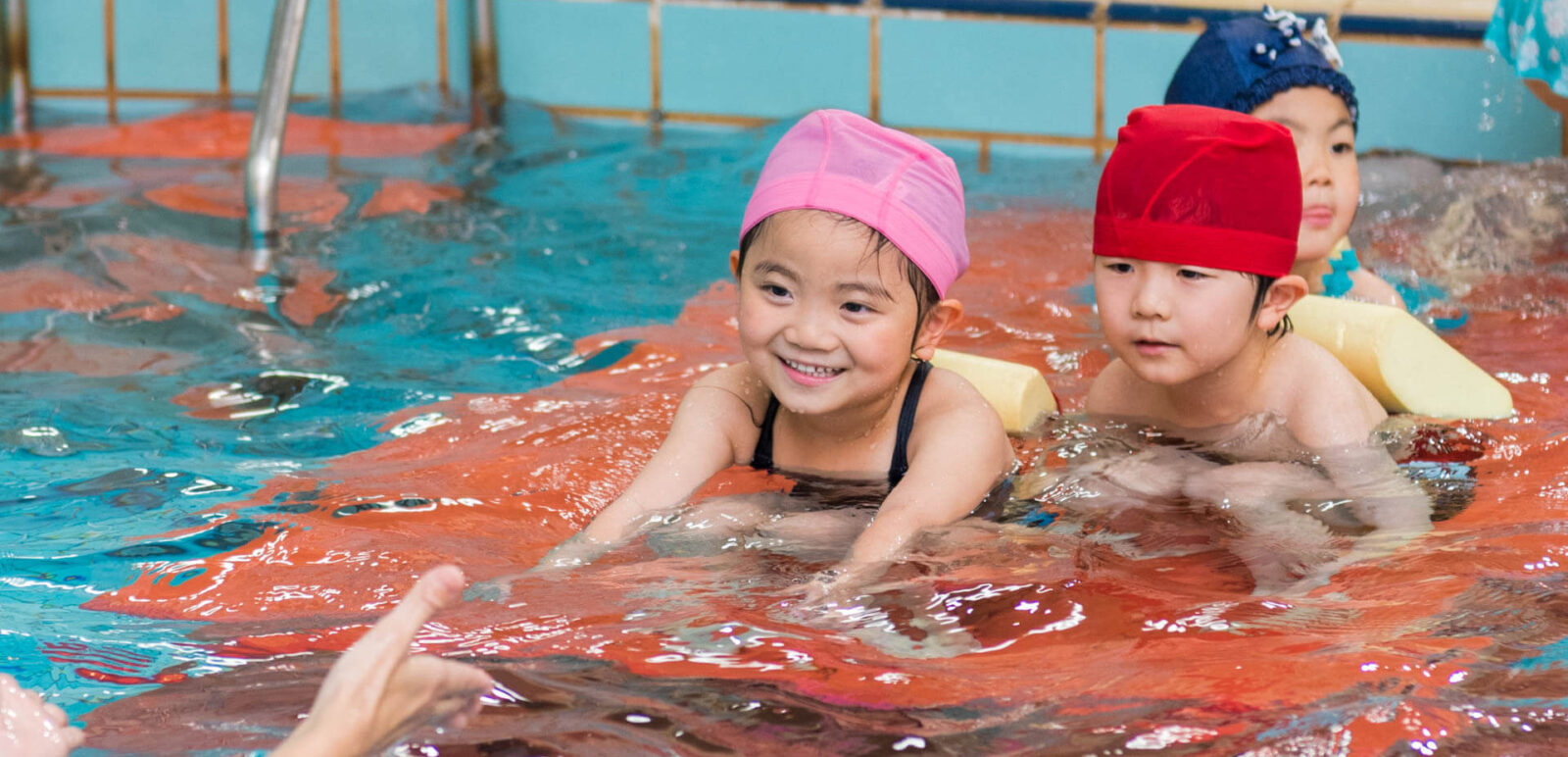
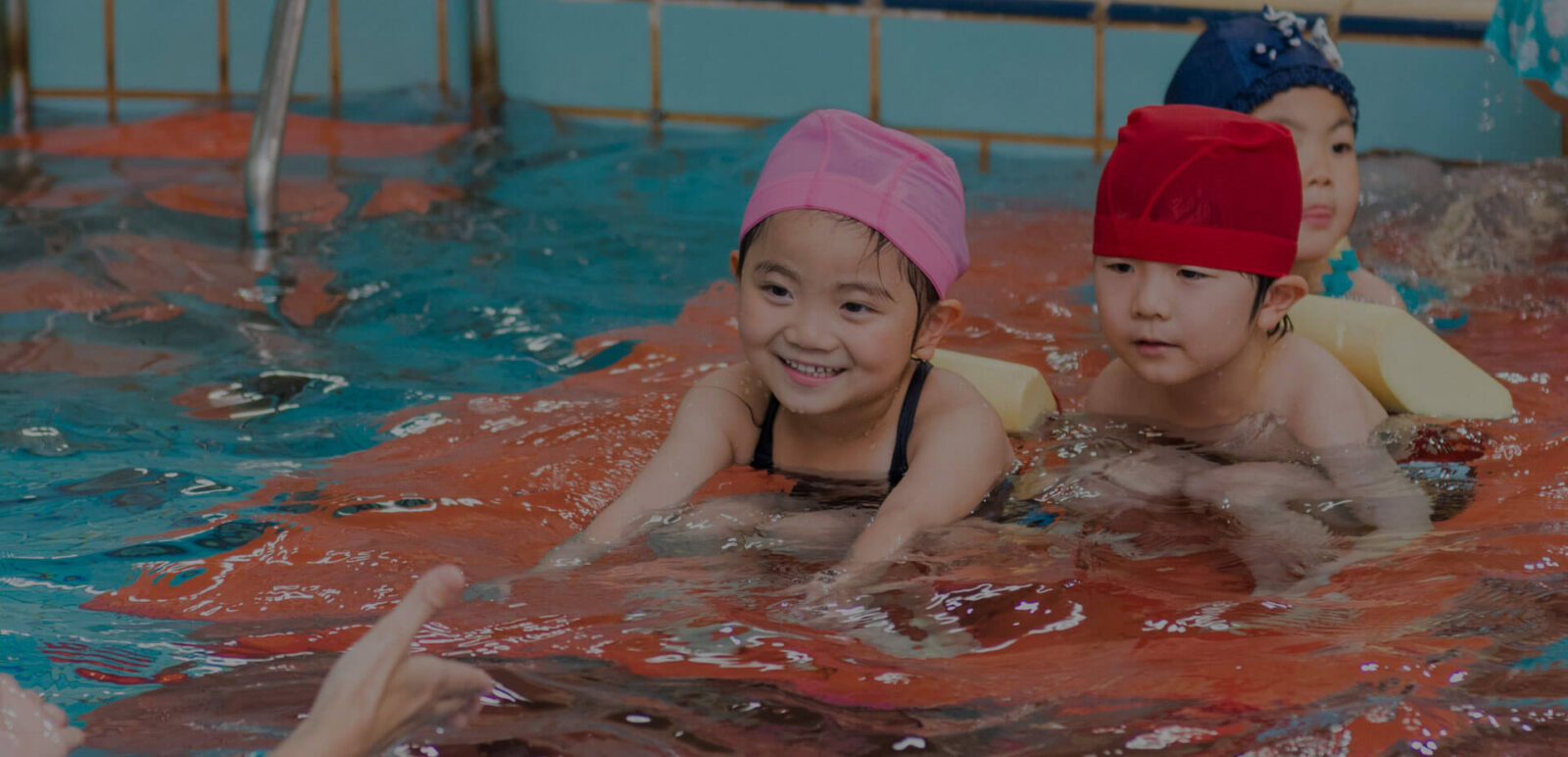
Our P.E. and swimming classes are taught by professional instructors. The P.E. classes are based on the inquiry-based learning of the IB program, rather than just physical exercise and physical fitness.
We also offer year-round private swimming instruction in a heated indoor facility. Through 42 lessons starting at Age 3 class, students will learn the fundamentals of swimming.
Through a variety of events, both large and small, both inside and outside the school, students learn and experience many things that lead to a diverse spirit of inquiry.
These experiences are made possible with the cooperation of the local community (partners) and CGK student's families. We actively incorporates field trips as part of the children's inquiry-based learning, welcoming guest teachers and visiting various locations by school bus to further enhance the education provided to the children.
We offer optional classes after 4:30pm on weekdays to further nurture our children's individuality, abilities, and interests.
Programming and dance are offered in English, and Pygmalion and Ronri Engine are offered in Japanese. Pygmalion uses a math approach, while Ronri Engine uses a Japanese (Kokugo) approach to foster logical thinking. The Ronri Engine helps children attending international schools to further strengthen their Japanese language skills.
We offer a variety of programs to encourage children to become independent, lifelong learners. In addition to educational activities conducted under a student-centered policy on a daily basis, we offer programs such as hiking, international exchange events, Machinaka Ryugaku, overseas tours and short-term study abroad programs for parents and children so that children can gradually step up and become independent according to their level.
We place particular emphasis on our study abroad programs, and while we offer a variety of programs abroad, we strongly recommend going abroad because it gives children the opportunity to experience a new world. Exposure to different values and ways of thinking allows room to think and grow. Many of these programs can be participated in from preschool age.
Unlicensed Nursery School
(Since opening, we have received a Certificate of Compliance according to the "Guidelines for Non-licensed Daycare Facilities" (認可外保育施設指導監督基準 under Ministry of Health, Labour and Welfare) seven years in a row without any written or verbal censure on any point. In the annual on-site inspection, a wide range of checks are carried out, from facility safety standards, disaster prevention, fire prevention, and evacuation drills, health and hygiene management, to the assignment of qualified personnel, guidance plans, childcare records, etc.)
2 year olds: Approx. 36, 3 year olds: Approx. 24, 4 year olds: Approx. 48, 5 year olds: Approx. 24 *Ages as of April 1st *Please note that the number of the capacity is subject to change.
School Days
Monday to Friday
School Hours
8:00-18:30 (Regular school hours 8:30-17:00)
School Holidays
Saturdays, Sundays, National holidays, Golden Week (Approx. 1 week), Summer holidays (Approx. 1 week), Winter holidays (Approx. 1 week), Spring holidays (Approx. 1 week)
Access
<Bashamichi Campus (Age 2 and Age 3 classes)>
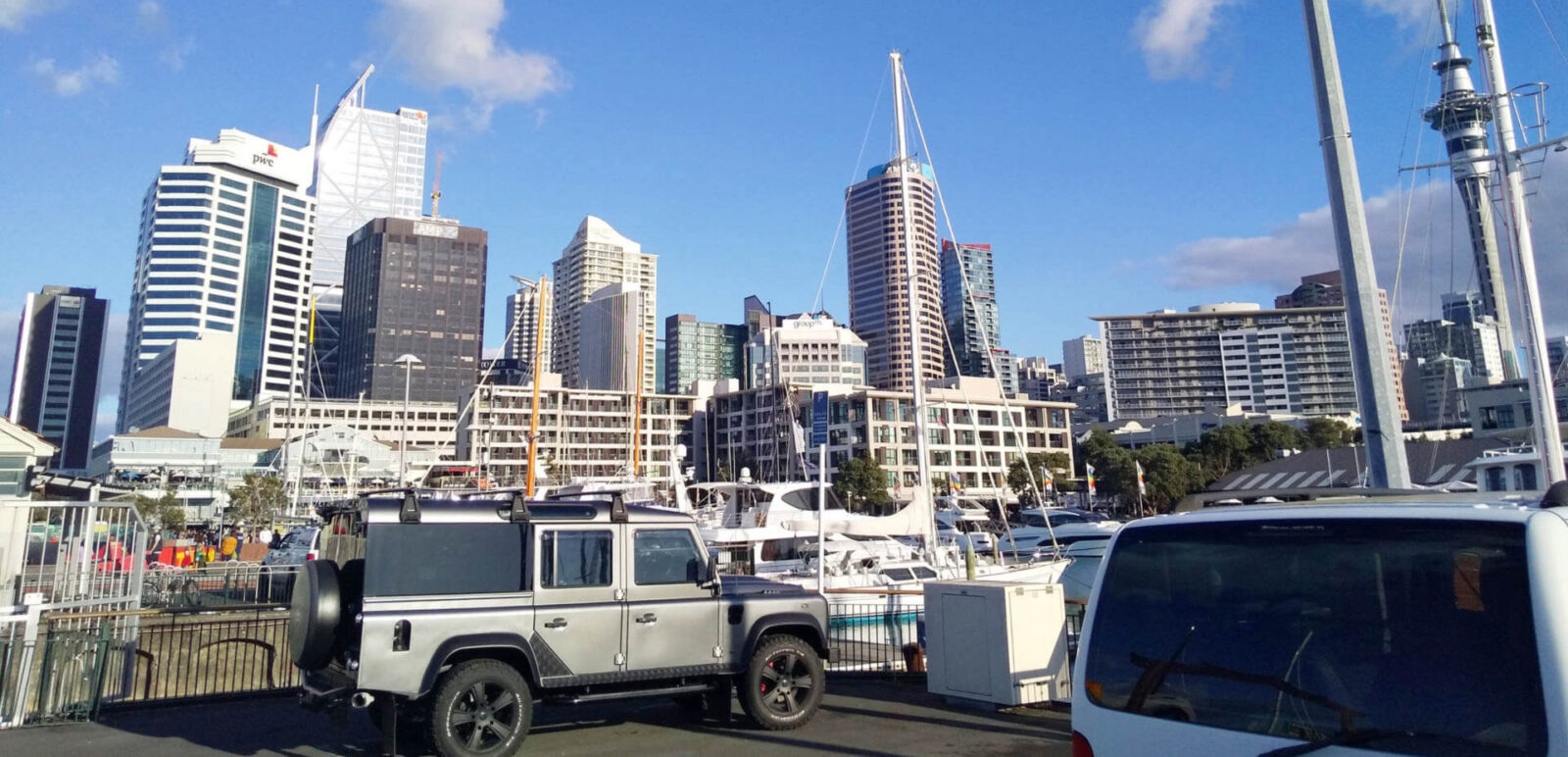
3-minute walk from Bashamichi Station (馬車道駅) on the Minatomirai Line (directly to/from the Tōyoko Line and Fukutoshin Line)
4-minute walk from Sakuragicho Station (桜木町駅) on the JR Keihin-Tōhoku Line
5-minute walk from Kannai Station (関内駅) on the Yokohama Municipal Subway Blue Line
<Kannai Campus (Age 4 and Age 5 classes)>
4-minute walk from Bashamichi Station (馬車道駅) on the Minatomirai Line (directly to/from the Tōyoko Line and Fukutoshin Line)
5-minute walk from Nihon-ōdōri Station (日本大通り駅) on the Minatomirai Line (directly to/from the Tōyoko Line and Fukutoshin Line)
5-minute walk from Kannai Station (関内駅) on the Yokohama Municipal Subway Blue Line
7-minute walk from Kannai Station (関内駅) on the JR Keihin-Tōhoku Line
Other
Uniform, school lunch, bus transportation
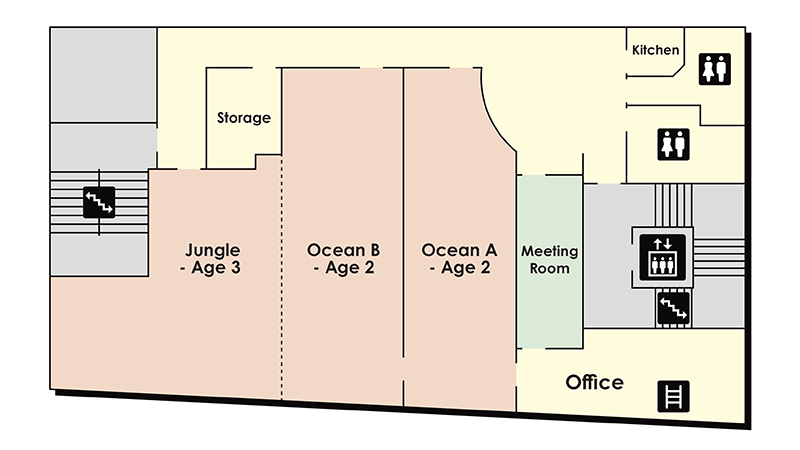
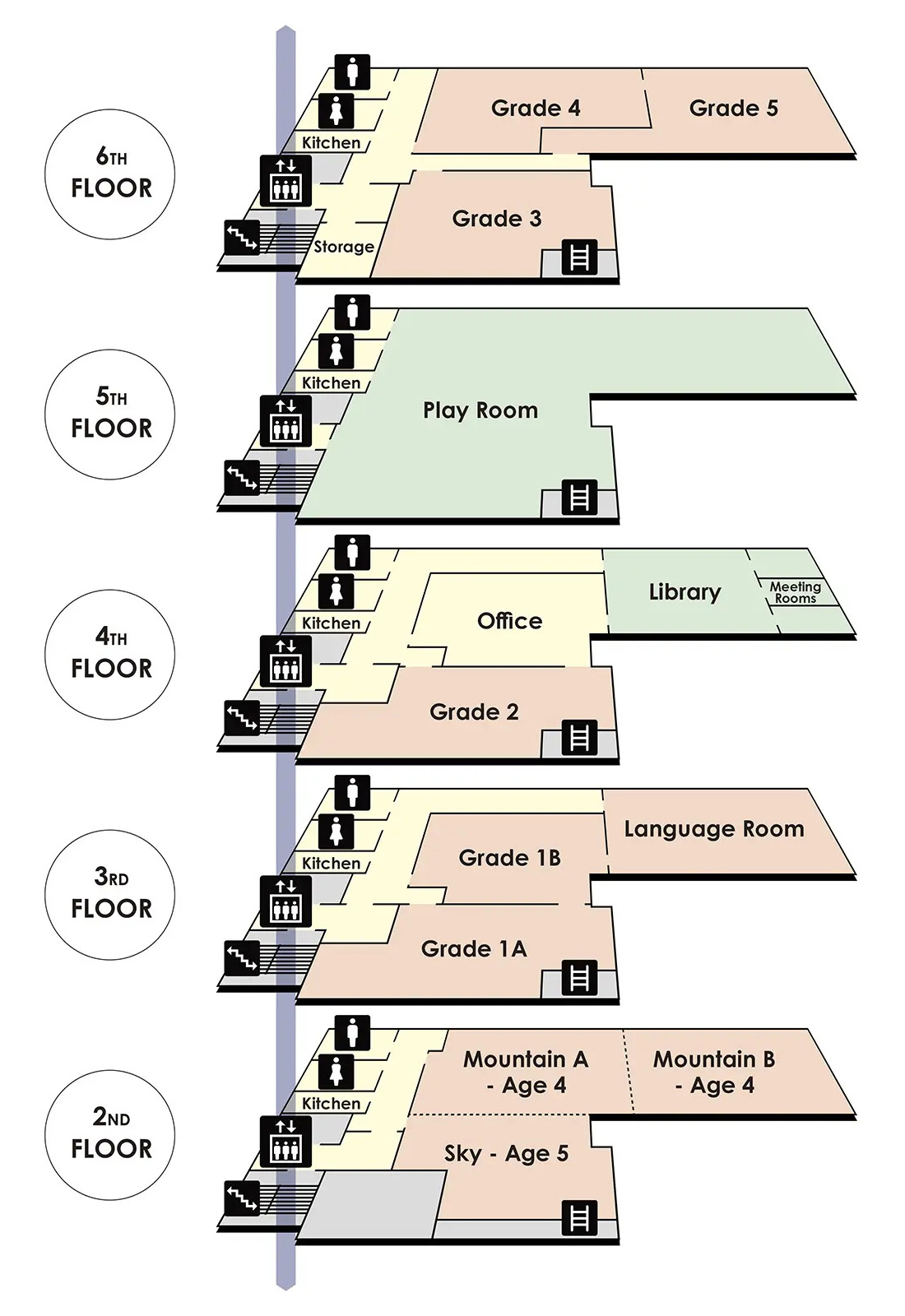
Bashamichi Campus (Age 2 and Age 3 classes) Layout
A new way to revisit this month`s learning: connect 15 words in the CGK Times crossword.
The clues lead back to the articles, from Sky Class`s Egyptian inspiration to plants, animals, teamwork and scientific inquiry. Each language has its own puzzle, so the Japanese and English versions offer different routes through the issue.
Open the web edition to type directly into the squares. You can return to an article when you need a clue and reveal the answers when you are ready.
The images show the puzzle layouts; the interactive version is on our website. Explore at your own pace, on your own or together with someone else.
Choosing a colour, a material or where to put a sticker is part of making an idea visible.
Ocean Class (2-year-olds) has been exploring How We Express Ourselves. In their art activities, children made choices about colours, sizes, positions and even the number of eyes on their creations. They also encountered different ways to express ideas through music, movement and imaginative play.
Using a shared theme still leaves room for different outcomes. Seeing a friend`s work offers another way of approaching the same materials.
We value opportunities for children to try their own ideas and encounter the ideas of others. The process includes making choices, expressing preferences and discovering that there can be more than one way to create.
色を選ぶ。素材を選ぶ。ステッカーを貼る場所を決める。小さな選択も、自分の考えを形にする一歩です。
Oceanクラス(2歳児)は「How We Express Ourselves」を探究しています。製作では色や大きさ、貼る位置、目玉の数まで、自分で考えて工夫。音楽や体の動き、ごっこ遊びなど、さまざまな表現にも触れています。
Moving an adventure forward takes listening as well as imagination.
Afterschool Class D is exploring a role-playing game set in the world the students created. During the adventure, they communicate, read, listen, respond to characters and follow the story as it develops. They also solve puzzles and think on their feet when something unexpected happens.
These actions give language and cooperation a purpose within a shared activity. Each student`s ideas and personality can contribute to what happens next.
The laughter is part of the experience too. As the adventure continues, the students have opportunities to enjoy one another`s ideas while working through challenges together.
Make a winter festival, build a movie theater with friends or head out for a day of snow play. Join us for five days of hands-on activities in English at CGK International School`s Kannai Campus in Yokohama.
Open to Grades 1–6 with basic conversational English. Choose any day that works for you.
Dec 21 | Create a winter festival inspired by traditions around the world Dec 22 | Train trip to Shonan Asobimare for snow play and sledding Dec 23 | Set up a festive movie theater with your team Dec 24 | Christmas Eve costume party and crafts Jan 4 | Bus trip to Tondemi Heiwajima (@tondemi_namco) for indoor athletics
Apply via LINE. The Jan 4 trip has an early application deadline of Dec 24 at 5:00 pm JST.
See the link in our profile or scan the QR code on the poster for details.
Young children`s first explanations give us something valuable to explore together.
Jungle Class (3-year-olds) has been investigating living and non-living things. Ideas about whether something moves, grows or needs food led to more questions. Teachers helped children reconsider their explanations by asking about what a living thing needs.
Jungle A planted seeds and began observing changes. In Jungle B, children sorted pictures, considered needs and explored life cycles through stories and activities.
Comparing ideas with what they observe helps children develop their understanding. There is value in returning to a question, noticing a change and being willing to revise an explanation.
How an activity is organised shapes how much opportunity children have to take part.
For Elementary and Middle School Sports Day 2026, two games will run at the same time. Teams will swap games after each match, with a rotation designed to reduce waiting and give every child opportunities to participate.
Our Physical Education approach values enjoyment of movement, independence and cooperation across ages. “I dare to do it,” “I can do it” and “I know how to do it” describe different stages of that learning.
Planning participation is part of supporting those stages. Alongside the games themselves, we are thinking about the time and opportunities children have to try, practise and work with others.
A question becomes an inquiry when children have ways to investigate it.
Sky Class (5-year-olds) has been exploring a cycle of predicting, trying and reflecting. Outdoors, children used magnifying glasses to look closely, opened reference books and compared what they noticed with friends.
Mountain Class (4-year-olds) has been investigating plants, growing daikon cress and considering what plants need. Looking after something over time gives children changes to notice and ideas to revisit.
At home, a simple invitation such as “What do you think?” or “How could we find out?” can make room for that thinking. Curiosity has somewhere to go when children can observe, investigate and talk through what they find.
Understanding a study-abroad destination includes knowing what daily school life and support will look like.
This November, CGK is holding two information sessions for current CGK families, with international-student staff from partner schools in New Zealand joining online. Glendowie College will introduce its school and study opportunities on November 16, followed by Gulf Harbour School and short-term study on November 27.
Families can hear directly about the learning environment, everyday life and support for international students. These conversations are part of how CGK helps families consider options that fit their child`s stage and interests.
Participation is limited to current CGK families. This post introduces that provision; session information and application details are shared with our families through Toddle.
At Nogeyama Zoo, a question about turtles became a chance to connect classroom learning with the world outside.
Mountain Class (4-year-olds) explored how animals behave and adapt to their habitats. A child`s question about the difference between a turtle and a tortoise led to investigating life in water and on land.
Back at school, children chose ways to represent what they had observed, using clay, drawings or toy figures. Observation and expression were connected, with space for each child to choose a method.
A conversation at home can extend that learning: which animal surprised them, and what did they notice about how it lives? A shared question can open up more to explore.
What happens when students want to keep working on a project after its original time has ended?
During the Summer School period, Afterschool Class D began a mini project to create their own countries. The students wanted to continue, so the idea became a Student Choice project. As they developed their countries in detail, a rich and varied world took shape.
That shared world then became the setting for a role-playing adventure, with characters created by the students themselves.
Following an interest over time gives ideas room to develop. In Class D, the children`s choices helped connect one project to the next, and their different ideas became parts of a world they could explore together.
A classroom inquiry can become the starting point for something children make together.
Sky Class (5-year-olds) drew on their learning about Egypt to create sarcophagus-shaped bowling pins for the School Festival. They collected recyclable materials, shared ideas and added their own details as they worked.
Jungle A Class (3-year-olds) brought a familiar story to life through a Humpty Dumpty game, making eggs, horses and a brick wall. Their seasonal art activities also offered opportunities to explore colours and materials.
These projects gave children a purpose for revisiting what they knew and turning an idea into something others could enjoy. Their choices and contributions were part of the making process.
Five of the games at this year`s Elementary and Middle School Sports Day began with our students` ideas.
Working in small groups during PSPE lessons, students developed games including Sharks and Treasure, Blind Mail and Dangerous Pizza Delivery. Creating a game gives them a reason to explain an idea, listen to other suggestions and work together to refine it. Communication, social skills and critical thinking are part of the process.
At CGK, the learning behind Sports Day includes the thinking and collaboration that happen before the event. The students` ideas will become activities for their school community to enjoy together.
Sports Day is an event for the CGK community only.
Join us at our Kannai campus on Sunday, November 8. Explore our approach to education, curriculum, school life, tuition and admissions, whether you are ready to apply or still considering your child’s next step.
PRESCHOOL (ages 2–5) 9:00–10:30am — Japanese 11:15am–12:45pm — English / Japanese
ELEMENTARY & MIDDLE SCHOOL 9:00–11:00am / 2:30–4:30pm Both sessions: English / Japanese
Venue: CGK Kannai Campus, Yokohama Advance registration required. Check your program and session on our website: cgkis.com.
Yokohama Excellence ( @yokohamaexcellence_official) is a professional basketball club based in Yokohama. CGK International School is a Gold Partner for the 2026-27 season.
On October 17, CGK students, families and staff joined local supporters at Yokohama Budokan for CGK International School presents: Yokohama Excellence vs Gifu Swoops. Excellence took the win, 96-86!
Cheering clappers, a school-bus papercraft and an exploration game set in Yokohama brought a little of CGK’s playful spirit to the day. For our tenth anniversary, it was a chance to enjoy making, cheer together and connect beyond the classroom.
Thank you to everyone who joined us, and to the Yokohama Excellence team. See the photos and the story behind the day on our blog.
A rocket and a castle: the inquiry behind the work.
Rocket movement and the history of Japanese castles may seem unrelated. In CGK Afterschool miniprojects, a programme for Grades 1–9, both became investigations of how researched ideas could be represented.
A student researching rockets explored energy and escape velocity. In the model, reversing the direction of the current reversed a motor to represent launch and landing. This was a representation of movement, not a model that could travel into space.
A group building a castle investigated Japanese history, architecture, clan crests and culture. Behind the finished work were research and decisions about how to express what they had learned.
Classrooms become haunted houses—and taking the stairs becomes a challenge!
At CGK School Festival 2026 on 24-25 October, Middle School students in Grade 6 and Grades 7/8 are preparing The Haunted 9th Floor. Discover their student-created experiences and join the Step Challenge.
G6 | The Haunted 9th Floor Grade 6 is transforming classrooms and corridors into a spooky walkthrough. Visitors will move through themed areas featuring decorations, student actors, sound effects, lighting and surprises designed to create a fun and frightening festival experience.
G7/8 | The Haunted 9th Floor G7/8 students will create a haunted house in their classrooms and corridor, with themed areas including eyes, spiders, the ocean, jump scares, lightning and trypophobia. The students are designing all the stories, rules and decorations themselves. Visitors can also make their own magnets at the gift shop.
Step Challenge Elevators get crowded during School Festival, so please use the stairs! Climbing up to the 9th floor can be tiring, but make it fun with our Step Challenge! Anyone with a smartphone step counter can join. The person who takes the most steps that day wins a prize!
──────────
教室が、お化け屋敷に。階段移動も、チャレンジに。
10月24日(土)・25日(日)のCGK School Festival 2026では、中等部のG6・G7/8が「The Haunted 9th Floor」を準備中。生徒たちがつくる仕掛けと、会場を歩いて楽しむStep Challengeをご紹介します。
G6 | The Haunted 9th Floor G6が教室や廊下を、不気味なウォークスルー型のお化け屋敷に変身させます。テーマごとに装飾されたエリアを進みながら、生徒たちによる演出や効果音、照明、思いがけない仕掛けを体験できます。楽しくもちょっぴり怖い、スリル満点のフェスティバル体験をお楽しみください!
G7/8 | The Haunted 9th Floor G7・G8の生徒たちが、教室や廊下を使ってお化け屋敷を作ります!目玉やクモ、海、突然驚かせる仕掛け、雷の演出、集合体恐怖症をテーマにしたエリアなど、さまざまな恐怖が待ち受けています。ストーリーやルール、装飾全てを生徒たちで考えたお化け屋敷をお届けします。 出口のギフトショップでは、オリジナルマグネット作りも楽しめます!
Step Challenge School Festivalではエレベーターの混雑緩和のため、階段の利用にご協力ください!9Fまでの階段移動は大変ですが、楽しみながら挑戦できるStep Challengeを開催!スマホの歩数計があれば誰でも参加OK。当日最も歩いた人には賞品をプレゼント!
Details via the link in our profile. / 詳しくはプロフィールのリンクから。