











Time Memorial Day: Why Being on Time Matters
Preschool
June 11, 2017
June 10 is Japan’s Time Memorial Day.
The lesson introduced the water clock associated with Emperor Tenji, who is also known for the Taika reforms, and the bells used to announce the time.
The date commemorated is June 10, 671, when that clock marked the time and a bell was sounded.
Day One
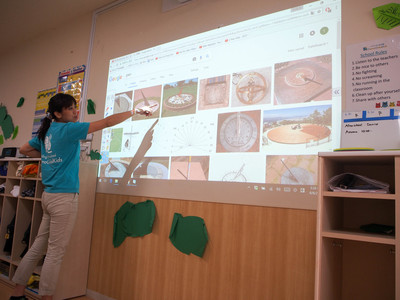
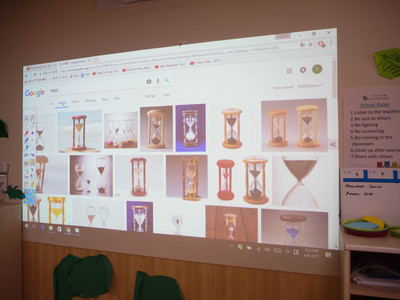
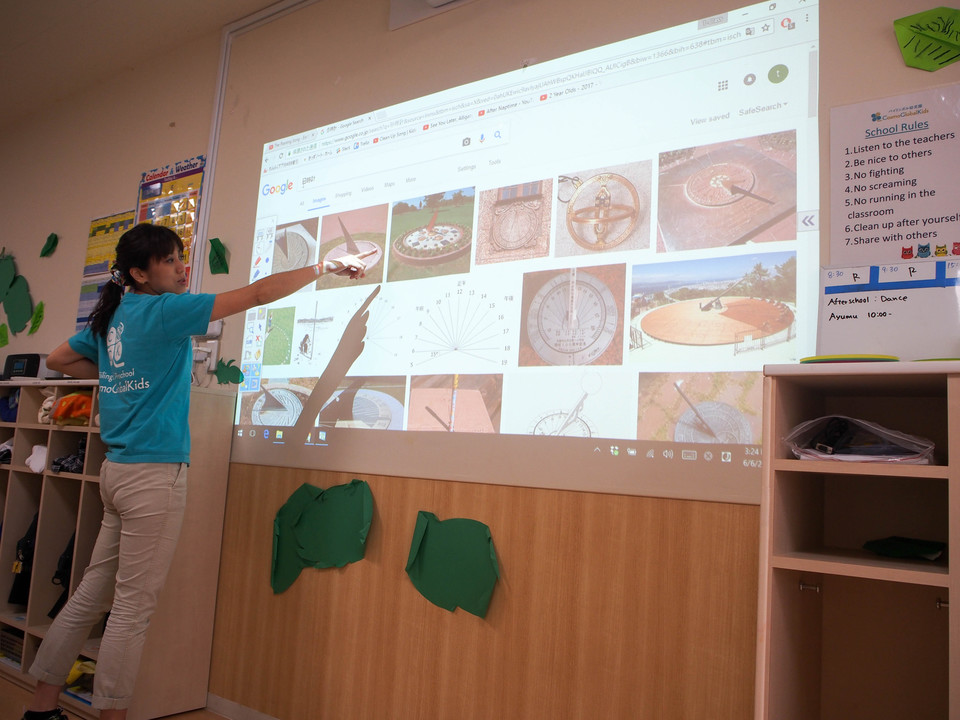
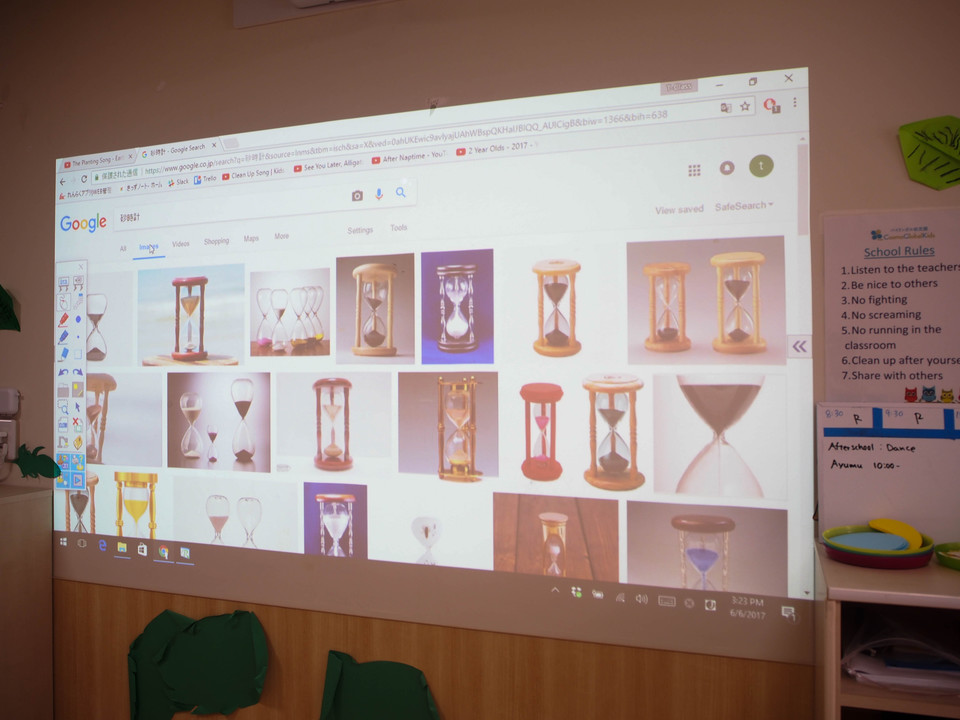
We began by learning about different kinds of clocks.
These included wristwatches, sand timers, sundials and water clocks.
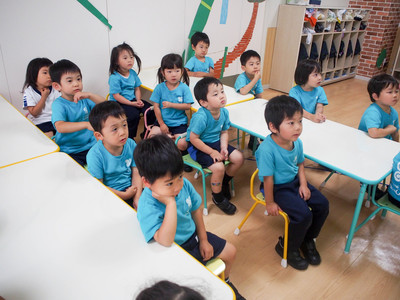
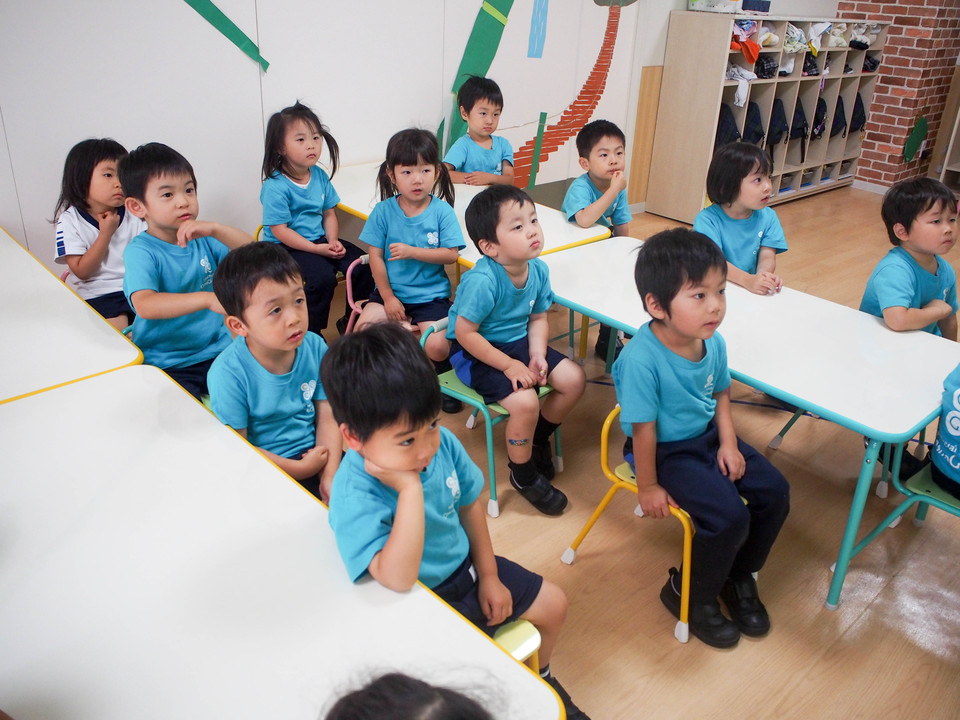
We asked what would happen if there were no clocks and we could not tell the time. One child answered, “We wouldn’t know when the school bus comes!” Children who used the bus understood why missing it would be a problem. We connected this with arrival time, meals and waking from naps, learning that clocks help us follow the times set for daily activities.
Day Two
The second day was for making clocks.
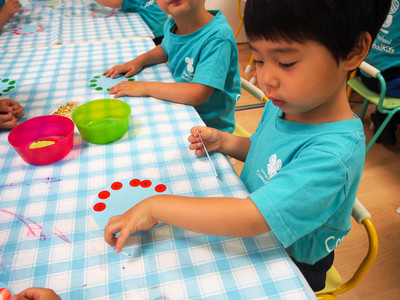
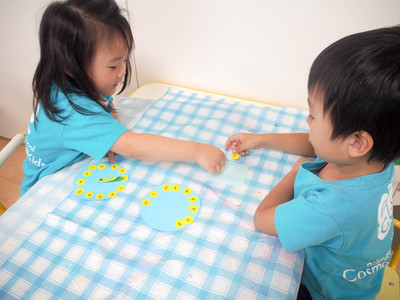
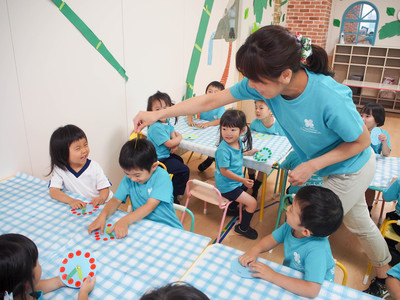
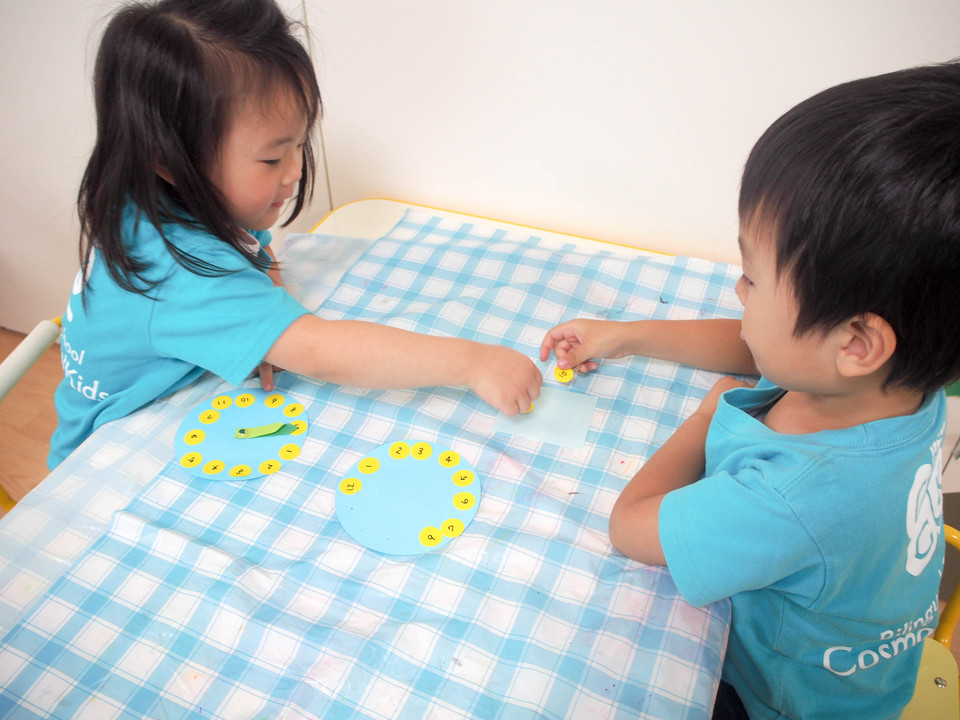
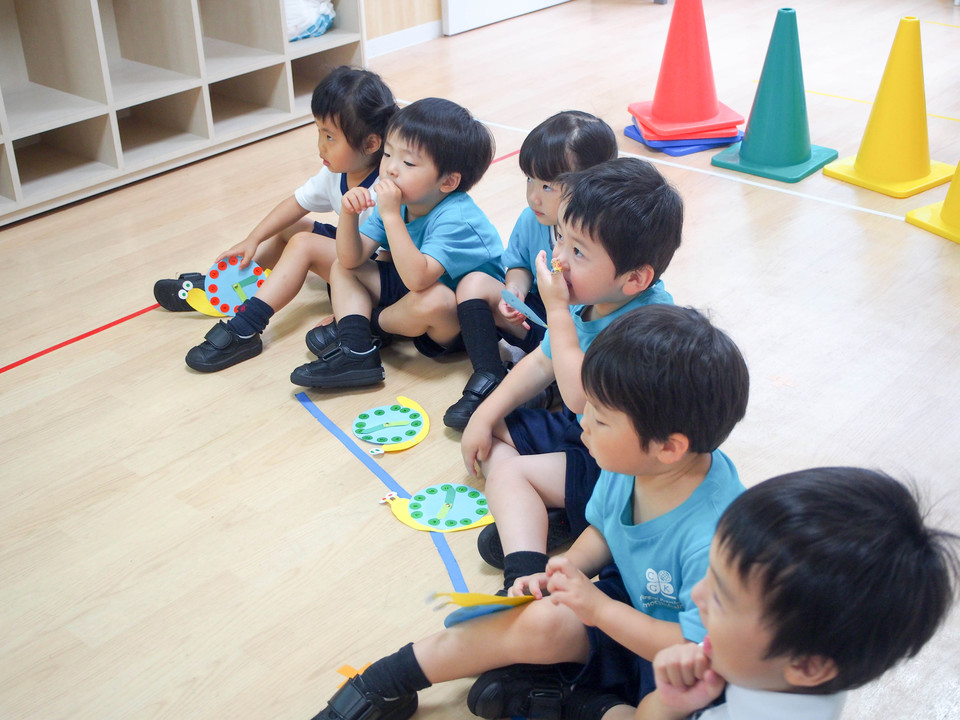
First, the children placed number stickers on the faces, checking that 12 was at the top and adding the others in order. Some helped their friends. Once the hands were attached, they began turning them and playing together: “It’s lunchtime!” and “What time is it?” Adding bodies and eyes turned the clocks into snails. The children moved them around and sang a snail song.
Day Three
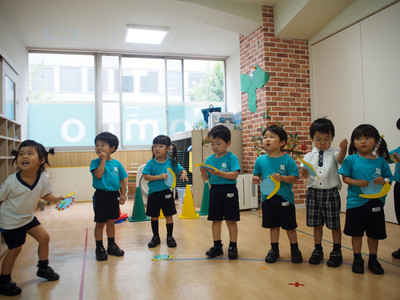
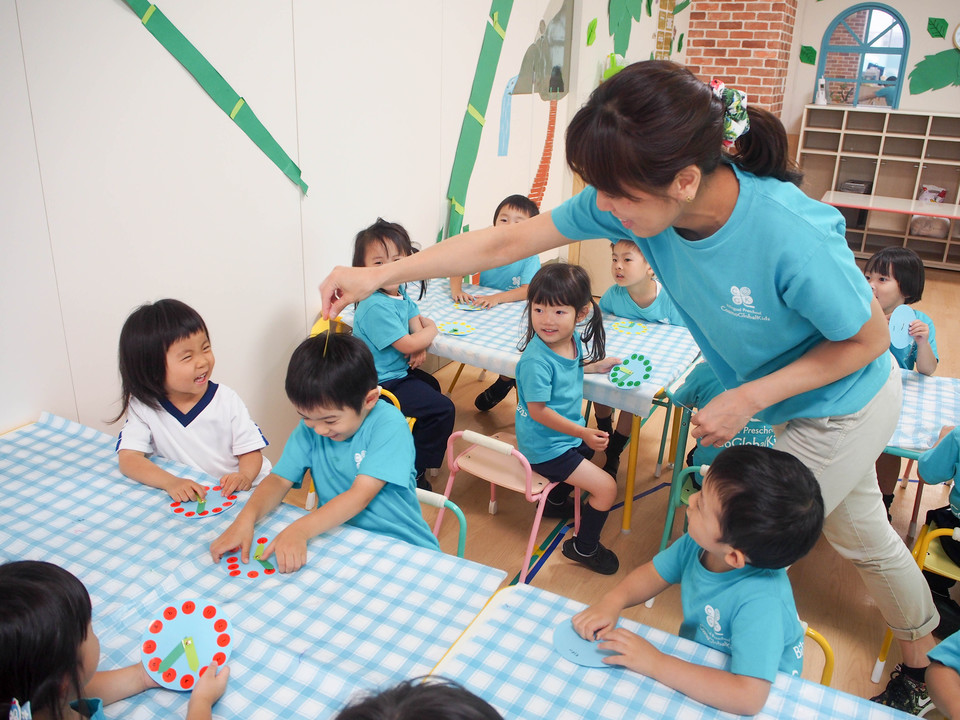
Using their handmade clocks, the children moved the hands together to explore what we do at different times.
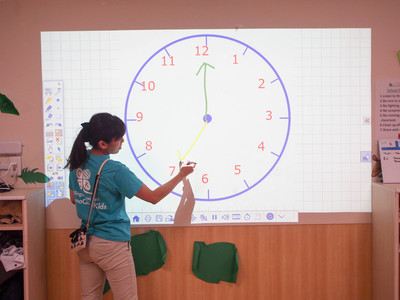
“With the long hand at 12 and the short hand at 7, it is seven o’clock. That is when I eat breakfast,” said the teacher, and everyone pretended to eat.
Next came half past nine, with the long hand at 6 and the short hand between 9 and 10. That was circle time, so we sang our Hello Song.
The children became absorbed: “What happens next?” and “Are my hands in the right place?”
They were not yet able to read a clock independently, but moving their own clock hands helped them understand that the directions of the long and short hands tell us the time.
Day Four
On the final day, the children took their clocks home.
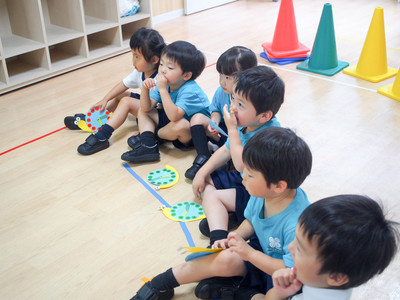
We reviewed why being on time matters. If they kept playing and missed a bus or train, they could be late for school. Their parents or guardians might also be late for work or face other difficulties.
As three-year-olds begin noticing more about those around them, we wanted to show that being late can affect not only themselves but also the people they love.
Reading a clock was still difficult, but Time Memorial Day gave us a valuable opportunity to think together about time and why it matters.
The lesson introduced the water clock associated with Emperor Tenji, who is also known for the Taika reforms, and the bells used to announce the time.
The date commemorated is June 10, 671, when that clock marked the time and a bell was sounded.
Day One
We began by learning about different kinds of clocks.
These included wristwatches, sand timers, sundials and water clocks.
We asked what would happen if there were no clocks and we could not tell the time. One child answered, “We wouldn’t know when the school bus comes!” Children who used the bus understood why missing it would be a problem. We connected this with arrival time, meals and waking from naps, learning that clocks help us follow the times set for daily activities.
Day Two
The second day was for making clocks.
First, the children placed number stickers on the faces, checking that 12 was at the top and adding the others in order. Some helped their friends. Once the hands were attached, they began turning them and playing together: “It’s lunchtime!” and “What time is it?” Adding bodies and eyes turned the clocks into snails. The children moved them around and sang a snail song.

Day Three
Using their handmade clocks, the children moved the hands together to explore what we do at different times.
“With the long hand at 12 and the short hand at 7, it is seven o’clock. That is when I eat breakfast,” said the teacher, and everyone pretended to eat.
Next came half past nine, with the long hand at 6 and the short hand between 9 and 10. That was circle time, so we sang our Hello Song.
The children became absorbed: “What happens next?” and “Are my hands in the right place?”
They were not yet able to read a clock independently, but moving their own clock hands helped them understand that the directions of the long and short hands tell us the time.


Day Four
On the final day, the children took their clocks home.
We reviewed why being on time matters. If they kept playing and missed a bus or train, they could be late for school. Their parents or guardians might also be late for work or face other difficulties.
As three-year-olds begin noticing more about those around them, we wanted to show that being late can affect not only themselves but also the people they love.
Reading a clock was still difficult, but Time Memorial Day gave us a valuable opportunity to think together about time and why it matters.