











What Keeps a Clock Ticking?
Preschool
June 16, 2017
One morning, the clock in Jungle class (three-year-olds) was running slowly because its battery was nearly flat.
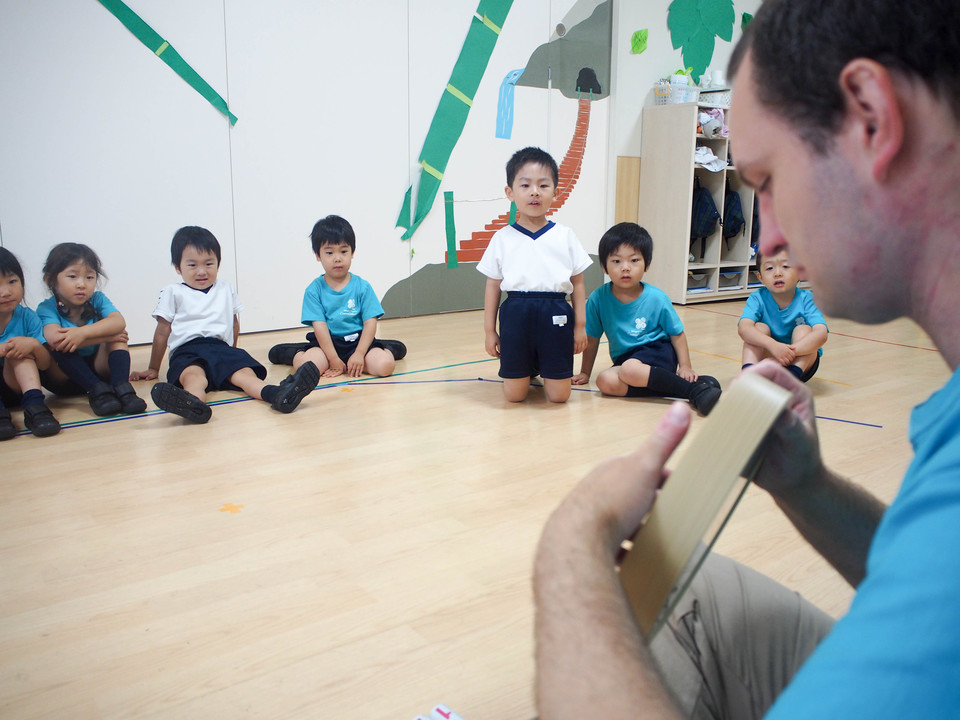
Seeing a learning opportunity, Kevin decided to talk about clocks and batteries during circle time.
He showed the children the clock and its slow-moving hands, then asked what a clock needs to work.
To make the question more familiar, he asked what the children need to move and feel energetic. They answered, “Ice cream!” and “Food!”
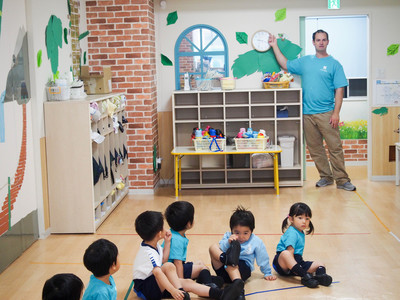
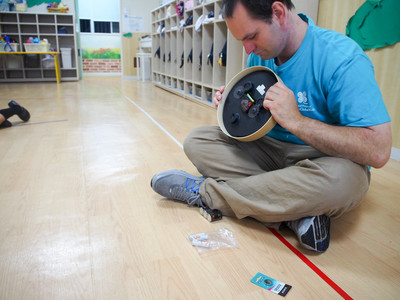
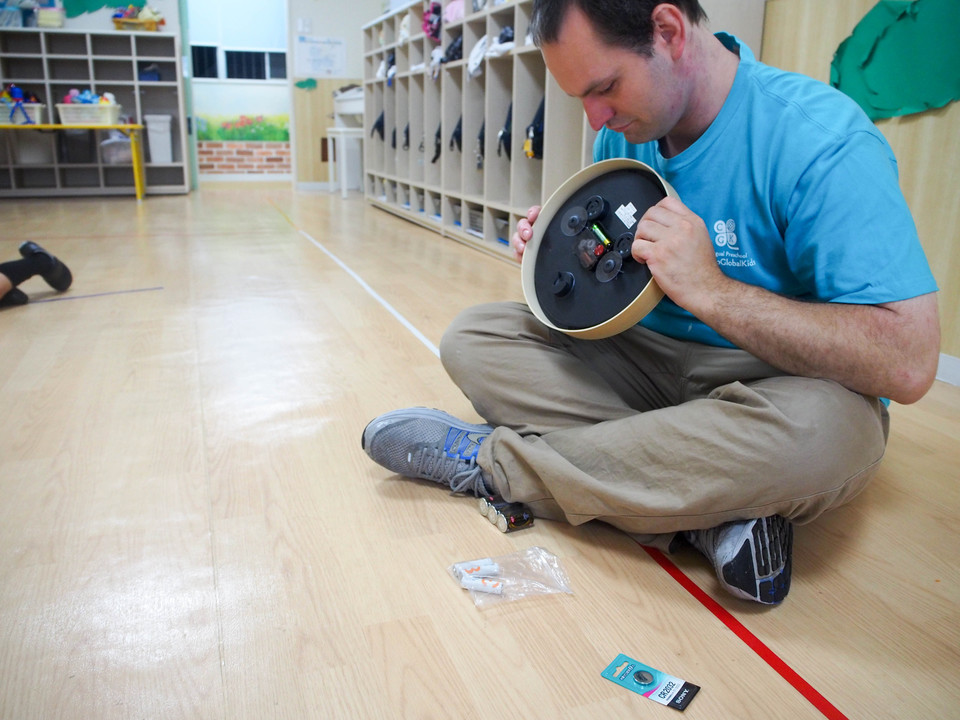
When he removed the battery and showed it to them, they named it in Japanese: denchi. Kevin then introduced the English word, battery.
We also talked about batteries coming in different sizes, and successfully replaced the clock’s battery.
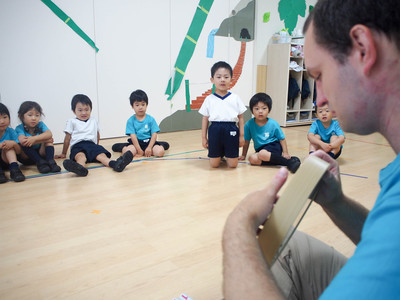
Turning familiar everyday events into lessons is one of the many learning opportunities offered by preschool.
CGK’s five-day, full-time setting allowed time for these topics from daily life as well as the planned curriculum, bringing care and education together.
Seeing a learning opportunity, Kevin decided to talk about clocks and batteries during circle time.
He showed the children the clock and its slow-moving hands, then asked what a clock needs to work.
To make the question more familiar, he asked what the children need to move and feel energetic. They answered, “Ice cream!” and “Food!”
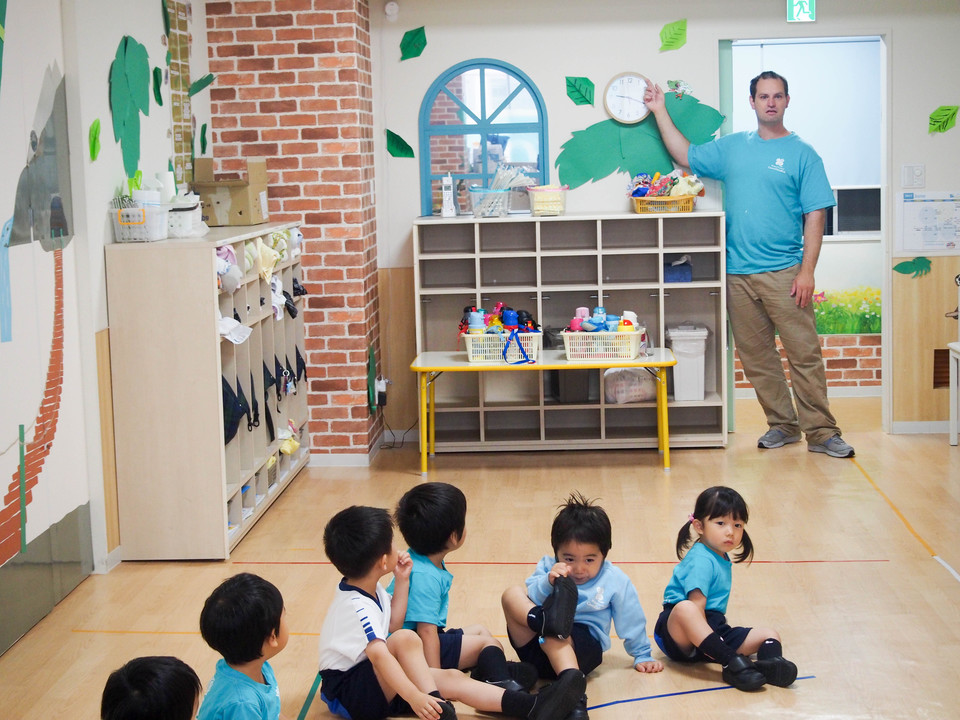
When he removed the battery and showed it to them, they named it in Japanese: denchi. Kevin then introduced the English word, battery.
We also talked about batteries coming in different sizes, and successfully replaced the clock’s battery.
Turning familiar everyday events into lessons is one of the many learning opportunities offered by preschool.
CGK’s five-day, full-time setting allowed time for these topics from daily life as well as the planned curriculum, bringing care and education together.