










CGK Times
A global learning community for discovering
and pursuing your happiness
January 2026
Contents
Preschool
2026 Is Here to Stay!
With January done and under our belts and hopefully with everyone's New Year's resolution sticking, 2026 has started fast! With our school year ending at the end of March, there is a lot coming up to keep us busy. Some key dates to remember:
- Parent Observation, IB Info Session, and Parent Social Night - January 30 - February 06 (please check the for your child's class date)
- PS PTC Day - February 07
- Celebration of Learning and Sky Graduation - March 11
As always, please refer to the monthly calendar for more information.
Things might be busy but may it set us up for a great and successful 2026 for everyone.
CGK Awards
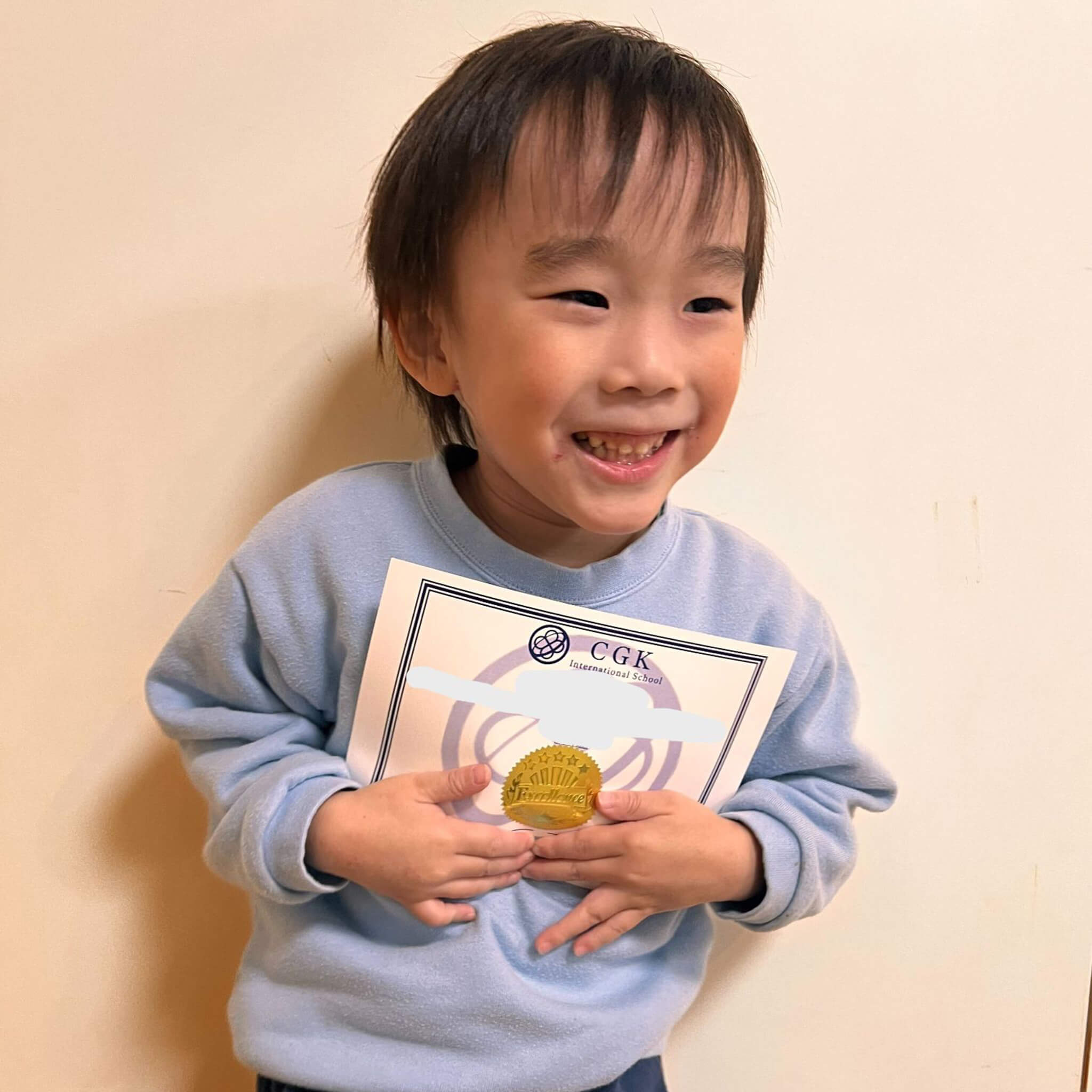
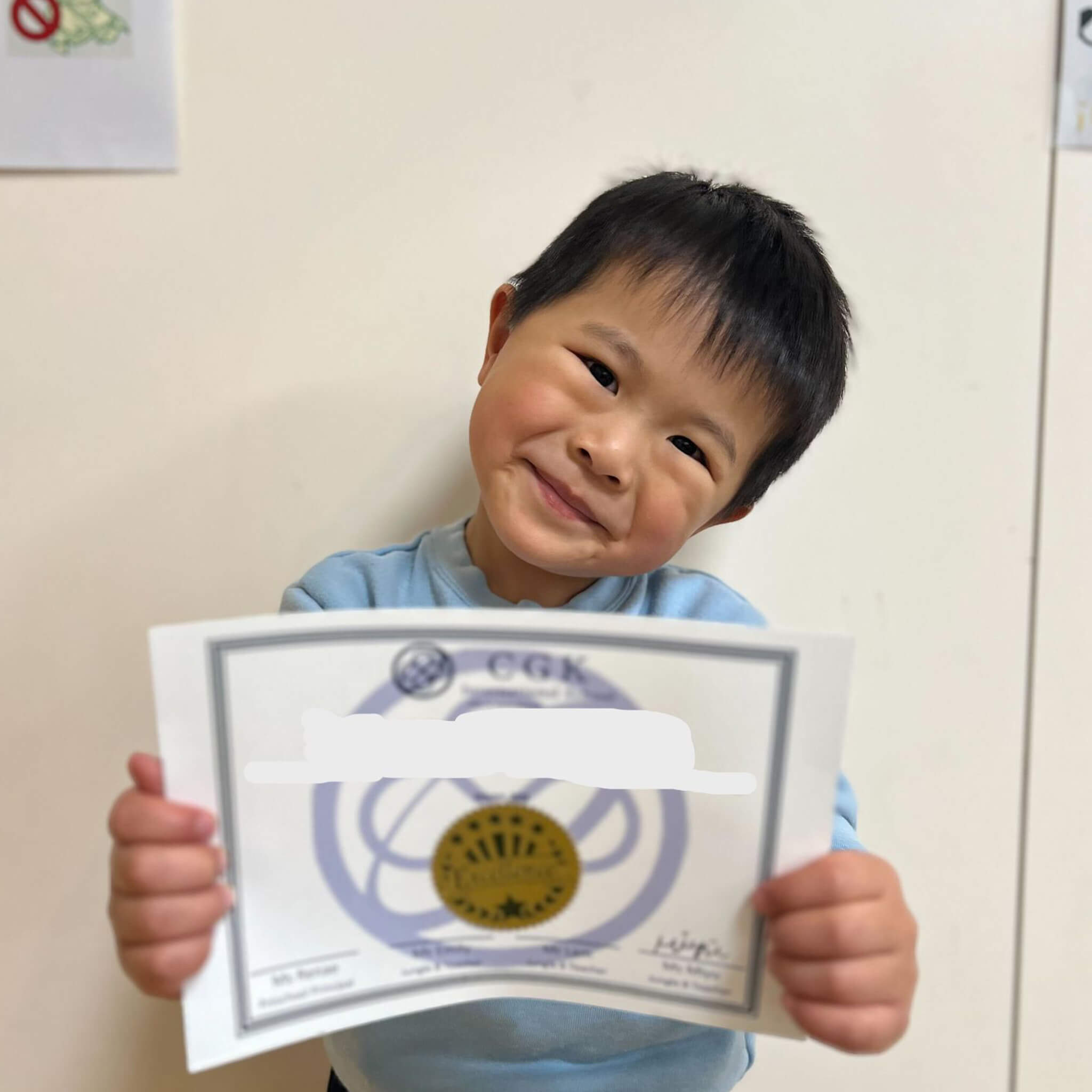
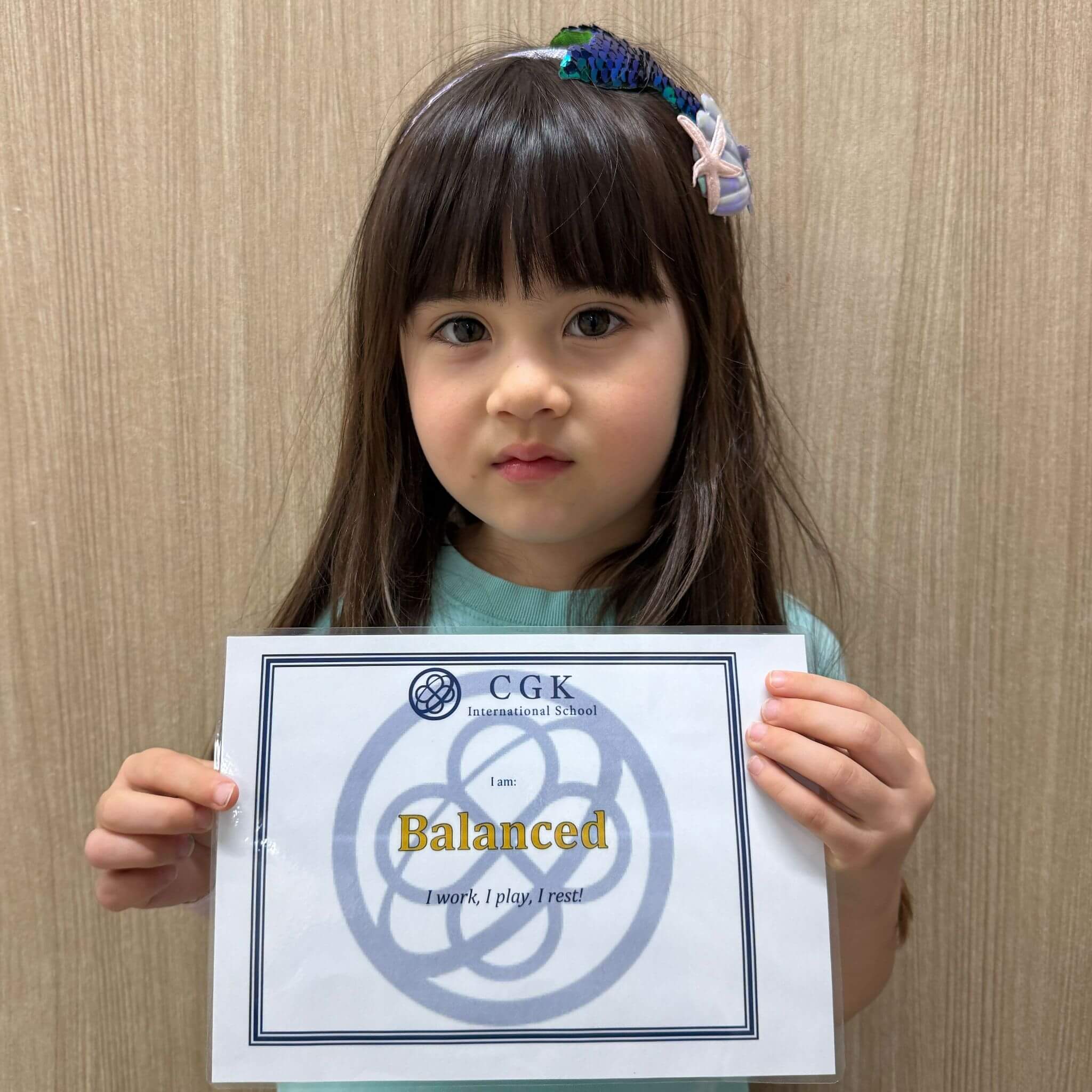
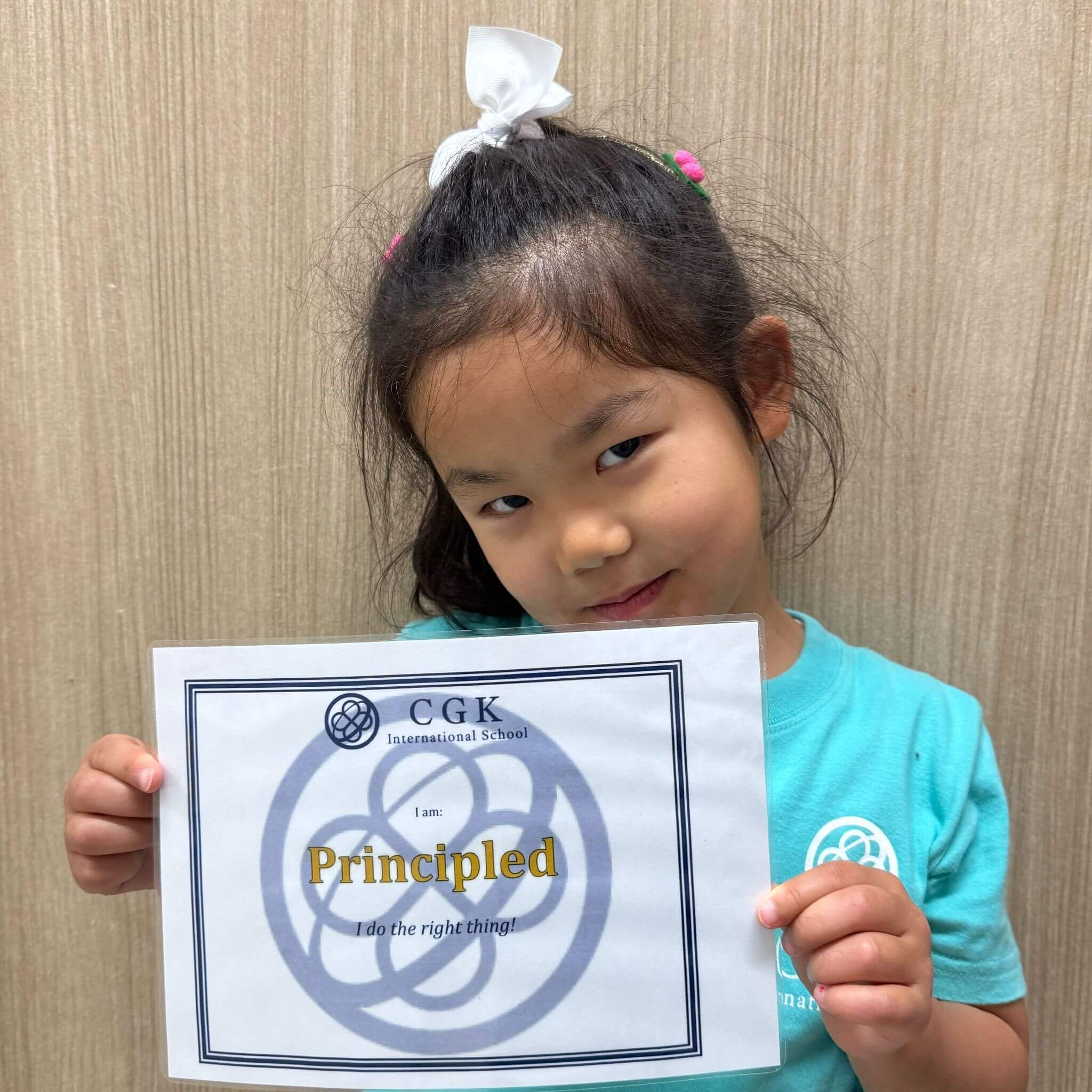
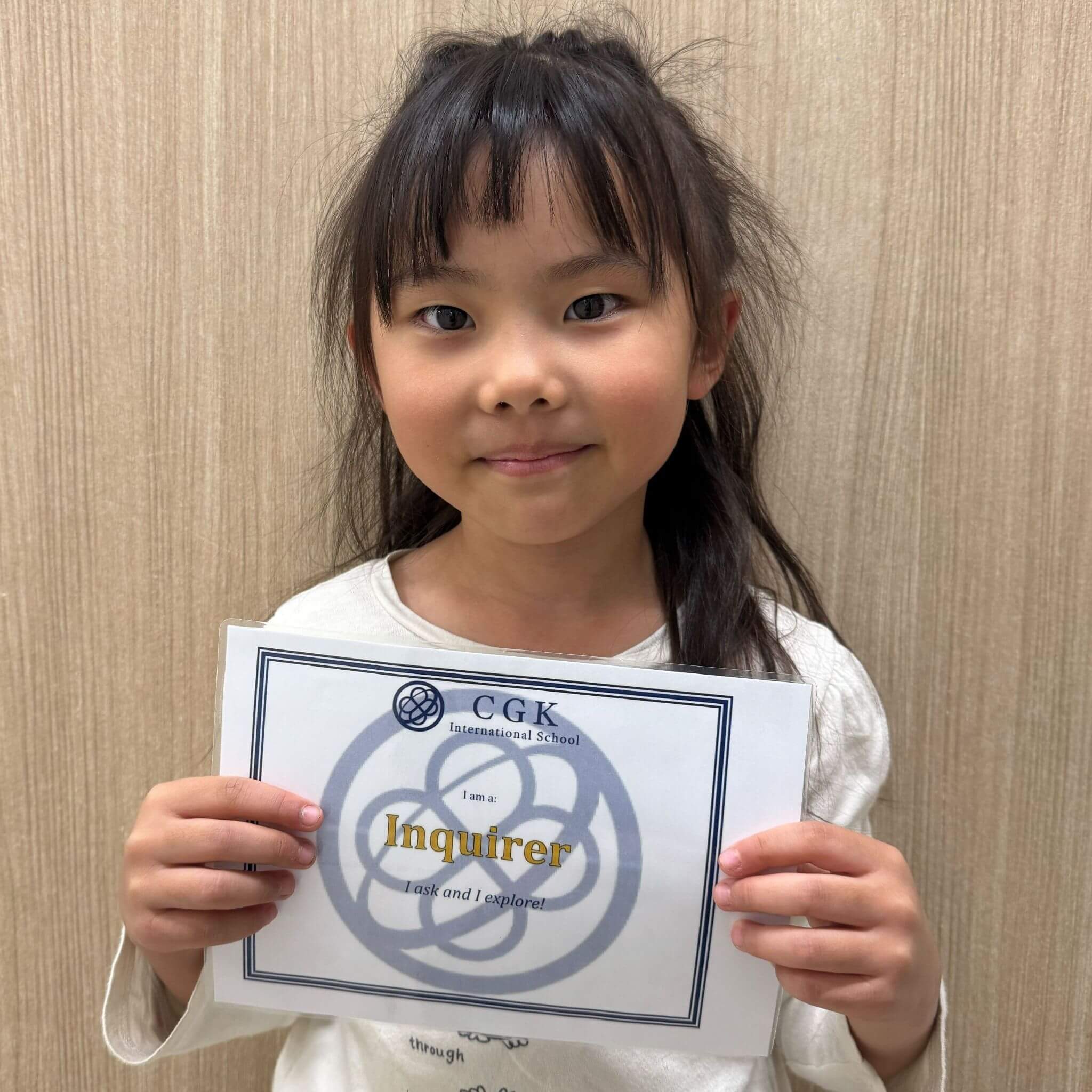
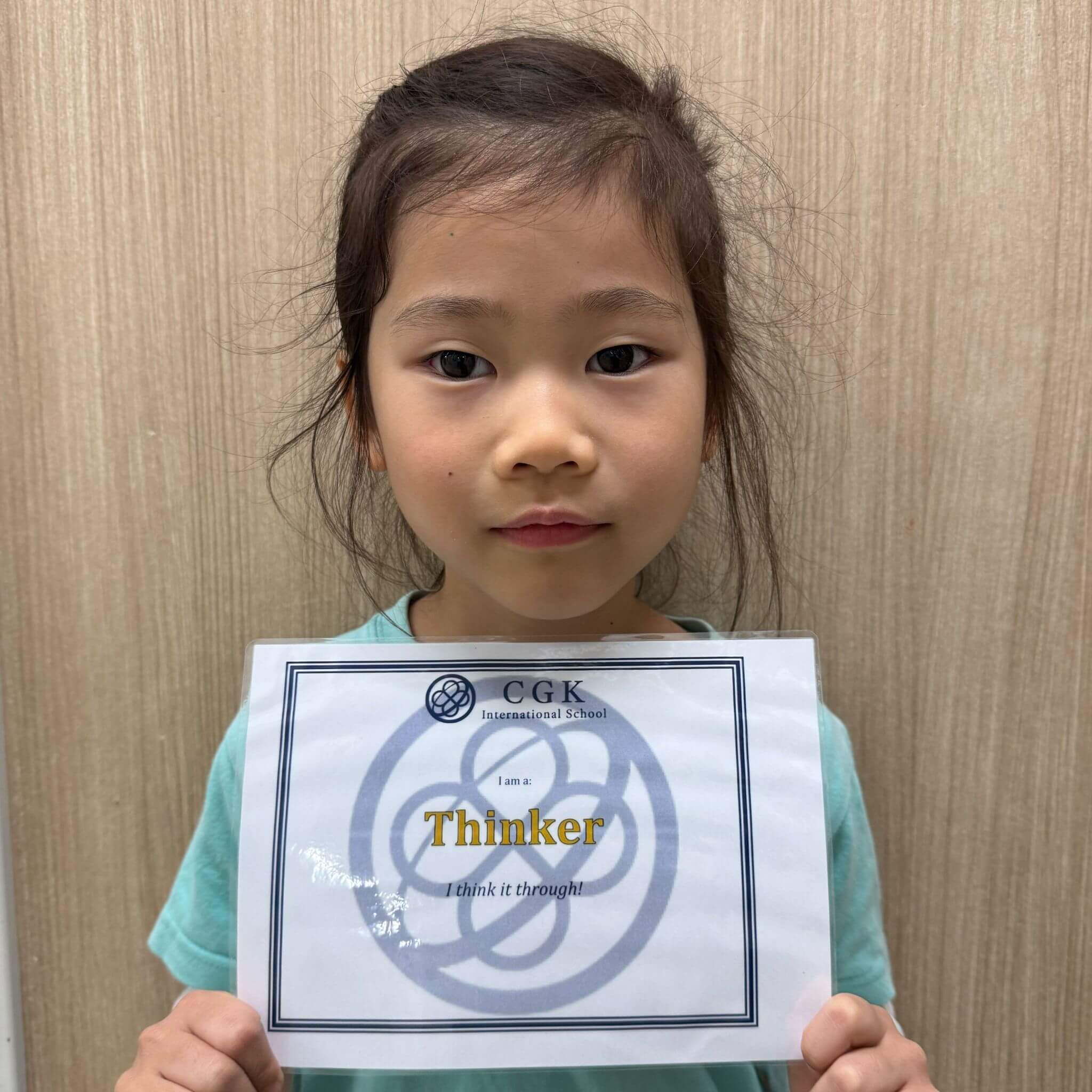
Welcome to the world renowned, highly respected, and much revered CGK Awards! Each month we would like to highlight the children from each class who have displayed qualities that are part of the IB Learner Profile. These are qualities that we want our children to have and to share with the world. With that, the recipients of this month's CGK Achievement Awards are:
Jungle A (3 year-olds)
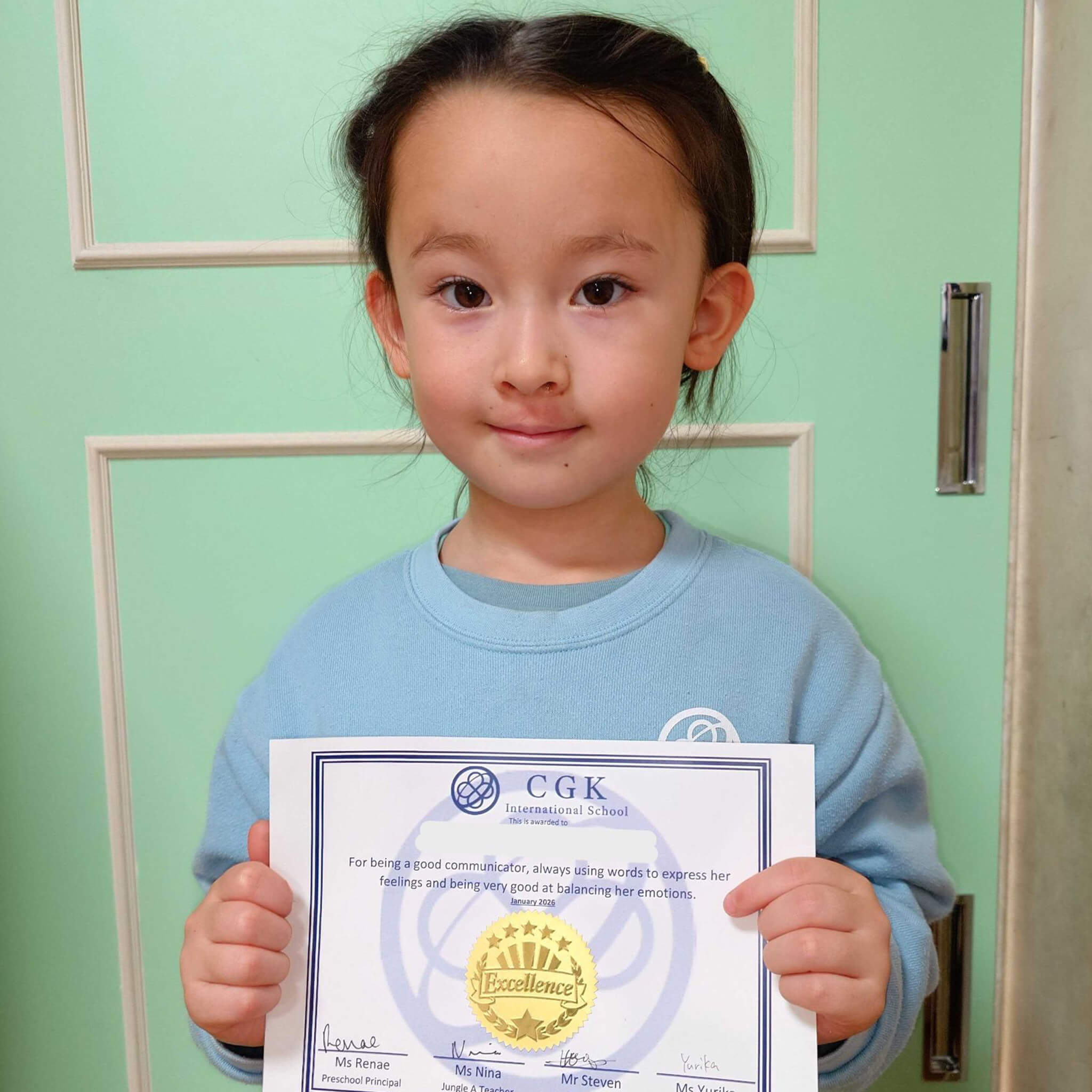
H. - For being a good communicator, always using words to express her feelings, and for being very good at balancing her emotions.
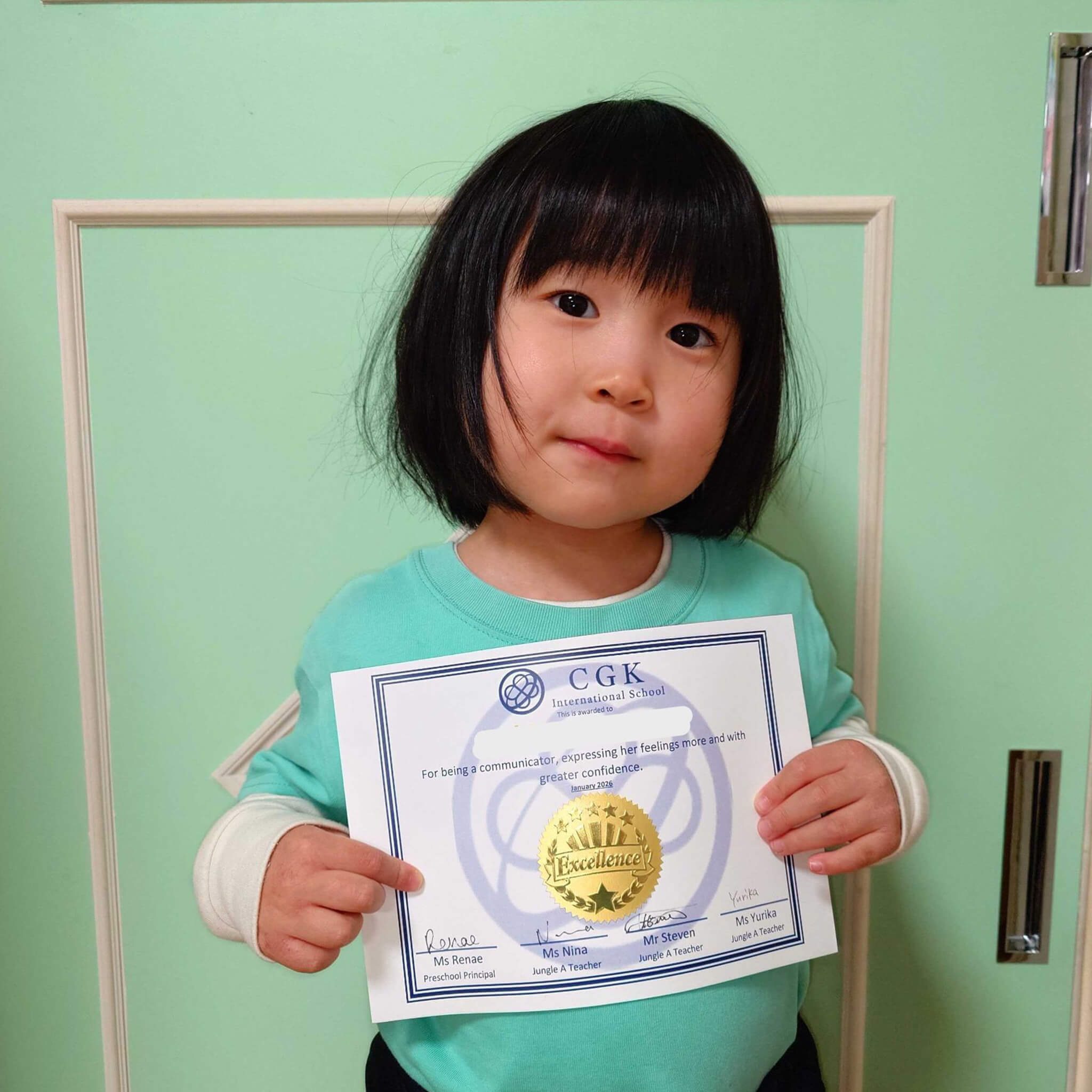
S. - For being a good communicator, expressing her feelings more and with greater confidence.
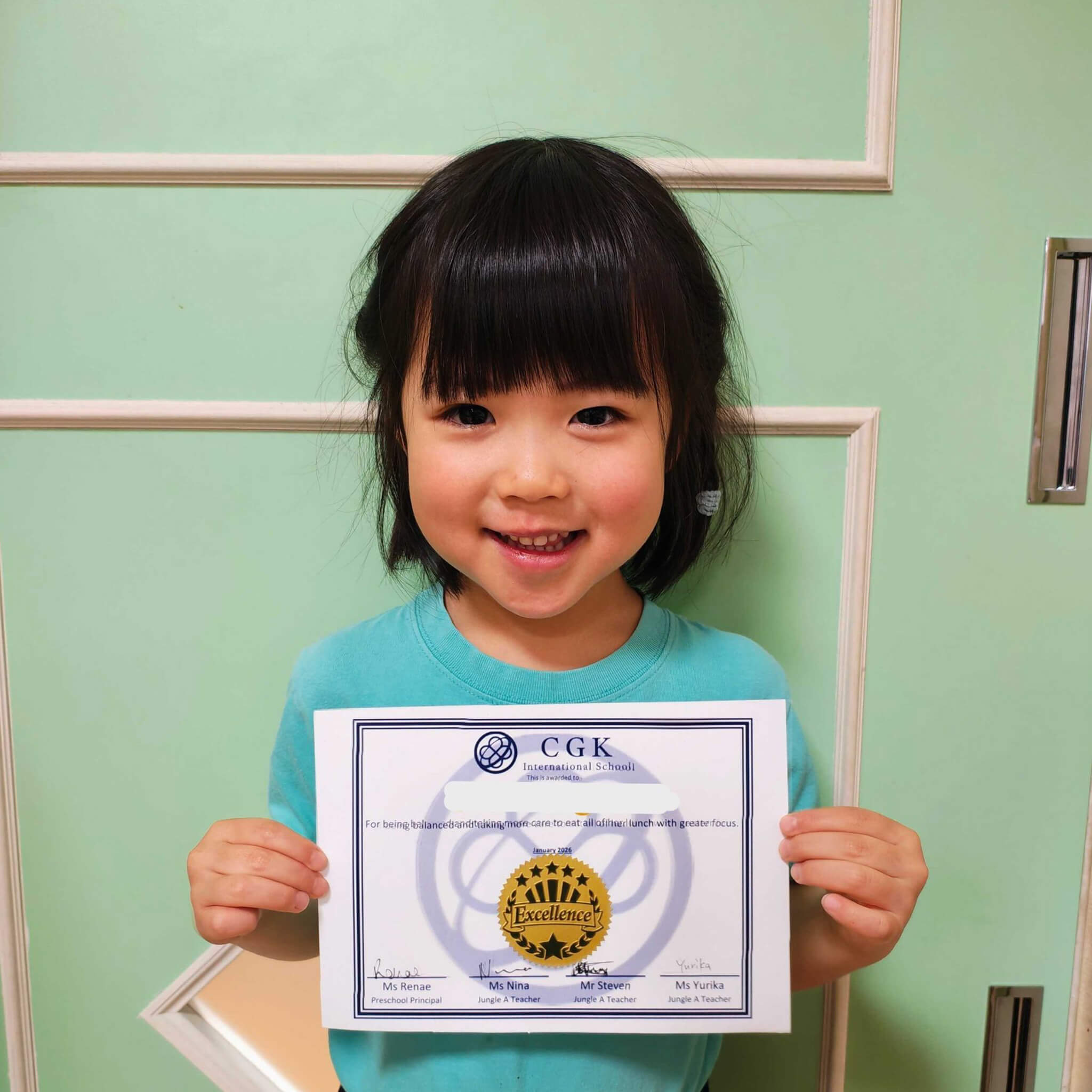
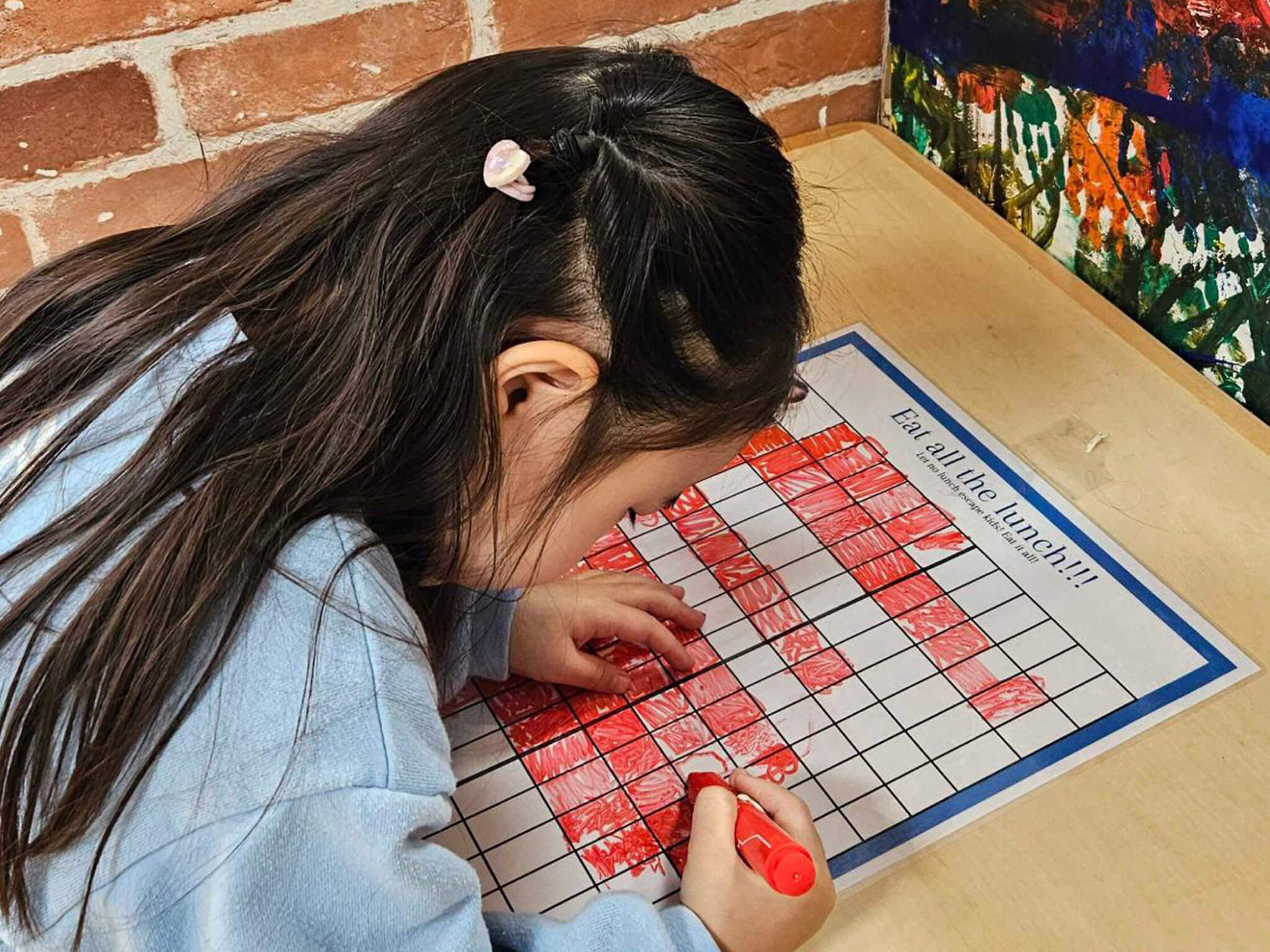
S. - For being balanced and taking more care to eat all of her lunch with greater focus.
Jungle B (3 year-olds)
G. - For being a curious Inquirer by always asking wonderful "why" questions and exploring our classroom with a big sense of wonder.
R. - For having the courage to try something new and difficult even when he felt a little bit nervous.
Mountain (4 year-olds)
L. -For taking care of her body and mind by always eating everything during lunch, playing at school and outside of school.
M. - For trying to do the right thing and helping her classmates and teachers
T. - For asking great, insightful questions and doing research in books to find new information
Y. - For taking chances during play time and speaking up with new ideas
Sky A (5 year-olds)
R. - For demonstrating confidence and leadership by volunteering to go first during the Celebration of Learning.
S. - For showing empathy and understanding to those around him and trying his best to help and support his friends when needed.
S. - For eagerly sharing her ideas and questions and showing genuine curiosity about other countries and cultures.
Sky B (5 year-olds)
R. - For demonstrating confidence and leadership by volunteering to go first during the Celebration of Learning.
S. - For showing kindness by always encouraging her classmates.
Sky A&B (5-year-olds)
The Choices That Make Us Who We Are
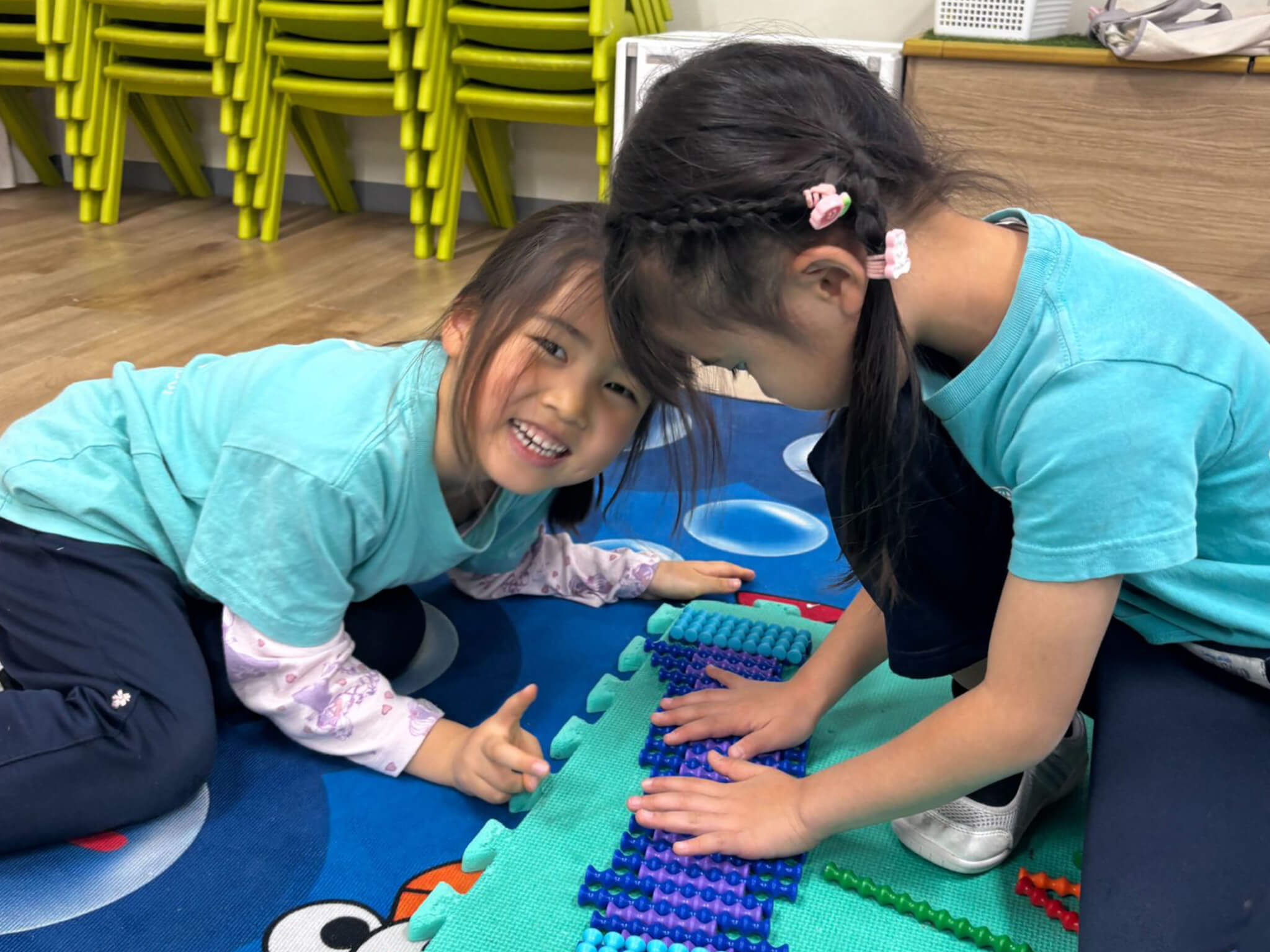
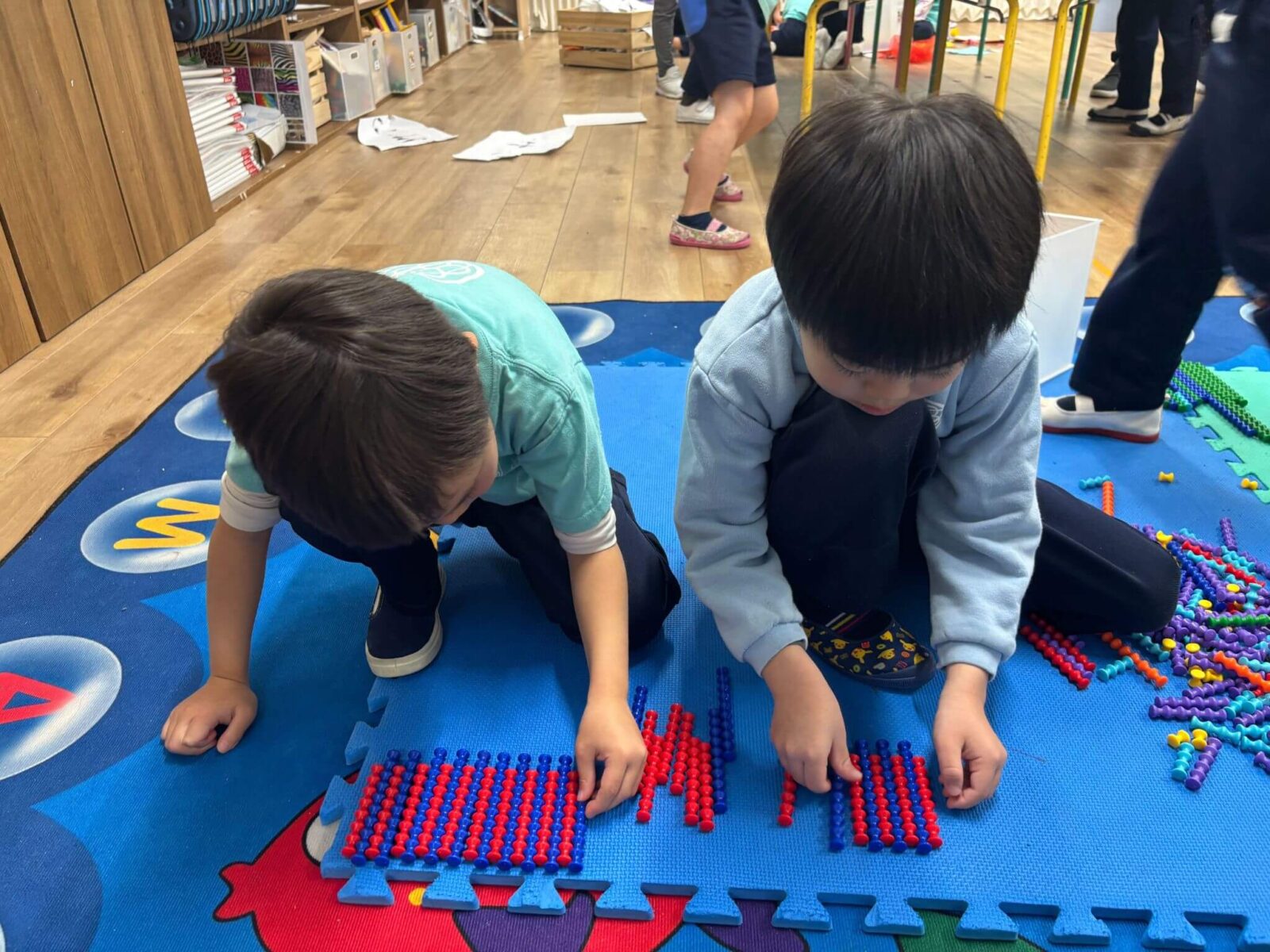
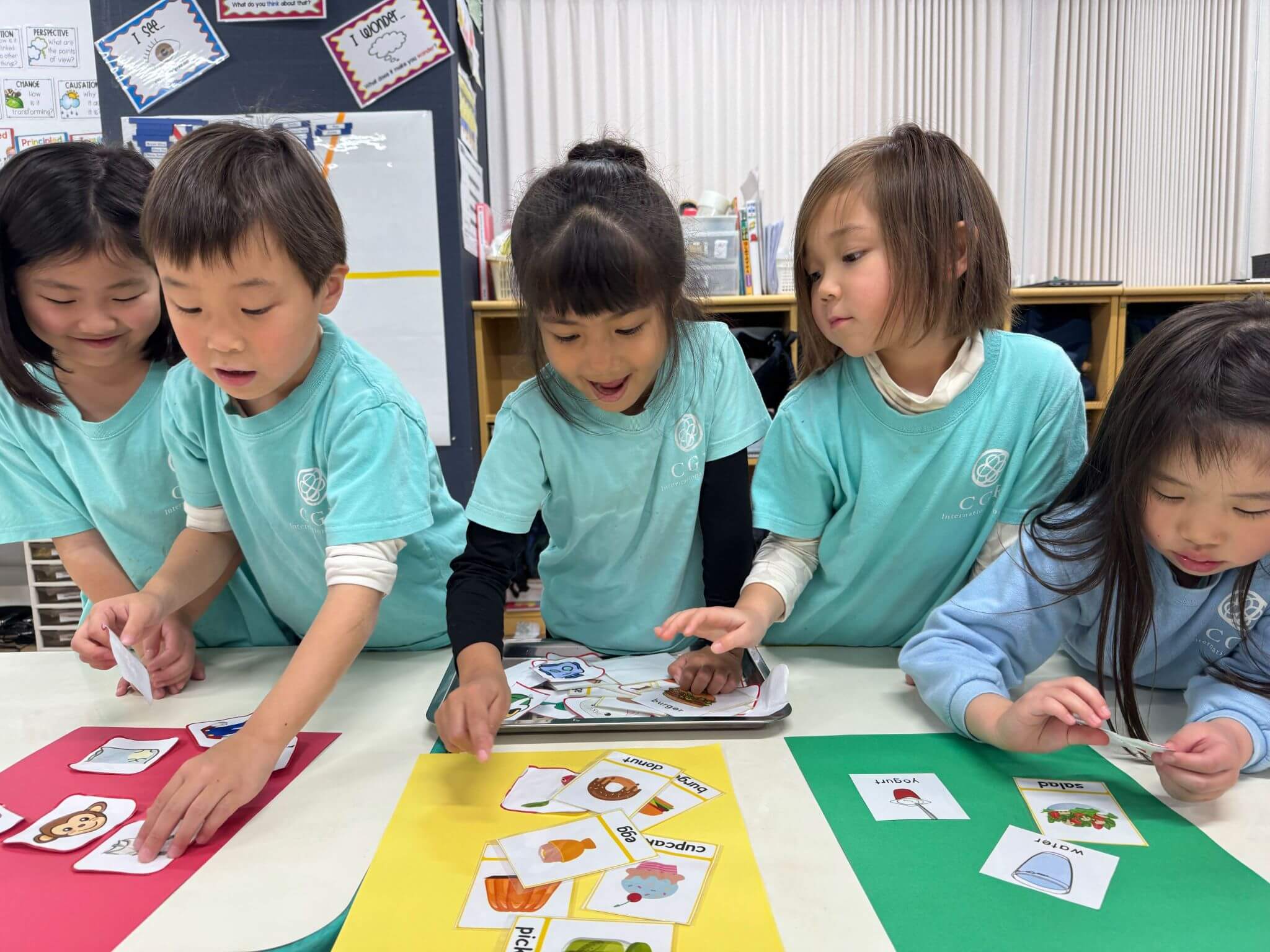
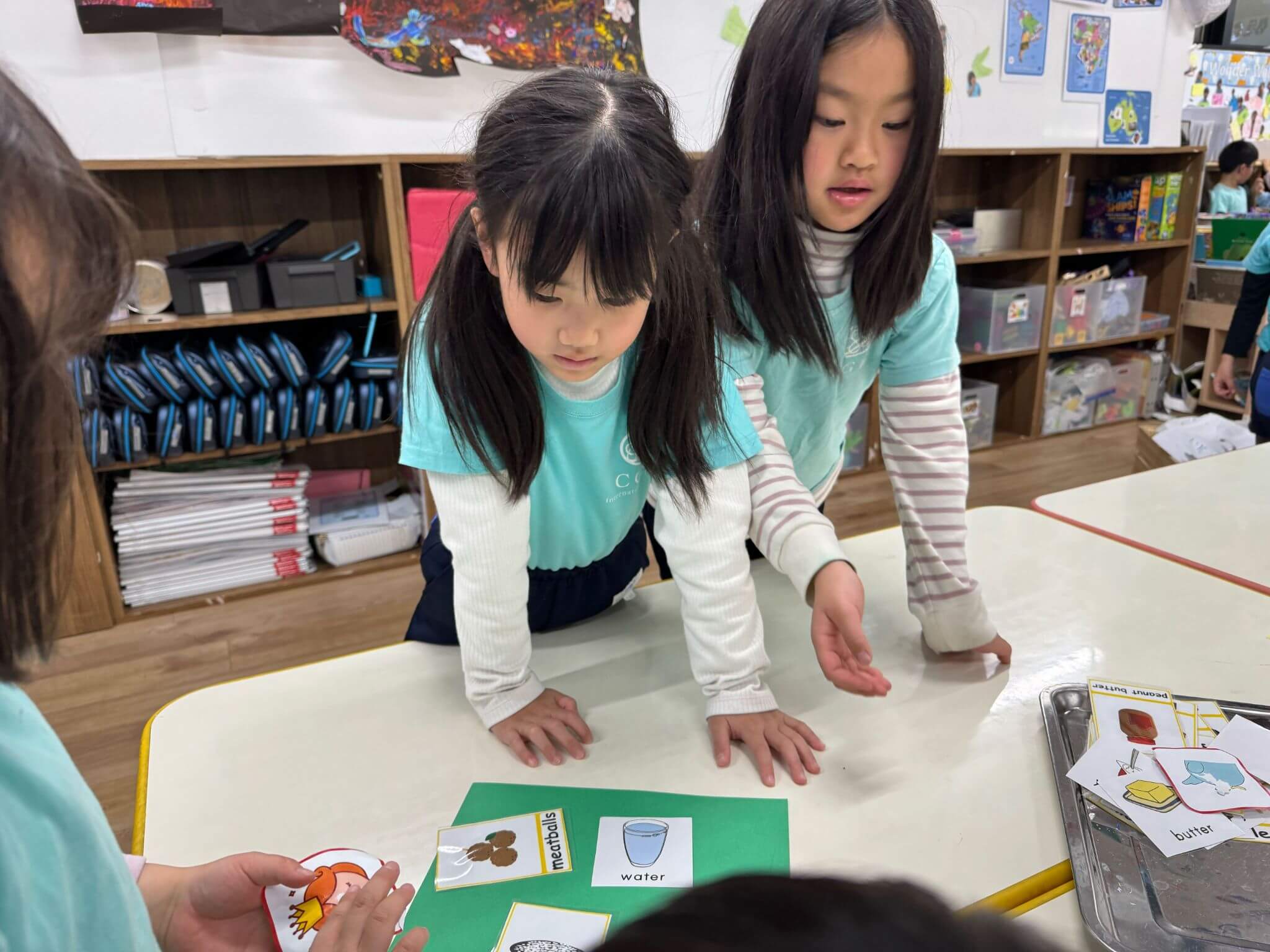
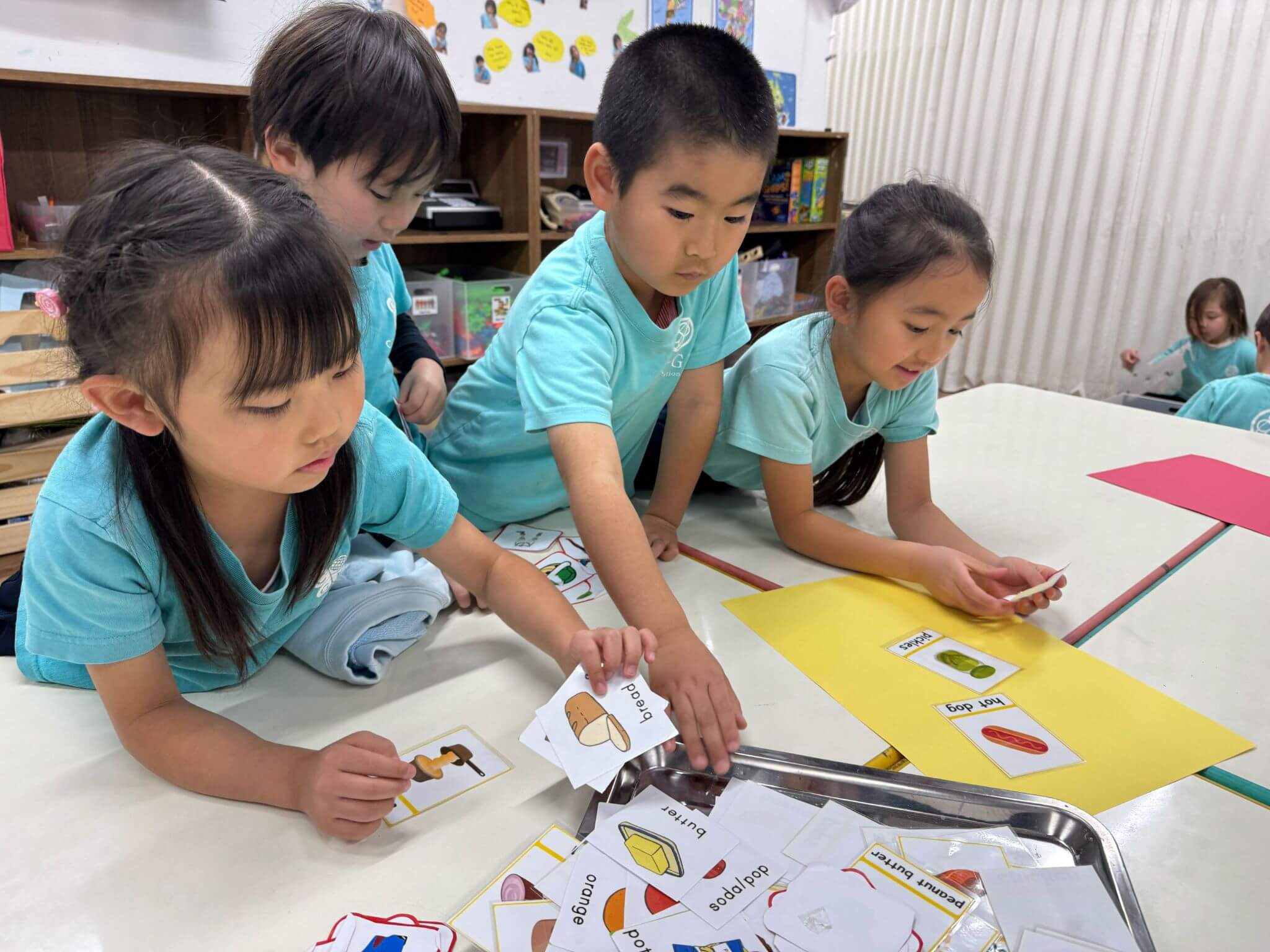
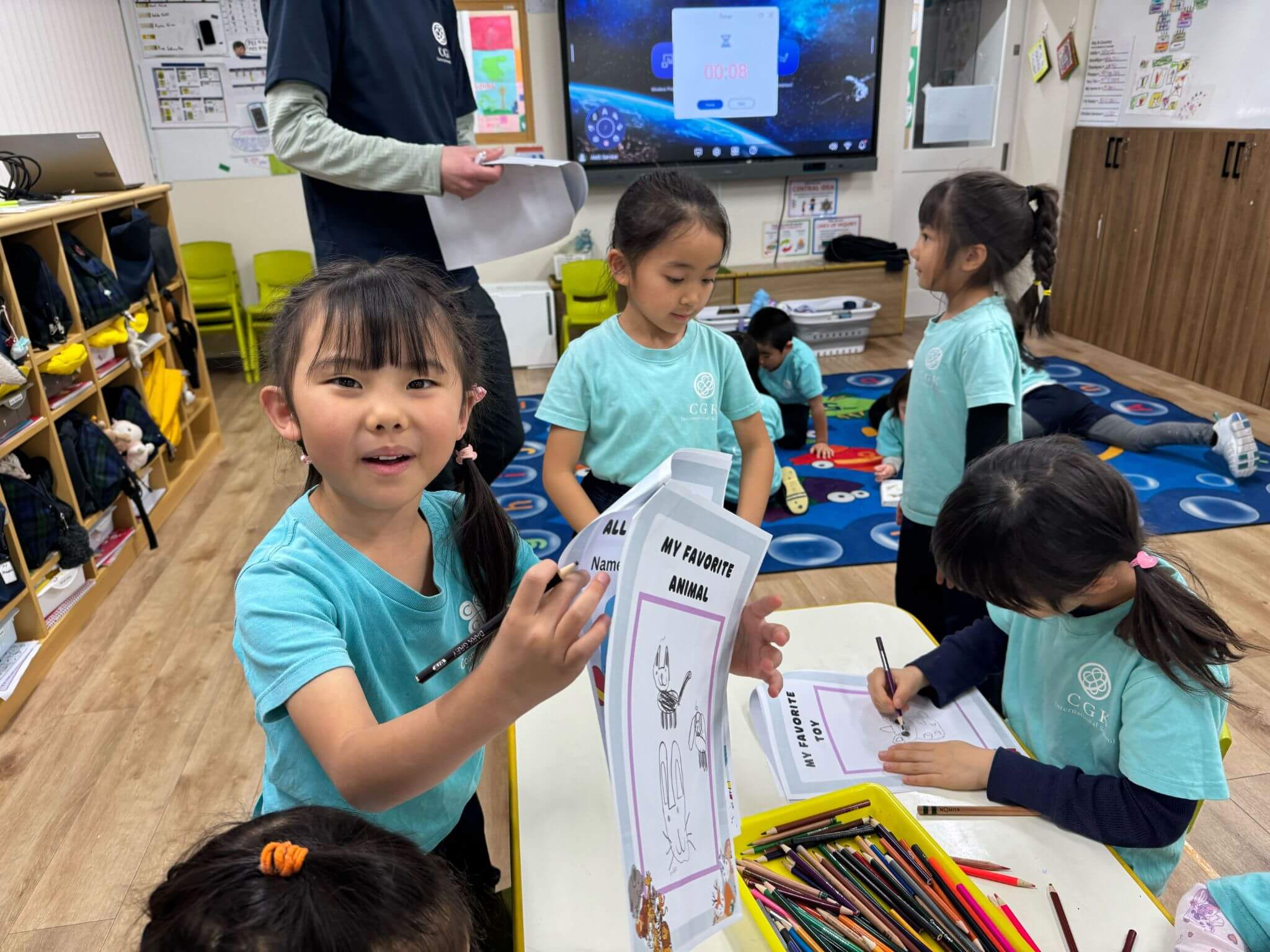
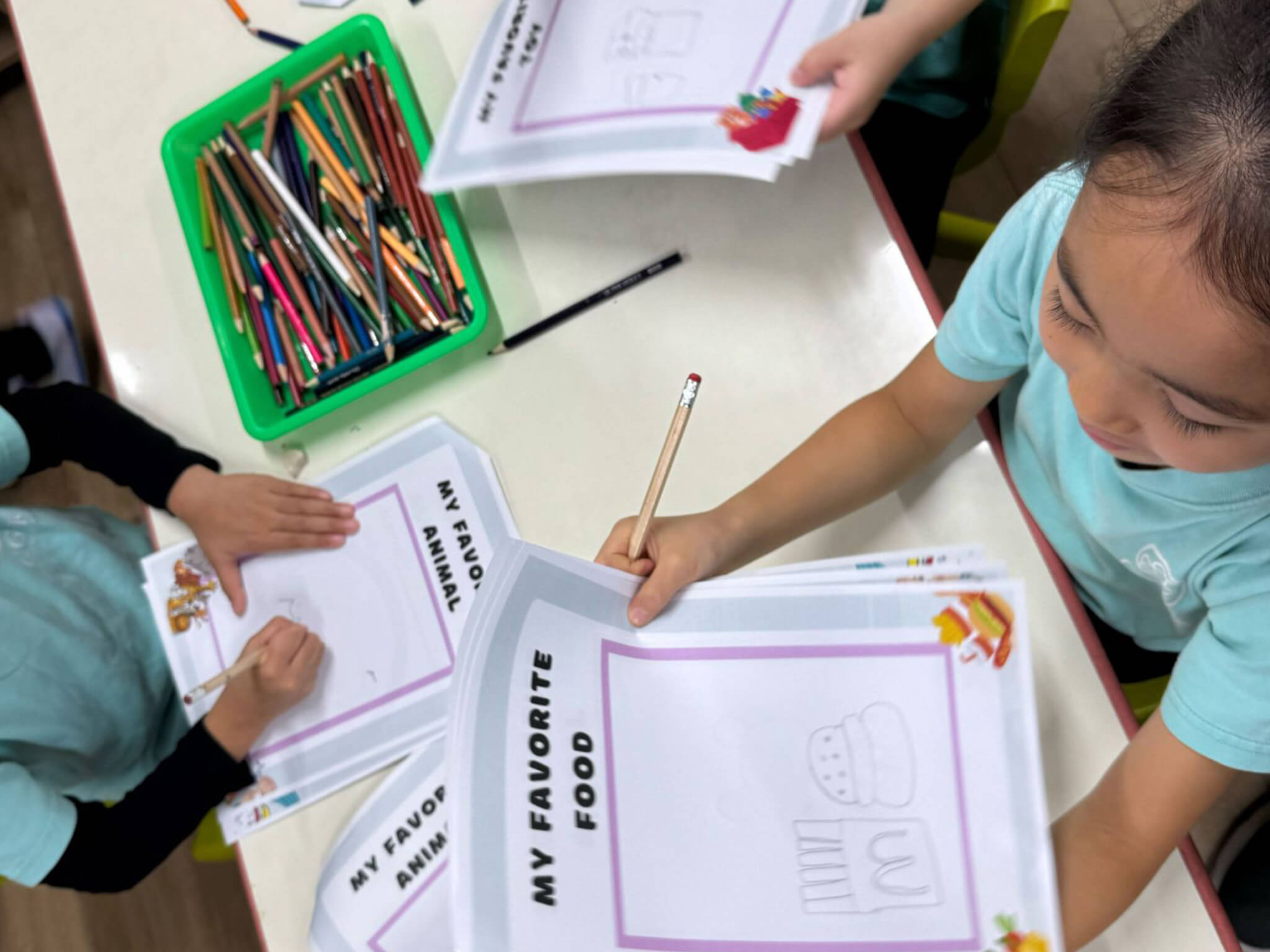
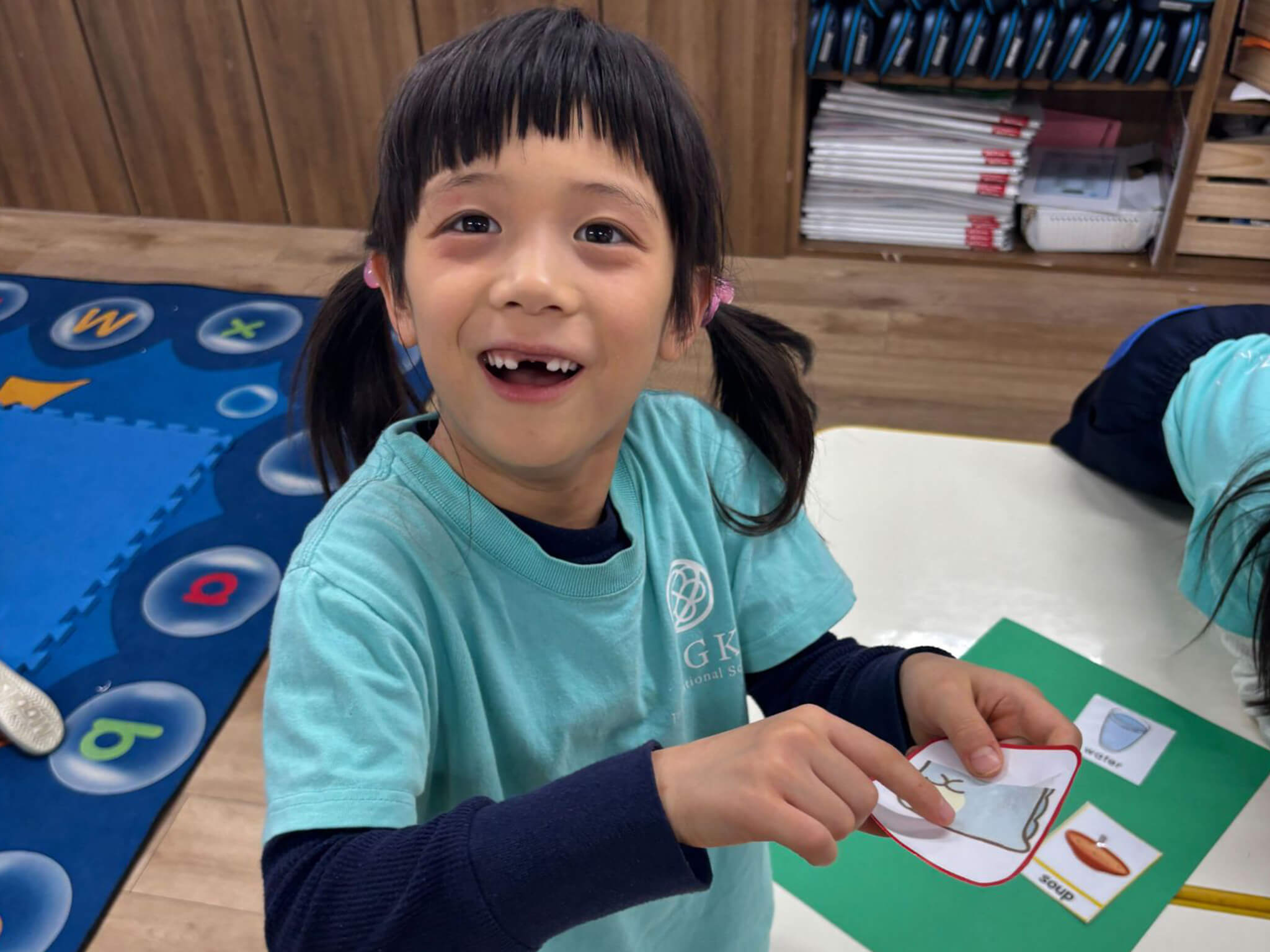
It is now 2026 and the Sky A class has entered the last few months of the school year and the last Unit of Inquiry, Who We Are. The Sky students will be exploring balanced choices and the effects that our choices have on ourselves, others and our environment.
Our curious and adventurous Sky A students love to make choices! Everyone chose their favourite animal, their favourite food, and their favourite toy. They chose kind things they can say to their friends. They chose how they can clean up their environment and even how they could reuse waste. They chose what foods they should eat more often to stay healthy and what they should eat as a treat. So many different choices to make everyday!
After every activity, the class has taken time to think about the consequences of their choices. Each student has made great efforts to thoughtfully consider what happened and what they can learn. Gradually, they are all learning to become more Balanced, Principled, and Reflective students. We can’t wait to see the choices that they make in the future!
Flying into the New Year
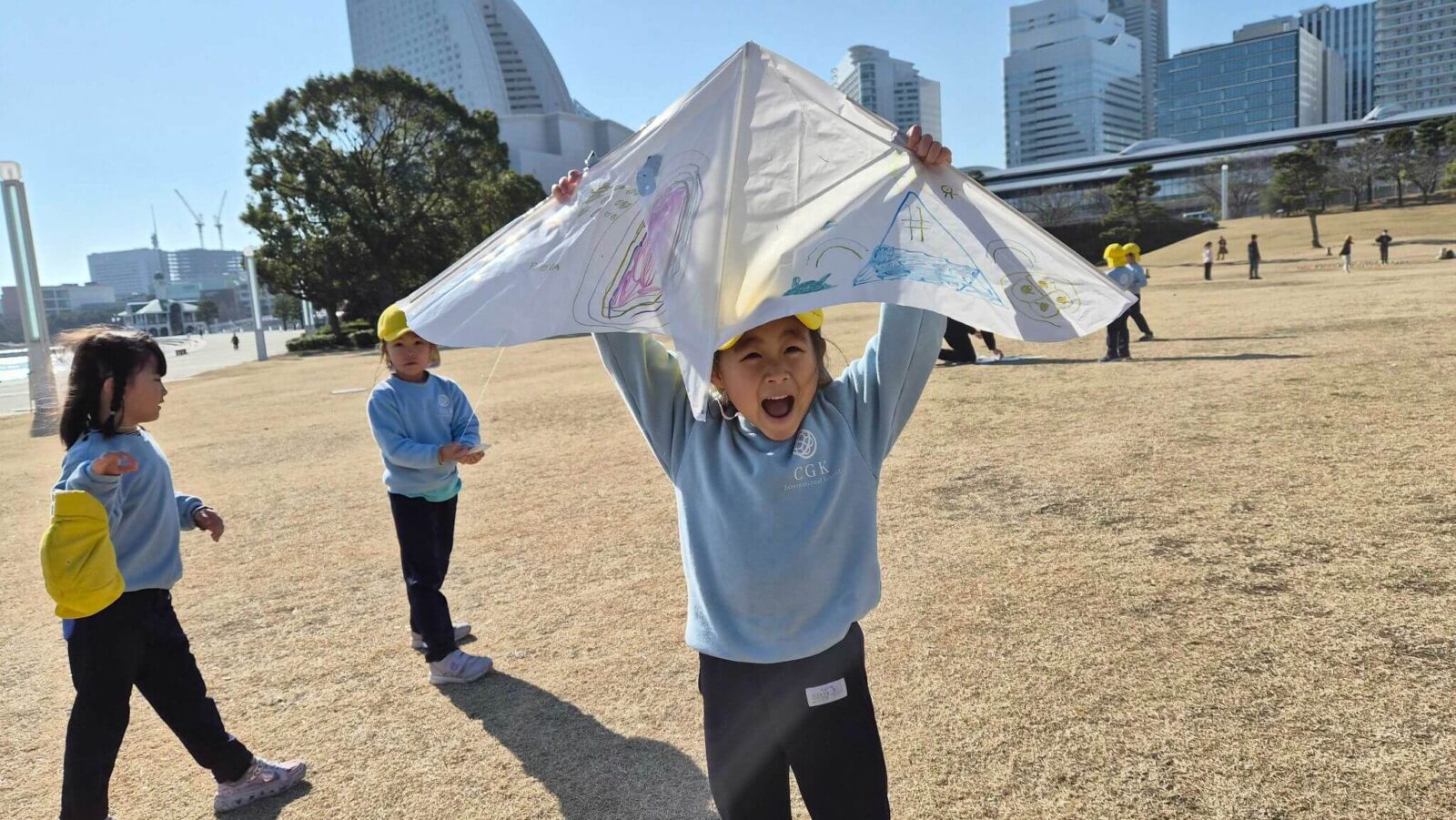
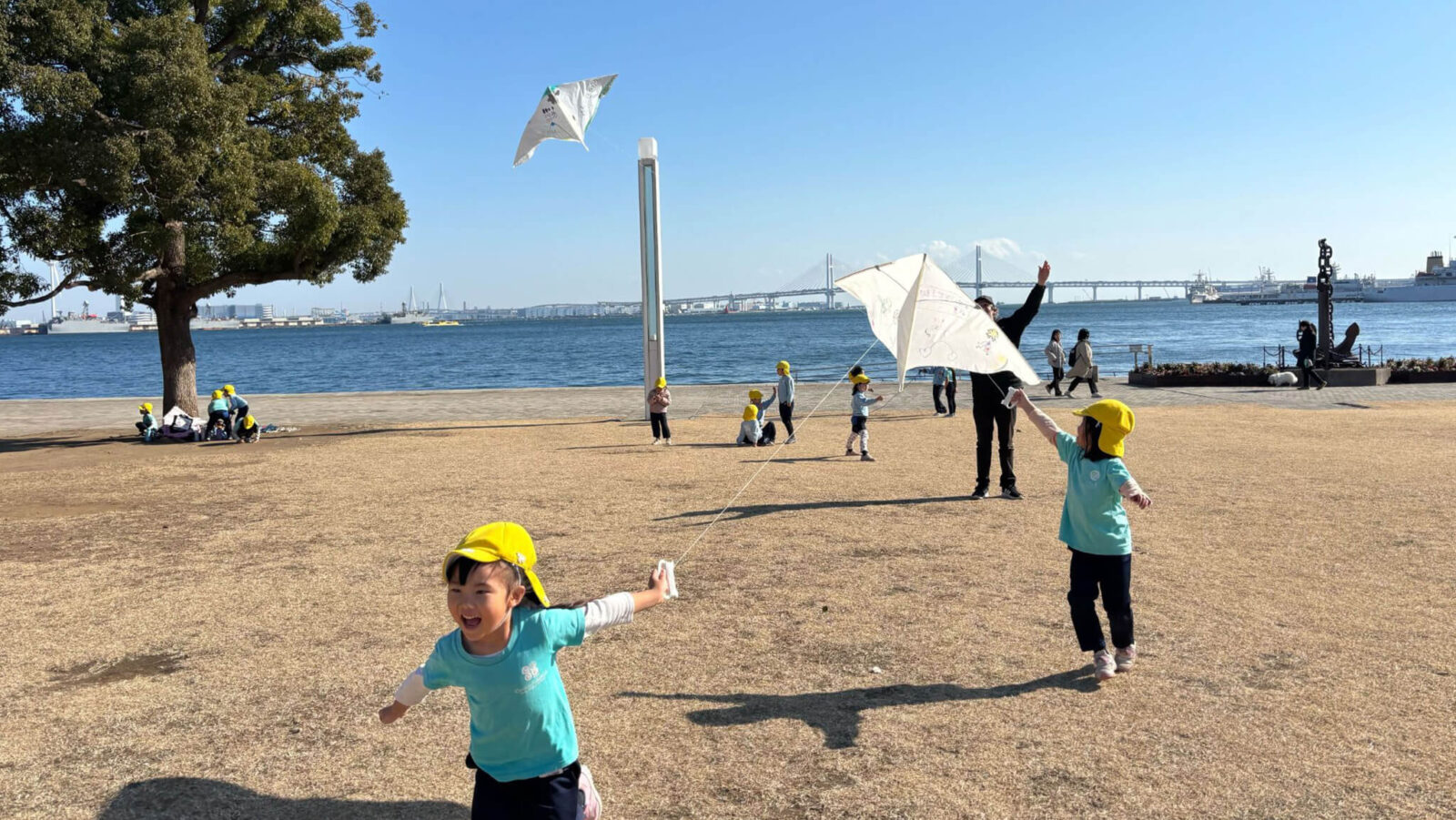
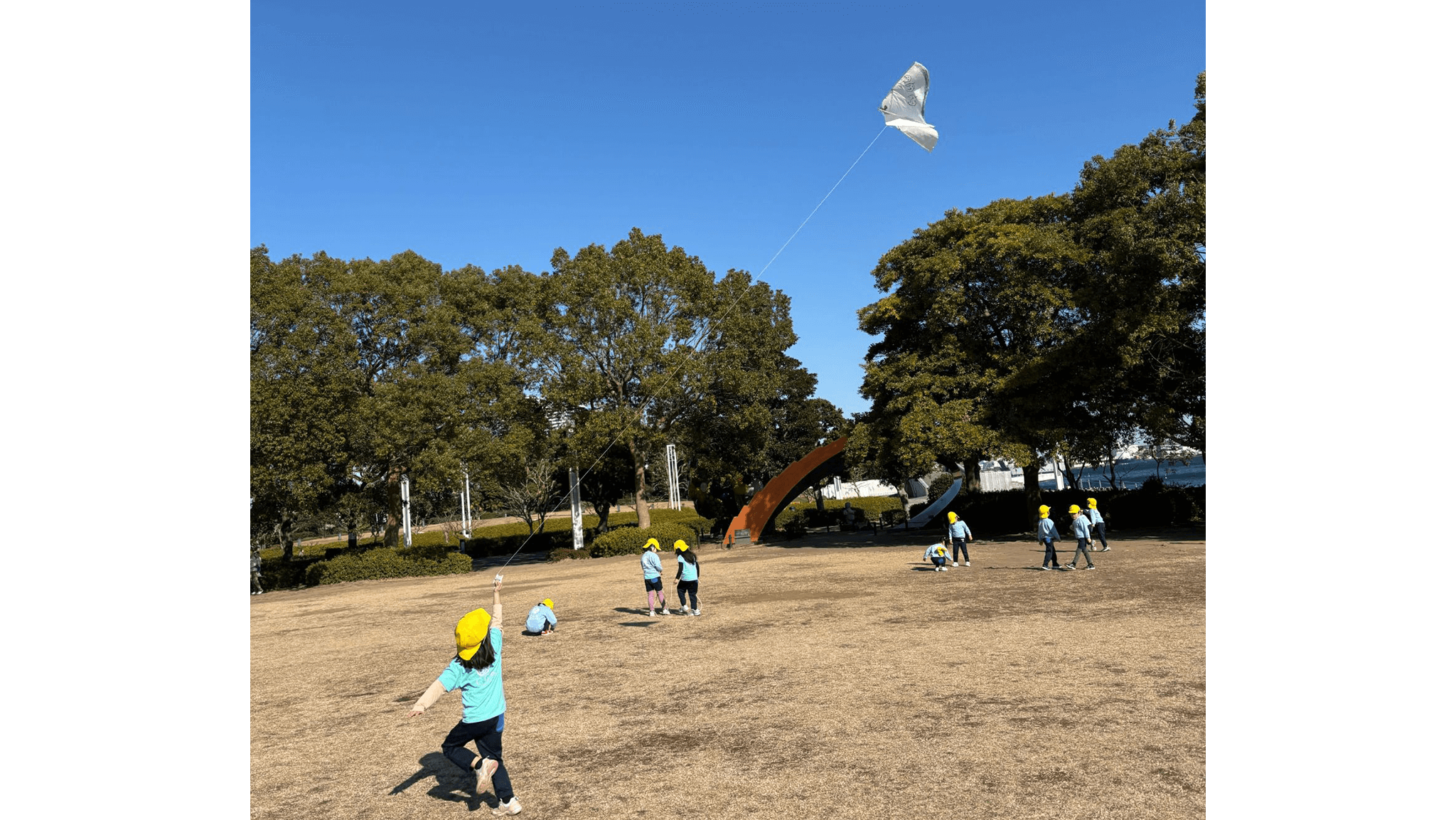
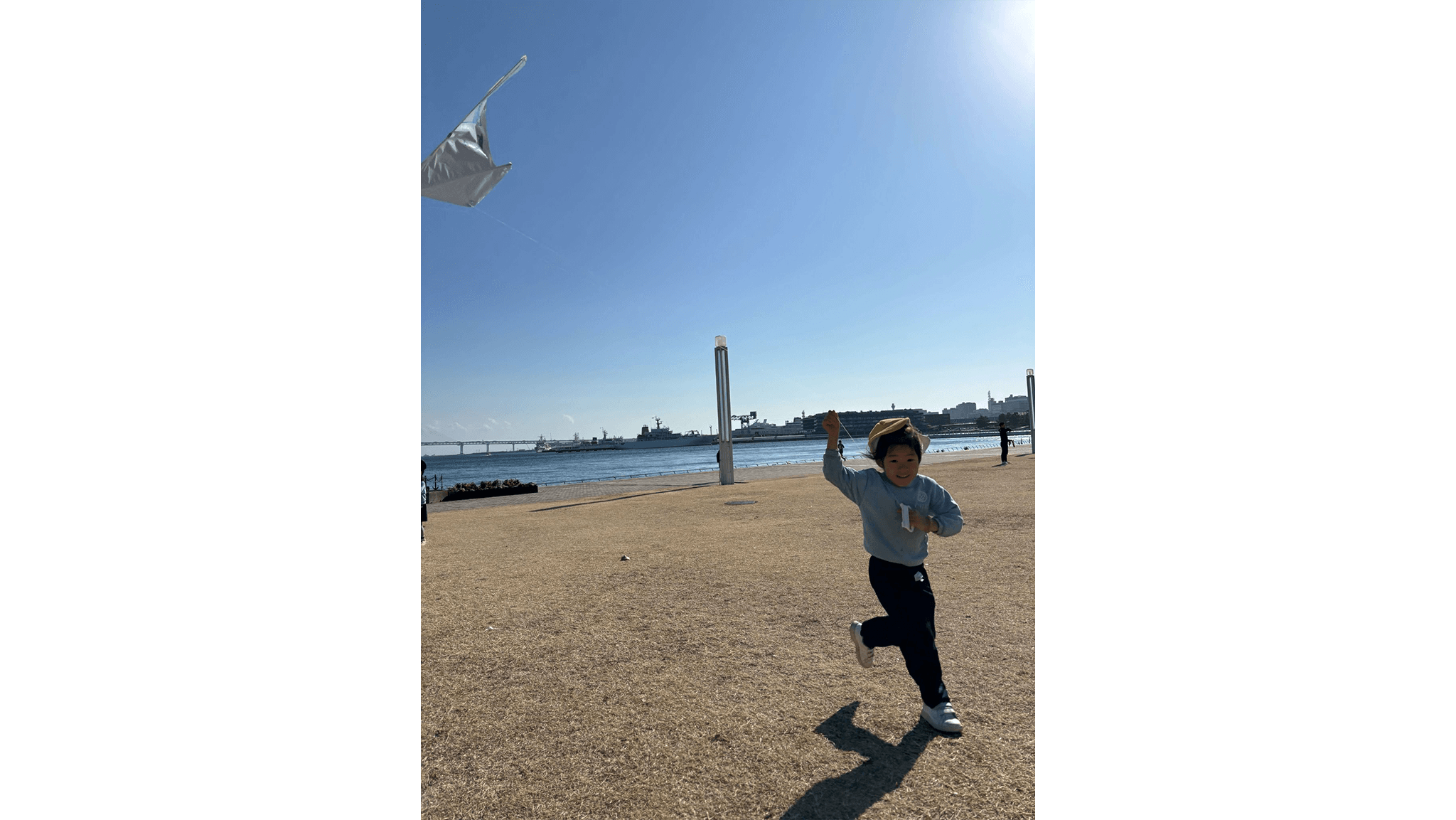
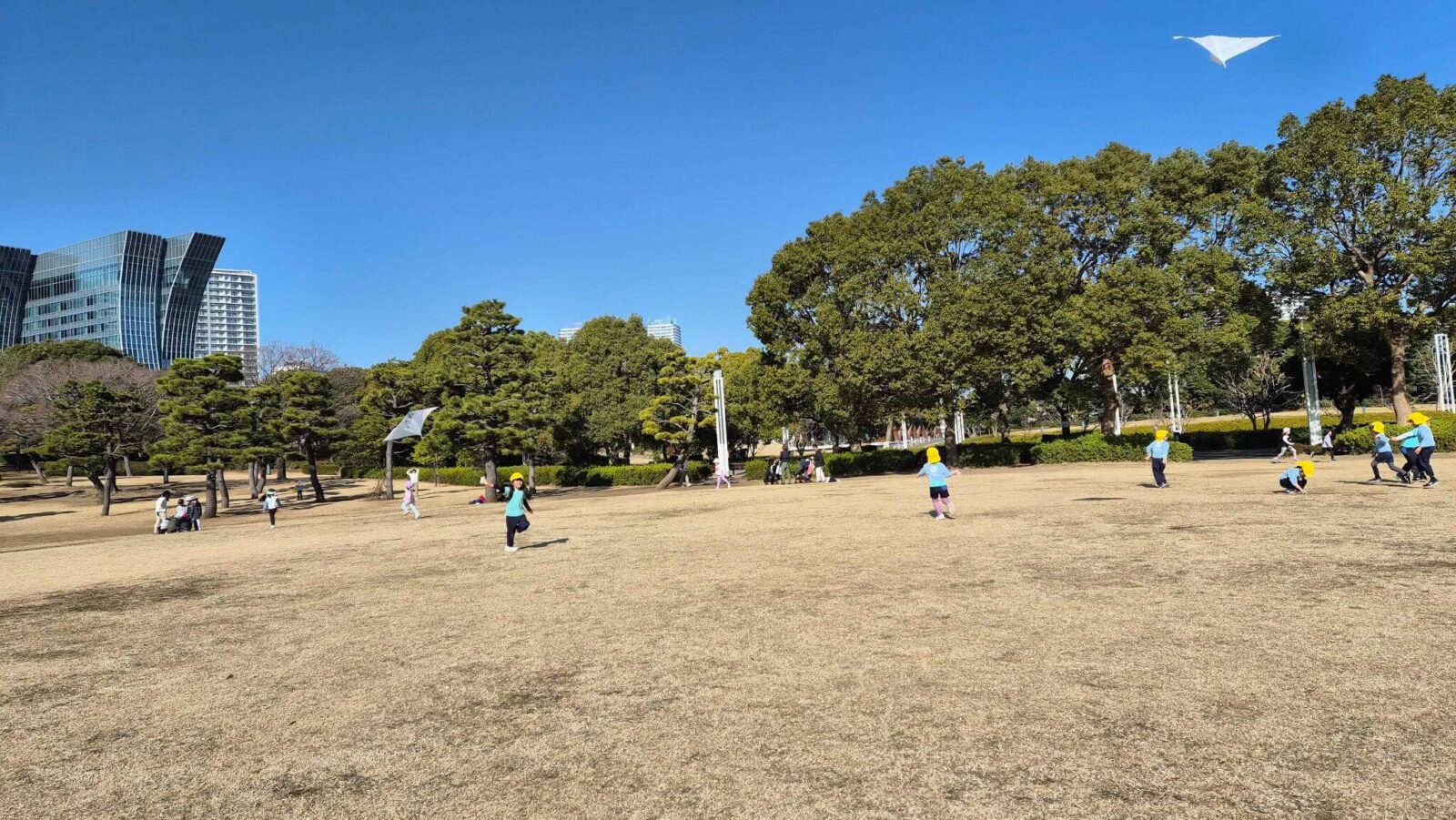
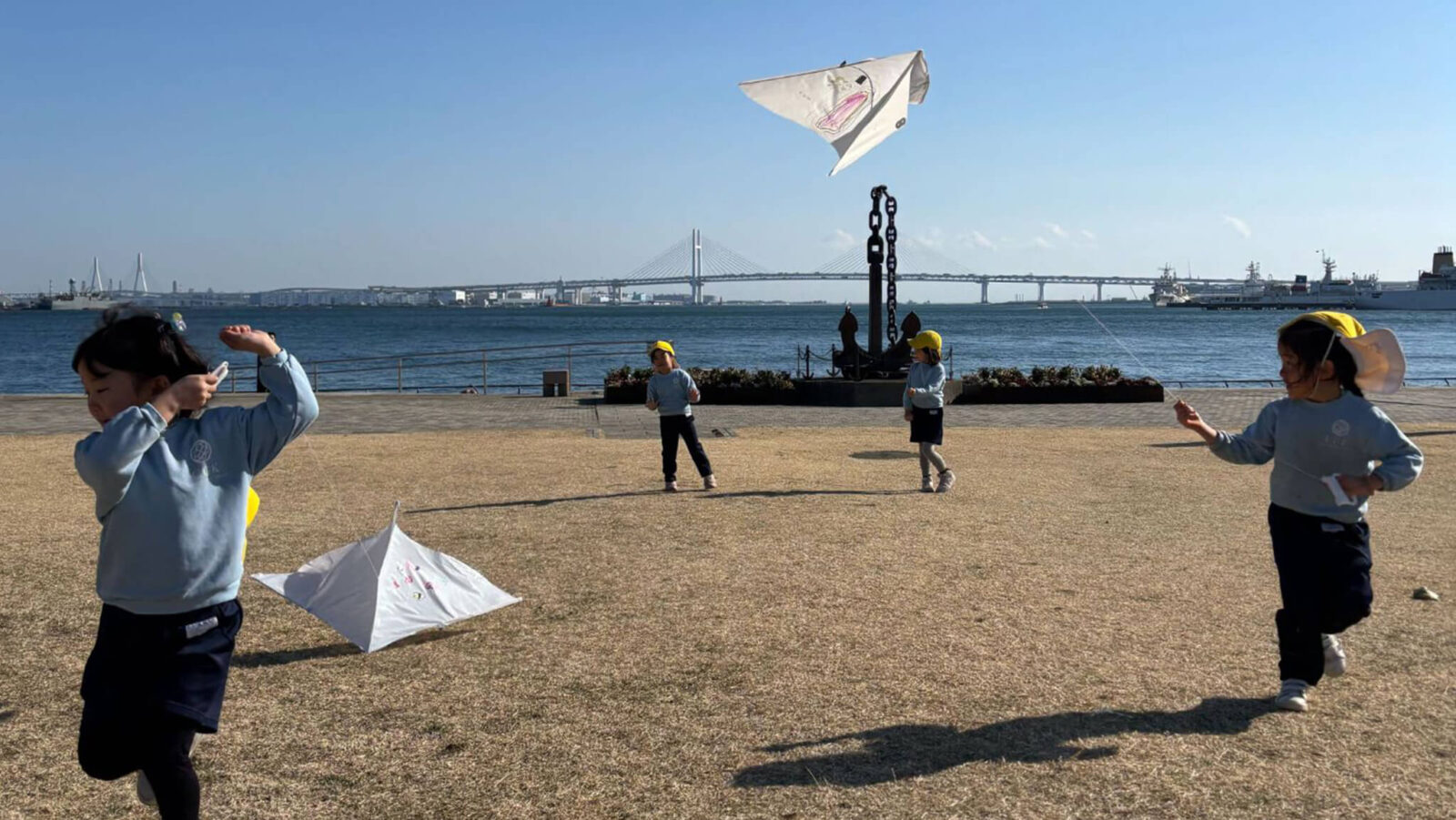
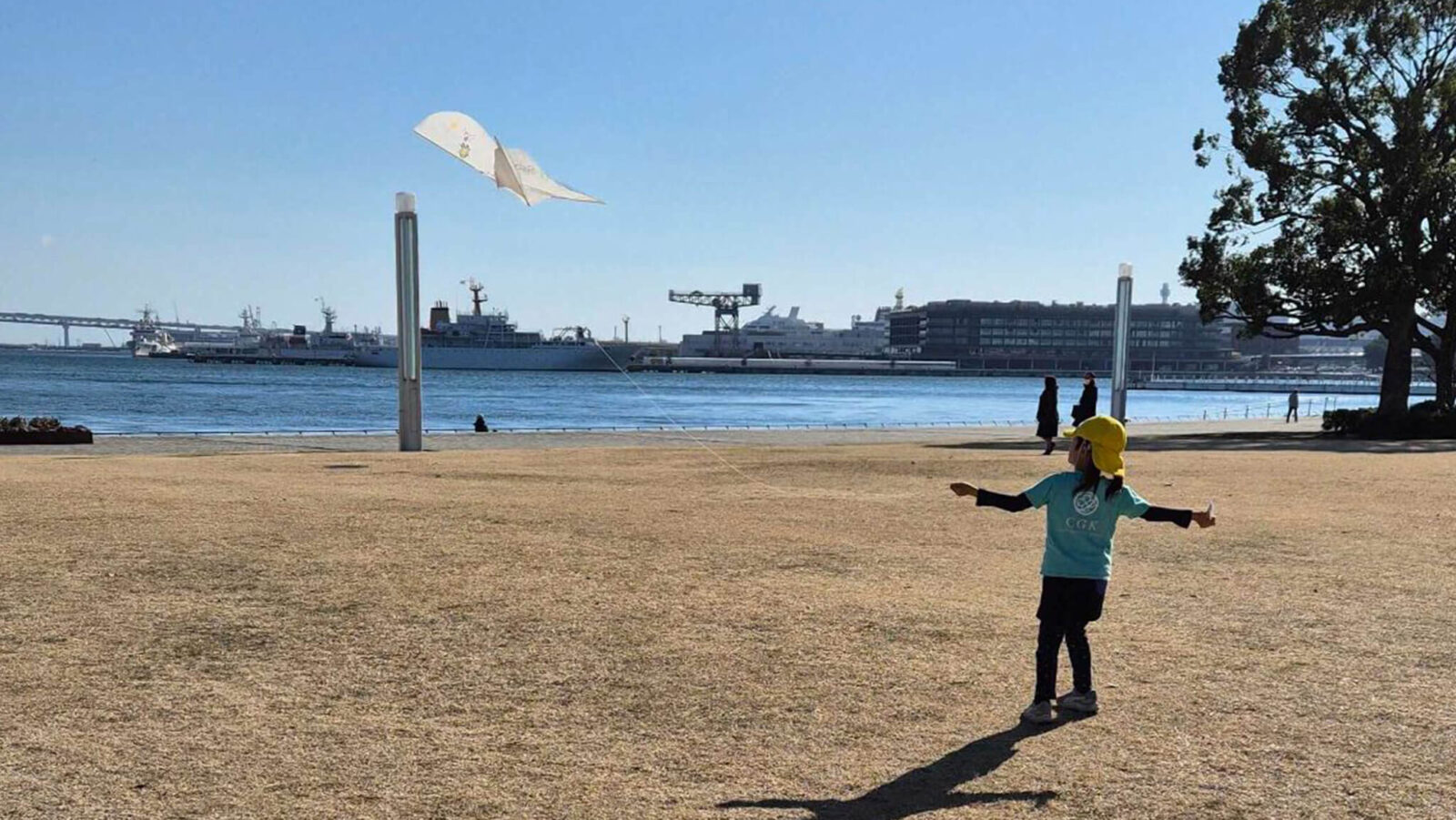
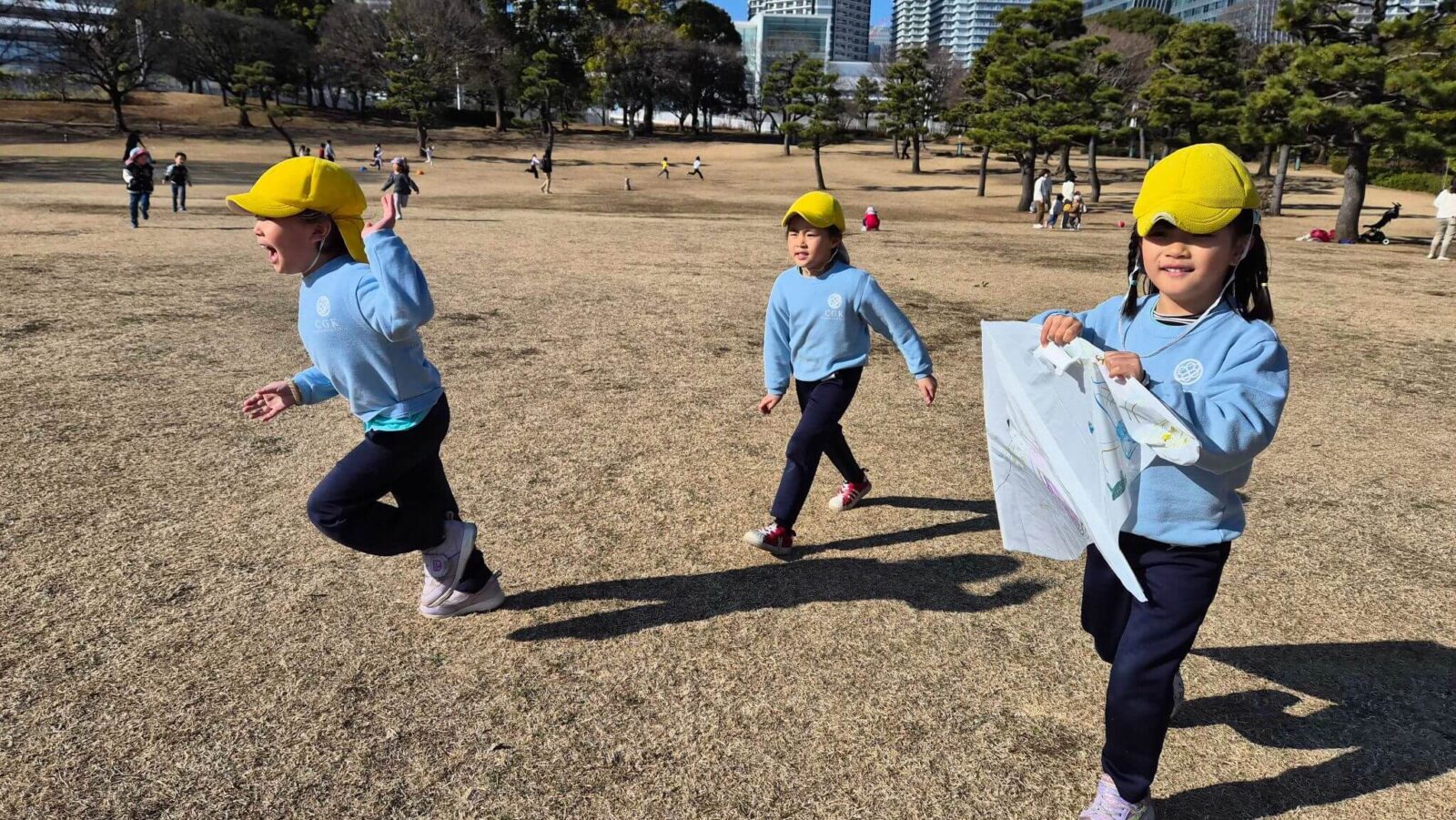
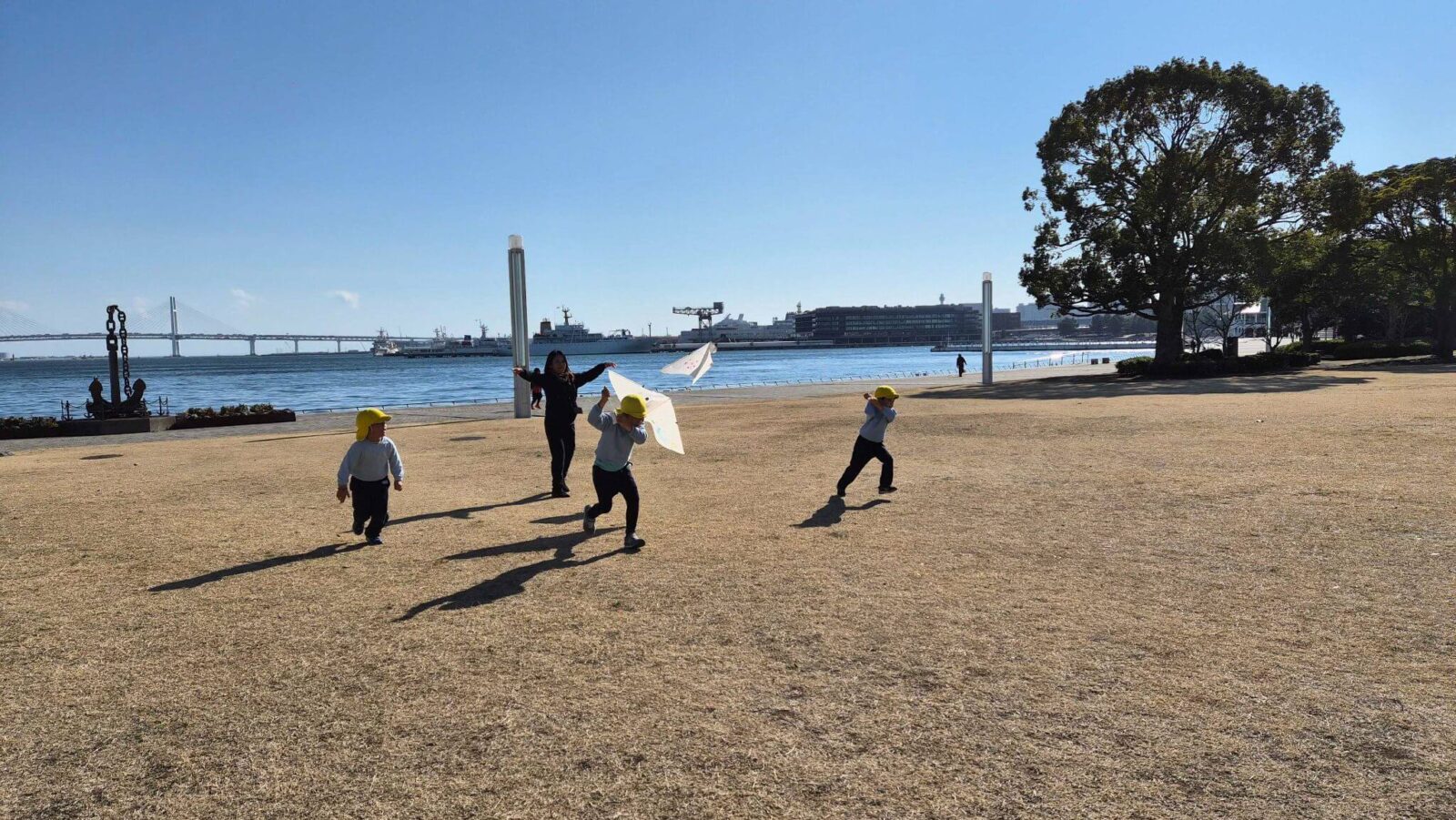
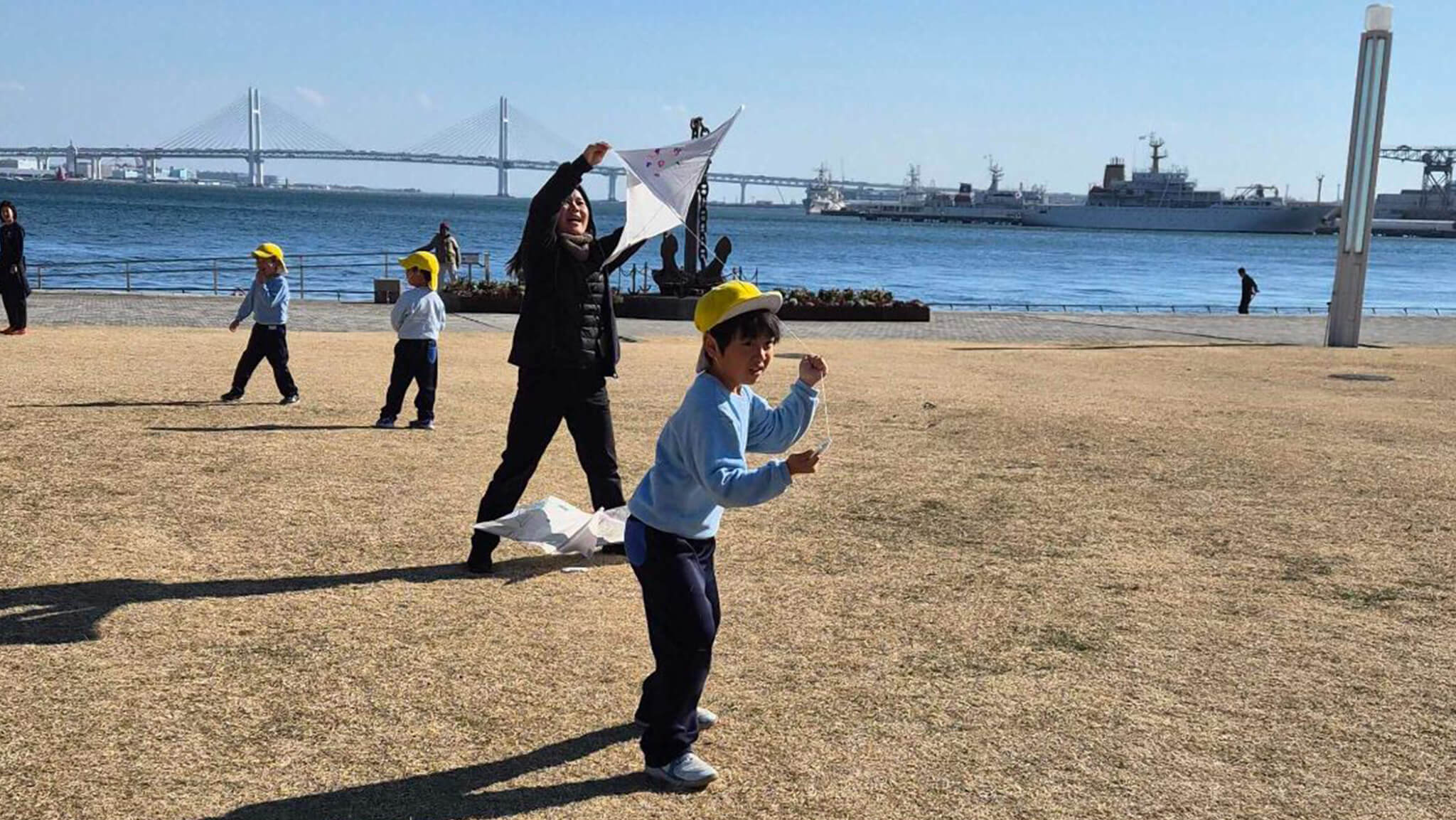
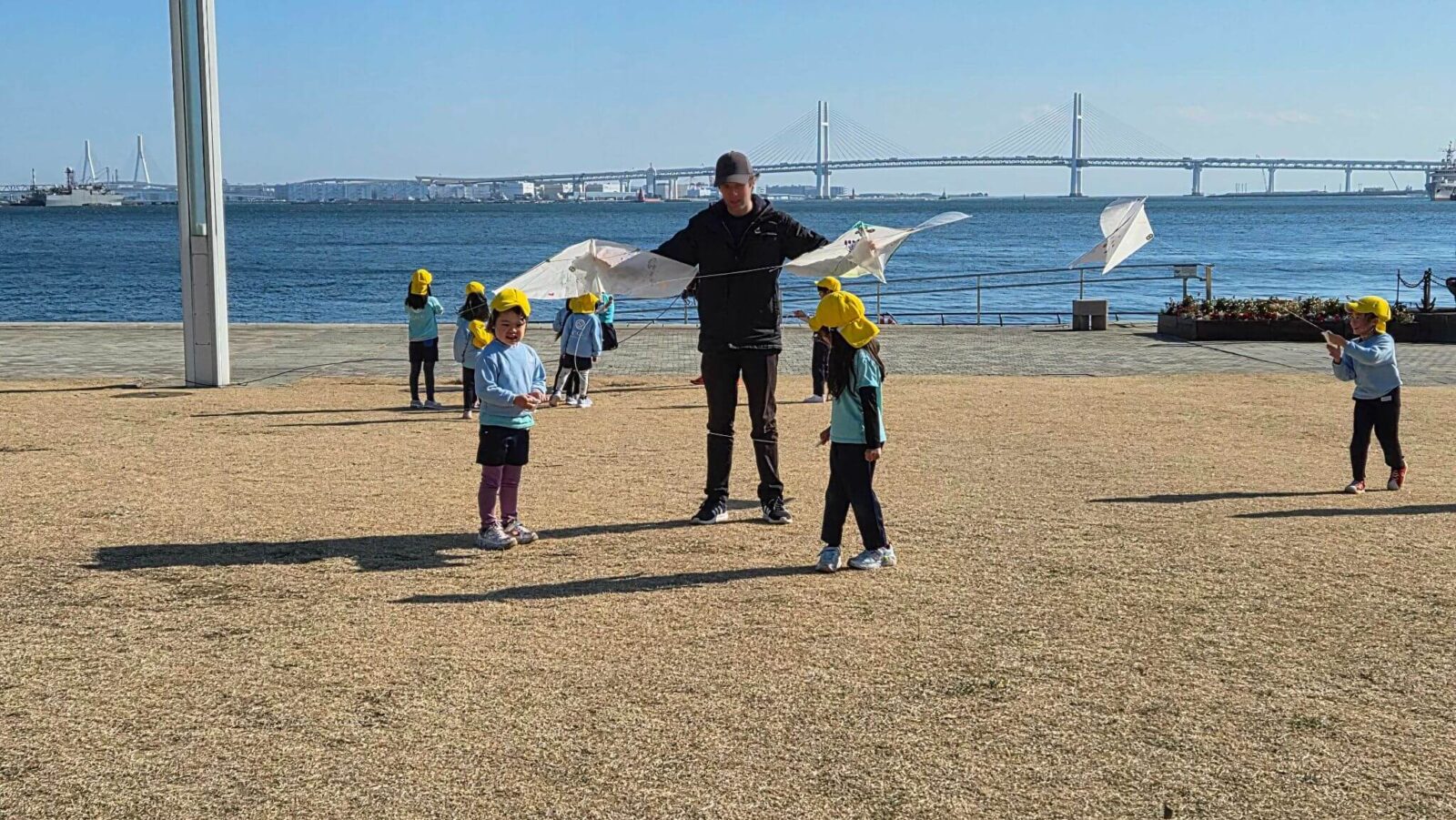
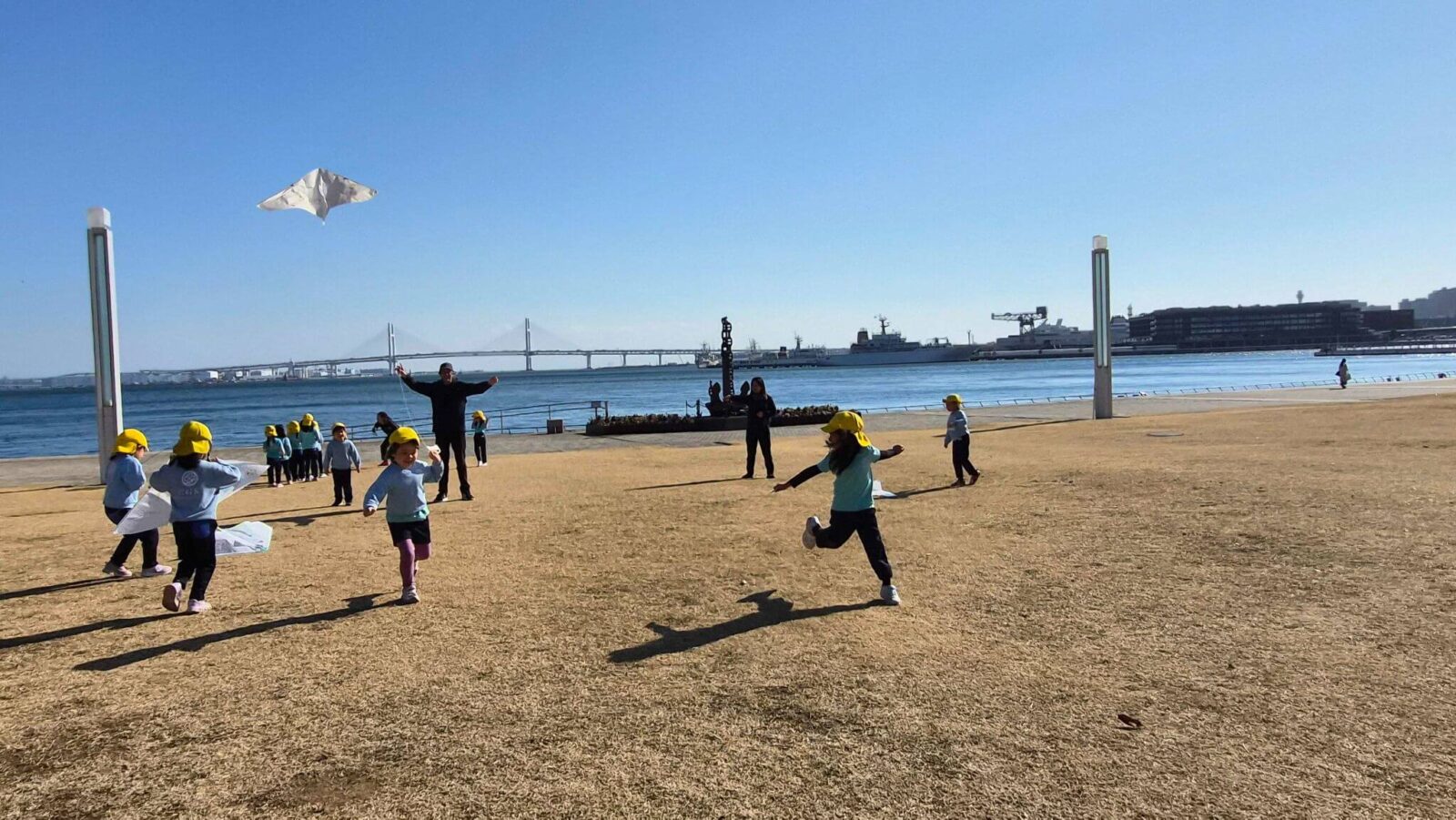
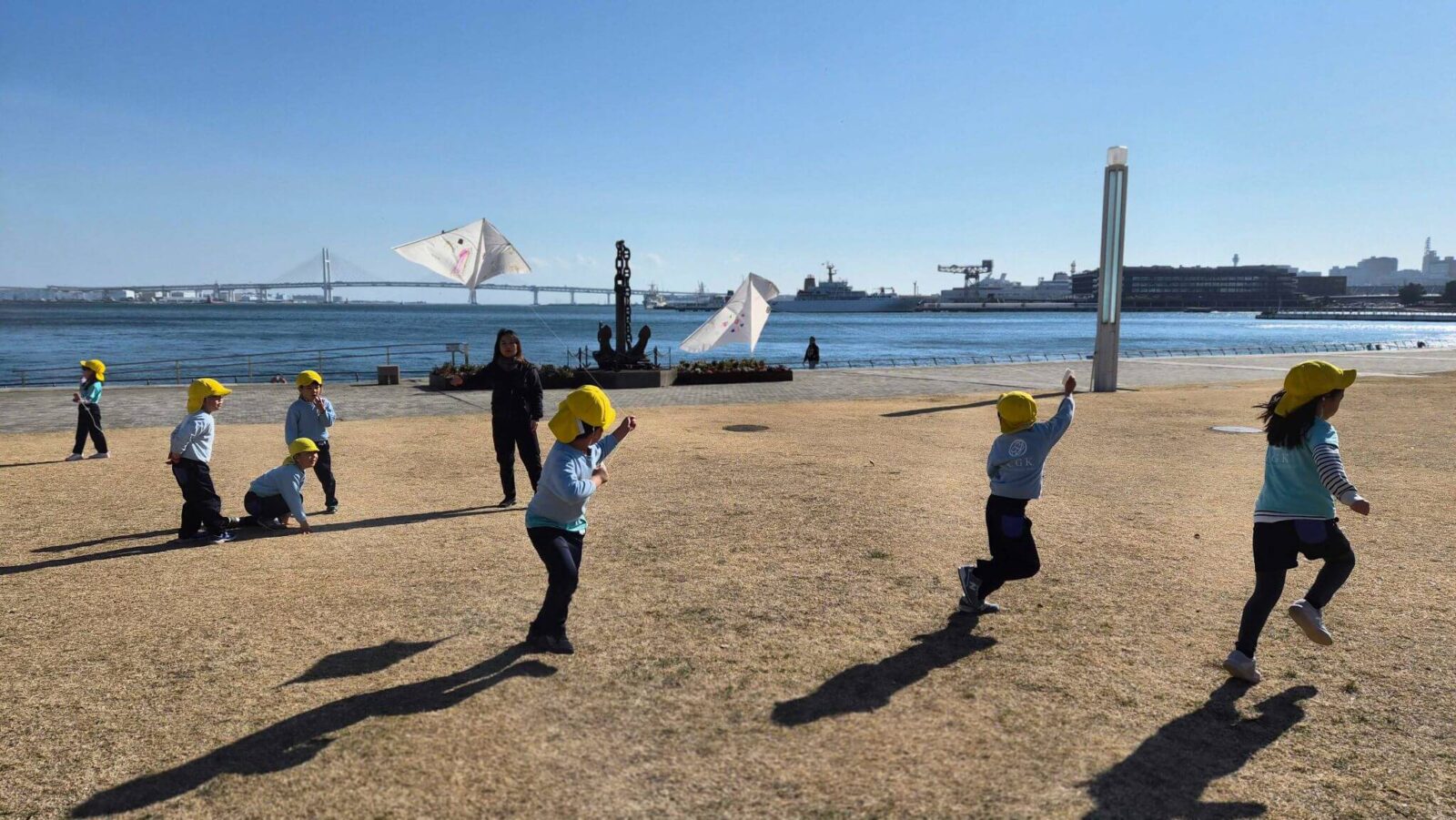
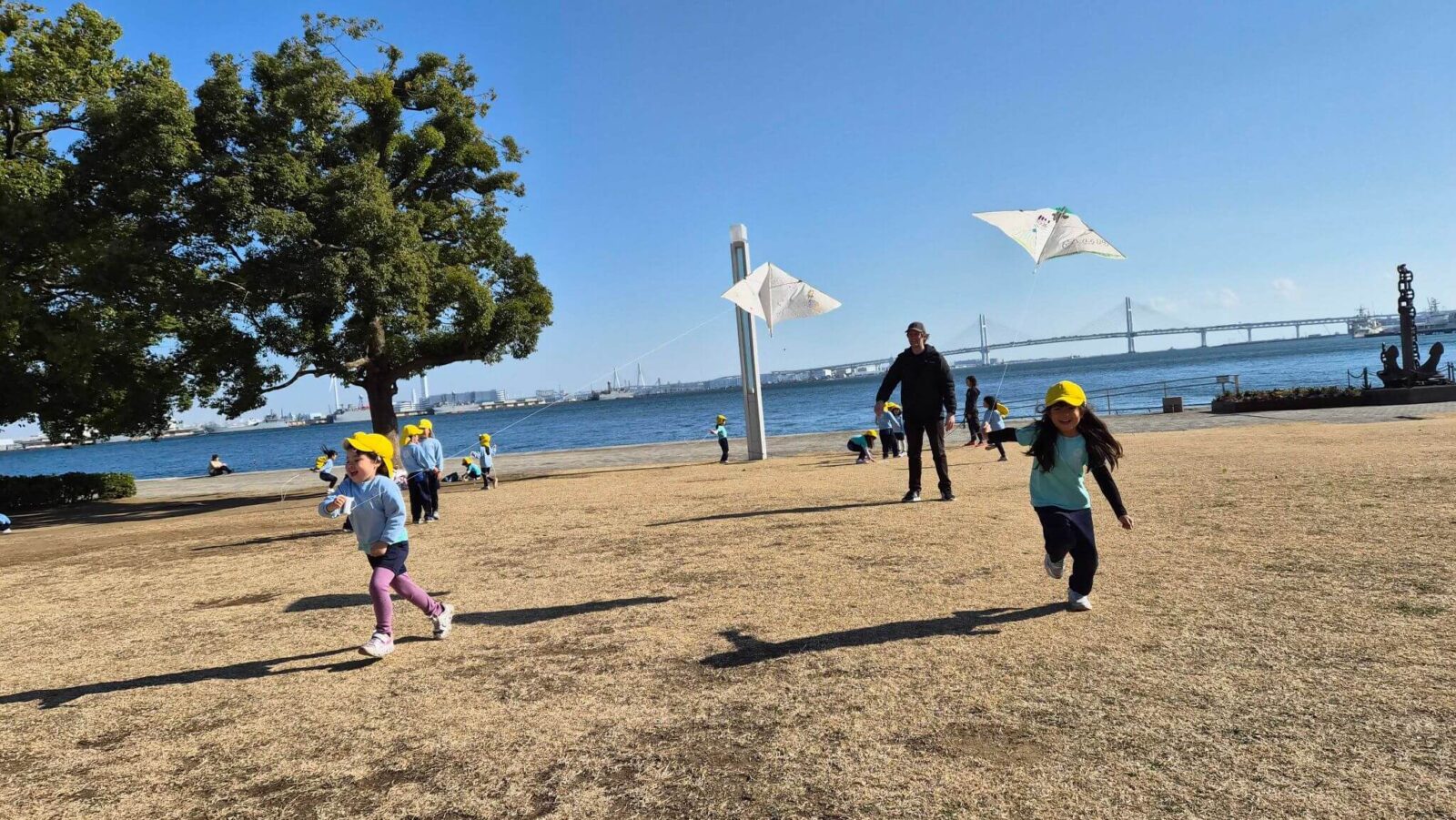
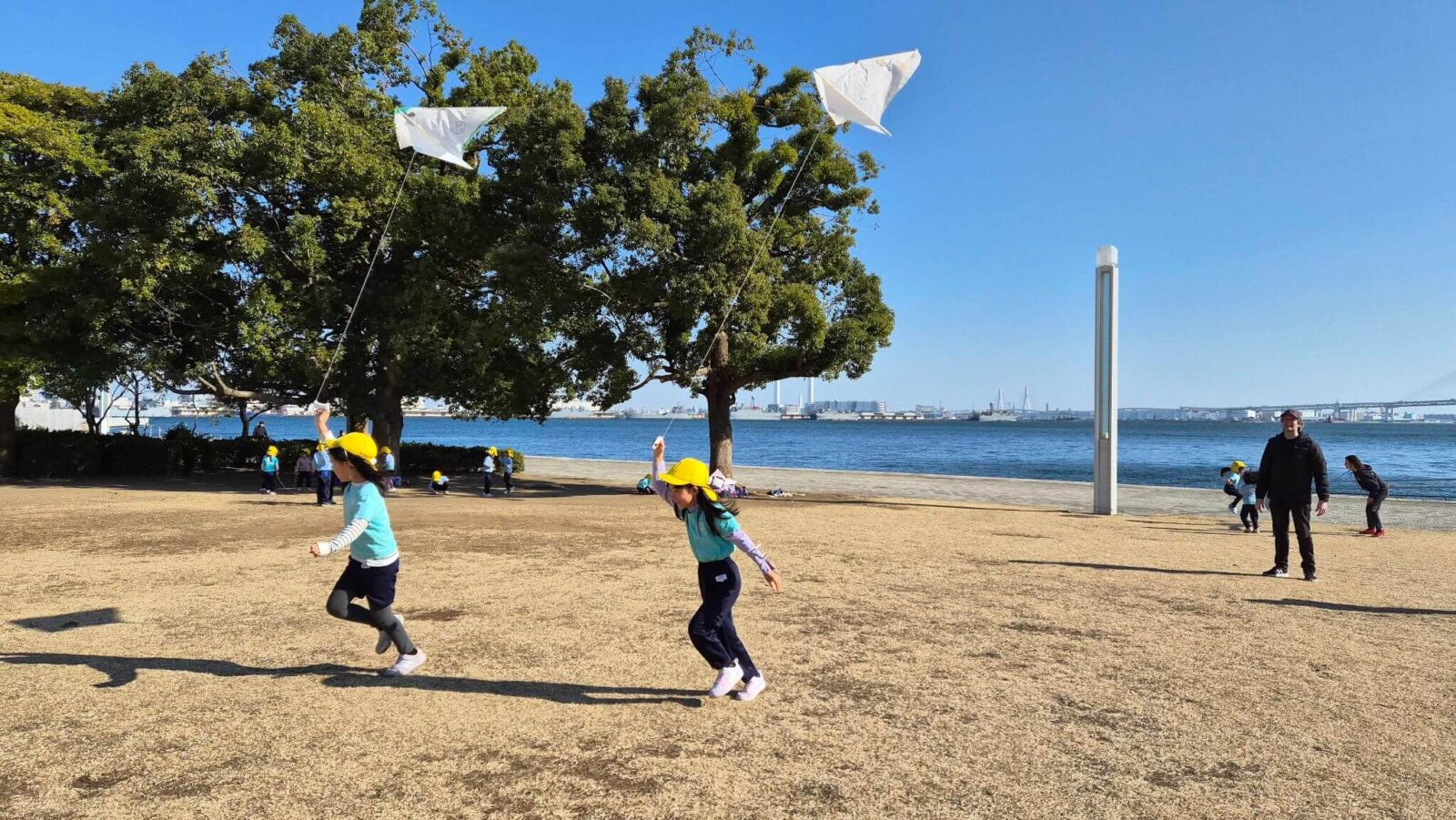
This month, both Sky A and Sky B celebrated the New Year through a hands on learning experience that brought language, culture, and collaboration together. As the year began, students continued the Japanese tradition of creating kites during Japanese class while exploring ideas of culture and tradition. This experience became a meaningful bridge between our Units of Inquiry, connecting Where We Are in Place and Time to Who We Are, as both units emphasize the role culture plays in shaping identity. Through discussions and shared experiences, students began to understand how traditions connect people to their history and community.
The learning continued in English class, where flying the kites became an opportunity to extend this understanding through language and cooperation. Students worked together to plan, prepare, and problem-solve, using oral language to share ideas, give instructions, and reflect on what was happening in real time. They described the movement of the kites, expressed their excitement, and supported one another as they took turns launching and observing. With the wind on our side, the kites flew high and spirits were even higher, making it an engaging and memorable way to begin the year and set a positive tone for the months ahead.
Meeting “Who I Am” Through Letters and Words
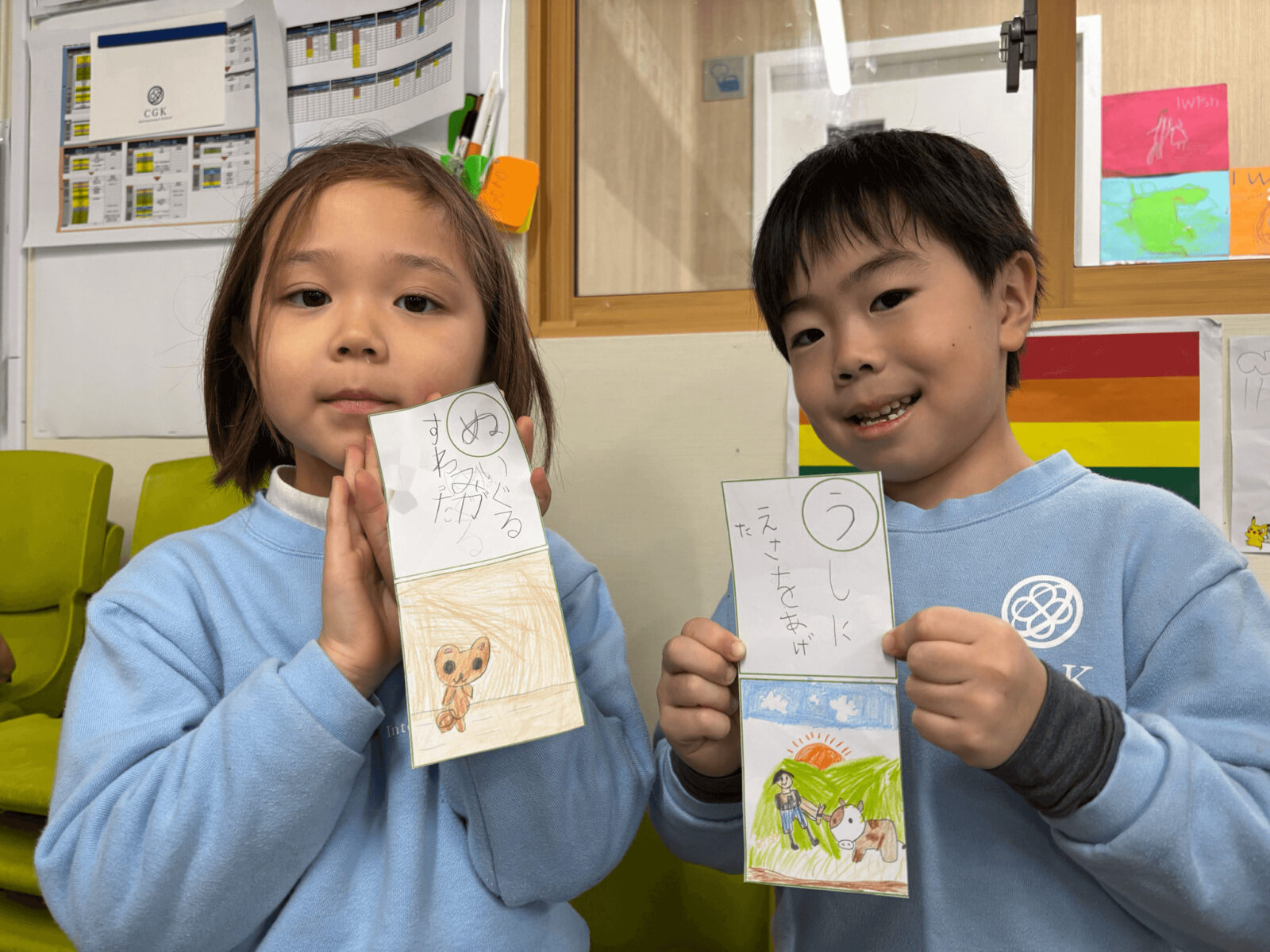
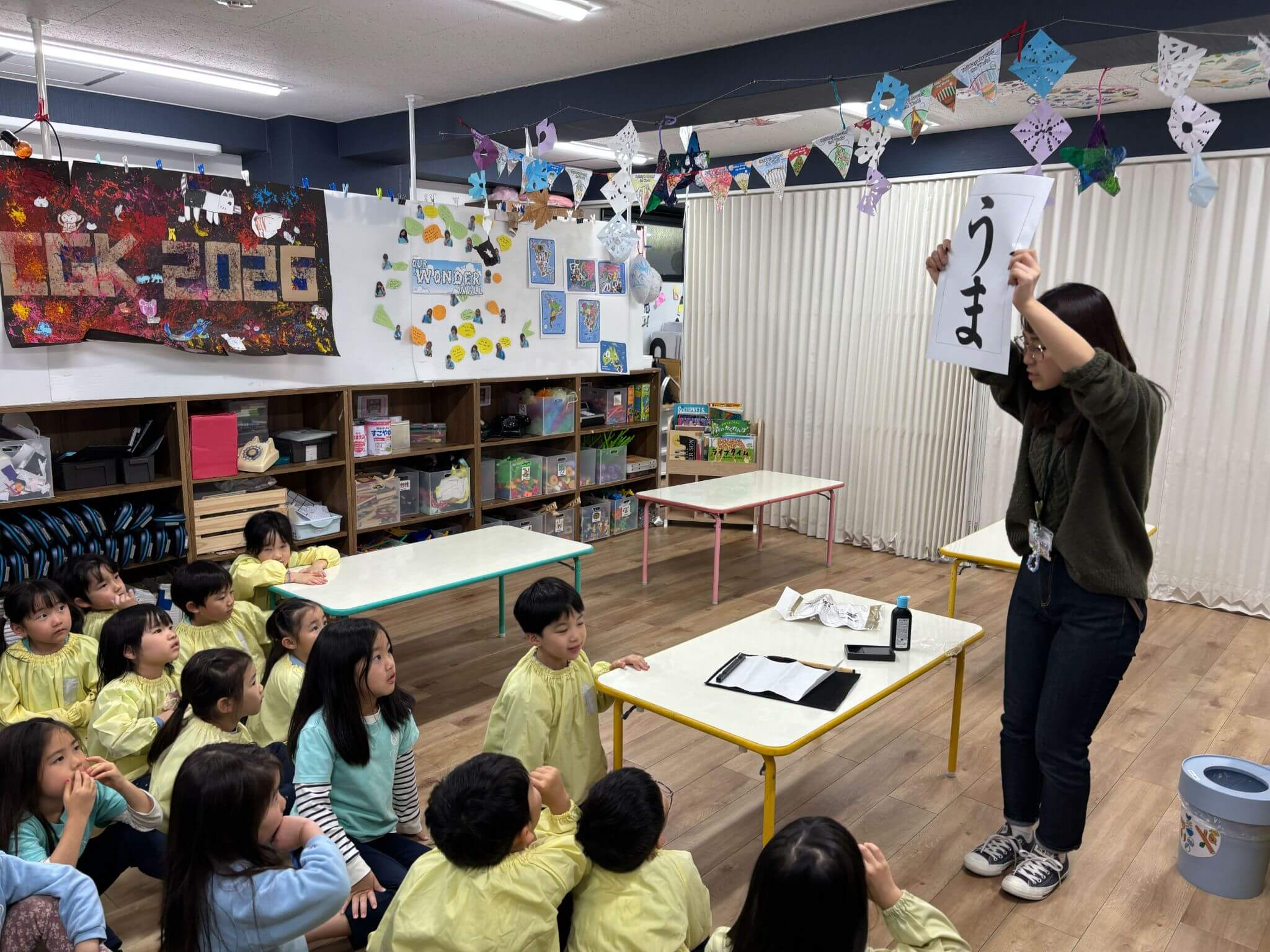
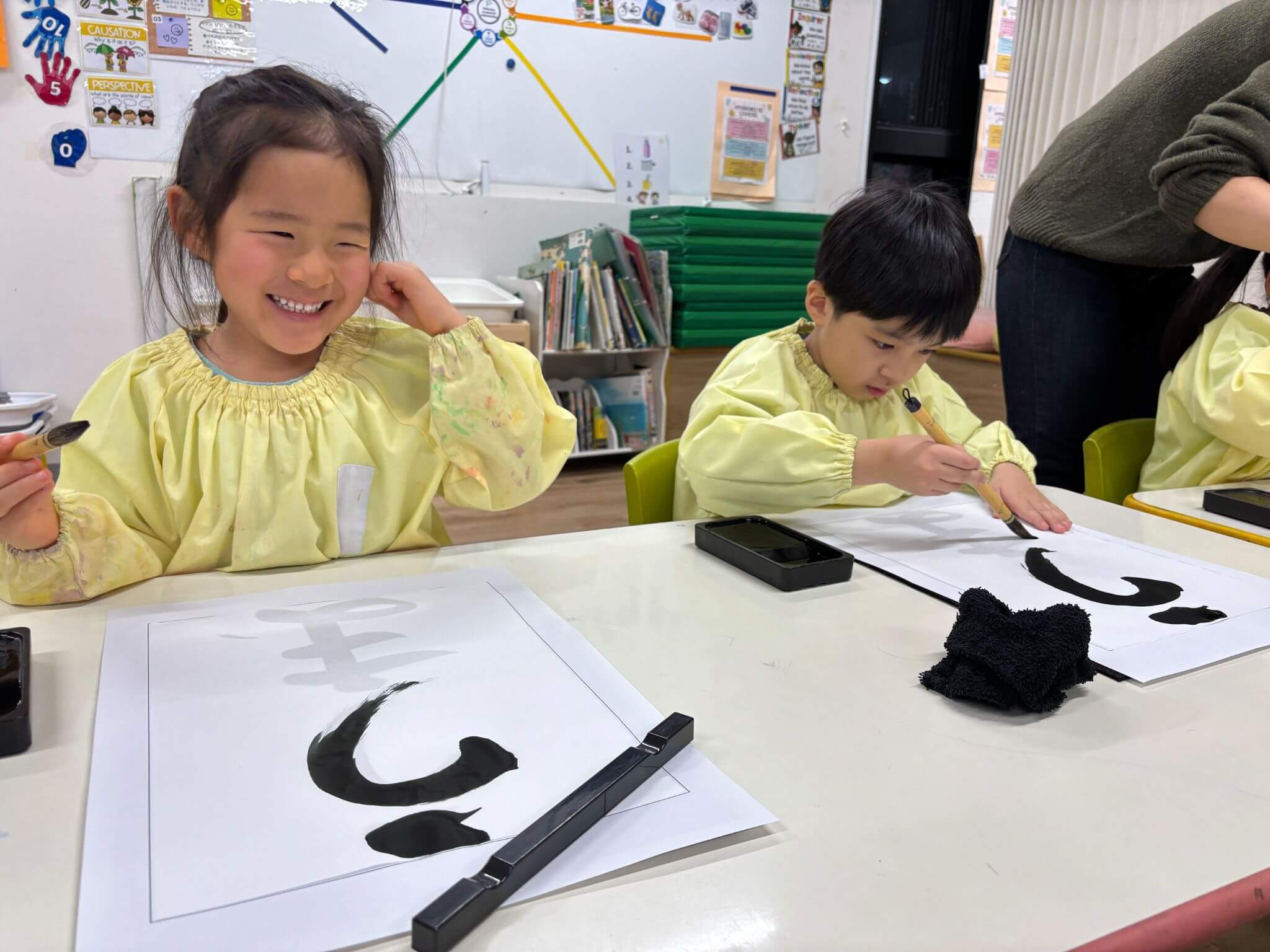
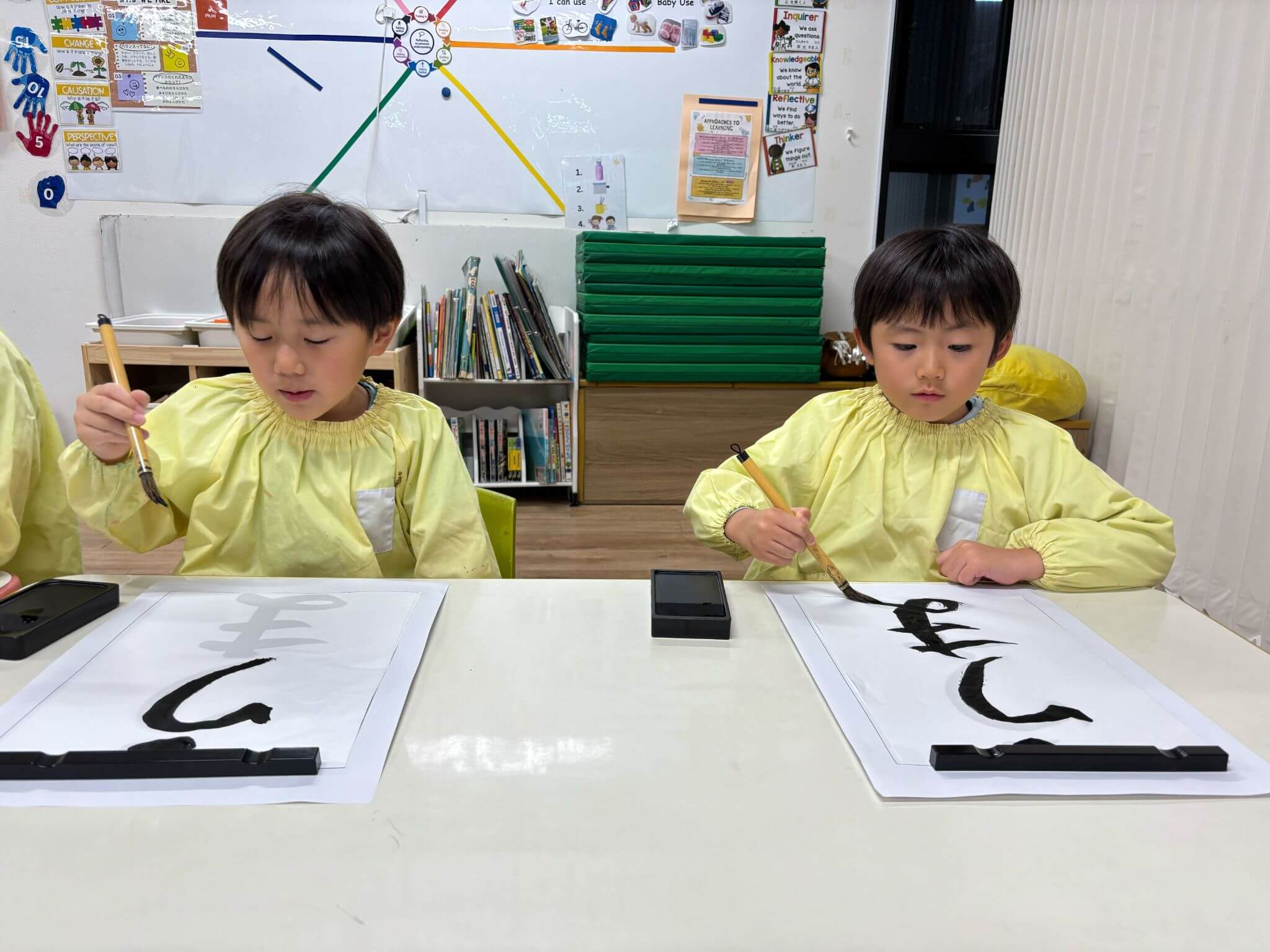
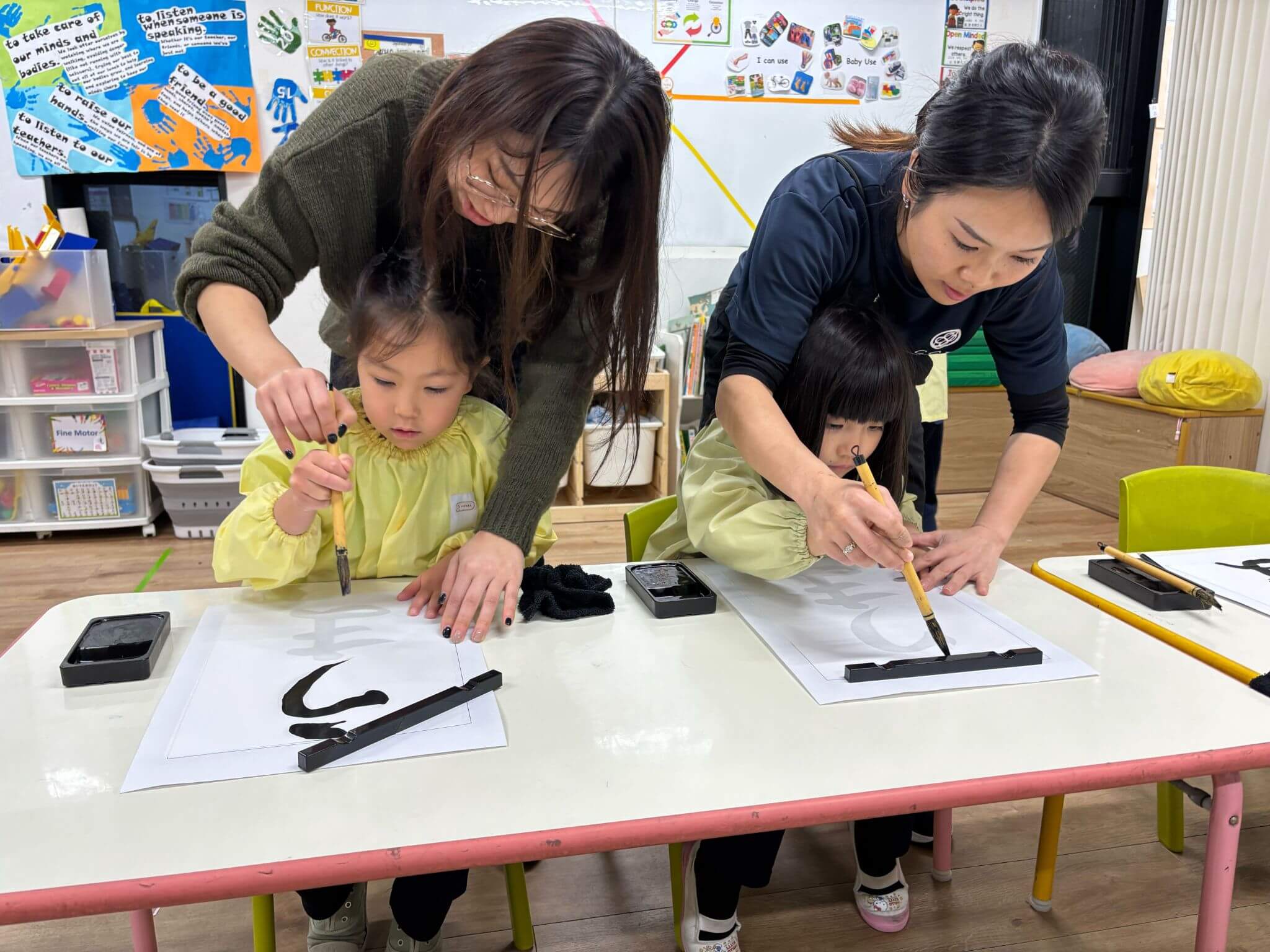
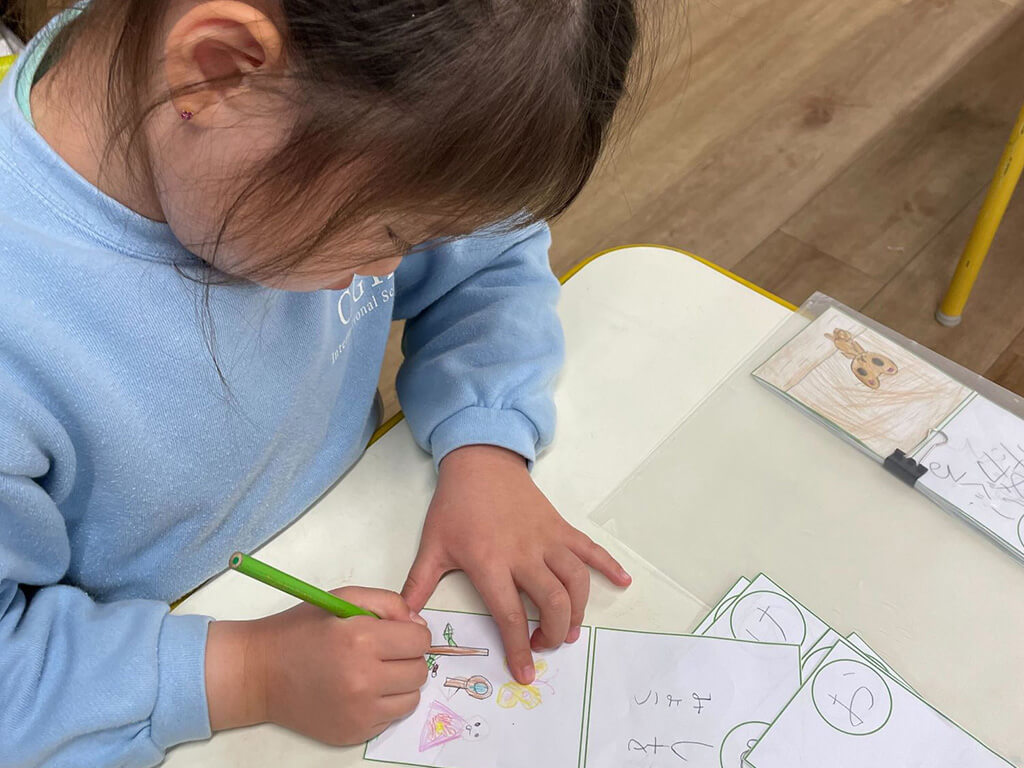
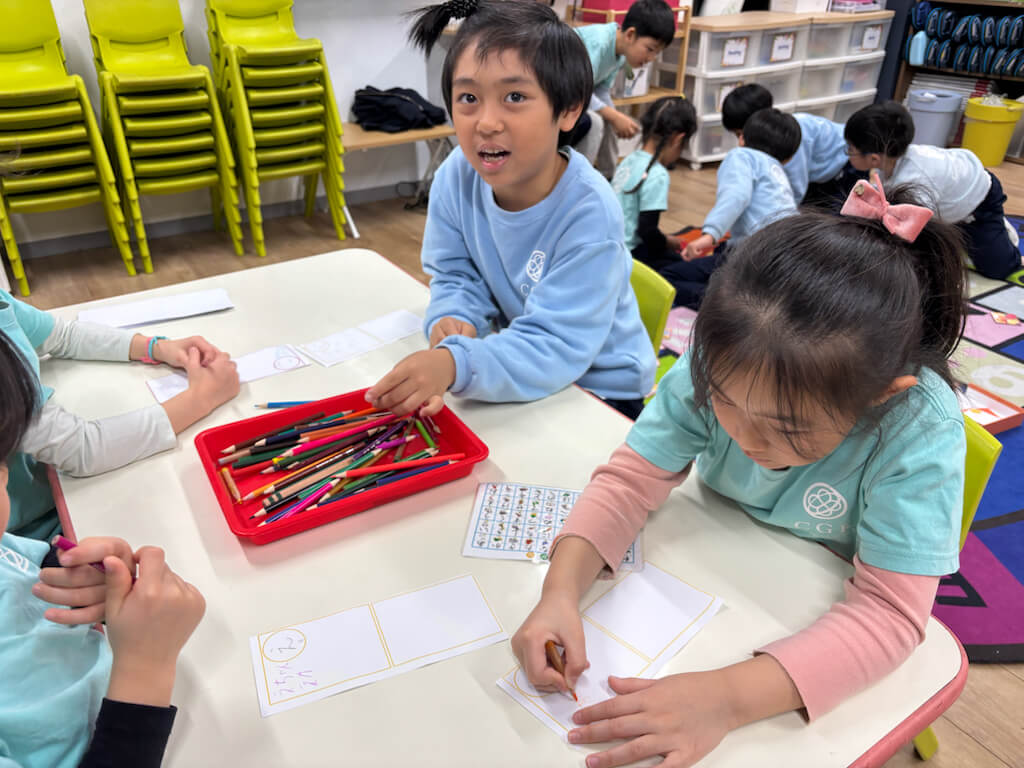
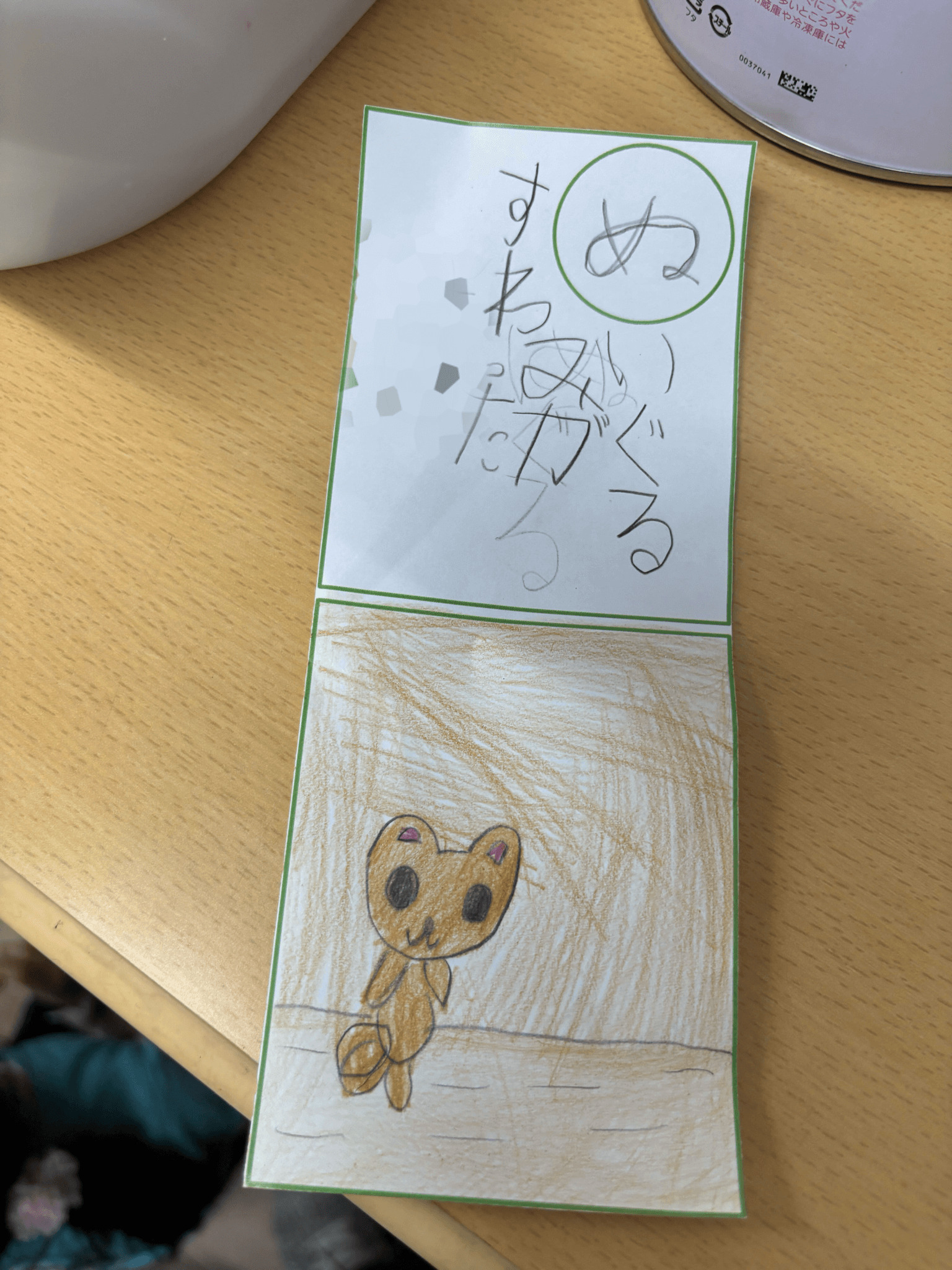
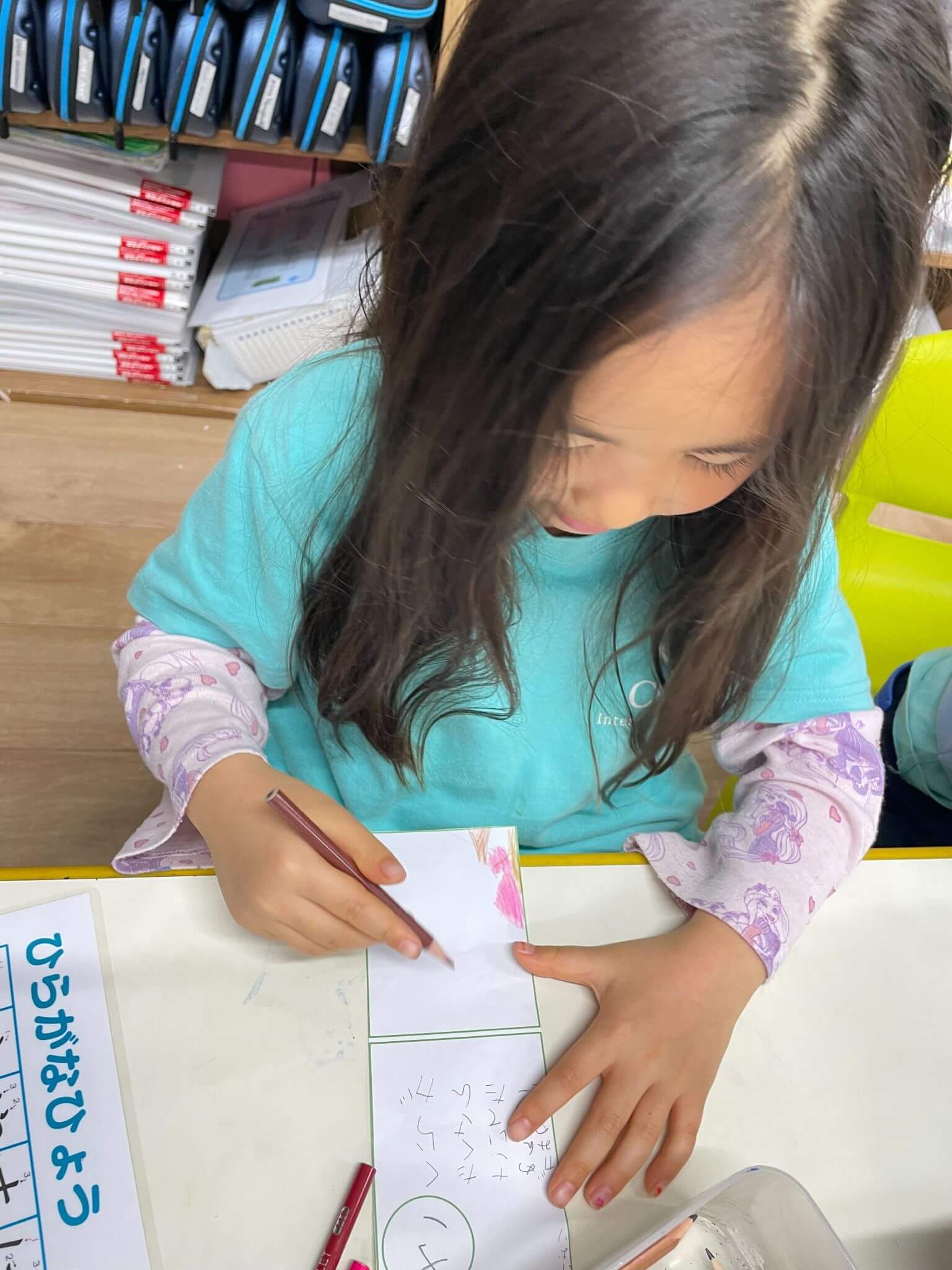
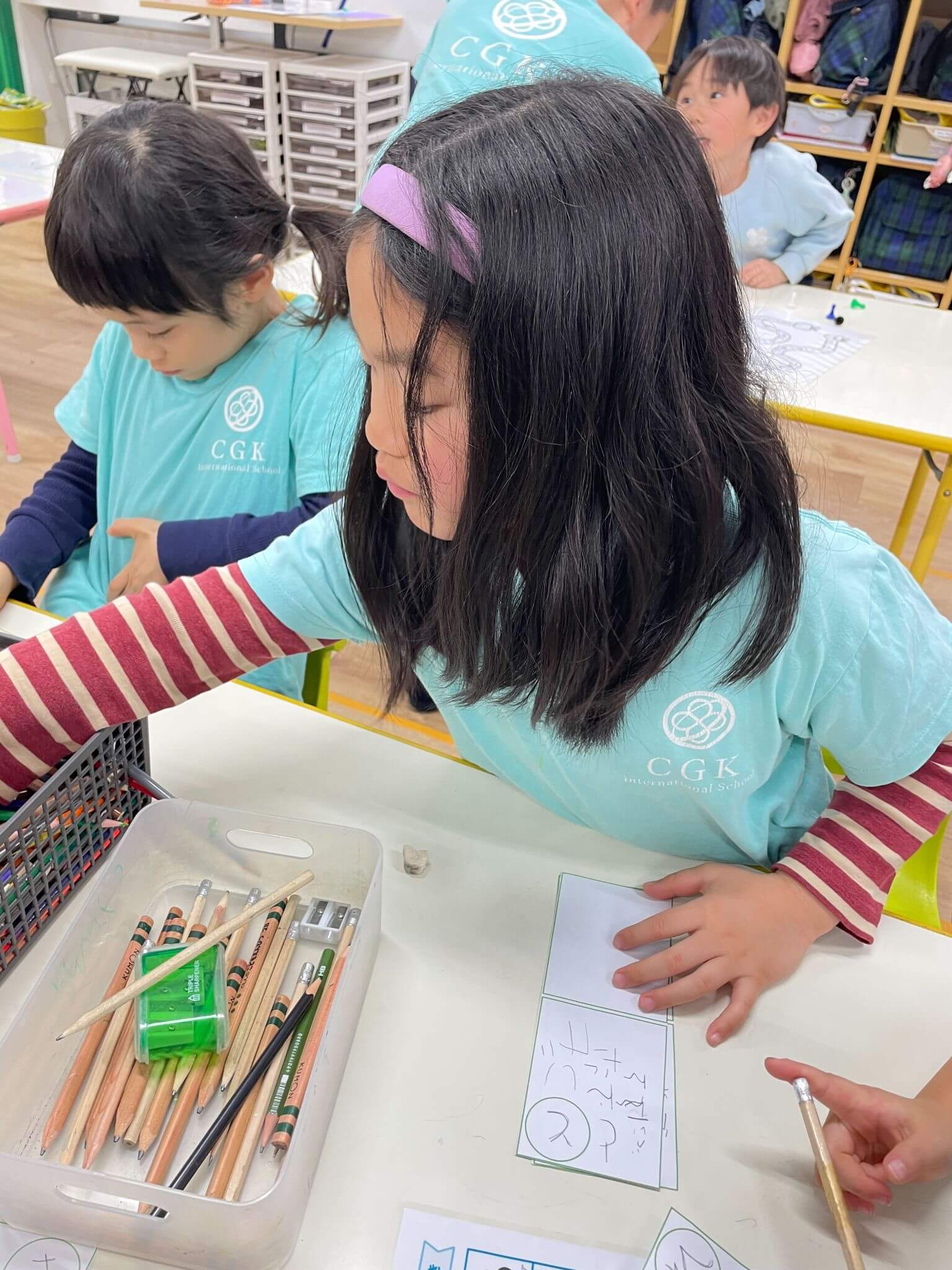
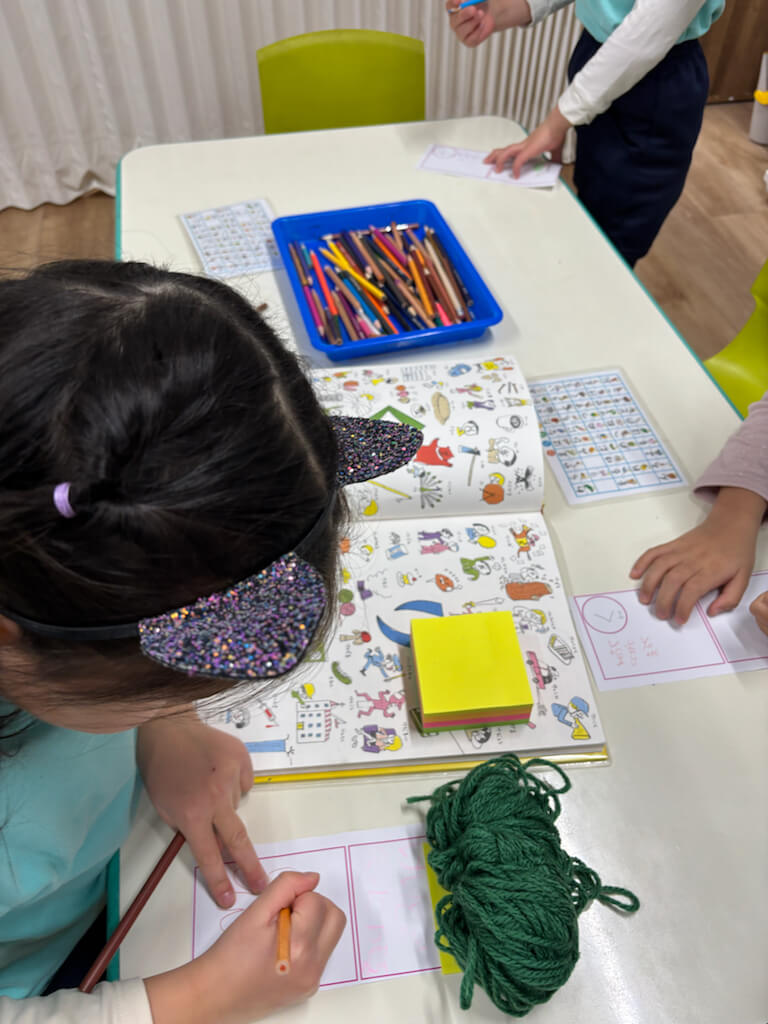
In this month’s Japanese language activities, students spent time becoming familiar with letters and words while experiencing Japanese culture and the joy of expression through two main activities: traditional kakizome (New Year calligraphy) and creating their own original karuta cards.
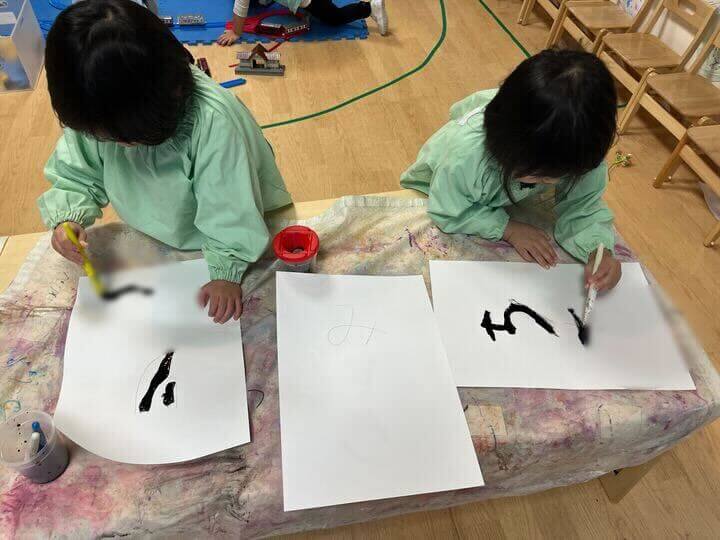
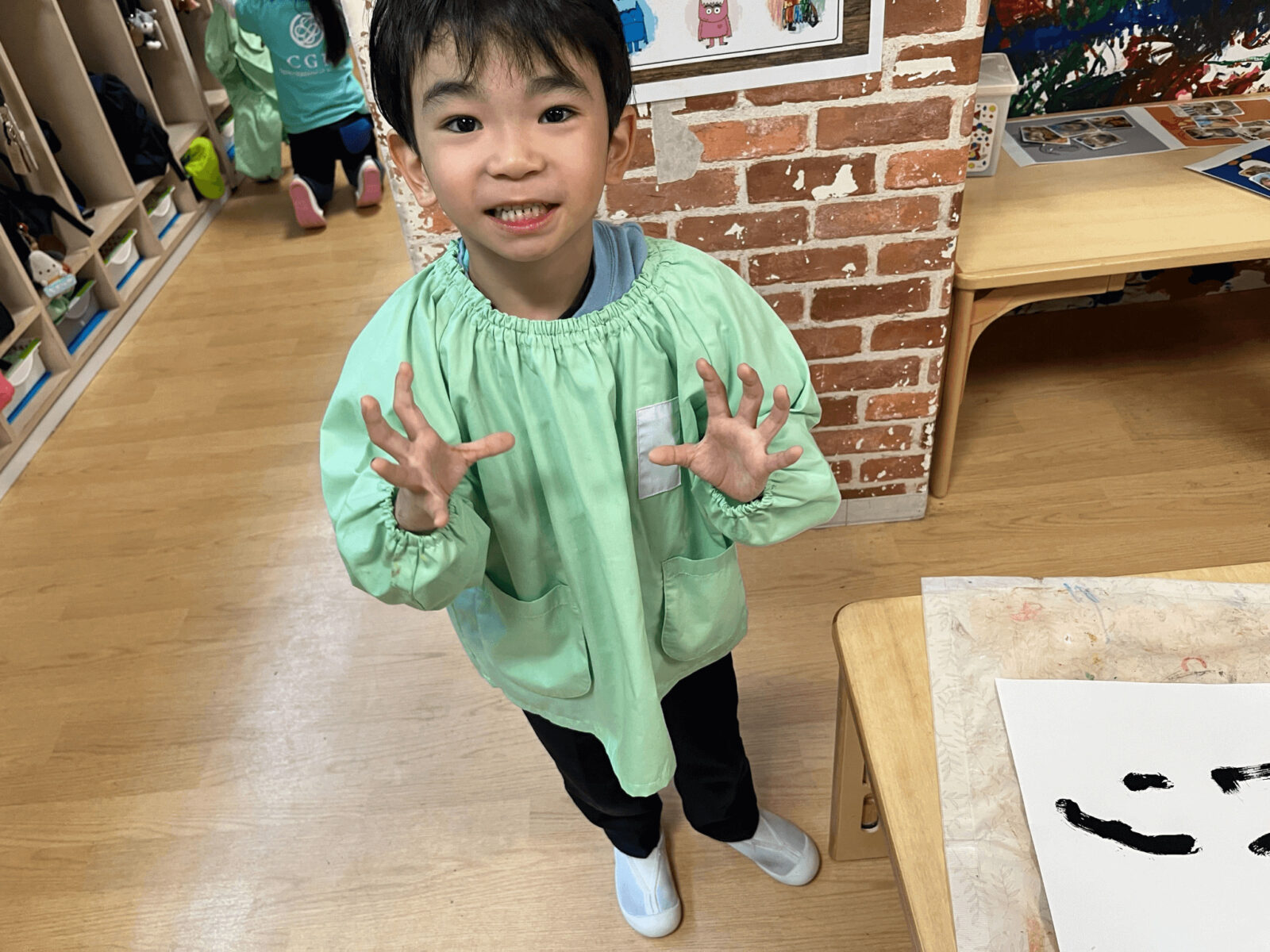
During the kakizome experience, students used brushes and ink to write characters, exploring tools and sensations that were different from their everyday writing materials. They showed curiosity as they wondered, “How do I write this?” and “What kind of sound does it make?” Engaging all five senses, they experimented with pressure, moved their brushes freely, and enjoyed expressing themselves in their own unique ways while watching their hand movements turn into lines on paper.
In the “My Own Karuta” activity, students created words or short sentences starting from a single hiragana character. Many chose letters from their own names, while others drew inspiration from their favorite things or past experiences. Through this process, they challenged themselves to express their own world through words. As they discussed ideas with friends and expanded their imagination through drawing, natural conversations emerged, and students were seen listening carefully to one another’s thoughts and perspectives.
These activities connect closely with the IB Unit of Inquiry Who We Are, offering opportunities for students to naturally reflect on questions such as “Who am I?” and “What makes me, me?” While working with the same letters or themes, each child’s choice of words and style of expression was different. Through these experiences, students are gradually realizing that these differences are what make each person unique—and that valuing those differences is an important part of learning about themselves and others.
Mountain
(4-year-olds)
What Winter Traditions Do You Have?
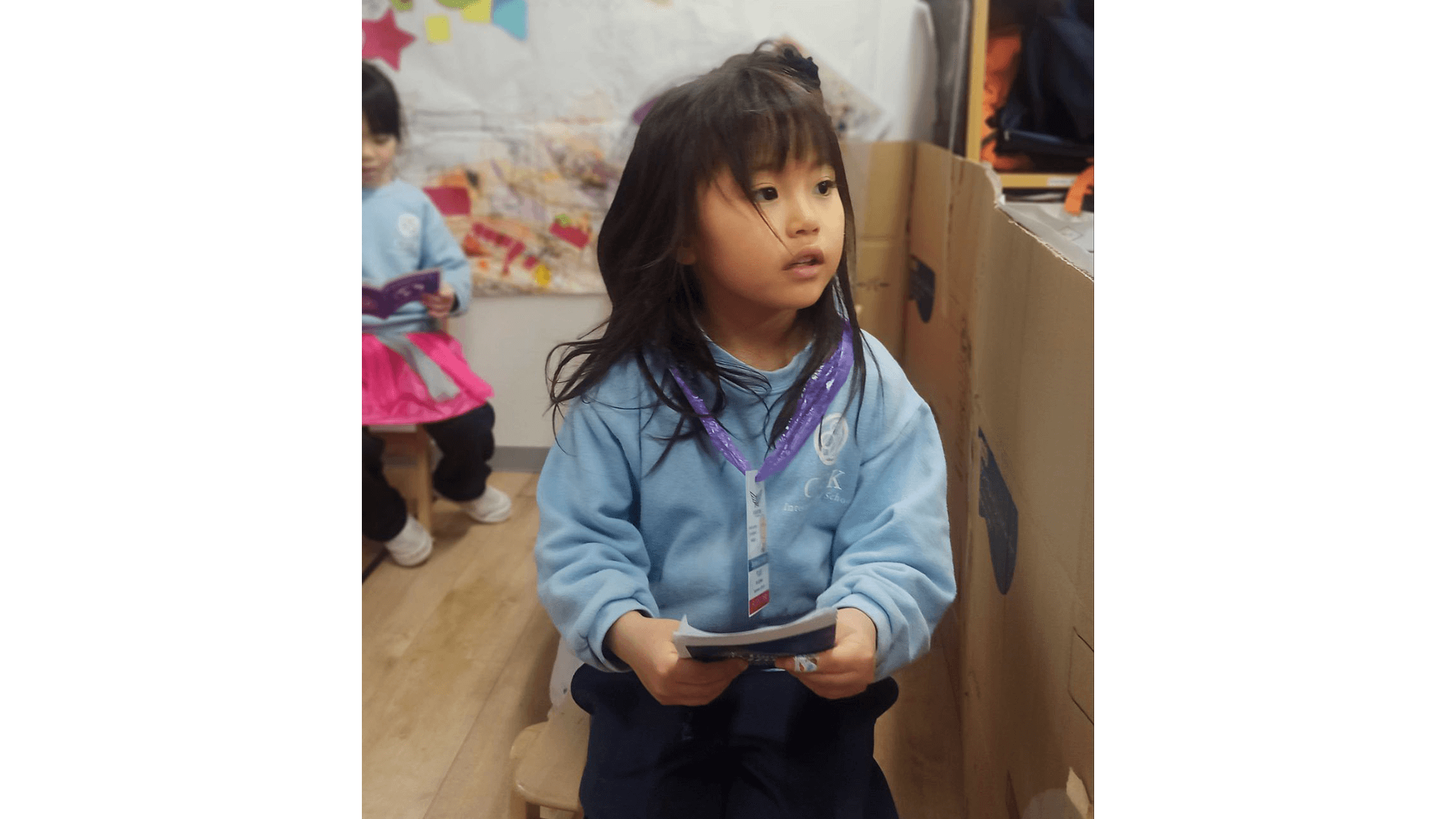
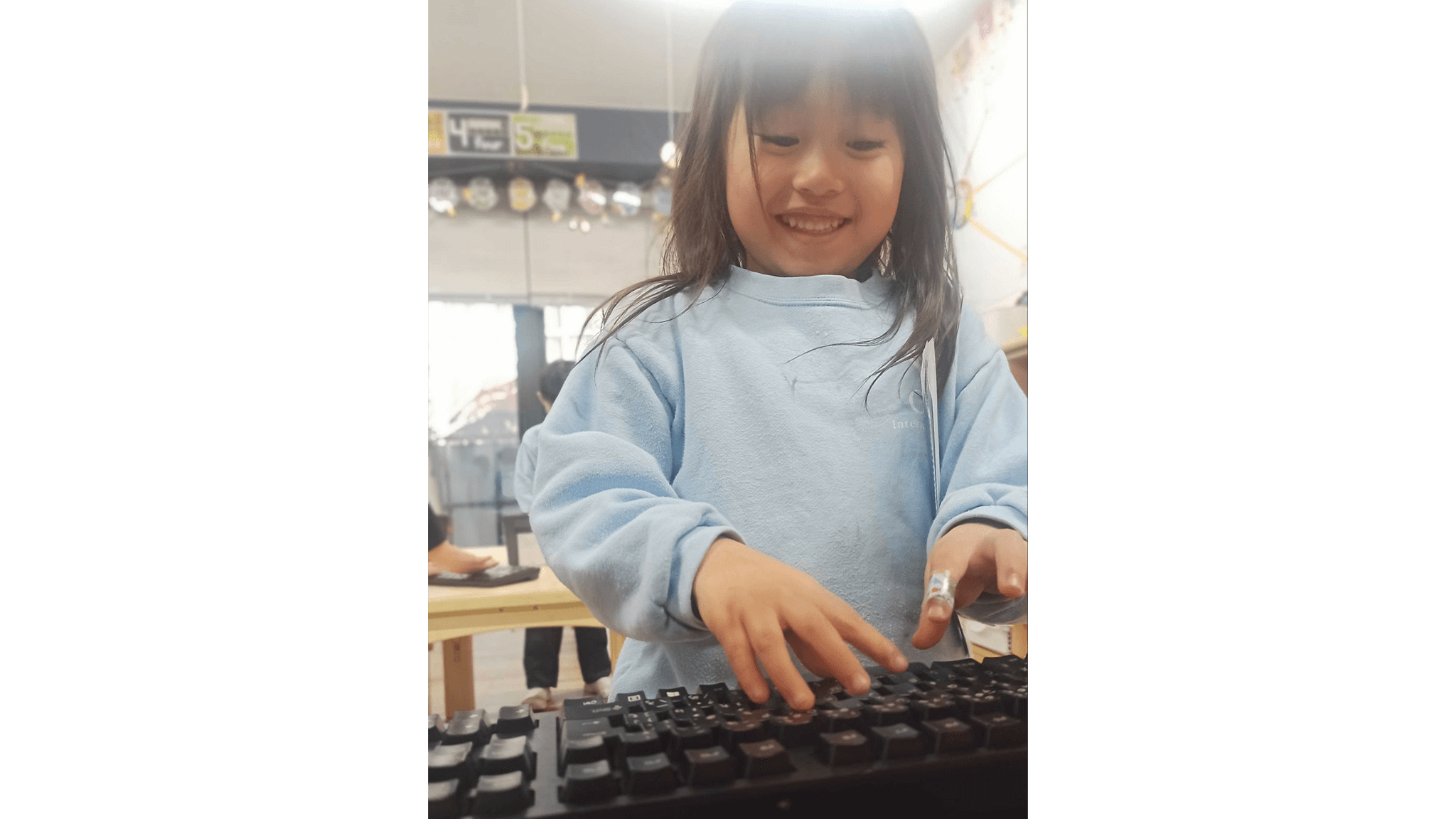
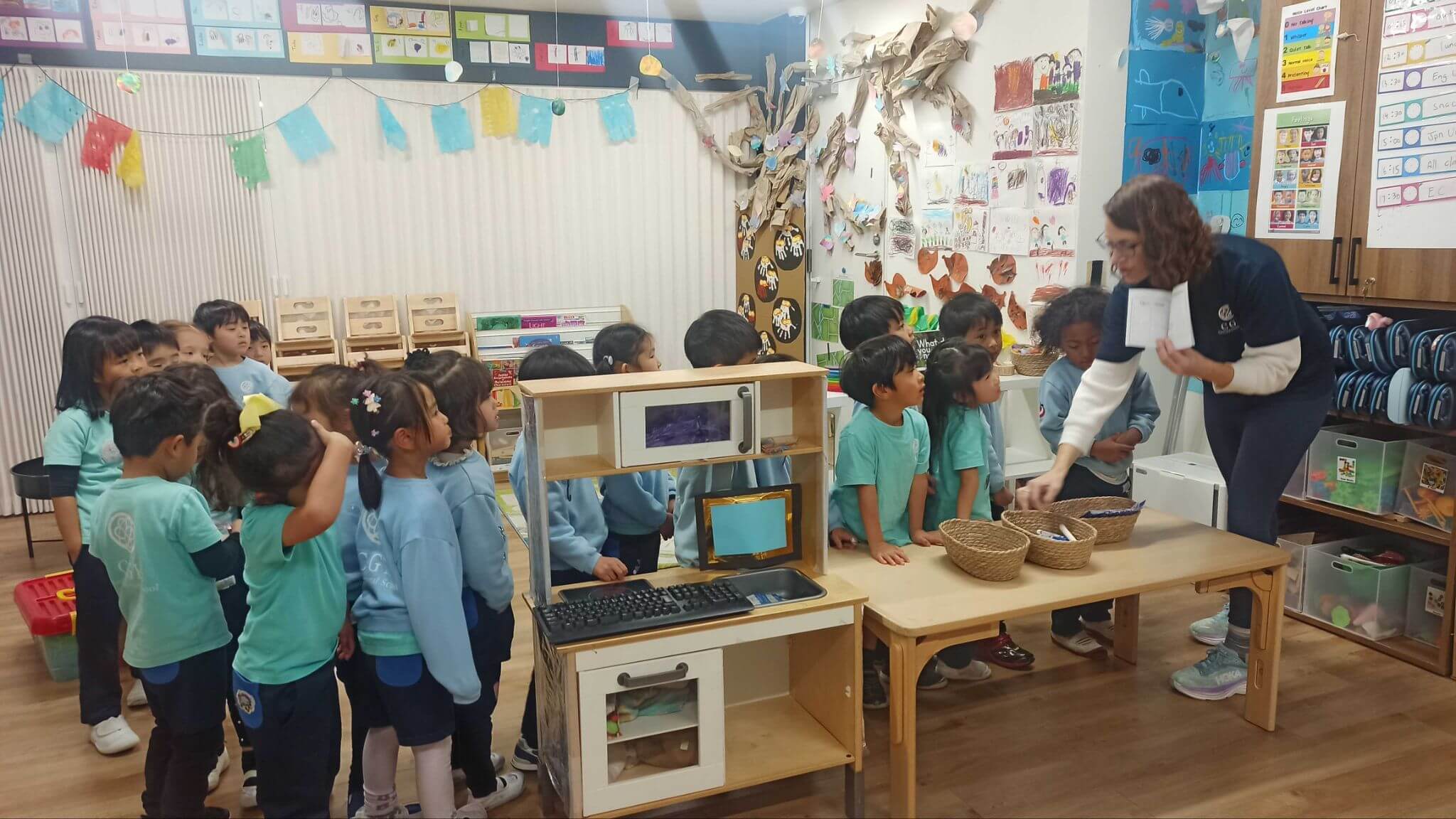
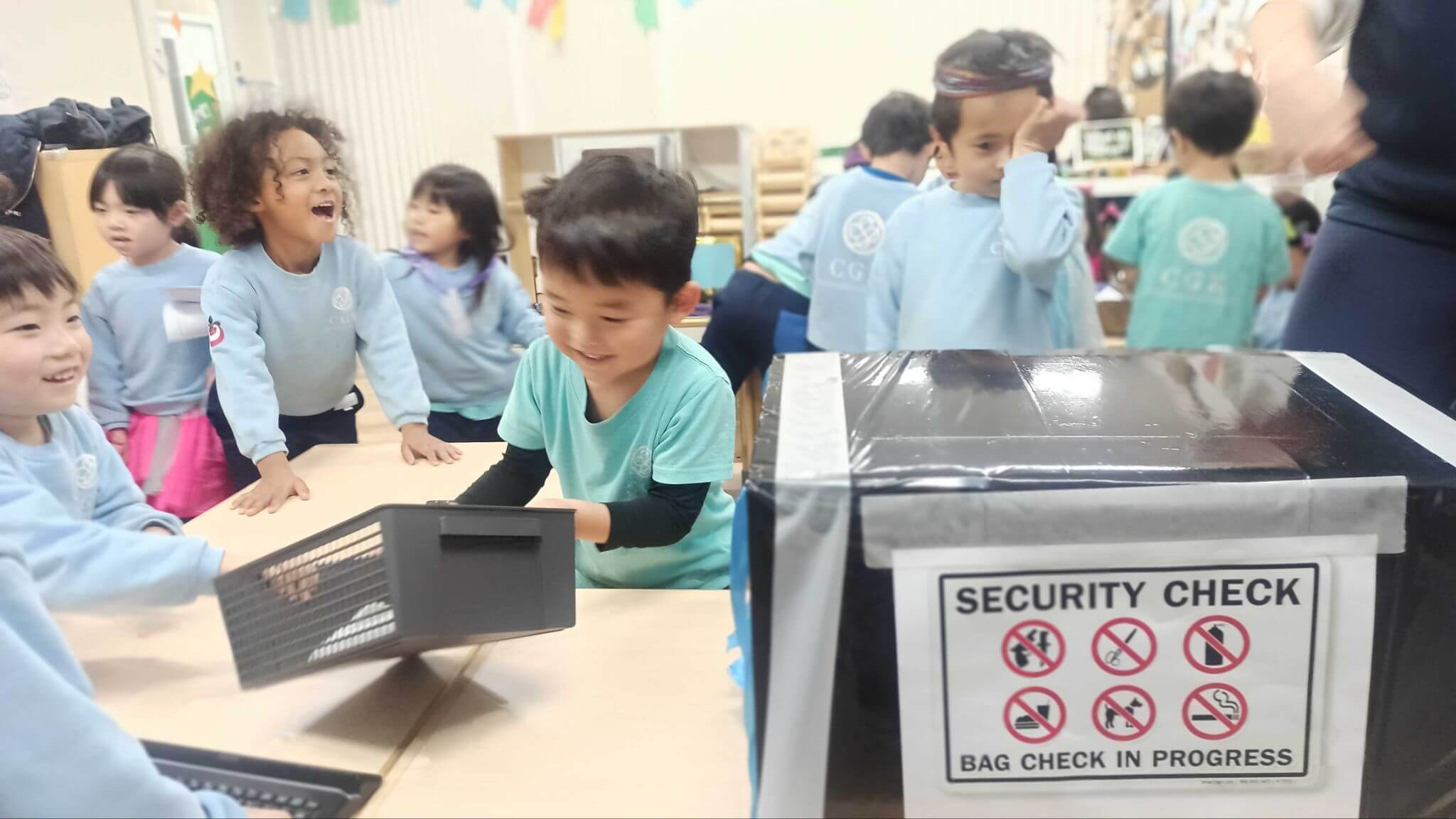
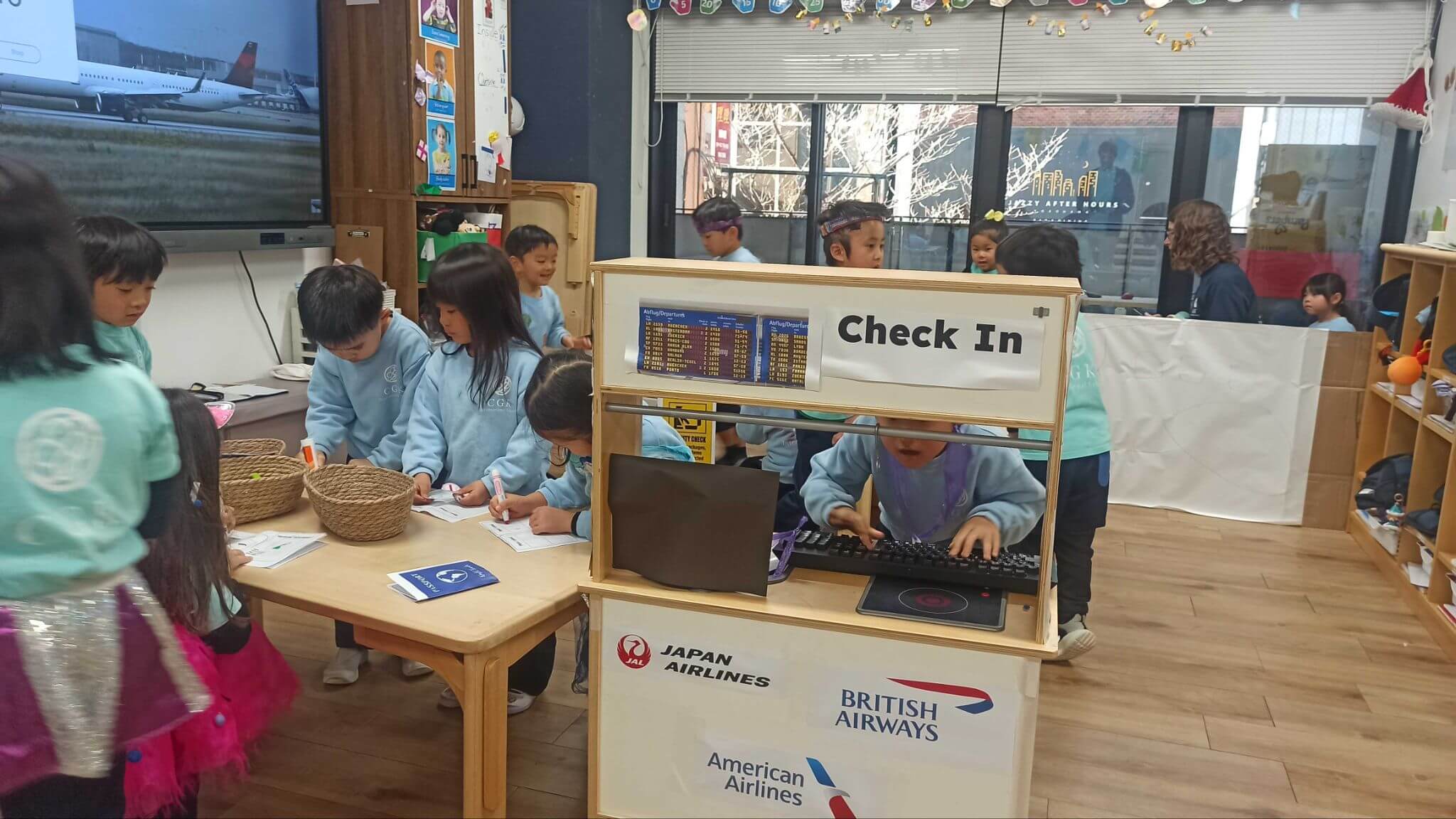
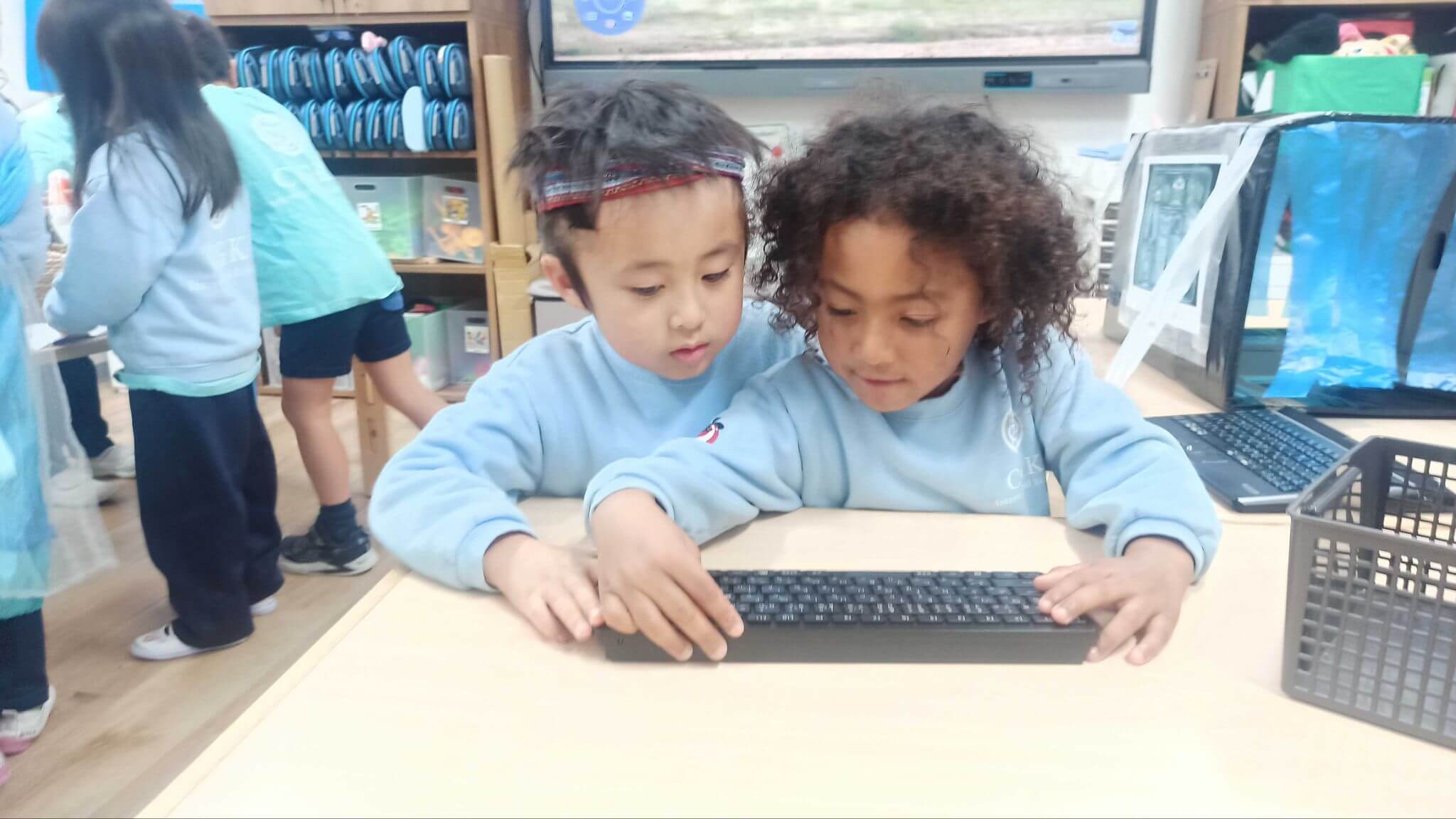
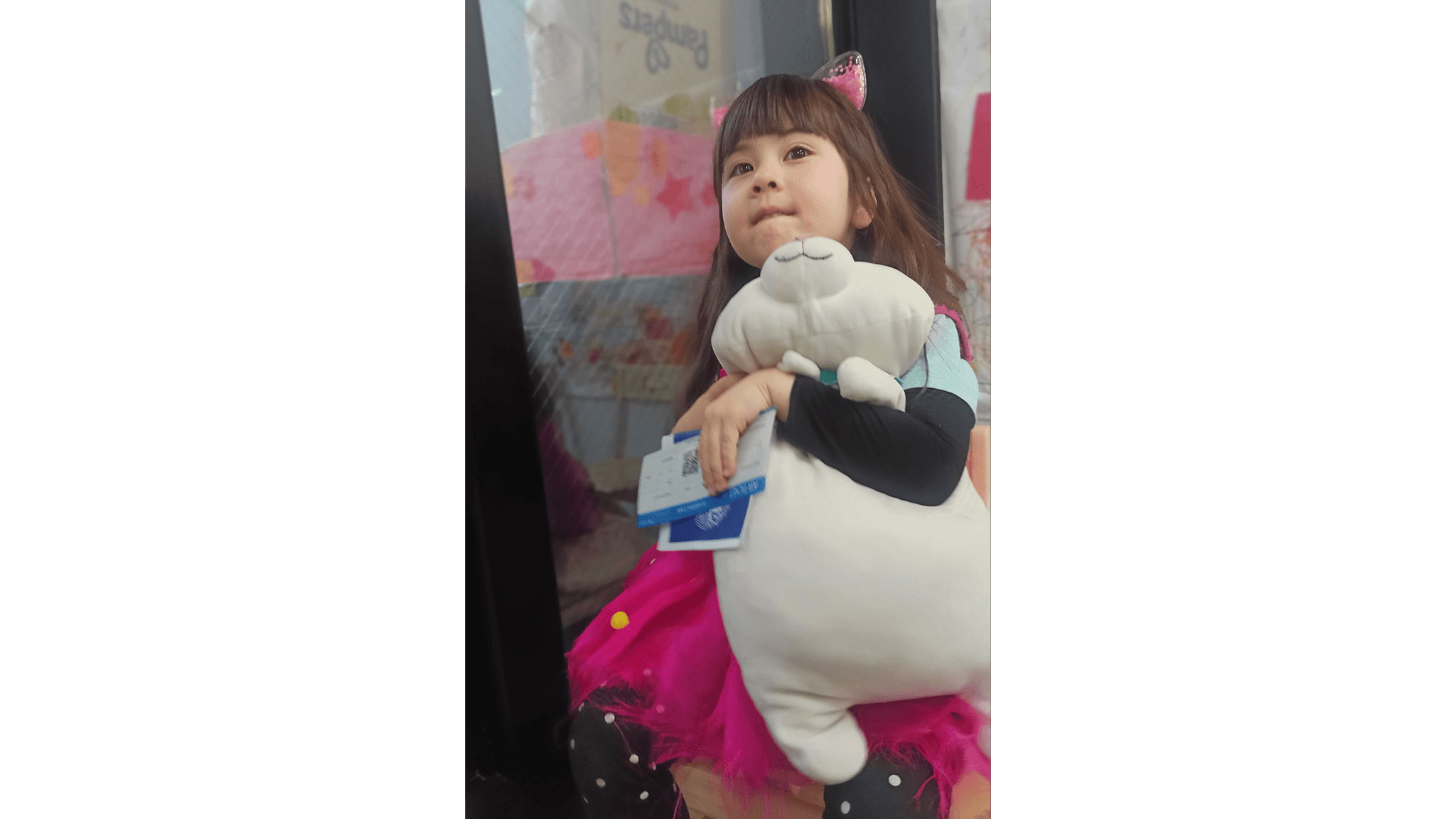
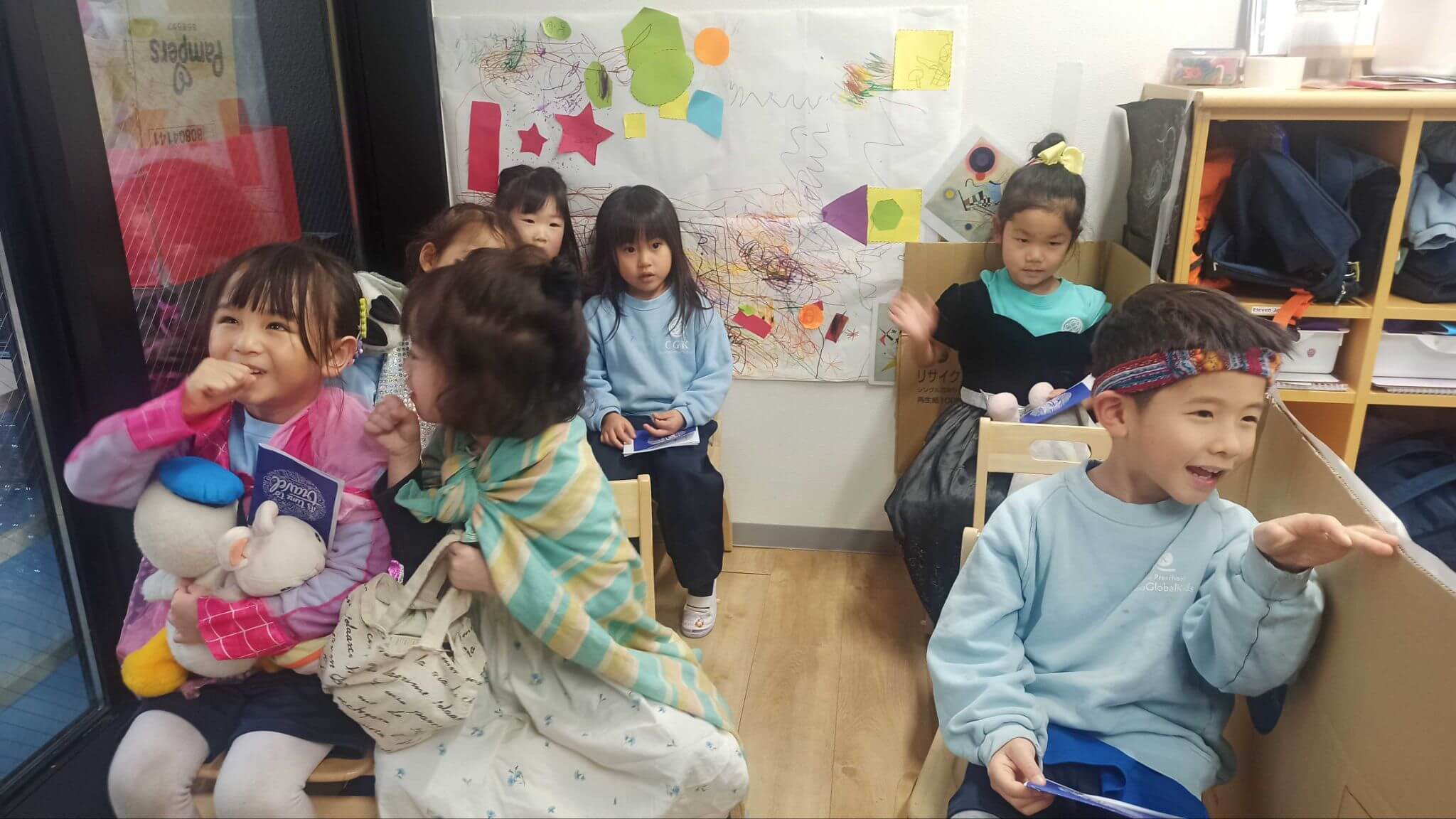
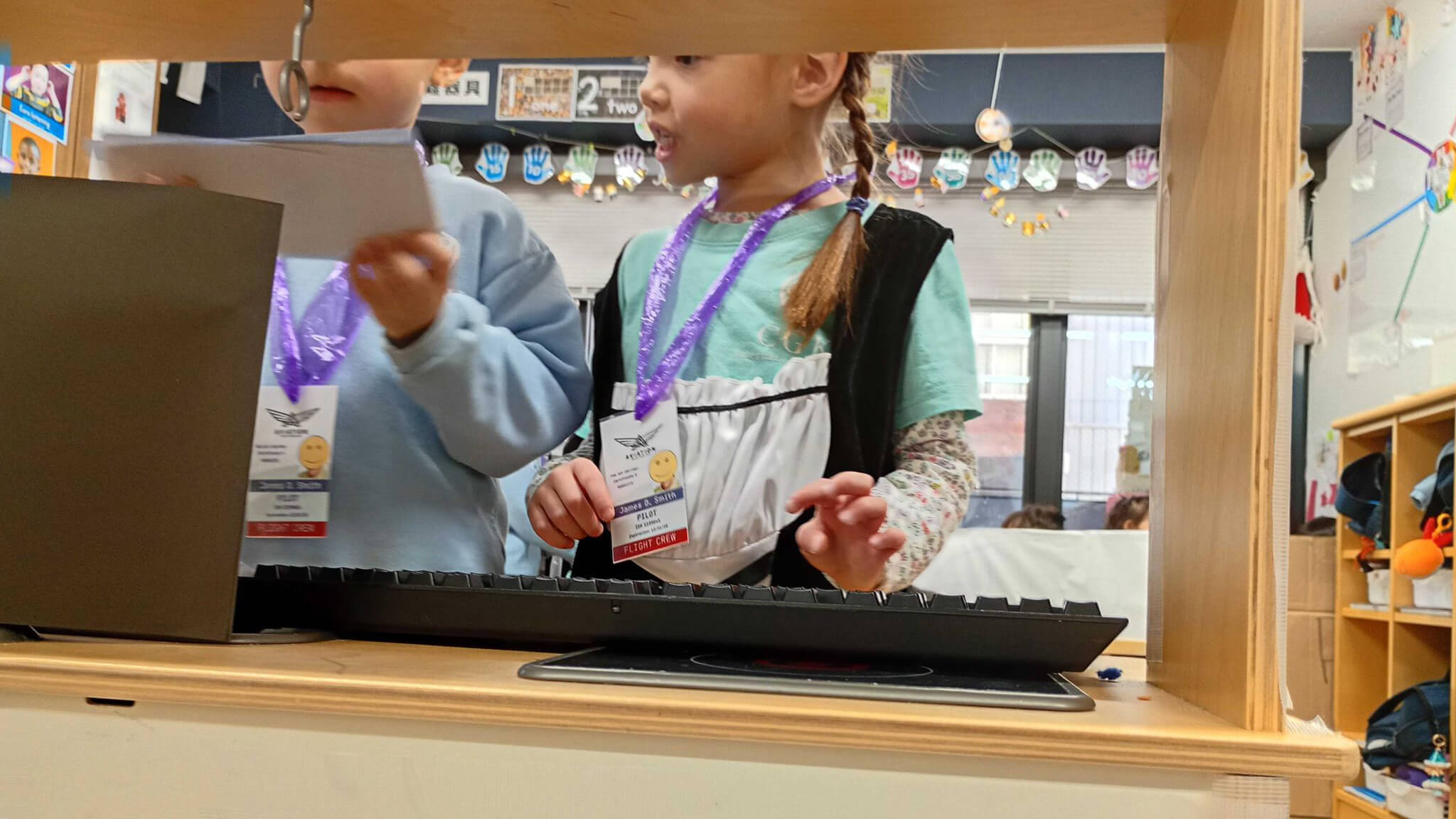
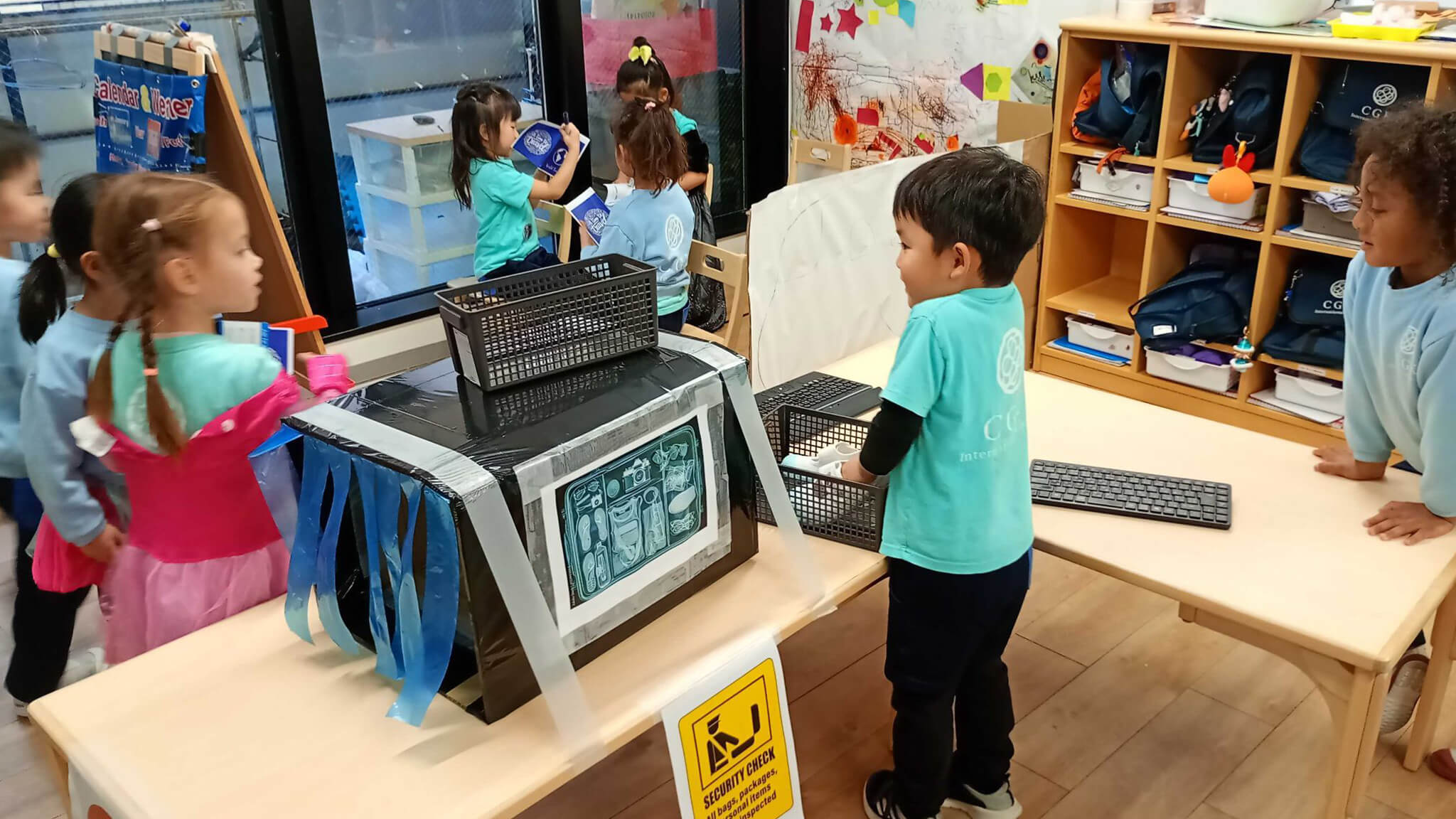
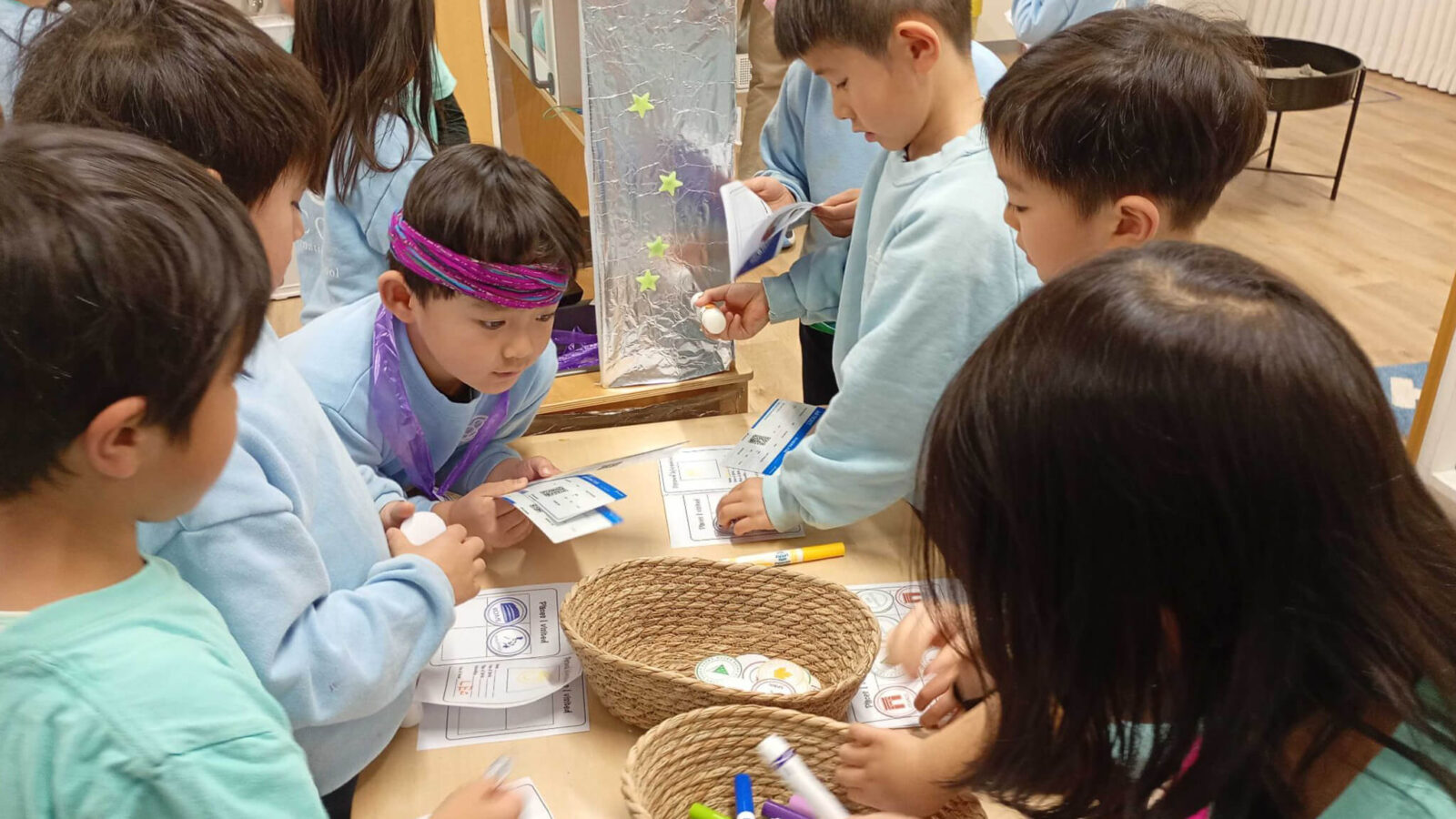
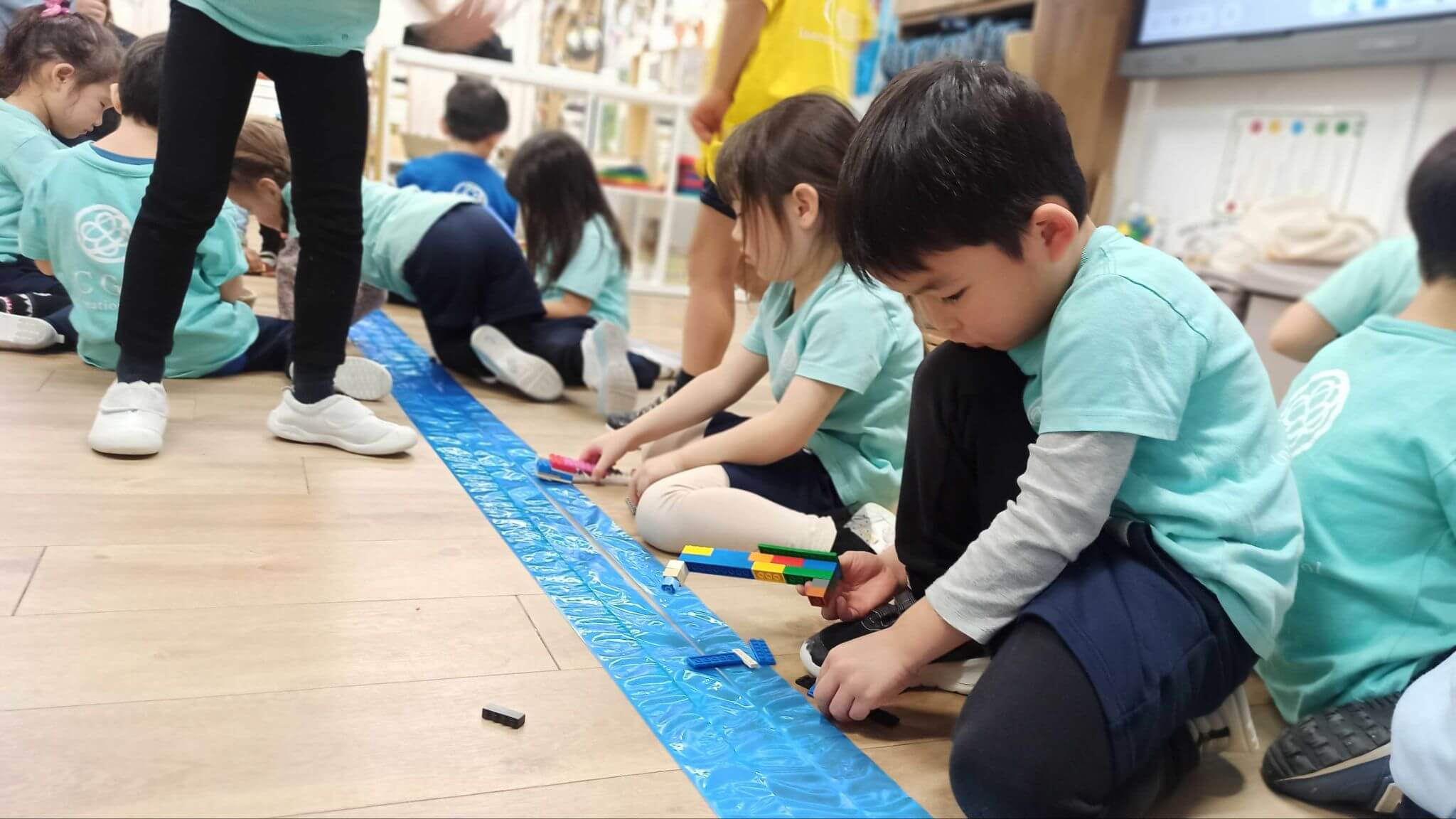
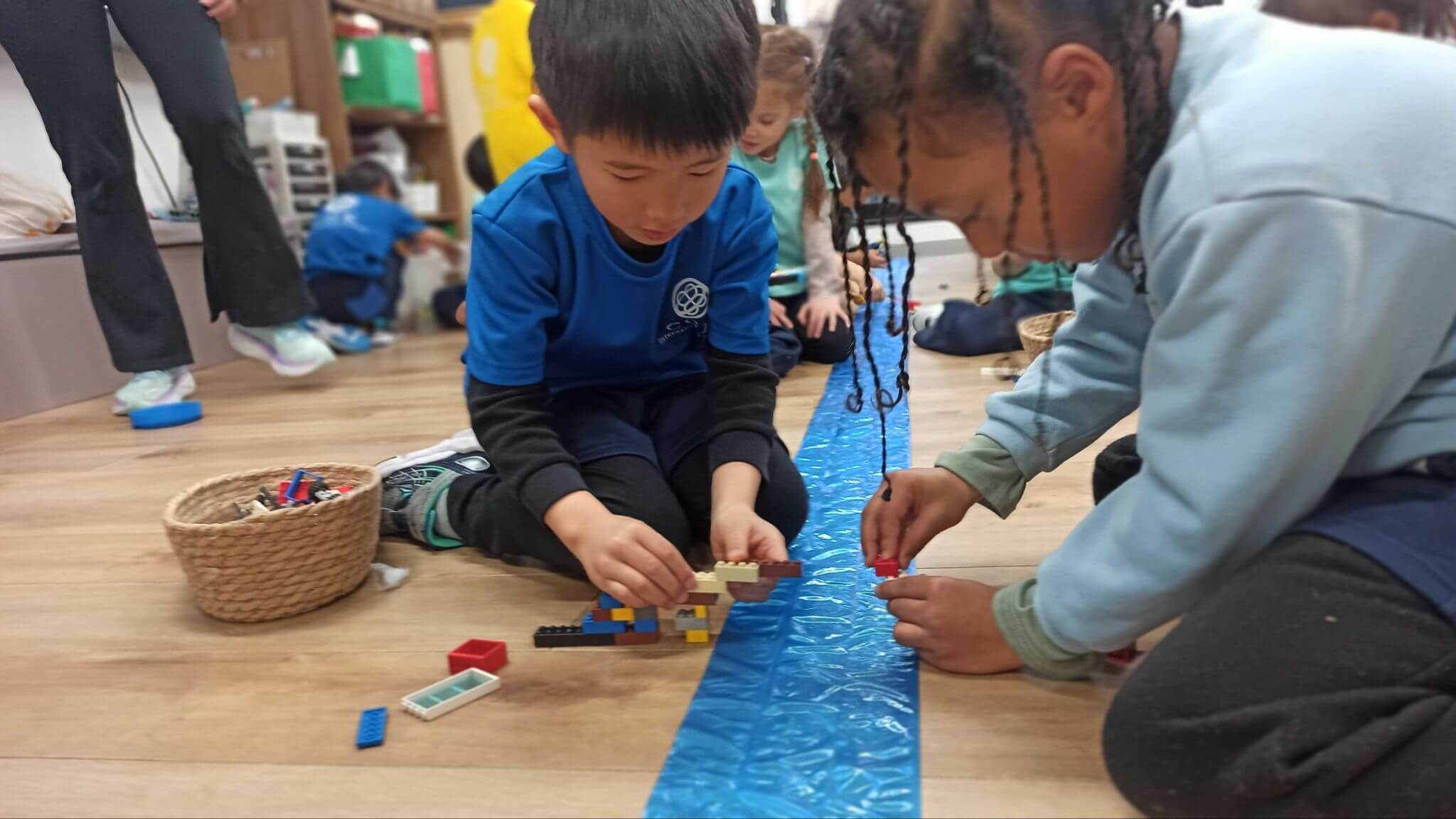
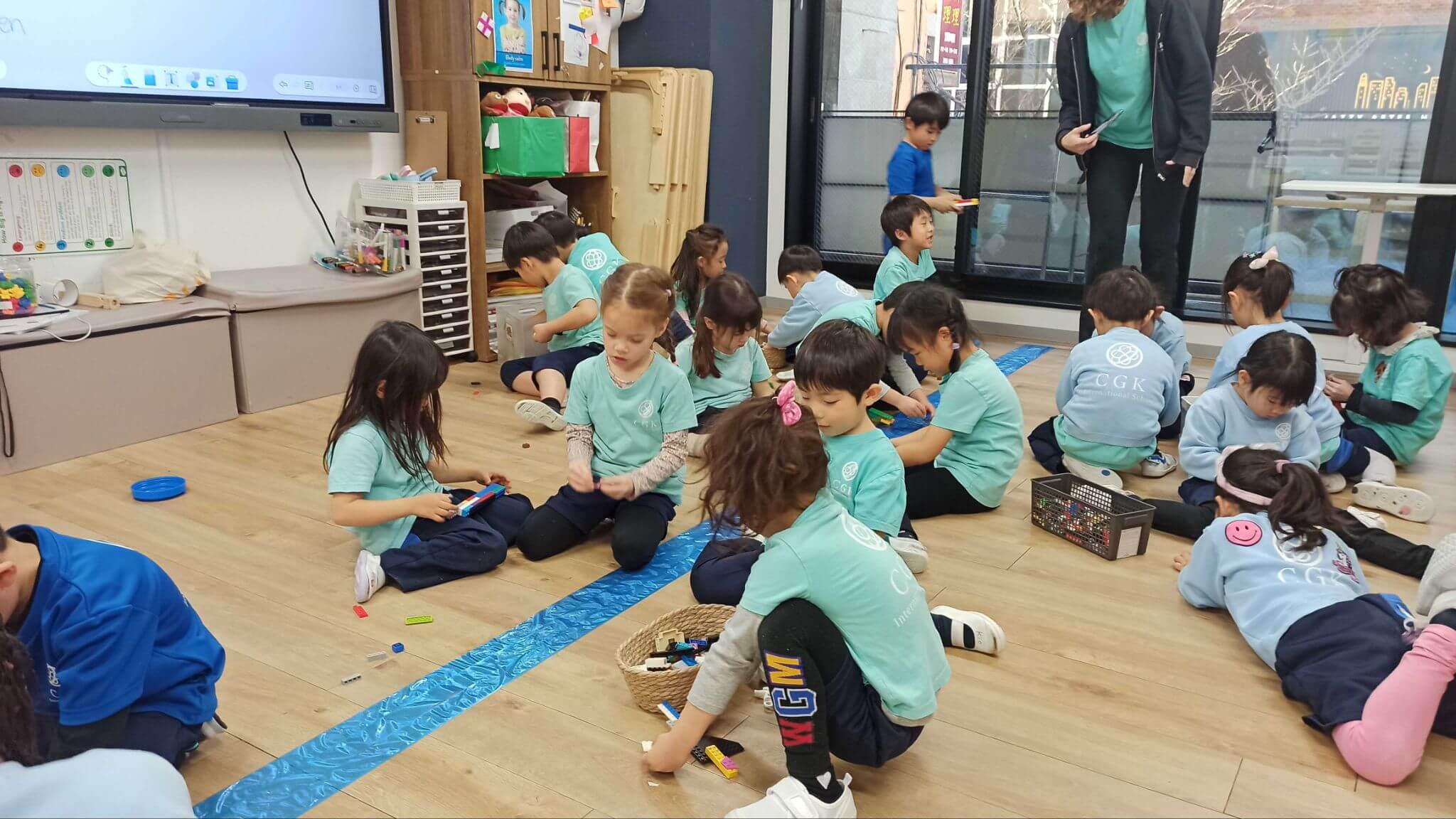
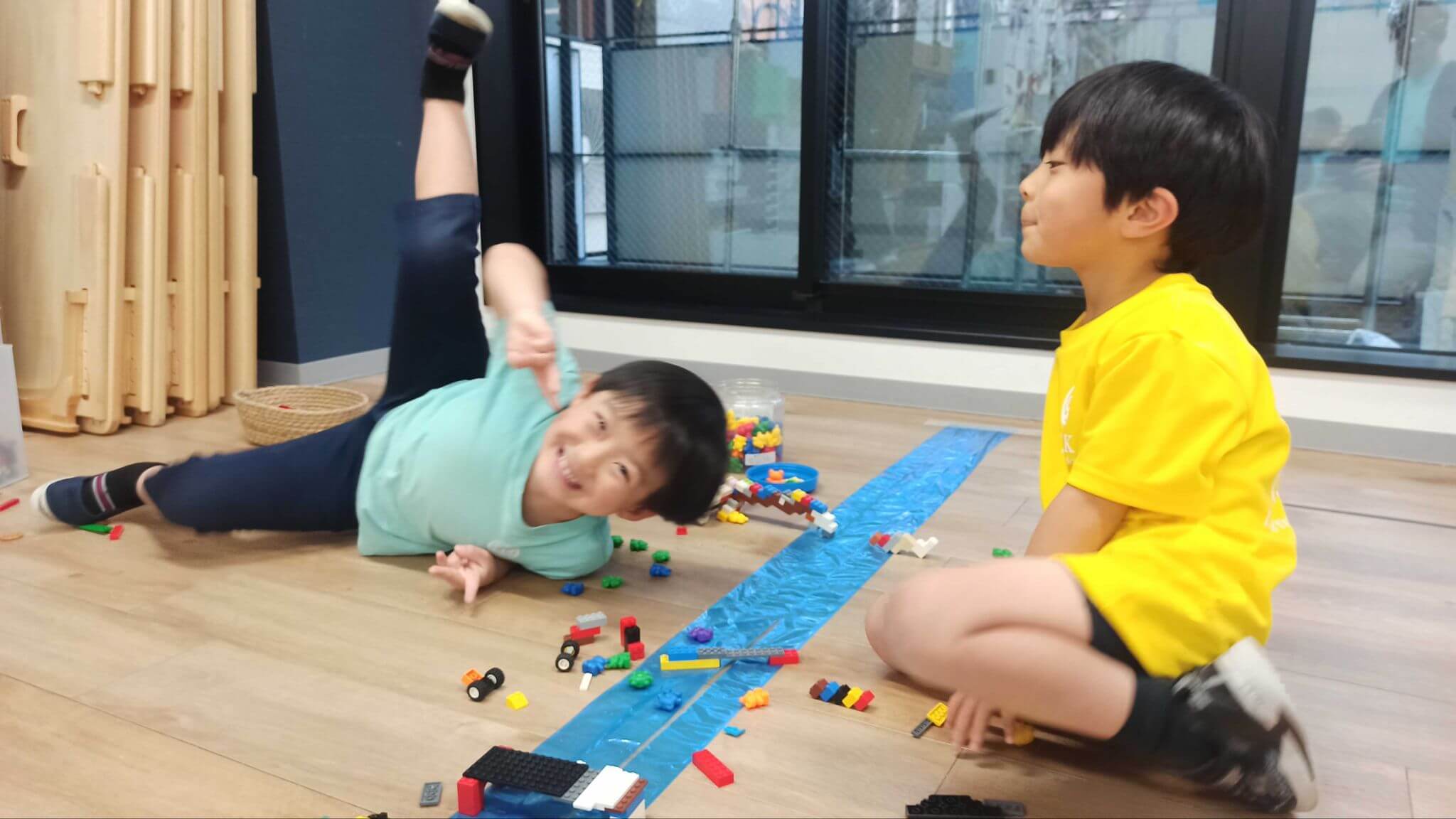
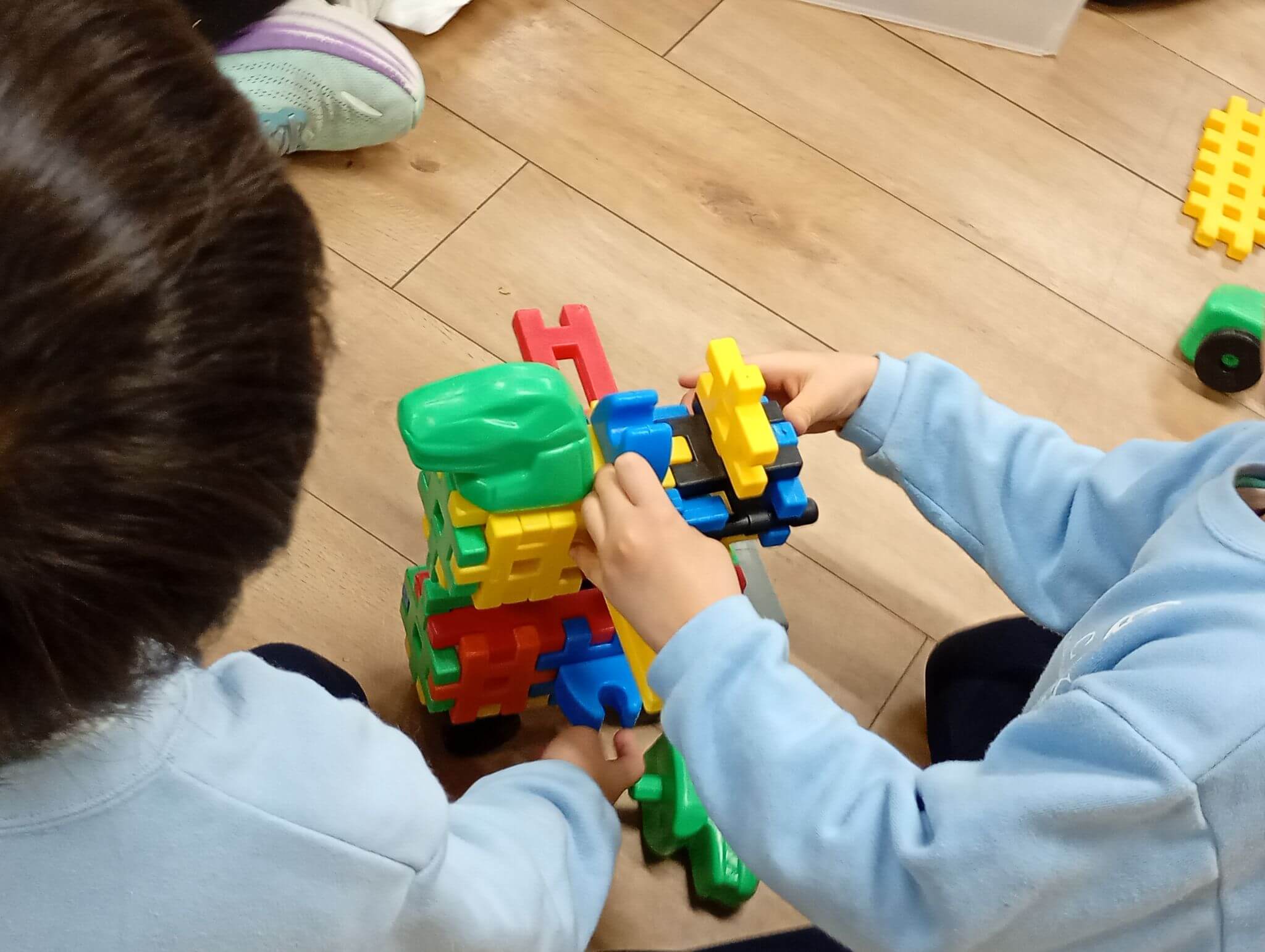
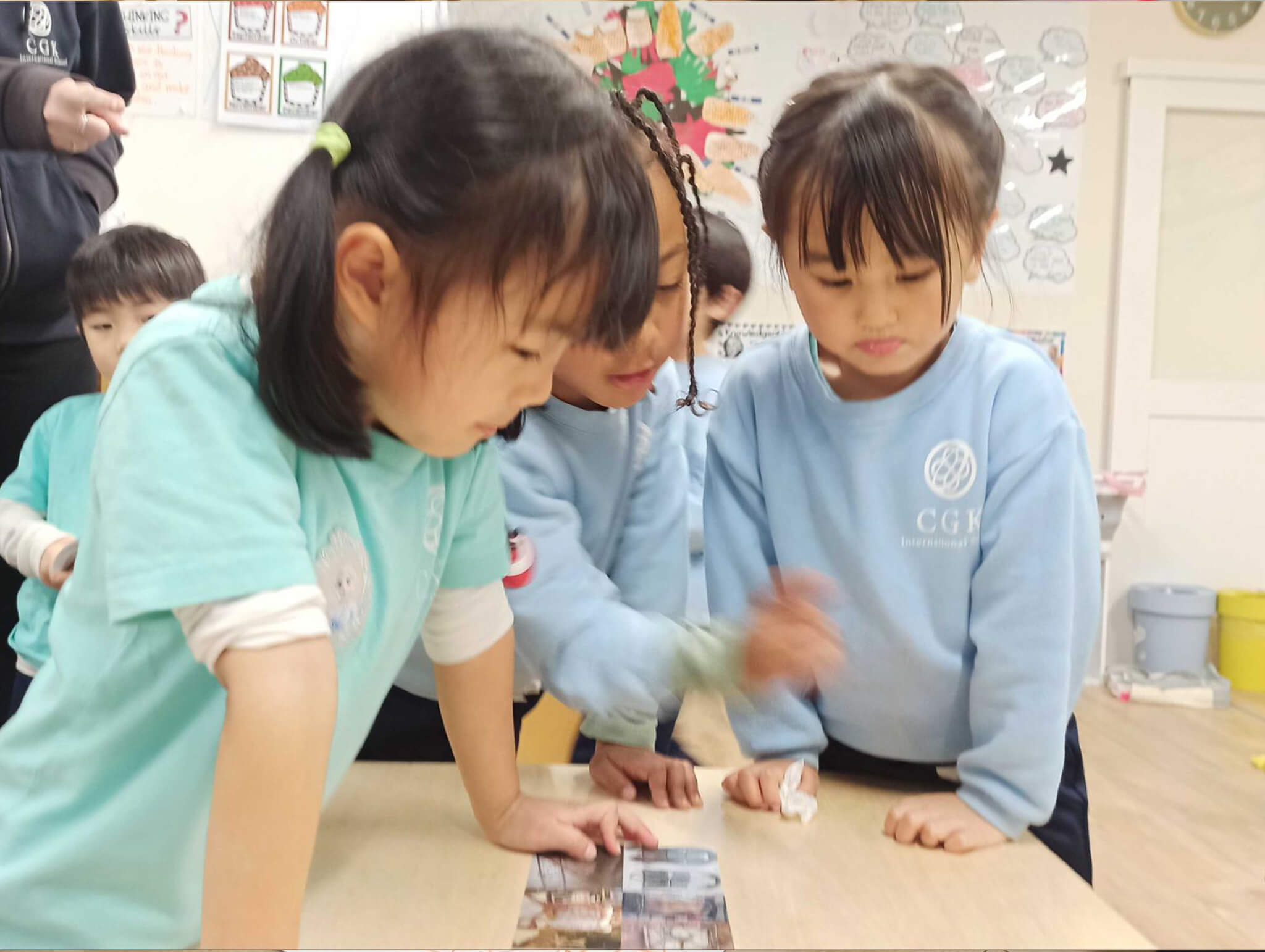
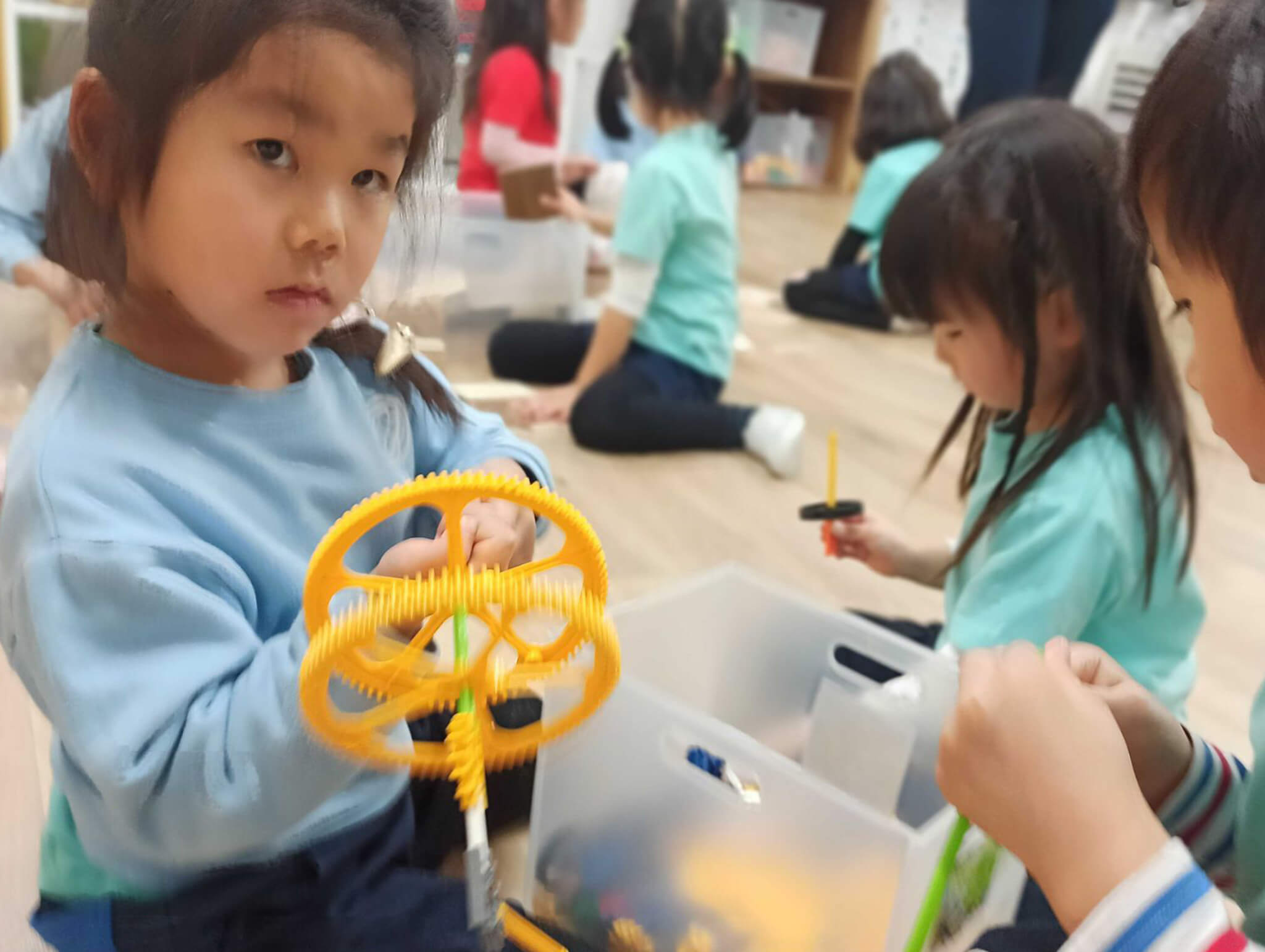
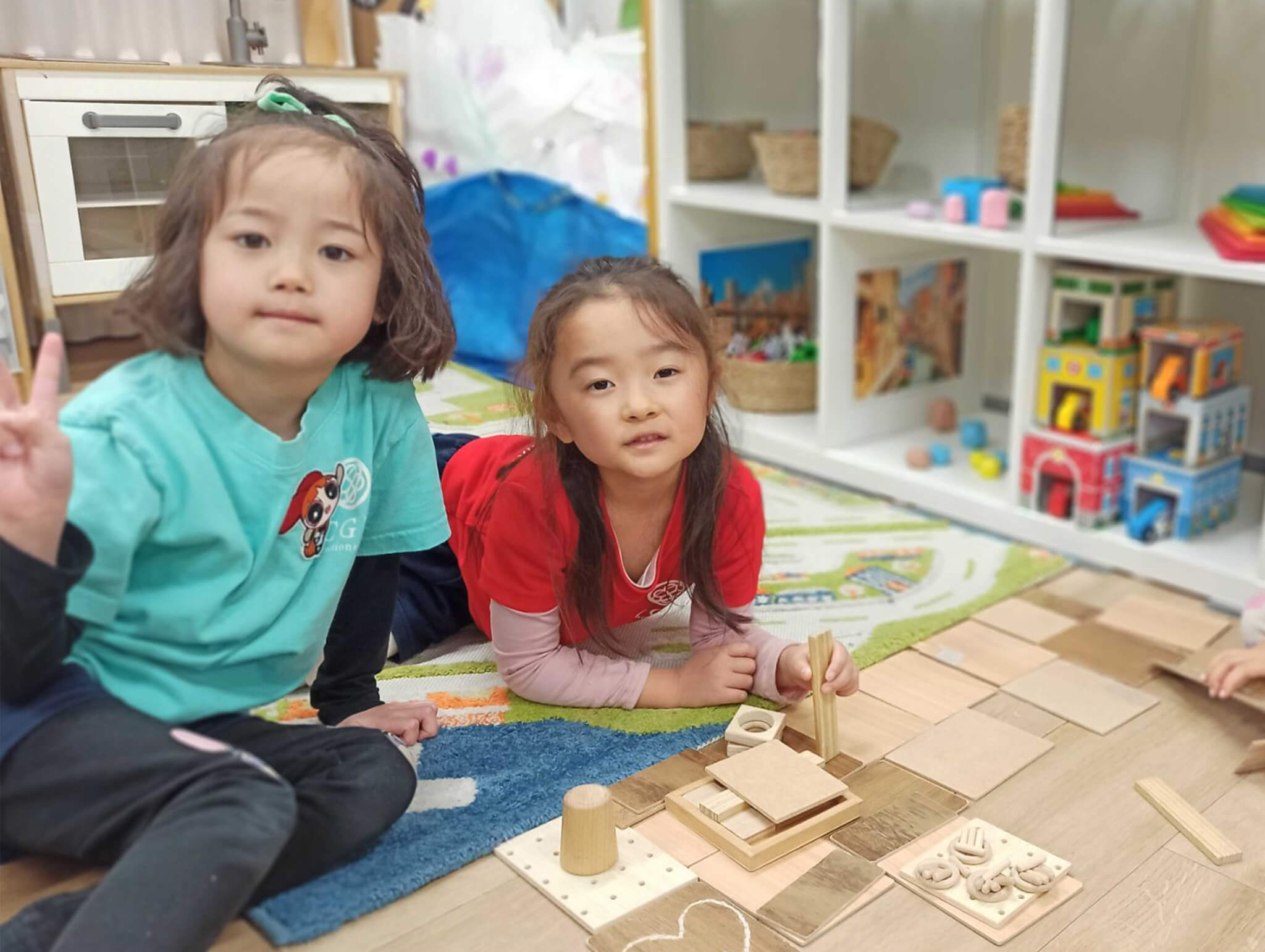
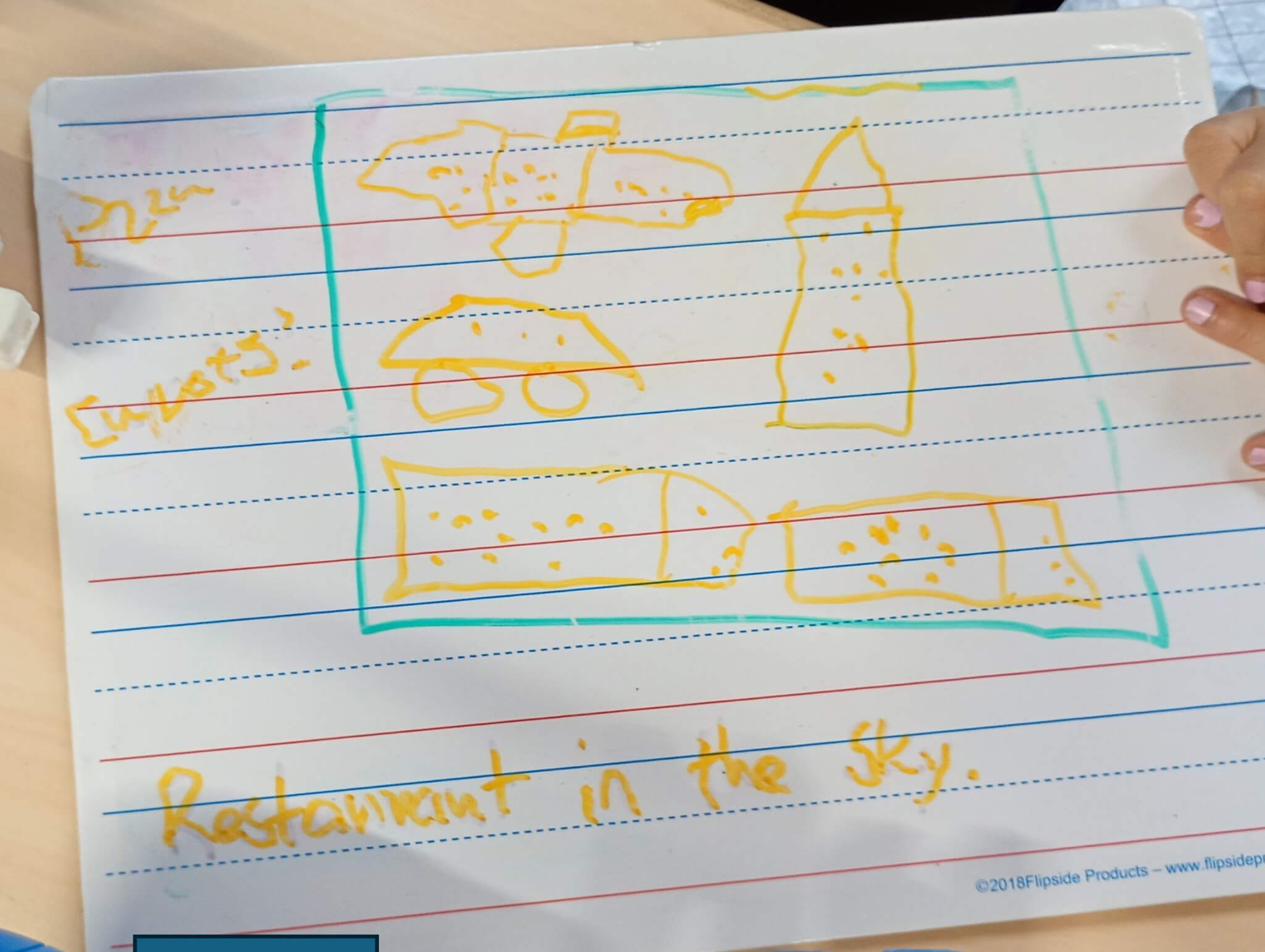
As we begin a new year full of possibility, Mountain class has launched an exciting new Unit of Inquiry: Where We Are in Place and Time. The turning of the year provides a meaningful opportunity for students to explore the passage of time and reflect on the past, present, and future.
Through this unit, Mountain friends are inquiring into how people move through places and across time. Our explorations include the connections between migration, culture and traditions, and the development of technology, helping students understand how changes over time shape who we are and how we live today.
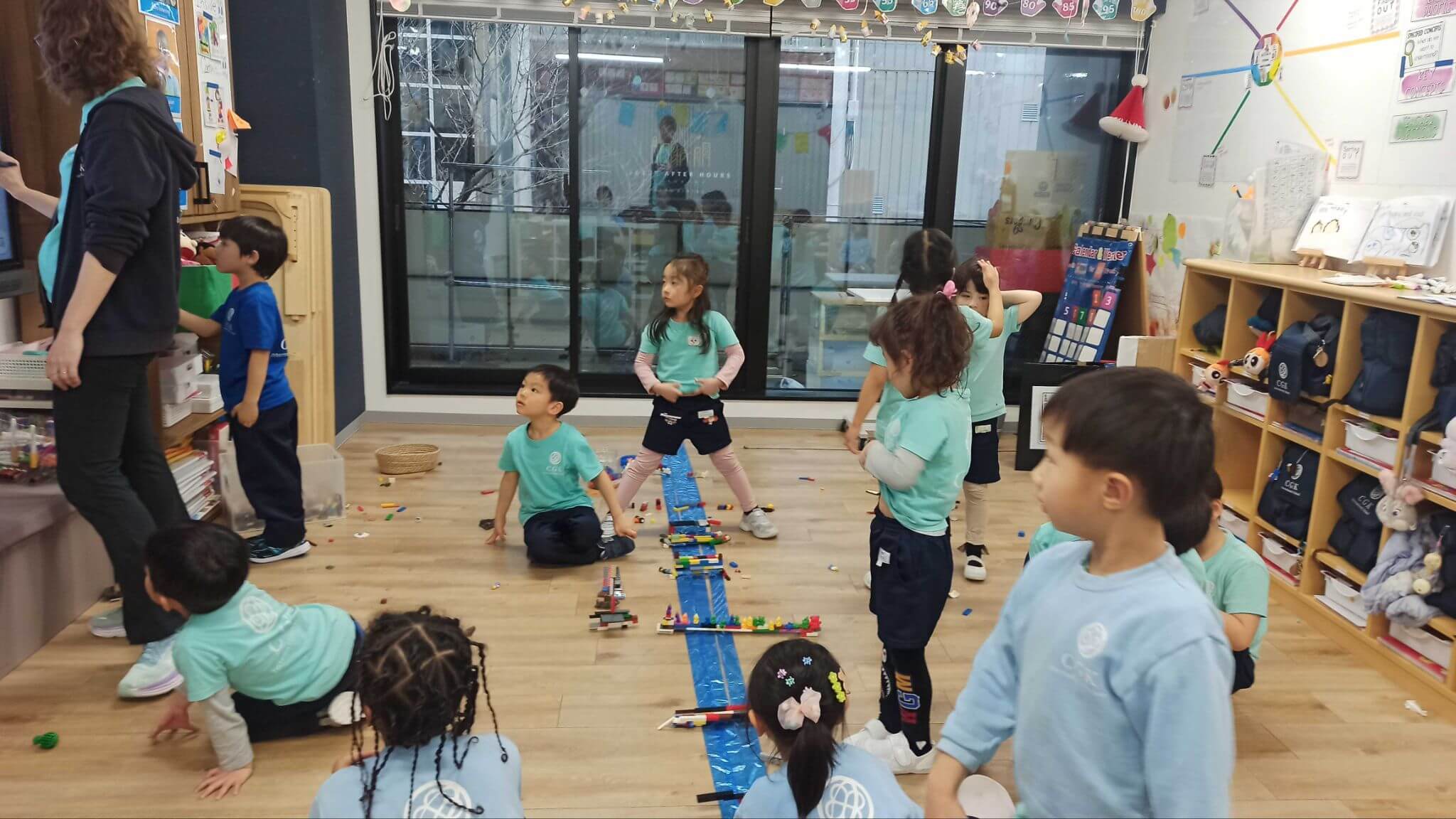
We began the unit with an active and imaginative airport role-play, using air travel as a powerful symbol of technological advancement and global movement—particularly meaningful within our international school community. Students enthusiastically took on roles as passengers and staff, moving through check-in and security before “travelling” to destinations around the world and returning just in time for tea!
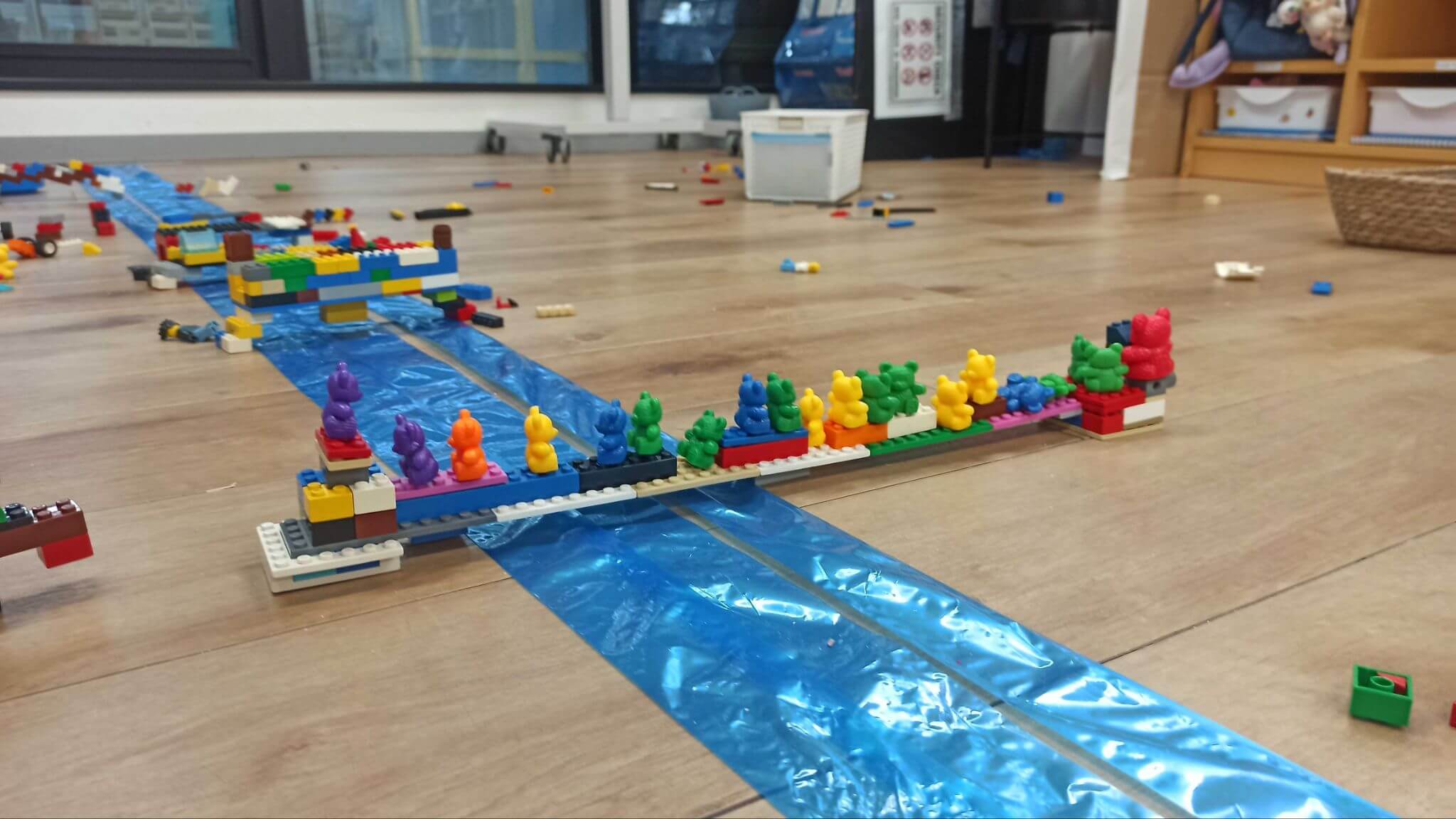
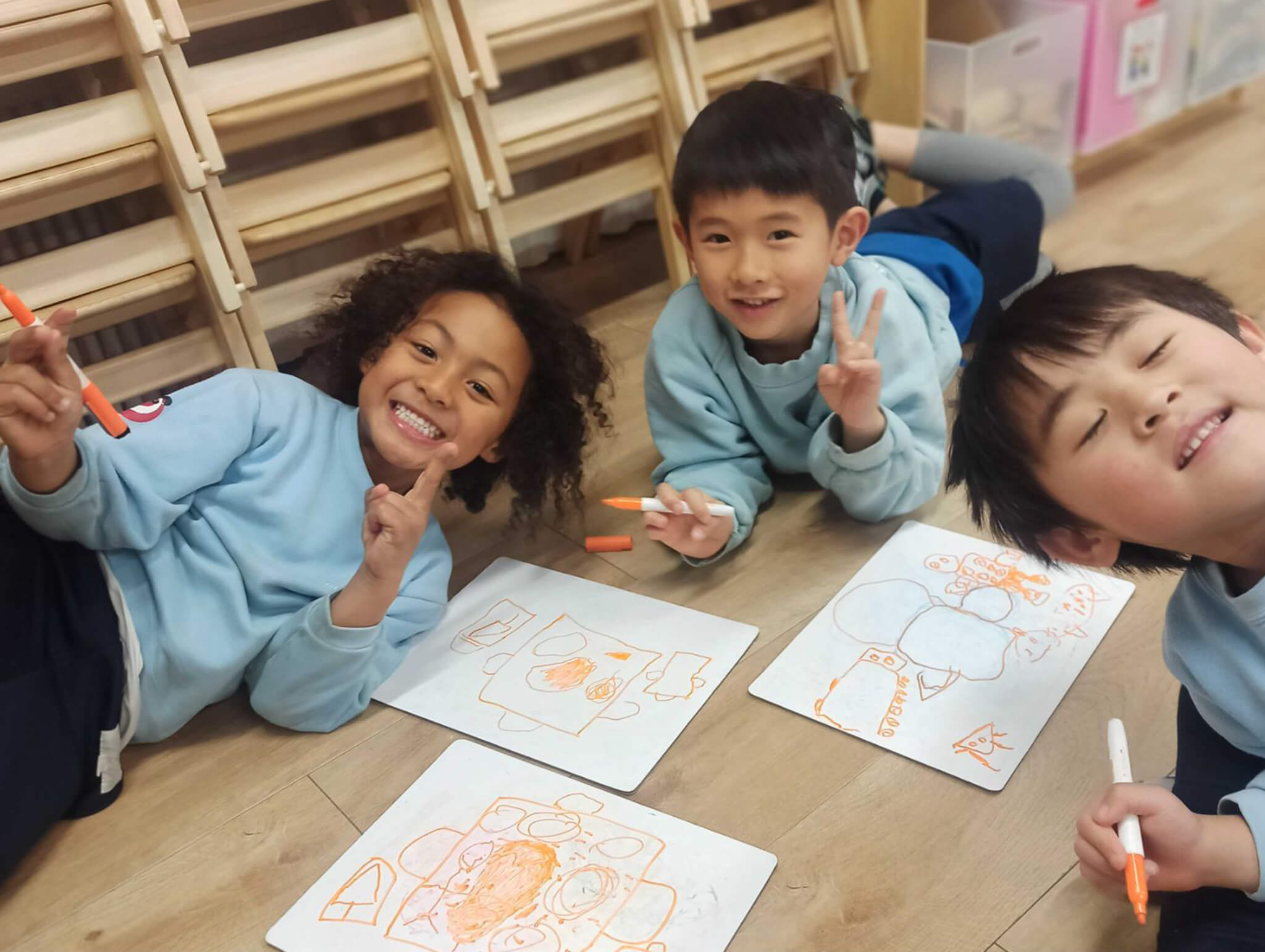
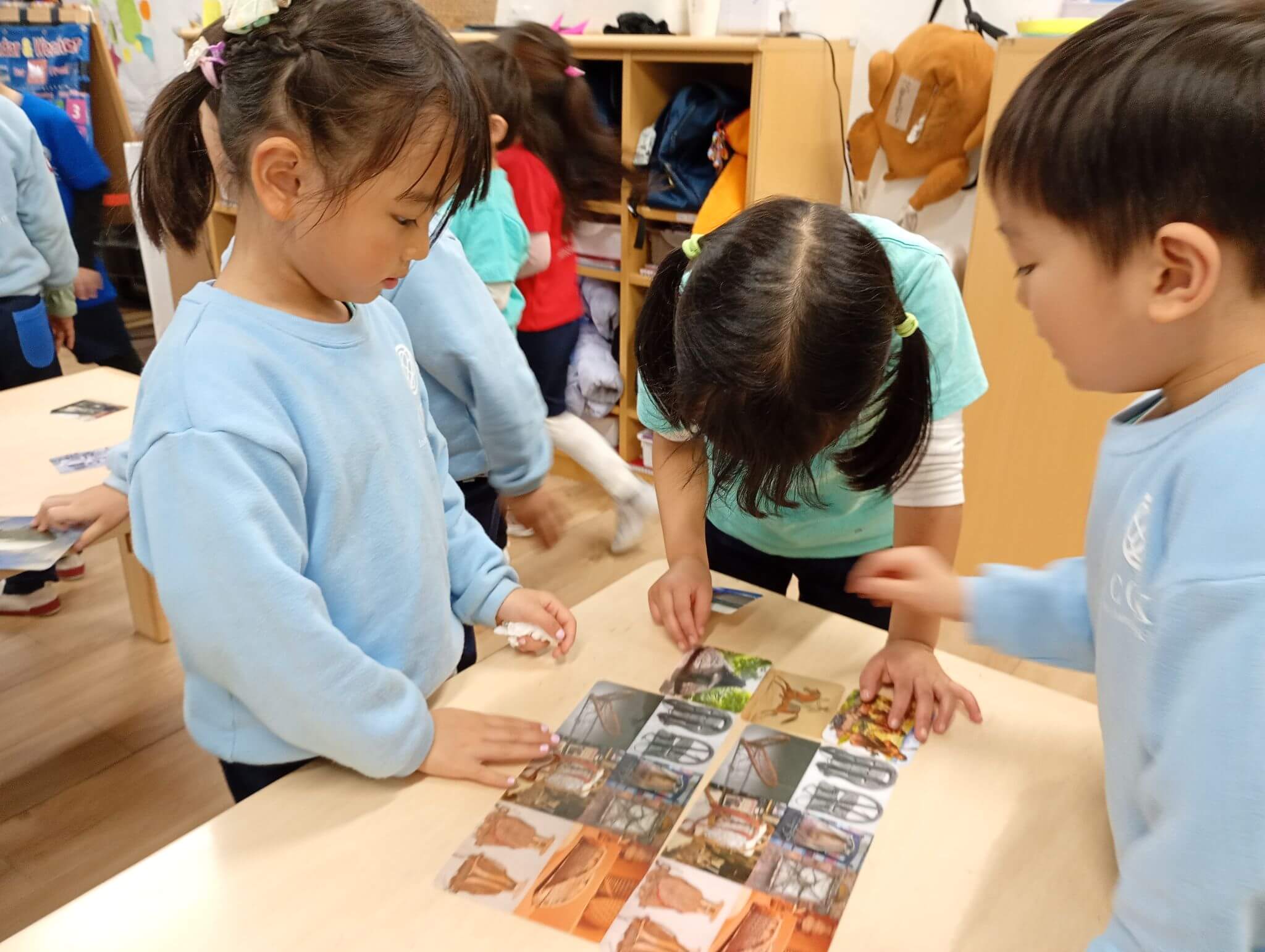
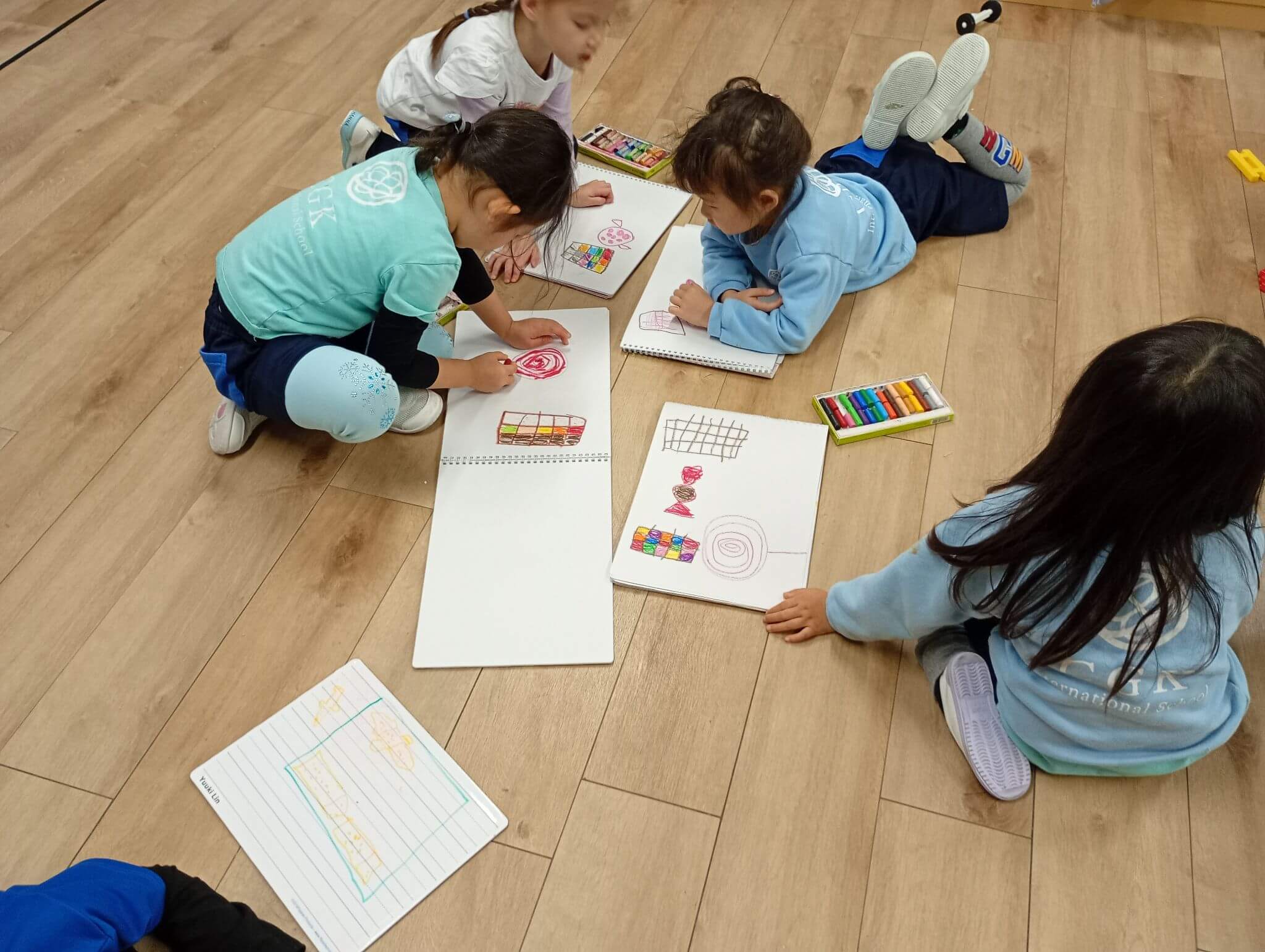
In addition, Mountain friends attempted to sort everyday objects and technologies into the categories of "far past", "recent past", and "present", before extending their thinking by designing their own ideas for future technology and attempted a bridge-building challenge, becoming mini-architects and trying to help as many bears travel across the river as they could!
As we move forward in this unit, we will continue to explore the reasons behind migration and technological change, as well as the forces that drive transformation over time. Through these inquiries, students are developing a stronger sense of identity and perspective, recognising that each of us is uniquely shaped by our time, place, and experiences.
We are looking forward to the meaningful discussions, creative thinking, and discoveries still to come.
Trying Traditional Games!
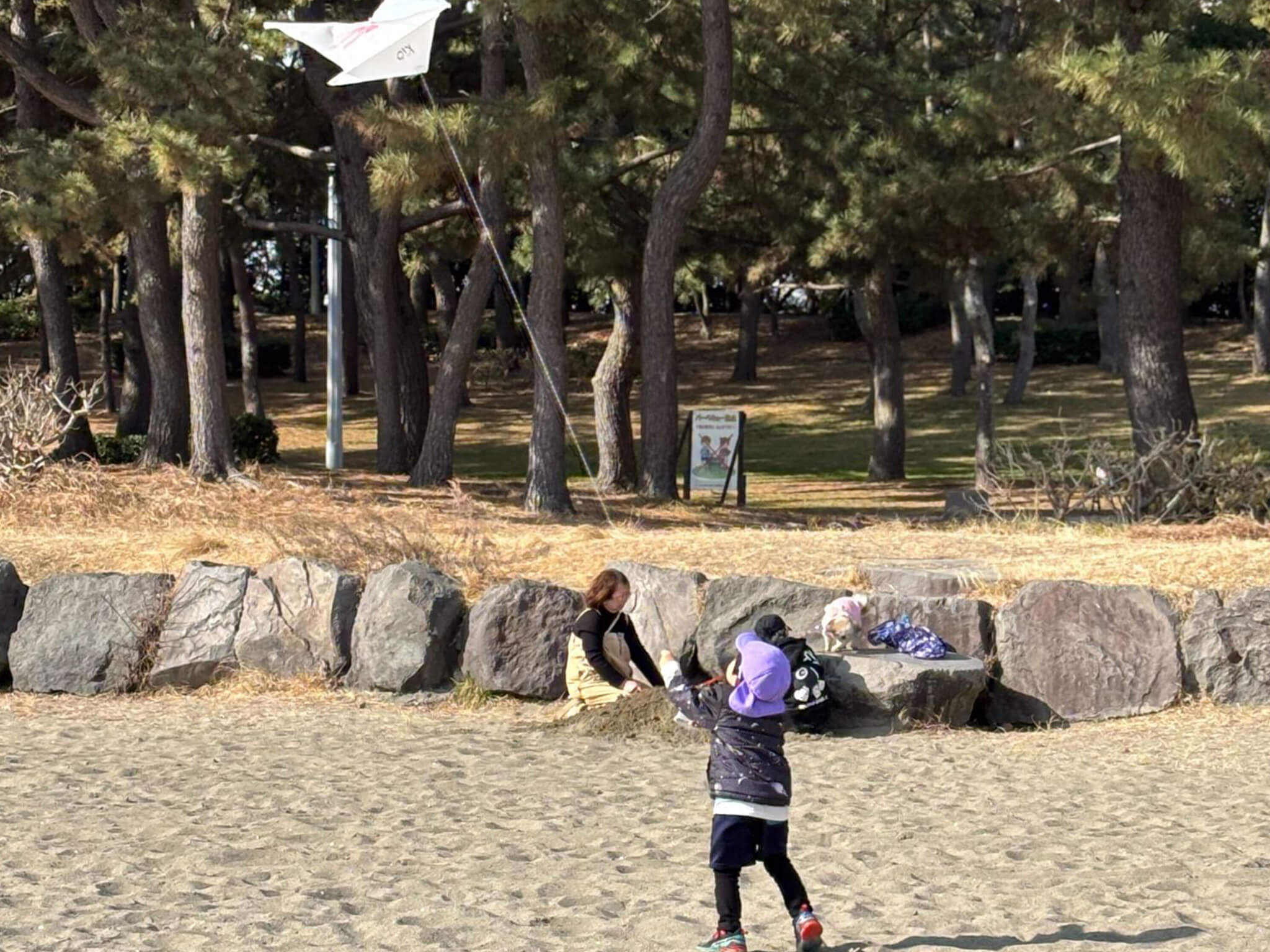
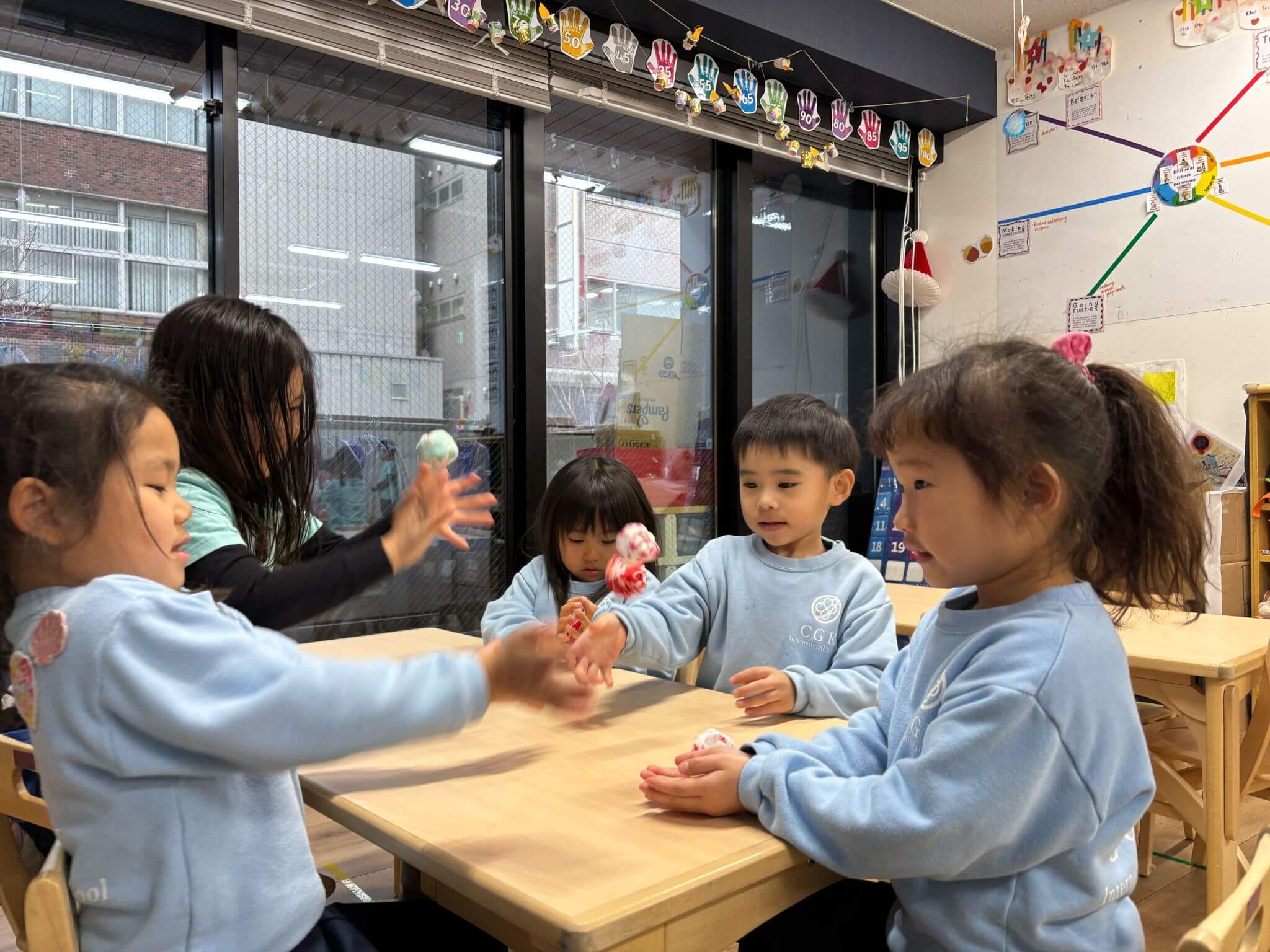
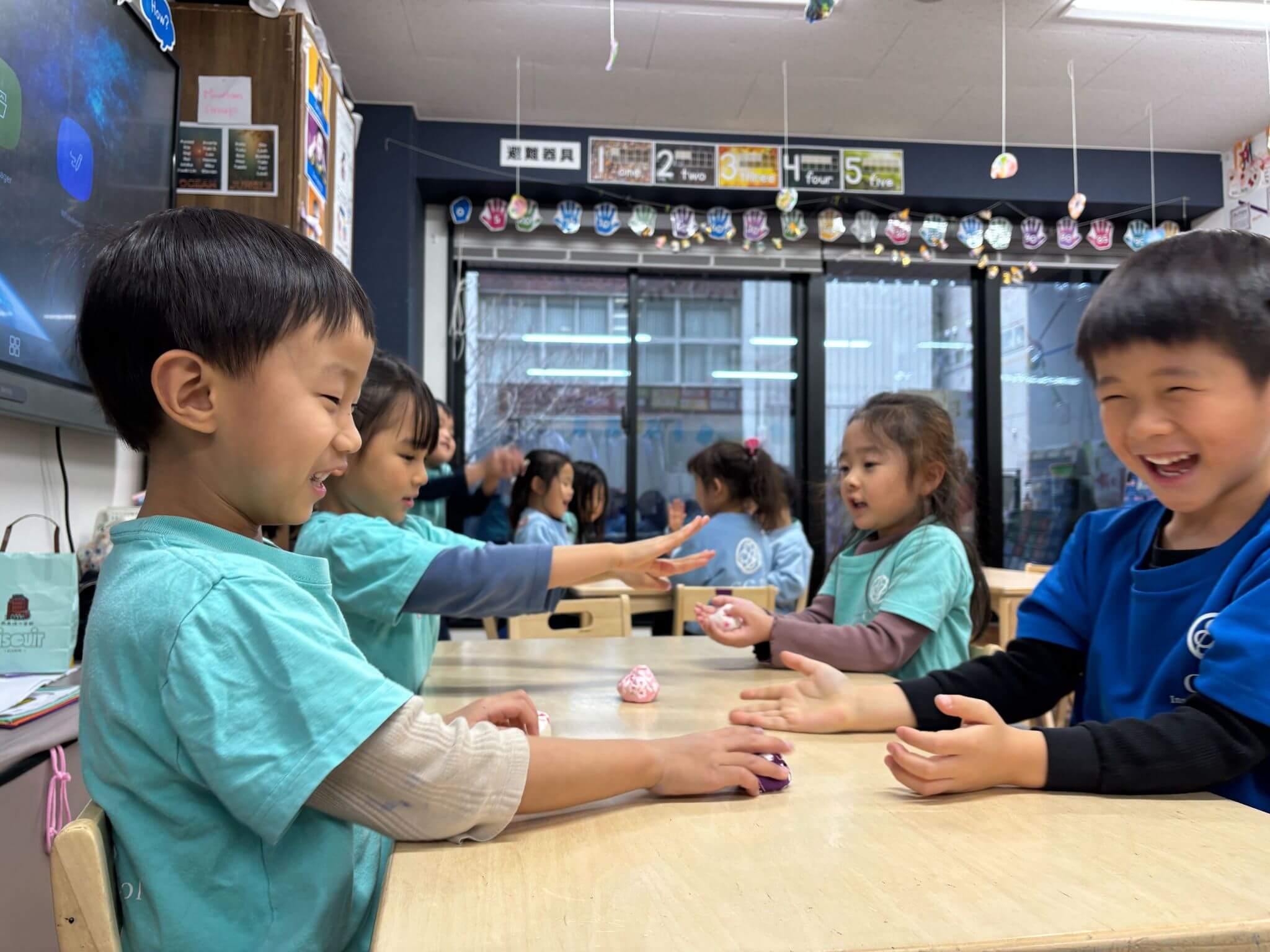
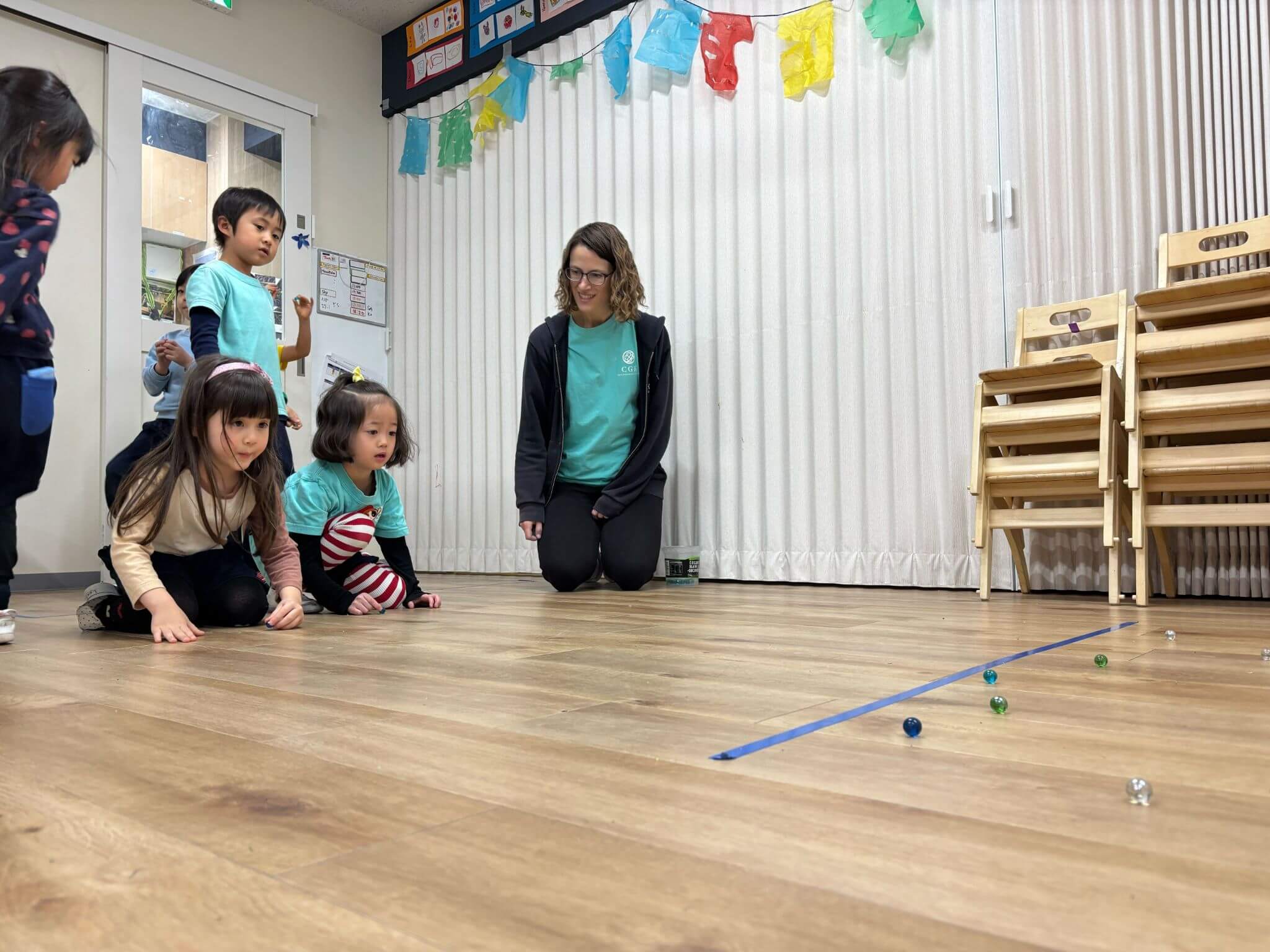
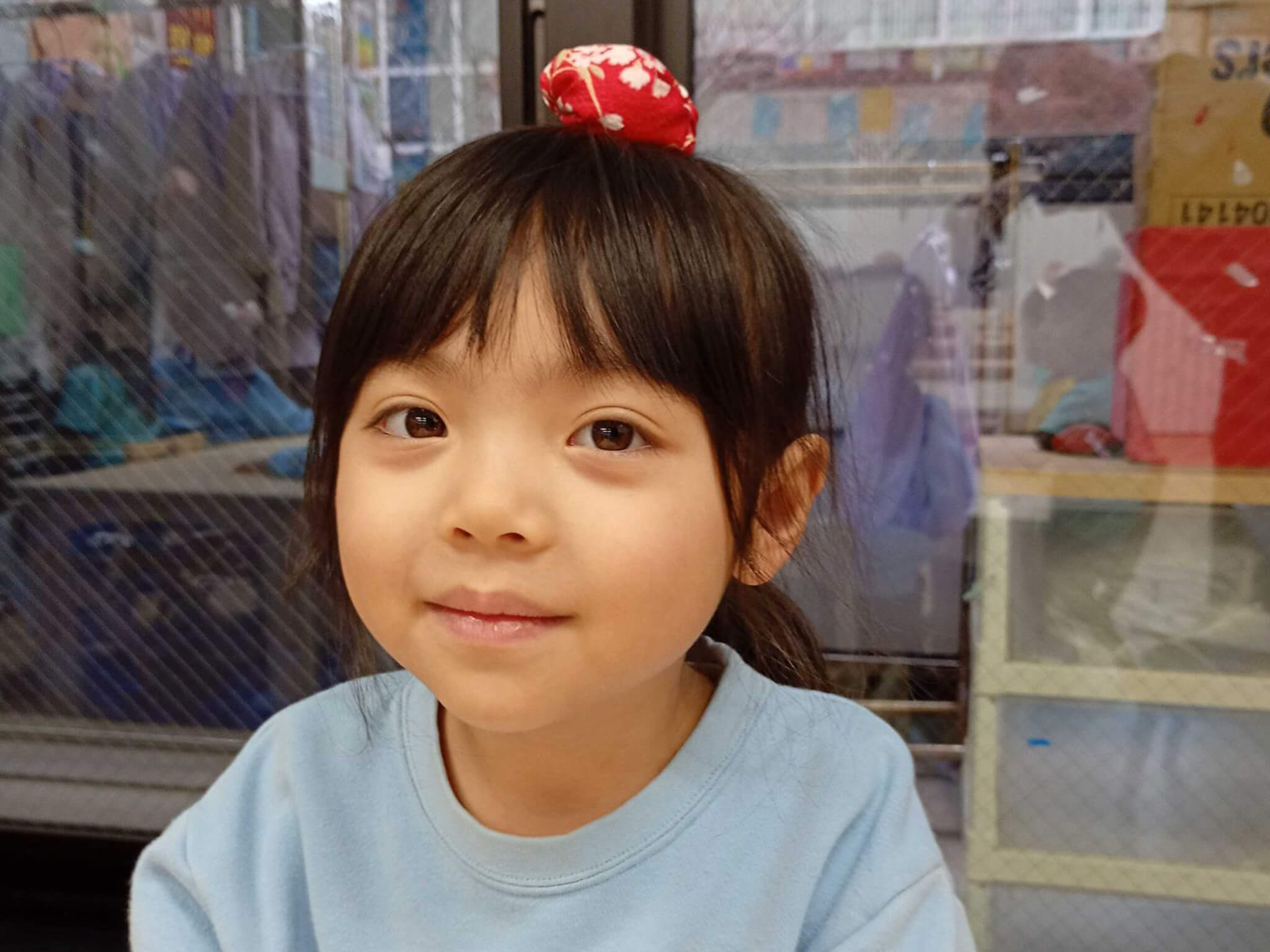
The new year has arrived before we knew it, and we now have about two months left to spend together in the Mountain class. We would like to cherish each remaining day and create many fun and memorable experiences together.
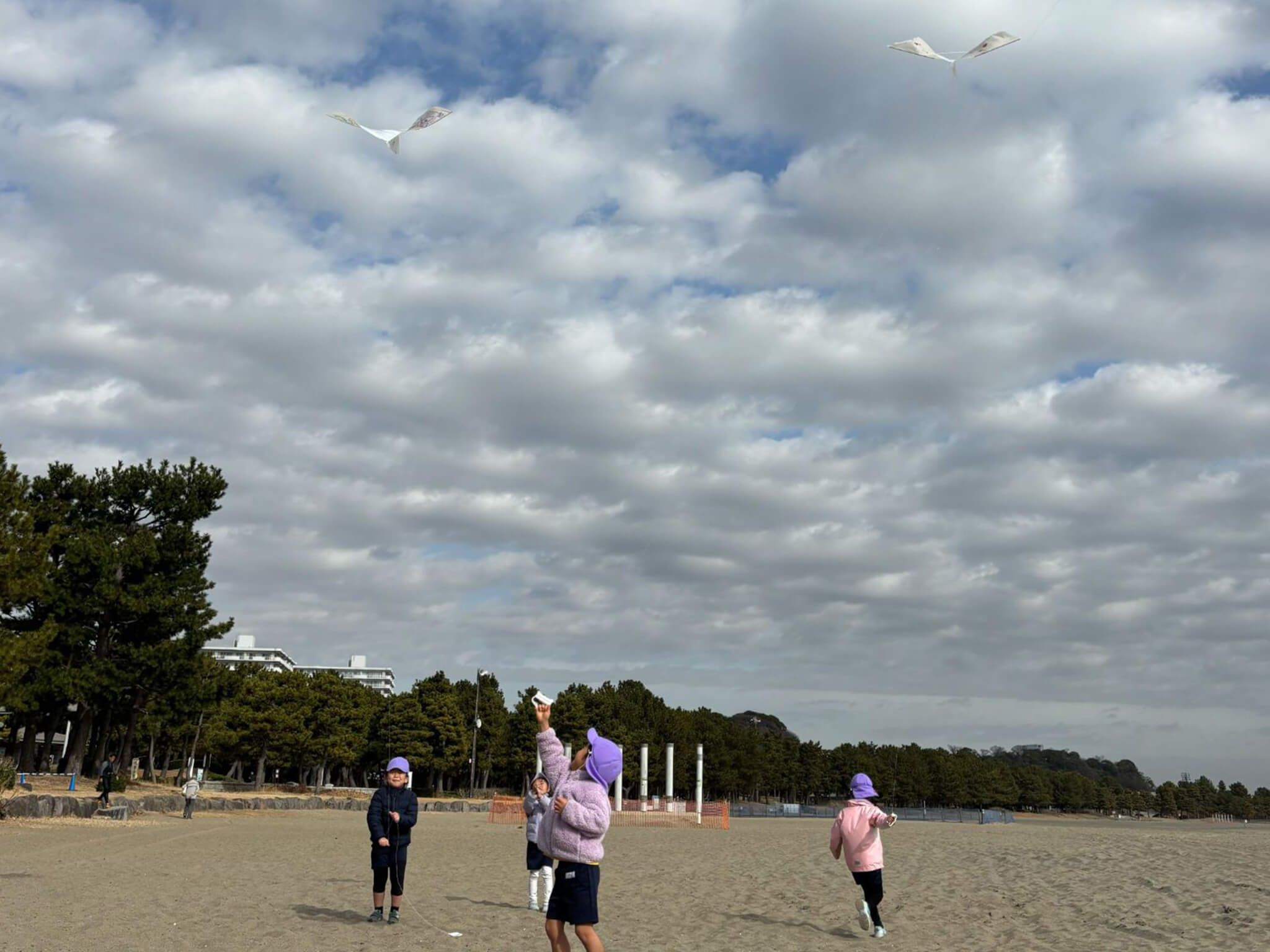
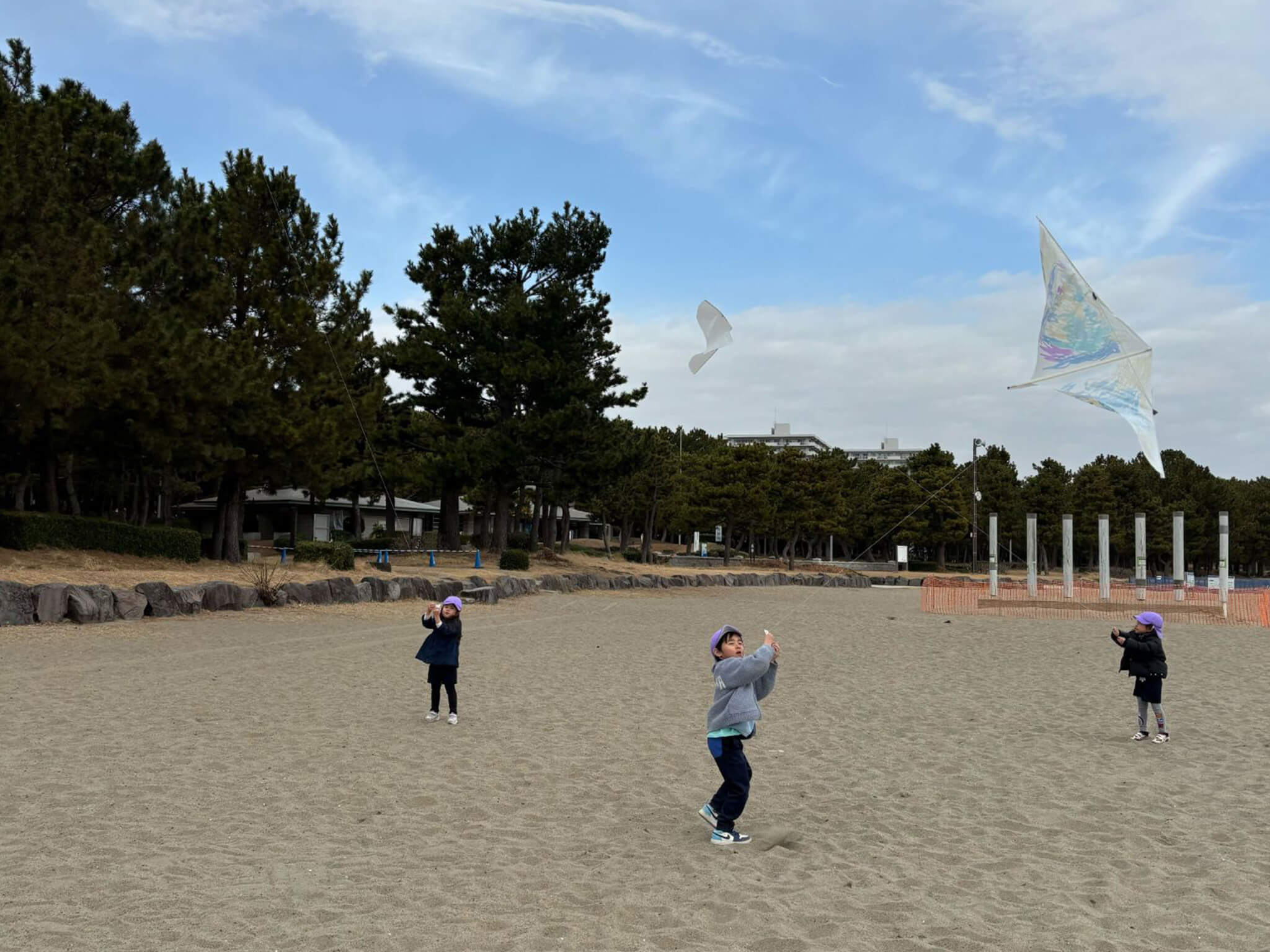
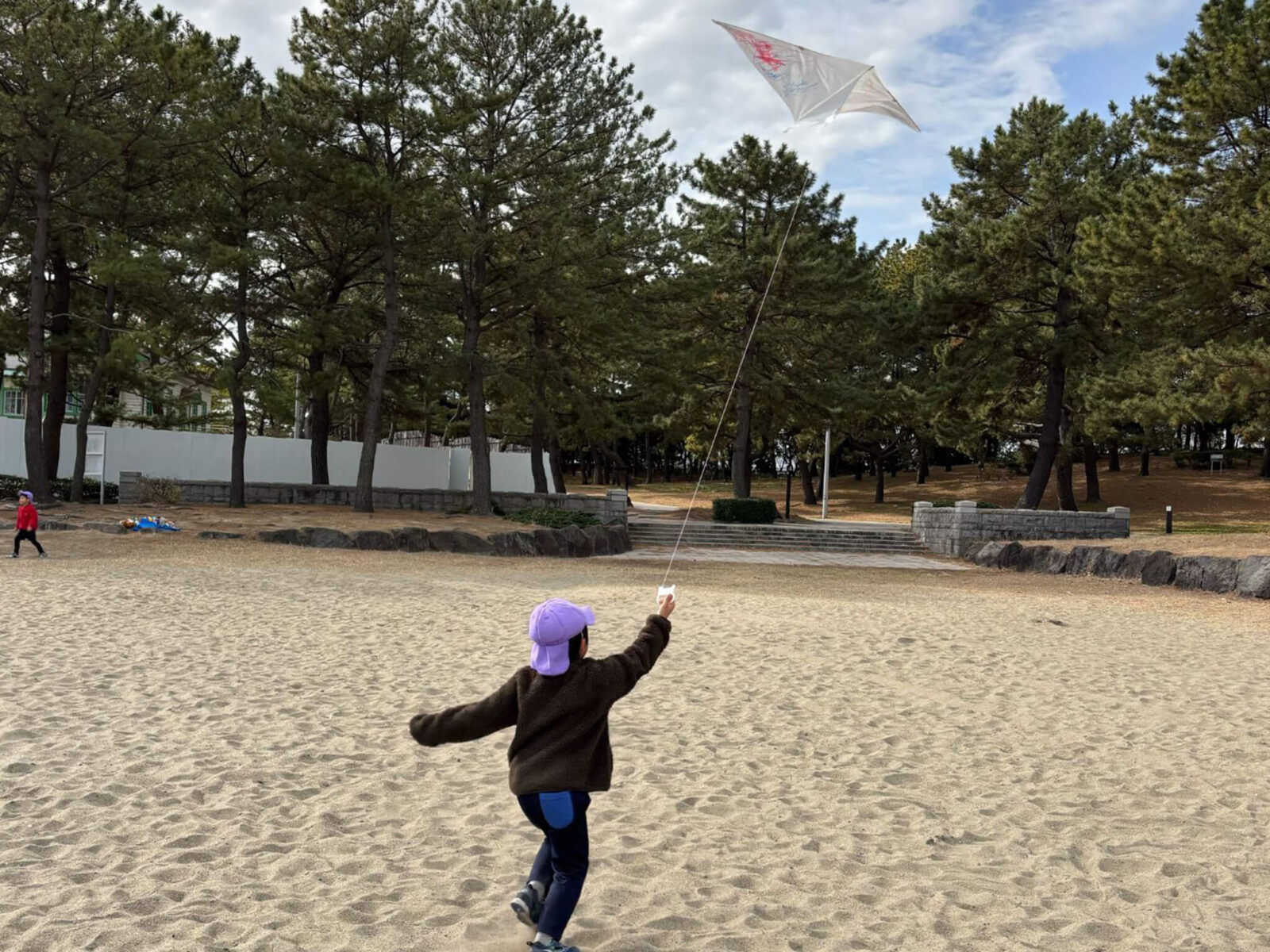
Mountain class has begun a new Unit of Inquiry, “Where We Are in Place and Time,” in which we will explore what has changed from the past to the present, as well as what has continued unchanged over time. As an introduction to this unit, we introduced children to traditional Japanese New Year games. One of these was kite flying, and we went out together to try flying kites. At school, the children also enjoyed playing with otedama (bean bags) and marble target games, becoming familiar with traditional Japanese play.
Before the activities, we talked together about the question, “What kinds of games do people play during the New Year?” The children learned about games such as spinning tops, kendama, hanetsuki, and kite flying. We heard many excited voices saying, “I’ve tried that!” and “This is my first time!” as their interest in traditional games grew.
For many children, flying a kite was a brand-new experience. When their kites caught the wind and soared high into the sky, the Mountain friends cheered with excitement, shouting, “Wow!” “It’s flying!” and “Higher!” They ran together, experimented with different ways to make the kites fly higher, and became completely absorbed in the activity. During the otedama and marble games, we also saw children trying again and again, saying, “One more time!” and “I did it!” Through play, they were naturally developing concentration and fine motor skills.
Through these experiences, the children became familiar with traditional Japanese games. Moving forward, we would like to build on these activities by thinking together about what has changed from the past to the present, and what continues to be valued and passed down even today.
Jungle A
(3-year-olds)
What's The Story In Jungle A?
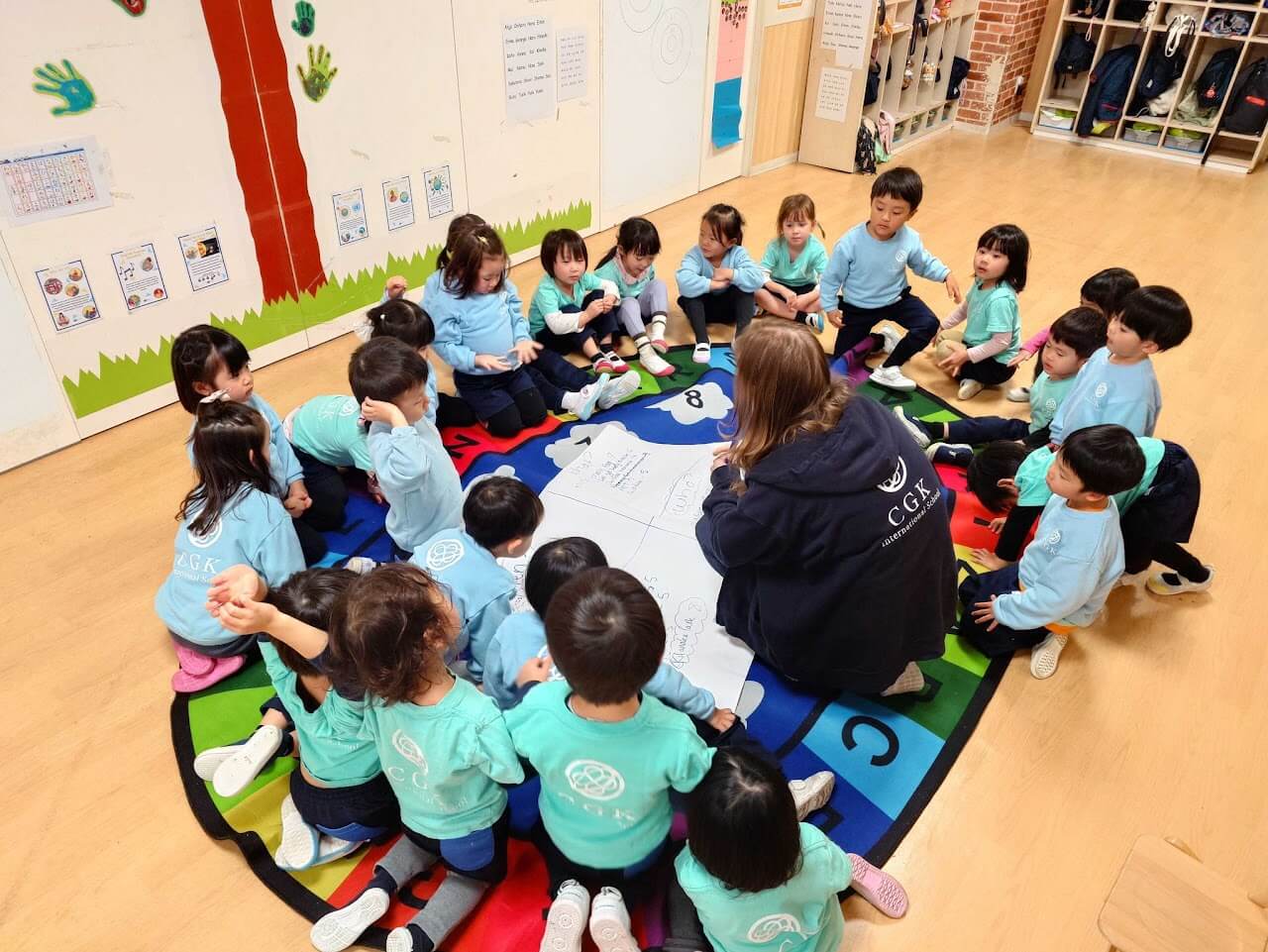
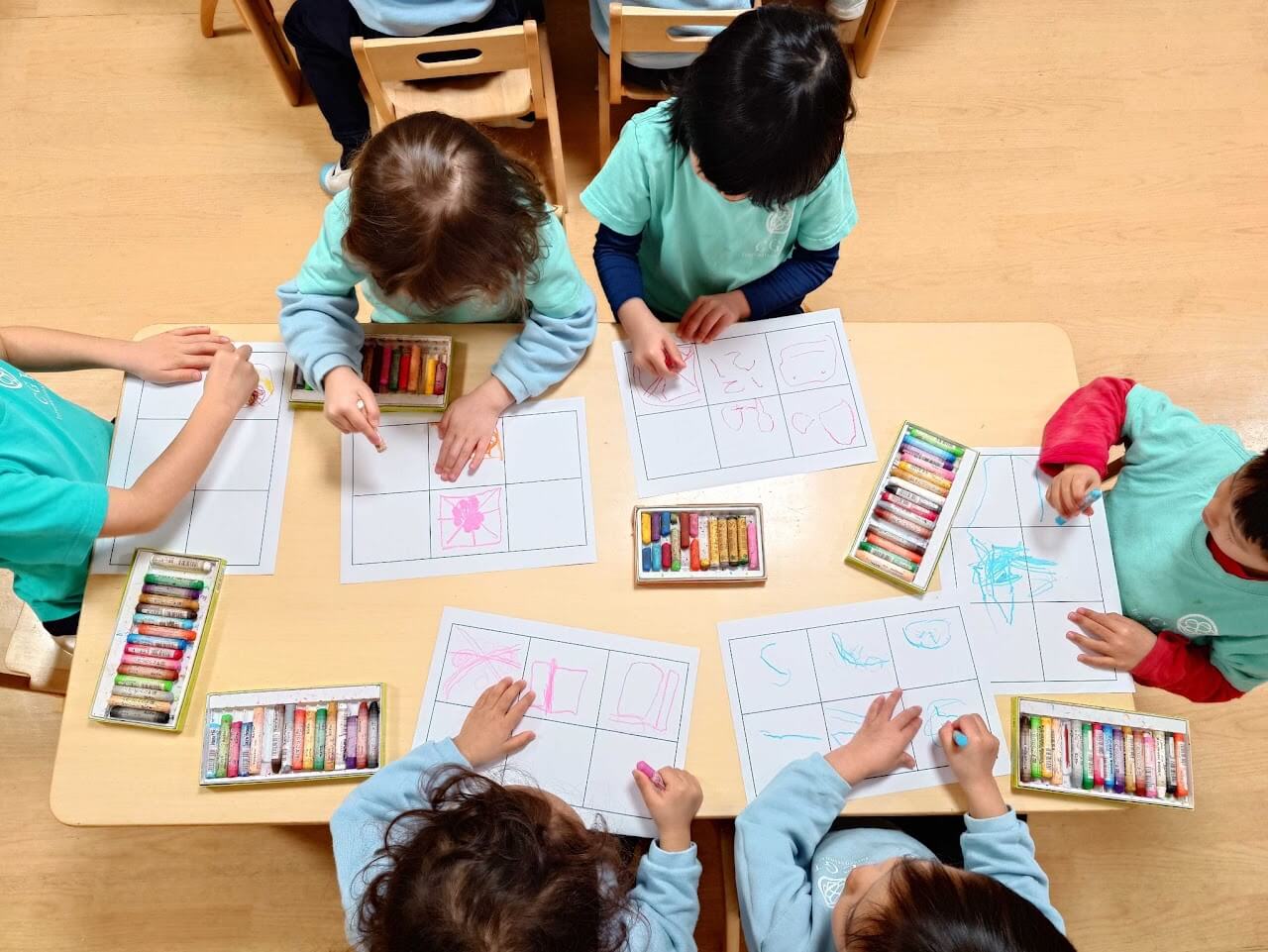
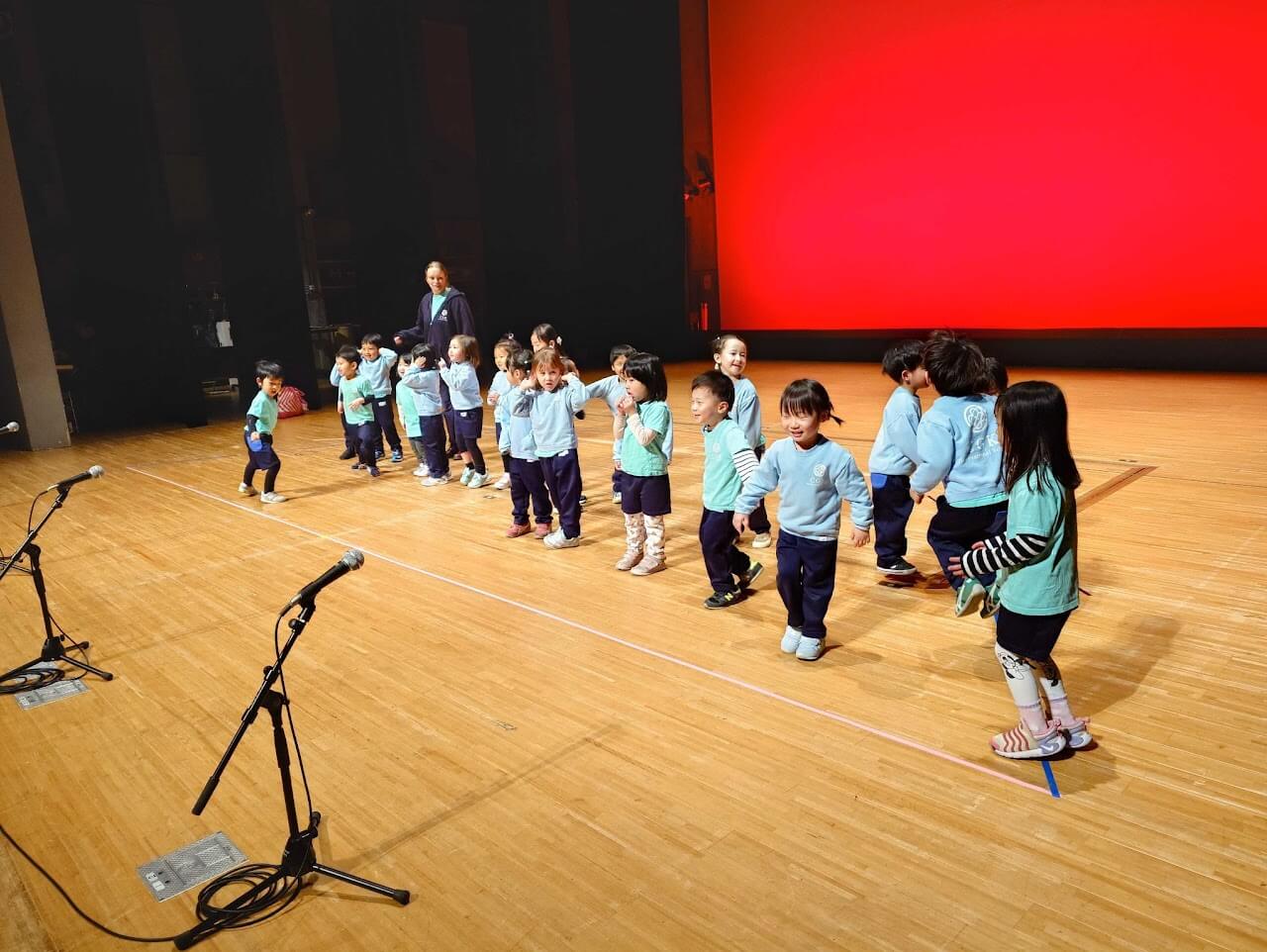
Happy New Year, everyone! 2025 is gone, and we are all settled into 2026. This means that there are only a couple of months left before COL, and before our Jungle friends become Mountain friends! Therefore, we have started preparing for COL (Celebration of Learning.) As the performances are predominantly student-led, we gave the students the tools they needed to create and edit their own story. We accomplished this by giving them fun, pressure-free opportunities to make their own stories using imaginative, story-telling games. We allowed them to speak and create a story on the fly, and we allowed them to create a story using drawn images. With their imaginative juices flowing, we brainstormed ideas, decided all of the main story elements, and finally got a script done. Then to cap it all off, we eliminated some of our stage fright jitters by getting up there, pressure free, and having some fun! Now we're all looking forward to showing everybody the result of all of this wonderful preparation!
“Together, We Can Do Anything!”
Happy New Year, and thank you for your continued support this year. As the new year begins, we have less than three months left together as Jungle A. Exciting milestones lie ahead for the children, including COL (Celebration of Learning) and their transition to Mountain class.
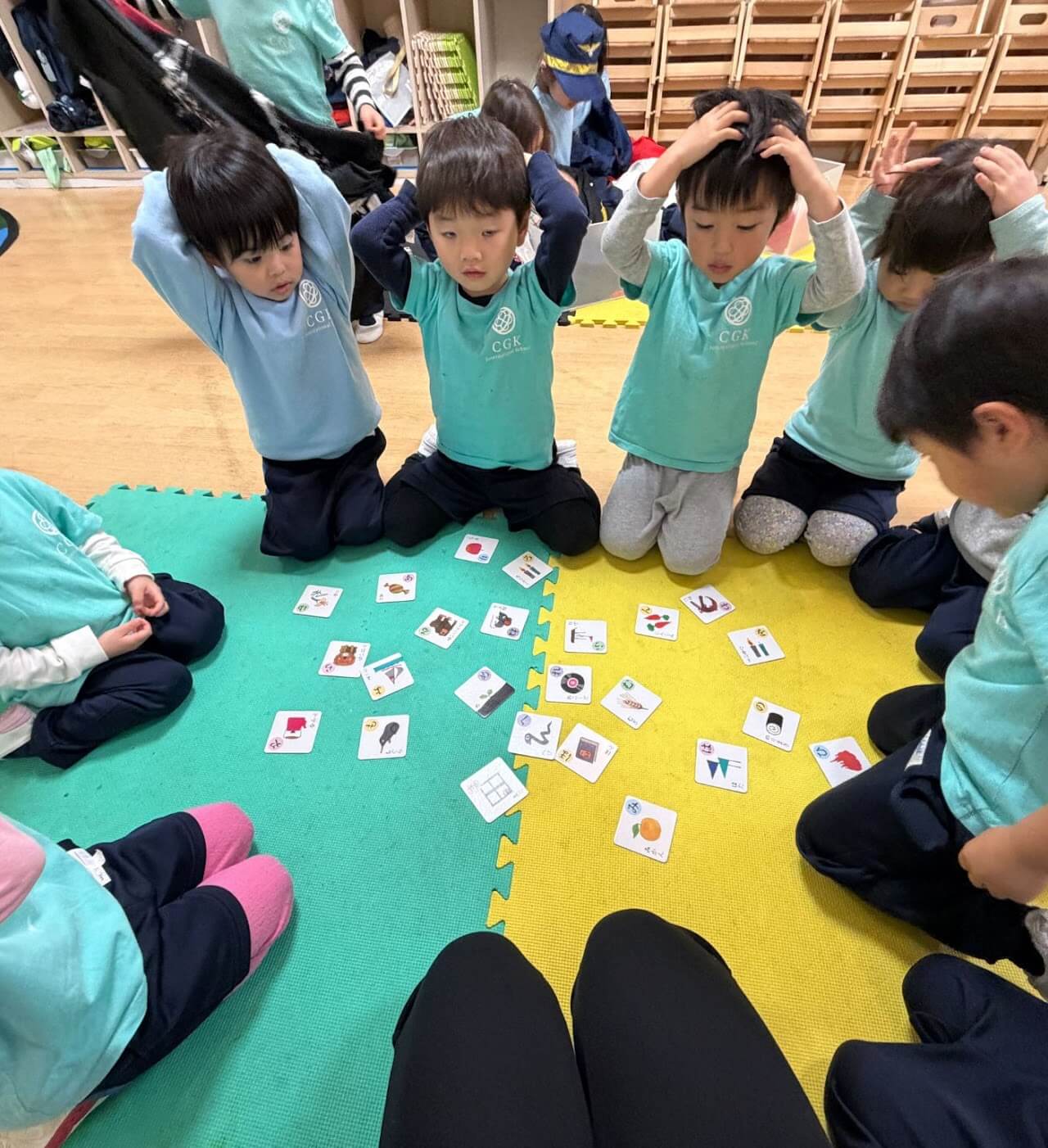
During Japanese class, we have been taking time to talk together about these upcoming events—sharing what we are looking forward to, what we want to try our best at, and even what might feel a little scary. We have been thinking as a group about how we can face these challenges together. While this season is filled with excitement and anticipation, it can also bring feelings of pressure or nervousness. At times like these, we remind the children that when they work together with their friends—the friends they spend every day with—they can overcome anything.
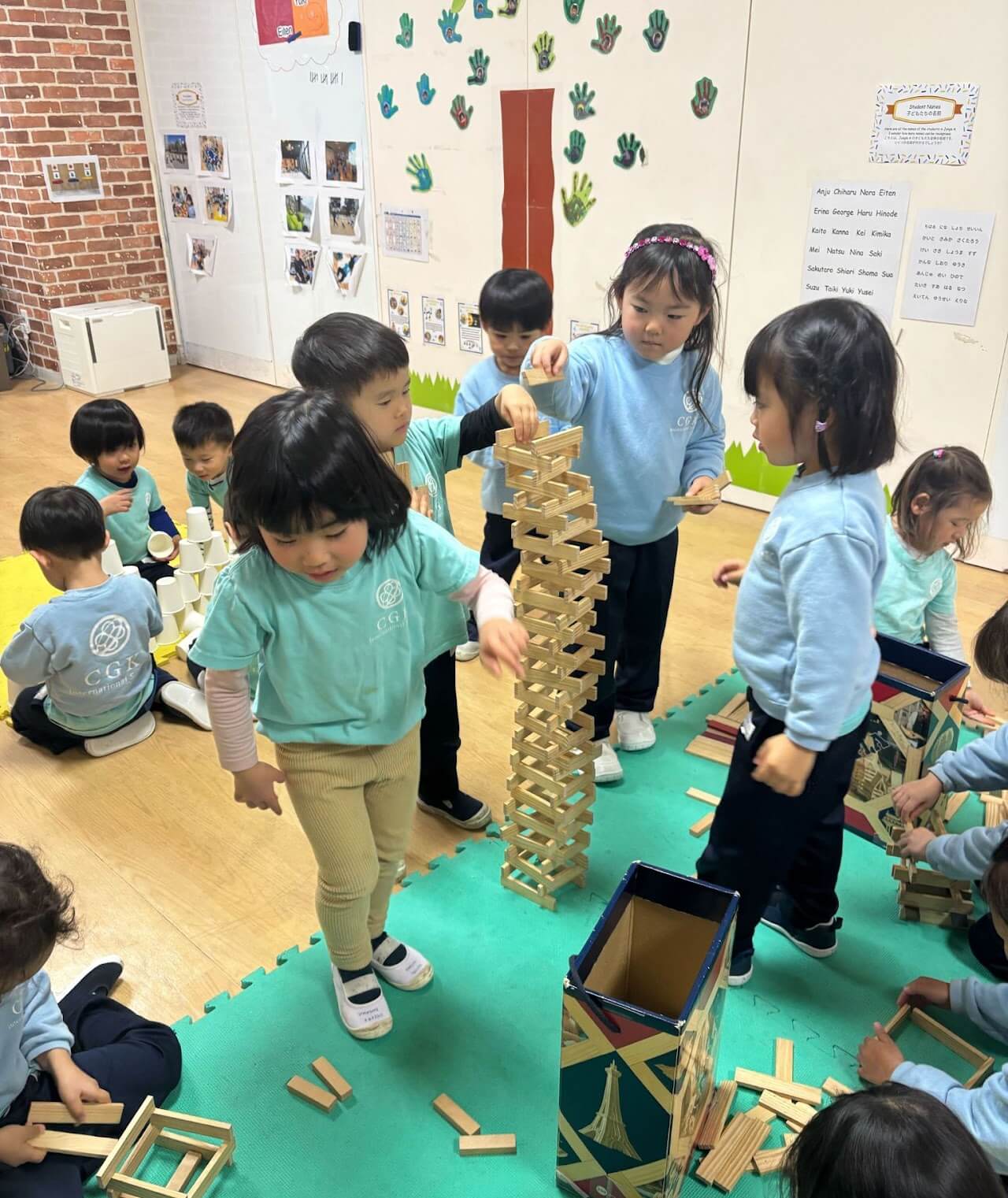
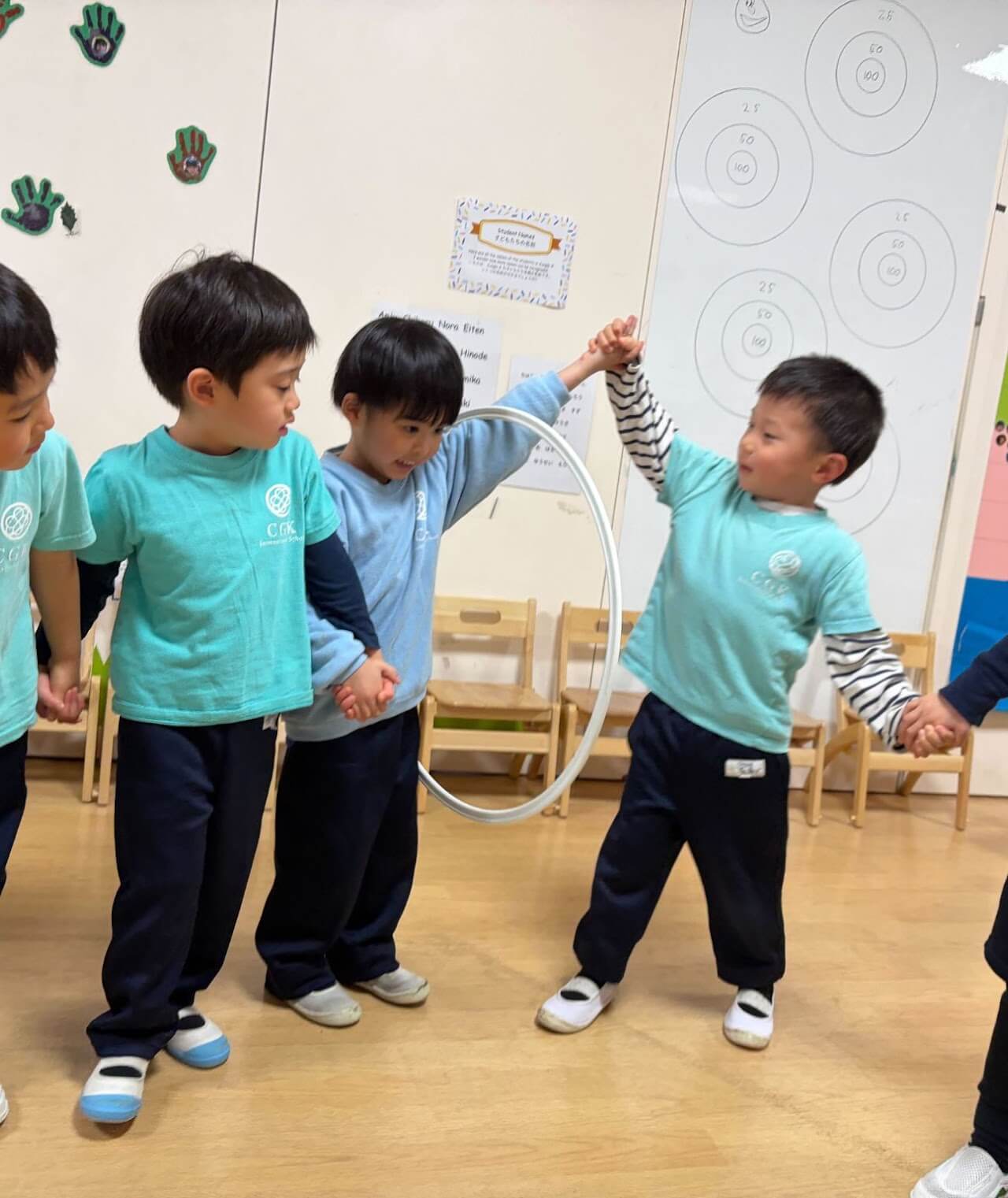
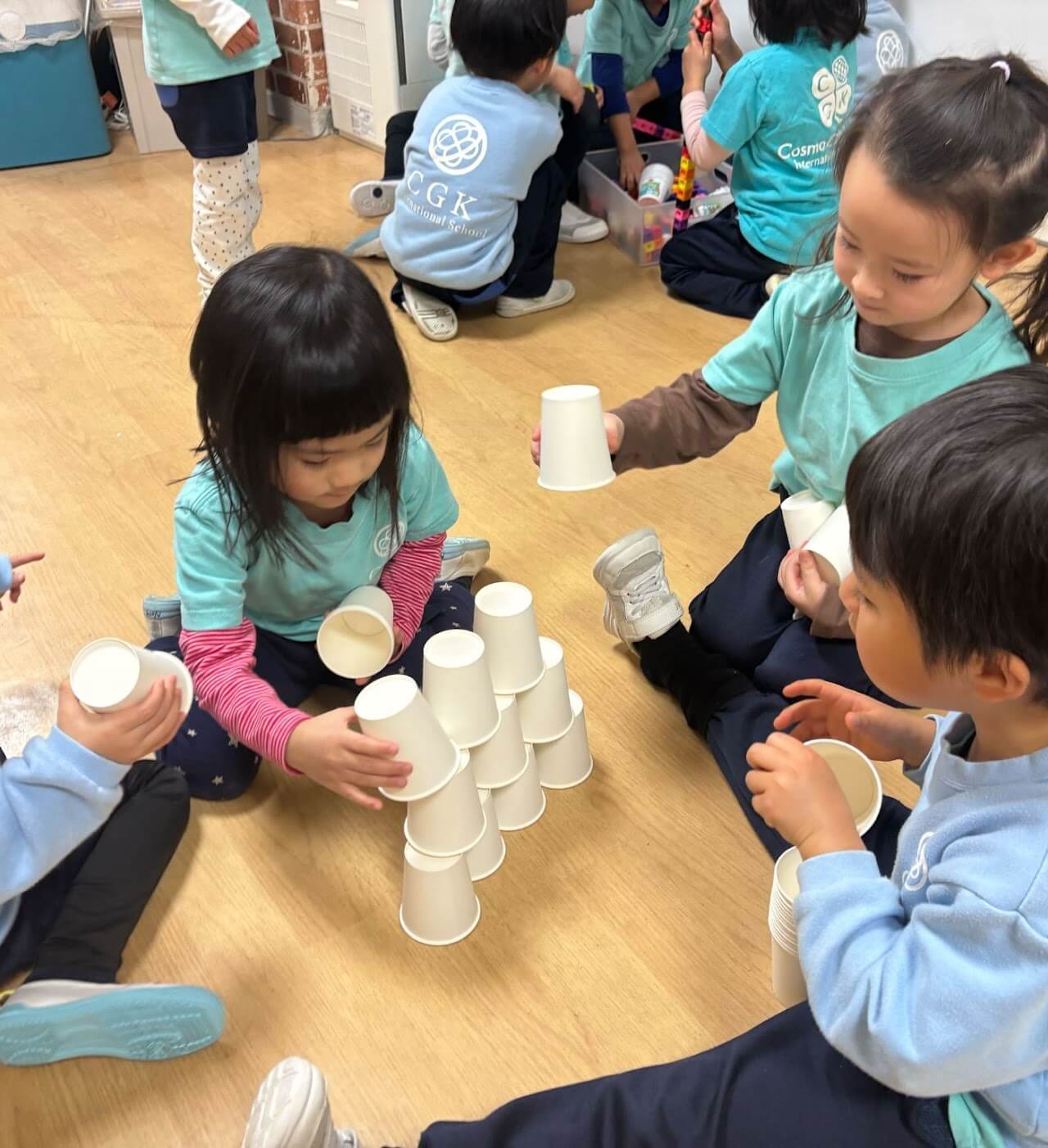
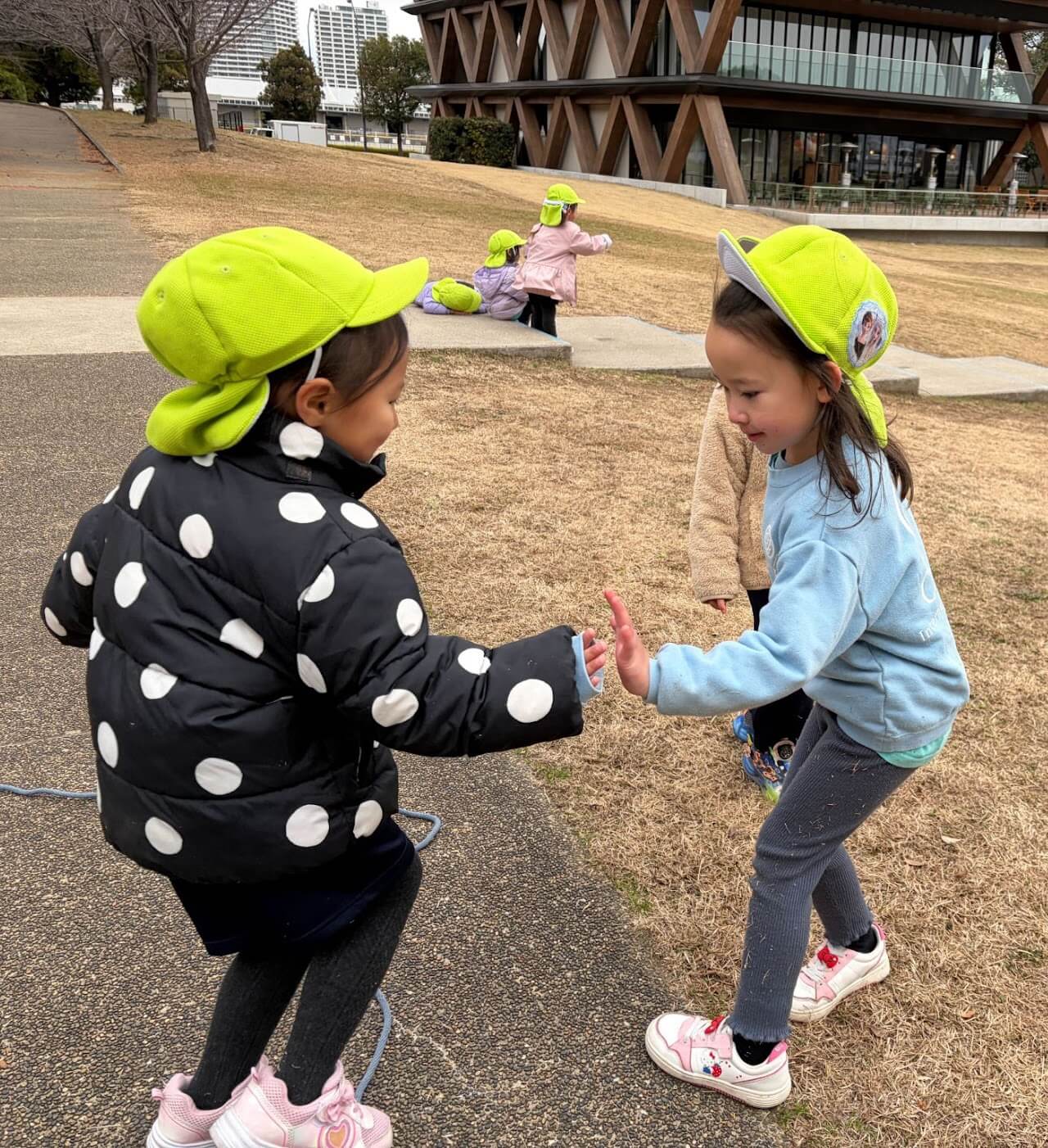
Something that may feel impossible alone can become achievable with a friend. What feels difficult for two people can suddenly become easy when five friends work together. Through play-based activities, we have been intentionally creating many opportunities for children to experience the joy and importance of cooperation. They have worked as teams to build tall towers with Kapla blocks, explored individual roles through human knot activities, and learned the fun of teamwork during outdoor games such as cops and robbers.
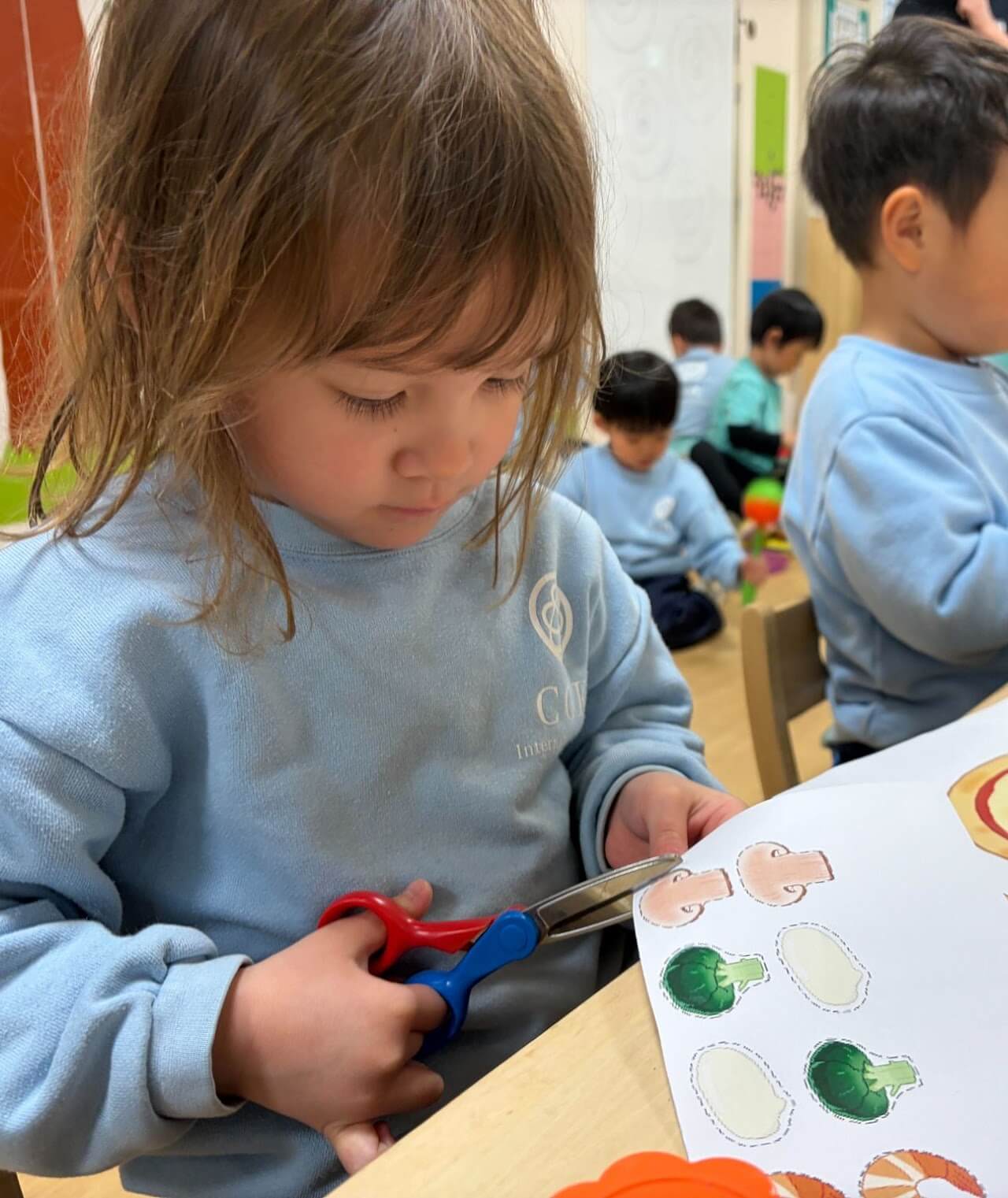
In addition, to support each child’s fine motor skills and emotional development, we have been practicing activities such as using scissors and tracing letters. Guided by the IB Learner Profile, we make sure to recognize and celebrate each child’s efforts at their own pace, helping to build motivation and confidence.
Over the coming months, we hope the children will continue to take on new challenges together, deepen their friendships, and grow in confidence as they prepare for their next steps.
Jungle B
(3-year-olds)
Reconnecting with friends!
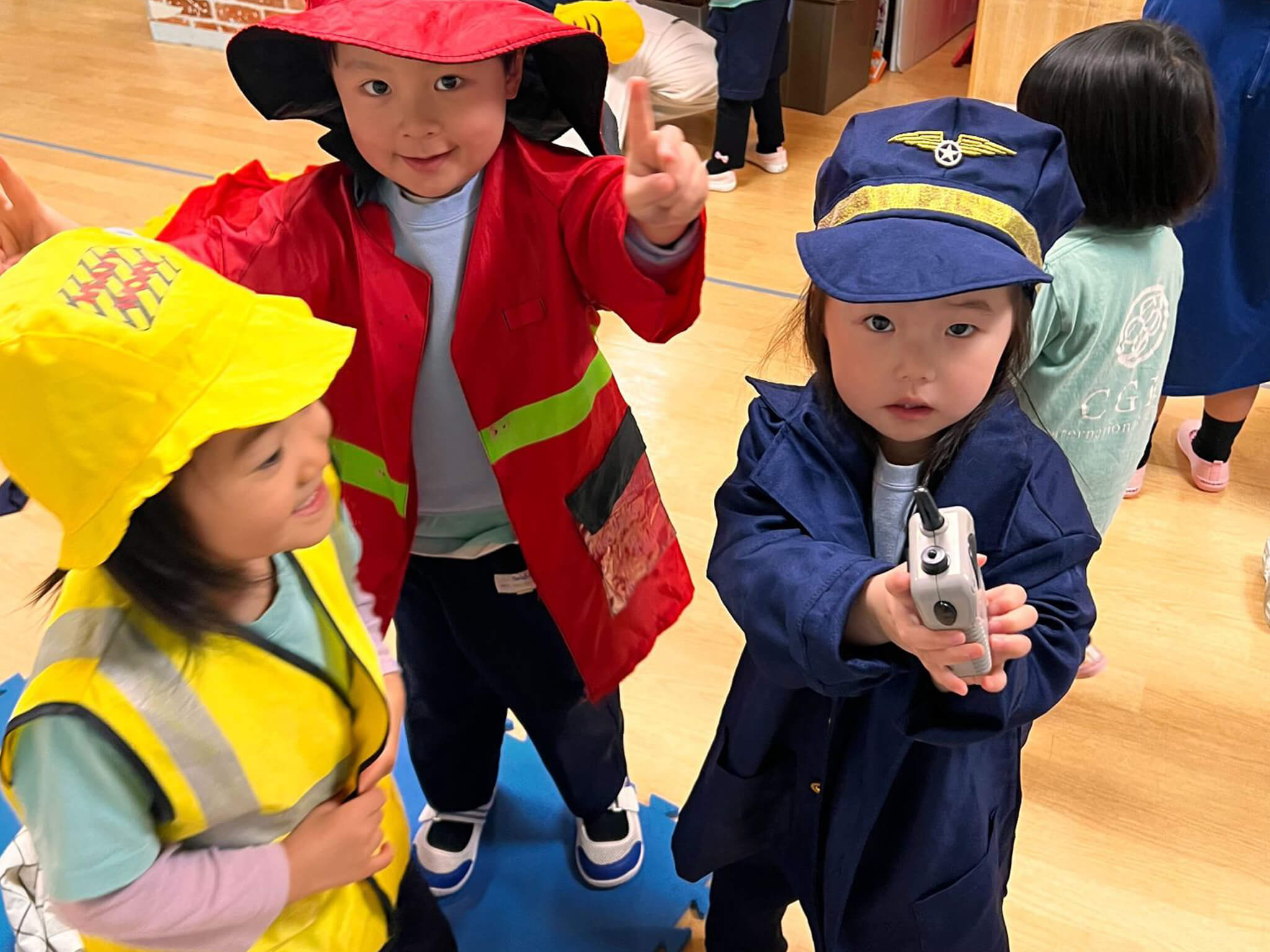
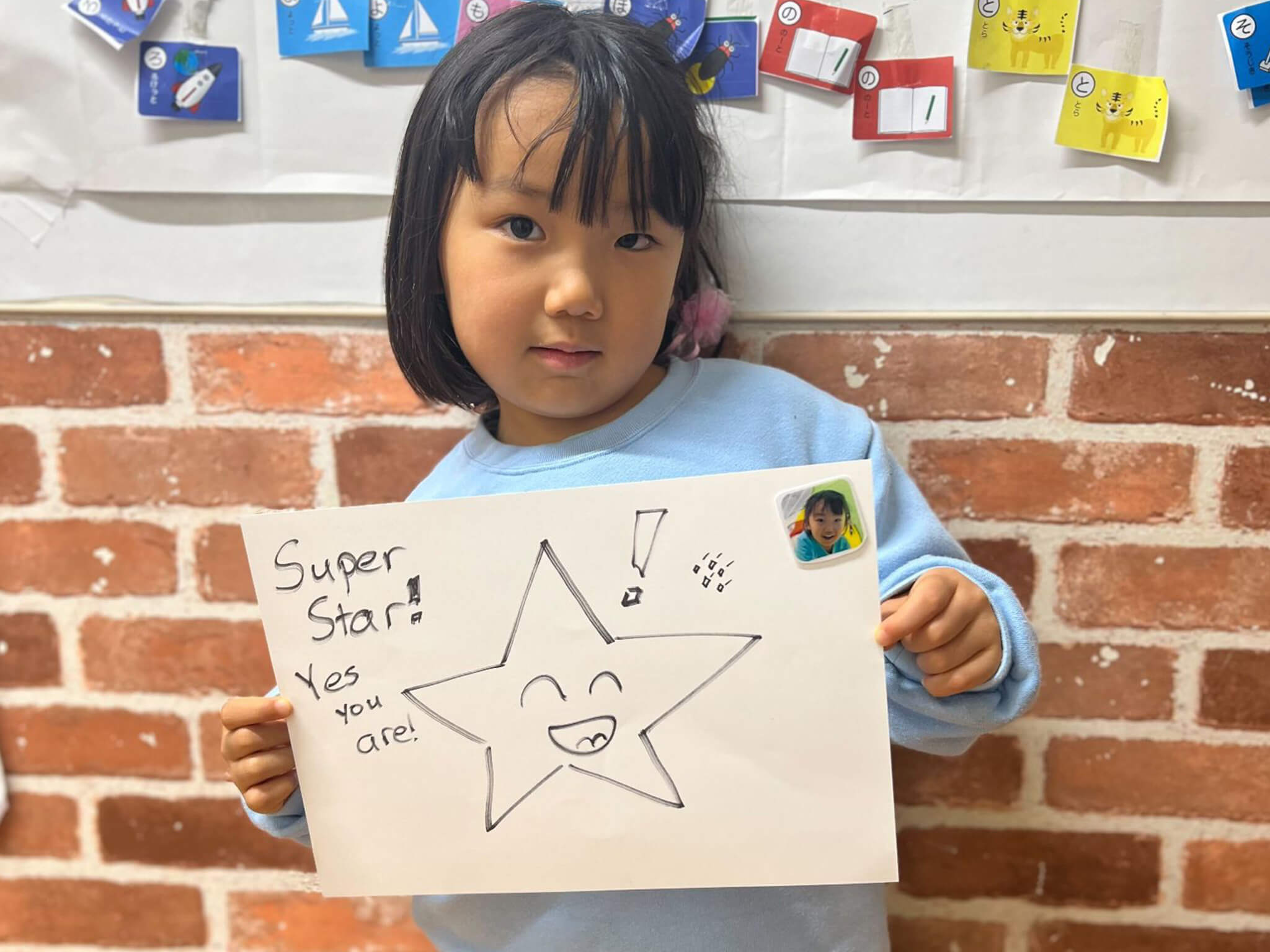
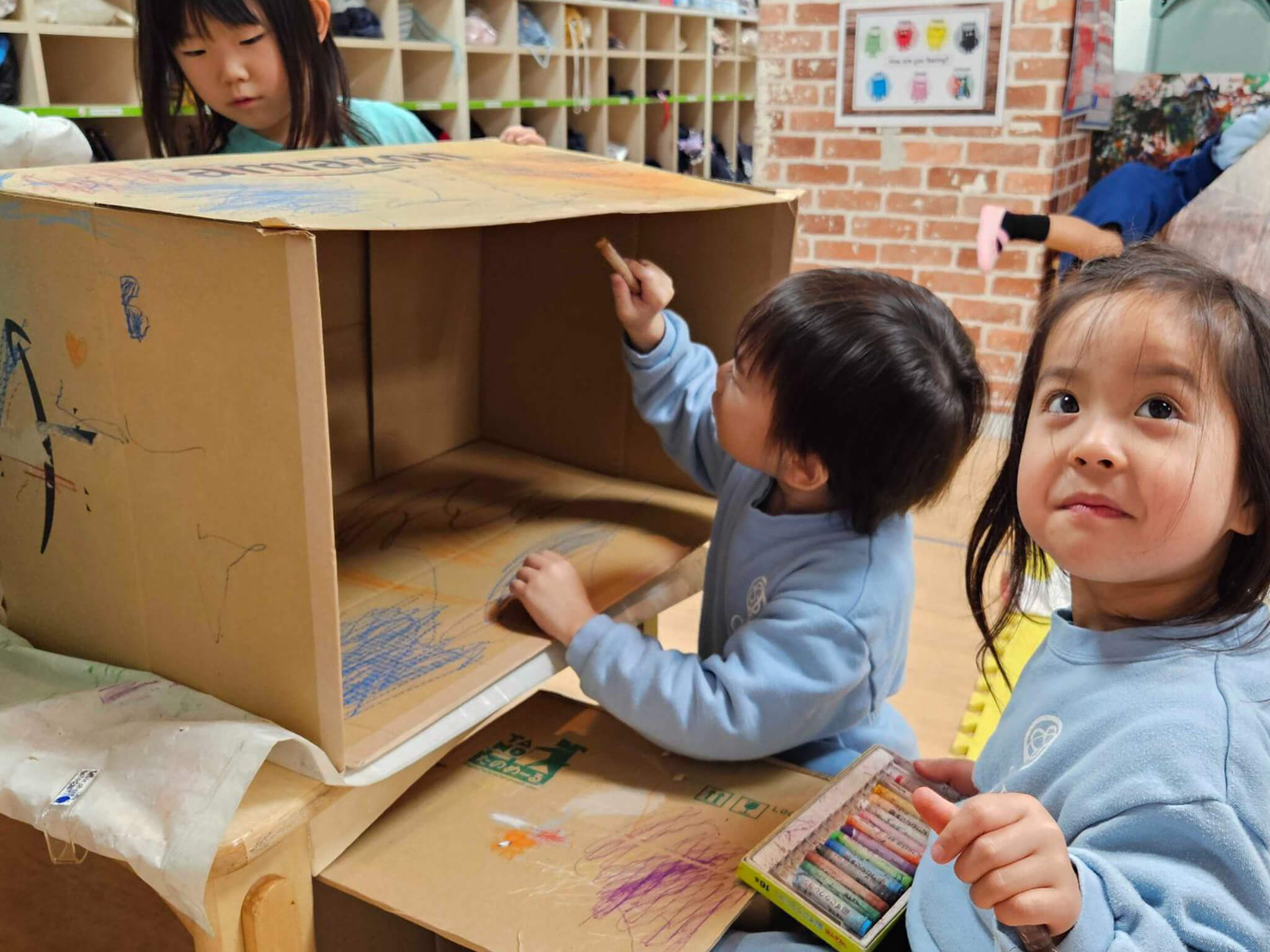
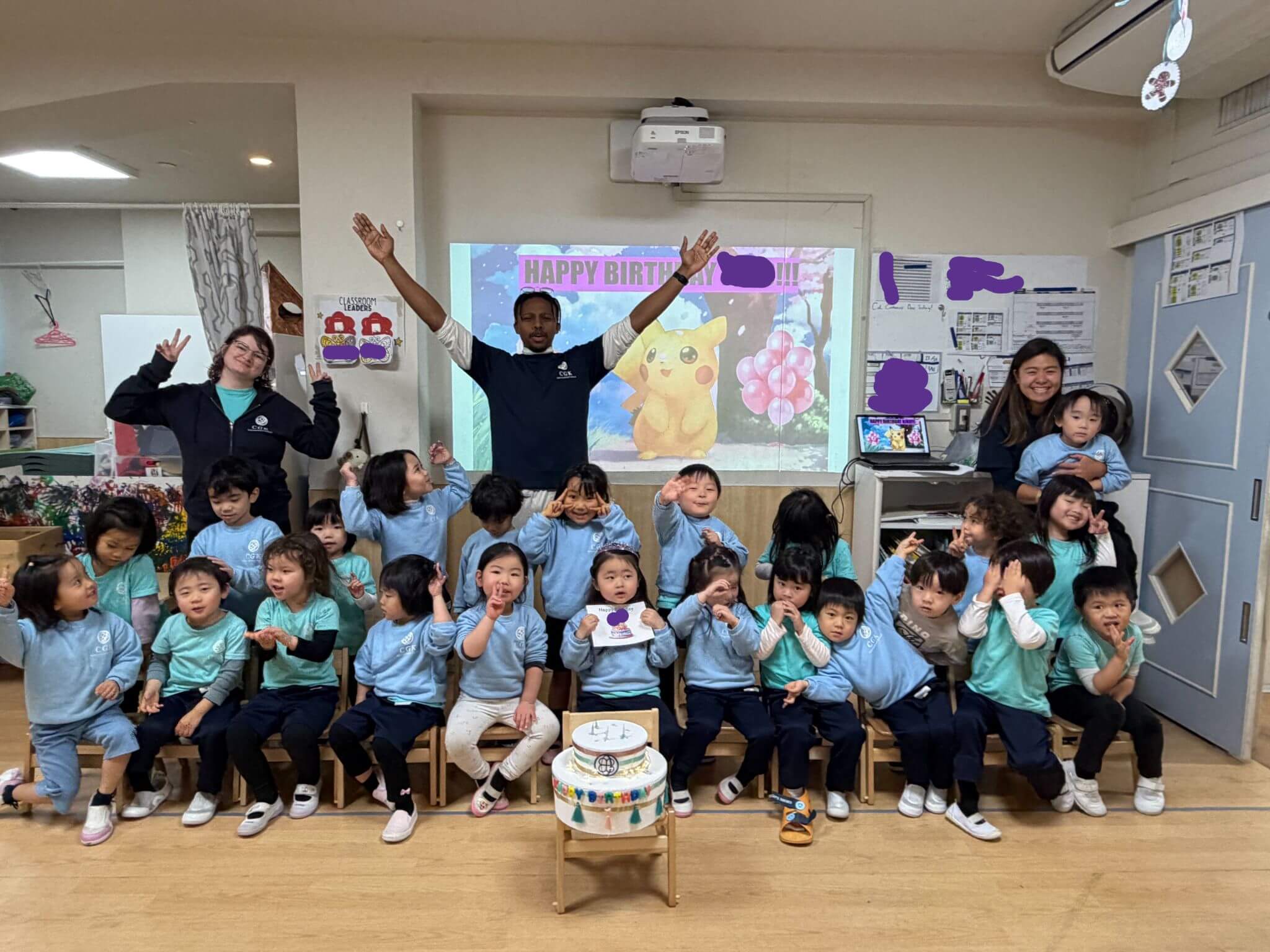
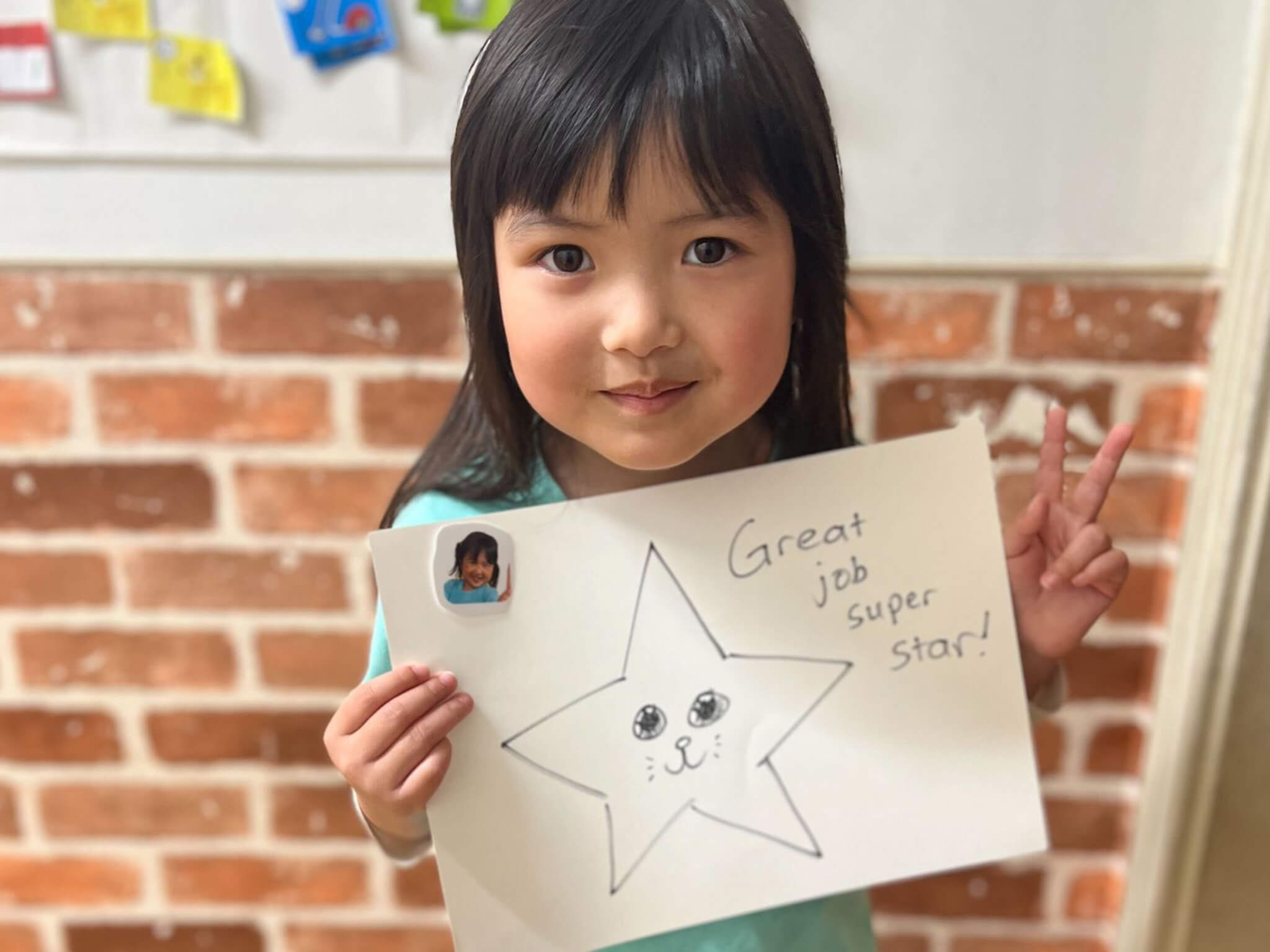
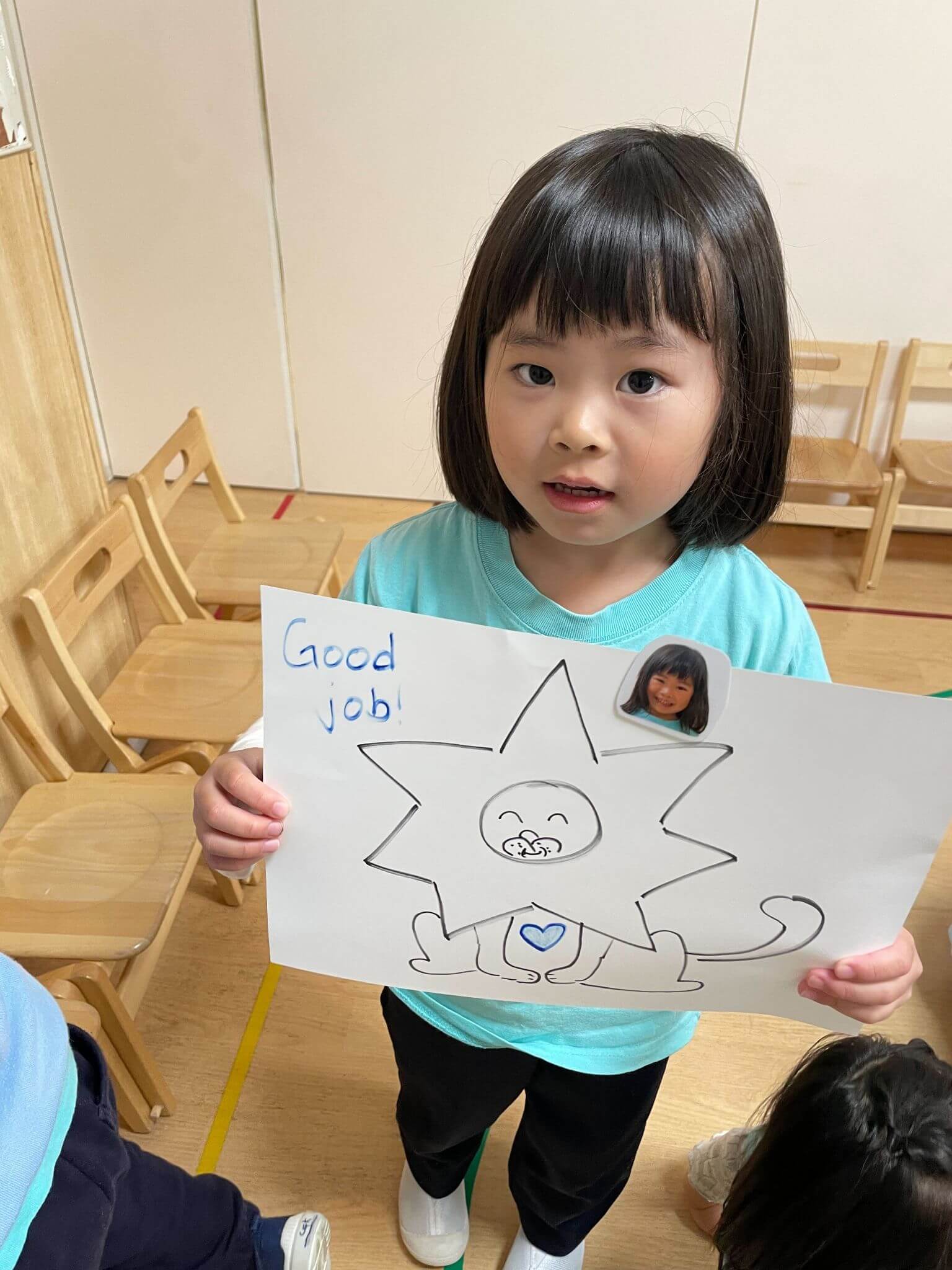
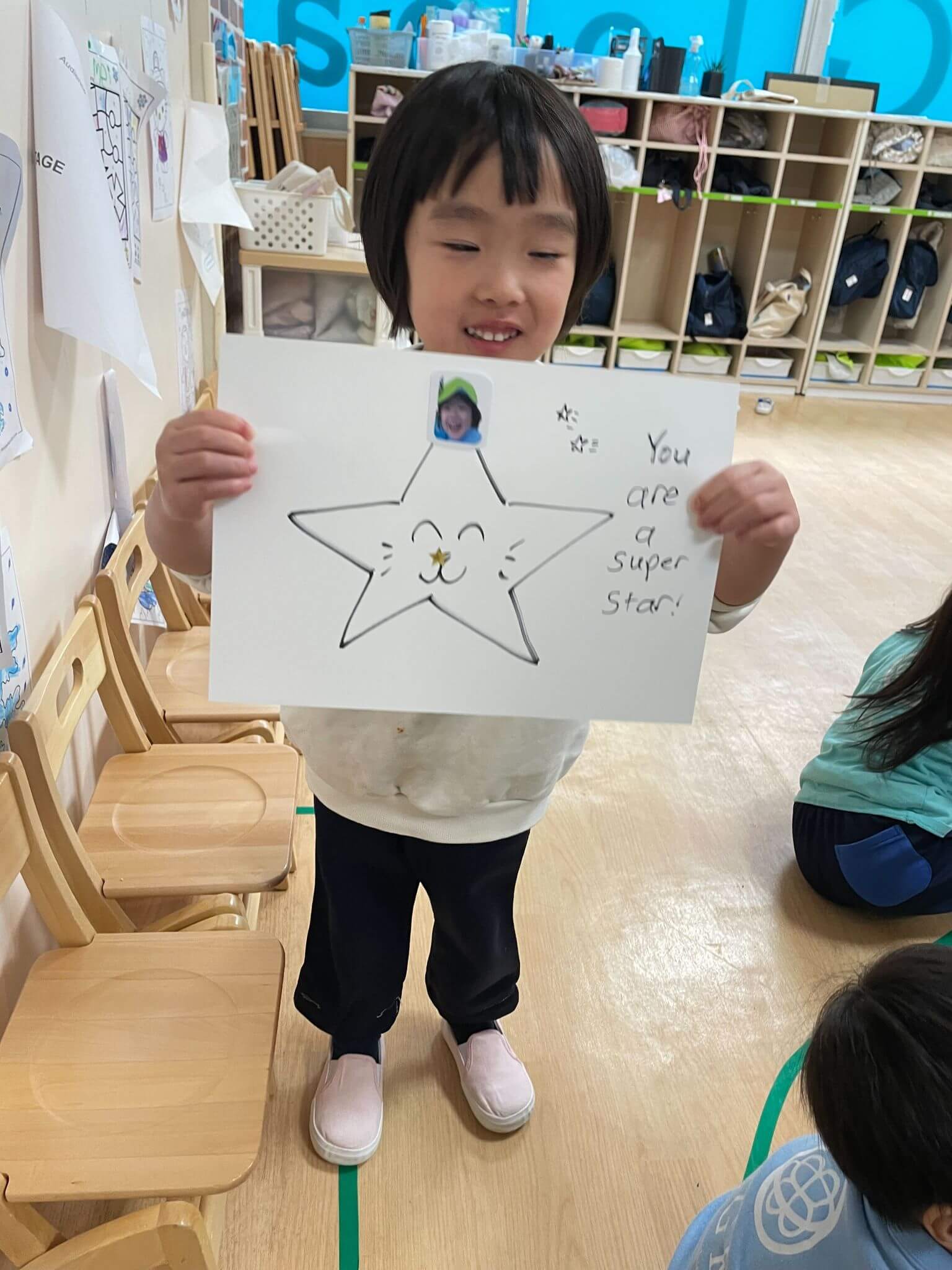
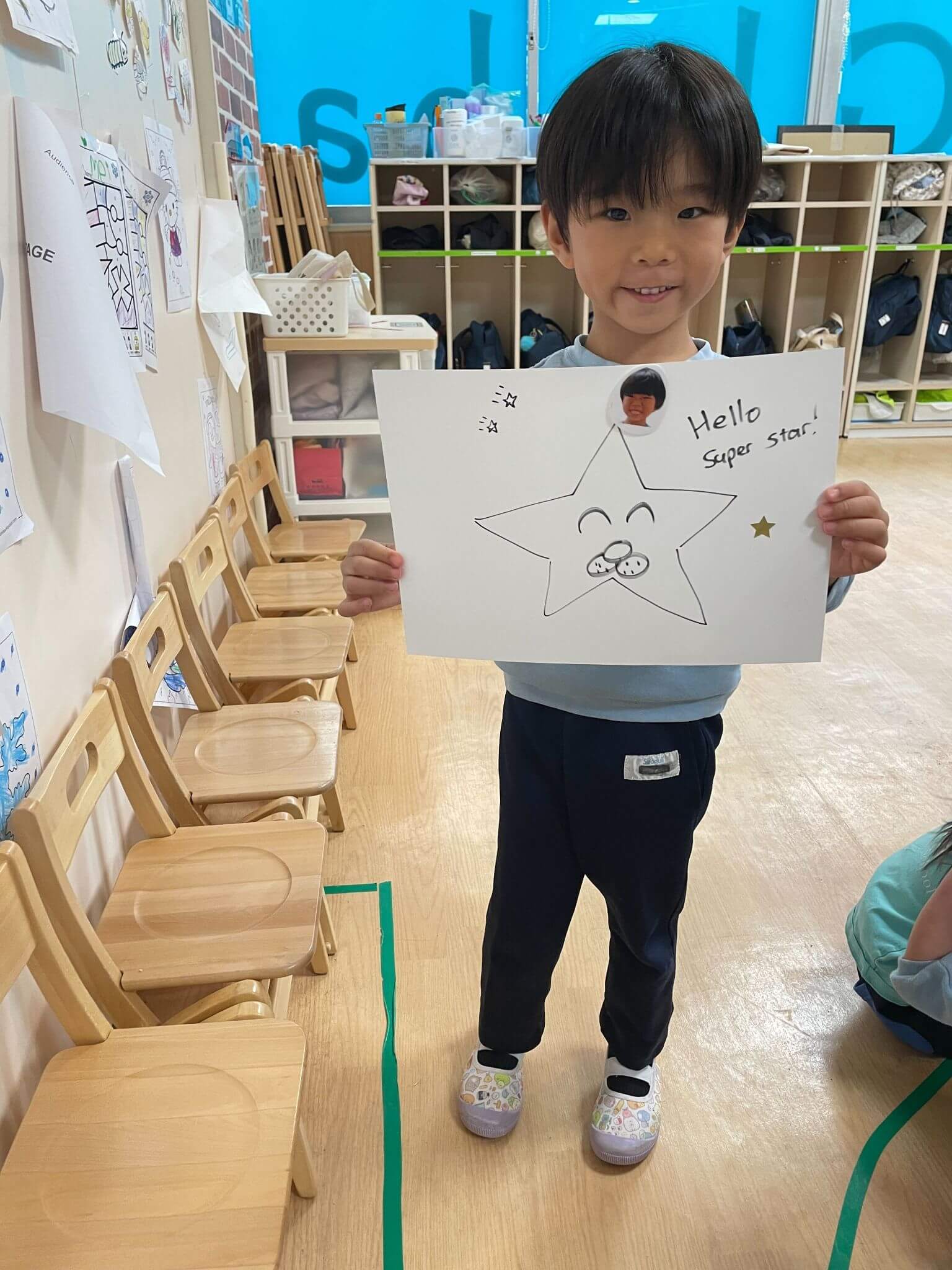
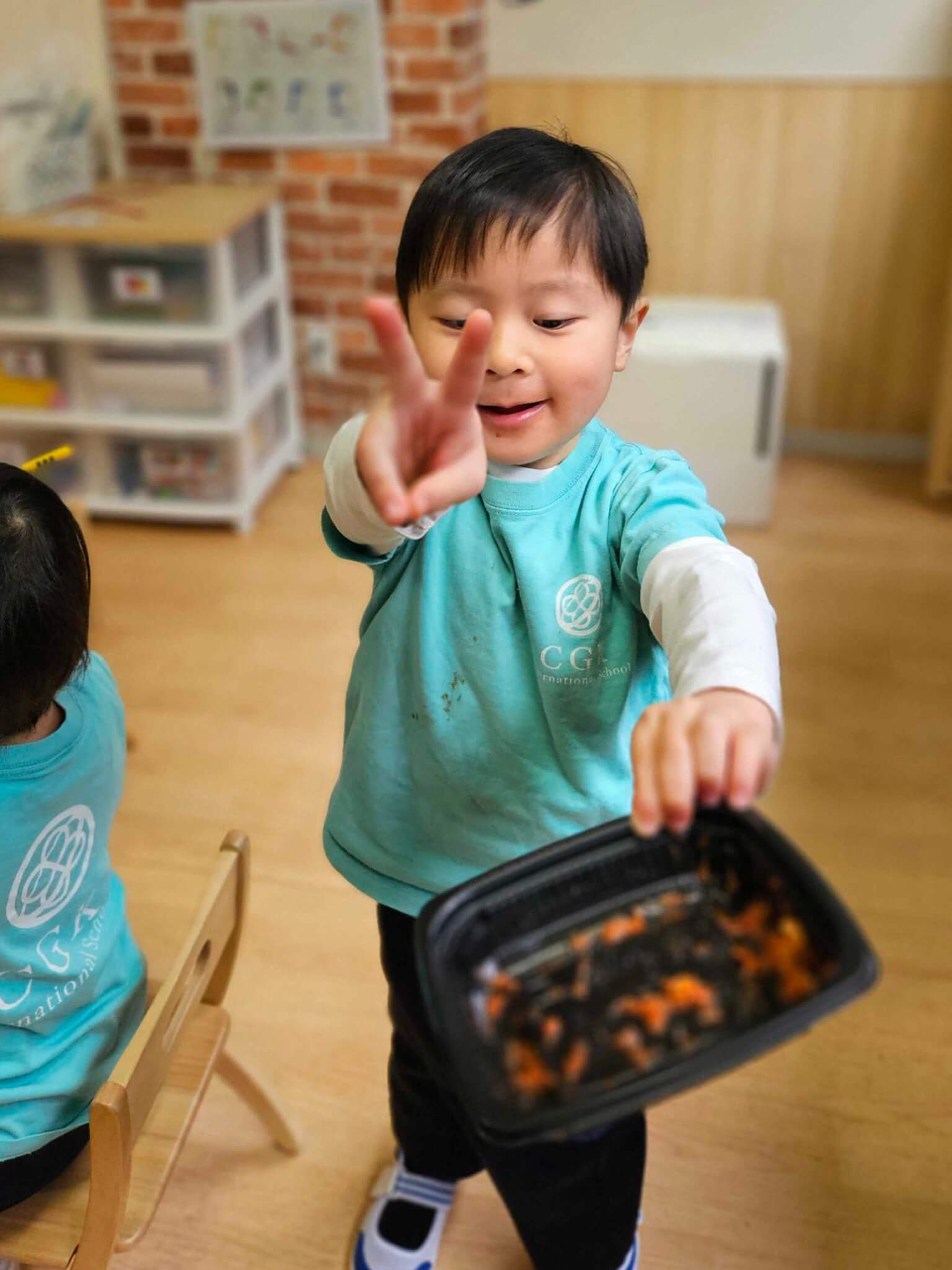
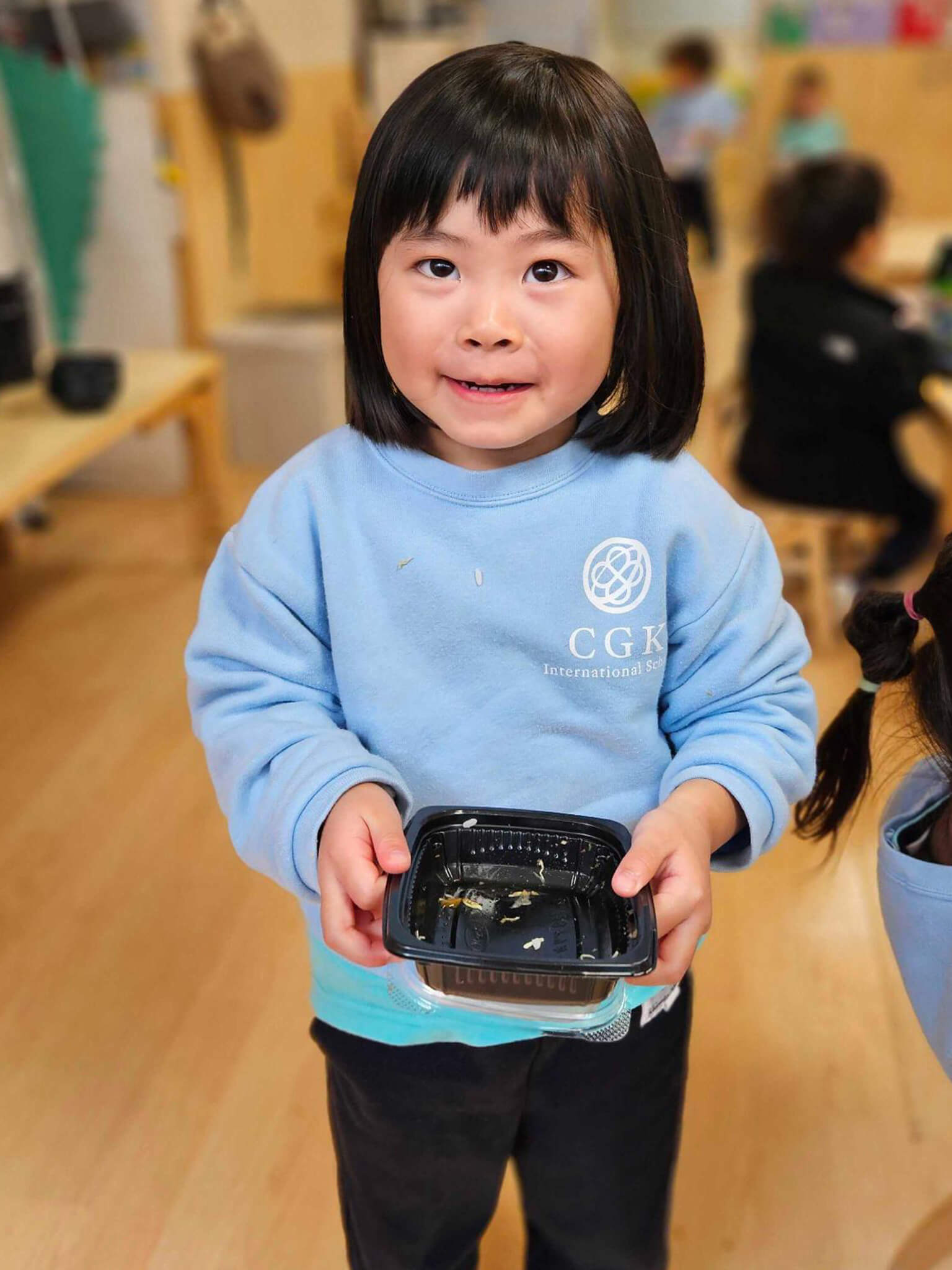
Welcome back CGK Jungle friends! The time off has done you well and you have all grown so much! While we have really enjoyed our time off, we have made so much progress in the past month after coming back to school. We said goodbye to a dear friend who returned to their home country, began practicing and working hard on our production for the Celebration of Learning, and continue to show our growth in many wonderful ways.
We continued our superstar of the week, and this month marks the last day where the teachers will decide who the star is. From next month, it will all of your own responsibility! Which of your classmates have shown you that they are very caring? Who communicates well with their peers? Who is able to breath and calm down, even when they are upset? Who is a brave risk taker that tries many things? Who is growing and eating all of their lunch everyday? Let us know!
2026 – A Fresh New Start
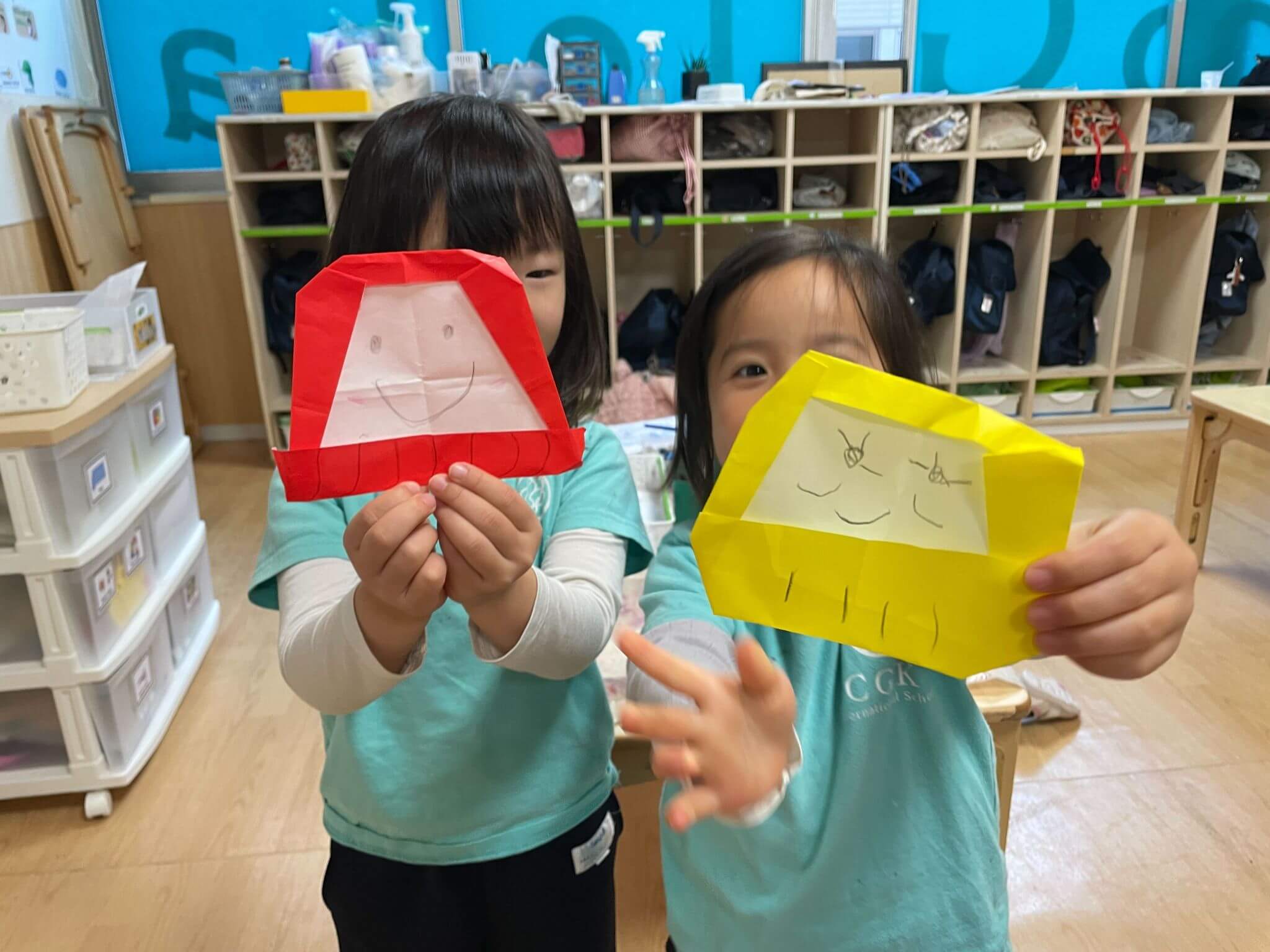
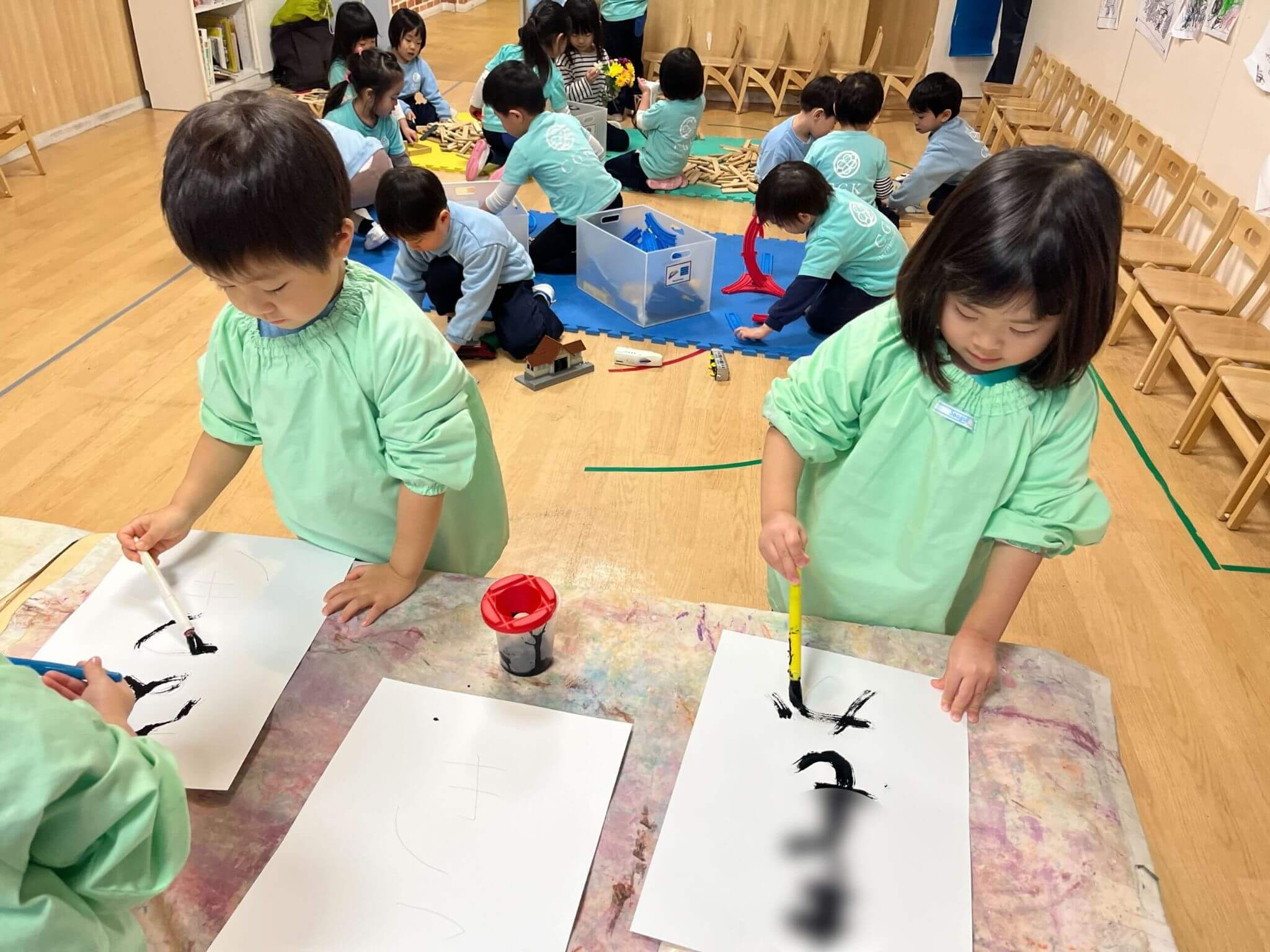
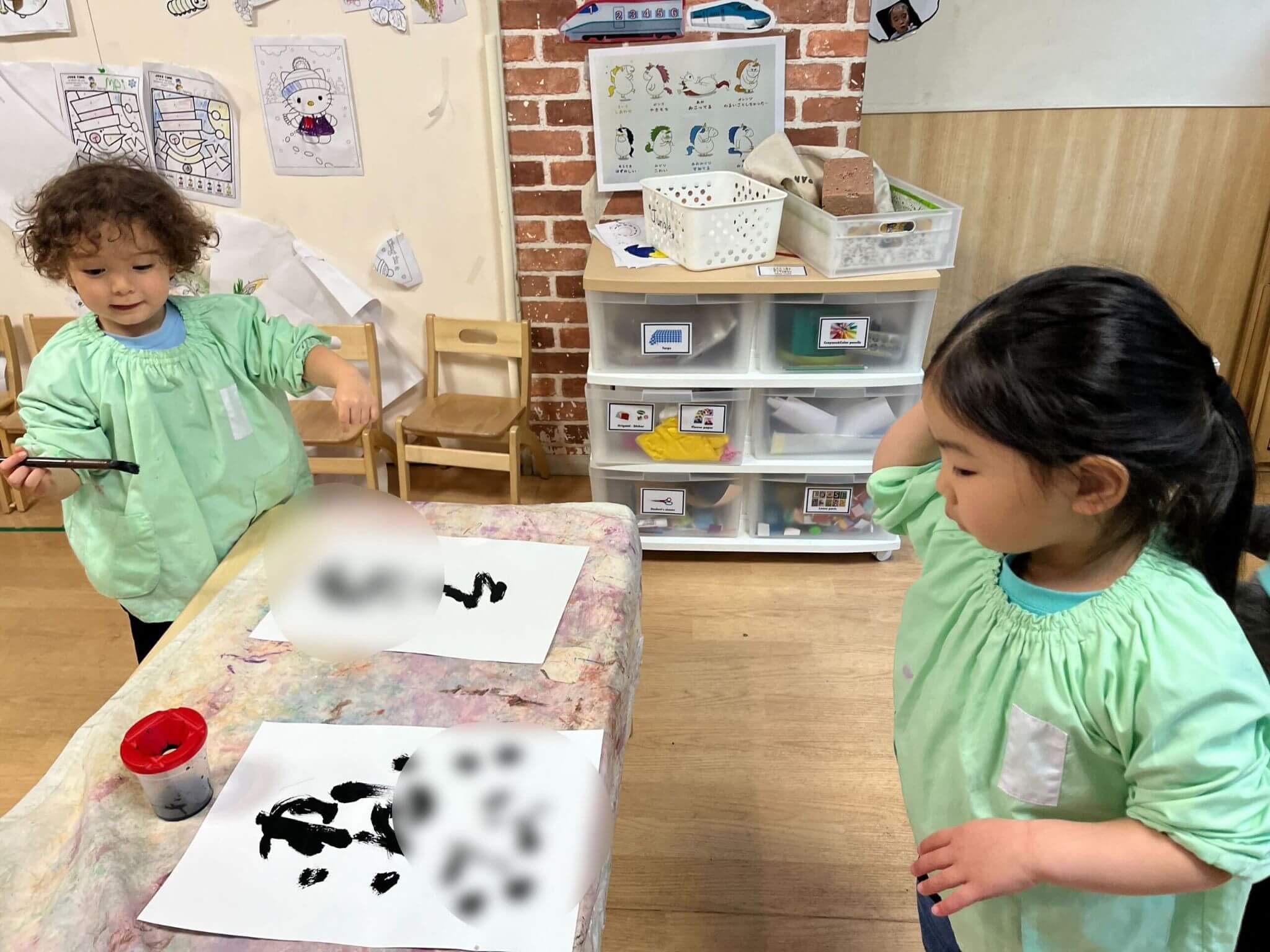
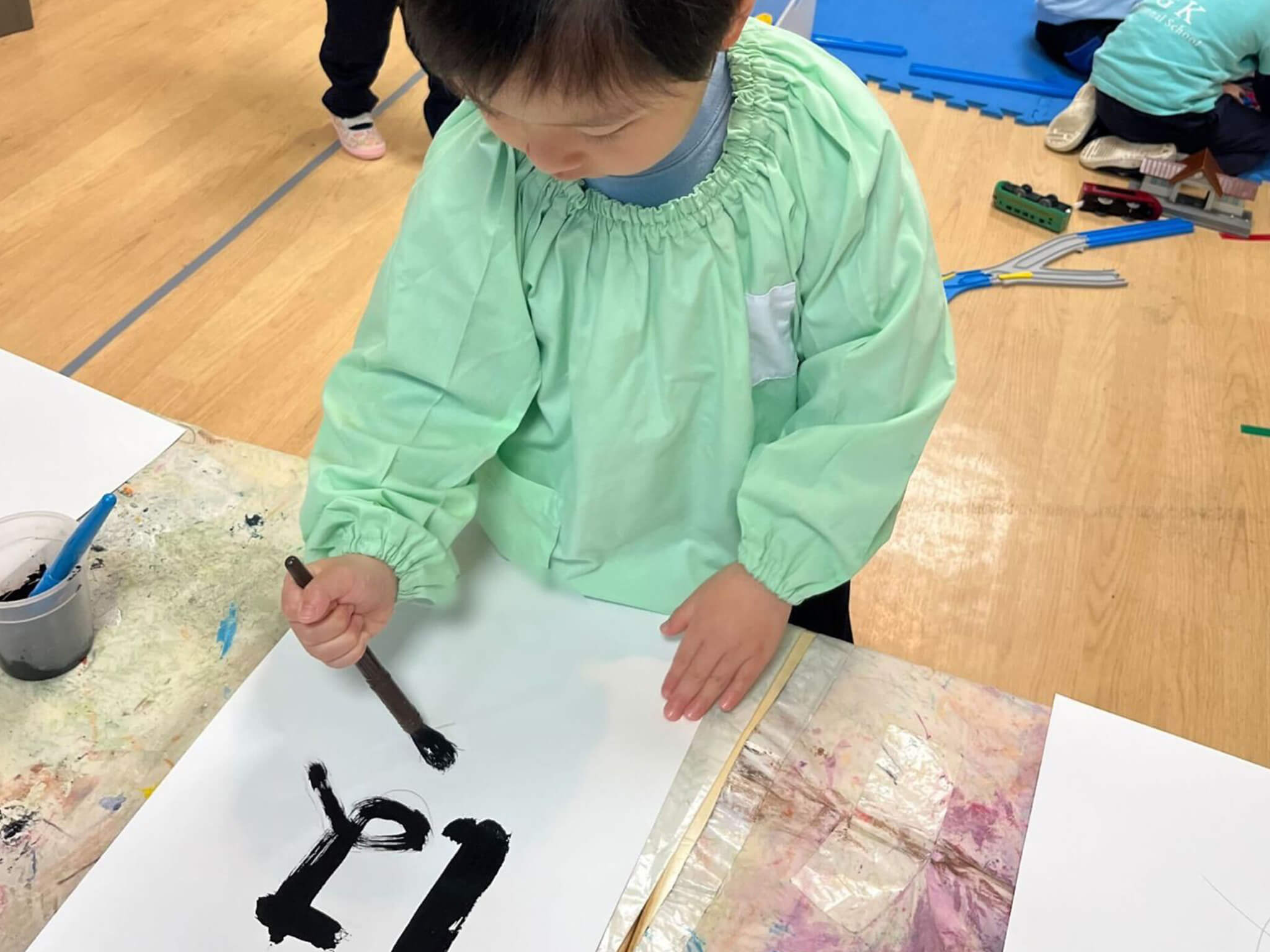
Happy New Year!
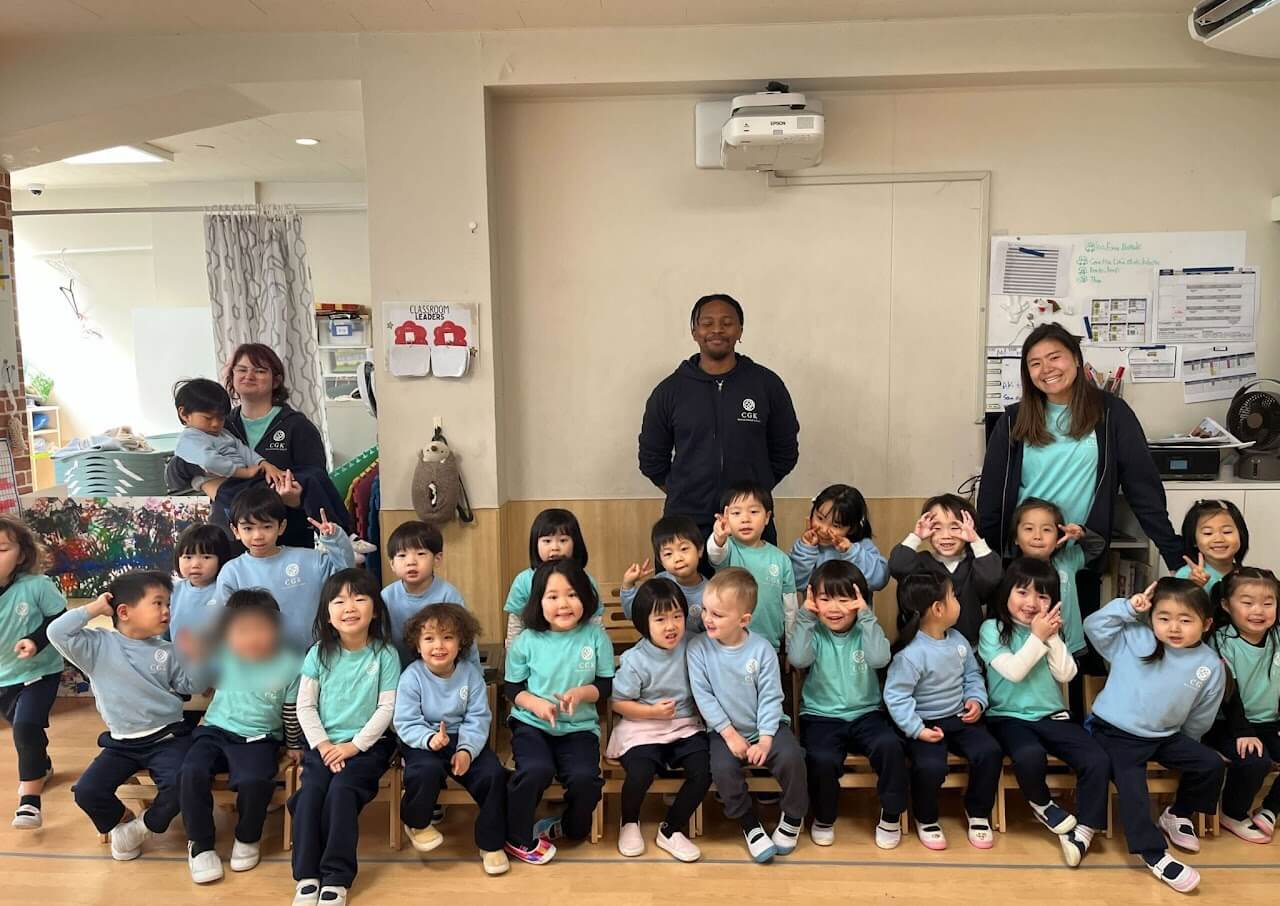
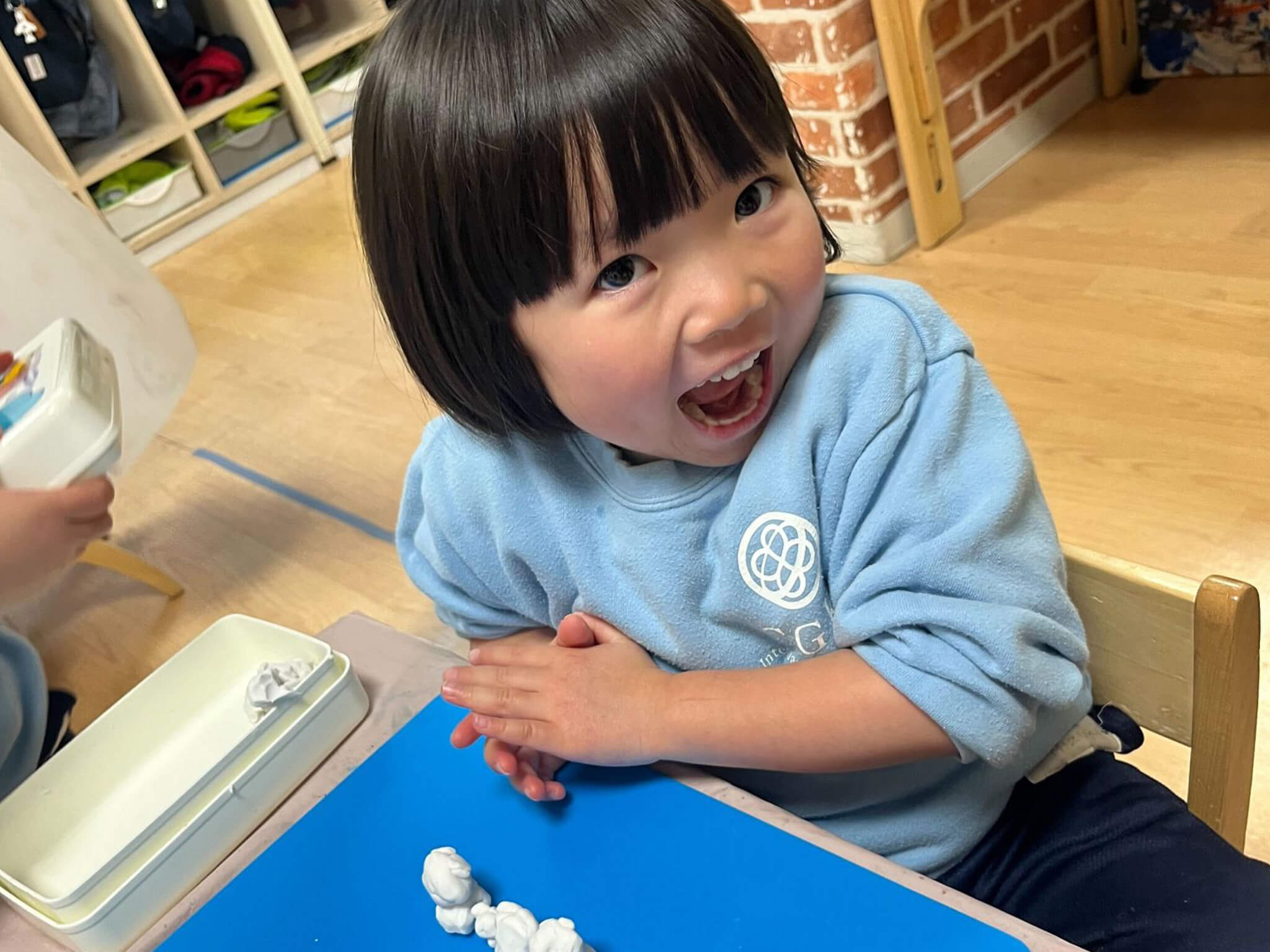
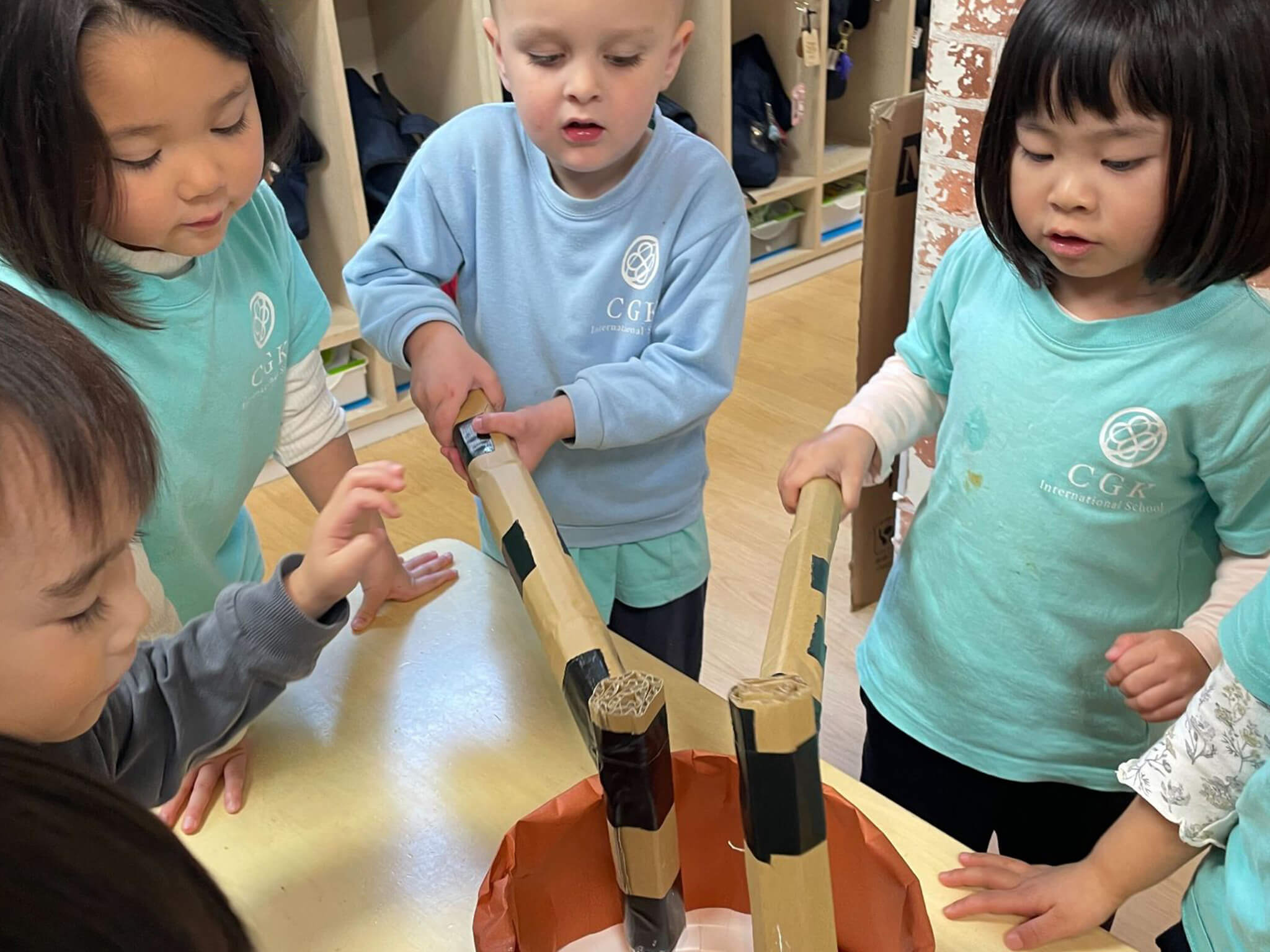
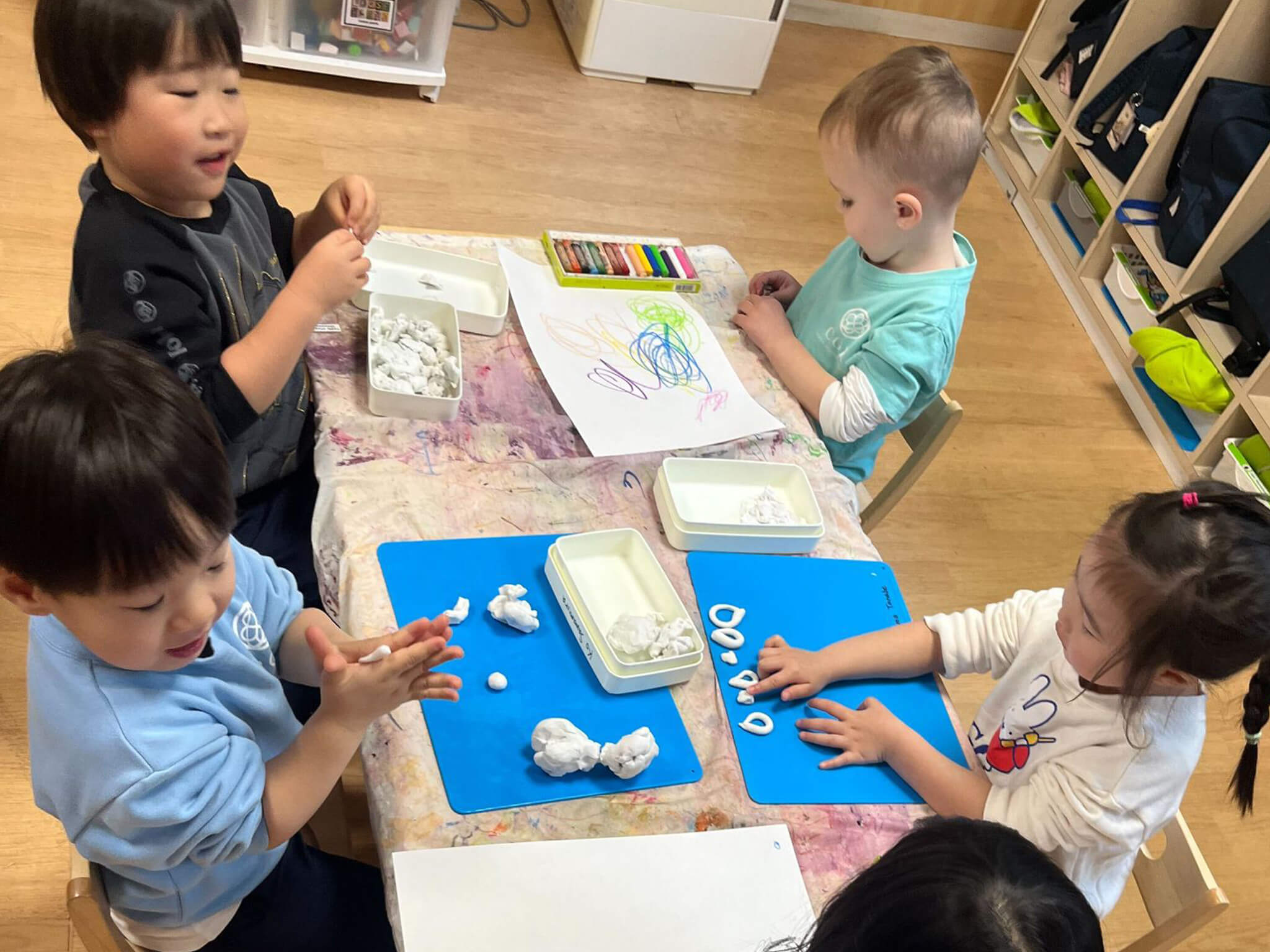
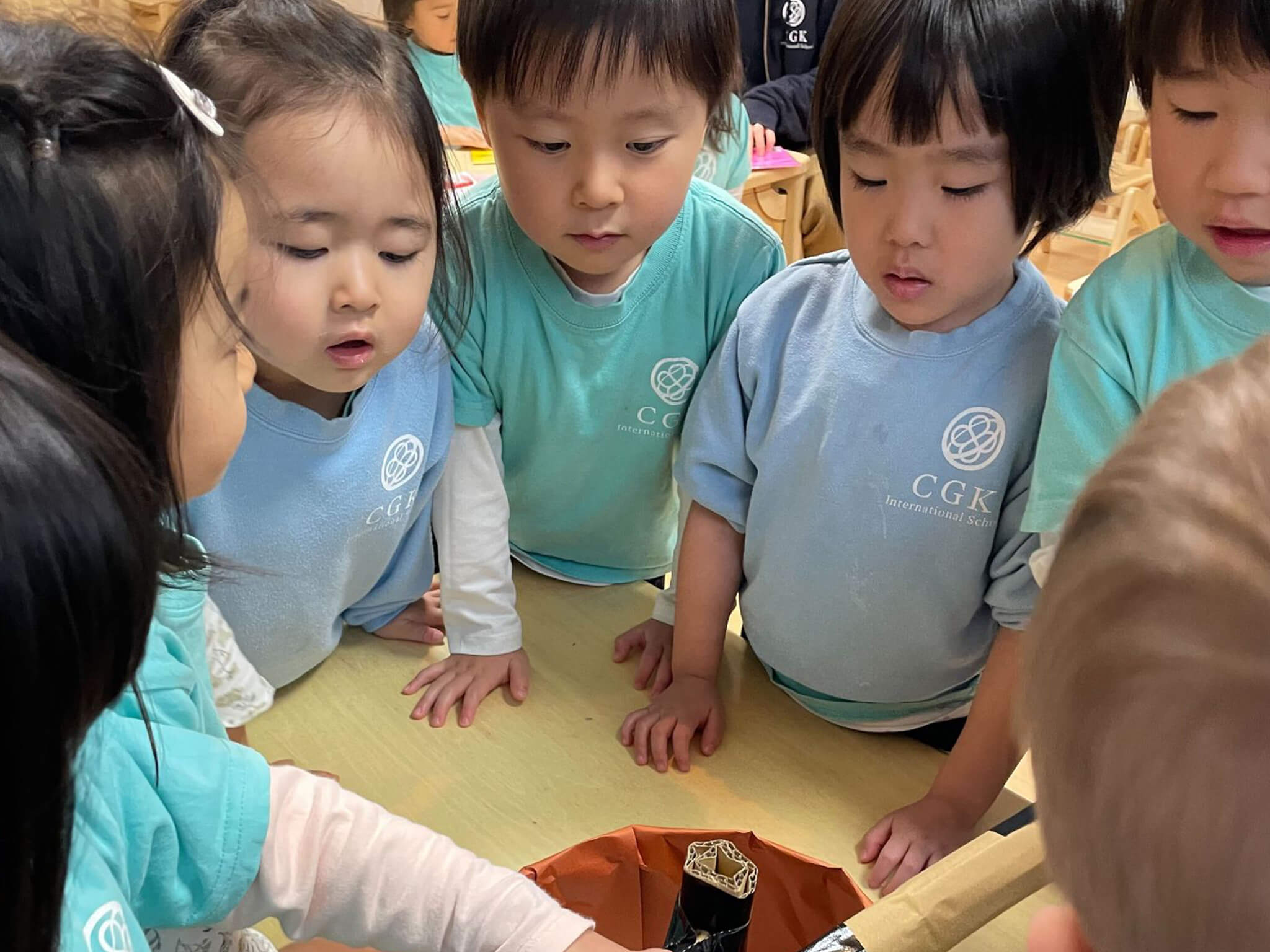
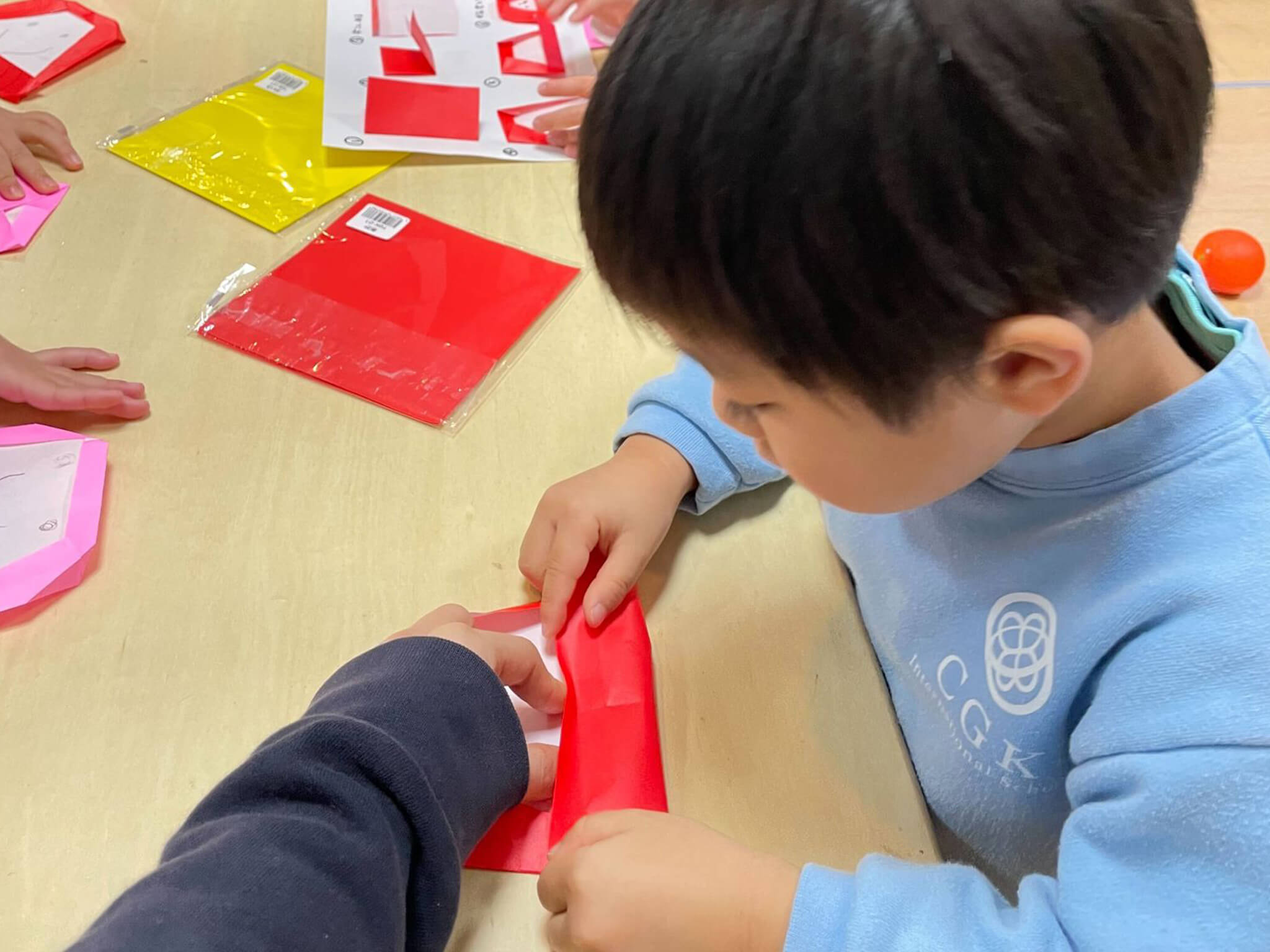
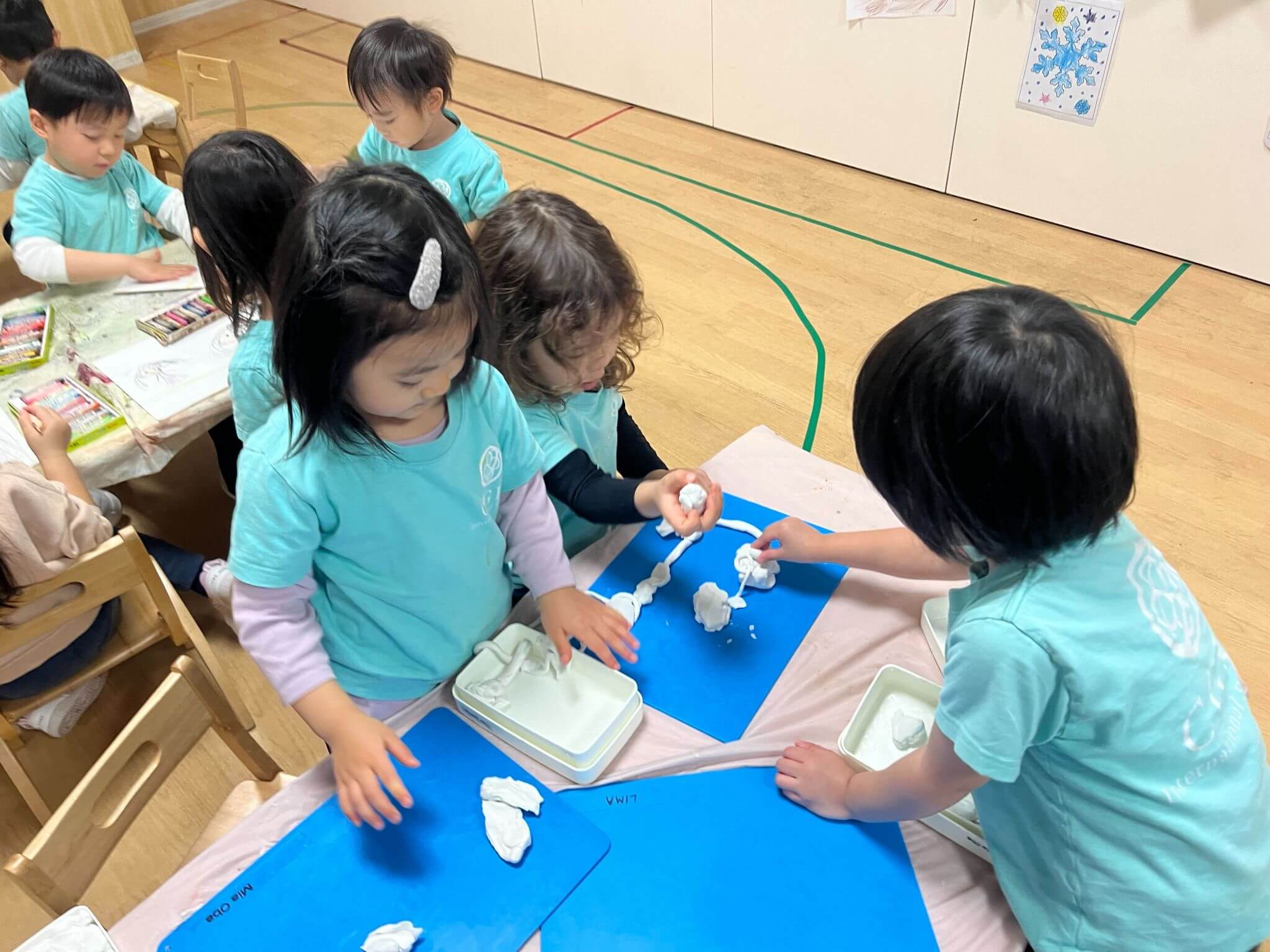
After enjoying their winter break, the children were delighted to reunite with their friends and teachers during the first week of the new year. They were full of excitement and eager to share many stories one after another. It was wonderful to see them express their winter experiences so vividly in their own words.
After a long holiday, we wondered if it might take some time to shift from “New Year mode” back into school life. However, during Circle Time and UOI sessions, the children listened calmly and shared their feelings with one another as they played together. These moments showed us just how much they have grown. During our Show and Tell about winter break memories, the children not only presented confidently but also listened quietly to their friends and asked thoughtful questions with genuine interest. We could really feel how naturally they are developing the important skills of “expressing” and “listening,” which connect closely to the IB values of communication and respect for others.
We also enjoyed activities that introduced children to traditional Japanese New Year culture. In Jungle B’s Kakizome (New Year calligraphy) activity, the children challenged themselves to trace their own names. This time, our focus was on enjoying and becoming familiar with a Japanese tradition, so we did not strictly correct brush grip or stroke order. Instead, we encouraged the children to express themselves freely. Each piece turned out beautifully unique, with different expressions created by variations in paint amount and pressure.
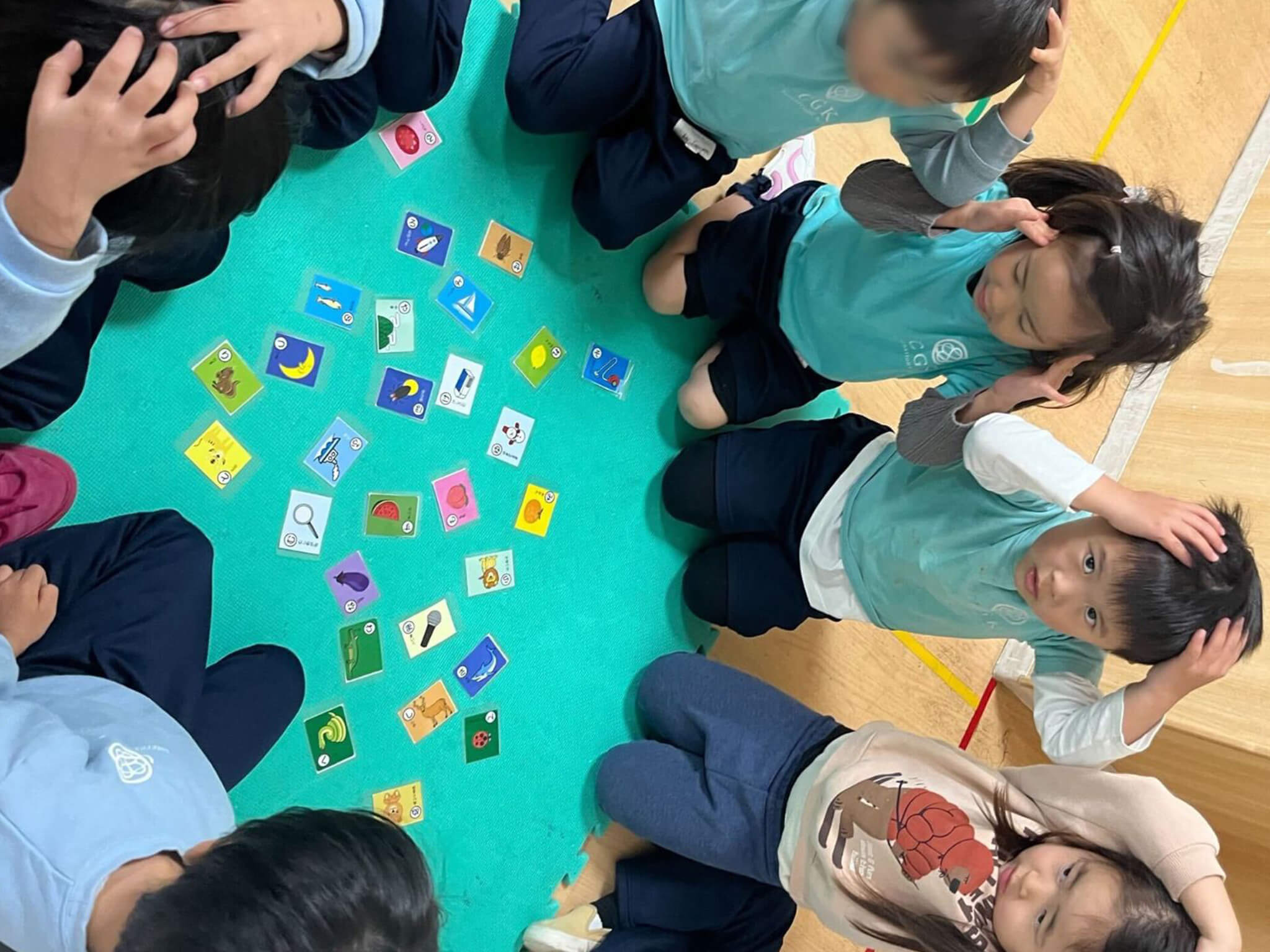
Although many children are still developing their hiragana reading and writing skills, we also played karuta games, where they enthusiastically challenged themselves using pictures and letters as clues. We will continue to incorporate fun and engaging activities that help children become familiar with Japanese language in an enjoyable way.
Time truly flies, and we now have just three months left together in Jungle B. The skills and learning the children have built up through daily life and play are beginning to appear naturally—sometimes suddenly connecting to a proud “I did it!” moment. We will continue to support each child carefully so they can move on to their next step with confidence.
Let’s make this year a joyful and meaningful one, keeping health as our top priority for the children, families, and staff alike.
We look forward to another wonderful year together.あけましておめでとうございます。
Ocean
(2-year-olds)
Story Time
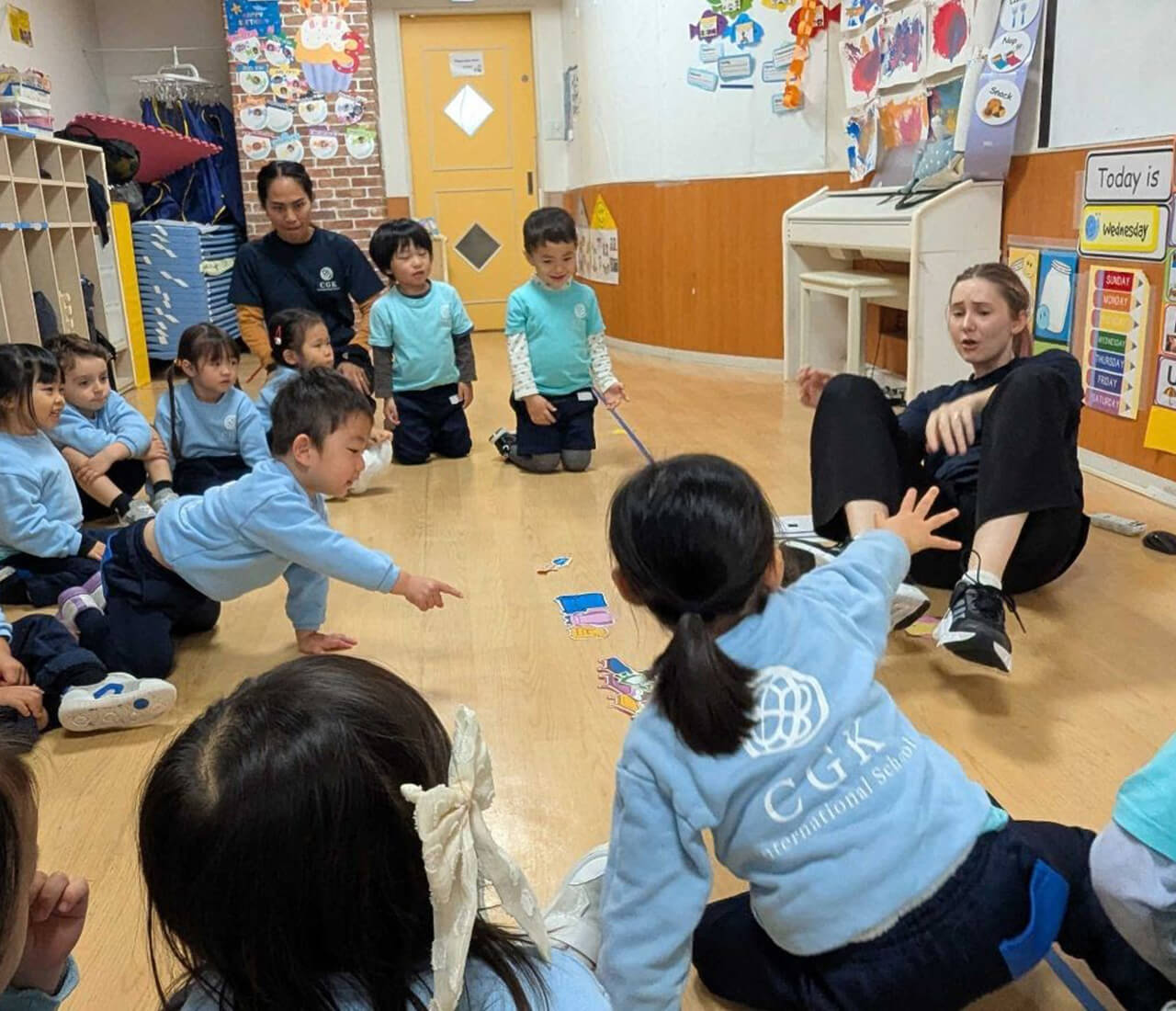
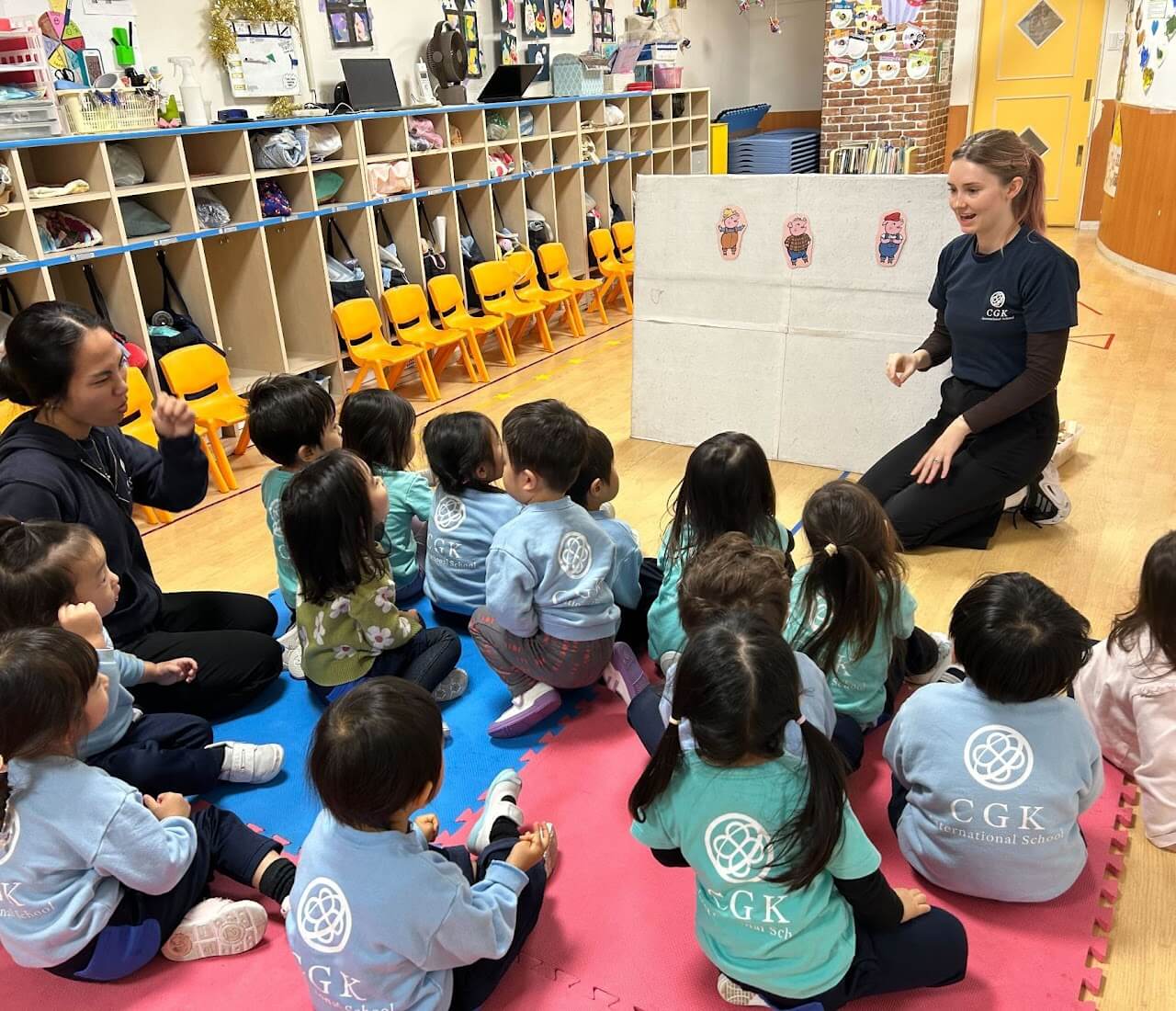
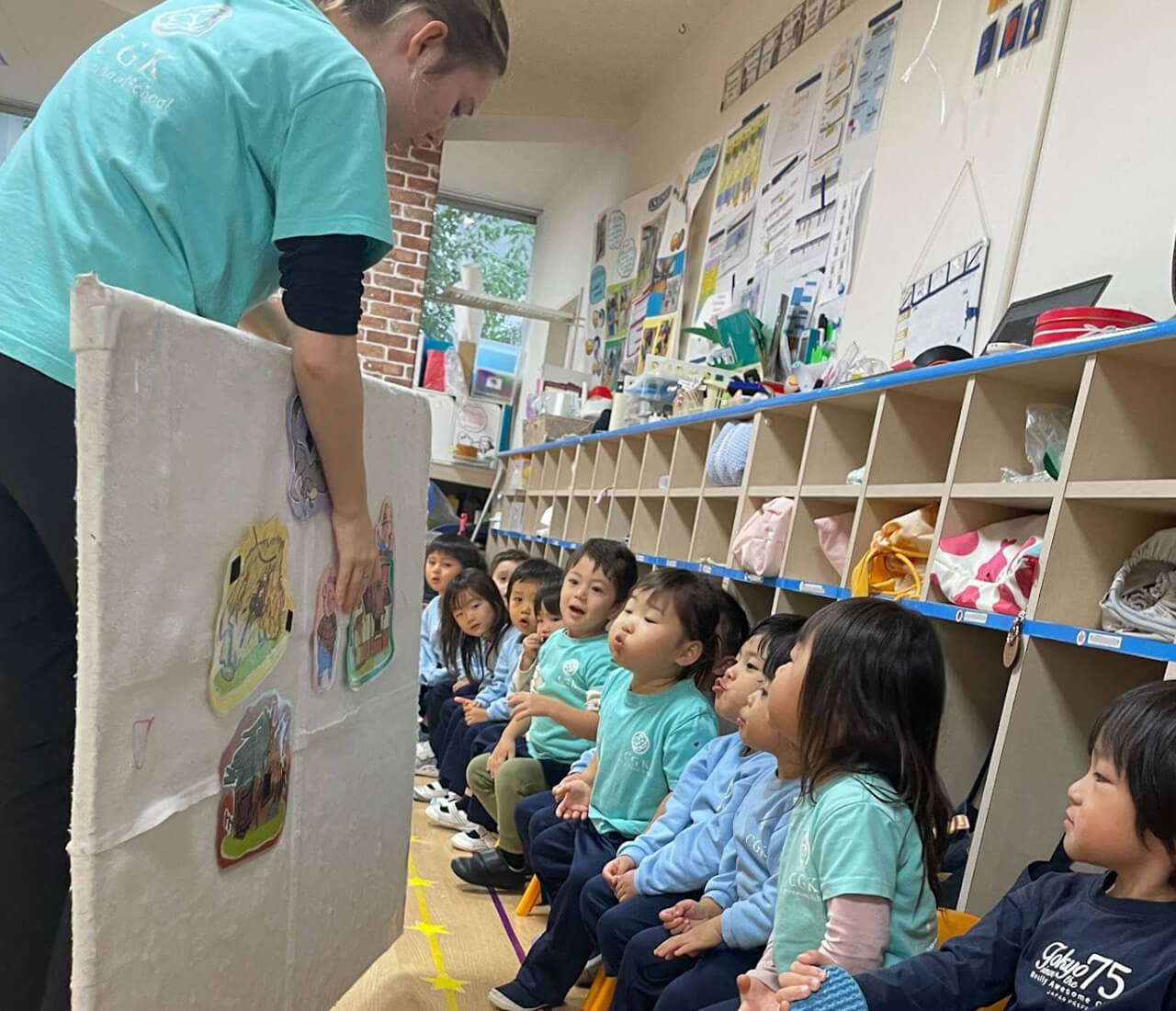
Story time plays a vital role in the daily routine of Ocean Class, supporting the learning and development of our 2–3 year olds in a meaningful and engaging way. Through shared stories, children build early language skills, learn important social messages, and develop their imagination in a calm and nurturing environment.
Recently, we have been enjoying classic stories such as The Three Little Pigs. This story has helped us introduce the idea of perseverance and resilience. By talking about the pigs’ choices, we encourage the children to try their best, even when something feels difficult, and to understand that it’s okay to keep going rather than crying or giving up. These simple messages help build confidence and a positive attitude towards learning.
We have also been reading Goldilocks and the Three Bears, which has been a wonderful way to explore sensory vocabulary. The children enjoyed describing textures and experiences such as “hard,” “soft,” “hot,” and “cold,” helping to expand their language and understanding of the world around them. Alongside this, the story supports discussions about listening to teachers and parents and making safe choices.
Overall, story time in Ocean Class is more than just listening to a book. It supports communication, emotional development, and early life skills, while creating a shared, enjoyable experience that helps children feel secure, engaged, and ready to learn.
The Joy of Expressing Ourselves
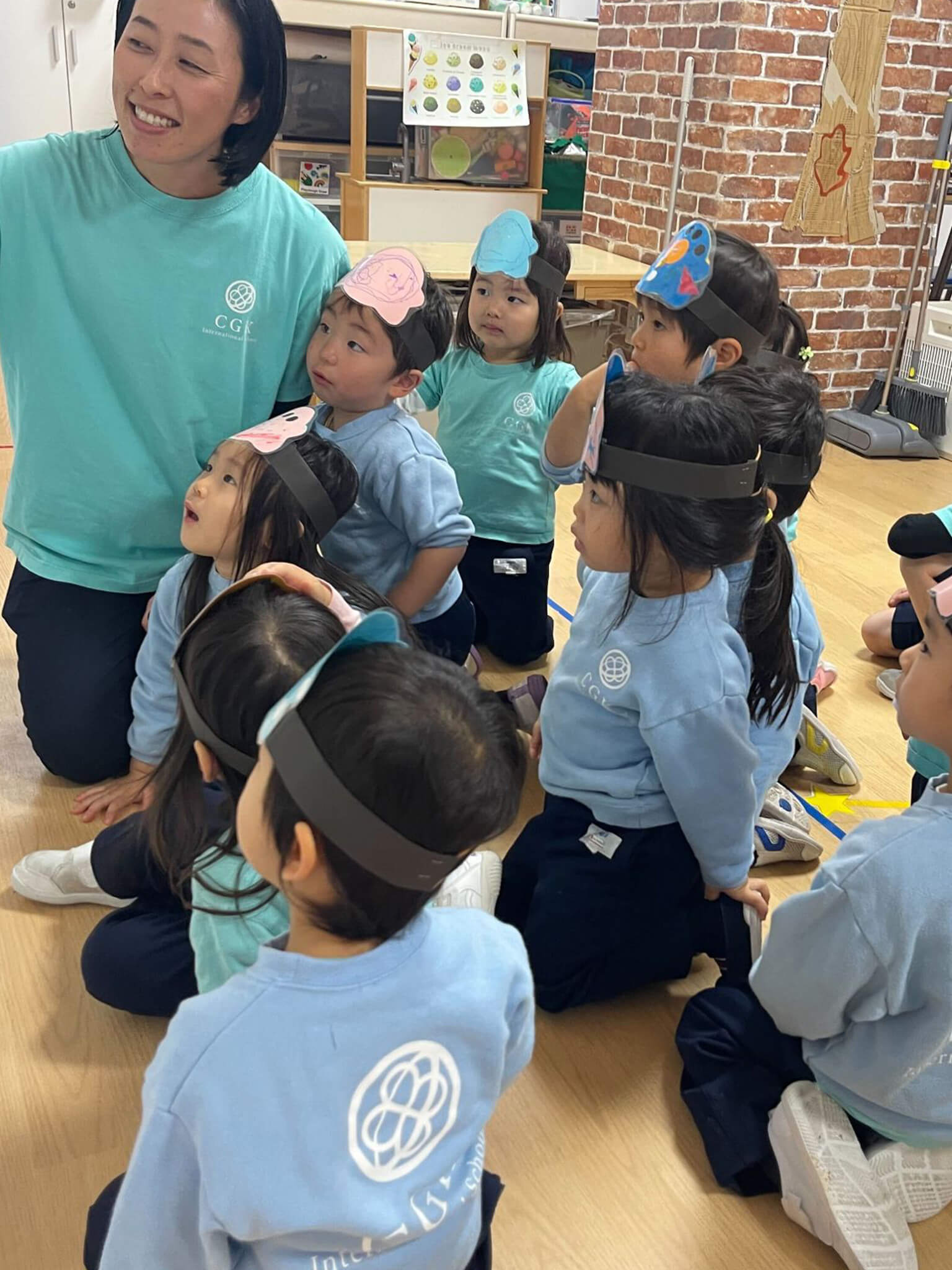
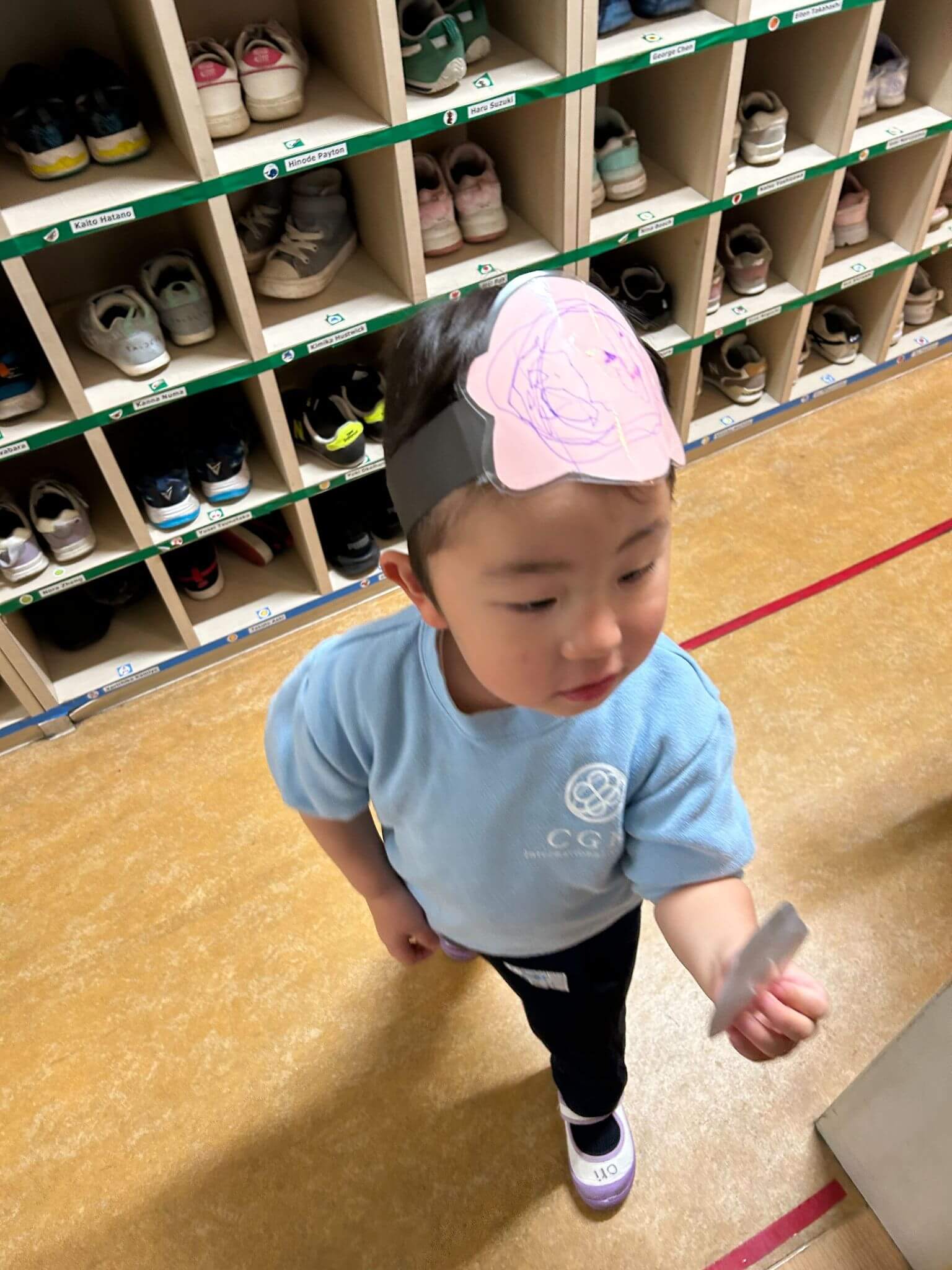
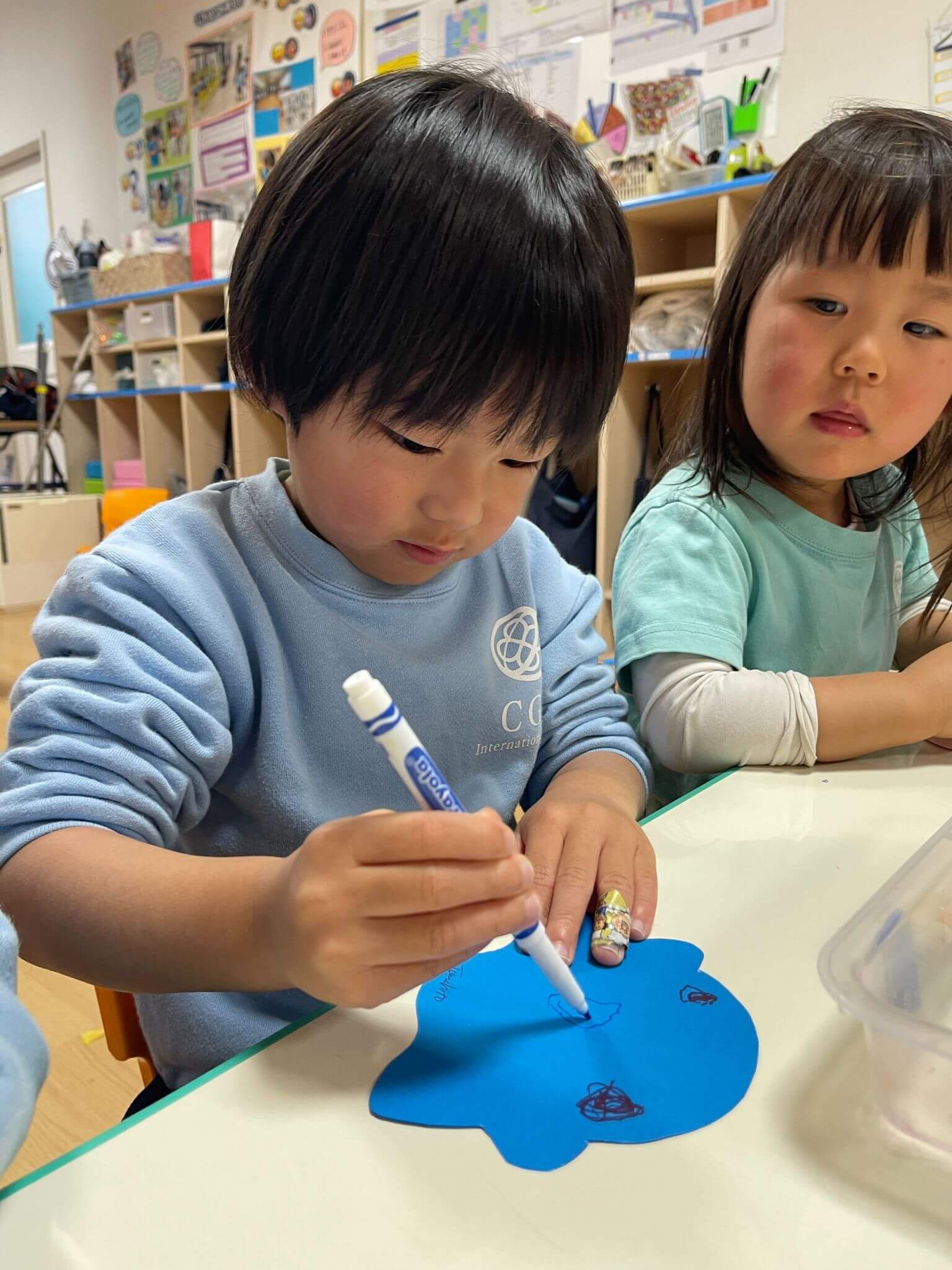
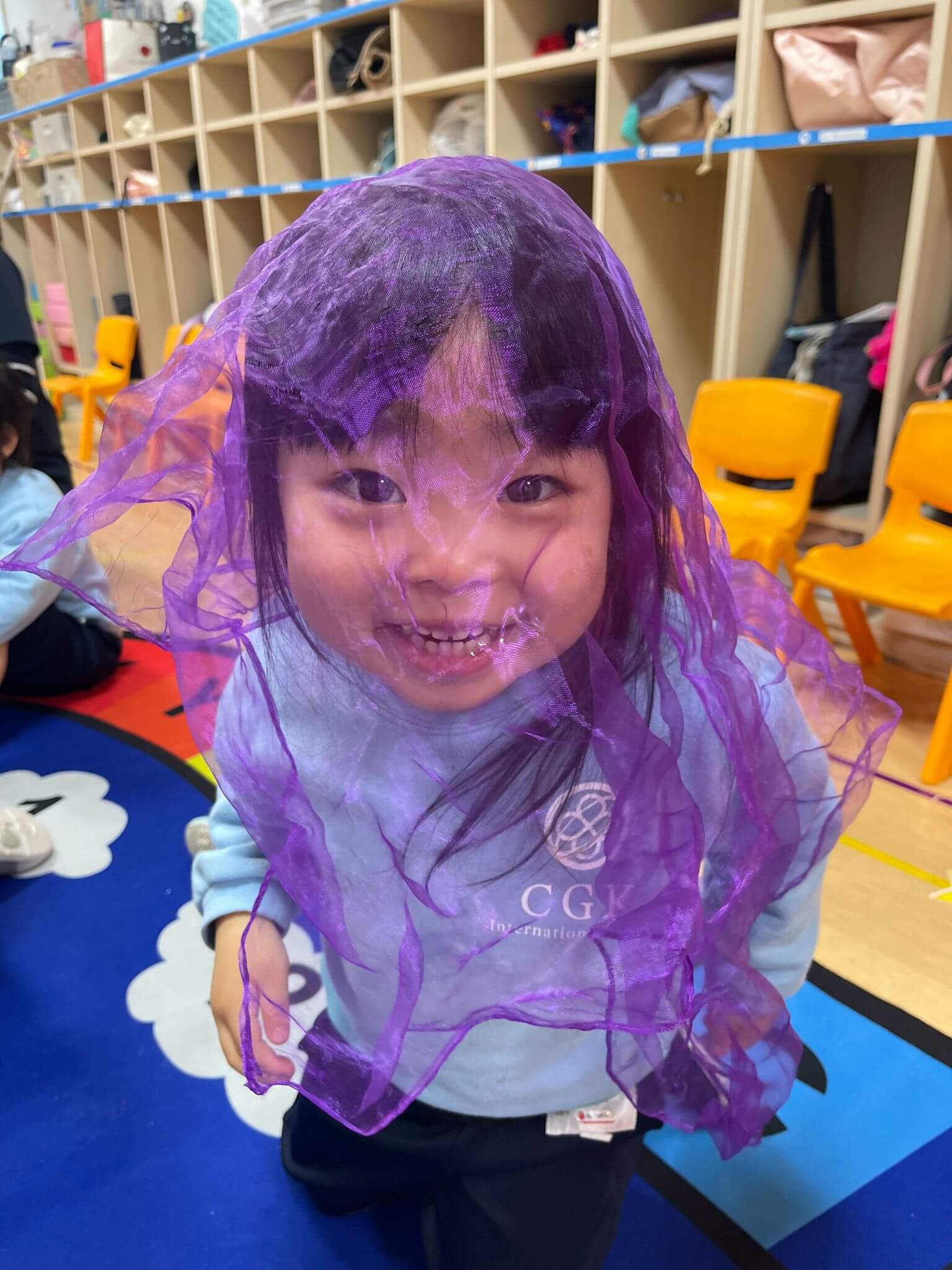
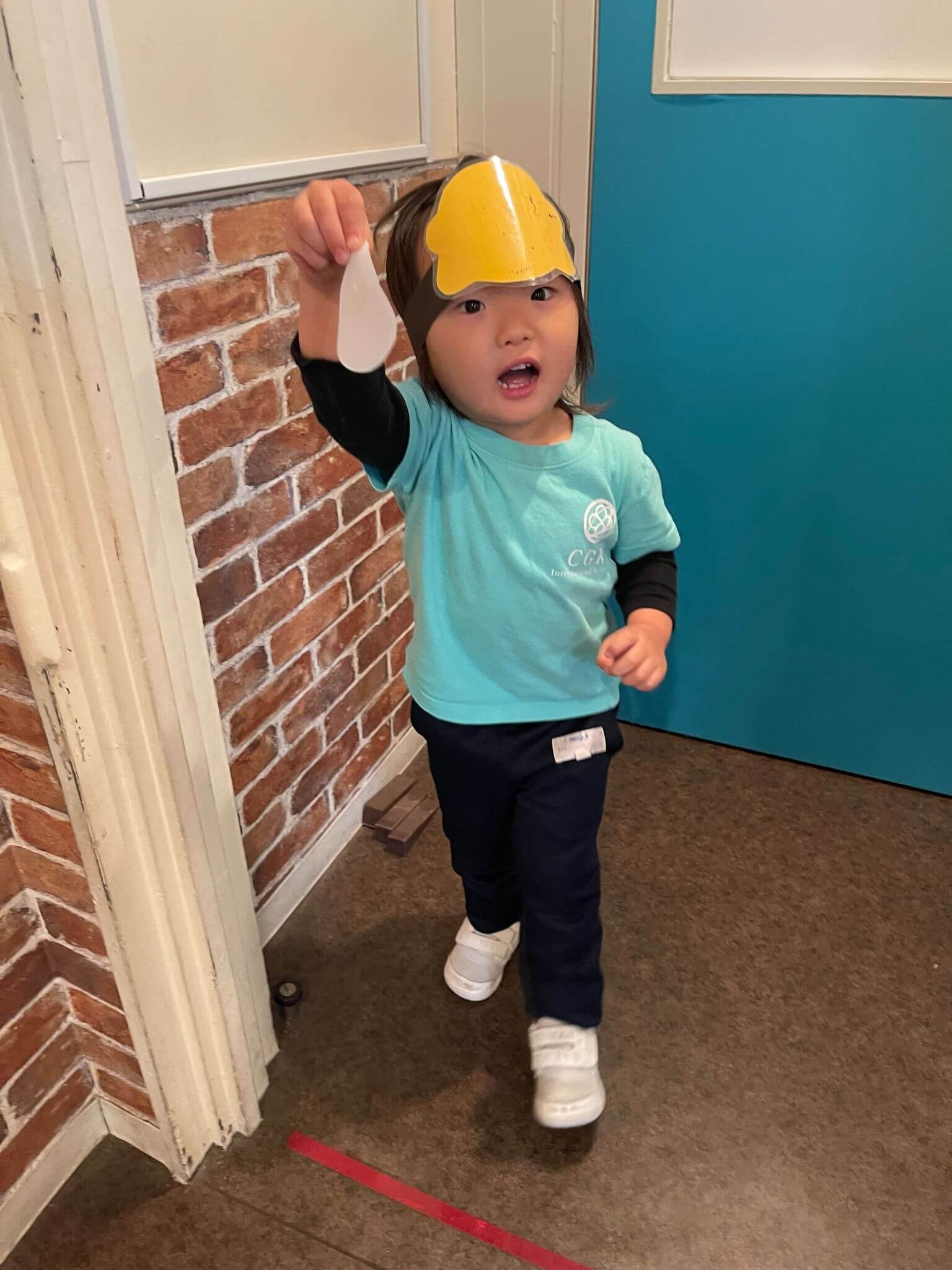
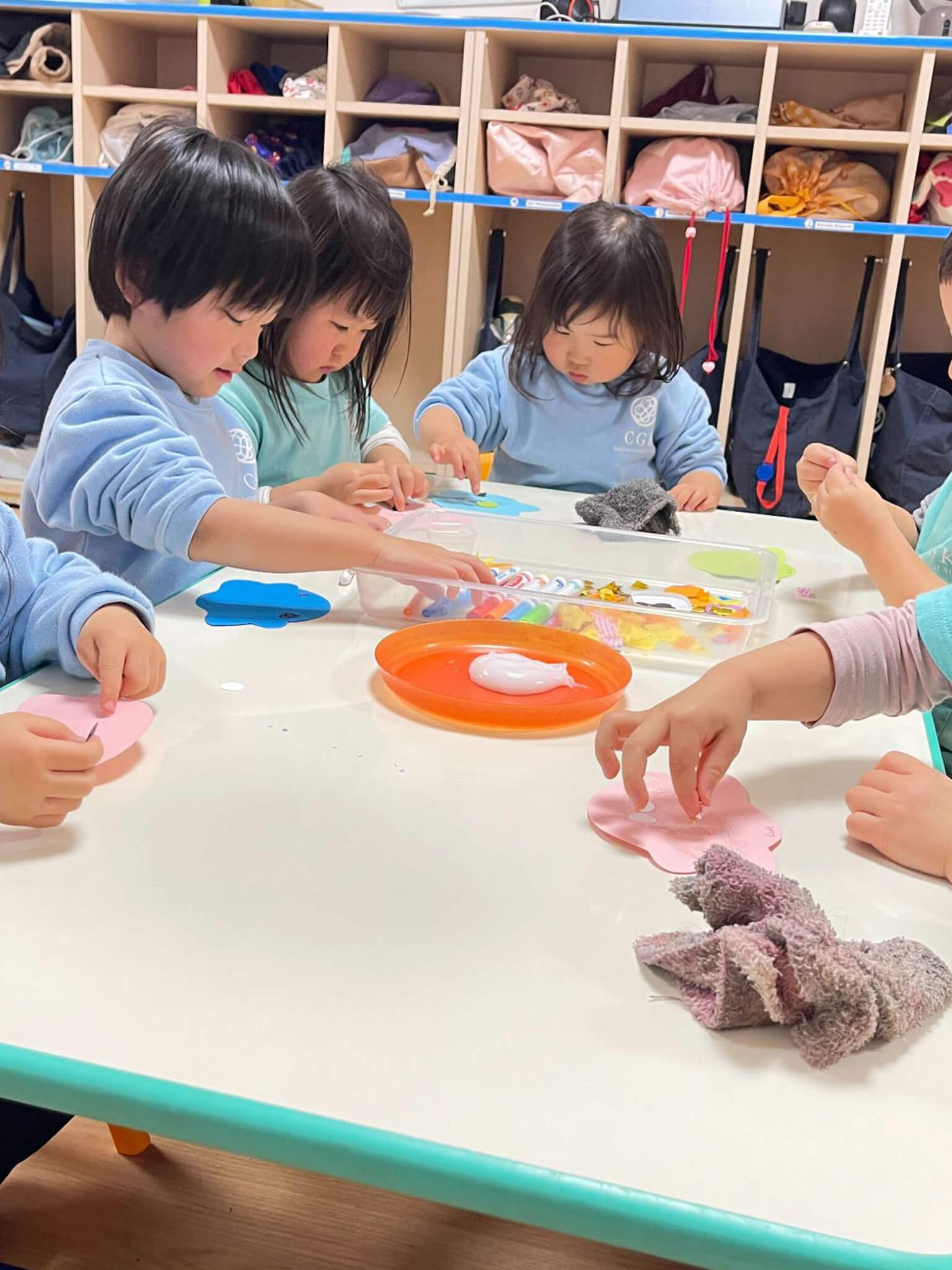
As we prepare for the Celebration of Learning (COL) in March, we have been gradually moving forward with activities while valuing the children’s interests and curiosities. The children have been enjoying singing and dancing to the song “Kuishinbo Obake” and making their own ghost masks, all while having fun and expressing themselves. Some children have already started asking questions like, “Is my mom coming to see it tomorrow?” or “When can we show them?”—showing just how excited they are to share their learning with their families.
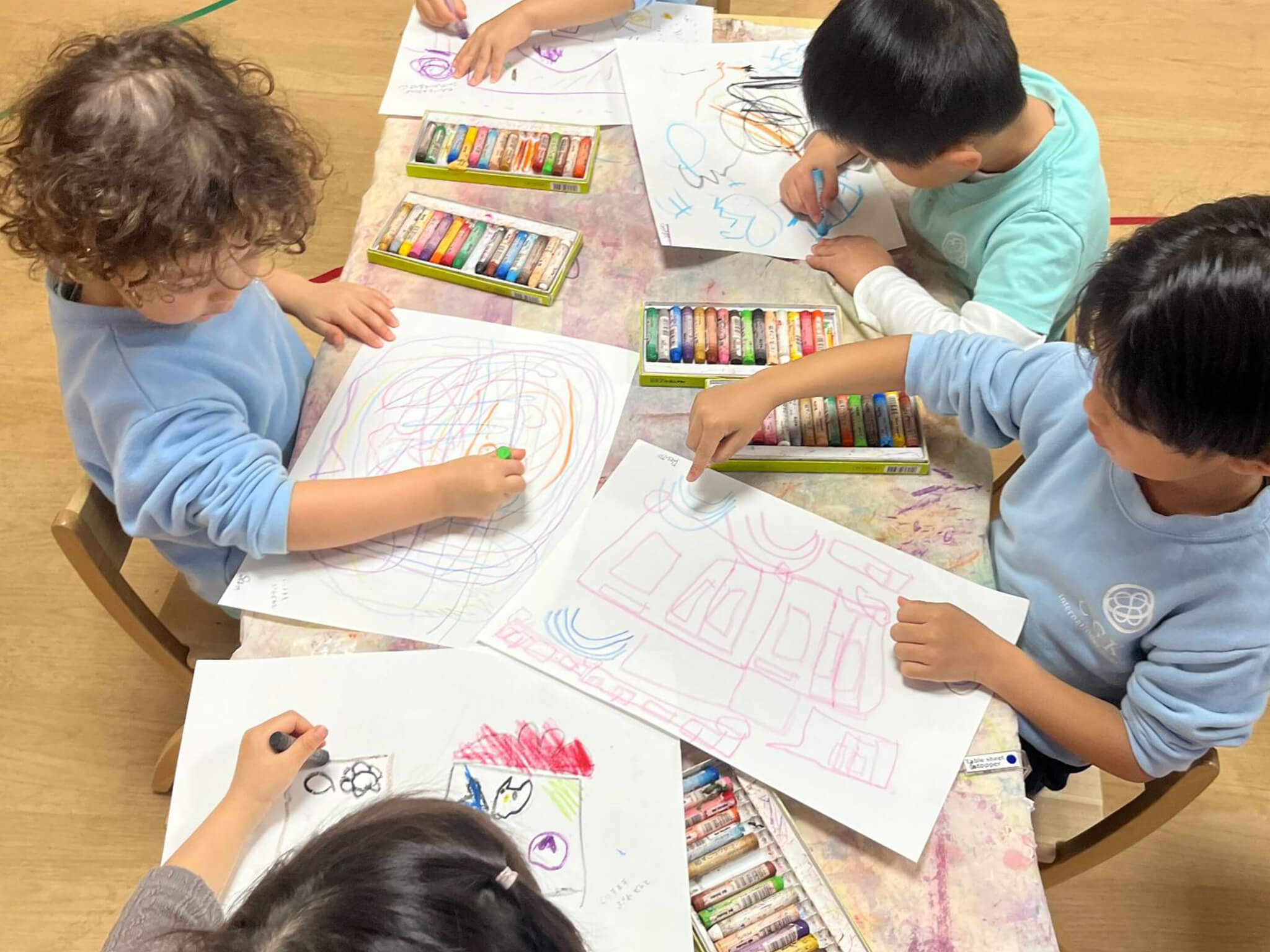
When we talk about “expression,” there are many different ways to express ourselves. In addition to singing and dancing, which the Ocean class is currently exploring, children also express themselves through art activities, conversations, and many other forms. Some children may feel a little shy about singing or dancing but enjoy expressing themselves with crayons and paint. Others may prefer running, moving their bodies, or talking rather than doing craft activities. There is no right or wrong way—understanding one’s own likes and challenges, and being able to show them, is also an important form of self-expression.
Looking more closely, children are constantly learning through their daily school life, activities, play, and interactions with friends and teachers. Even when it may look like “just playing,” children are thinking, making choices with intention, and learning through trial and error. Sometimes they experience setbacks, but by adjusting their approach and building on those experiences, they gain confidence through small successes.
We continue to explore the theme “How We Express Ourselves,” providing opportunities for children to deepen their understanding not only of themselves, but also of their friends and the world around them. With less than three months left in the school year, we will keep supporting each child so that they can feel the joy of expressing themselves, while looking forward with excitement to the next stage of their journey.
Elementary School / Middle School
<Japanese class> Kakizome - The First Calligraphy in the Year
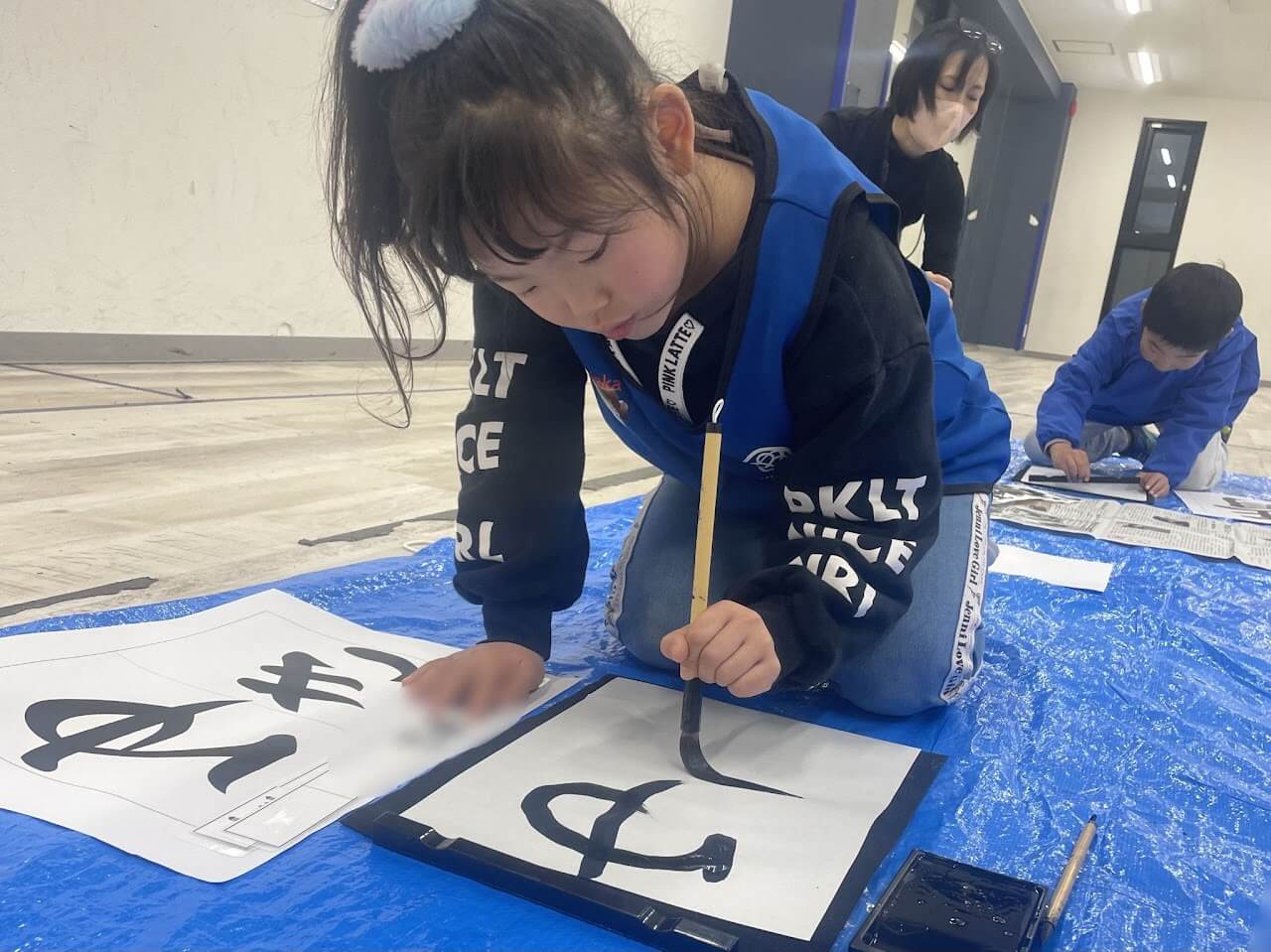
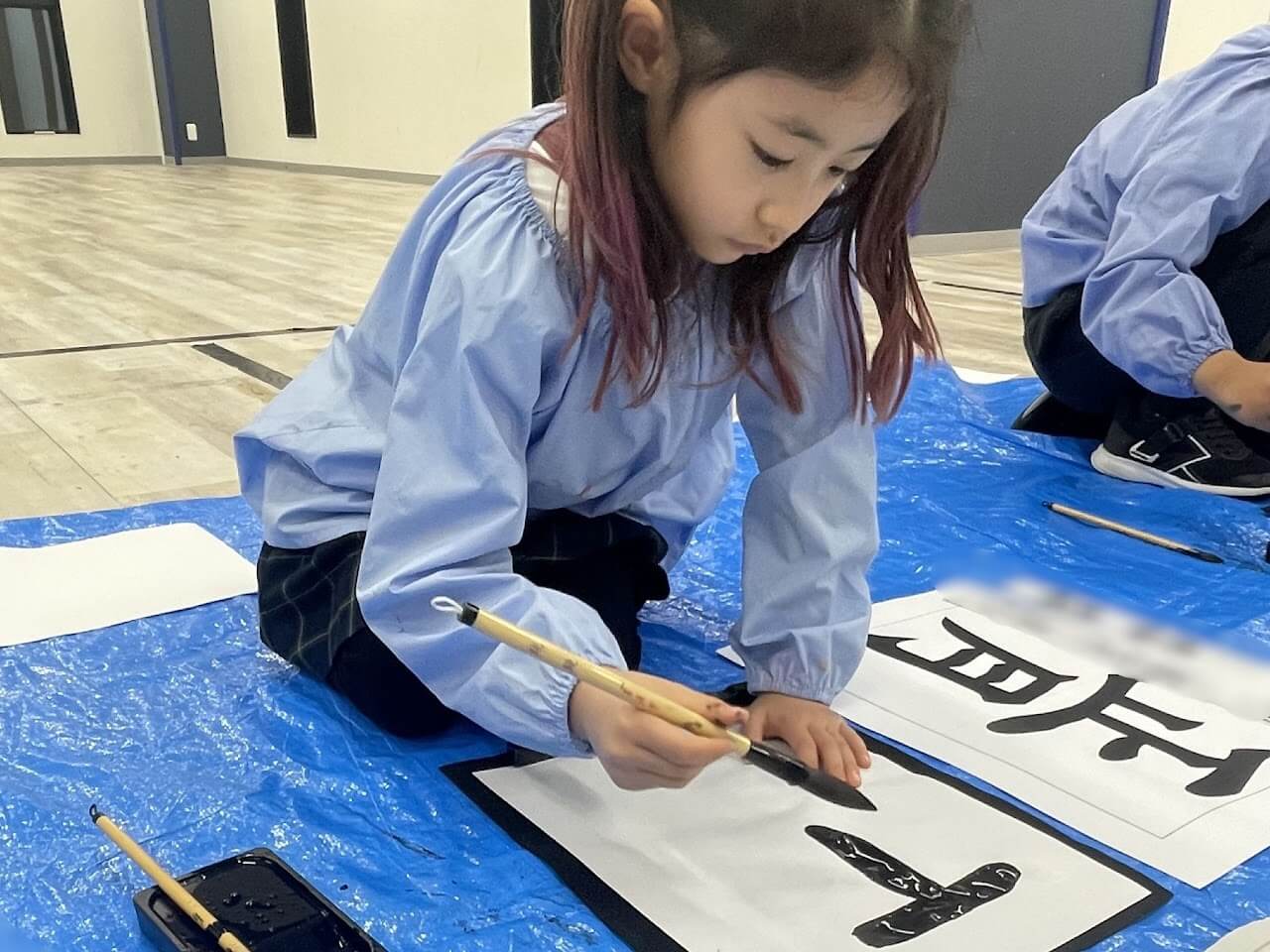
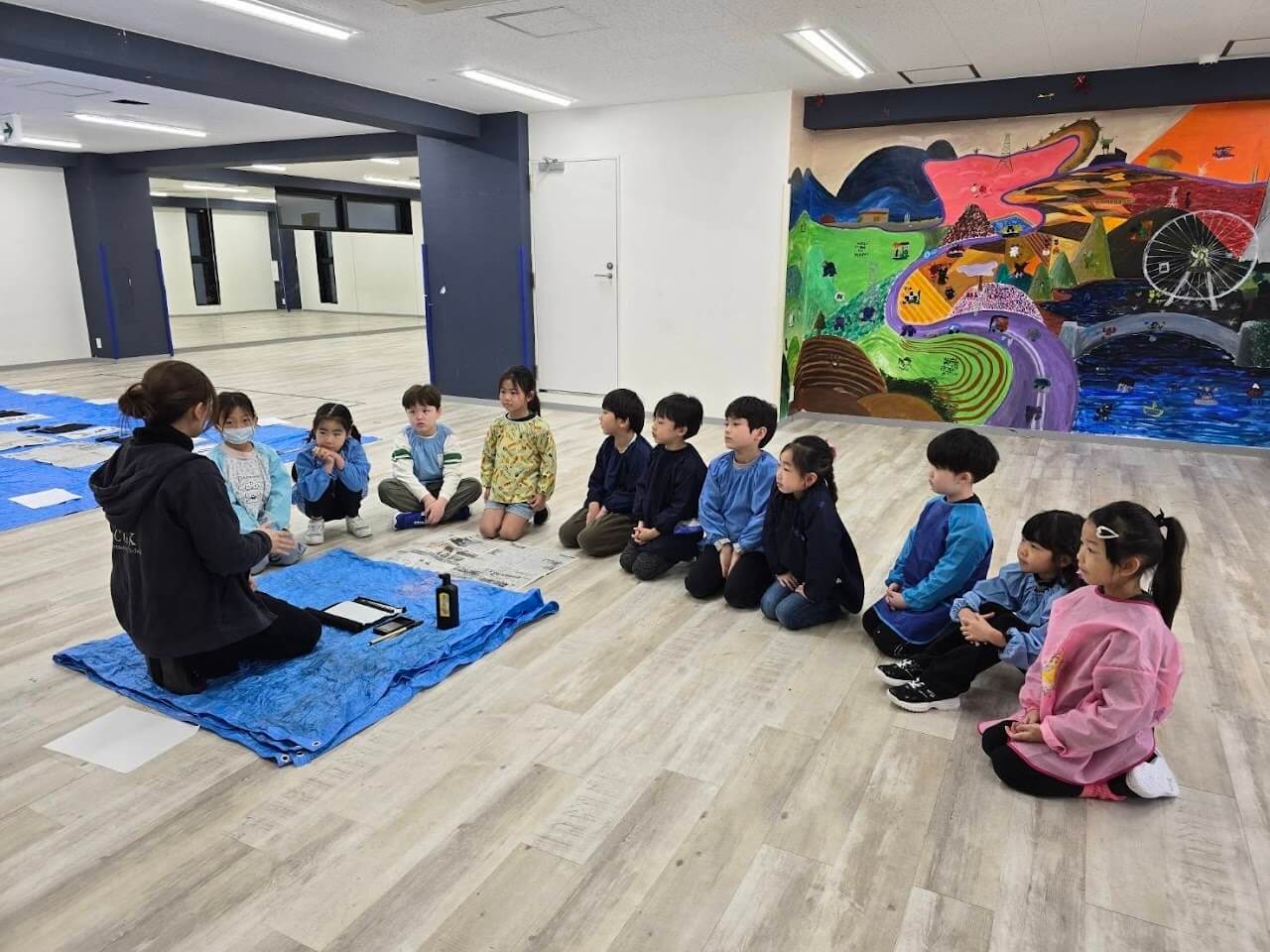
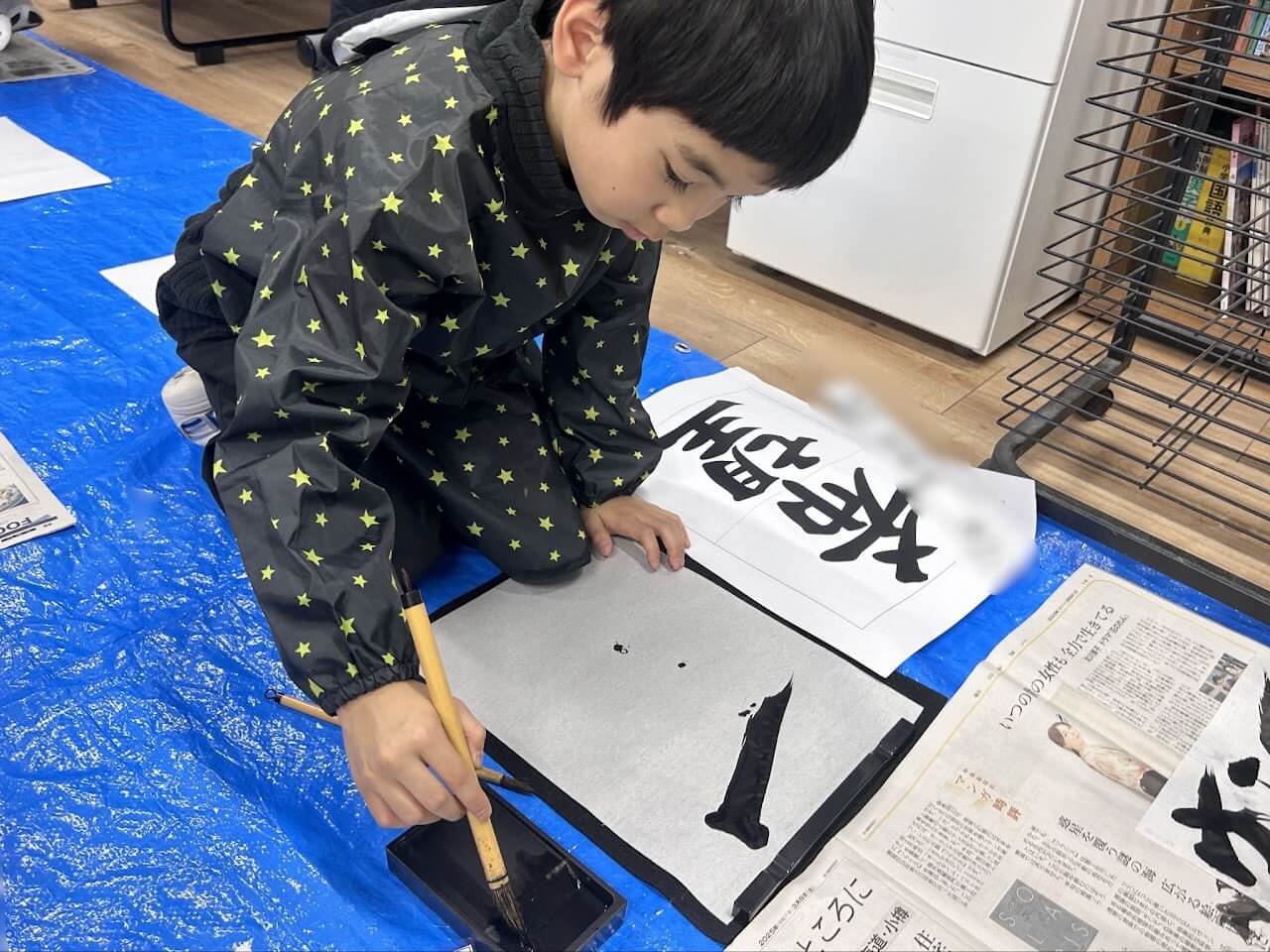
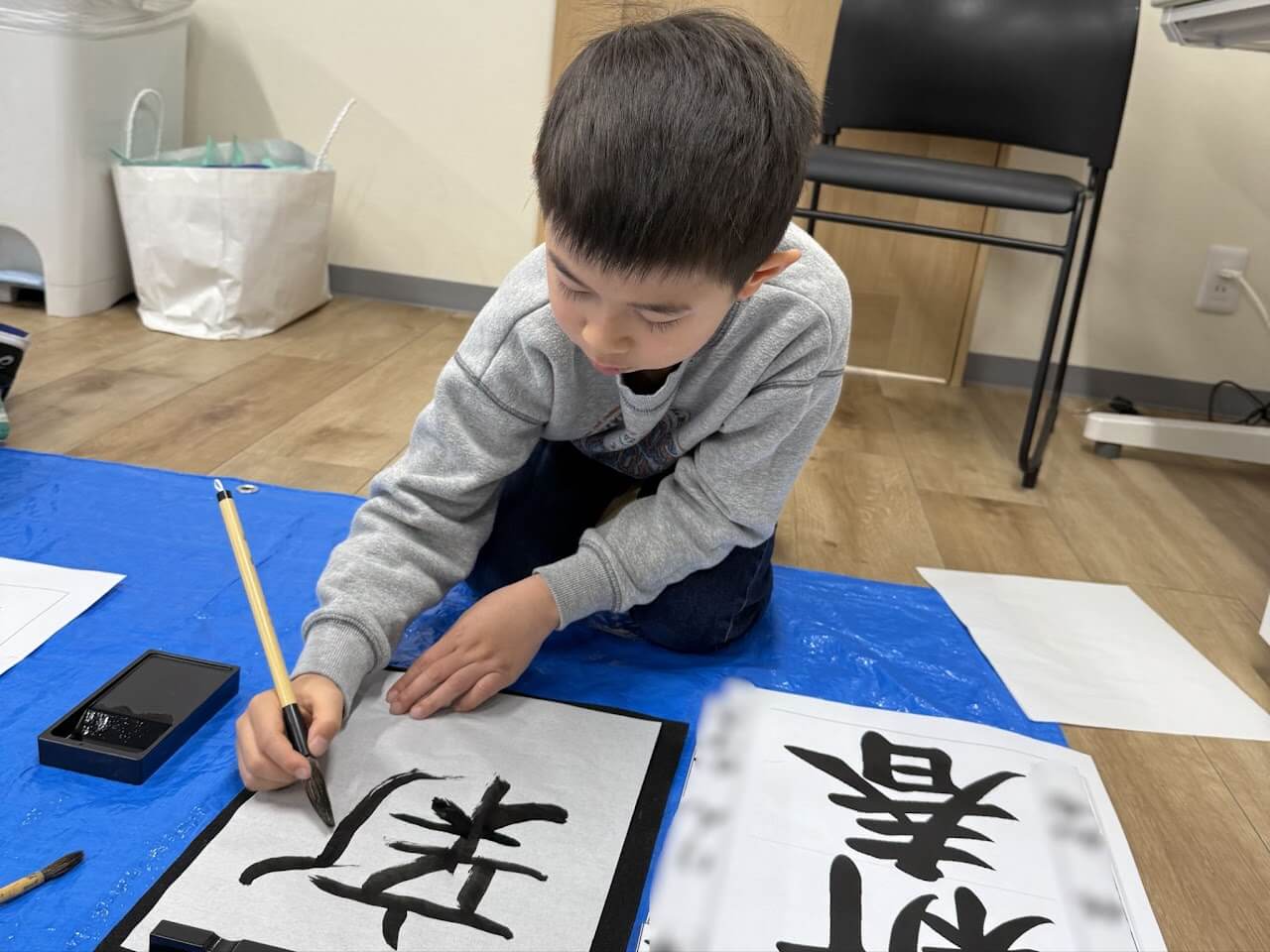
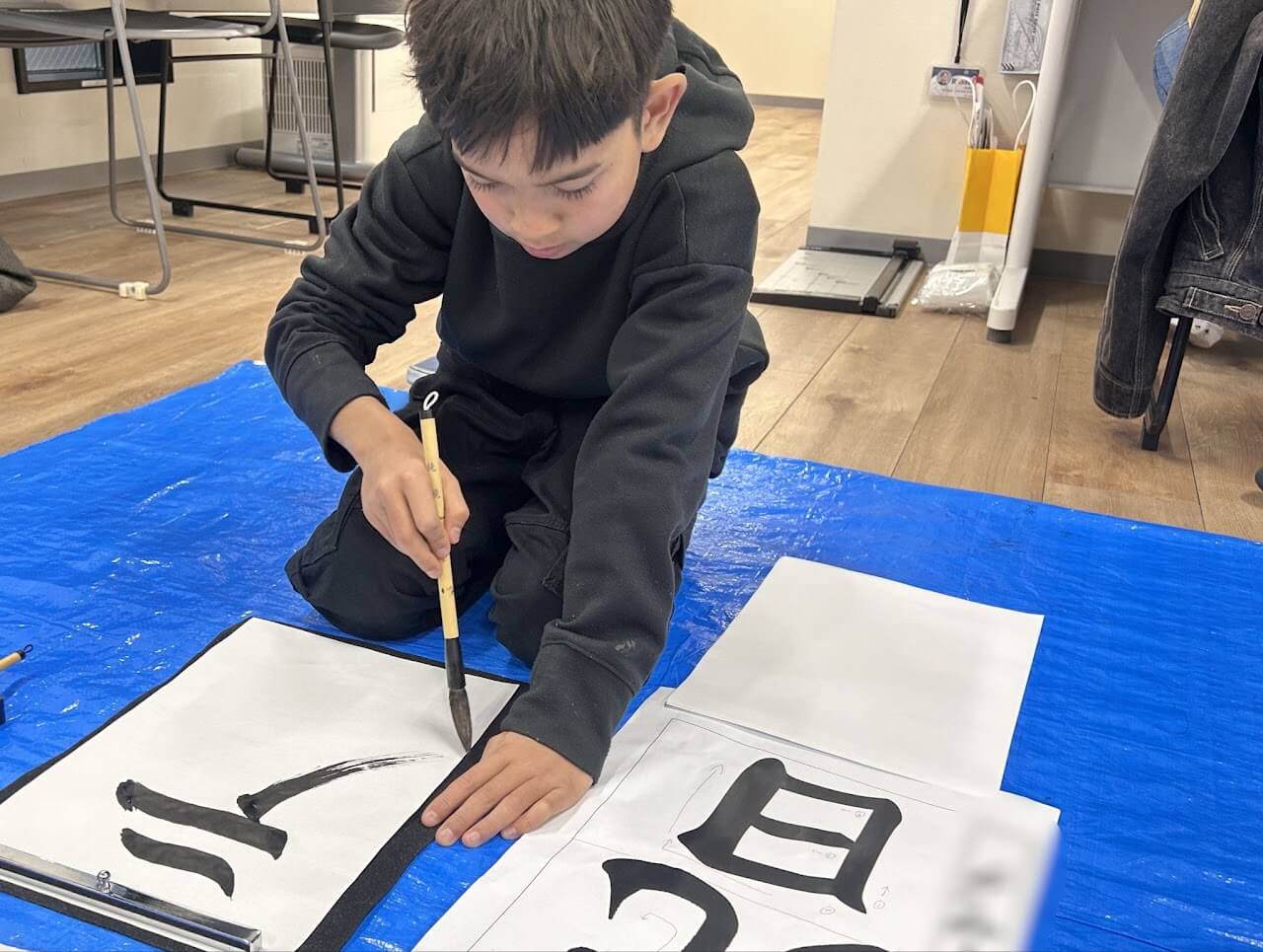
On January 13 and 14, all G1 and G2 students in ES, as well as JAL class students in G3 and up, participated in a Japanese traditional New Year’s calligraphy activity (Kakizome). This is one of the important annual activities for students to experience traditional Japanese culture.
Students worked with the goals of paying close attention to tome, hane, and harai (stops, hooks, and sweeps), and writing each stroke slowly, calmly, and carefully. Although many students felt a little nervous using unfamiliar brushes and ink, the classrooms were filled with a quiet, focused atmosphere as they moved their brushes carefully.
In this activity, we also placed great importance on student initiative. From several options that match their level, each student chose the character they personally wanted to write. Because they selected the character themselves, students showed an especially high level of concentration and worked earnestly to complete a piece they could be satisfied with. It was impressive to see them submit their finished work with confidence.
Through this calligraphy experience, students were reminded of the importance of being mindful of tome, hane, and harai, and of writing carefully and calmly—attitudes that will continue to be essential in Japanese language classes and in their daily learning. We hope they will carry these lessons forward in their future studies.
The works of 1st and 2nd graders are displayed in the library, and those of Grade 3 and above JAL class students are displayed in the hallway in front of the Multipurpose Room on the 7th floor until around mid-February. If you have the opportunity to visit the school, we warmly invite you to take a look at the students’ wonderful creations.
Afterschool
Afterschool Class B - How Do Airplanes Fly?
-
-
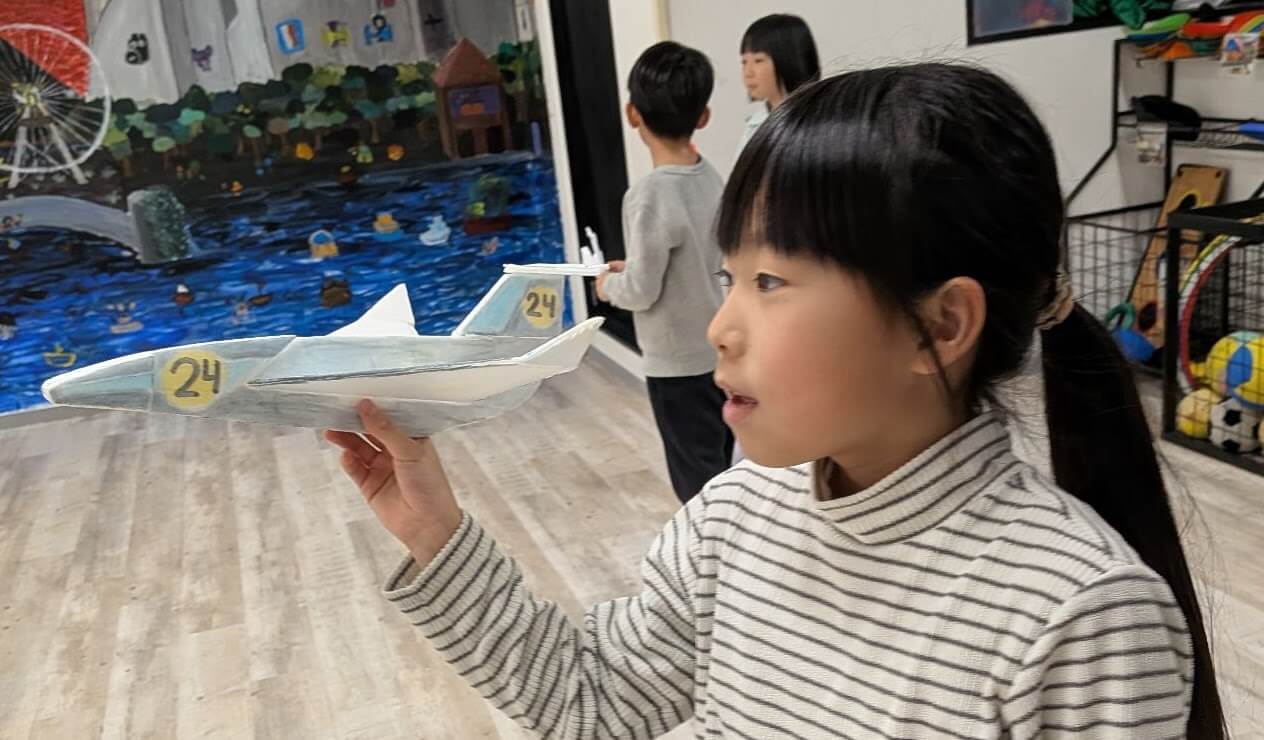
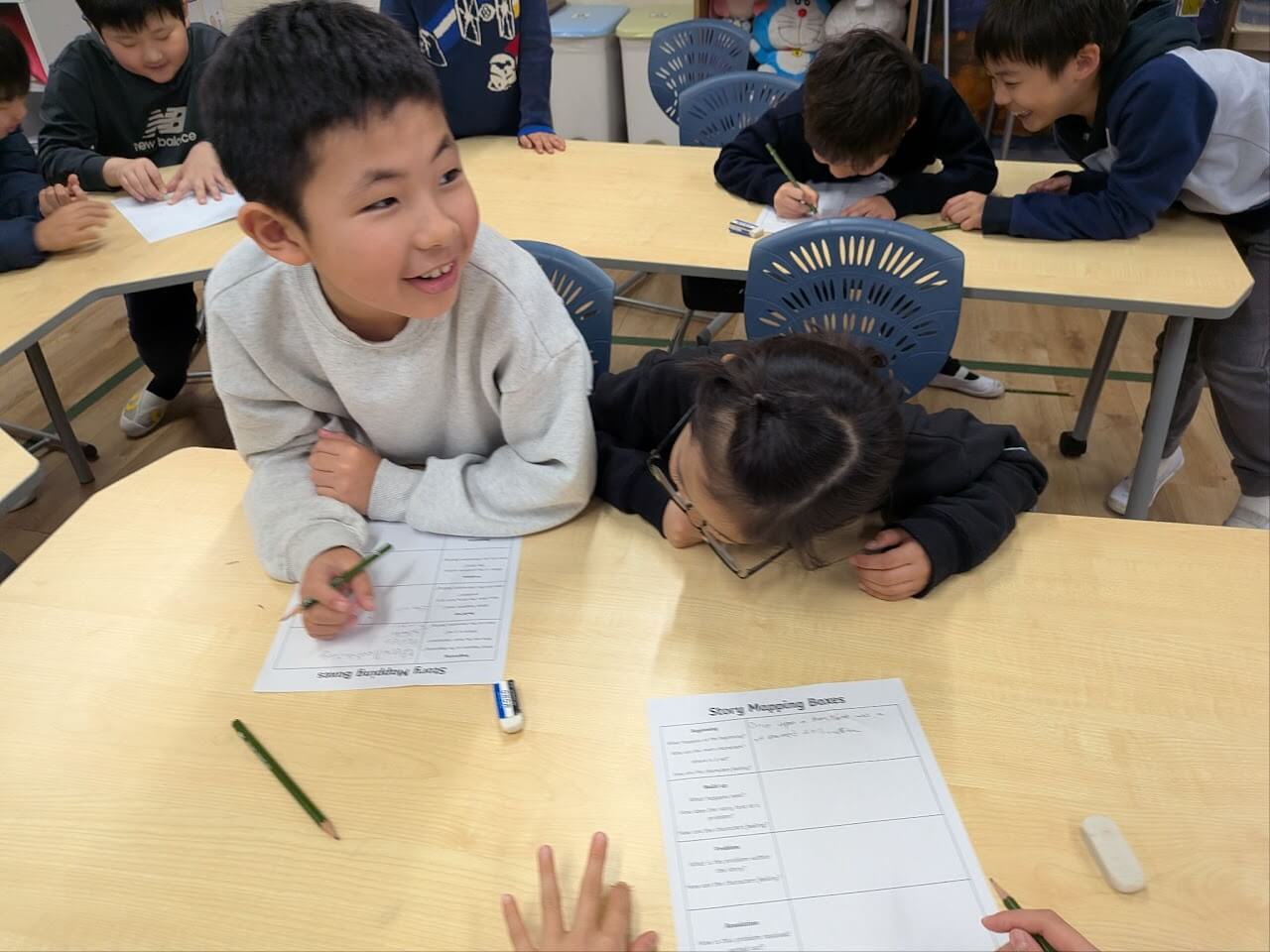
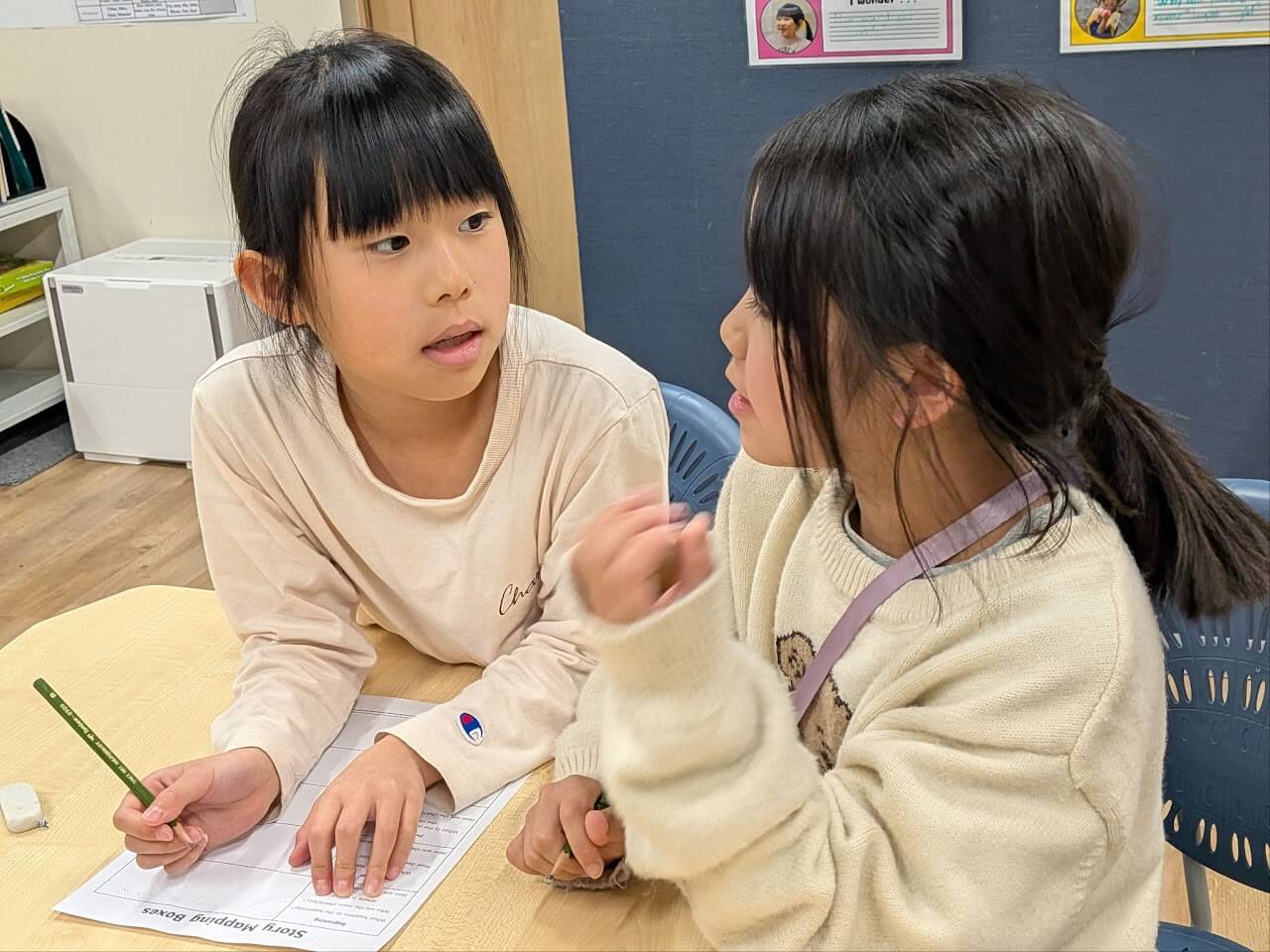
Hello everyone. In our Thursday Project-Based Learning class, students have begun an exciting new student-choice project focused on model airplane design. Earlier in the term, students brainstormed possible project ideas, shared their interests, and voted on the topic they were most excited to explore. Through this process, they selected the guiding question: How can we design, build, and enter our diverse model aircraft into our own student-led model airplane competition? This approach gives students ownership of their learning from the very start.
To launch the project, students learned about the basics of how airplanes fly. We began by discussing what students already knew, and they quickly identified that air and wings are essential for flight. From there, students were introduced to key physics concepts such as airfoils, air pressure, lift, and thrust through a short presentation designed to make complex ideas accessible and engaging.
Students then participated in a live, hands-on demonstration using a variety of flying objects, including paper airplanes, styrofoam gliders, and flying toys. This allowed them to observe how different materials, shapes, and building techniques affect flight. Interacting directly with these models helped students connect abstract concepts to real-world examples and sparked many thoughtful questions and ideas.
After the demonstration, students worked in teams to begin their own original aircraft projects. They brainstormed ideas, wrote short project proposals, presented their plans to the class, and began building early prototypes. Students chose different design focuses based on their interests, including distance, movement, functionality, and creative design. This project is intentionally long-term, giving students time to test, revise, and improve their work over several weeks.
To close the class, students who had working models tested their airplanes on the 5th floor. During this testing time, students even began creating their own competition rules, starting with a category focused on longest flight distance. The excitement and collaboration on display made it clear how engaged the students are, and we look forward to seeing their designs continue to evolve as the project progresses.
Study Abroad and Global Initiatives
2025 Summer CGK Study Abroad
Australia
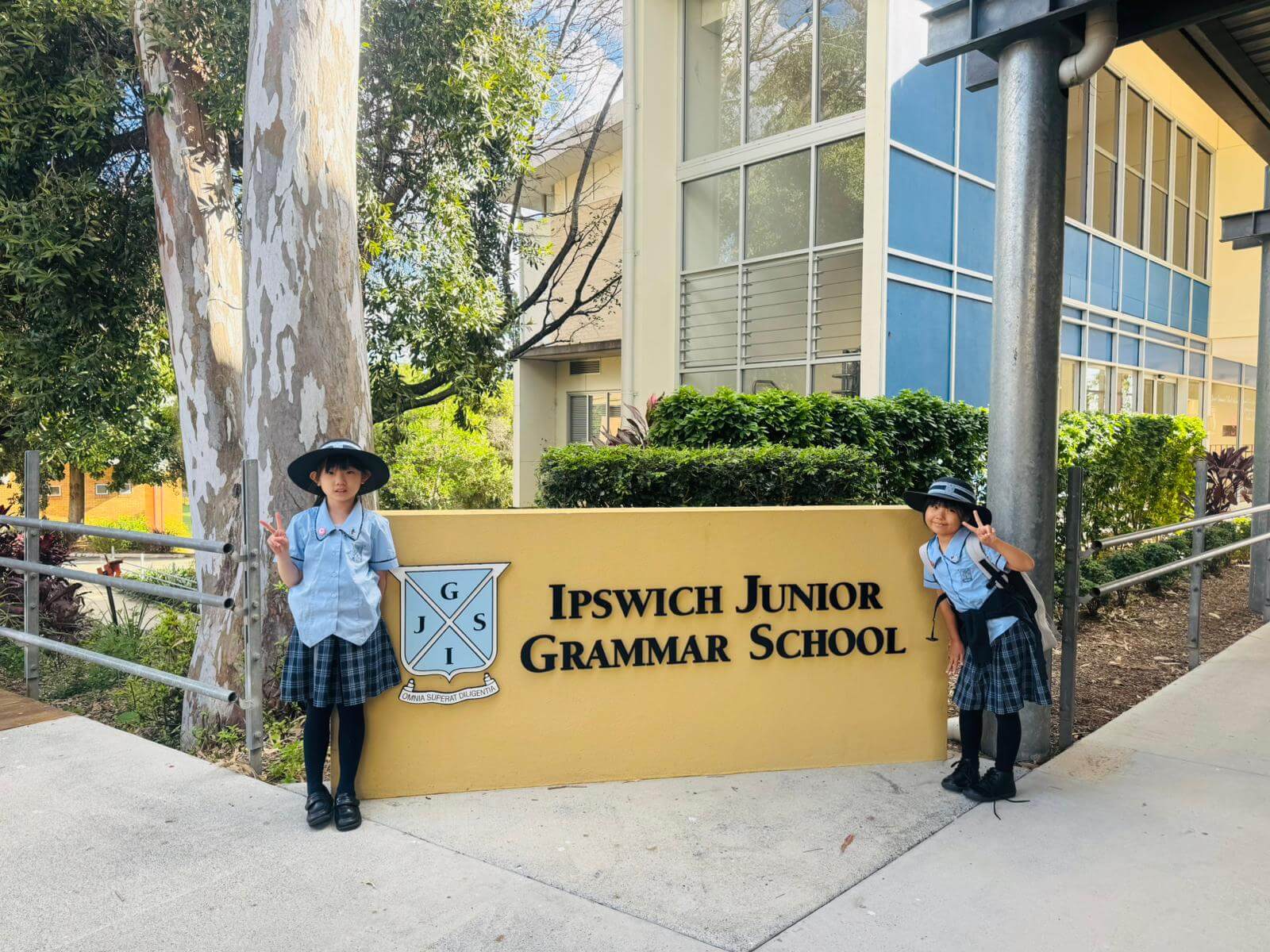
Ipswich Girls Grammar School (私立女子一貫校) CGK G3 Ako, AS G2 Yusei
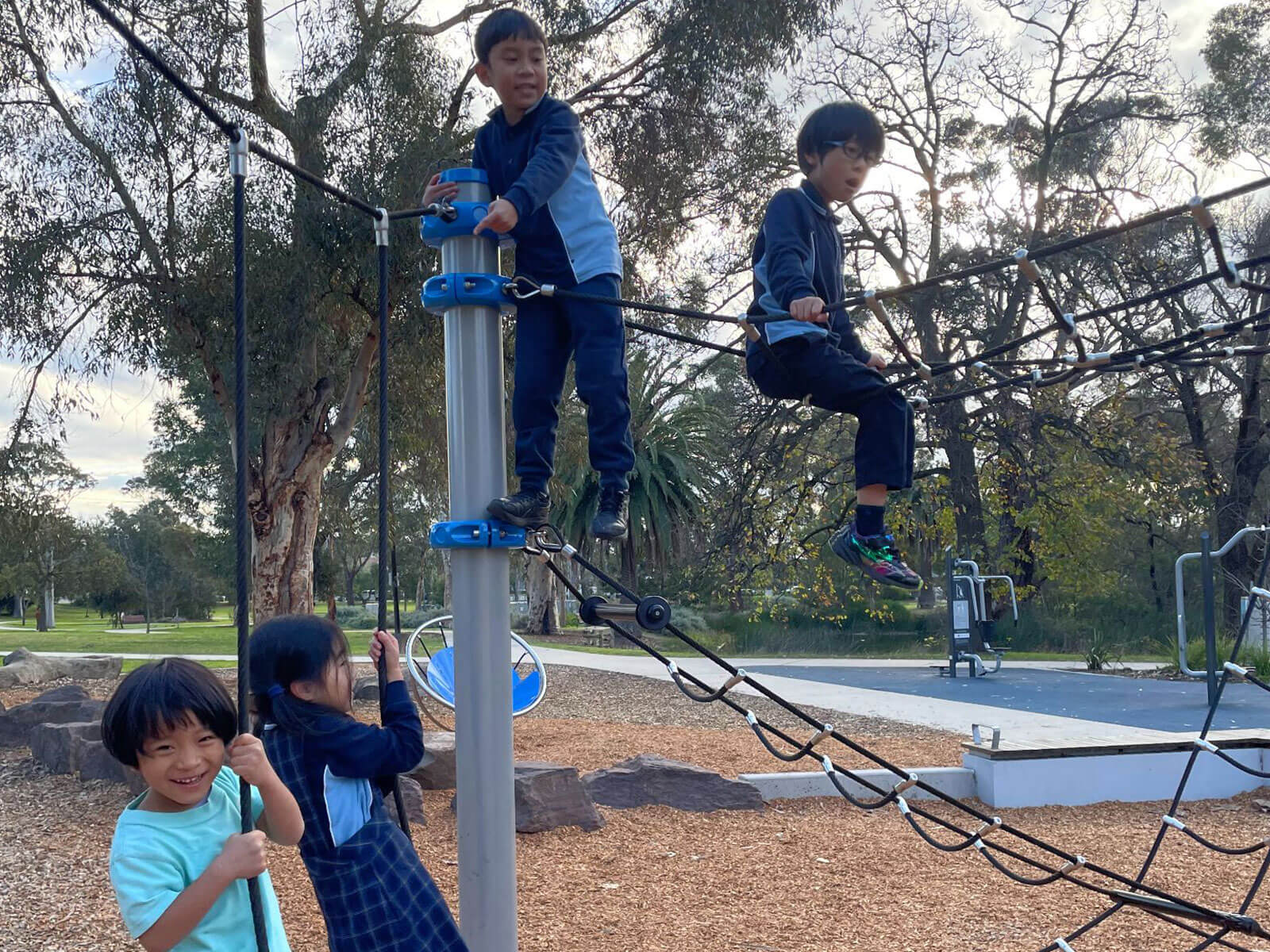
Essendon North Primary School(公立小学校・IB PYP校) CGK G1 Kokone, Mitsuki
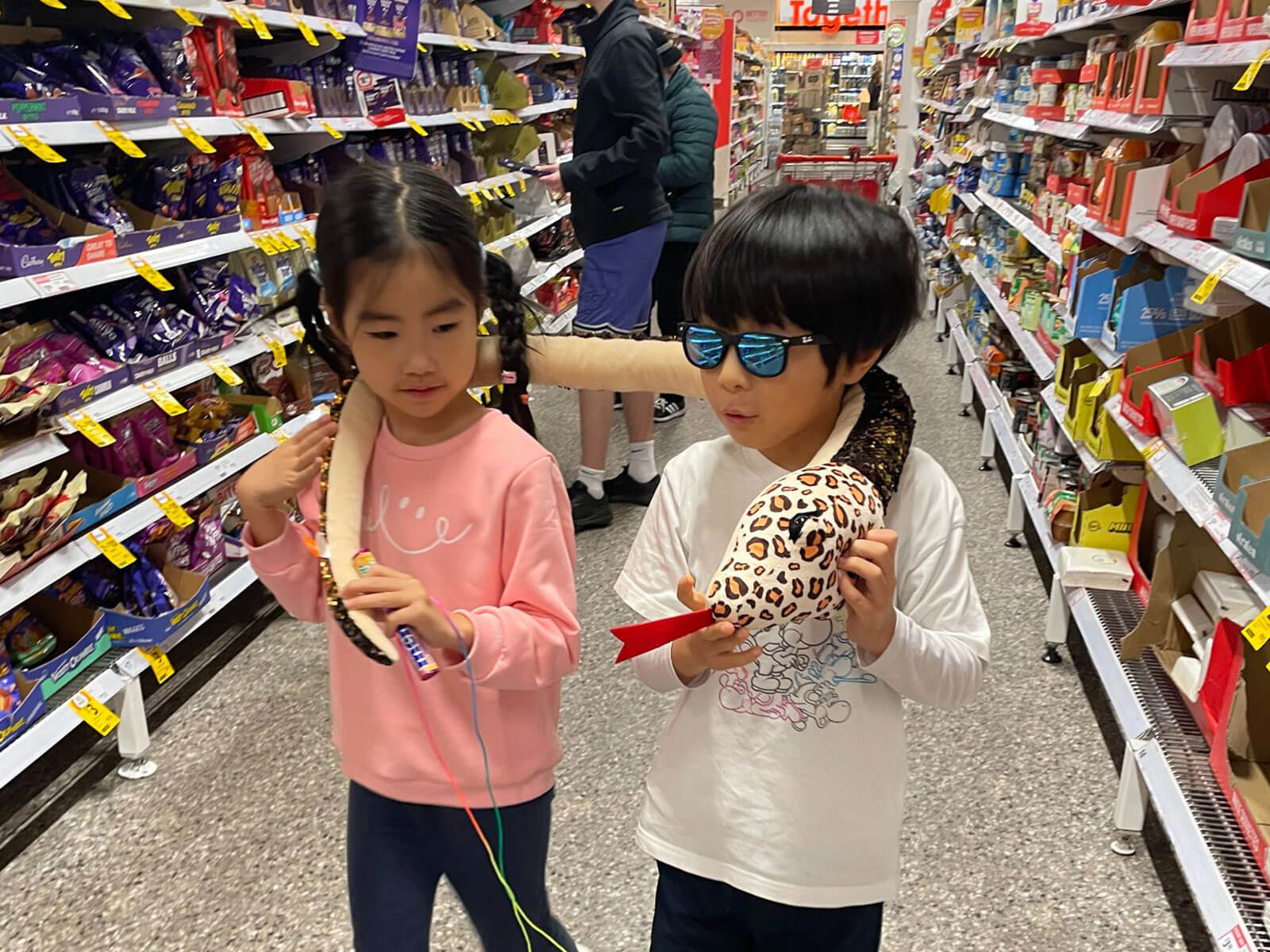
Essendon North Primary School(公立小学校・IB PYP校) CGK G1 Kokone, Mitsuki
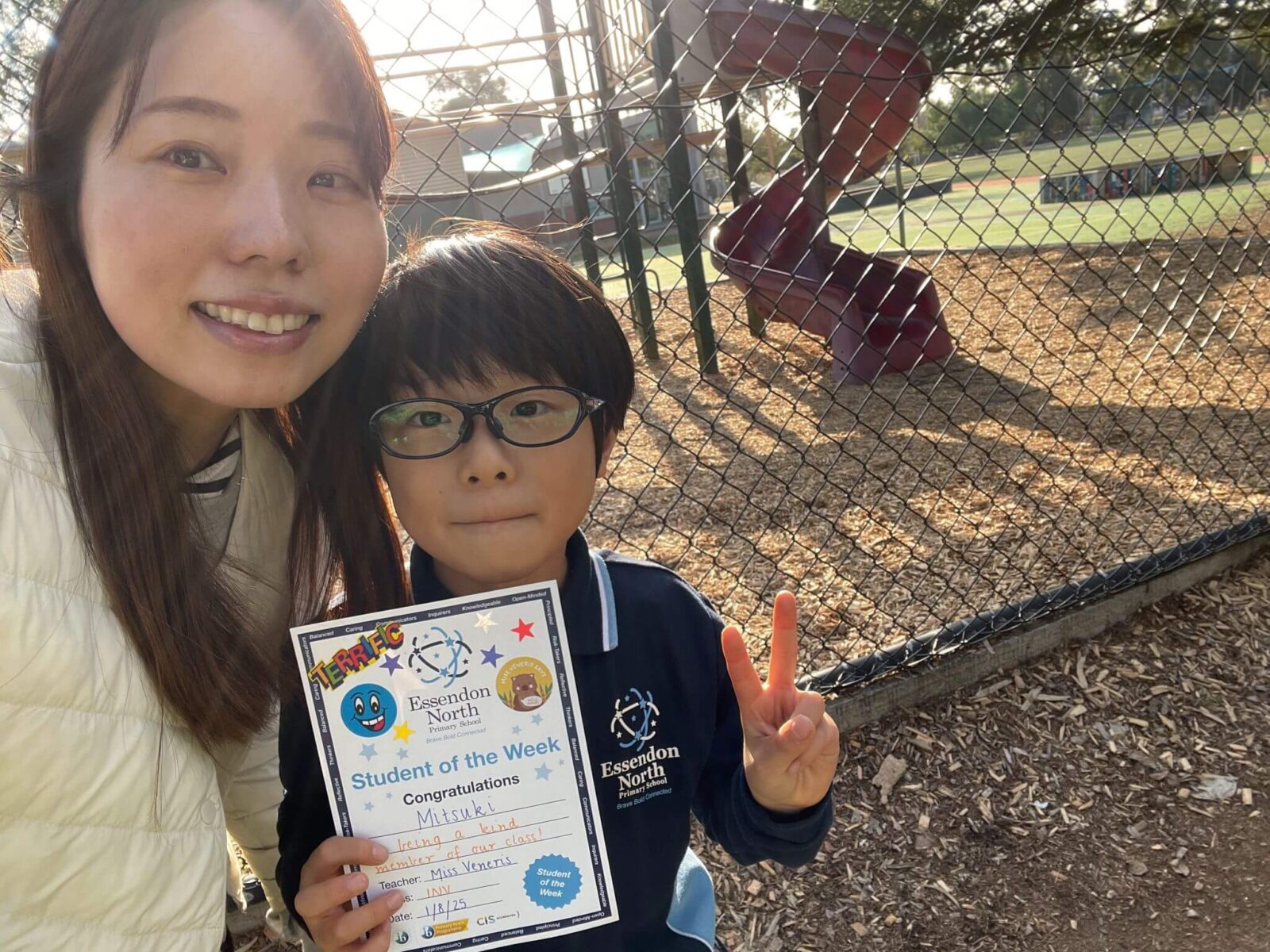 Essendon North Primary School(公立小学校・IB PYP校)CGK G1 Mitsuki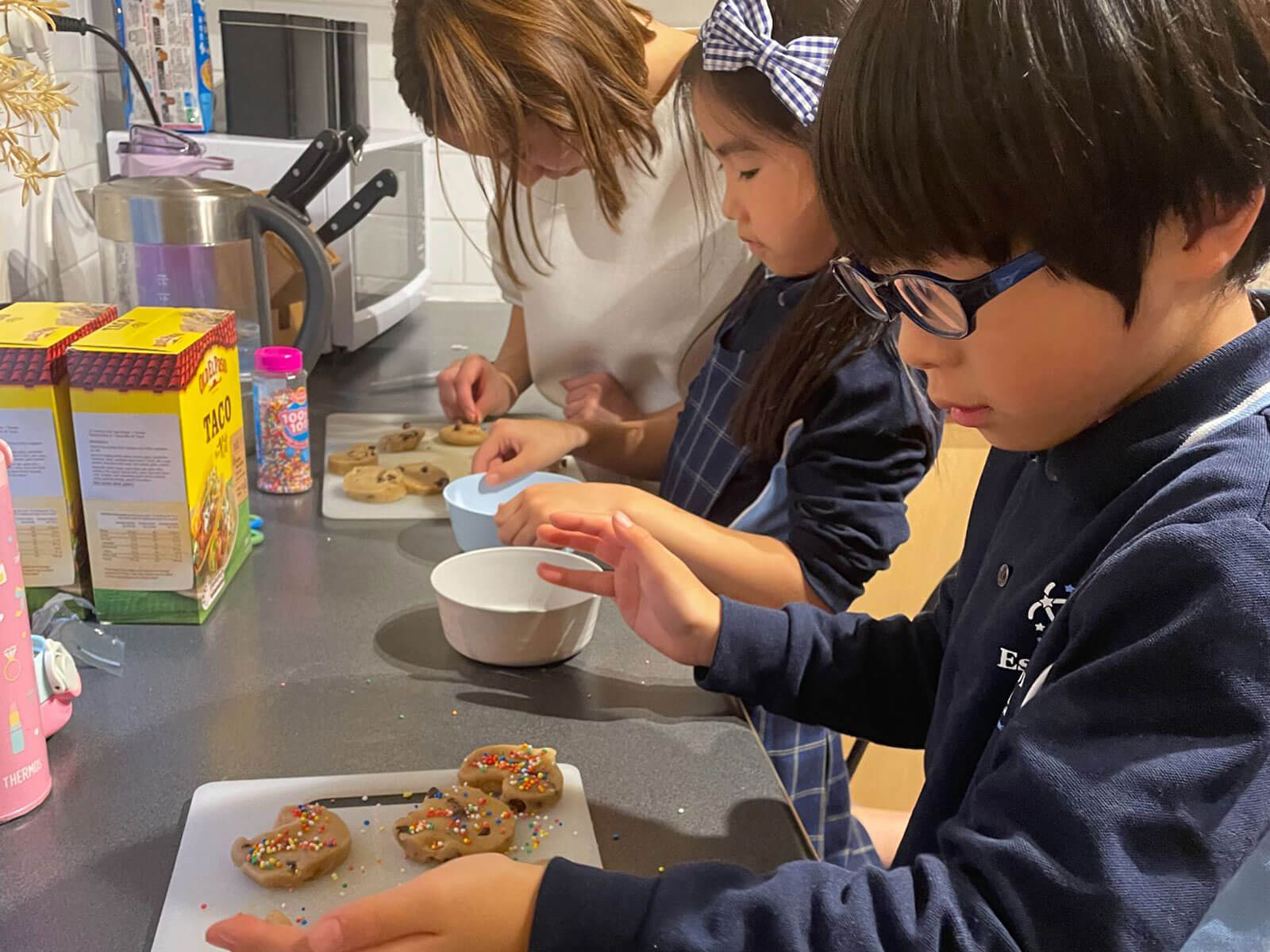
Essendon North Primary School(公立小学校・IB PYP校) CGK G1 Kokone, Mitsuki
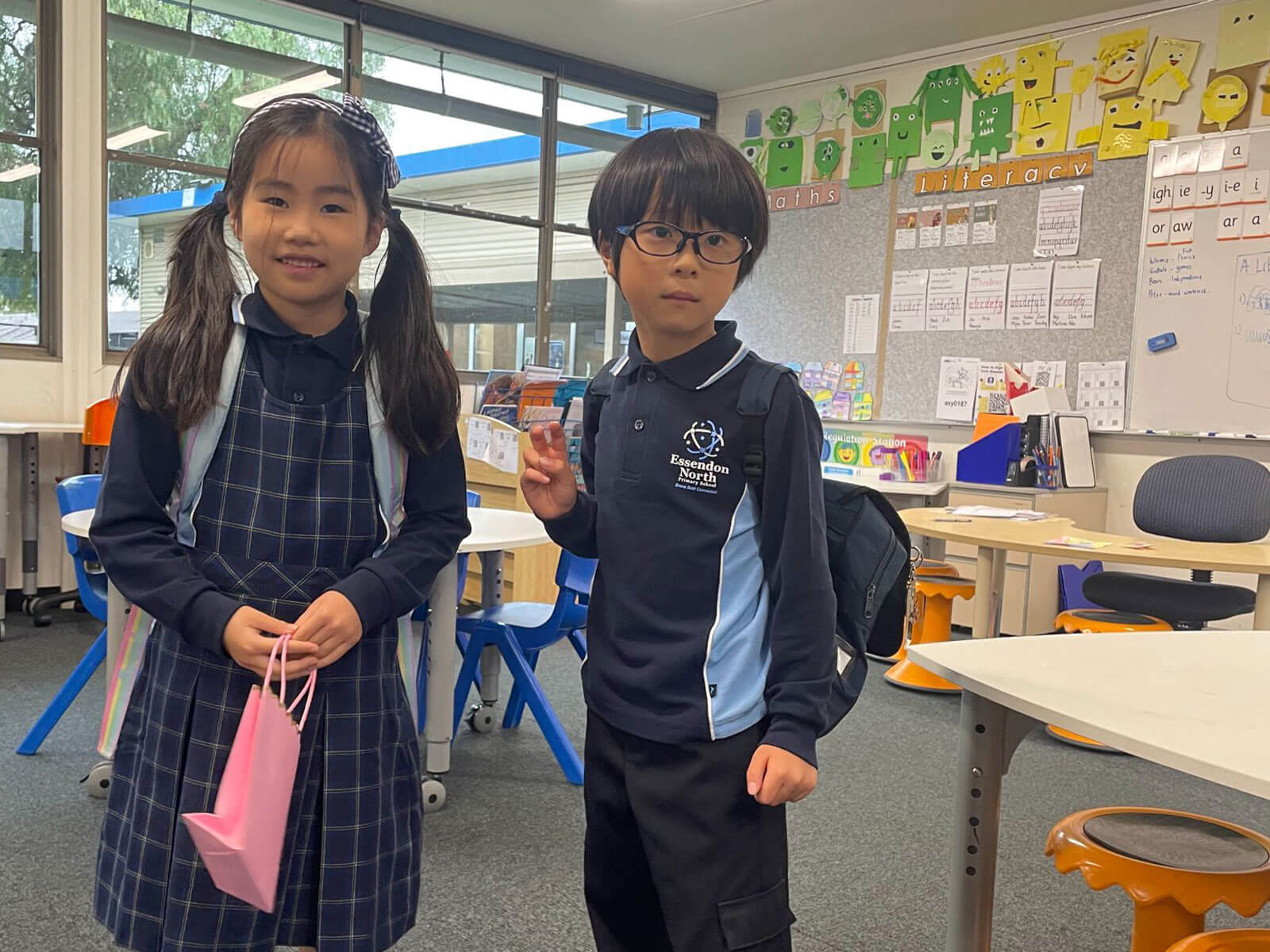
Essendon North Primary School(公立小学校・IB PYP校) CGK G1 Kokone, Mitsuki
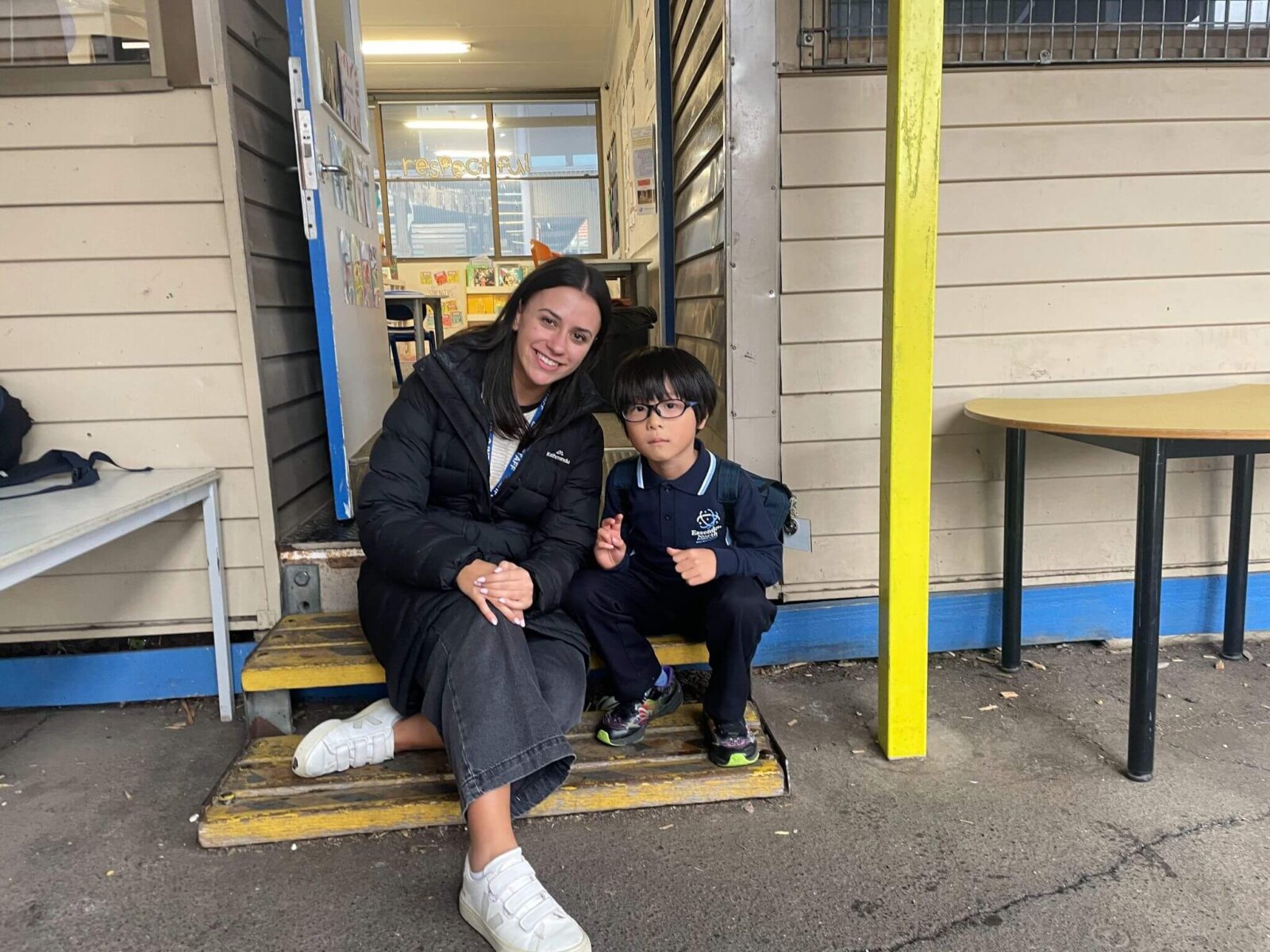
Essendon North Primary School(公立小学校・IB PYP校) CGK G1 Mitsuki
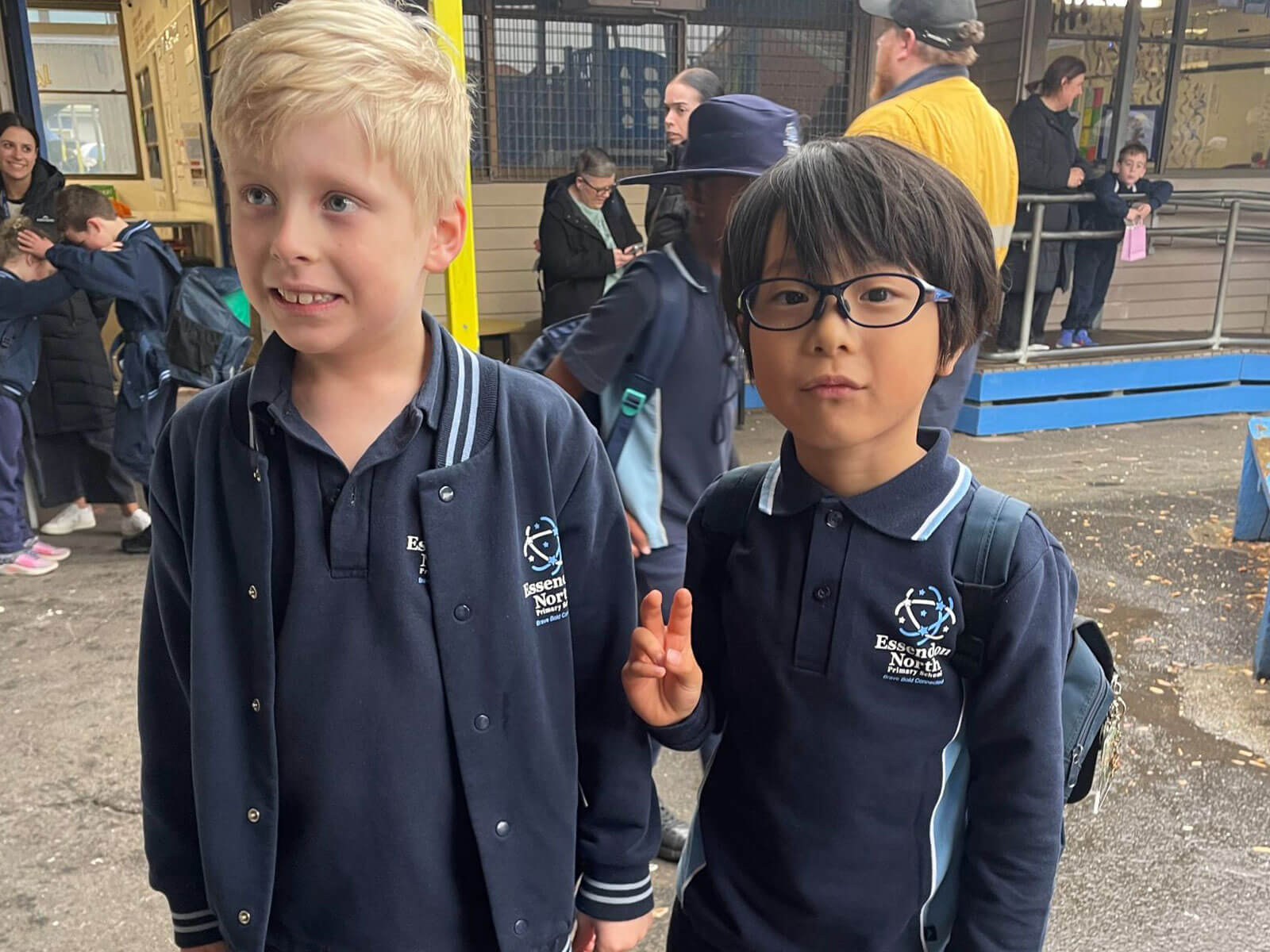
Essendon North Primary School(公立小学校・IB PYP校) CGK G1 Mitsuki
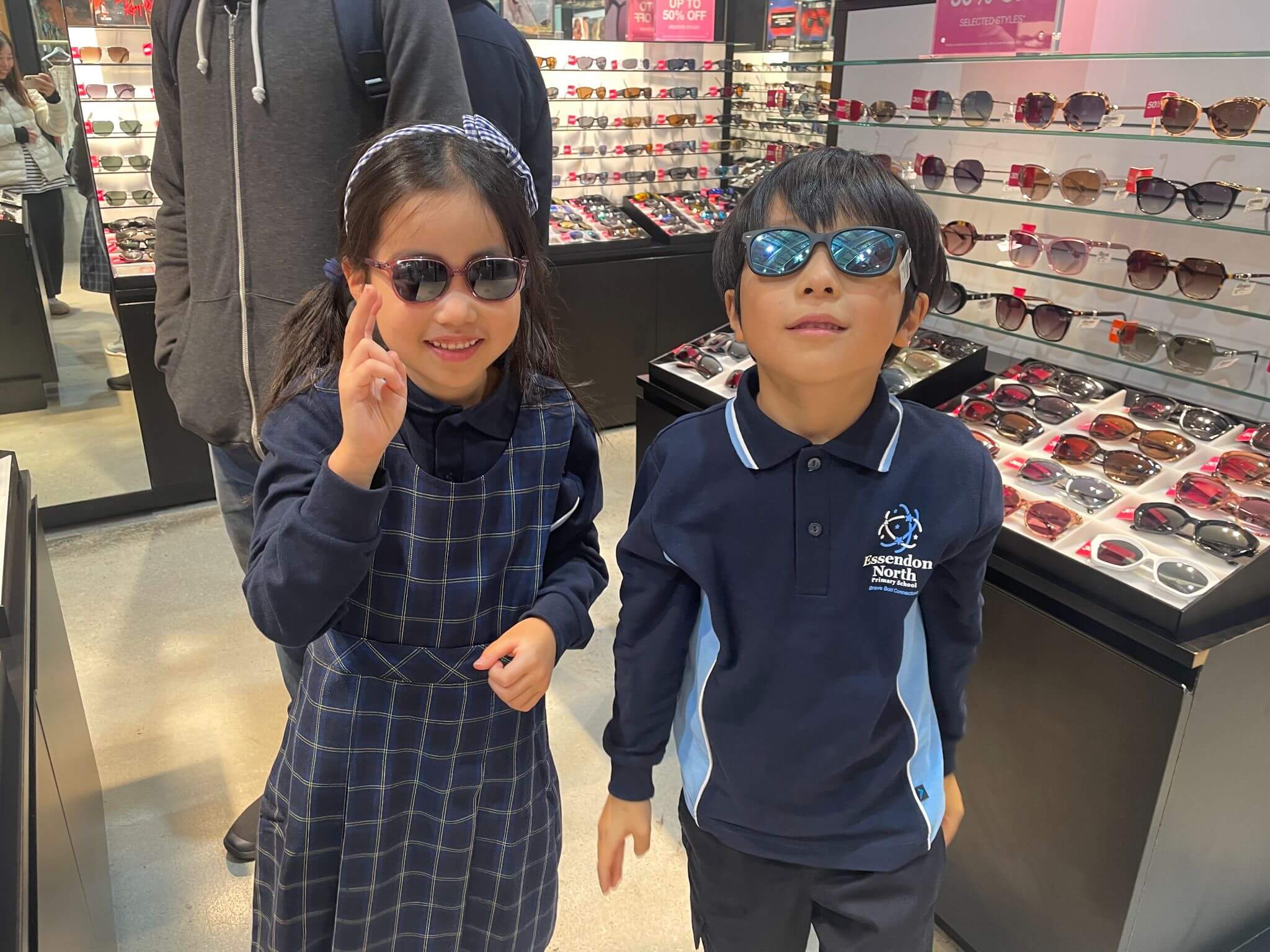
Essendon North Primary School(公立小学校・IB PYP校) CGK G1 Kokone, Mitsuki
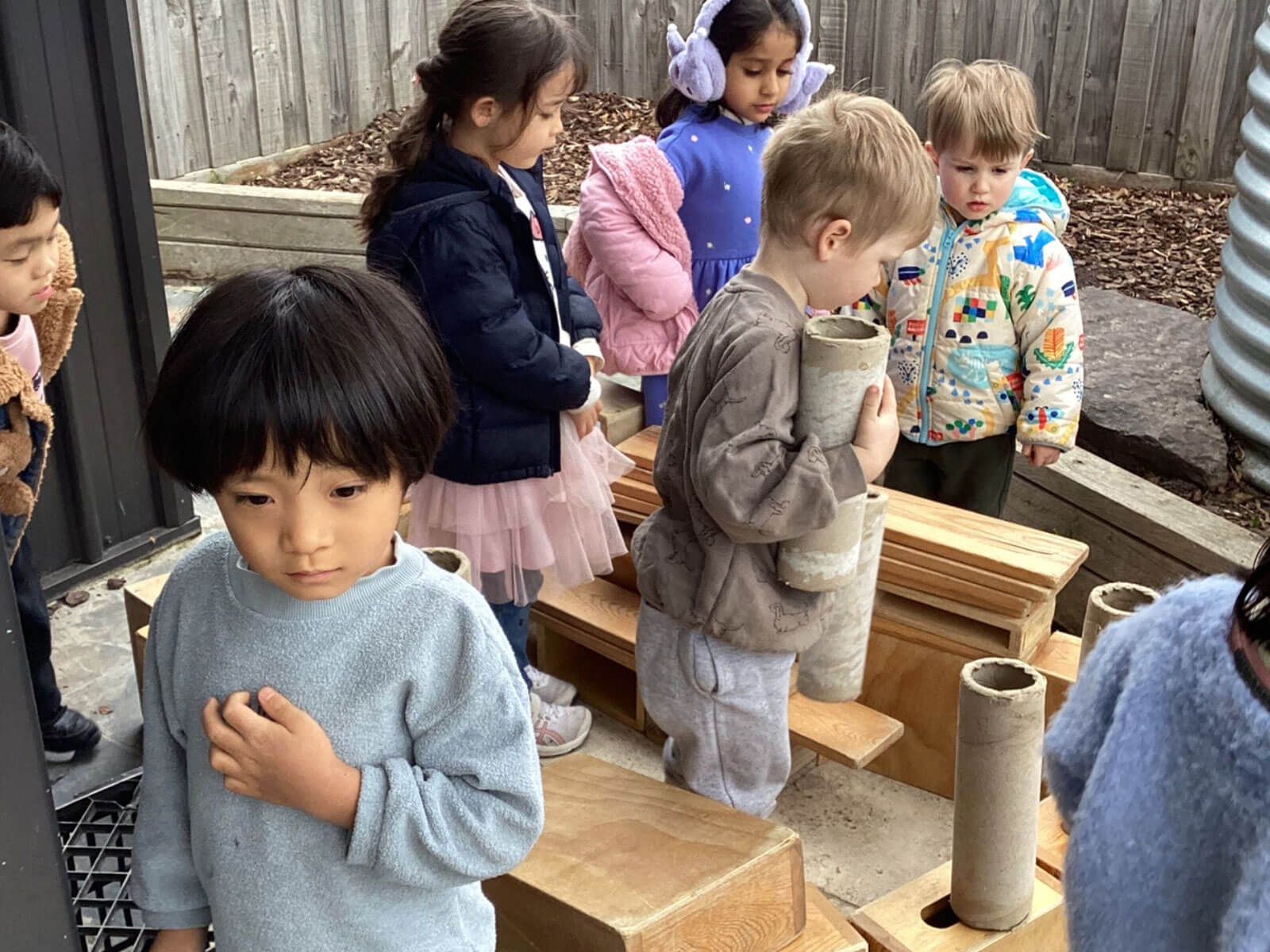
Guardian Childcare & Education South Melbourne (保育園) CGK Mountain Taiki
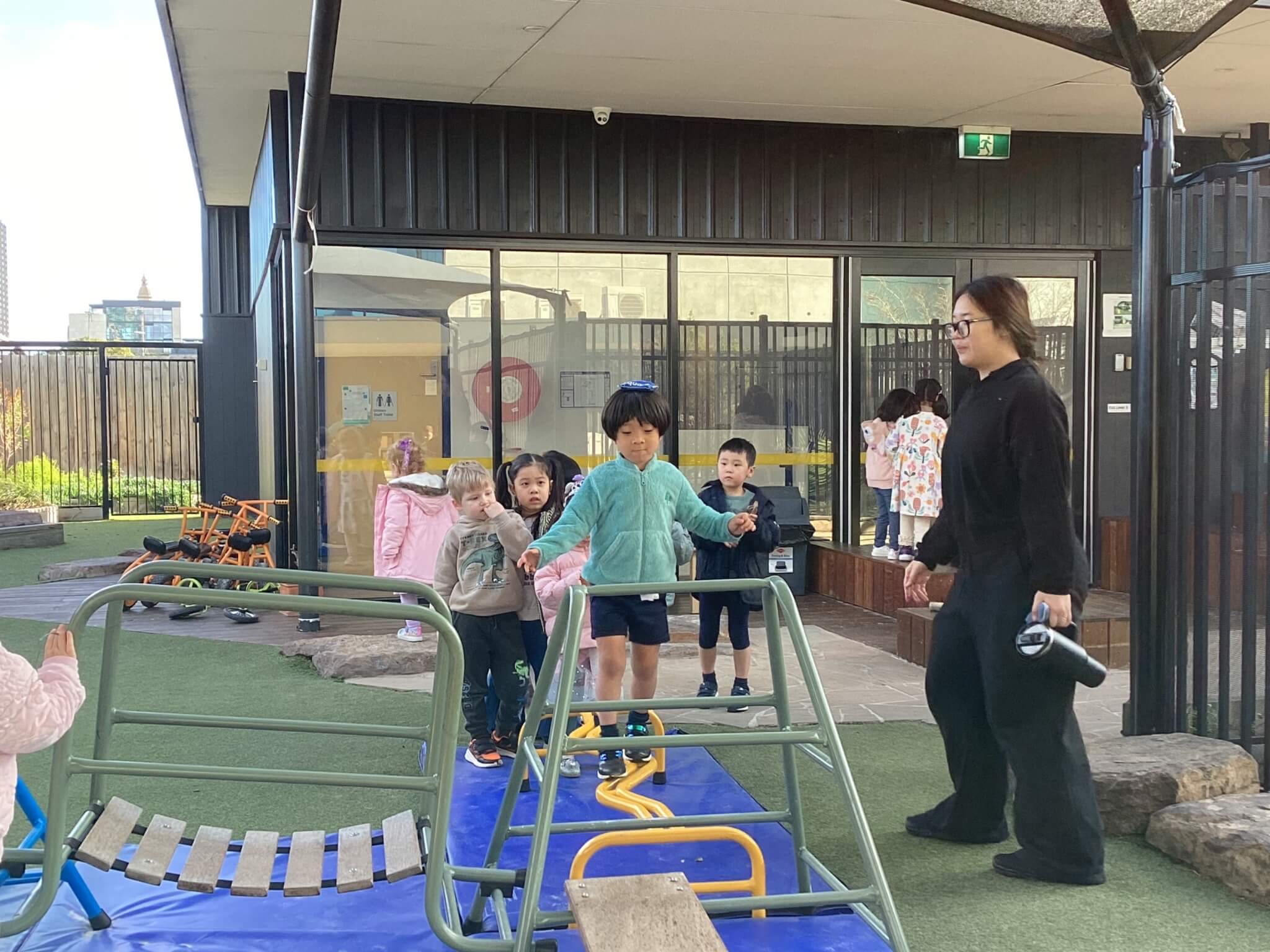
Guardian Childcare & Education South Melbourne (保育園) CGK Mountain Taiki
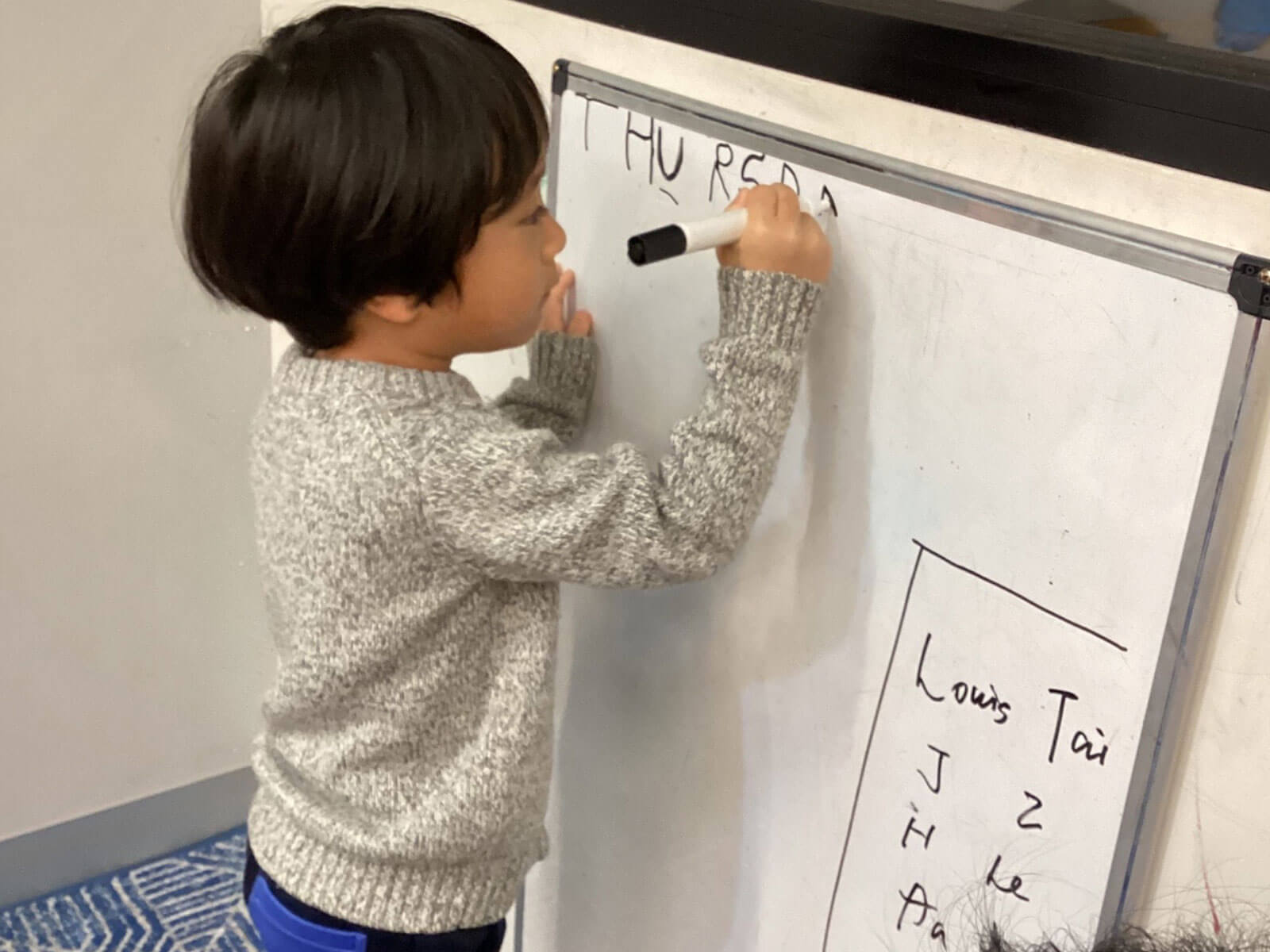
Guardian Childcare & Education South Melbourne (保育園) CGK Mountain Taiki
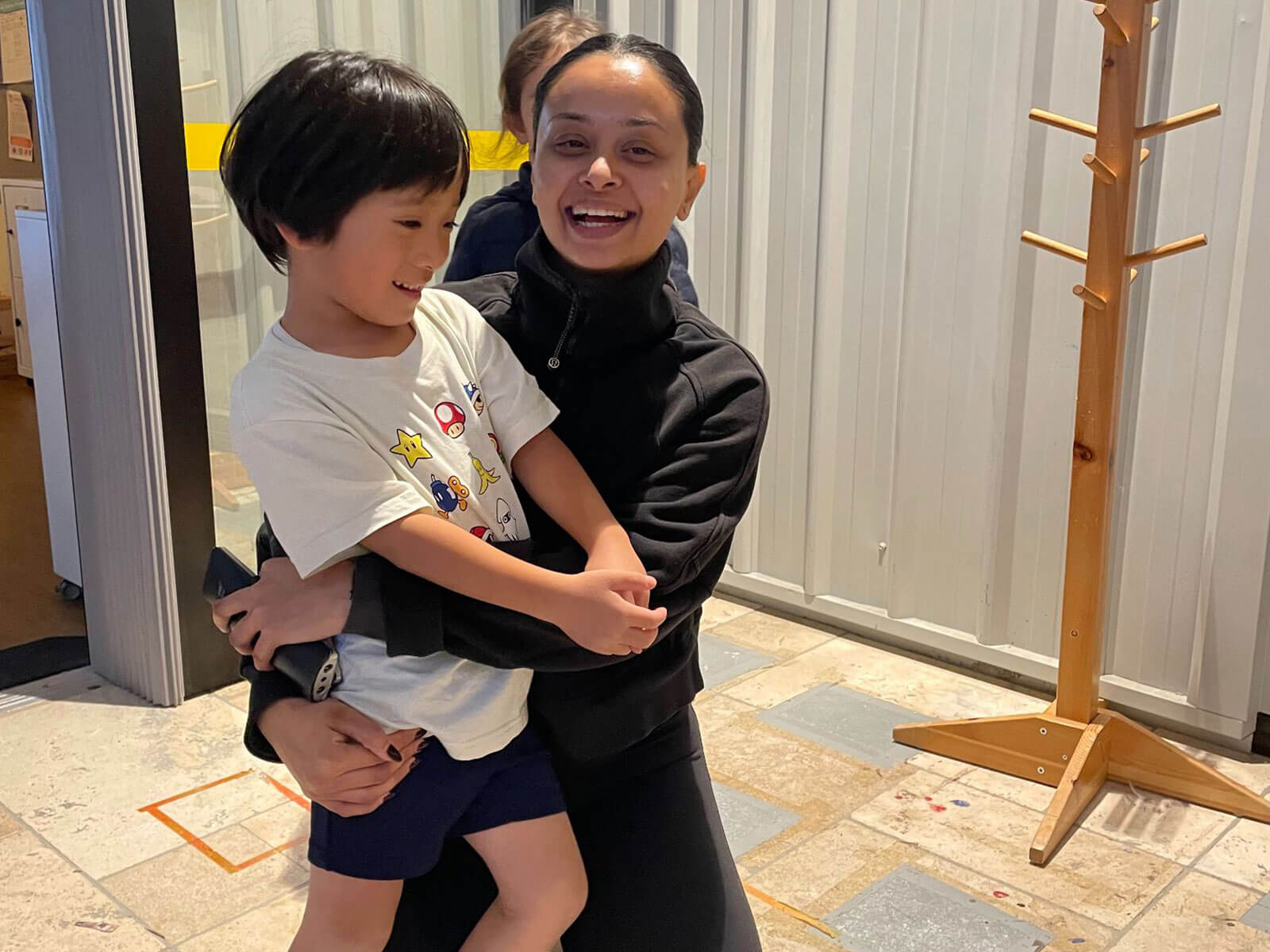
Guardian Childcare & Education South Melbourne (保育園) CGK Mountain Taiki
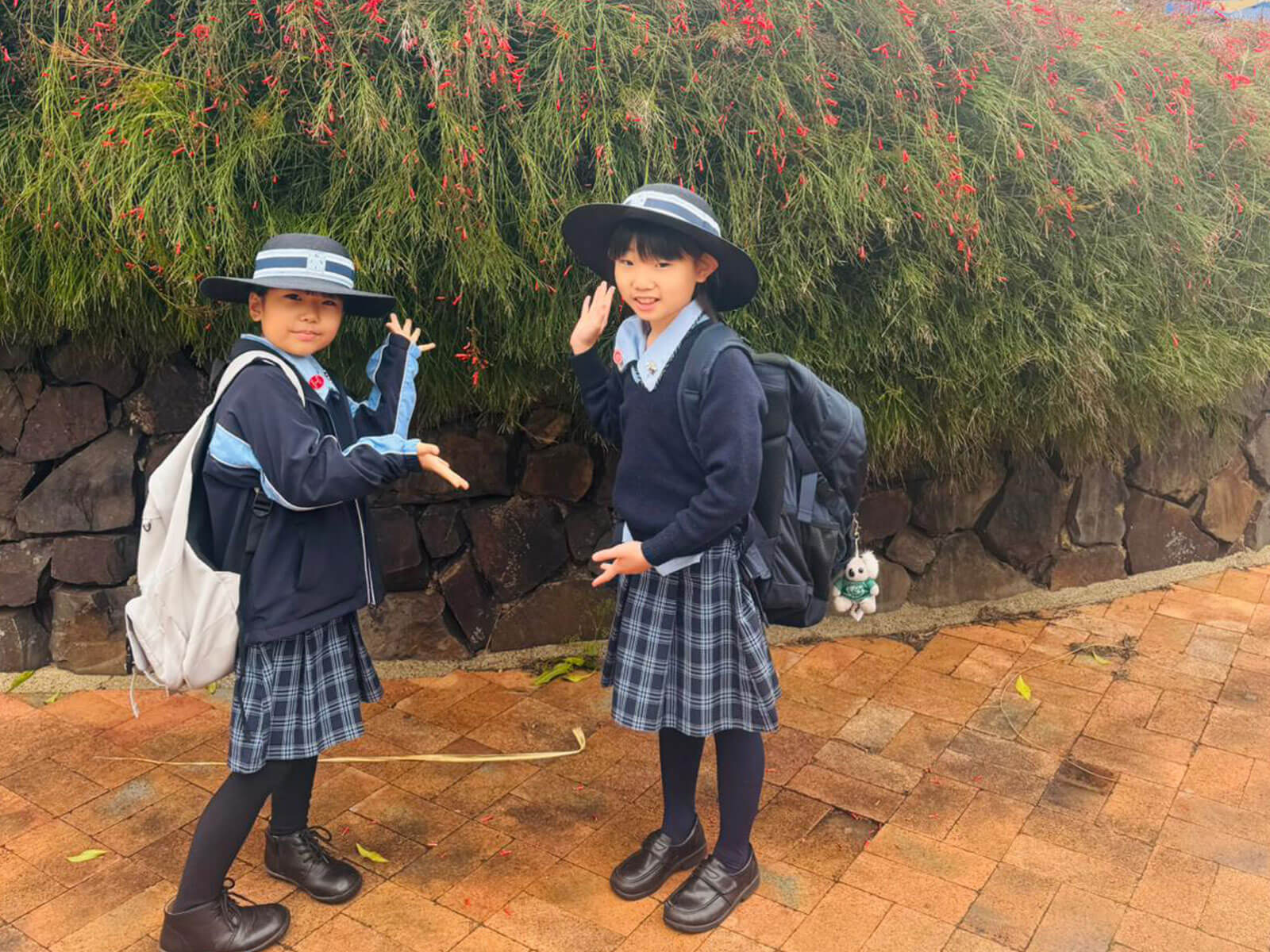
Ipswich Girls Grammar School (私立女子一貫校) CGK G3 Ako, AS G2 Yusei
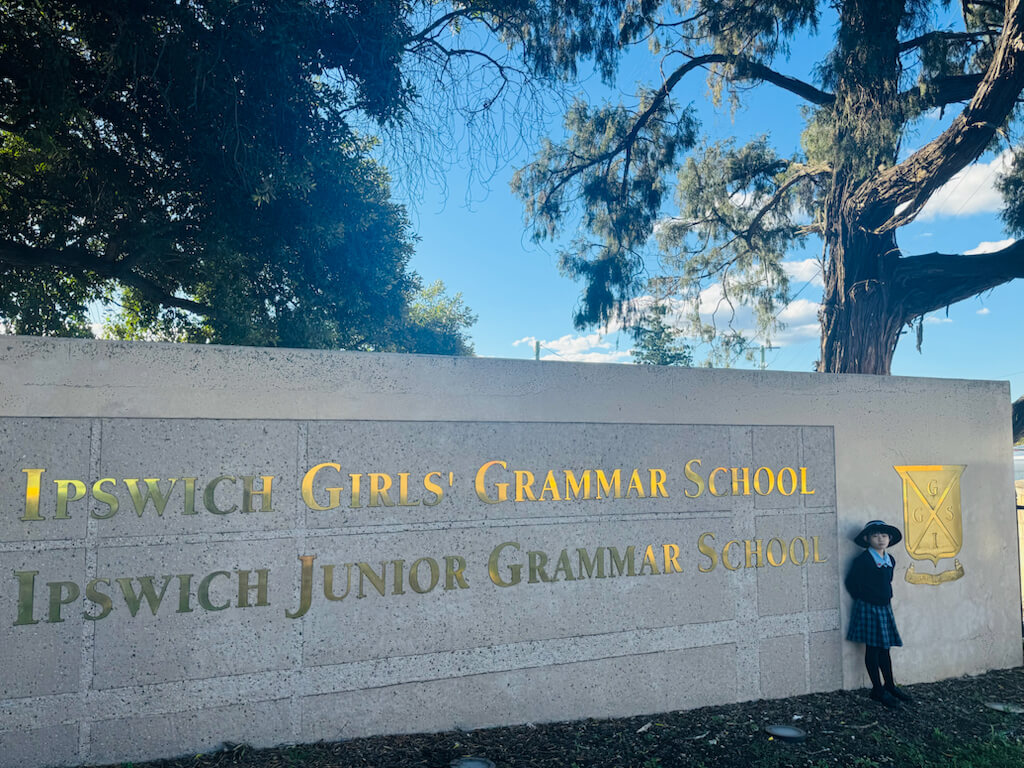
Ipswich Girls Grammar School (私立女子一貫校) CGK AS G2 Yusei
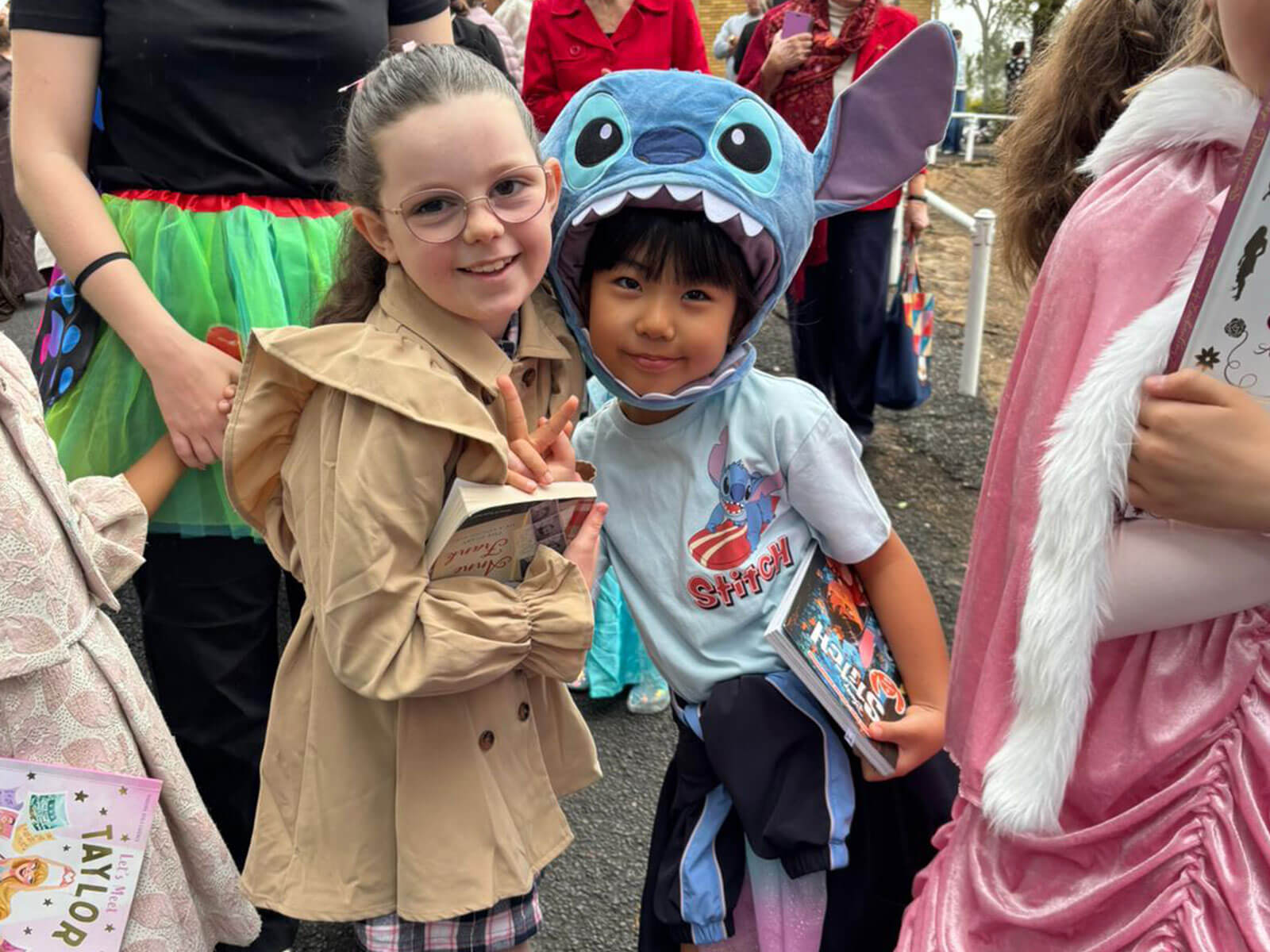
Ipswich Girls Grammar School (私立女子一貫校) CGK G3 Ako
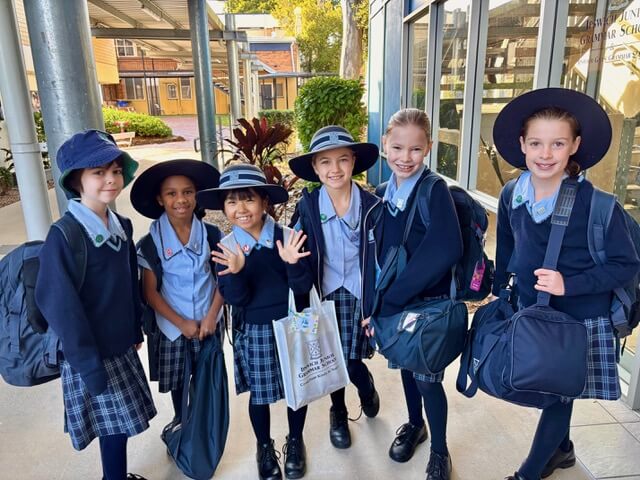
Ipswich Girls Grammar School (私立女子一貫校) CGK G3 Ako
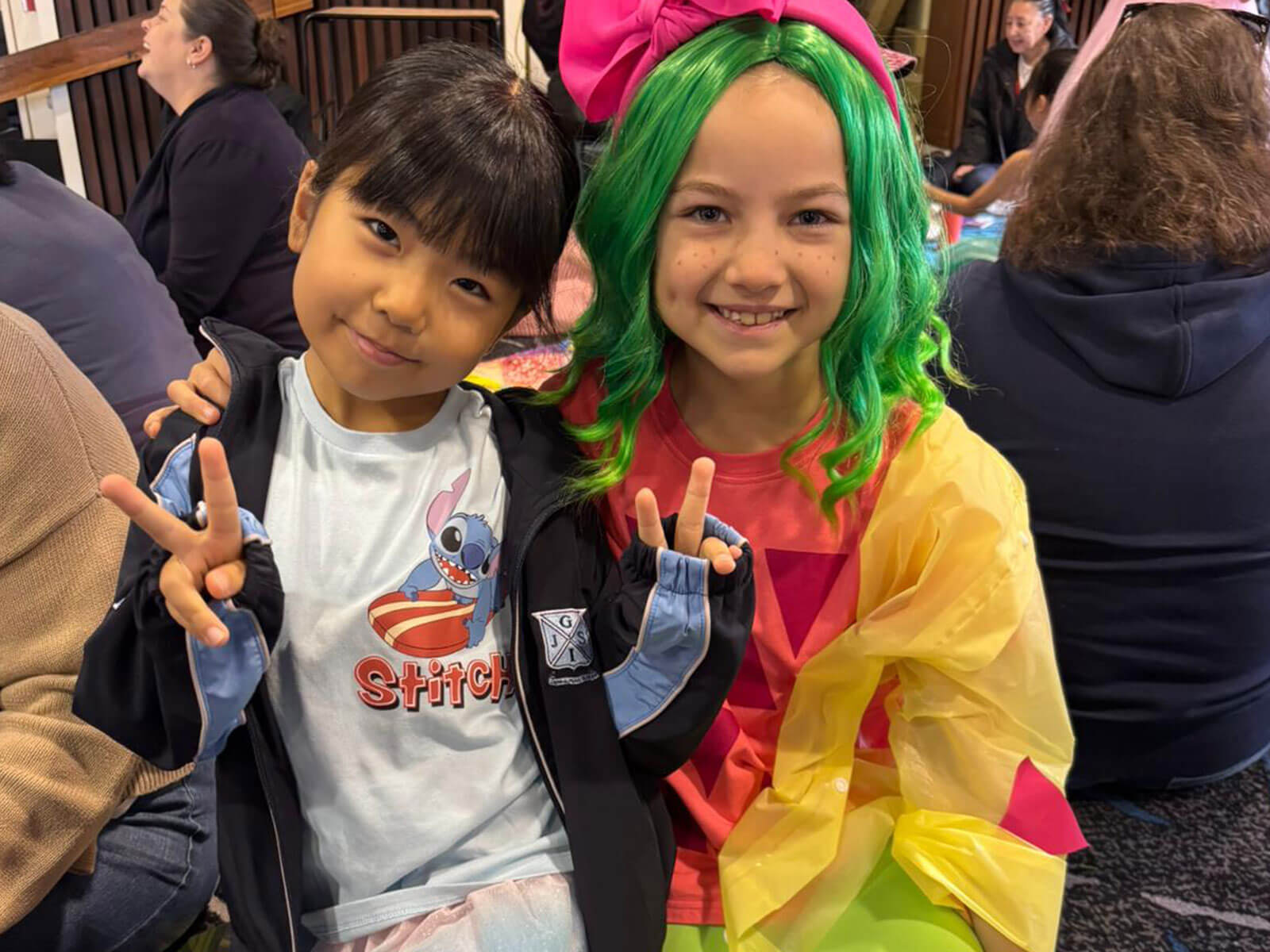
Ipswich Girls Grammar School (私立女子一貫校) CGK G3 Ako
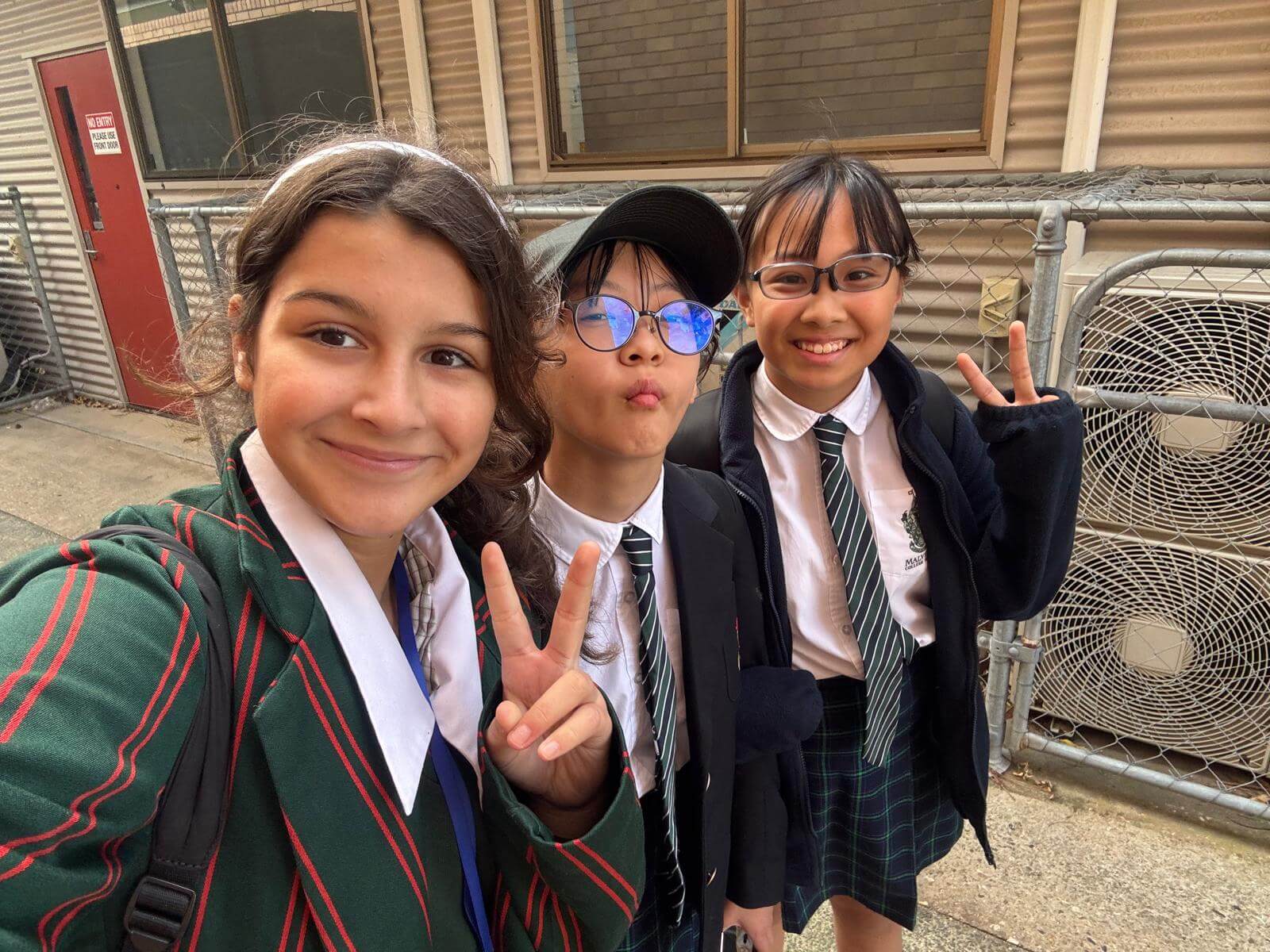
St.Pauls (私立一貫校) CGK G7 Alisa
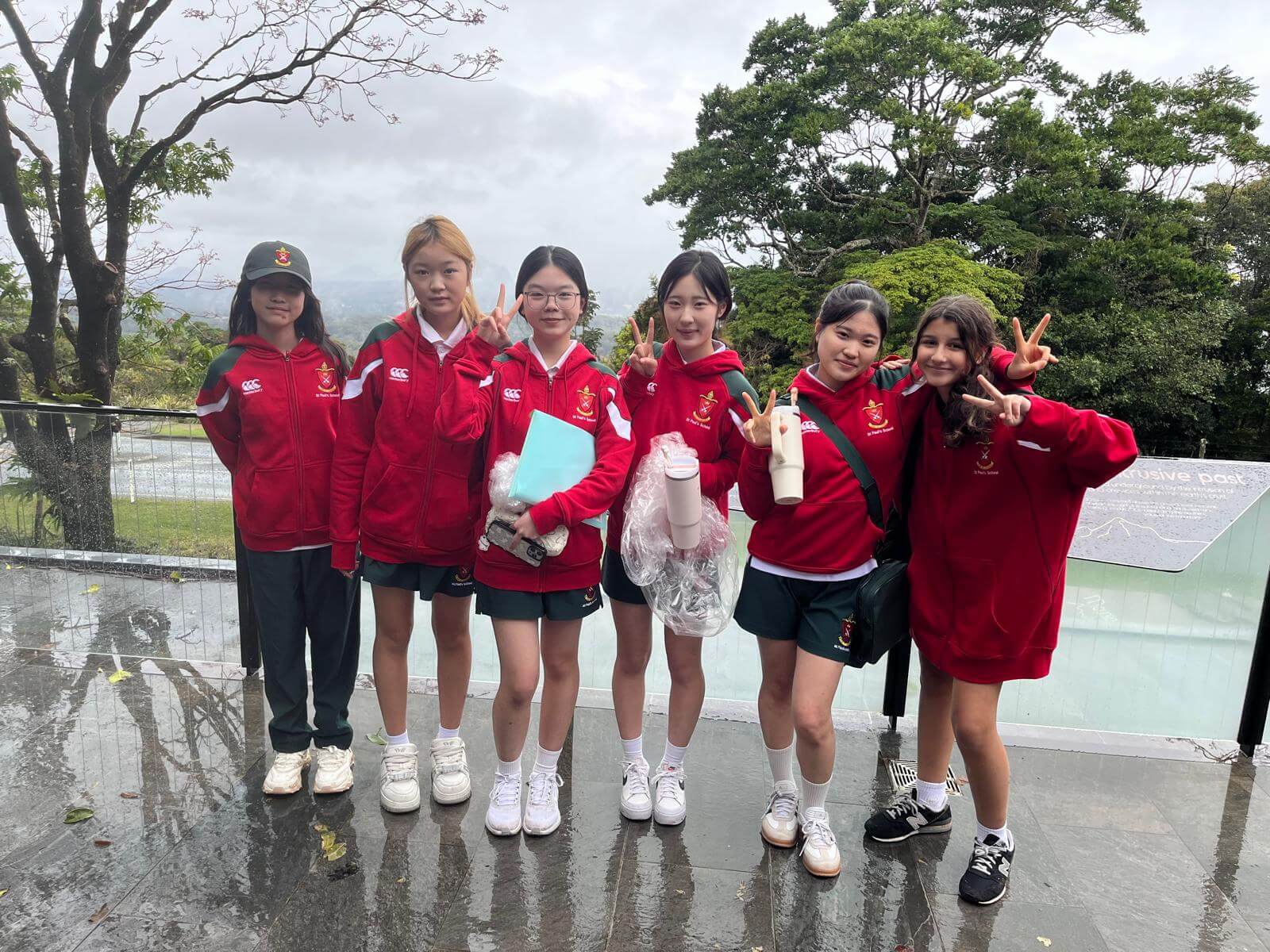
St.Pauls (私立一貫校) CGK G7 Alisa
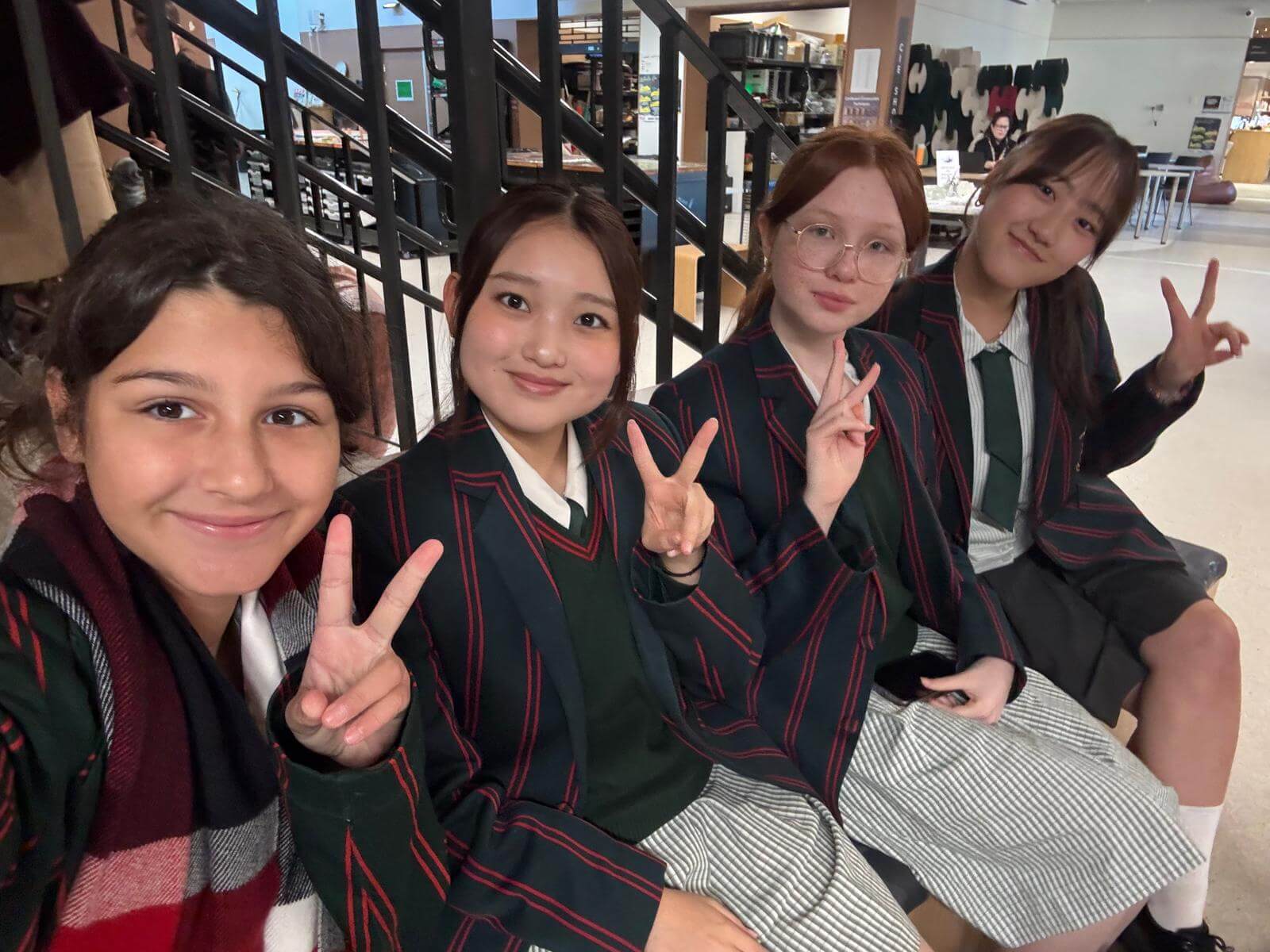
St.Pauls (私立一貫校) CGK G7 Alisa
Canada
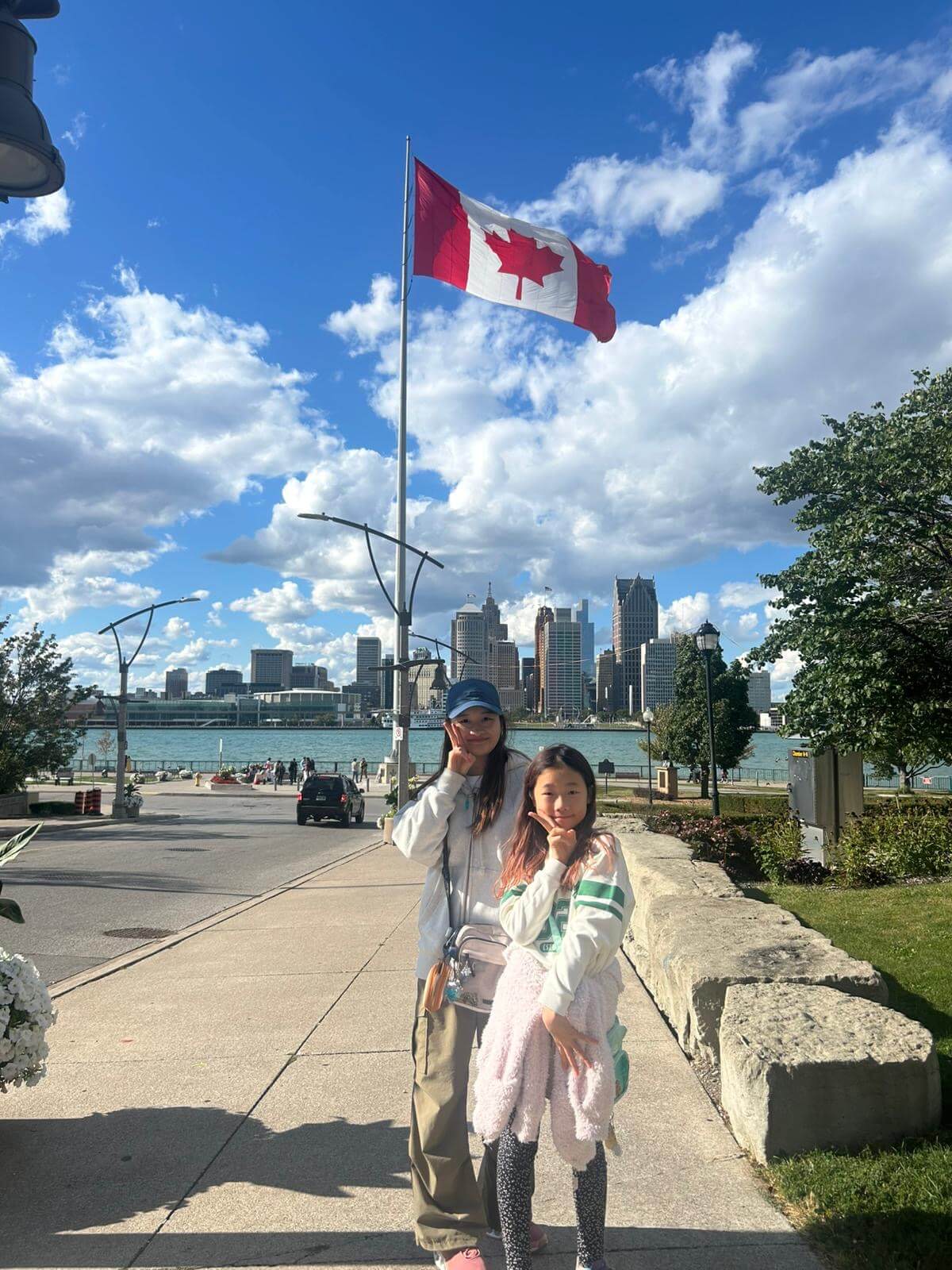
Assumption College Catholic Middle School (公立中学校) CGK G7 Sedona, St. James Elementary (公立小学校) CGK G4 Nasuka
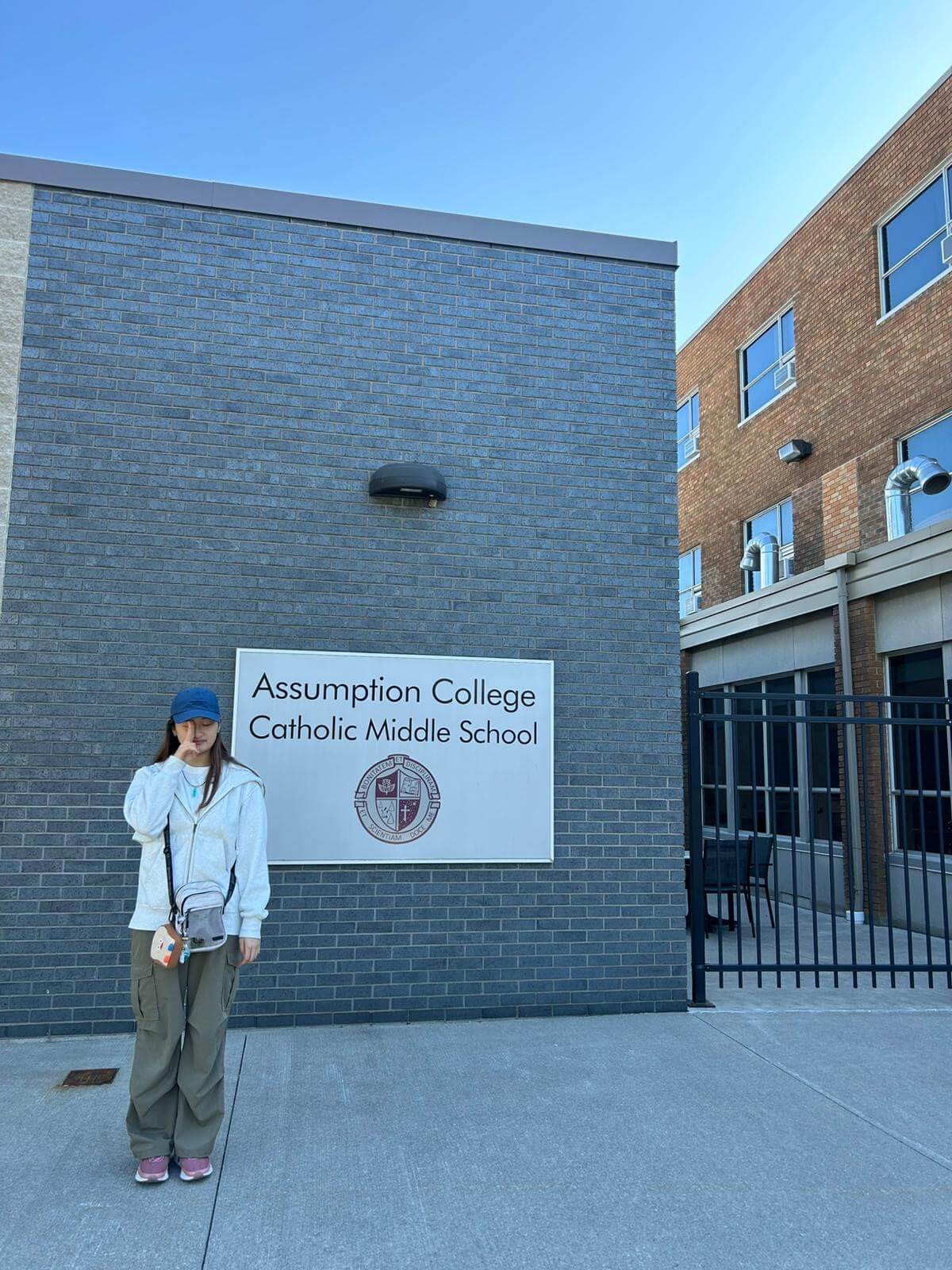
Assumption College Catholic Middle School (公立中学校) CGK G7 Sedona
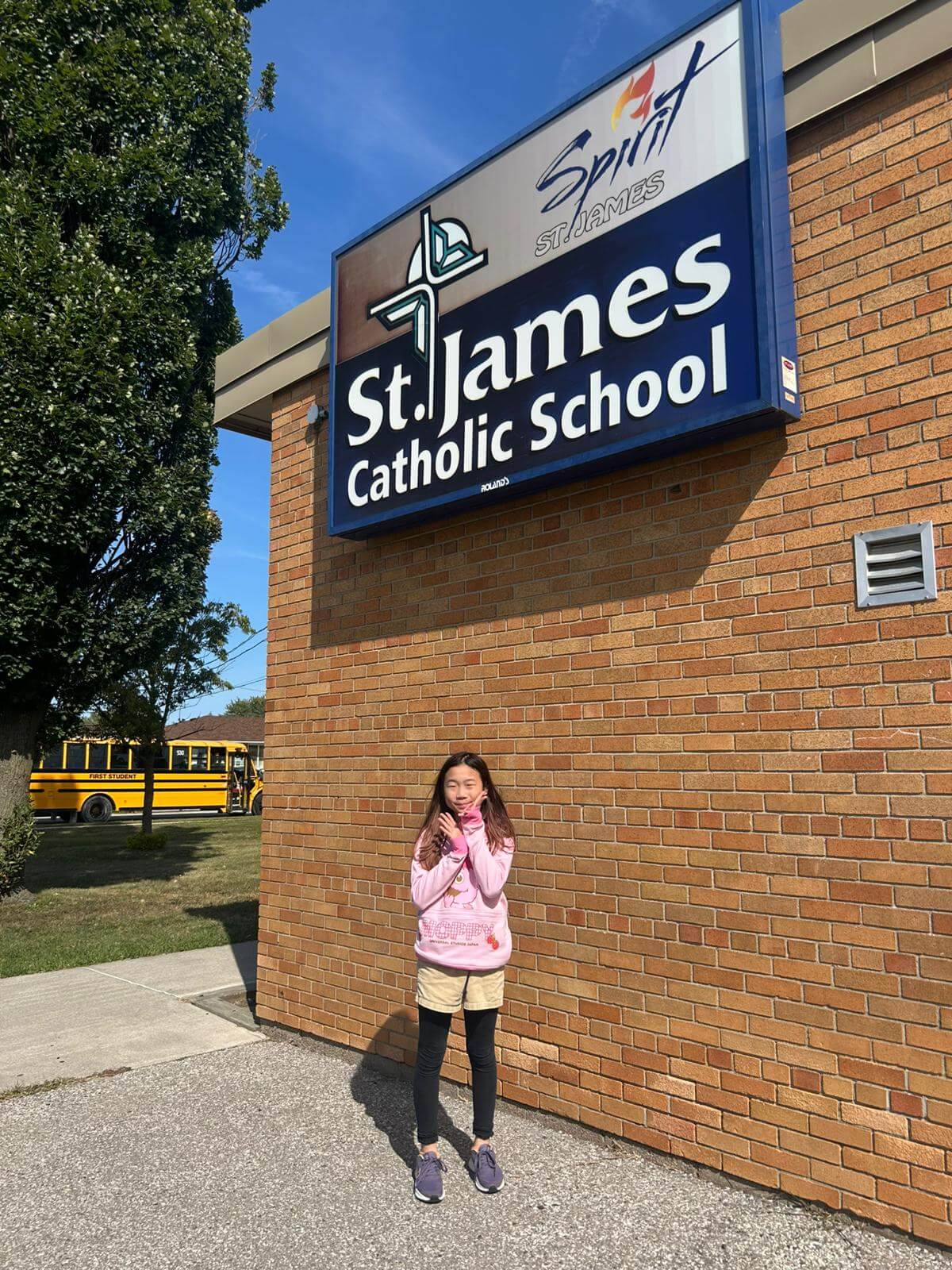
St. James Catholic Elementary School (公立小学校) CGK G4 Nasuka
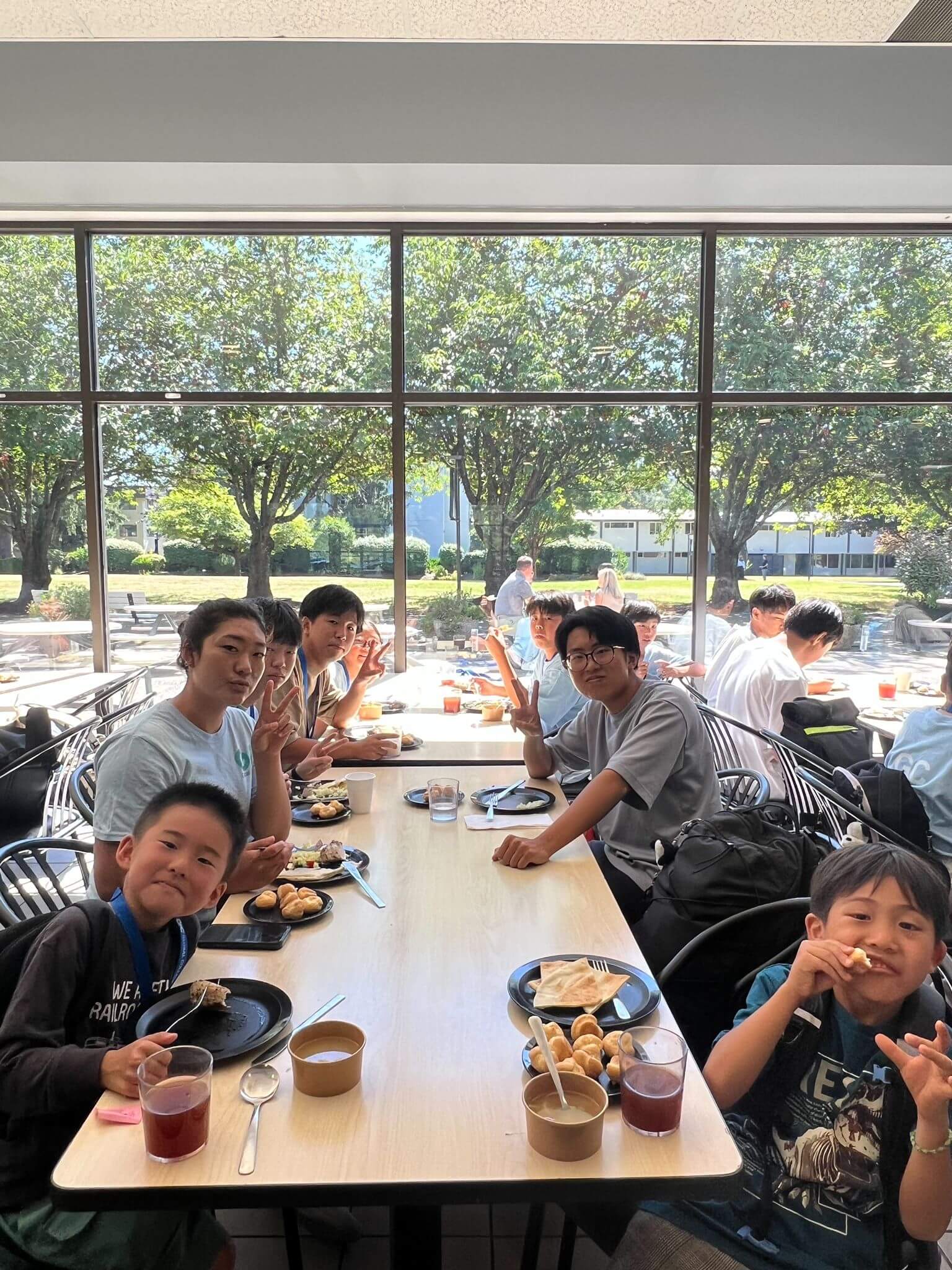
Global College Summer Camp, CGK AS G1 Aoba
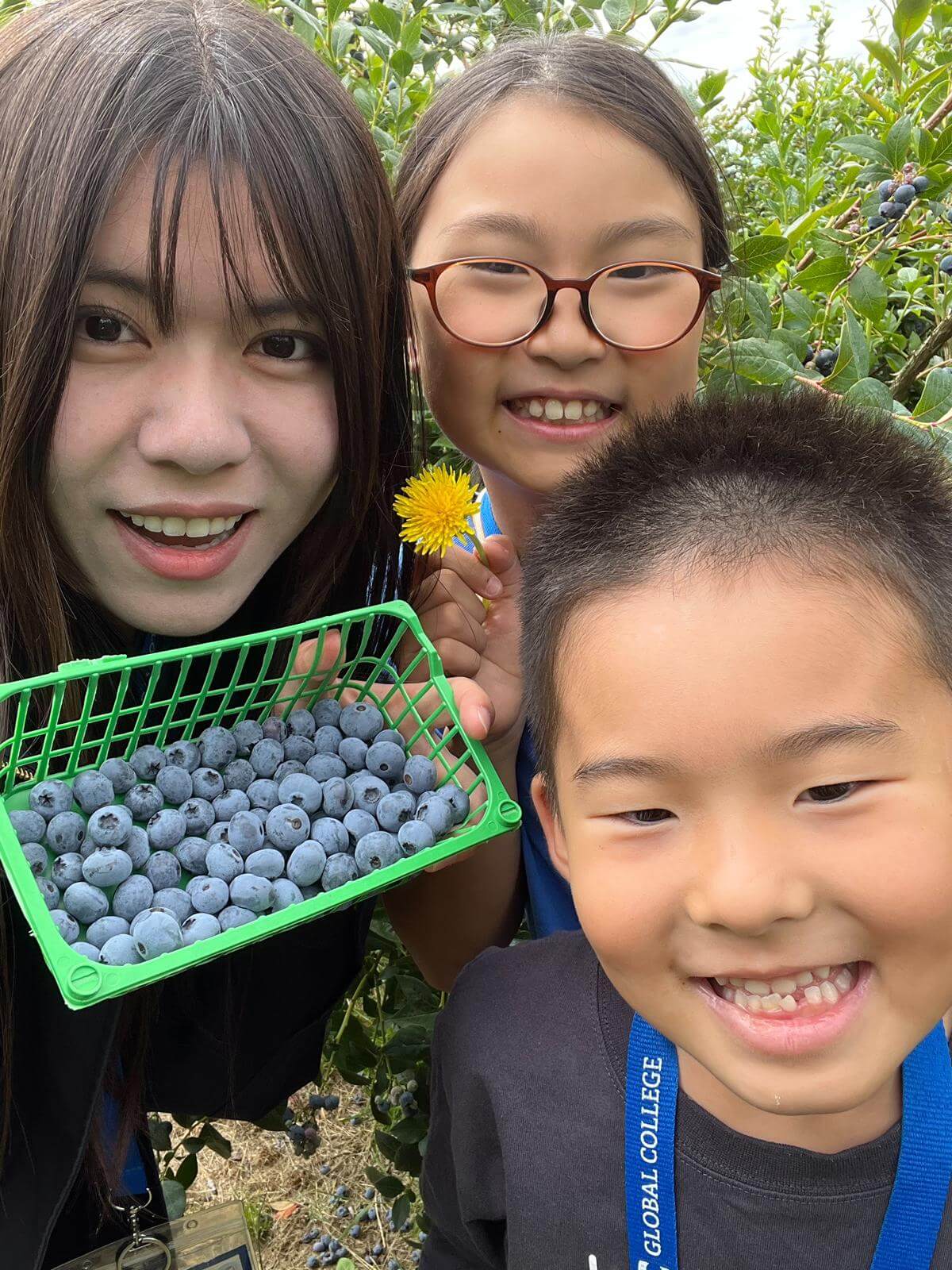
Global College Summer Camp, CGK AS G1 Aoba
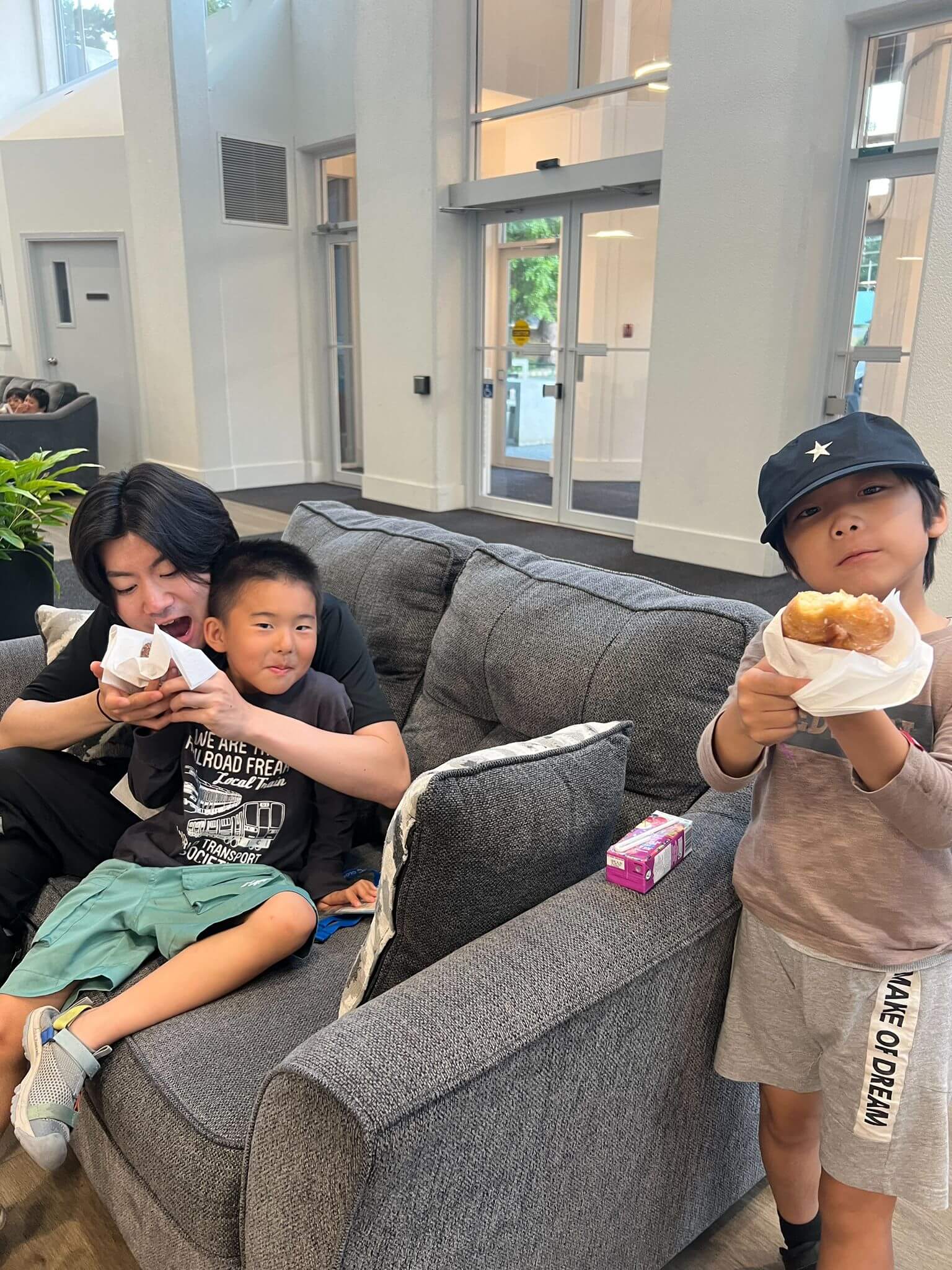
Global College Summer Camp, CGK AS G1 Aoba
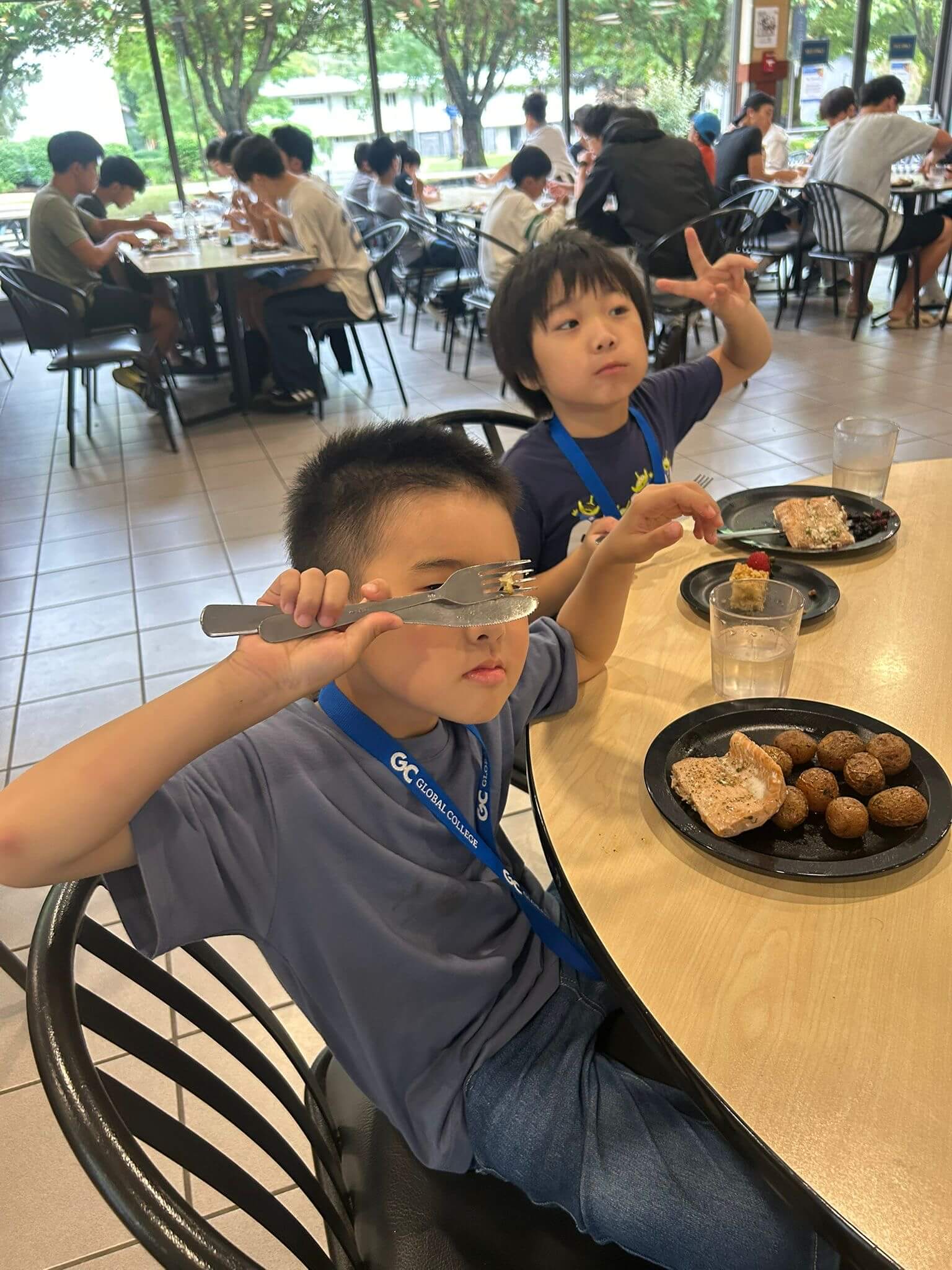
Global College Summer Camp, CGK AS G1 Aoba
New Zealand
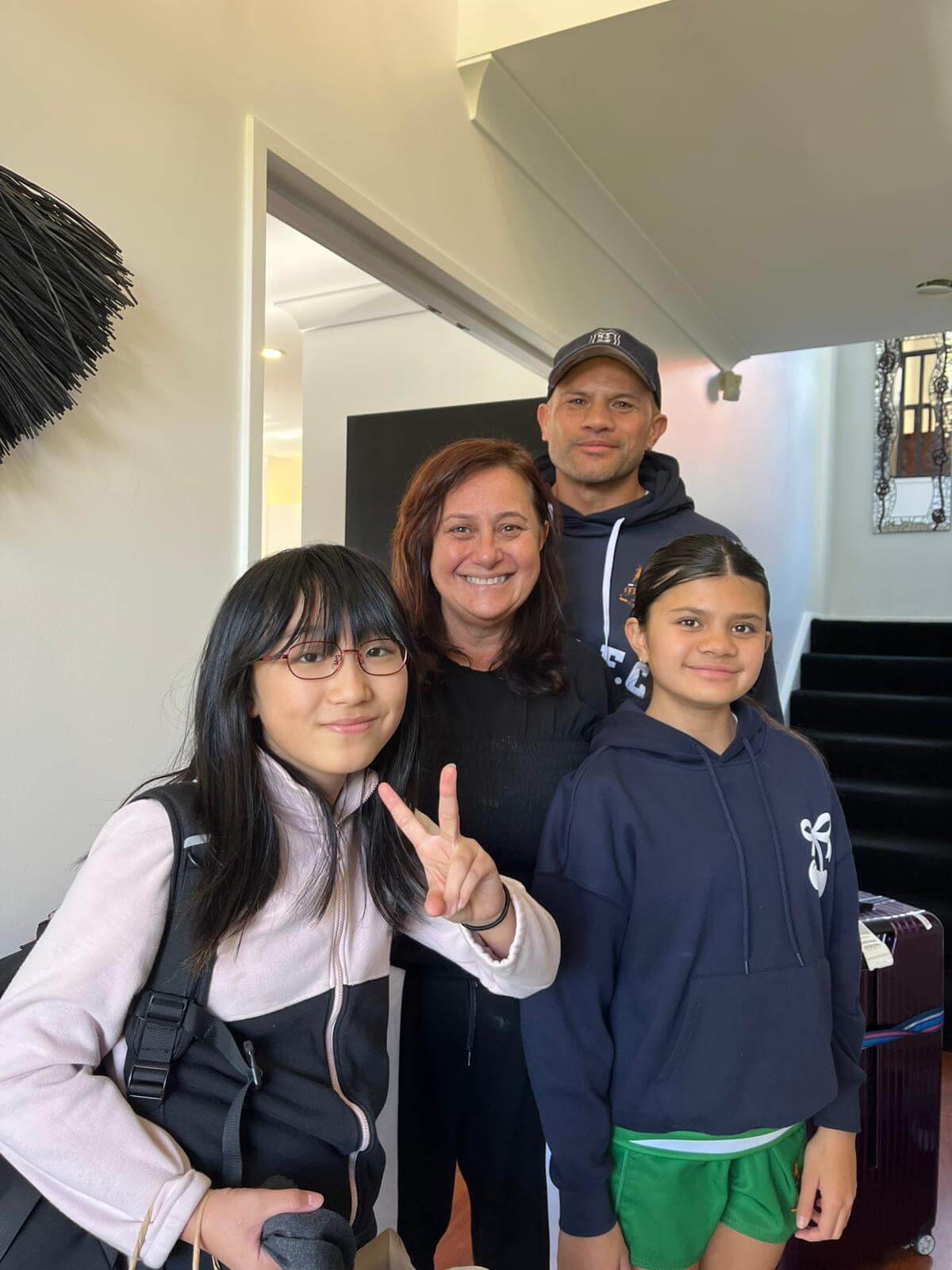
Belmont Intermediate School (公立中学校) CGK G6 Yuina
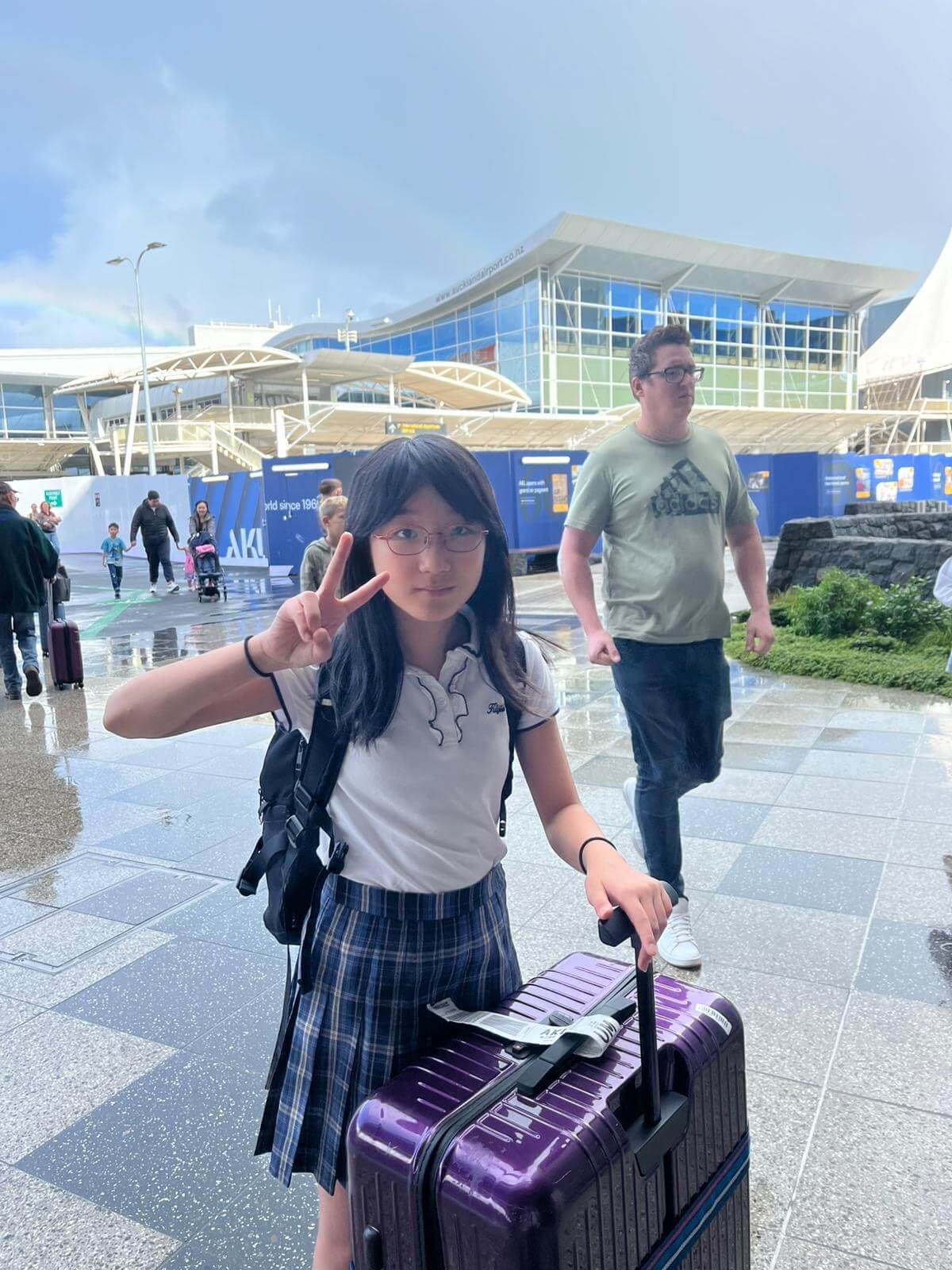
Belmont Intermediate School (公立中学校) CGK G6 Yuina
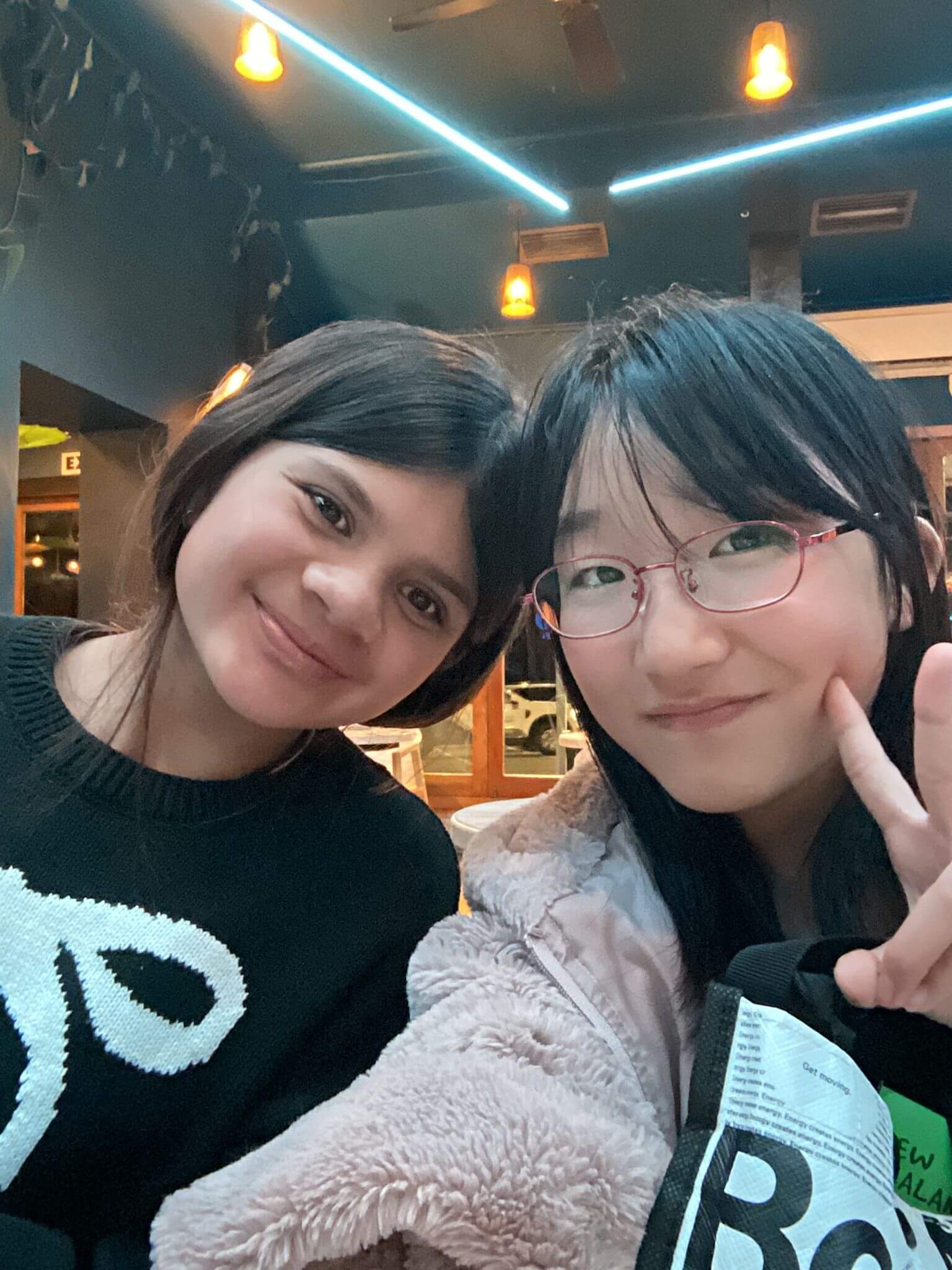
Belmont Intermediate School (公立中学校) CGK G6 Yuina
In 2025, a total of 24 CGK students have already participated in or are scheduled to join overseas study abroad programs.
This summer’s short-term study abroad programs were a great success, with solo and parent–child opportunities realized in Australia, New Zealand, and Canada.
✦Highlights of This Summer
- A CGK Preschool graduate and current After-School Grade 1 student achieved a solo study abroad in Canada!
- A CGK Elementary Grade 1 student became the first to study abroad at an IB PYP school in Australia!
- A Grade 7 student began their solo long term study abroad journey!
Through these challenges, each student broadened their horizons and returned with greater self-confidence.
Study Abroad Destinations:
- Australia
St. Paul’s School (Private all-through school)
Essendon North Primary School (Public primary school, IB PYP)
Ipswich Girls' Grammar School (Private all-through girls' school)
Browns English Language School (Language school)
Guardian Childcare & Education South Melbourne (Childcare centre) - New Zealand
Belmont Intermediate School (Public middle school) - Canada
Global College Camp
Assumption College Catholic Middle School (Public middle school)
St. James Catholic Elementary School (Public primary school)
At CGK, we will continue to value each child’s unique challenge, carefully supporting them with safe and suitable study abroad options tailored to their needs and duration.
On October 6, one of this summer’s destinations — Belmont Intermediate School in New Zealand — will be visiting CGK!
A special information session will be held by their local coordinator. Don’t miss this opportunity!
Study Abroad Highlights (Video)
-
[Study Abroad in NZ] Owairoa Primary School
-
[ES Solo Study Abroad in NZ] Gulf Harbour School
-
[Study Abroad in NZ] Owairoa Primary School (5 year olds)
-
[ES Solo Study Abroad in Canada] Summer Camp in Vancouver
Currently recruiting participants for study abroad programs
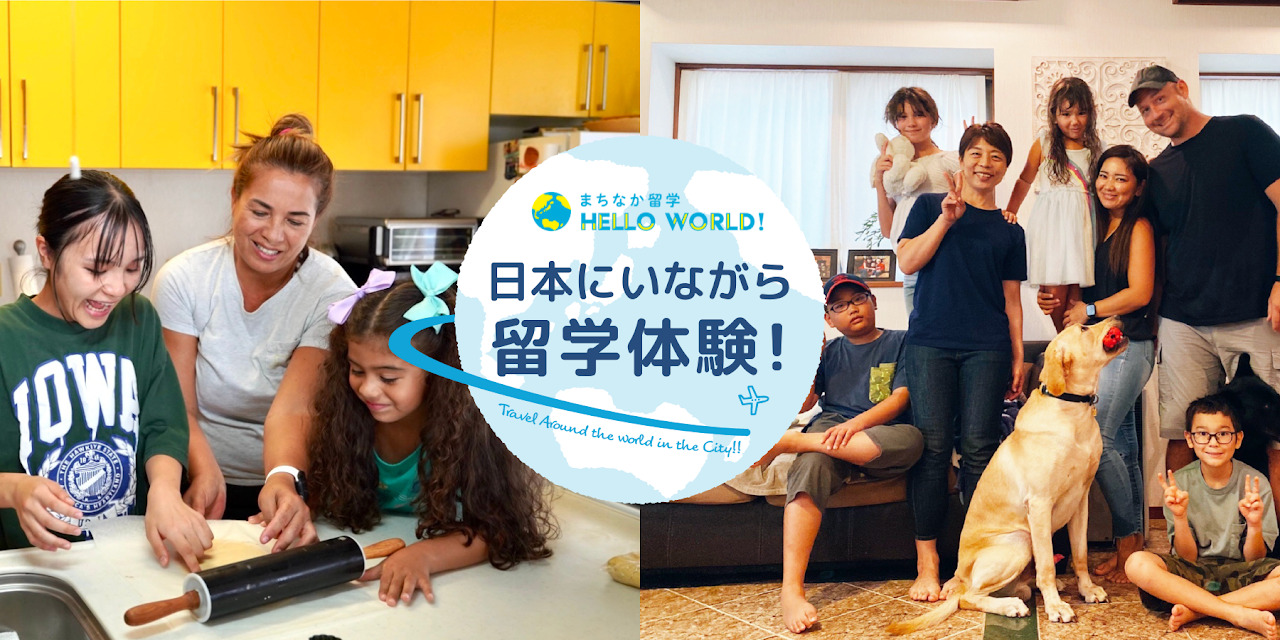


- Throughout the year (on weekends or during long breaks, either for day trips or overnight stays)
- You can experience a homestay with a foreign family residing in Japan.
- Deadline: Approximately one month prior to your desired dates
- For details/application, please contact Mayu at the Office.
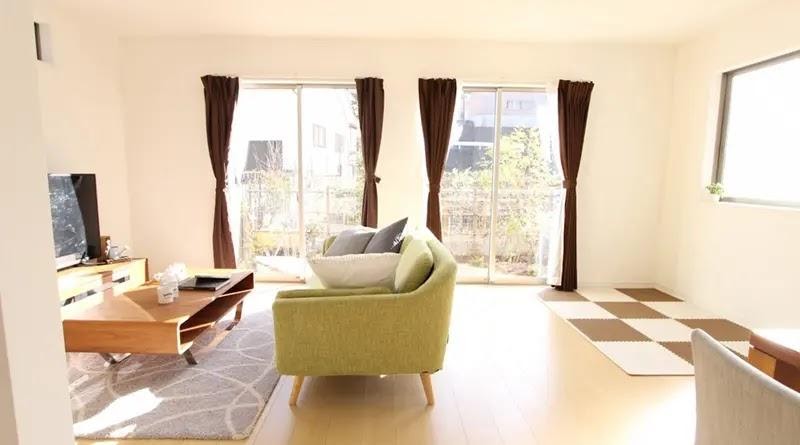
Accepting short-term international students from overseas - Wanted host families
-

-
CGK has a positive stance on accepting international students from abroad with a view to encouraging multicultural cooperation. Students from different cultures and backgrounds can interact with and help each other at CGK, bringing rich diversity to the classroom. This environment of diversity provides each student with a valuable opportunity to learn different viewpoints and increase mutual understanding.
At CGK, we believe that diversity improves educational development. By learning and working together, students from different backgrounds will grow into leaders with global perspective. In addition, experiencing diverse opinions and values will help them develop tolerance and empathy.
In order to create an environment conducive to hosting short-term students, we are looking for host families; if you are a CGK family interested in registering as a host family, please contact Mayu at the Office (Toddle is OK).
-