










CGK Times
A global learning community for discovering
and pursuing your happiness
July 2026
Preschool
It's Getting Hot in Here
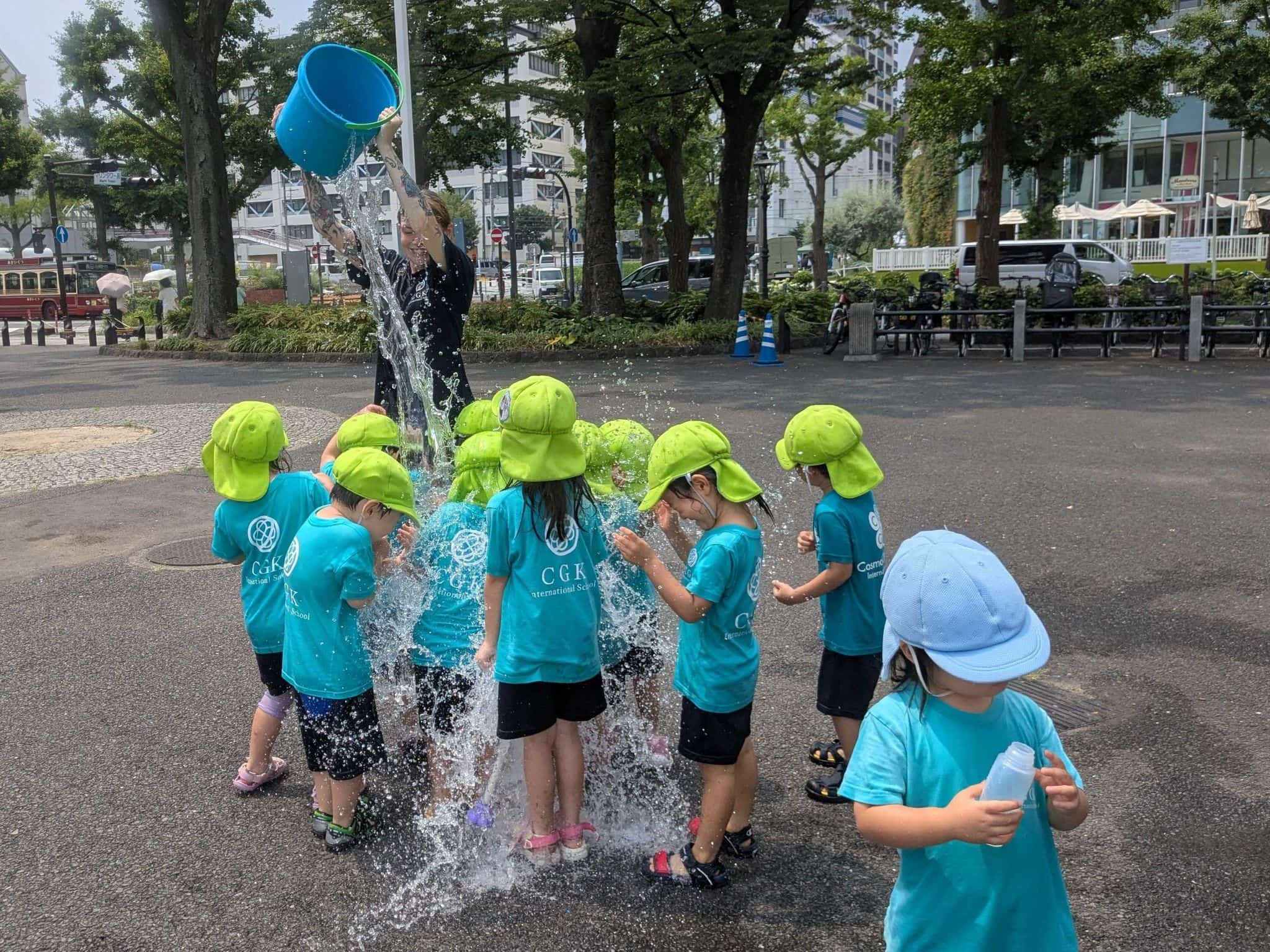
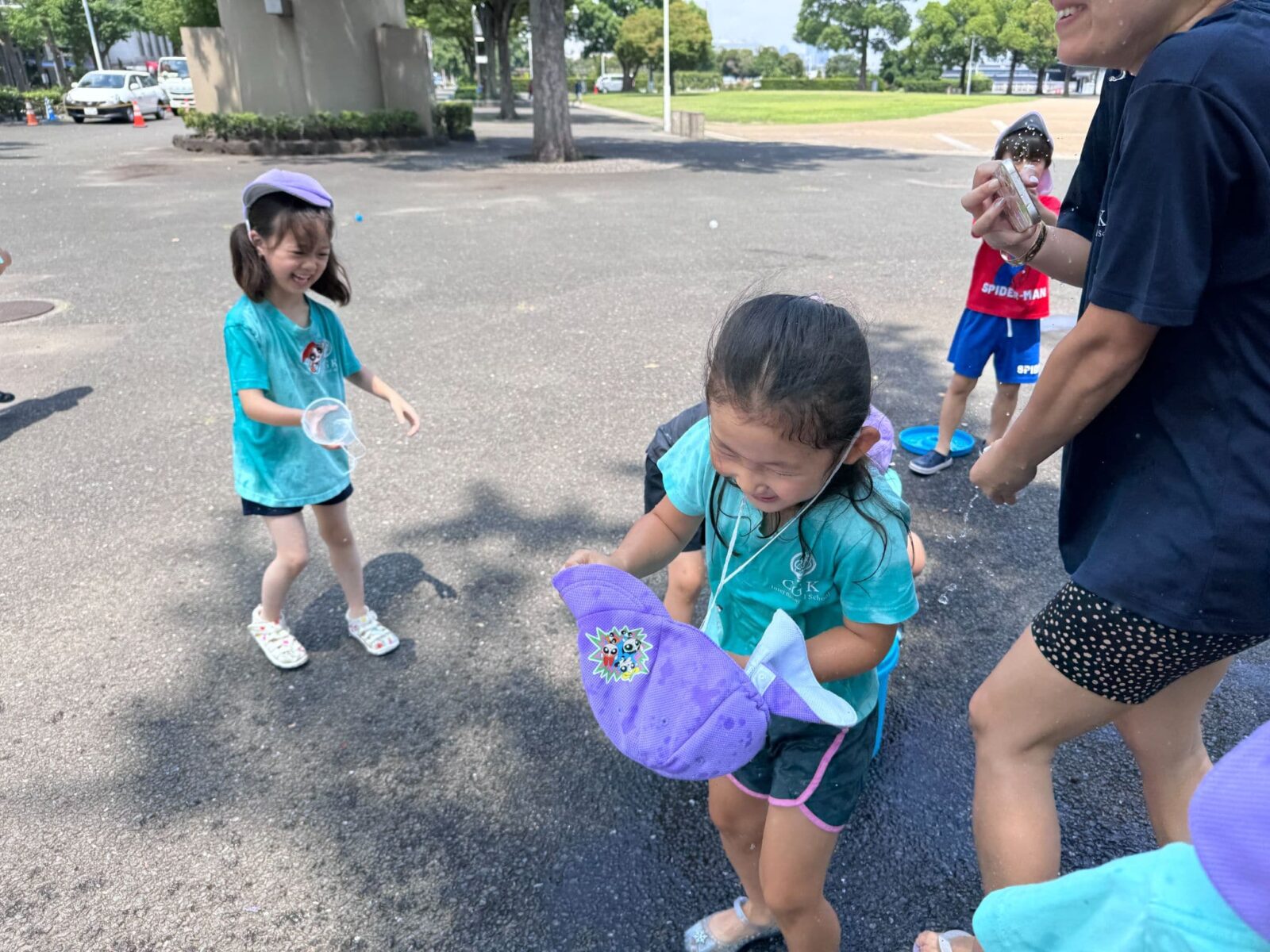
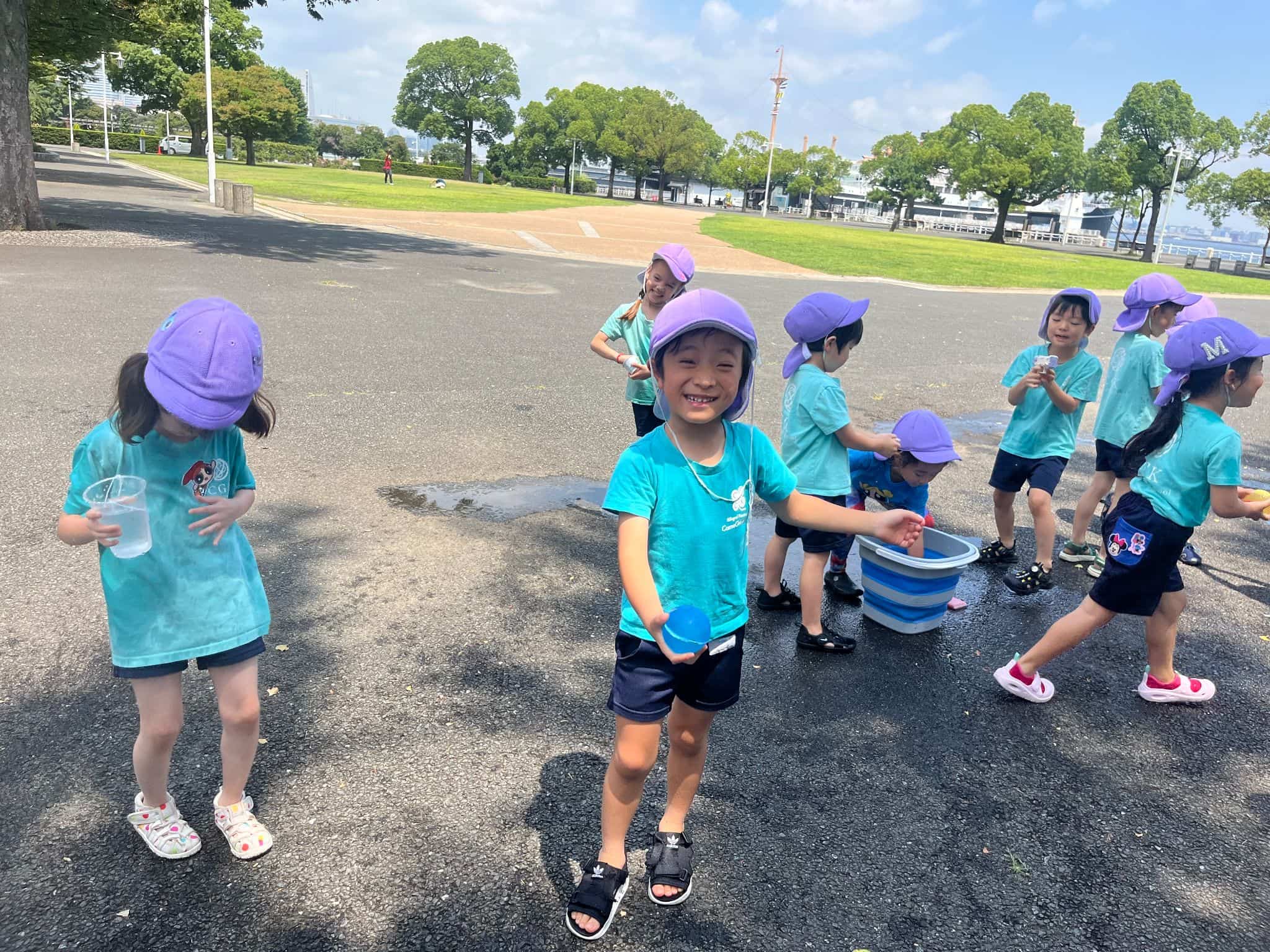
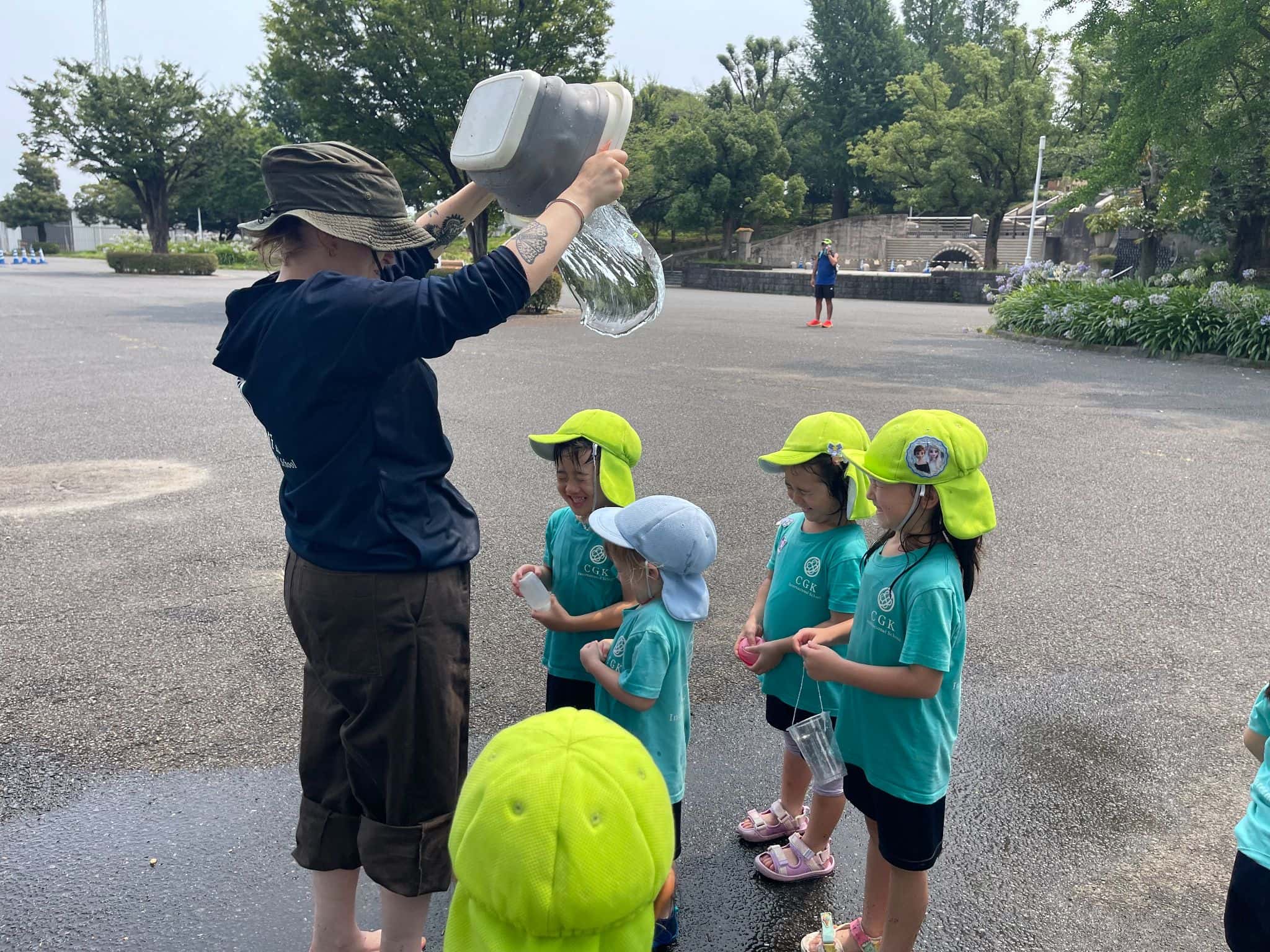
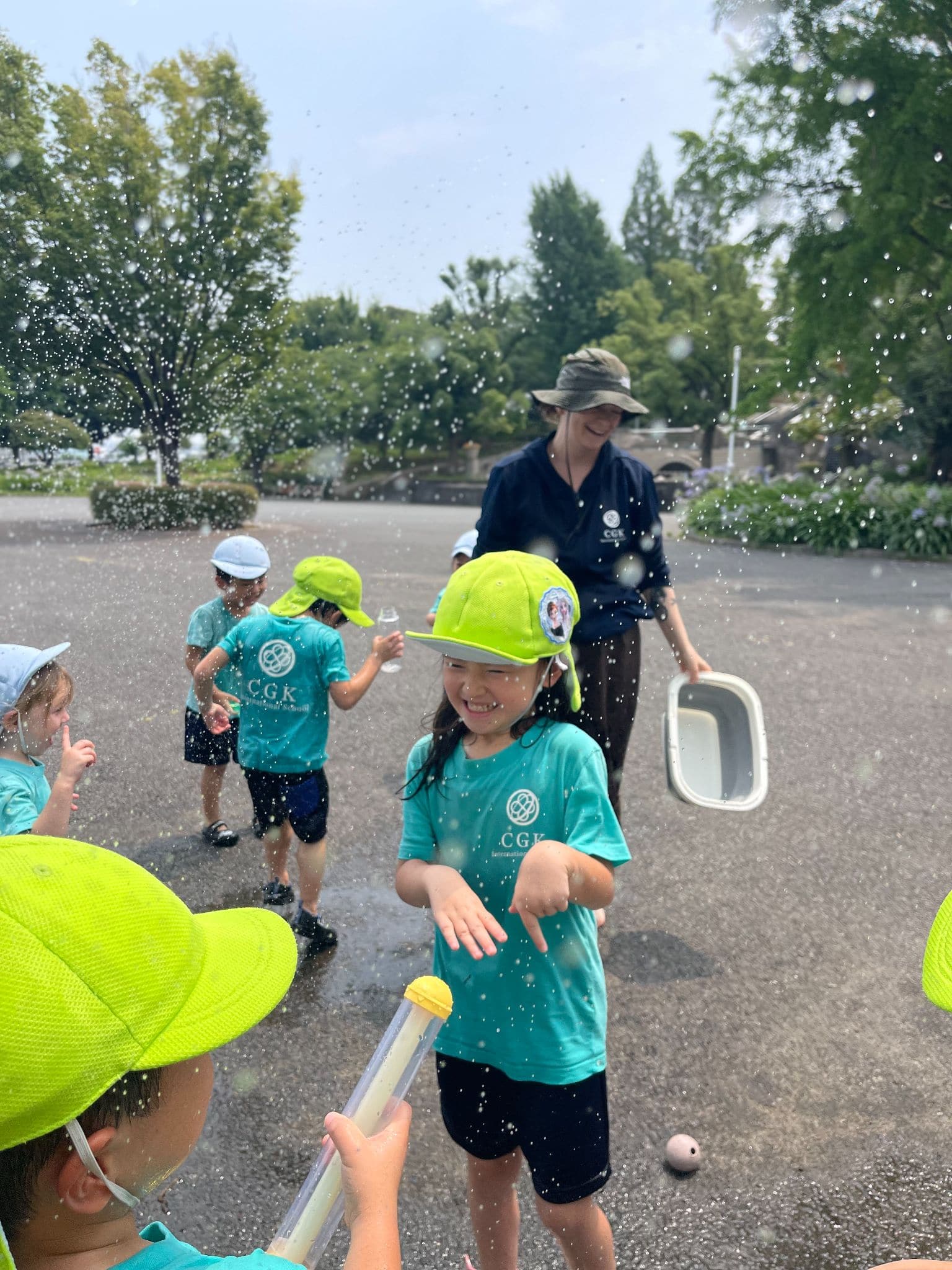
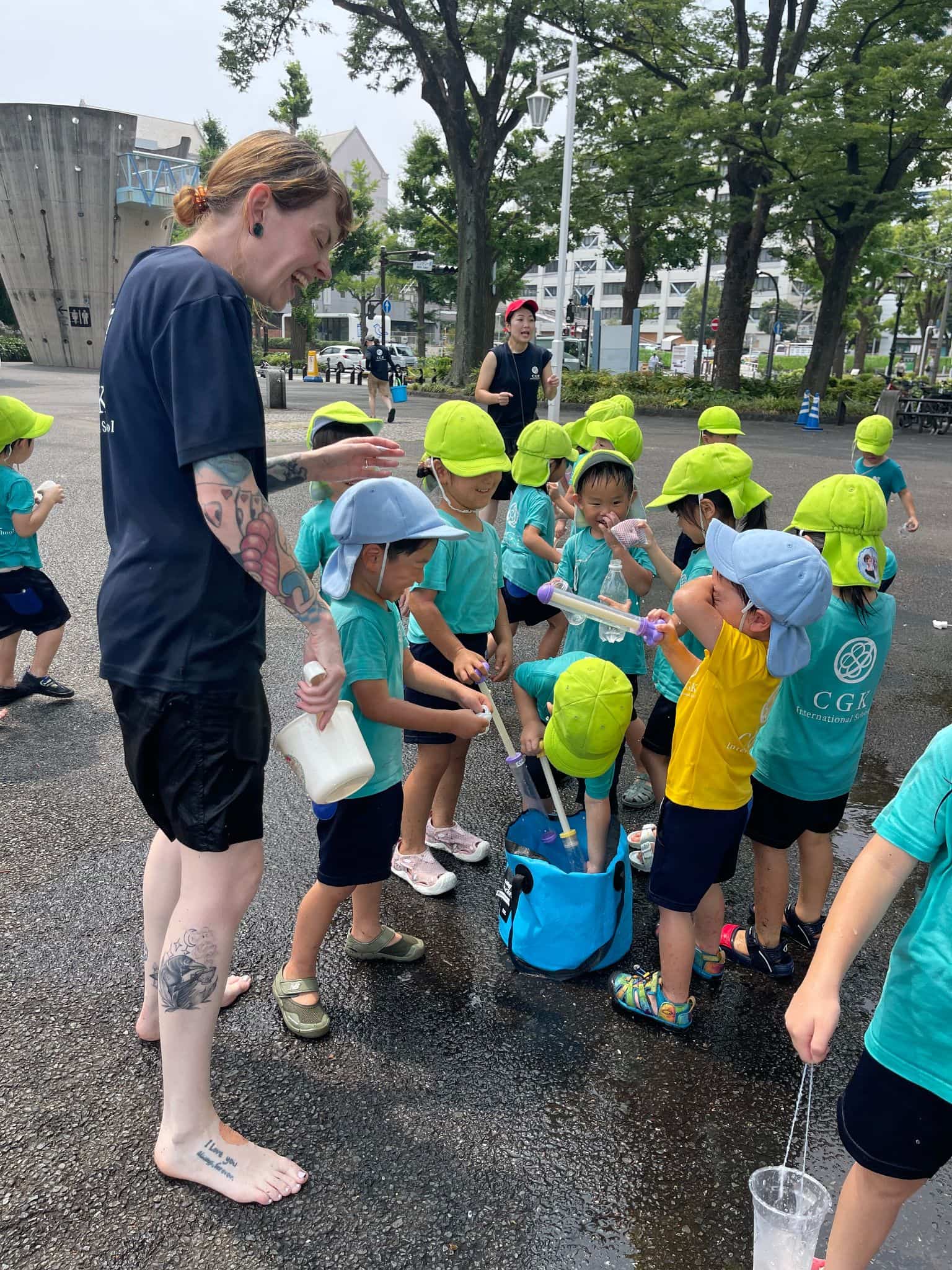
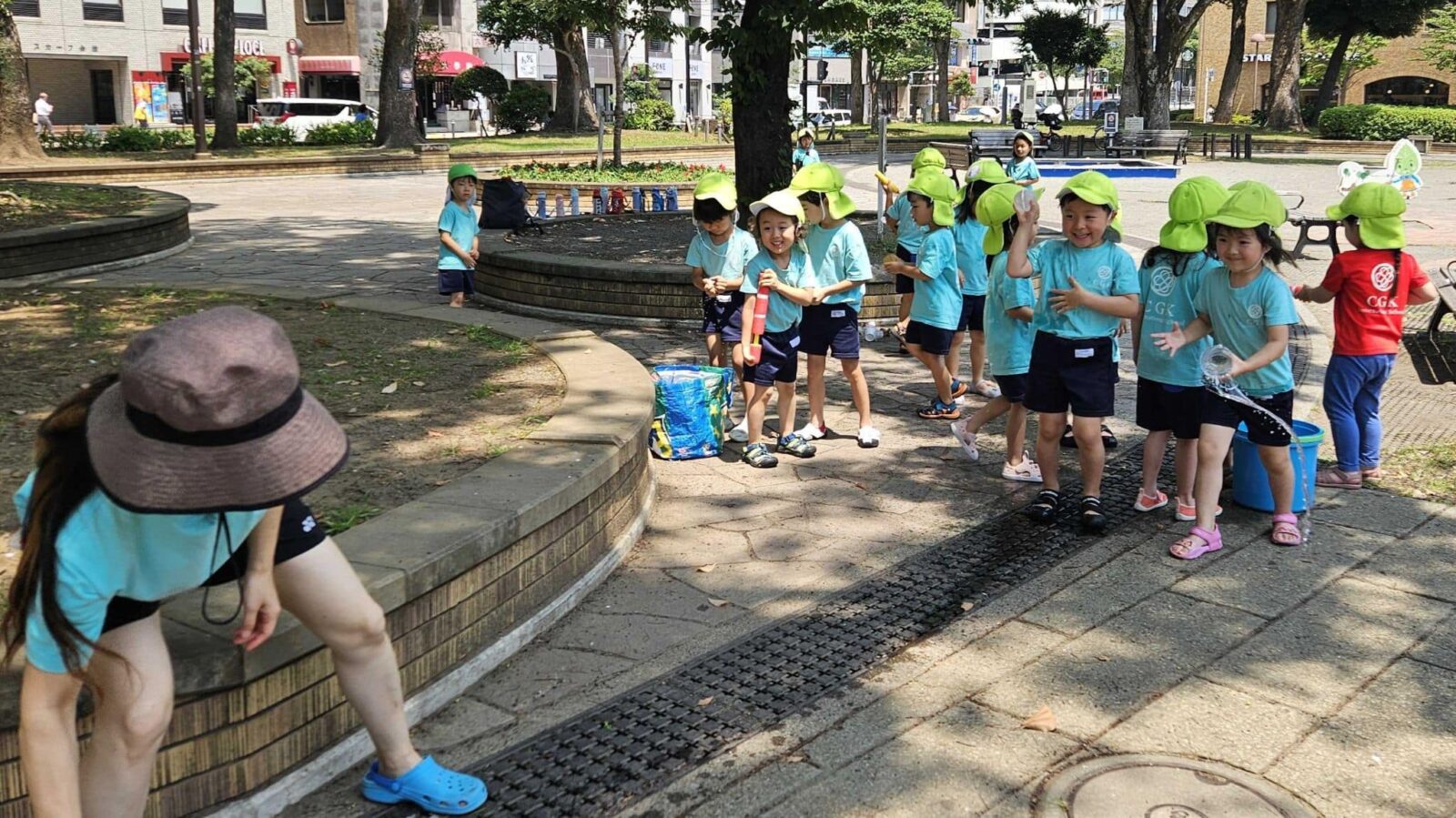
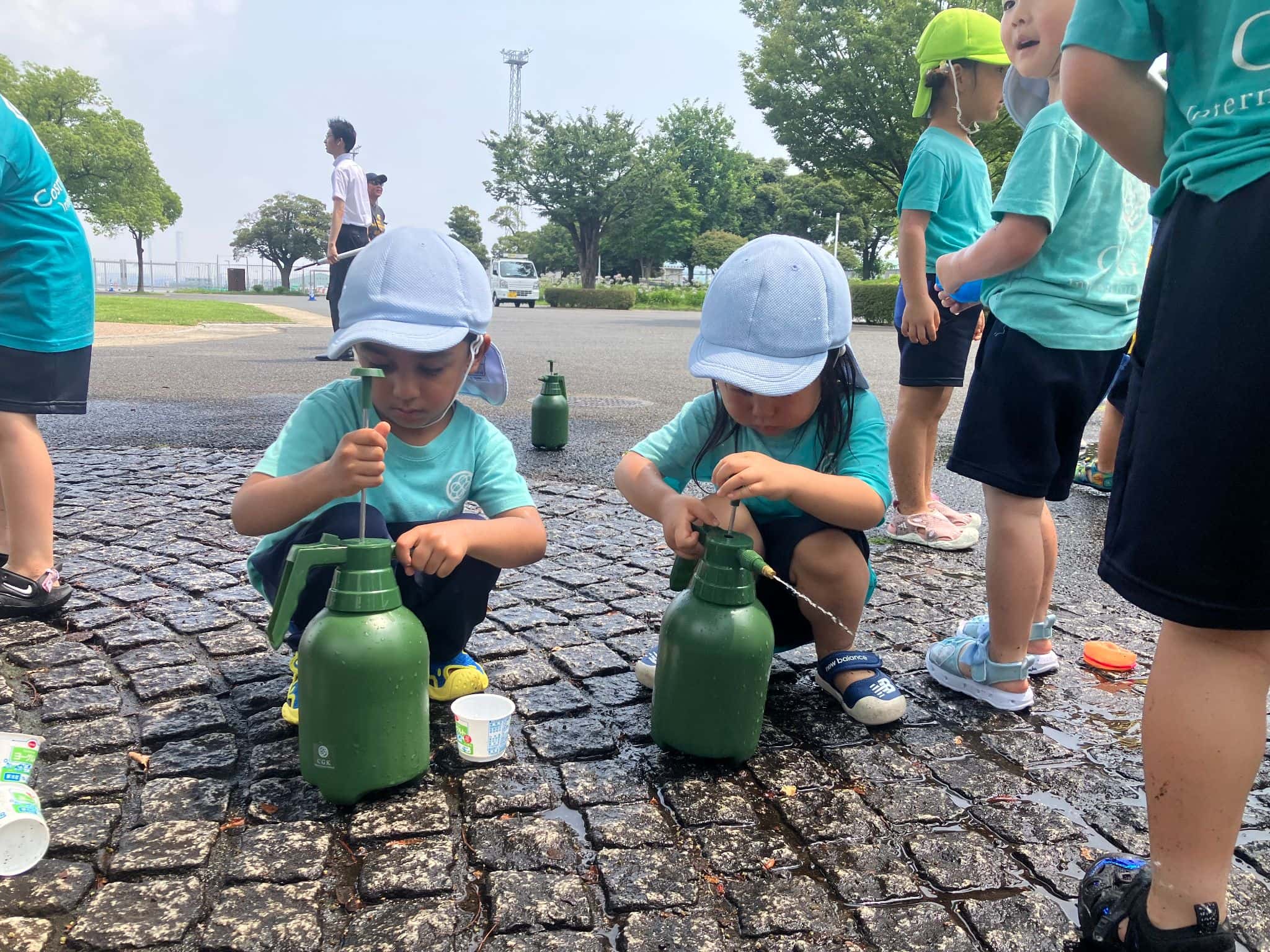
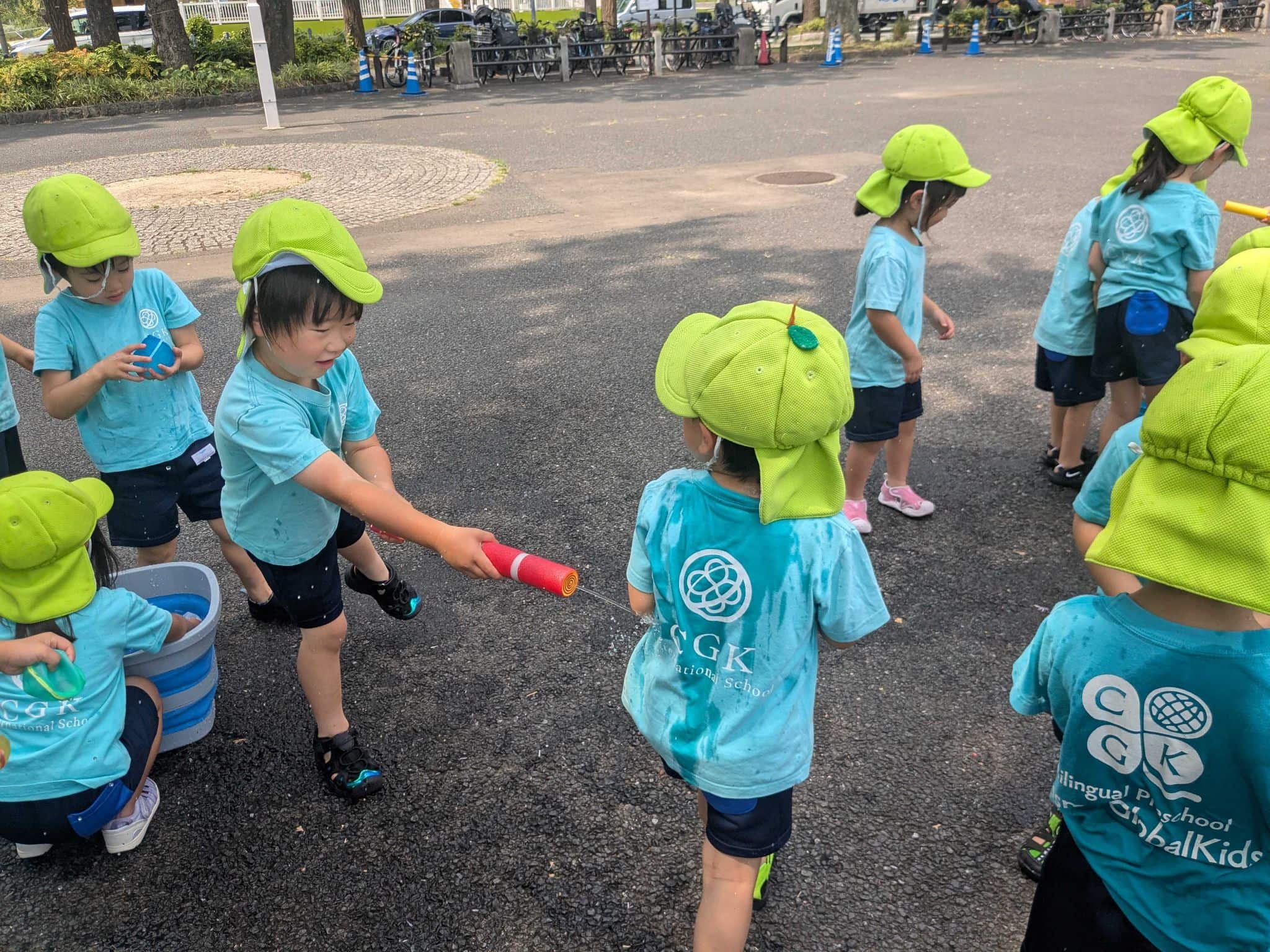
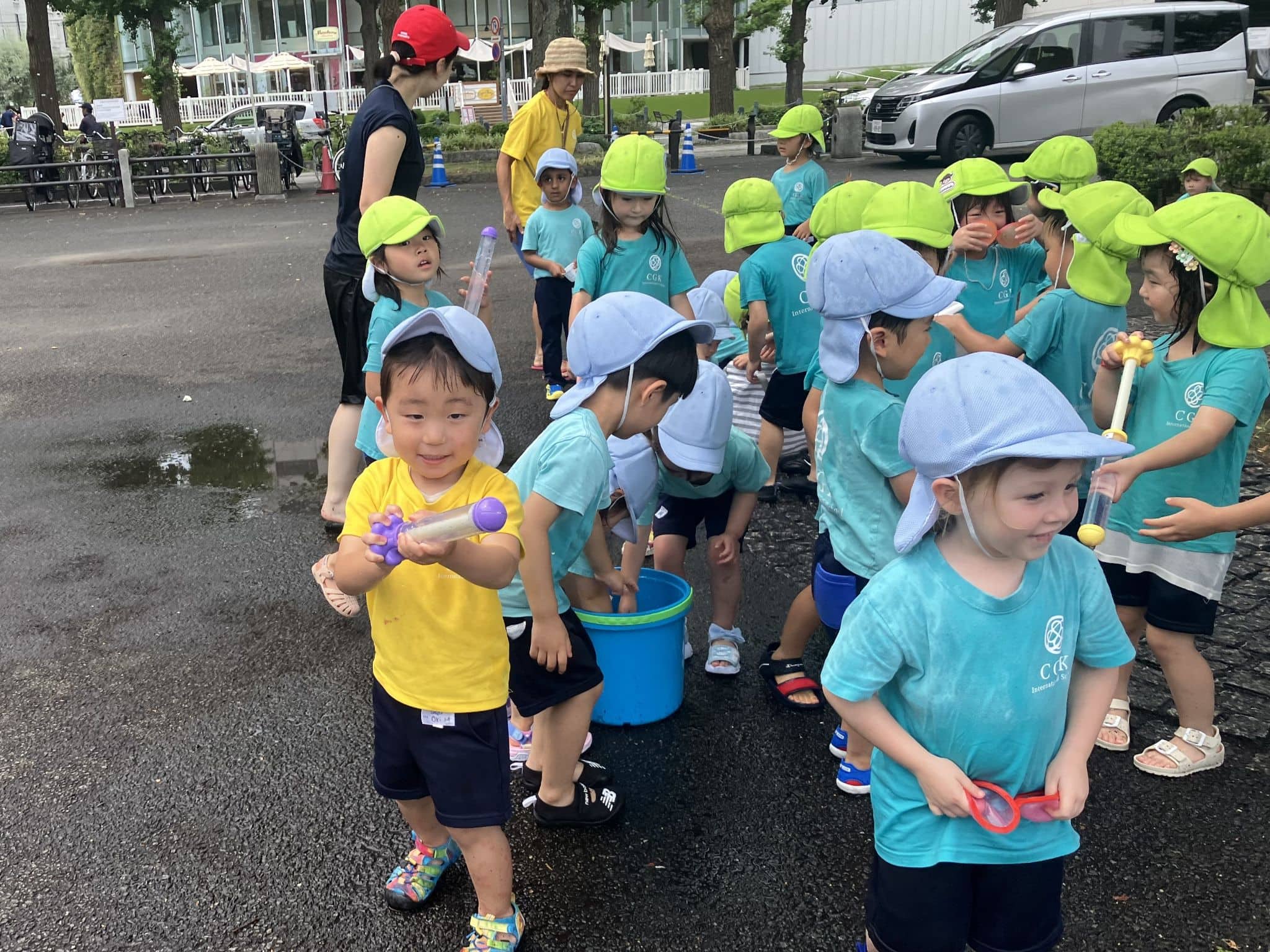
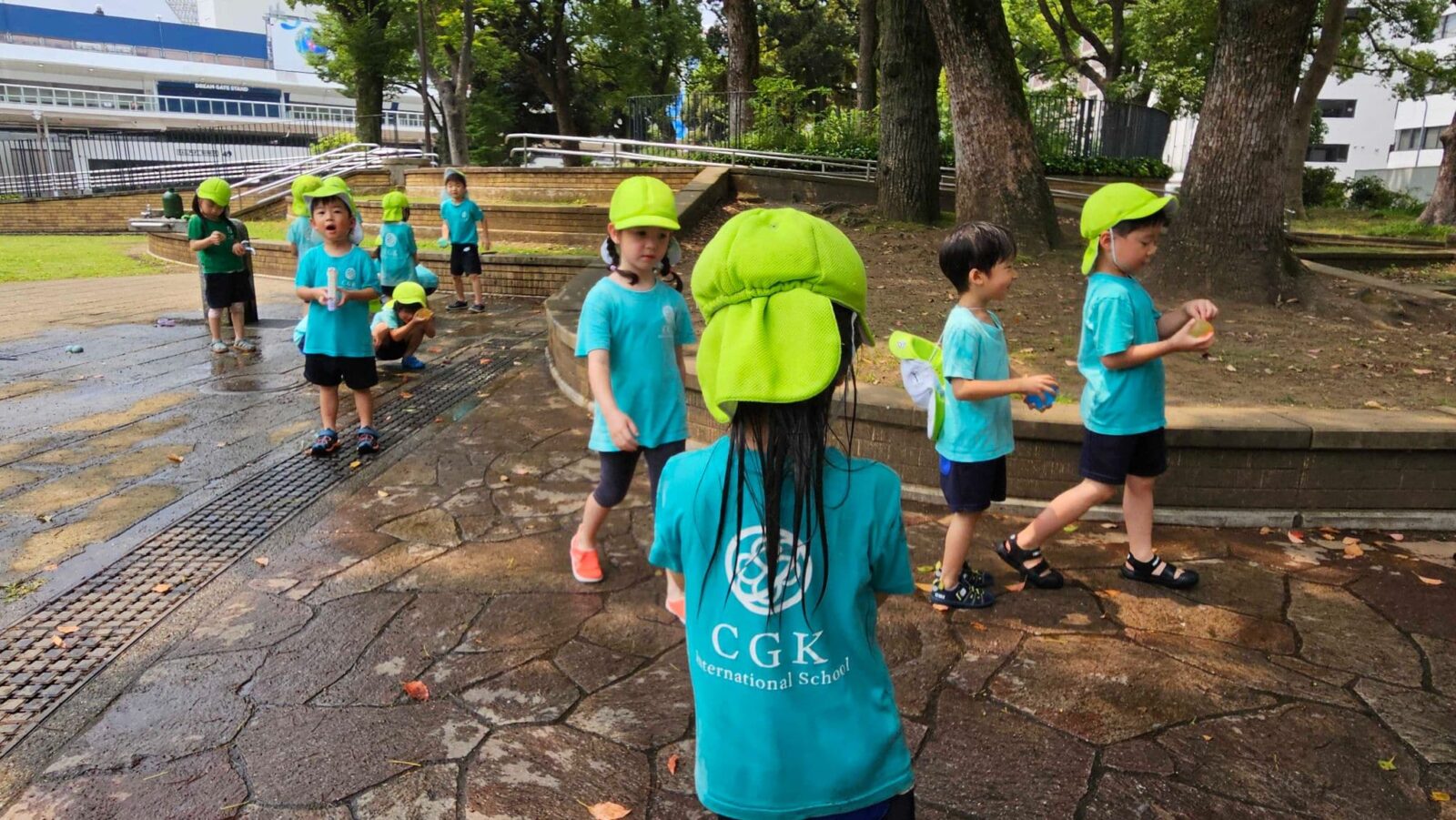
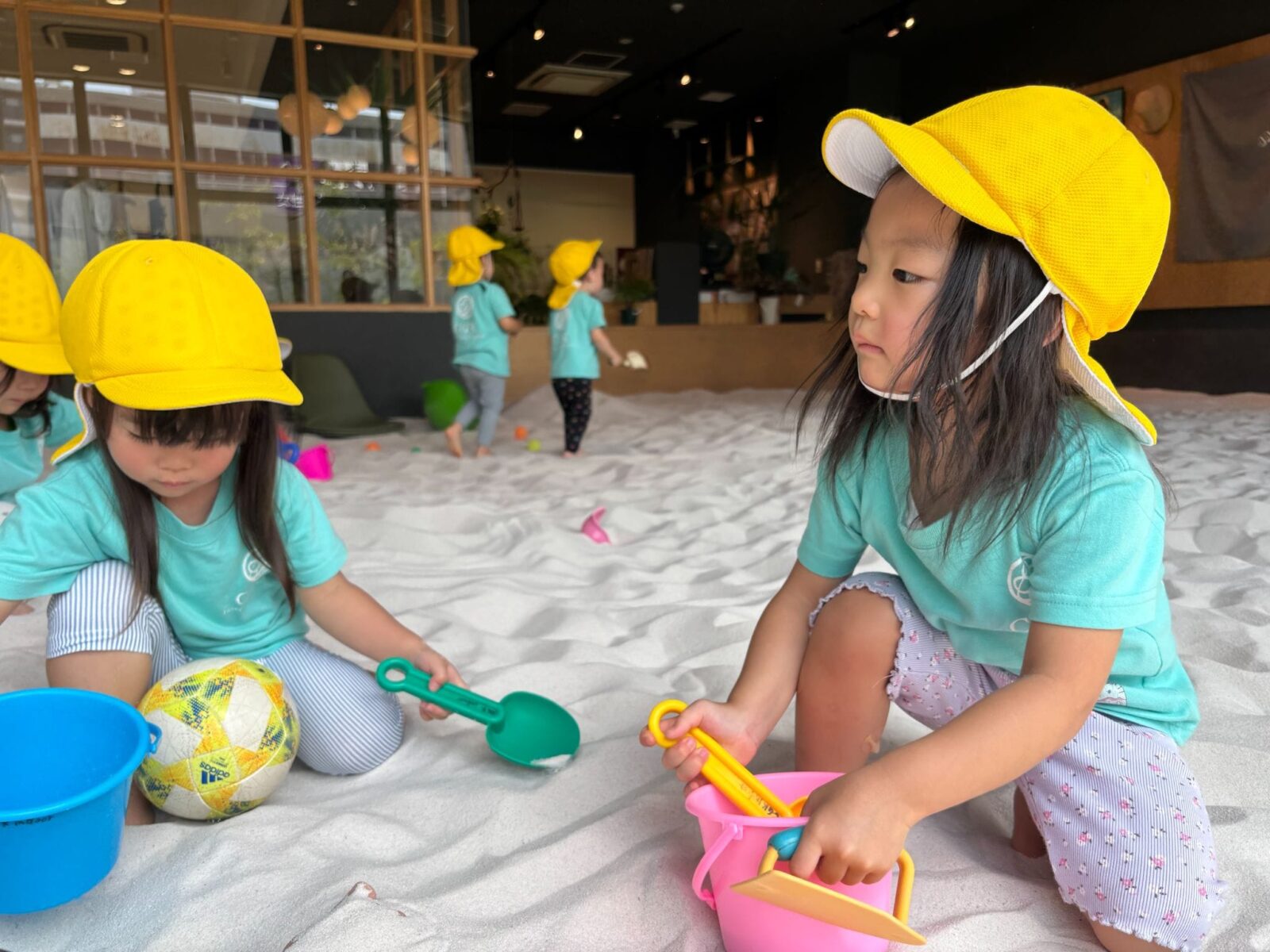
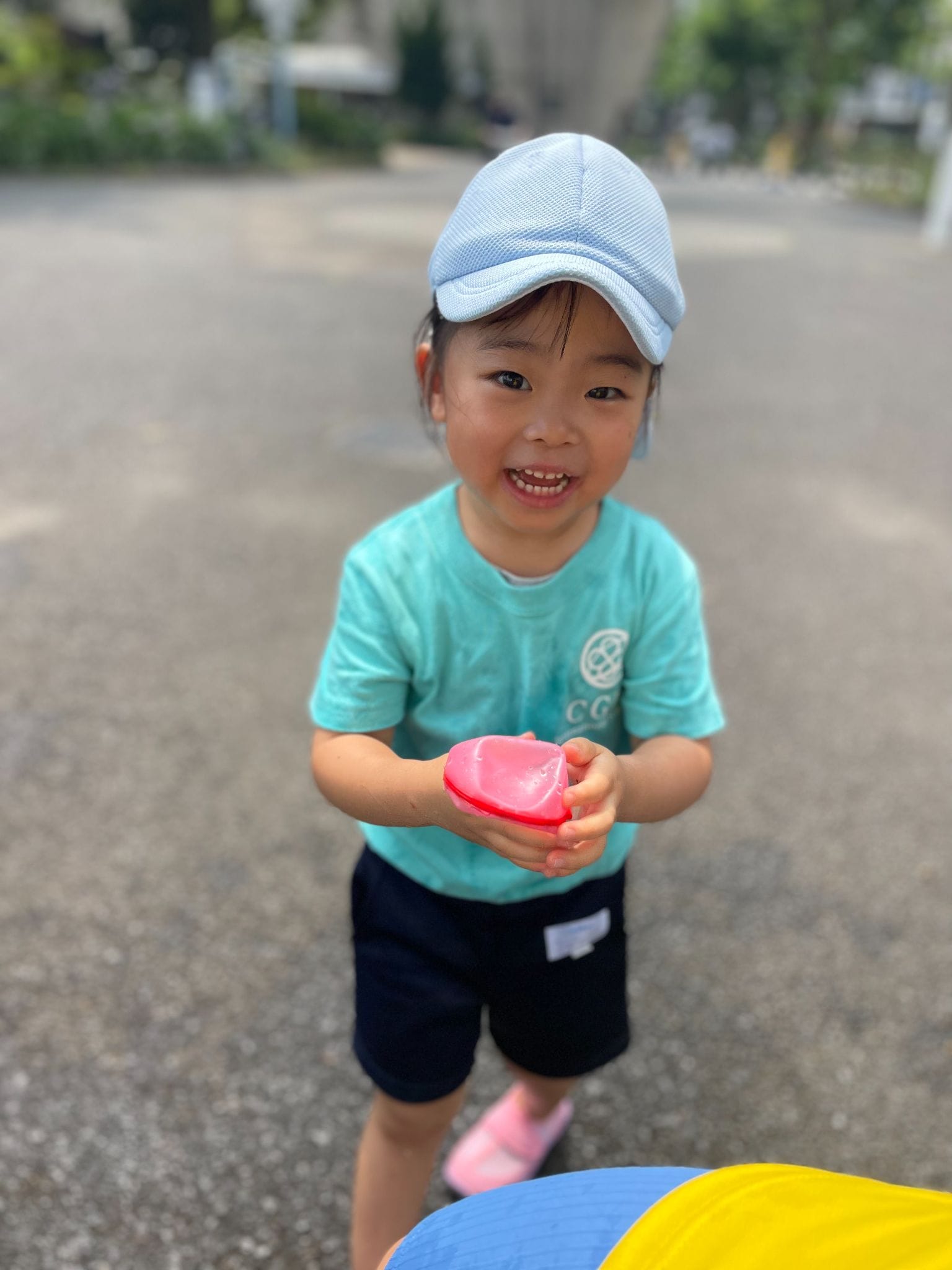
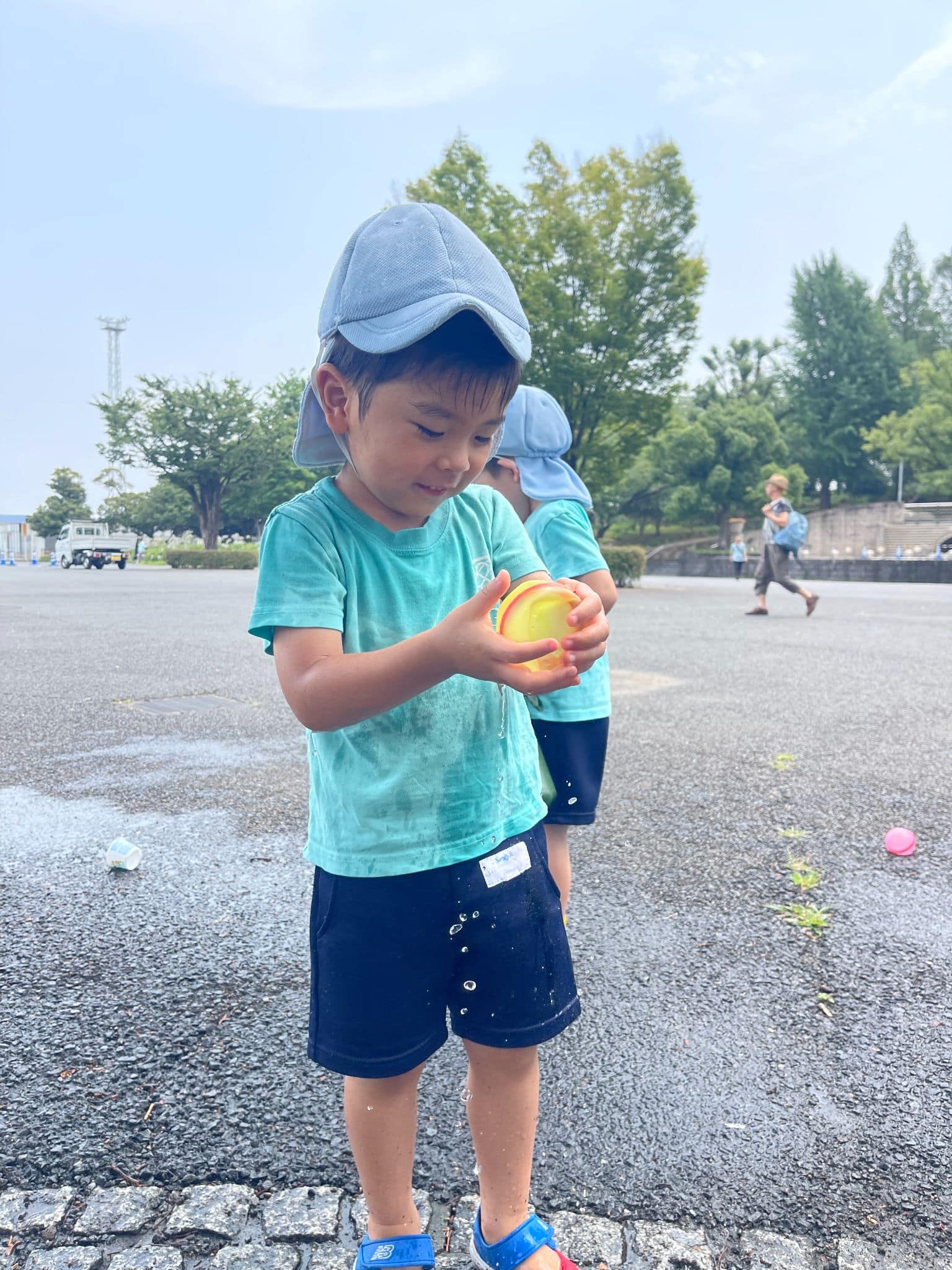
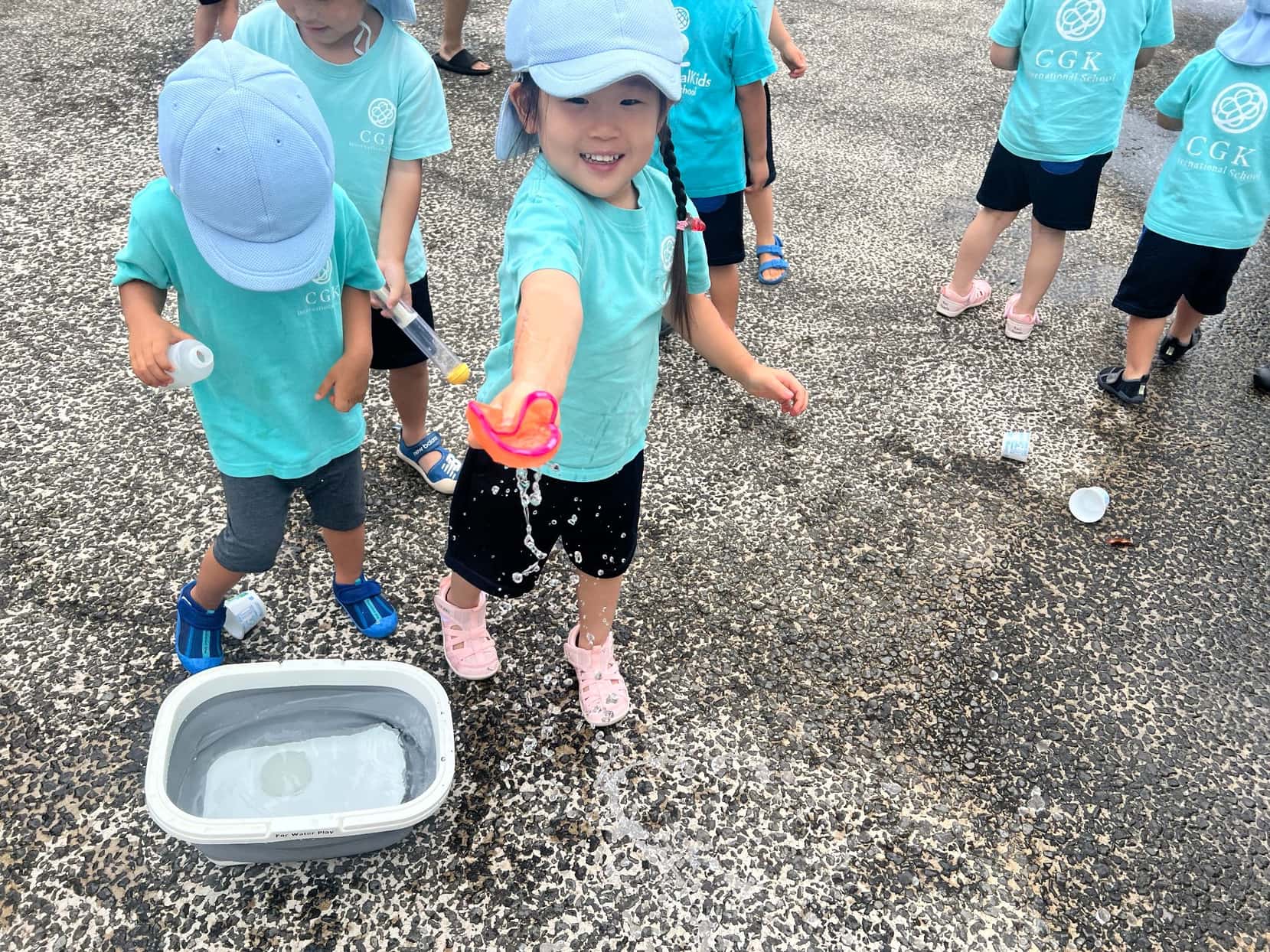
With summer in Japan now well and truly underway, heat and humidity have become part of our daily lives. We have been finding relief by making the most of water play at nearby parks, giving both the children and their teachers a refreshing and joyful opportunity to splash away the heat. As with all play at CGK, water play is also rich in learning opportunities. Children experiment with how water flows and how it can be transported, build courage, and practice being caring and respectful when splashing with friends. Families, please ensure that your child has a spare set of clothes to change into after water play.
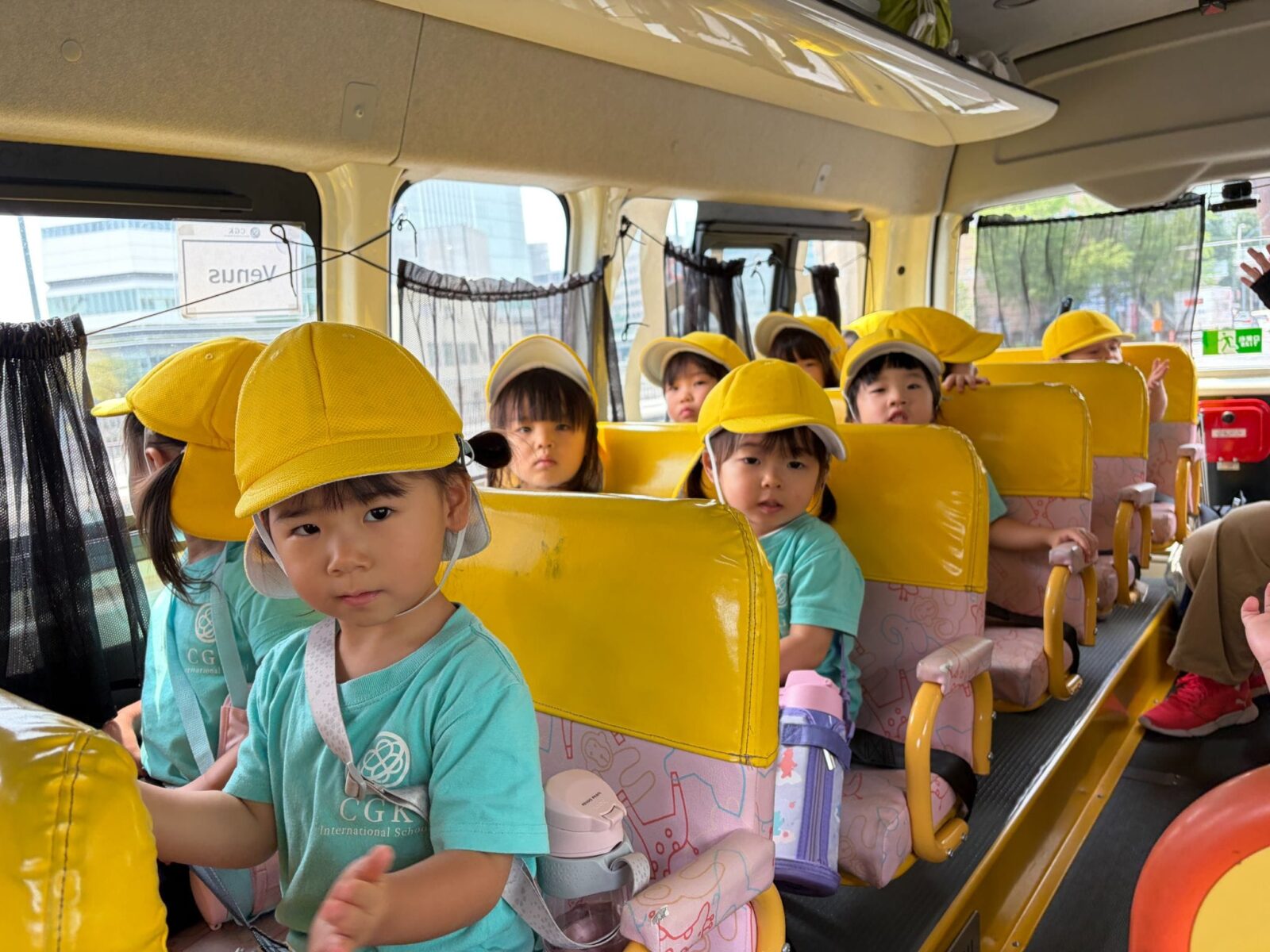
Our Ocean friends travel in air-conditioned CGK buses to nearby indoor play areas or parks with plenty of shade.
Although we do our best to find safe ways for the children to stay active during the summer months, we also check the heat stress index issued by Japan's Ministry of the Environment every day to ensure that children and staff can spend time outdoors safely.
Preschool will be closed for summer break from August 6 to 16. We hope the rest of the summer is gentle on everyone—and that your favorite summer snacks and drinks remain cool, refreshing, and plentiful!
CGK Awards
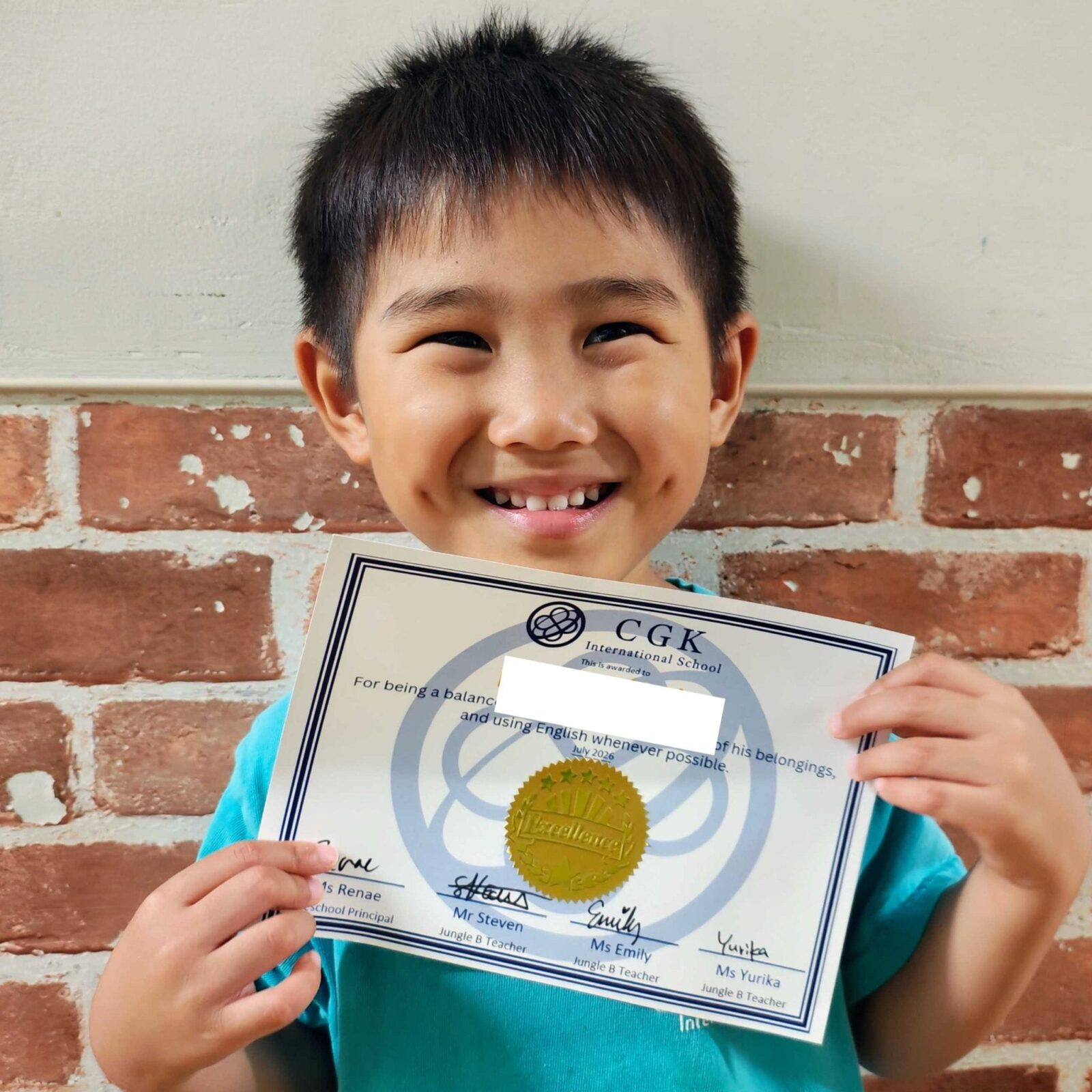
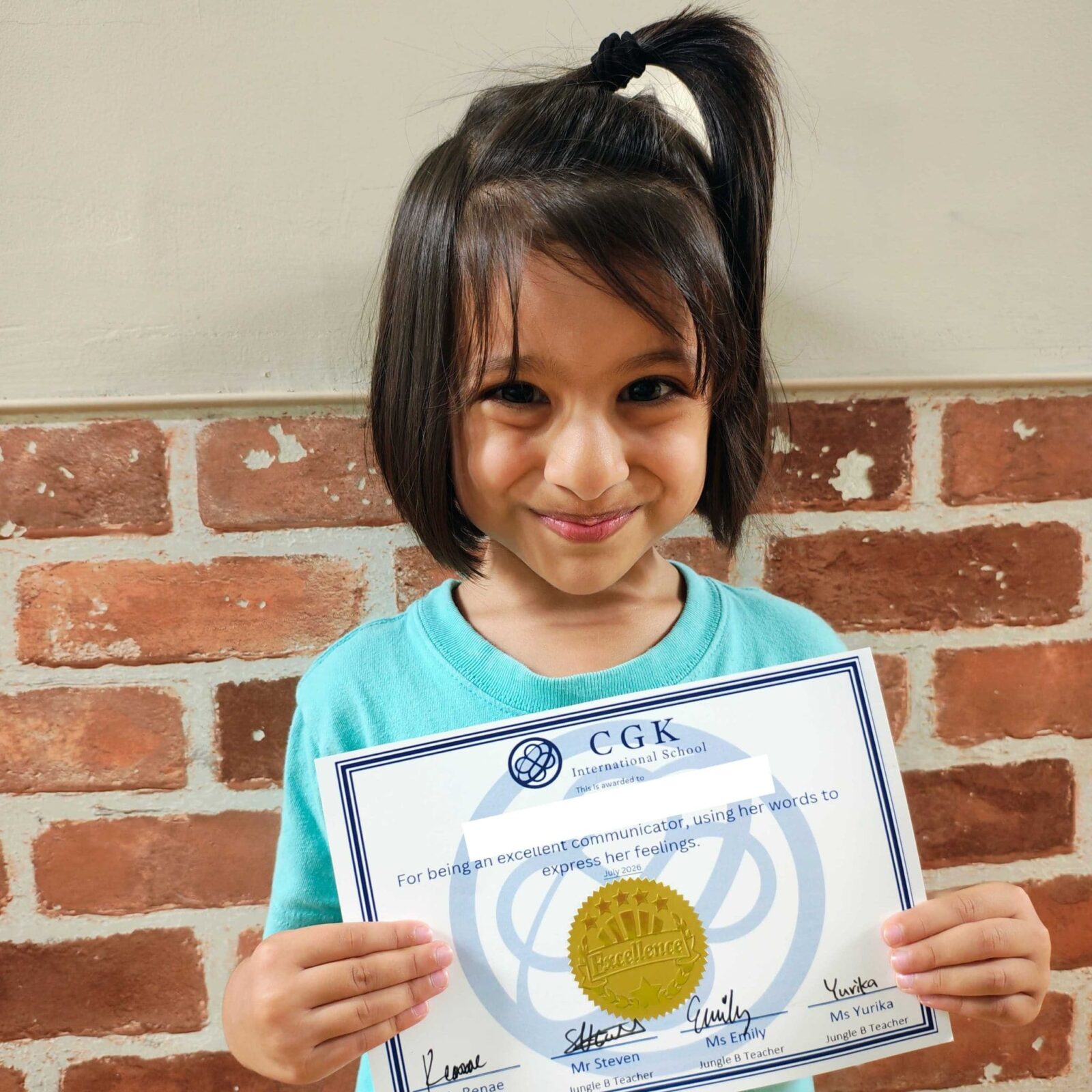
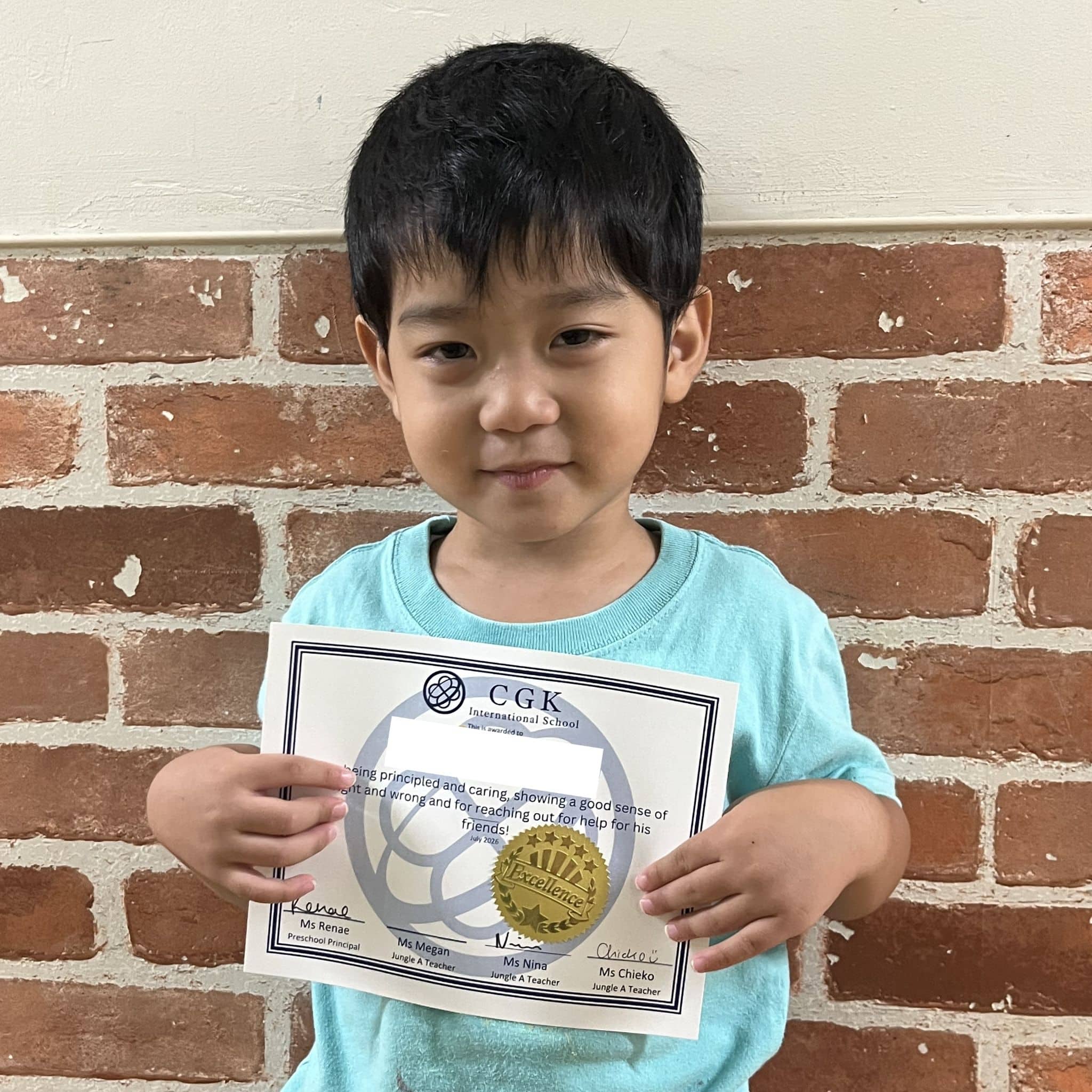
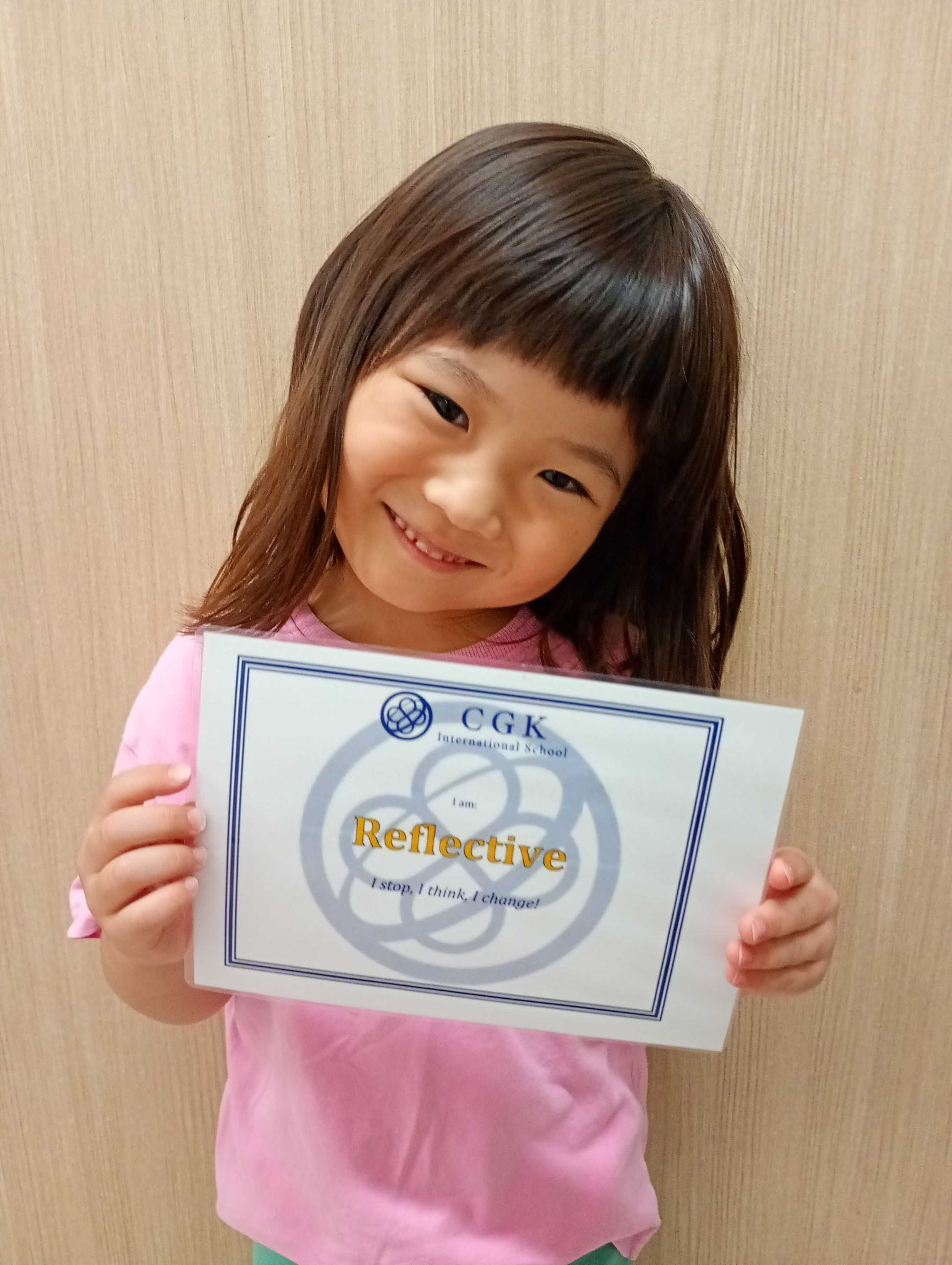
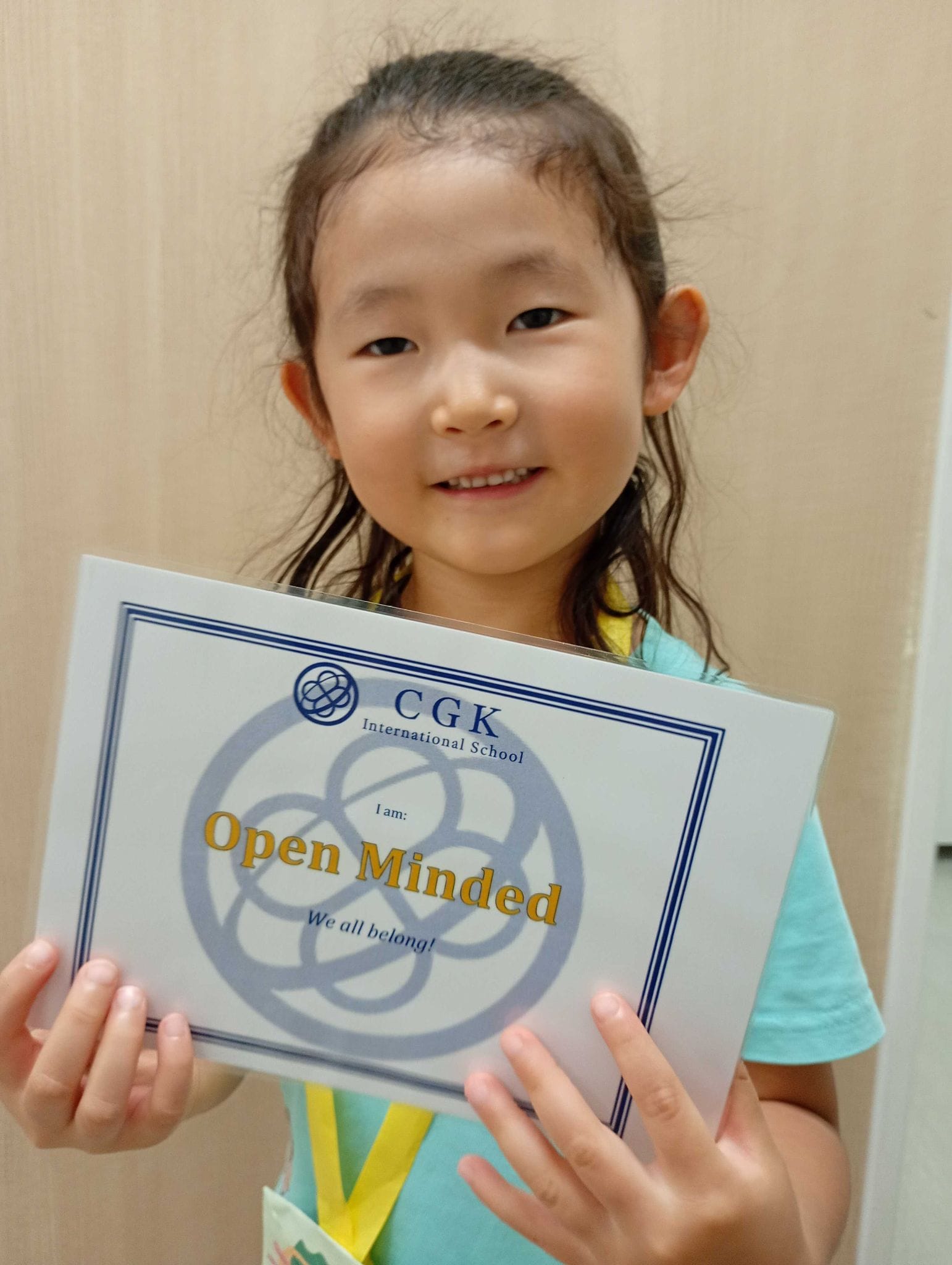
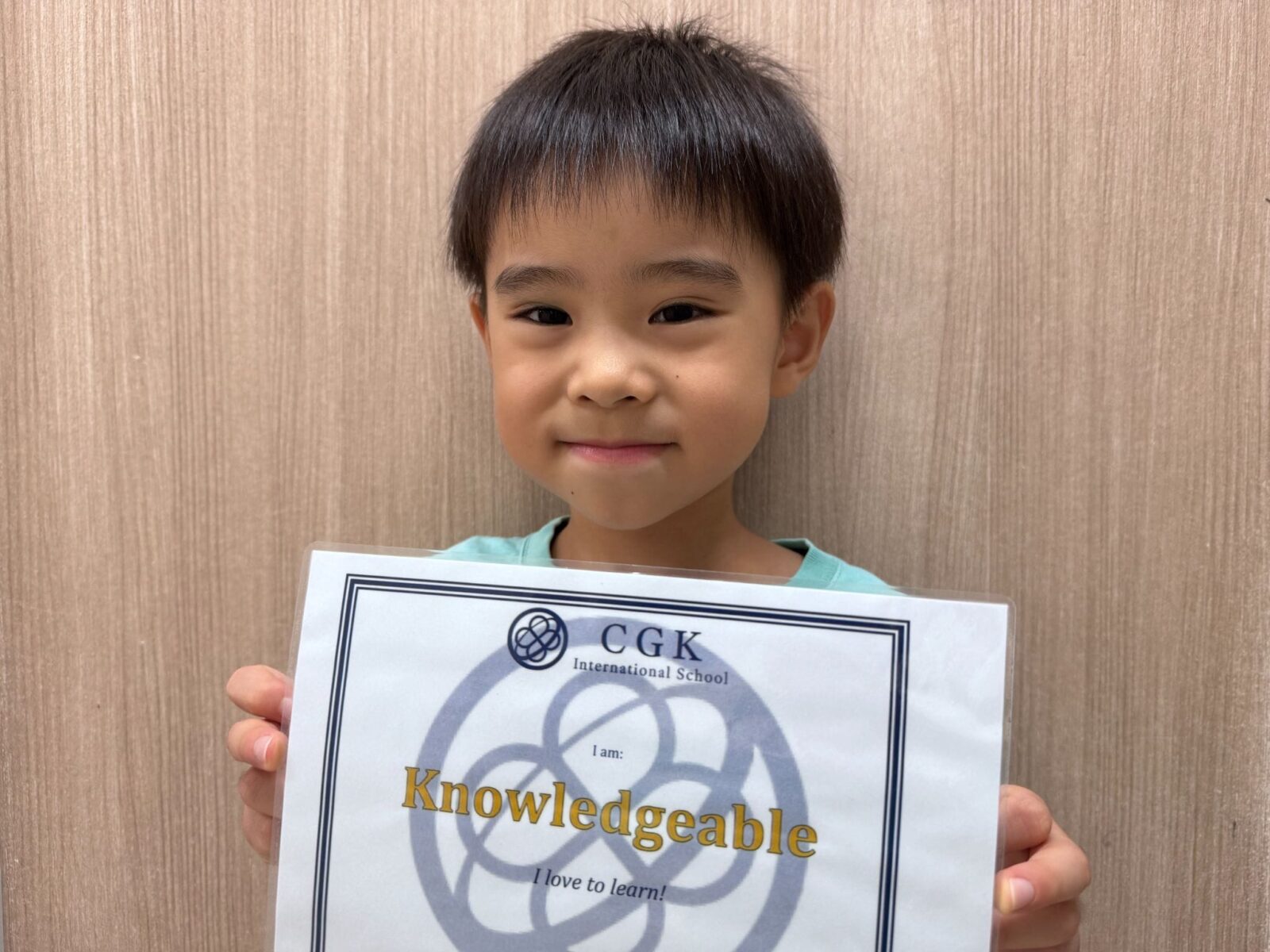
Welcome to the world-renowned, highly respected, and much-revered CGK Awards! Each month, we highlight children from every class who have demonstrated attributes of the International Baccalaureate (IB) Learner Profile. These are qualities that we hope our children will develop and share with the wider world. This month's CGK Achievement Award recipients are:
Jungle A (3-year-olds)
- S - For being principled, showing a strong sense of right and wrong, and reaching out for help on behalf of his friends!
Jungle B (3-year-olds)
- K - For being a balanced communicator, taking care of his belongings, and using English whenever possible.
- S - For being an excellent communicator and using her words to express her feelings.
Mountain A (4-year-olds)
- C. - For looking out for her classmates during daily transitions, noticing when a friend needs help with their belongings, and stepping in with kindness.
- K. - For working hard to express his wants, ideas, and needs clearly to both teachers and friends in English.
- H. - For making connections! He remembers concepts, vocabulary, and facts with ease and then applies them to new classroom provocations.
Mountain B (4-year-olds)
- H. - For growing as a balanced learner by learning to understand and manage his feelings, playing and speaking kindly with others, and moving smoothly between activities.
- M. - For her positive attitude toward learning. As she shared, “It was difficult, but I tried—and I did it!”
Sky (5-year-olds)
- E. - For being open-minded toward the new cultures she has learned about and thoughtfully considering her friends' ideas.
- T. - For remembering so much about the different places he learned about and helping to teach his friends.
Sky (5-year-olds)
Exploring Food Grown with LED Lights!
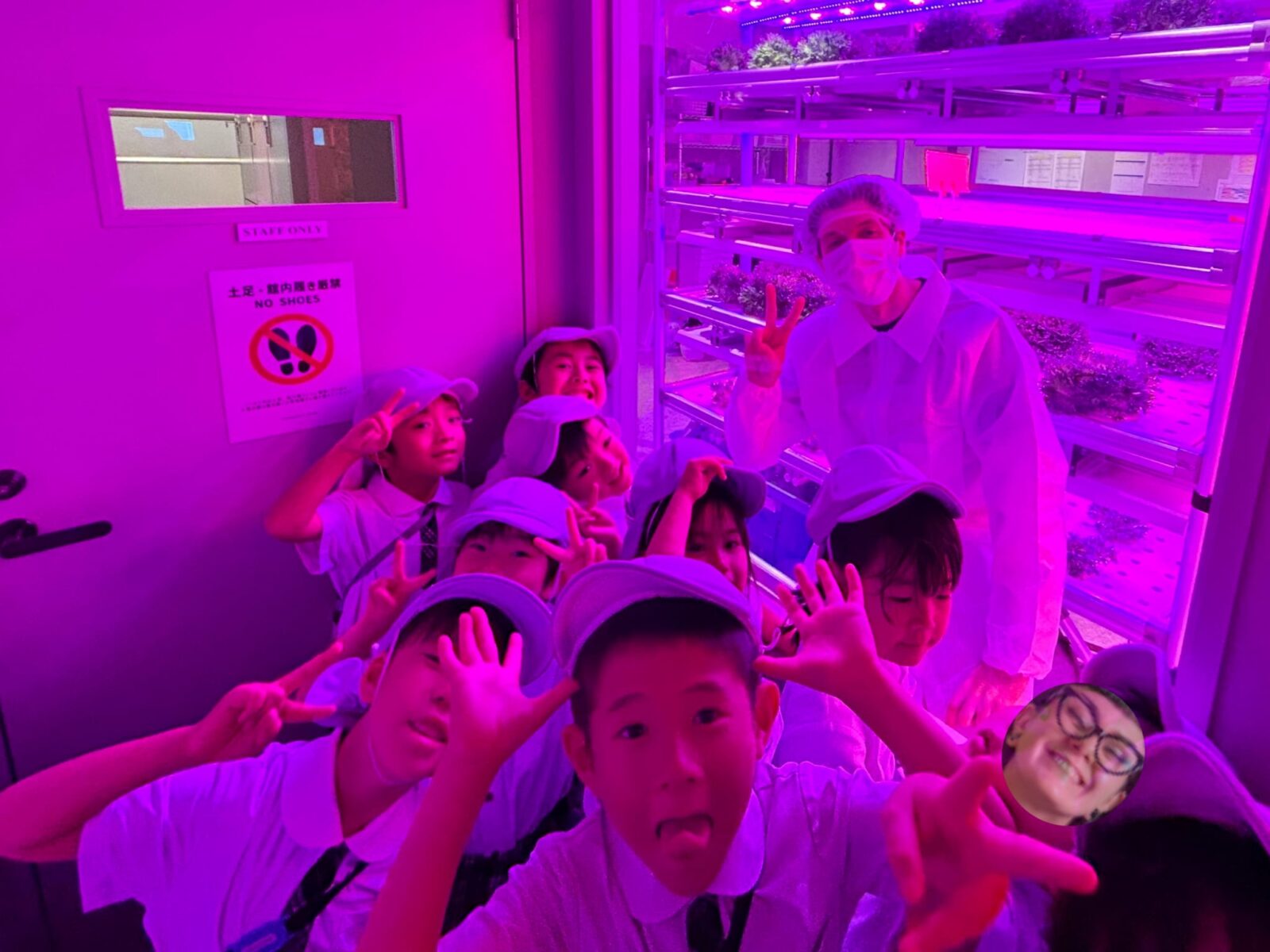
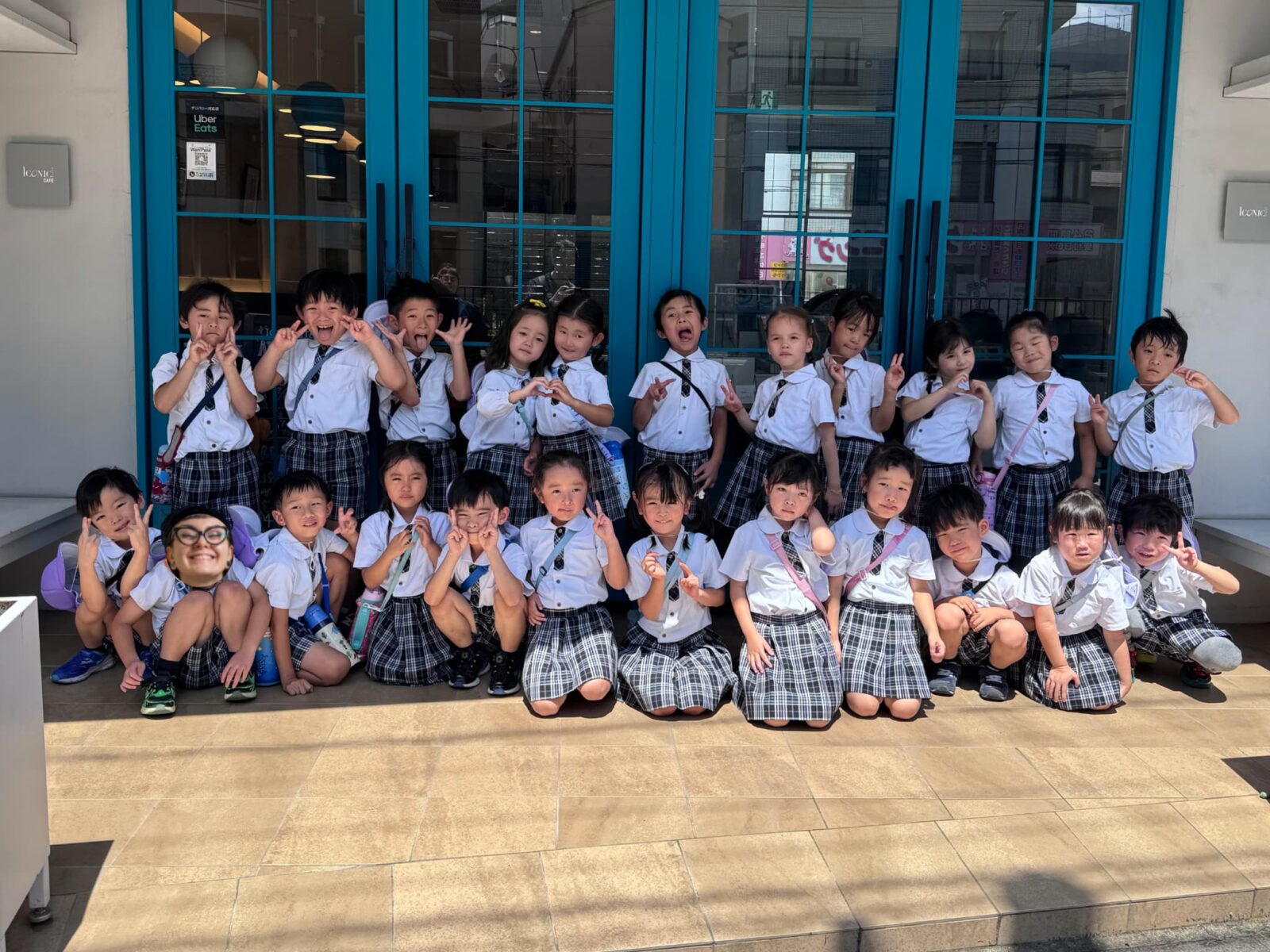
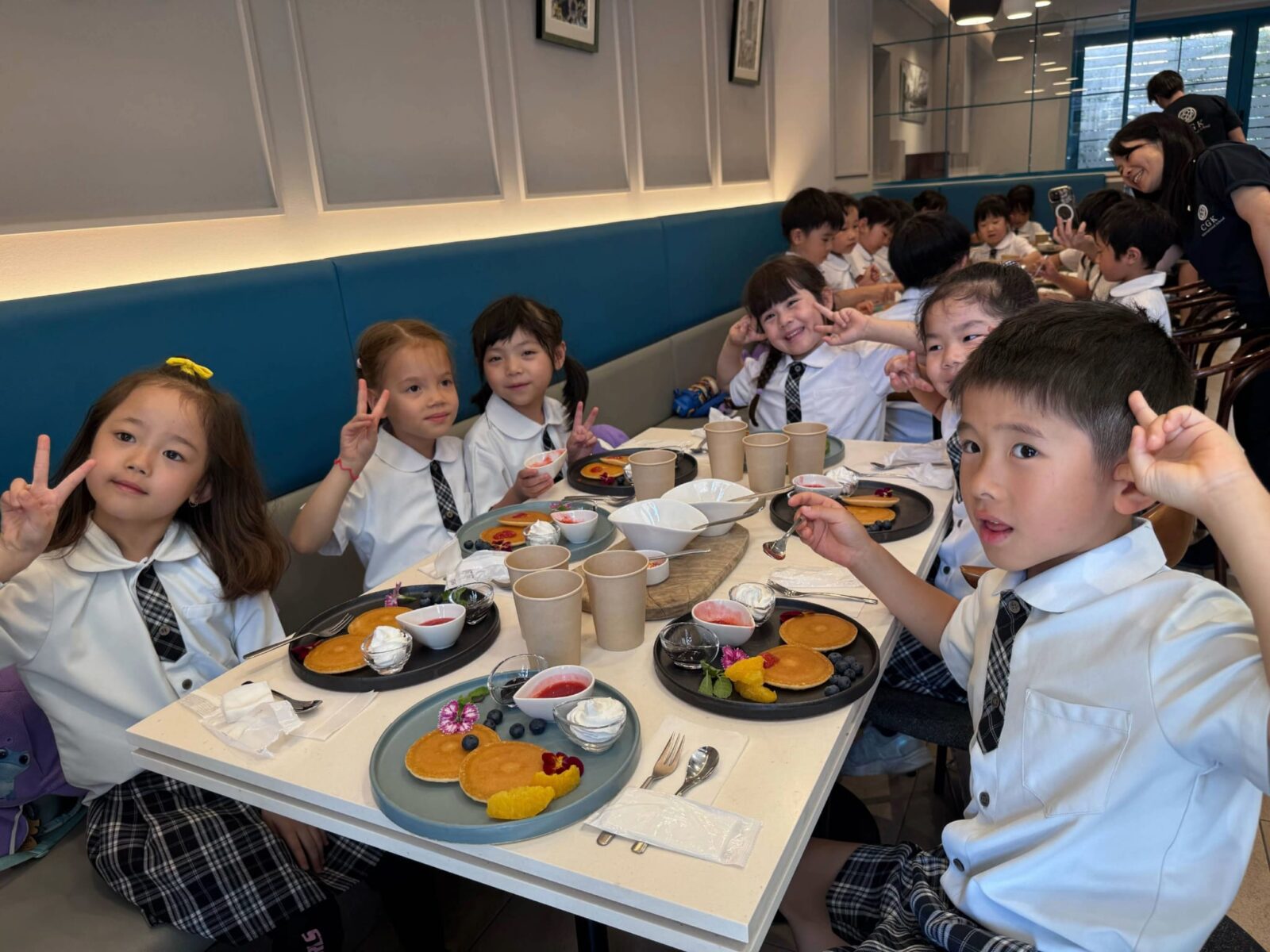
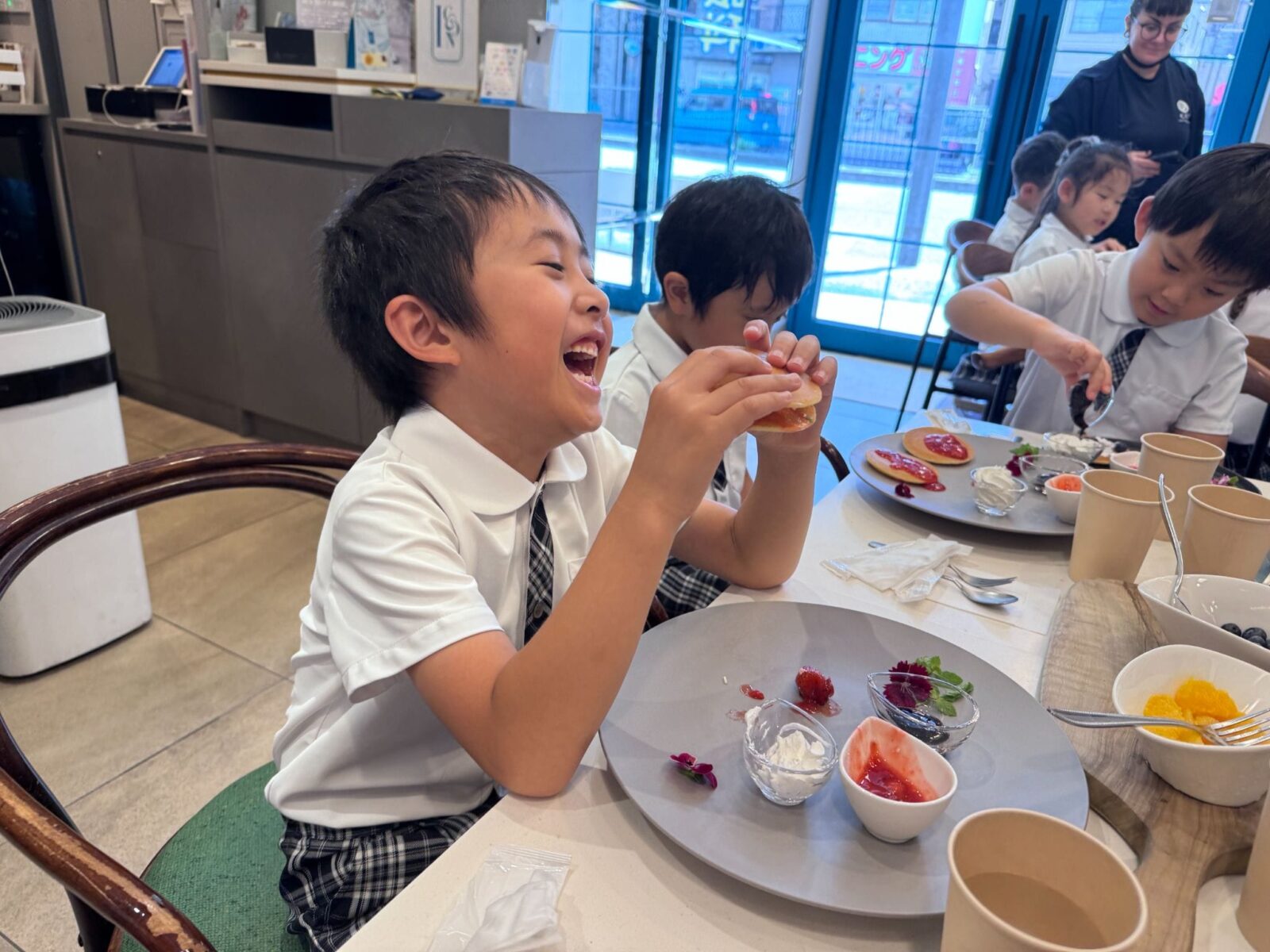
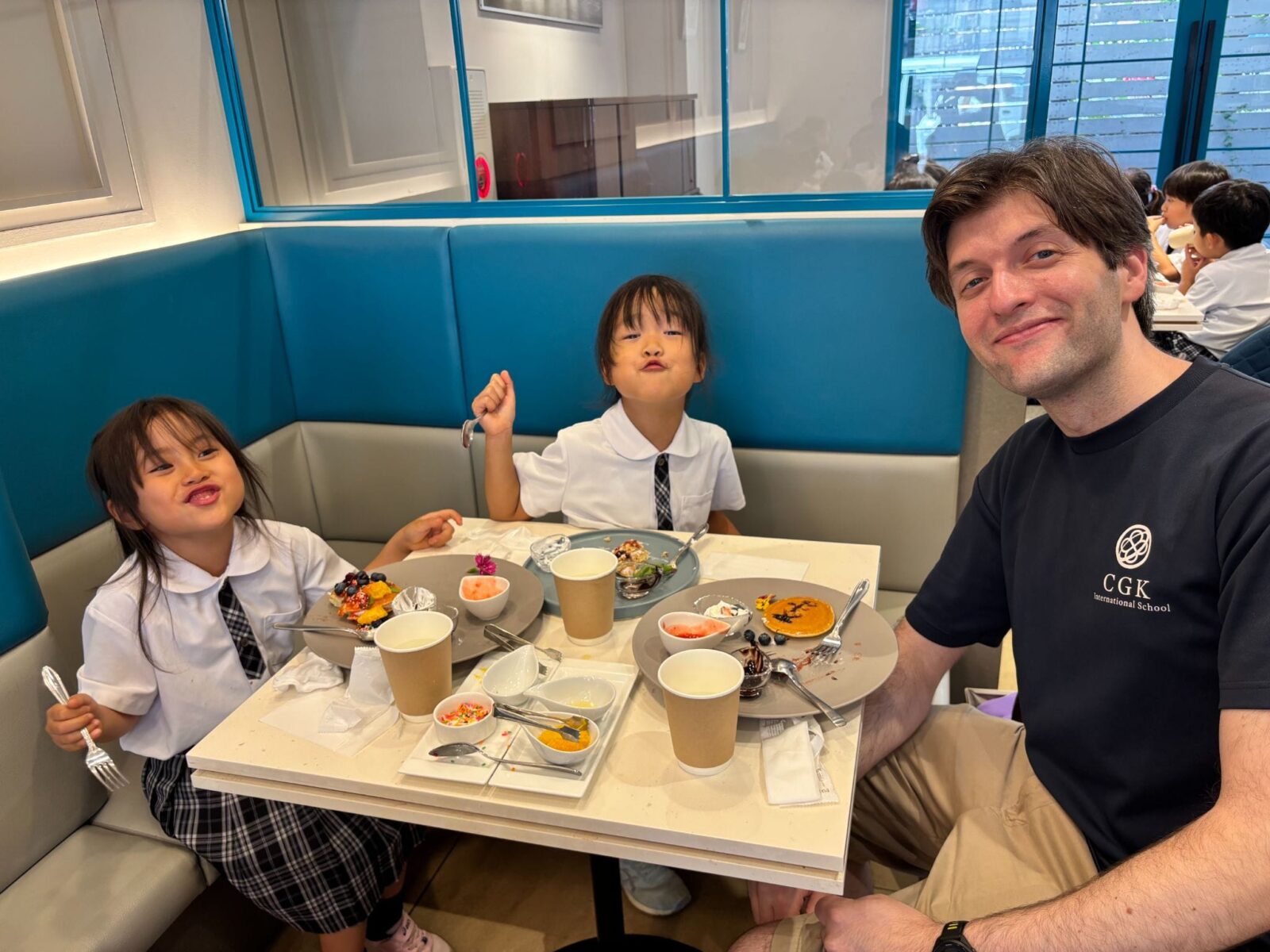
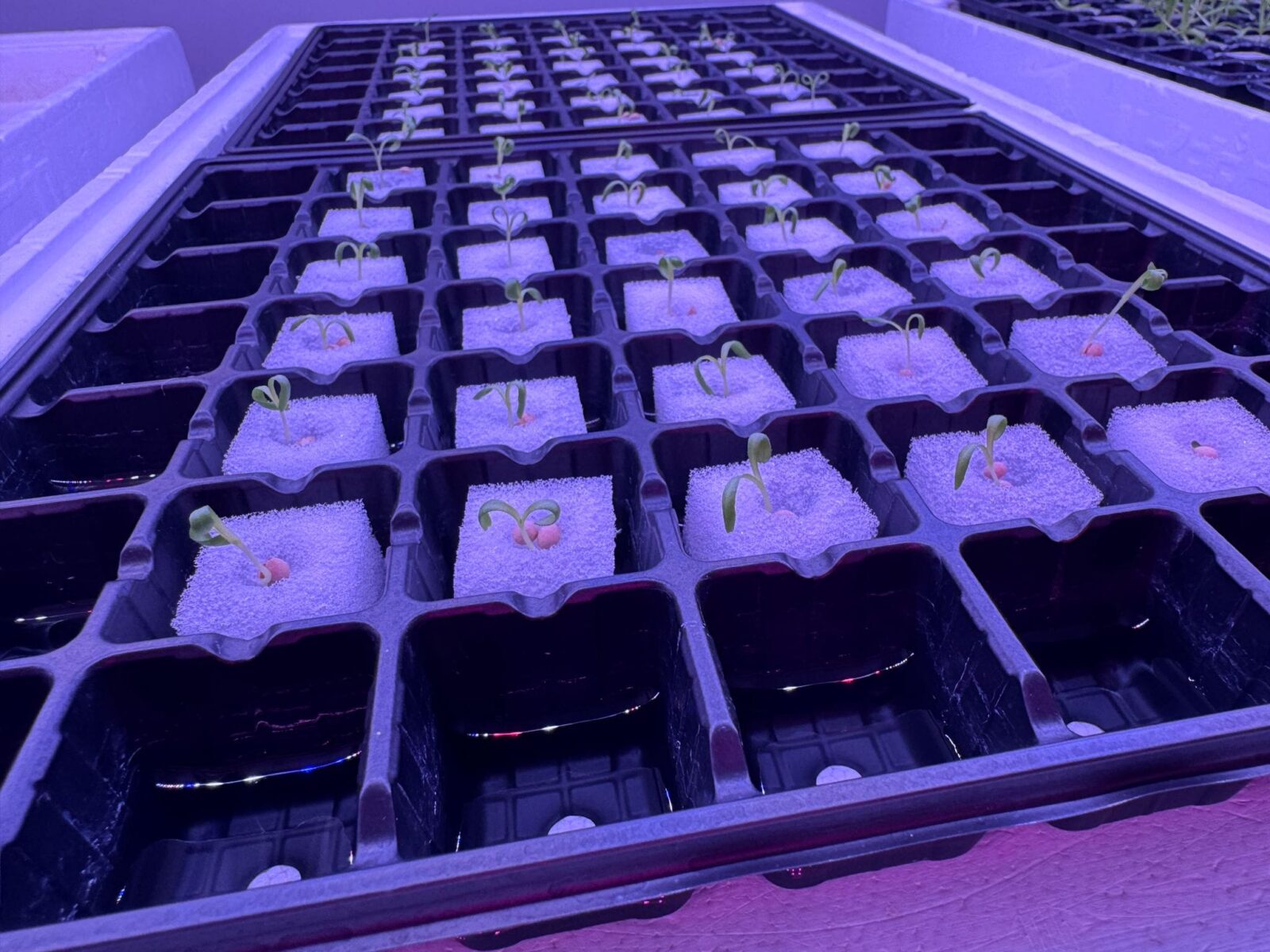
Sky Class is currently exploring the unit of inquiry (UOI) Where We Are in Place and Time, in which students are investigating how the world changes over time through history, innovation, and new ideas. This month, they explored how advances in technology have transformed the way food can be grown.
Last month, the Sky students visited a traditional farm, where they planted seeds in soil and learned about conventional farming methods. This month, they had the exciting opportunity to visit an LED farm and discover a completely different approach to growing plants. The students observed how vegetables can be grown indoors in a clean environment without soil, using water, nutrients, and LED lights instead of sunlight.
Throughout the visit, the students compared the two farming methods and discussed how innovation can change the way we produce food. They asked thoughtful questions, made connections with their previous farm visit, and began to understand how technology continues to shape our lives and communities.
To finish the day, the students enjoyed a special pancake-making activity at the LED restaurant. They designed their own unique pancakes and decorated them with fresh ingredients grown at the LED farm, making a direct connection between the innovative farming methods they had explored and the food on their plates.
Beyond the How We Express Ourselves Inquiry: Exhibiting at the Yokohama Children's Art Exhibition and Discovering Our Own Forms of Expression
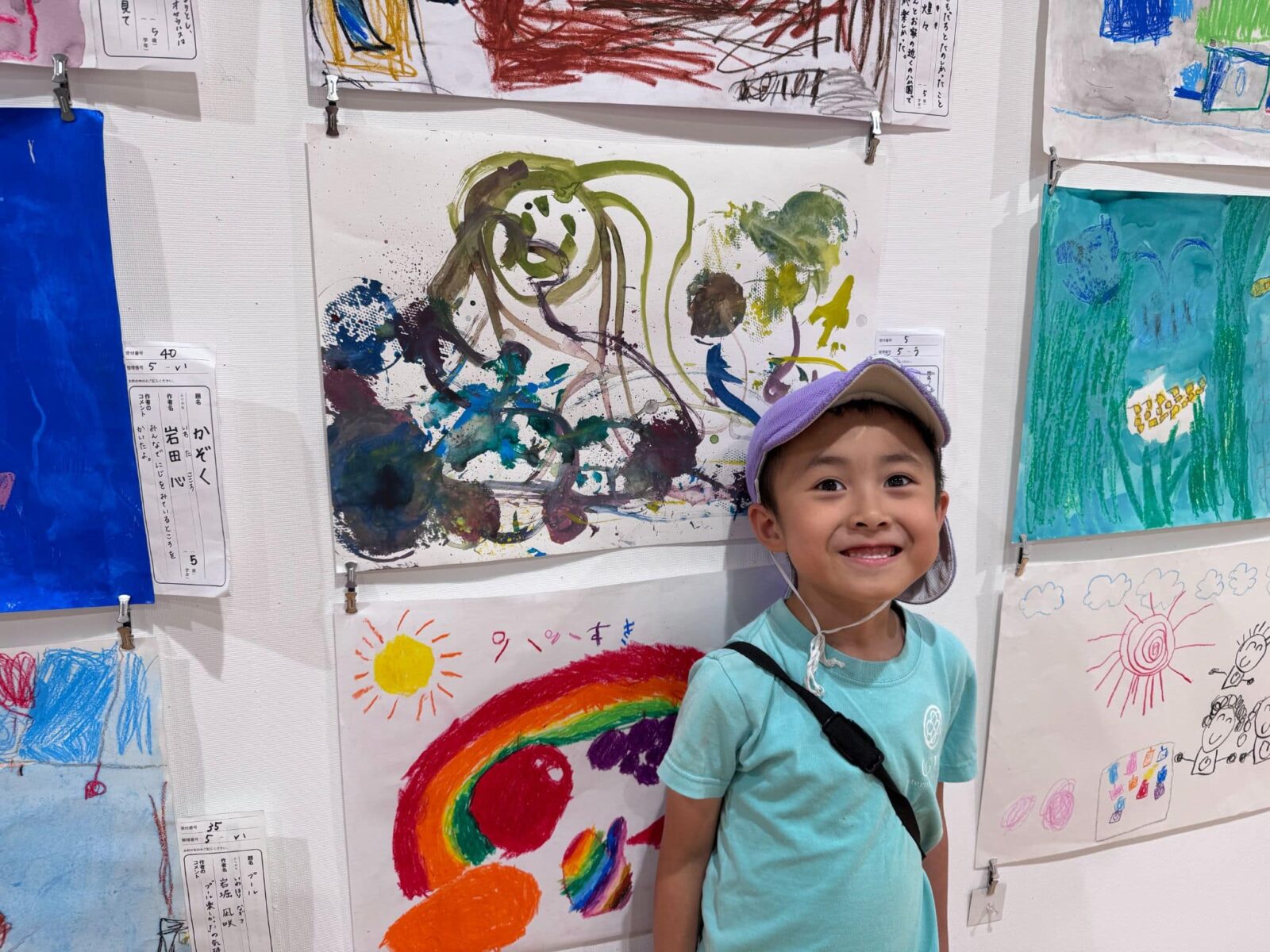
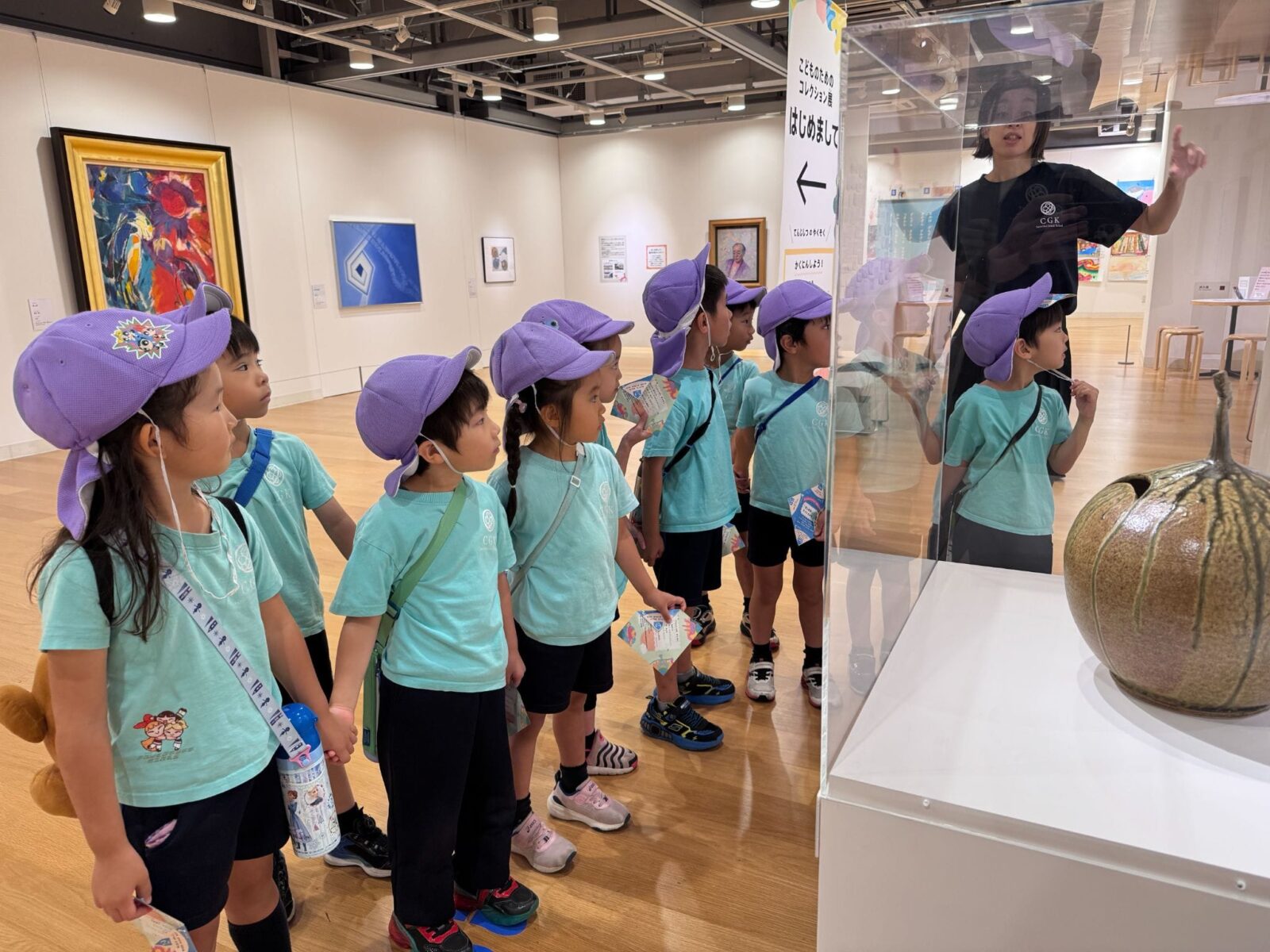
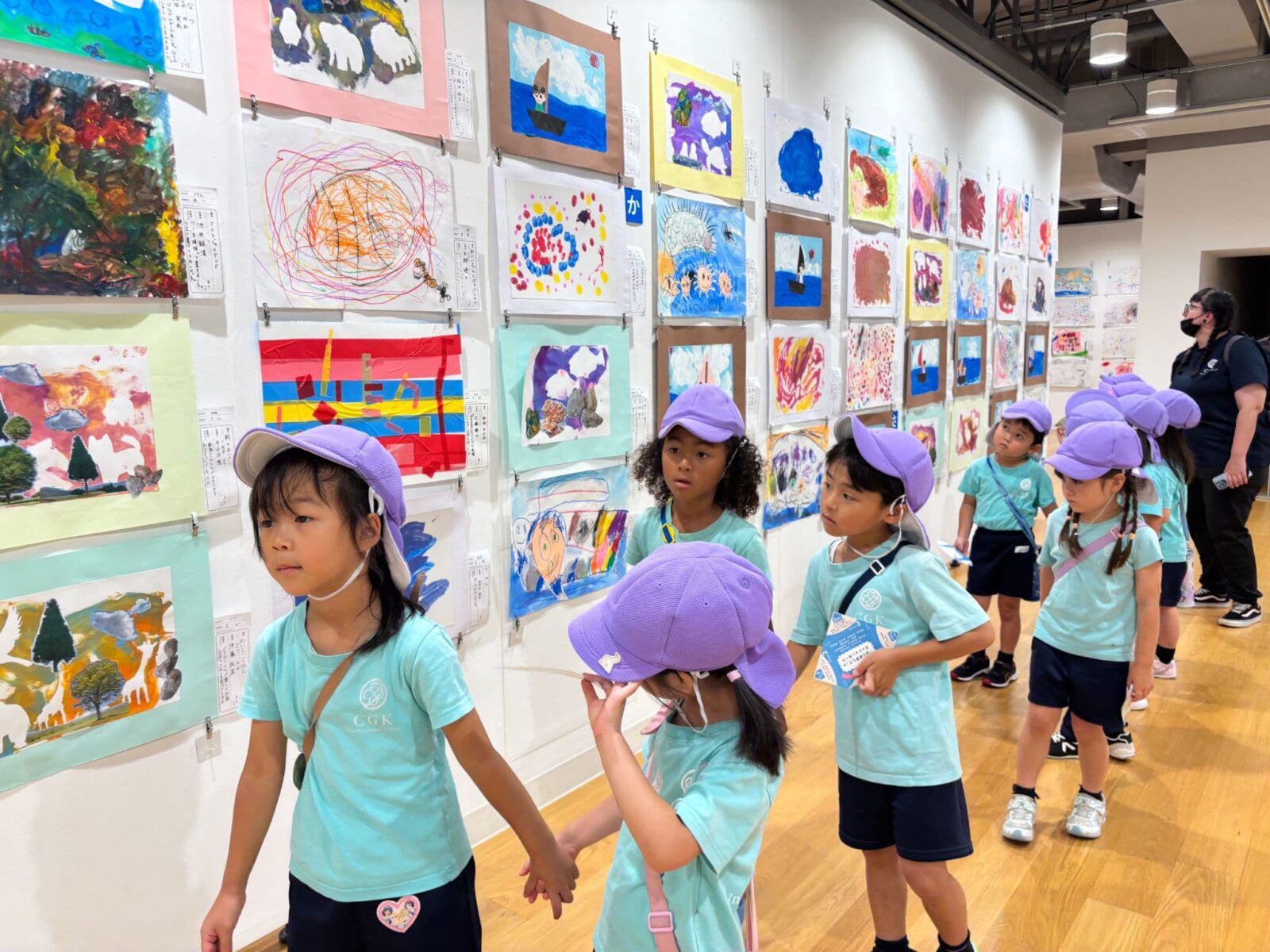
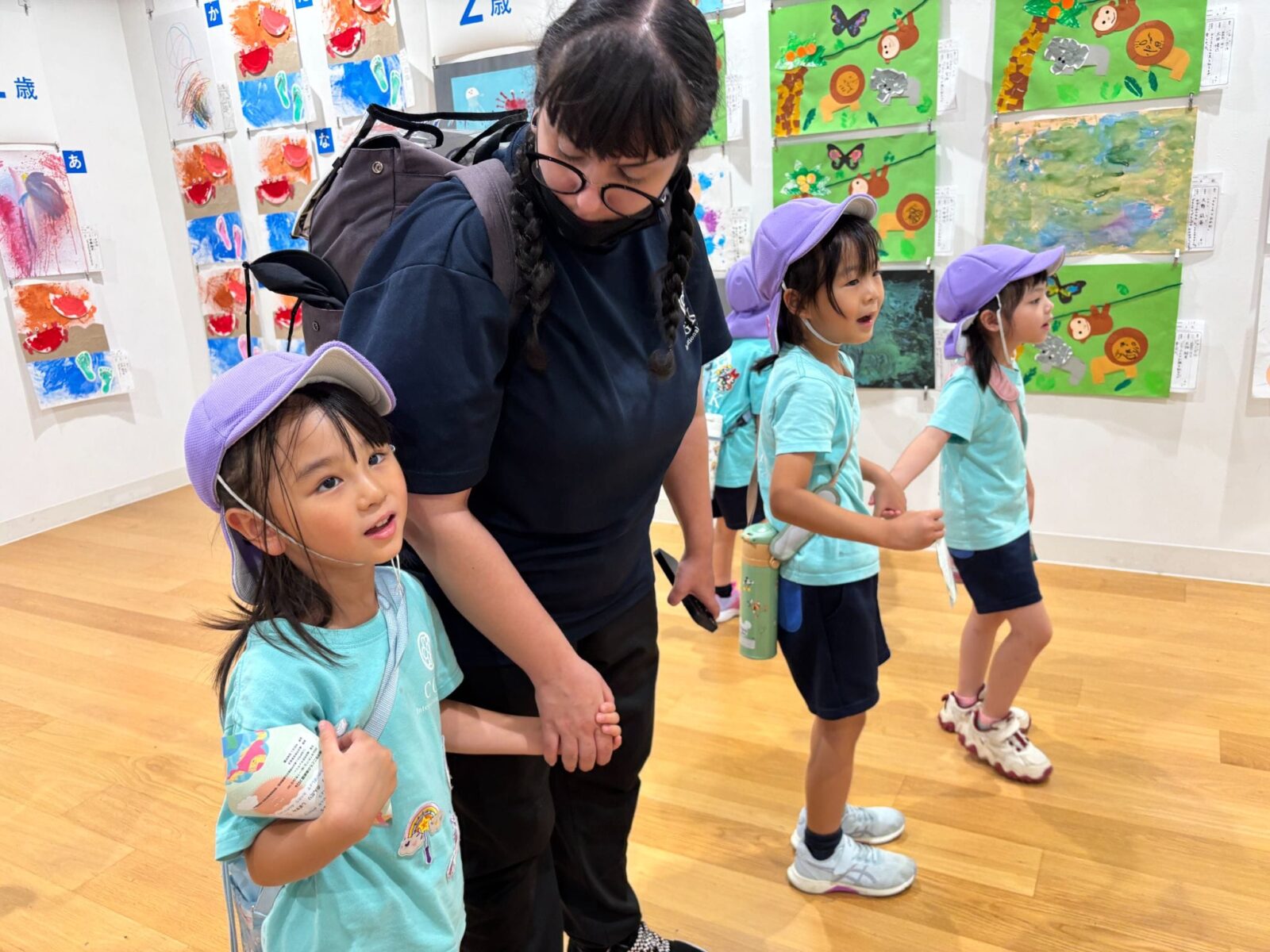
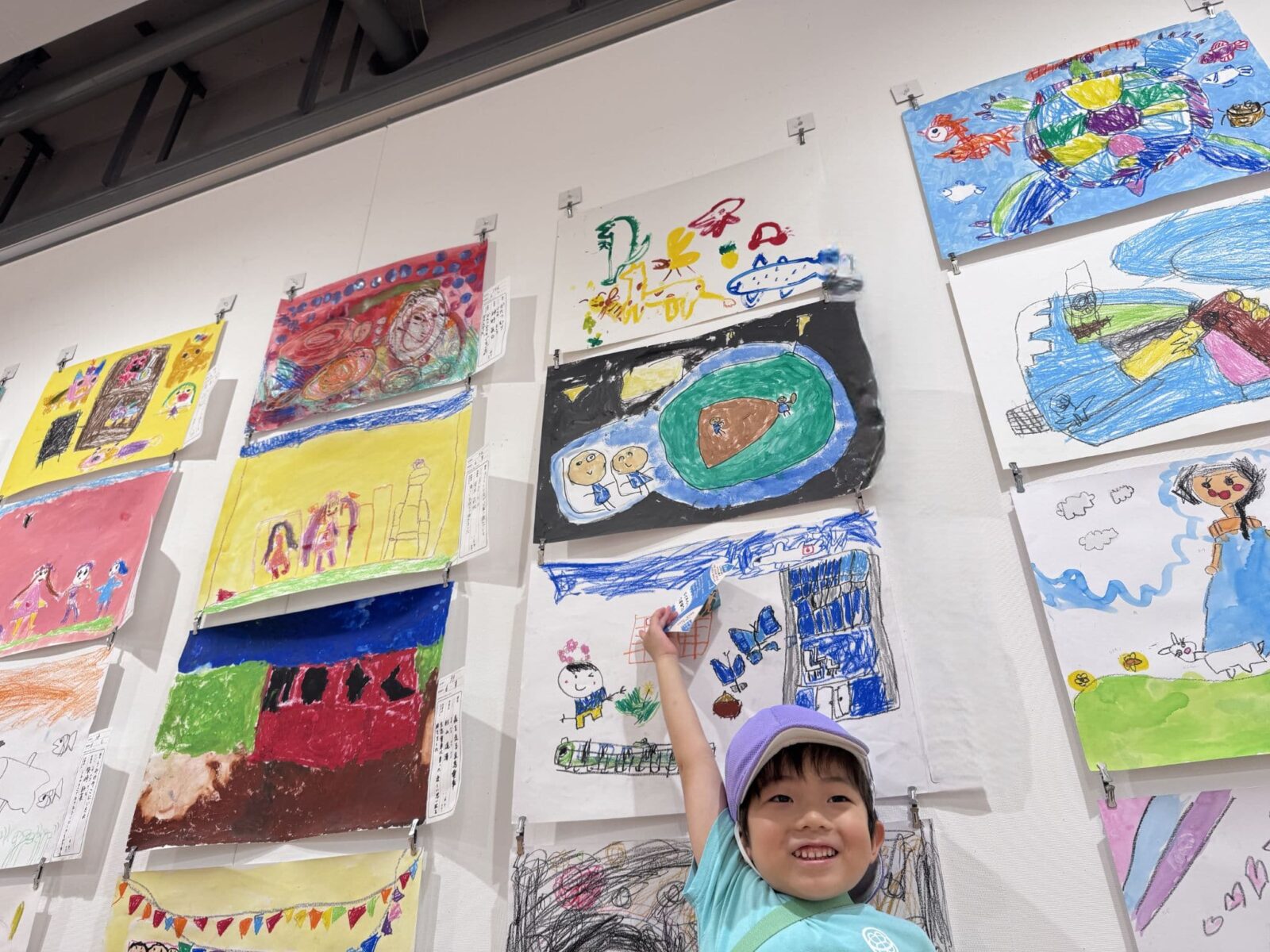
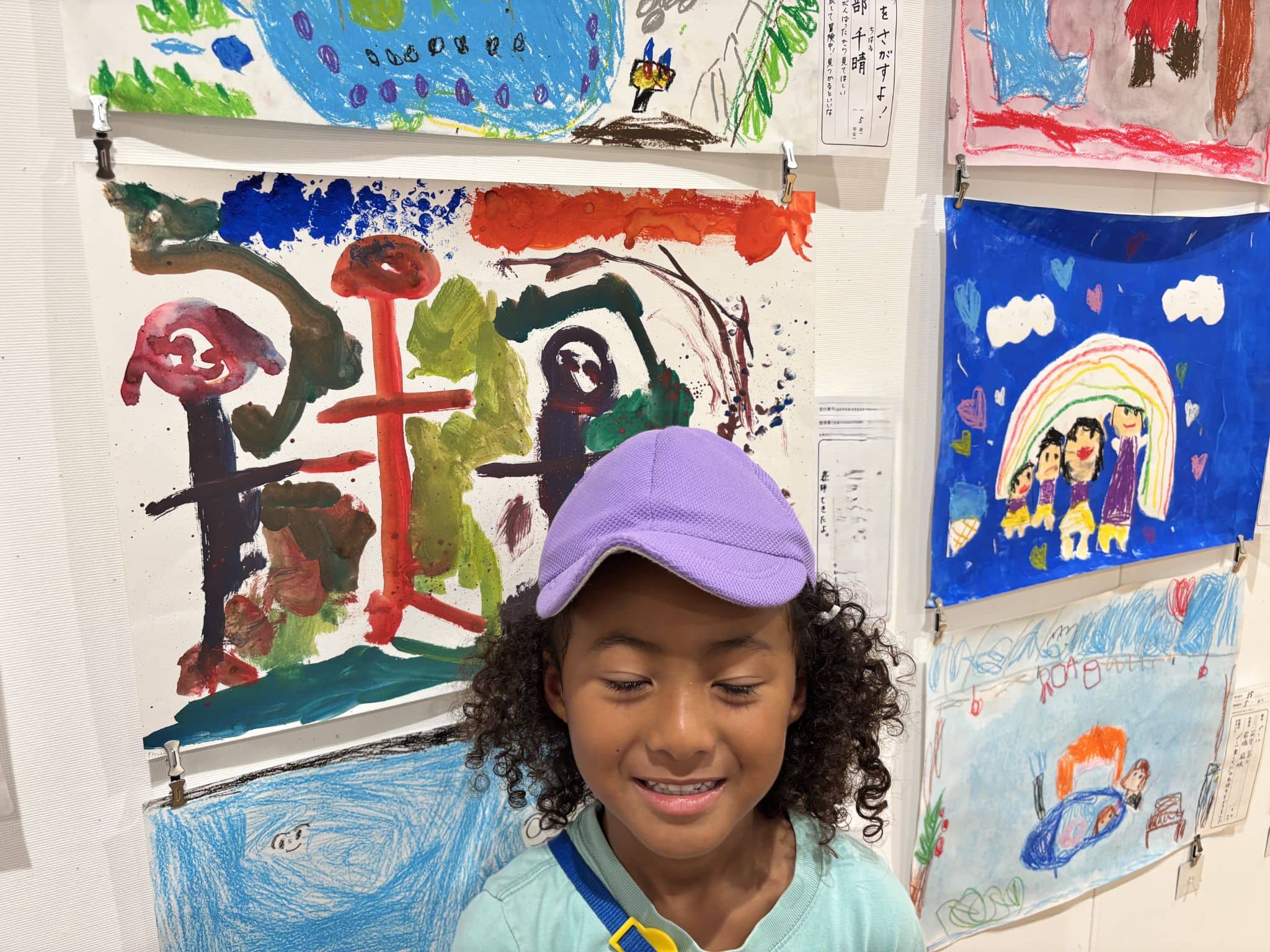
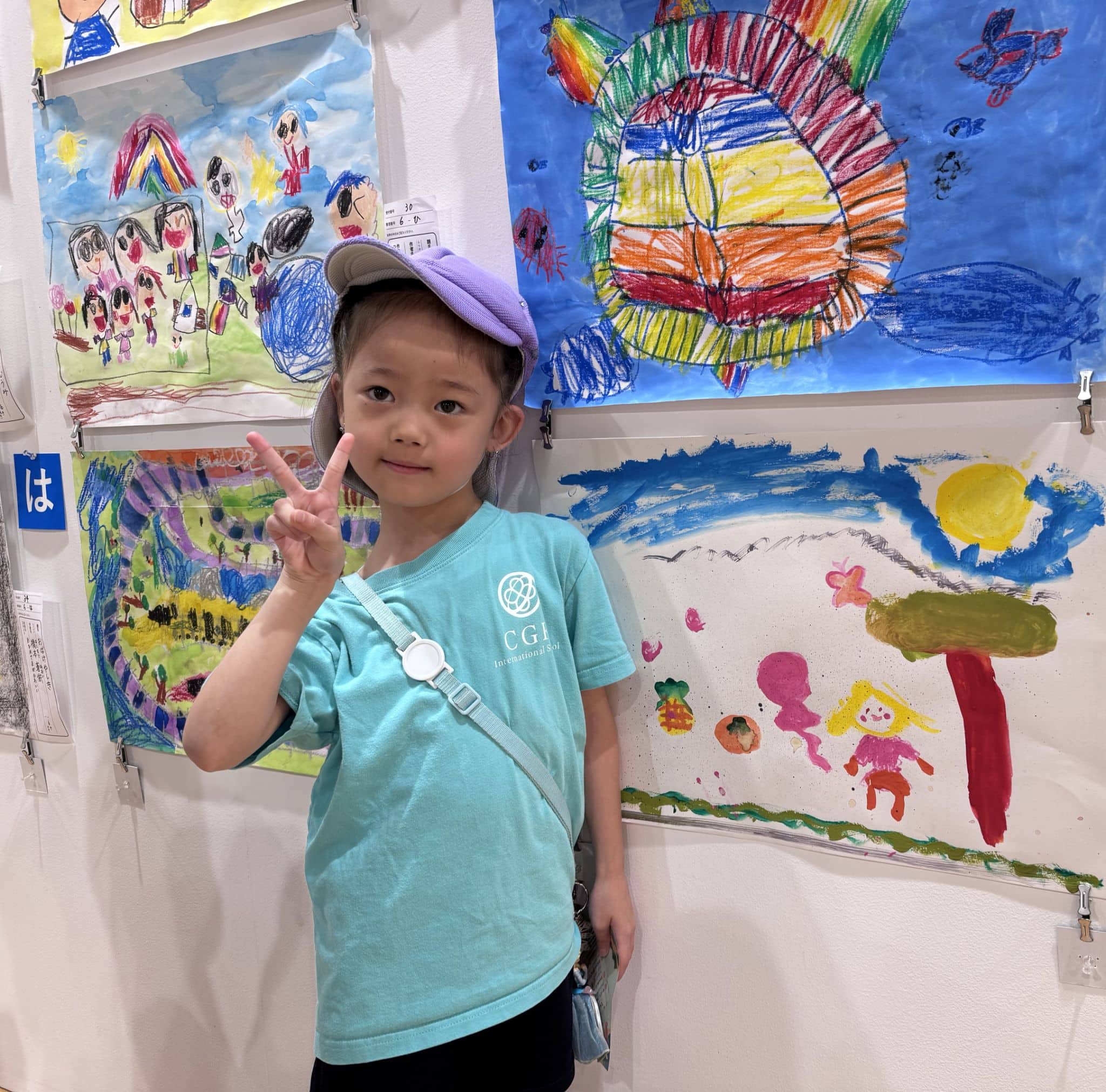
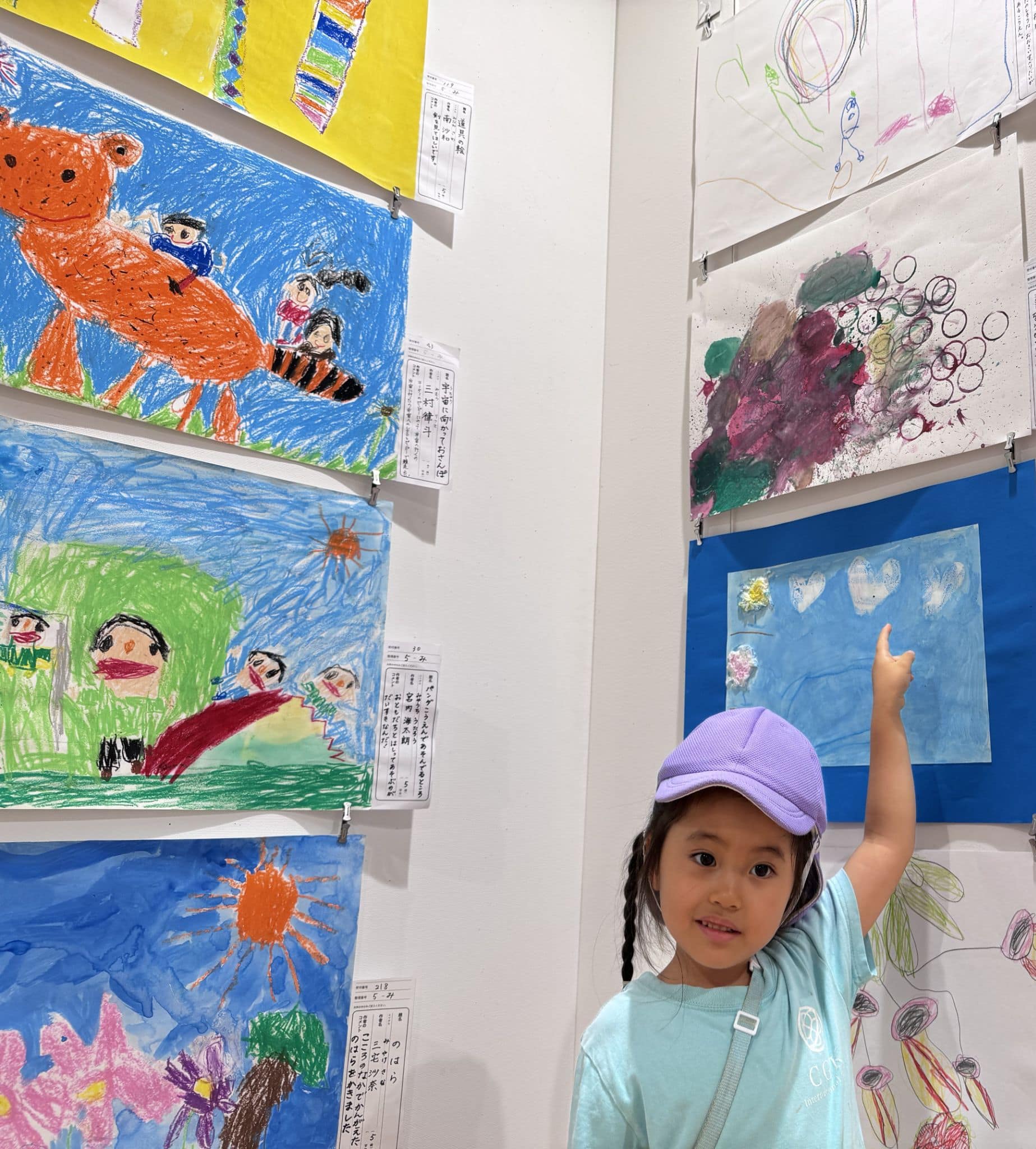
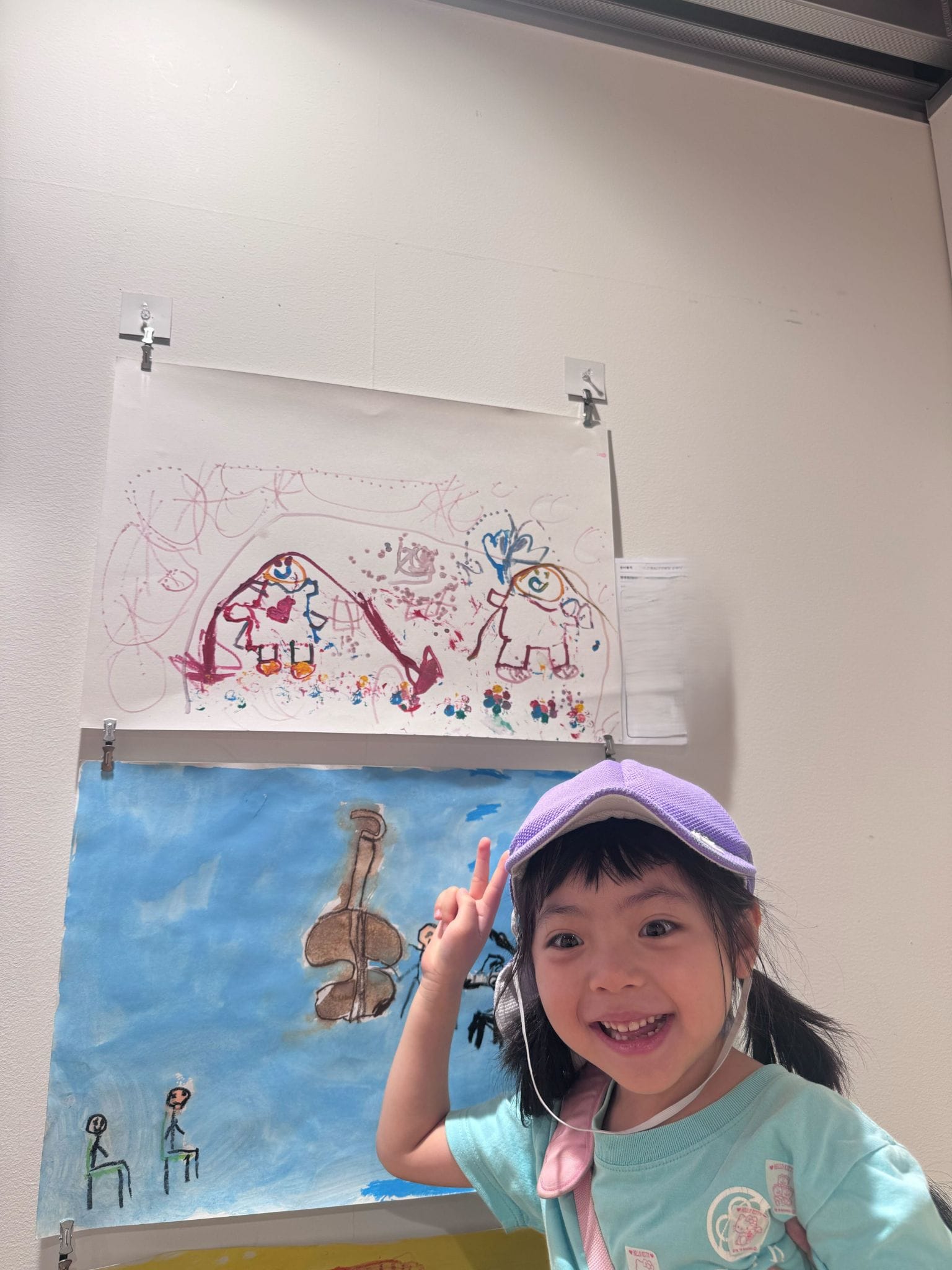
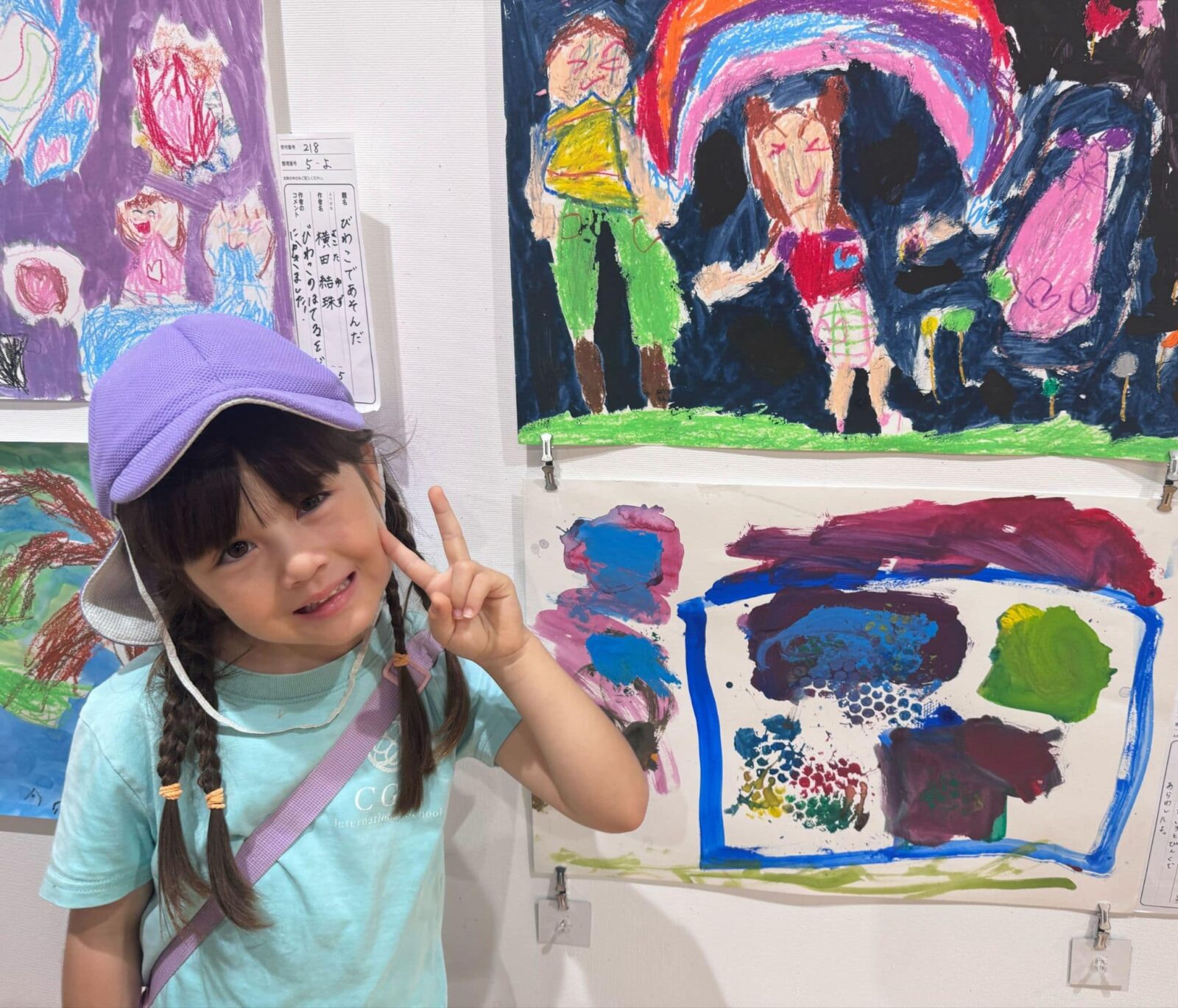
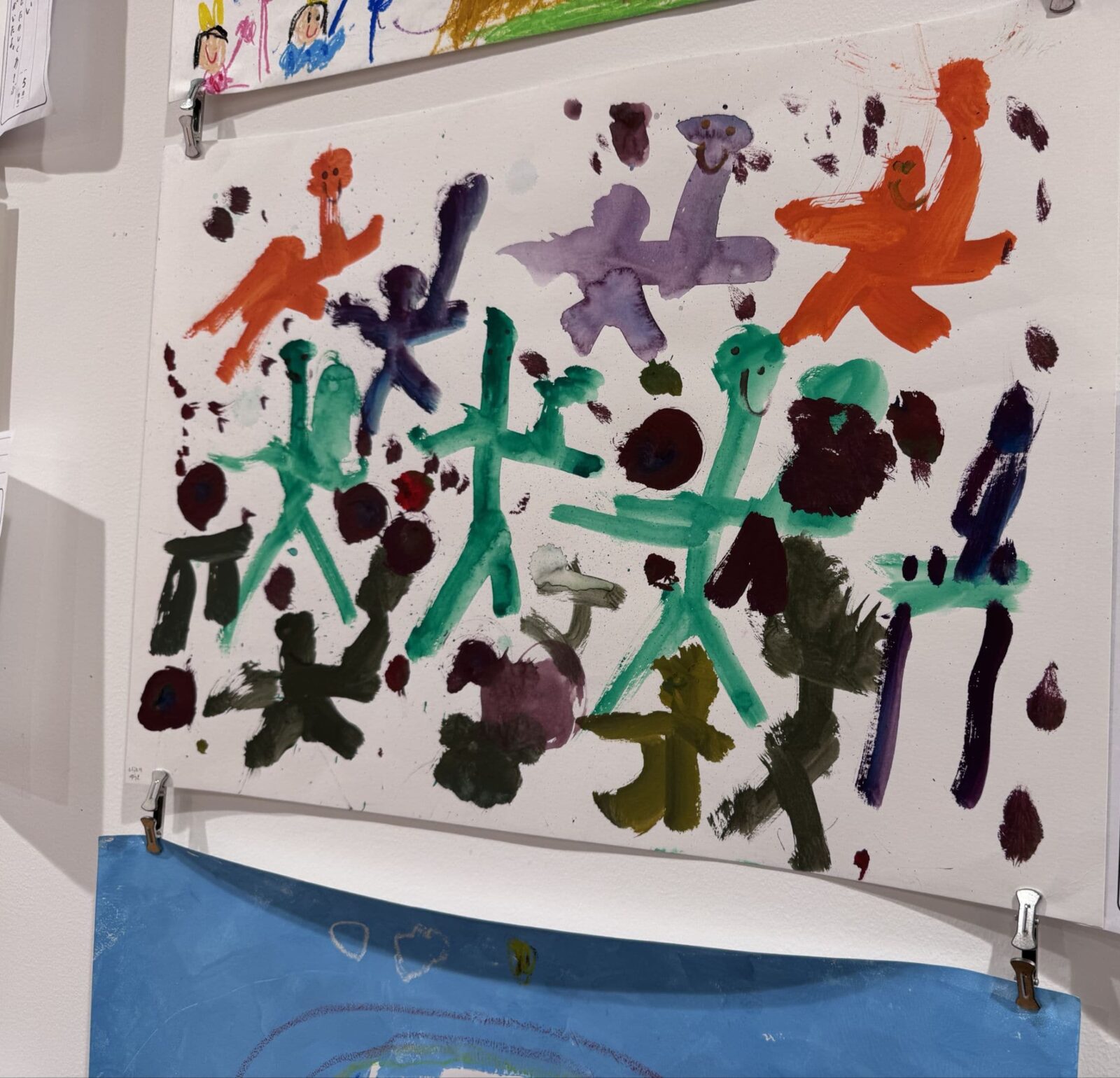
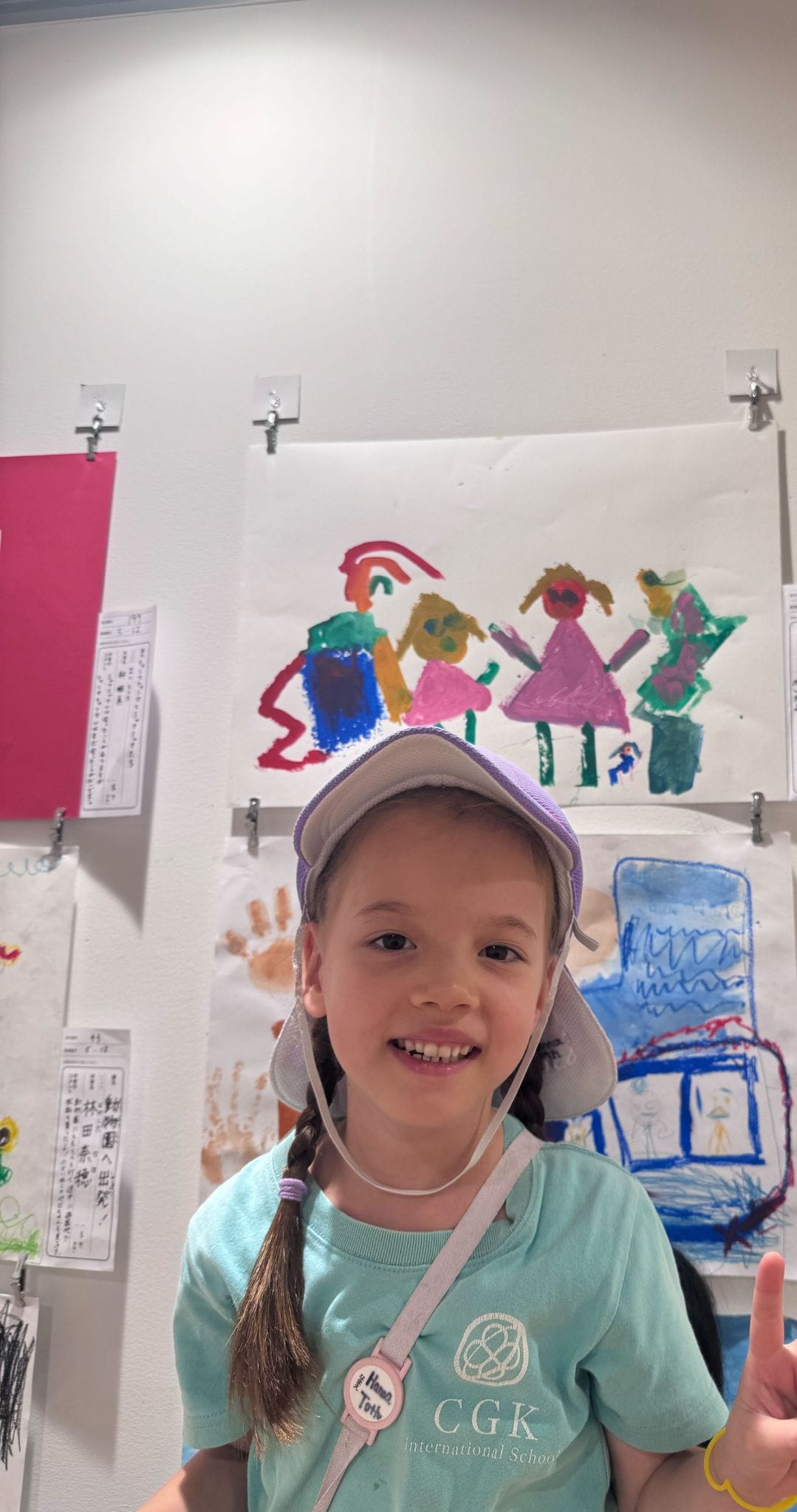
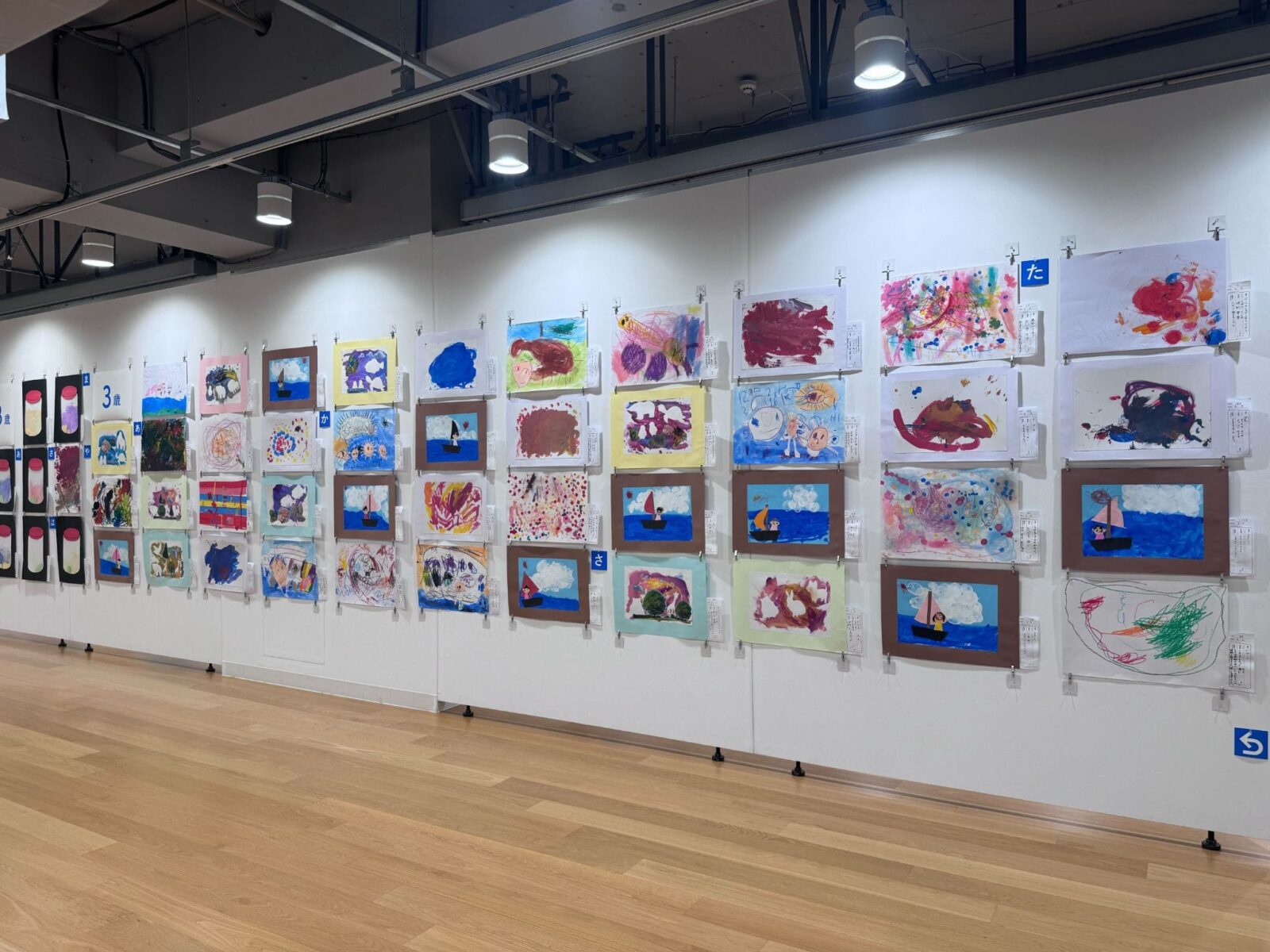
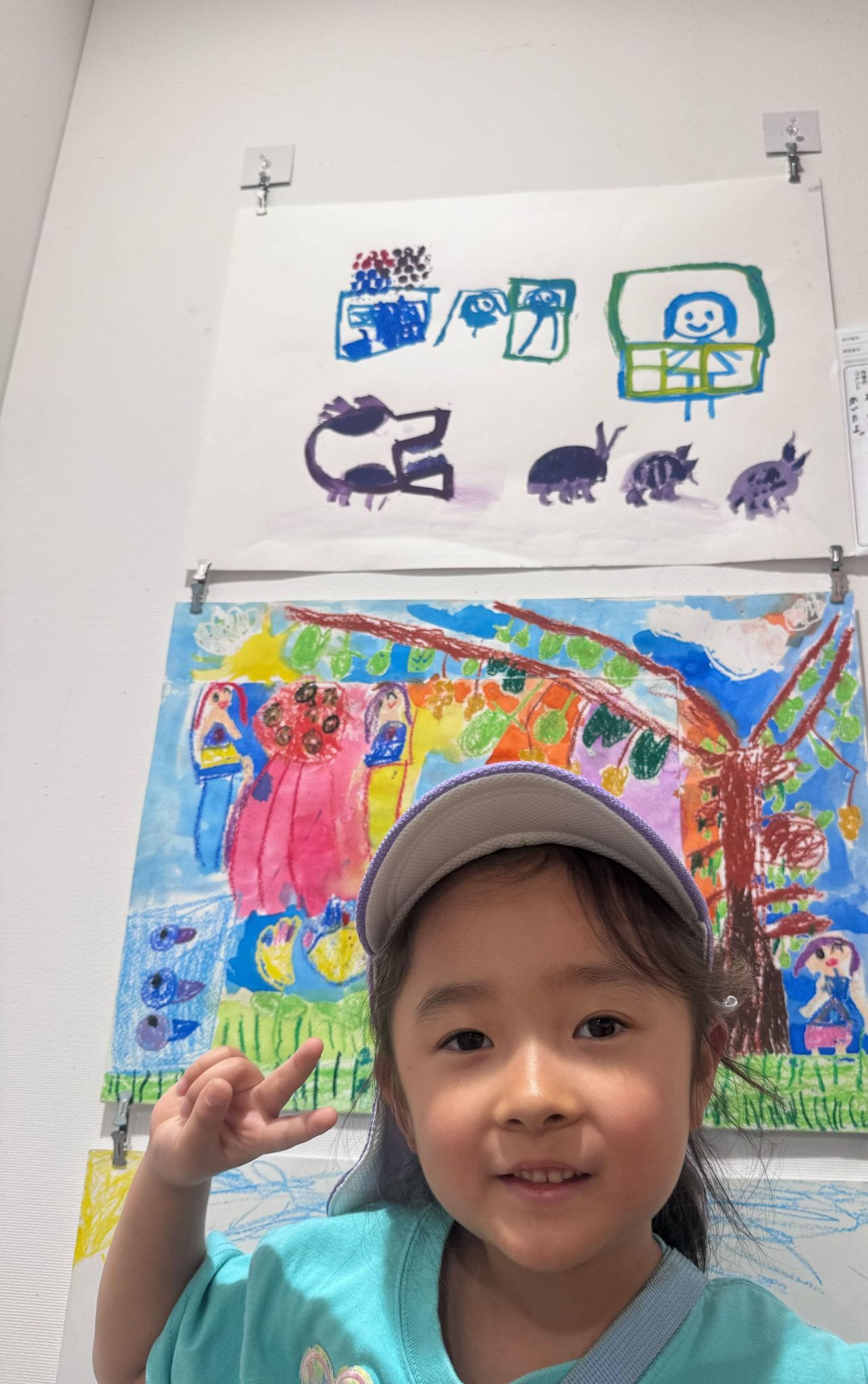
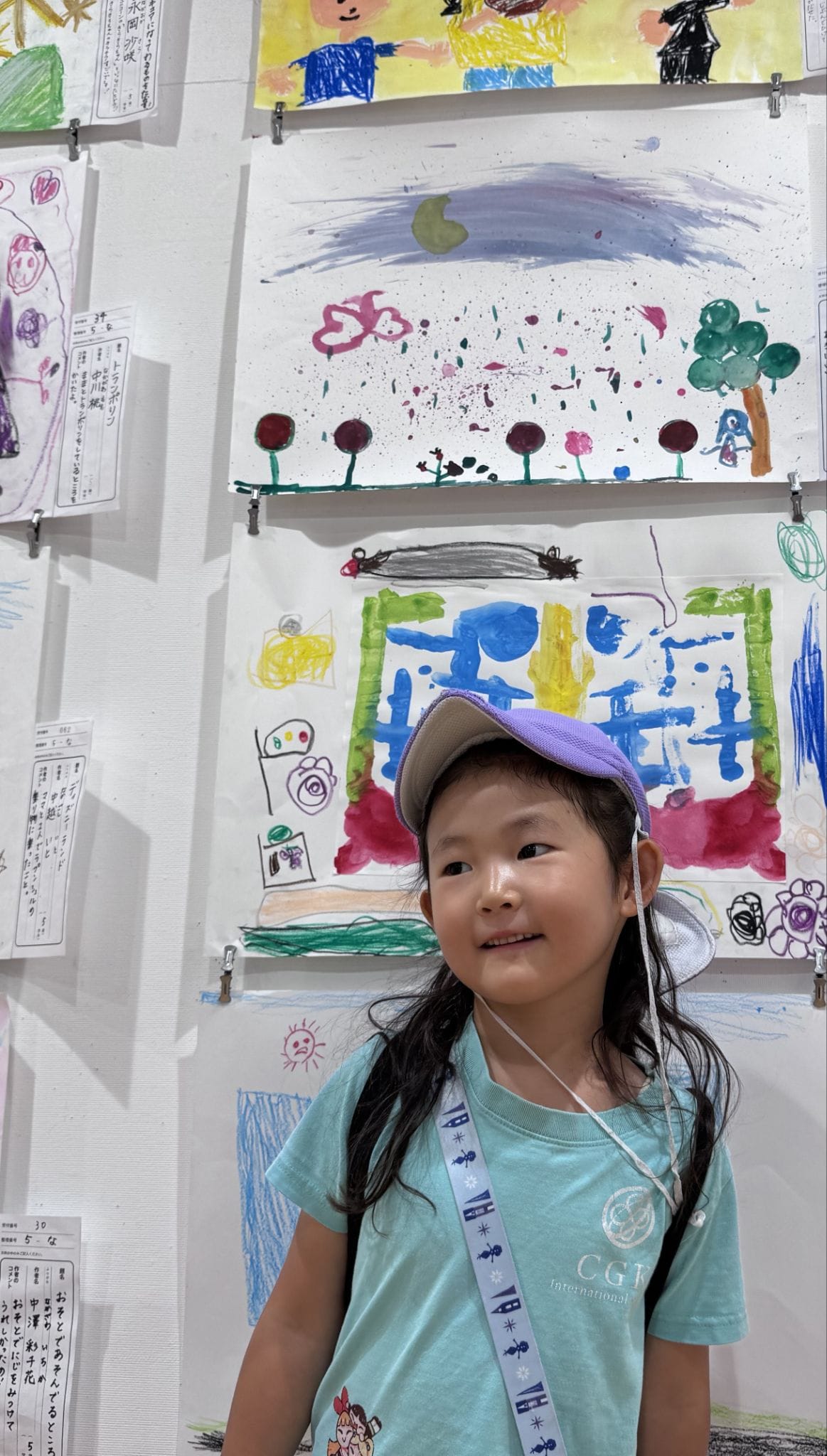
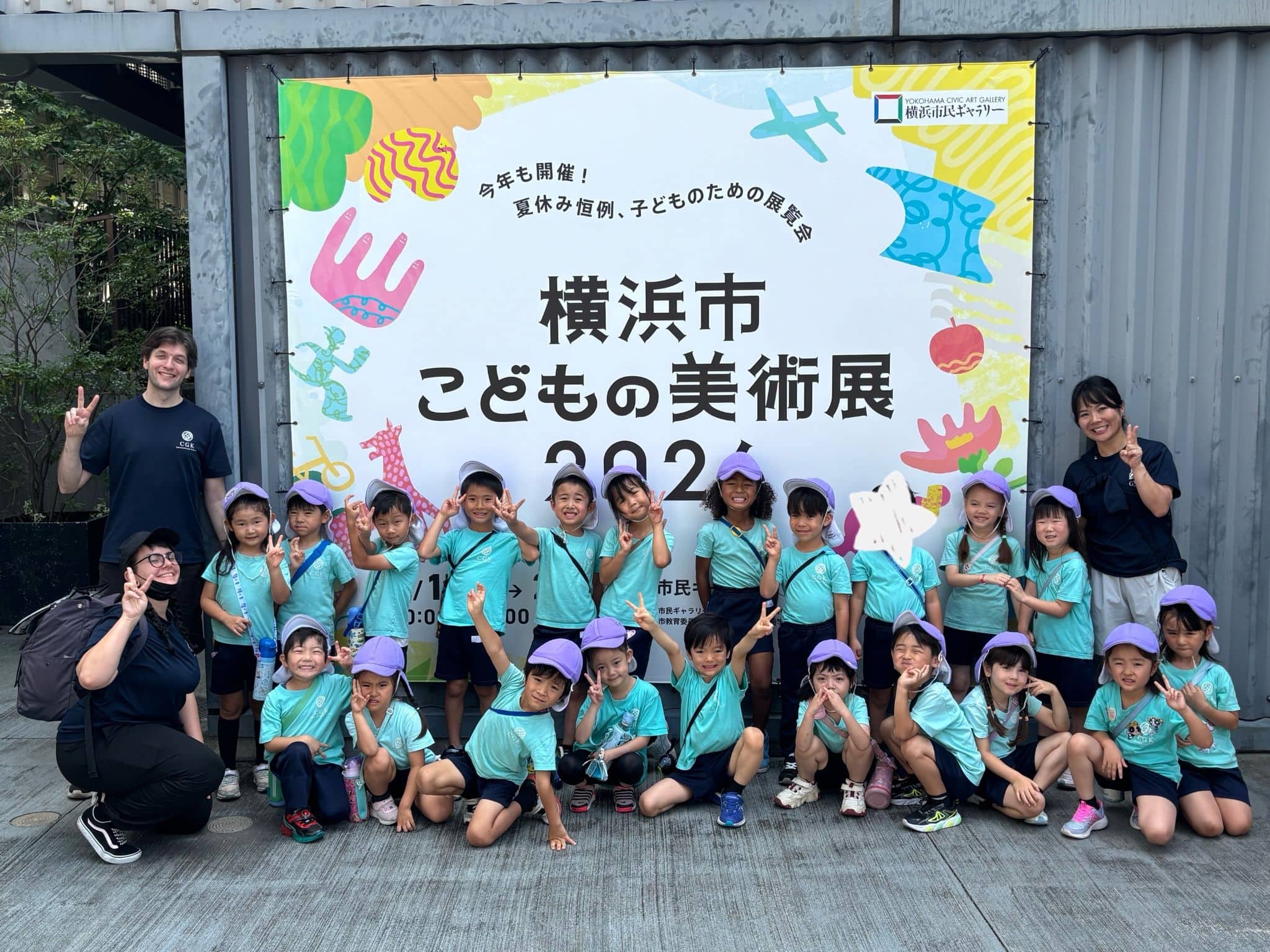
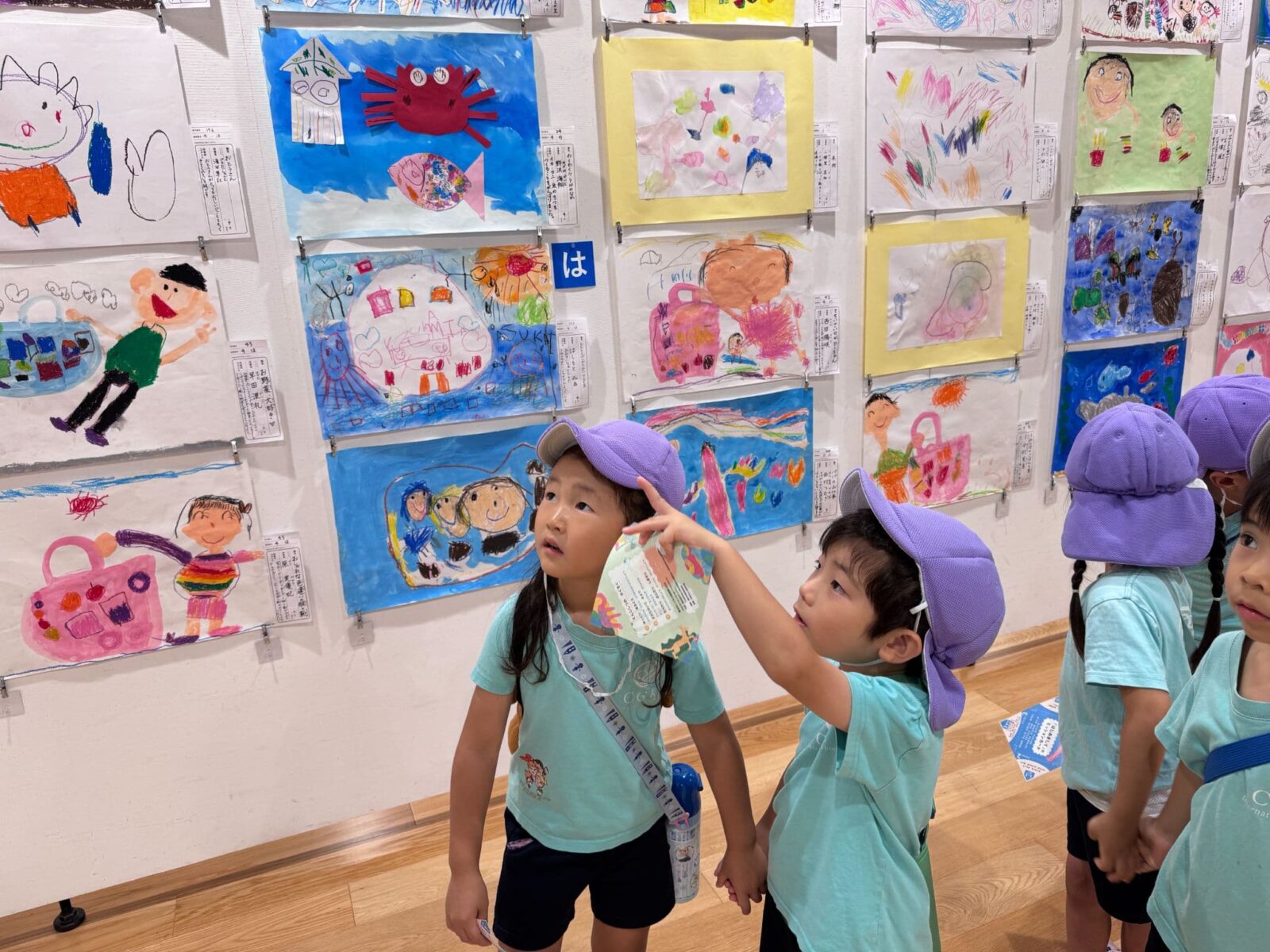
In our previous unit of inquiry (UOI), How We Express Ourselves, the children explored ways to communicate their ideas, emotions, and thoughts through diverse forms of artistic expression. One meaningful culmination of this learning was submitting their artwork to the Yokohama Children's Art Exhibition, organized by the Yokohama Civic Art Gallery.
The exhibition offered two themes. The children could choose “Nice to Meet You” or an open theme that allowed them to decide freely what they wanted to create. The Sky students who chose “Nice to Meet You” began by unpacking the phrase itself: “What does ‘nice to meet you’ mean?” and “When do we use these words?” By considering the meaning piece by piece, they formed their own images and deepened their understanding before beginning their artwork.
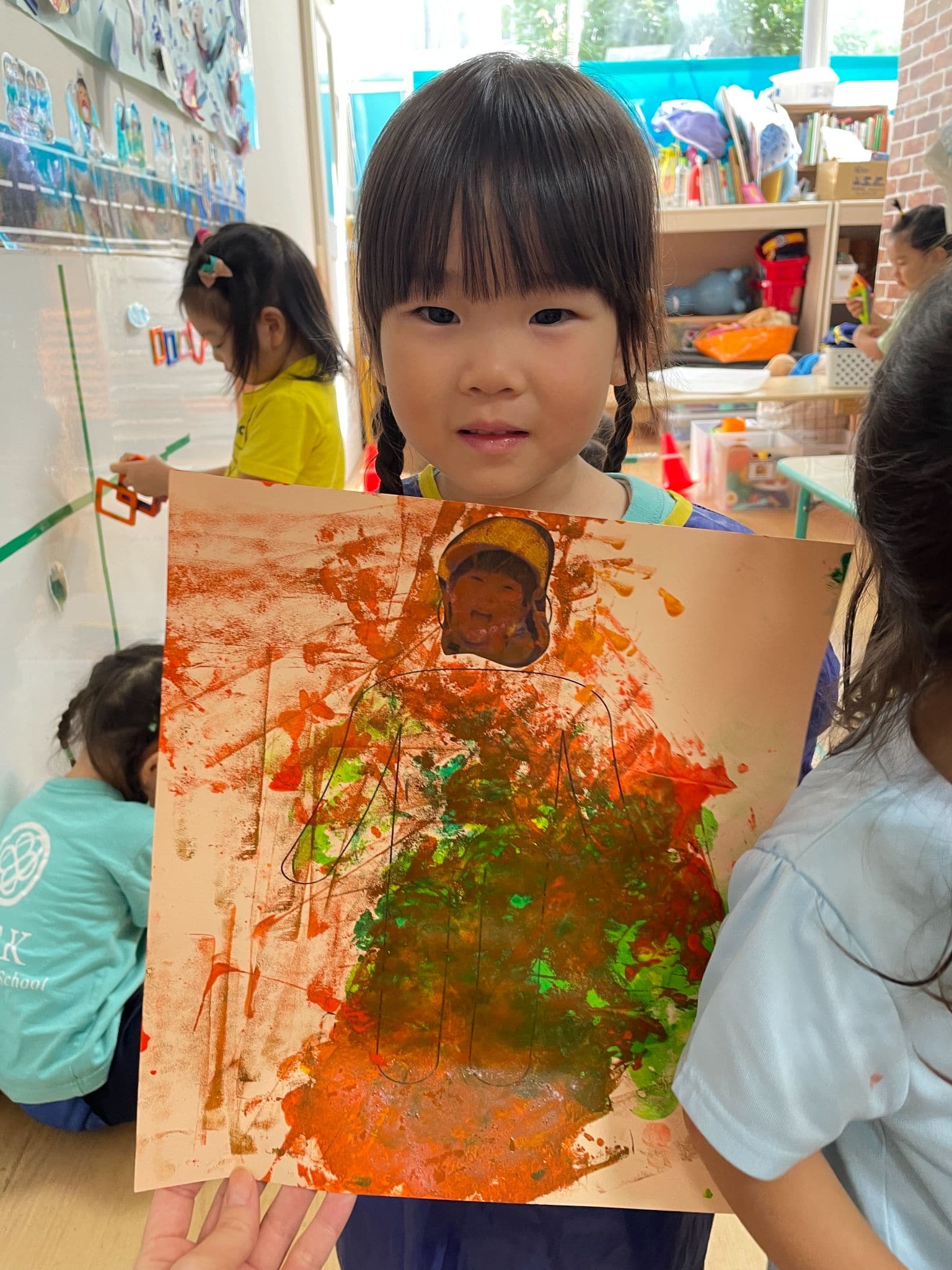
Once each child had chosen a direction and sat down with paper in front of them, their self-expression blossomed in vivid color. What stood out most was how freely they explored placement and color combinations without being confined to a fixed model. As they thought, “What feeling do I want to communicate?” and “What kind of atmosphere do I want to create?”, they carefully placed each brushstroke while holding an image of the finished work and their own emotions in mind. They seemed to be enjoying artistic self-expression with their whole selves.
Recently, the whole class visited the Yokohama Civic Art Gallery to see the exhibition in person. When the children found their treasured paintings displayed proudly on the gallery's broad walls, their faces showed a mixture of bashfulness and unmistakable pride. Seeing an expression born in their own hearts presented beyond the school walls, where it could be received by many people in the wider community, was a rare and special experience. It showed them that their words and creations can connect with the world.
The complete journey—looking inward at their own thoughts and feelings, giving them color and form, sharing them, and having another person receive them—has helped establish strong roots for the children's confidence in expressing themselves. We hope this experience continues to nourish their joy in sharing their individual voices, their curiosity about diverse forms of expression, and their courage to explore new creative possibilities.
Mountain A & B (4-year-olds)
Learning to Read Through Inquiry!
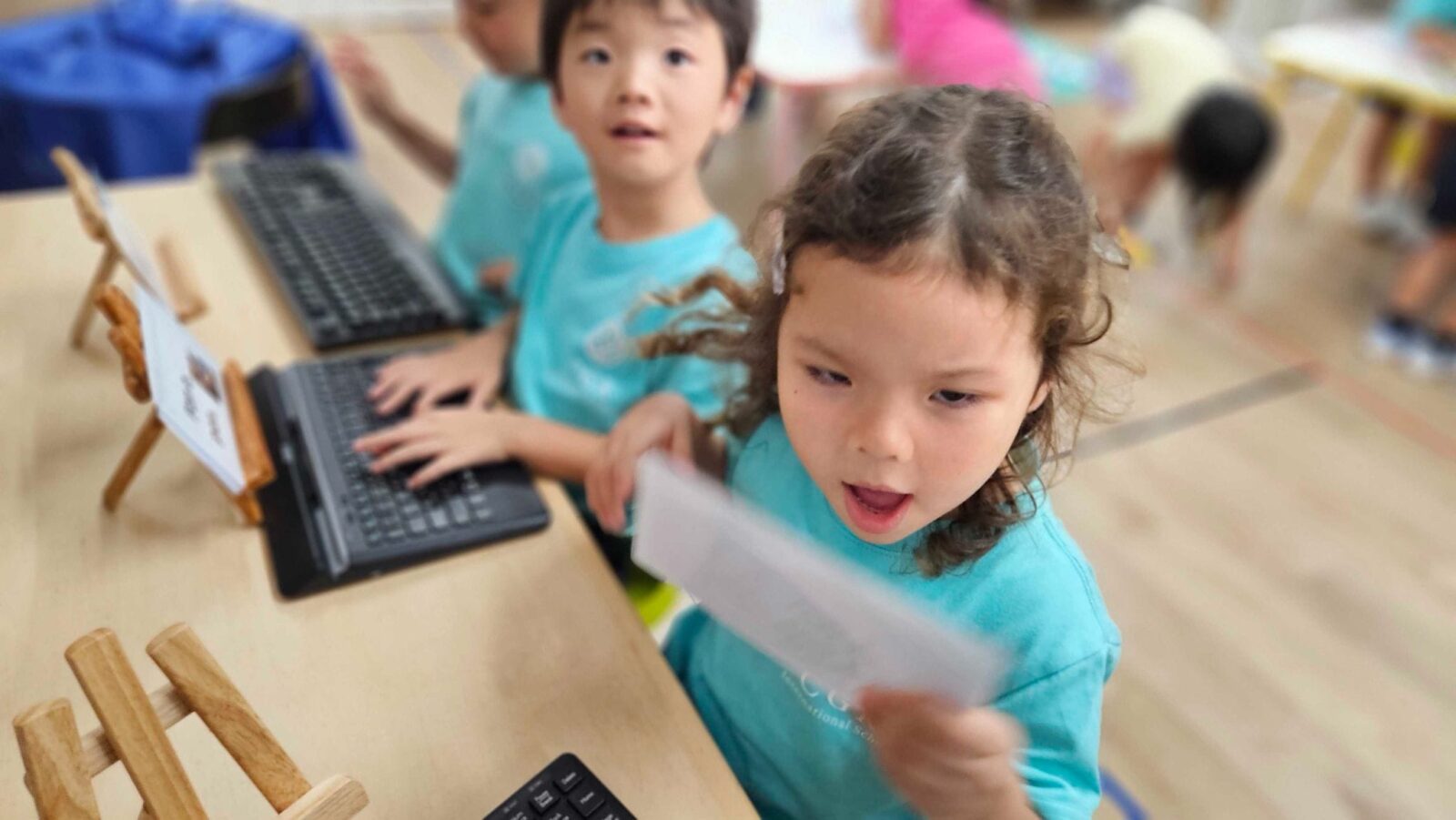
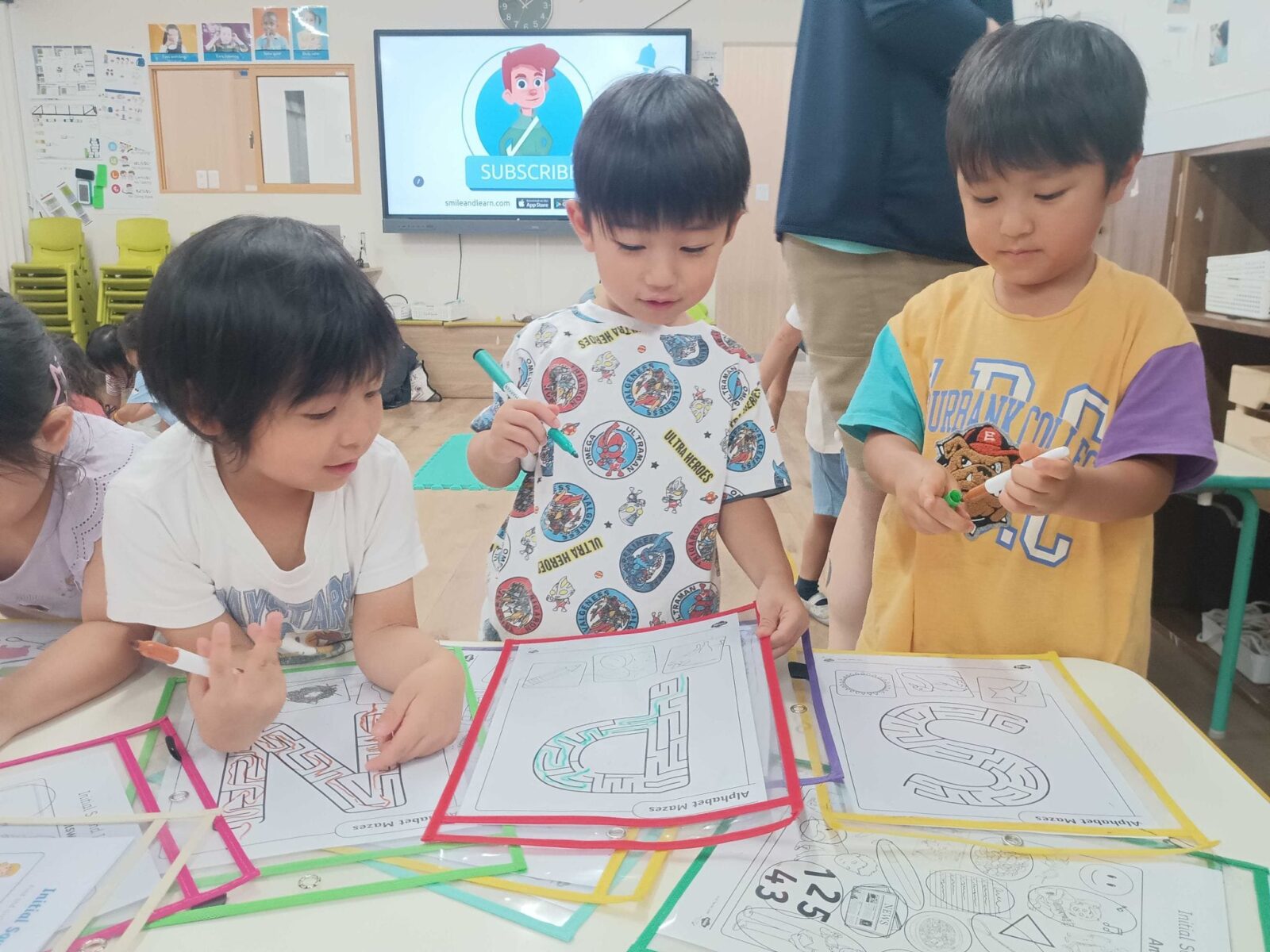
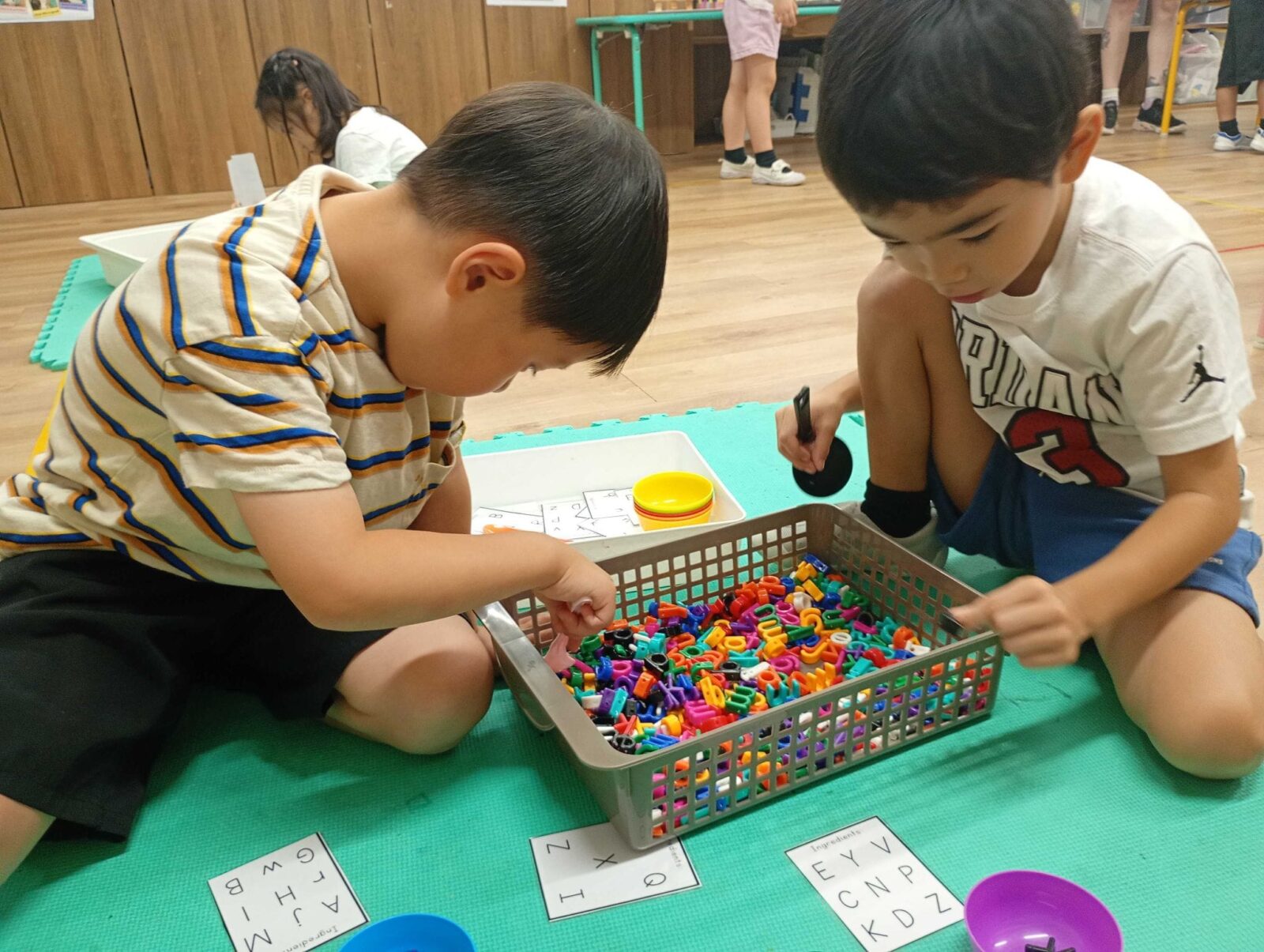
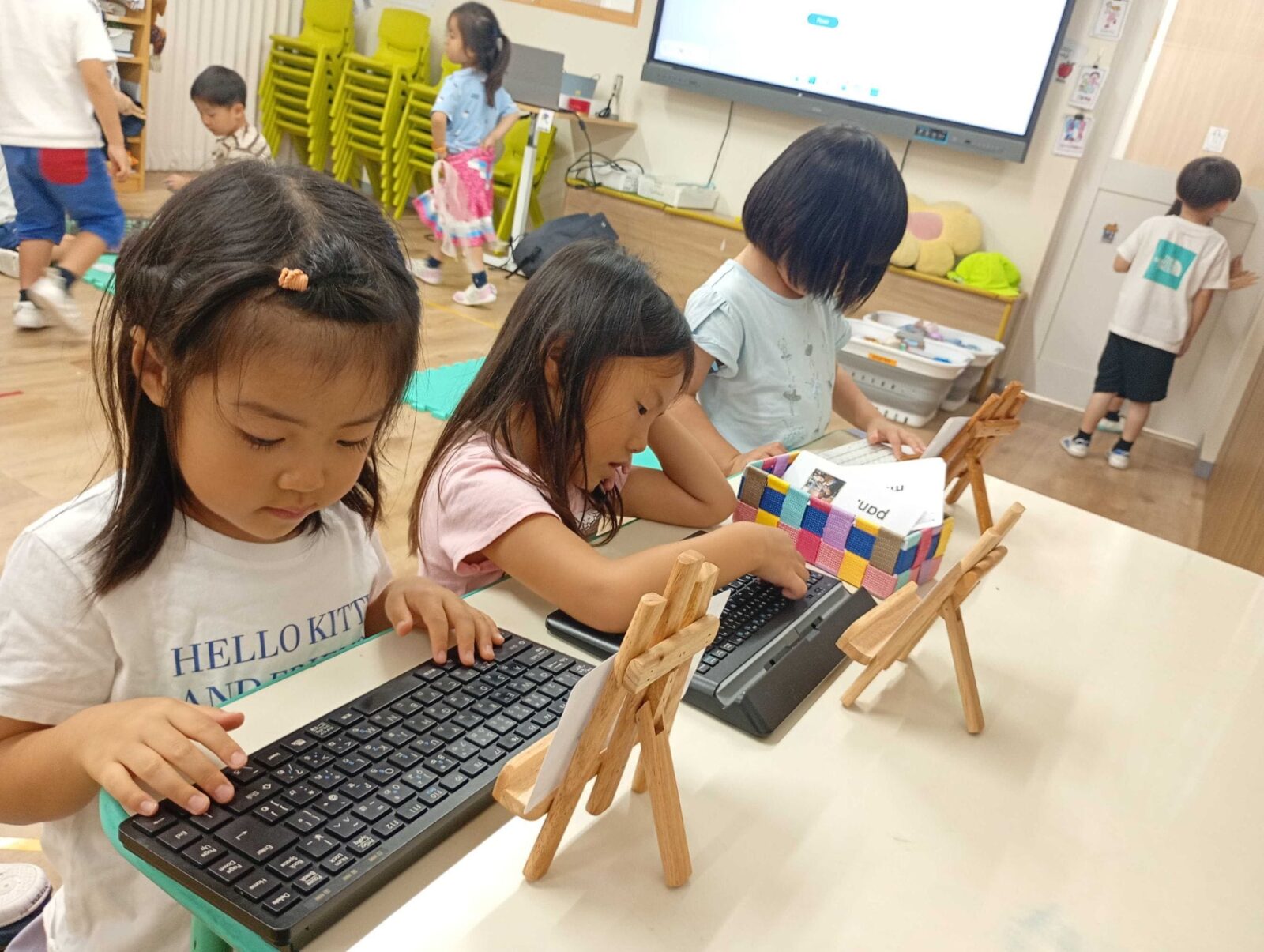
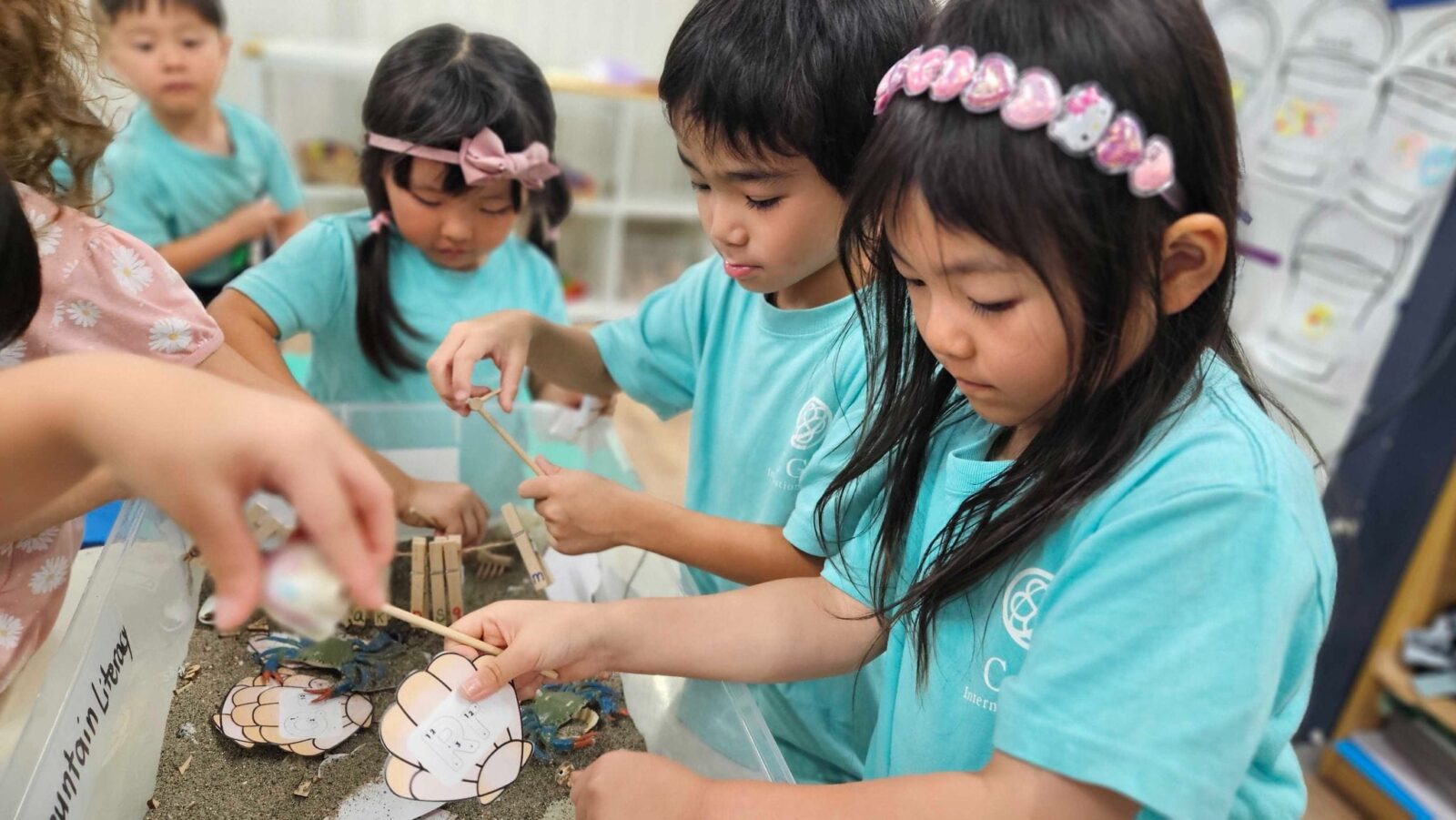
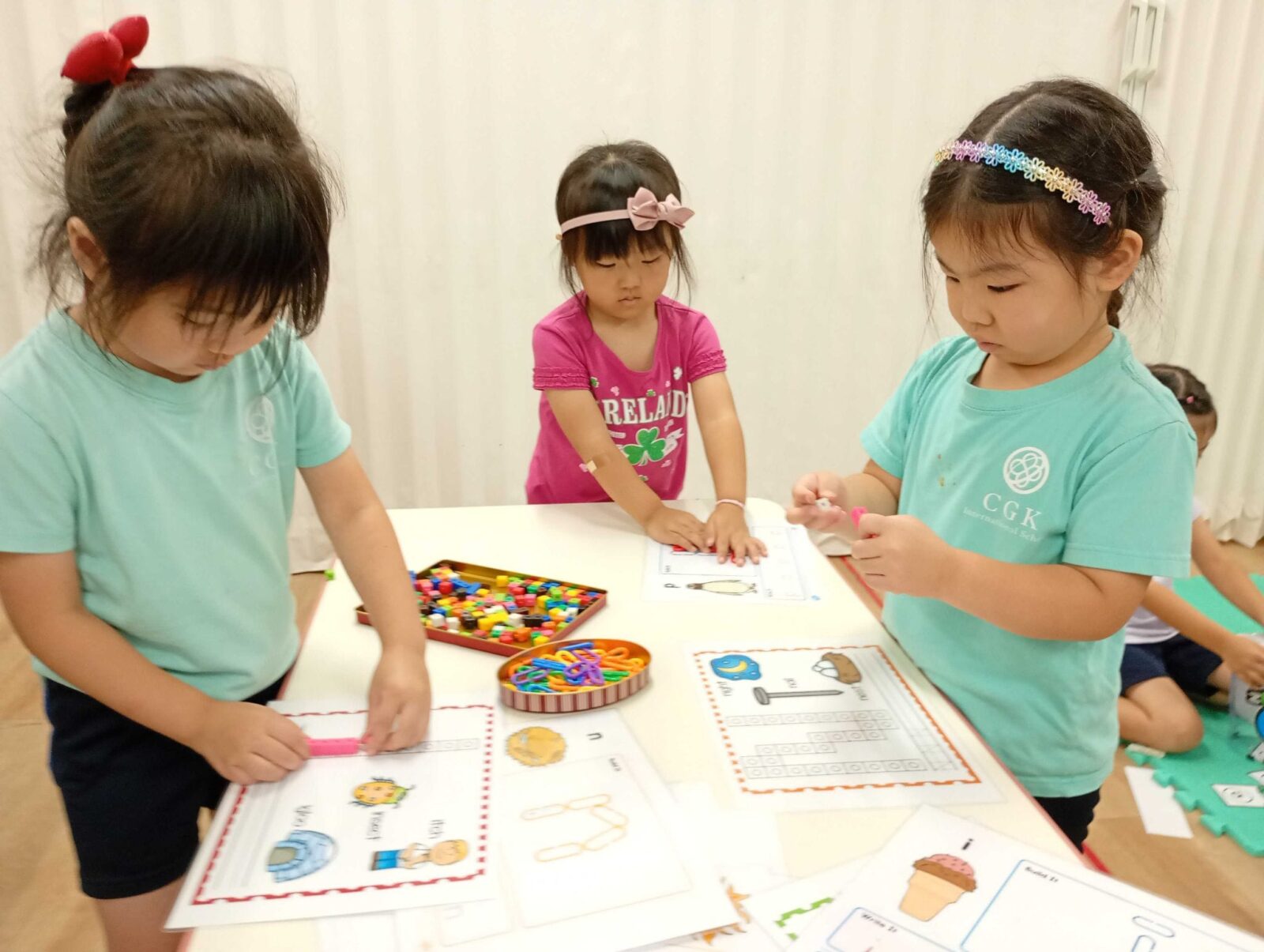
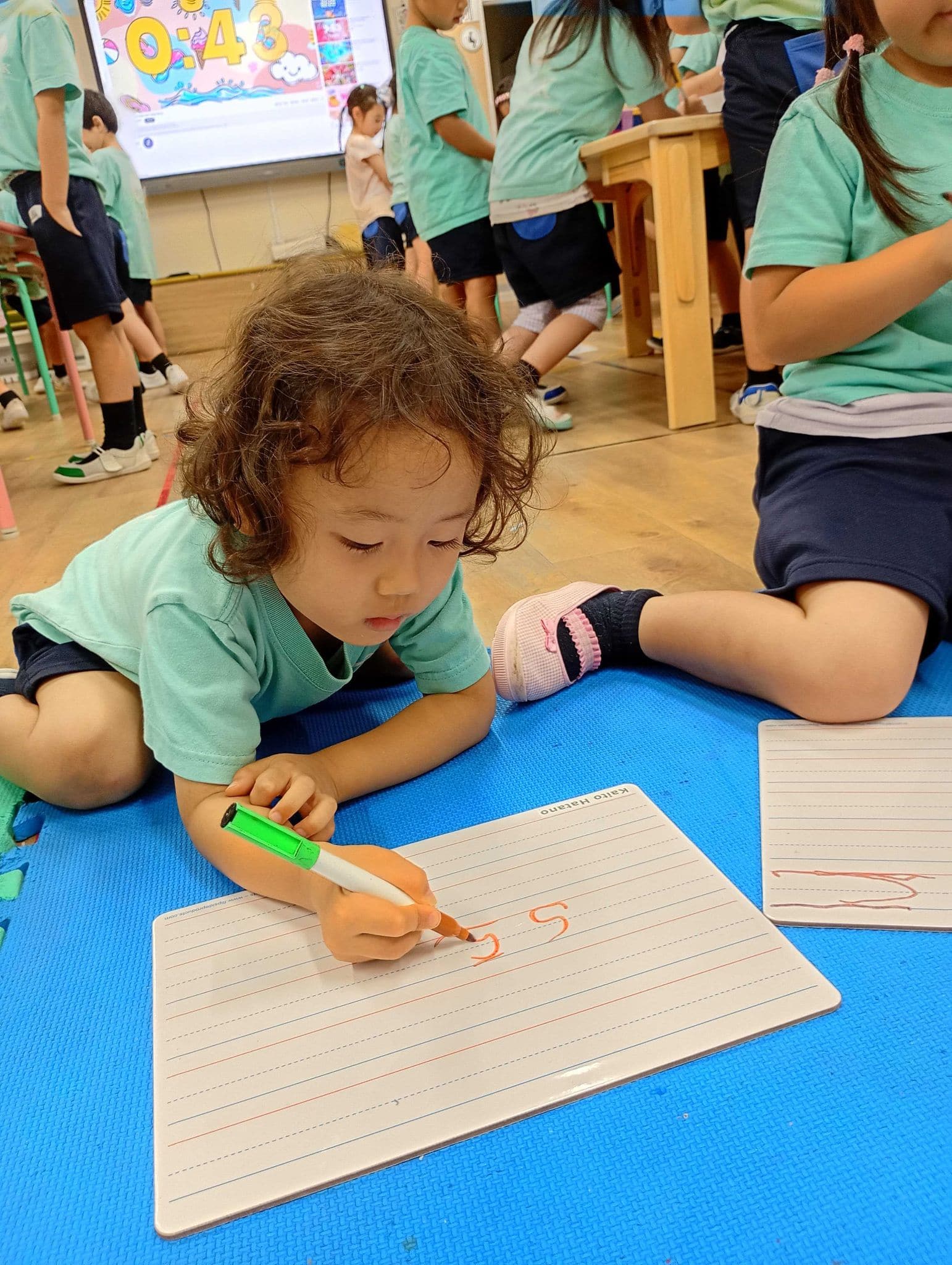
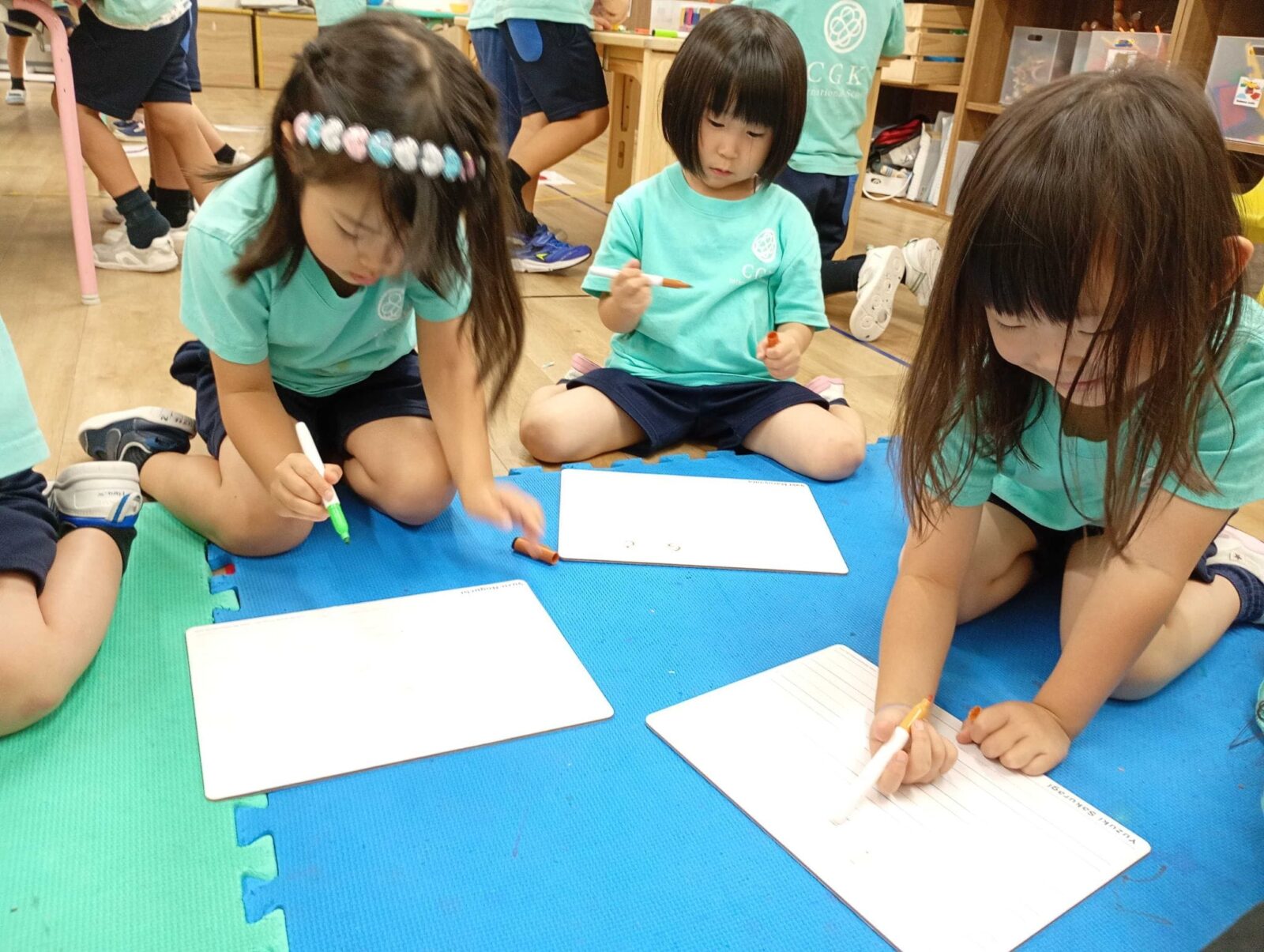
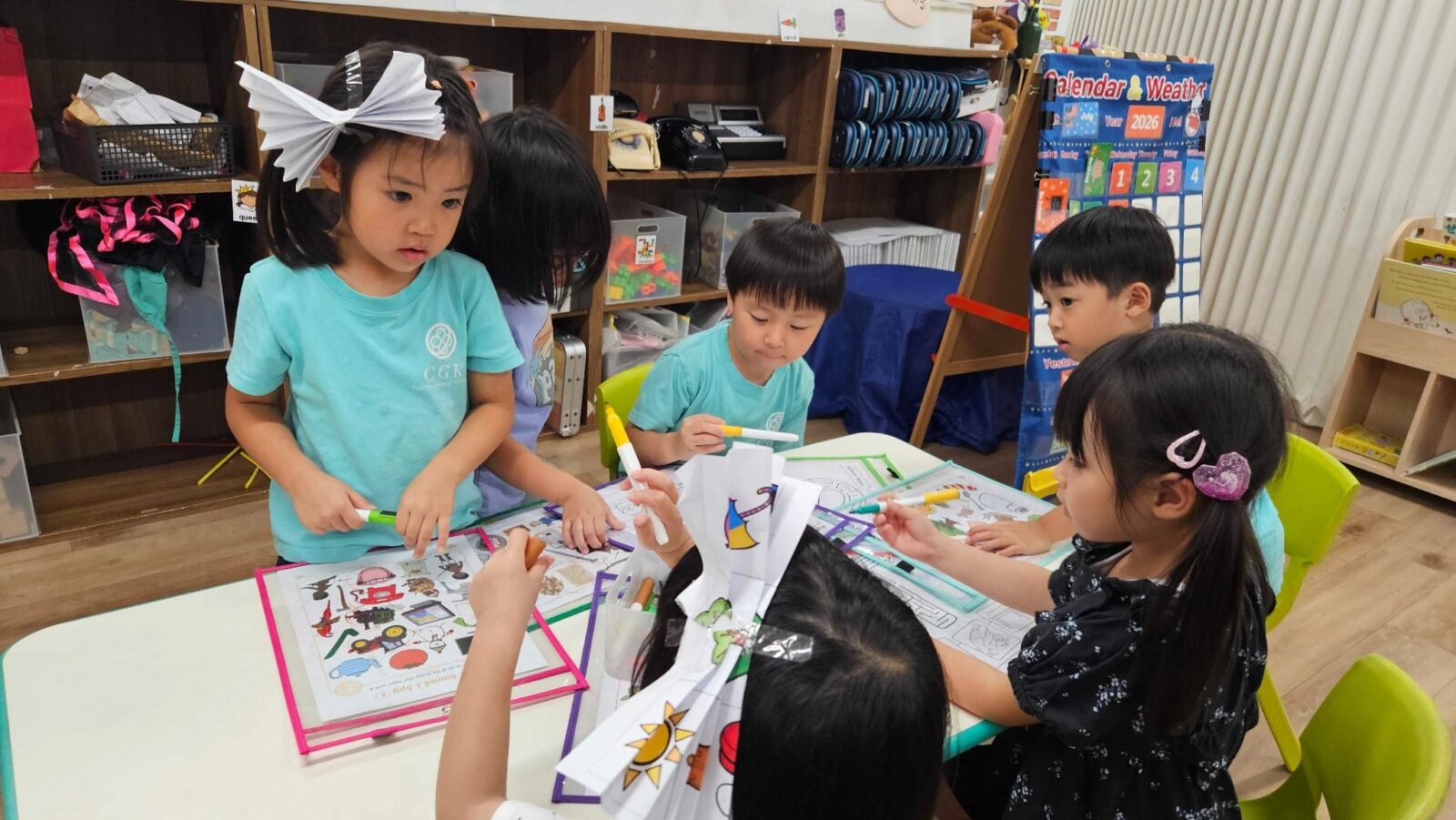
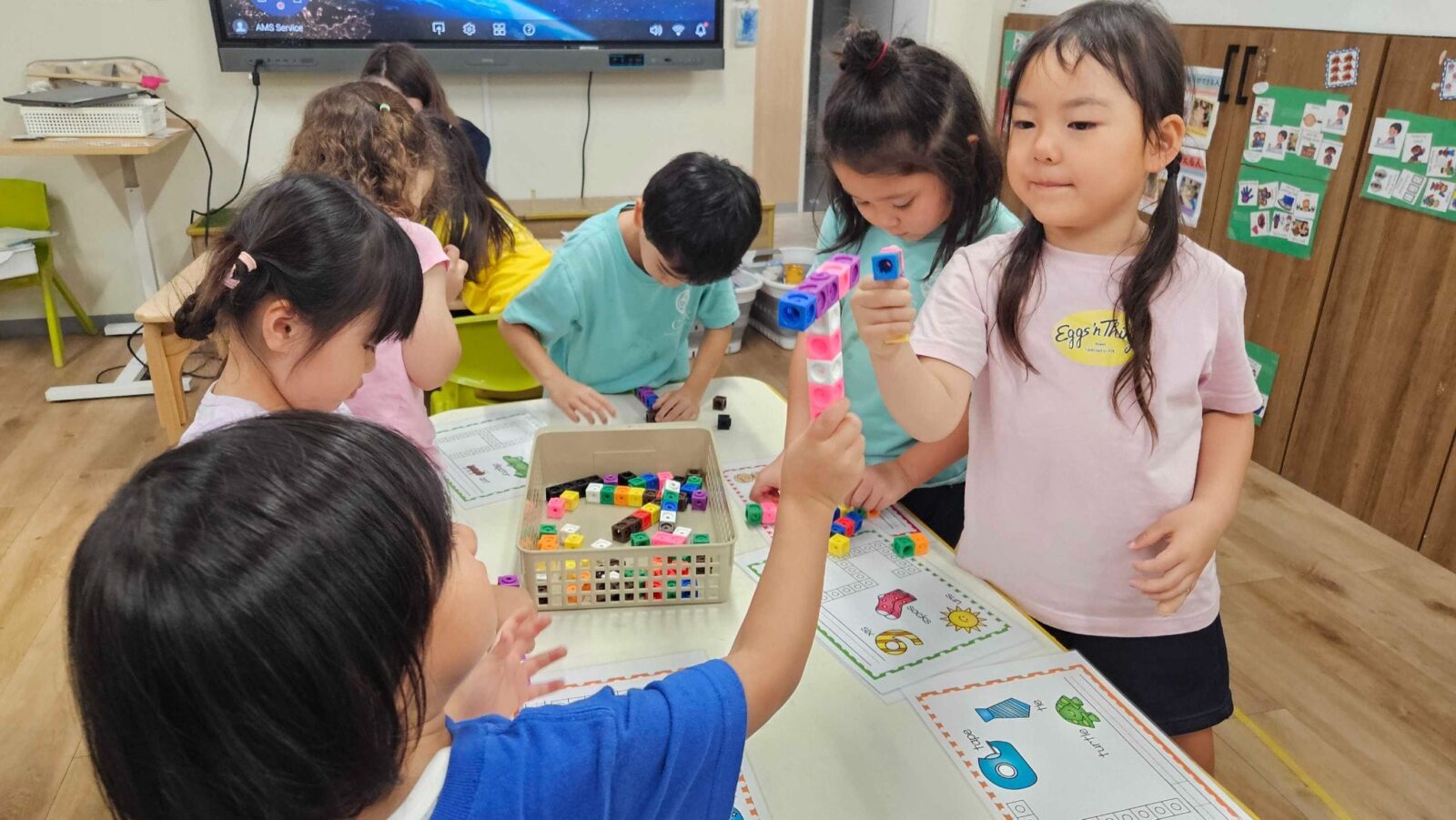
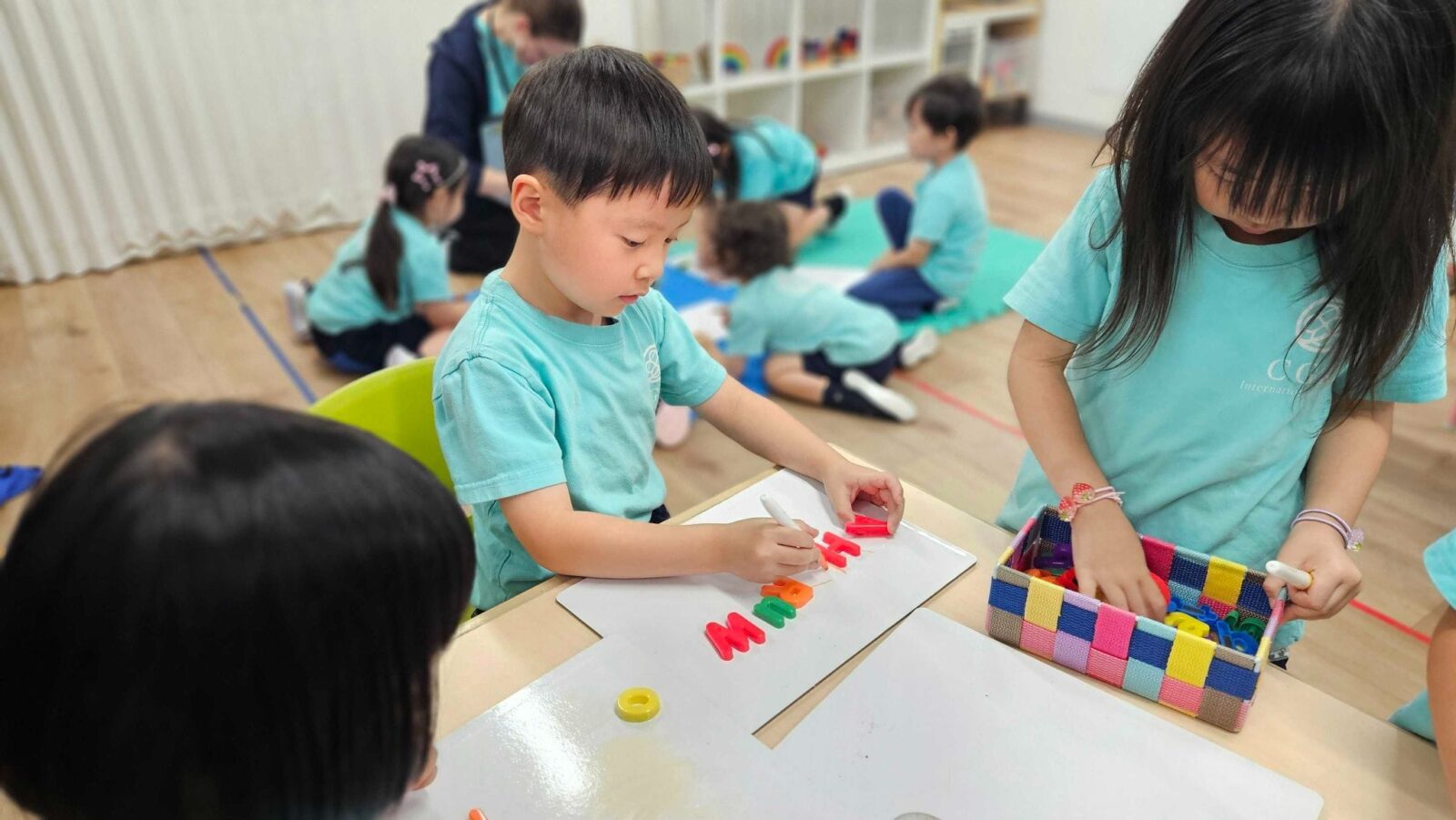
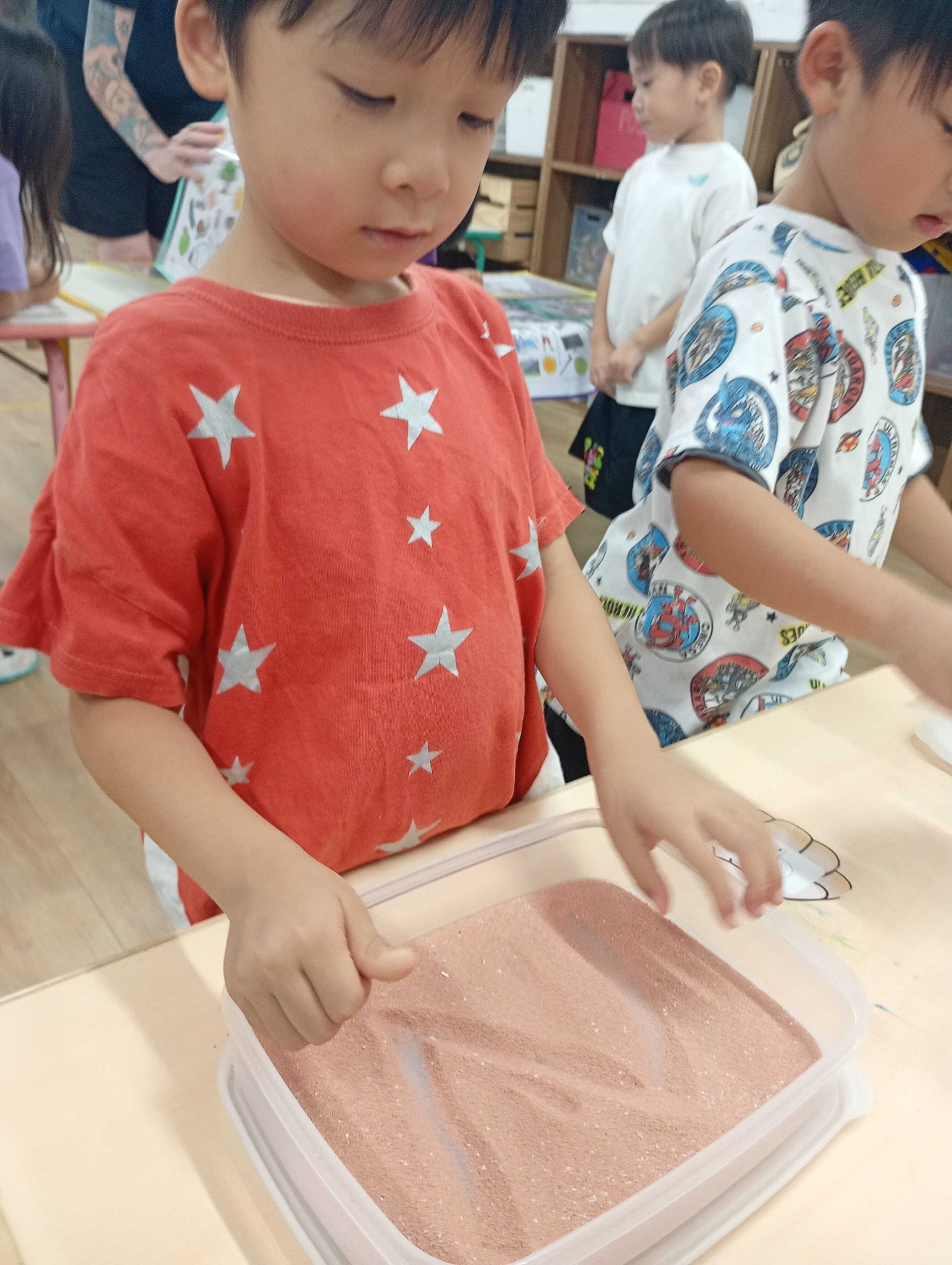
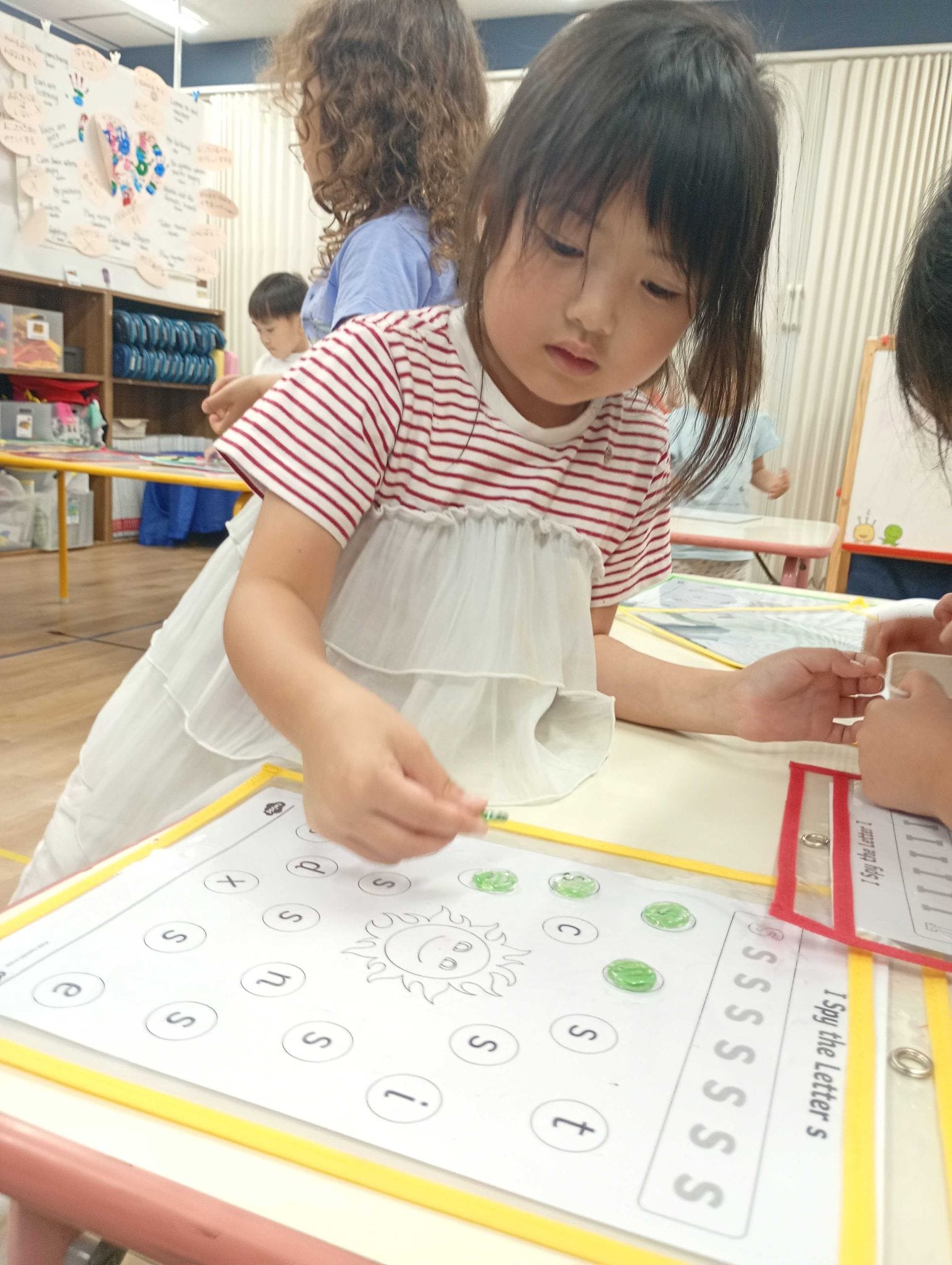
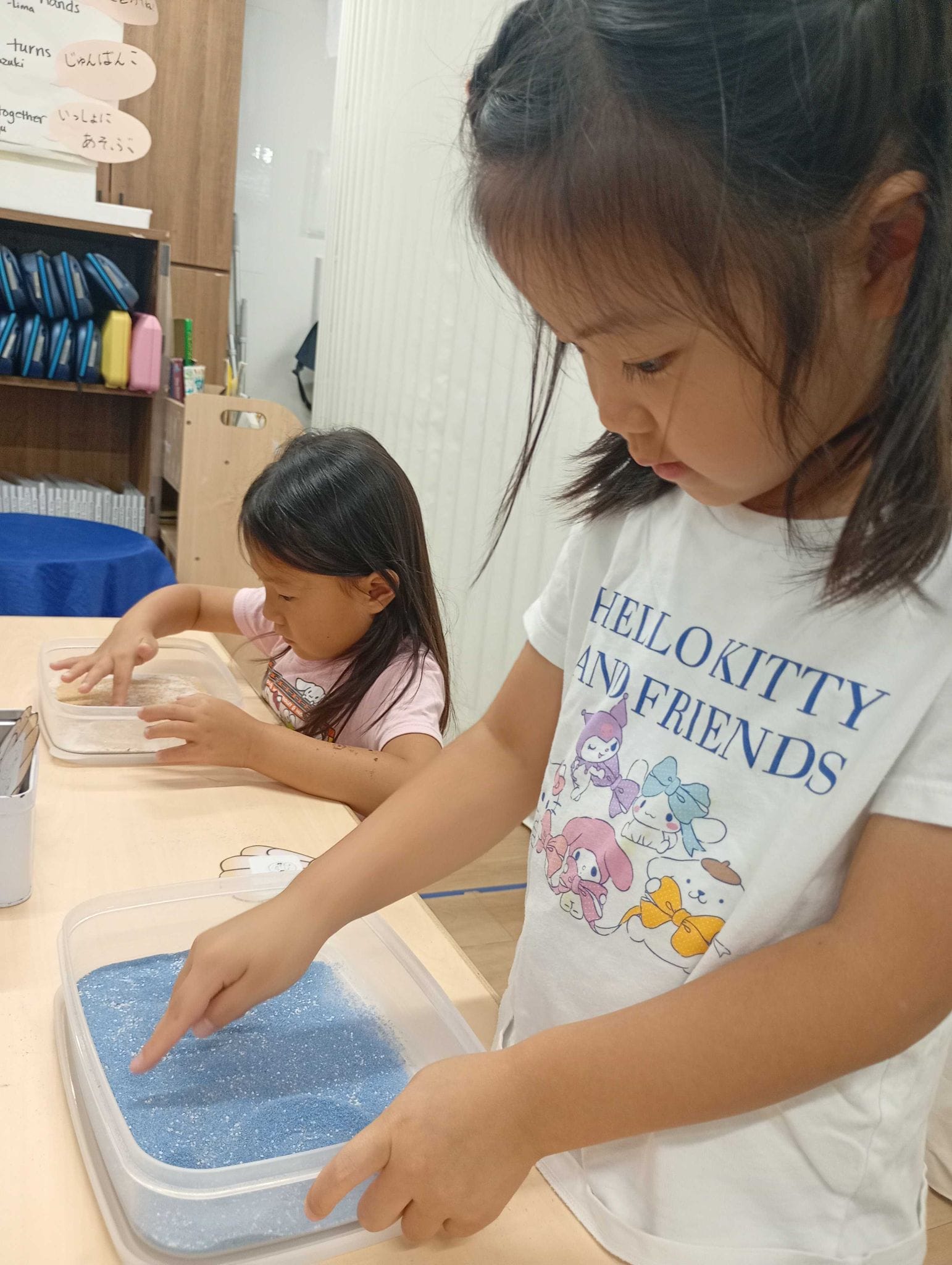
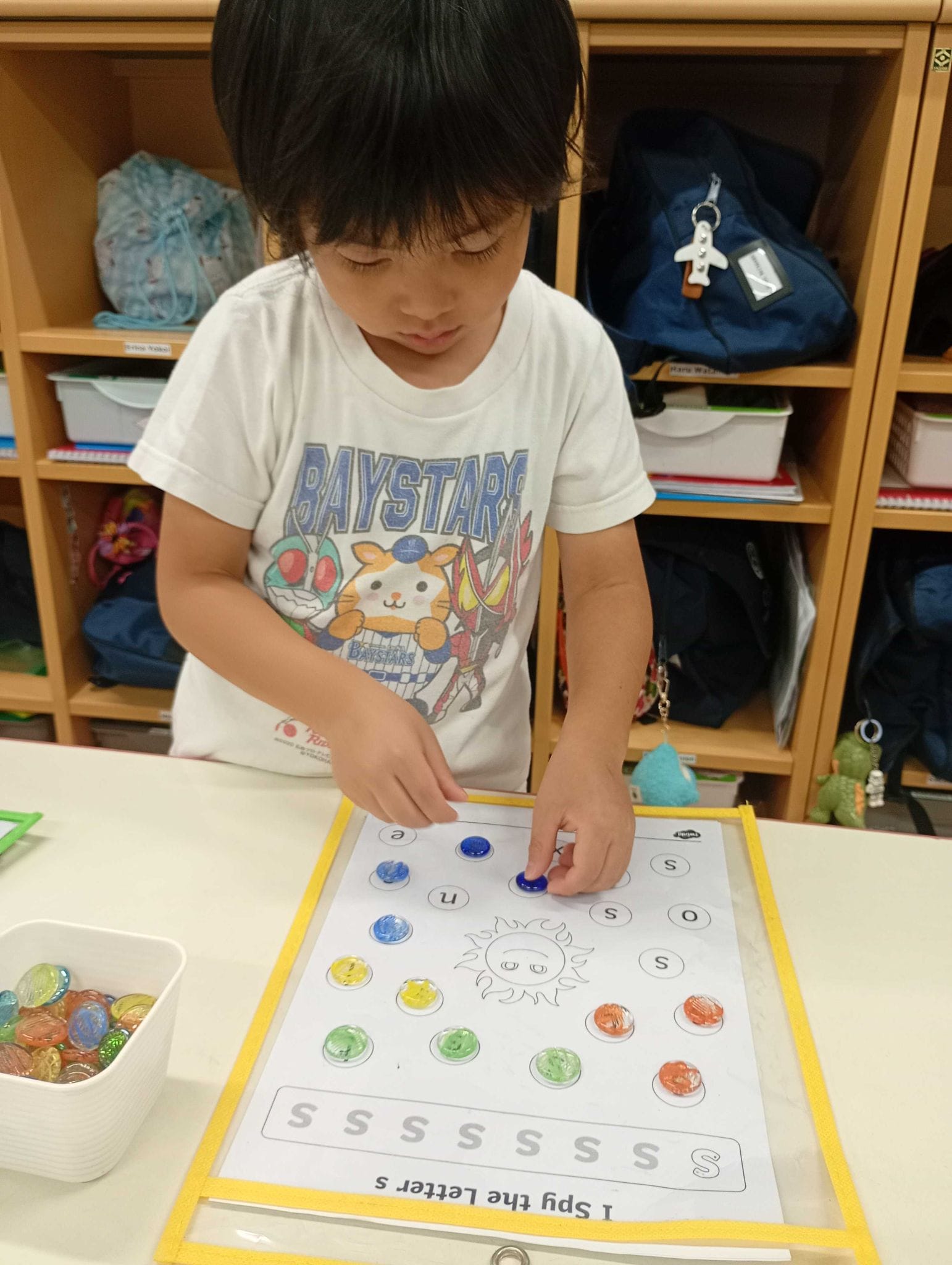
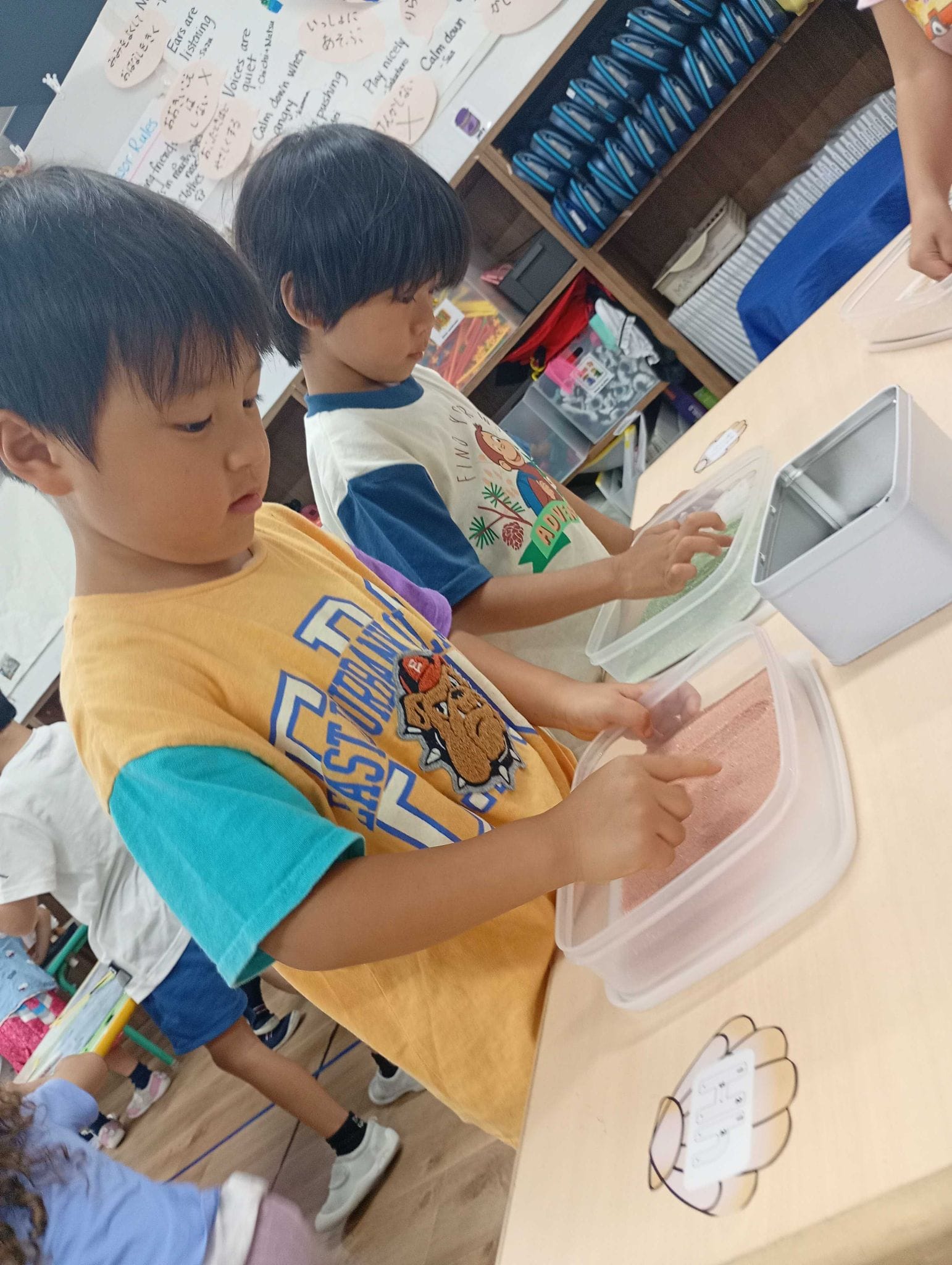
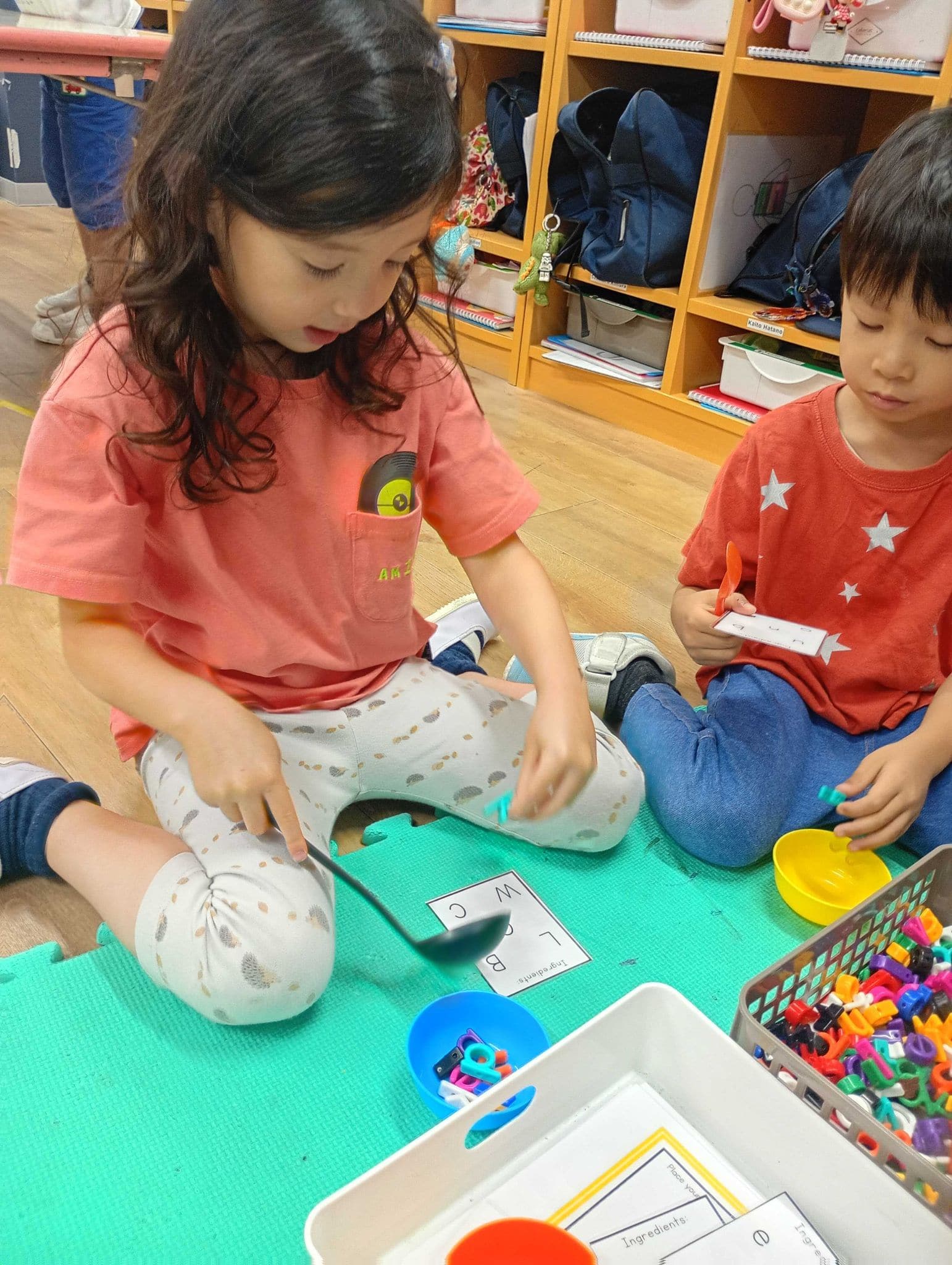
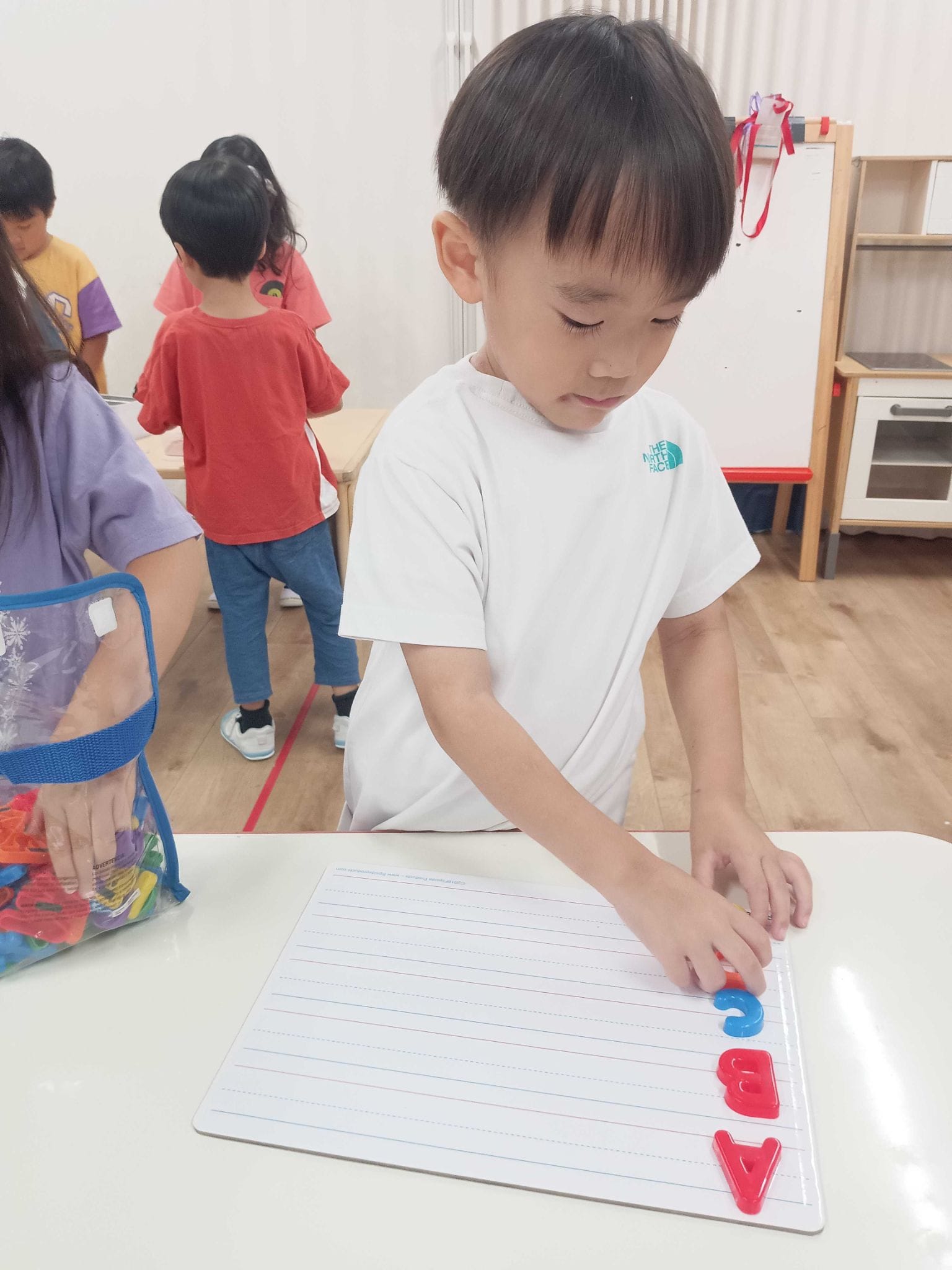
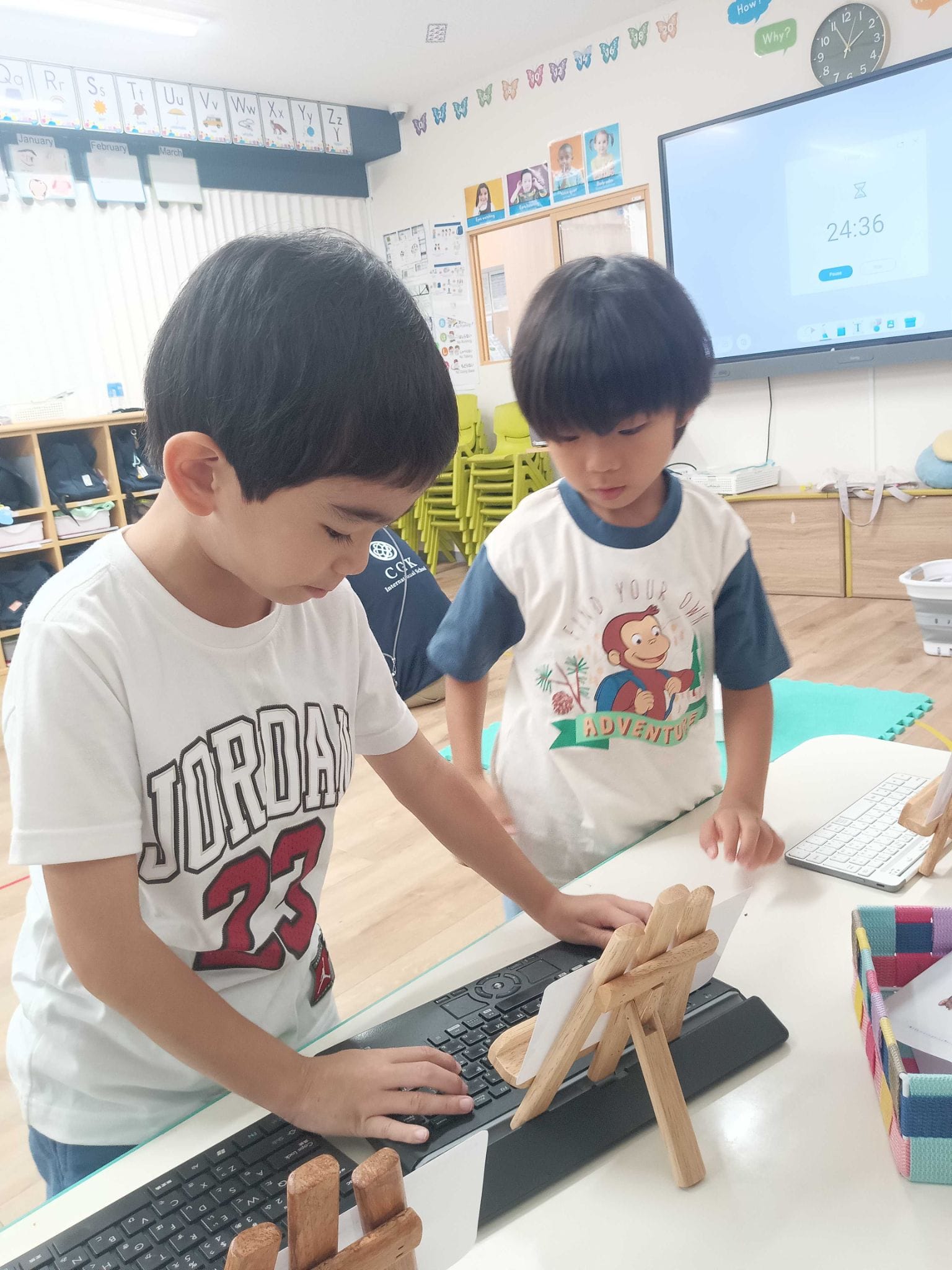
In Mountain Class—and throughout Preschool—we believe literacy develops best when children are active, engaged learners who construct understanding through meaningful experiences. Our phonics program begins with six carefully selected letters: S, A, T, P, I, and N, collectively known as SATPIN. Rather than rushing through the alphabet, we take time to inquire deeply into each letter by exploring its shape, sound, and role in communicating meaning. This concept-based approach helps students recognize that letters and sounds follow patterns, empowering them to become confident, independent readers and writers. As their understanding grows, students are encouraged to make choices, ask questions, and apply their learning in authentic ways, nurturing student agency from the very beginning of their literacy journey.
Once students feel confident with these six letters, they begin blending sounds to read simple words while exploring word families, rhyming words, and high-frequency sight words. These experiences strengthen two essential literacy skills. Phonological awareness is the ability to hear and recognize patterns, syllables, and rhyming sounds in spoken language. Phonemic awareness is the understanding that words are made up of individual sounds, or phonemes, that can be blended, separated, and manipulated. These foundational skills support not only reading and spelling, but also communication and broader language development. Throughout the process, students develop important Approaches to Learning (ATL) skills, including thinking skills as they identify patterns, communication skills as they share ideas and language, and self-management skills as they practice, reflect, and build confidence.
In keeping with the International Baccalaureate (IB) Primary Years Programme (PYP), literacy learning extends far beyond worksheets. Our classrooms feature differentiated learning centers, where every child can engage in developmentally appropriate experiences that respond to individual needs and interests. Through purposeful play, hands-on exploration, collaboration, and inquiry, students investigate language in meaningful contexts while taking ownership of their learning. Teachers observe, ask questions, and guide each child's next steps, ensuring that every learner is appropriately challenged and supported. By nurturing curiosity alongside strong foundational literacy skills, we are helping our students become not only capable readers and writers, but also knowledgeable, reflective, and lifelong learners.
Fun in the Sun: Water Play Season Is Here!
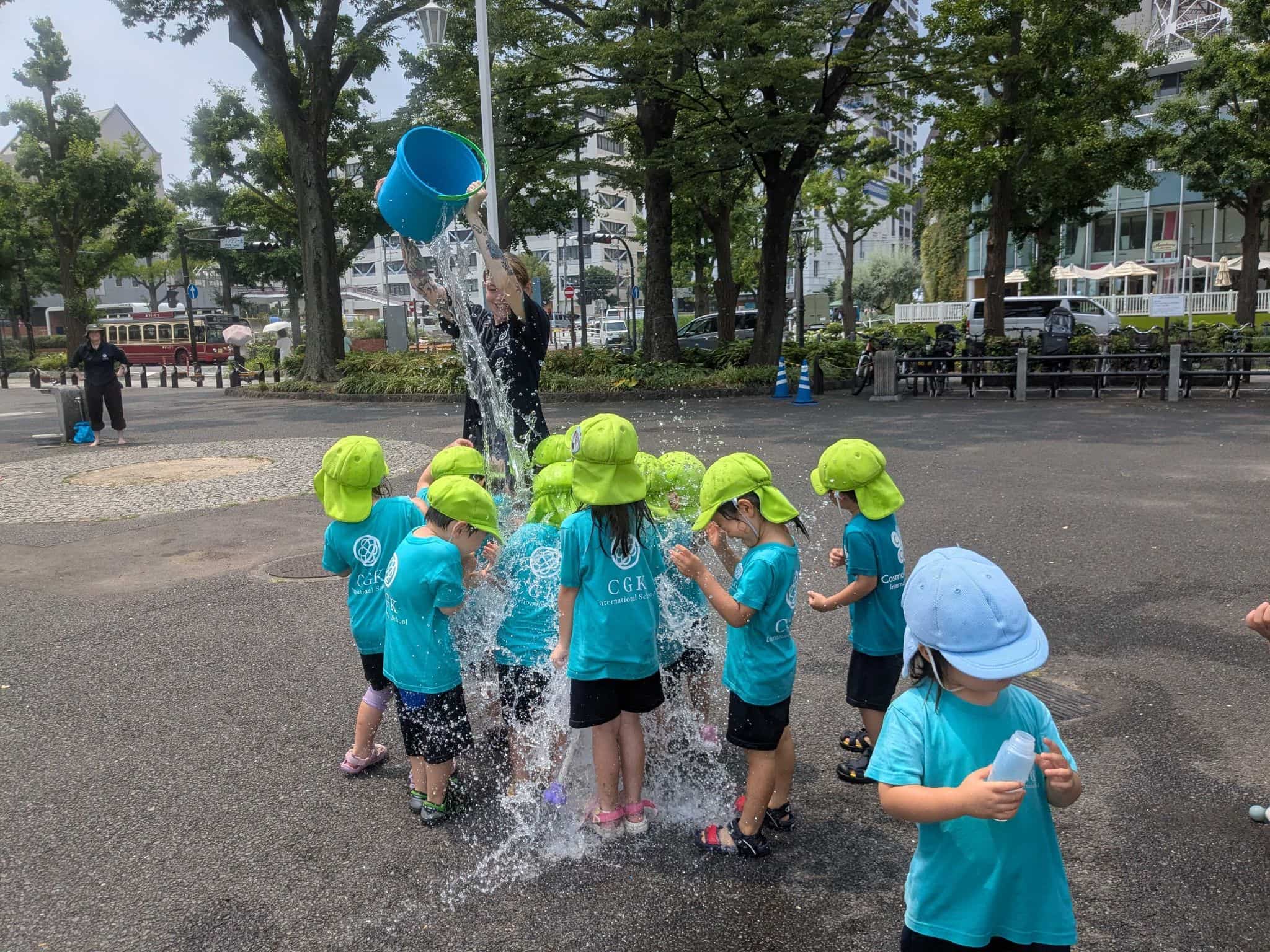
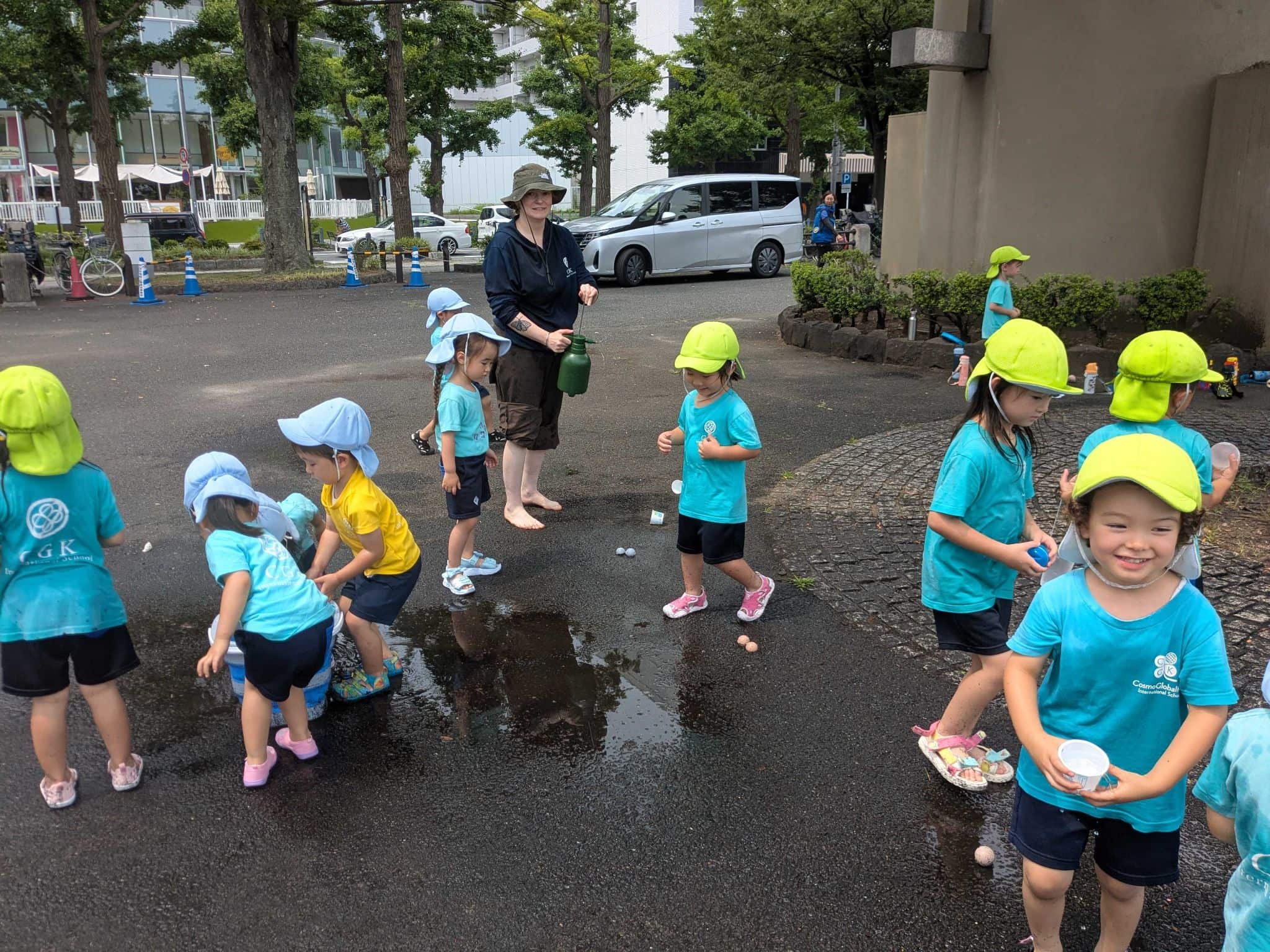
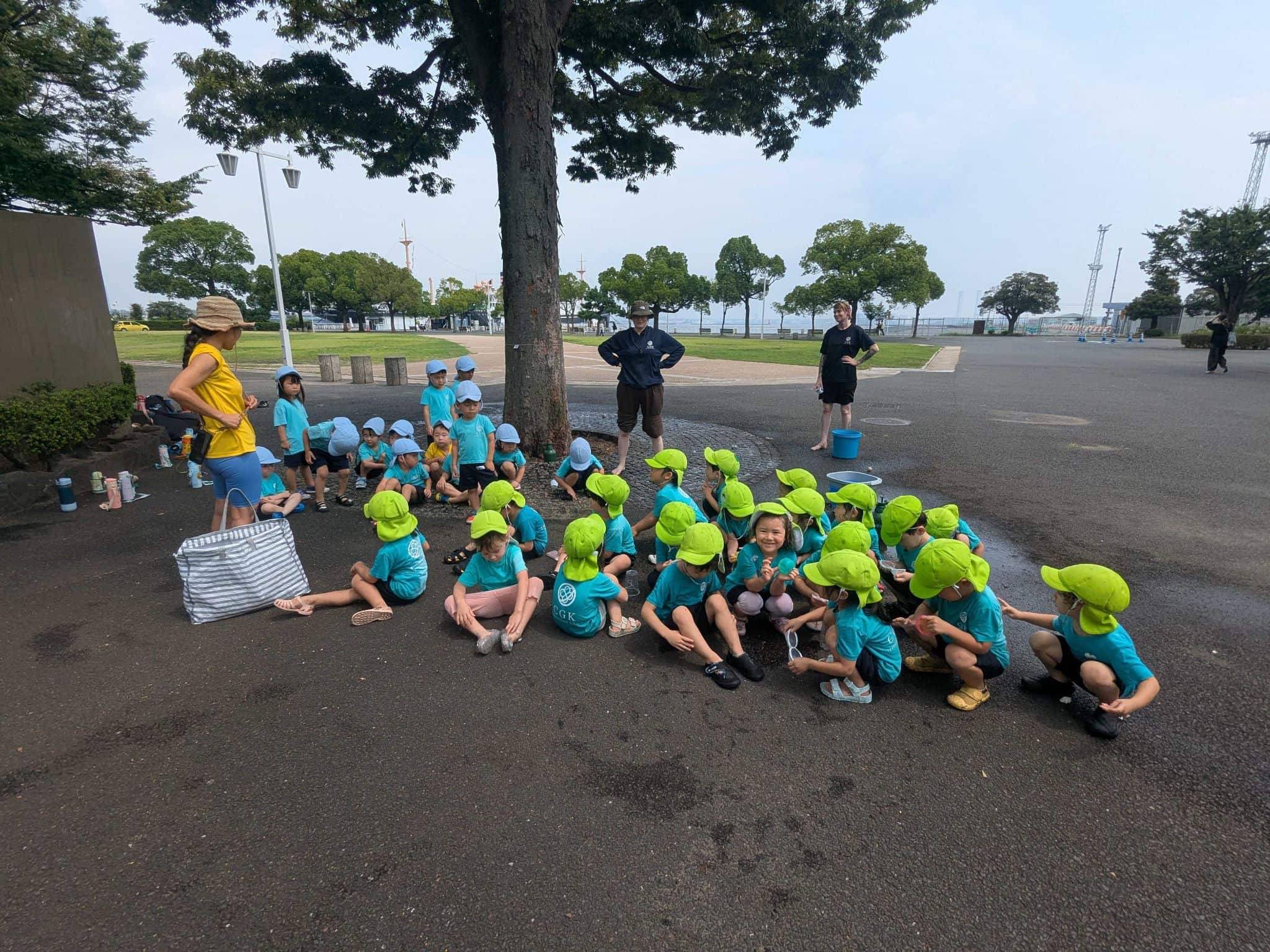
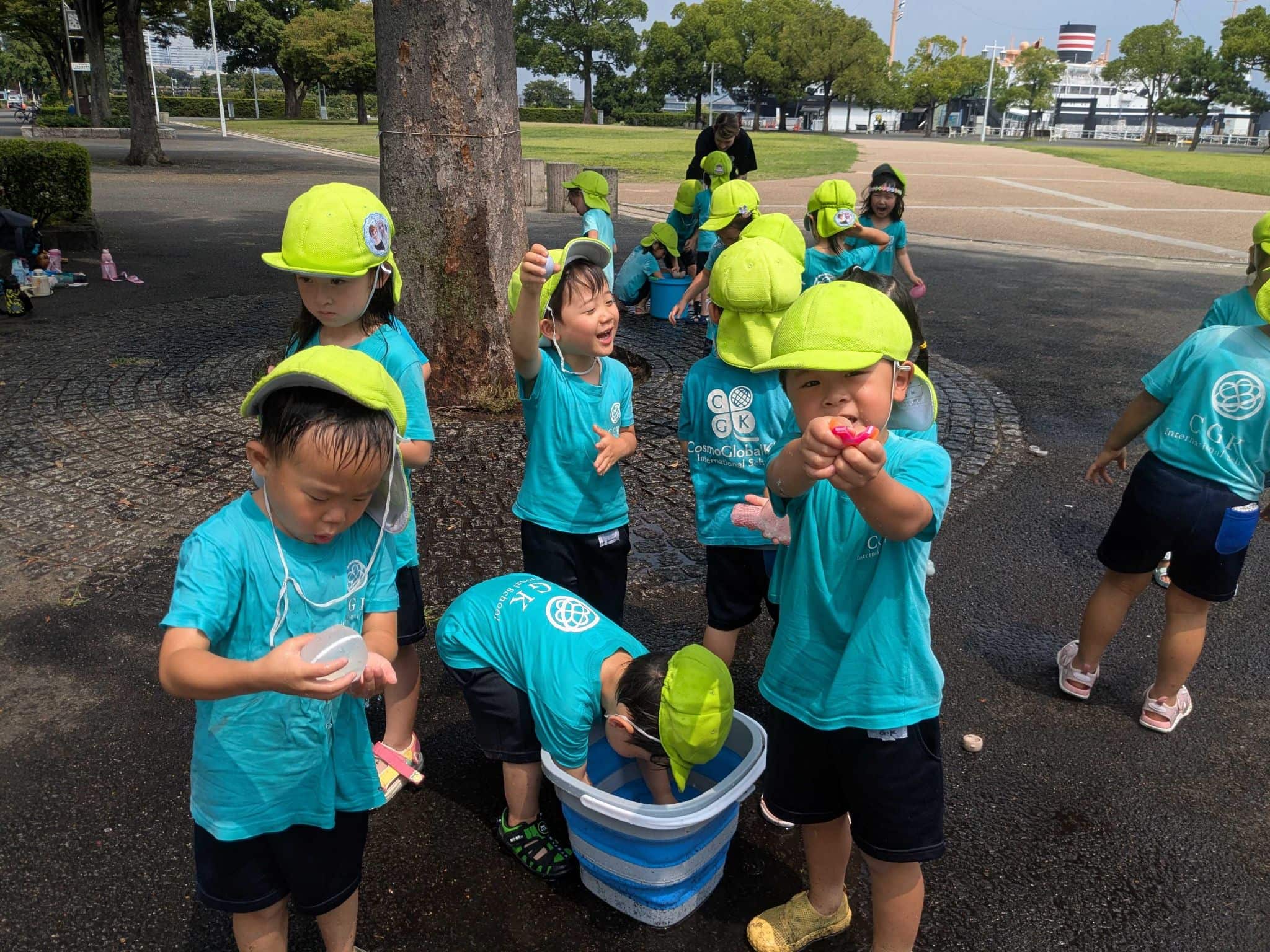
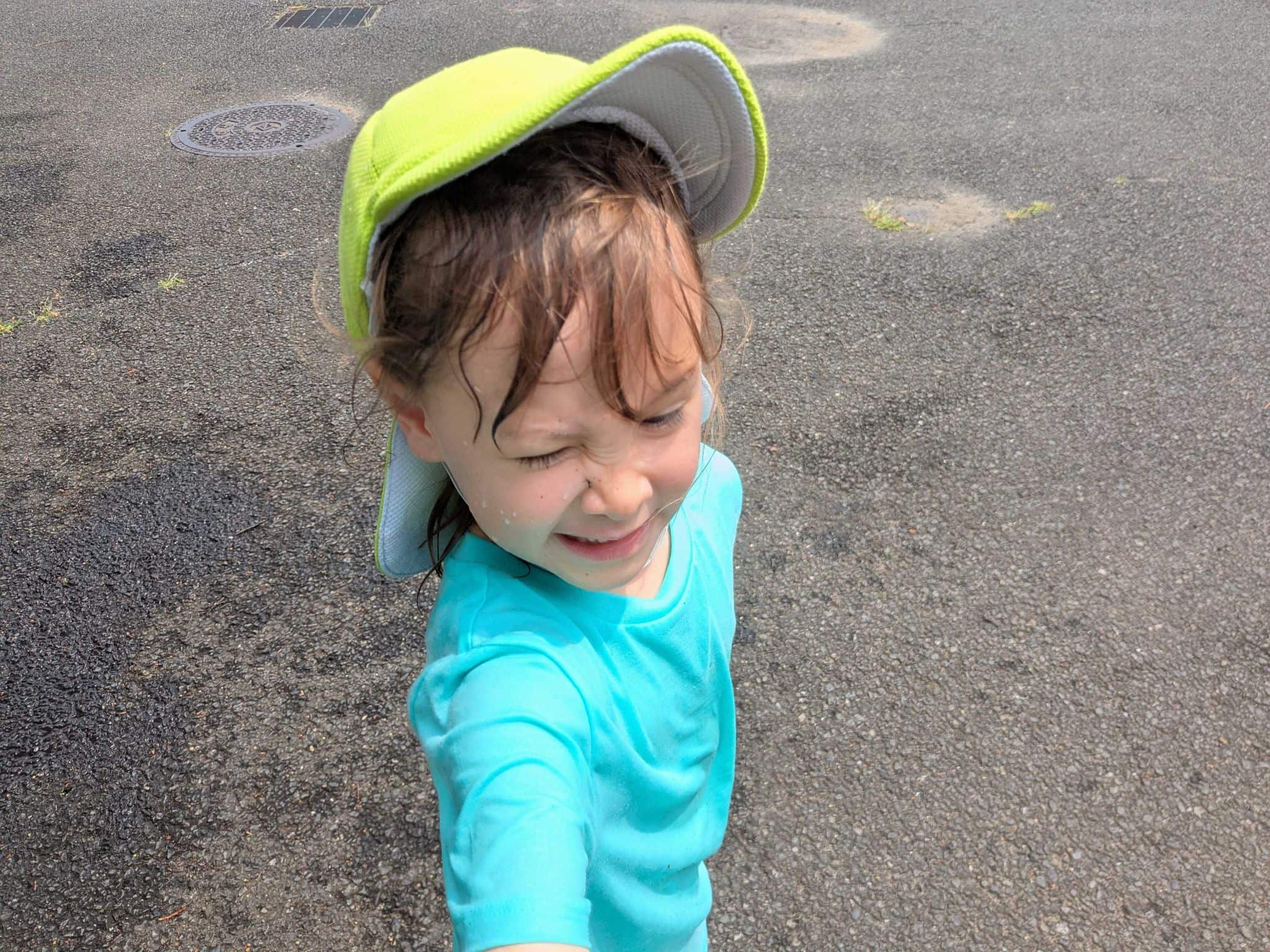
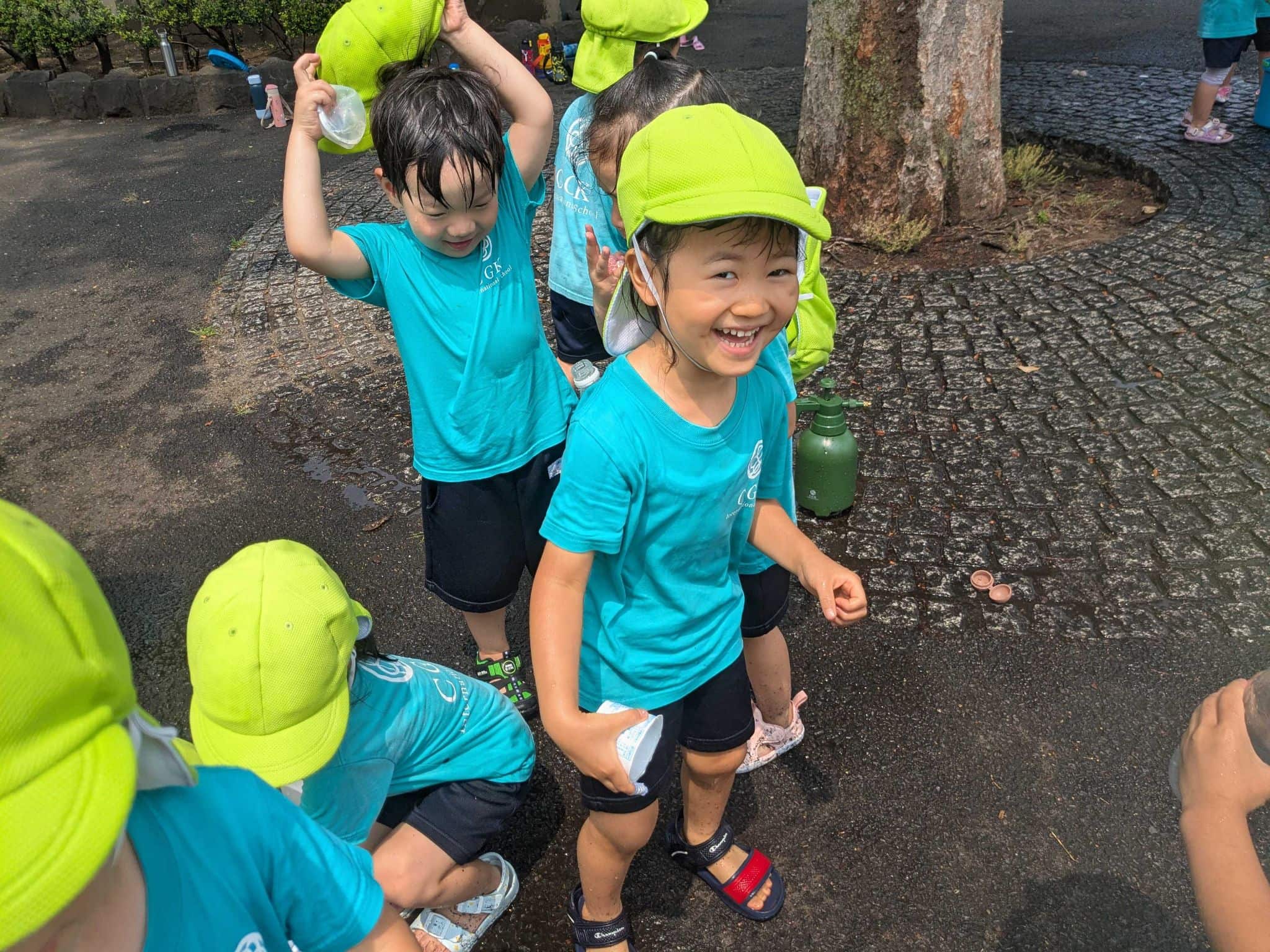
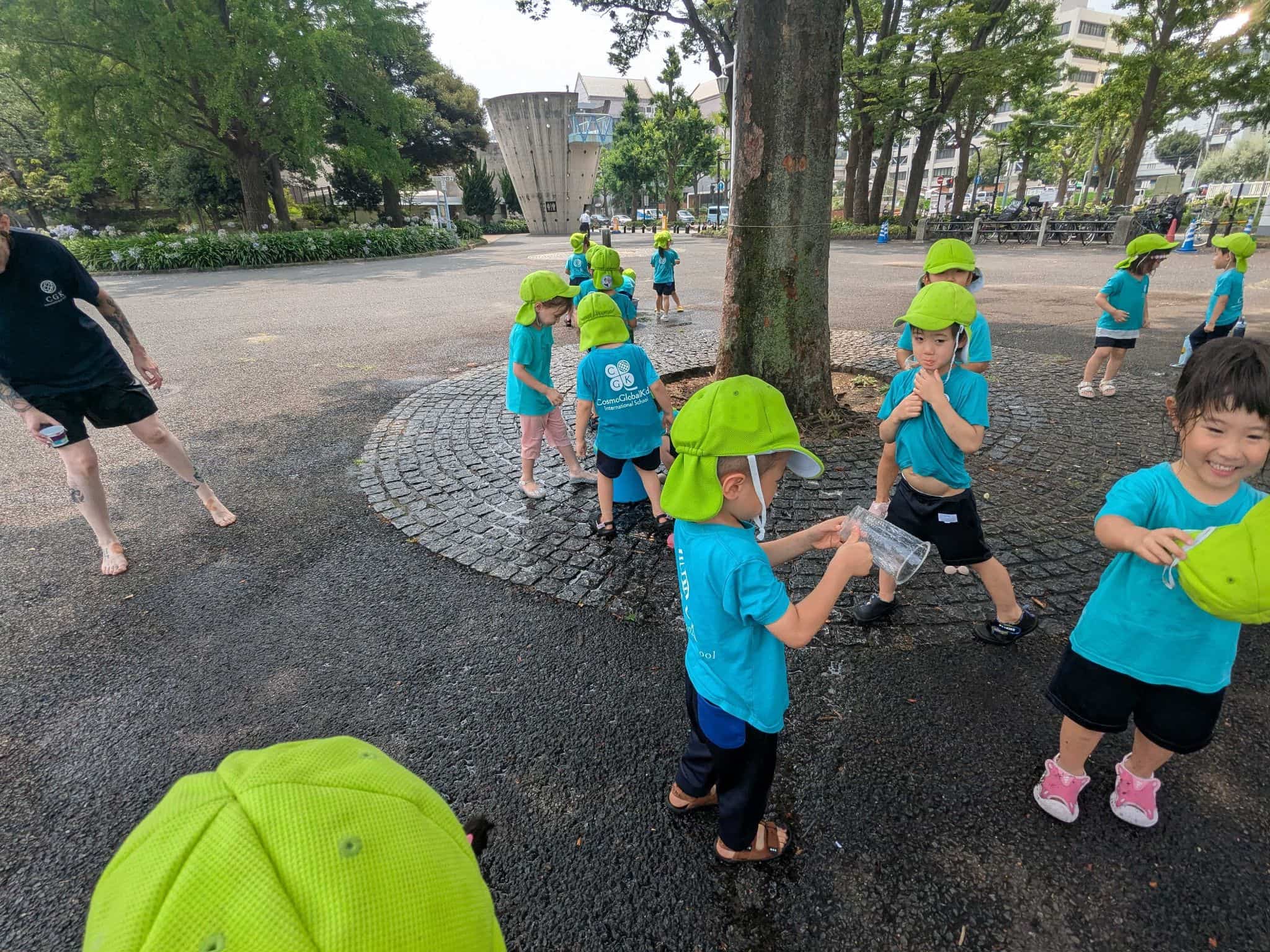
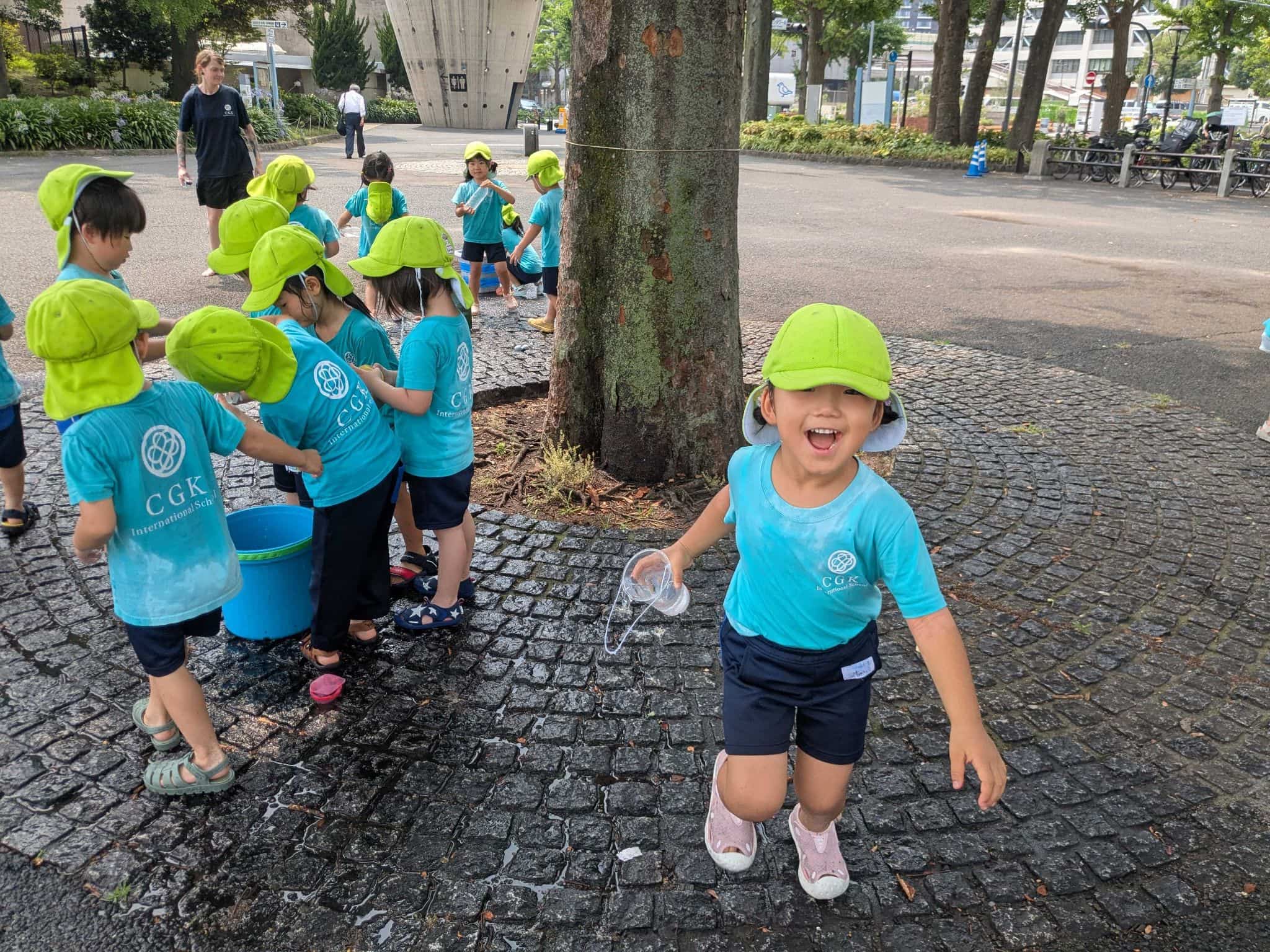
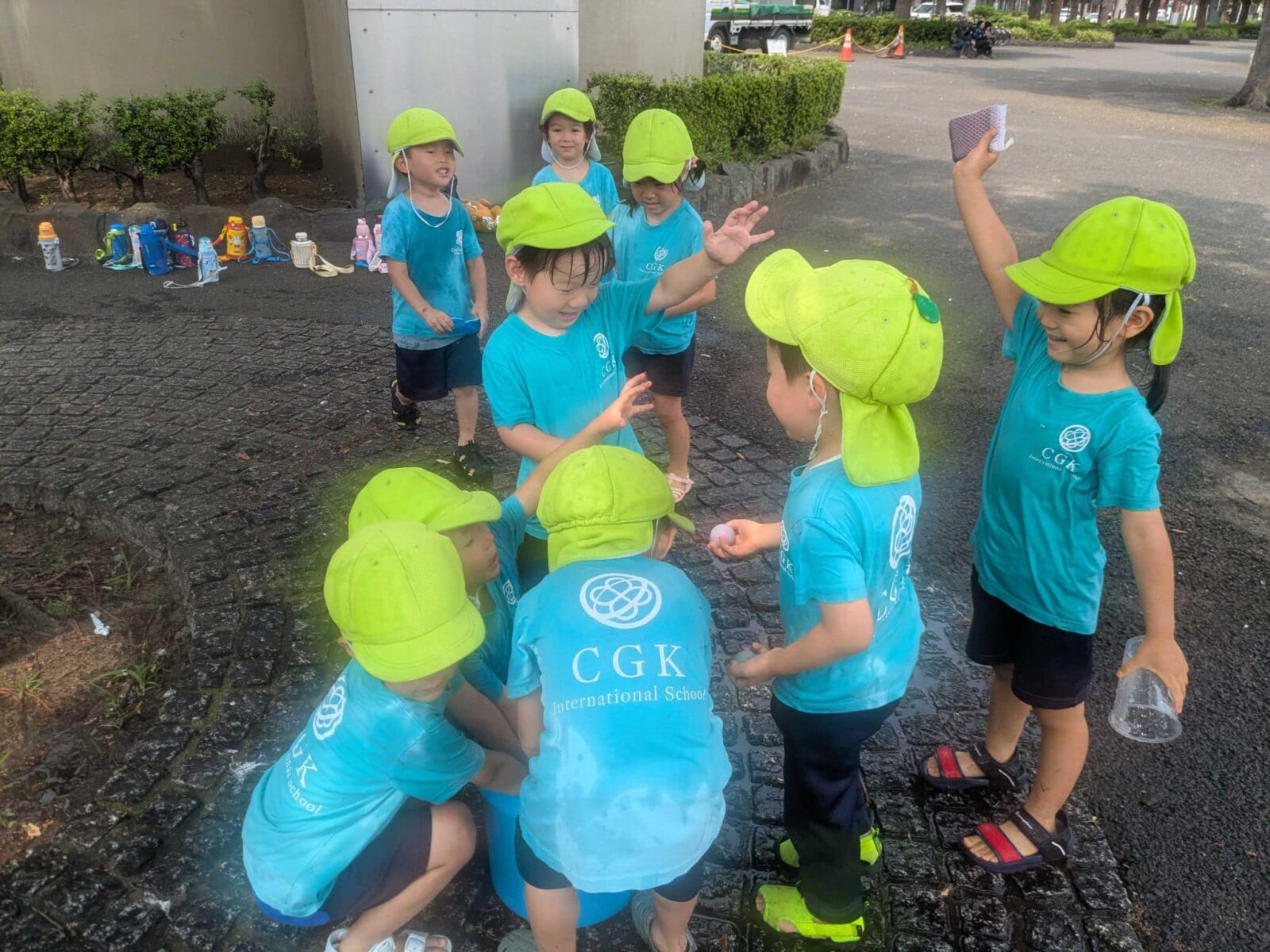
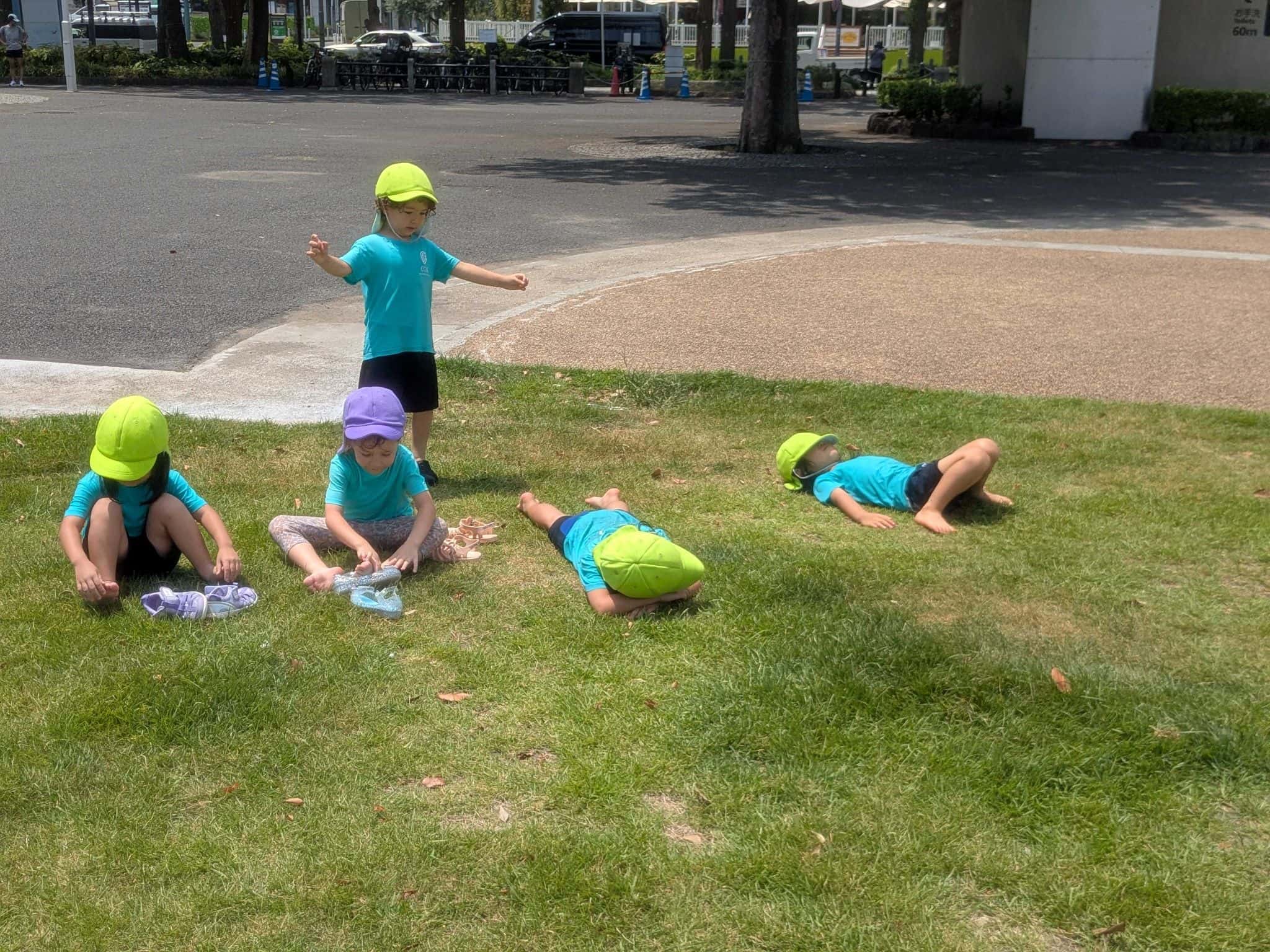
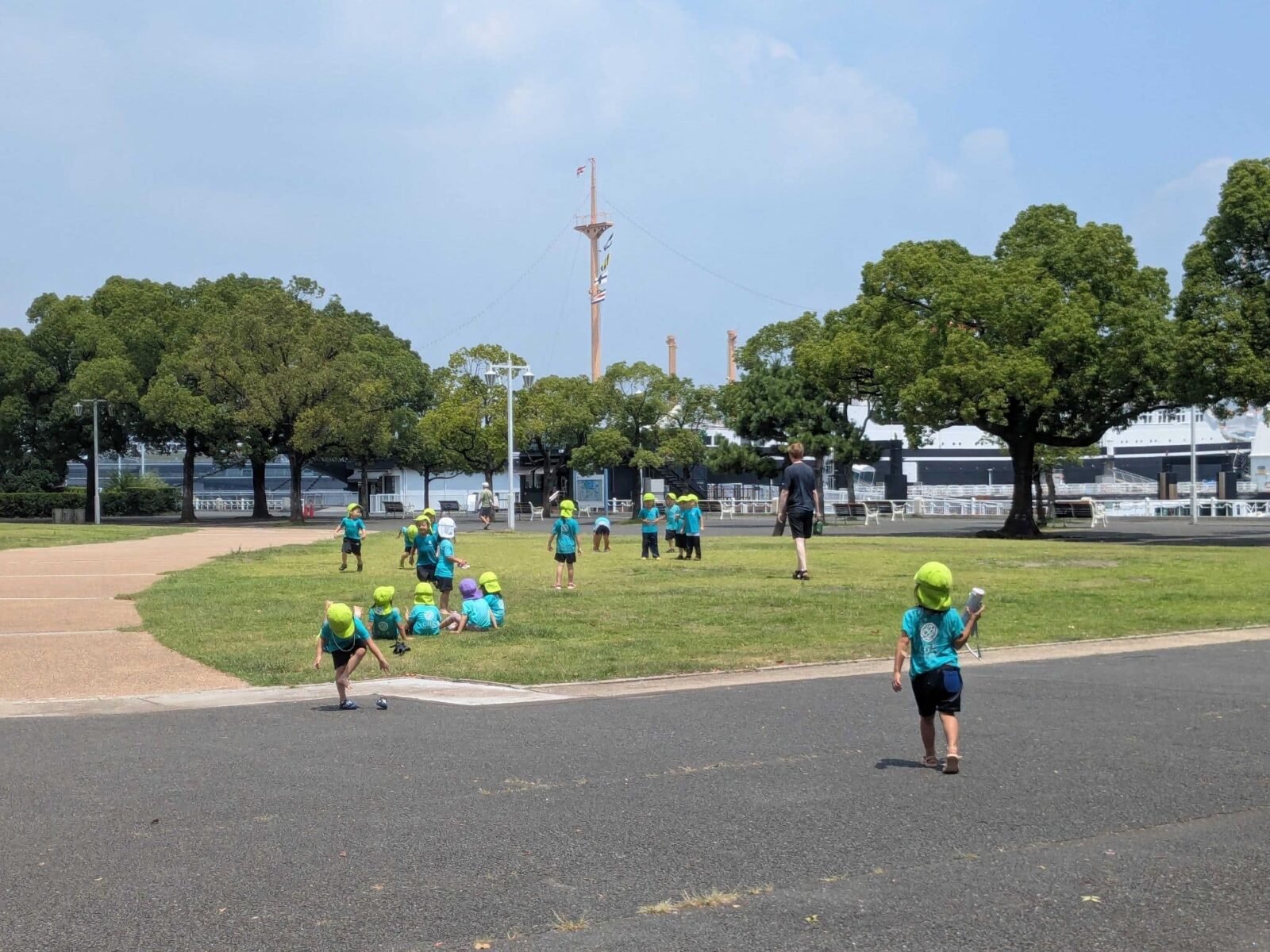
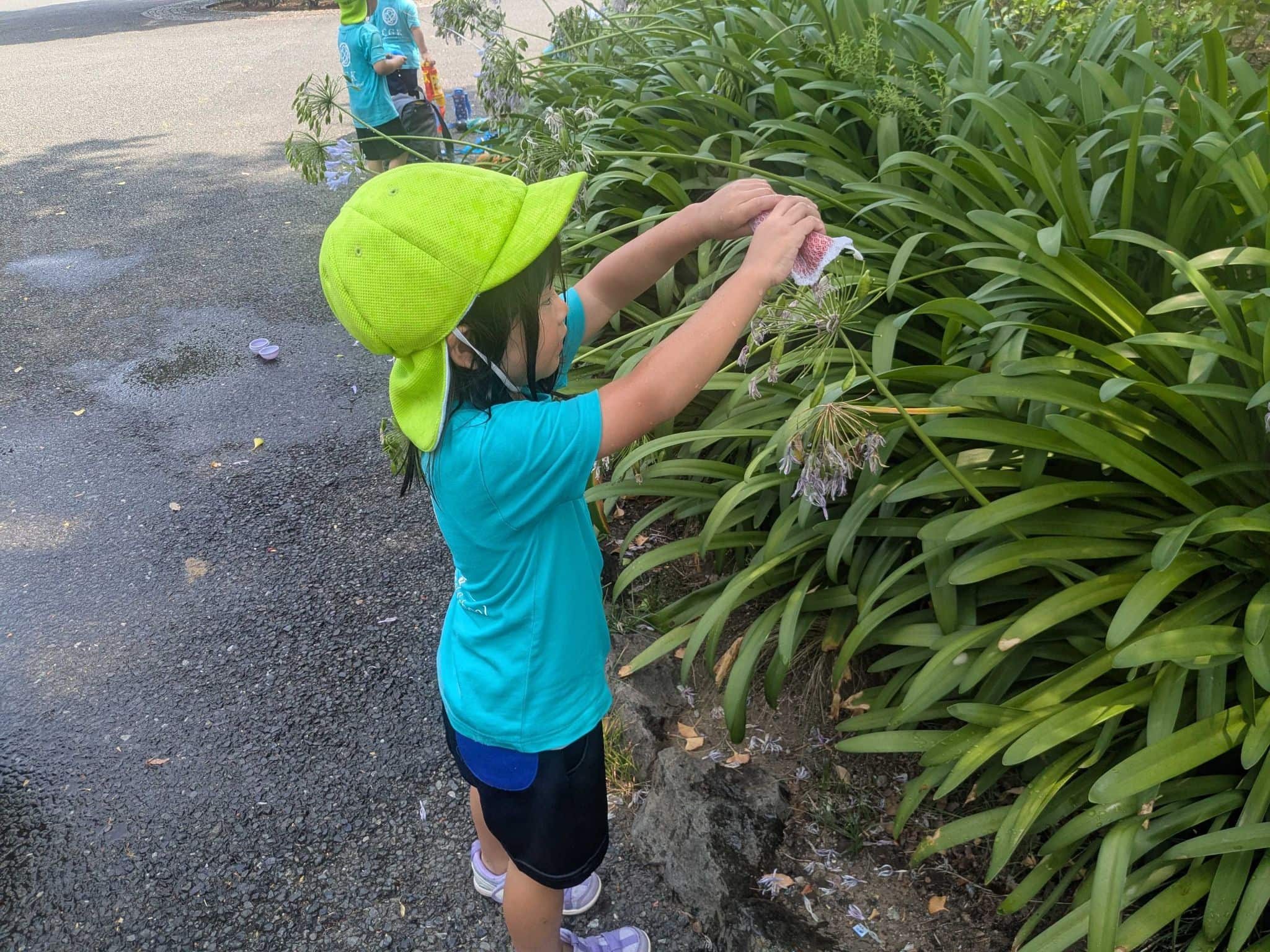
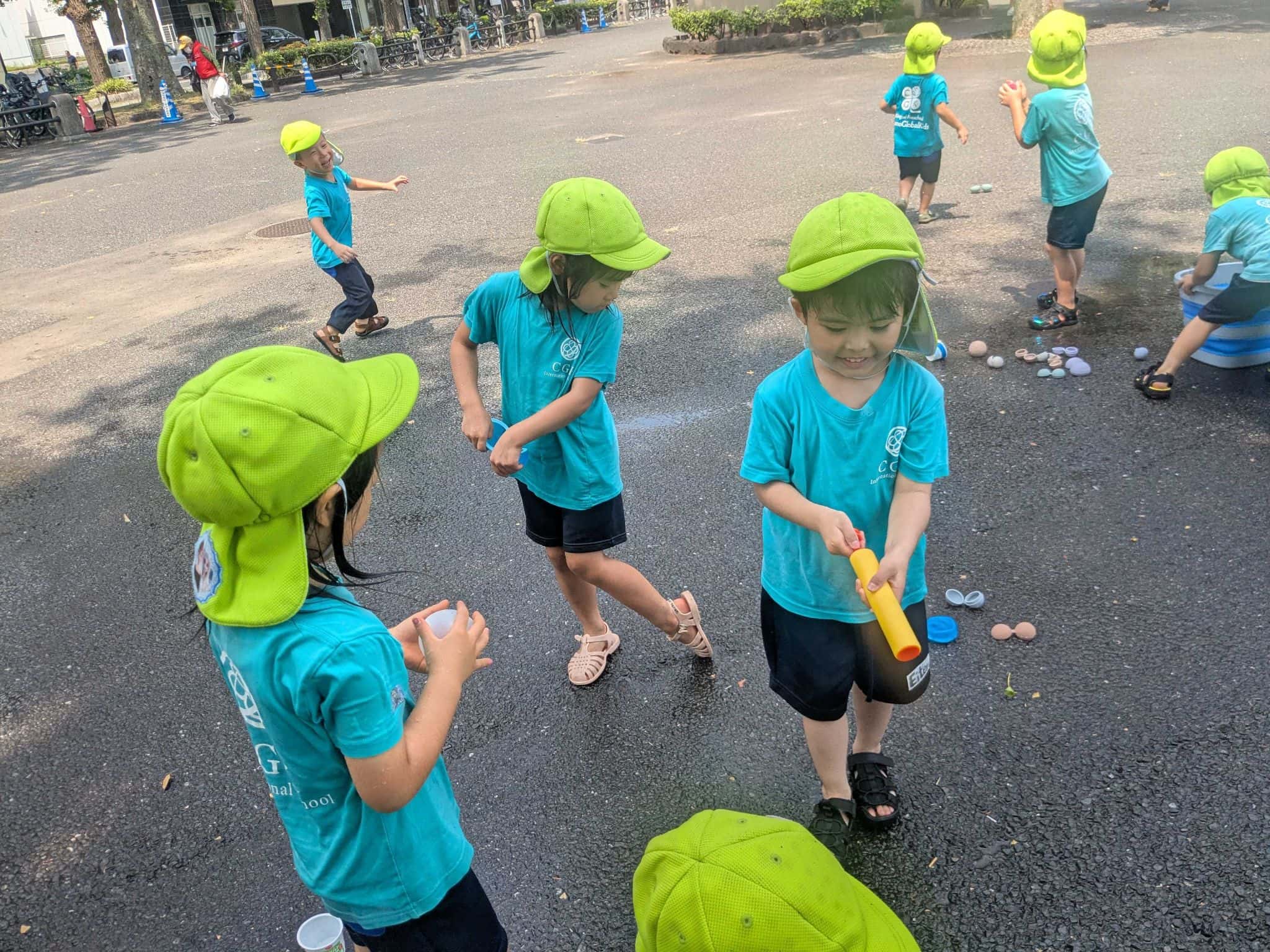
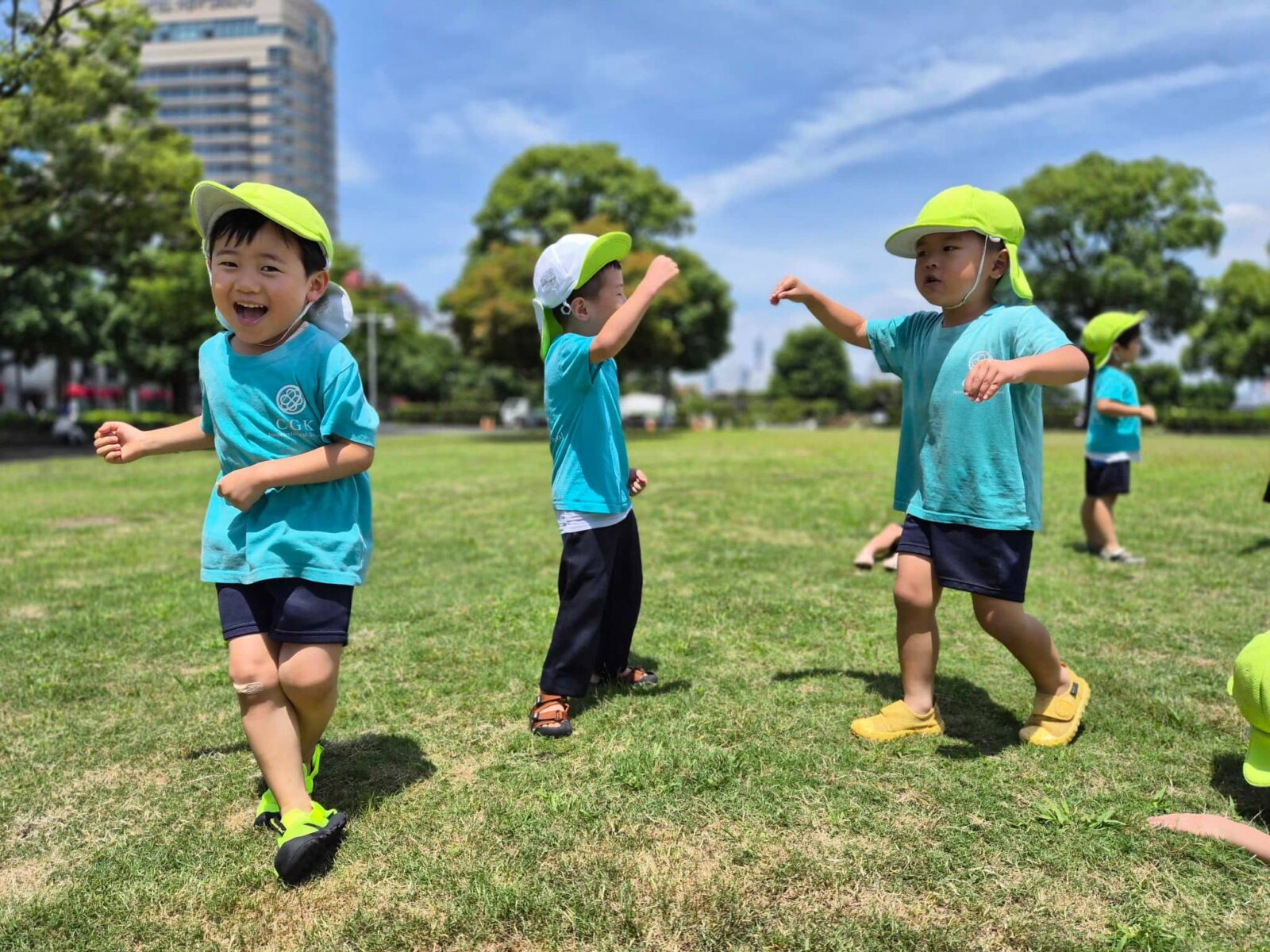
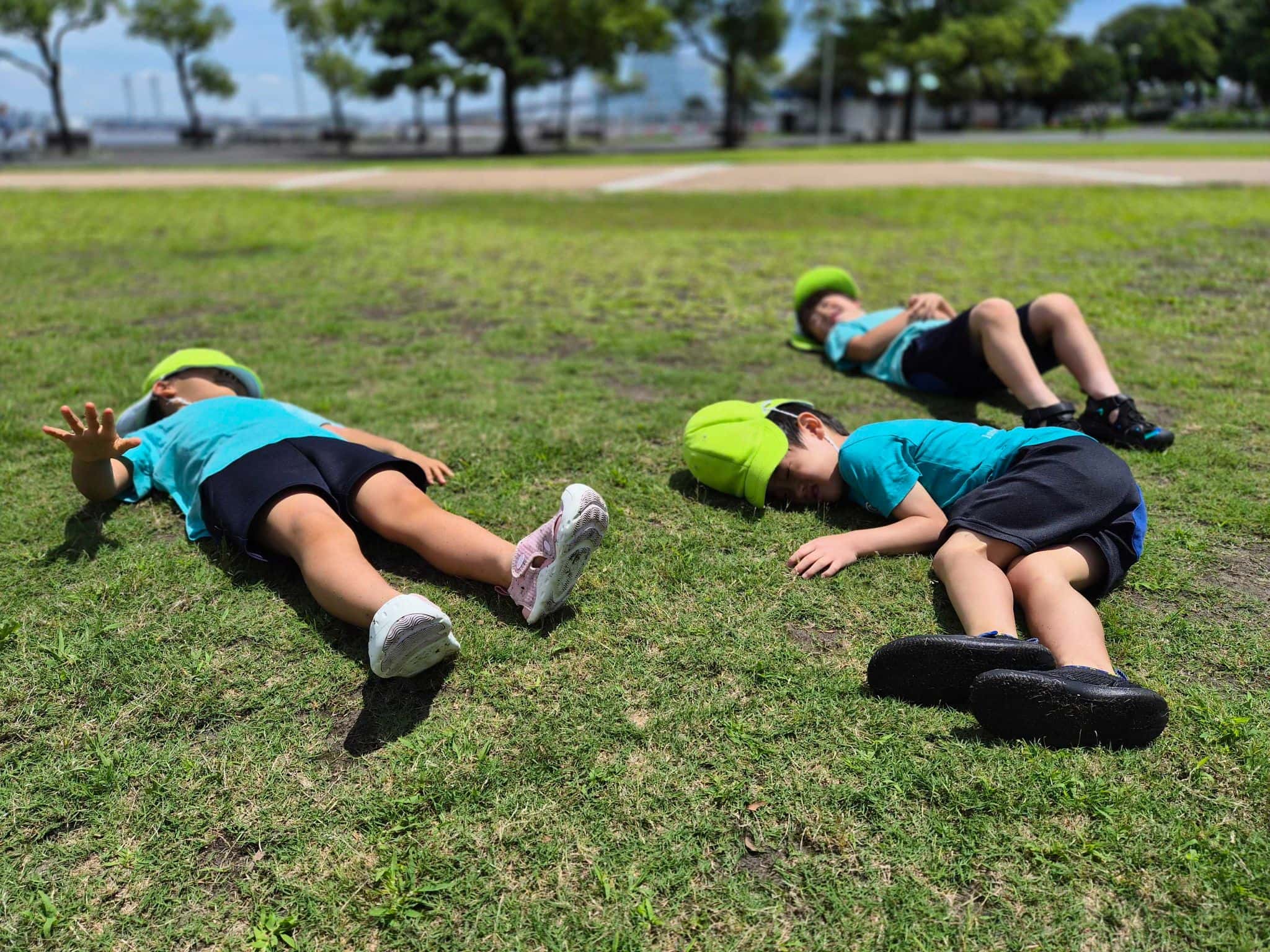
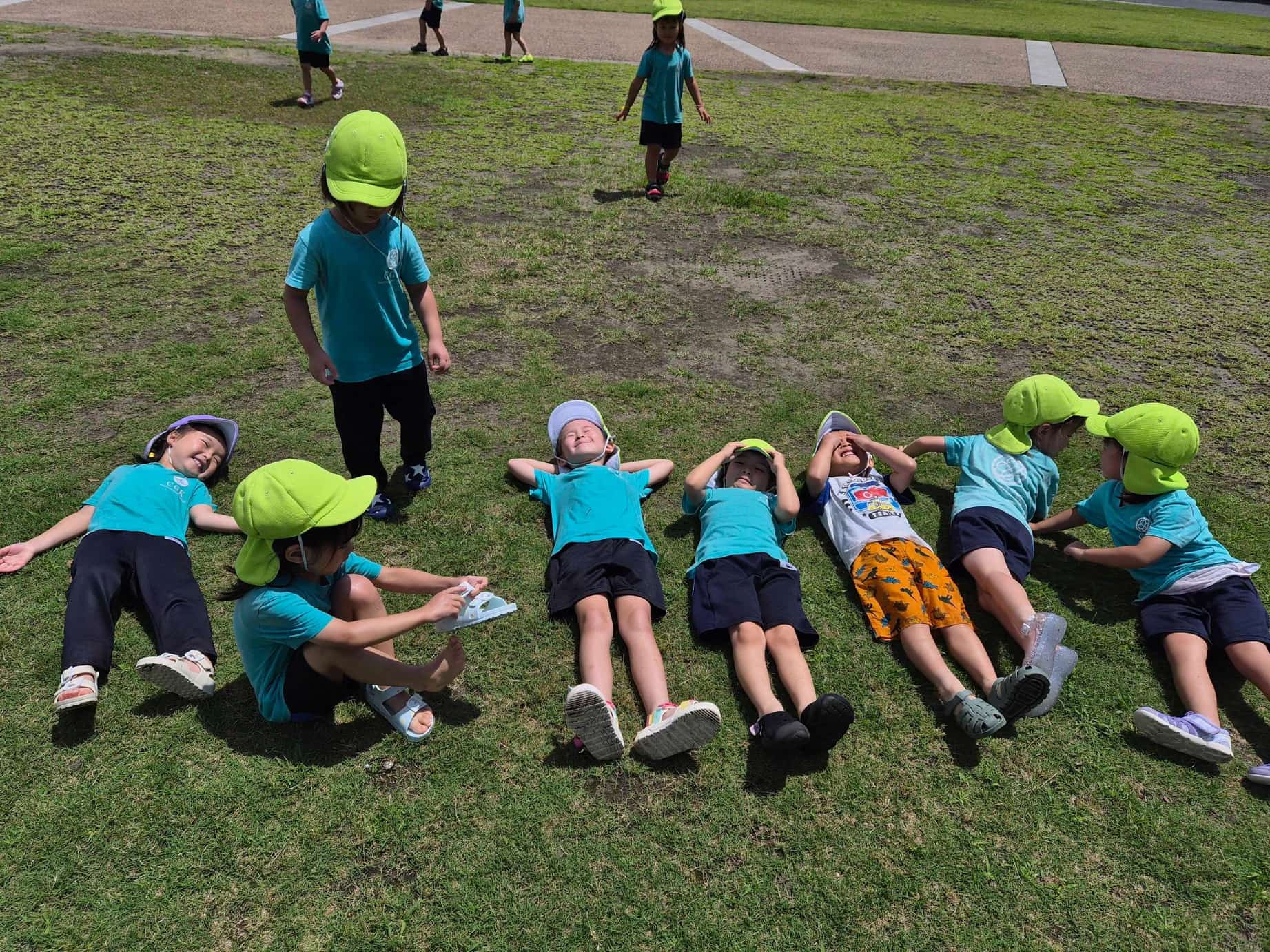
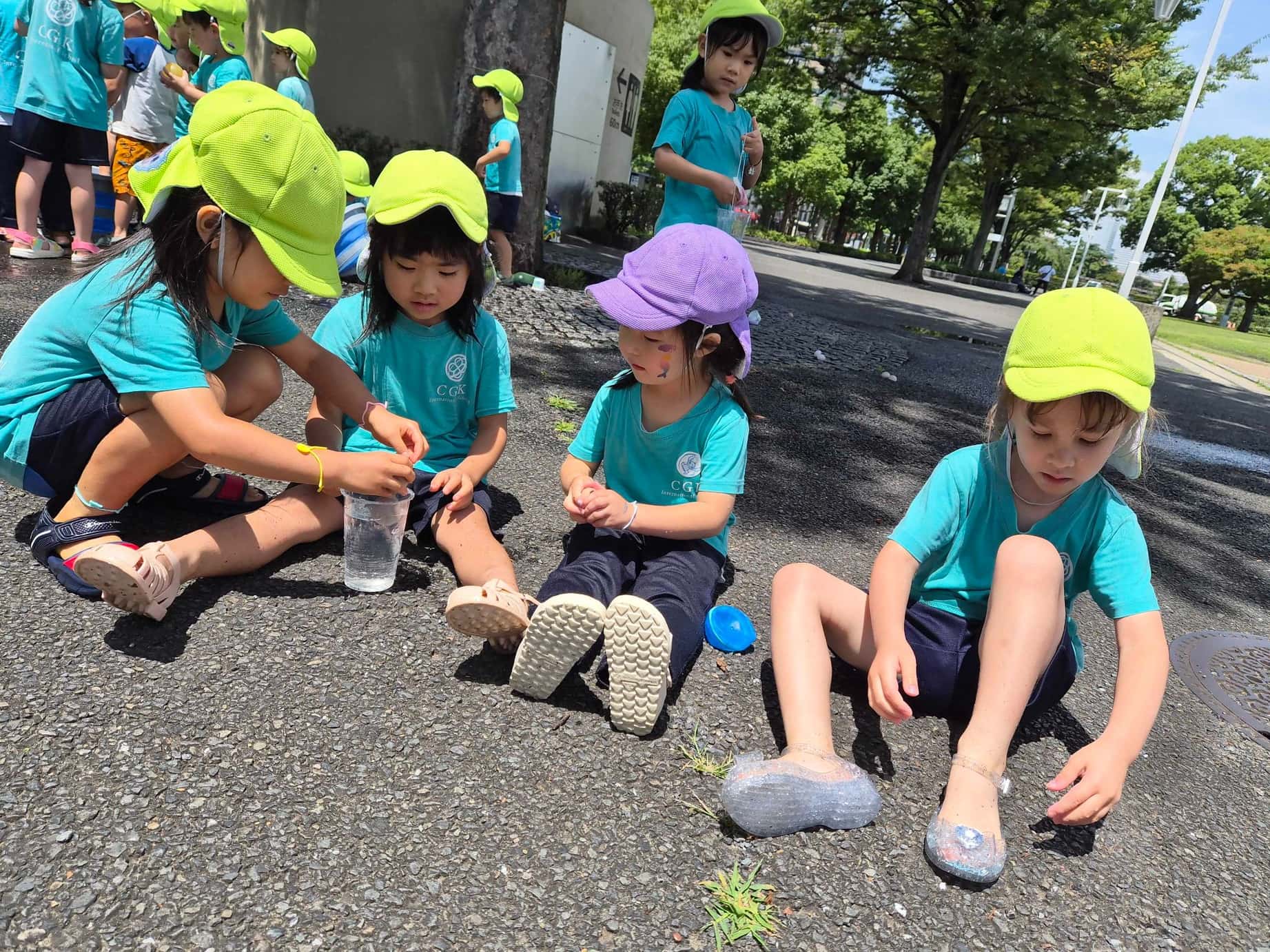
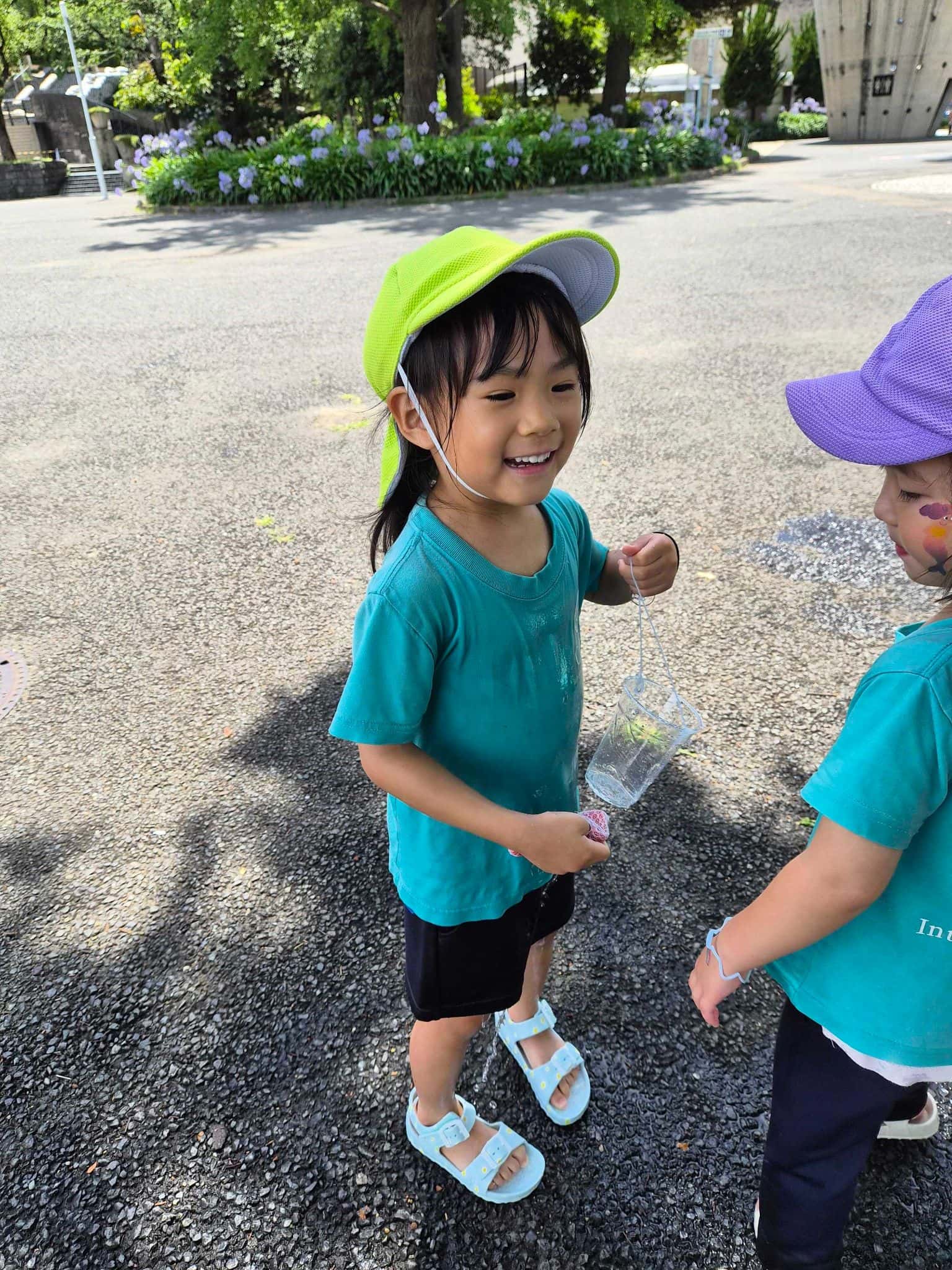
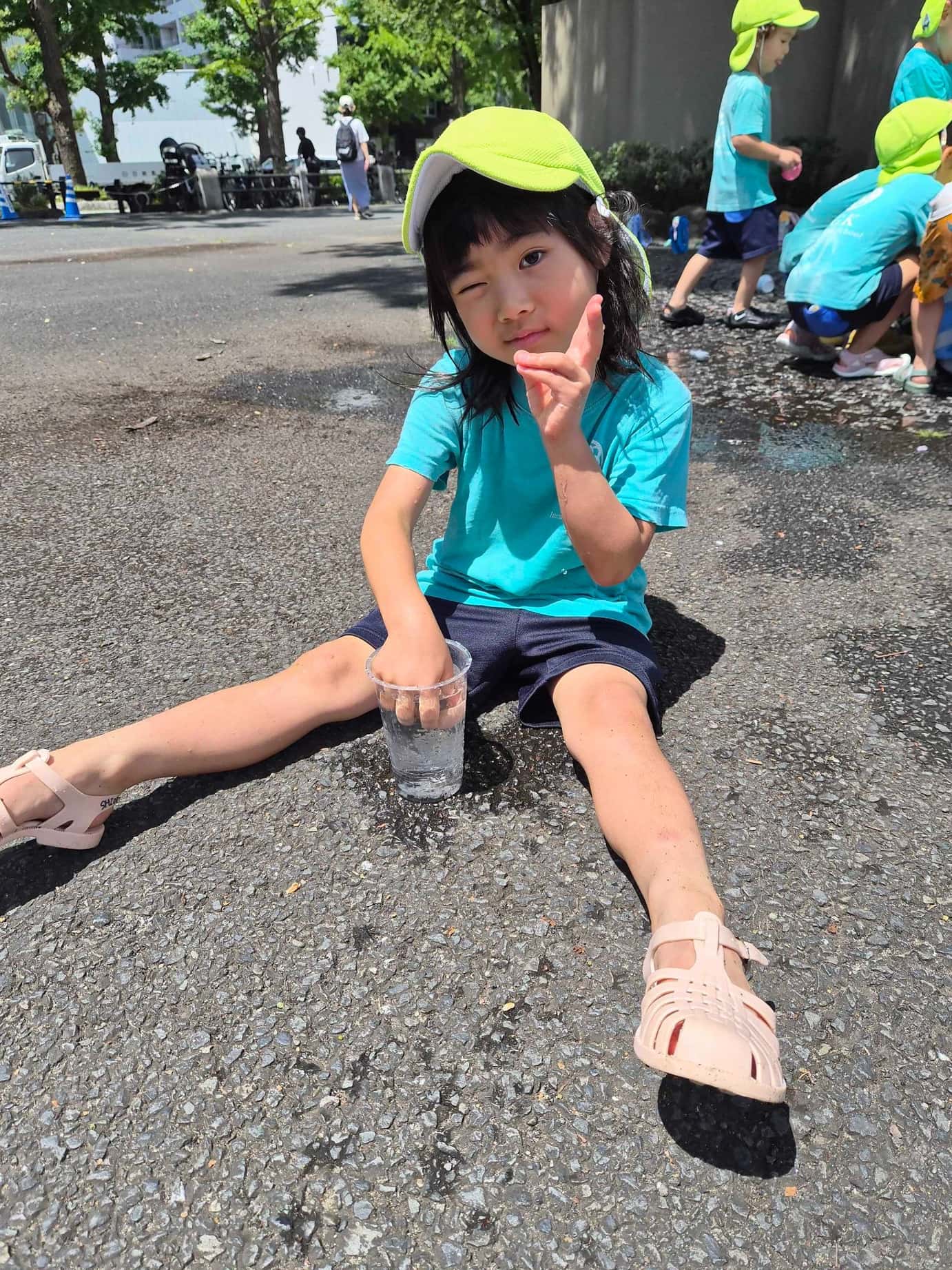
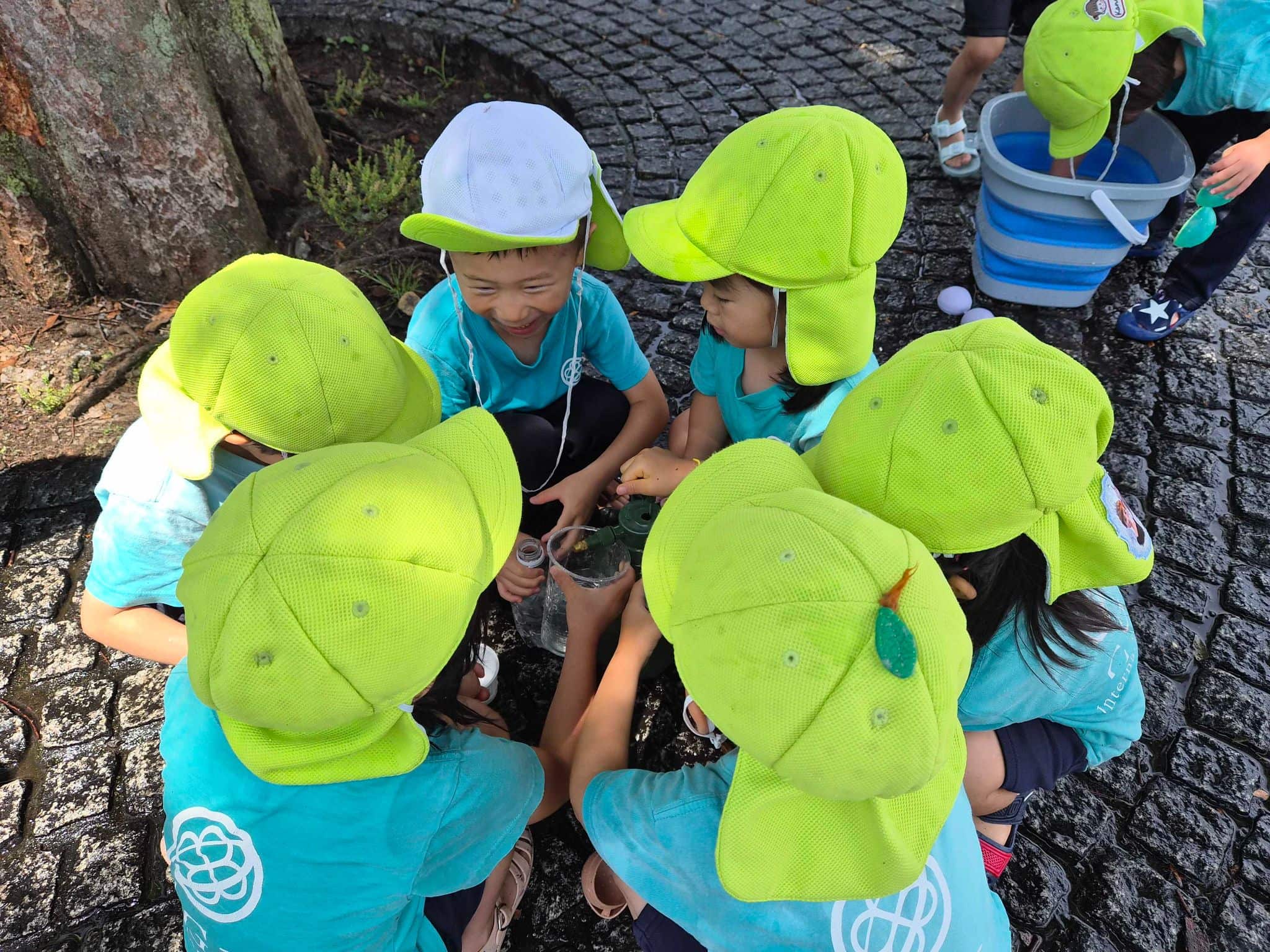
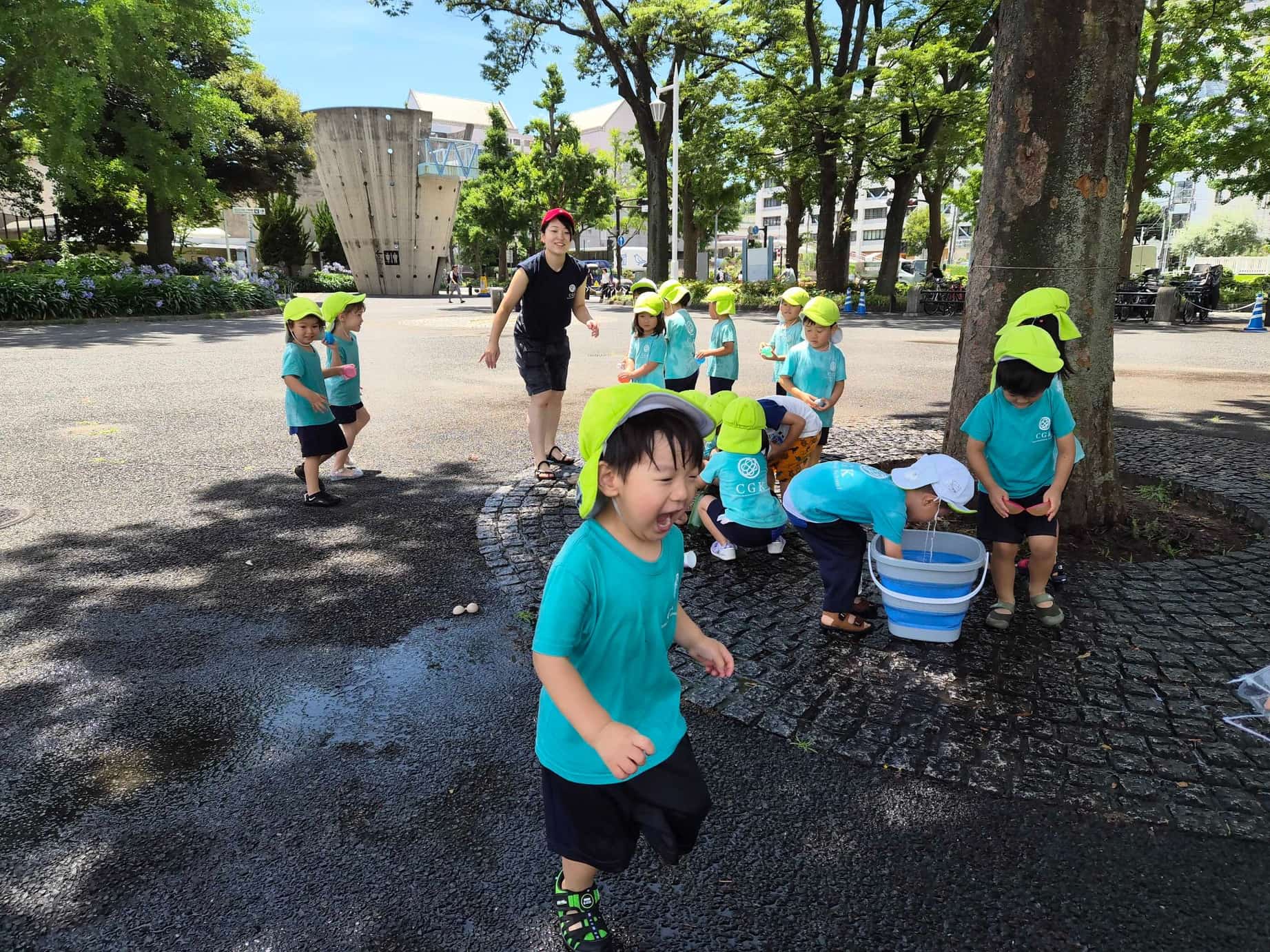
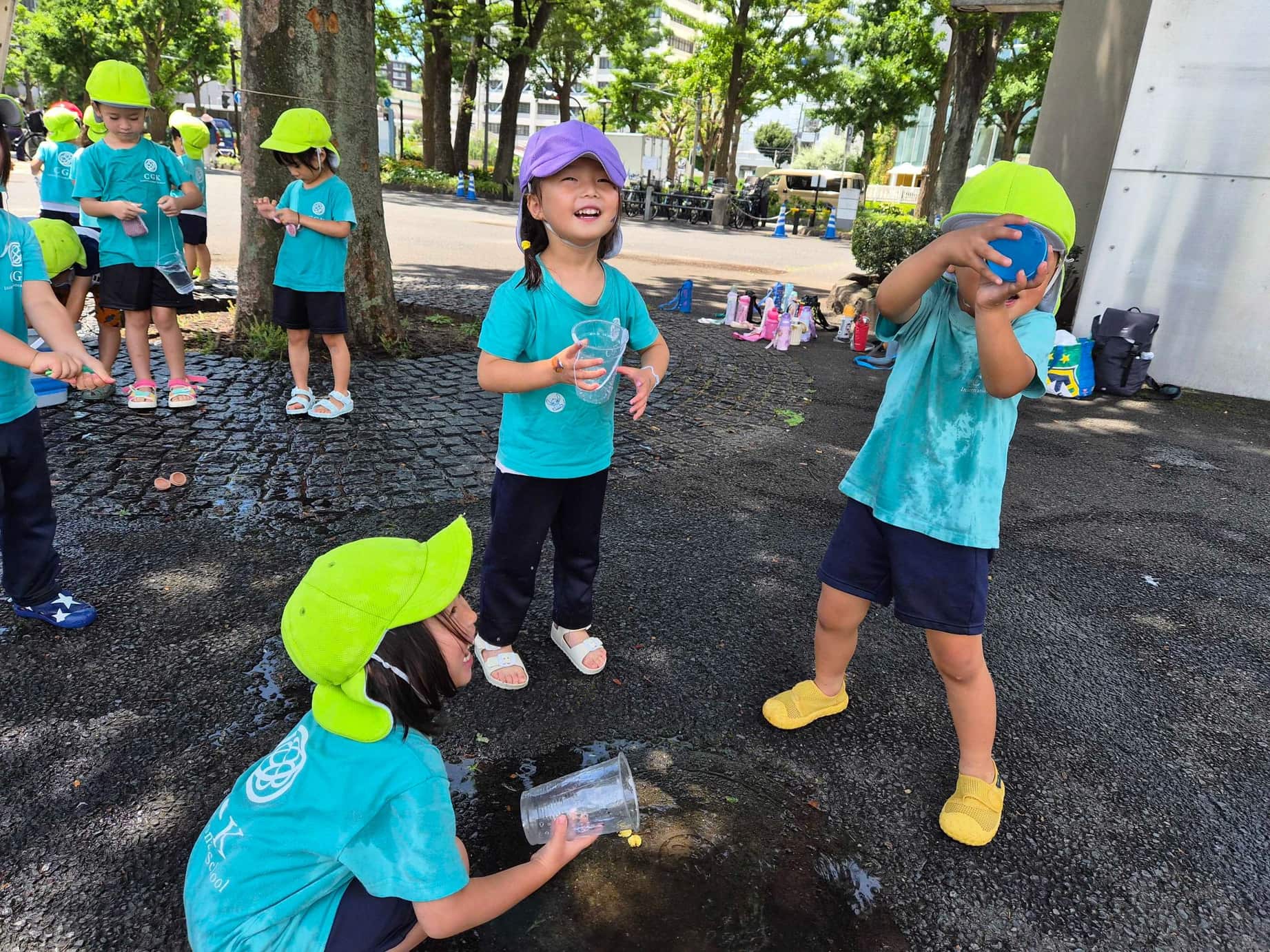
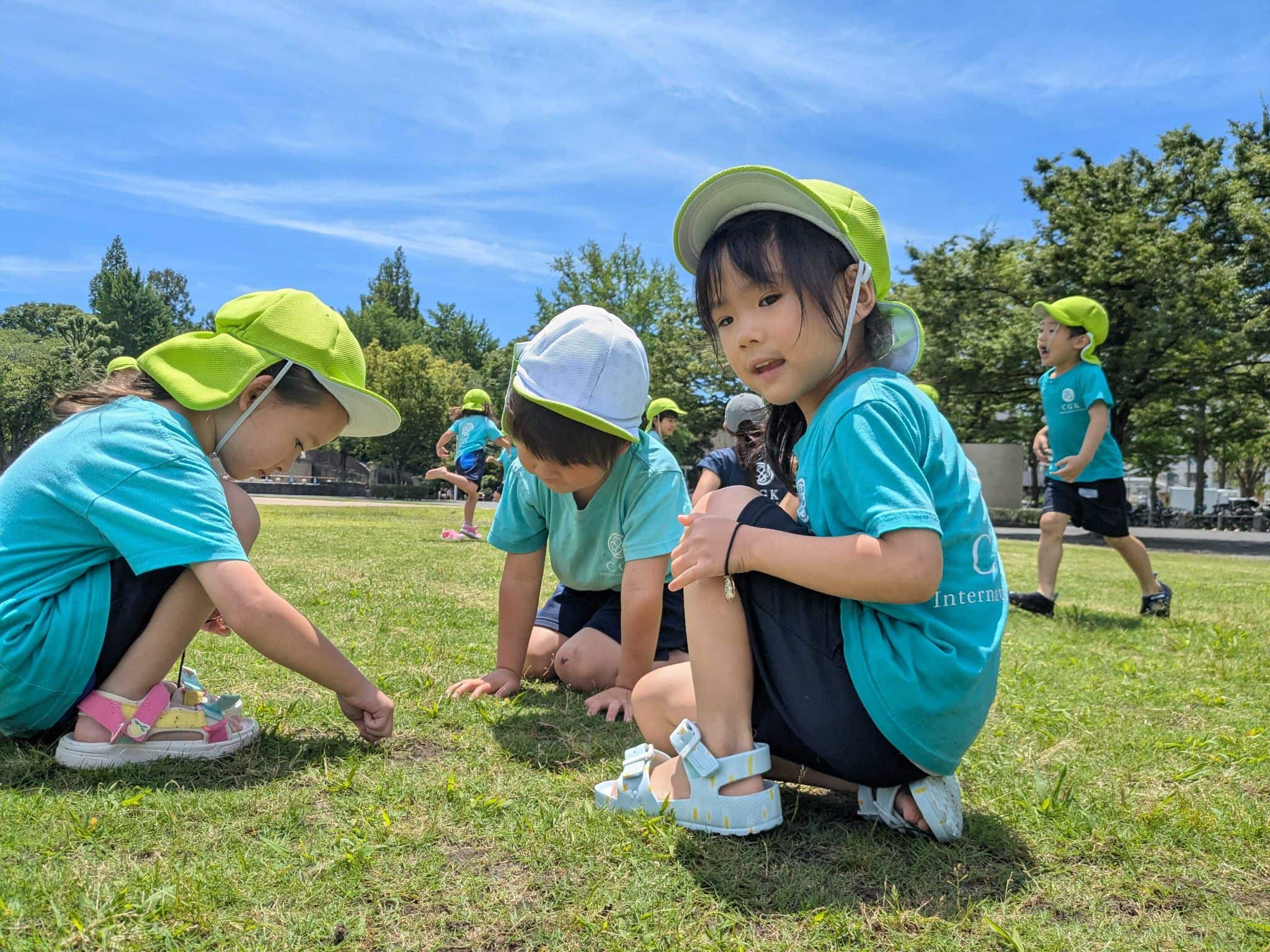
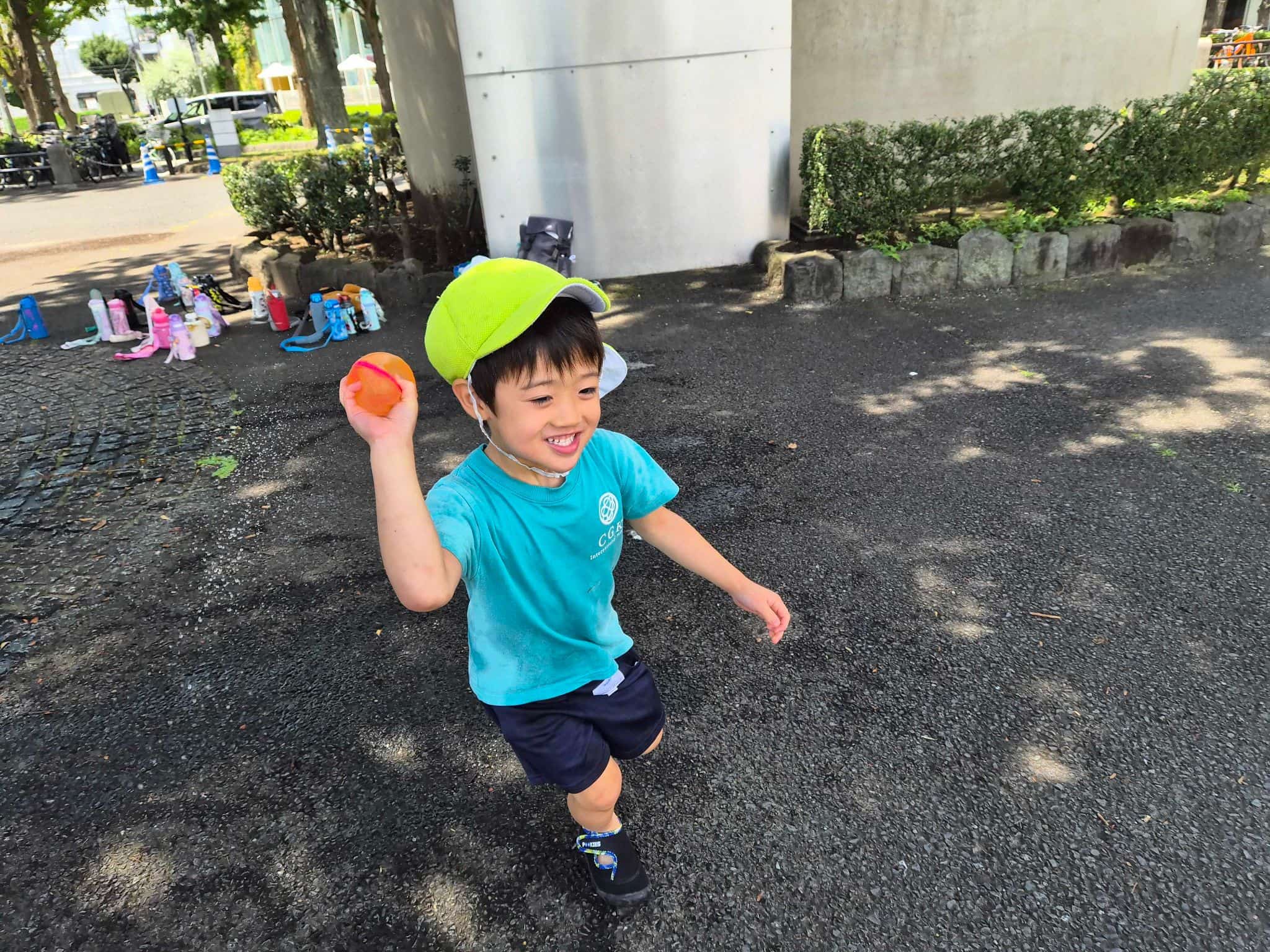
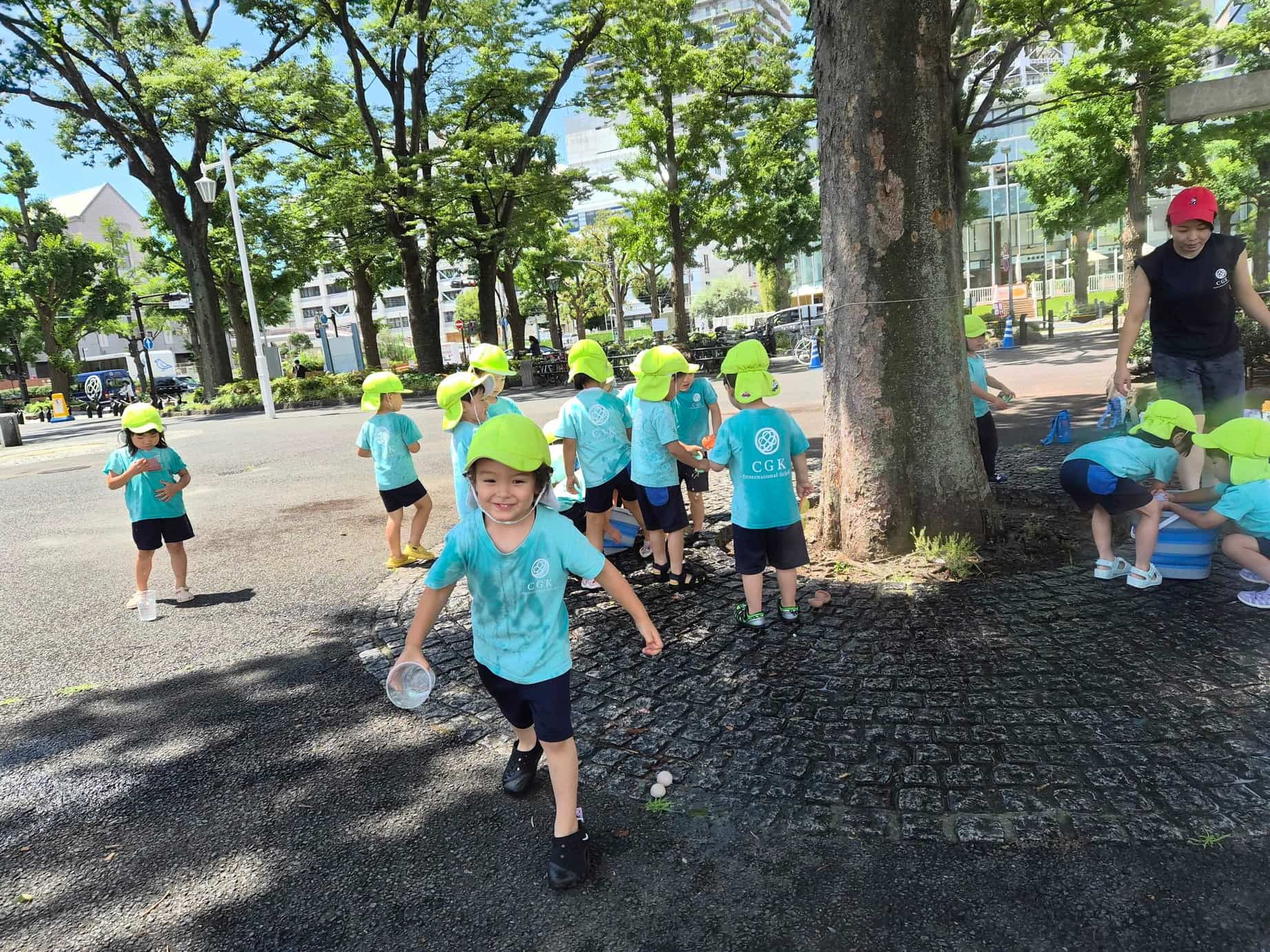
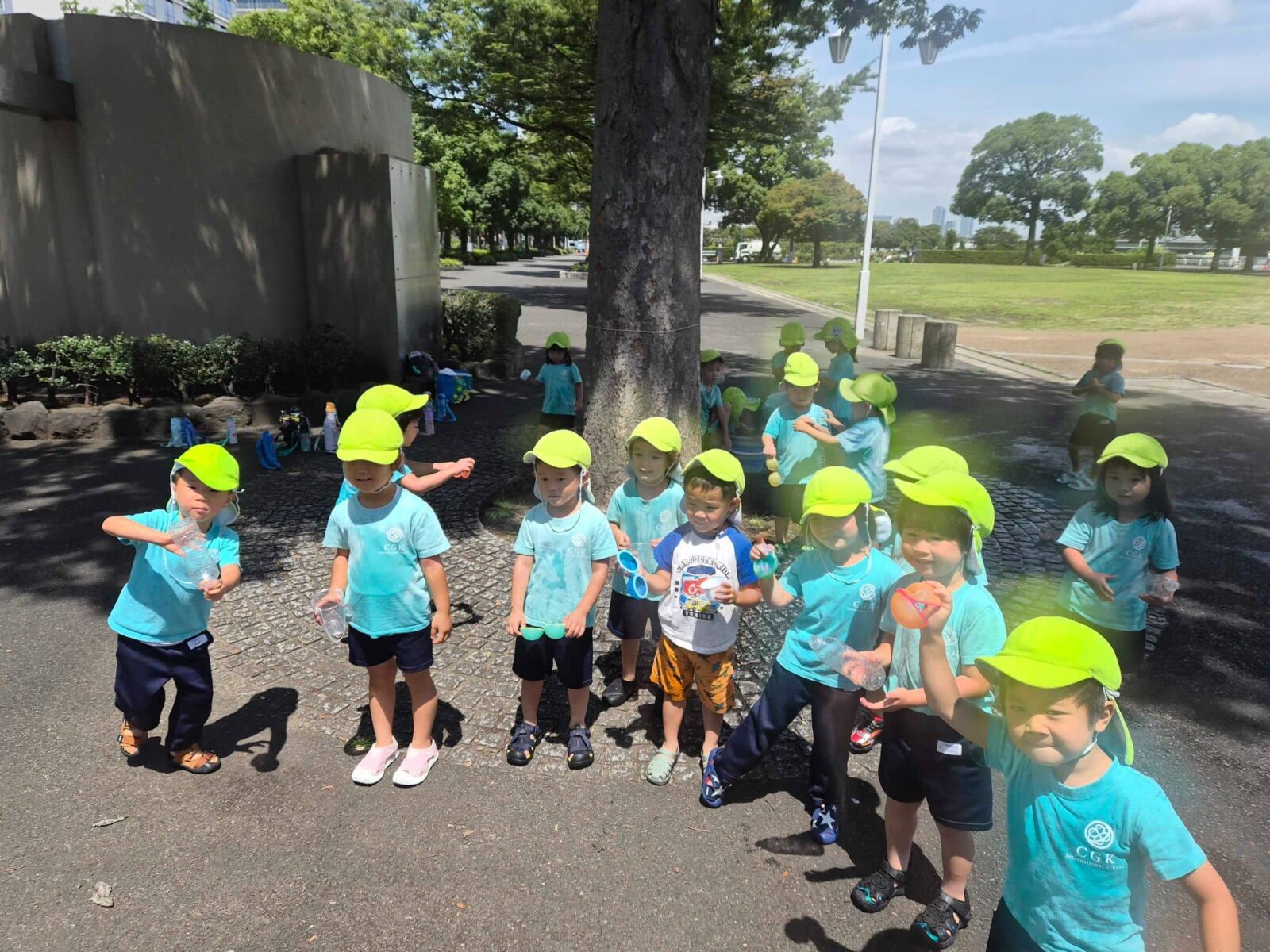
As typhoon season recedes and summer settles over Japan, the heat has quickly made its presence known. With temperatures rising each day, we have been thinking about the best ways to stay active, engaged, and happy. Although it might be tempting to remain indoors in the cool air, our Mountain friends have embraced a much more exciting solution: water play!
Our first water-play sessions of the year have been filled with laughter, energy, and plenty of splashing. Whether carefully pouring water, running through sprays, or playfully soaking their friends, everyone has shown wonderful enthusiasm and confidence. Alongside the excitement, the Mountain students have demonstrated impressive balance and coordination as they navigate slippery surfaces and adapt their movements.
Just as importantly, they have shown strong listening skills and awareness of others. Even in the middle of all the fun, they can pause, adjust, and make space for the people around them, helping to keep everyone safe and included.
Water play has already become a highlight of our days, with many children eagerly asking, “Is it water play today?” It is clear that this will be a much-loved part of our routine as summer continues. We look forward to a season full of fun, friendship, and refreshing moments together.
Visit to the Yokohama Disaster Risk Reduction Learning Center
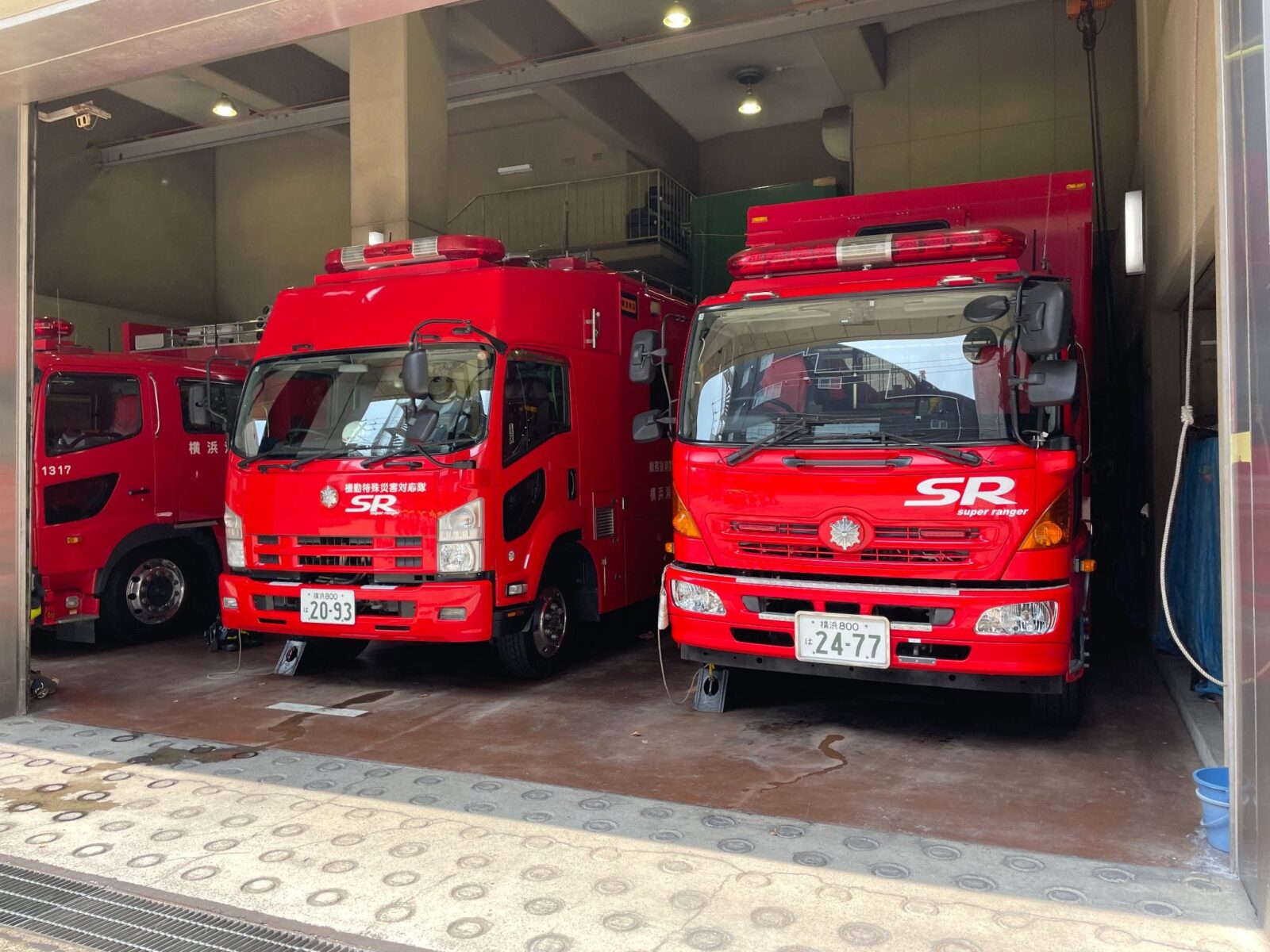
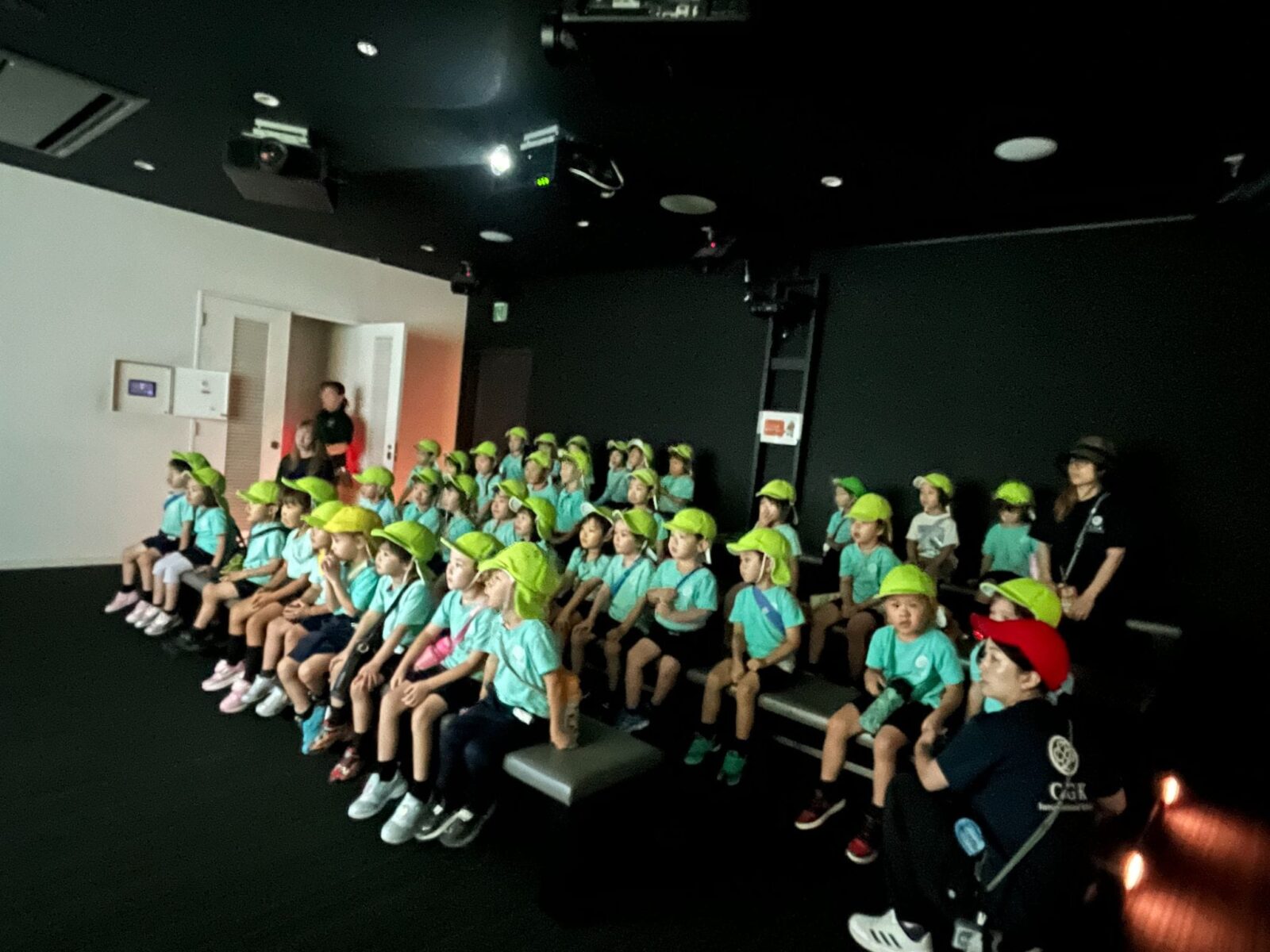
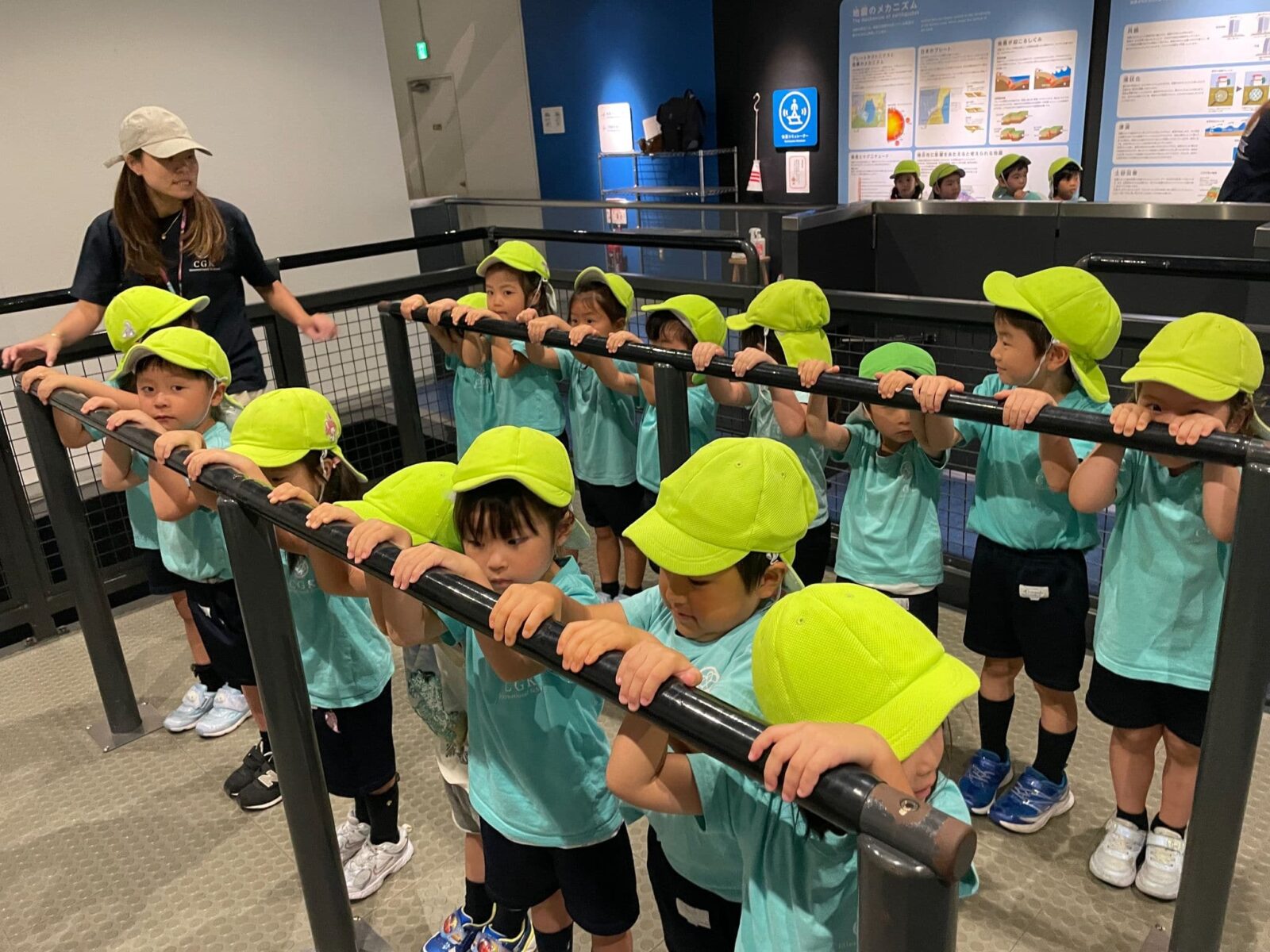
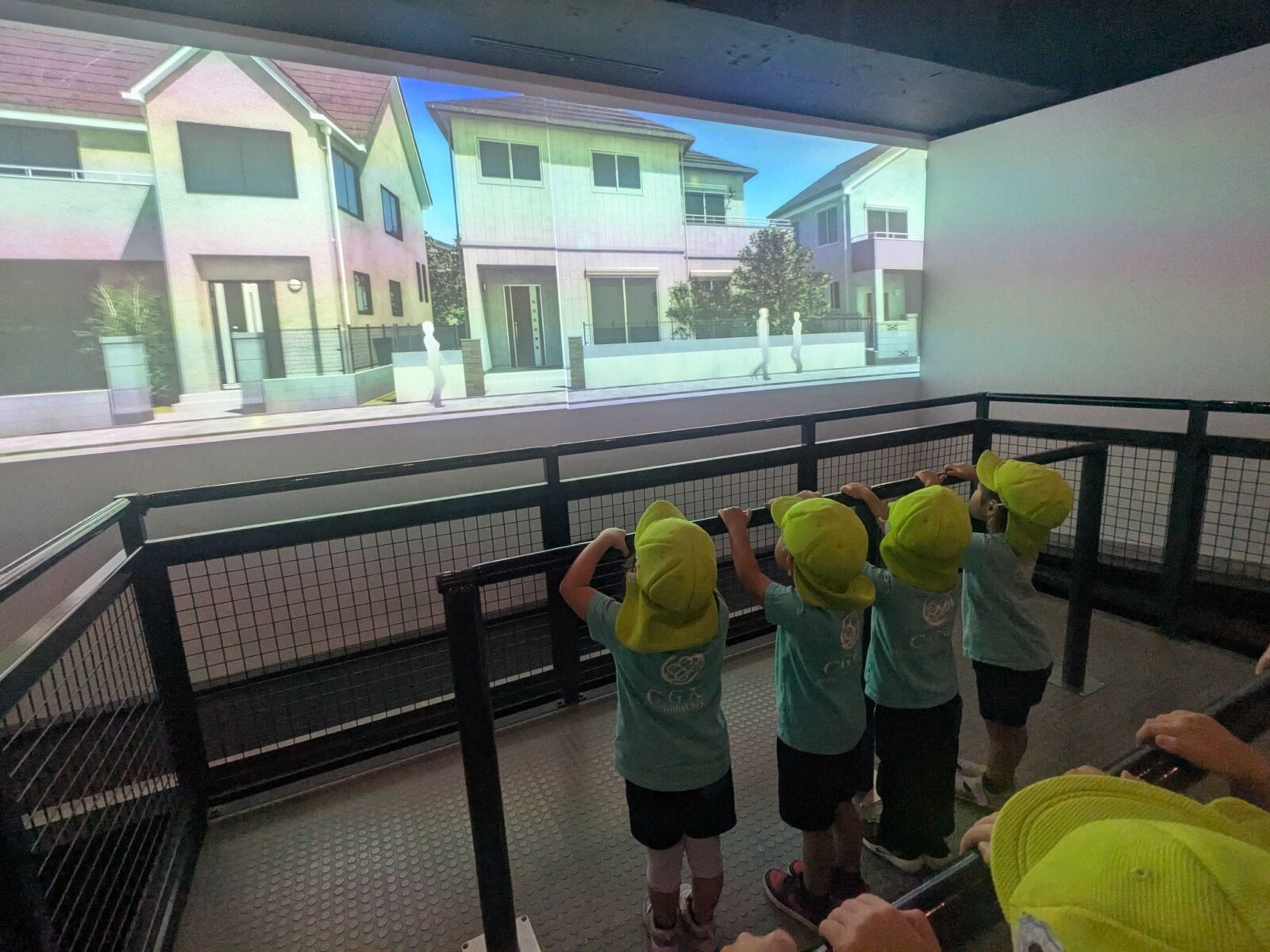
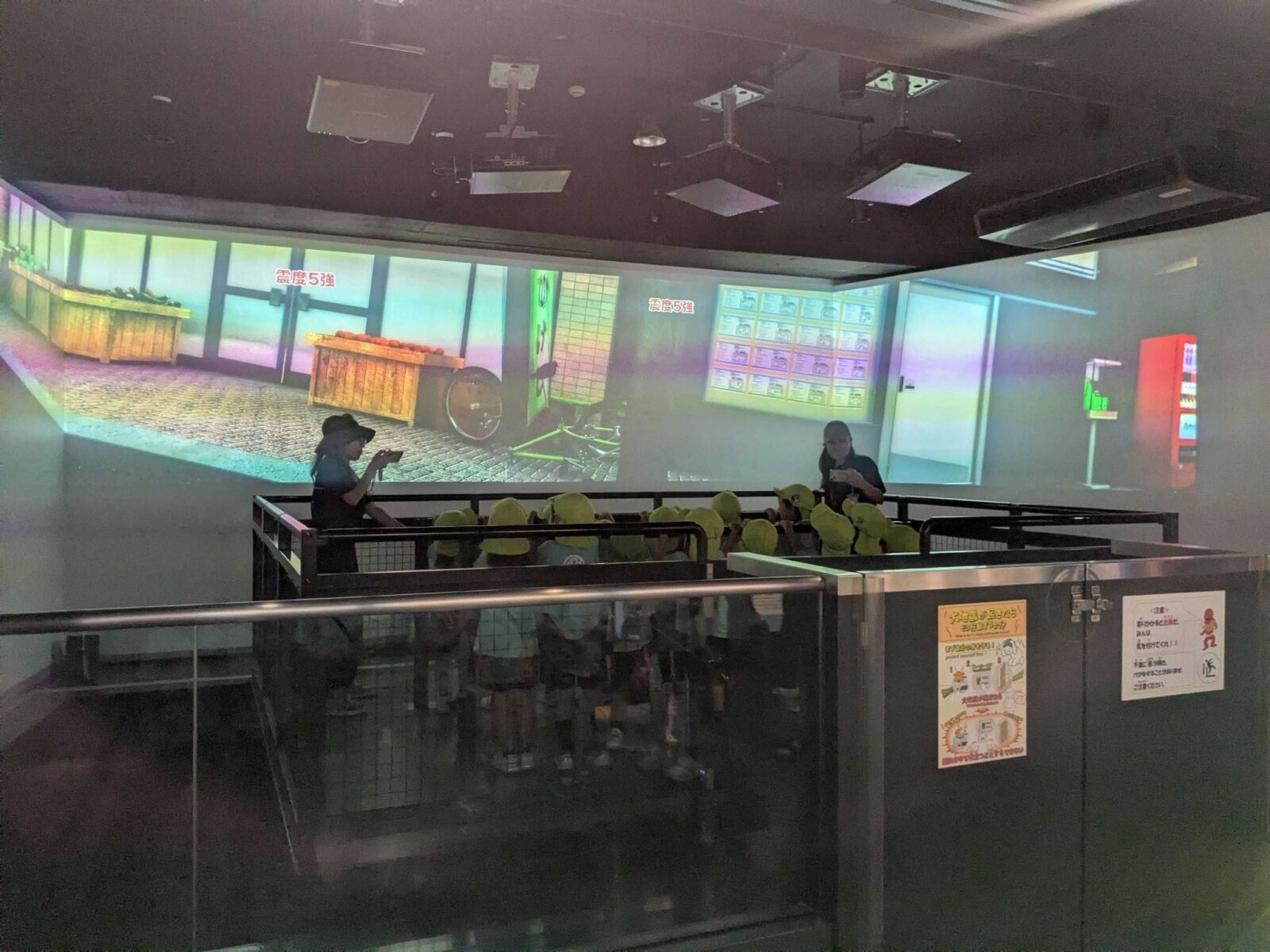
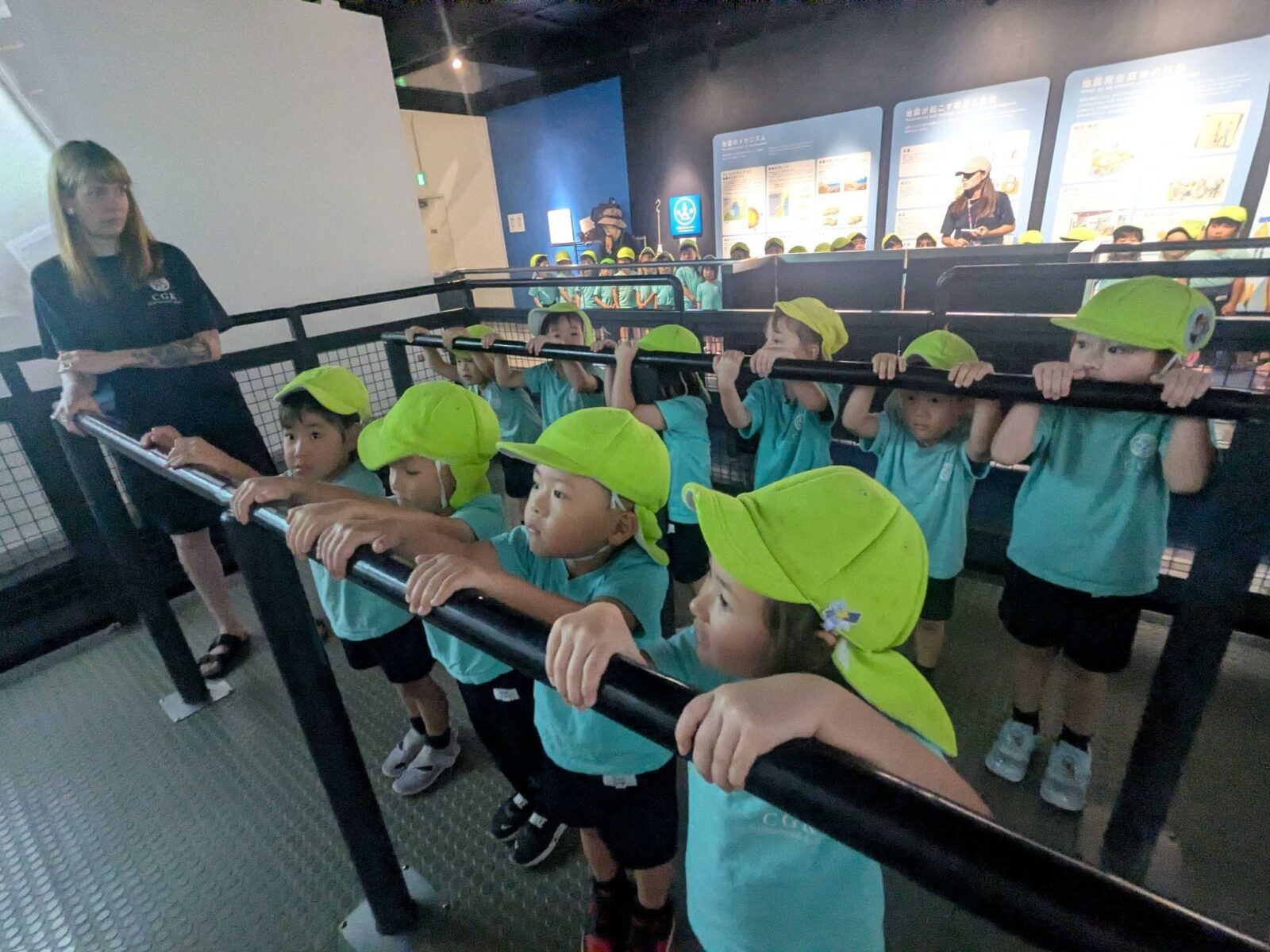
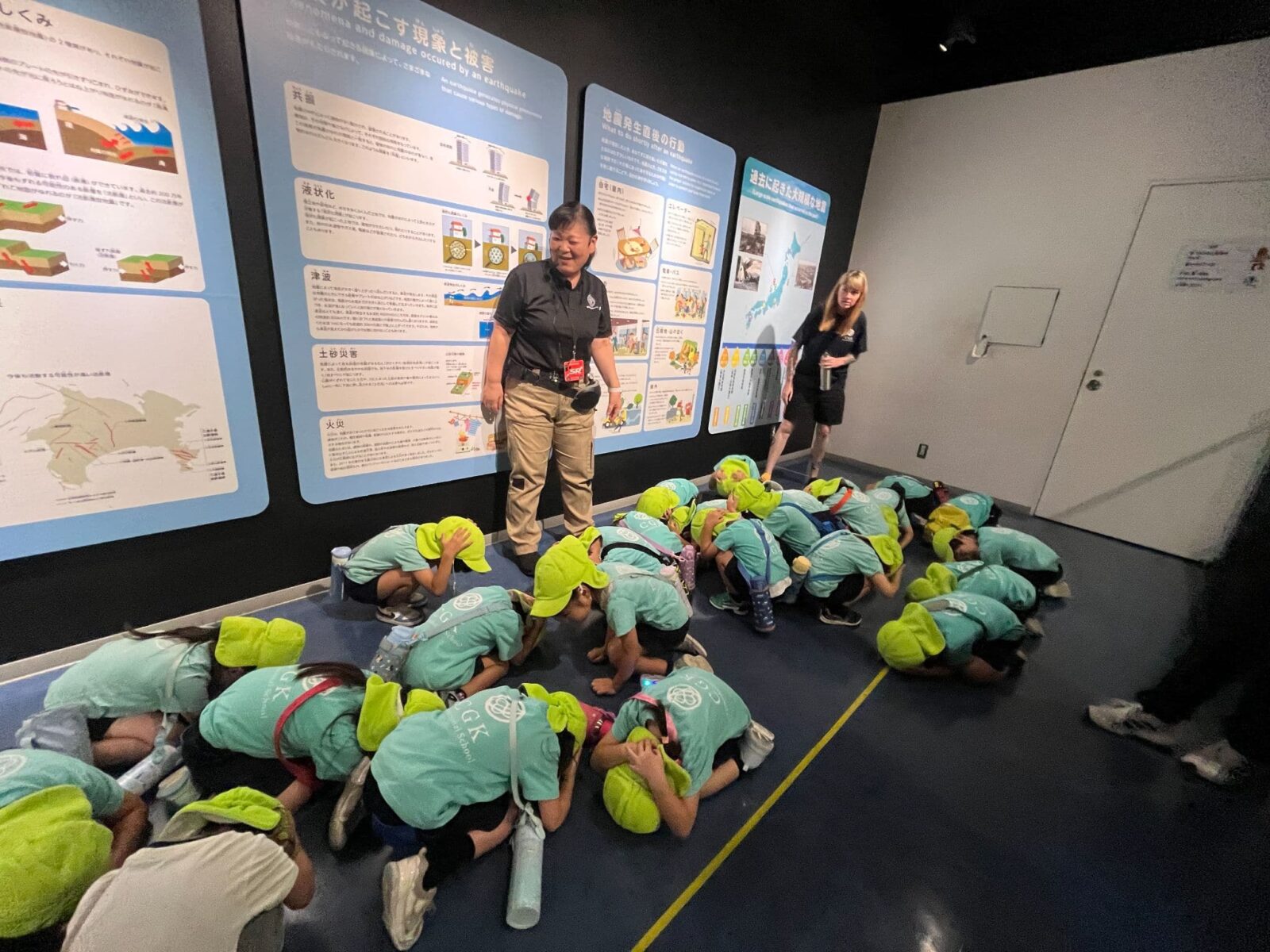
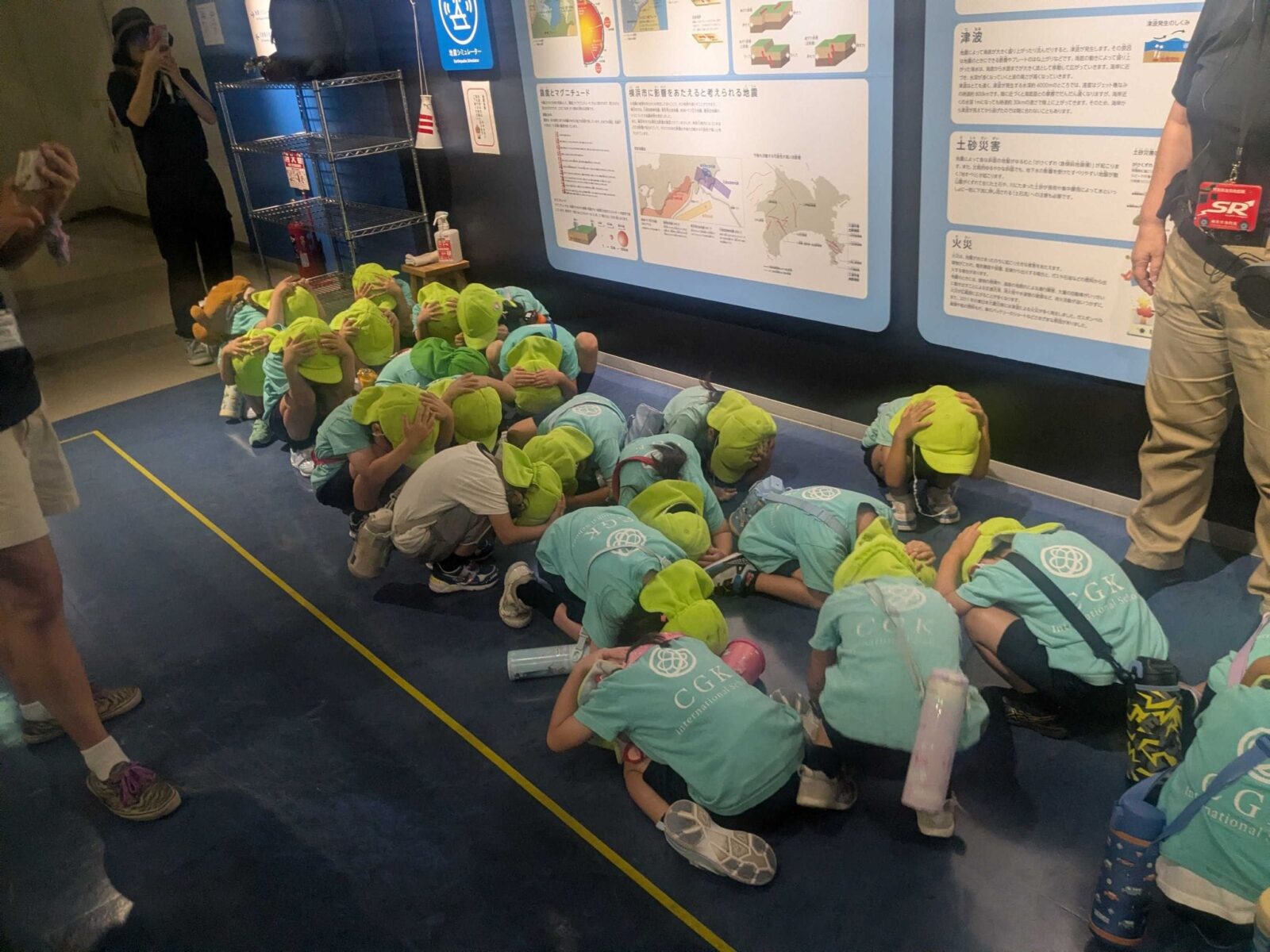
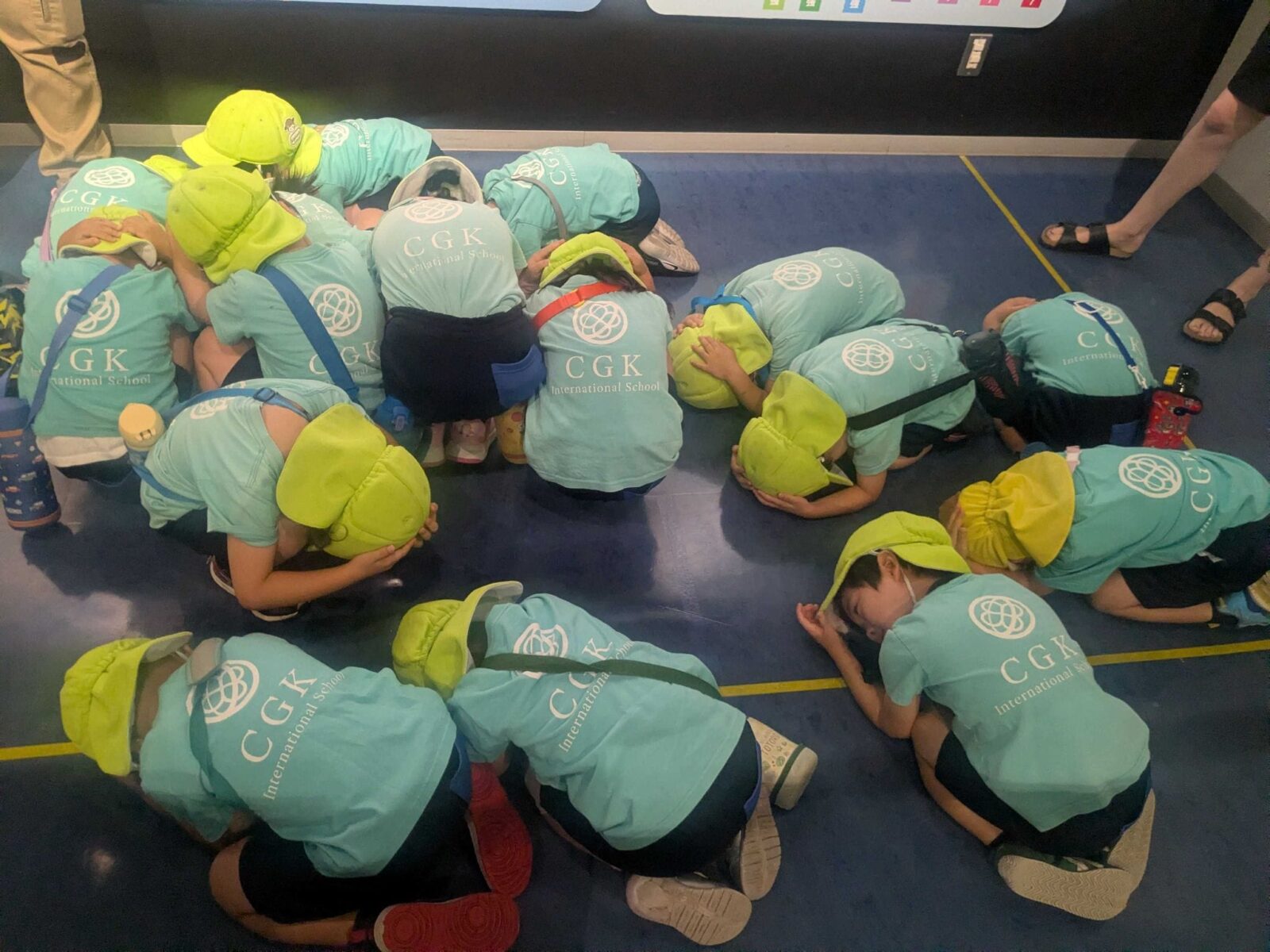
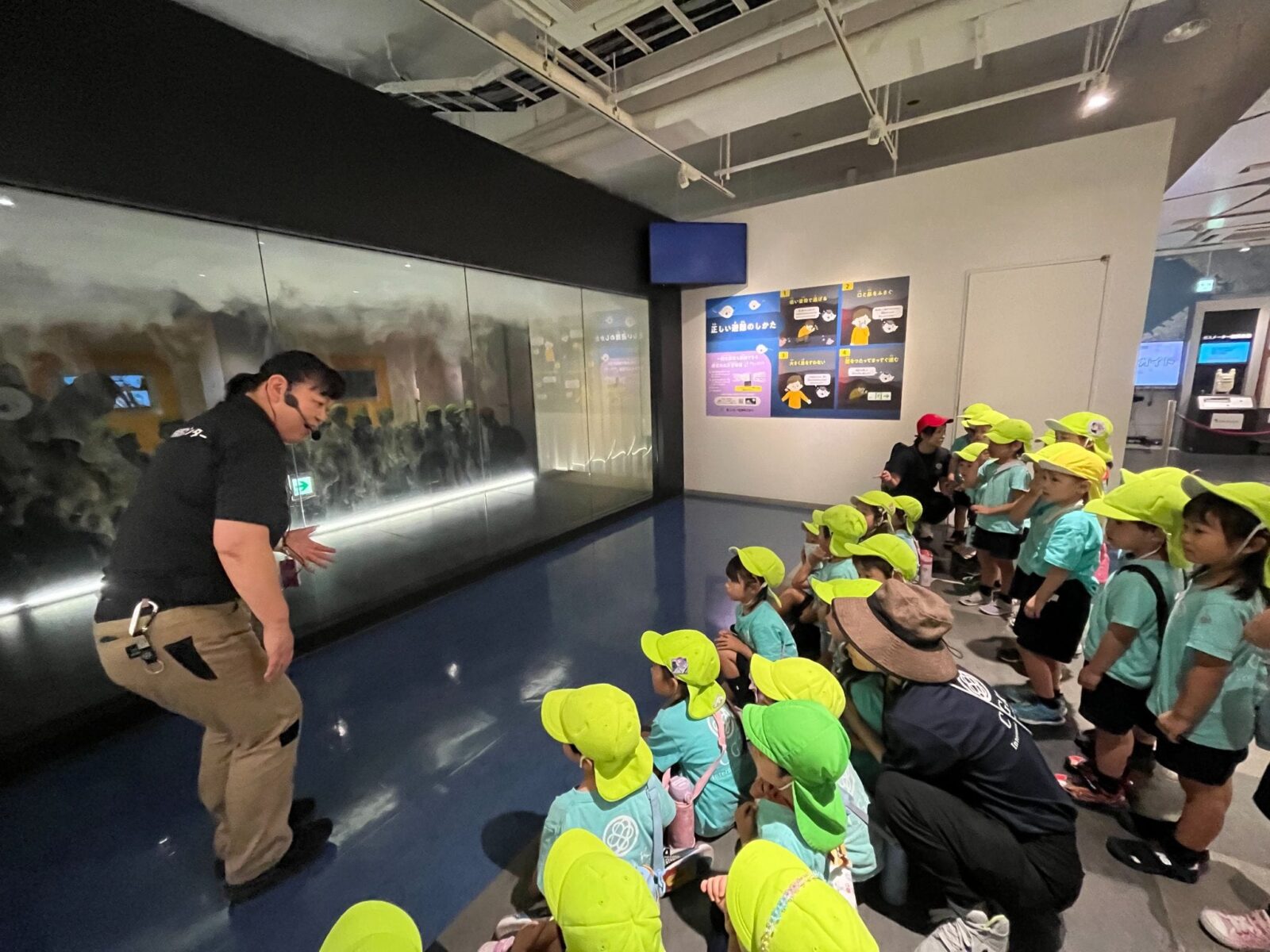
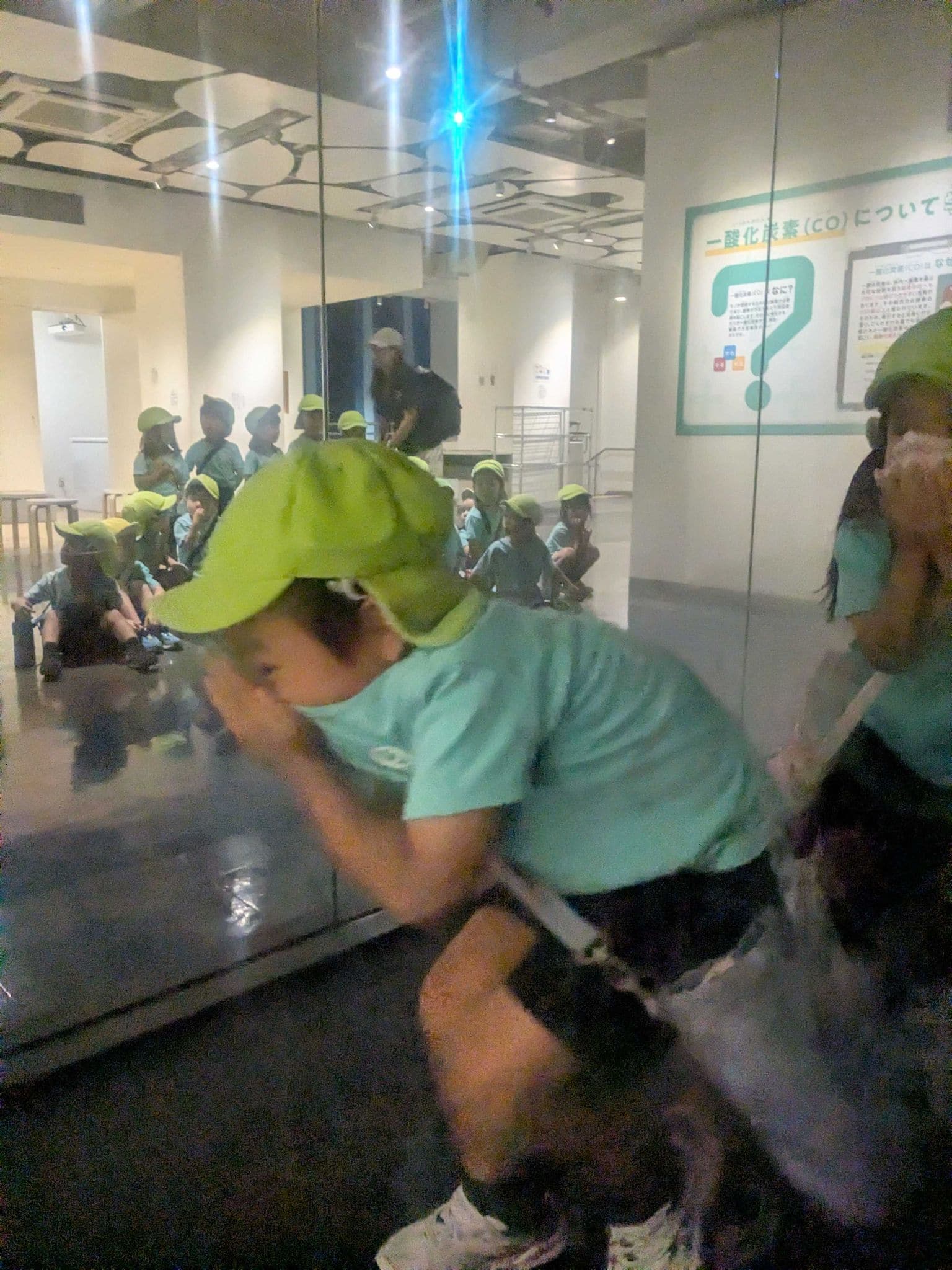
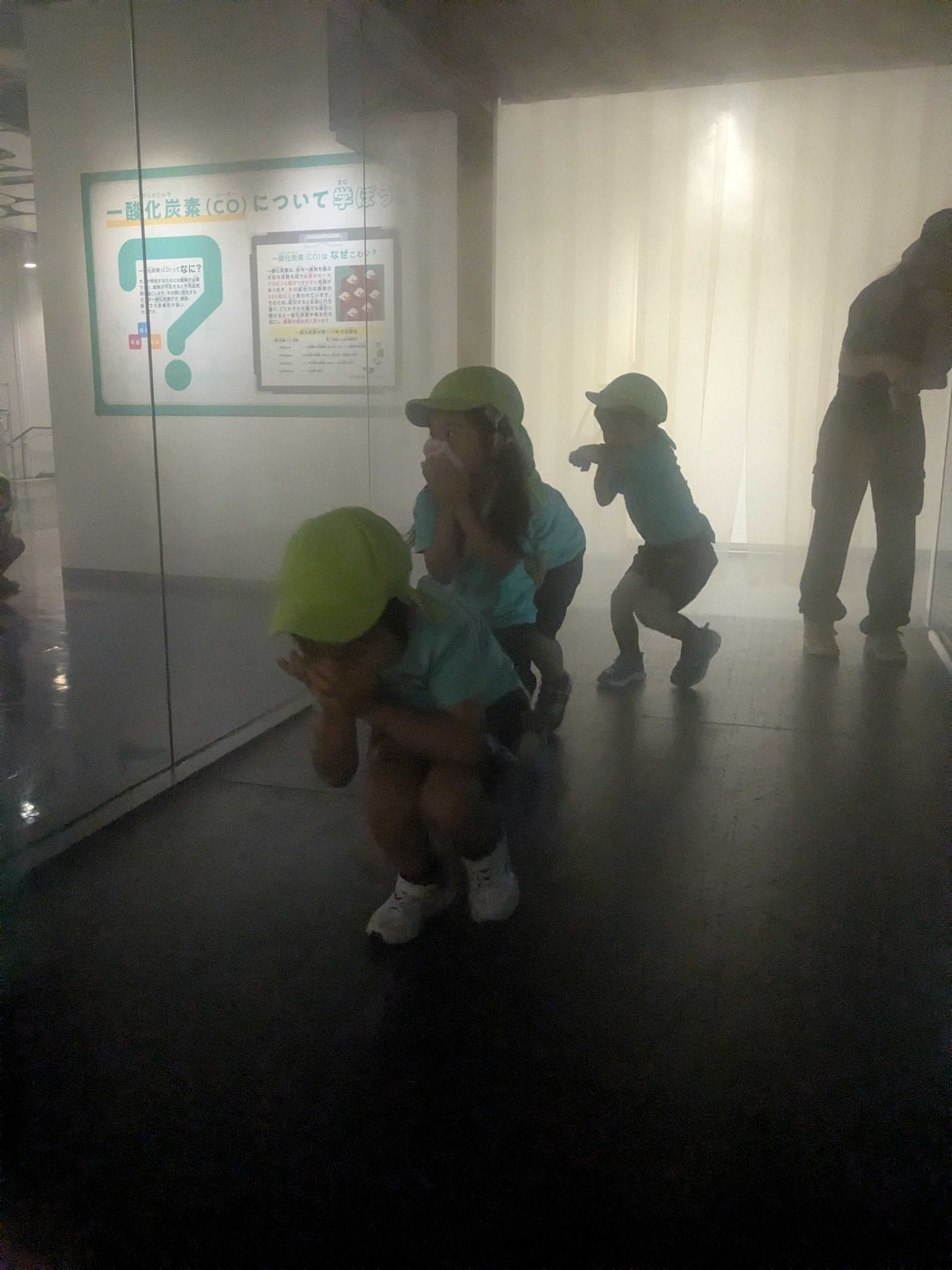
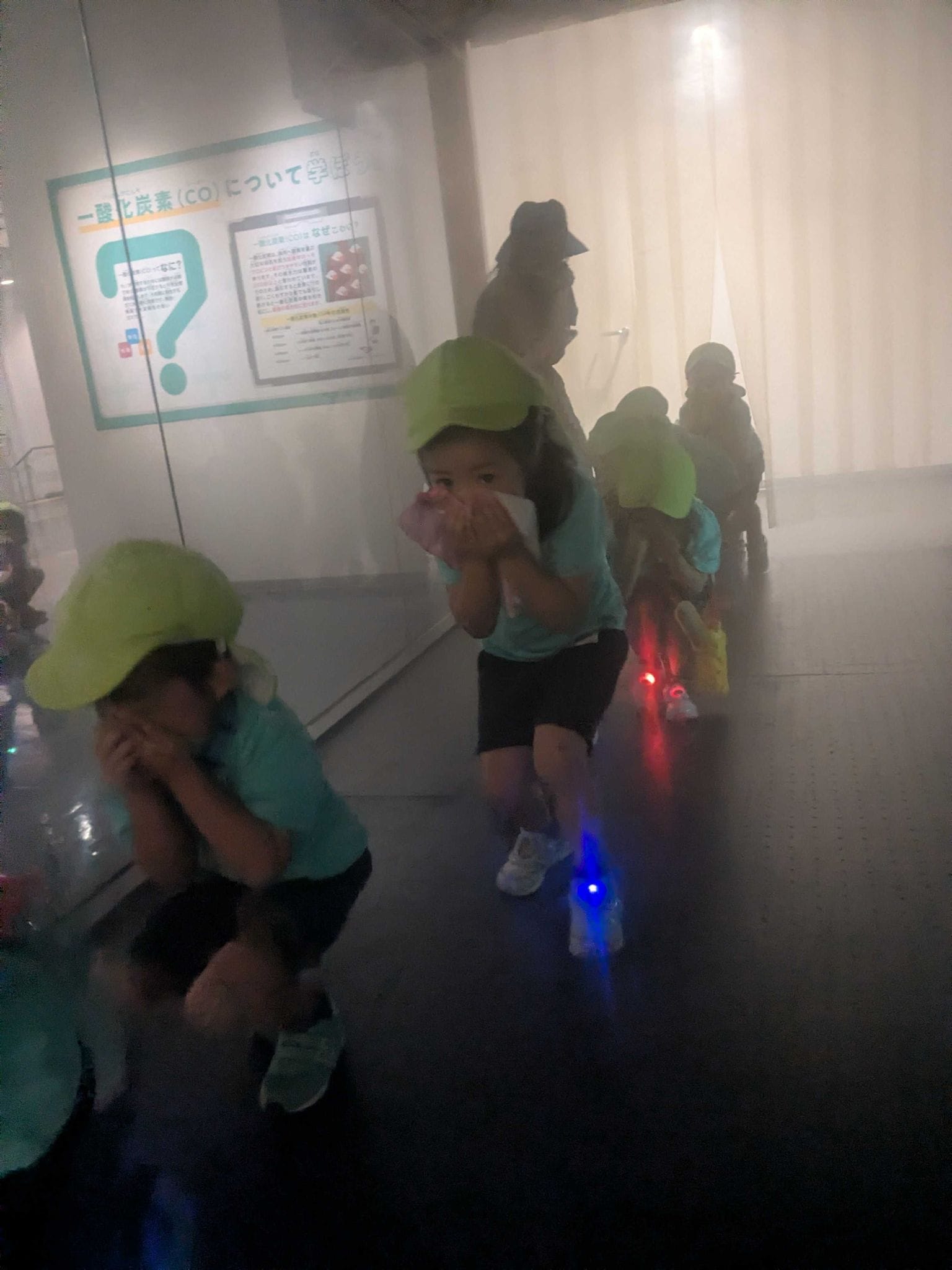
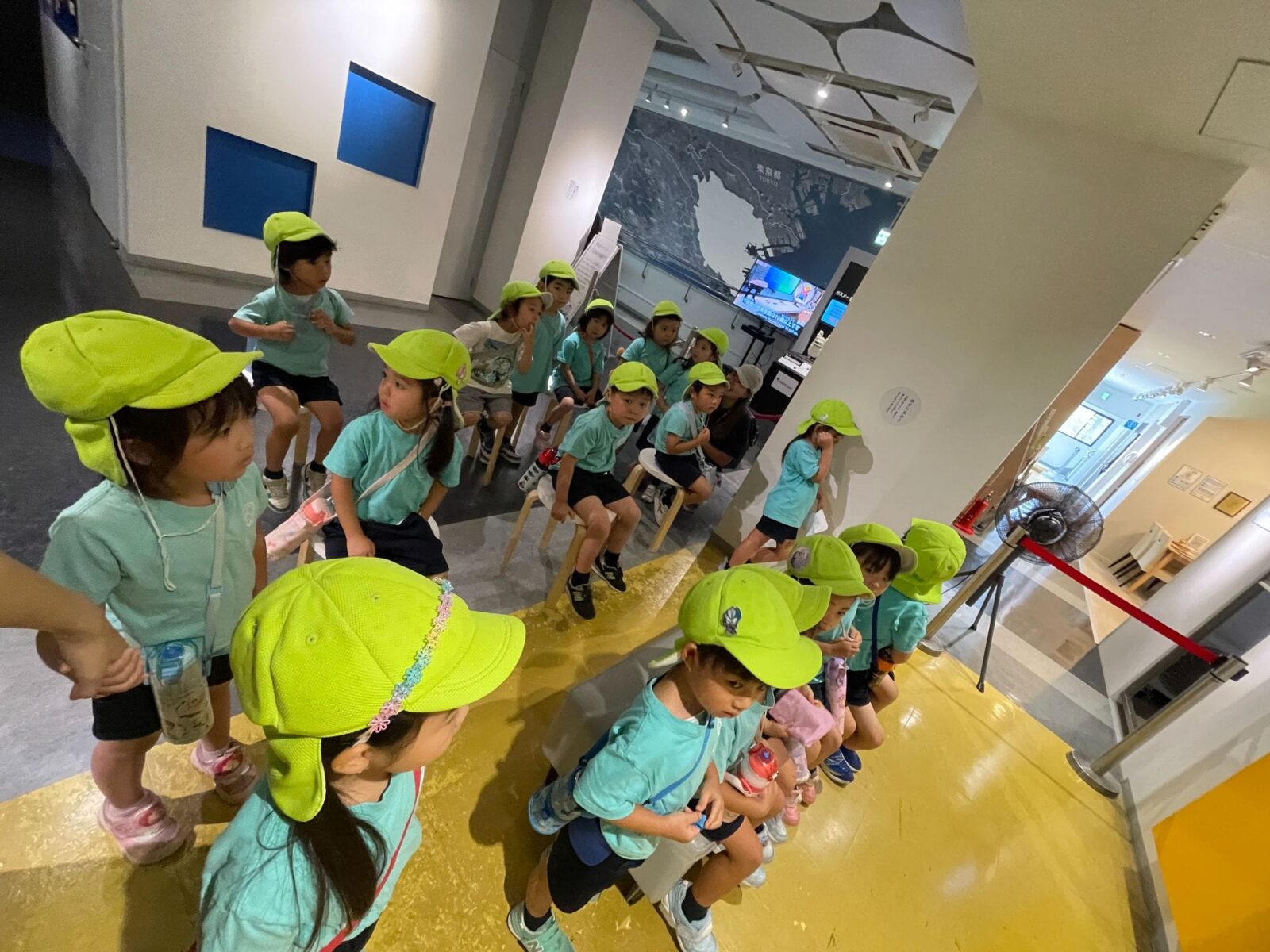
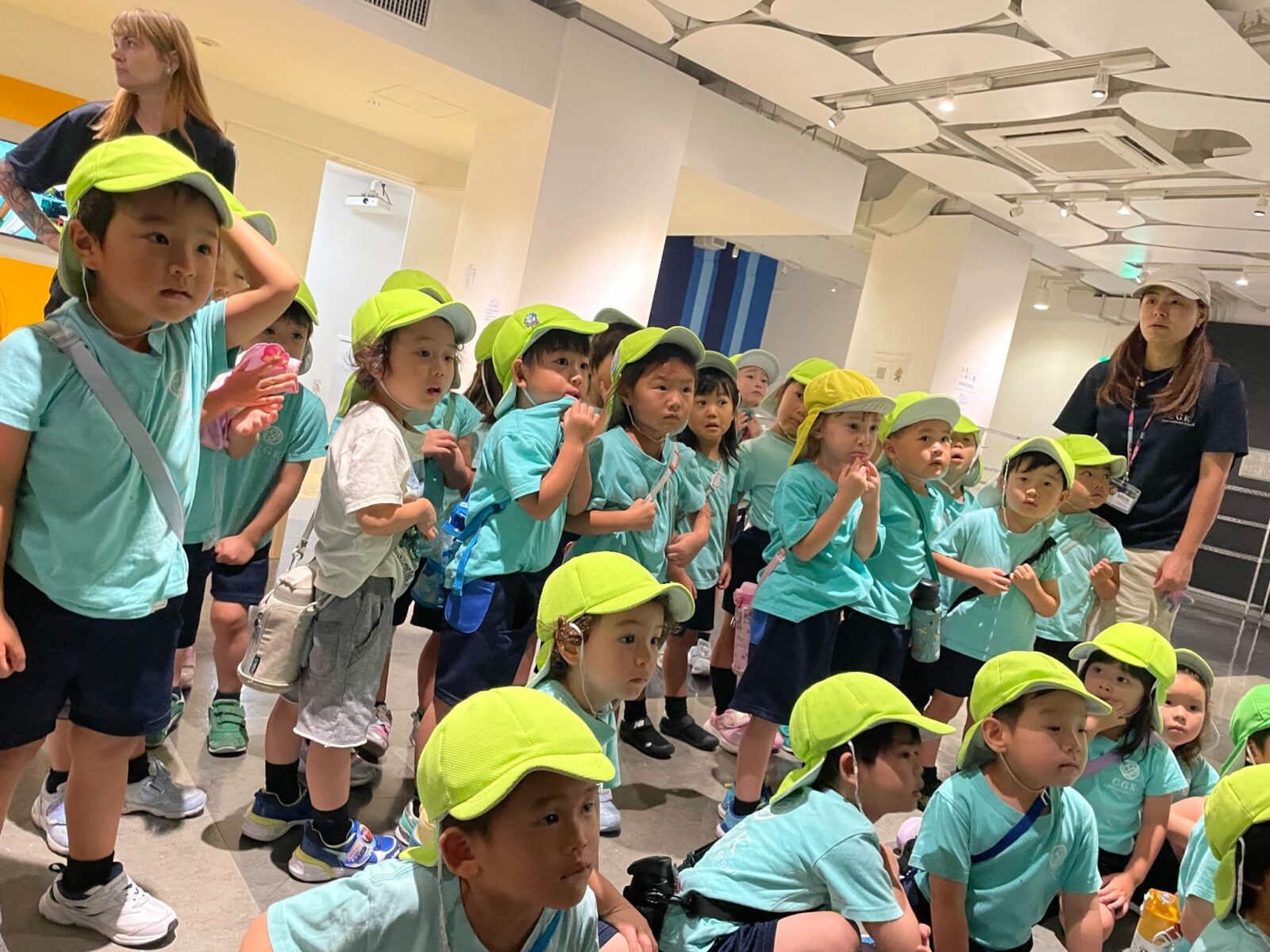
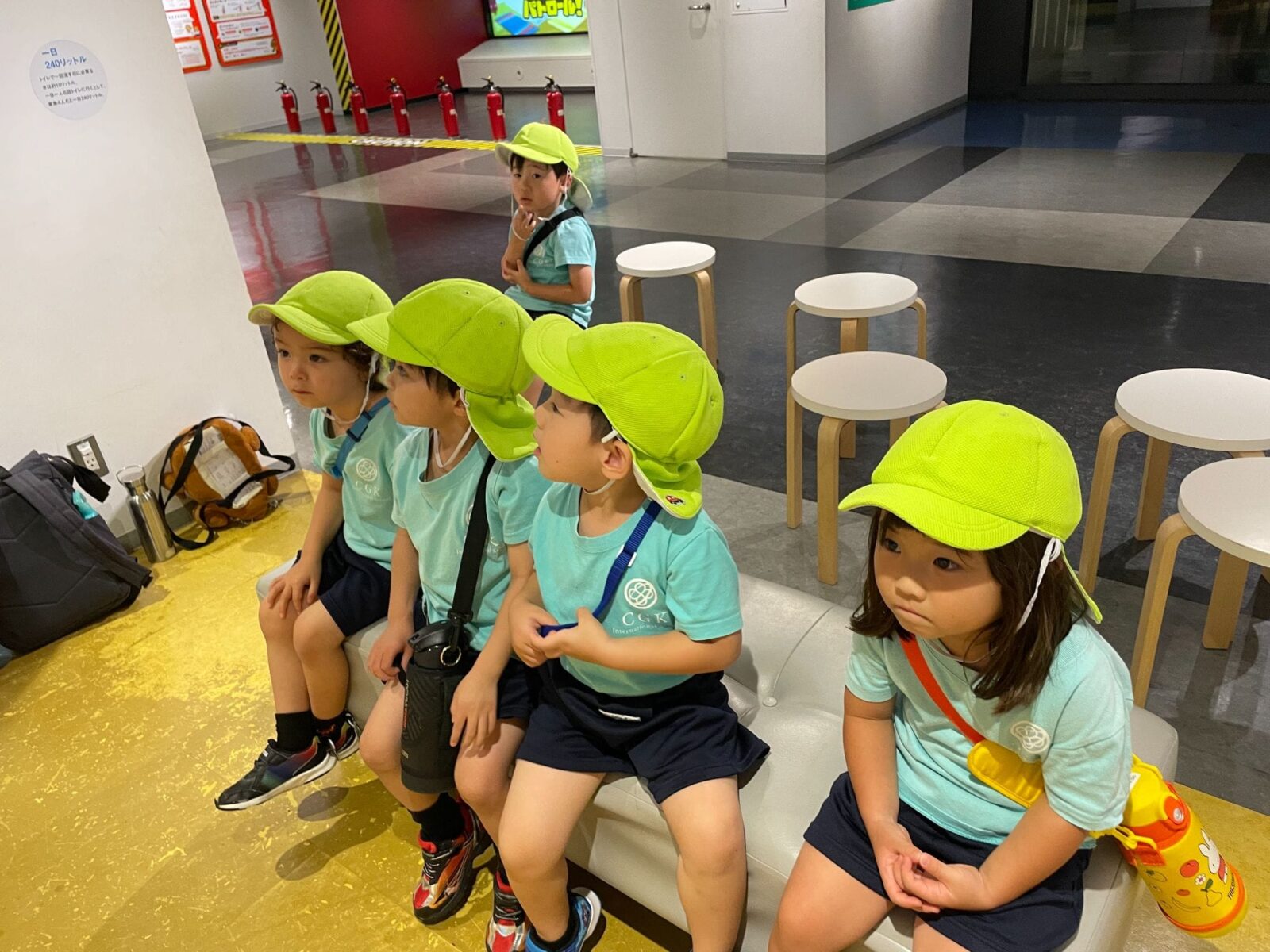
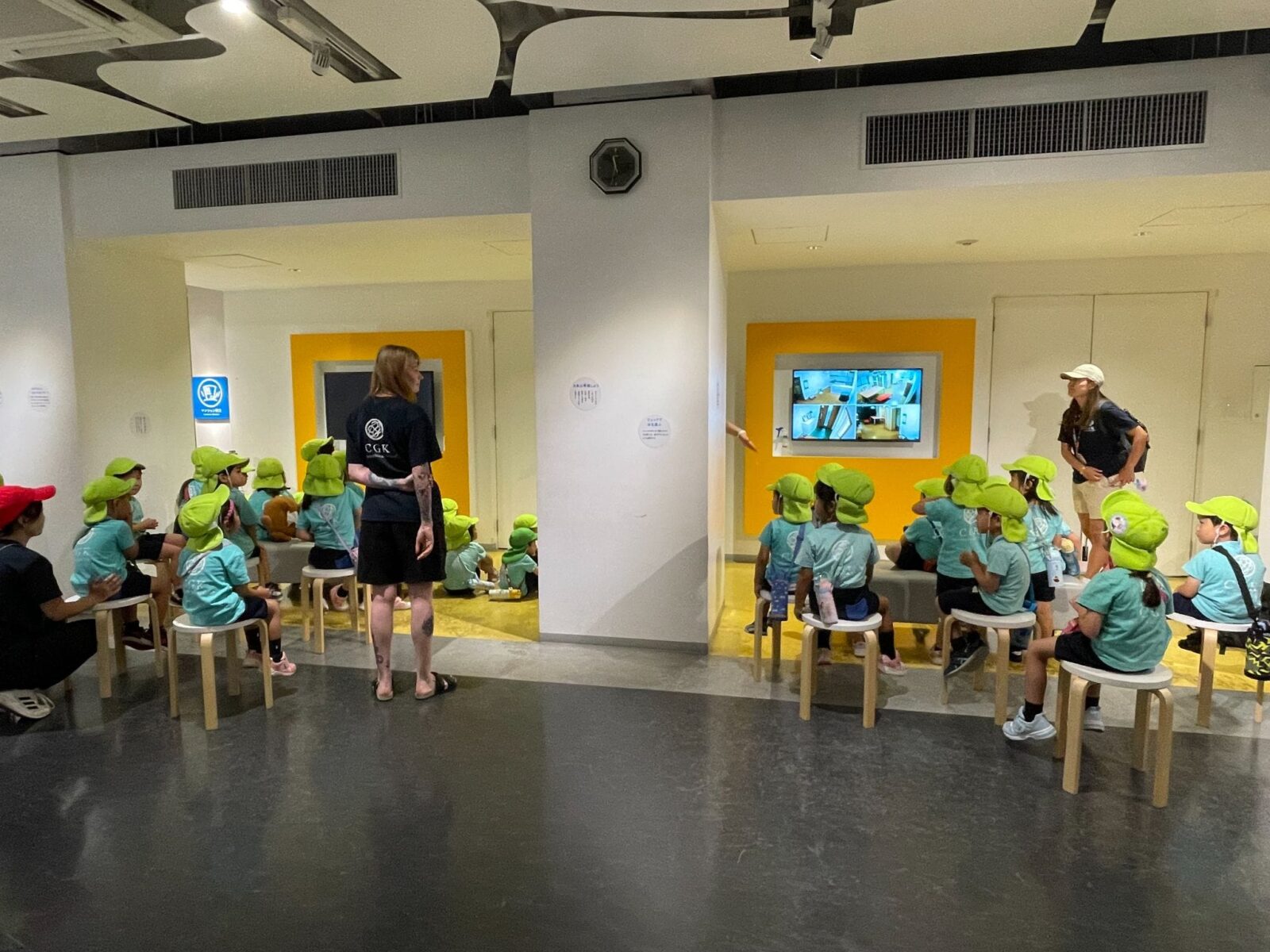
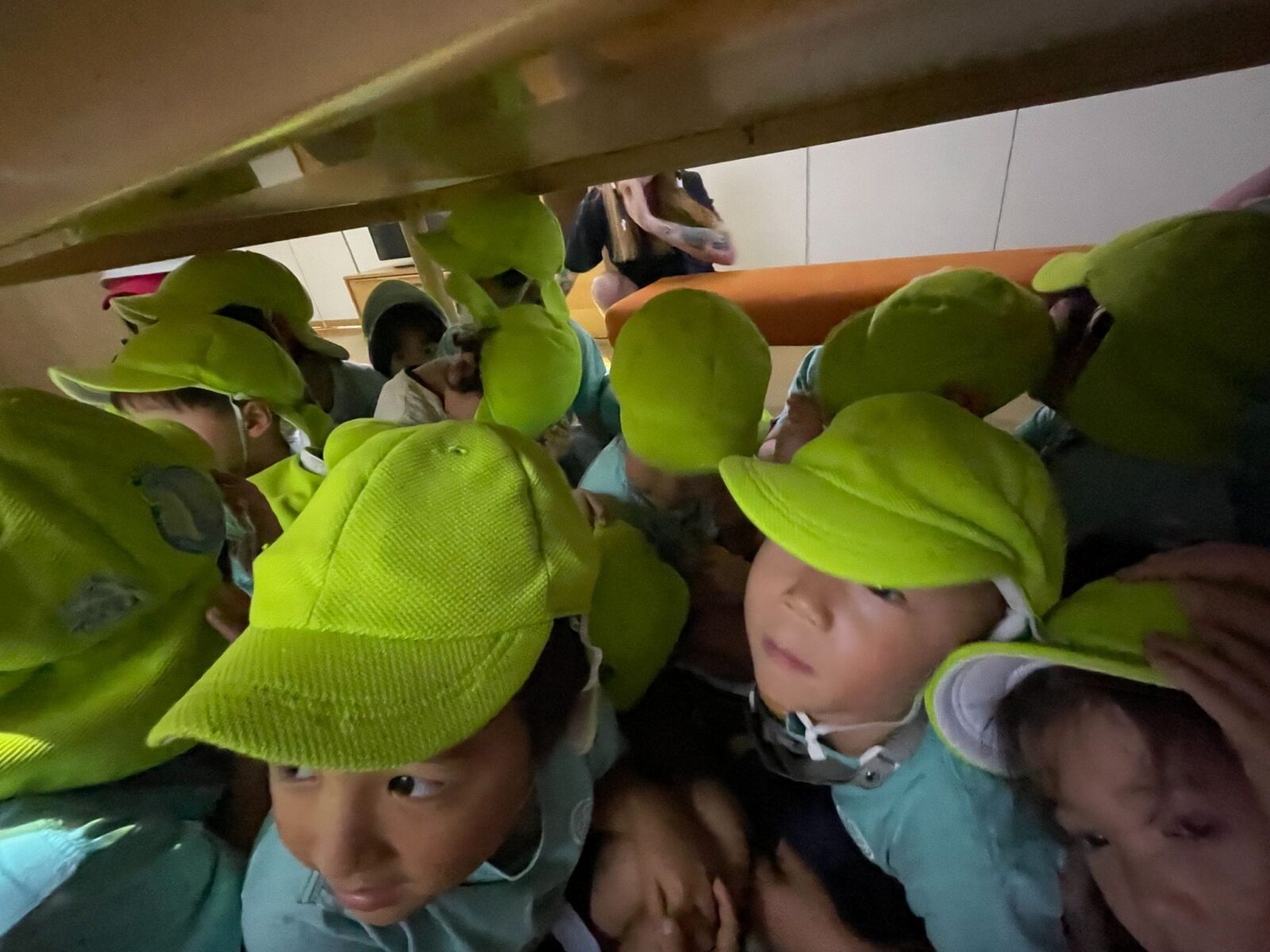
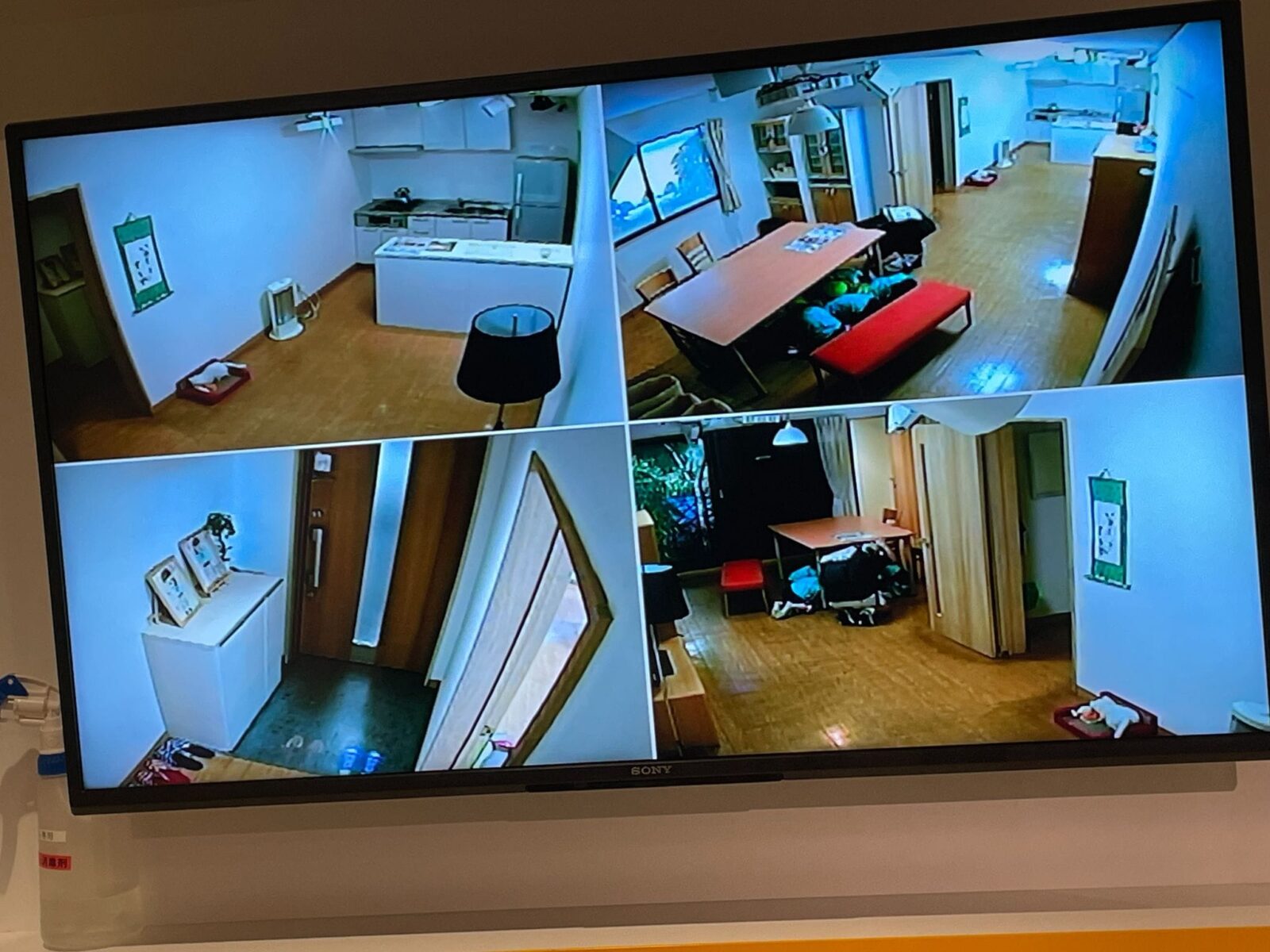
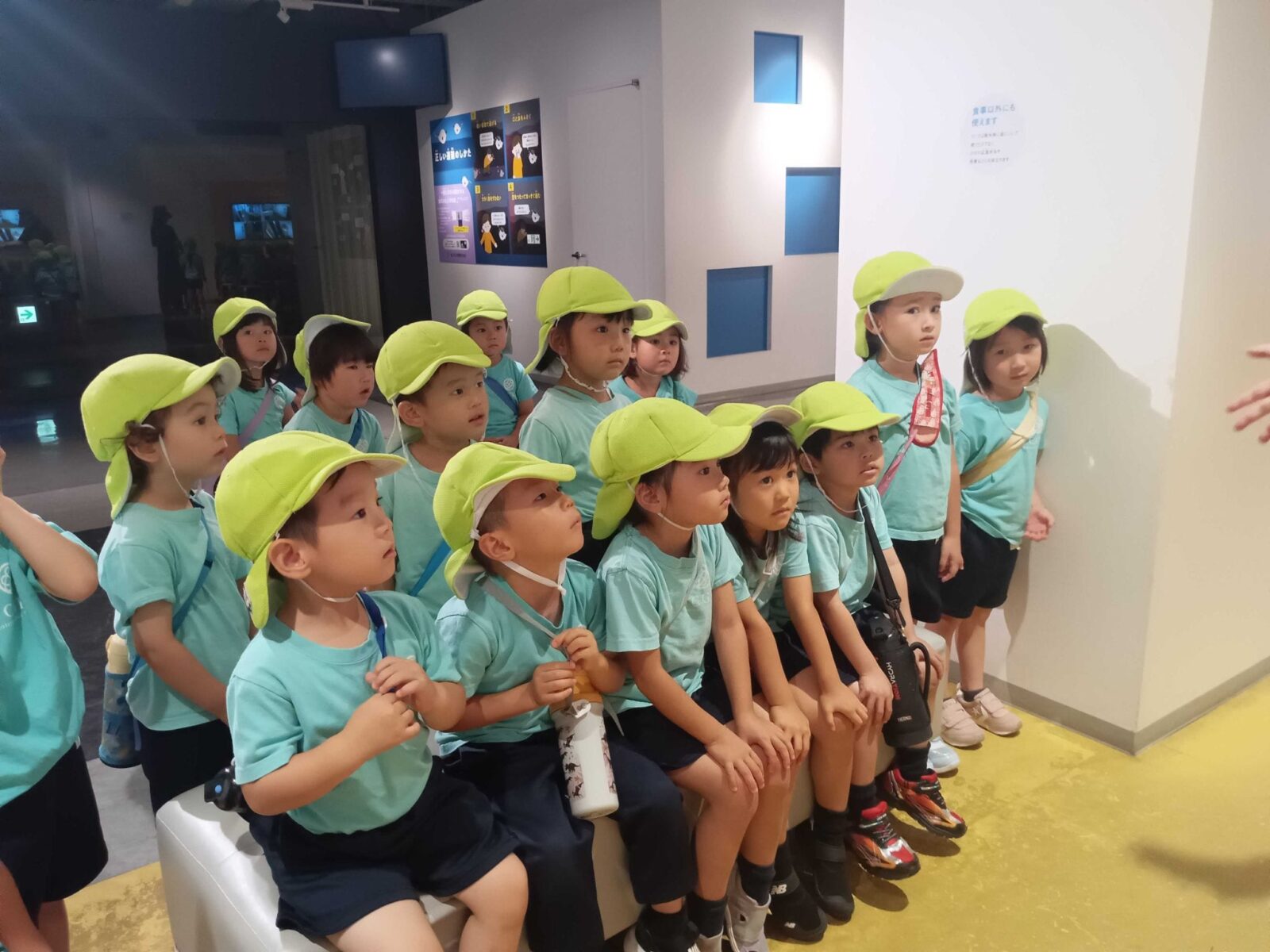
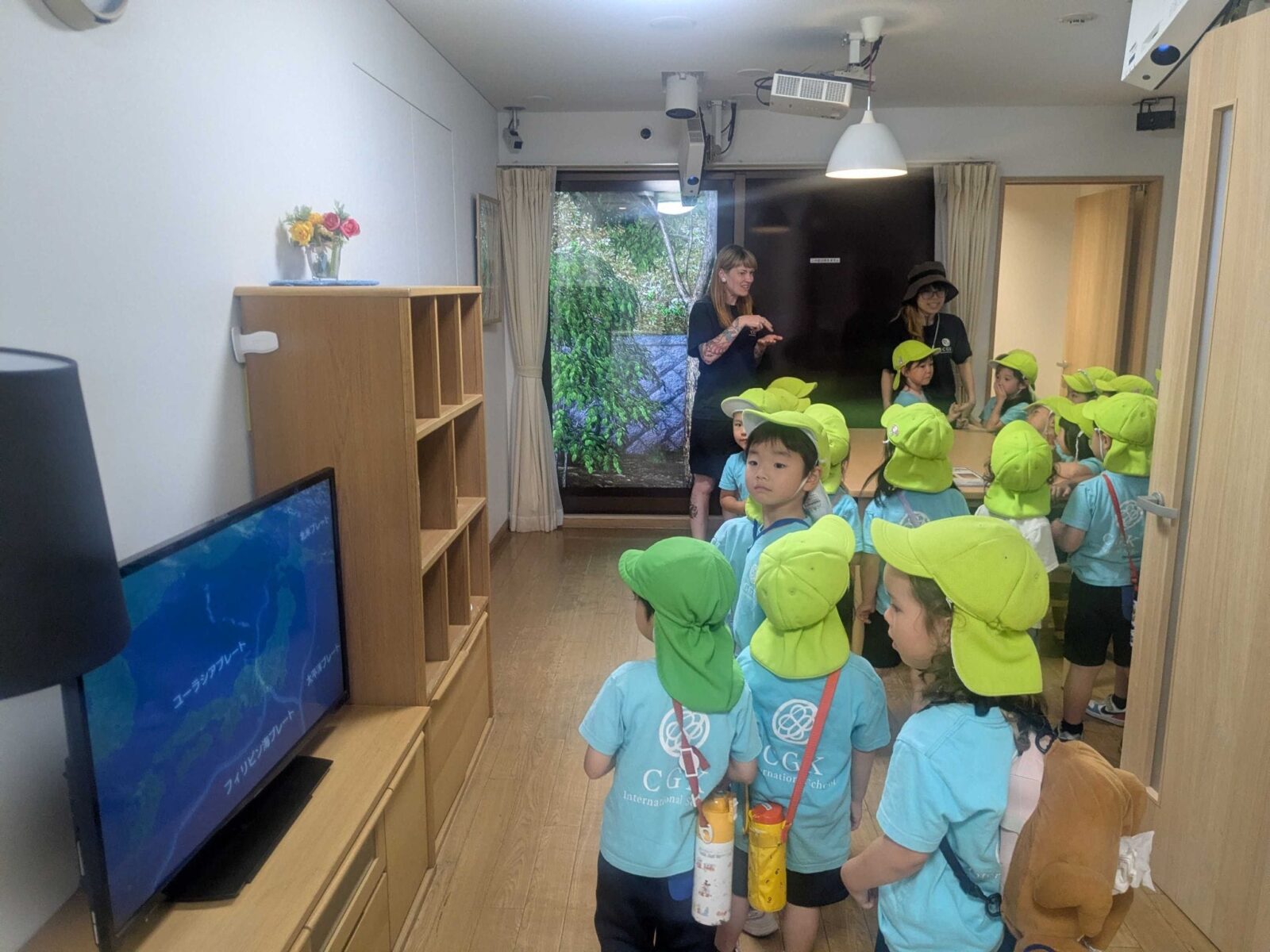
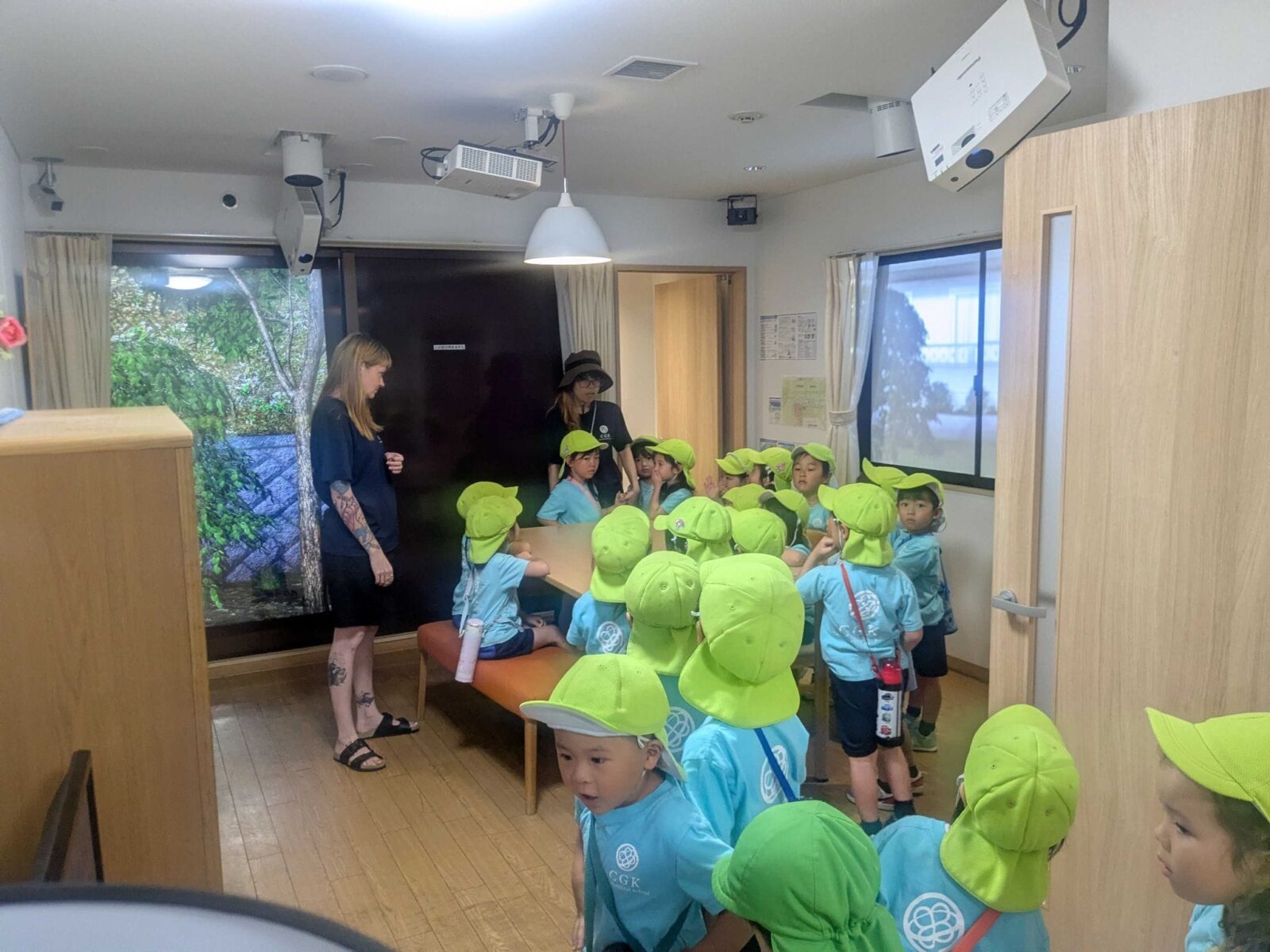
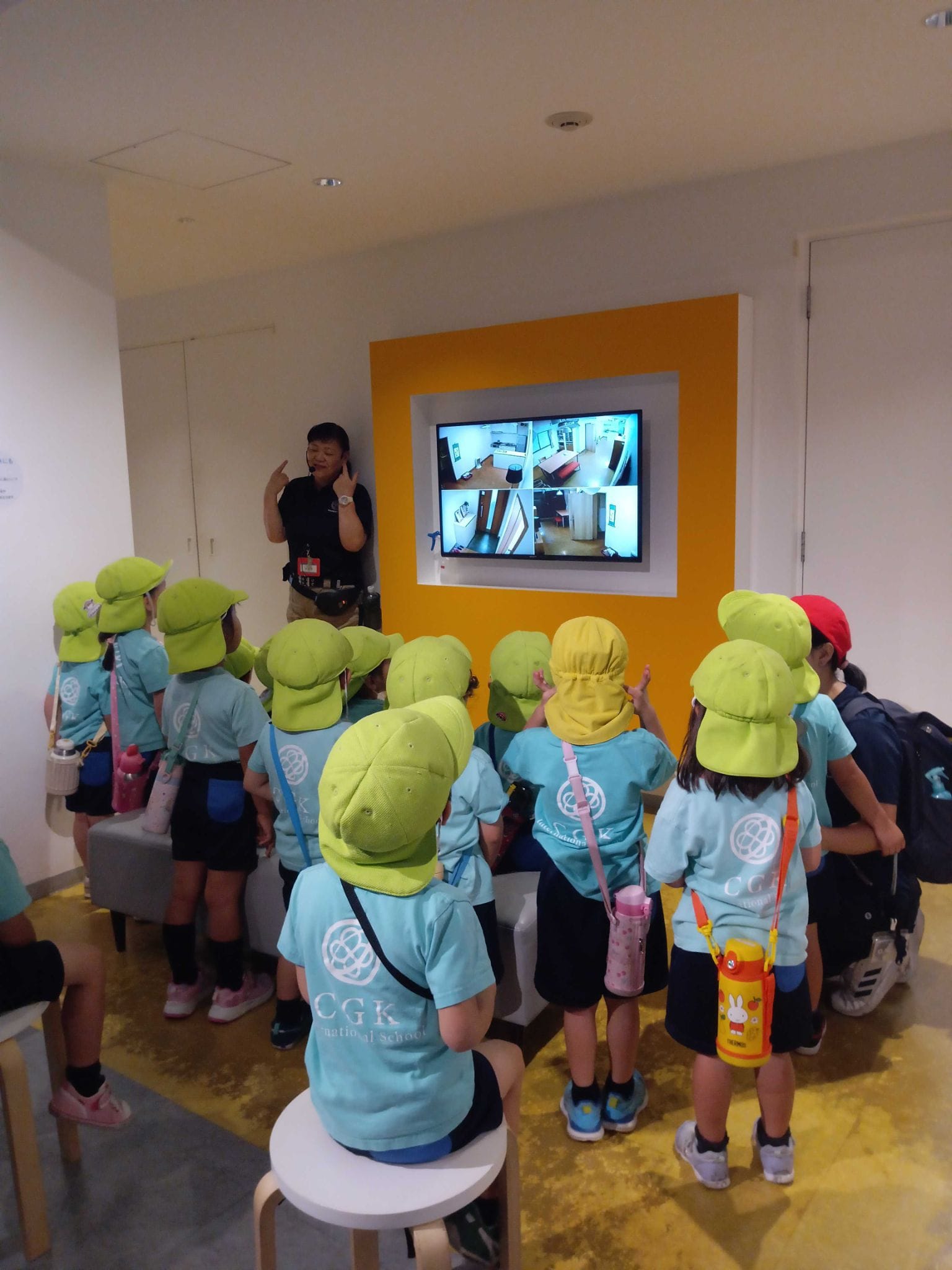
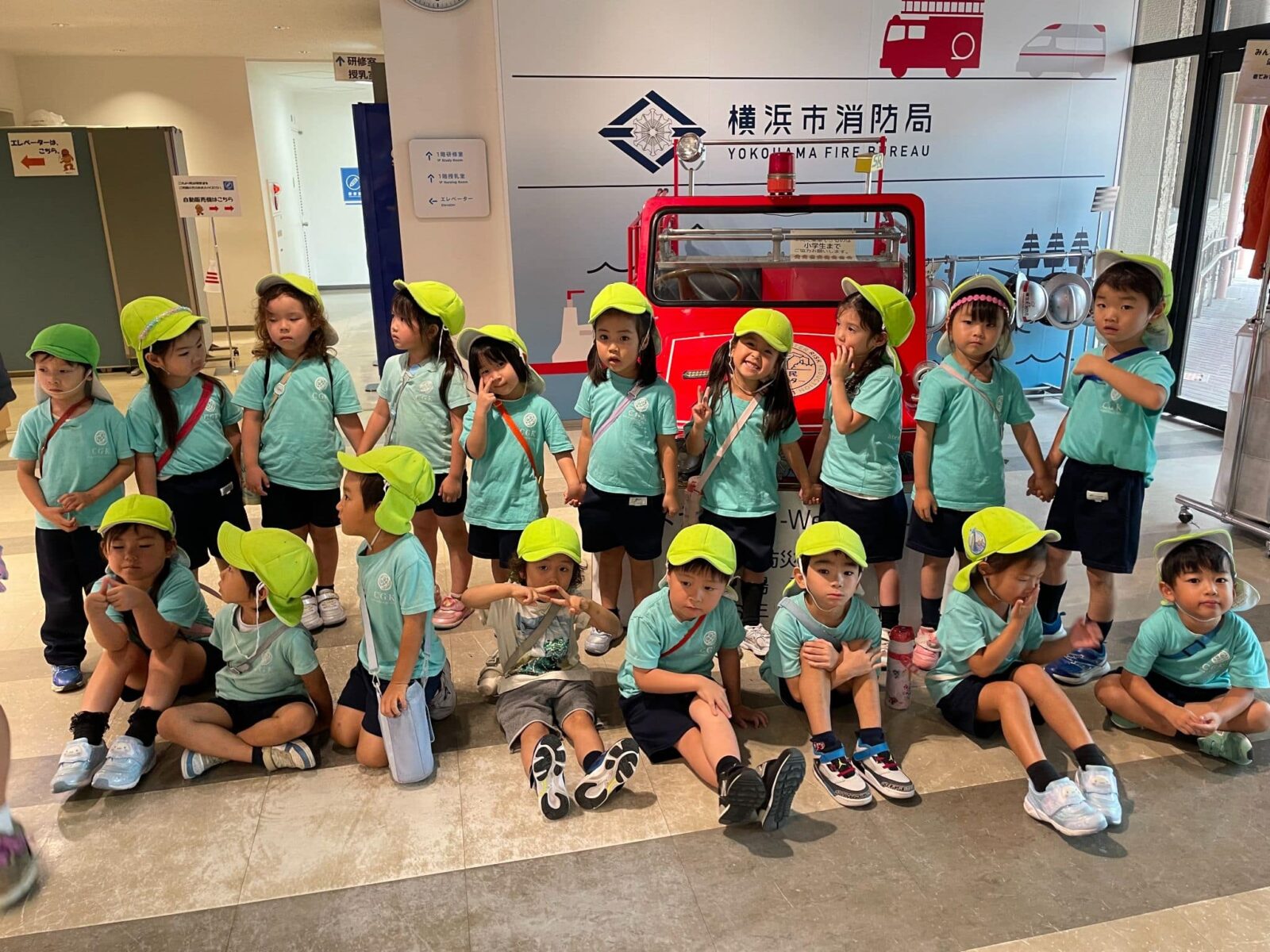
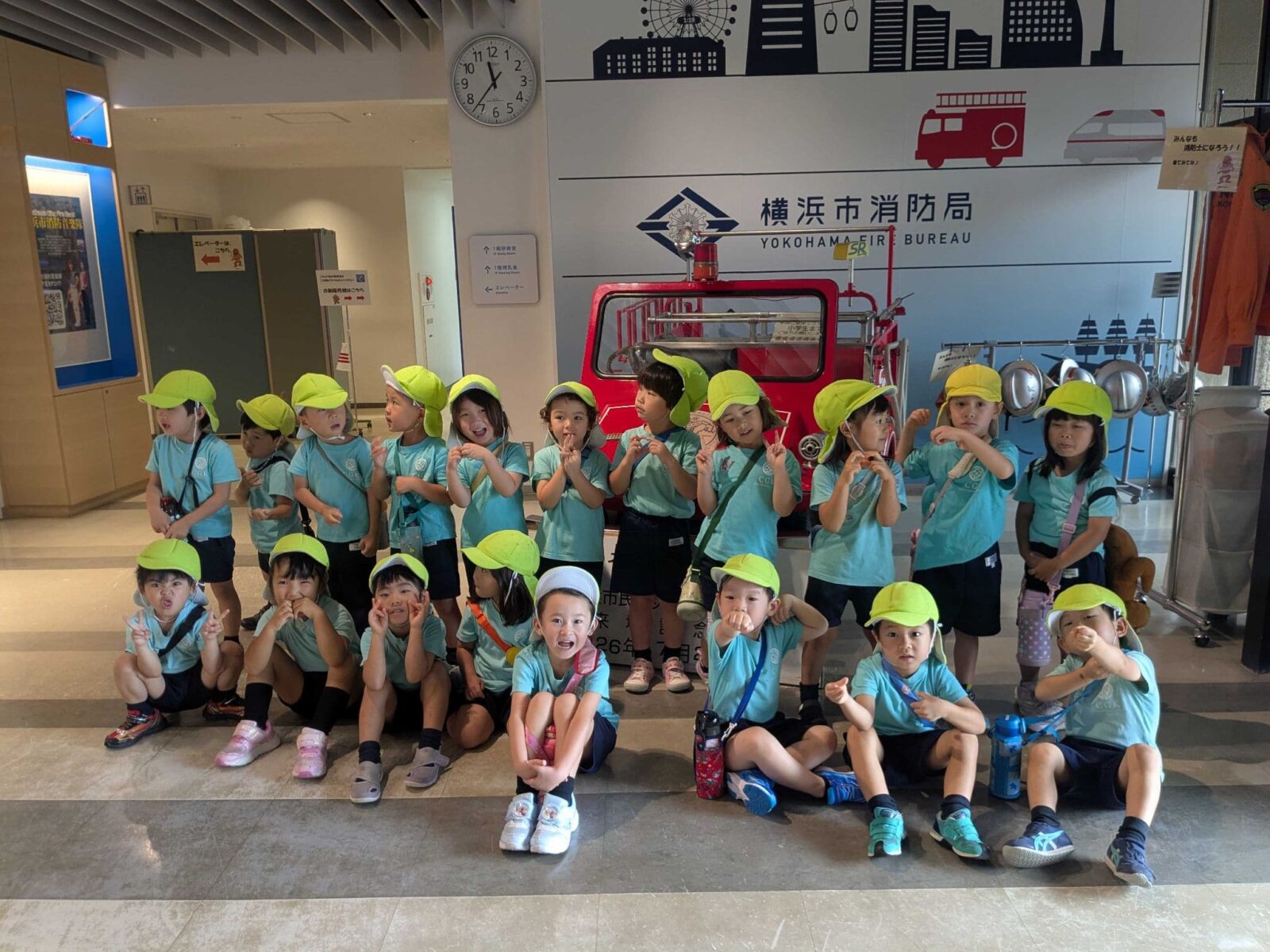
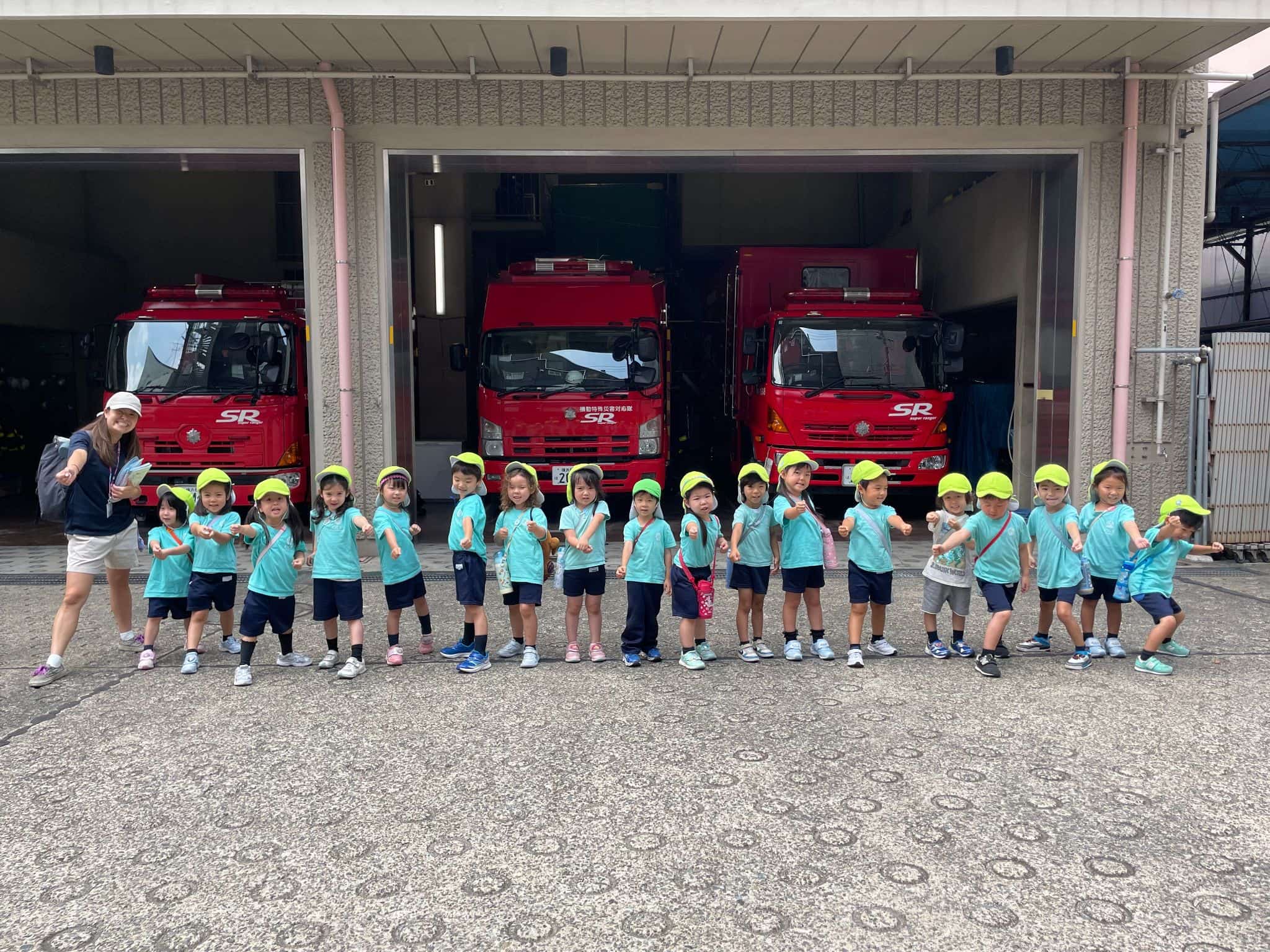
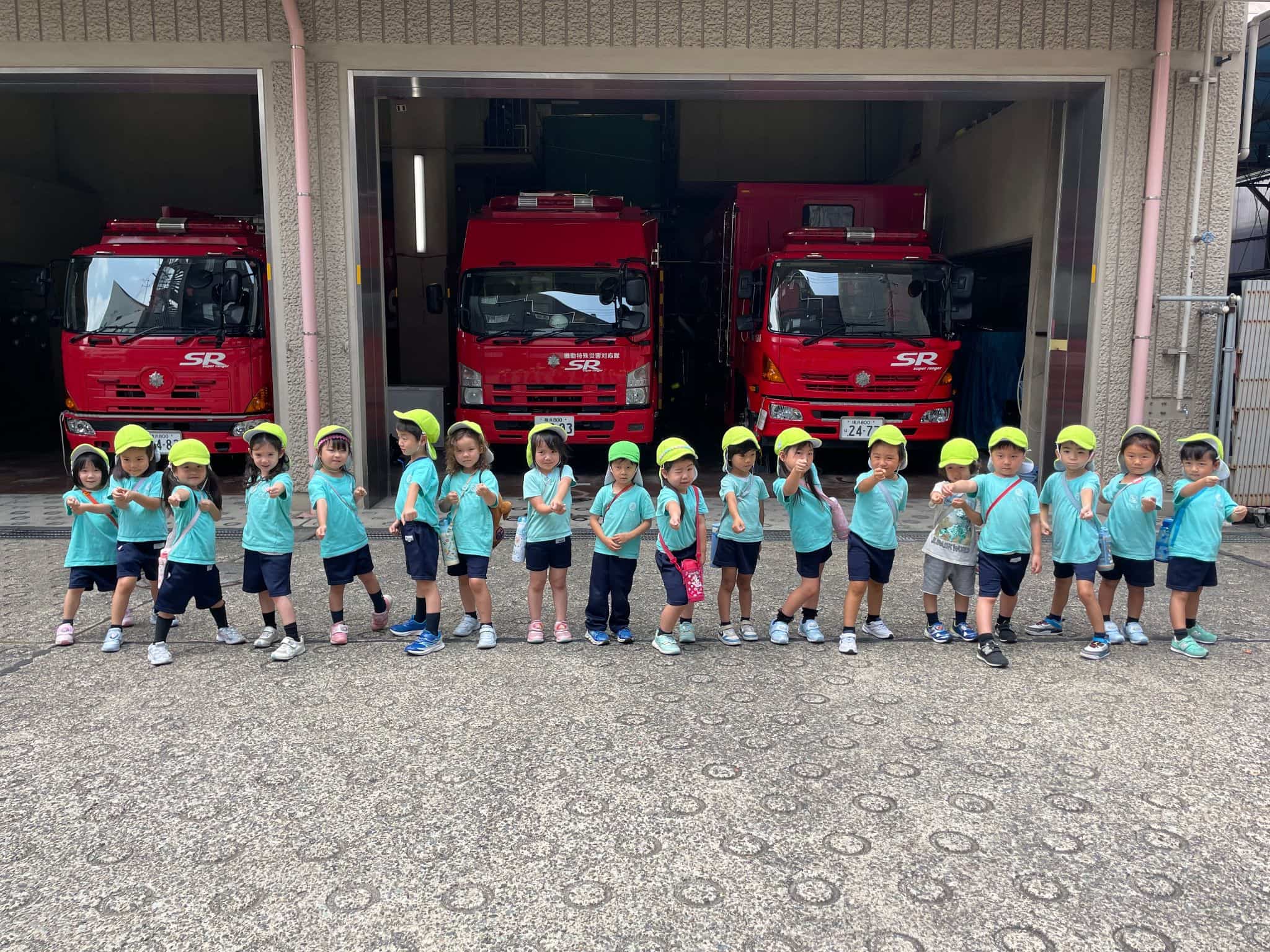
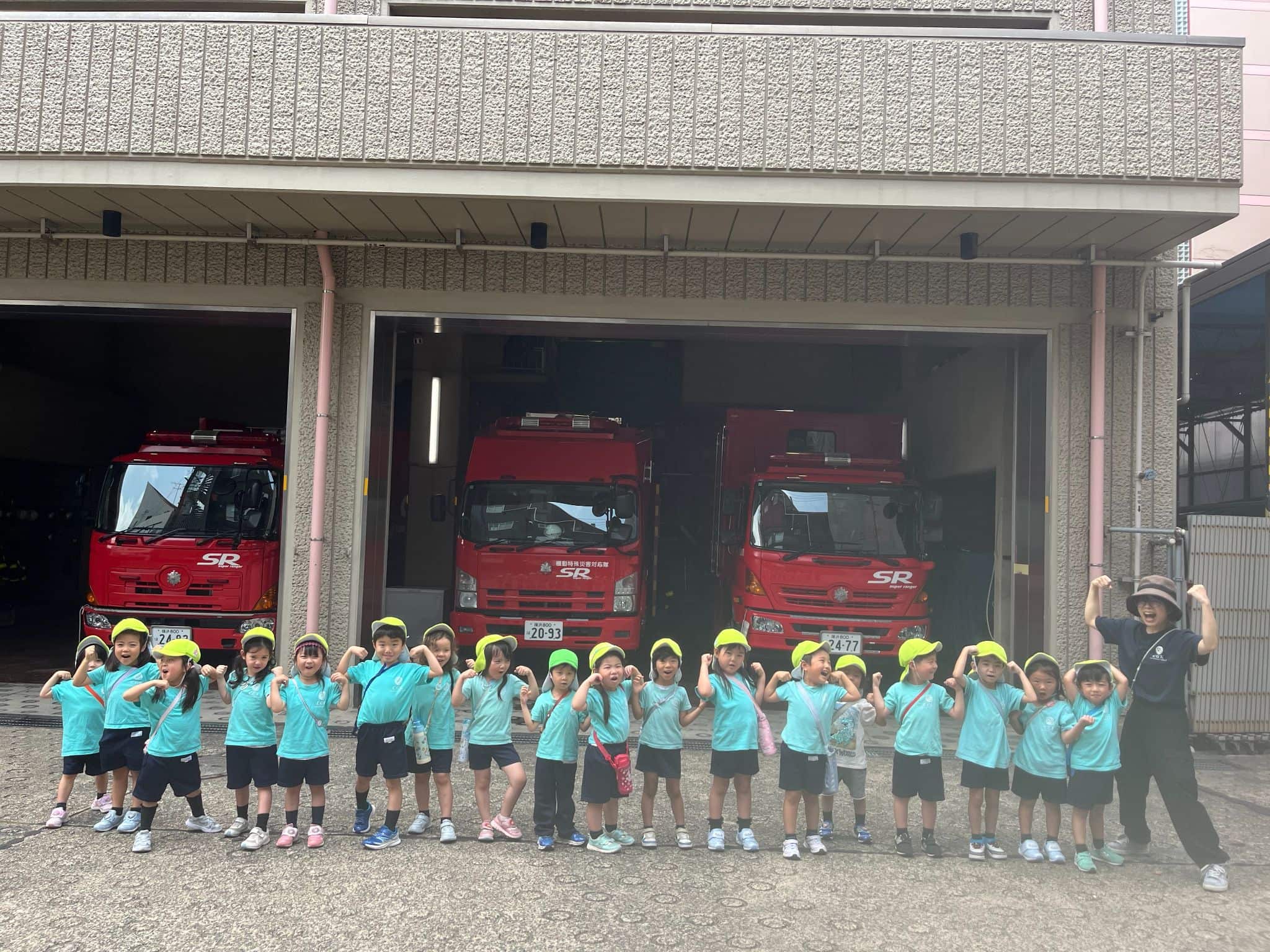
As part of the units Who We Are and How We Organize Ourselves, which the Mountain students have been exploring since April, we visited the Yokohama Disaster Risk Reduction Learning Center to learn about earthquakes and fires. The children took part in four programs. Because some friends felt nervous, everyone was encouraged to participate only as much as felt manageable for them.
Disaster Theater: Through a video presentation, the children learned what may happen during a disaster and how they should respond. It was impressive to see them watching and listening with such serious expressions.
Earthquake Simulator: The children experienced powerful shaking. Some were startled and frightened by its intensity, while others gathered their courage and said, “I want to try!” Their reactions varied, but afterward they listened carefully to the instructor and demonstrated how to protect their heads.
Smoke Evacuation Experience: The children moved through a passage where simulated smoke made it difficult to see, covering their noses and mouths with a hand or towel and keeping their bodies low. The unfamiliar darkness made some of them a little tense, but with teachers and friends beside them, they continued one step at a time and reached the end.
Disaster Mitigation Training Room: In a simulated home environment, the children considered how to evacuate and what dangers they might encounter if an earthquake occurred. They shared many observations, including “The sound was scary” and “There was a fire.”
The visit connected closely with both units of inquiry. Through Who We Are, the children had time to consider what they can do to protect their own lives and bodies. Each child responds differently to fear and nervousness, and we saw them engage with the experience in ways that felt right for them. Through How We Organize Ourselves, they revisited the rules that help keep everyone safe during a disaster and began to understand more about the social systems—including fire departments and police—that support our lives.
By seeing, hearing, and experiencing these situations, the children learned not only that disasters can be frightening, but also that remaining calm and following agreed rules can help protect their own lives and the lives of others. It was a valuable and memorable learning experience.
Jungle A & B (3-year-olds)
Express Yourself—Don't Repress Yourself!
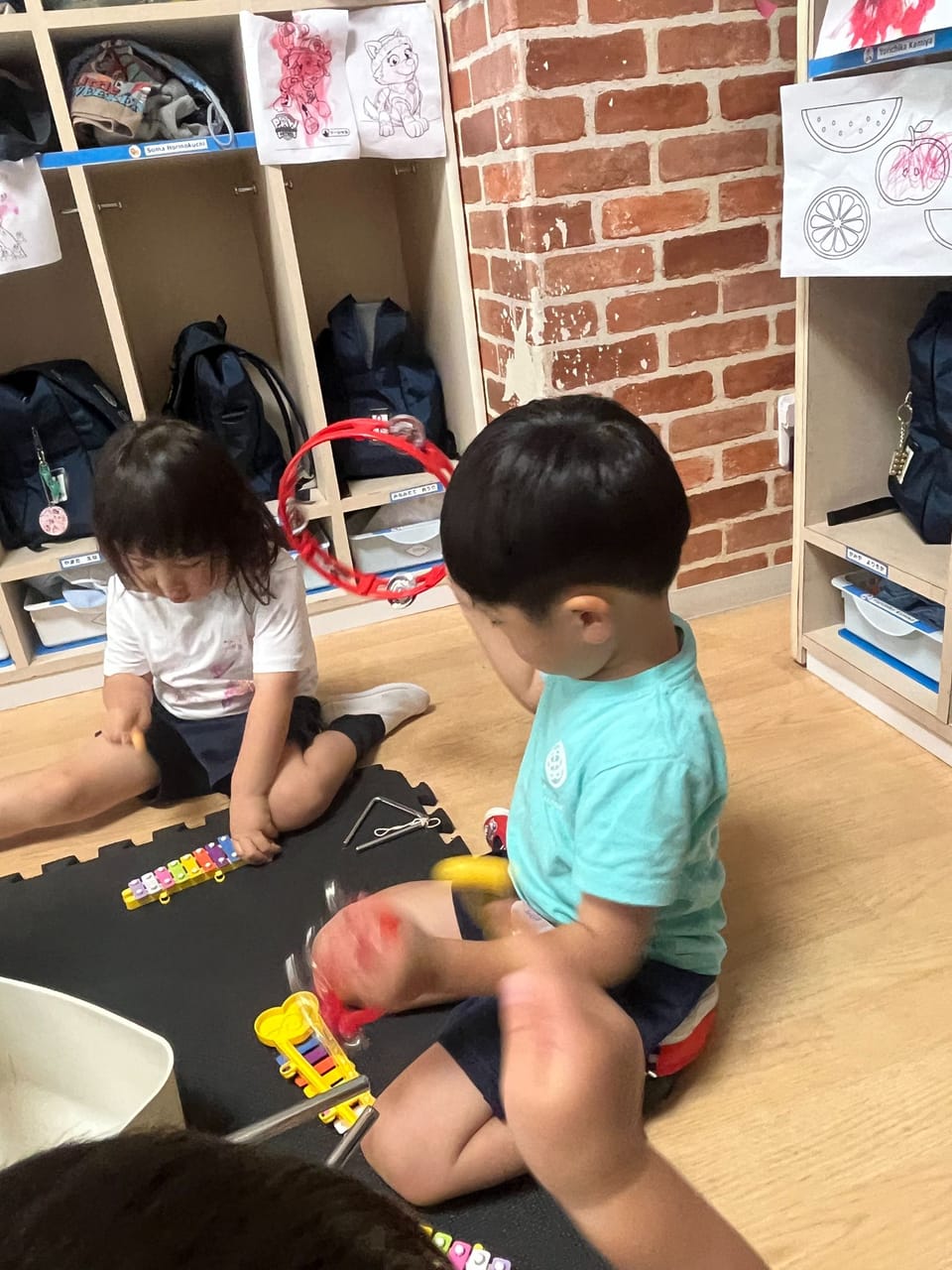
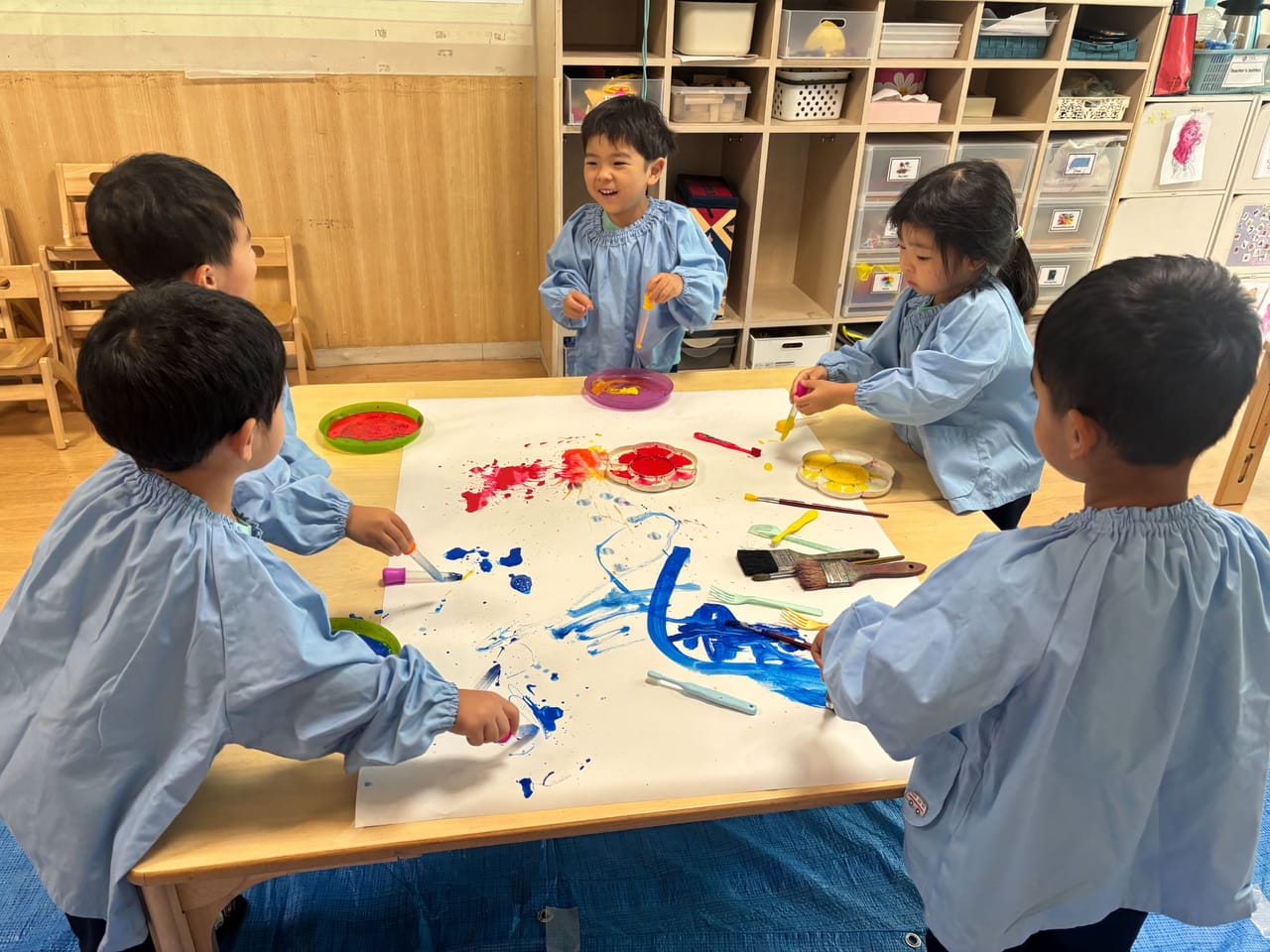
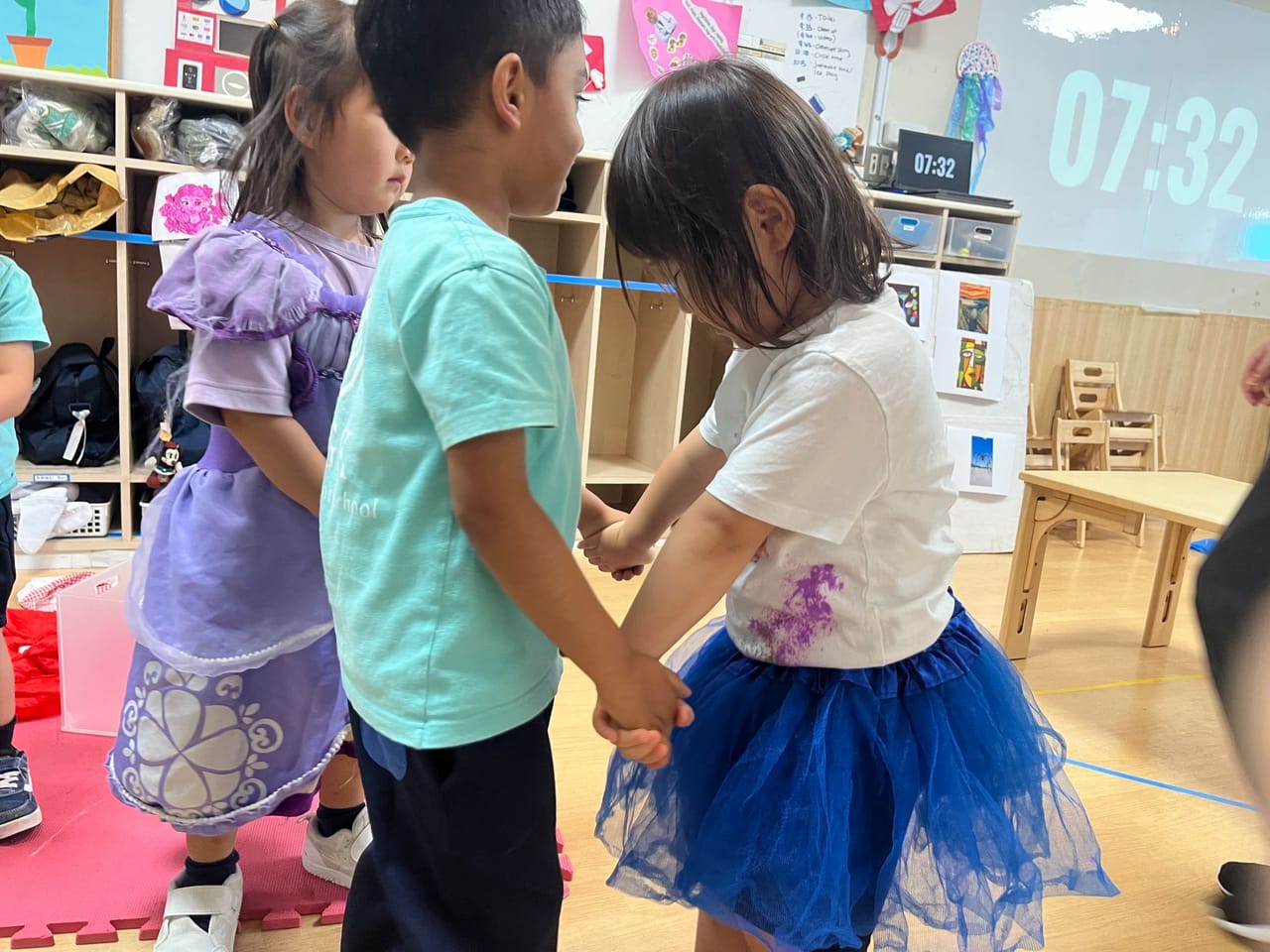
With our first unit of inquiry complete, we are moving on to the next stop in our learning journey. How We Express Ourselves has often been the first UOI of the year; this year, however, we departed from tradition and began it a little later. We have already noticed that because the students are now more settled into school life, they are also more curious and ready to explore the ideas we discuss in greater depth. This is a particularly enjoyable UOI with room for many different activities and themes, and we are excited to see where the students' inquiry takes us!
We would also like to extend a heartfelt thank-you to all families for your time and cooperation with the parent-teacher conferences (PTCs), Class Meetings, and observations. It was wonderful to speak with you and offer a glimpse into what we do at CGK each day. Thank you, as always, for your support. We look forward to continuing to work together throughout the rest of the year!
Reading Buddies!
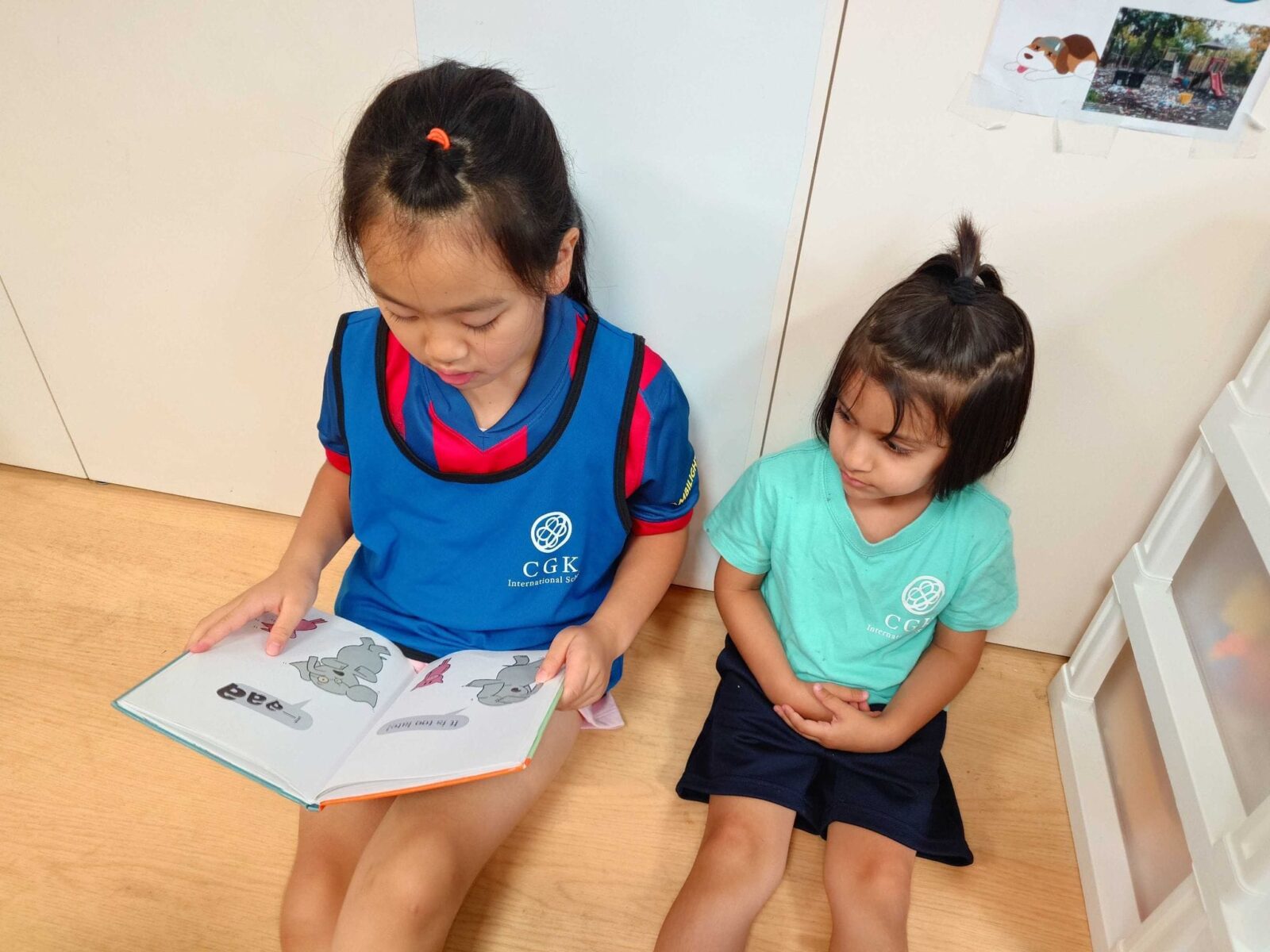
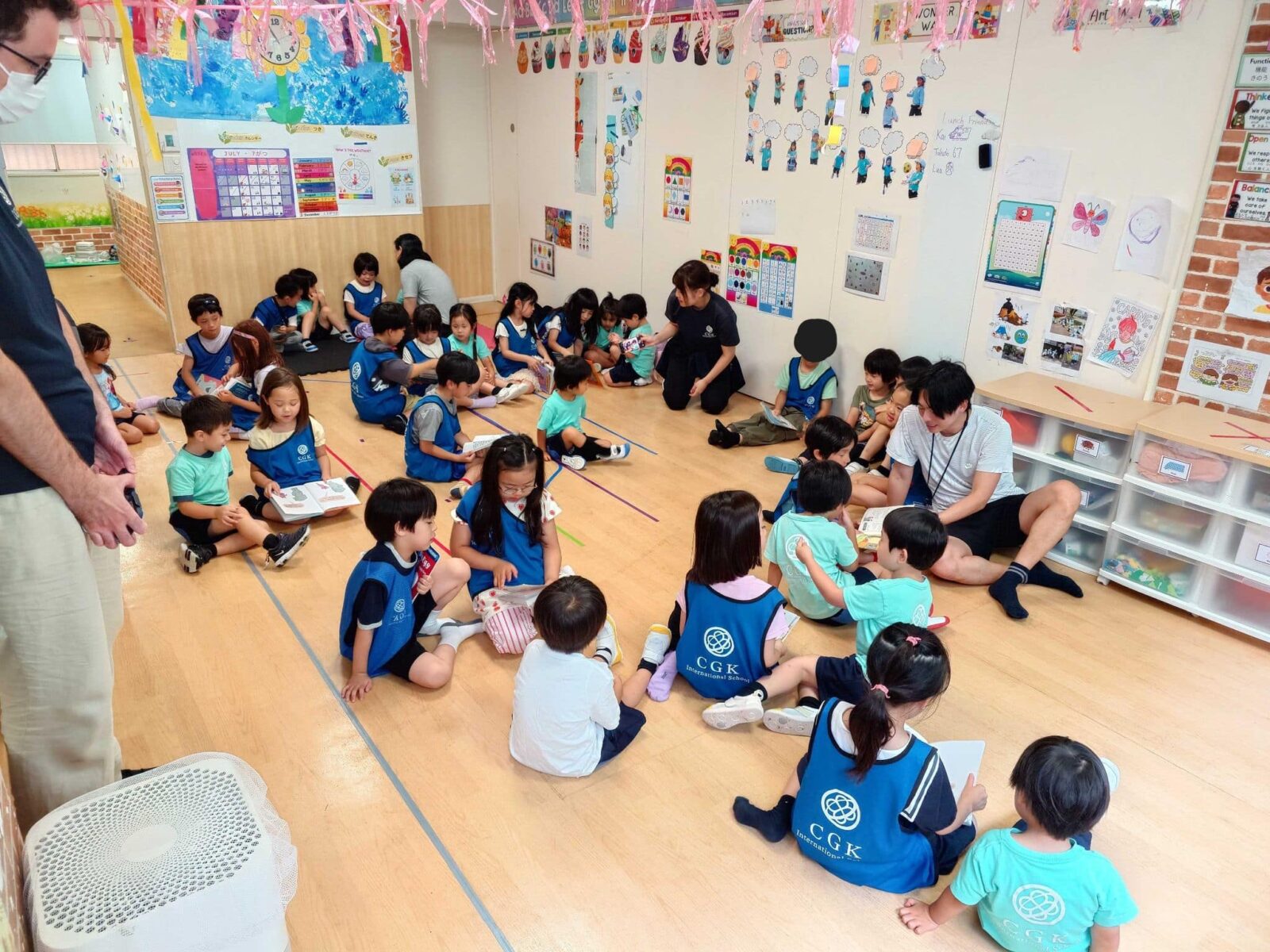
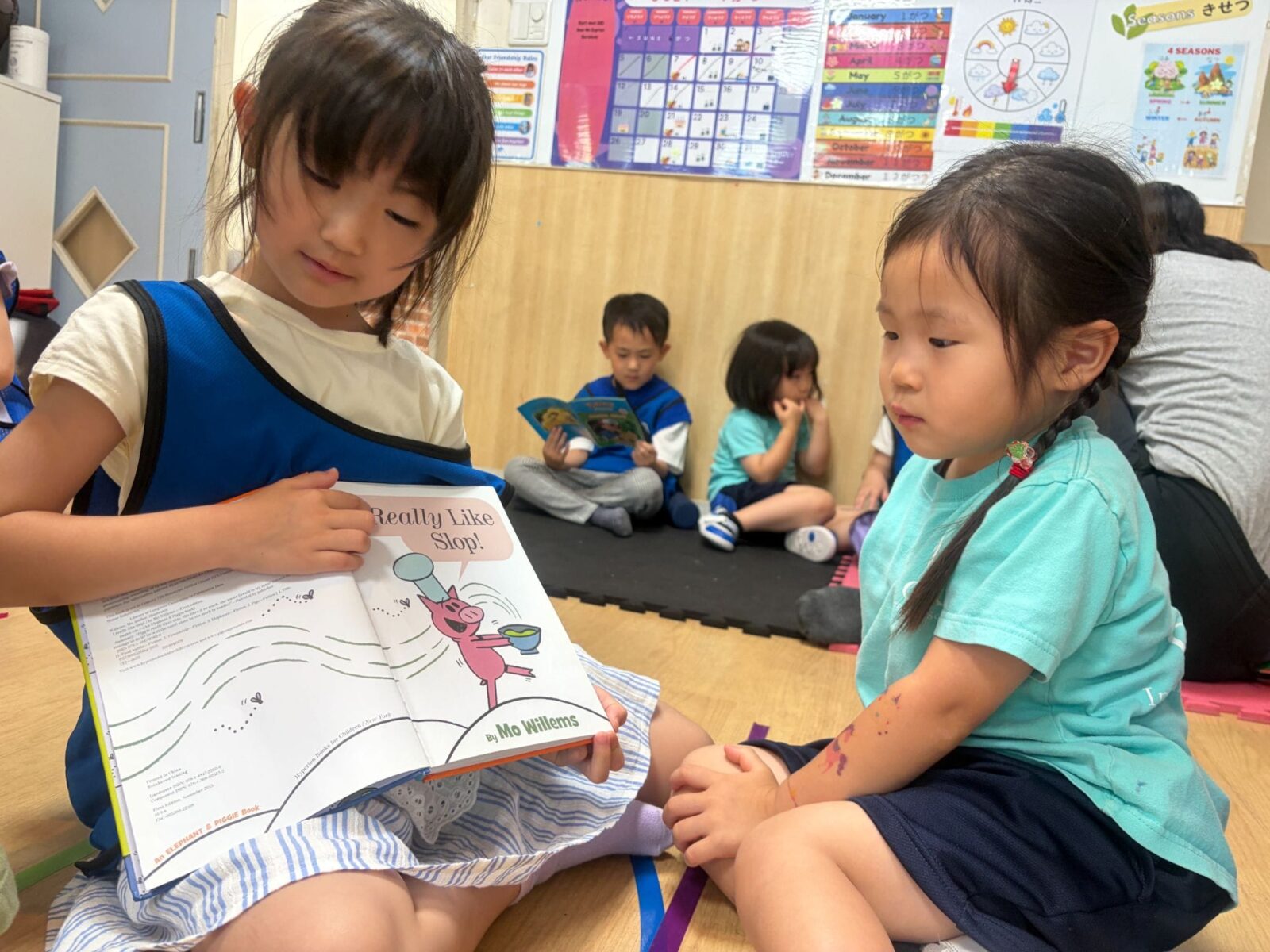
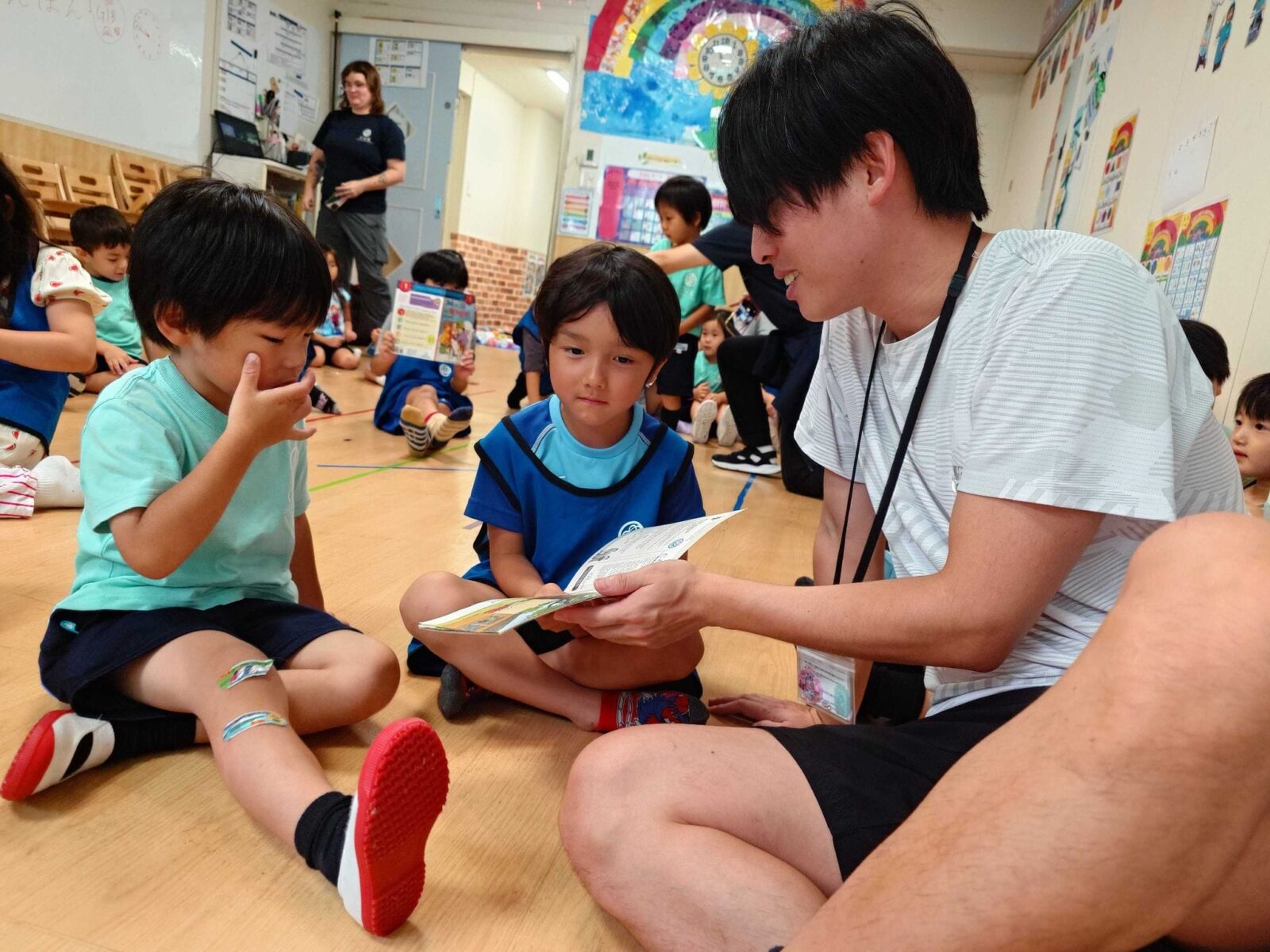
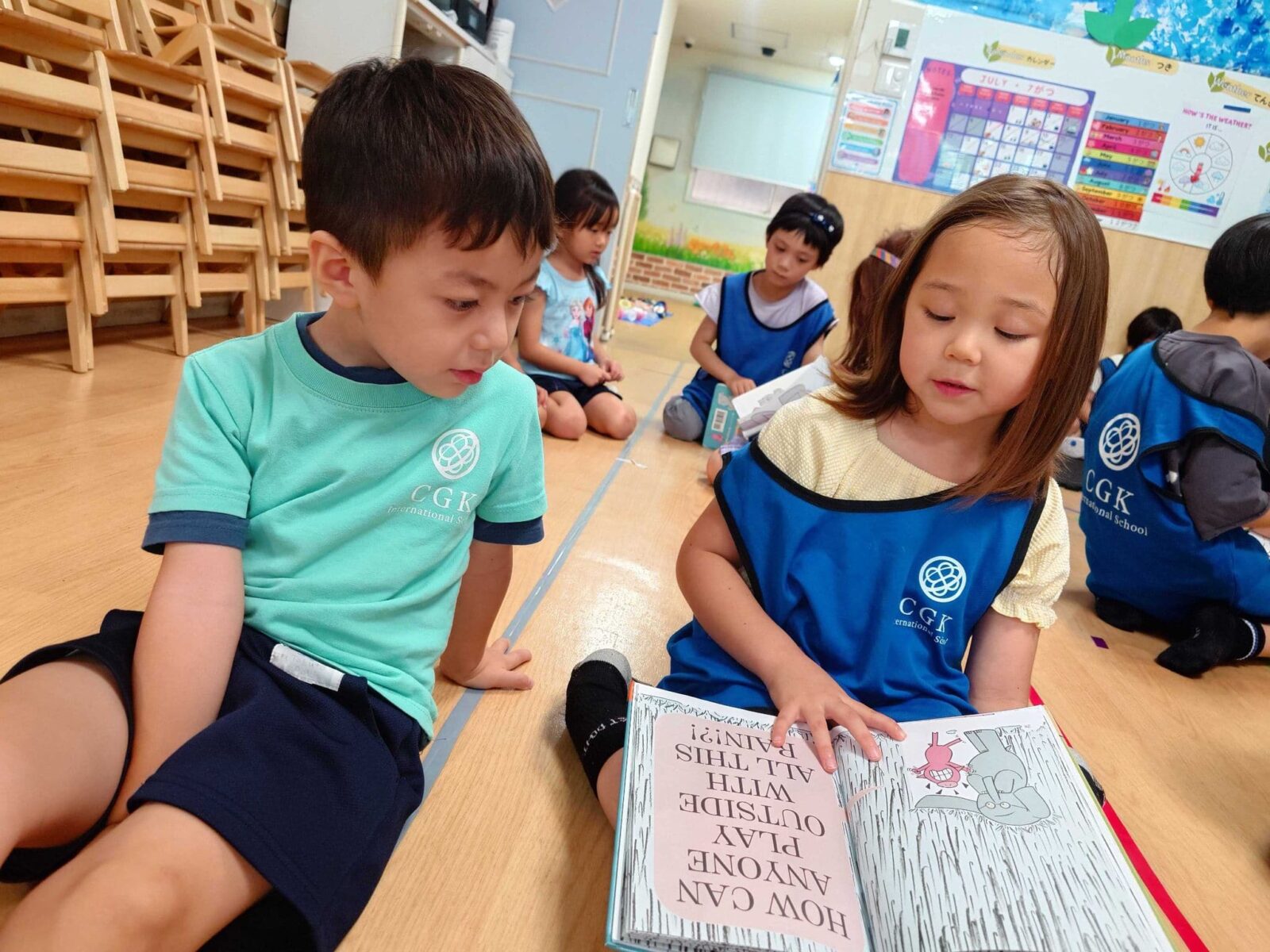
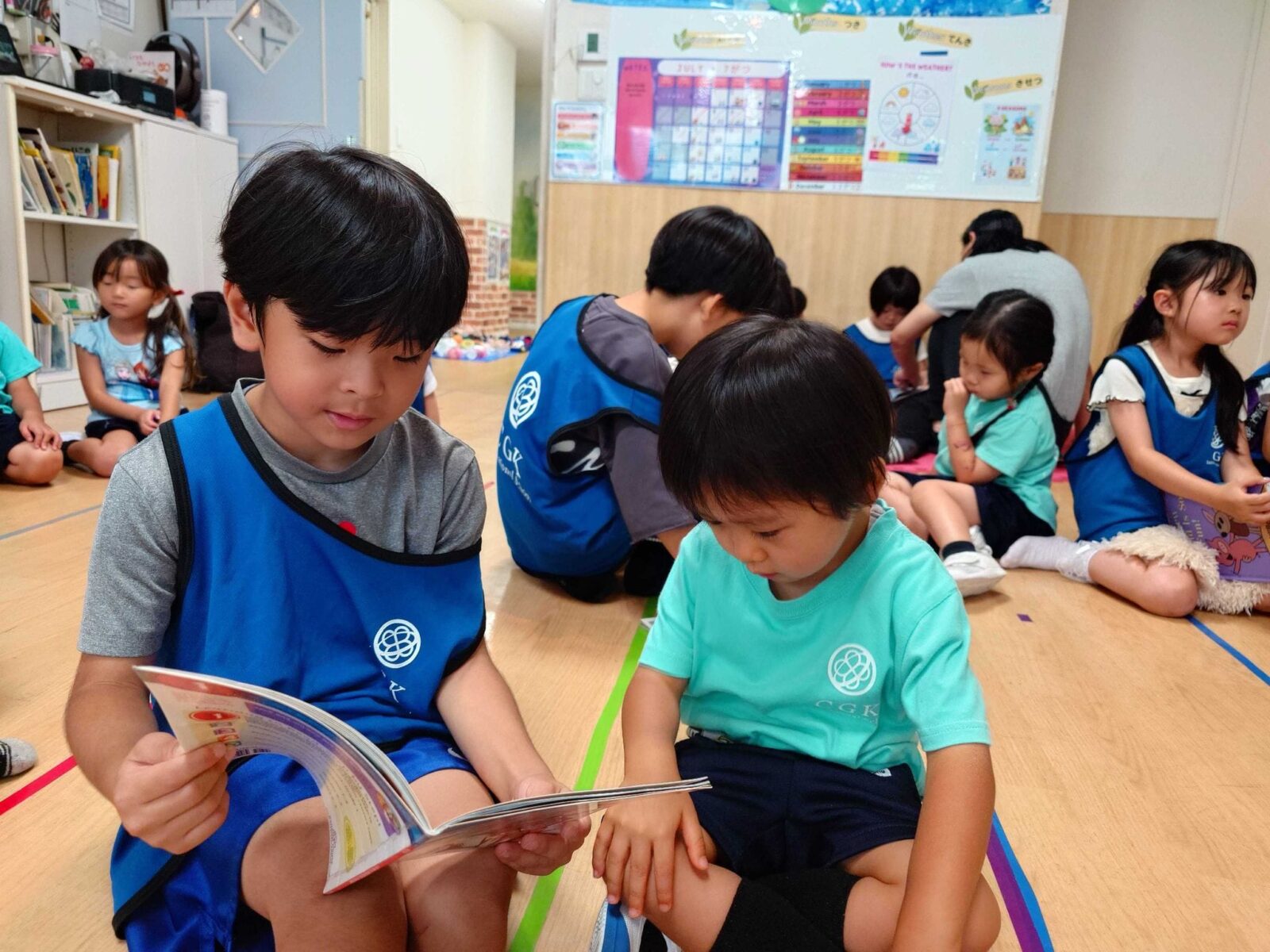
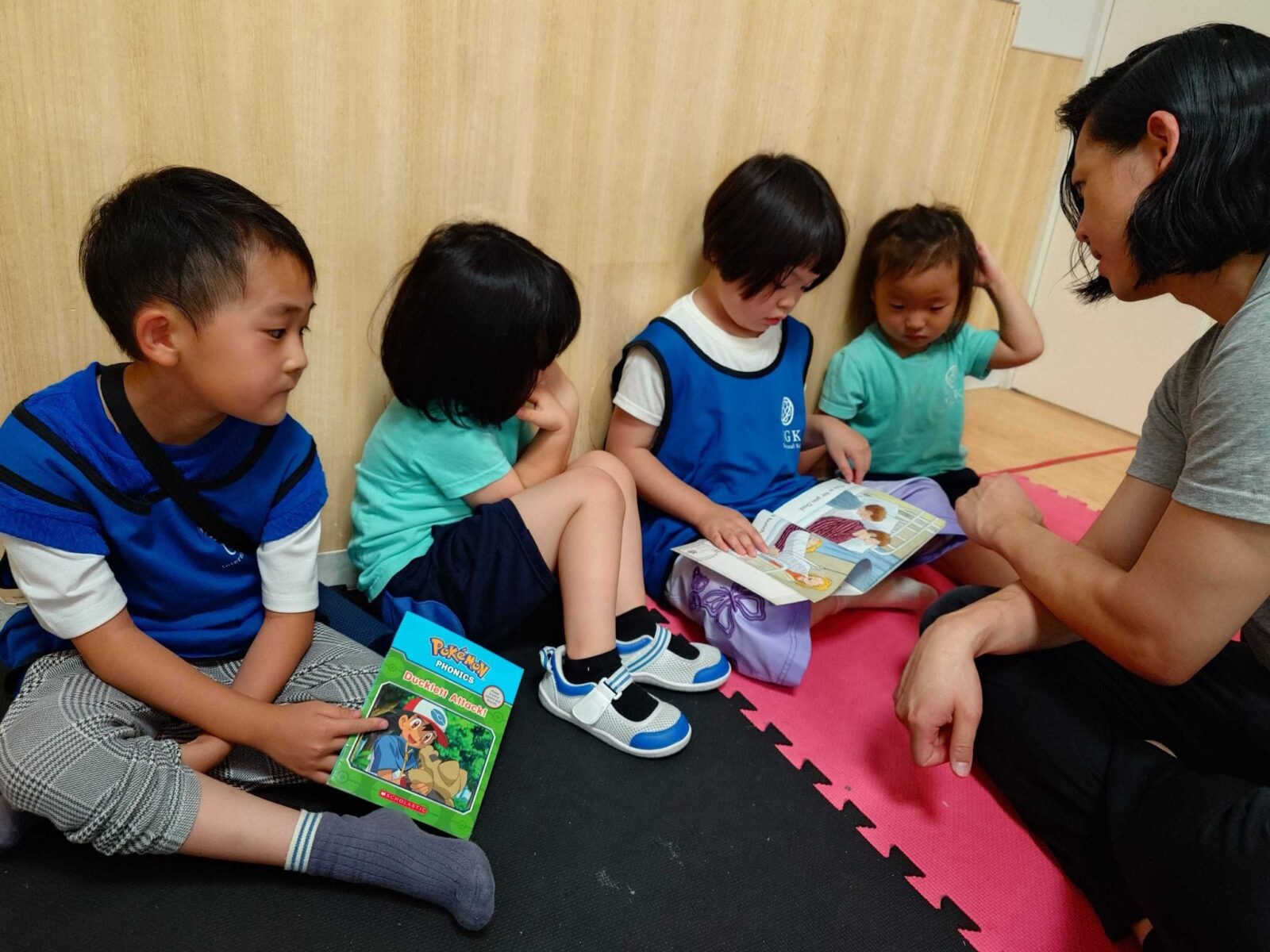
Jungle B welcomed some very special visitors when the Grade 1B class came to spend time with us and read stories together! Our young learners were delighted to welcome their older friends into the classroom, eager to discover new books and share the joy of reading. Sitting together with their reading buddies created a warm, engaging environment where everyone felt included and connected.
For many of the Grade 1B students, returning to Jungle B was a wonderful trip down memory lane. They fondly remembered being in the very same classroom and were proud to take on the role of mentors for our younger learners. Meanwhile, Jungle B showed great curiosity as they listened carefully, asked thoughtful questions, and enthusiastically joined in with the stories. Through this shared experience, our learners developed communication and social skills while strengthening our school community.
Experiences like these highlight the value of learning together across age groups. The Jungle B students demonstrated the International Baccalaureate (IB) Learner Profile attributes of being communicators as they engaged with their reading buddies, open-minded as they welcomed older students into their classroom, and caring as they built new friendships. It was a joyful afternoon filled with laughter, storytelling, and meaningful connections, and our Jungle B learners are already looking forward to the next visit!
Helping Everyone Feel Comfortable
Jungle A
Jungle B
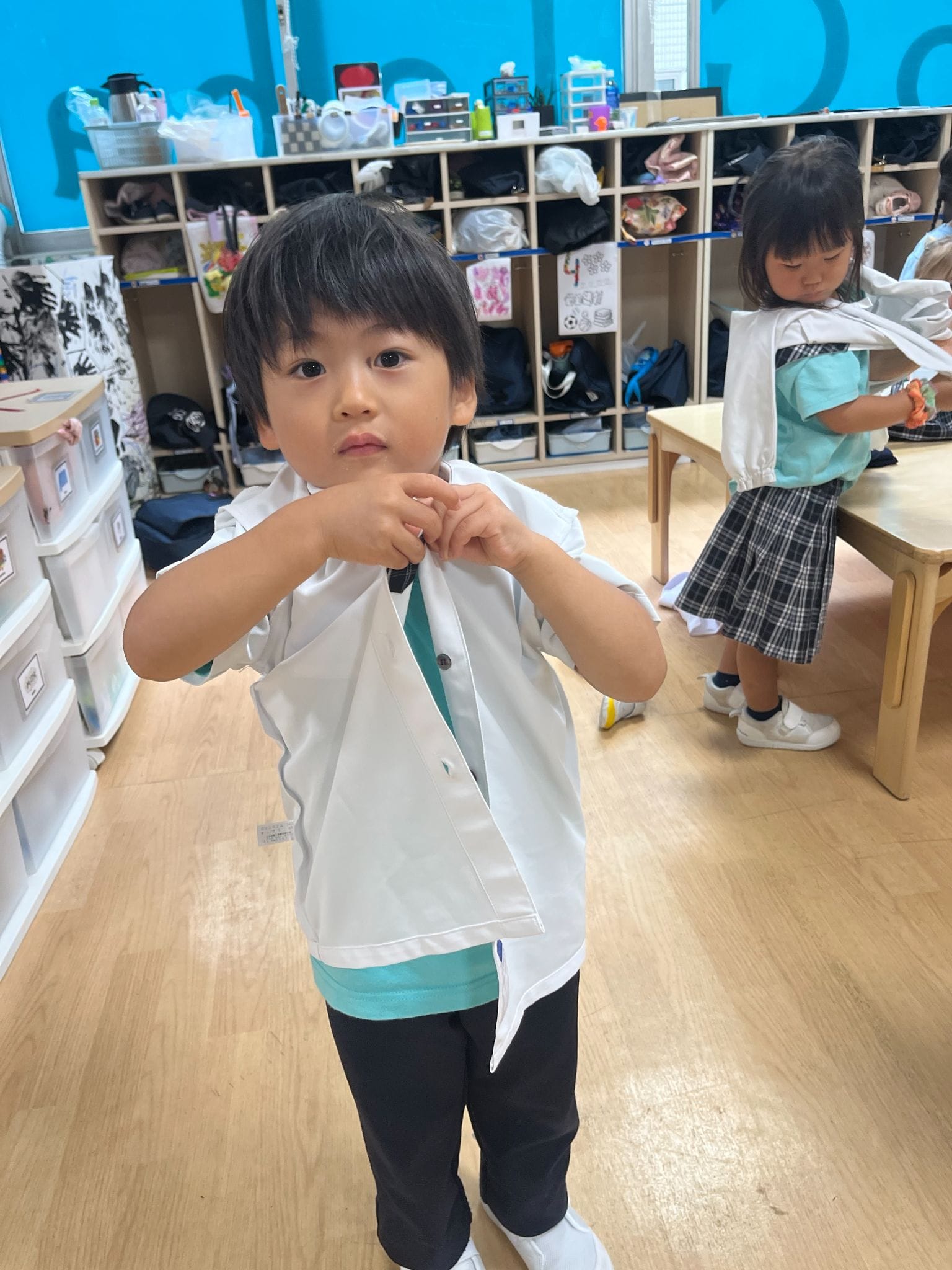
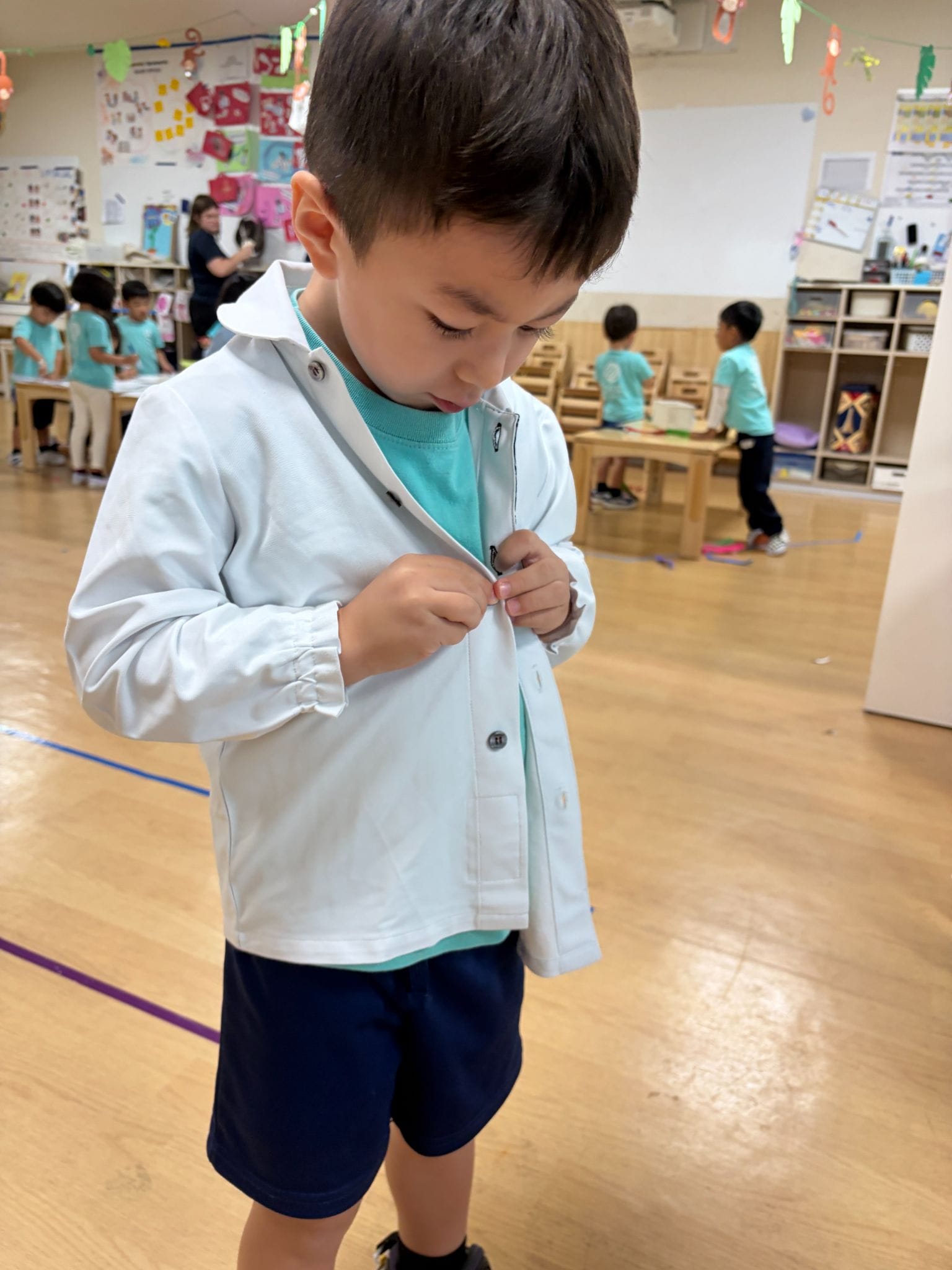
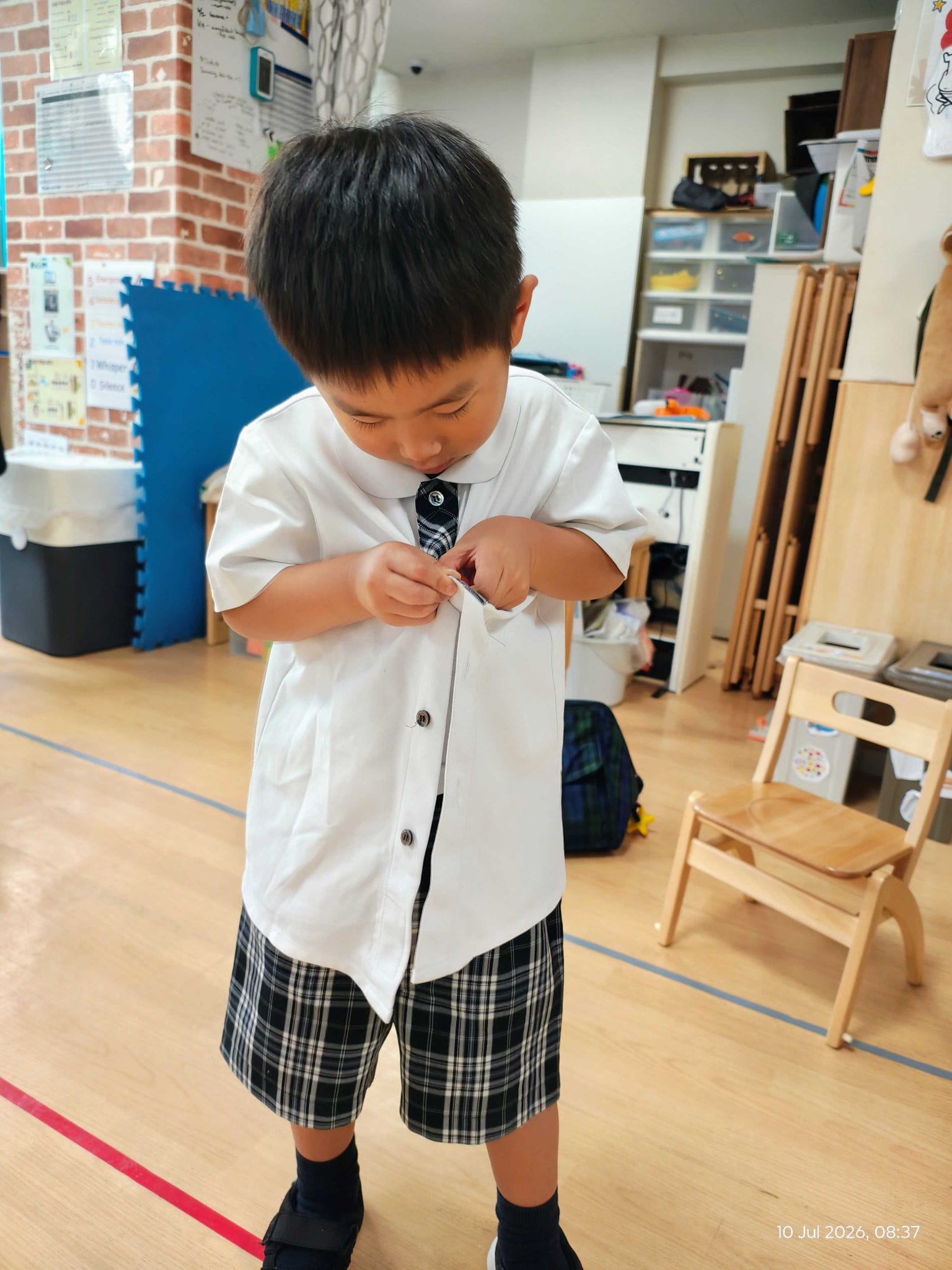
Thank you for joining our Class Discussions and parent-teacher conferences (PTCs) in July.
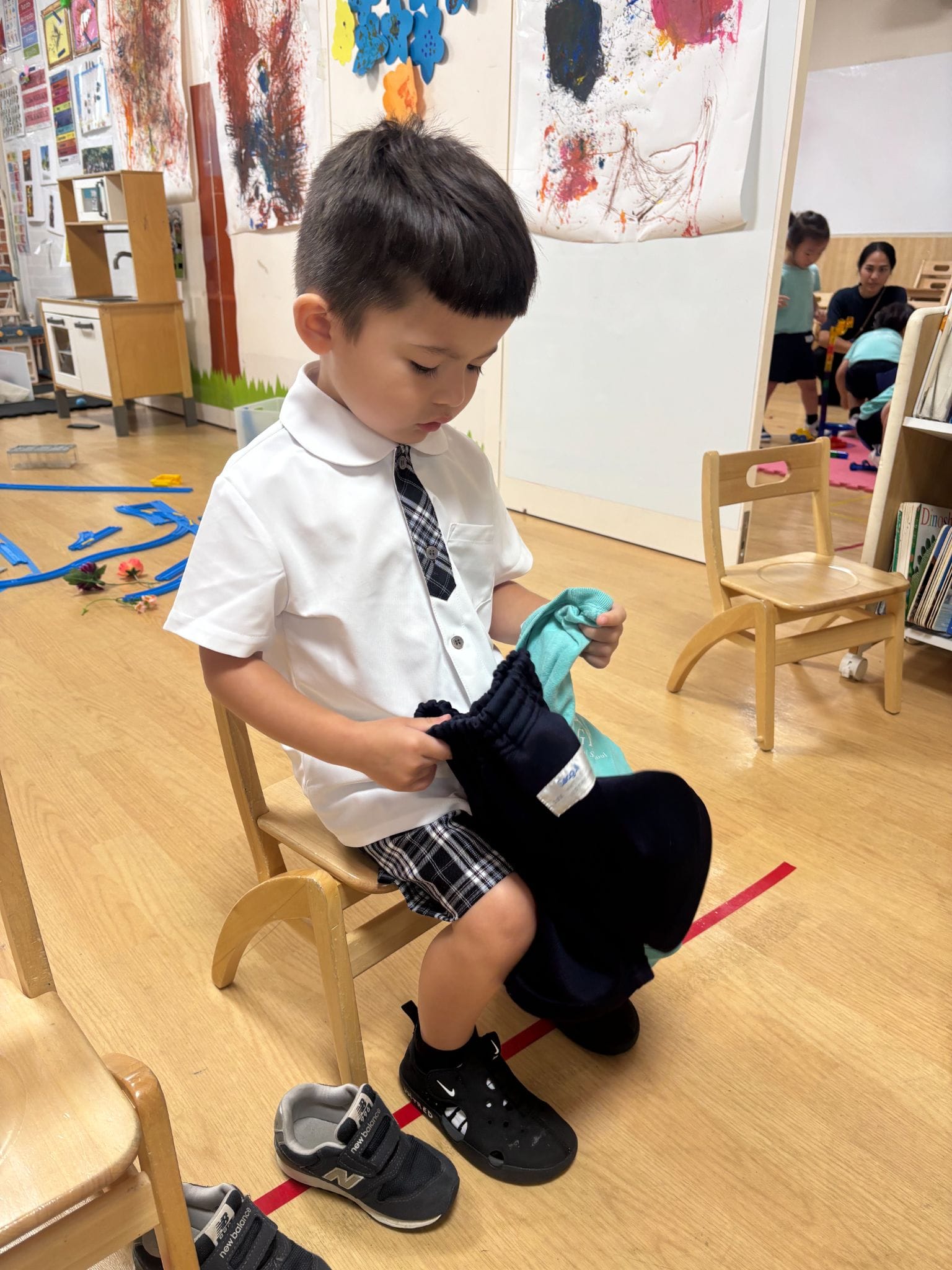
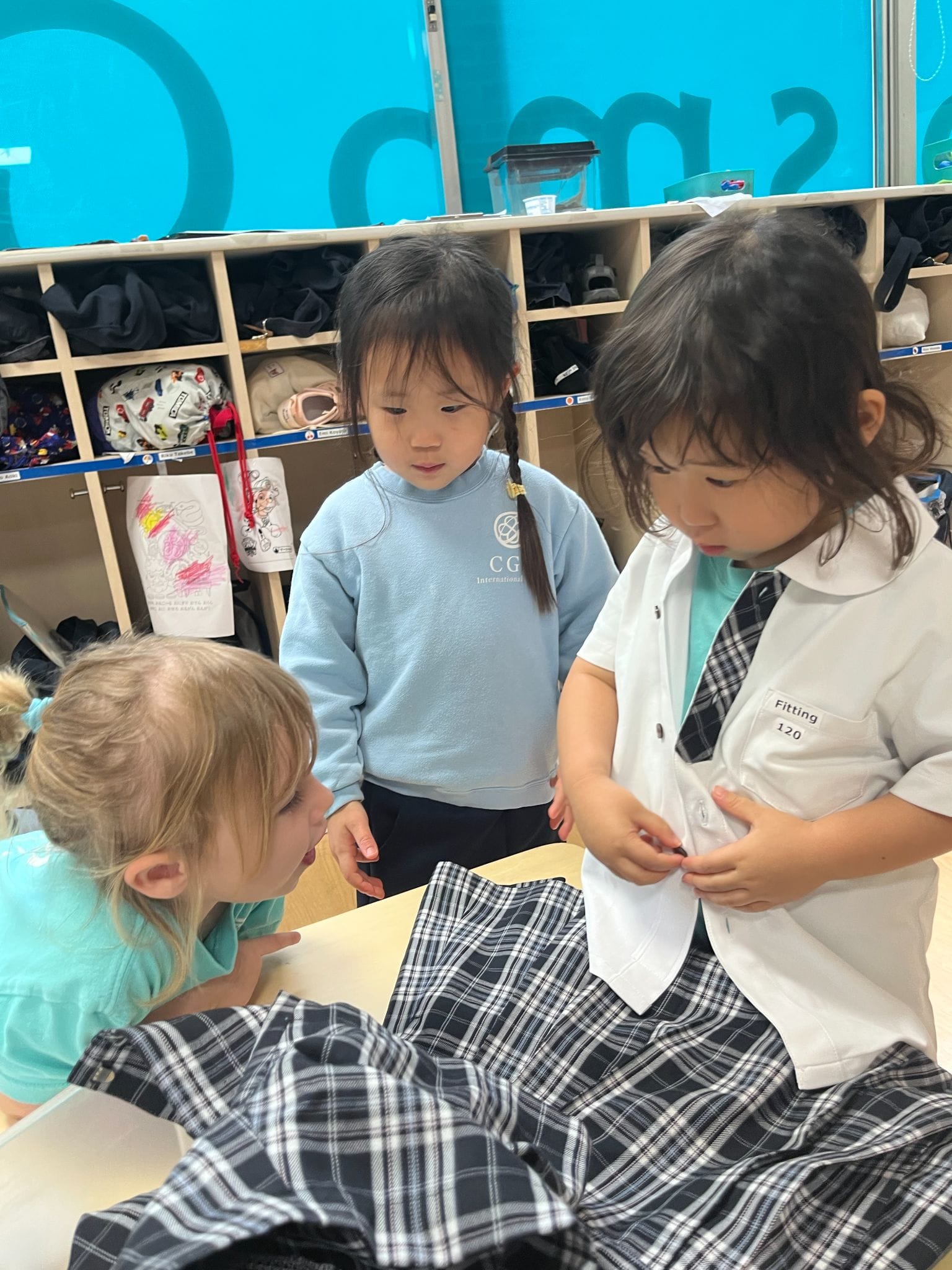
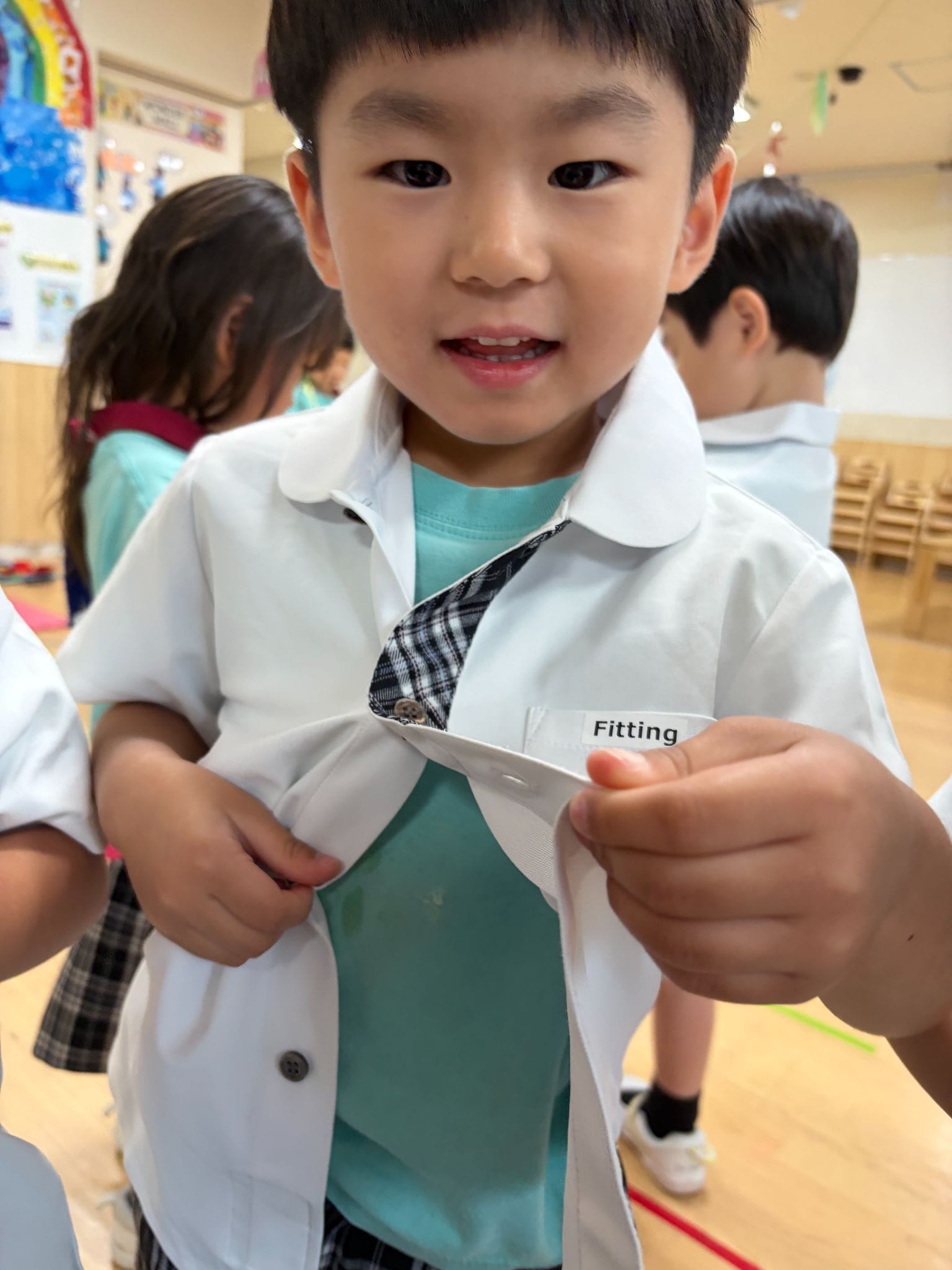
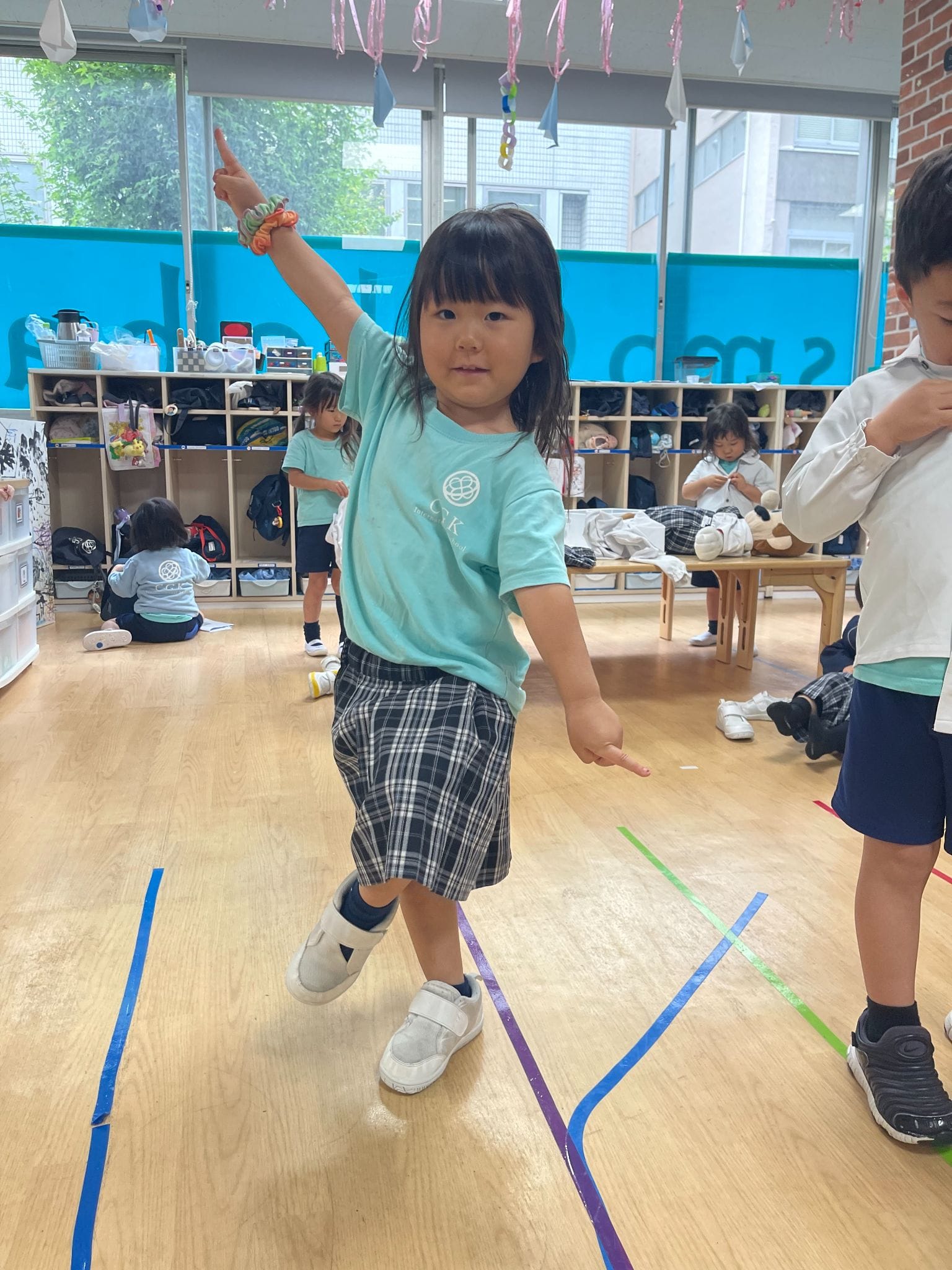
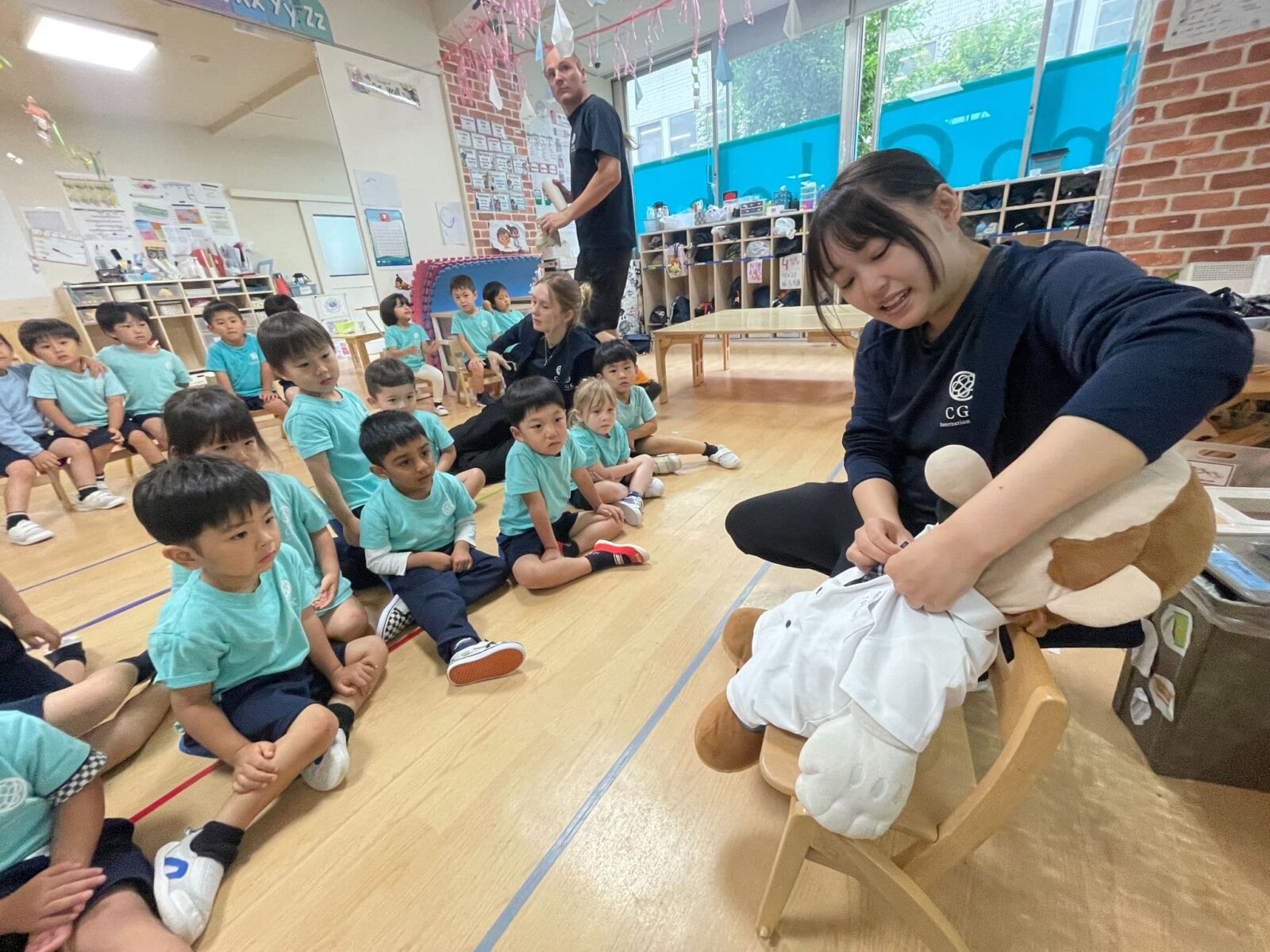
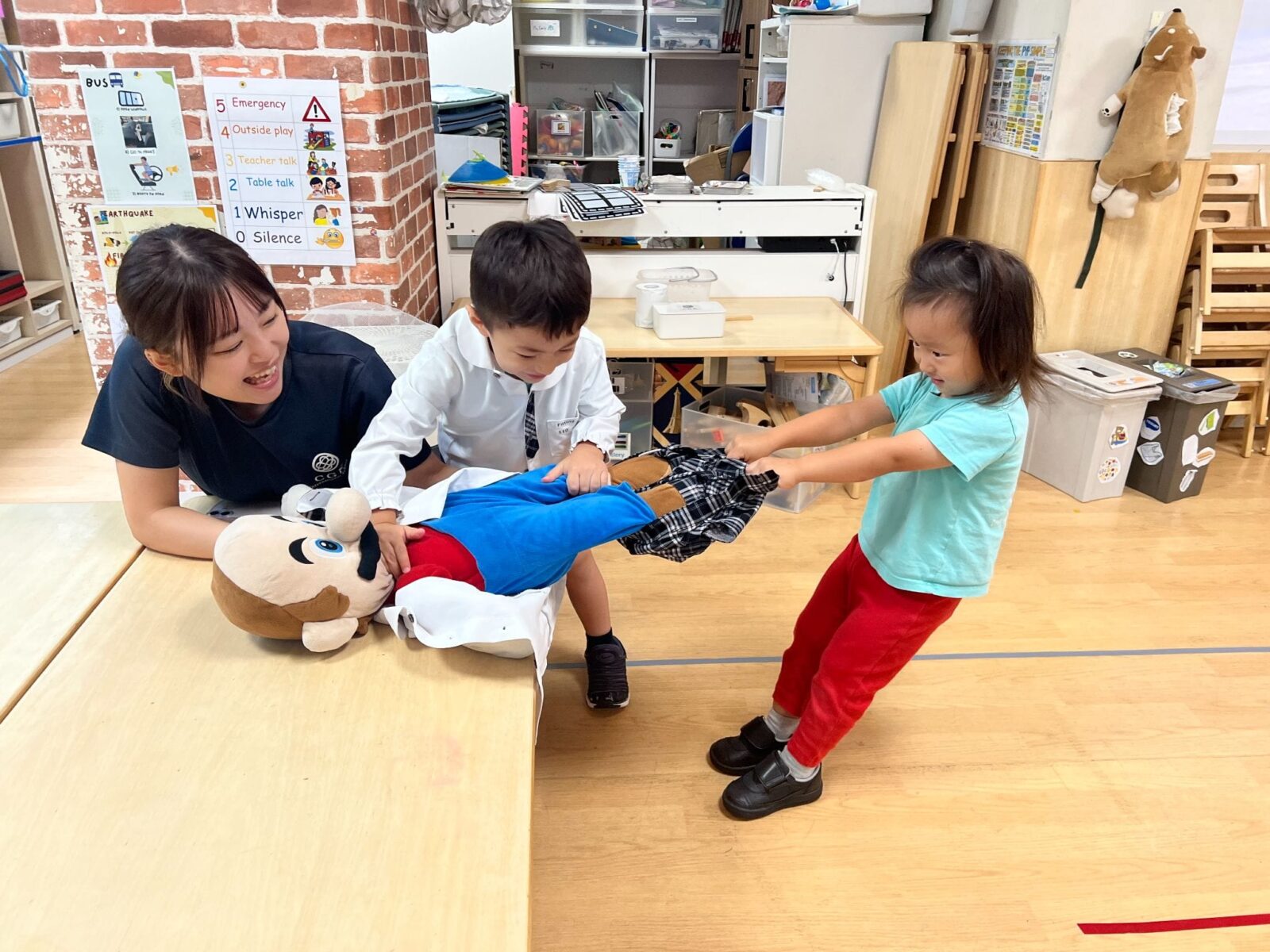
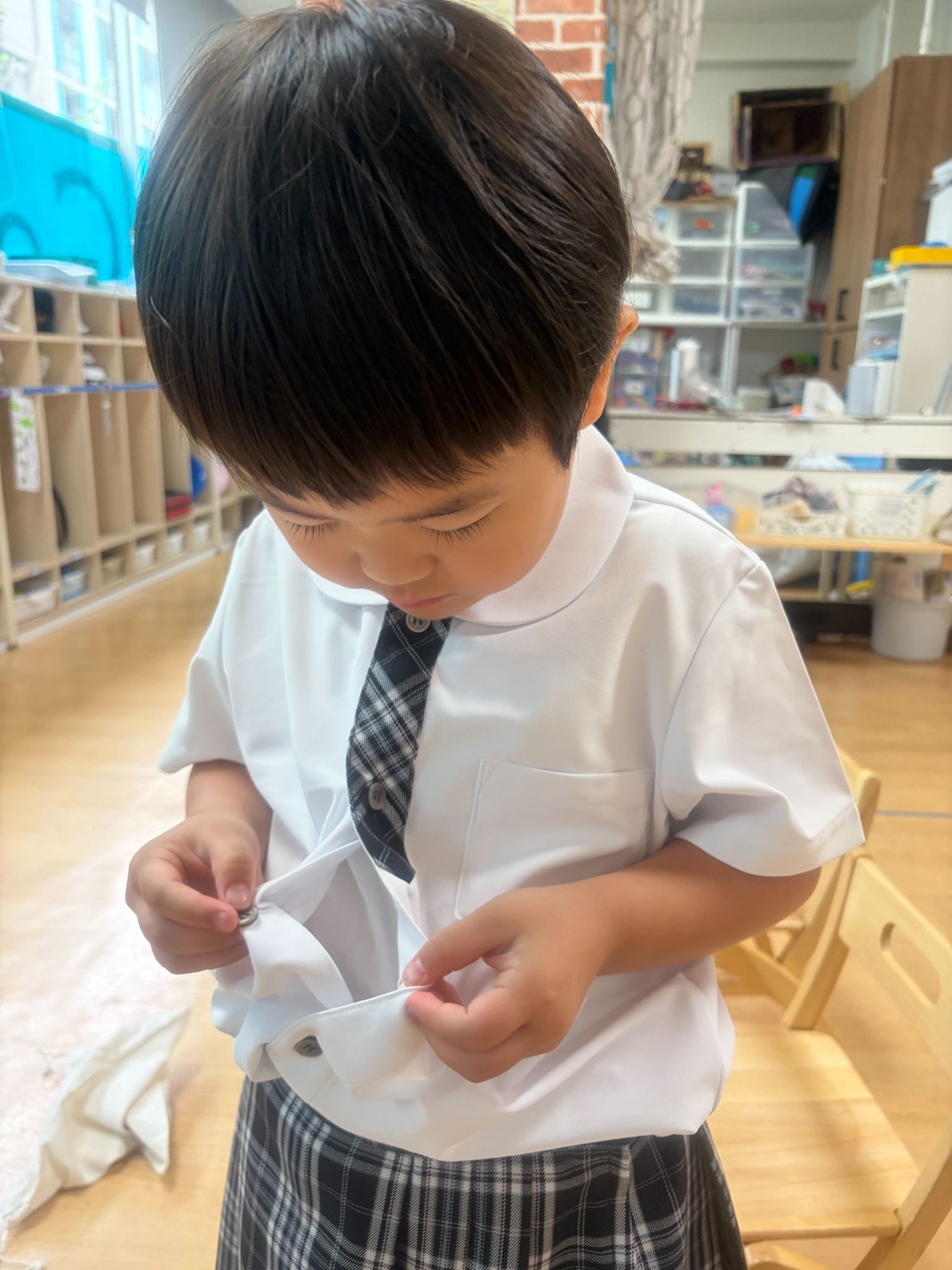
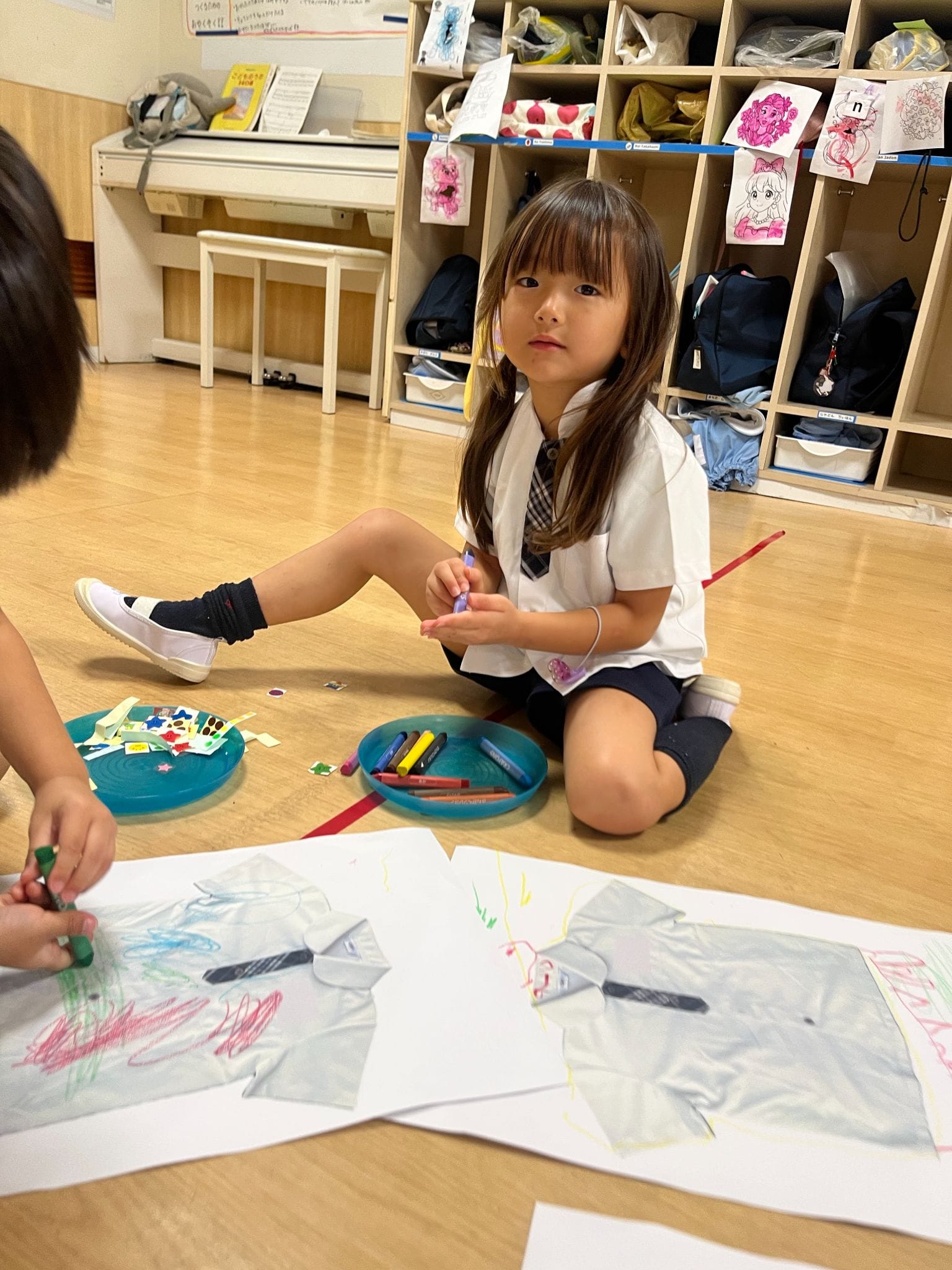
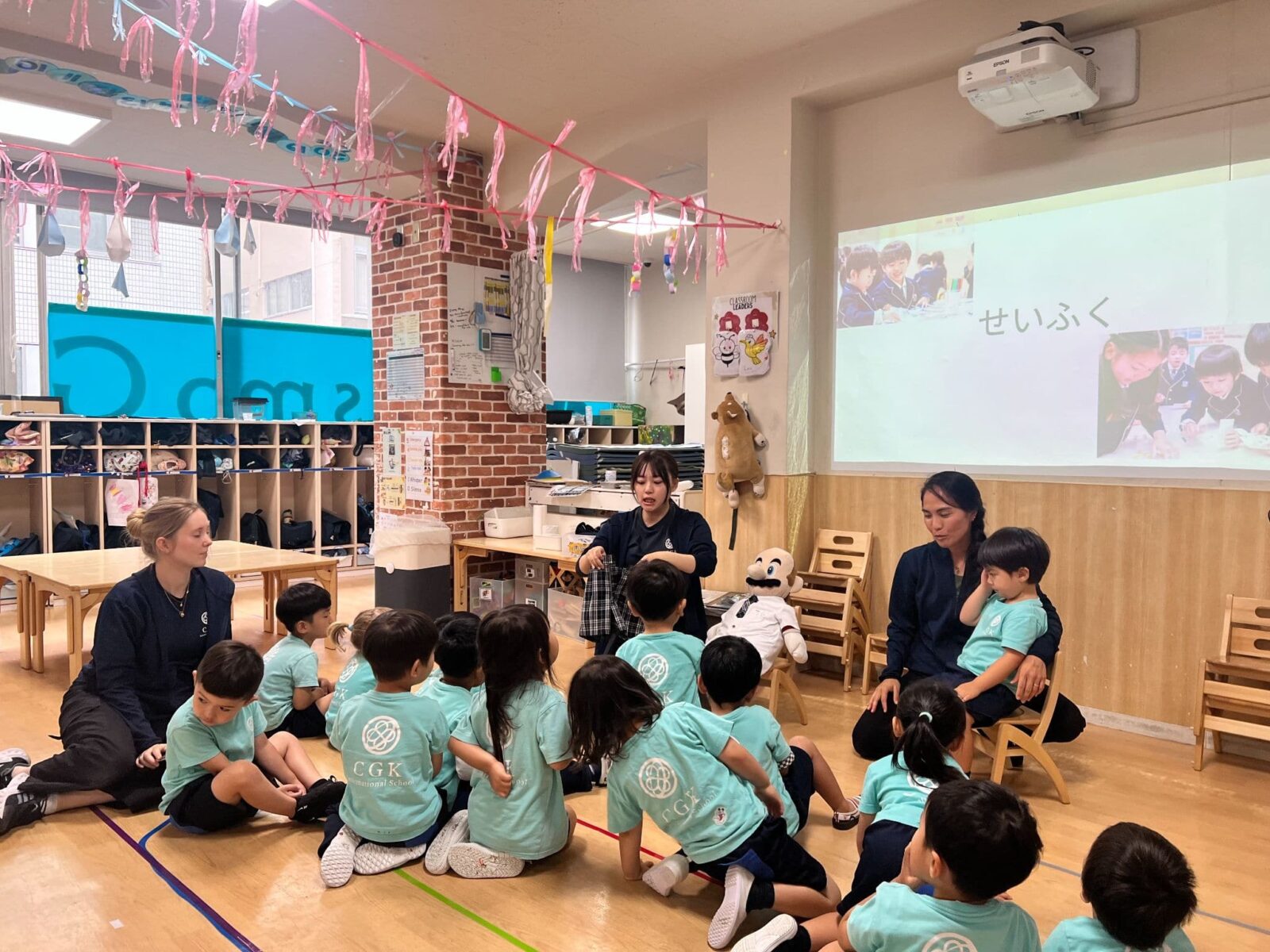
As one of the ways we support the independence discussed with families during the Class Discussions, the children began wearing their uniforms to school this month. They were delighted to wear the same uniforms as the older children they admire in Mountain and Sky Classes. The day before their first uniform day, Jungle A and B gathered together to consider, “What is a uniform?” and “How do we get changed?” as they practiced. Some children were unsure how to fasten the buttons, but after seeing a single demonstration, they quickly understood the technique and beamed with a sense of accomplishment: “I did it!” On the first uniform day, many children eagerly tried changing by themselves, telling us, “I can do it!” We have been delighted to see each child's growth. At CGK and at home, we hope to value the attitude of “Let me try first,” rather than having adults do everything, so that the children can gradually build confidence through repeated experiences of “I did it by myself!”
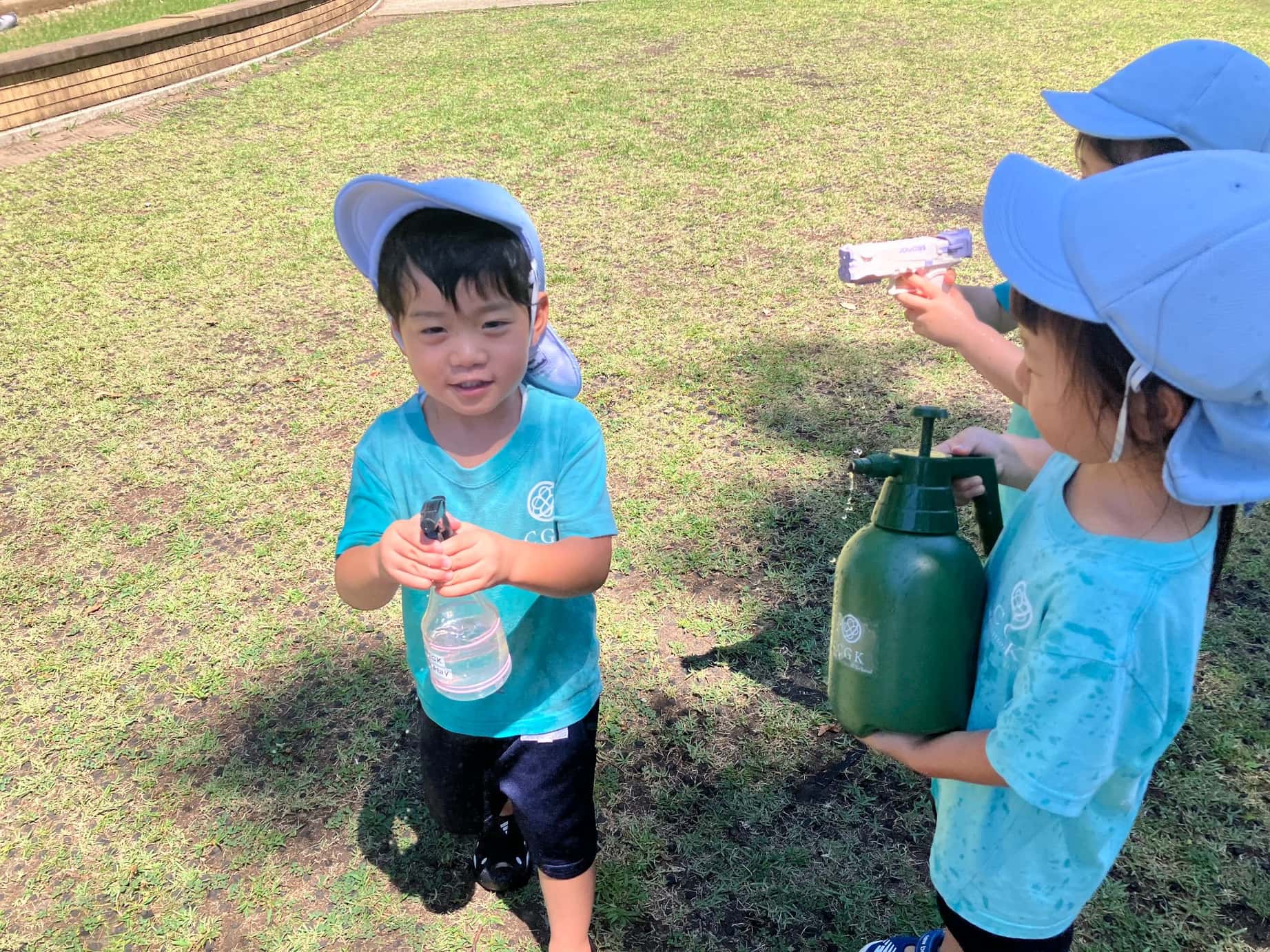
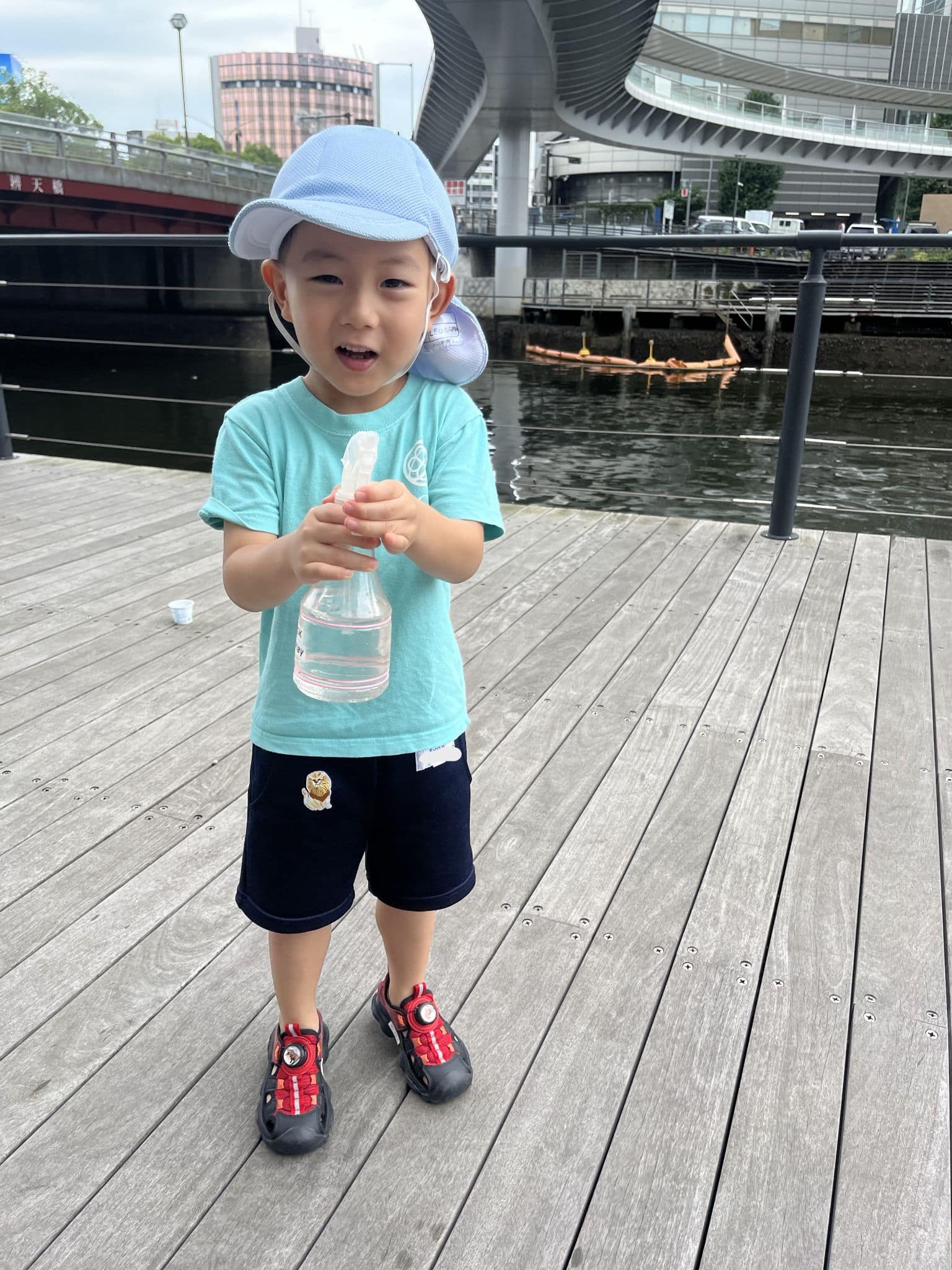
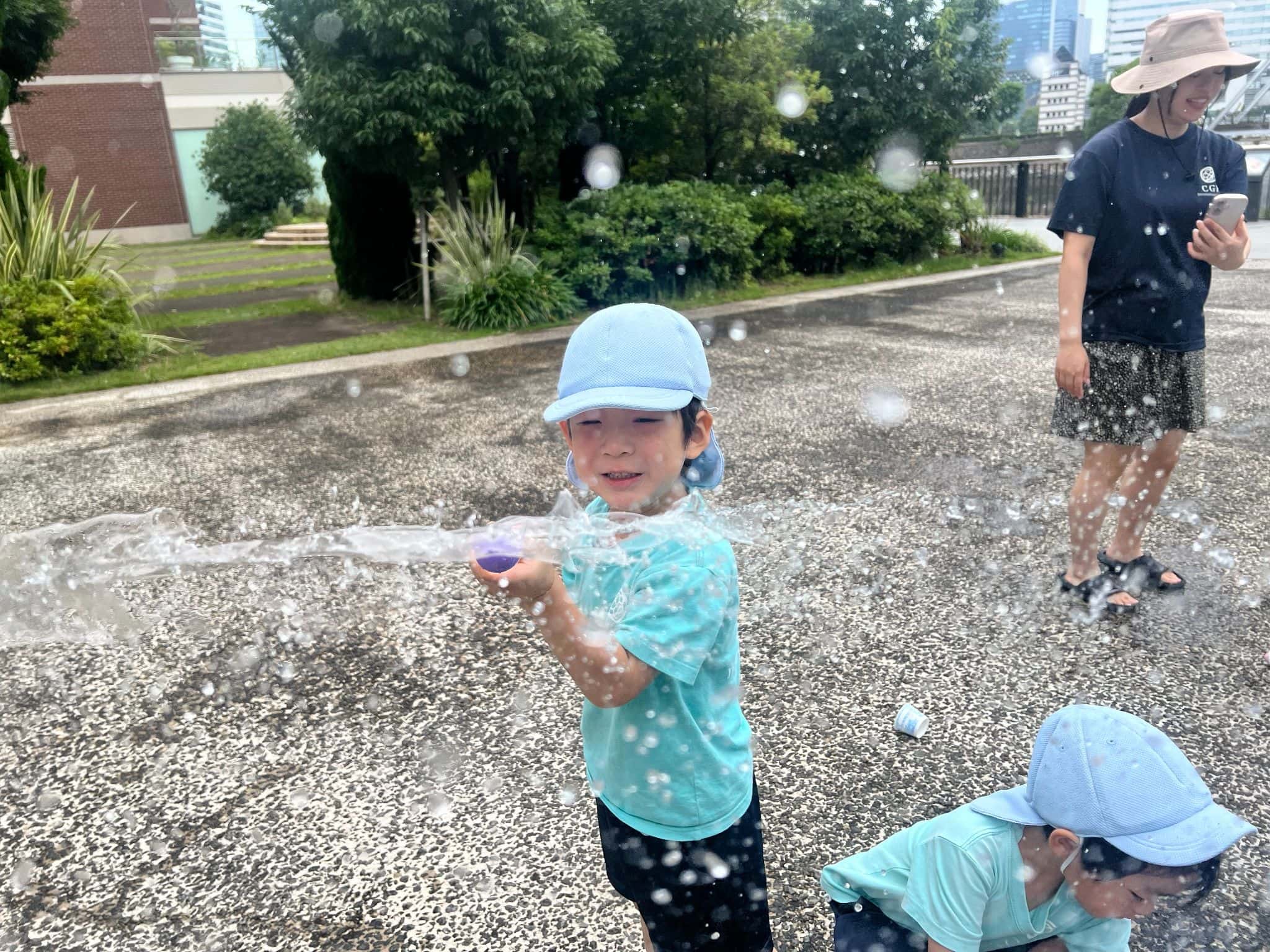
Water play also began this month, which means the children now have more opportunities to change their clothes. We see them working diligently through trial and error: “How can I turn these clothes right-side out?” and “Where should I hold this to make it easier to take off?” We will continue sharing in their joy when they succeed while helping them develop the skills to care for themselves. We would be grateful if families could continue to watch warmly and encourage these efforts at home as well.
Ocean (2-year-olds)
Food, Wonderful Food! Helping Us Grow and Learn
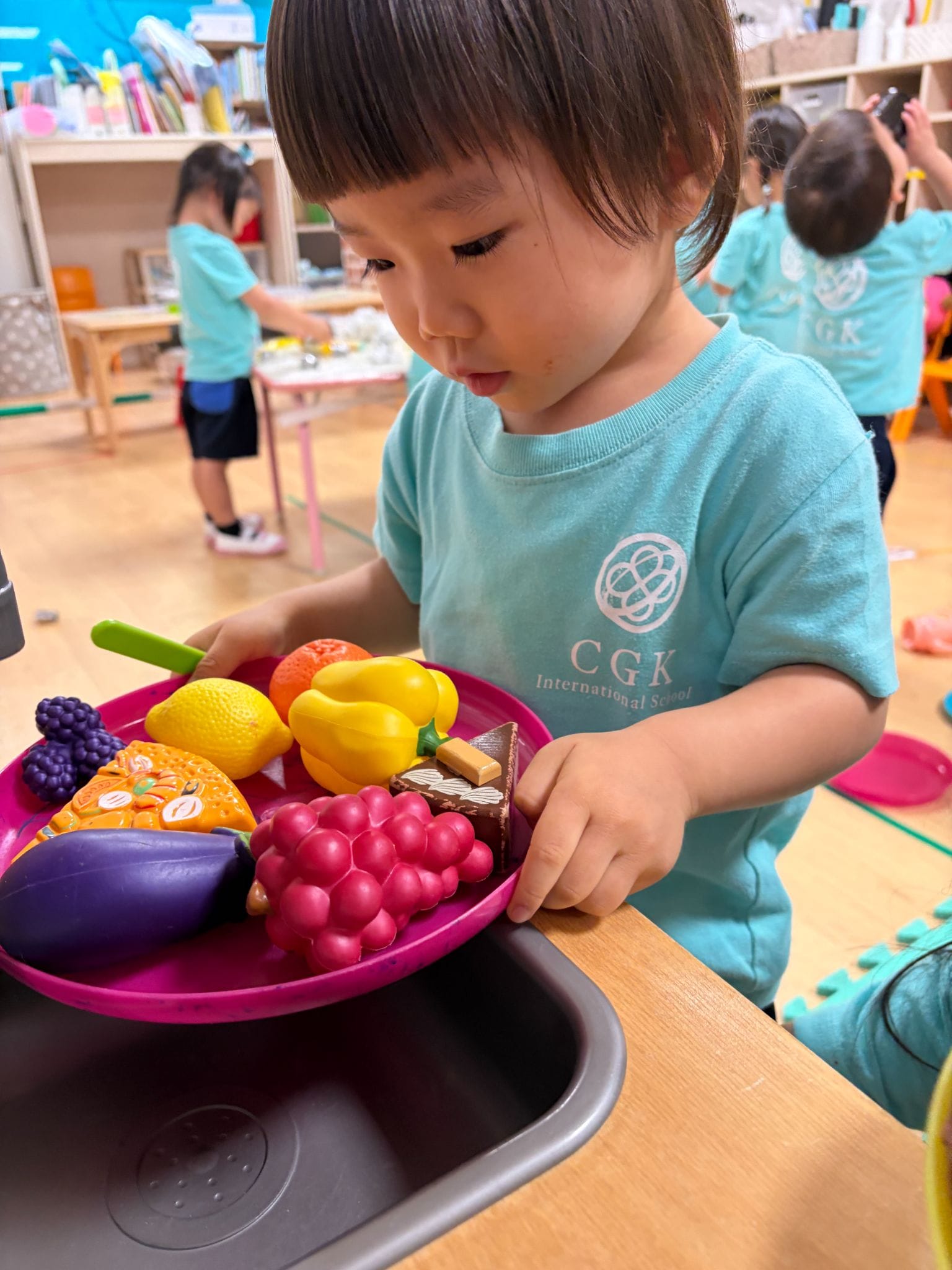
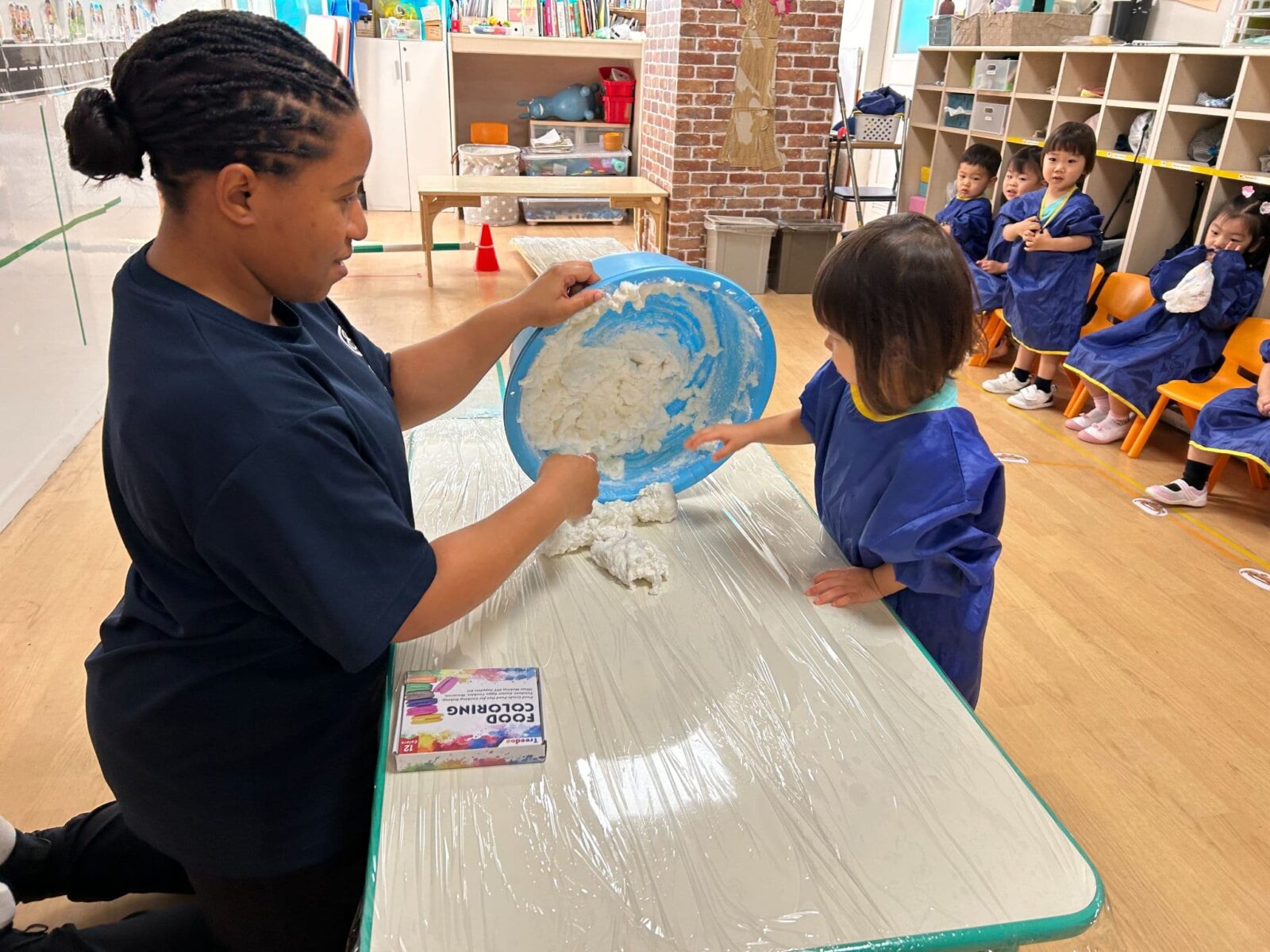
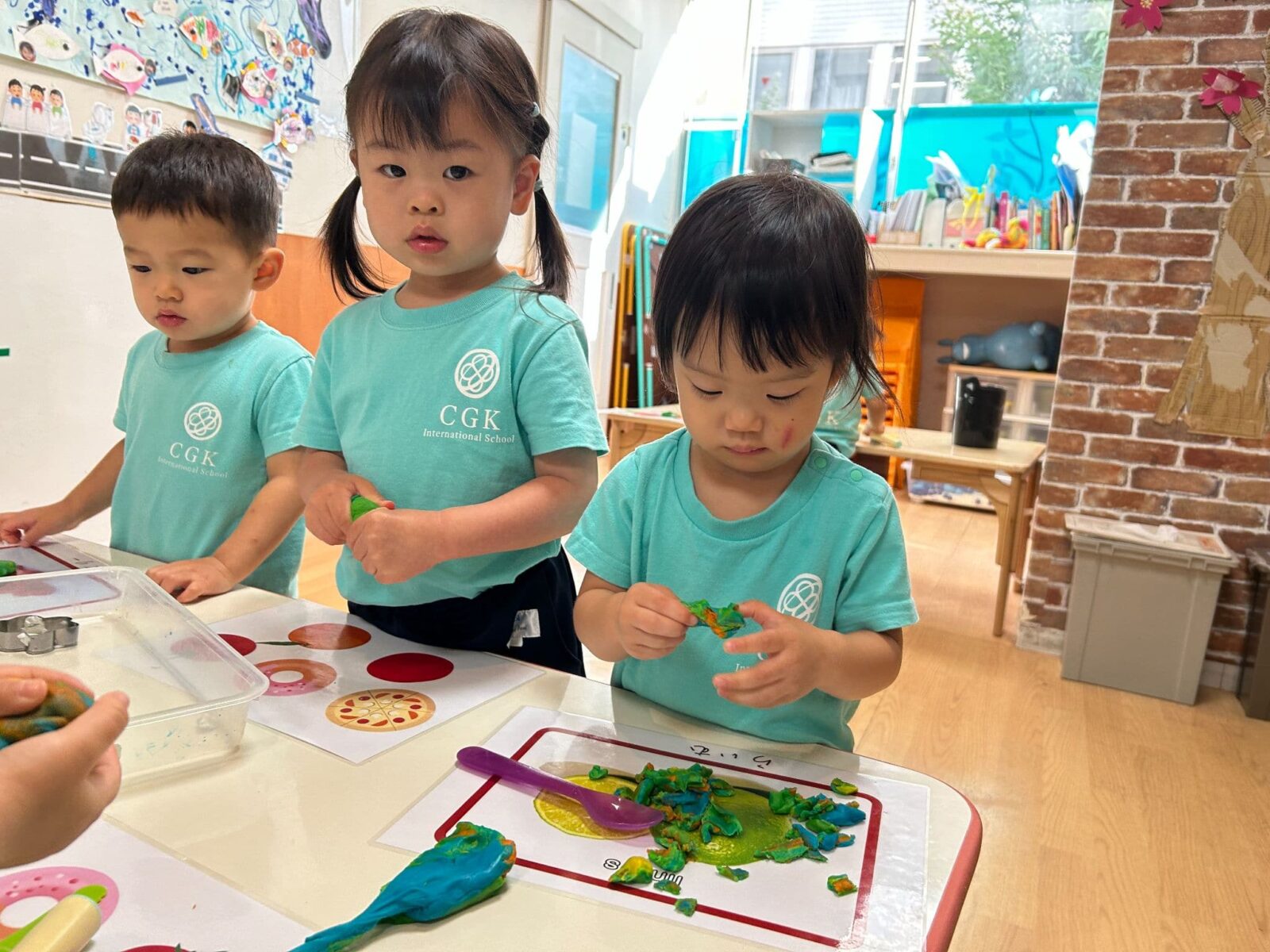
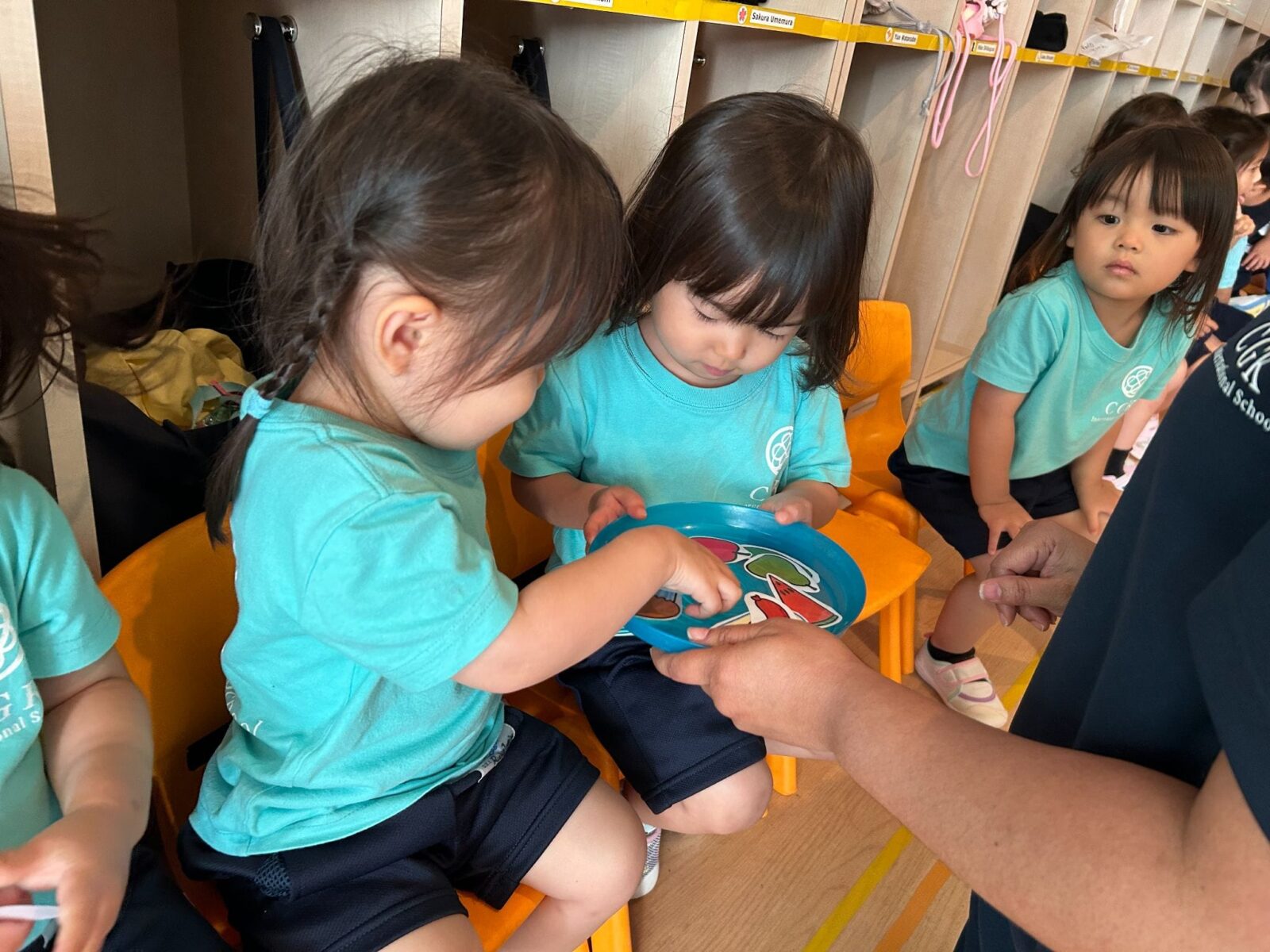
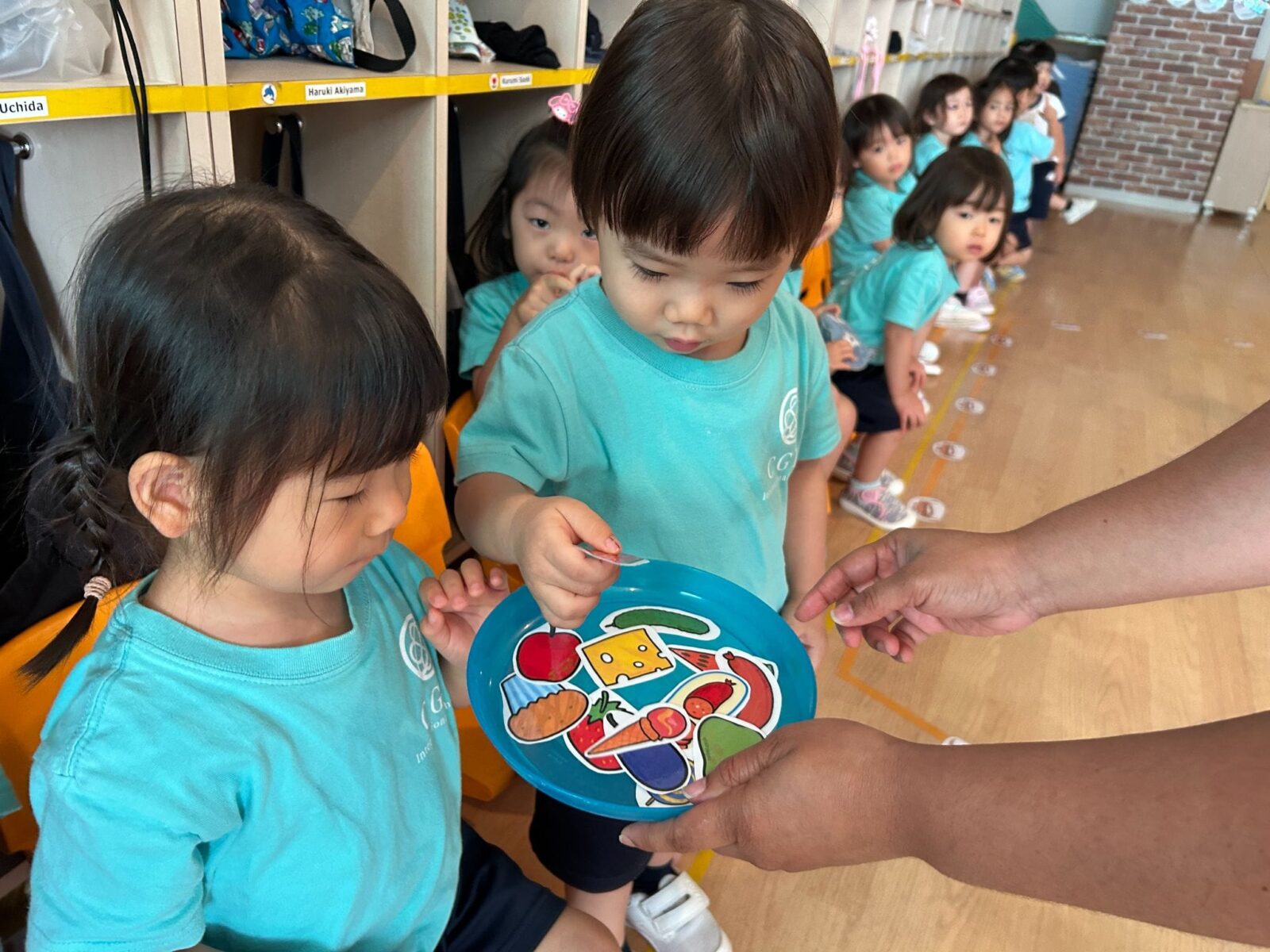
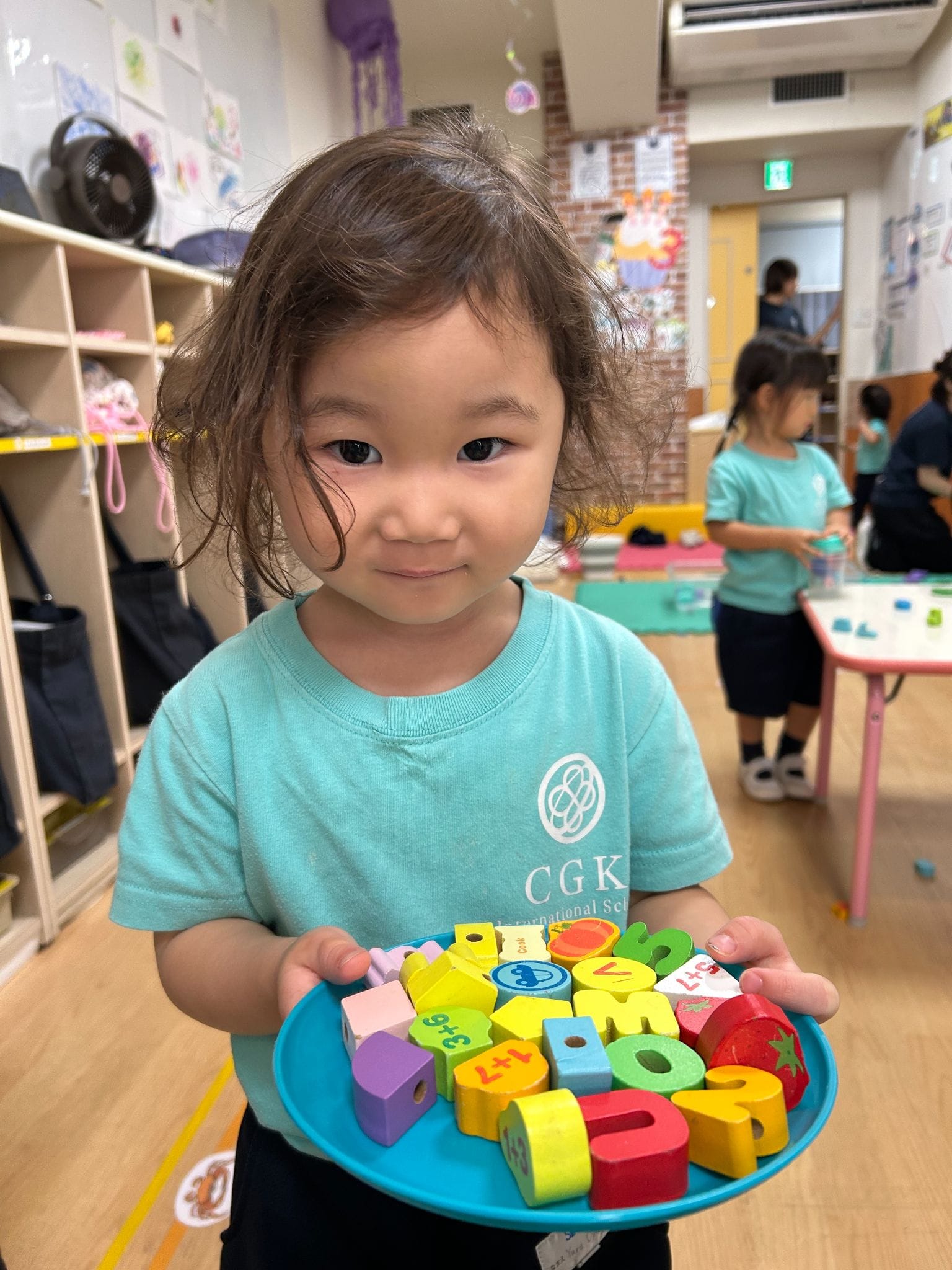
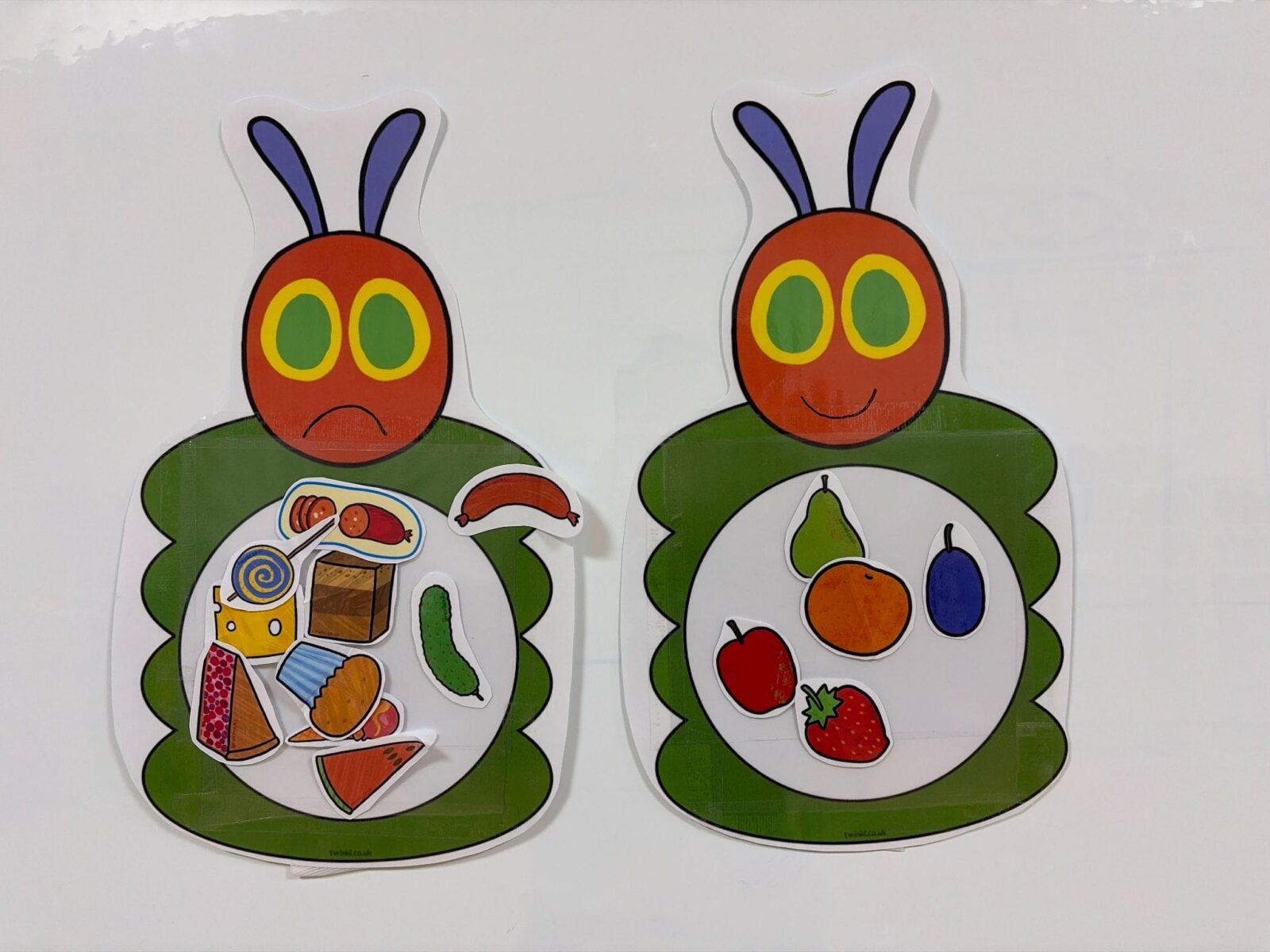
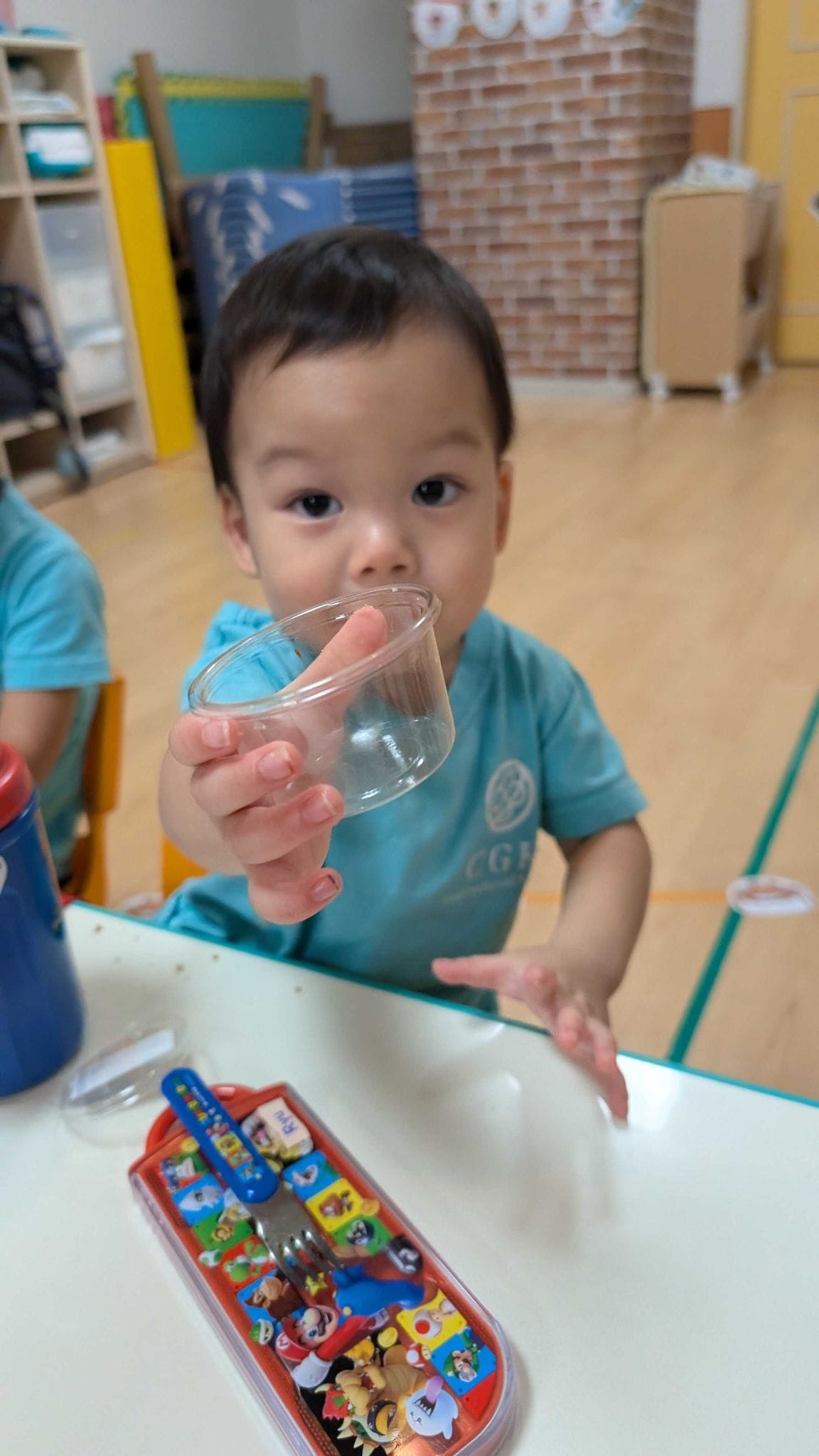
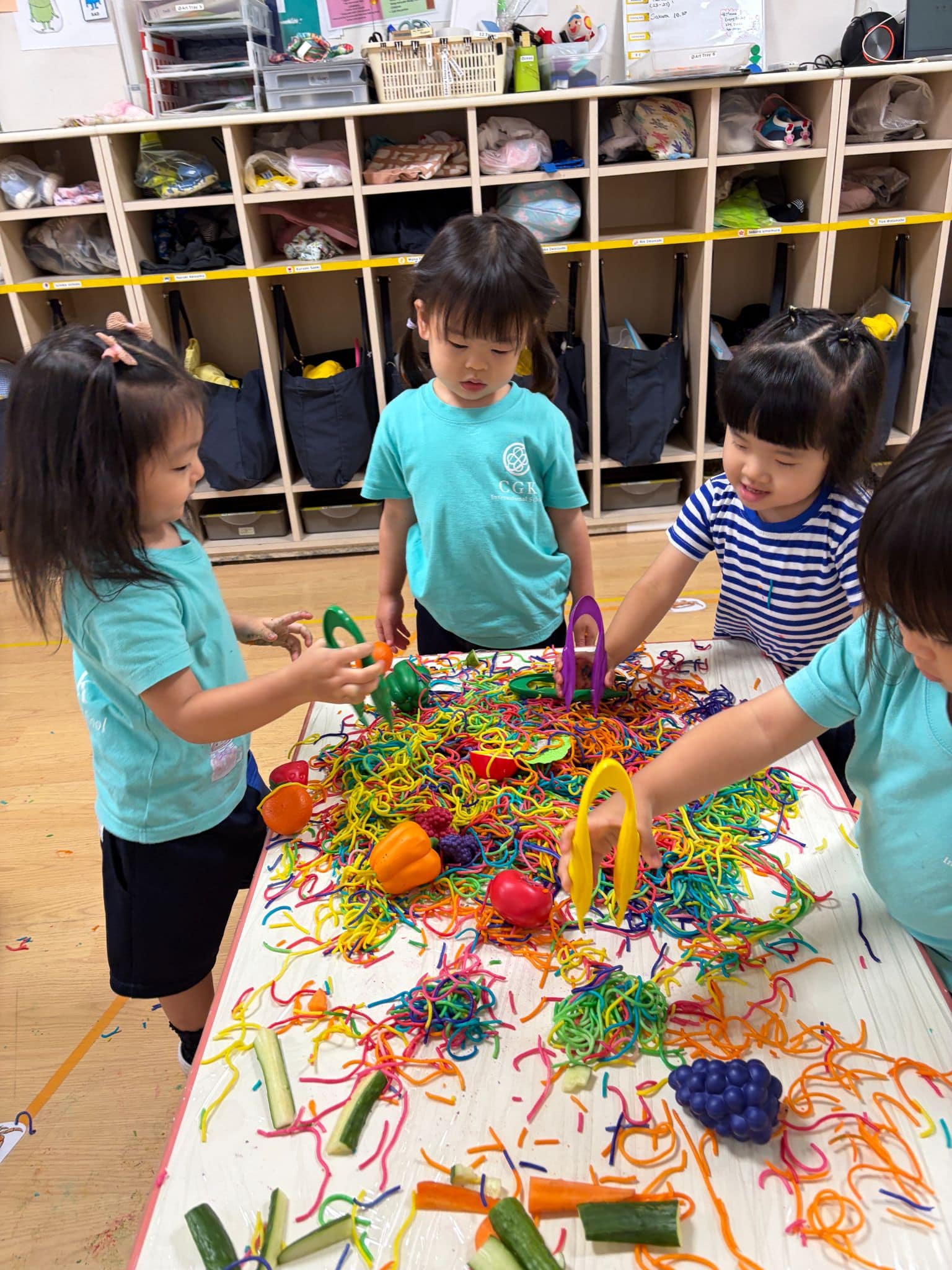
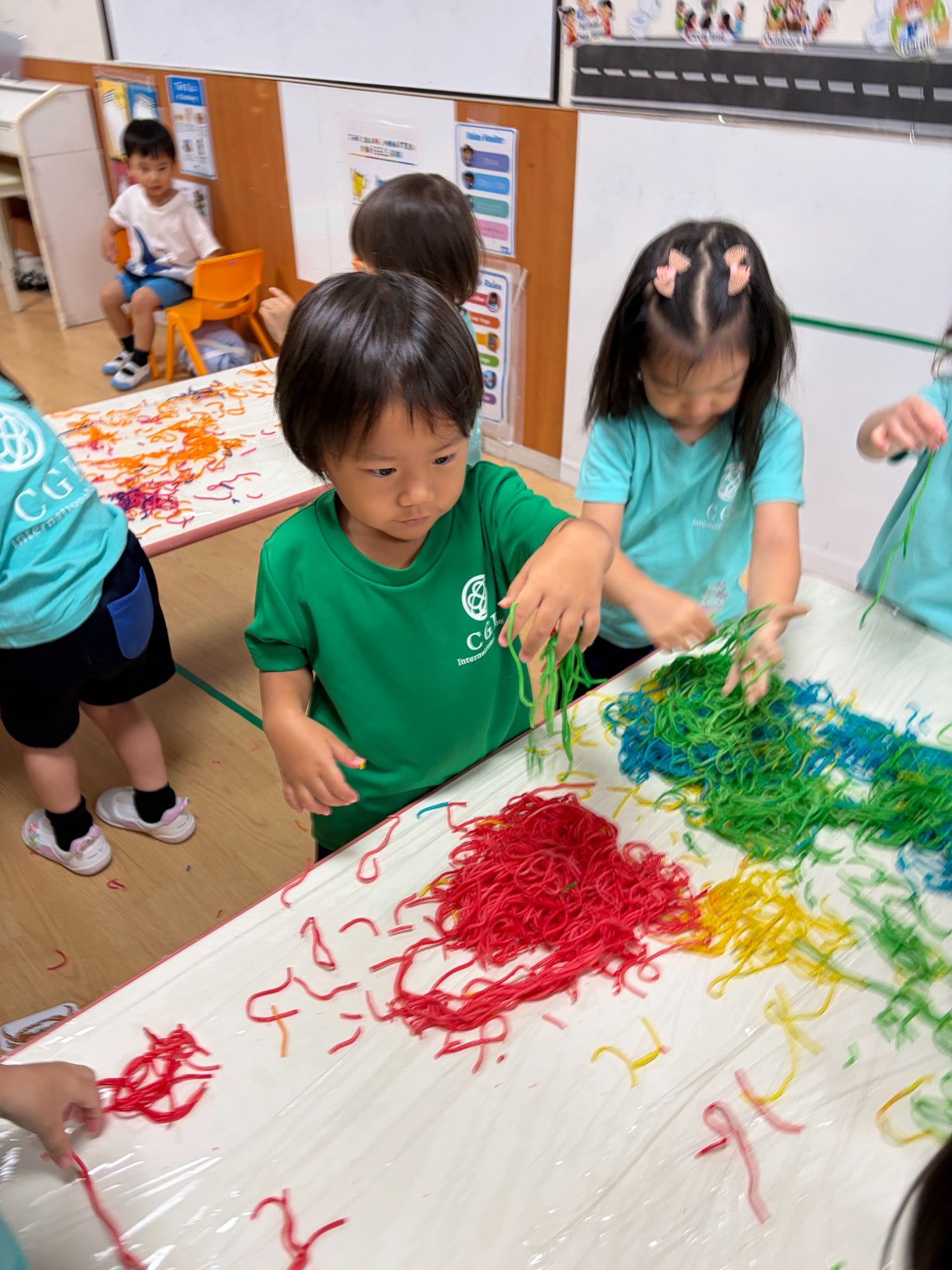
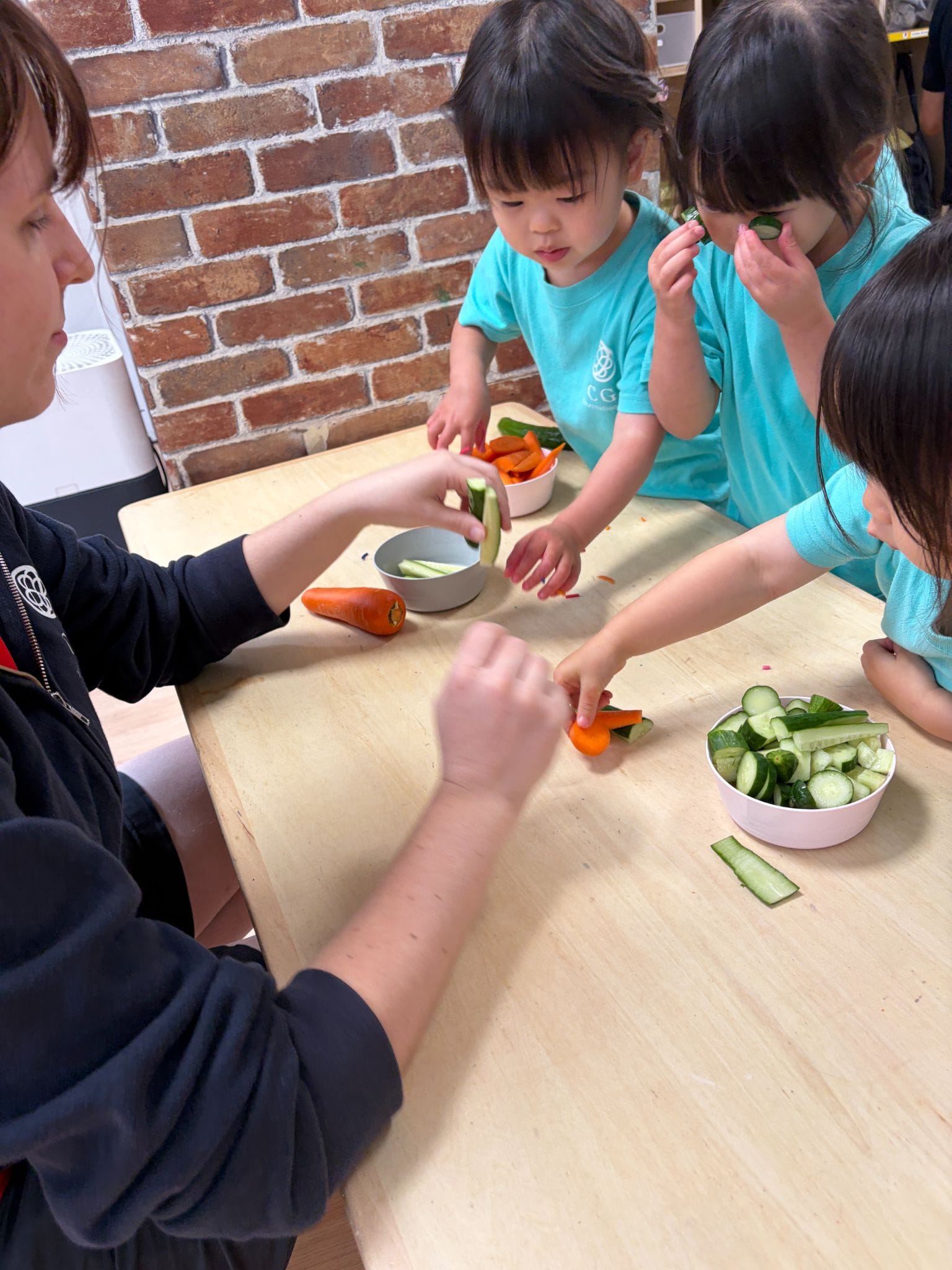
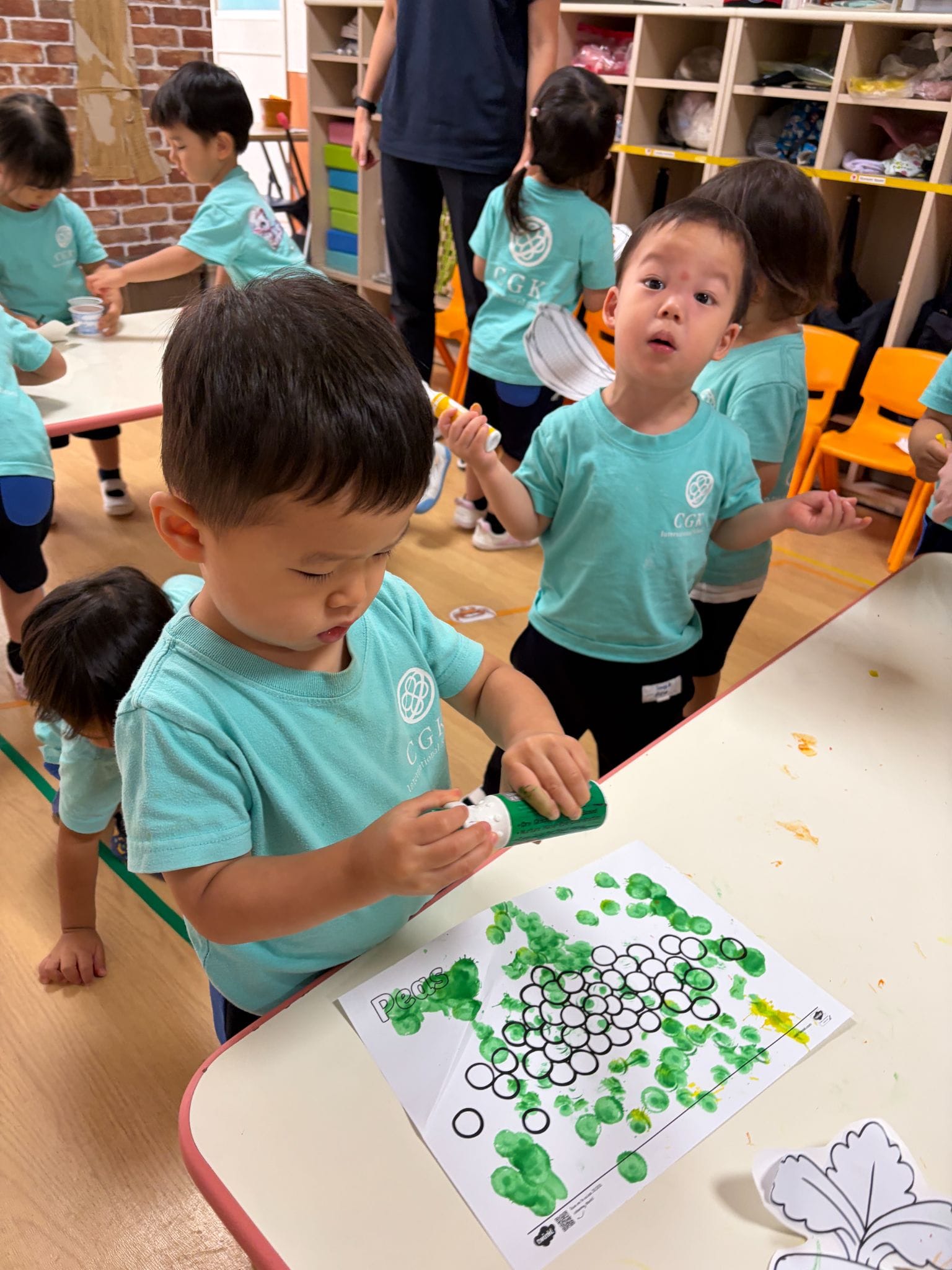
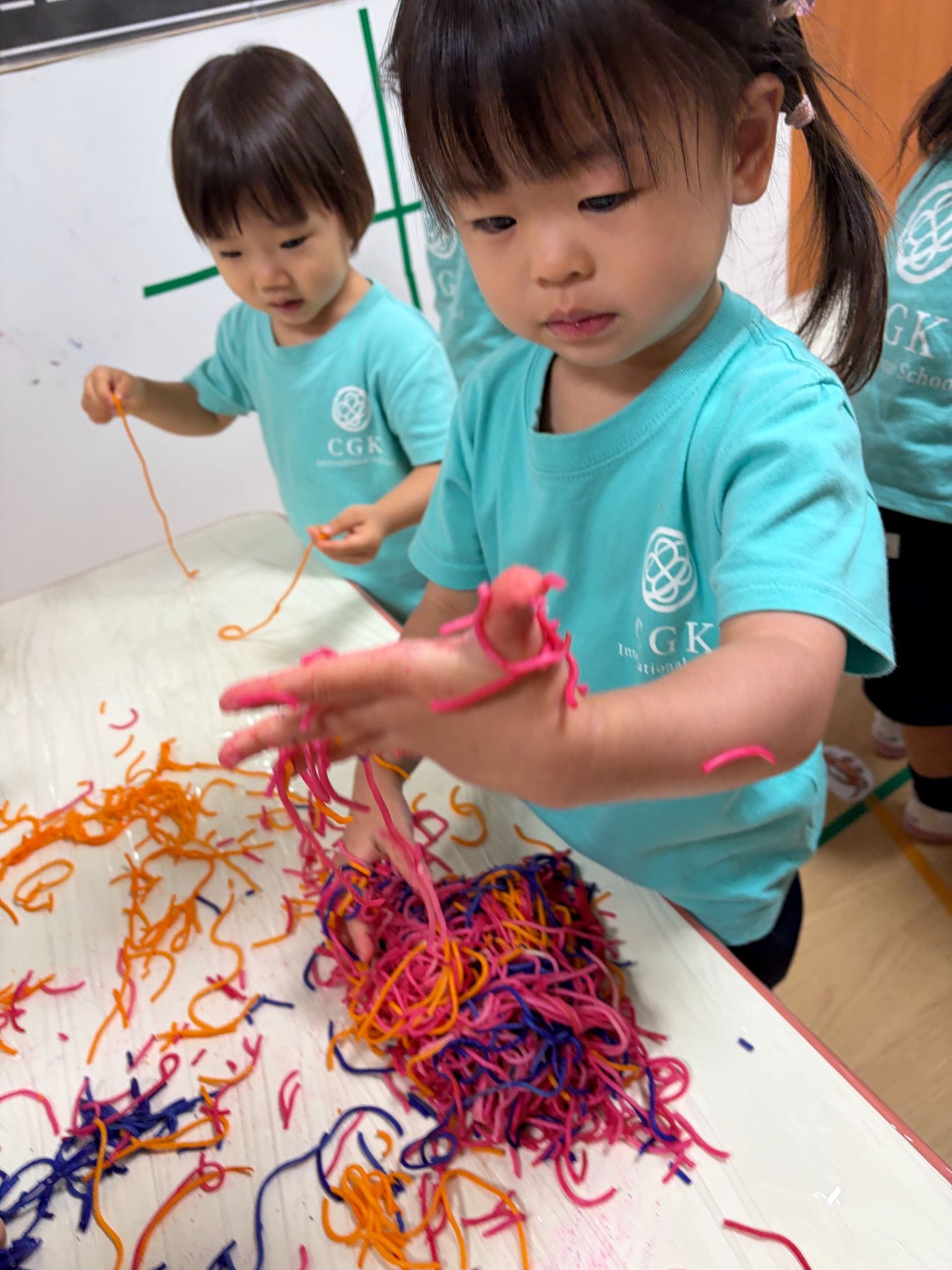
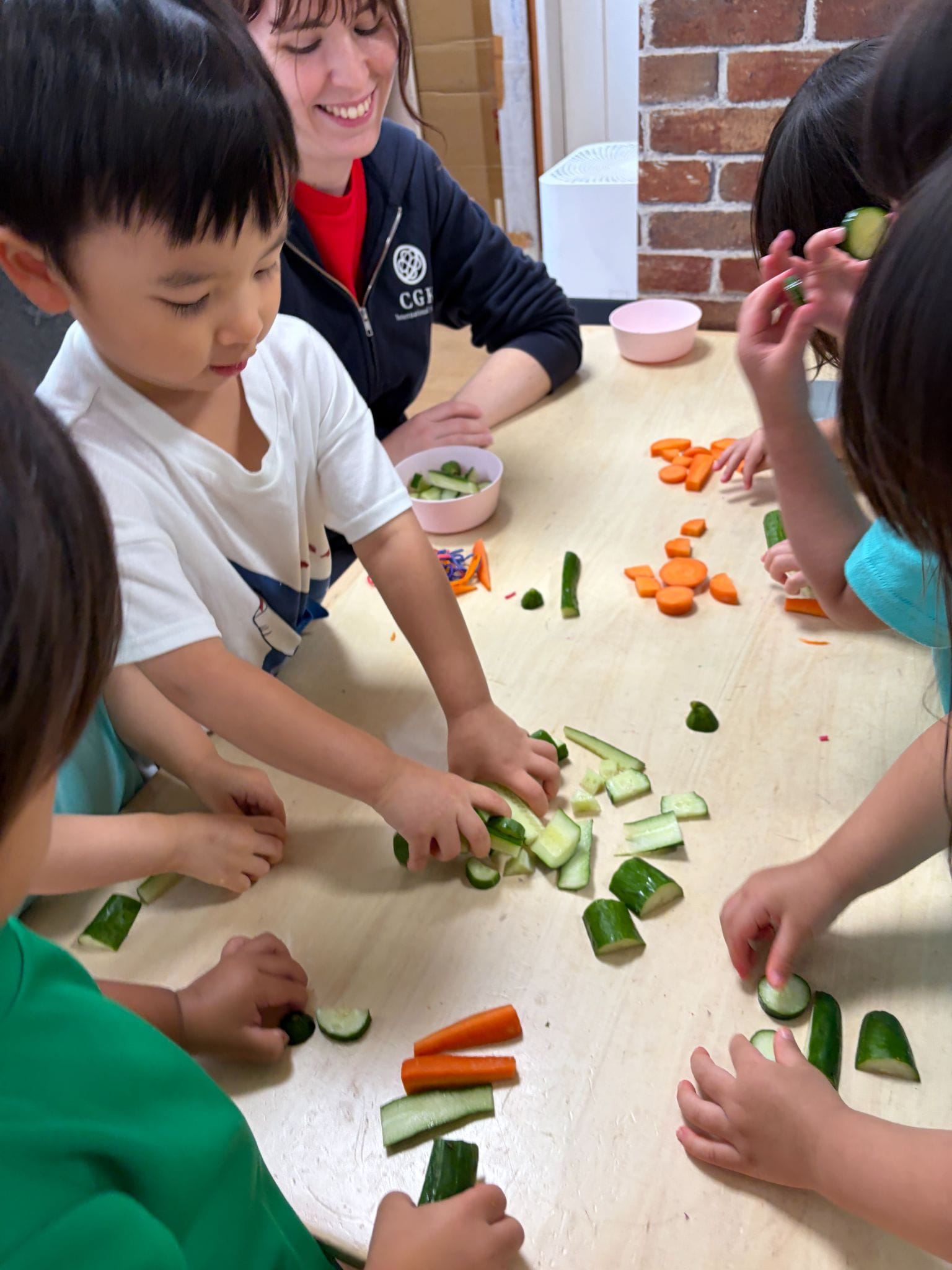
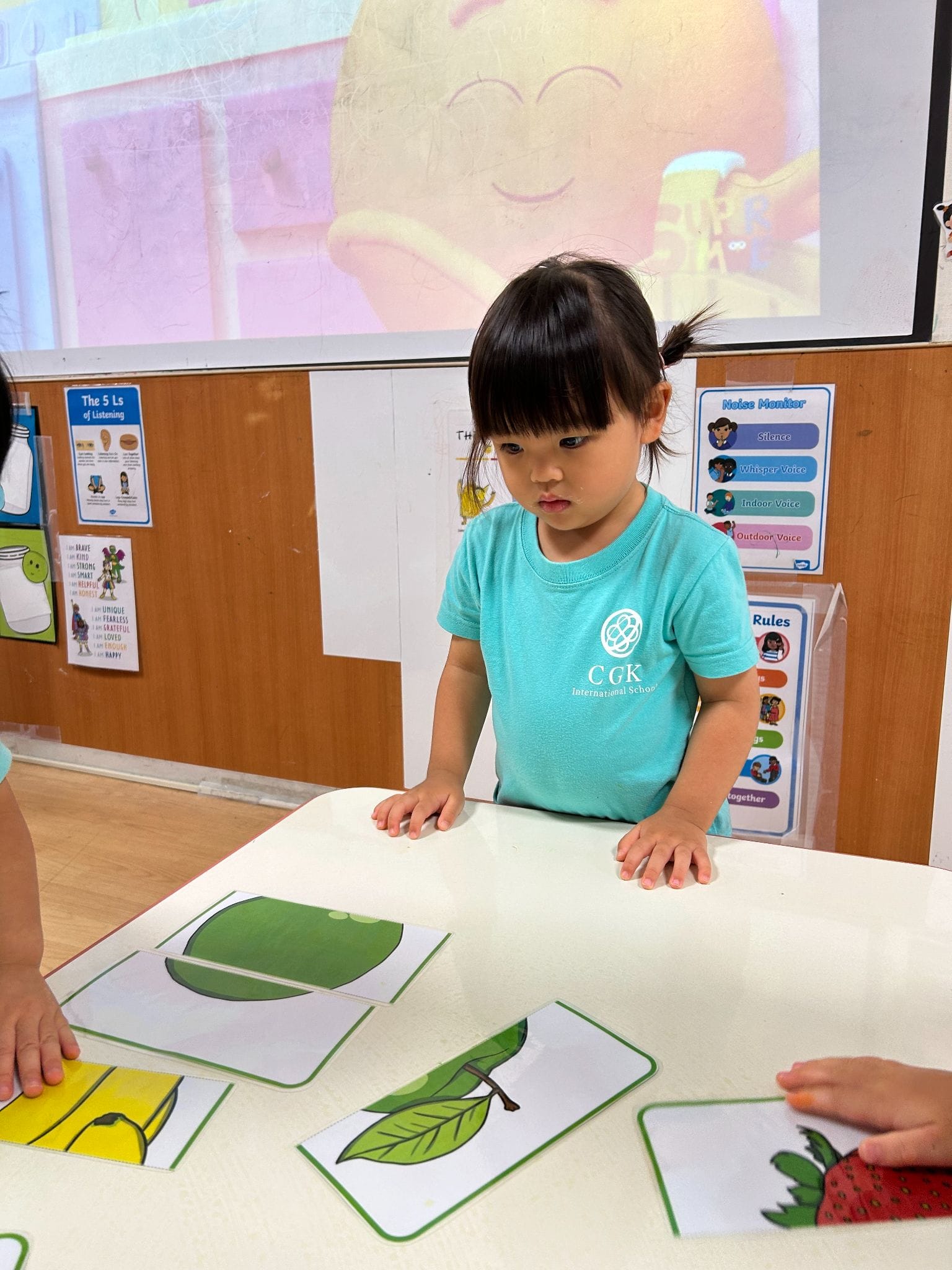
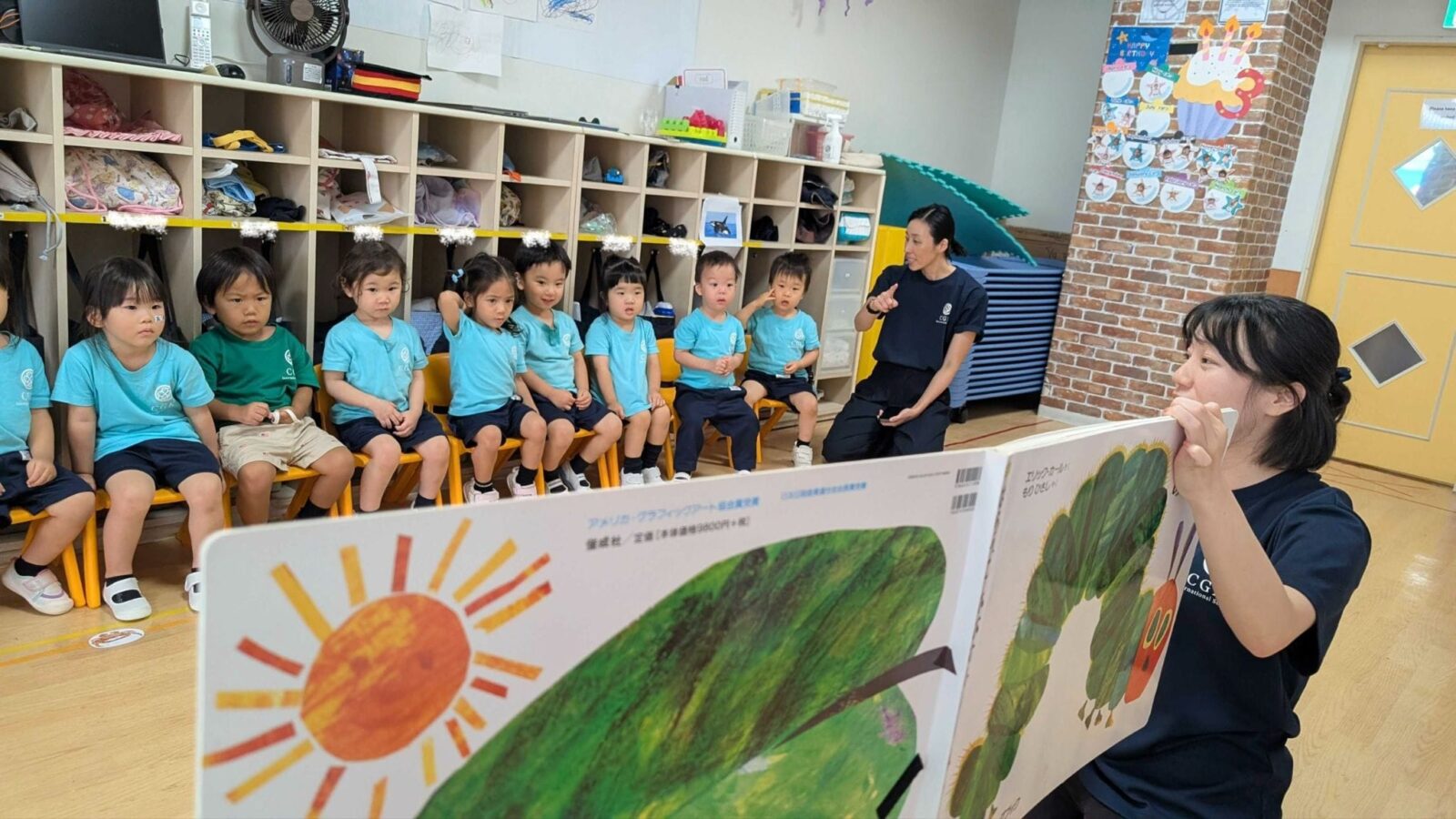
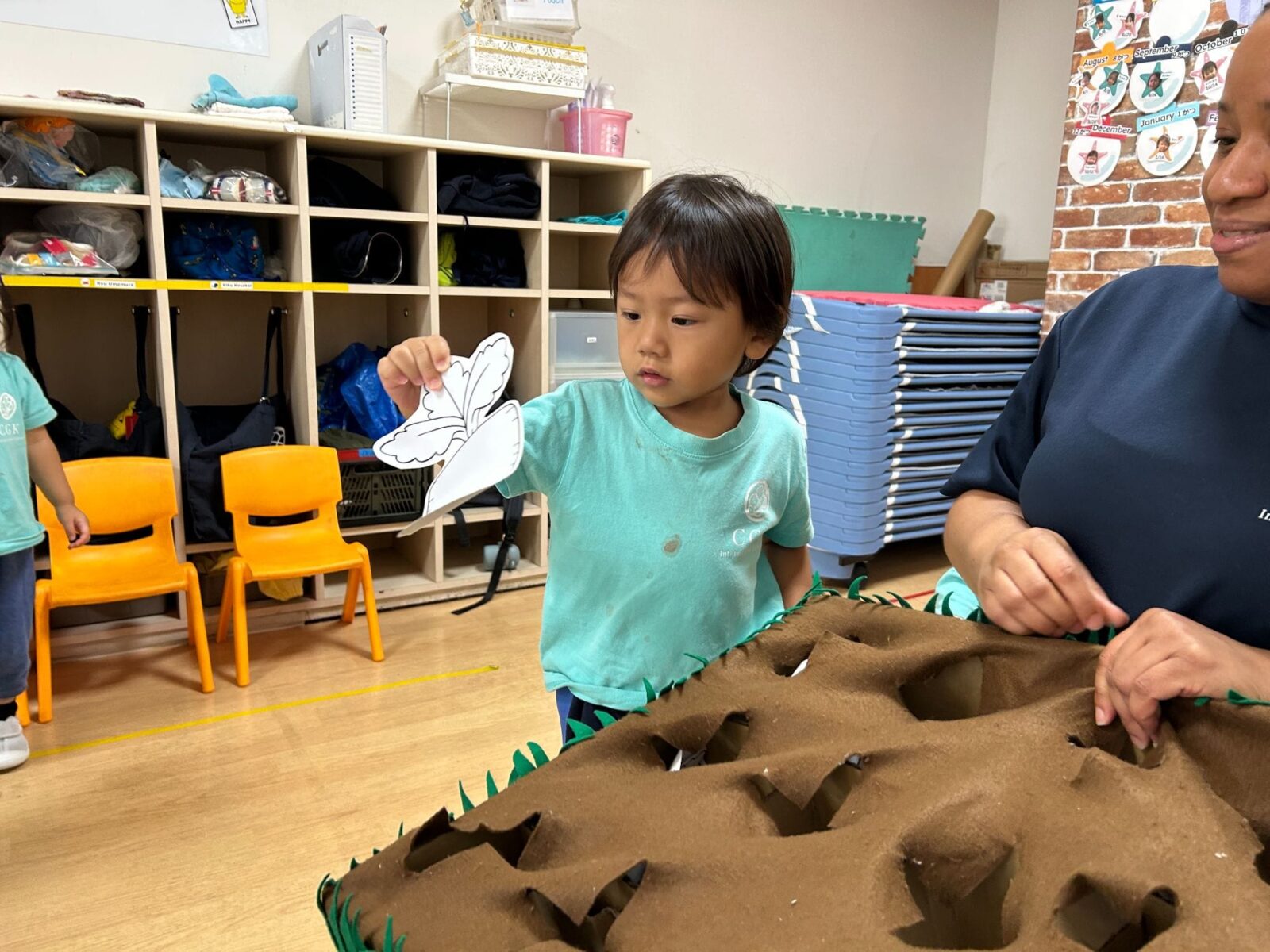
One of the biggest challenges students may encounter when joining Ocean Class is becoming comfortable with school meals. The Ocean teachers felt that learning more about food could broaden the children's understanding of how meals provide the nourishment and energy that help both their bodies and minds grow. Developing knowledge about food can also build confidence in trying new things. Using picture books such as The Very Hungry Caterpillar as a starting point, the students explored different fruits and vegetables and shared their preferences with one another. Activities like these help us learn about ourselves and each other. During playtime, students also simulate mealtimes, picnics, and birthday parties with kitchen and food toys, naturally fostering friendship and collaboration.
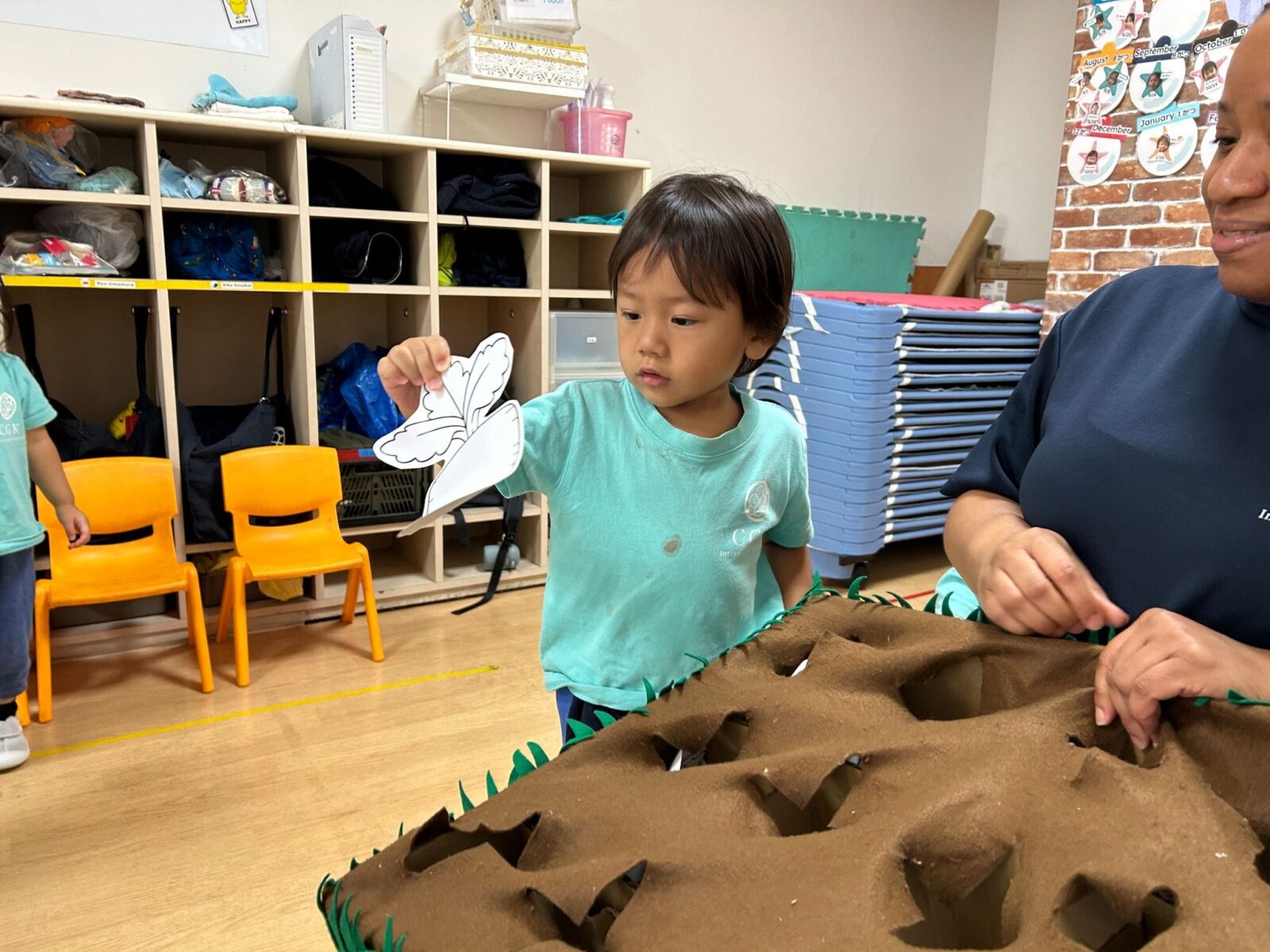
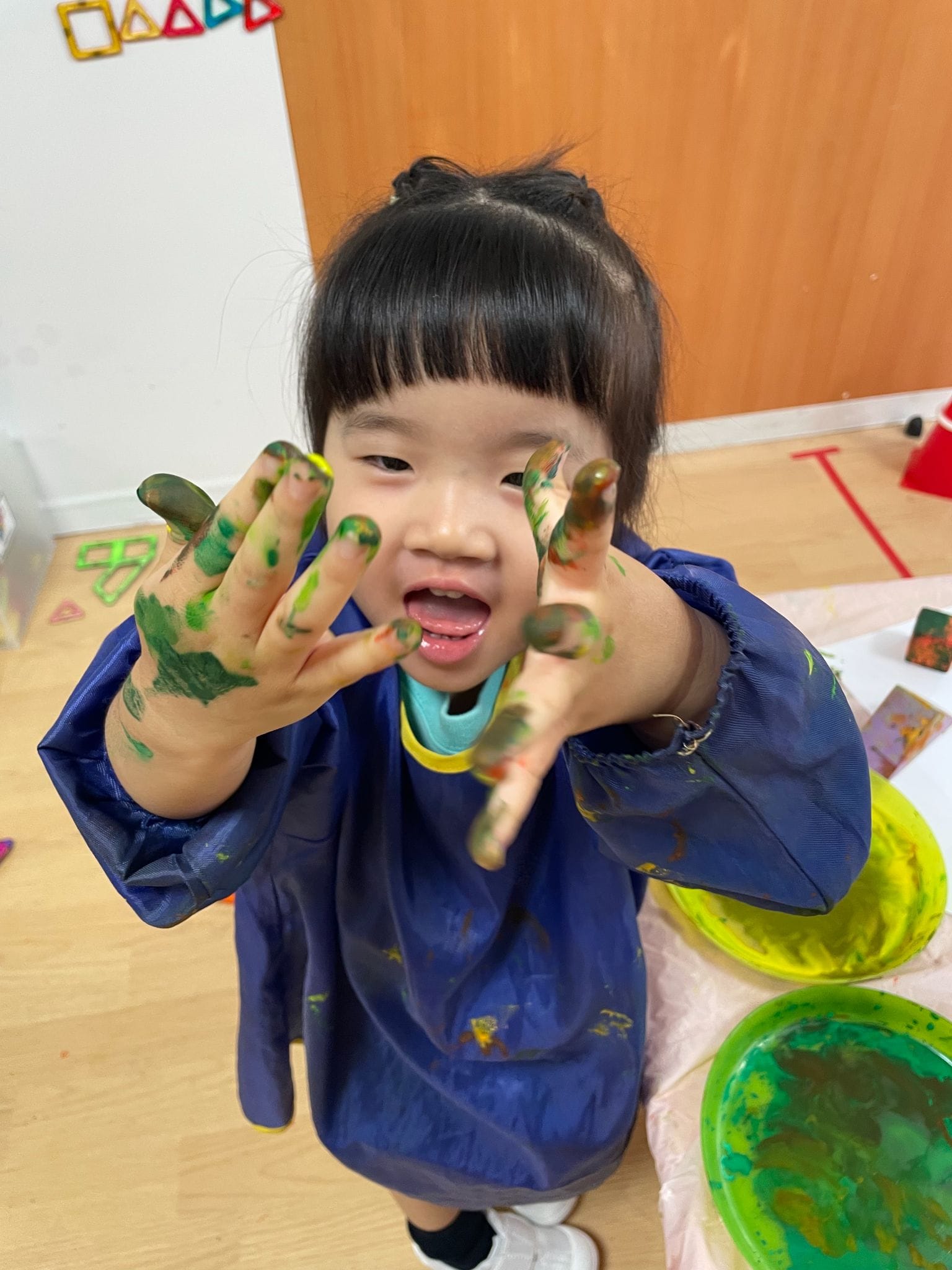
Over the past month, we have also had a great deal of fun handling real vegetables and using simple foods, such as spaghetti, in art projects and sensory explorations. Touch and texture play an important role in how young learners develop their understanding of the world, so the Ocean teachers offer as many hands-on experiences as possible. Our exploration of food has also included how food is grown. Using toys and crafts, we create pretend farms in the classroom where the children can plant and harvest toy vegetables. We hope they will enjoy harvesting real vegetables when sweet-potato harvest season arrives later in the year.
Exploring Through the Five Senses
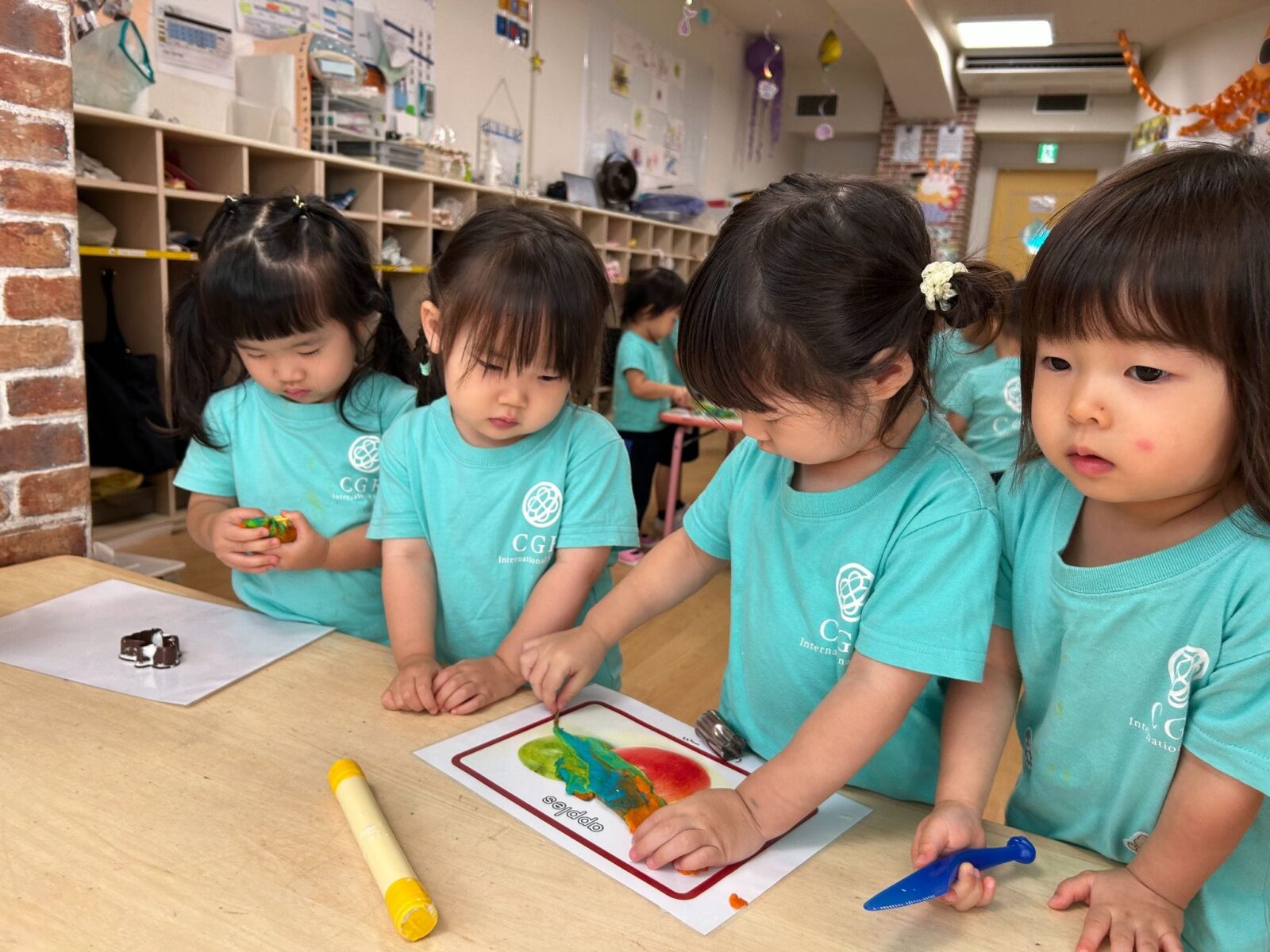
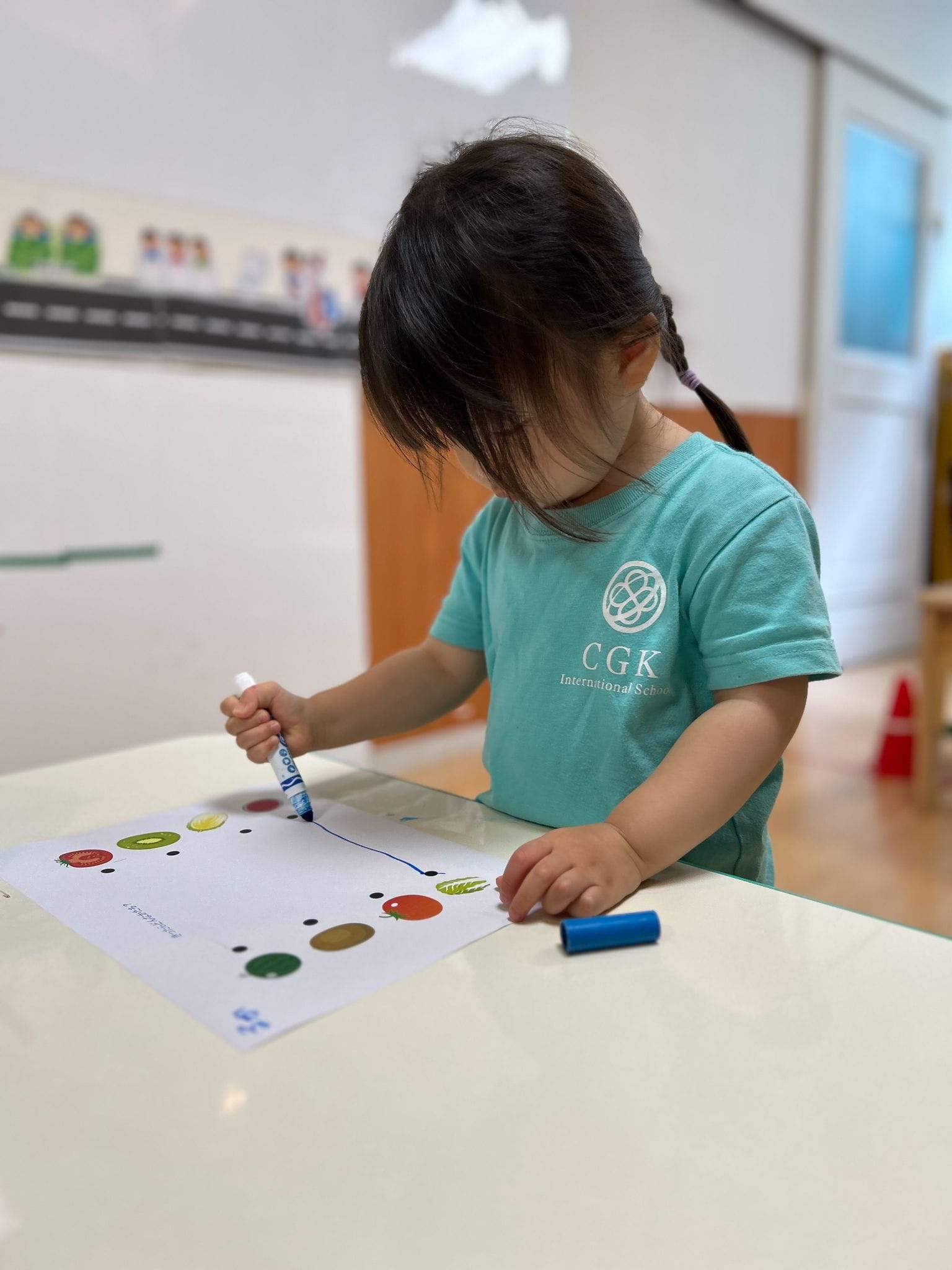
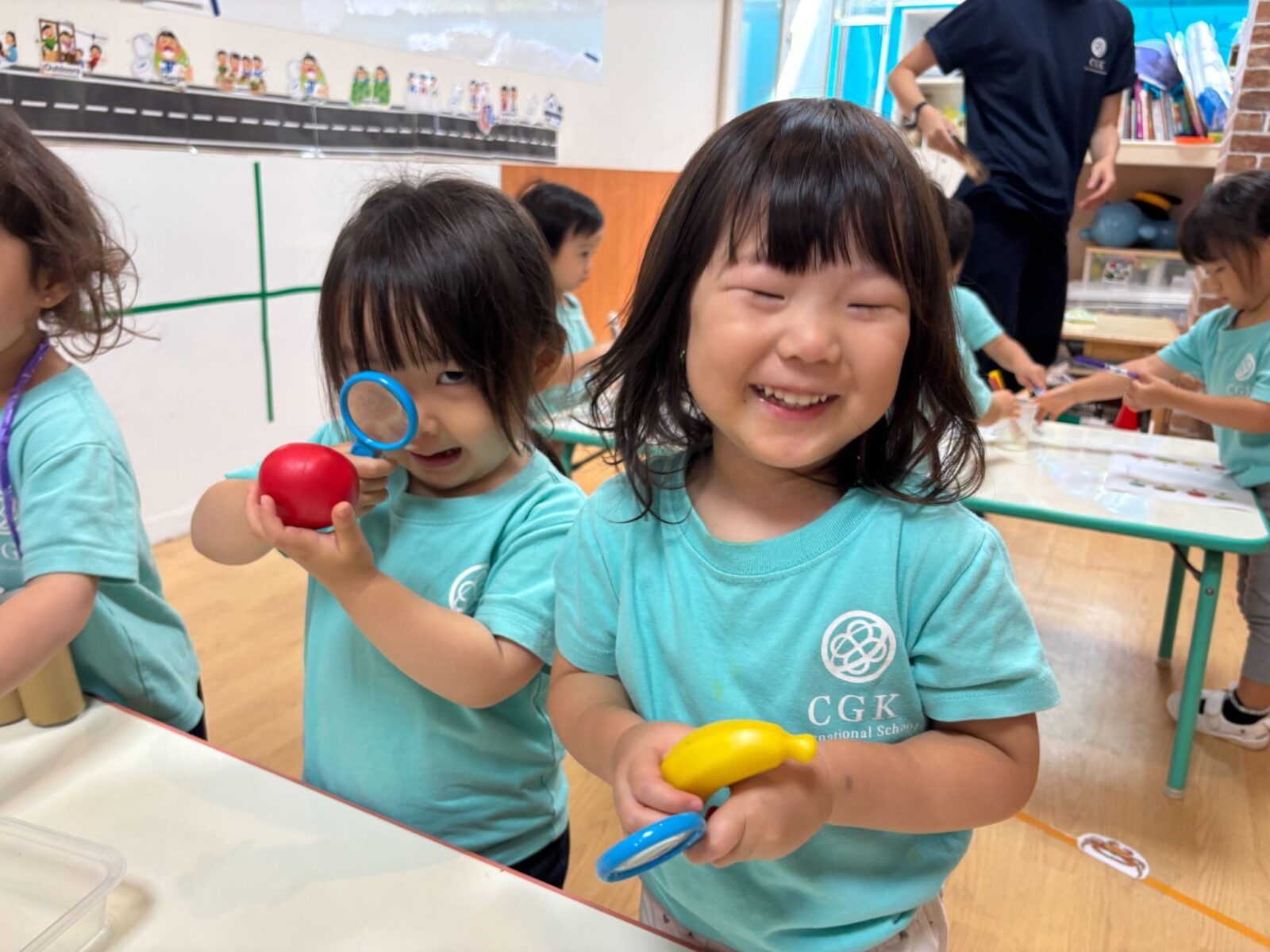
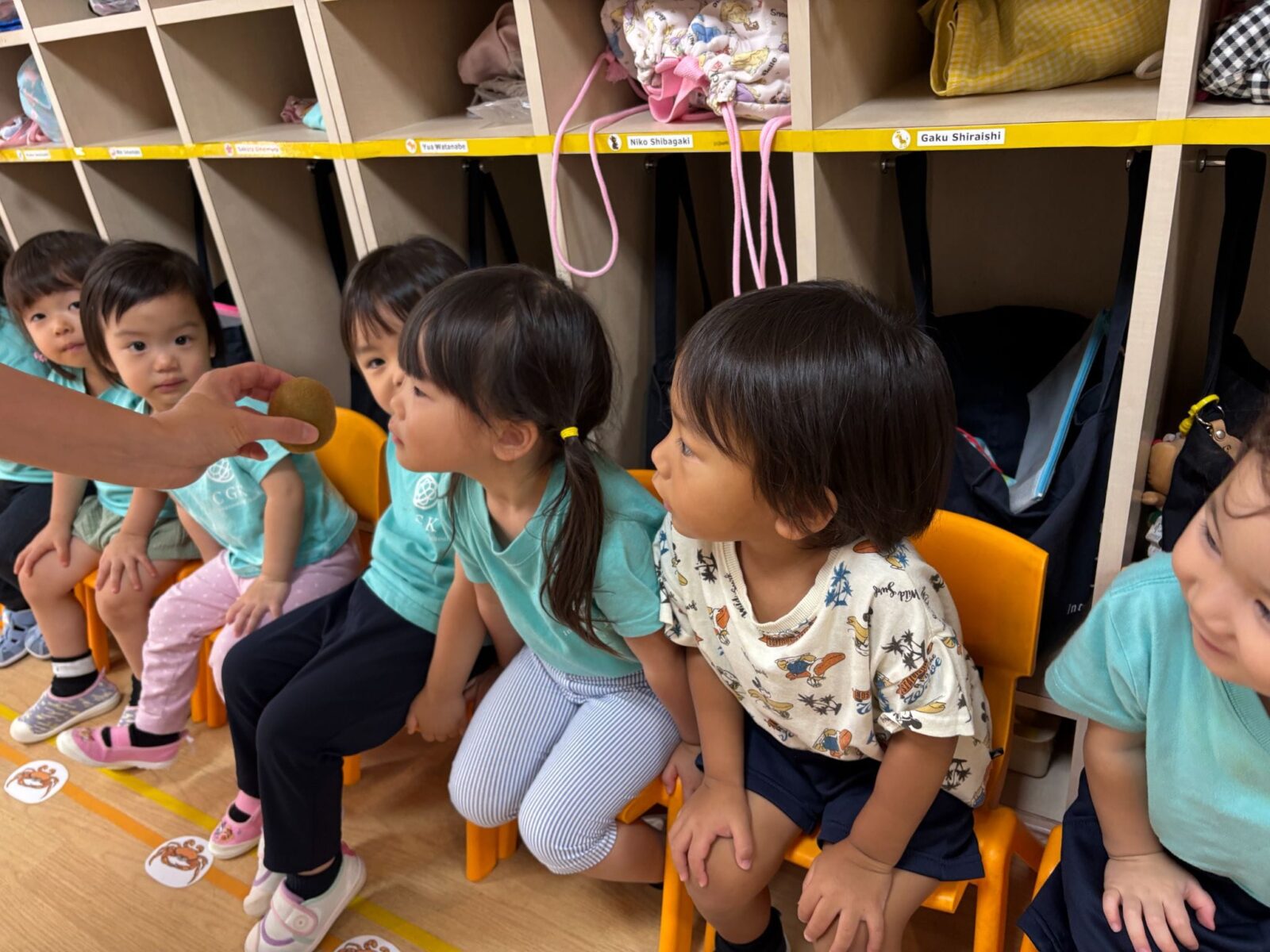
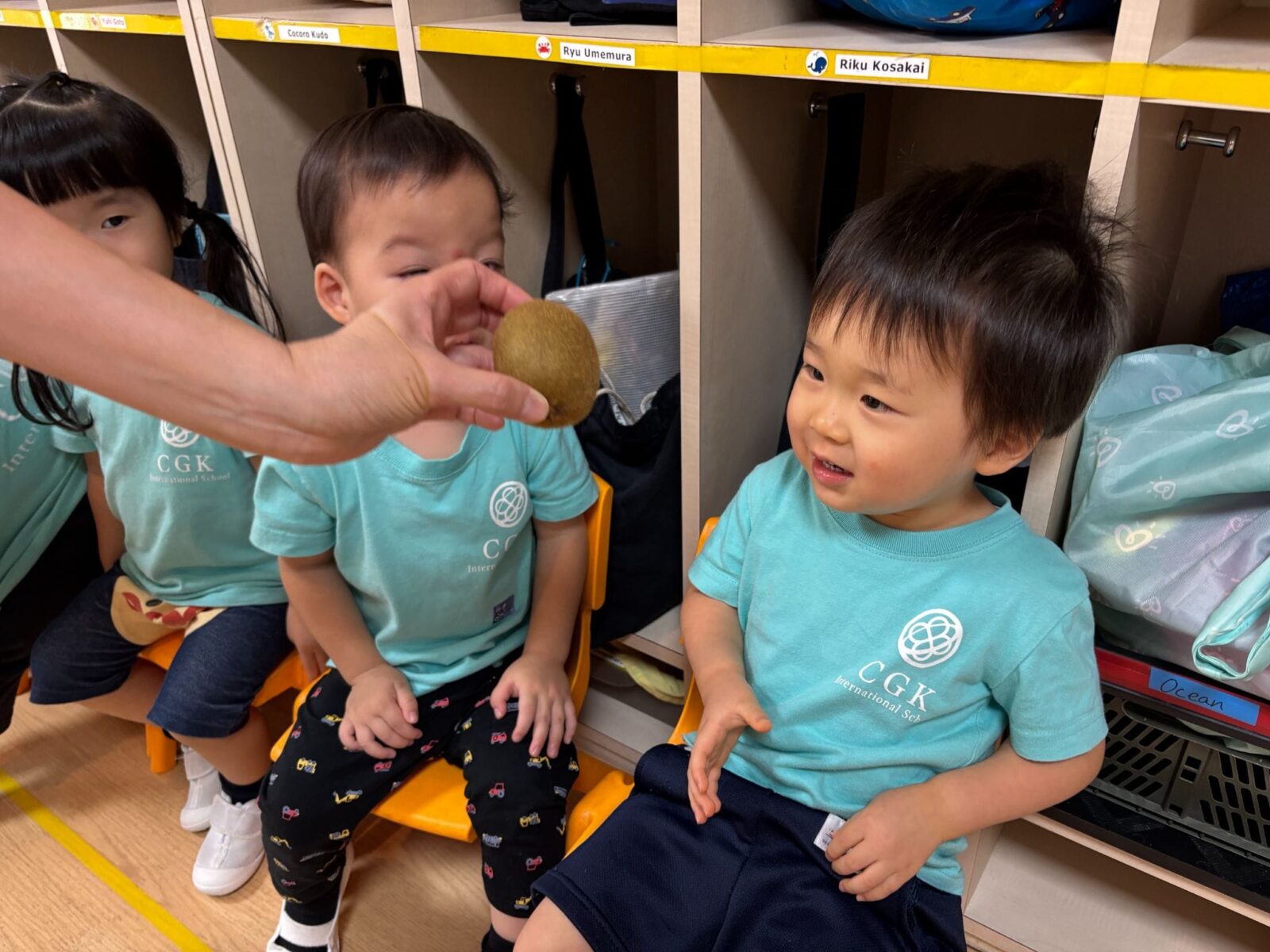
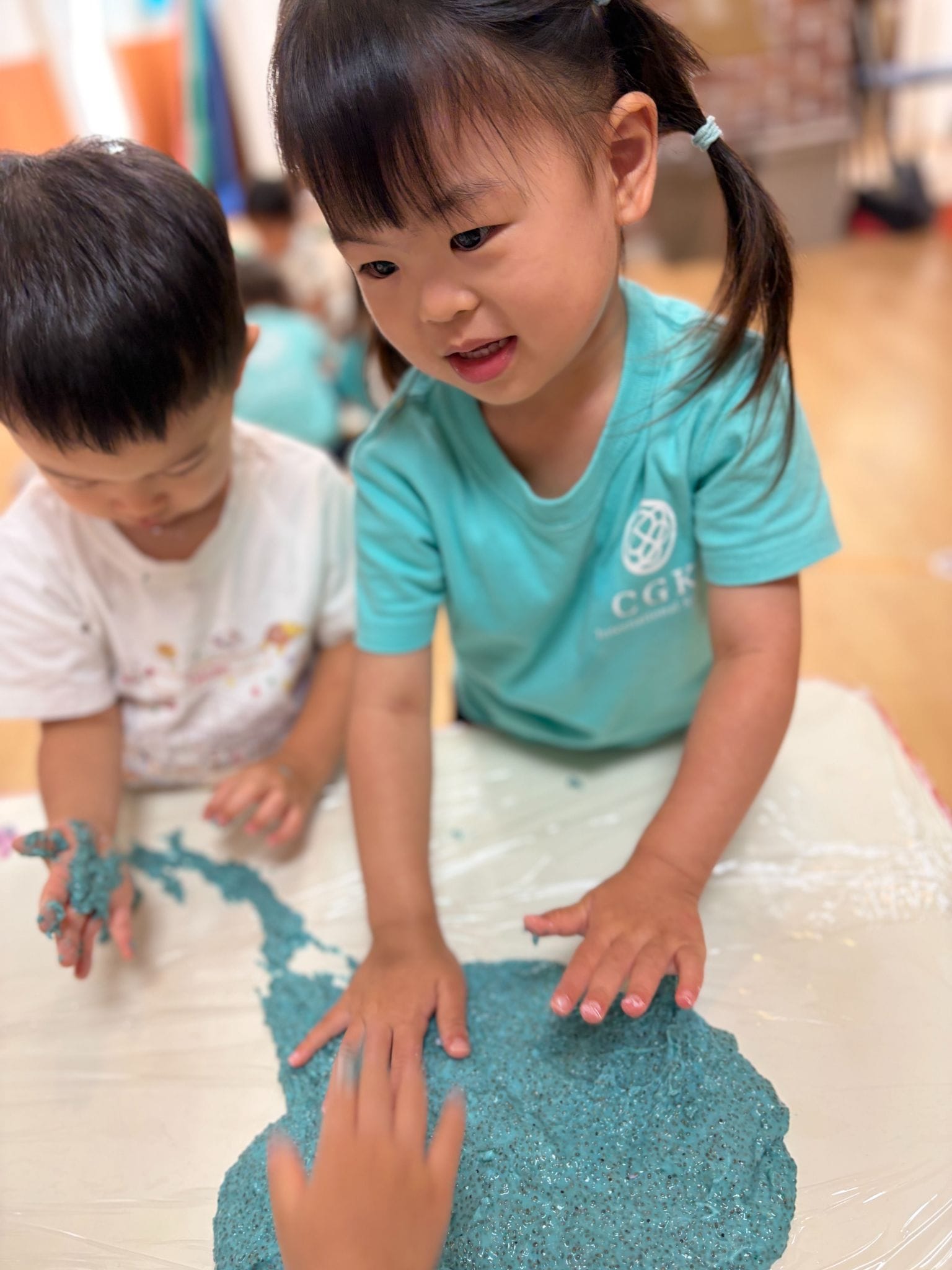
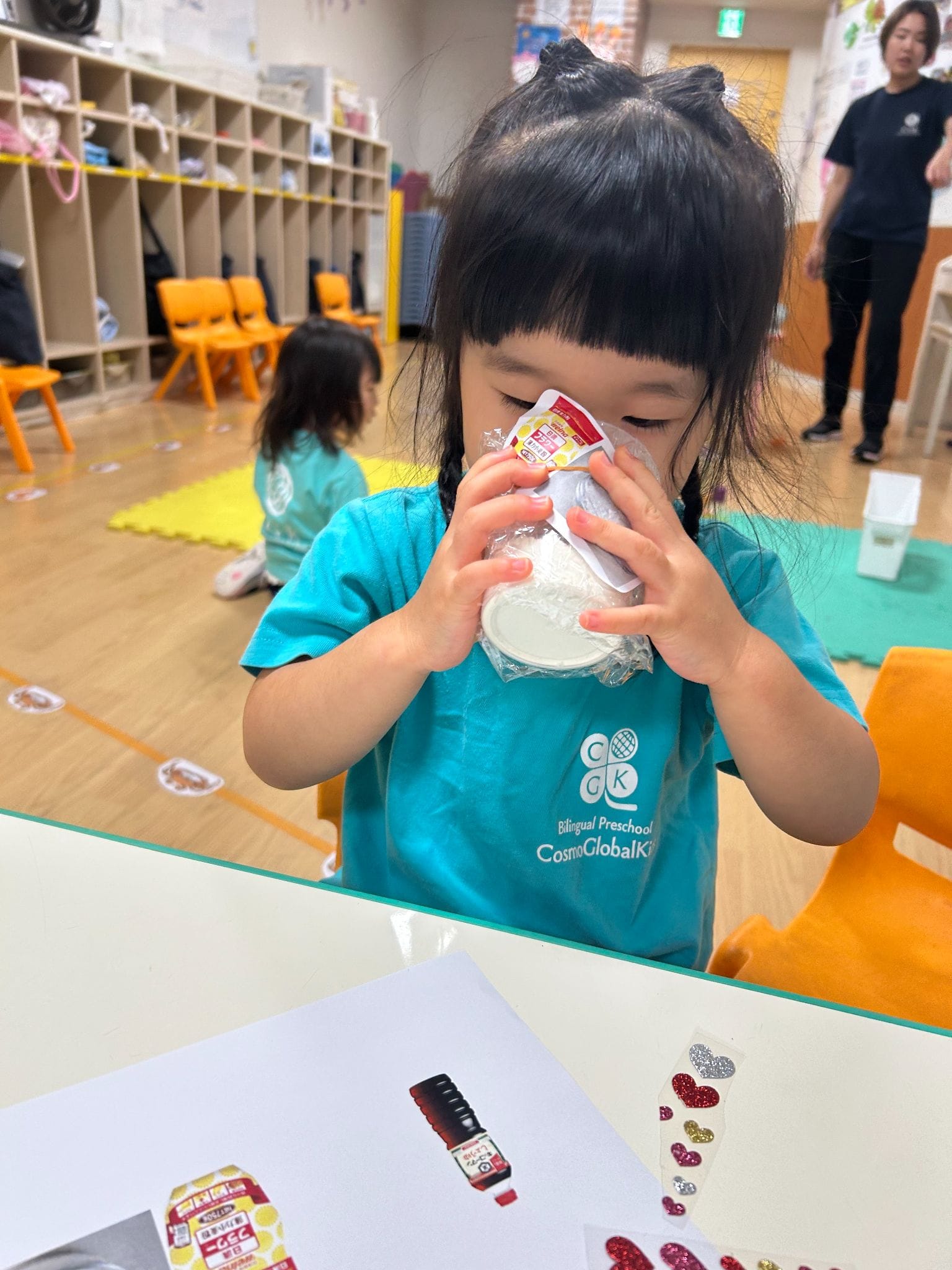
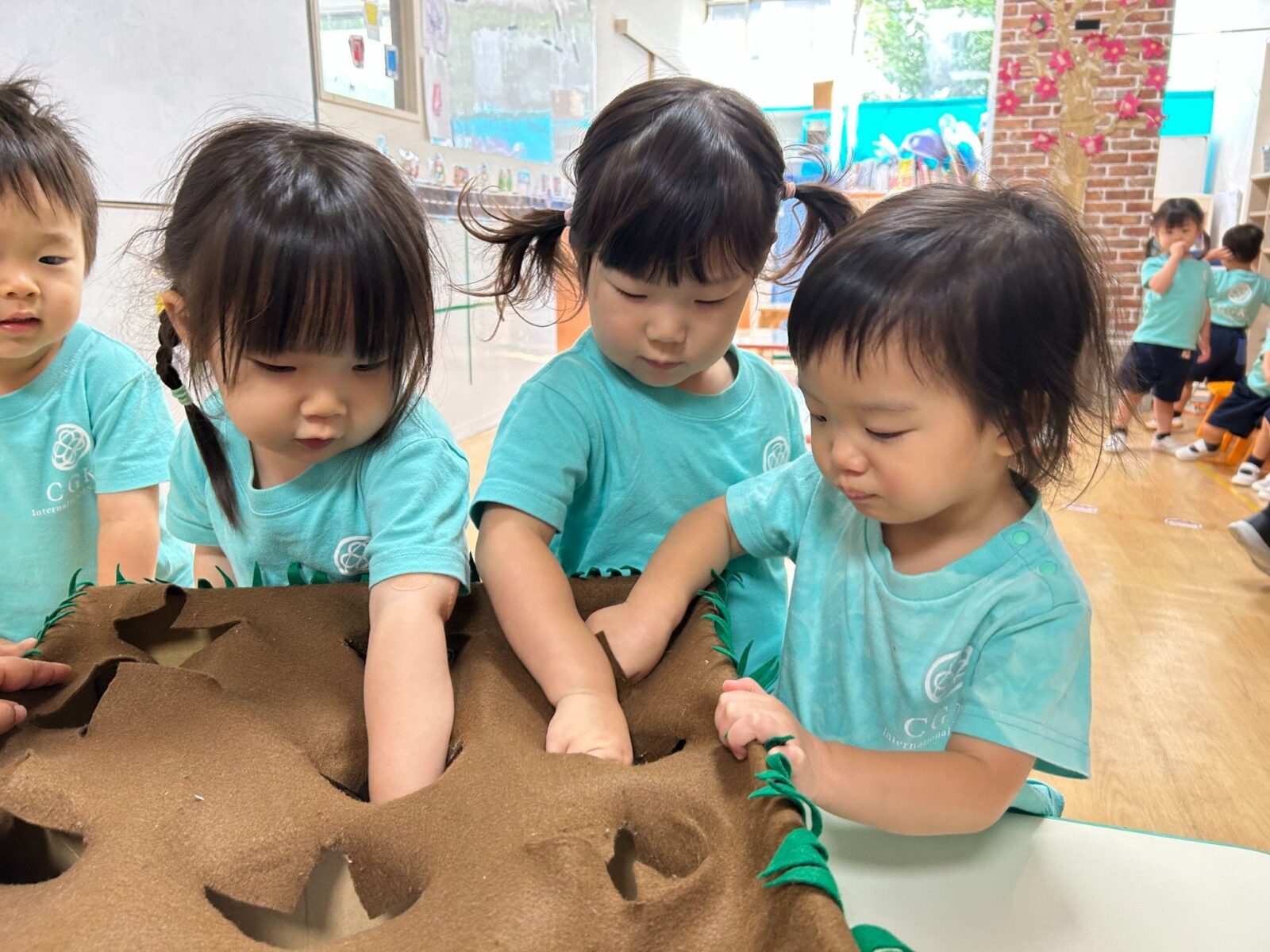
Summer's heat is now in full swing.
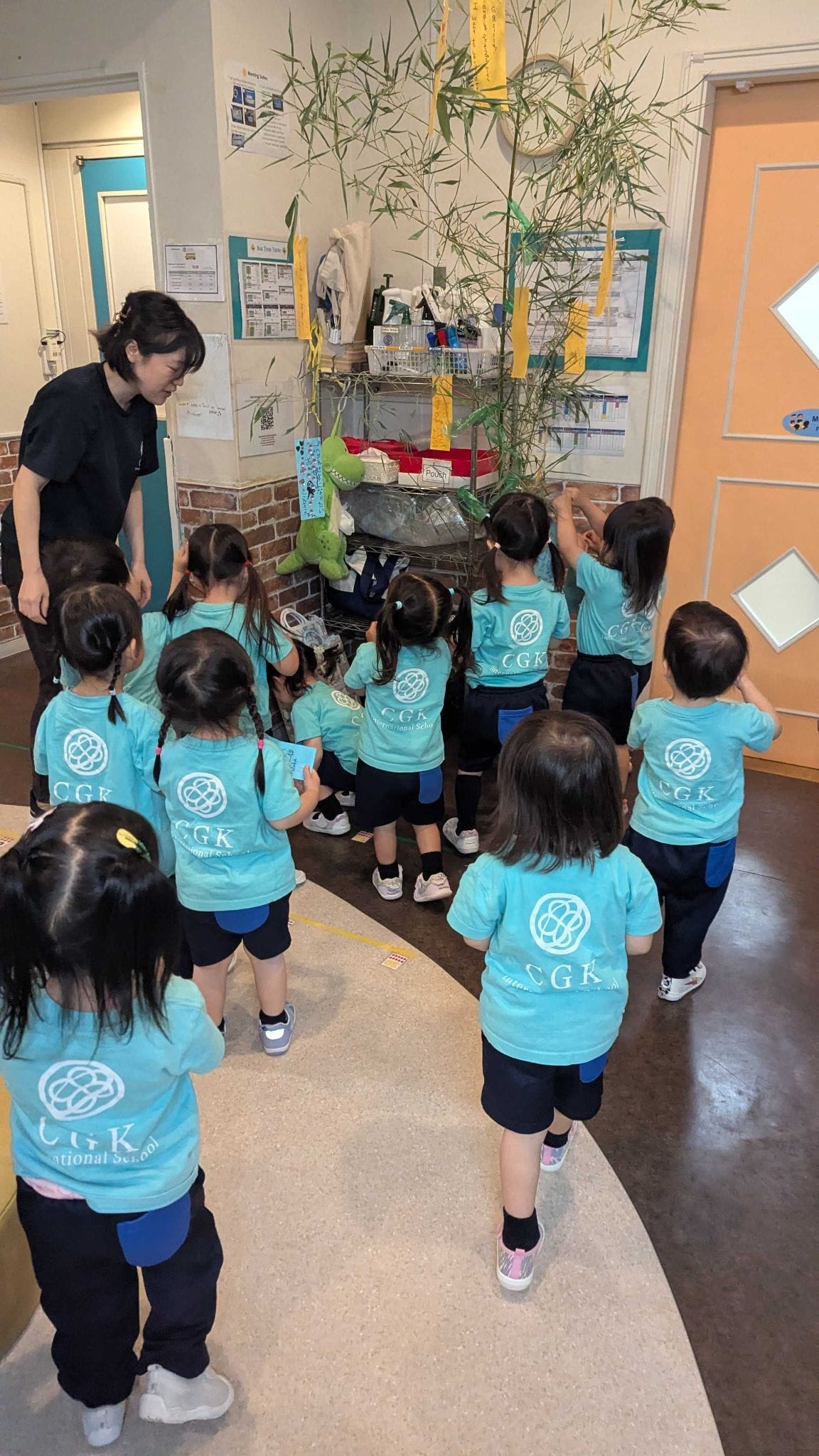
In July, Ocean Class prepared for Tanabata (the Star Festival) by decorating bamboo branches with tanzaku wish cards. As we read each child's wish—“I want to be...!” or “I want...!”—the charming individuality in every message brought smiles to our faces. Thank you for preparing the wish cards. We would also like to thank families for joining the Class Discussion and individual parent-teacher conferences (PTCs) held in early July. We were very happy to share how the children are doing at school and hear about their lives at home.
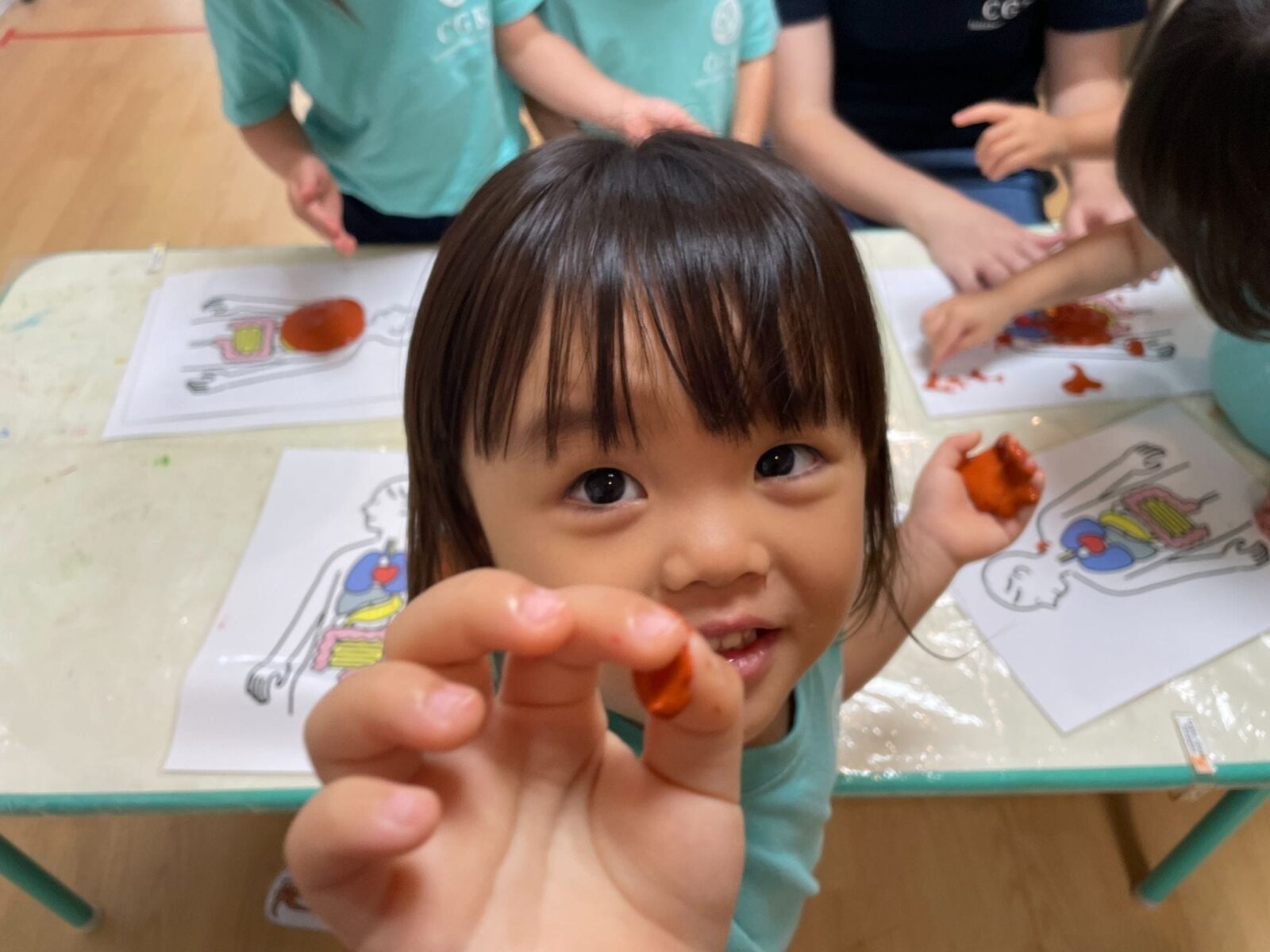
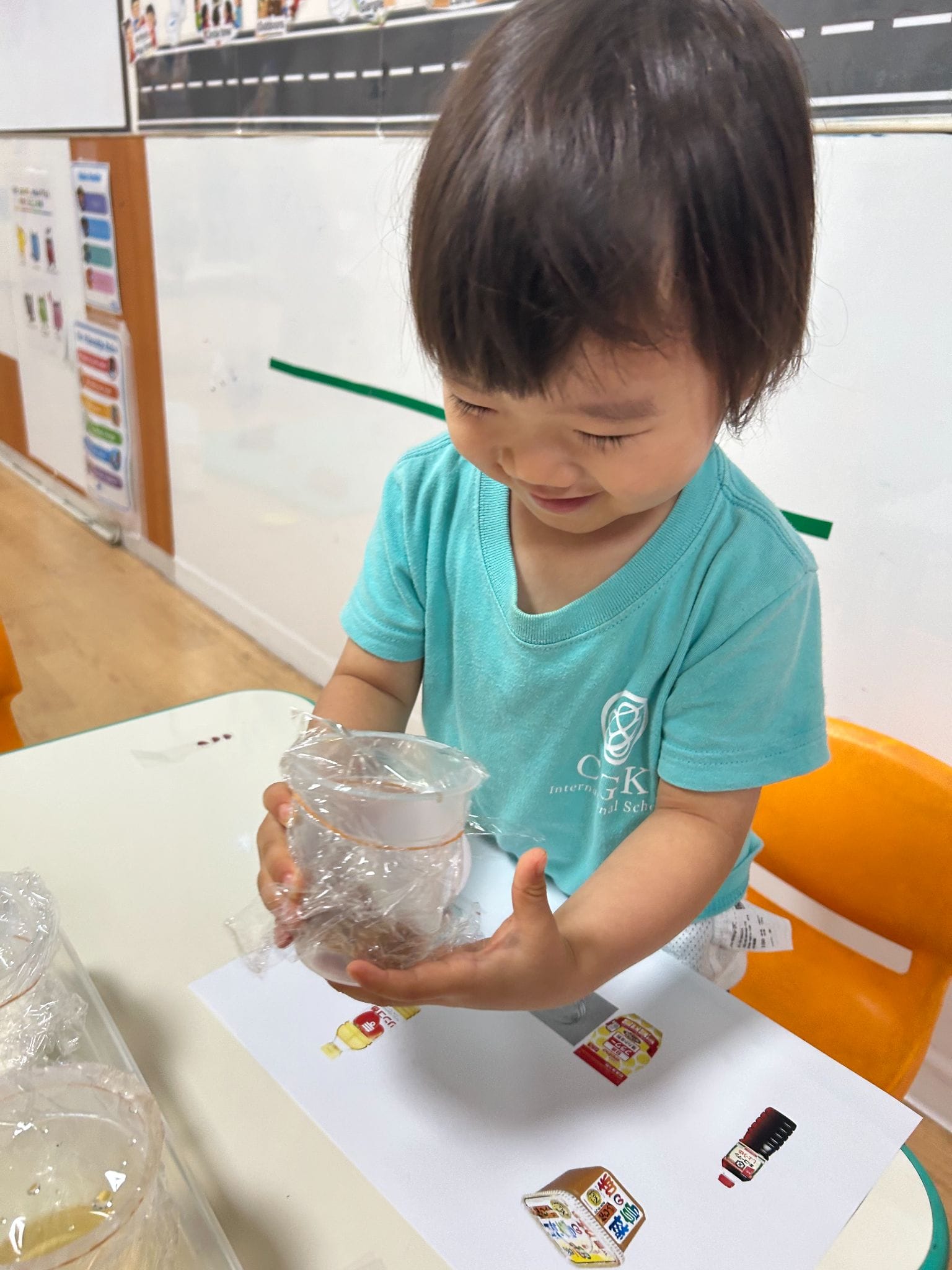
In our Who We Are unit of inquiry (UOI), the children have been exploring the theme of food. Our lessons value the children's own thinking and sensory discoveries as they consider questions such as: “What does it smell like?”, “What kind of food is this?”, “Why do we eat?”, and “Which foods help our bodies stay healthy?”
We also read The Very Hungry Caterpillar and learned together that eating helps give our bodies energy. The children showed interest in many kinds of food, enthusiastically calling out “Apple!” and “Banana!” and happily talking about their favorites. During an activity about smell, they explored the aromas of different seasonings and worked to express what they noticed and felt in their own words.
We will continue valuing the children's sense of wonder—“Why?” and “I want to try!”—as we enjoy learning and deepening our inquiry together.
Elementary School / Middle School
G4 Country Project
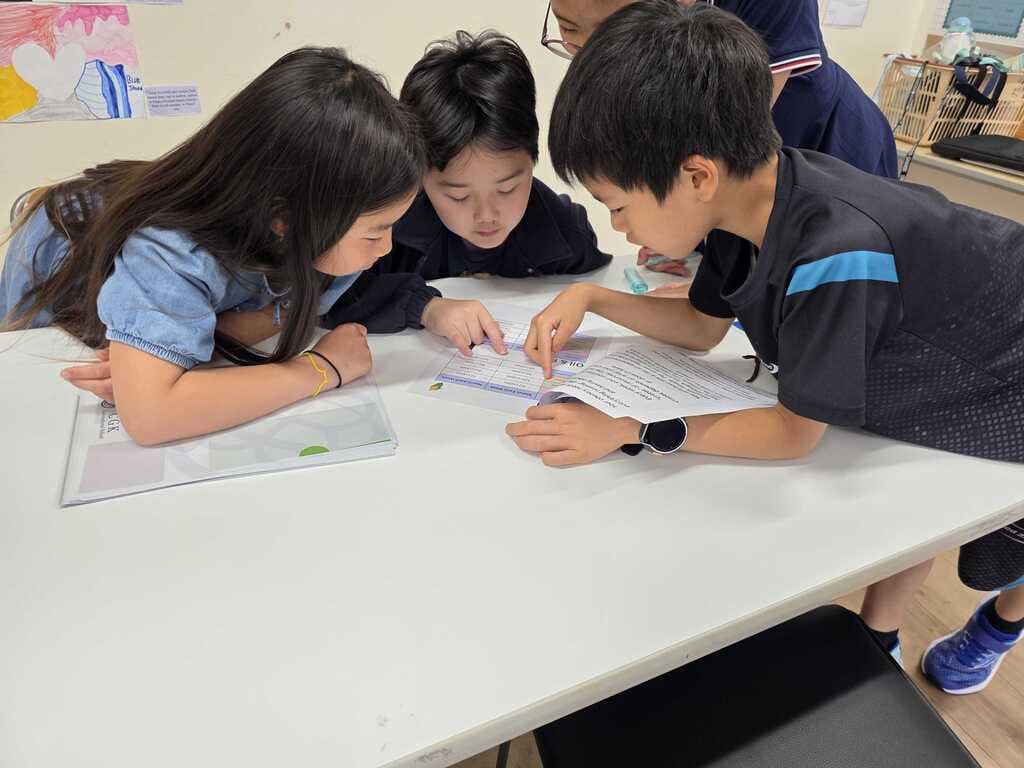
Have you ever looked at how countries interact and thought, “I could do better”? During Semester 1, Grade 4 had the opportunity to put that idea to the test!
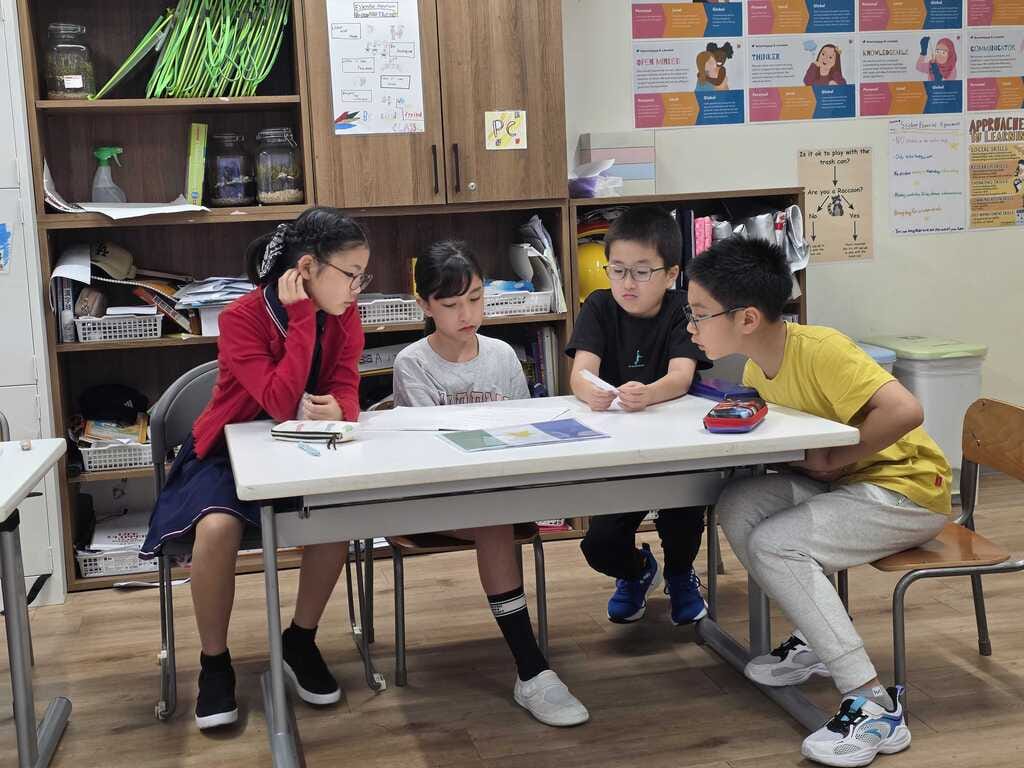
Unit 2 was Sharing the Planet, which focuses on the importance of resources and the ways communities interact. To put these ideas into practice, the Grade 4 students divided themselves into “countries” of their own. They created names, flags, cities, and cultures, drawing inspiration from real-world examples and adding their own original twists.
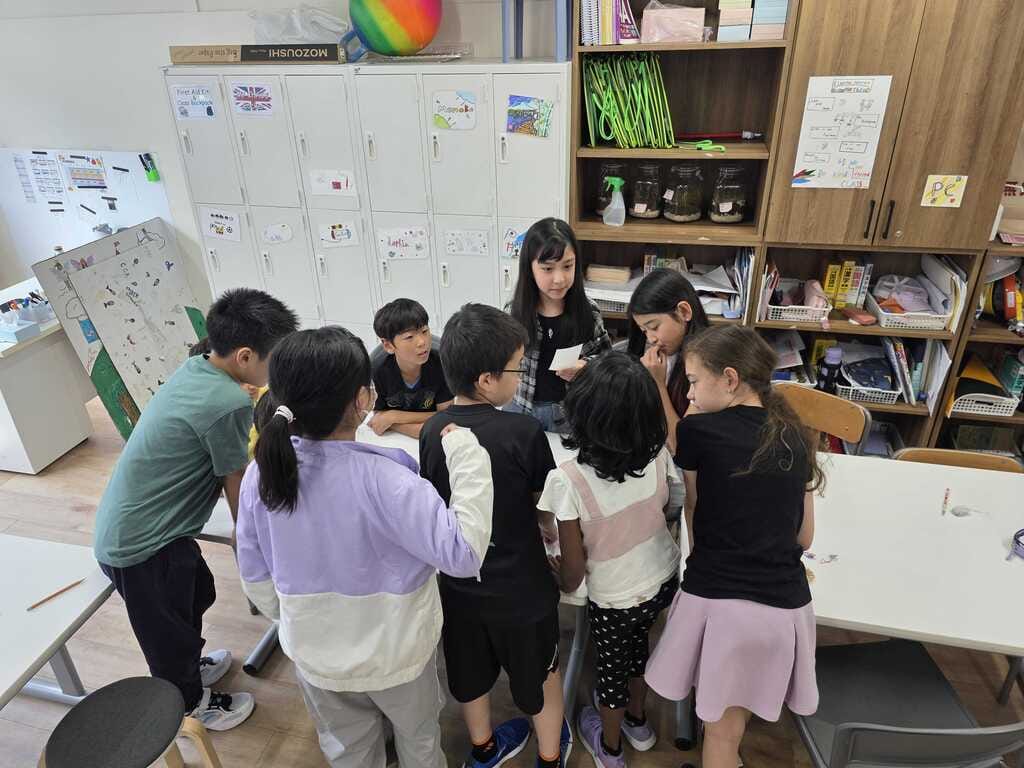
That was only the beginning. Once the countries had been established, we began a weekly activity called the “Continental Council.” During these sessions, the countries interacted freely—cooperating, negotiating deals, and trying to protect their own interests, sometimes at the expense of others.
The activity became even more challenging because no country had all the resources it needed. One country might have abundant oil but insufficient food, while another might have plenty of food but few construction materials. How could they overcome these shortages? Trade was the simple answer, but the students soon discovered that trade requires communication and trust, neither of which is always easy.
We then introduced random events inspired by real-life examples. Geopolitical tensions, accidents, and natural disasters affected the countries in visible ways, forcing students to think seriously and creatively, make difficult choices, and sometimes accept that even the “right” answer comes at a cost—just as it does in the real world.
I was enormously proud of how Grade 4 responded to this activity. It would have been easy to treat it as nothing more than a game, but time and again the students surprised me with how invested they became in their countries and how willing and able they were to make difficult decisions in support of their interests.
It was not always easy, and some students discovered strengths and abilities they did not know they possessed. Every Grade 4 student, however, came away with a much deeper understanding of how and why international relationships unfold as they do.
Afterschool
Class A: Term 1 Complete!
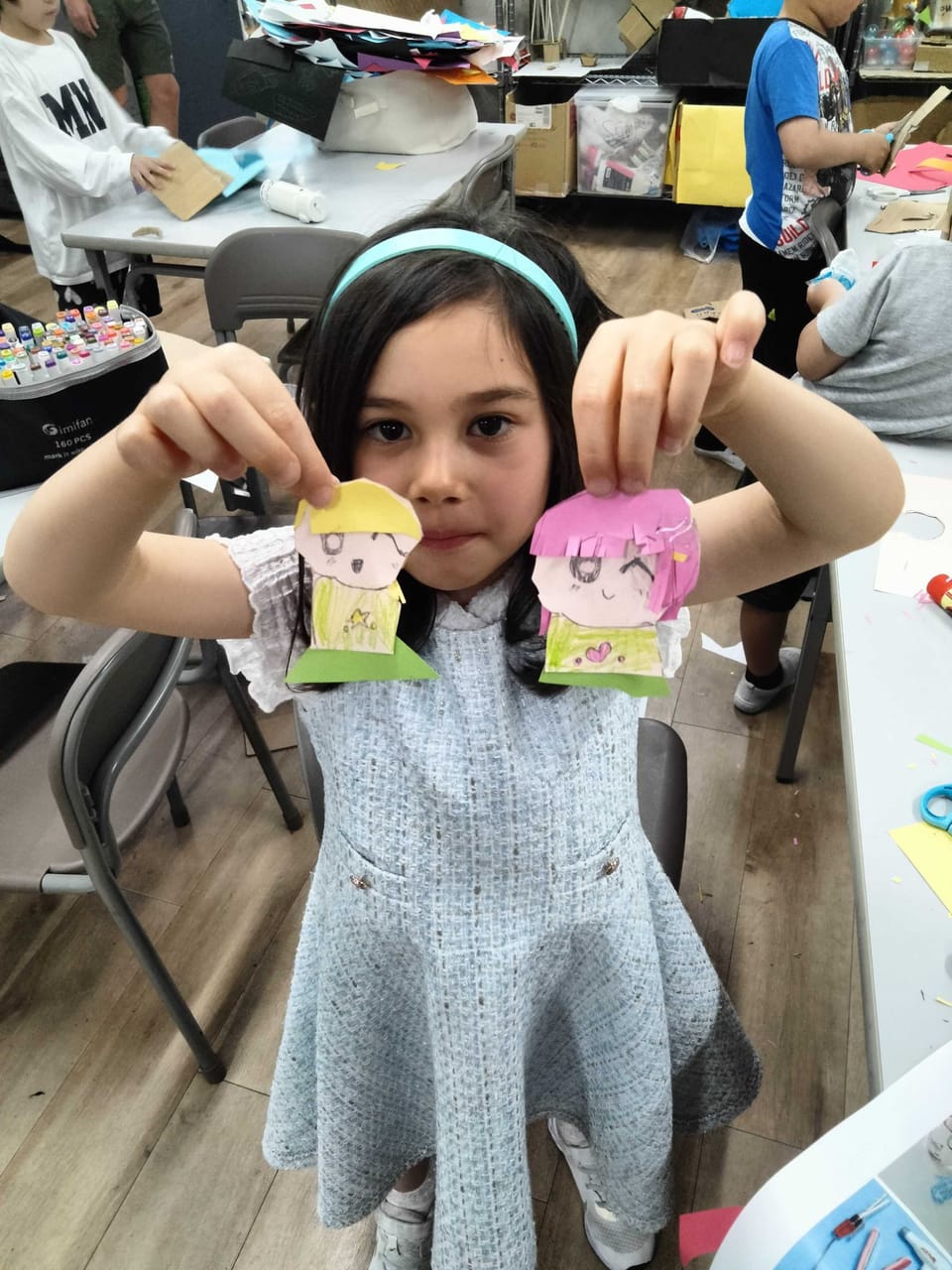
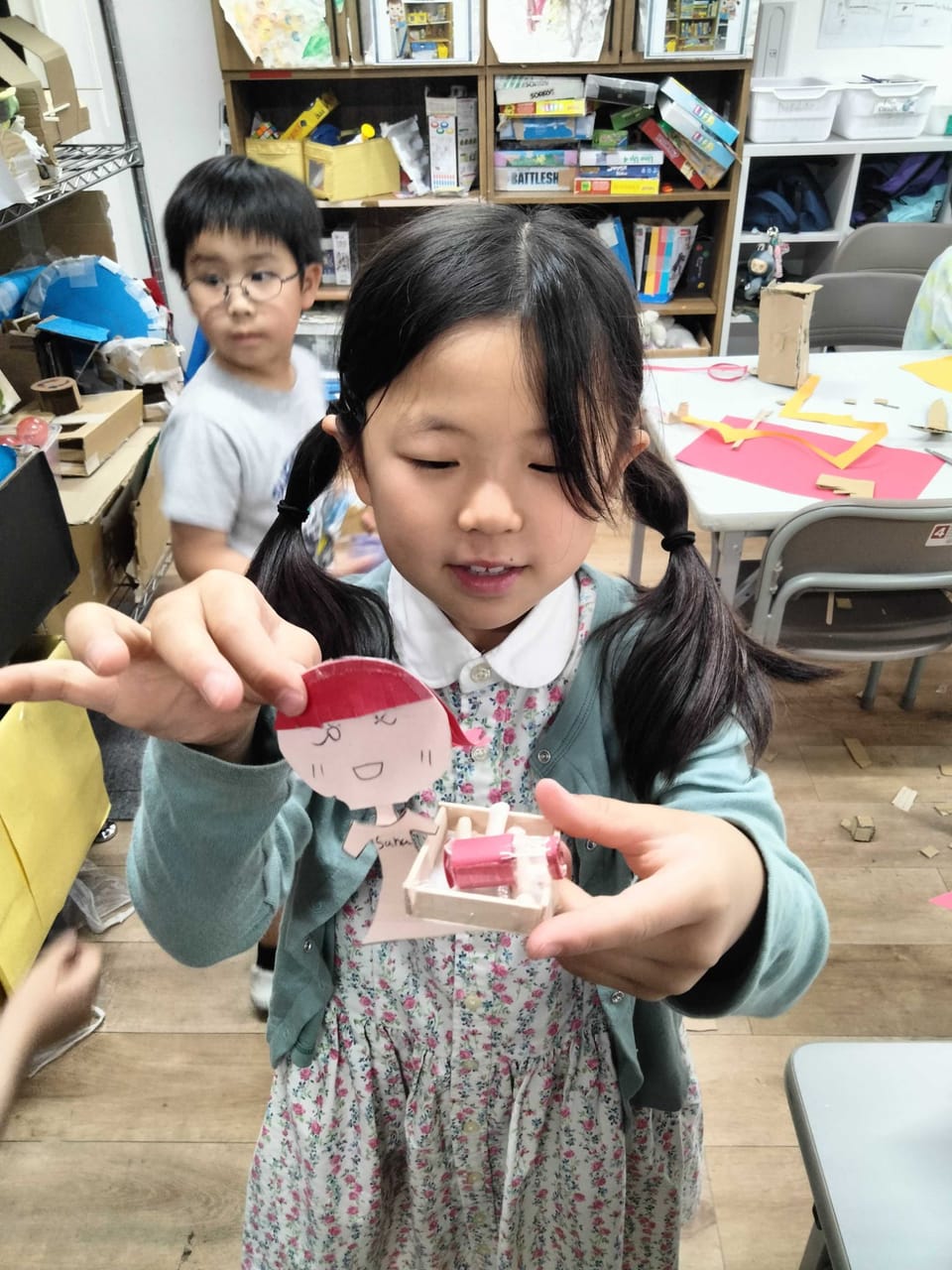
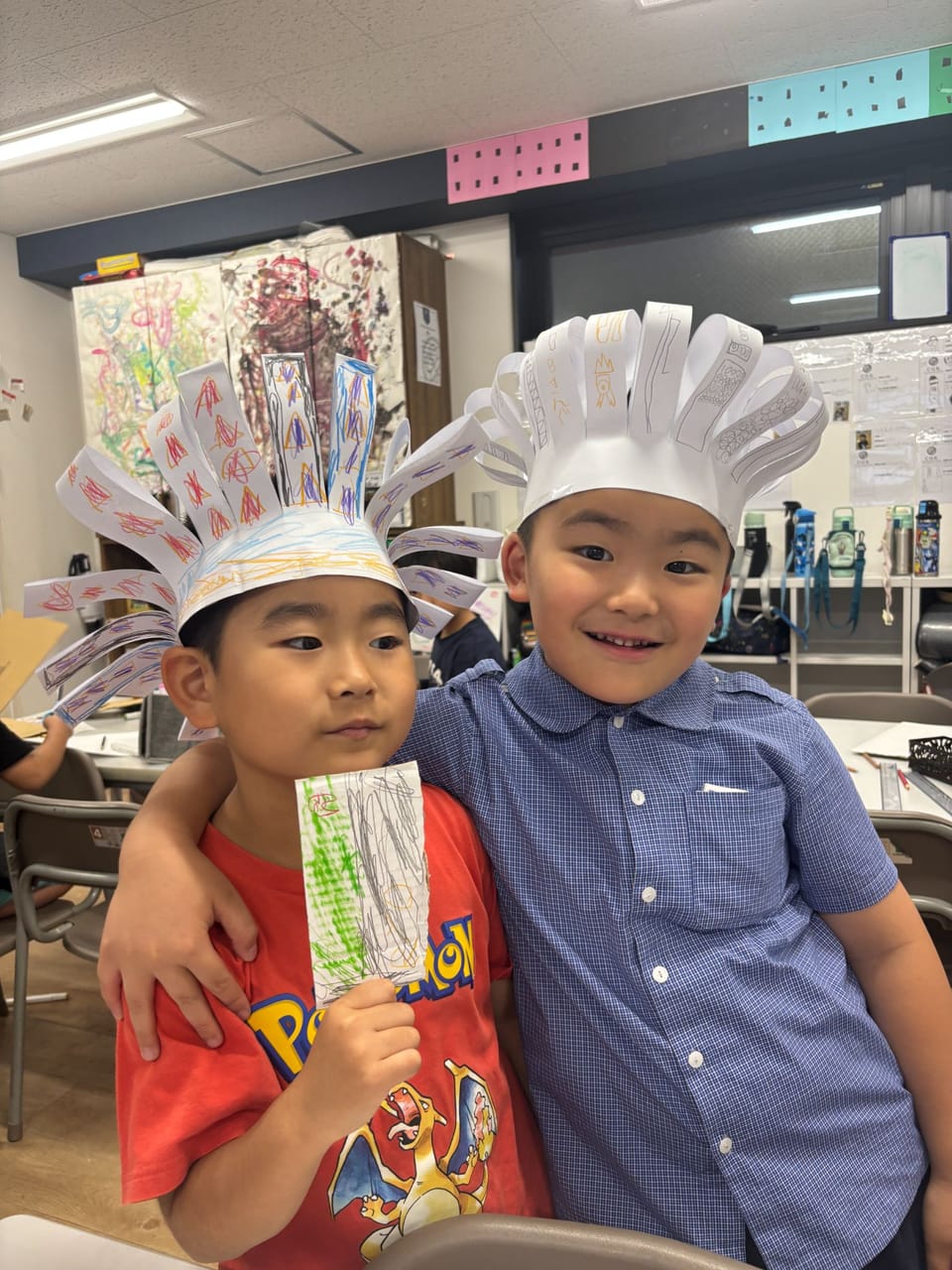
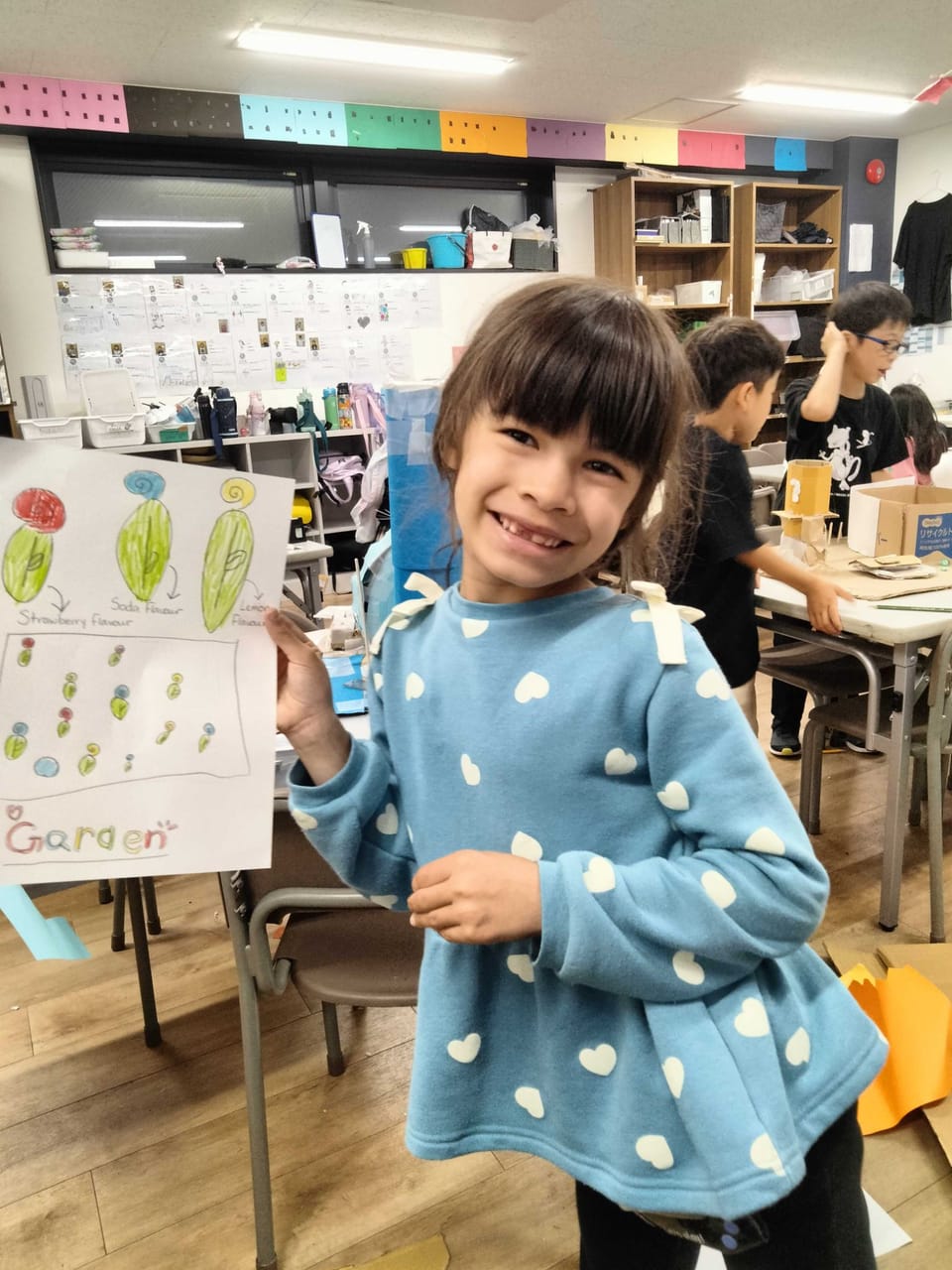
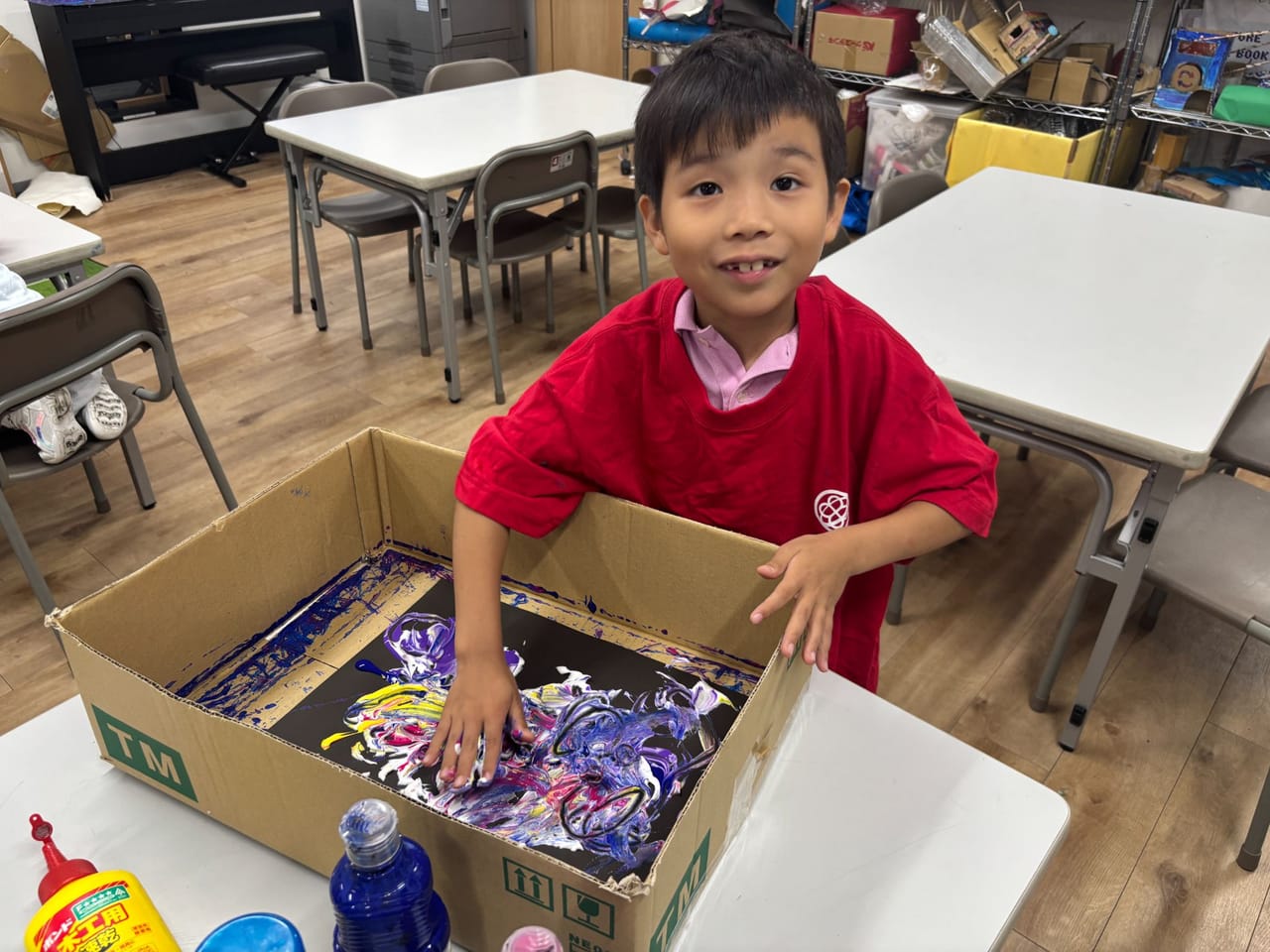
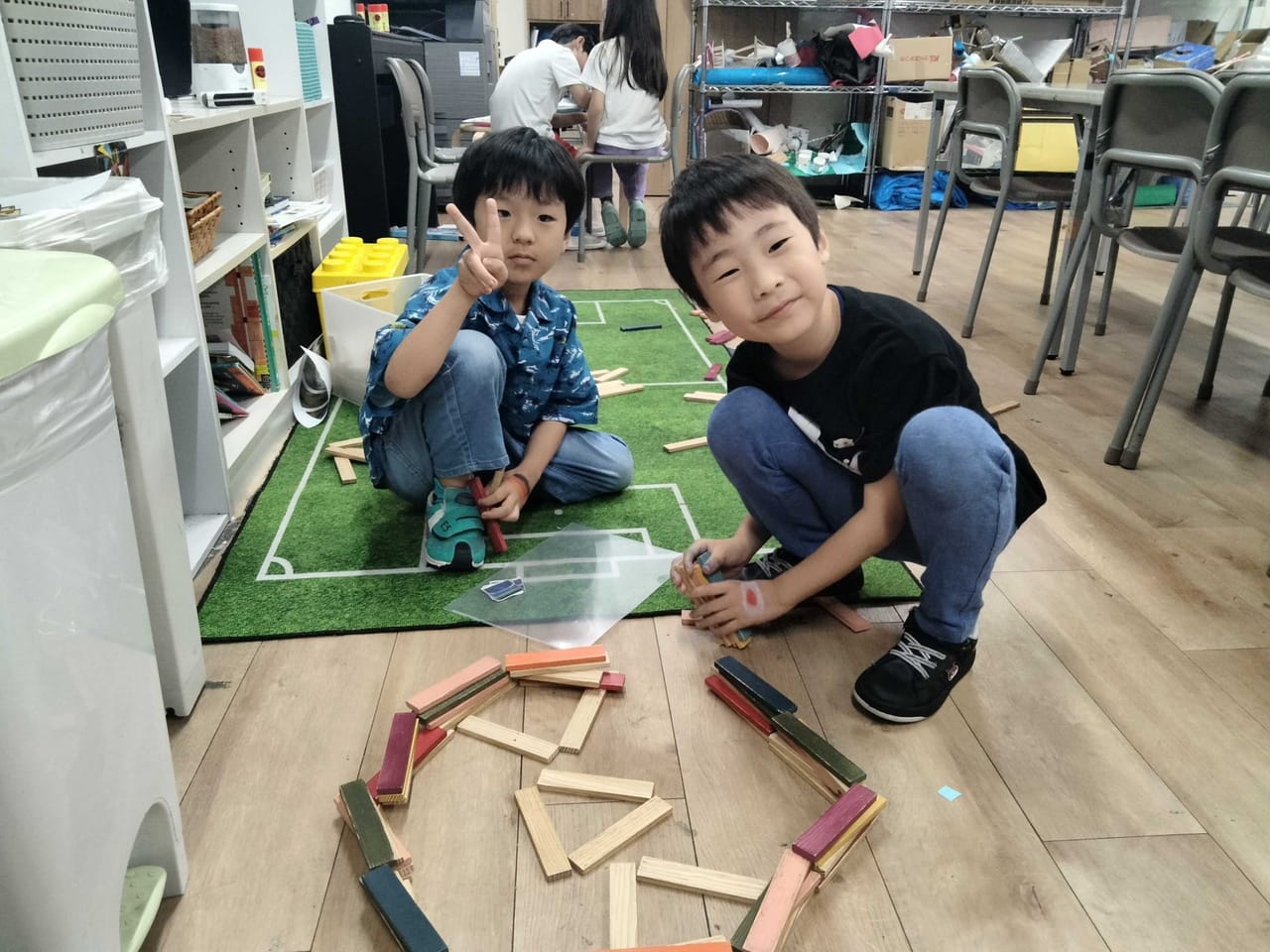
With Term 1 drawing to a close, Afterschool has completed its first term of the year. Congratulations to everyone on your first presentations! Because these presentations were recorded as videos, they offered our new Grade 1 students an excellent opportunity to practice and become comfortable presenting their work.
Over the course of the term, we explored topics including:
- Original cities
- The human body
- Fantasy worlds and careers
- Life in the future
- Space
The students brought a wealth of existing knowledge to our sessions and were equally eager to learn more about each topic. The crafts they produced throughout the term were fantastic and a great deal of fun to showcase in the videos. I would like to thank the Grade 2 students for being such supportive role models and buddies to their new Grade 1 friends. They showed patience and helped teach their younger classmates to use unfamiliar tools—including hot-glue guns and paper cutters—safely and appropriately.
I would also like to congratulate the Grade 1 students on completing their first project! They learned a great deal this term about managing project time, preparing a presentation, and presenting to an audience. Many students felt shy or uncertain, but every one of them stepped beyond their comfort zone and gave their best. I hope their hard work shines through in the videos.
When Term 2 begins, we will be ready to work hard toward our in-person presentations!
Once again, wonderful work, Classes A and B. Until Term 2, I hope you all have a fantastic summer break!
Regards,
Study Abroad and Global Initiatives
Long-Term Study Abroad
We recently shared an announcement on Toddle about CGK's Long-Term Study Abroad Program and individual counseling sessions for families considering long-term study abroad. The announcement outlines the program, eligible grade levels, and how families can arrange a counseling session.
■ First Long-Term Study Abroad Program (Grades 6–8)
The First Long-Term Study Abroad Program refers to a student's first study abroad experience lasting six months or longer, undertaken between Grades 6 and 8. Although we recommend a full year, programs of at least six months are also eligible.
CGK recommends long-term study abroad because we believe that, regardless of a student's first language or current English proficiency, there is significant educational value in experiencing a new environment, encountering different cultures and perspectives, and learning to think, make choices, and act independently.
We hope the learning and confidence students gain through studying abroad will help each of them choose a path that is true to who they are from among a wide range of global opportunities—and give them the courage to take their next step.
■ Recommended Study Abroad Destinations
New Zealand, Australia, and Canada
These countries are known for their high-quality education systems and emphasis on developing students' ability to think independently and take ownership of their learning, rather than simply memorizing information. Their multicultural environments also allow students to encounter diverse perspectives while developing a global outlook and greater independence.
Well-established support systems and safe living environments for international students provide a reassuring foundation, enabling students to focus on both their learning and personal growth—even during a first long-term study abroad experience.
■ Preparation Schedule
To allow sufficient time for school applications and student visa preparations, we recommend beginning the process approximately six months before the planned departure date.
For both New Zealand and Australia, we recommend a January start, which allows students to begin at the opening of the new academic year. A July start may also be available, depending on each family's preferences.
The individual counseling sessions introduced in this announcement are available to students in Grade 4 and above.
Priority will be given to consultations about long-term study abroad, but we also welcome questions about short-term programs lasting less than six months. If your family is wondering, “When would be the best time for my child to study abroad?”, “Which country would be the best fit?”, or “What should we know about costs and choosing a school?”, please feel free to speak with us.
Families who are interested may describe what they would like to discuss in the comments section of the Google Form.
Reservation form: Long-Term Study Abroad Individual Counseling Reservation Form / 【長期留学】個別カウンセリング予約フォーム
If you have any questions, please contact Mayu or Masae in the school office.
2025 Summer CGK Study Abroad
Australia
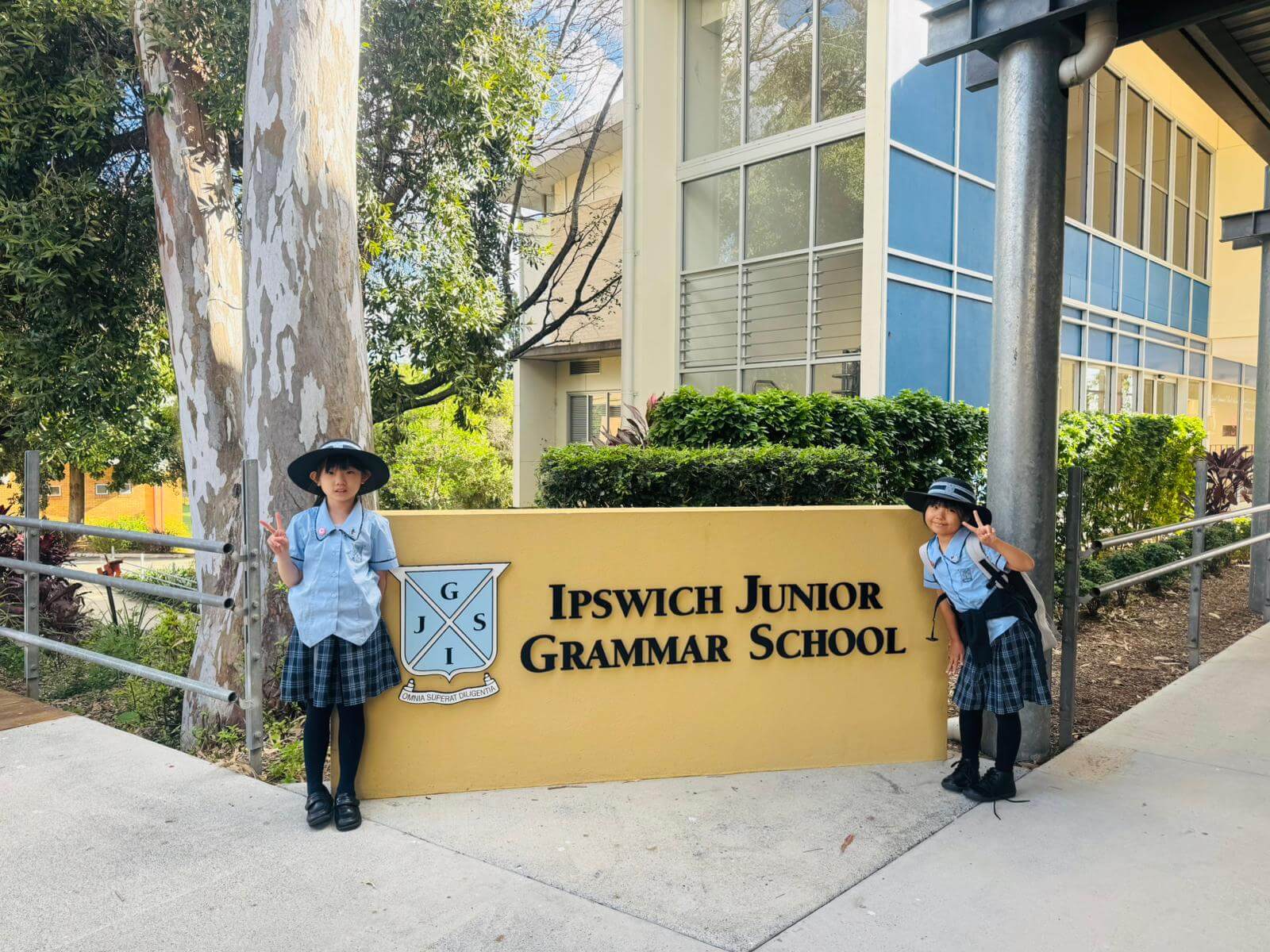
Ipswich Girls' Grammar School (Private all-through girls' school) CGK G3 Ako, AS G2 Yusei
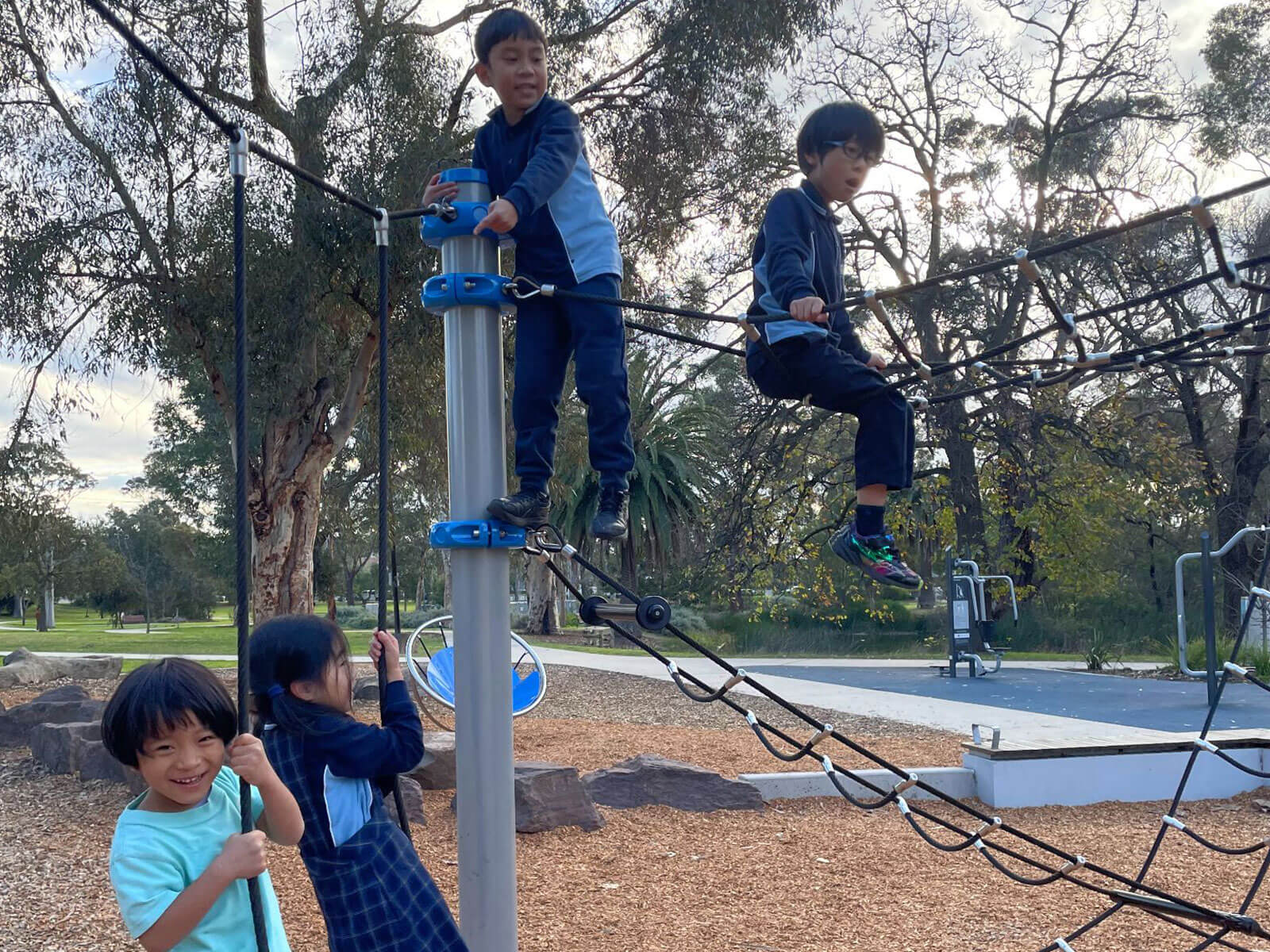
Essendon North Primary School (Public primary school / IB PYP school) CGK G1 Kokone, Mitsuki
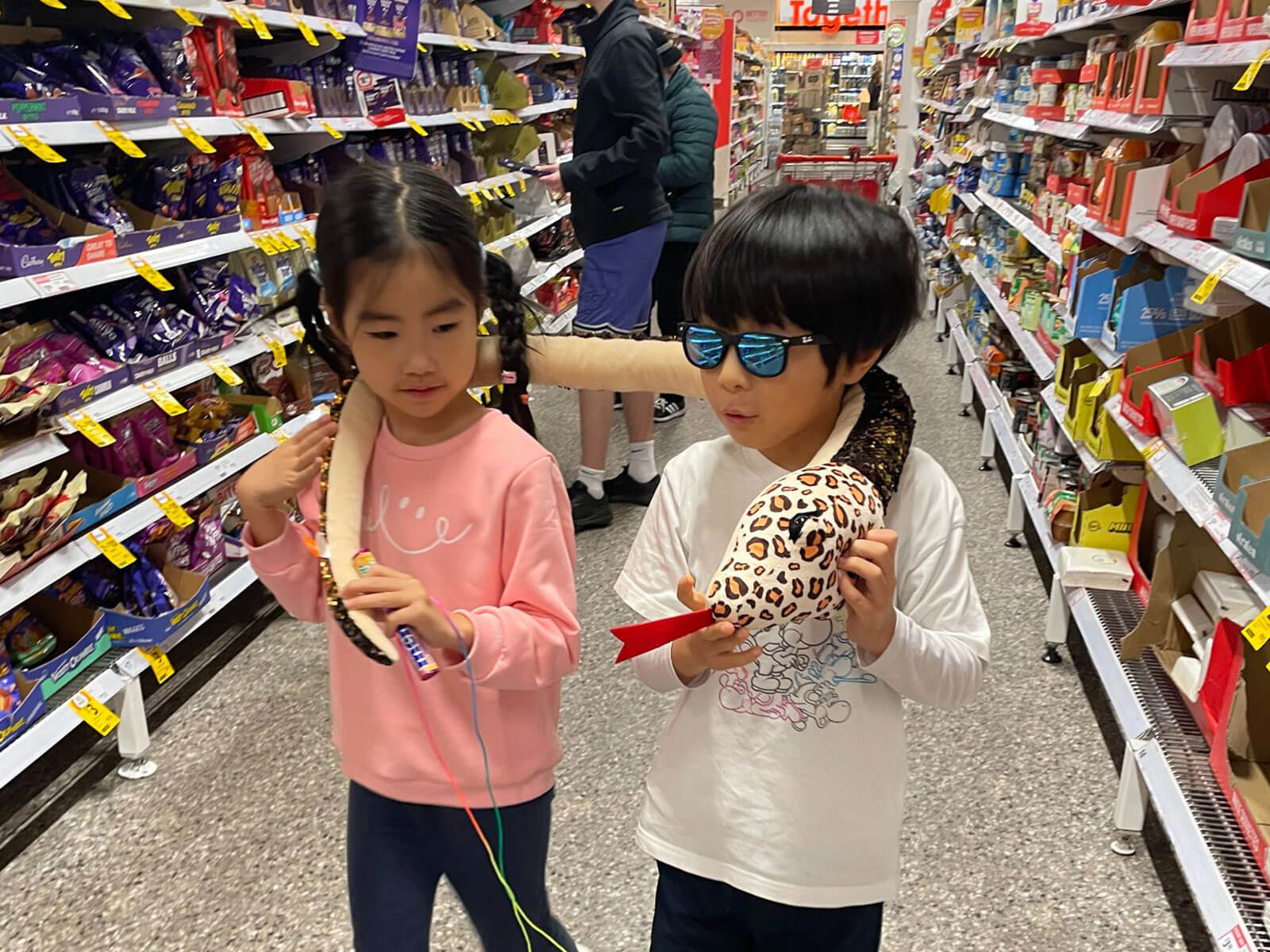
Essendon North Primary School (Public primary school / IB PYP school) CGK G1 Kokone, Mitsuki
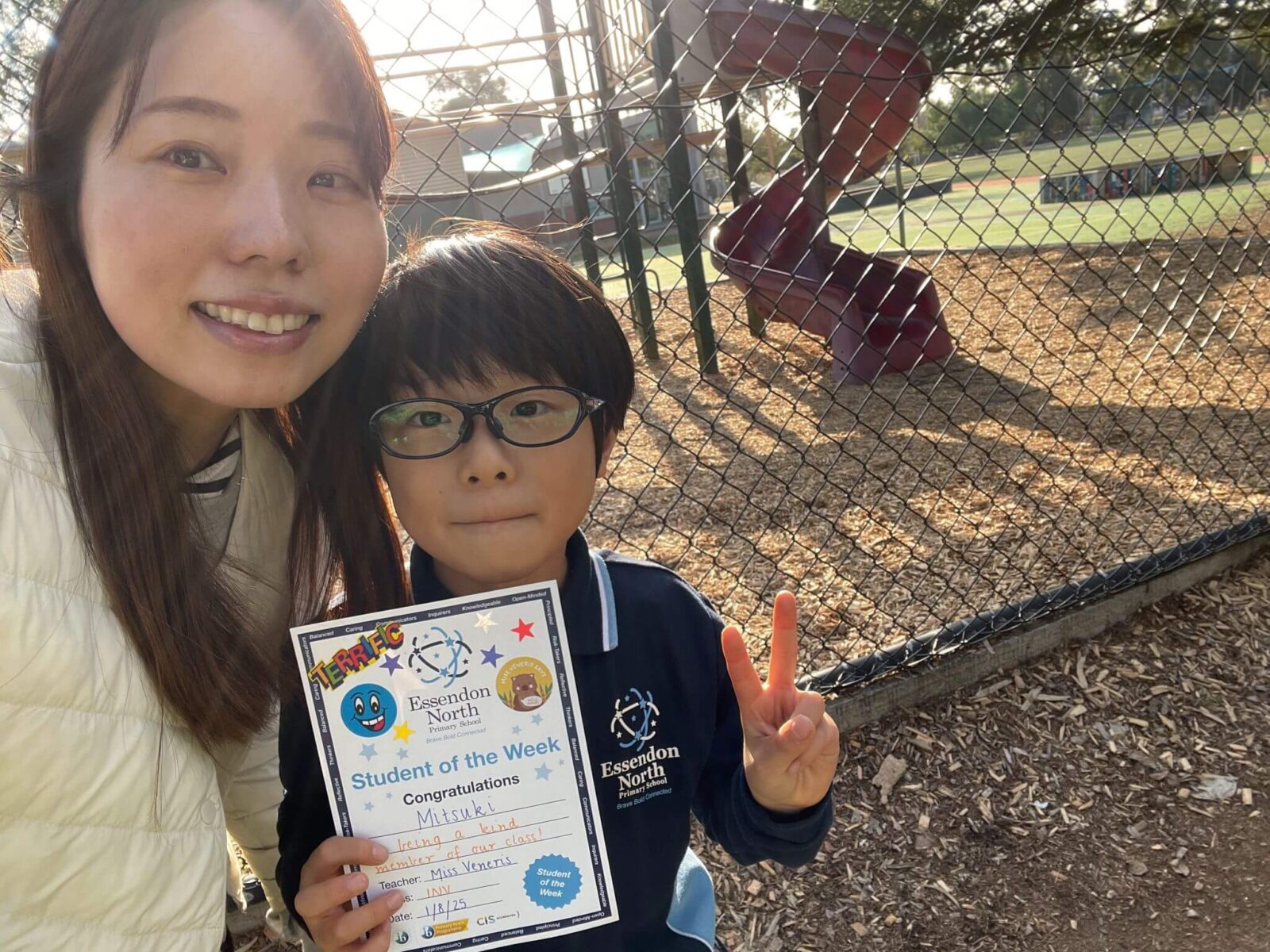
Essendon North Primary School (Public primary school / IB PYP school) CGK G1 Mitsuki
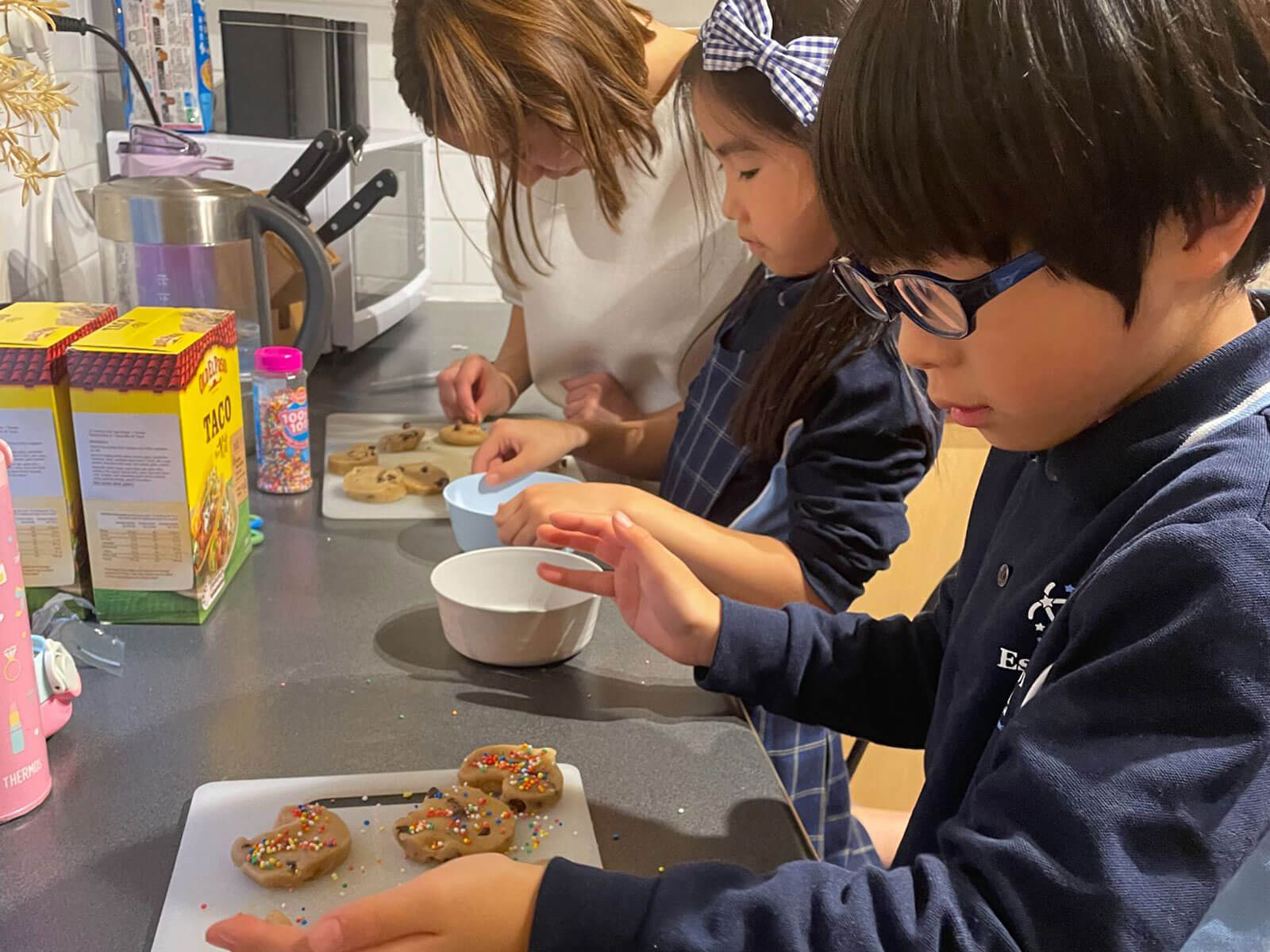
Essendon North Primary School (Public primary school / IB PYP school) CGK G1 Kokone, Mitsuki
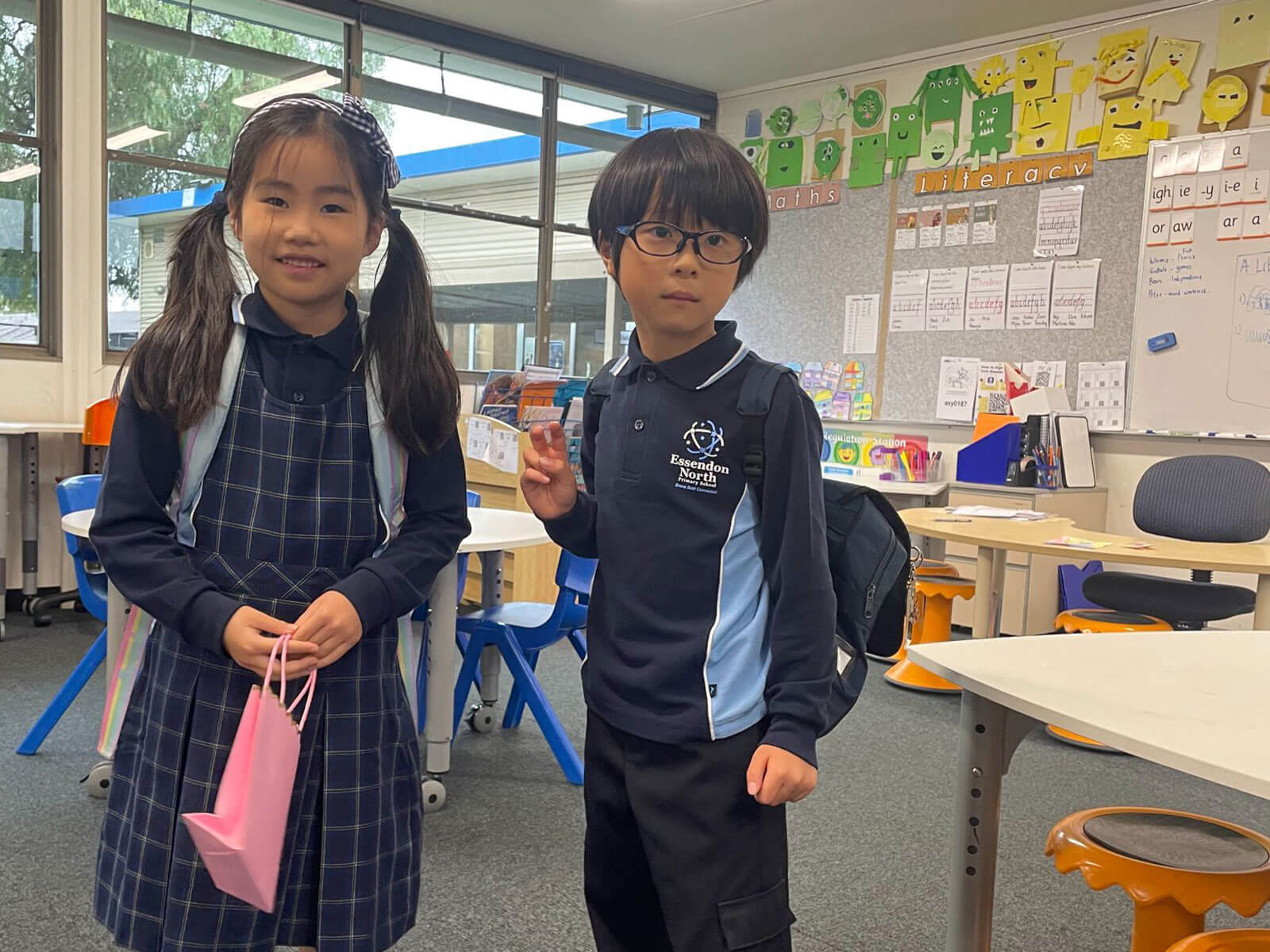
Essendon North Primary School (Public primary school / IB PYP school) CGK G1 Kokone, Mitsuki
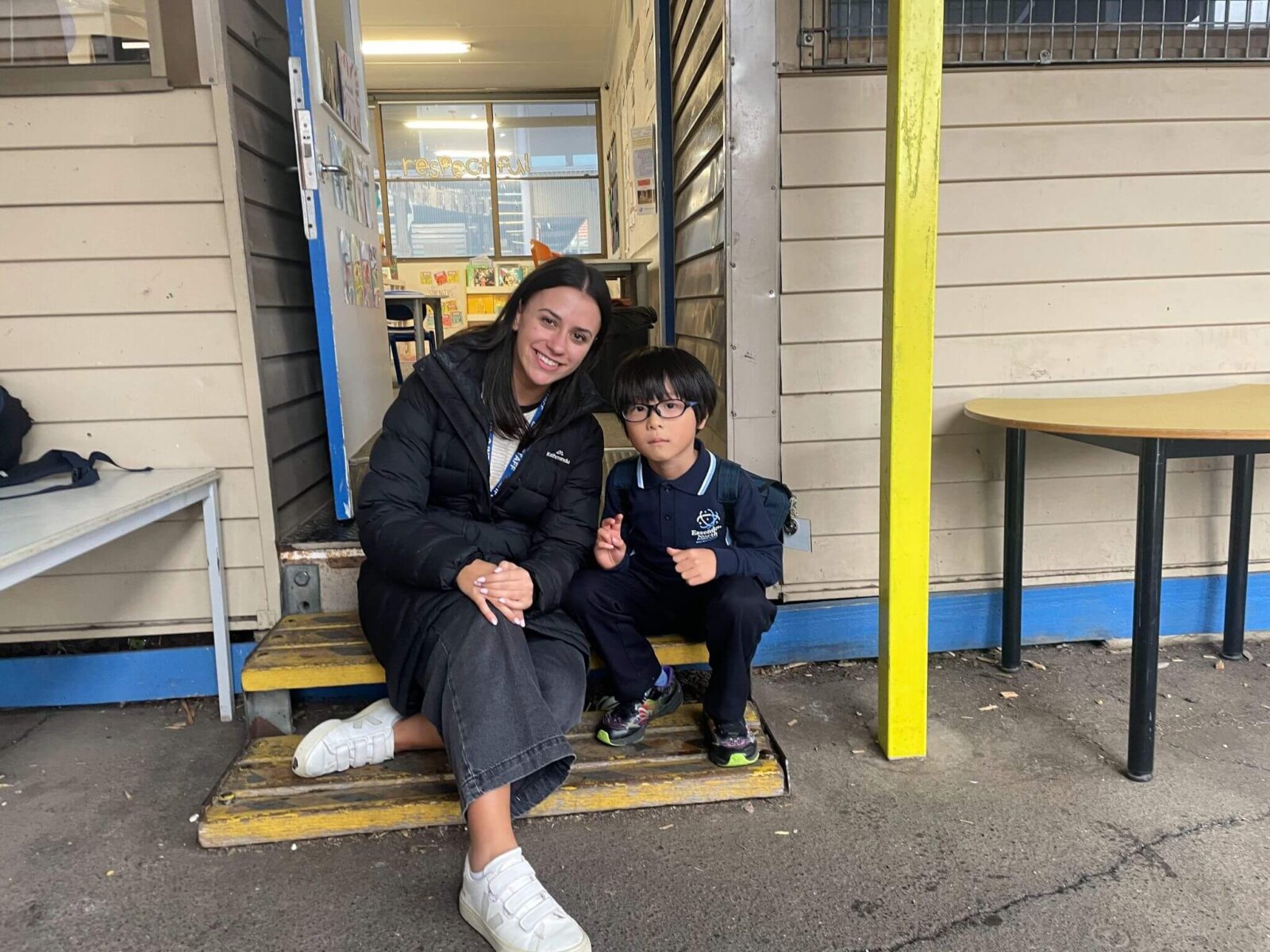
Essendon North Primary School (Public primary school / IB PYP school) CGK G1 Mitsuki
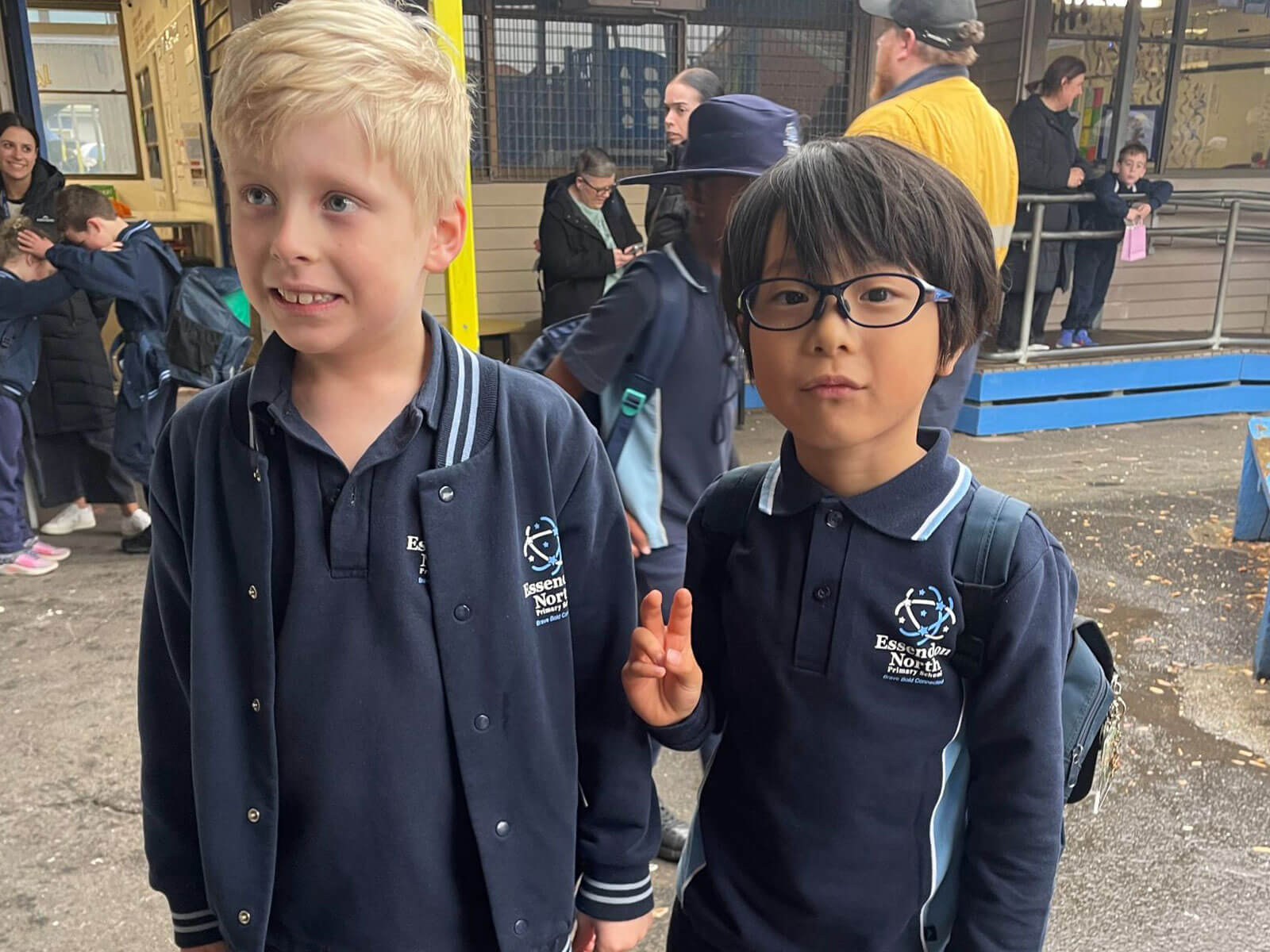
Essendon North Primary School (Public primary school / IB PYP school) CGK G1 Mitsuki
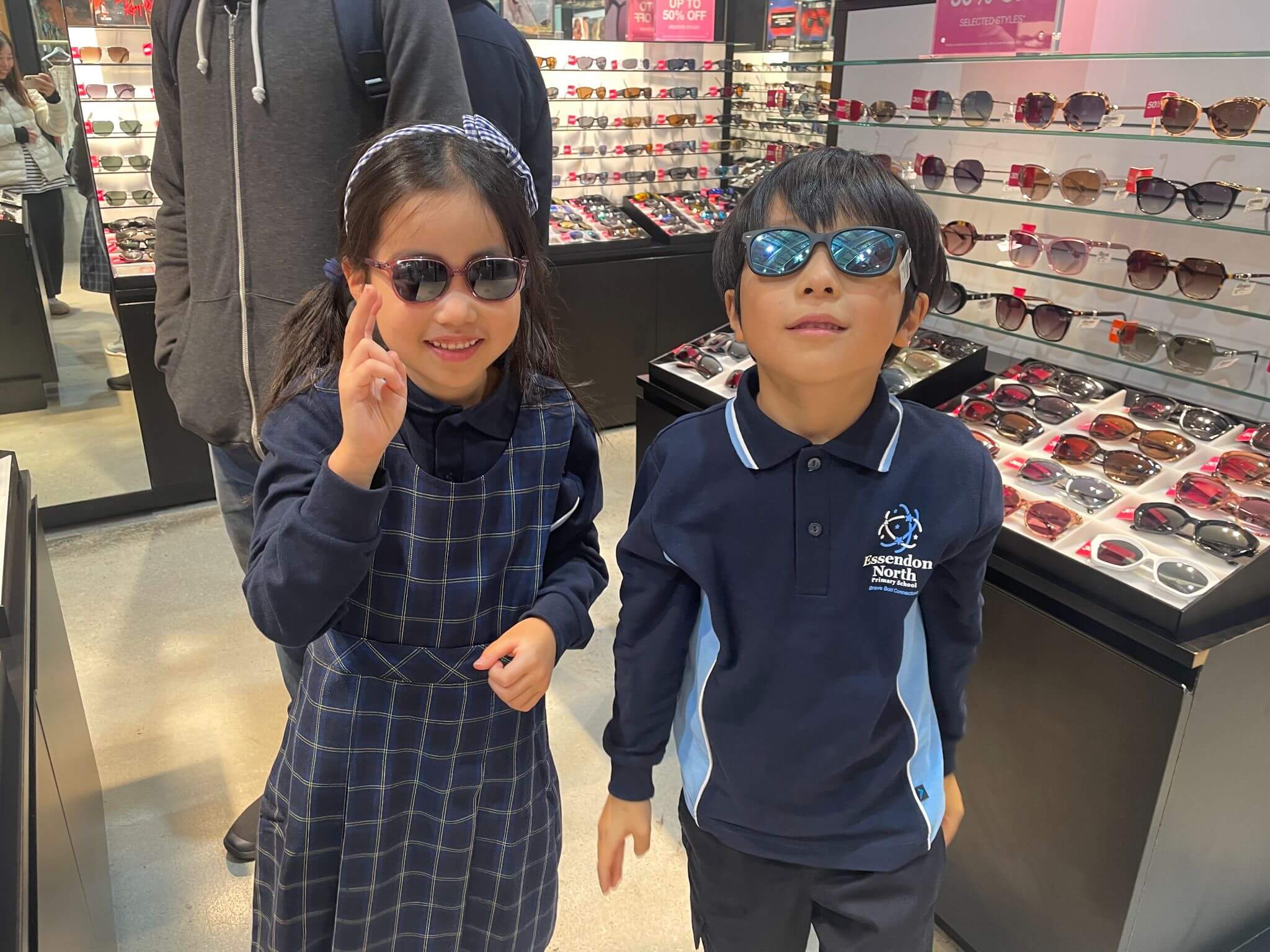
Essendon North Primary School (Public primary school / IB PYP school) CGK G1 Kokone, Mitsuki
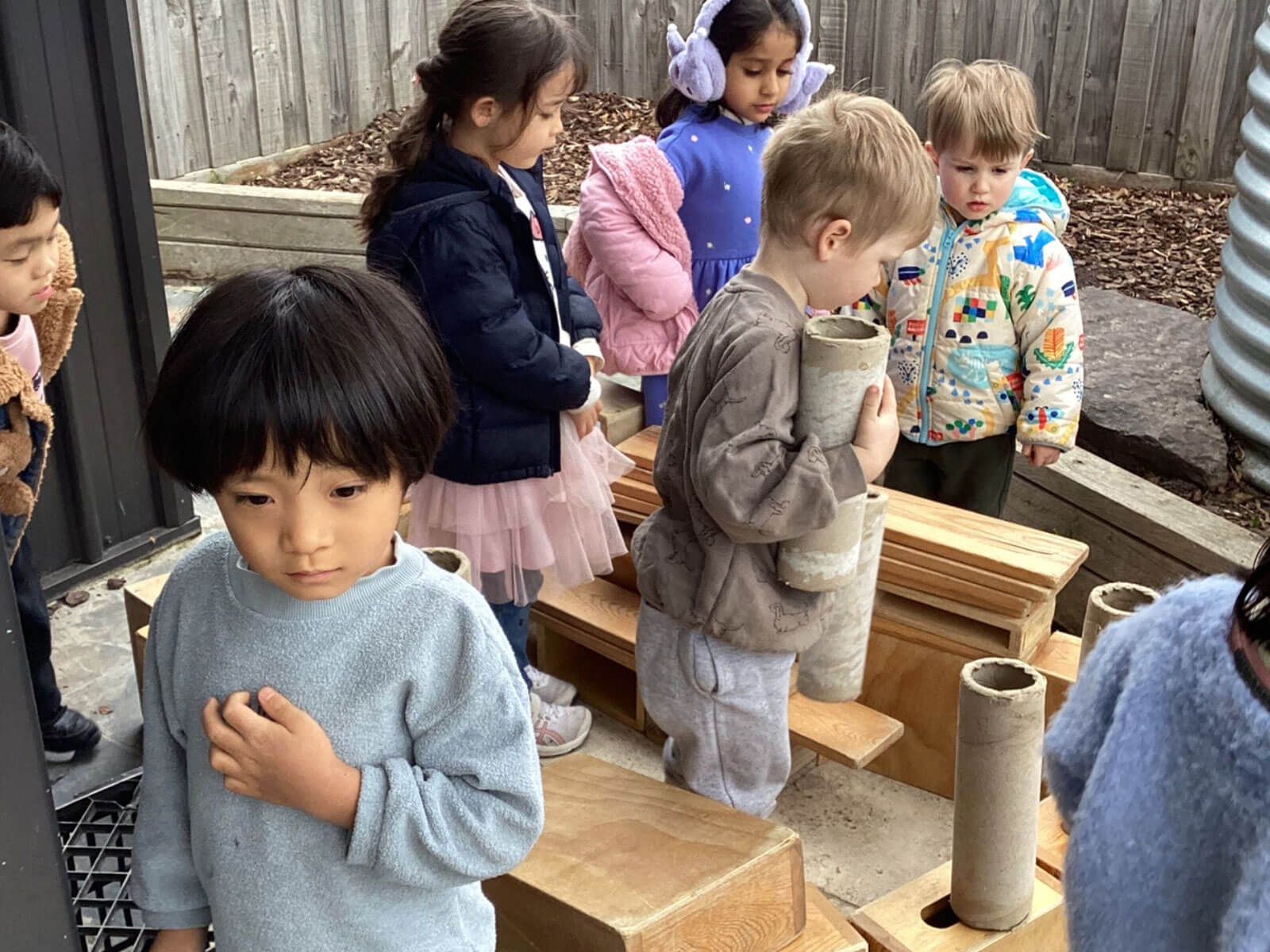
Guardian Childcare & Education South Melbourne (Childcare centre) CGK Mountain Taiki
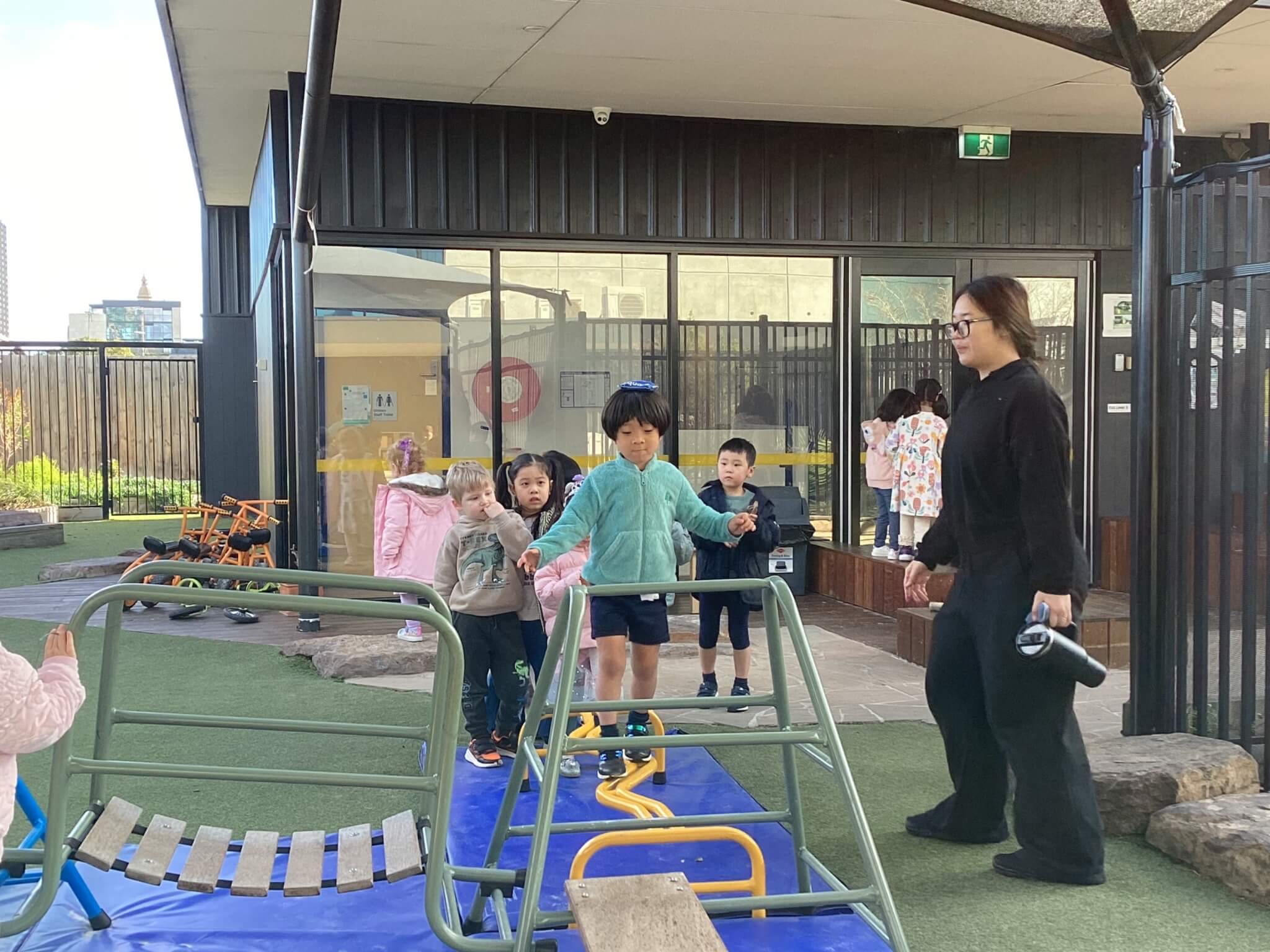
Guardian Childcare & Education South Melbourne (Childcare centre) CGK Mountain Taiki
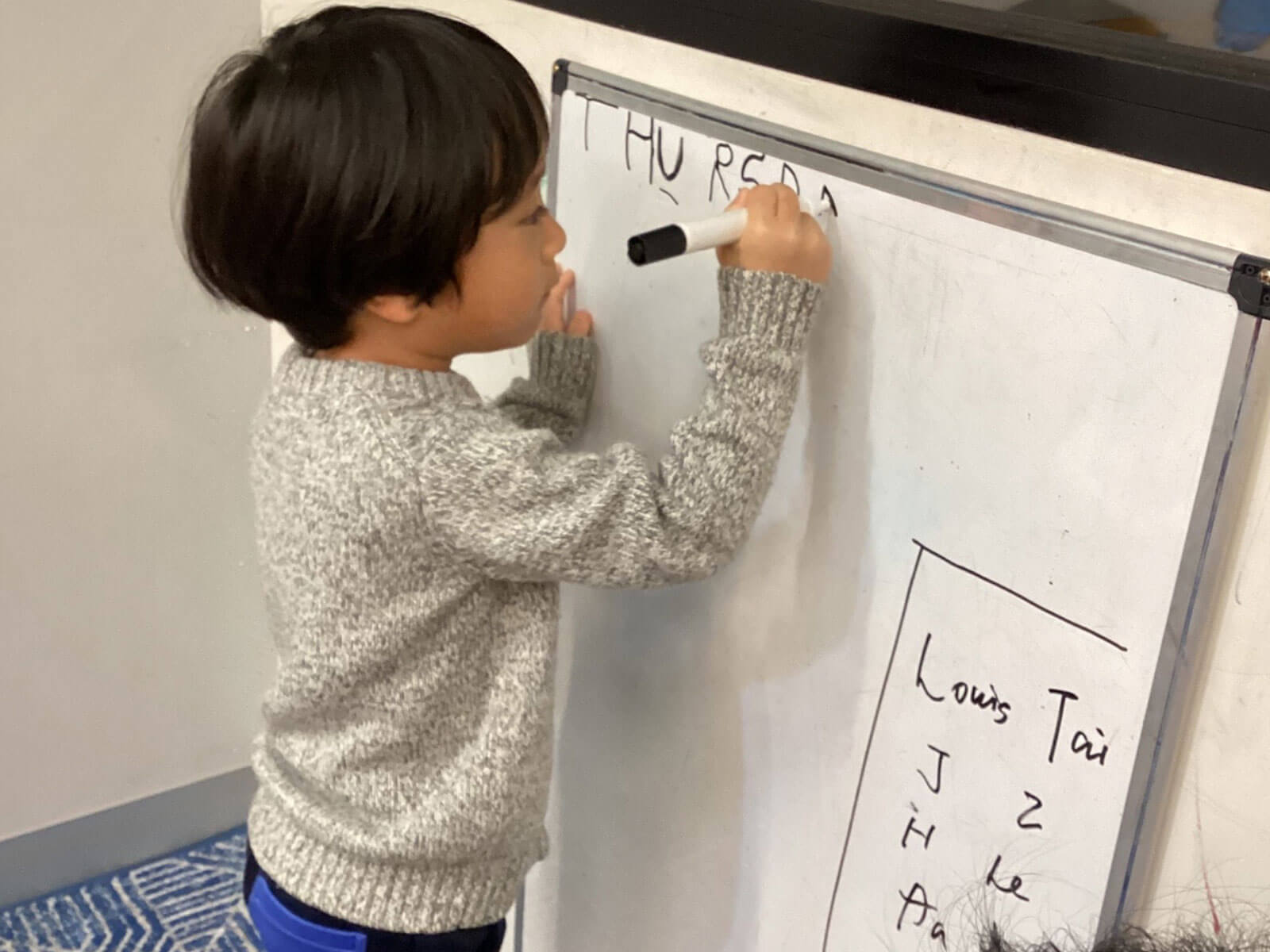
Guardian Childcare & Education South Melbourne (Childcare centre) CGK Mountain Taiki
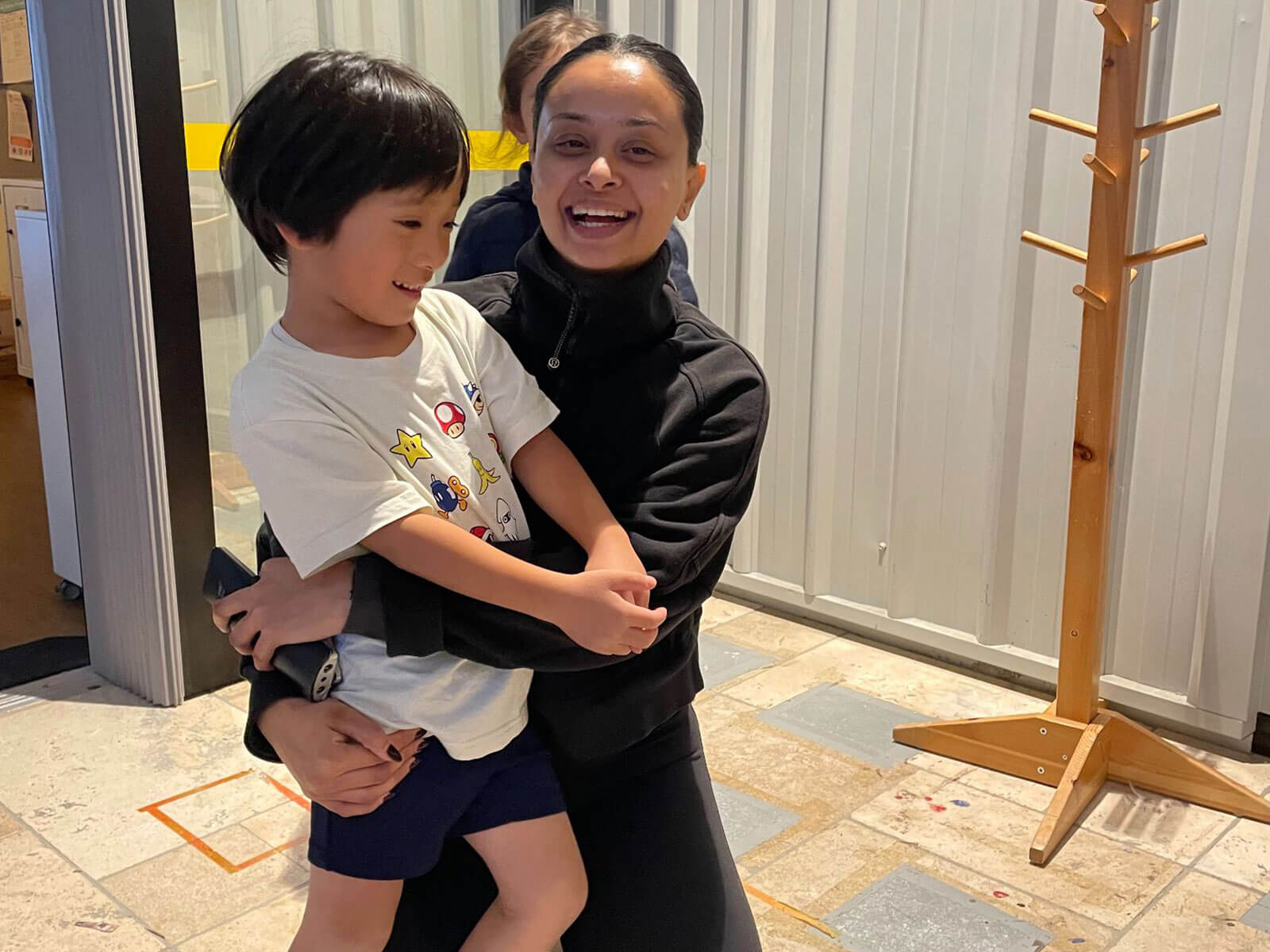
Guardian Childcare & Education South Melbourne (Childcare centre) CGK Mountain Taiki
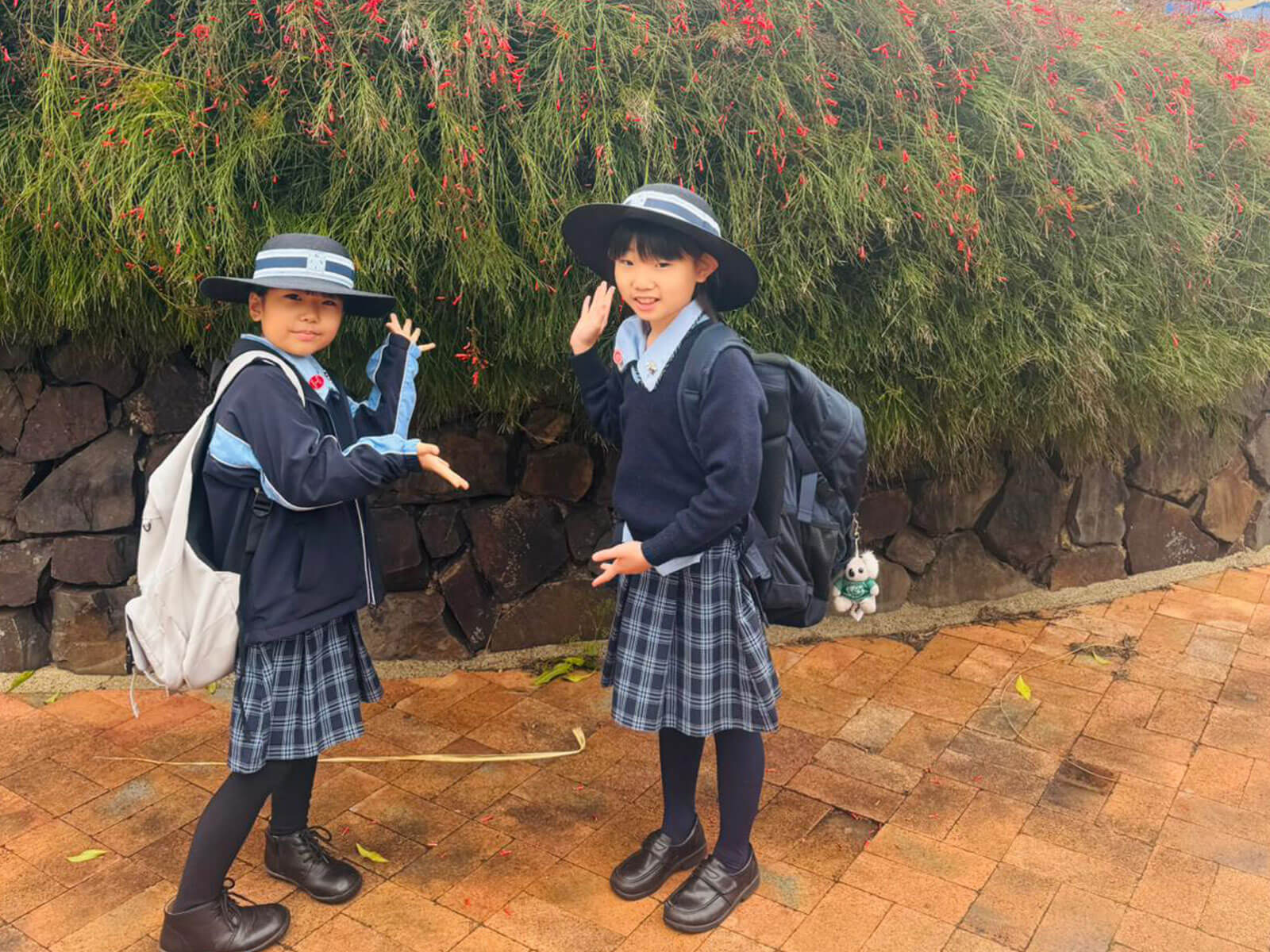
Ipswich Girls' Grammar School (Private all-through girls' school) CGK G3 Ako, AS G2 Yusei
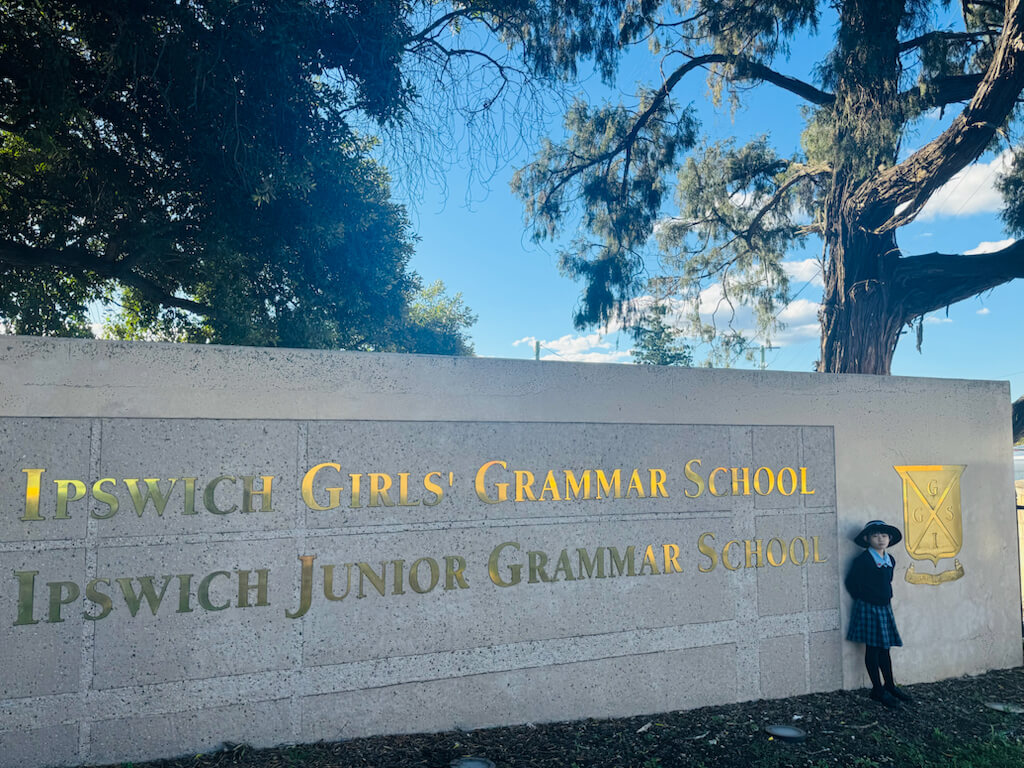
Ipswich Girls' Grammar School (Private all-through girls' school) CGK AS G2 Yusei
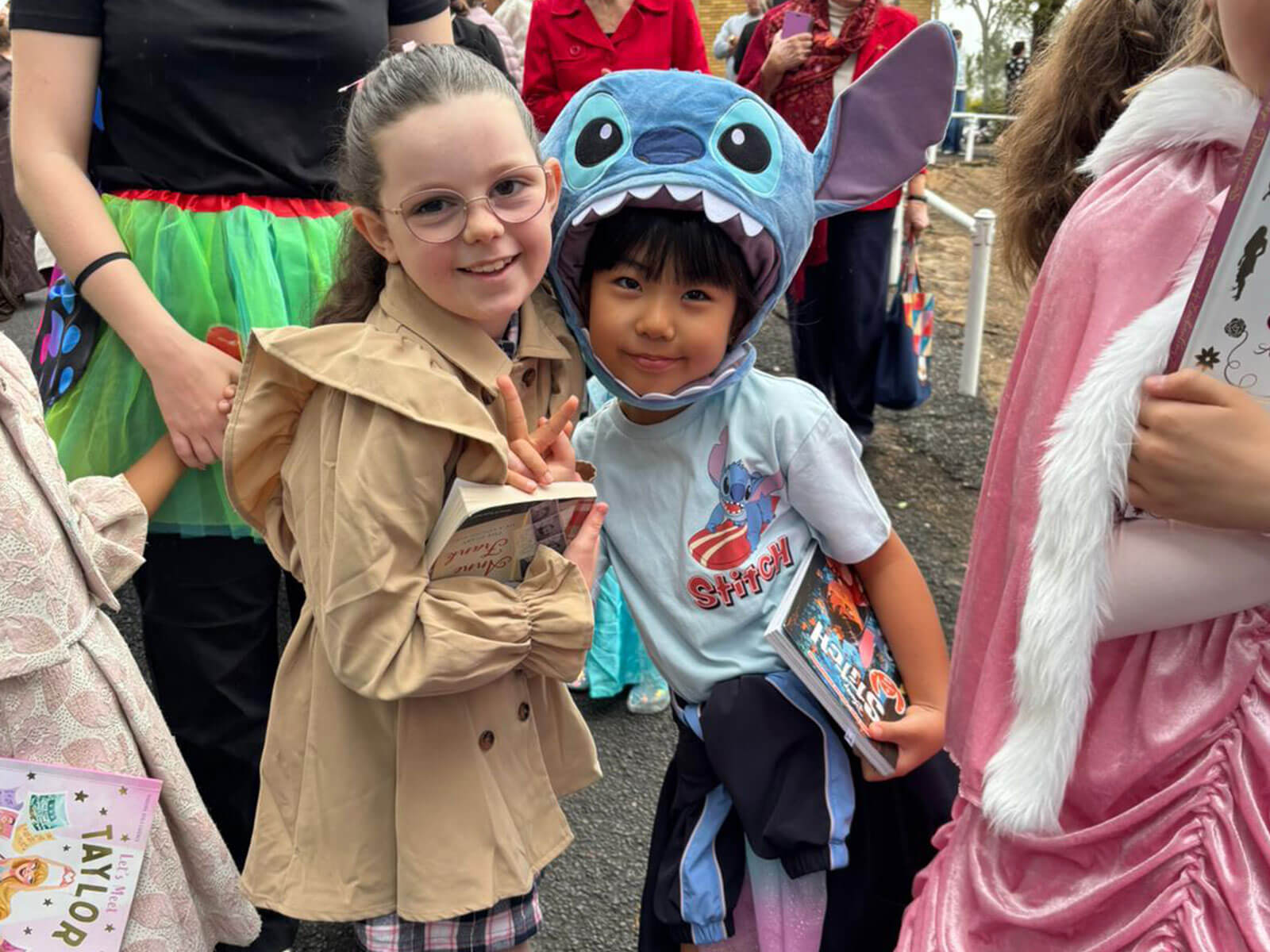
Ipswich Girls' Grammar School (Private all-through girls' school) CGK G3 Ako
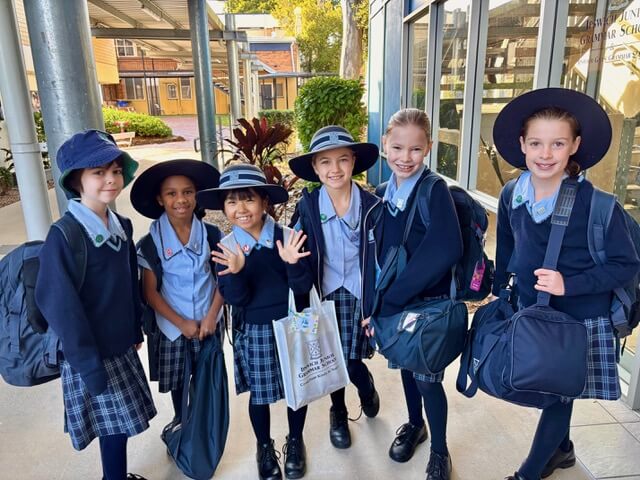
Ipswich Girls' Grammar School (Private all-through girls' school) CGK G3 Ako
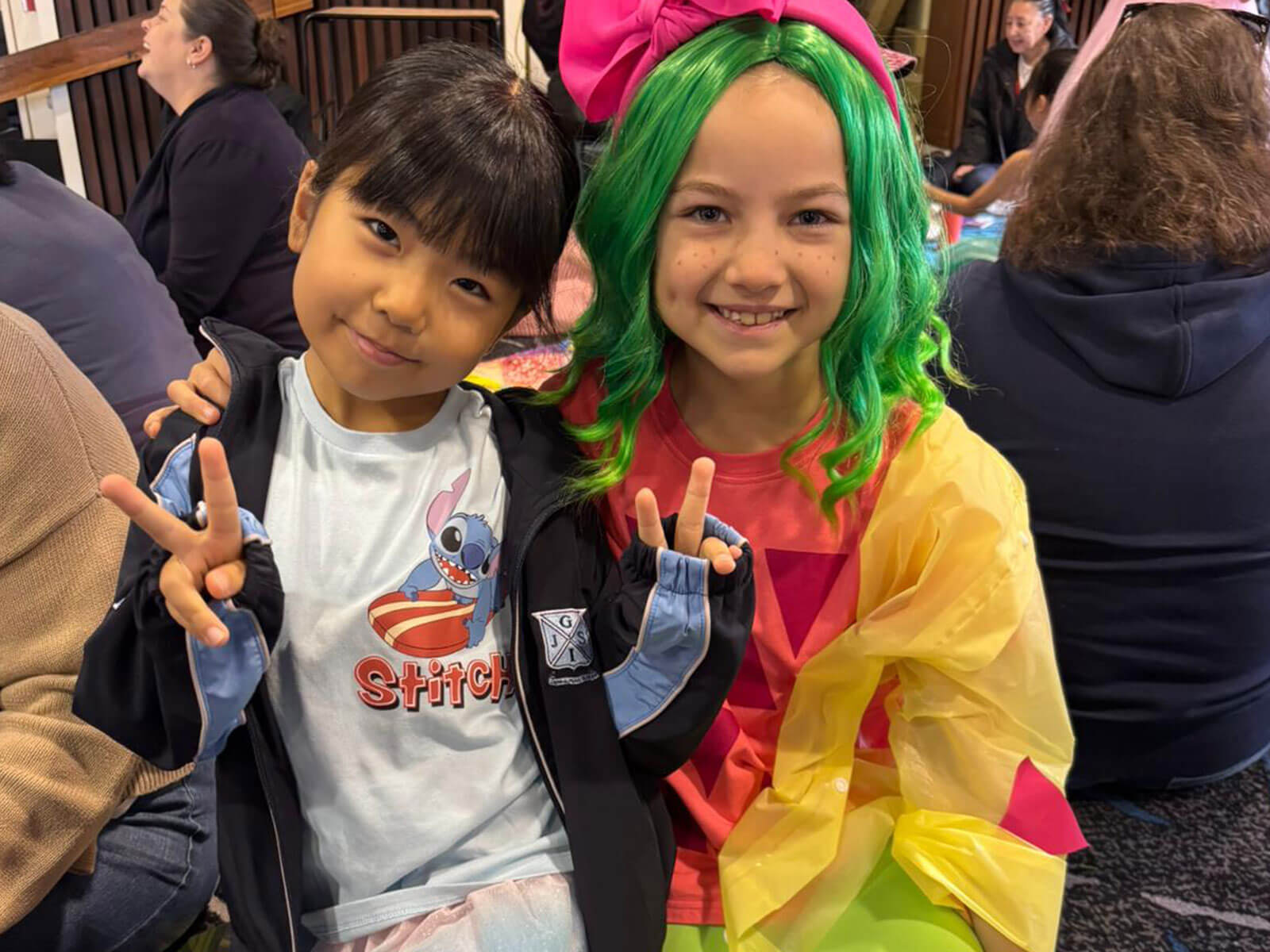
Ipswich Girls' Grammar School (Private all-through girls' school) CGK G3 Ako
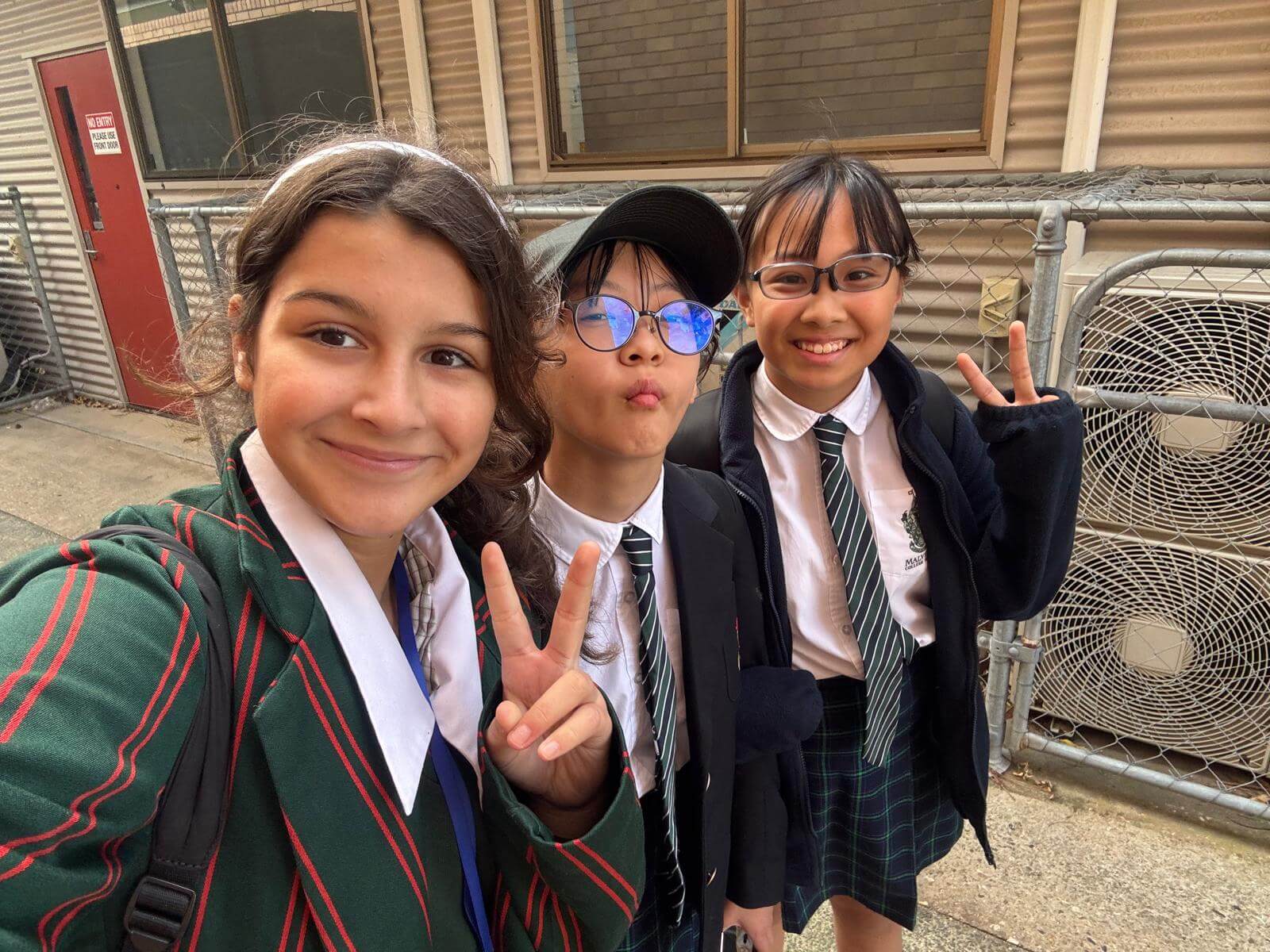
St. Paul's School (Private all-through school) CGK G7 Alisa
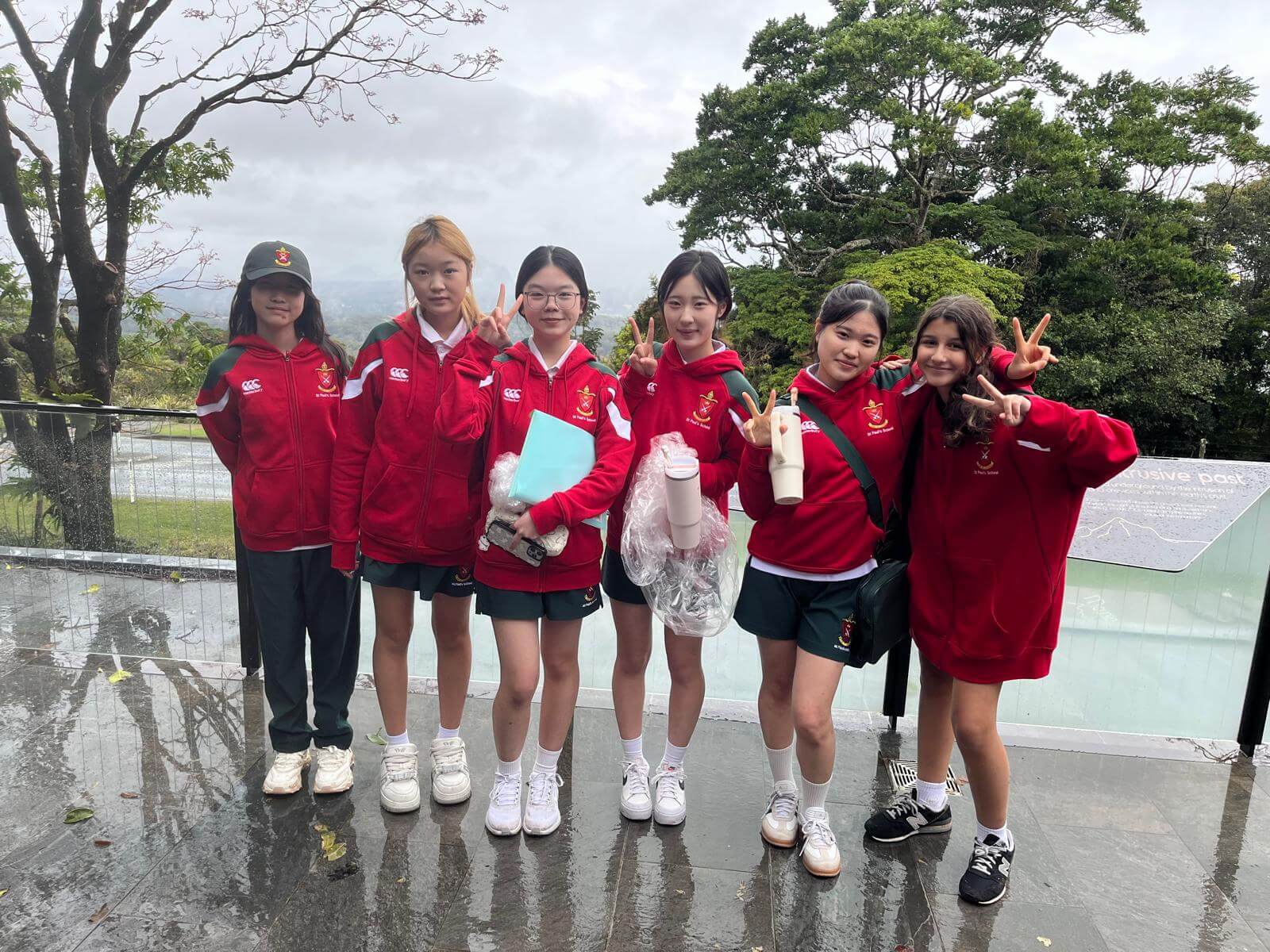
St. Paul's School (Private all-through school) CGK G7 Alisa
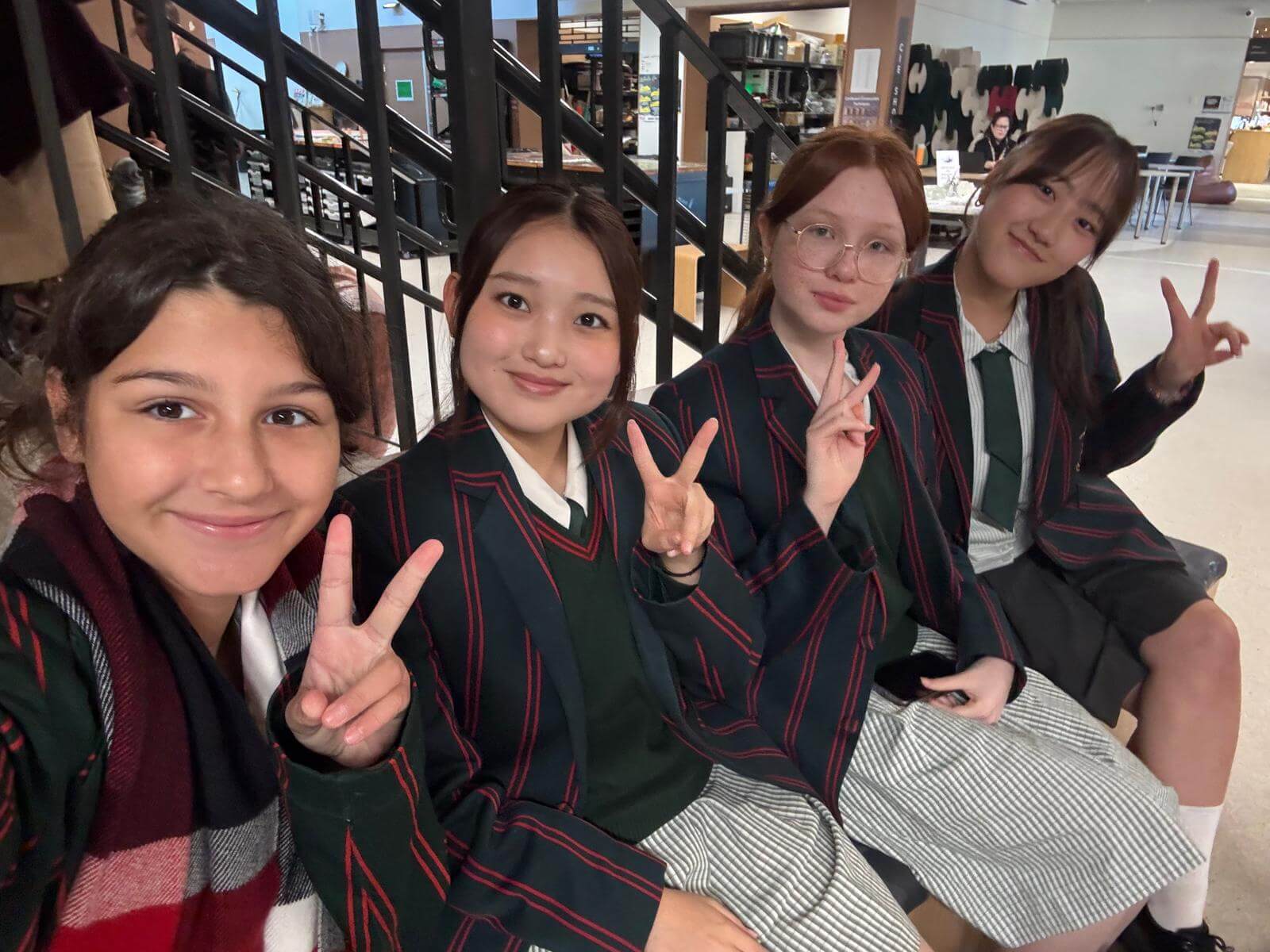
St. Paul's School (Private all-through school) CGK G7 Alisa
Canada
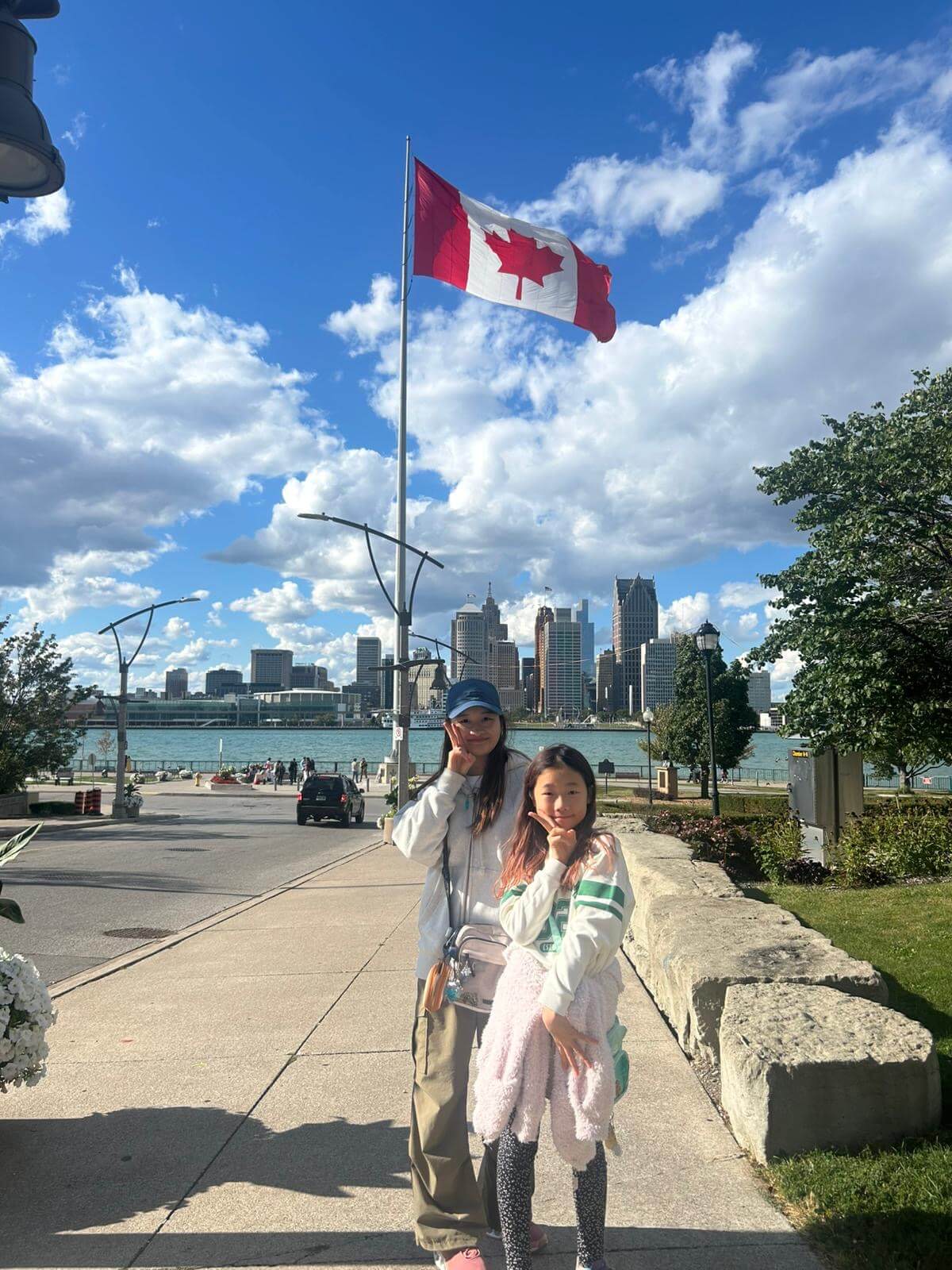
Assumption College Catholic Middle School (Public middle school) CGK G7 Sedona, St. James Catholic Elementary School (Public elementary school) CGK G4 Nasuka
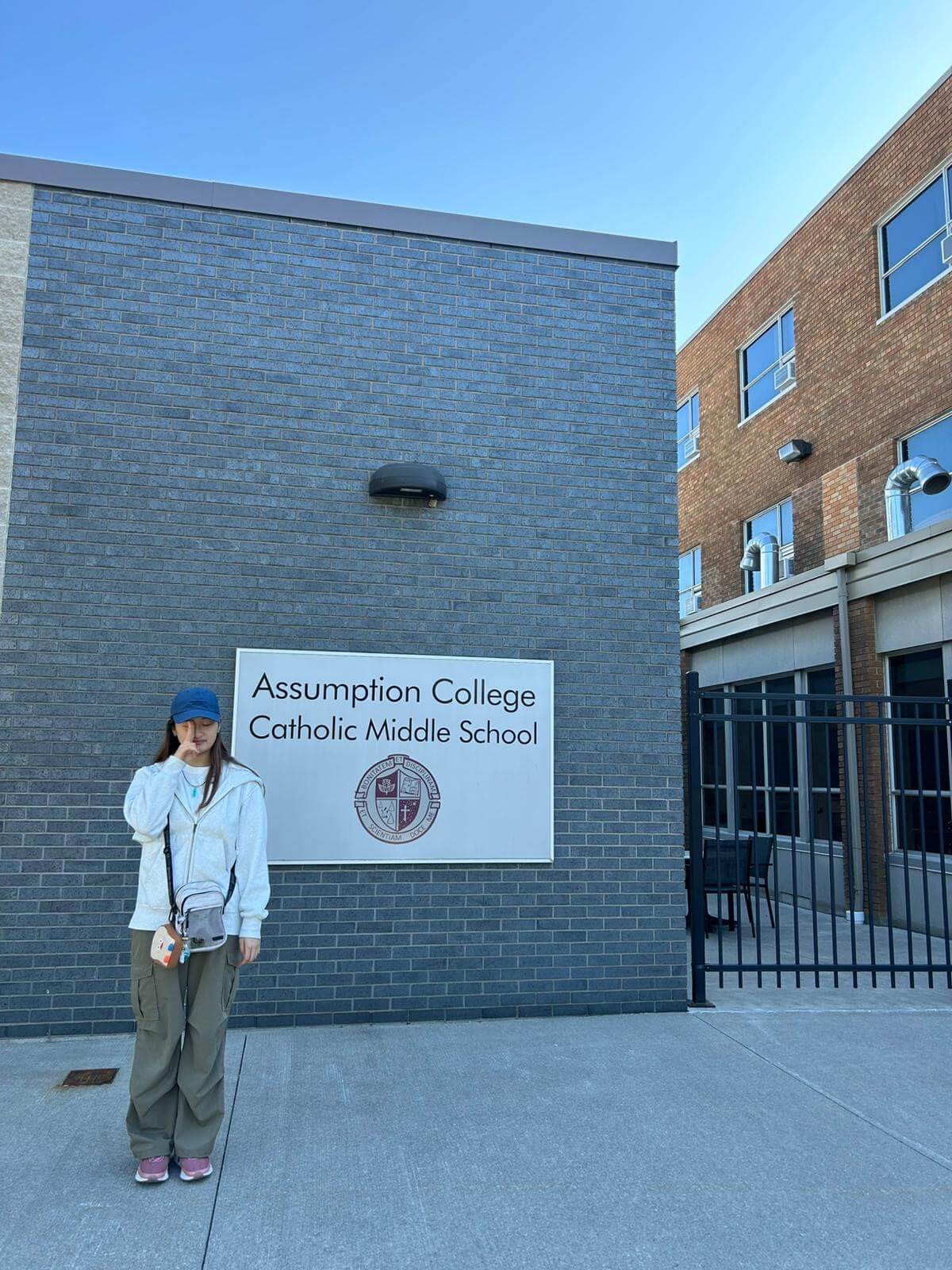
Assumption College Catholic Middle School (Public middle school) CGK G7 Sedona
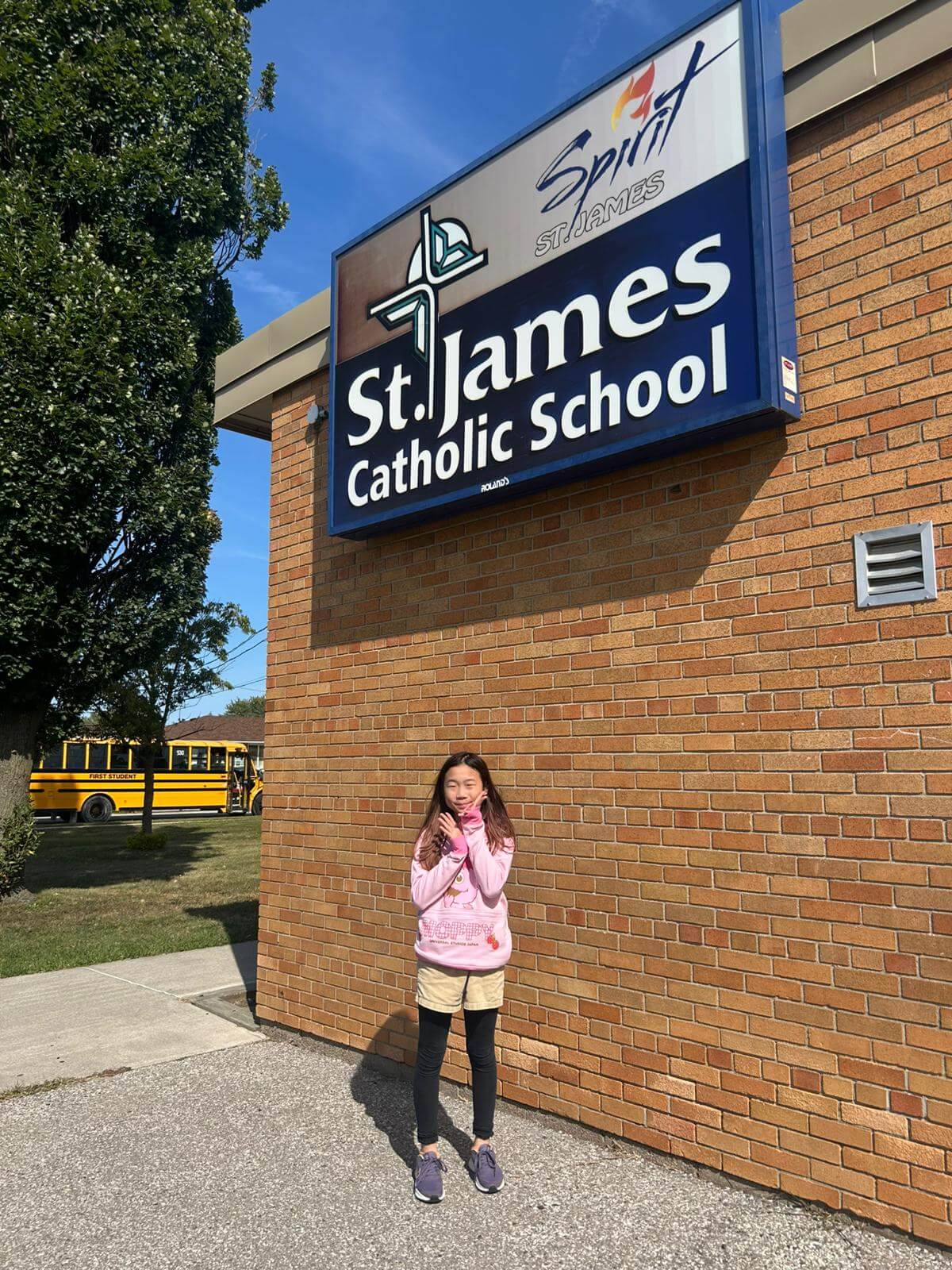
St. James Catholic Elementary School (Public elementary school) CGK G4 Nasuka
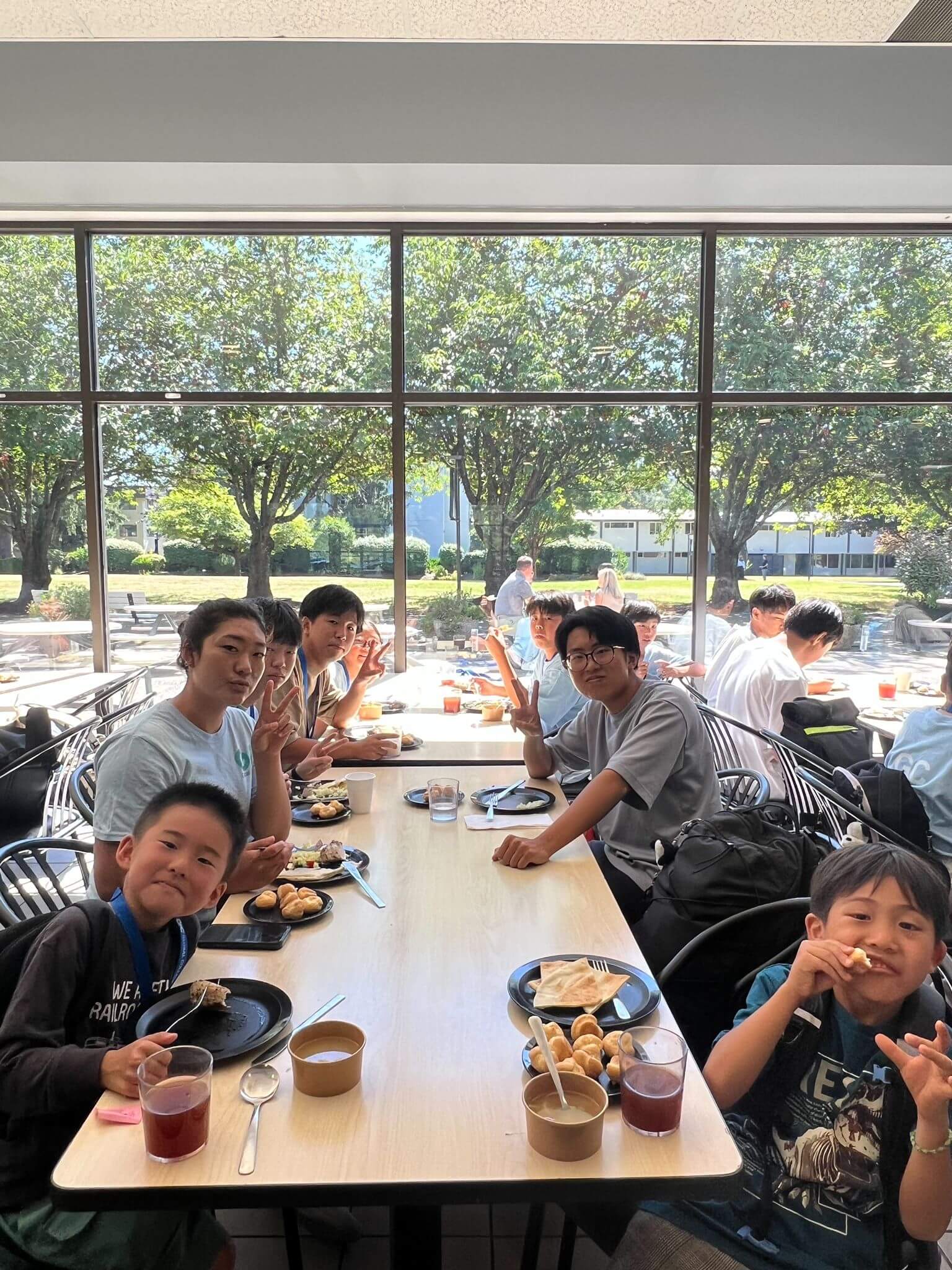
Global College Summer Camp, CGK AS G1 Aoba
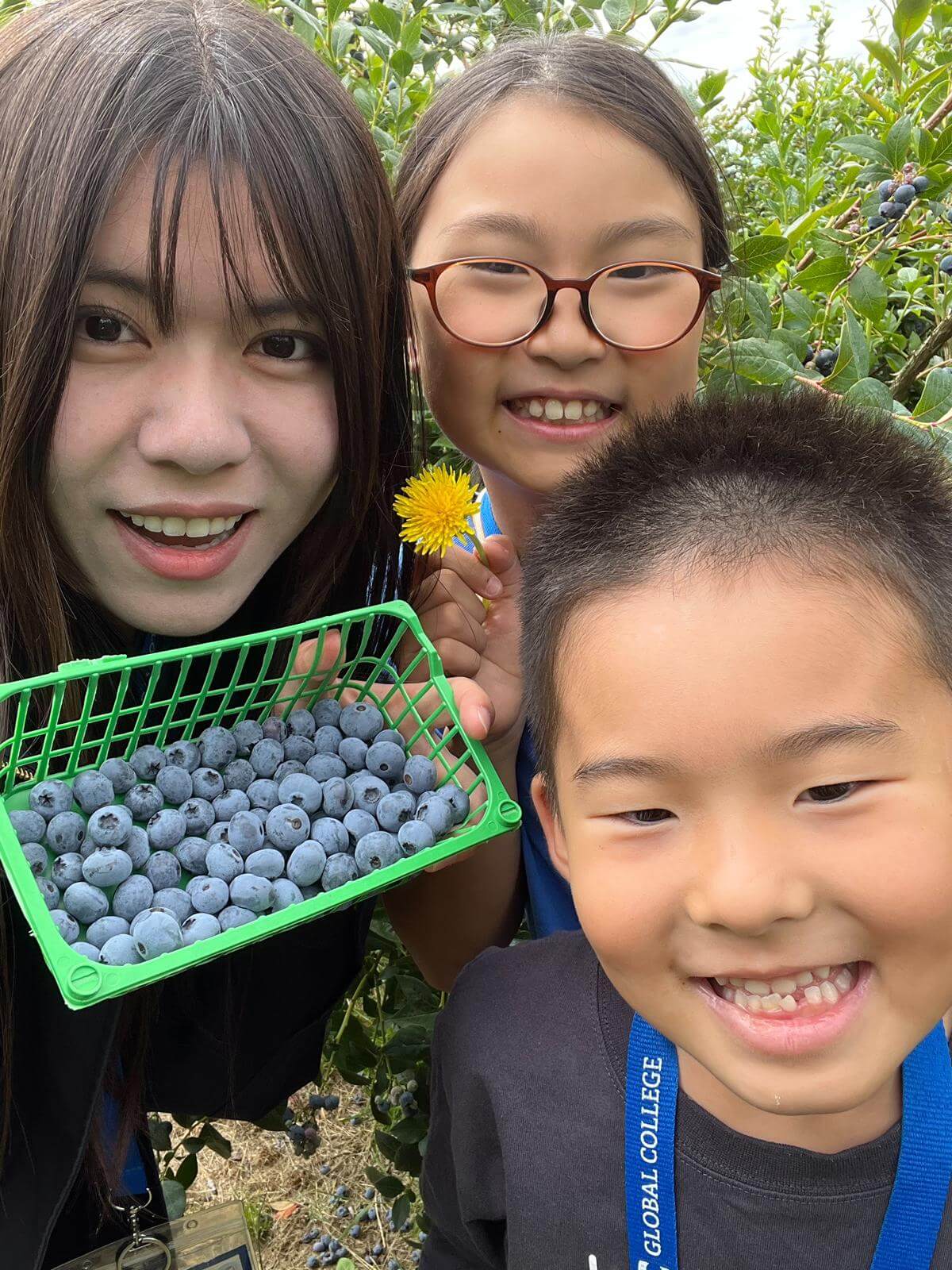
Global College Summer Camp, CGK AS G1 Aoba
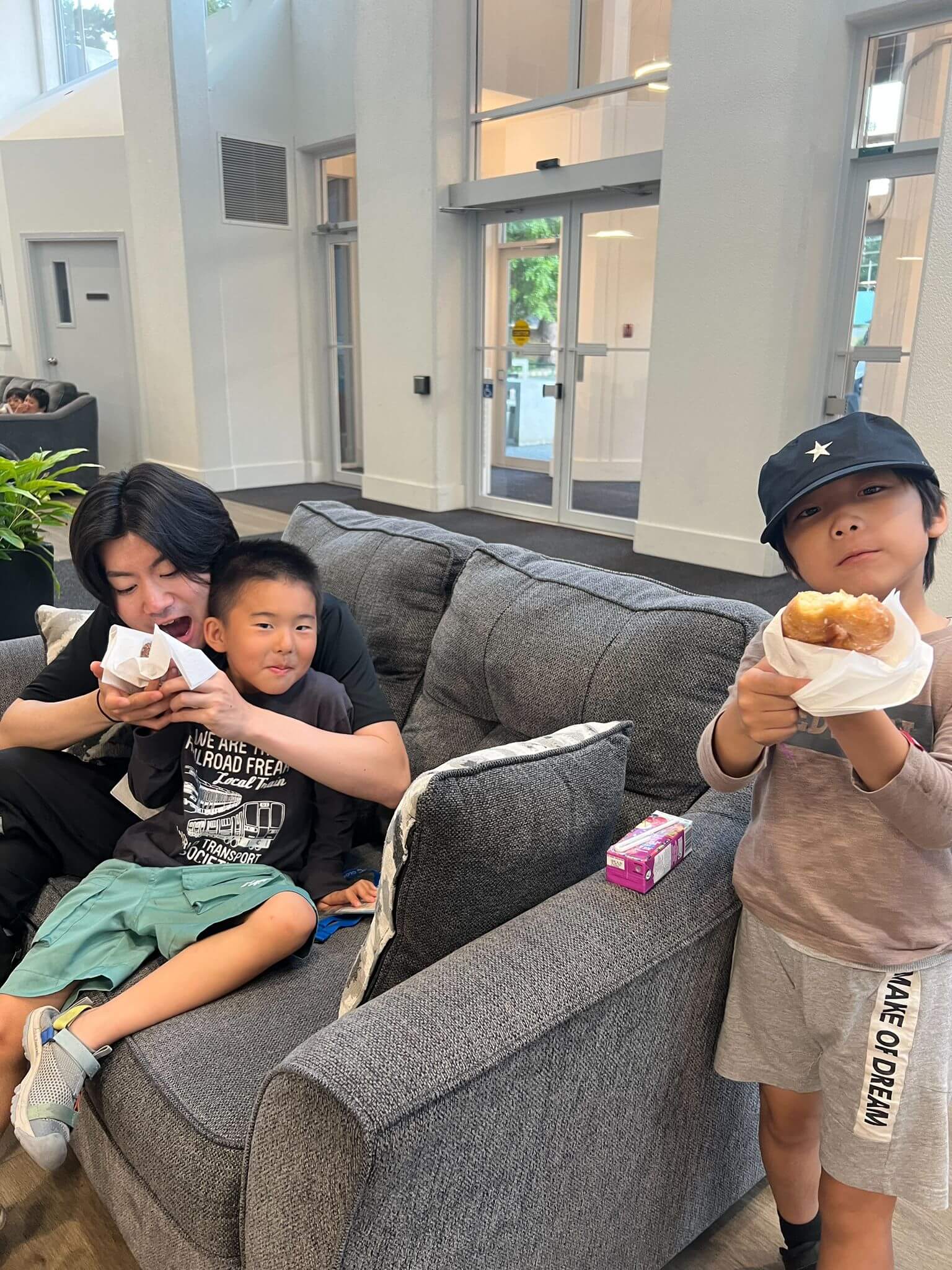
Global College Summer Camp, CGK AS G1 Aoba
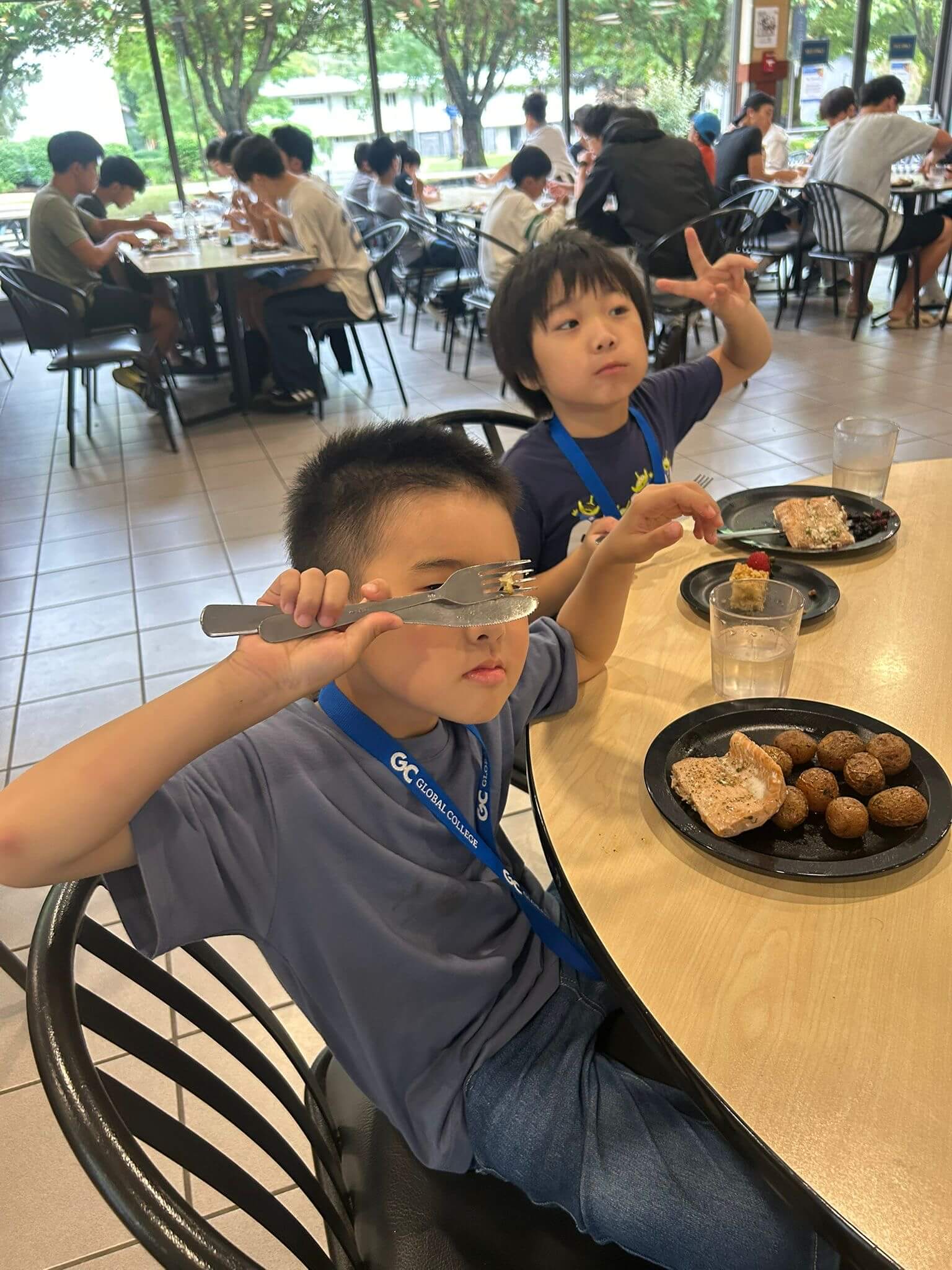
Global College Summer Camp, CGK AS G1 Aoba
New Zealand
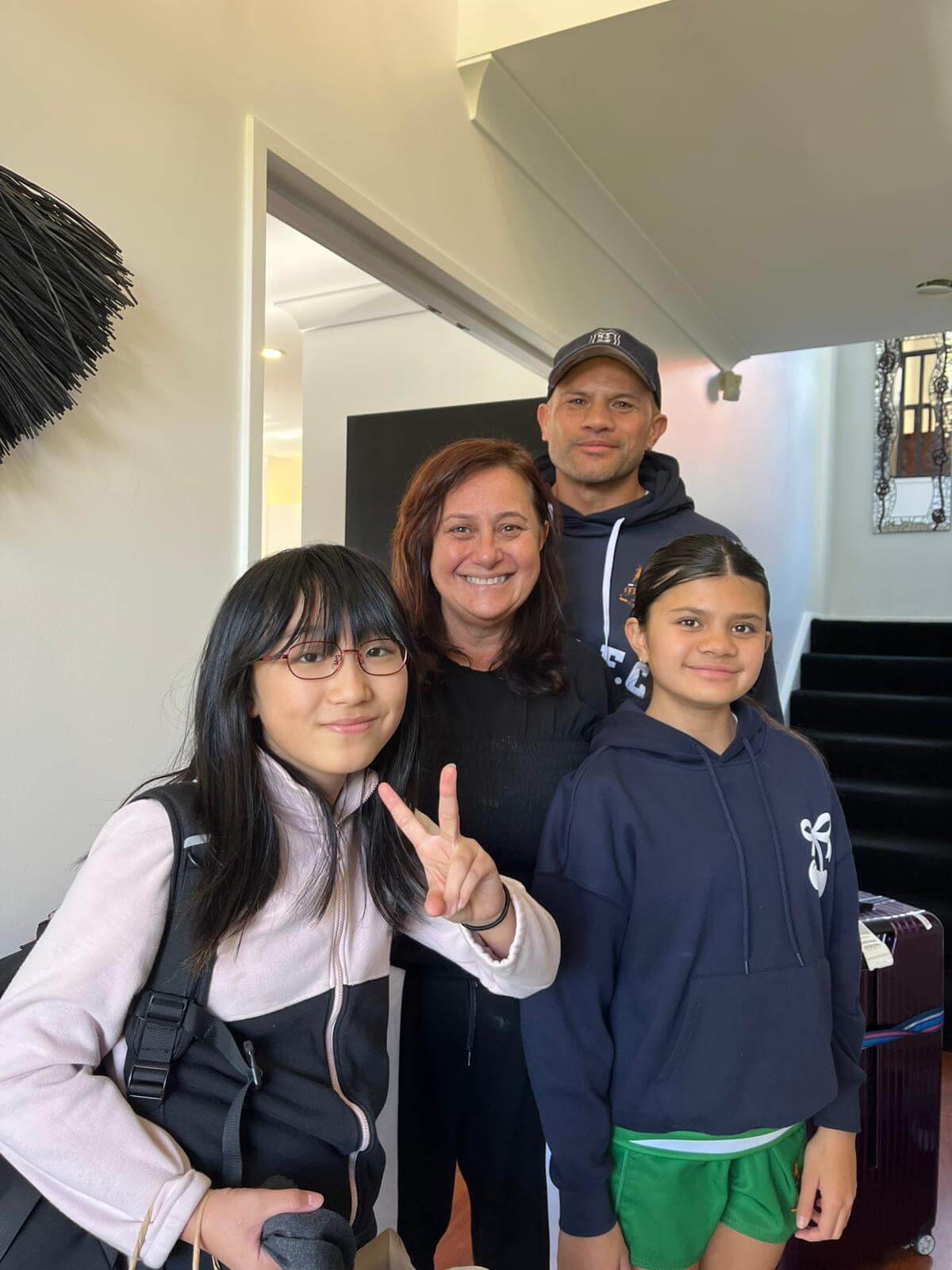
Belmont Intermediate School (Public middle school) CGK G6 Yuina
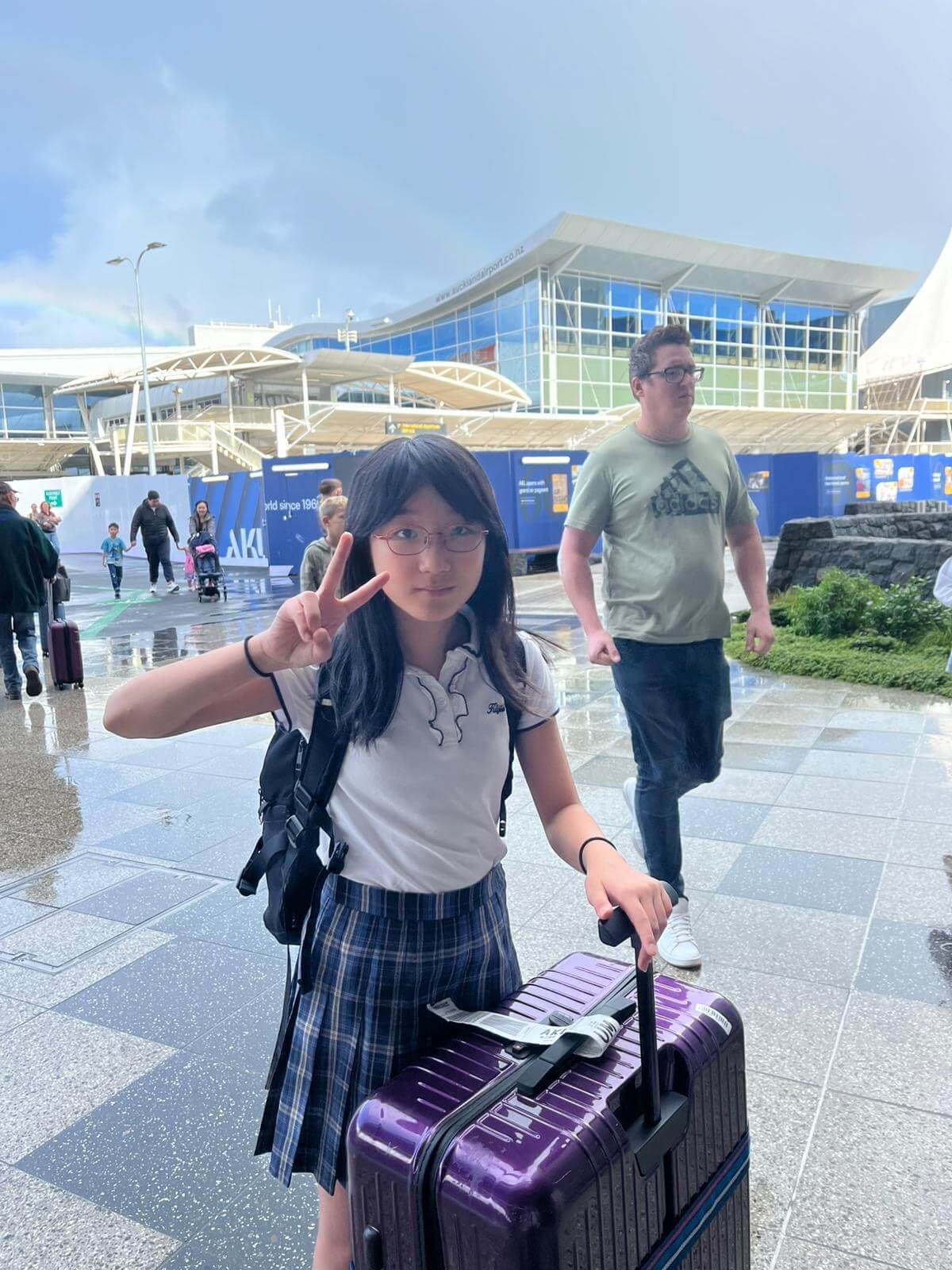
Belmont Intermediate School (Public middle school) CGK G6 Yuina
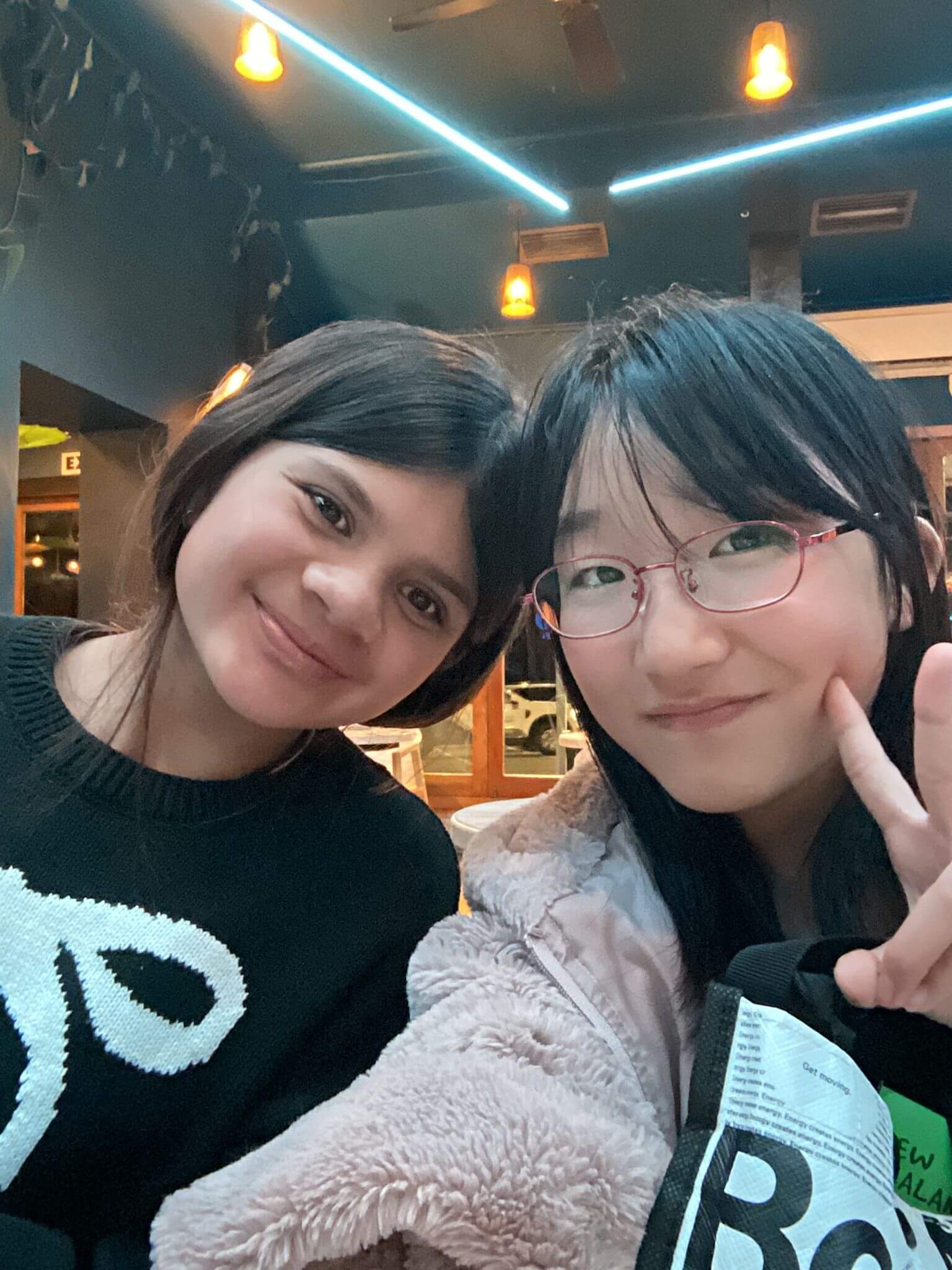
Belmont Intermediate School (Public middle school) CGK G6 Yuina
In 2025, a total of 24 CGK students participated in overseas study abroad programs.
Short-term programs held during the summer holiday were a great success, with both solo and parent–child study abroad experiences taking place in Australia, New Zealand, and Canada.
✦ Highlights
- A CGK Preschool graduate and current Afterschool Grade 1 student completed a solo study abroad experience in Canada!
- A CGK Elementary School Grade 1 student became the first CGK student to study at an International Baccalaureate (IB) Primary Years Programme (PYP) school in Australia!
- A Grade 7 student began a solo long-term study abroad journey!
Through these challenges, each student broadened their horizons and returned with greater self-confidence.
Study Abroad Destinations
- Australia
St. Paul's School (Private all-through school)
Essendon North Primary School (Public primary school, IB PYP)
Ipswich Girls' Grammar School (Private all-through girls' school)
Browns English Language School (Language school)
Guardian Childcare & Education South Melbourne (Childcare centre) - New Zealand
Belmont Intermediate School (Public middle school) - Canada
Global College Camp
Assumption College Catholic Middle School (Public middle school)
St. James Catholic Elementary School (Public elementary school)
At CGK, we will continue to value each child's unique challenge, carefully supporting students with safe and suitable study abroad options tailored to their needs and preferred duration.
Study Abroad Highlights (Video)
-
[Study Abroad in NZ] Owairoa Primary School
-
[ES Solo Study Abroad in NZ] Gulf Harbour School
-
[Study Abroad in NZ] Owairoa Primary School (5 year olds)
-
[ES Solo Study Abroad in Canada] Summer Camp in Vancouver
Currently Recruiting Participants for Study Abroad Programs
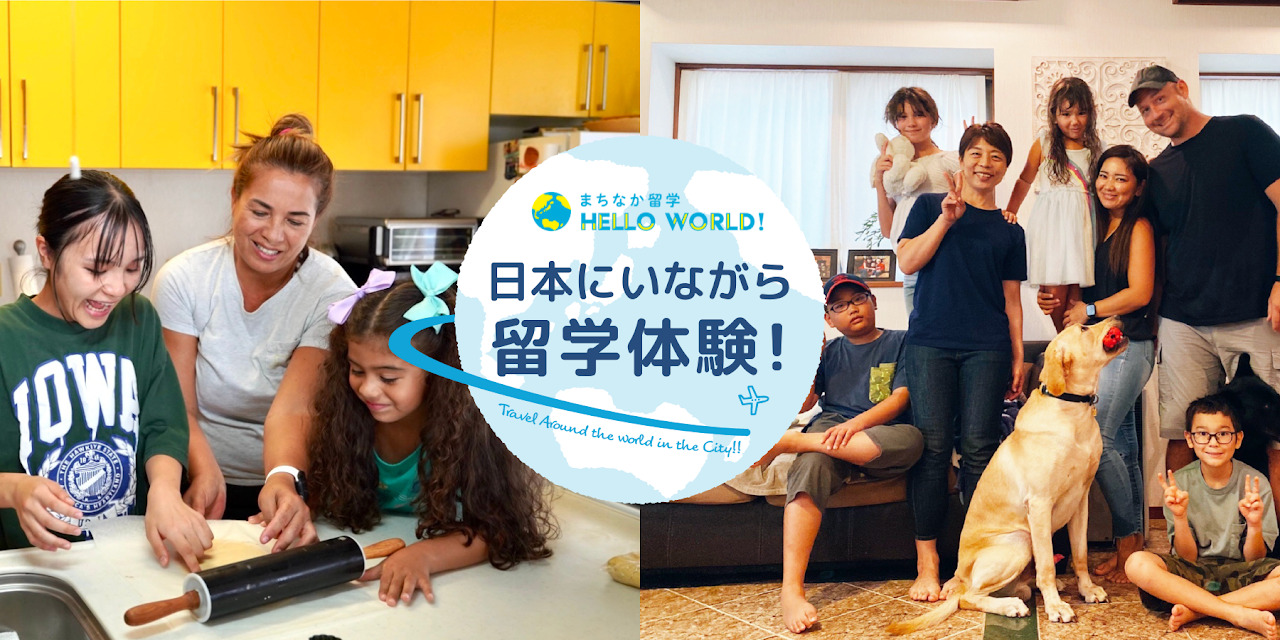

- Available throughout the year (weekends or school holidays; day trips or one-night stays)
- Experience a homestay with an international family living in Japan.
- Application deadline: approximately one month before your preferred date
For details or applications, please contact Mayu at the Office.