











LGBTQ+ in Everyday Life: A Self-Expression Workshop with Mr. Jun
Expressing ourselves
Discovering what makes
each child unique
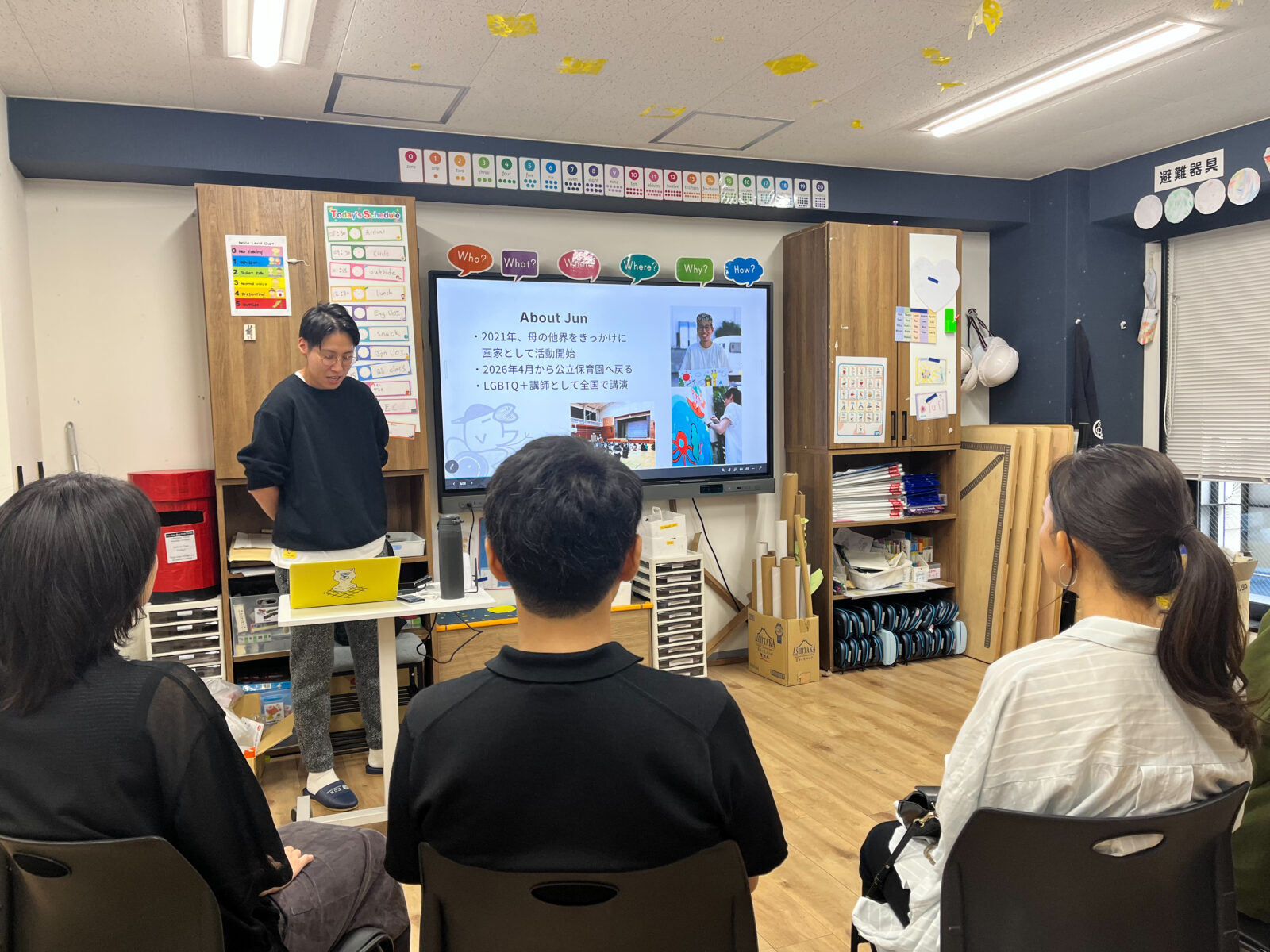
Following last year's session, we welcomed Mr. Jun, who is transgender and a member of the LGBTQ+ community, back for another opportunity to learn and talk about LGBTQ+.
This year, we hoped to encourage more parents to take an interest in the topic. Alongside the session for parents, we also held a workshop for children.
Discovering each child's individuality through art
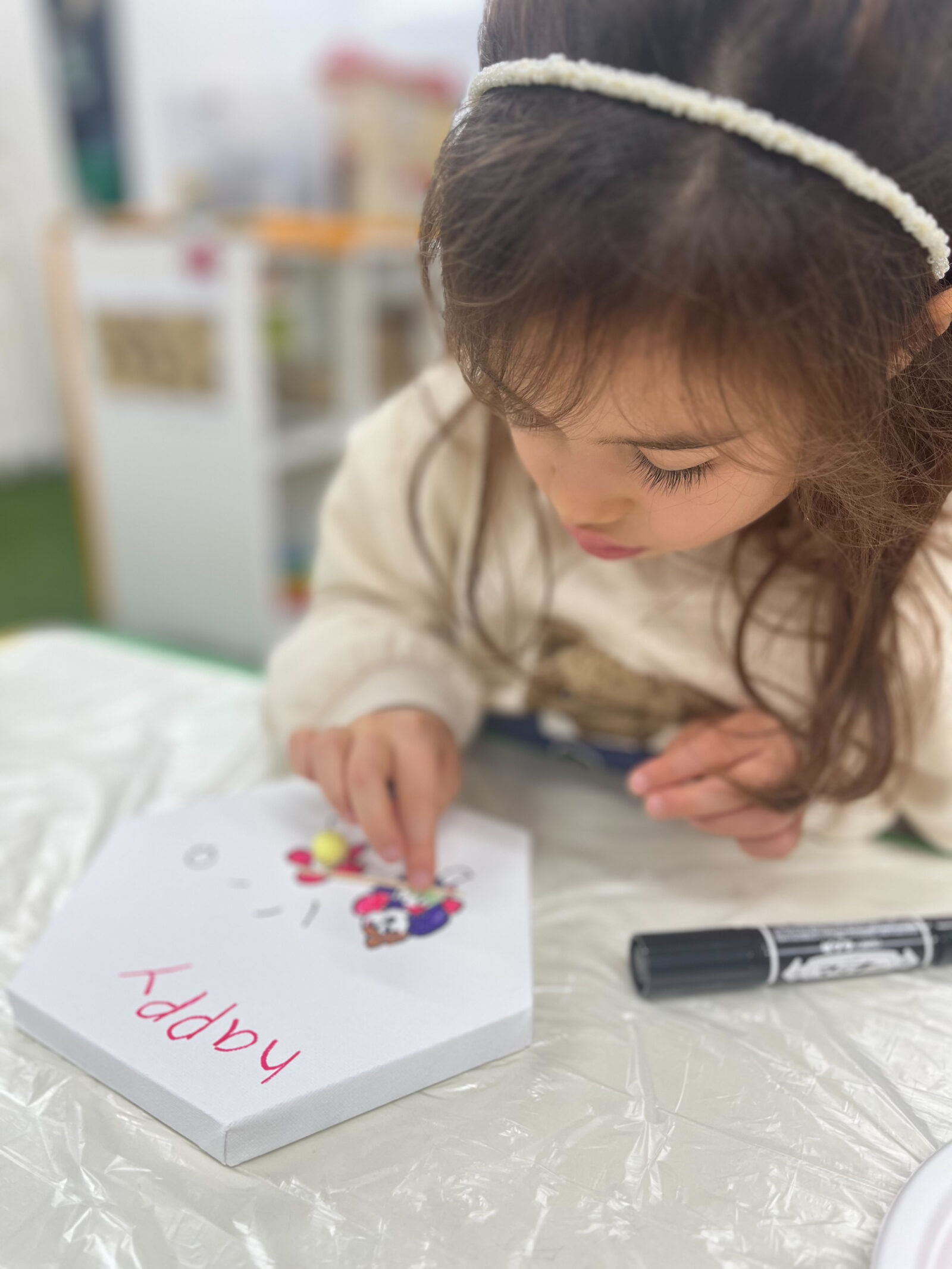
The theme of the children's workshop was “expressing yourself.” As the children created their artwork, we had the chance to see something of what makes each of them unique.
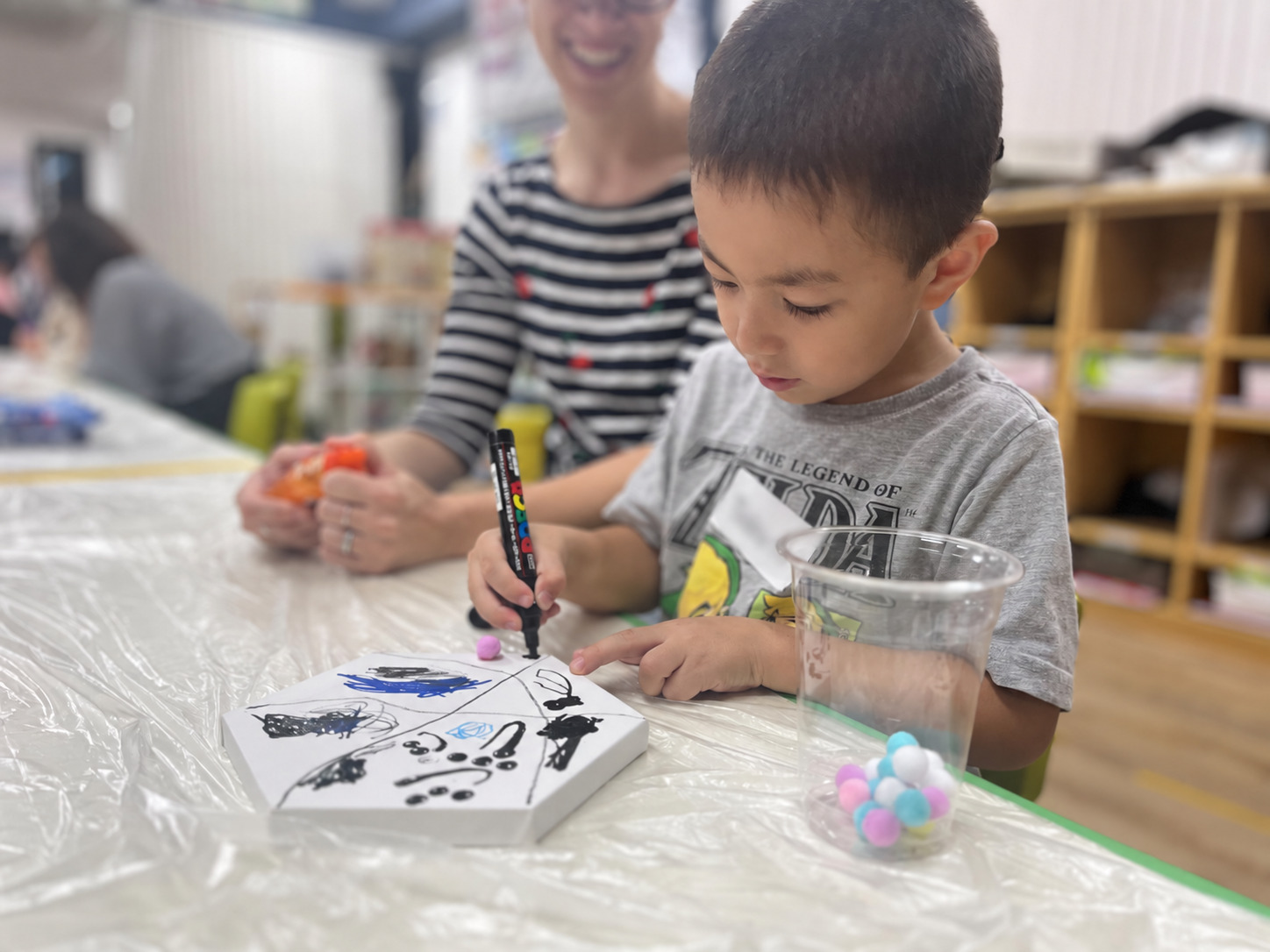
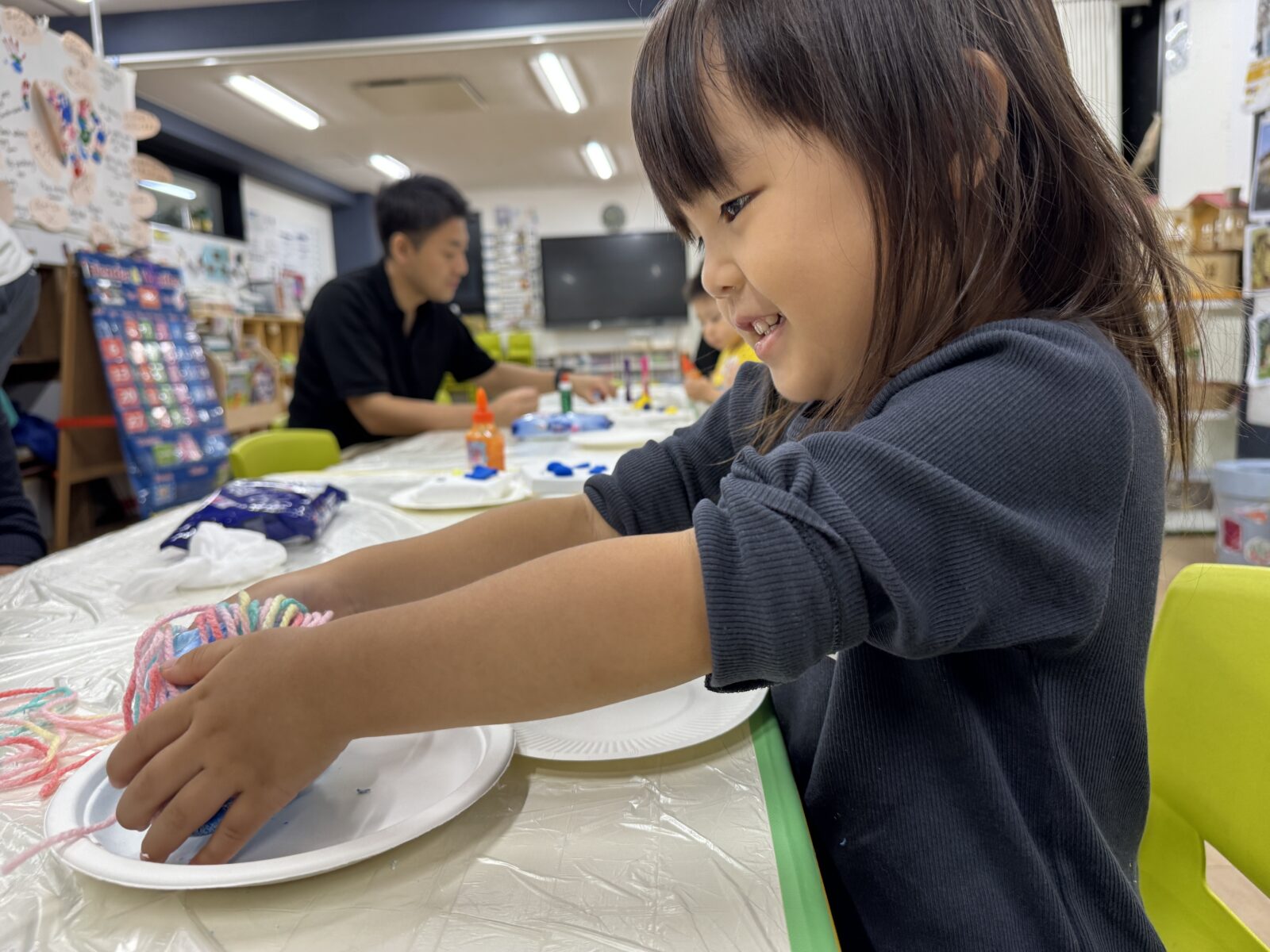
Some children became absorbed in their work, taking their own ideas further and further.
Others looked at the work around them, thought, “That's a good idea, too,” and incorporated it into their own creations.
Some discovered ideas along the way that they had not imagined when they first began.
Even when the activity is the same, each child approaches it differently.
For parents, helping with the artwork and talking with their children may also have offered a chance to notice preferences and thoughts that do not always come to light in everyday life.
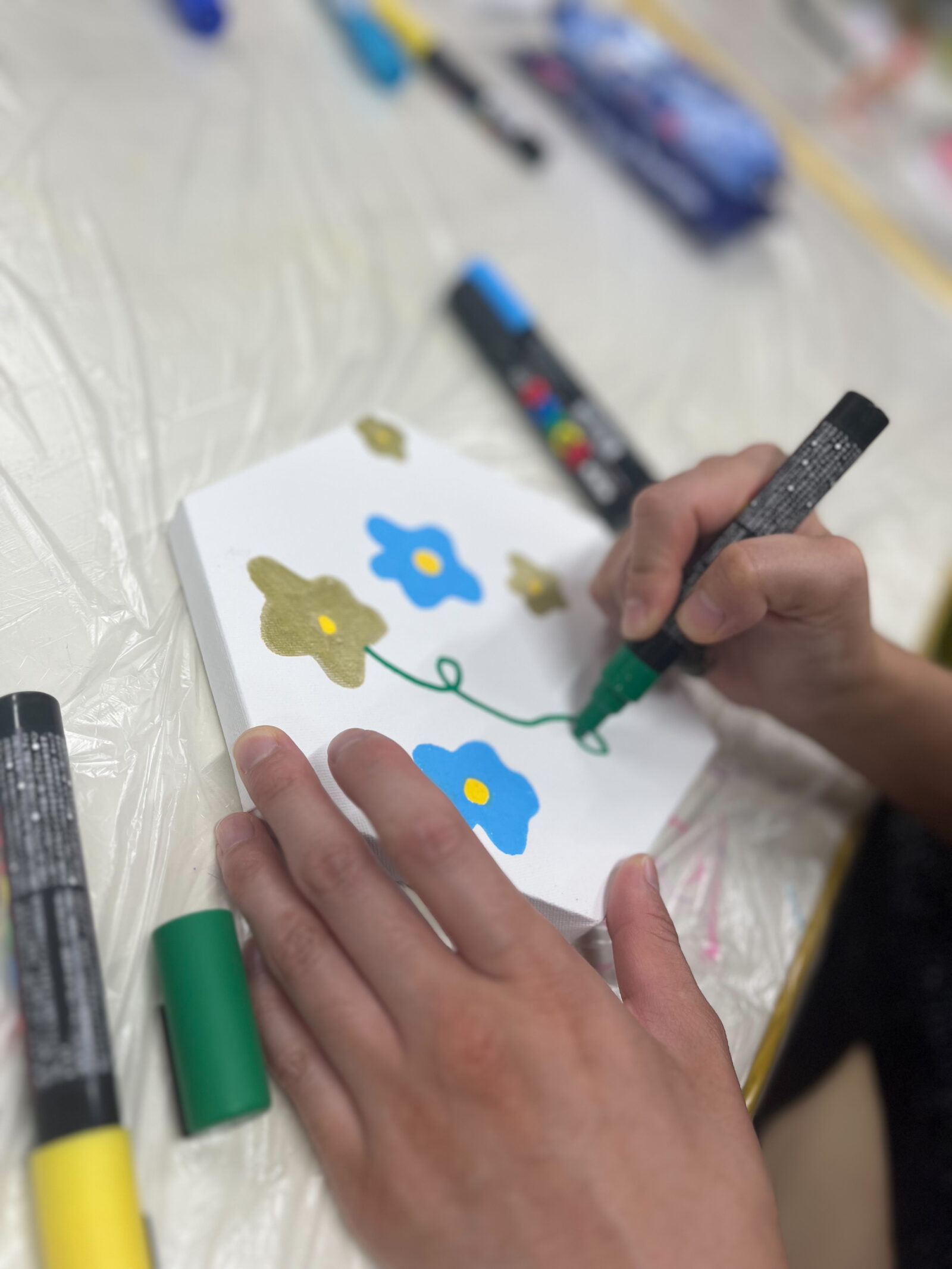
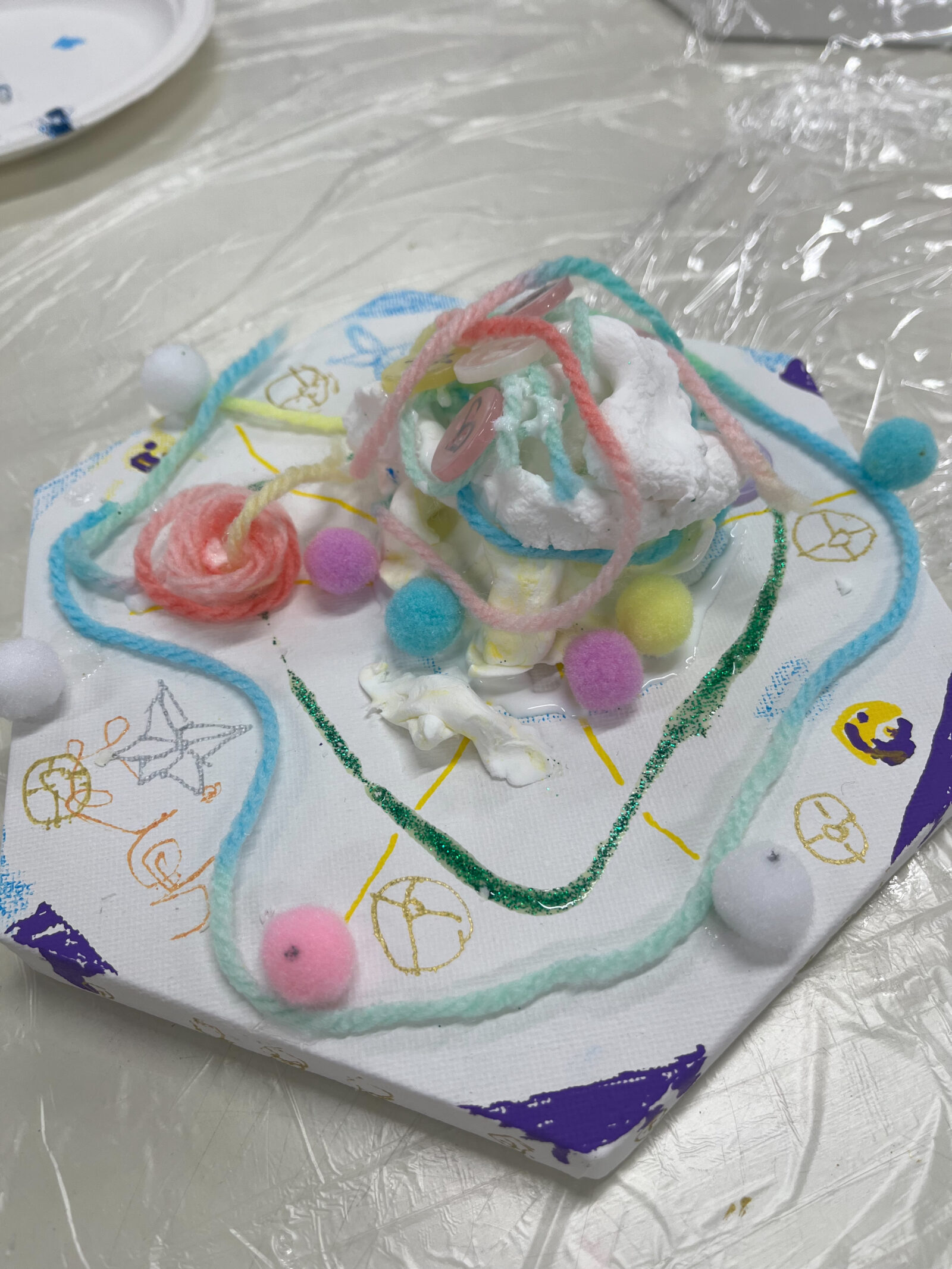
“What if this were part of my child's life?”
Thinking together as parents
What if a child in the class had parents who were a same-sex couple?
During the parents' session, we also considered the diversity of the families around our children.
“If a child in your child's class had parents who were a same-sex couple, how would you talk with them?” This question opened a discussion among the participants. One person said, “If our children actually experienced that situation, I would like to ask how they felt about it.”
Rather than adults deciding how things “should” be, perhaps it is also important to ask children what they themselves feel and think.
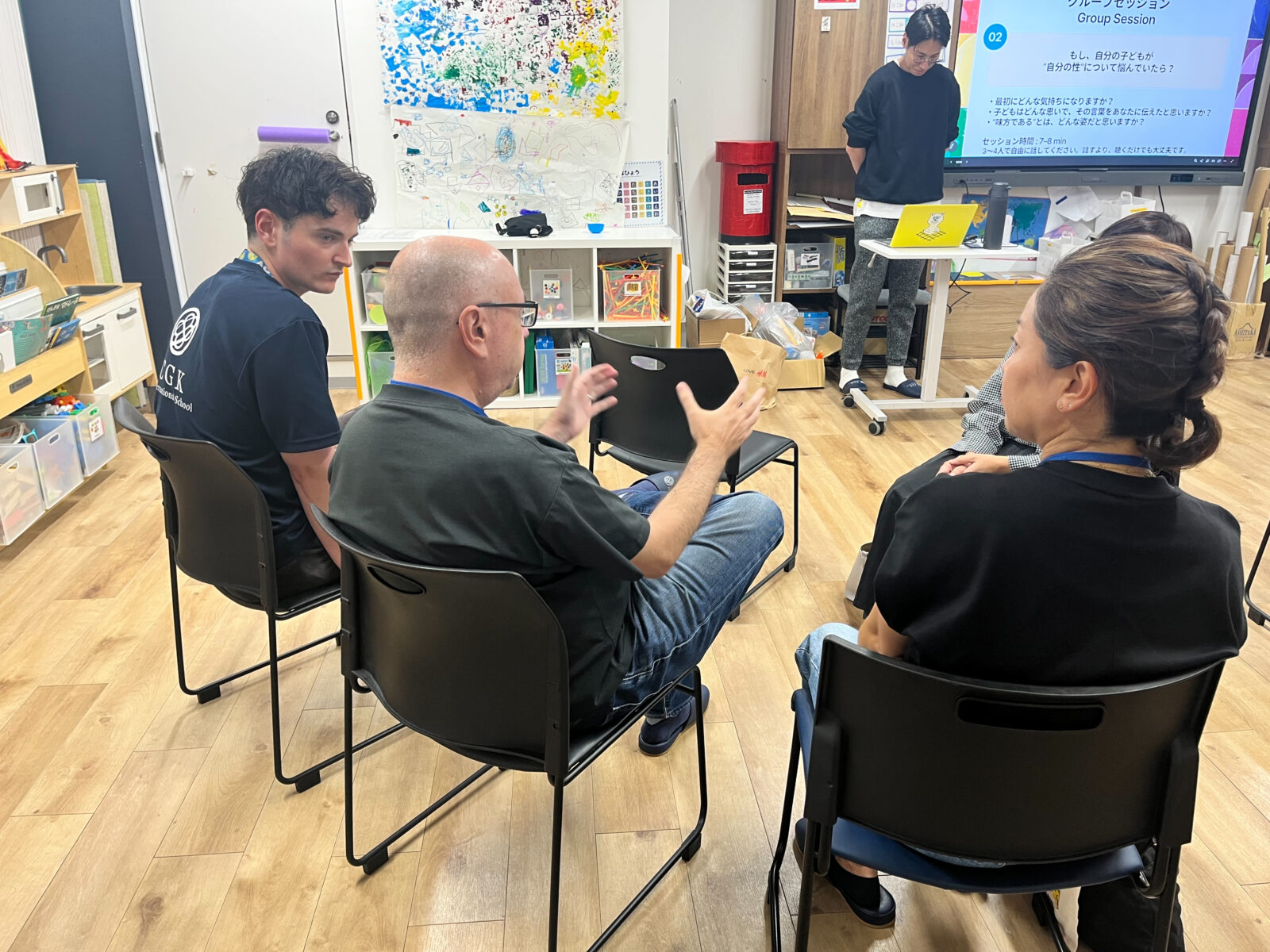
What if your child were struggling with questions about their gender or sexuality?
Another question we invited participants to consider was, “What if your child were struggling with questions about their gender or sexuality?” The discussion brought out a range of responses.
“I want them to be themselves. As long as they are well, that is what matters.”
“If they told me, I would want to say, ‘Thank you for telling me.’”
“I can be on their side at home, but I also want to help them find their way in a society where I cannot always be there to help.”
“I want their teachers to be on their side, too.”
The wish for children to “be themselves” was shared by many participants. At the same time, some expressed concern that their children might find life difficult in wider society.
Even parents who are firmly on their child's side cannot change everything outside the home. That is why, I believe, society as a whole needs to develop an informed understanding and create an environment where everyone can feel safe.
Helping the family be a place of safety
Mr. Jun also shared this thought:
“I want the home where your family is to be a safe place. But if your family does not understand, it cannot be that safe place.”
Mr. Jun / From the session
For children, family is a close and important presence. Knowing that they will not be rejected when they talk about themselves, and that they will be accepted as they are, can bring a deep sense of security.
We also discussed the importance of not probing too deeply when a child talks about their gender or sexuality.
A child who is still finding their own sense of self may hear repeated, searching questions from adults after coming out and feel, “I have to work all of this out properly.” That could leave them thinking even more intensely about it. Sometimes, receiving what they say without making the conversation too heavy may be important.
Listening and saying, “I see.” Telling them, “Thank you for telling me.” Thinking things through together when they need us. Perhaps we do not have to find an answer straight away.
Seeing the person beyond the label
Our conversation also touched on words such as “LGBTQ+” and “queer.”
Having these words can help people understand their experiences and connect with others who have had similar experiences. At the same time, words create categories, and can also lead people to wonder, “Where do I fit?”
Mr. Jun said, “I hope we will no longer need the word LGBTQ+.”
Rather than rejecting the word itself, perhaps this expresses a hope for a society where each person is accepted as they are, without needing special words to set them apart. What matters is not only knowing a term, but seeing the individual beyond it.
What does this child like? What matters to them? What are they struggling with? And who do they want to be?
The workshop and parents' session gave children and adults time to think together about these individual differences.
“I want you to be yourself”
A message shared in everyday conversation
If we want children to be themselves, a first step is to create a place where they feel safe to talk. Rather than doing something extraordinary, we can keep saying, “I'm on your side,” through the small conversations of daily life. Those moments, built up over time, may help children feel secure.
Author Profile
-

-
Reiko
Japan

Reiko joined CGK’s founding team in 2016, bringing seven years of experience in licensed nursery schools in Japan and six years across two international preschools. She has also volunteered at a daycare in Canada and has held preschool leadership roles at CGK, including Principal and Vice Principal.
A qualified nursery teacher and holder of a Class 2 kindergarten teaching license in Japan, Reiko values each child’s interests and strengths. Drawing on her experience in multicultural early childhood settings, she supports an environment where children can explore new interests through hands-on experiences and express themselves in their own way.