










CGK Times
A global learning community for discovering
and pursuing your happiness
December 2025
Contents
Voices from CGK 2025
Inquiry, learning, and creating at CGK – in their own words
Ms. Darby(Head of Learning) and students from Grade 2 to Grade 7 share, in their own words, the joy of inquiry and their experiences of daily school life at CGK.
Themes
- What do you enjoy doing at CGK?
- Passion projects
- How CGK is different?
- Clubs and activities
During the interview, students spoke candidly about memorable and enjoyable UOI projects, learning Japanese as a second language, and having learning approaches that match their individual levels.
They also shared student-driven perspectives, such as having no restrictions on how the library can be used and ideas for clubs they would like to plan and run themselves.
Even after the scheduled interview time had passed, the conversation continued, filled with ideas and comments from each student, offering many meaningful insights.
We invite you to watch the video and hear the authentic voices of CGK students.
Preschool
So Long 2025, Hello 2026
Thank you to everyone for the last 12 months. We have had another busy but productive year as the school continues to grow with you and the children. The school has accomplished a lot in 2025 and we are in a good place to finish off the school year with a bang and welcome 2026 and all that it will bring in open arms.
We hope that in 2025 there was a lot to remember and celebrate for you and your family. For those who celebrate it, merry Christmas to you and your loved ones. To everyone, happy new year and may you have a safe and joyful holiday season.
CGK Awards
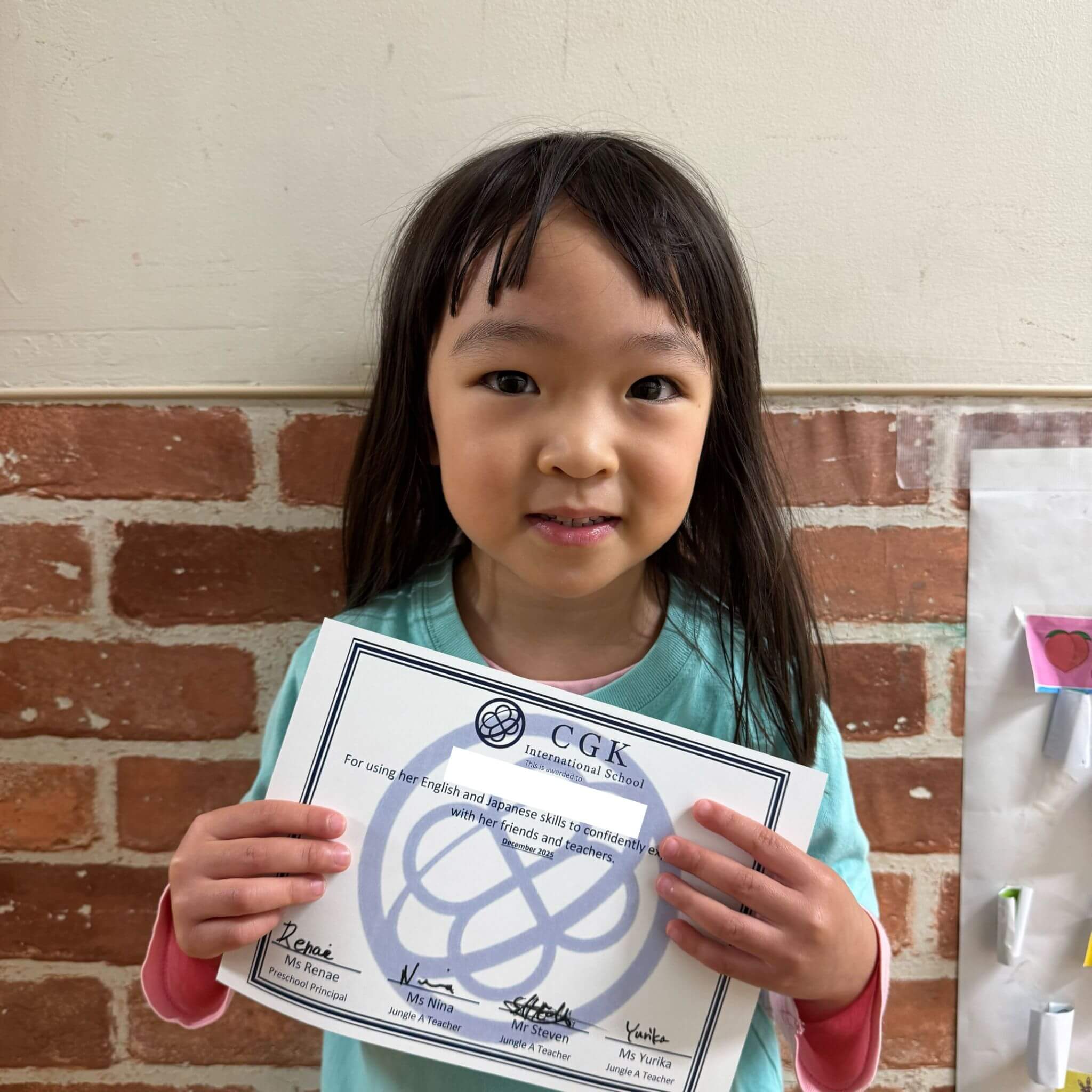
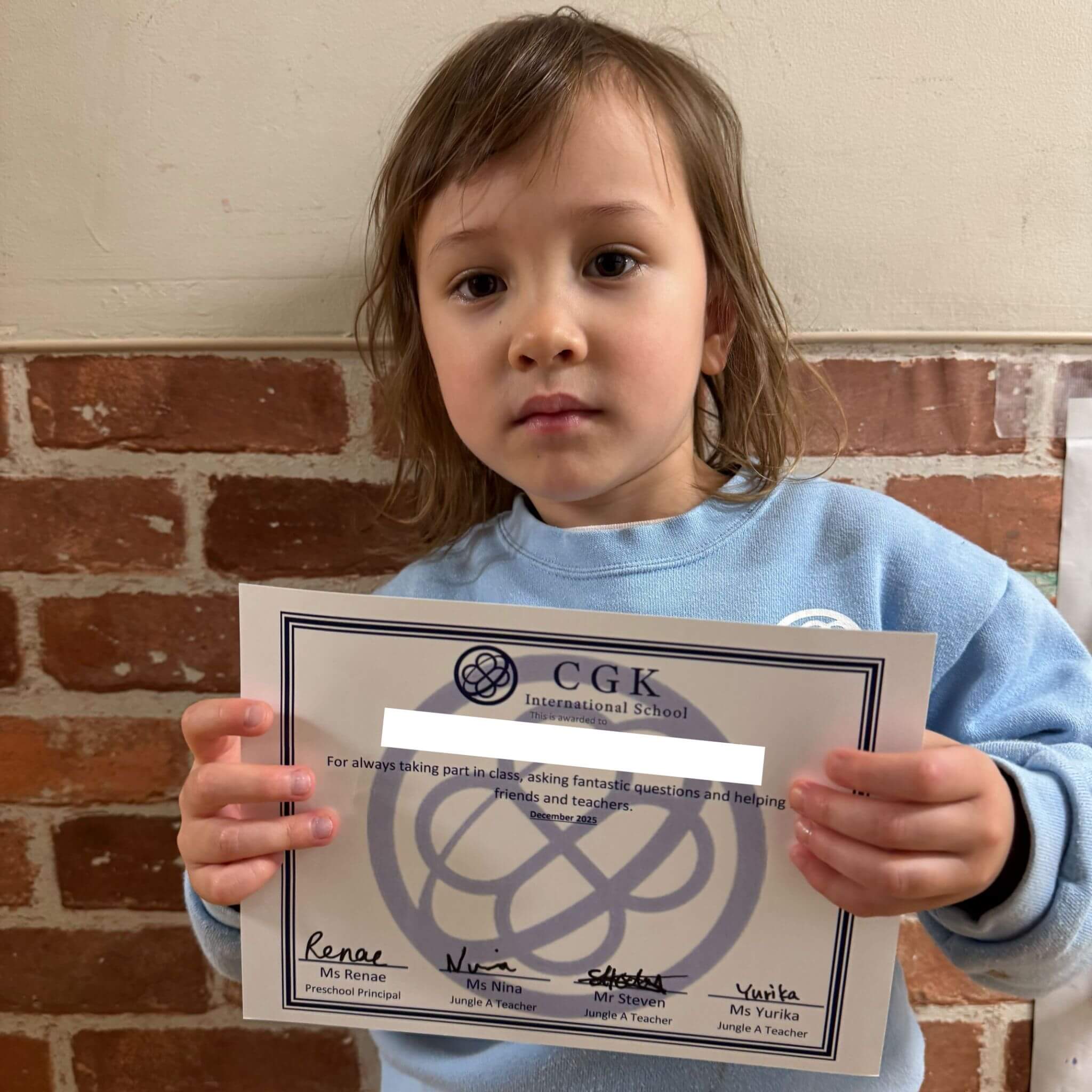

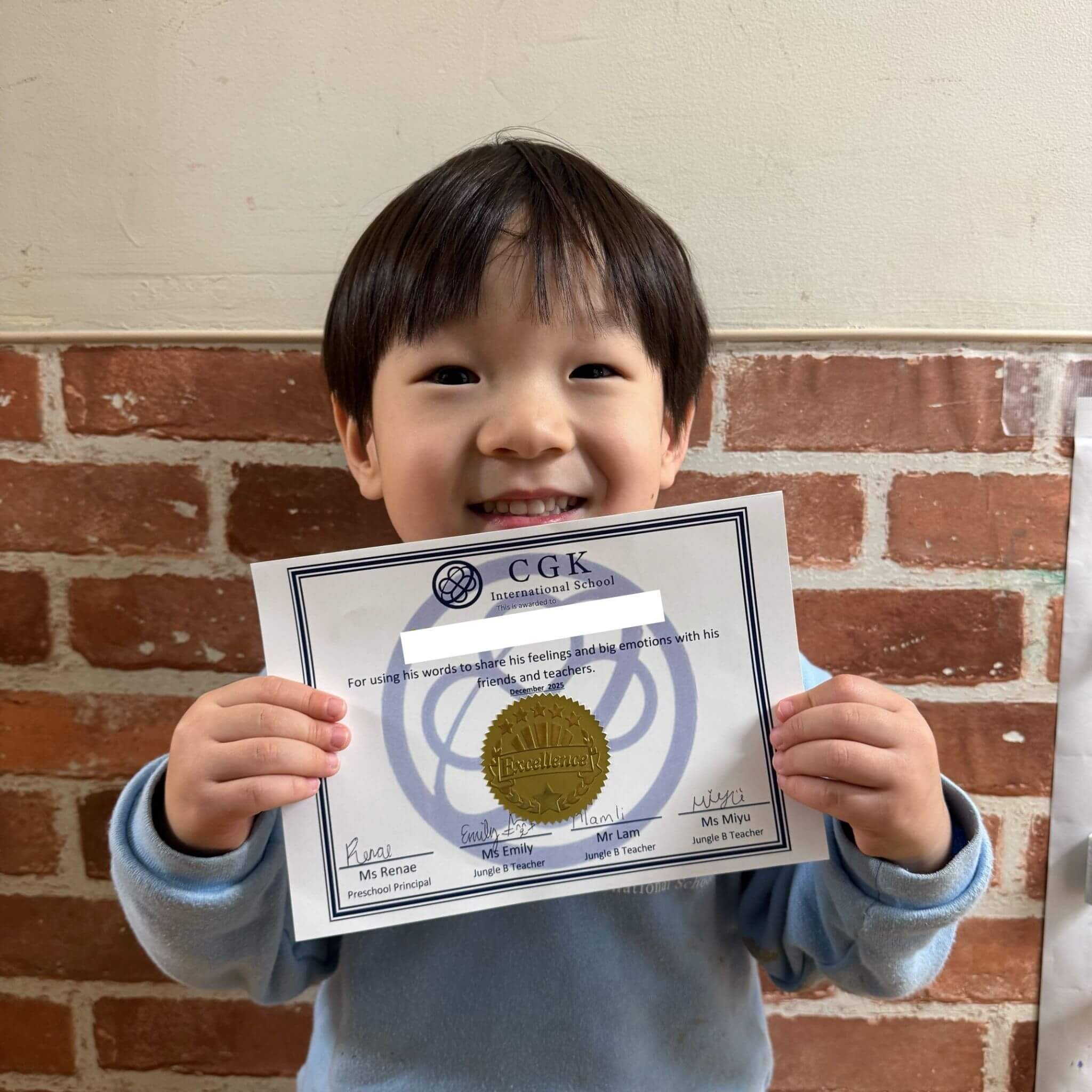
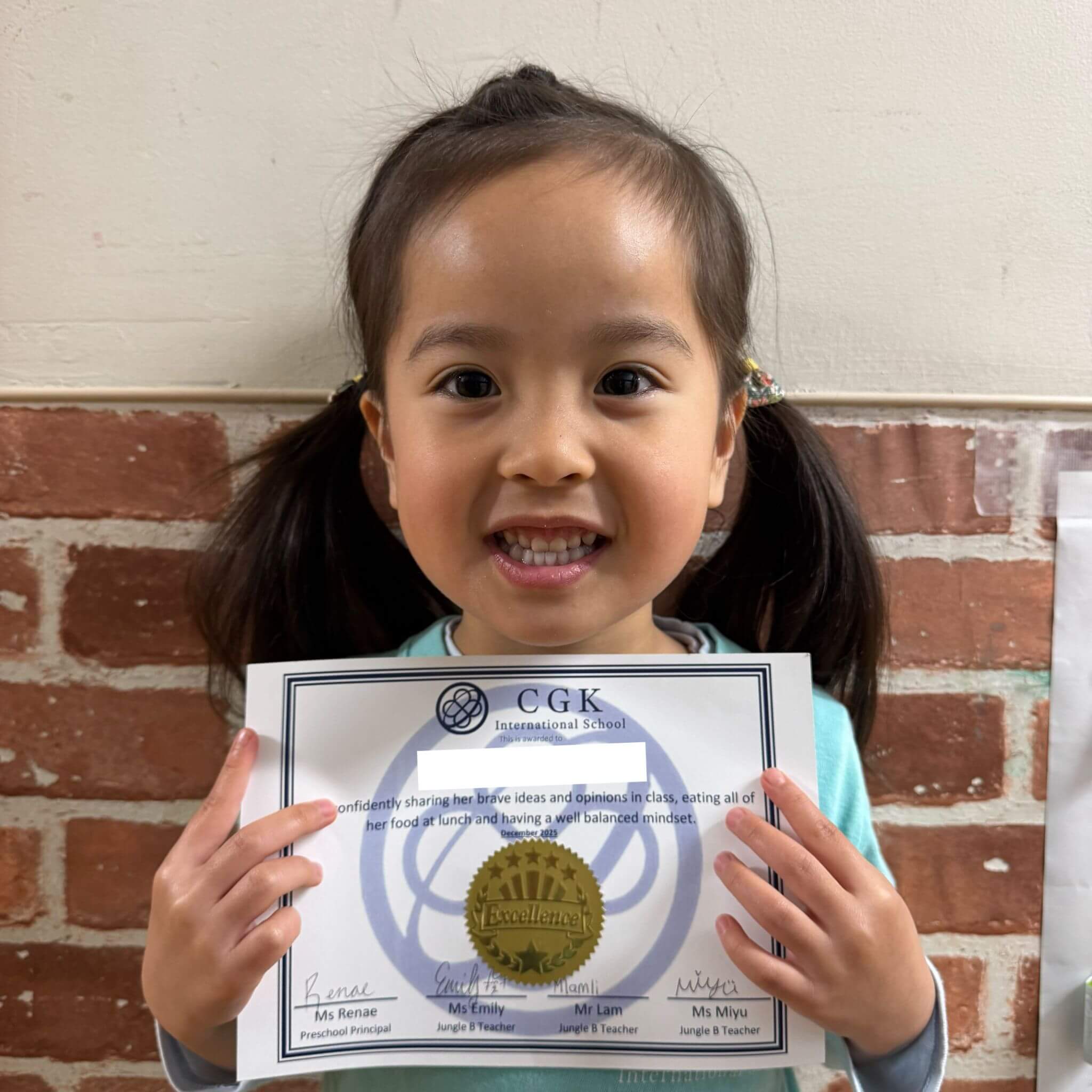

Welcome to the world renowned, highly respected, and much revered CGK Awards! Each month we would like to highlight the children from each class who have displayed qualities that are part of the IB Learner Profile. These are qualities that we want our children to have and to share with the world. With that, the recipients of this month's CGK Achievement Awards are:
Jungle A (3 year-olds)
C. - for using her English and Japanese skills to confidently express herself with her friends and teachers.
K. - for always taking part in class, asking fantastic questions and helping her friends and teachers.
N. - for always offering to help the teachers, asking questions and reaching out for help for himself and his friends when needed.
Jungle B (3 year-olds)
K. - For using his words to share his feelings and big emotions with his friends and teachers.
M. - For confidently sharing her brave ideas and opinions in class, eating all of her food at lunch and having a well balanced mindset.
Mountain (4 year-olds)
L. -For taking care of her body and mind by always eating everything during lunch, playing at school and outside of school.
M. - For trying to do the right thing and helping her classmates and teachers
T. - For asking great, insightful questions and doing research in books to find new information
Y. - For taking chances during play time and speaking up with new ideas
Sky A (5 year-olds)
M. - For being brave and sharing her ideas, thoughts and even presentations to all of her classmates.
K. - For showing empathy and understanding to those around him and trying his best to help and support his friends when needed.
S. - For eagerly sharing her ideas and questions and showing genuine curiosity about other countries and cultures.
Sky B (5 year-olds)
M. - For showing perseverance, staying true to her ideas, and demonstrating thoughtful, deep thinking.
S. - For showing empathy and kindness towards her peers
Sky A&B
(5-year-olds)
Cultural Show and Tell Project
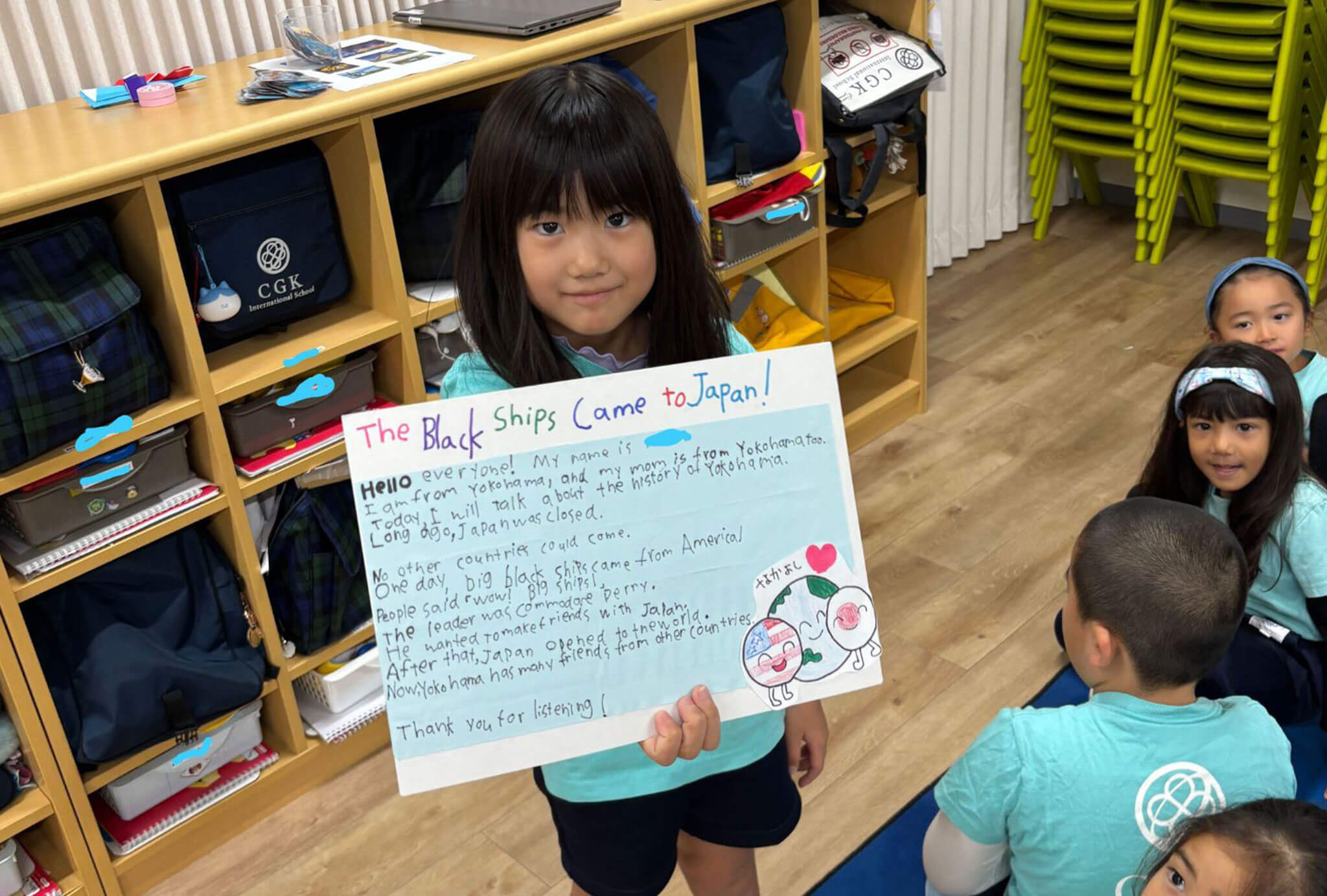
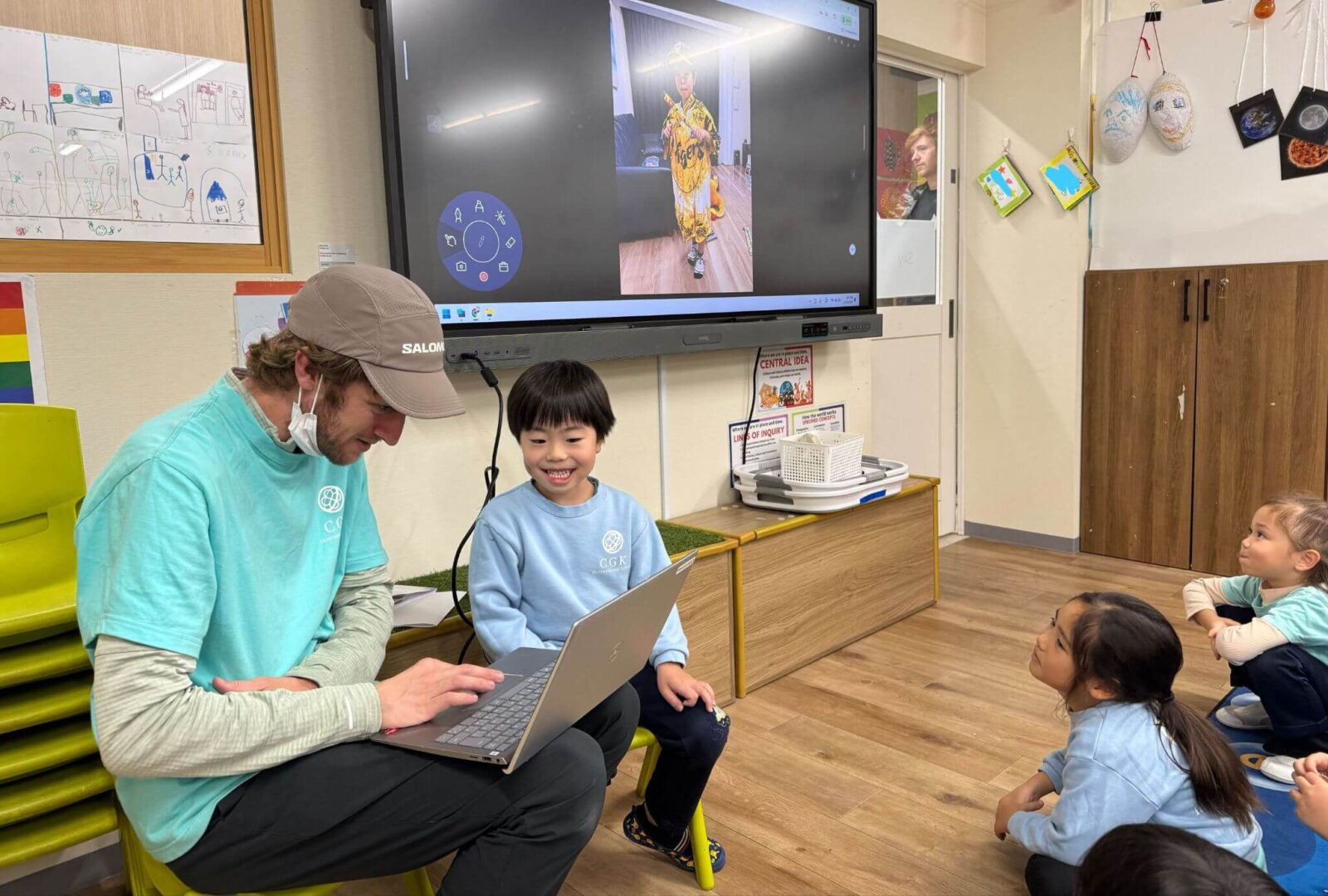
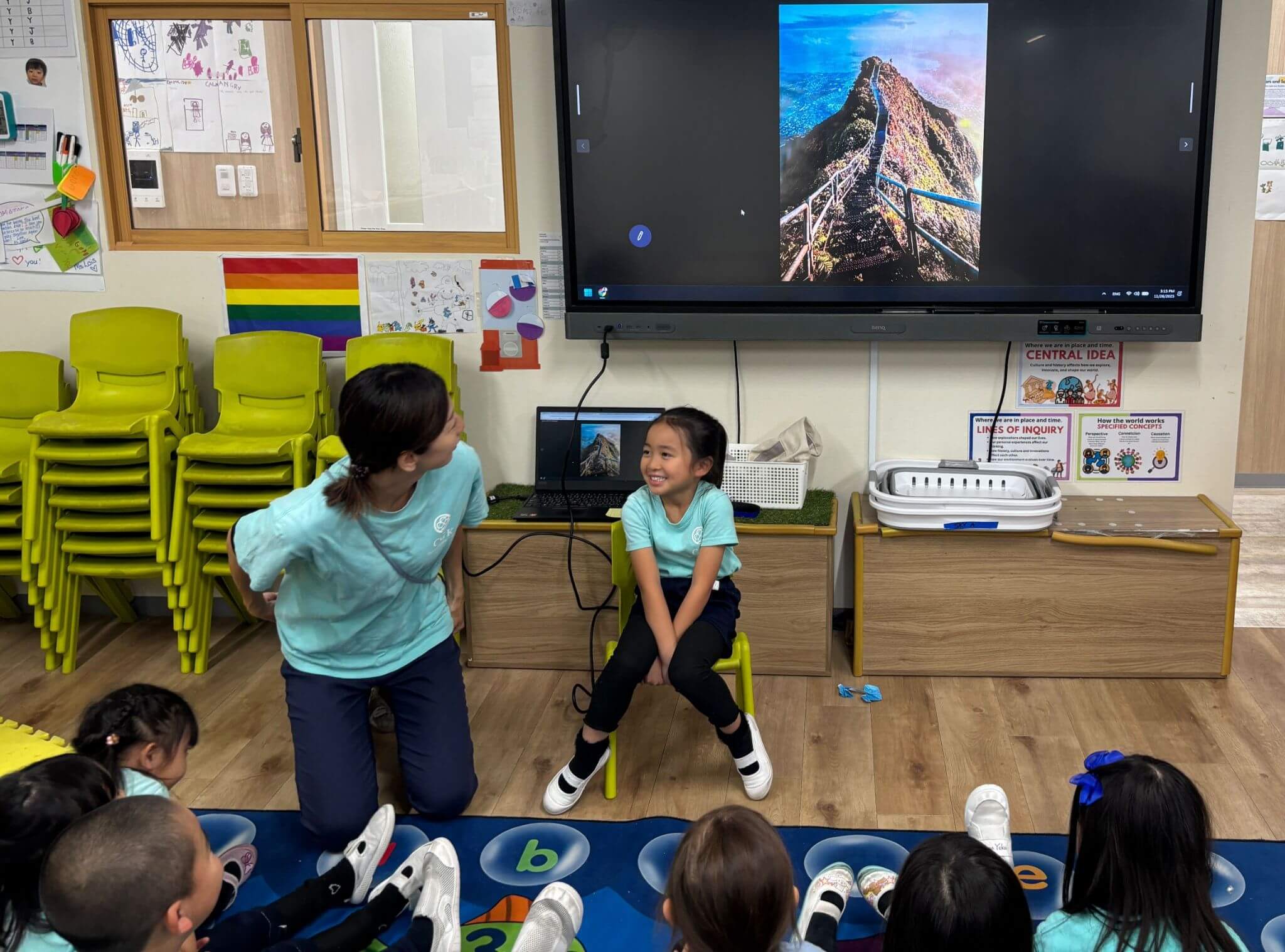

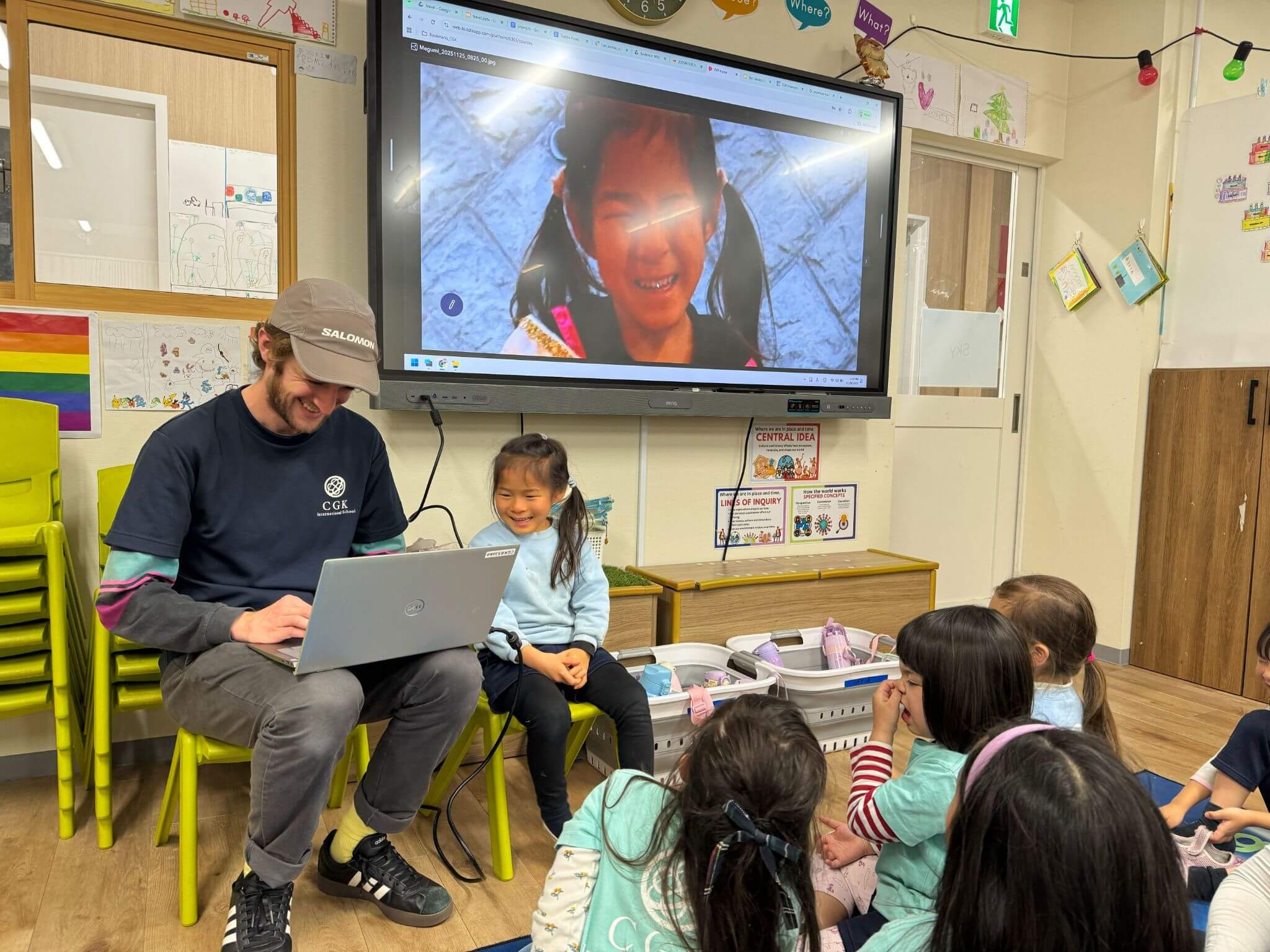
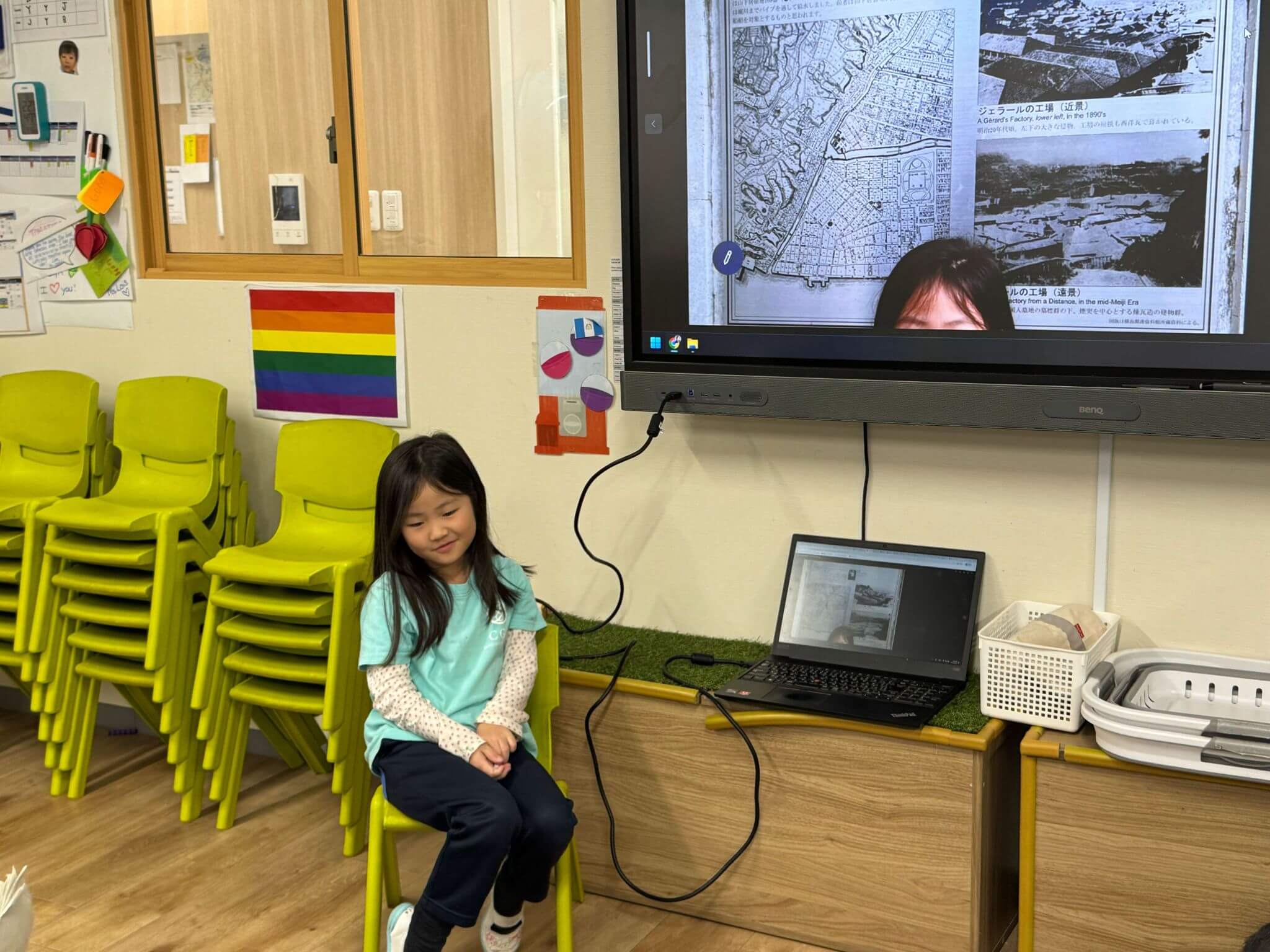
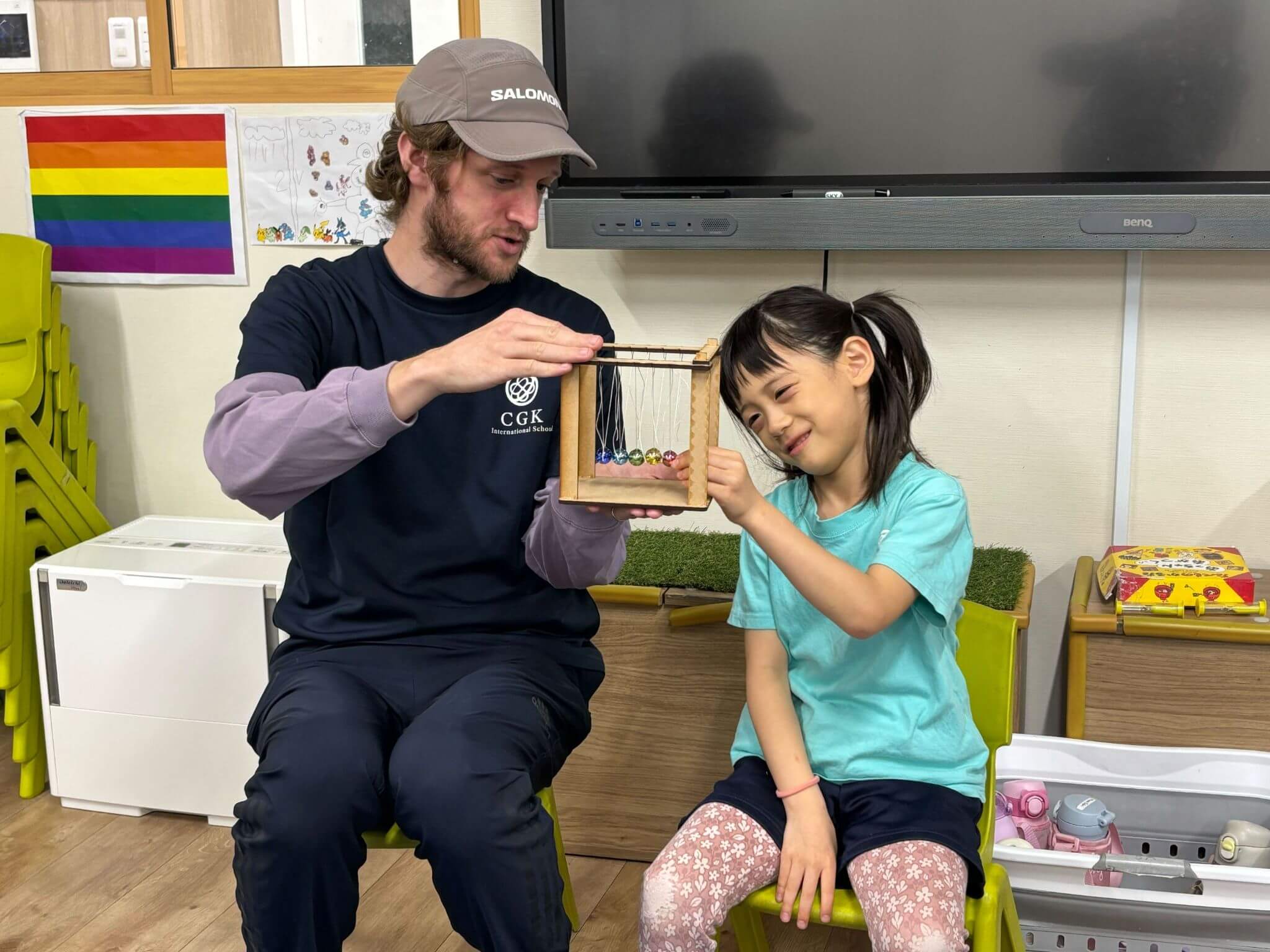
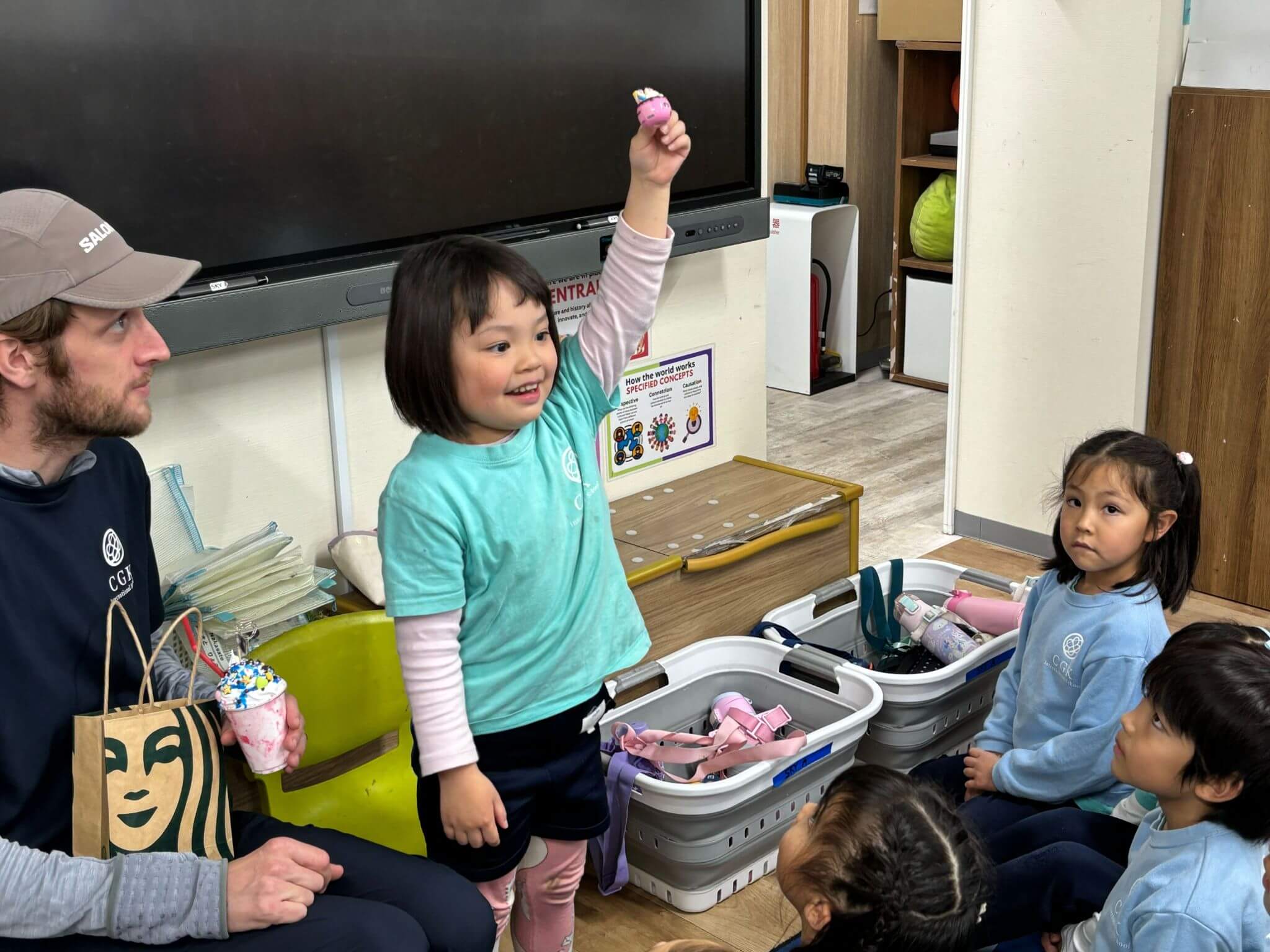
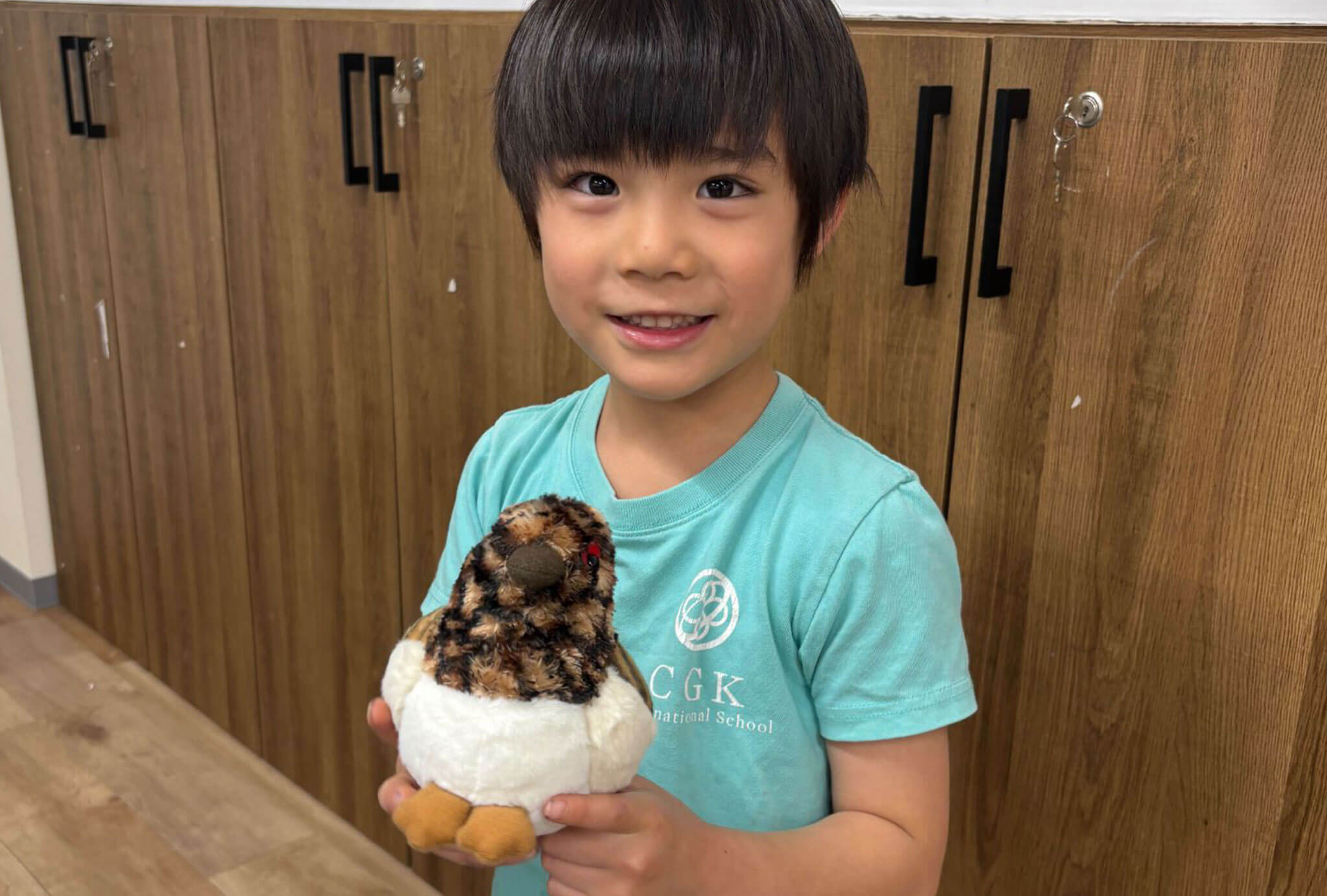
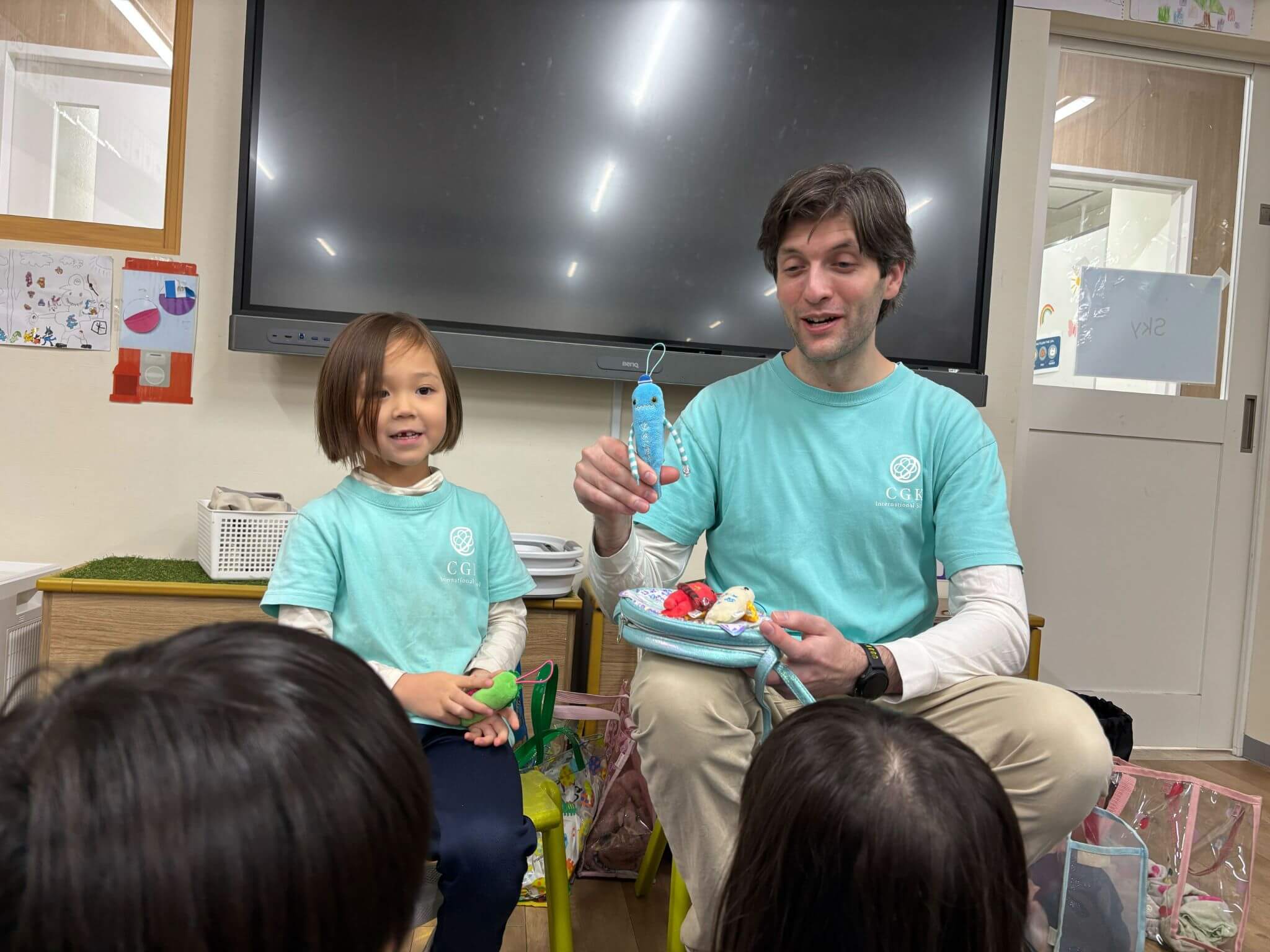
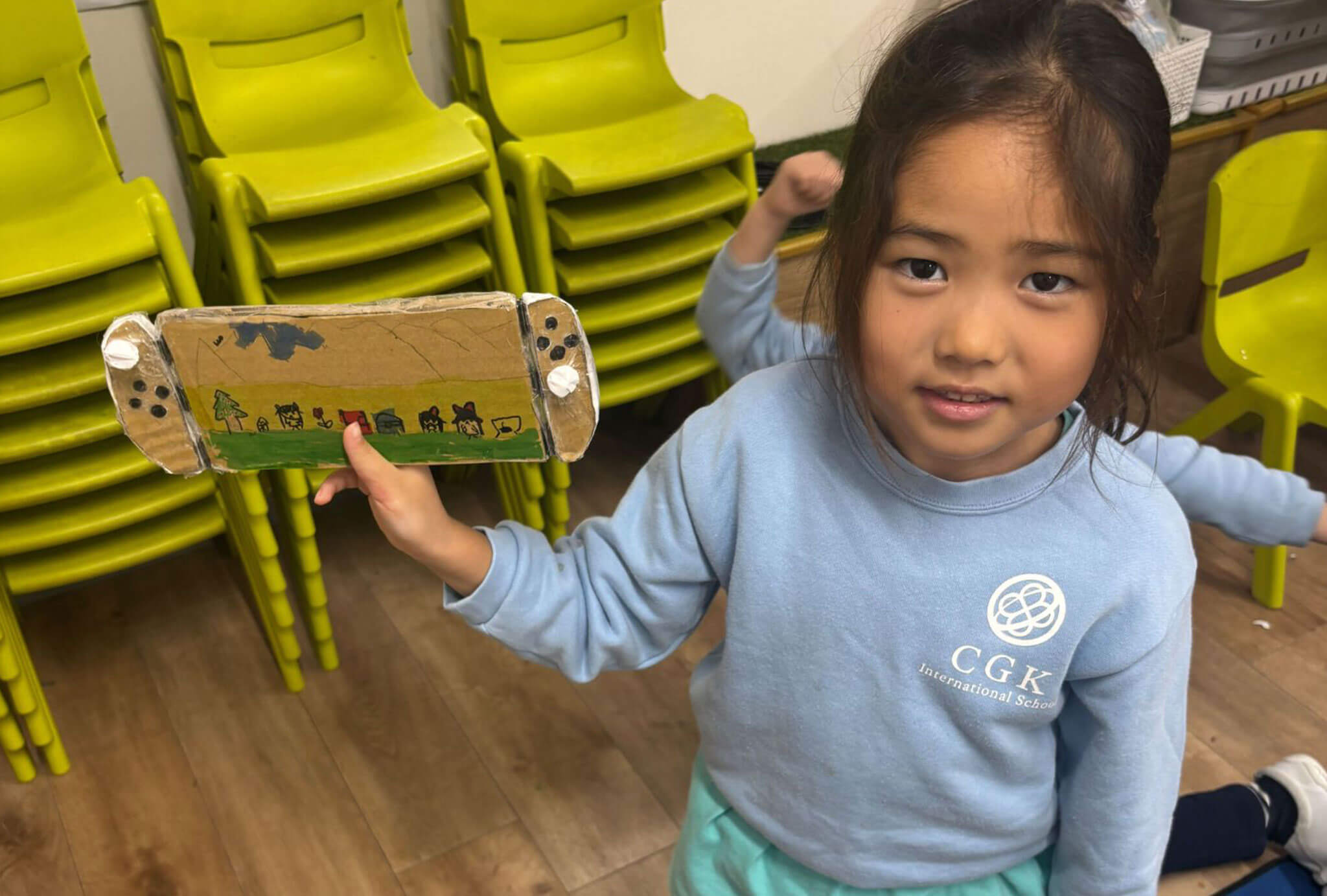
As we came toward the end of our exploration of the UOI Where We Are in Place and Time, we decided to take a break from our regular Show and Tell and instead set our students a more focused presentation task for the month: to bring in something that is important to their family, or something connected to another country or culture.
Sky A students brought in a wide variety of meaningful items to share and explain with their friends. These included photos from family trips or special occasions, artifacts and items from the hometowns of family members, posters explaining cultures we have been learning about in our class UOI, and even some wonderful crafts that students created together with their families.
Each student gave a thoughtful presentation to their classmates, explaining what they had brought, why it was important to them, and how it connected to a particular country, culture, or their family. It was a valuable experience for everyone to practice their public speaking and presentation skills while making real, tangible connections to our UOI beyond the confines of the classroom.
Exploring Our City, Our Stories, and Our Place in Time
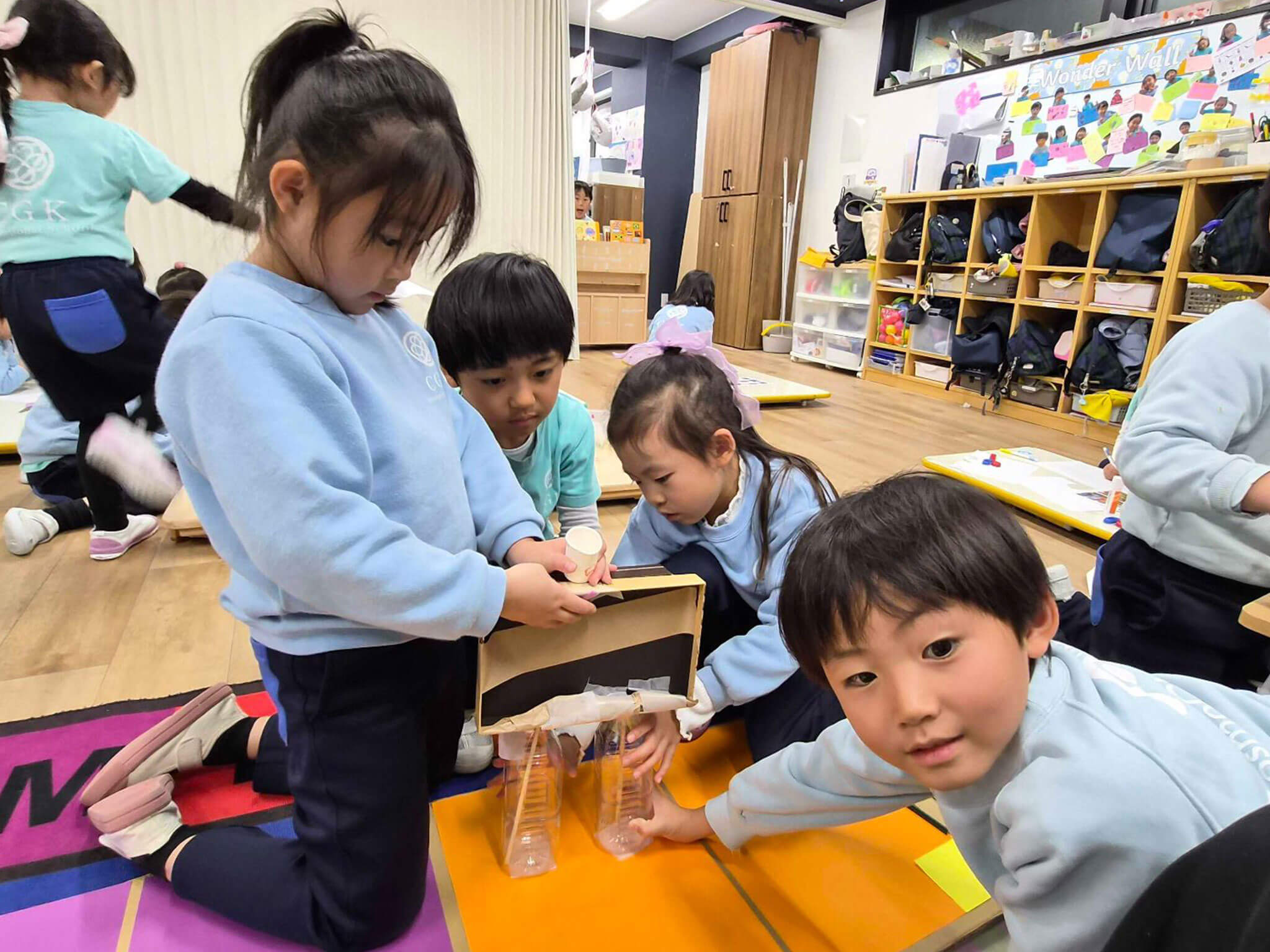
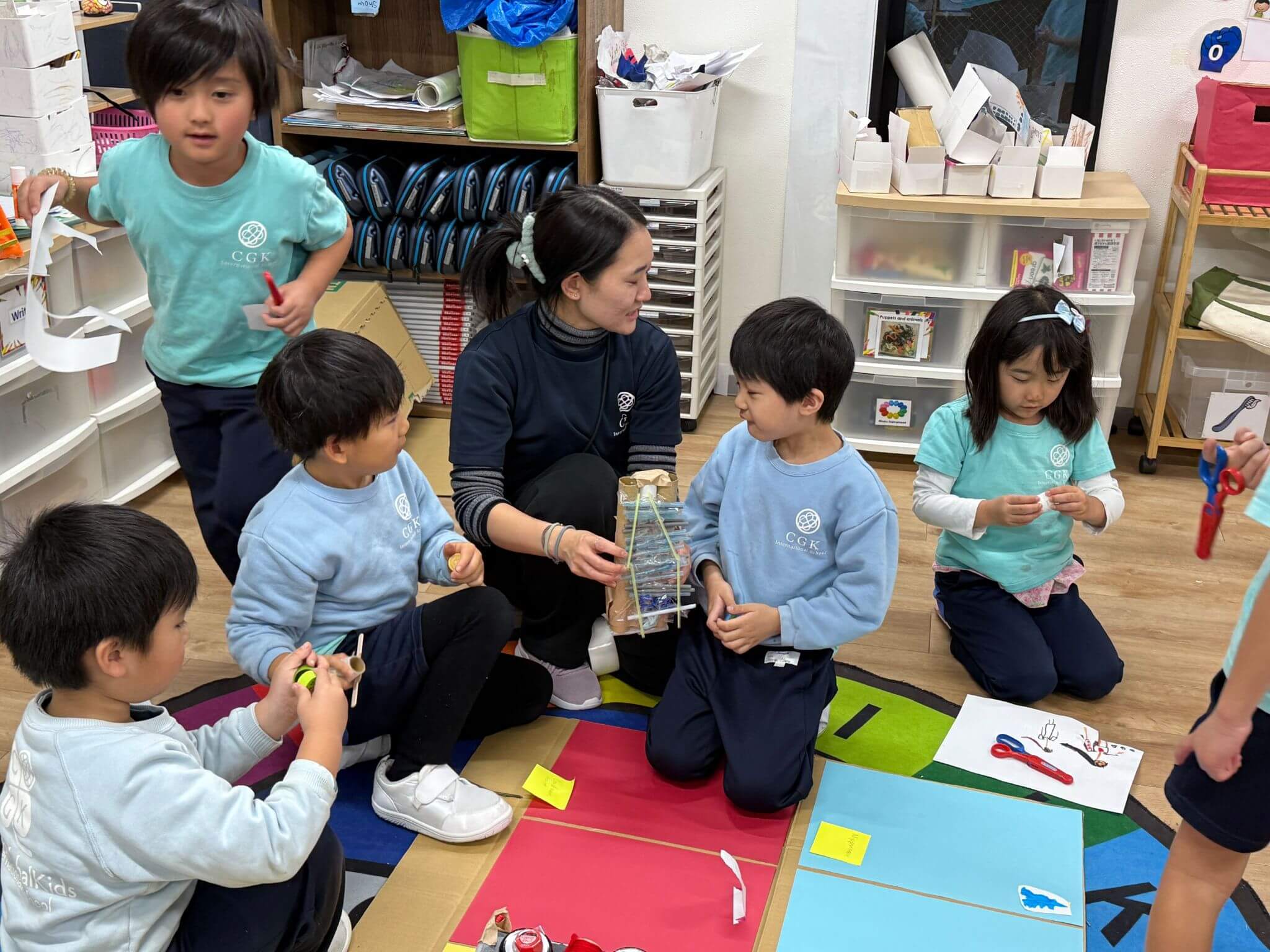
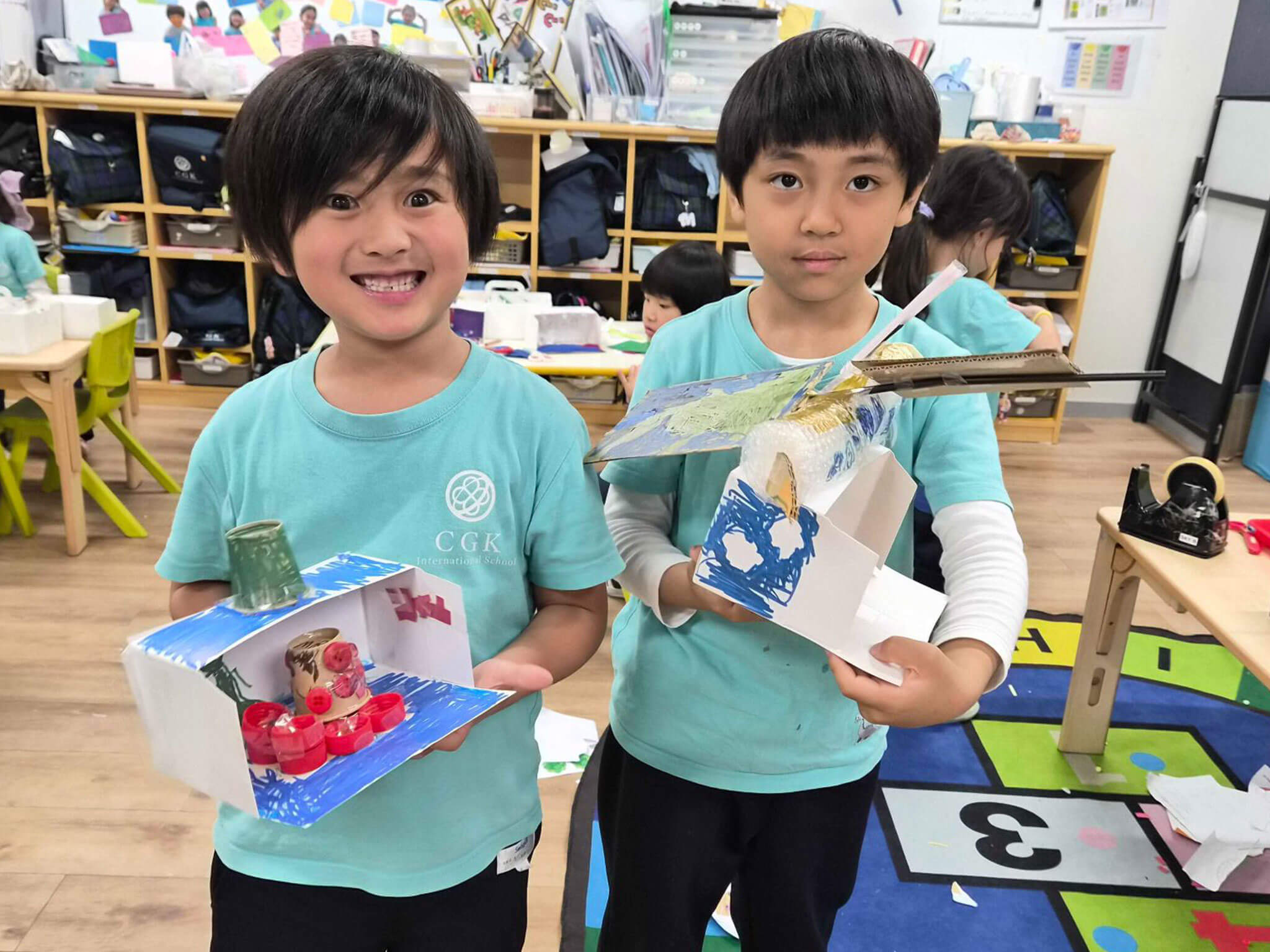
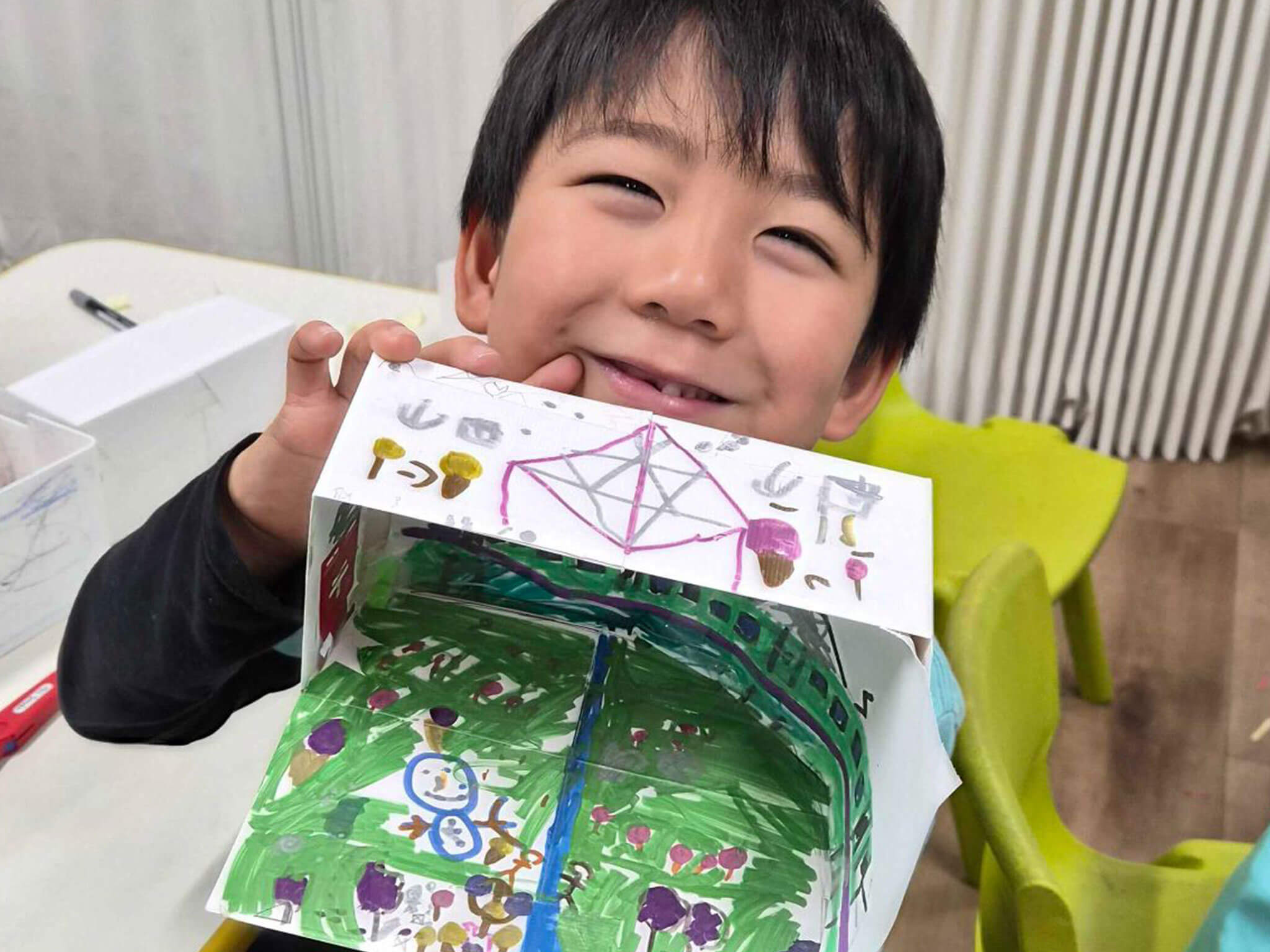

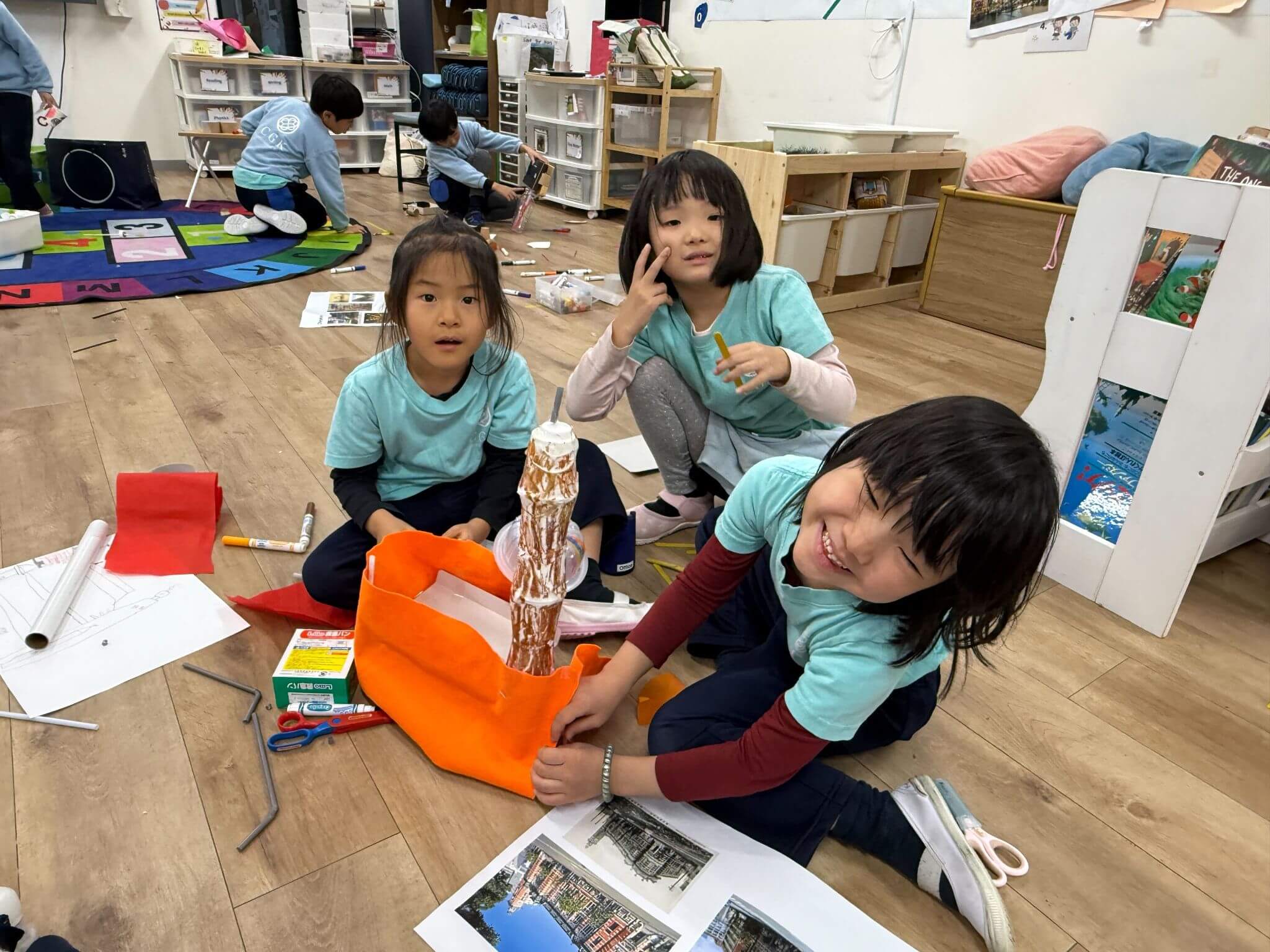
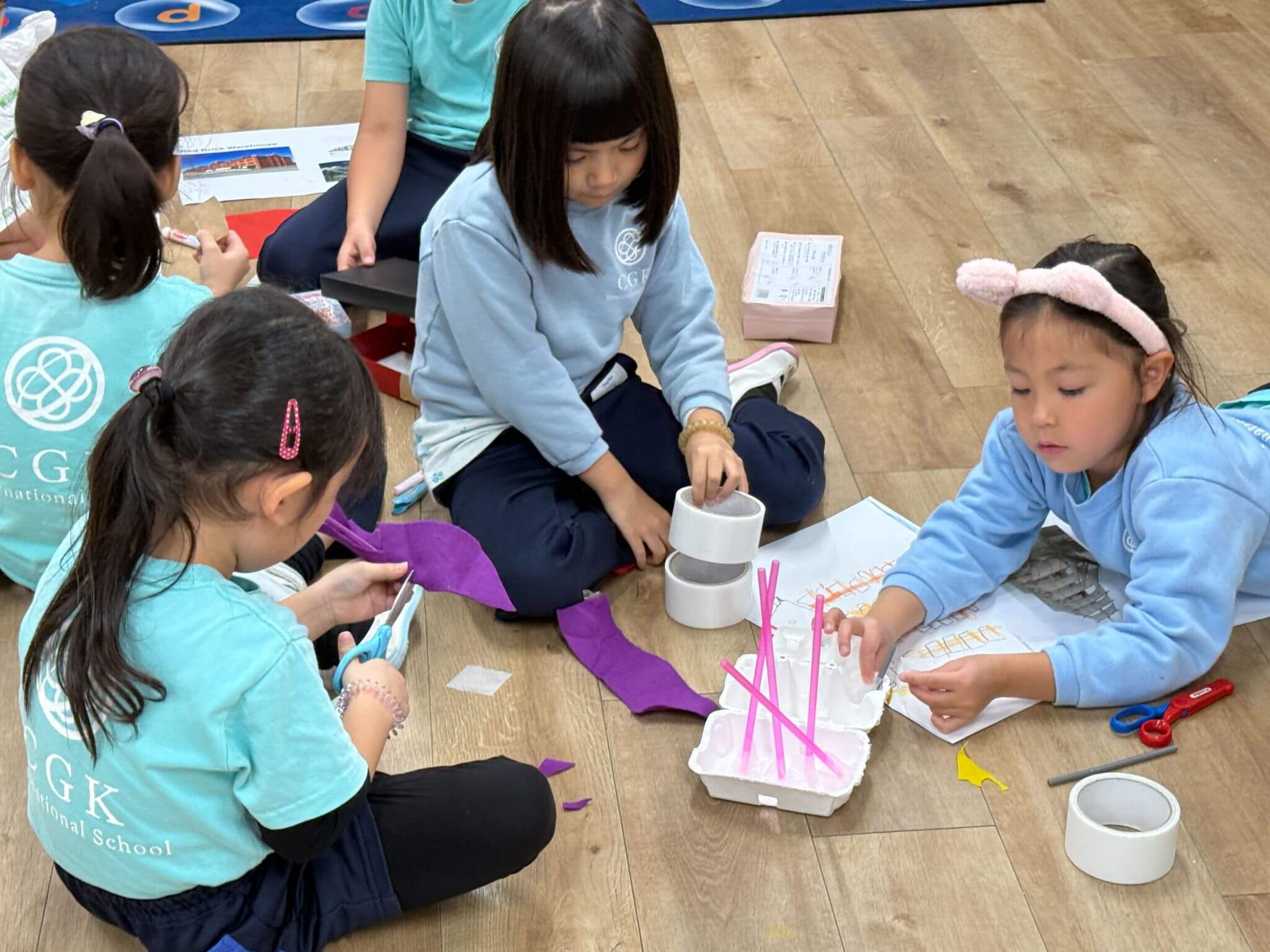
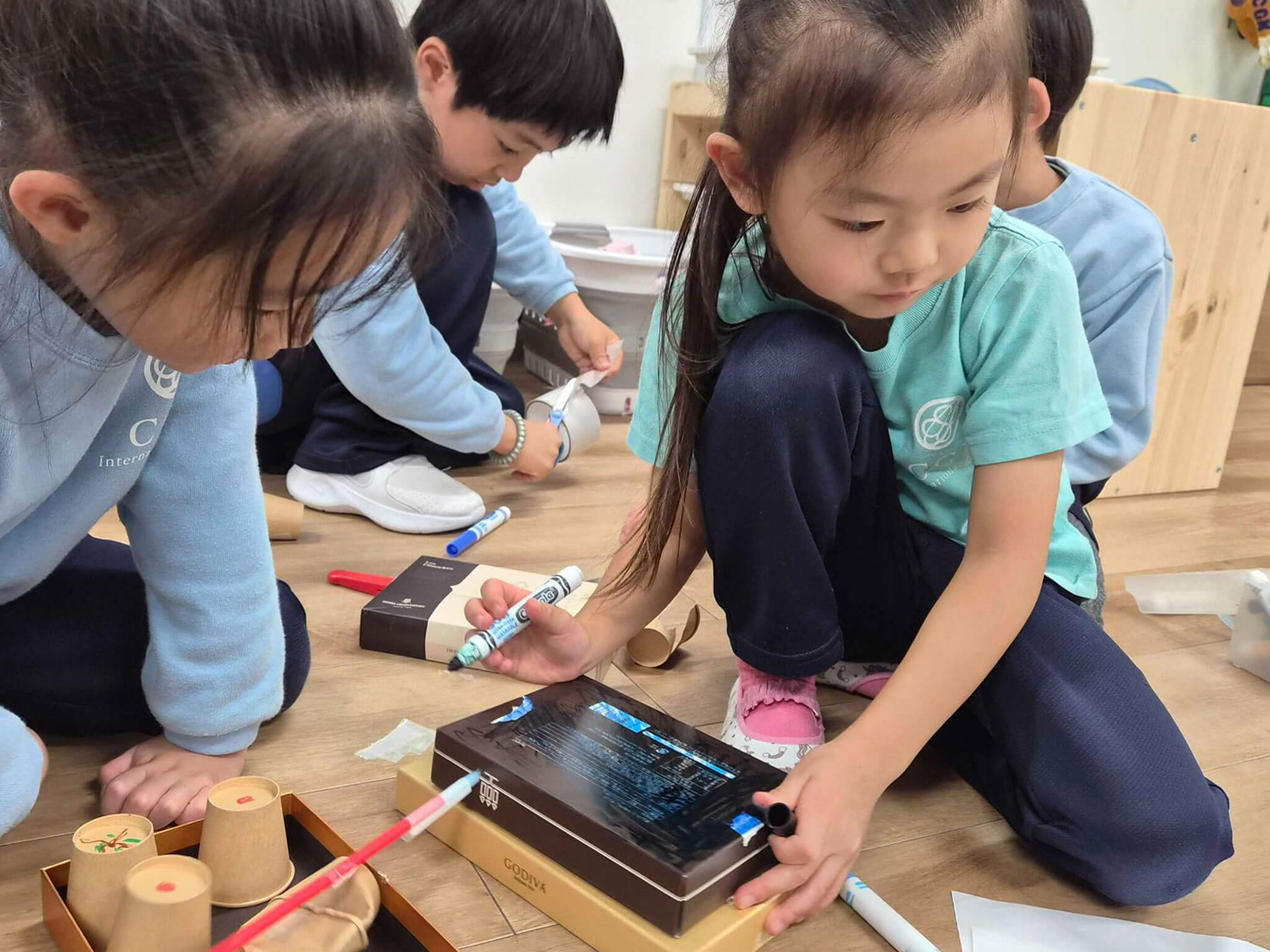

Sky B class has been busy exploring the UOI Where We Are in Place and Time this month. Through this unit, students have been learning about how Yokohama has grown and changed over time, and how different cultures have helped shape the city we live in today.
Sky B students showed great curiosity as they explored familiar places around them and reflected on locations they have visited before. This learning came to life through a hands-on project called Yokohama in Our Eyes, where the class worked together to create a large 3D map of Yokohama. The map featured well-known landmarks such as Chinatown, the Red Brick Warehouse, Jack Tower, the Nippon Maru Ship, and Landmark Tower, helping students compare old and new parts of the city.
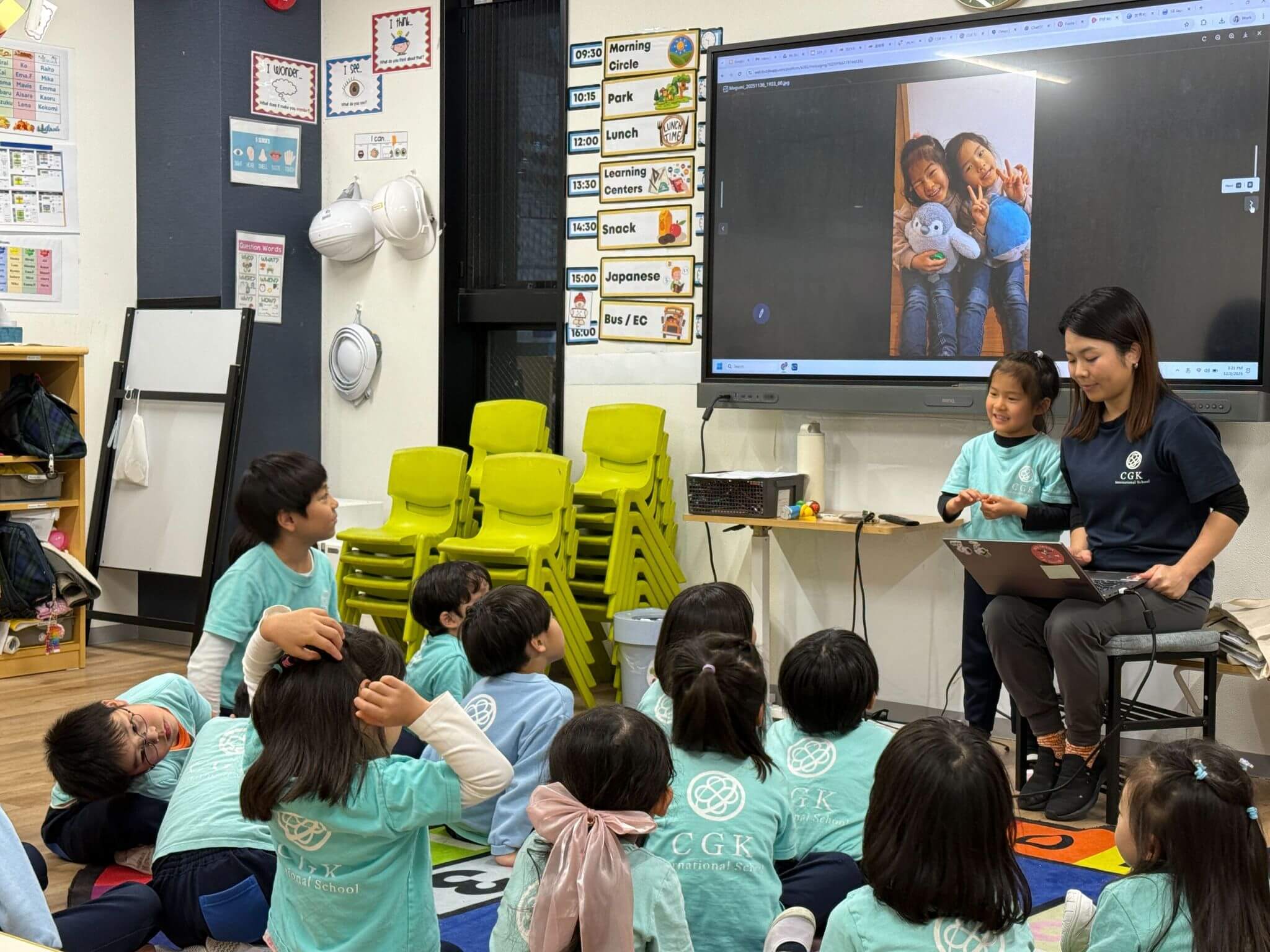
To make the project more personal, each student added a diorama house representing their own family history and culture. The class also took part in a special Show & Tell, sharing photos of family traditions and celebrations. Listening to one another helped students understand that while every family is different, each one brings something special to our community. Students then added their special memories to their houses, making the map a reflection of both Yokohama’s story and their own.
This unit has helped Sky B students see that our city is shaped by many cultures, places, and personal stories—and that they are an important part of Yokohama’s ongoing journey.
Learning by Seeing, Touching, and Feeling — Deepening Inquiry Through Play
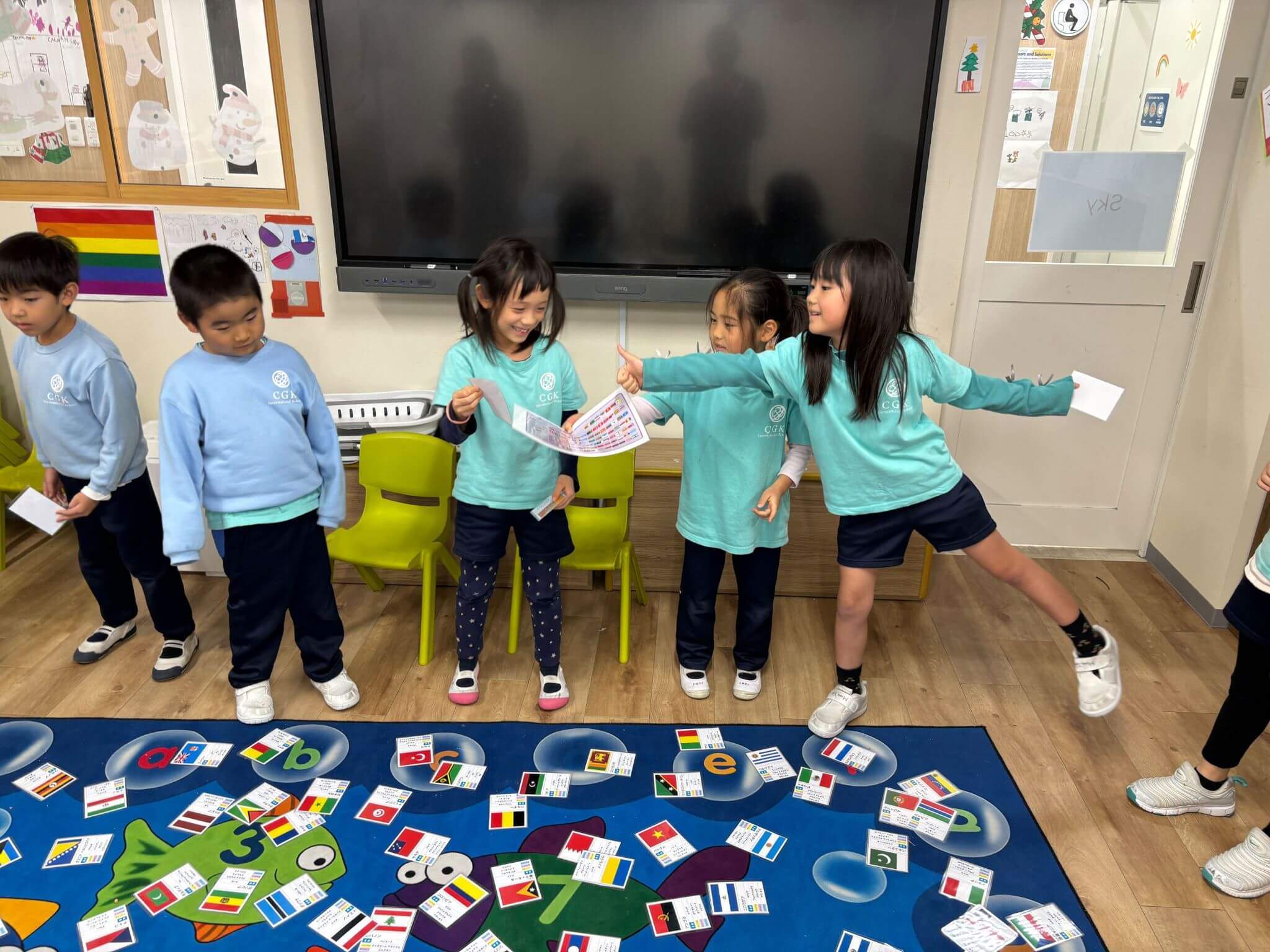
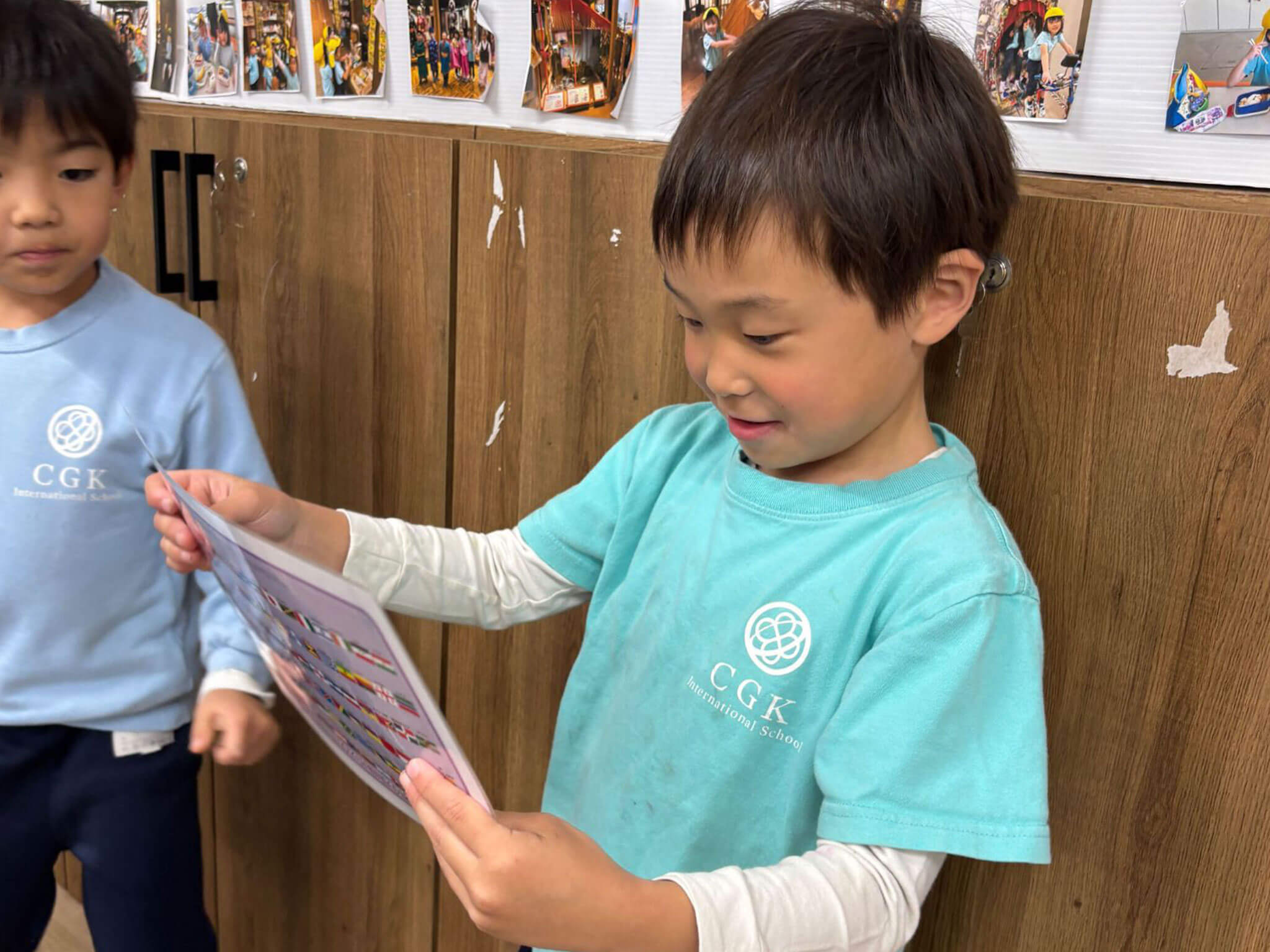
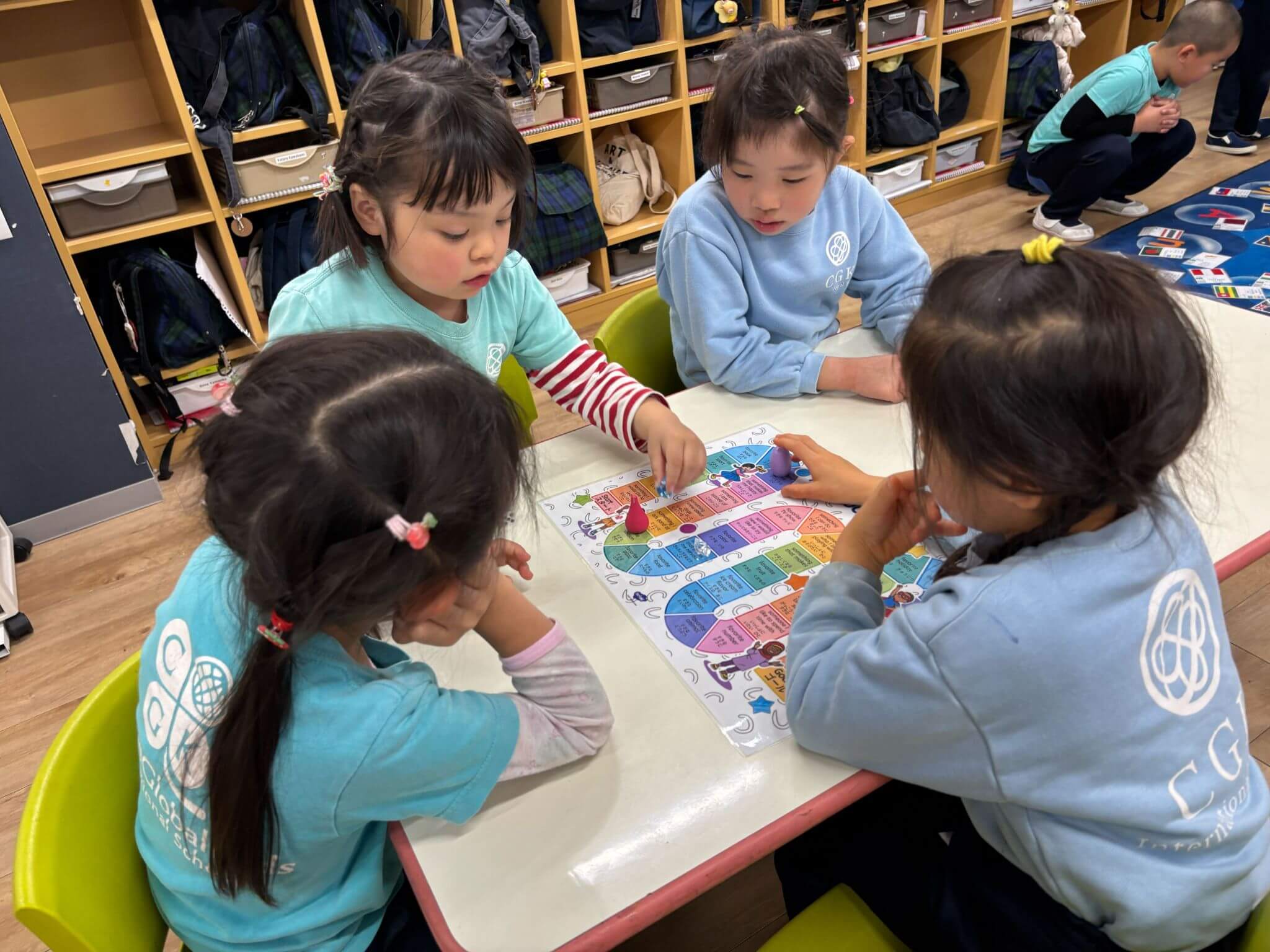
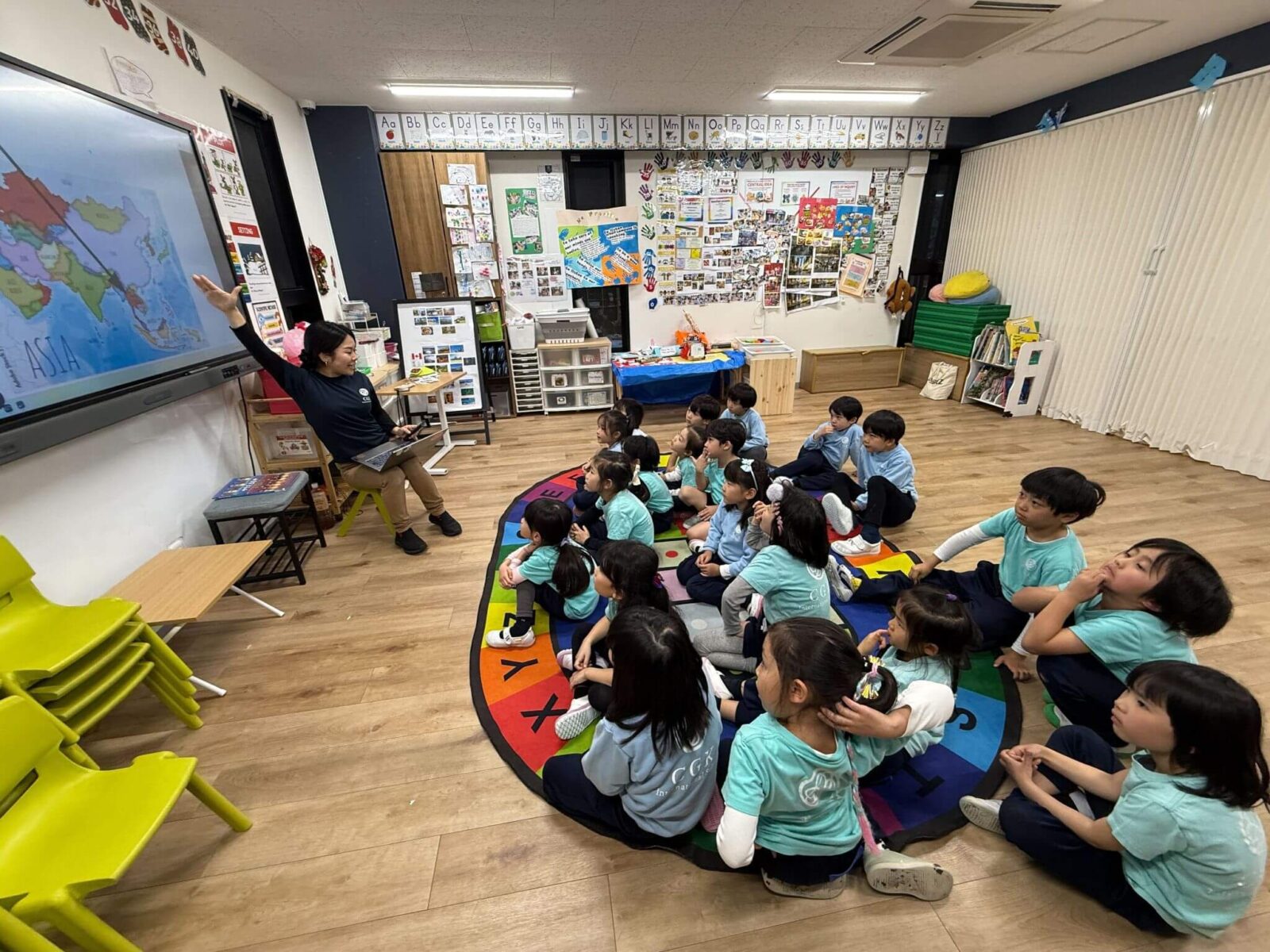
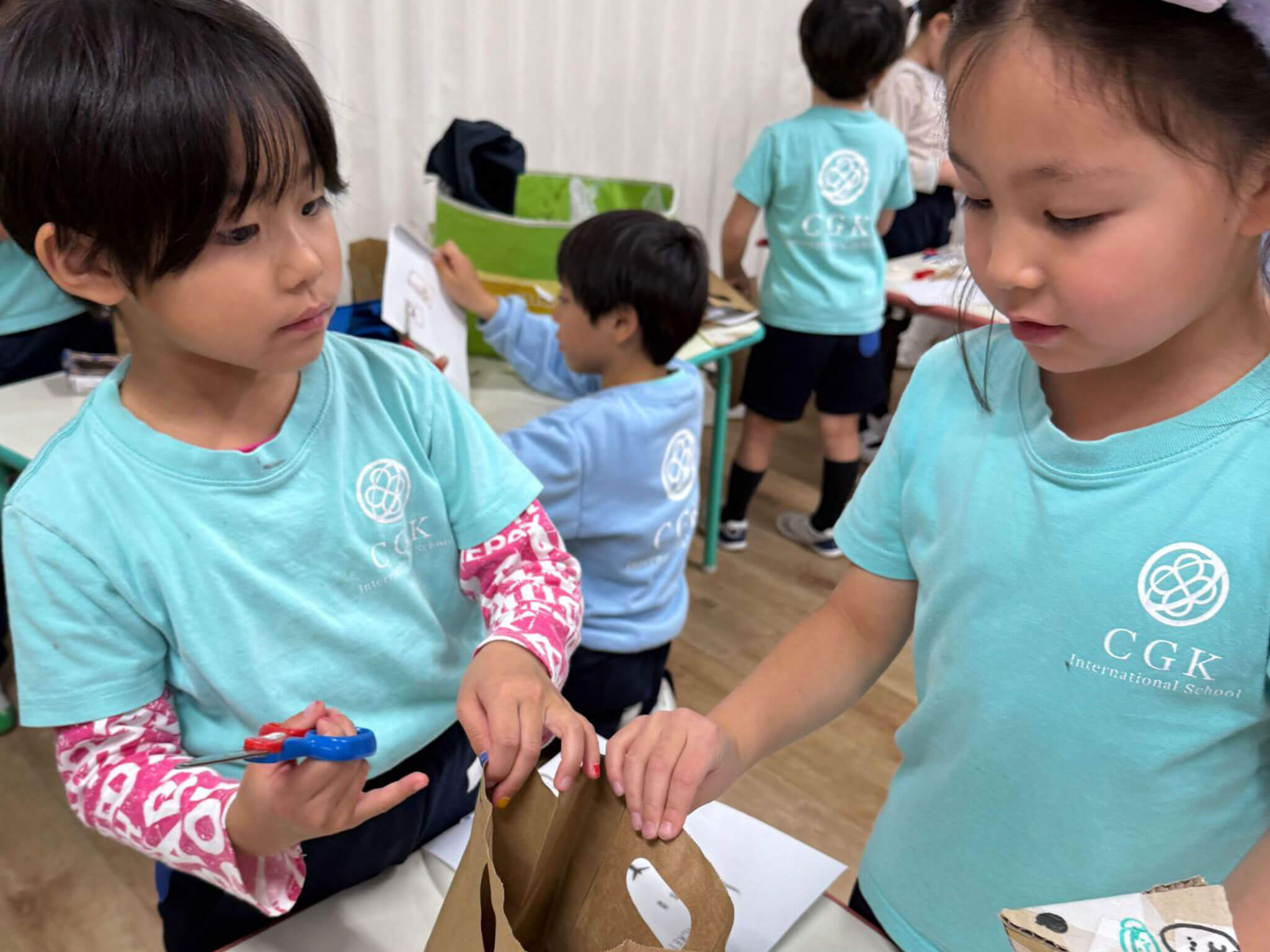
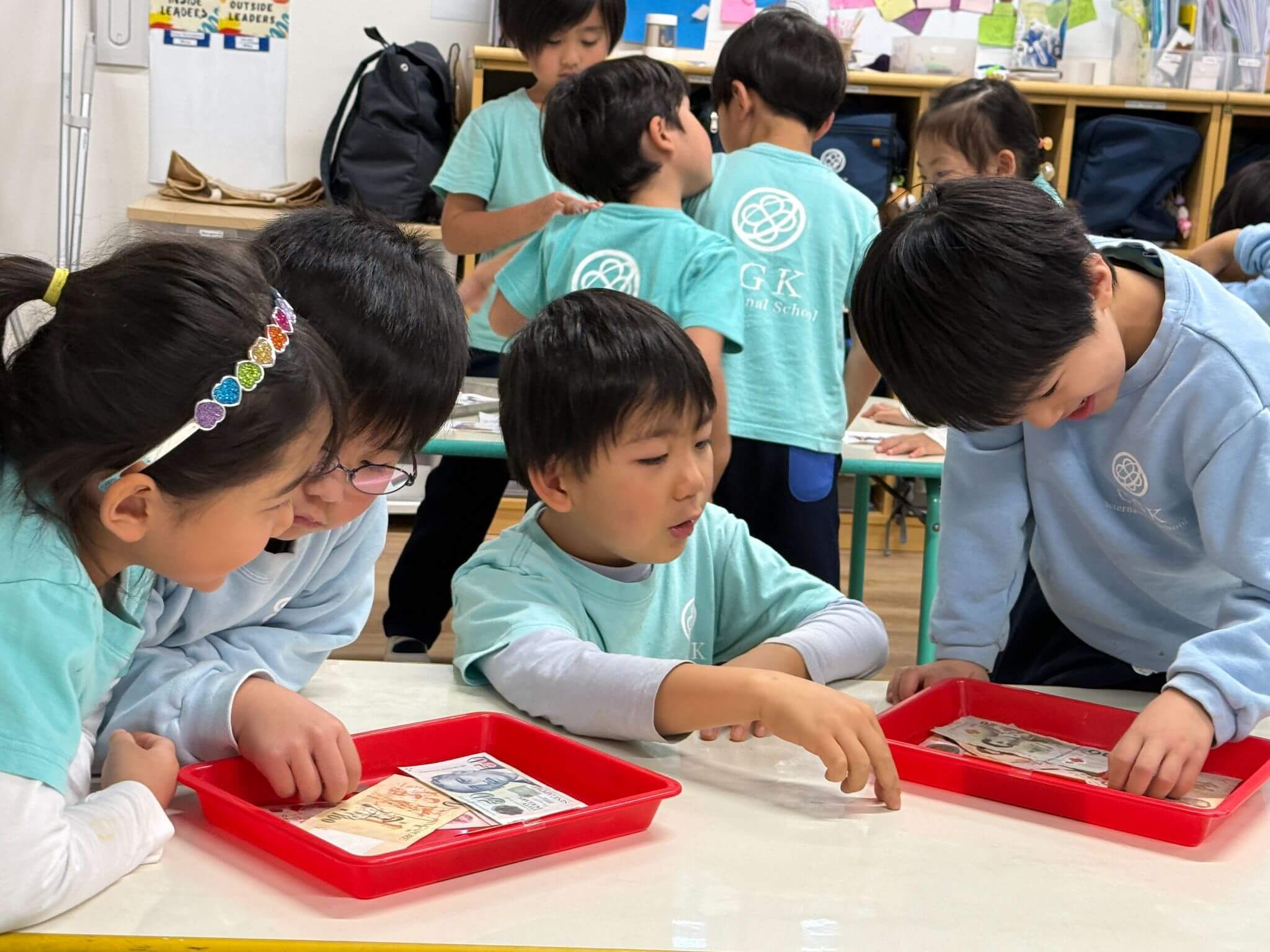
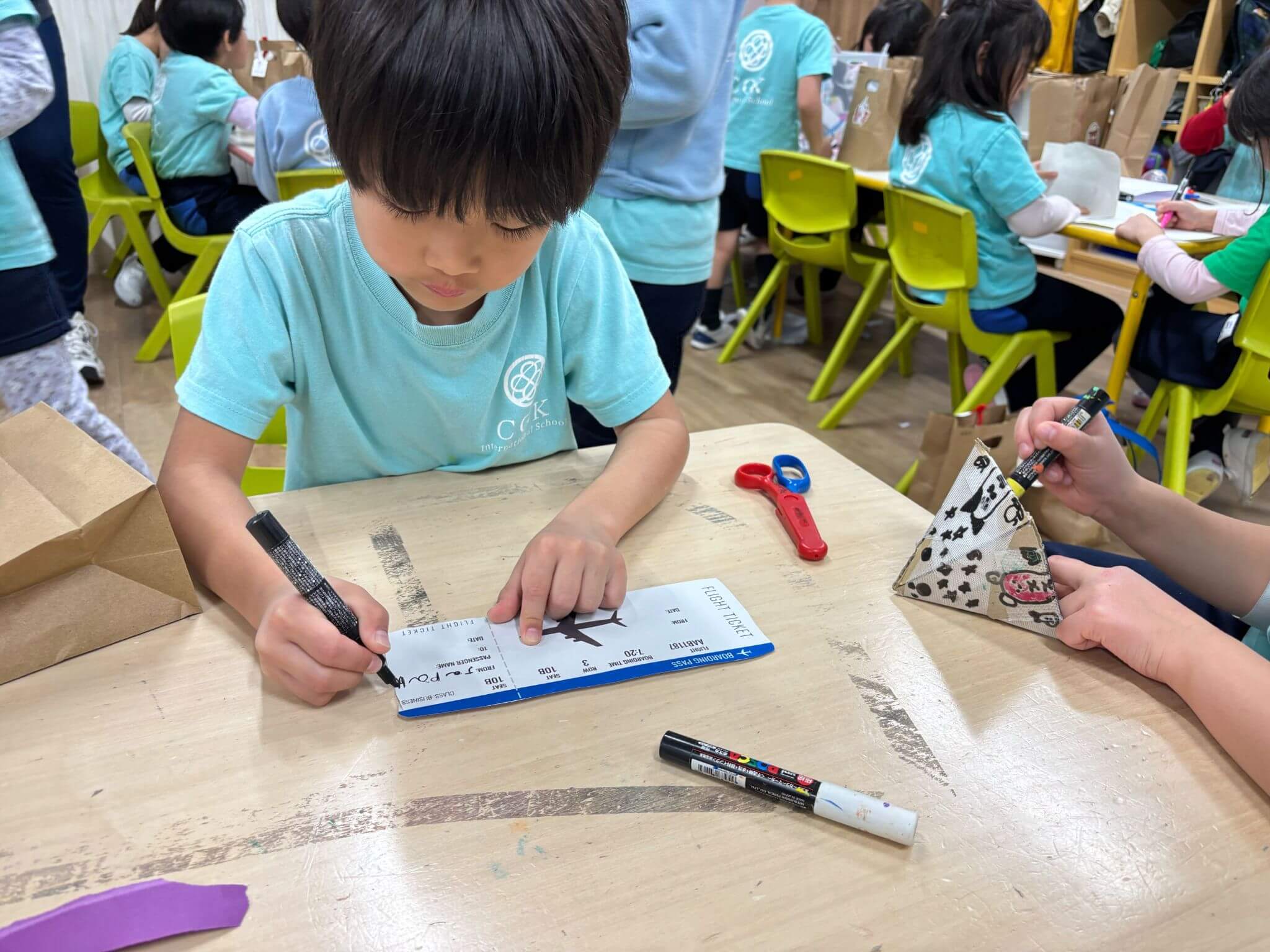
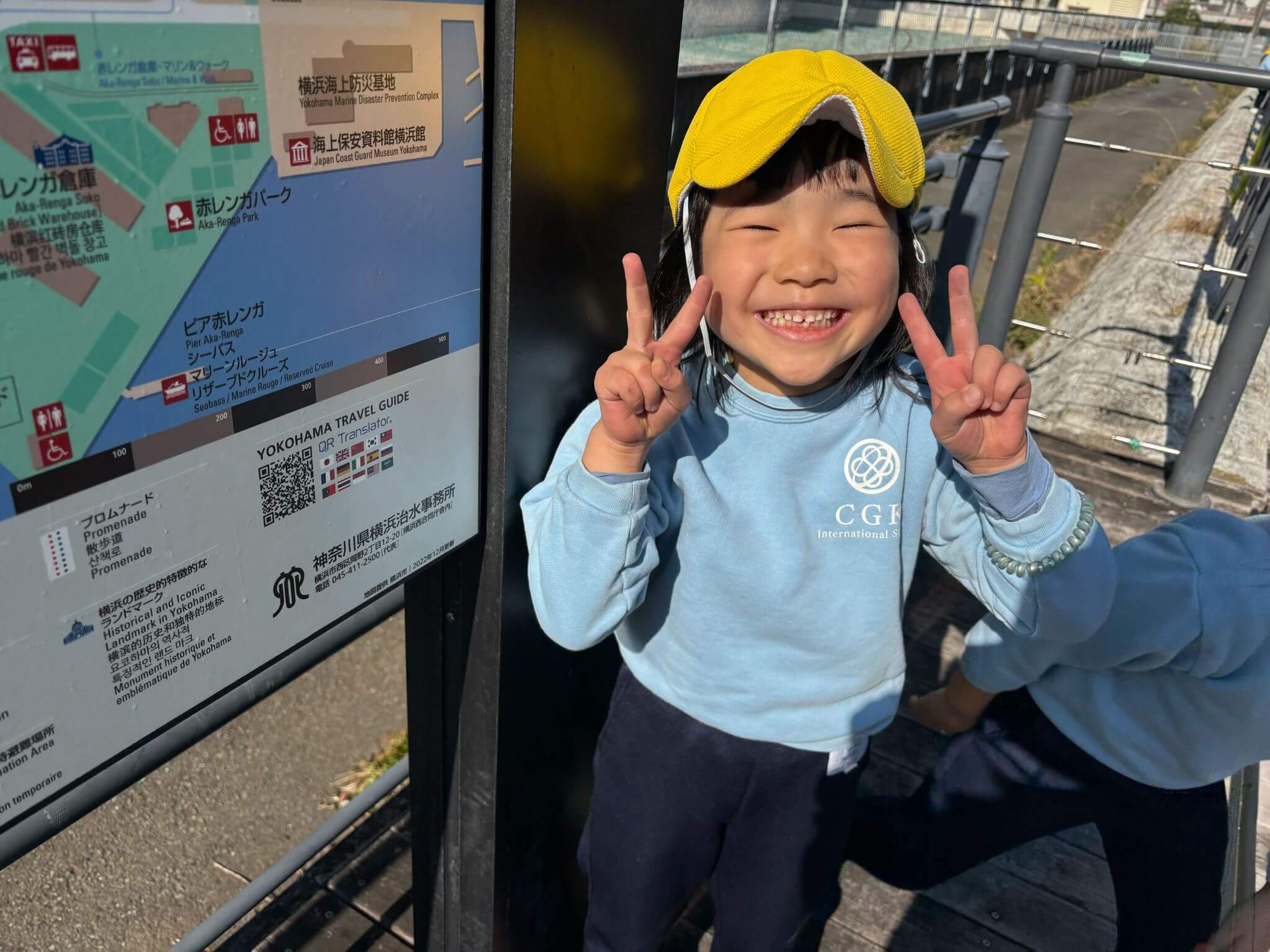
As we come to the conclusion of our current Unit of Inquiry (UOI), Where We Are in Place and Time, we are now preparing to begin the final Sky class UOI, Who We Are, starting next month.
Over the past three months, guided by the central idea “Culture and history affect how we explore, innovate, and shape our world,” the children have deepened their learning by focusing on our city, Yokohama, from many different perspectives.
Through visits to places such as the Yokohama Port Museum, Yokohama Chinatown, the Yokohama Yamate Western Houses, and Earth Plaza, the children were able to go beyond classroom learning and truly deepen their understanding by seeing, touching, and feeling their learning firsthand. It was especially wonderful to see how their perspectives expanded from Yokohama to the wider world through the Earth Plaza visit and preparations for the Student Led Conferences (SLC).
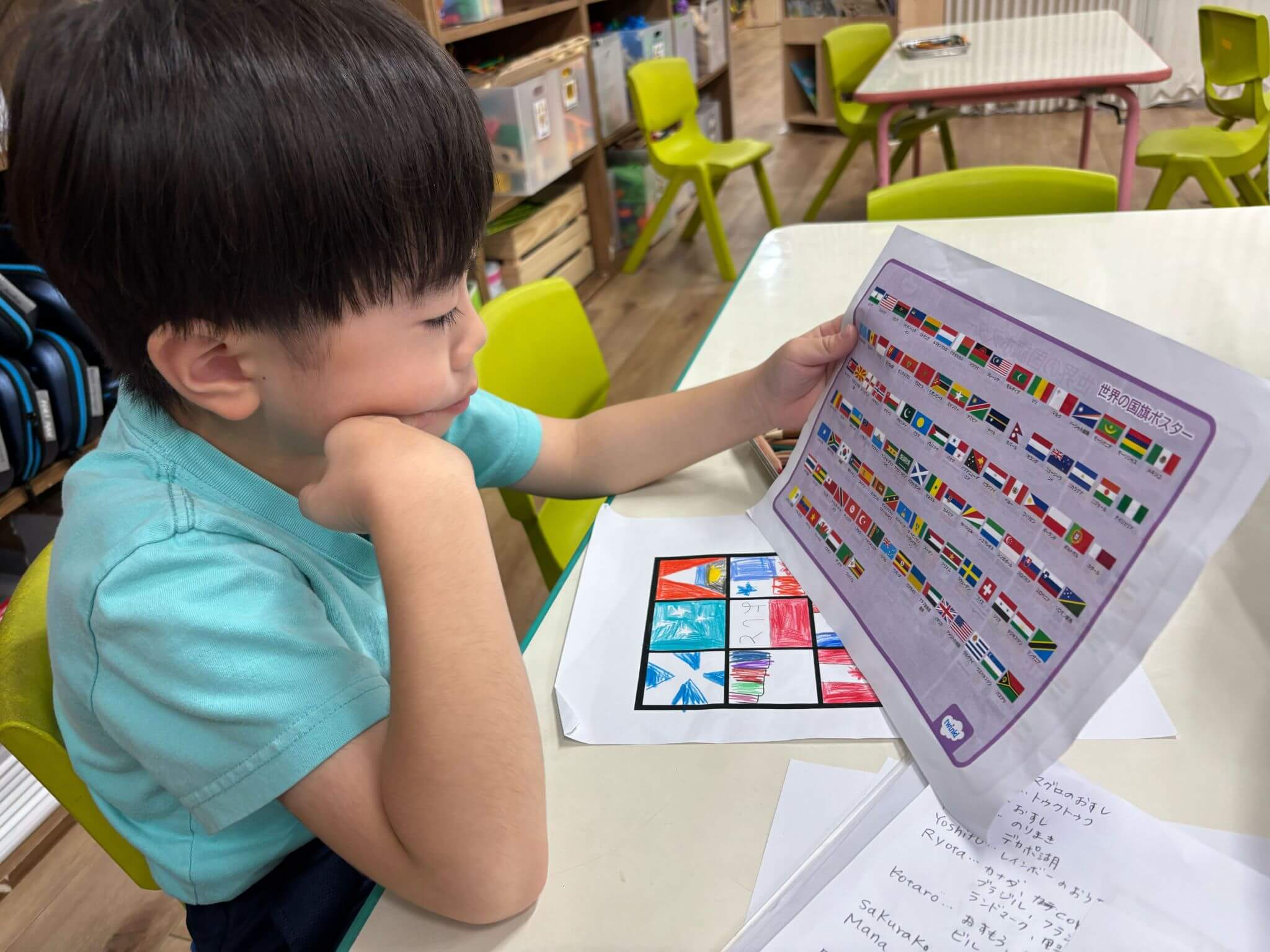
During this process, many children developed a strong interest in national flags. Some noticed the Portuguese flag during neighborhood walks and wondered, “Why is this flag here?”, while others were excited to recognize the flags of countries they like. These moments showed us that their curiosity about the world was not limited to UOI time, but was becoming part of their everyday thinking.
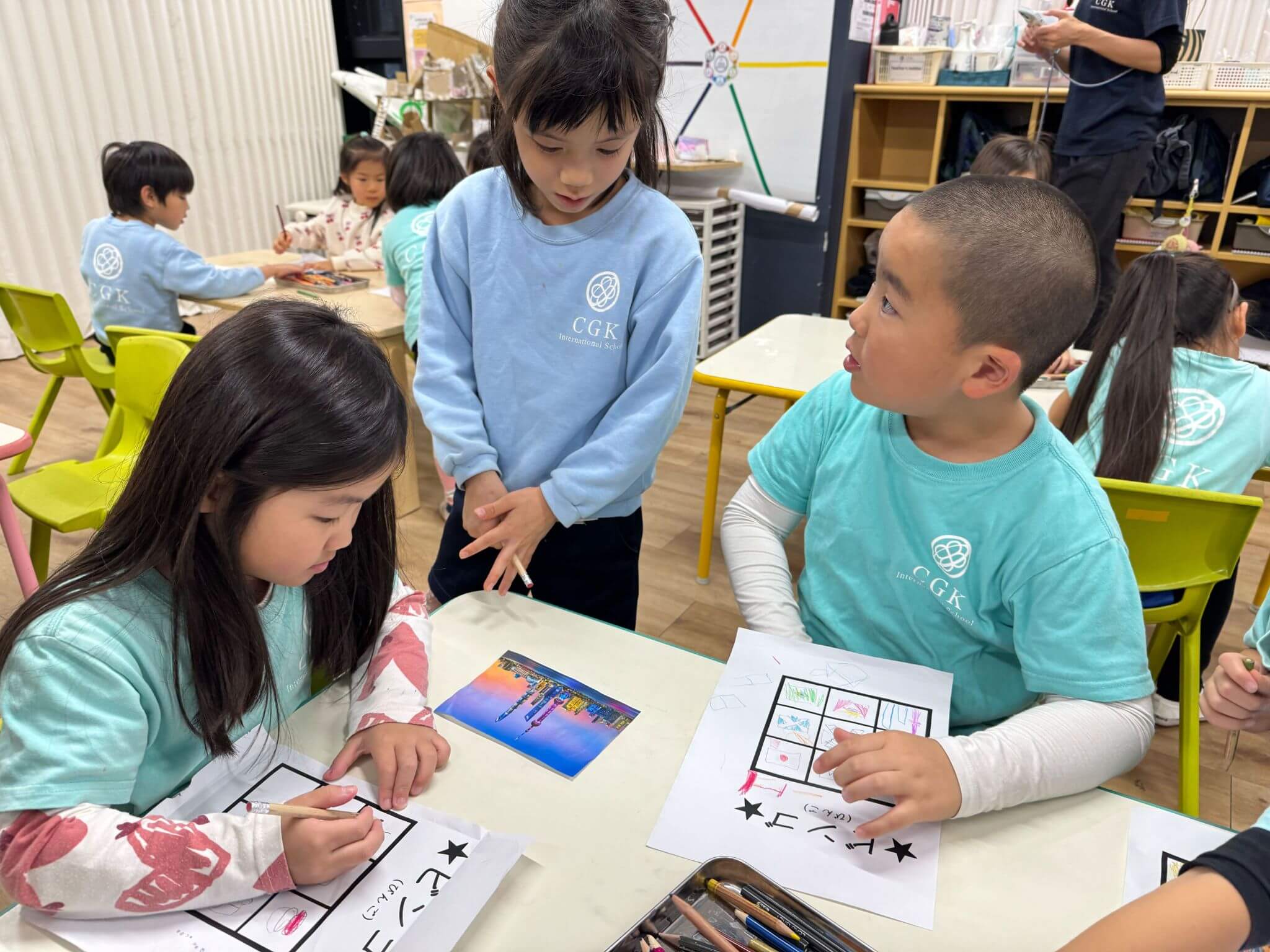
This month, we focused our inquiry on the theme of “Countries we want to visit or are interested in,” allowing students to deepen their understanding of different countries’ histories and cultures. Starting from their own interests, the children selected countries, researched them, and expanded their learning.
In Sky A, students explored country characteristics and differences through bingo games and creating national flag karuta cards.
In Sky B, students deepened their thinking from the perspective of “If I were to visit this country” by making travel suitcases and creating original guidebooks. Through these activities, Sky students were able to engage in inquiry joyfully and with a strong sense of agency.
By incorporating many group activities, students also had valuable opportunities to develop social and communication skills. At the same time, as part of their gradual preparation for elementary school, they have begun practicing self-management skills such as organizing and using lockers properly, taking responsibility for their belongings, and following table manners.
Although 2025 has passed by quickly, thanks to the understanding and support of our families, we have been able to complete the year smoothly. Over the remaining three months until graduation, we look forward to cherishing each day together with the children. Thank you very much for your continued support, and we look forward to another wonderful year ahead.
Mountain
(4-year-olds)
What Winter Traditions Do You Have?
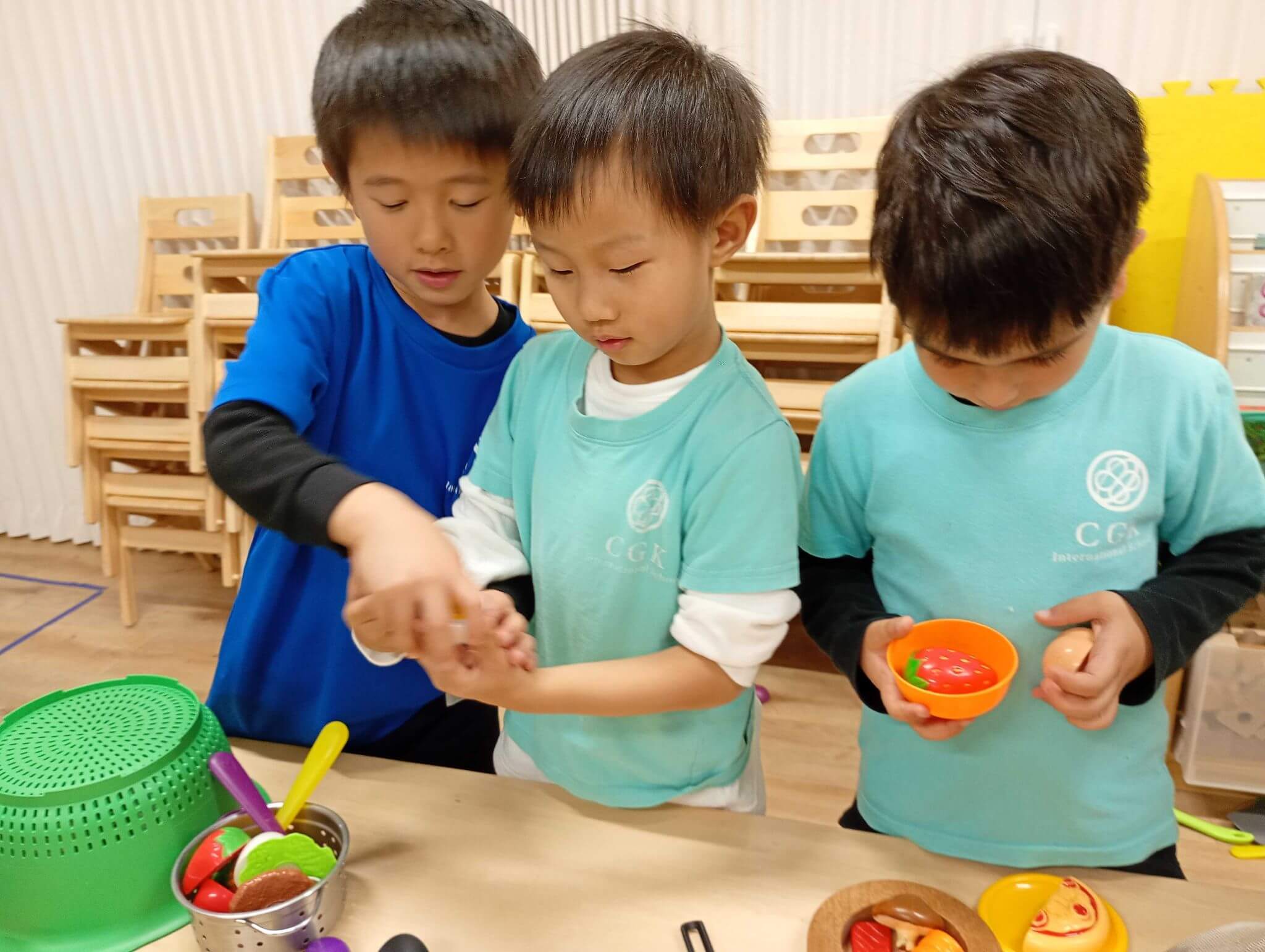
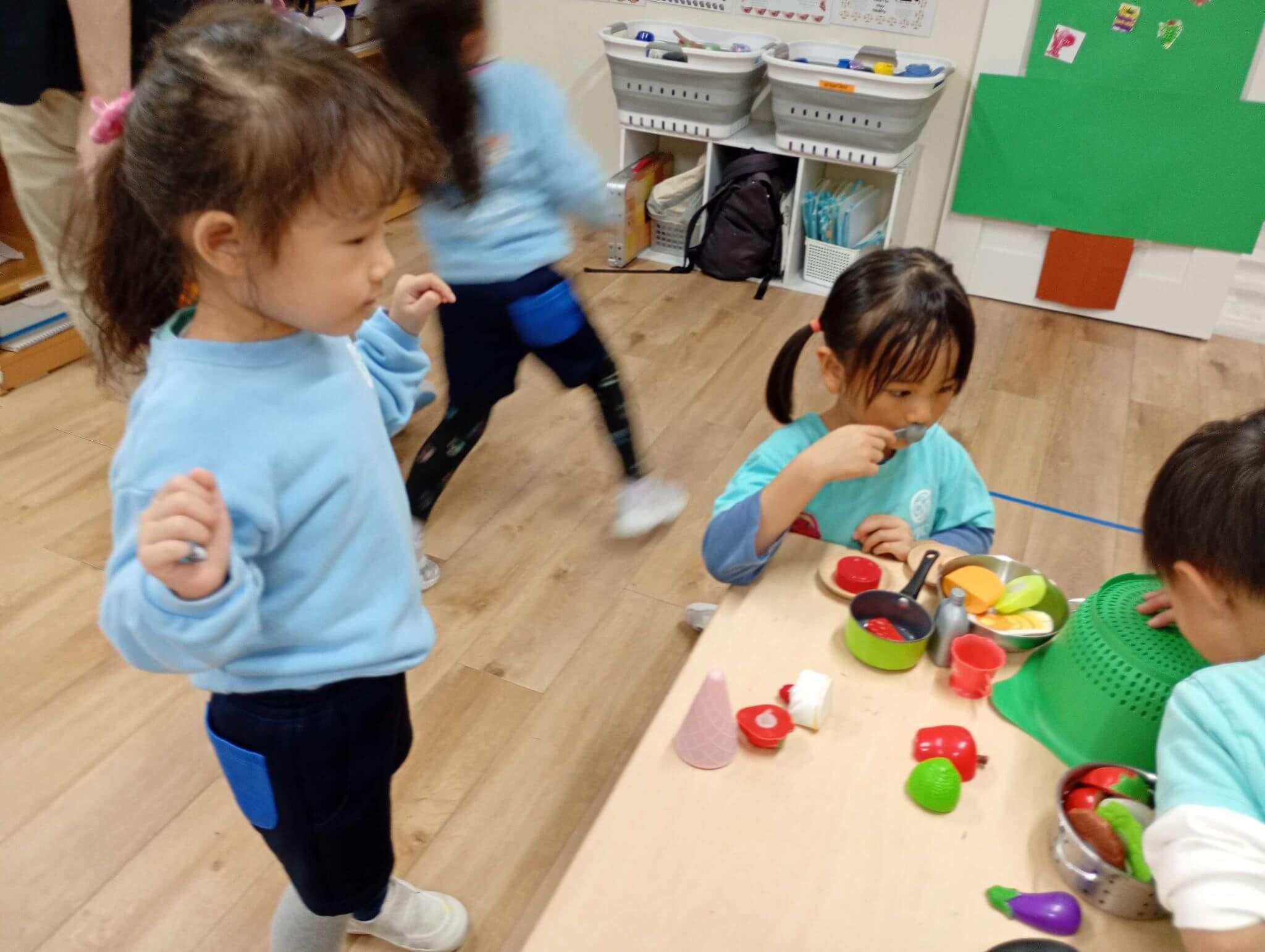
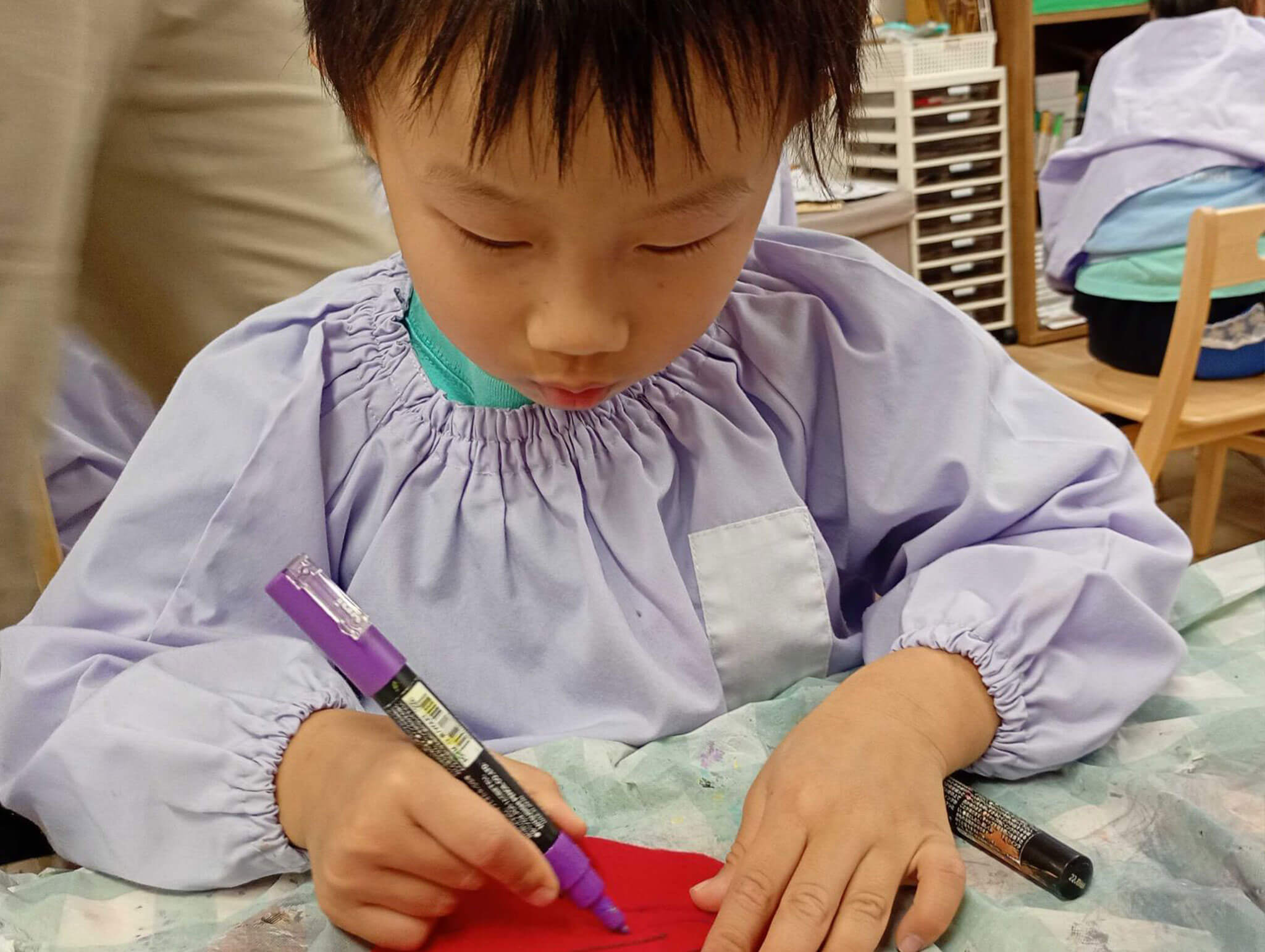
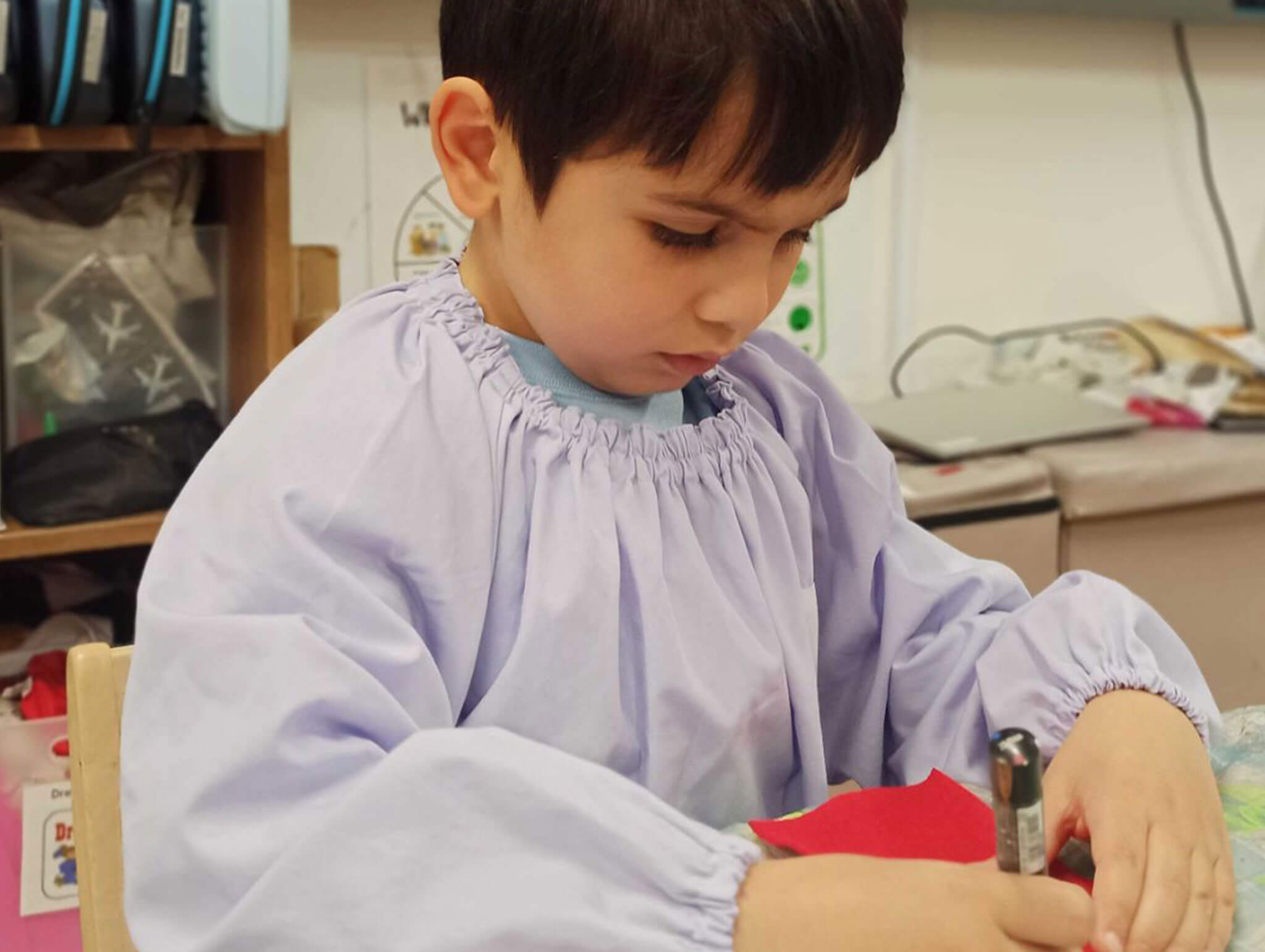
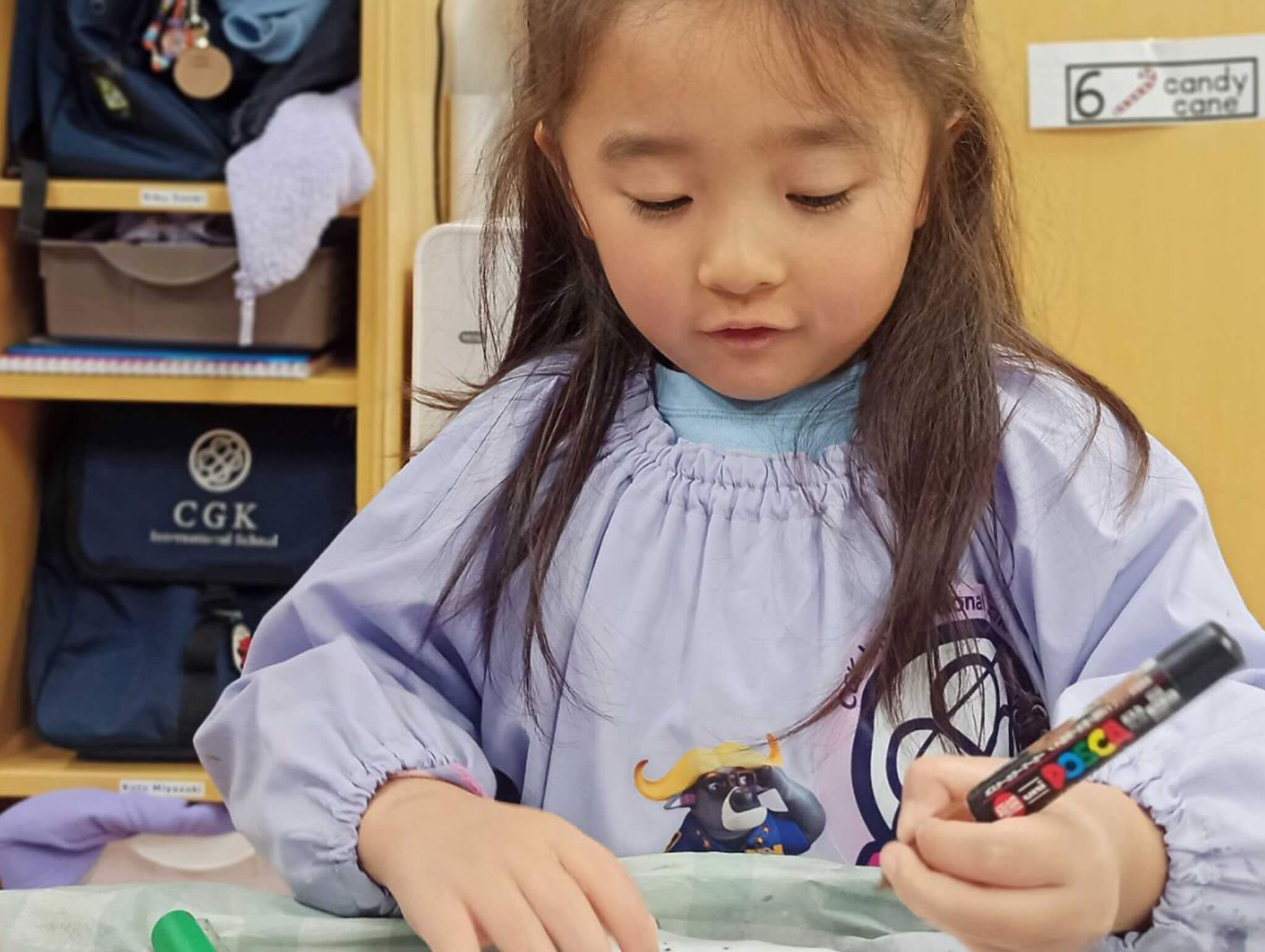
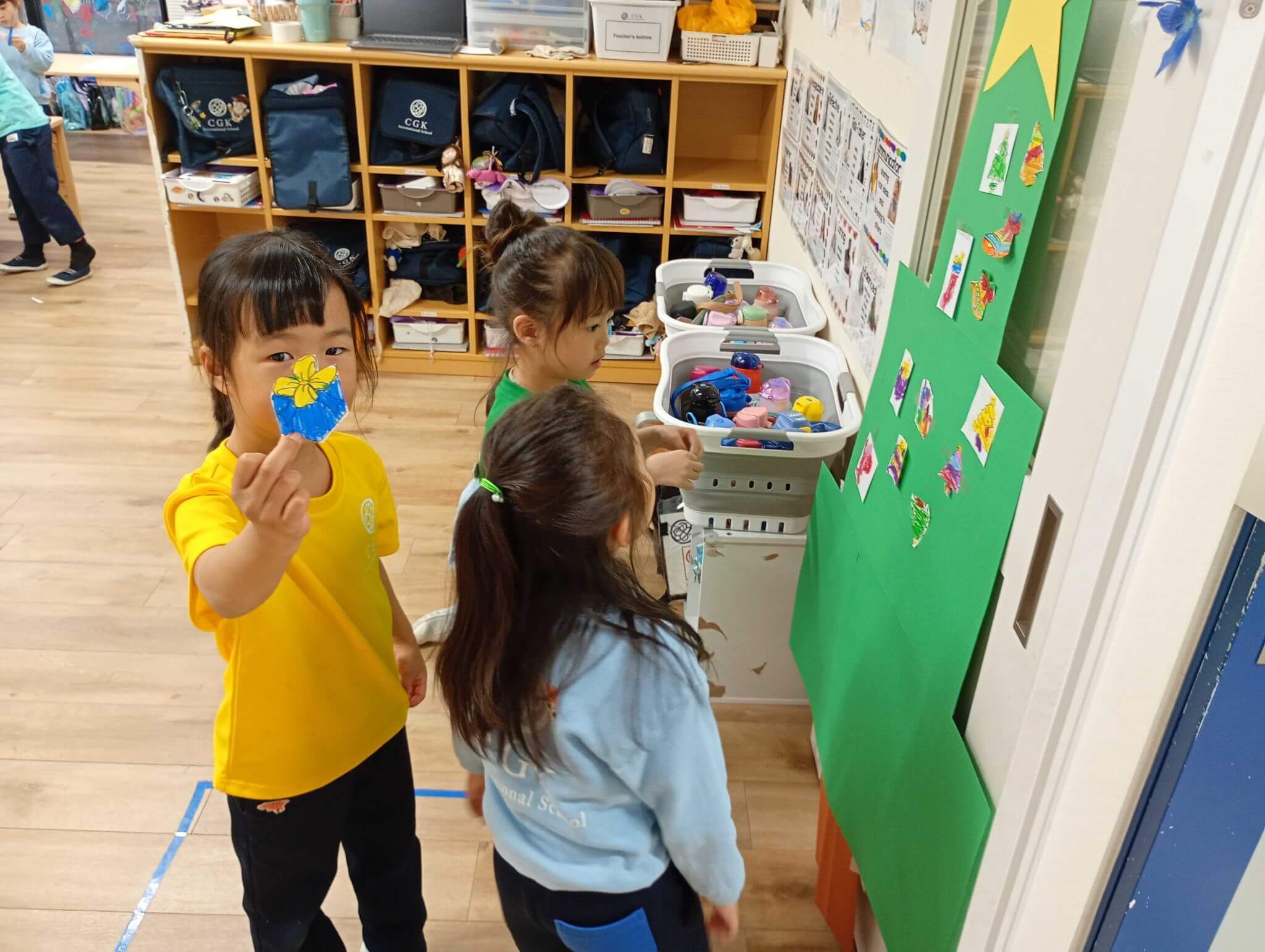
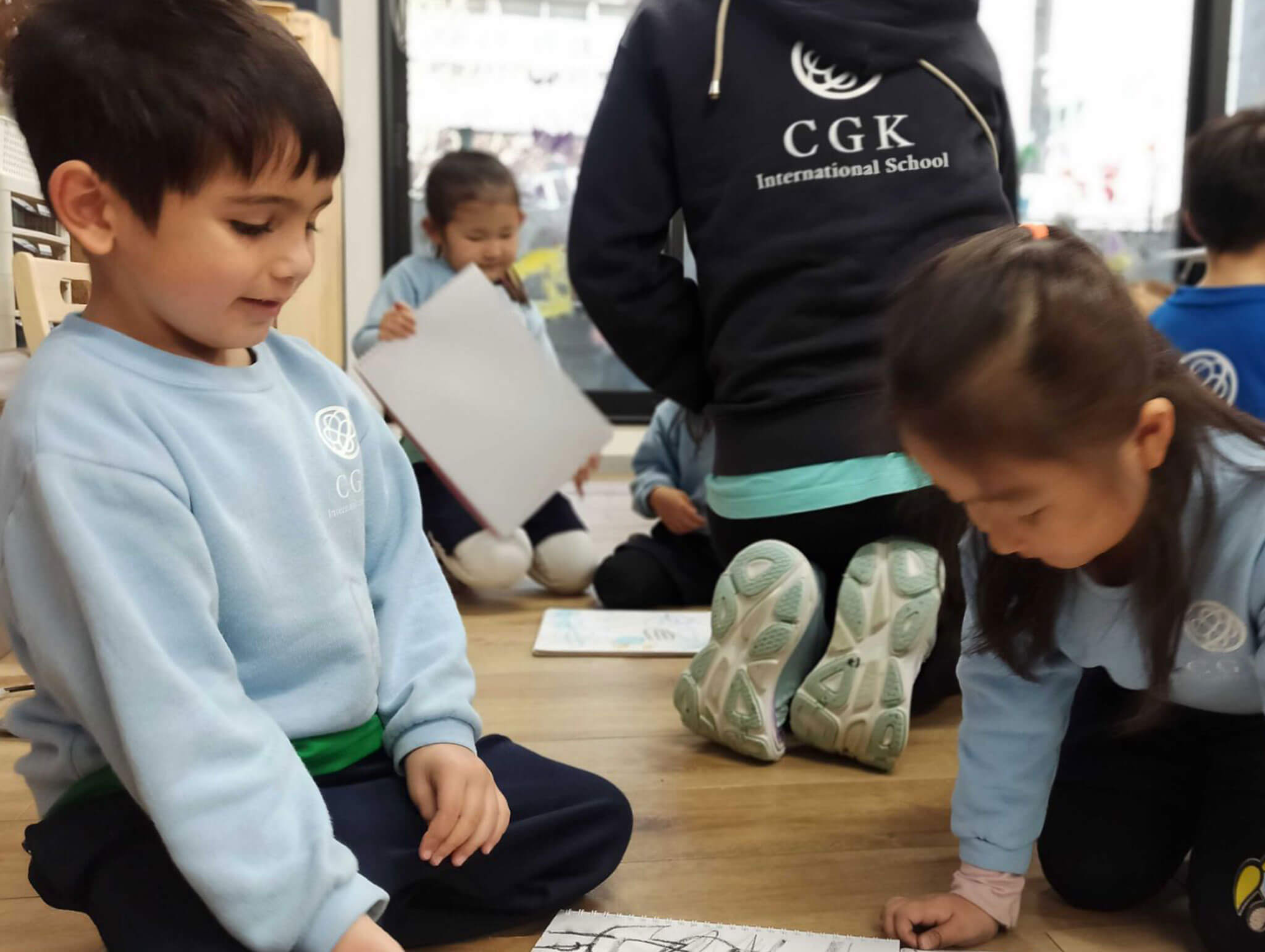
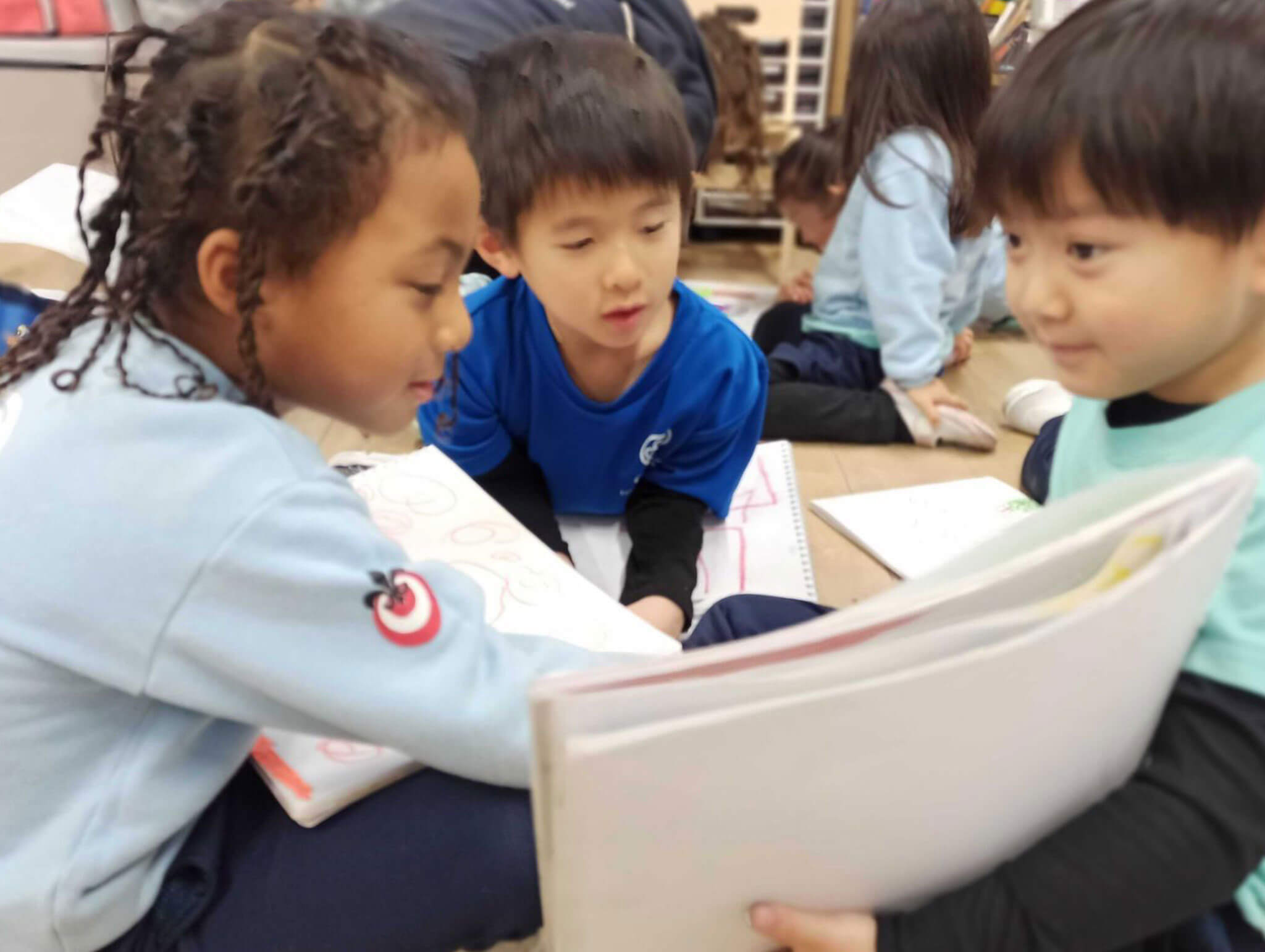
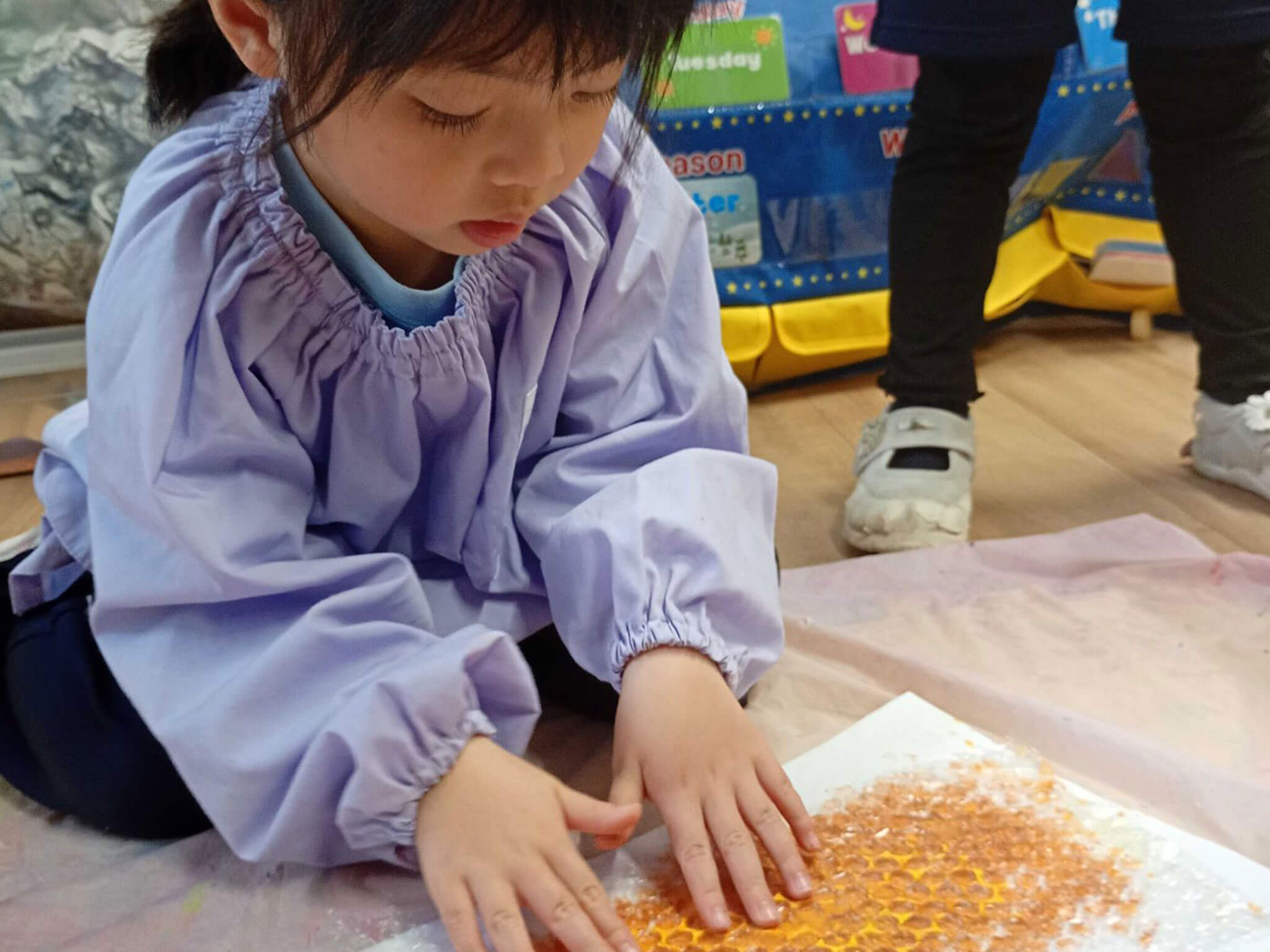
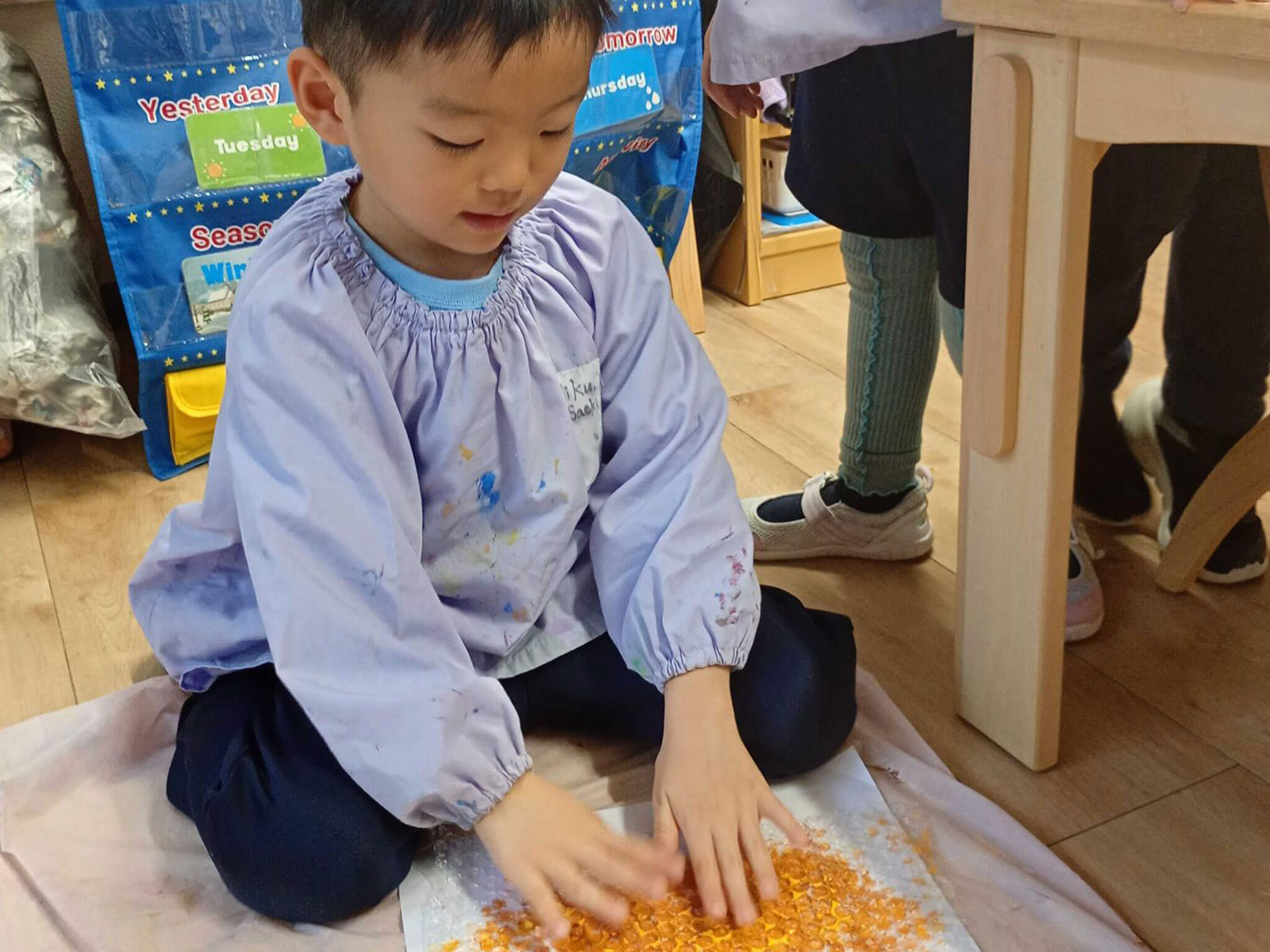
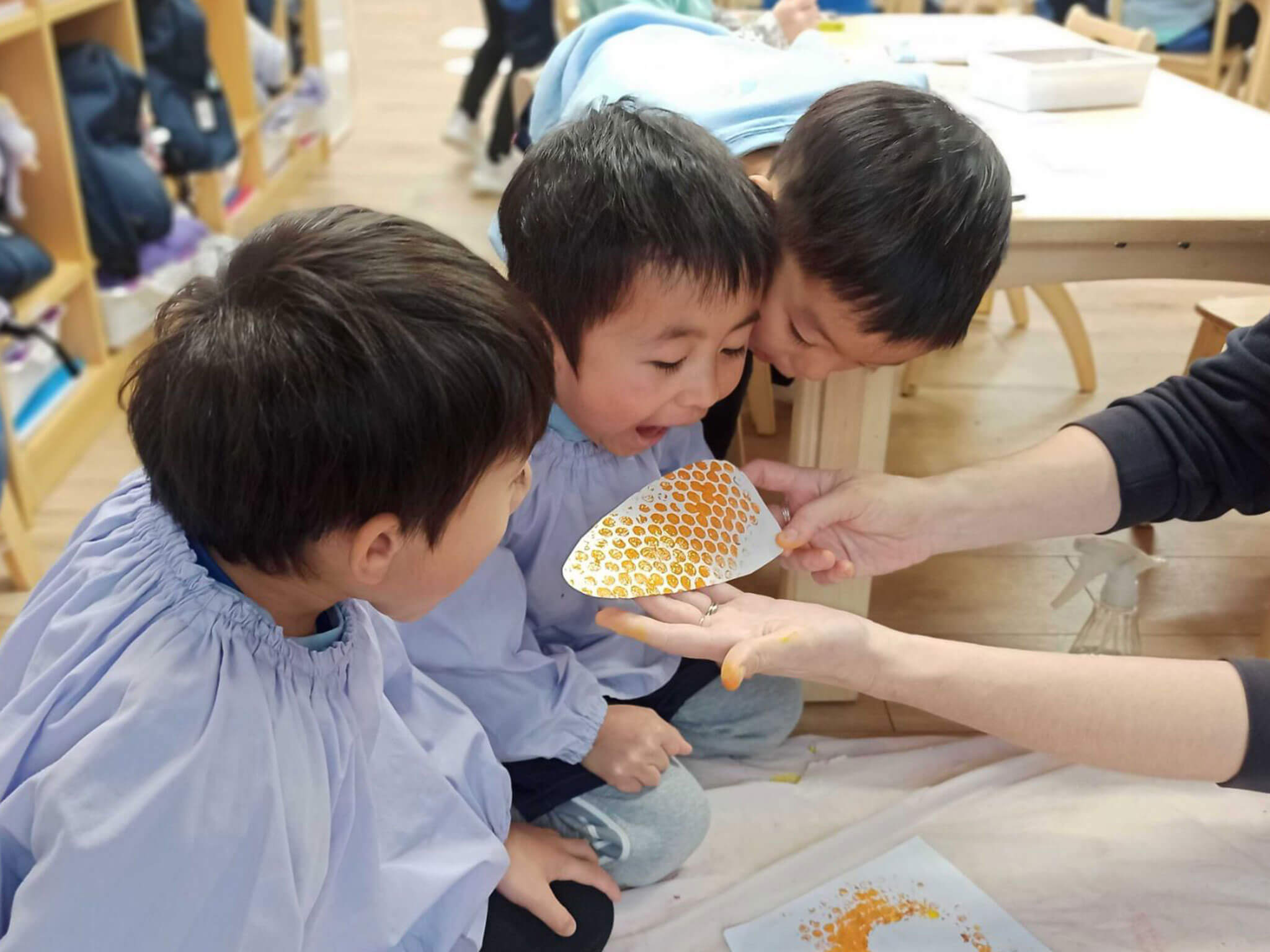
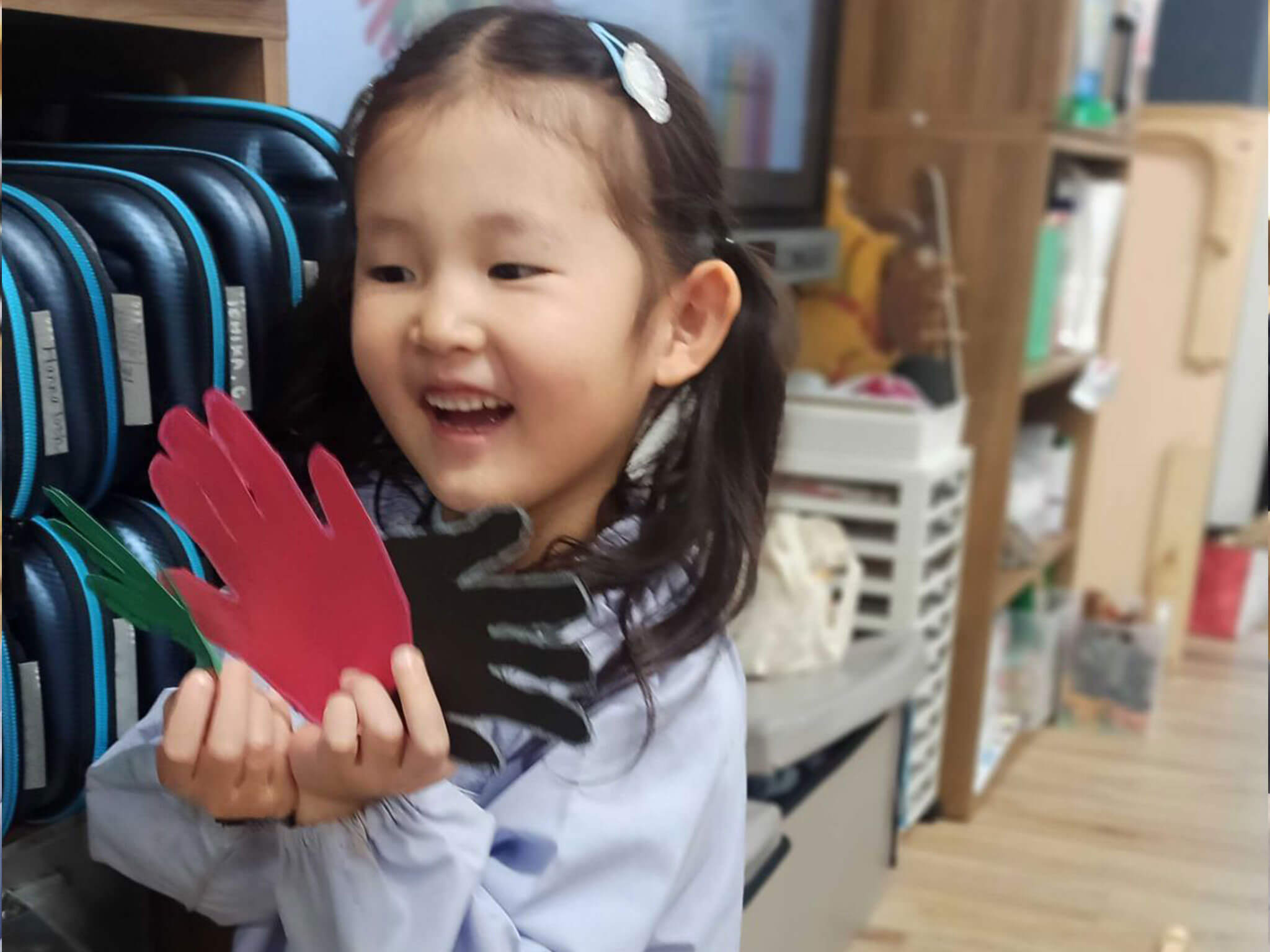
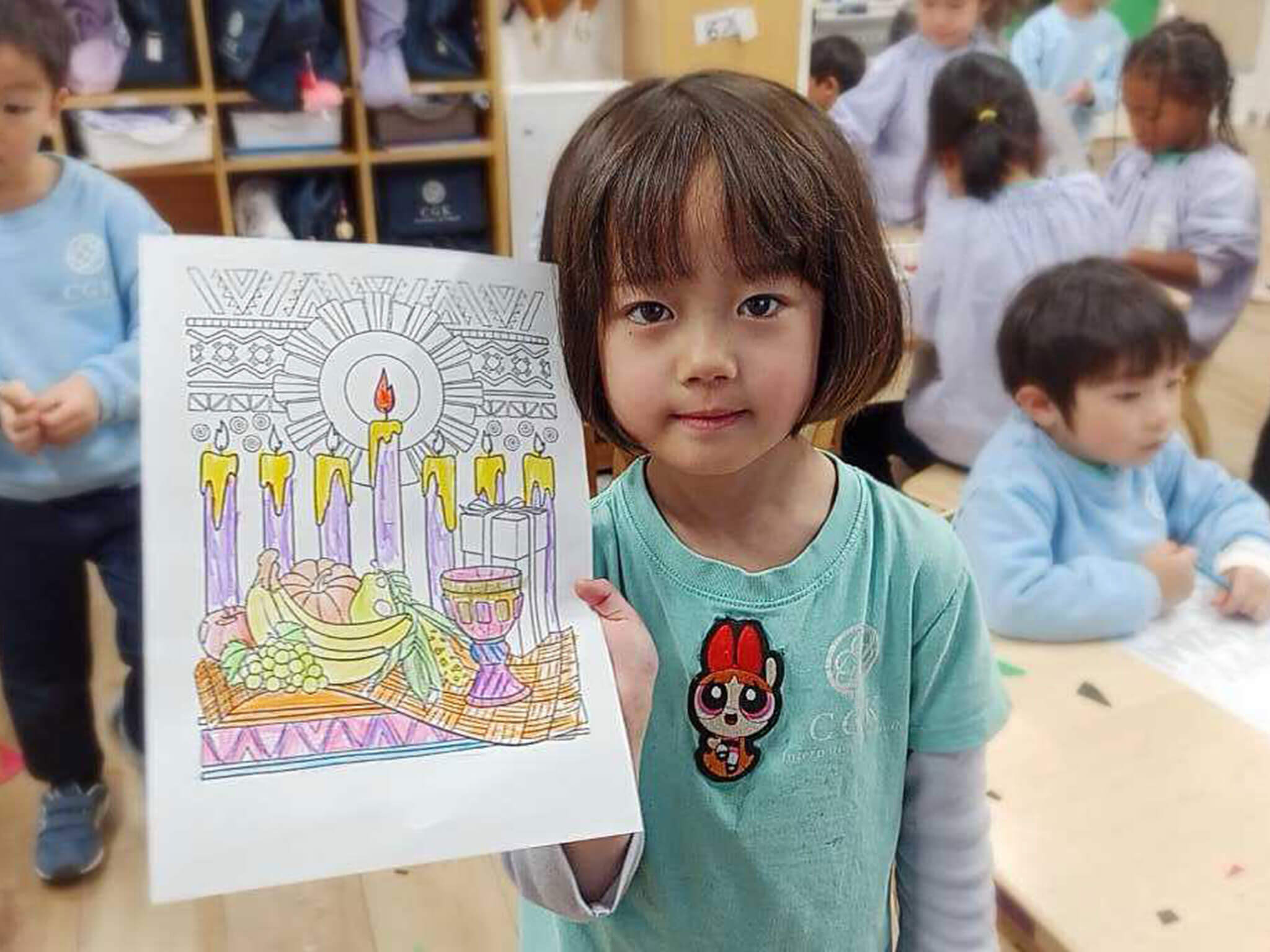
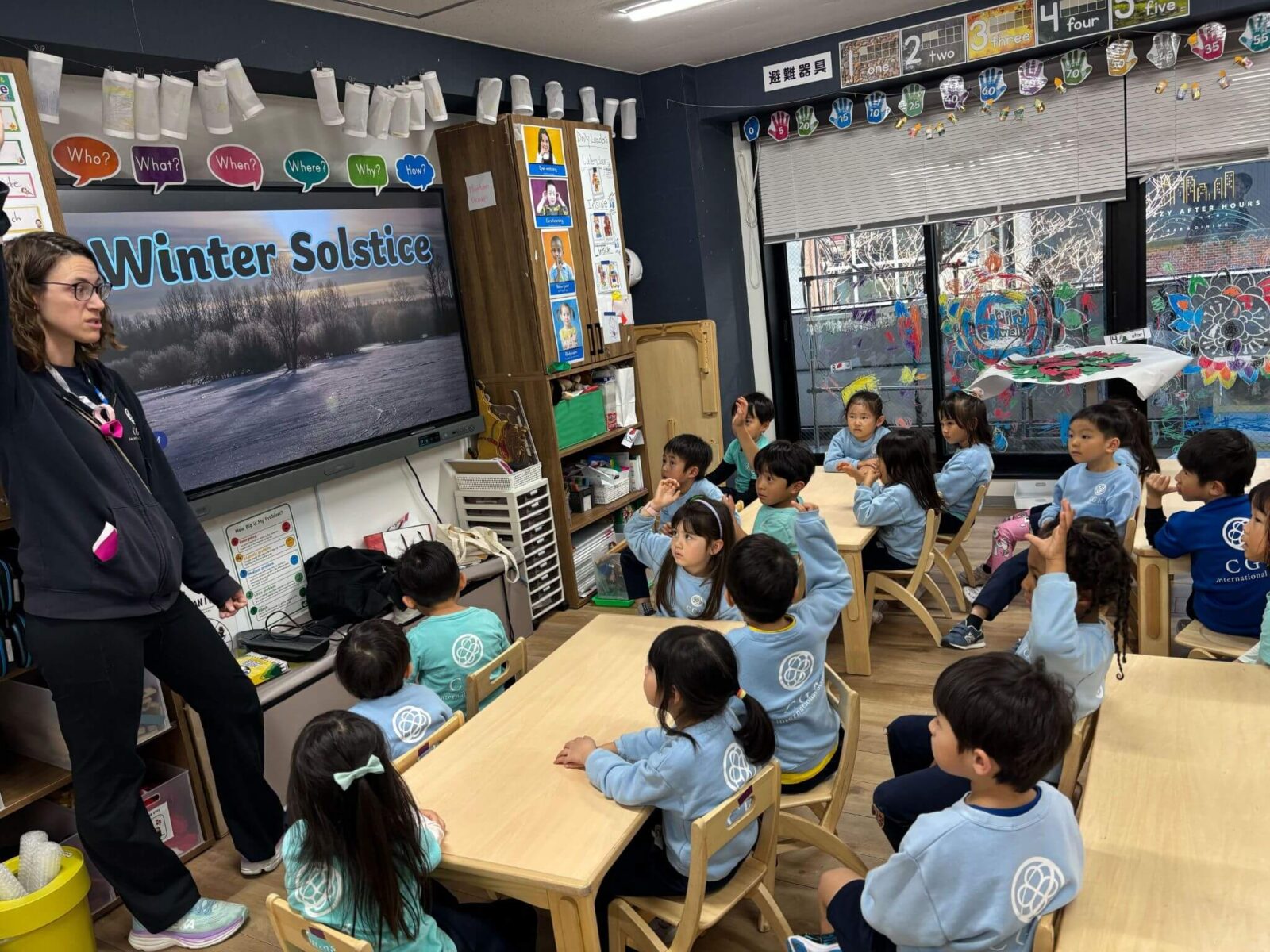
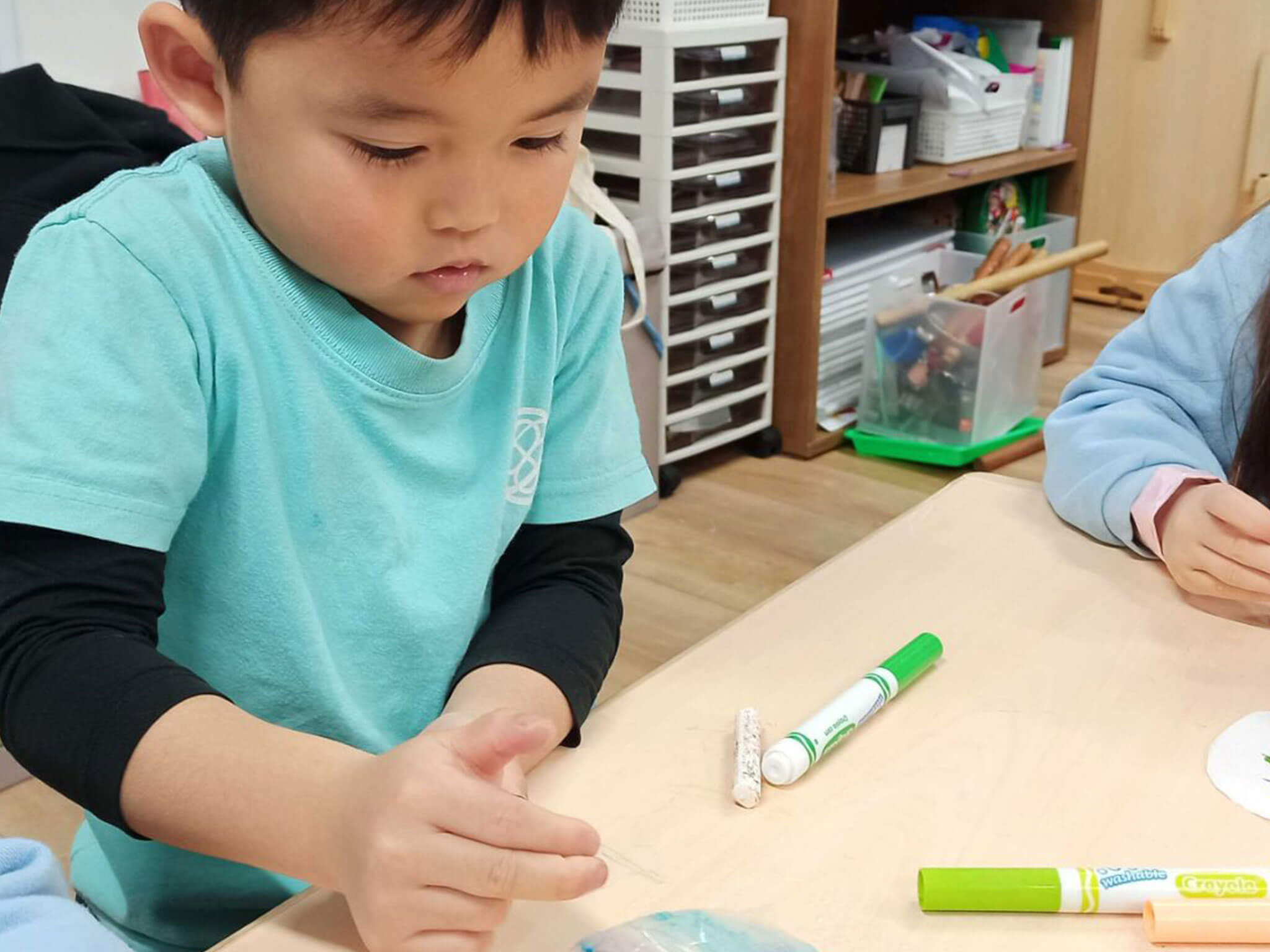
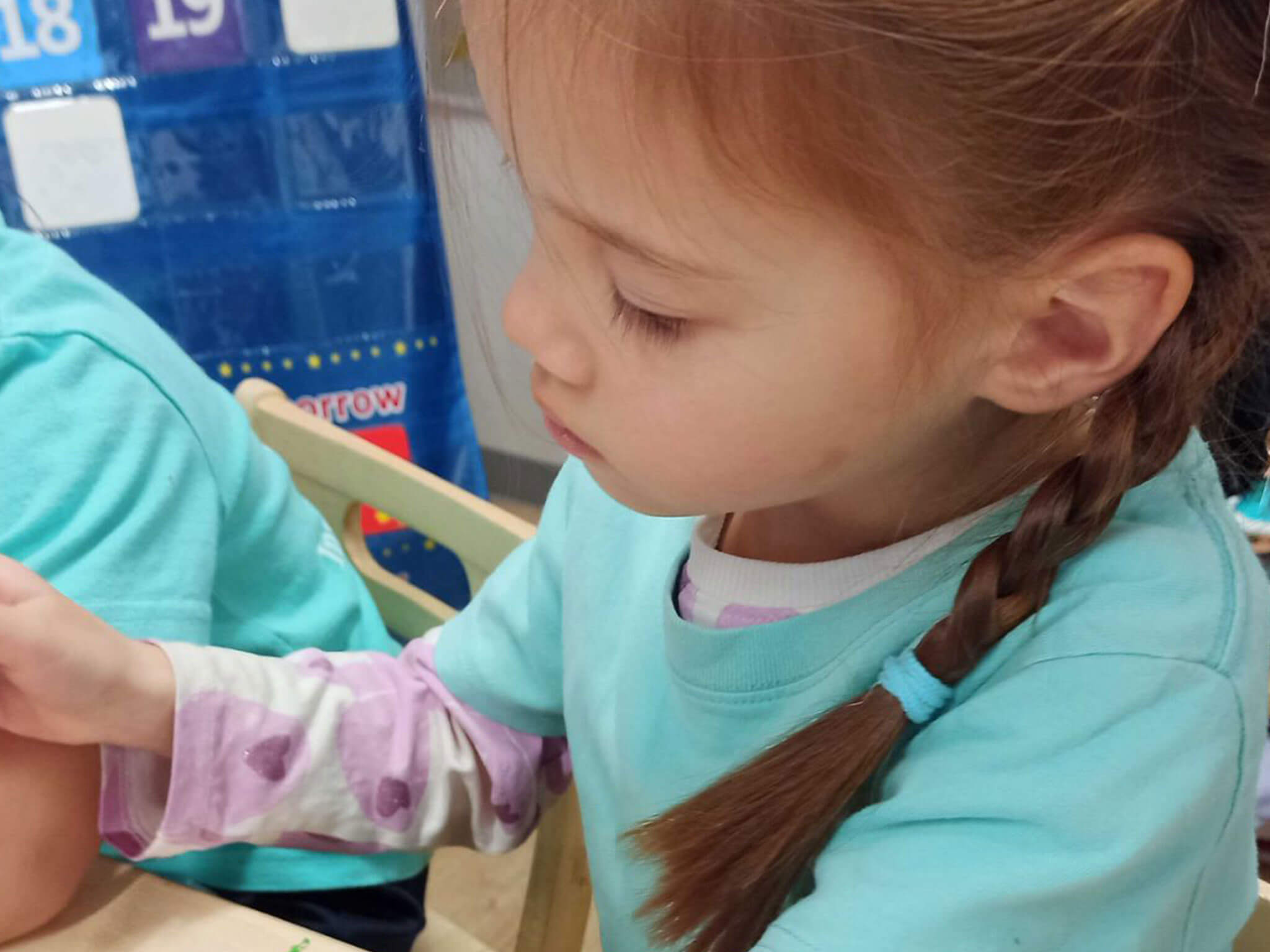
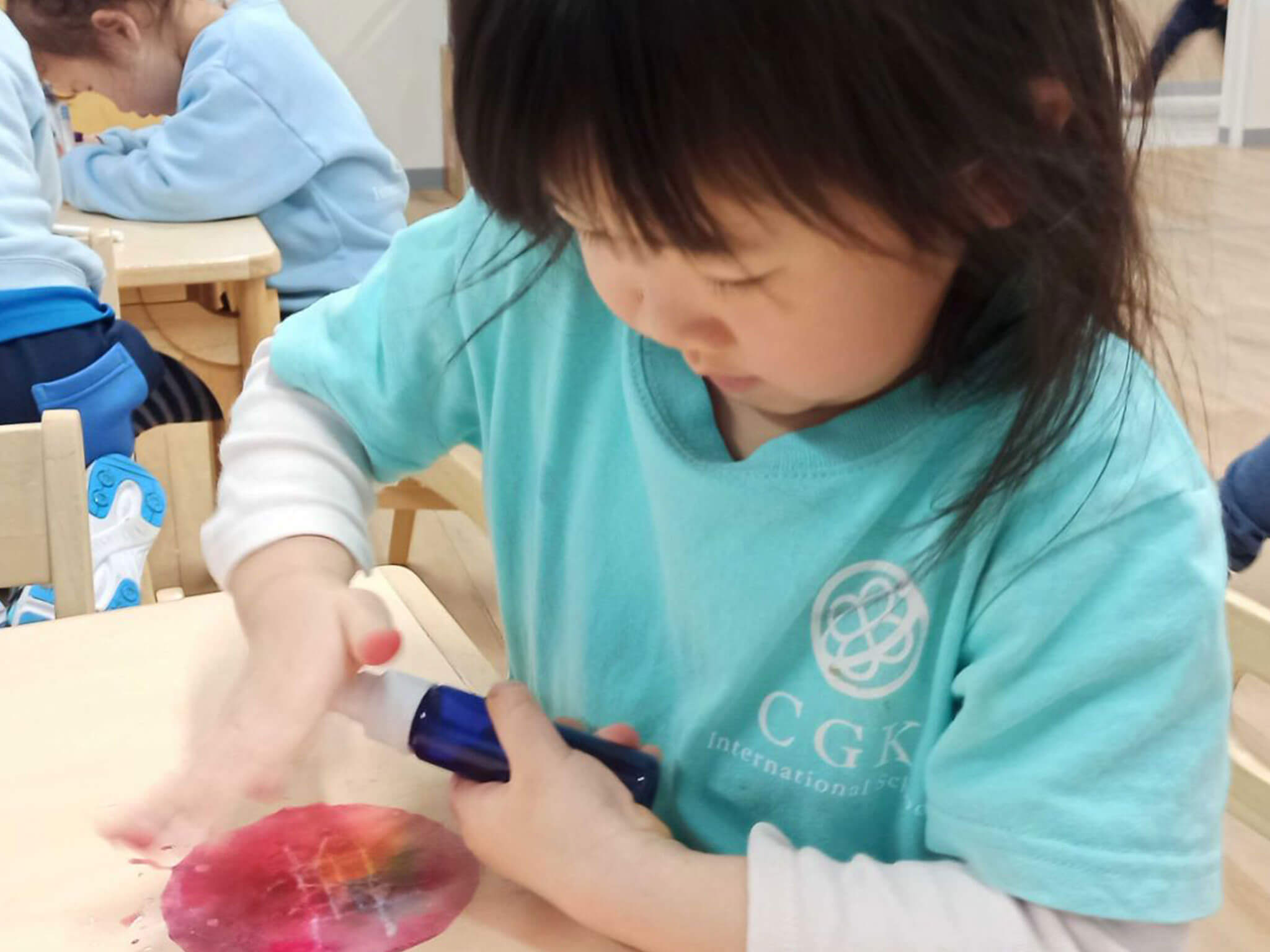
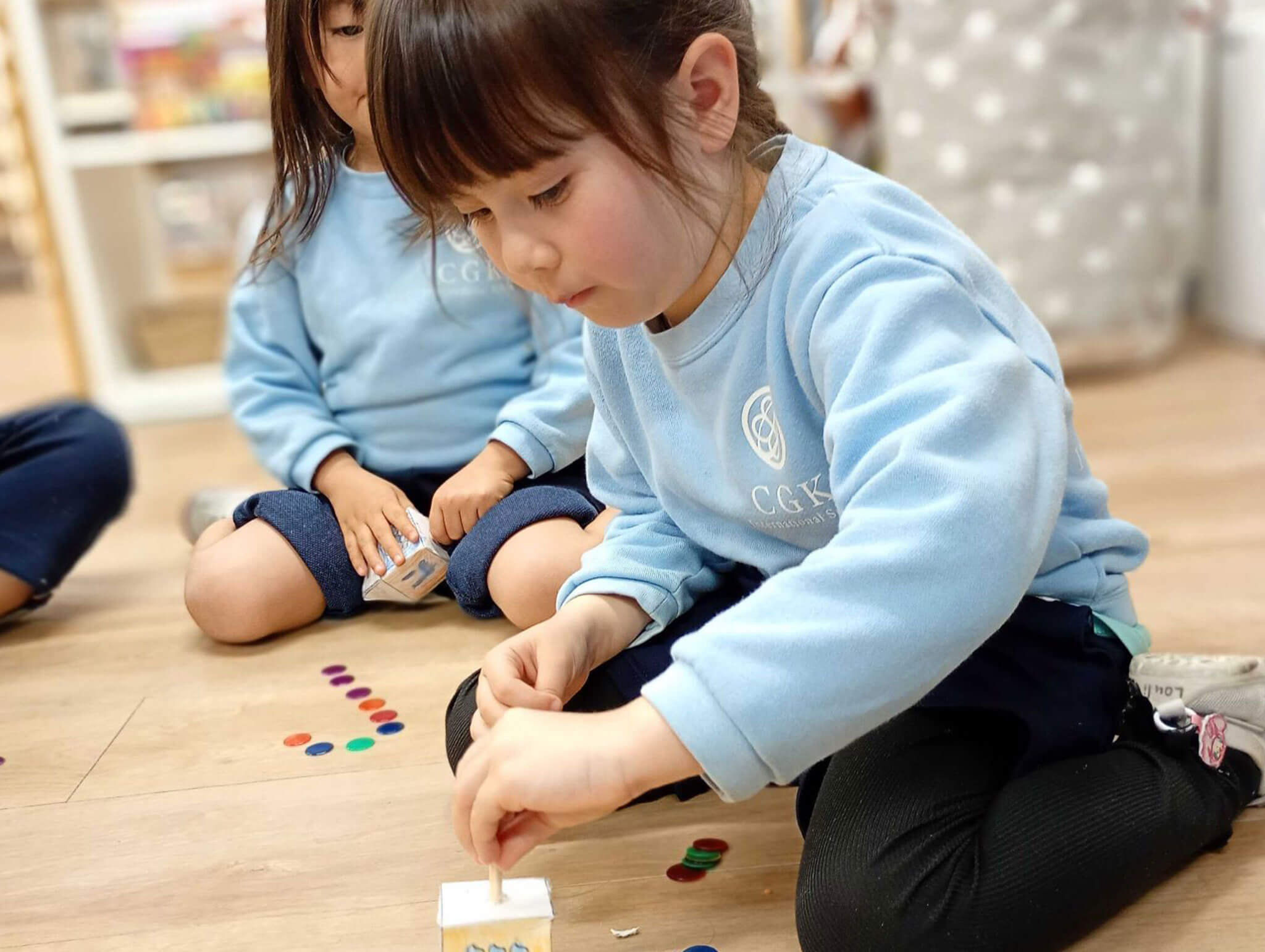
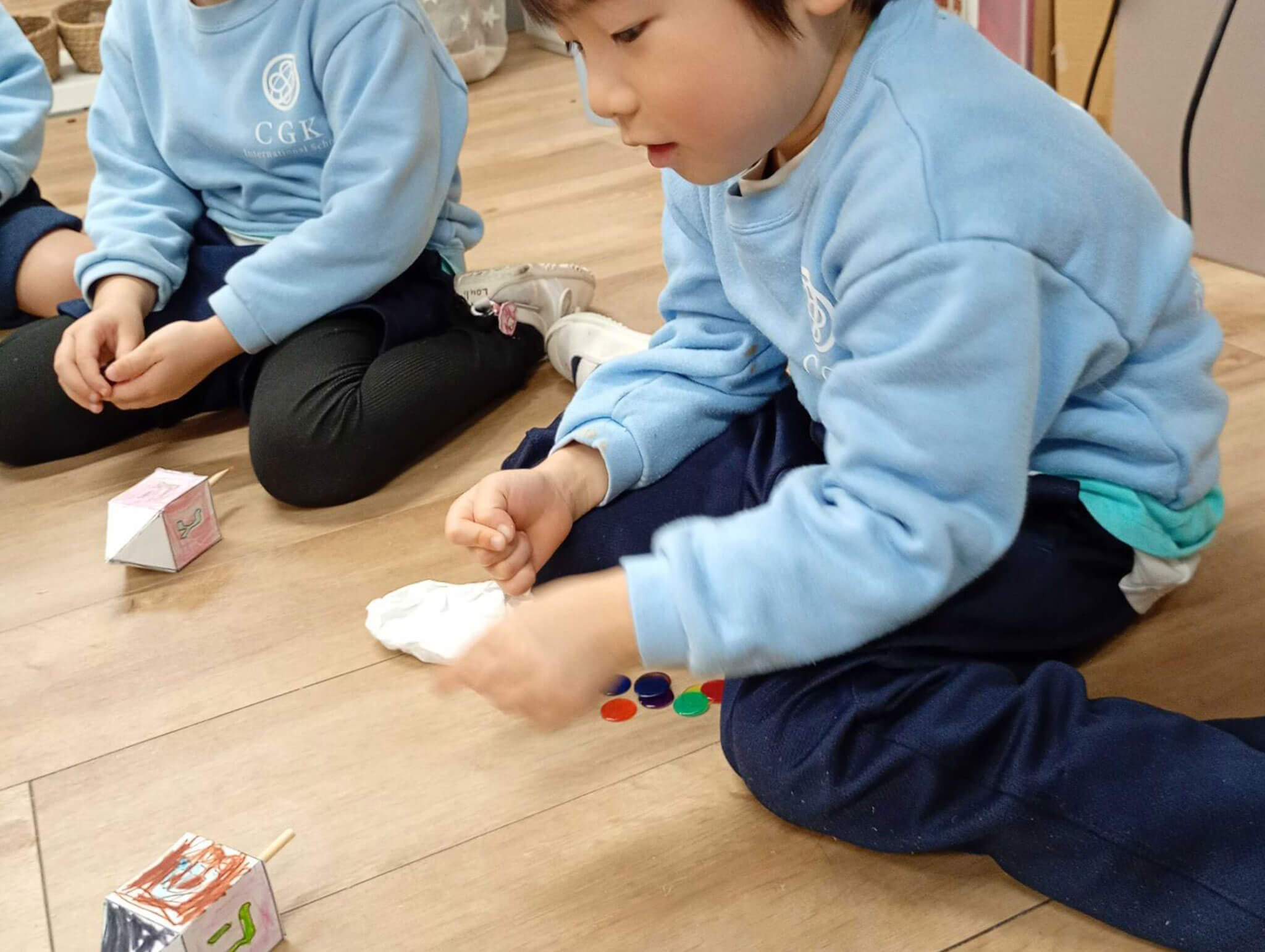
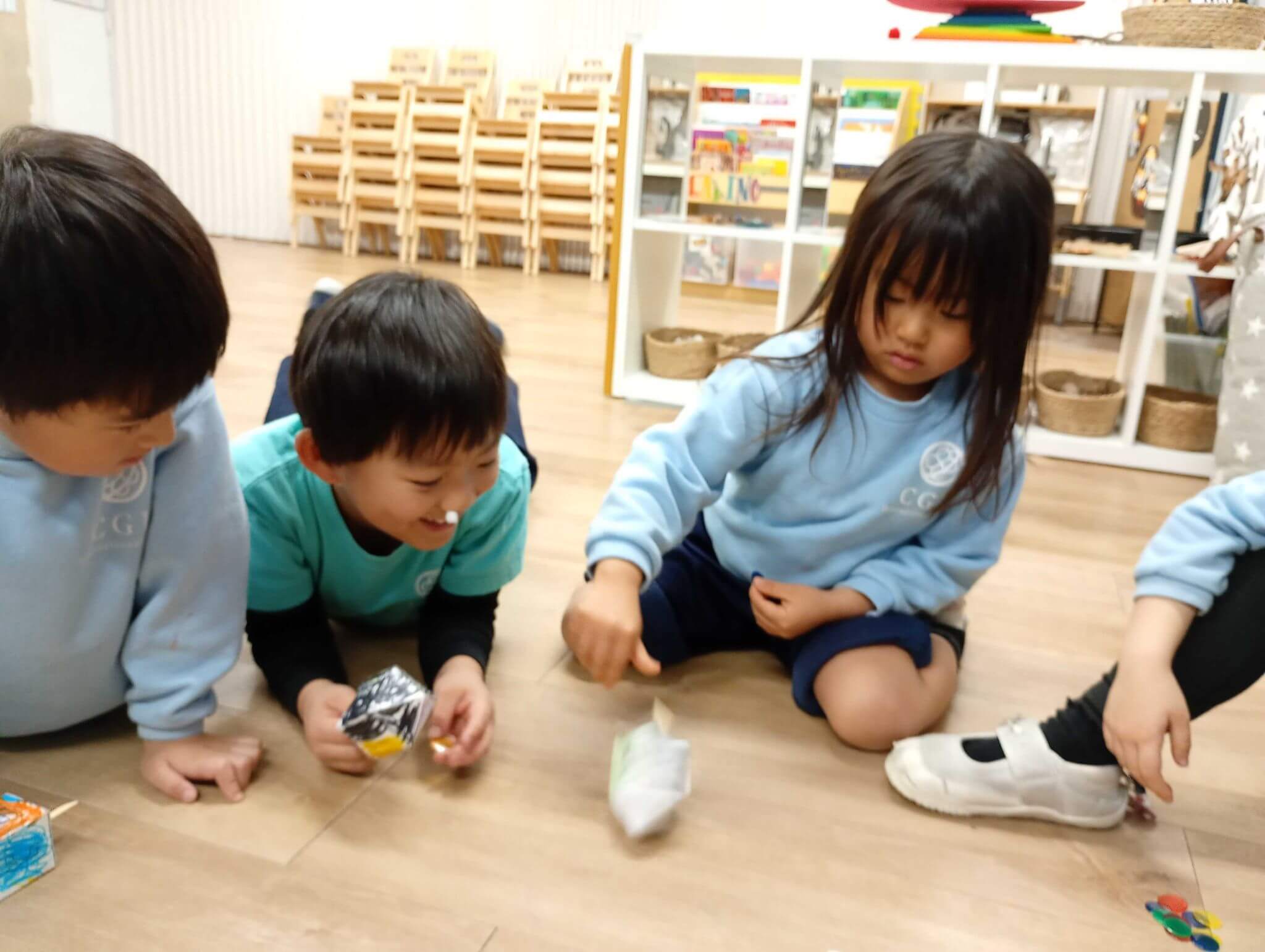
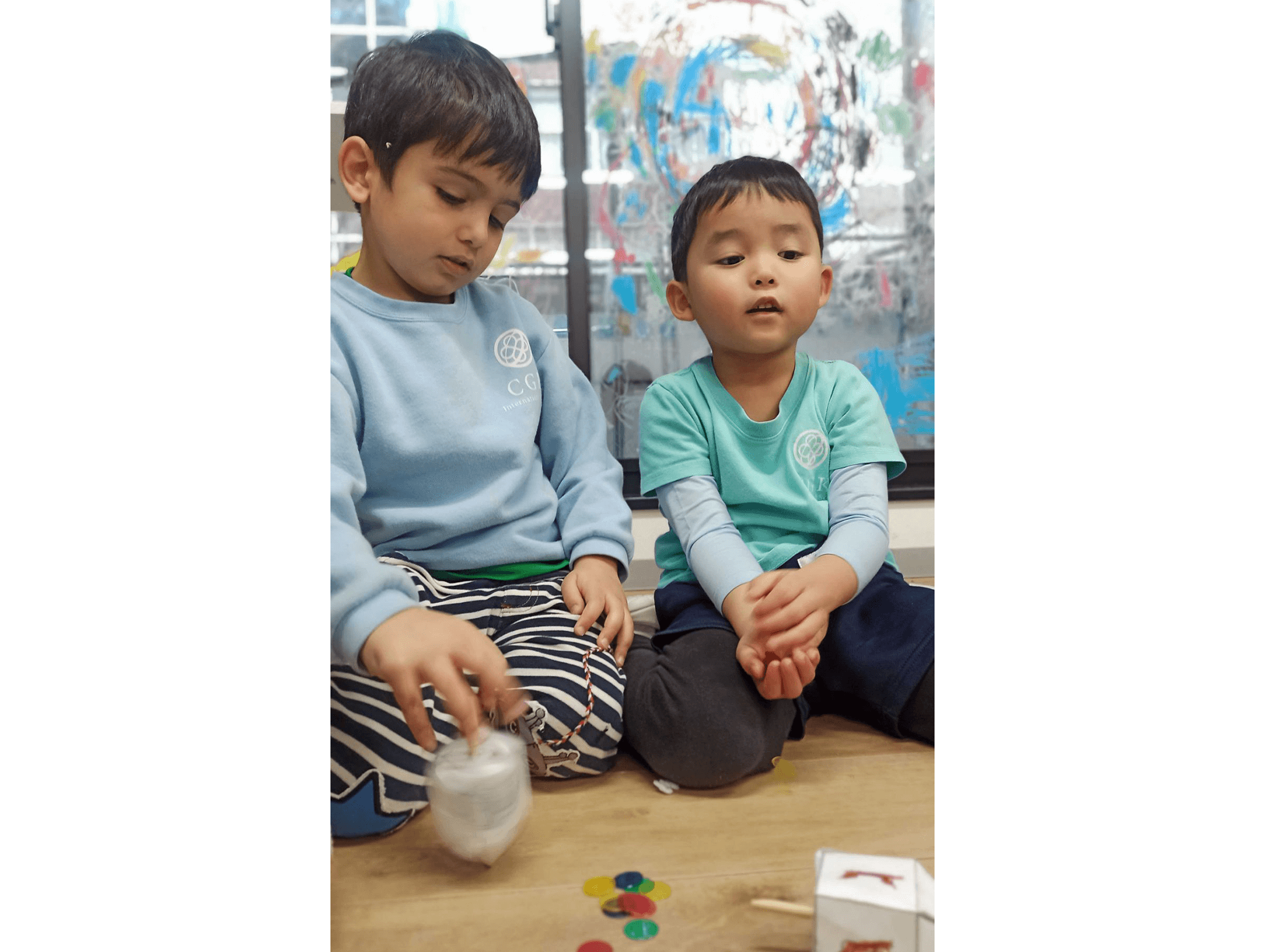
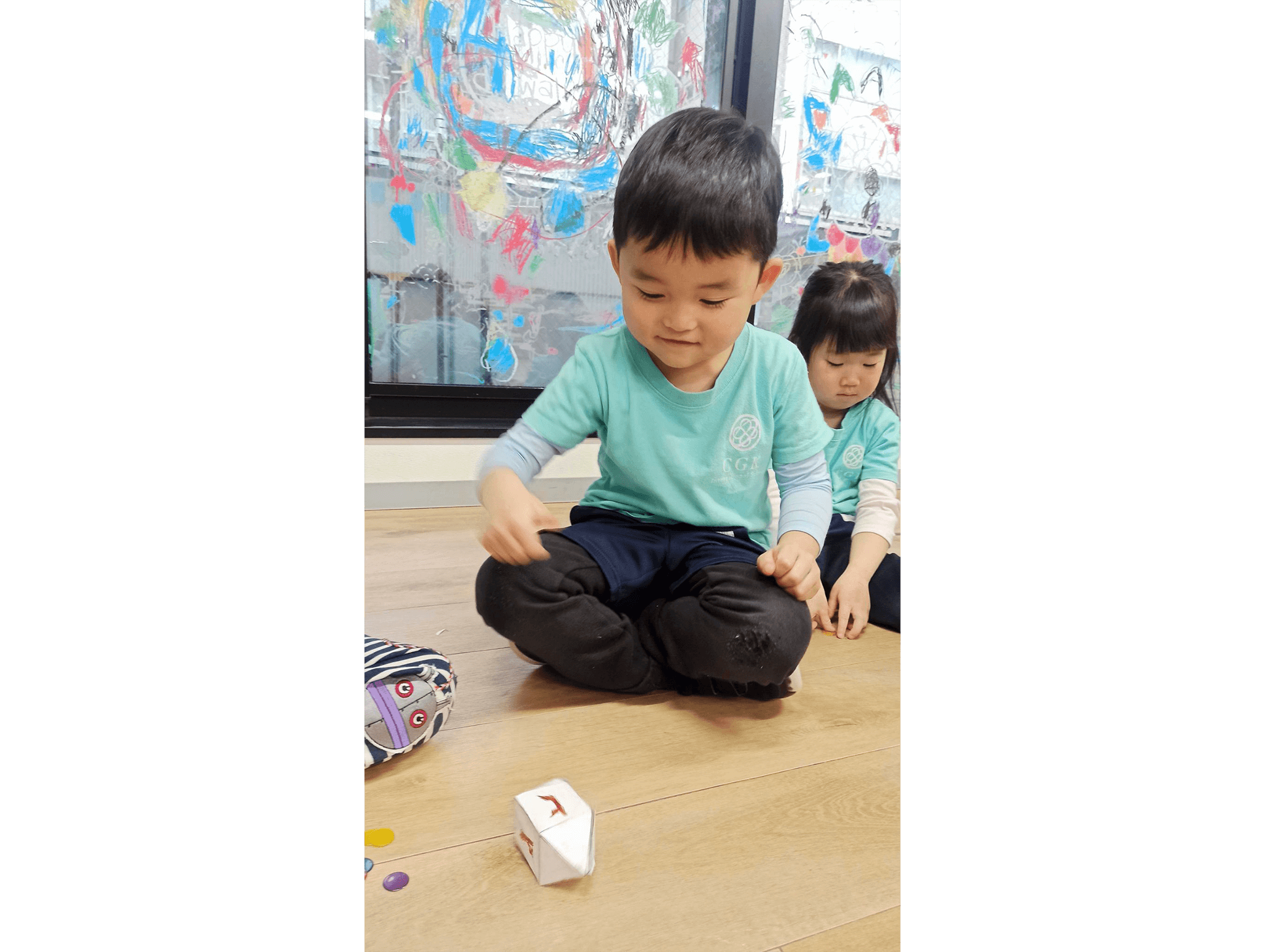
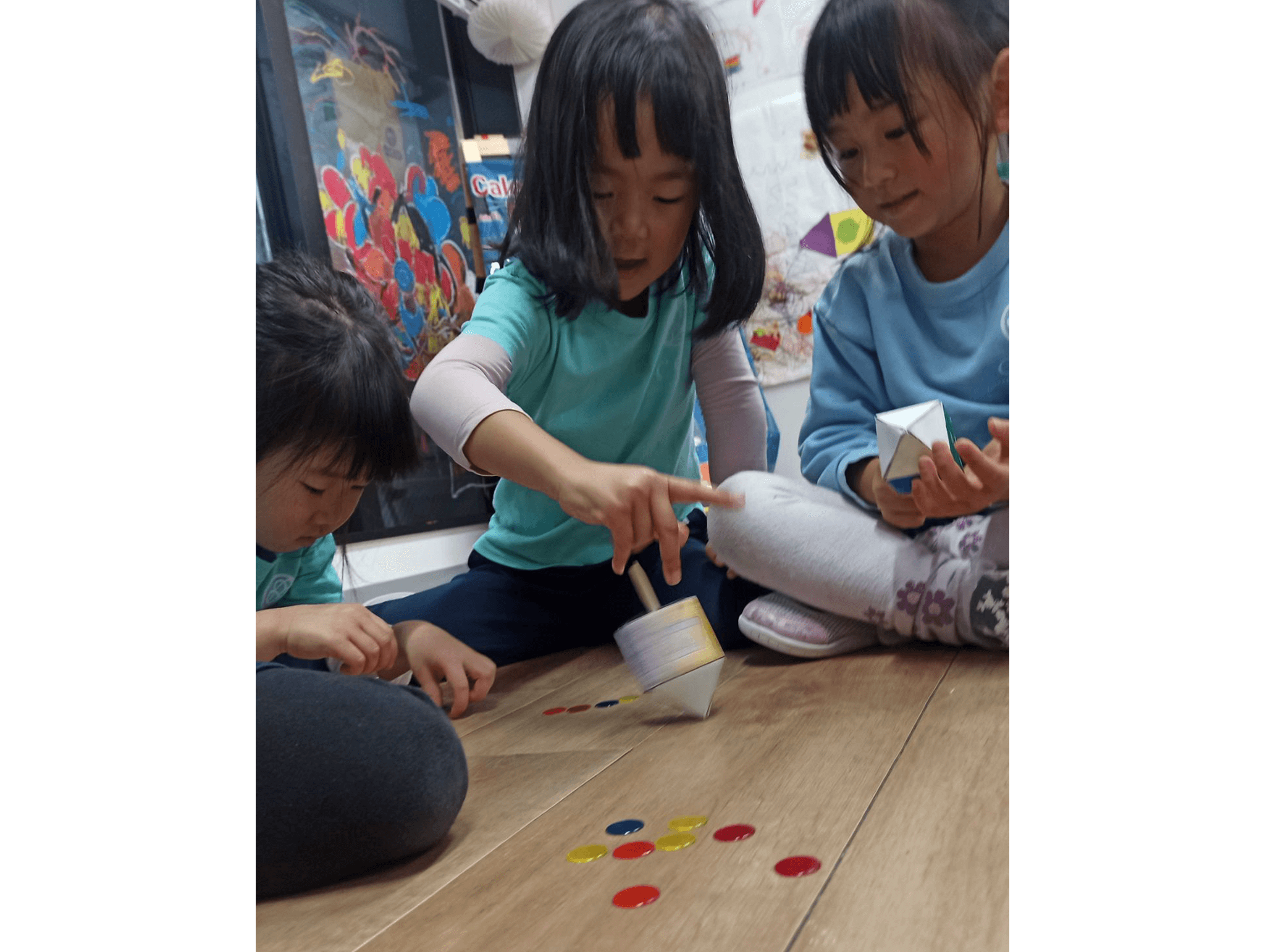
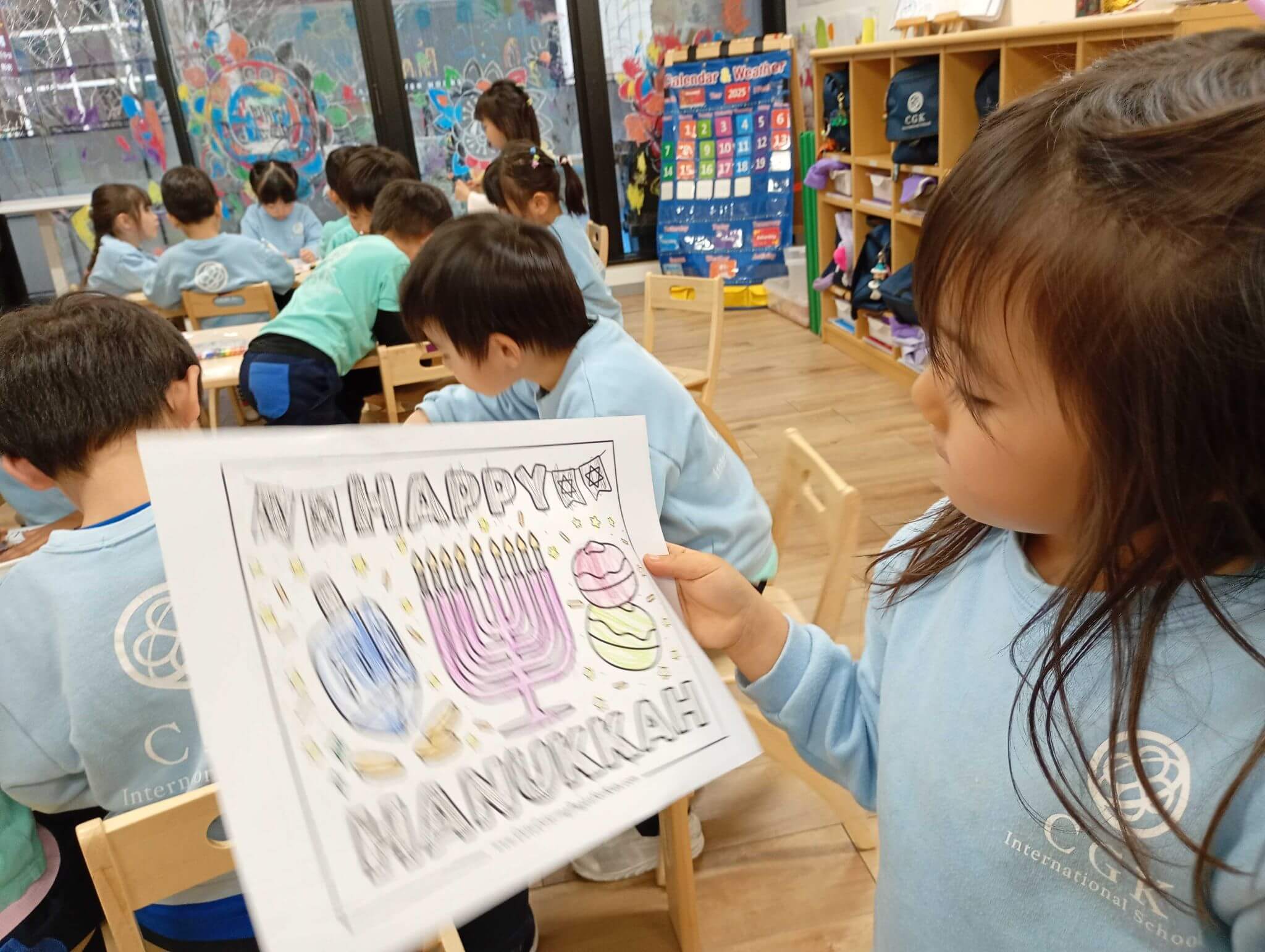
This month, Mountain class enjoyed exploring winter festivals and traditions from around the world. We began by learning about our classmates' winter activities and sharing our holiday experiences at our homes. Then, we learned about Christmas traditions through the personal stories of Ms. Brandi and Mr. Josh, sharing how Christmas is celebrated in their home countries, the USA and Britain, as well as in their families. Mountain friends were curious and engaged as they compared decorations, foods, and special activities, making connections to their own experiences.
As the month continued, we expanded our learning to include Winter Solstice, St. Nicholas Day, Kwanzaa, and Hanukkah. Through hands-on crafts, songs, stories, and games, the children explored the meanings behind these celebrations and the ways families honor them. These activities supported creativity, fine motor development, and social interaction, while also encouraging children to ask questions and share their ideas.
This learning connects closely to our new Unit of Inquiry, “Where We Are in Place and Time,” particularly our line of inquiry focused on culture and heritage. By experiencing a variety of winter celebrations, Mountain class students developed an appreciation for diversity, inclusion, and open-mindedness. The holiday season provided a meaningful opportunity to celebrate similarities and differences, helping our young learners build respect and curiosity about the world around them.
The Roasted Sweet Potatoes We Made Ourselves Were Extra Special!
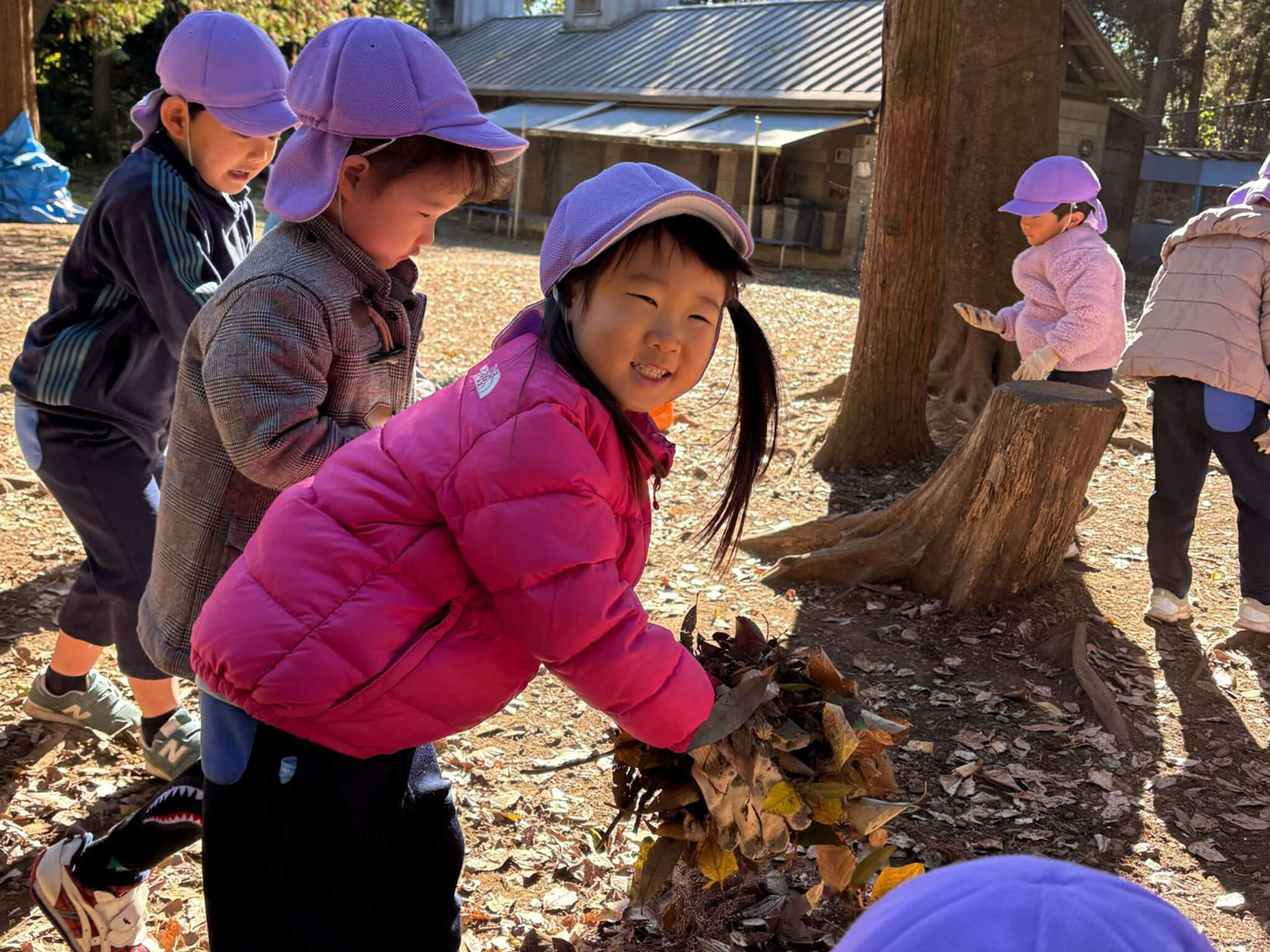
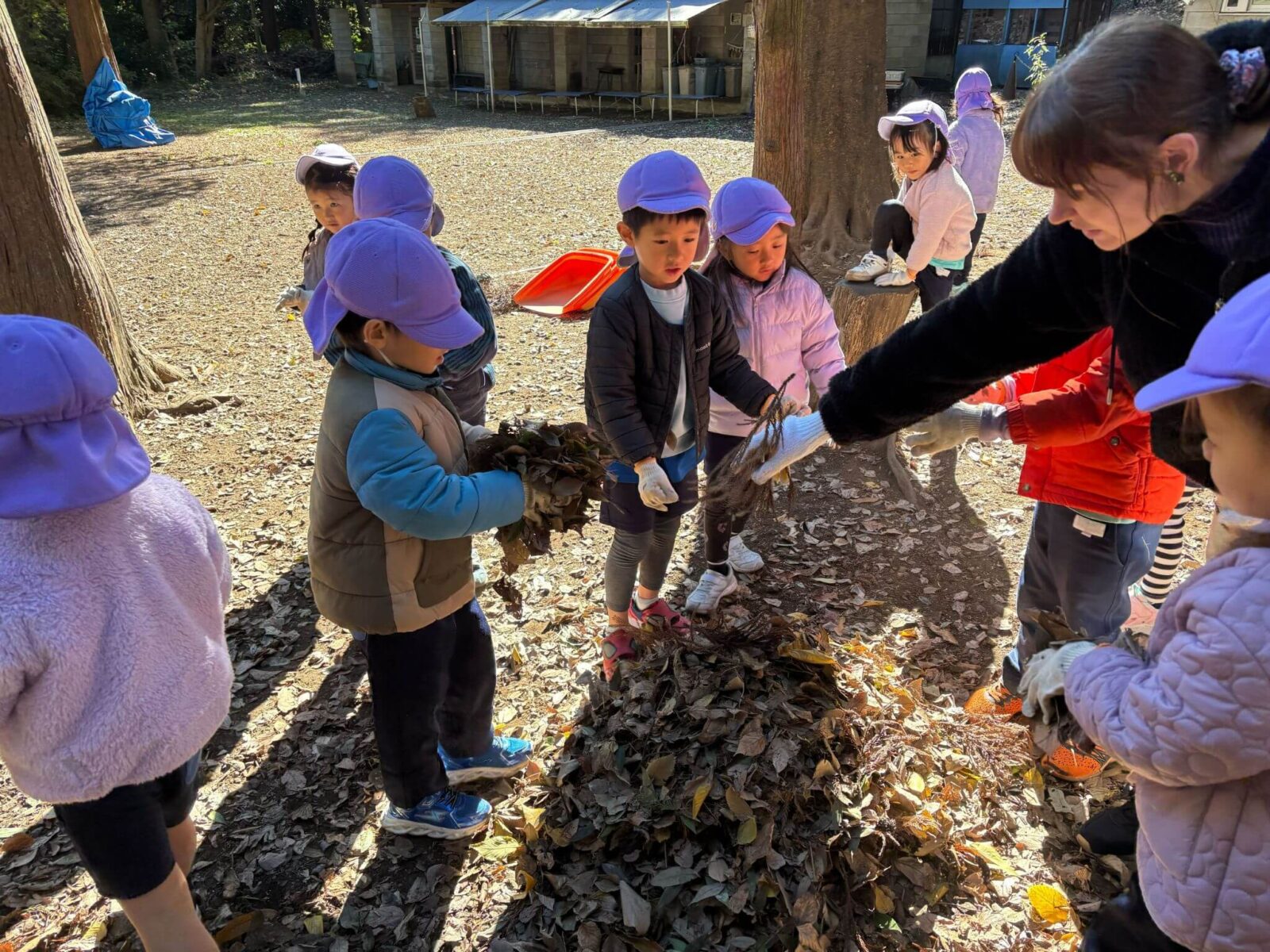
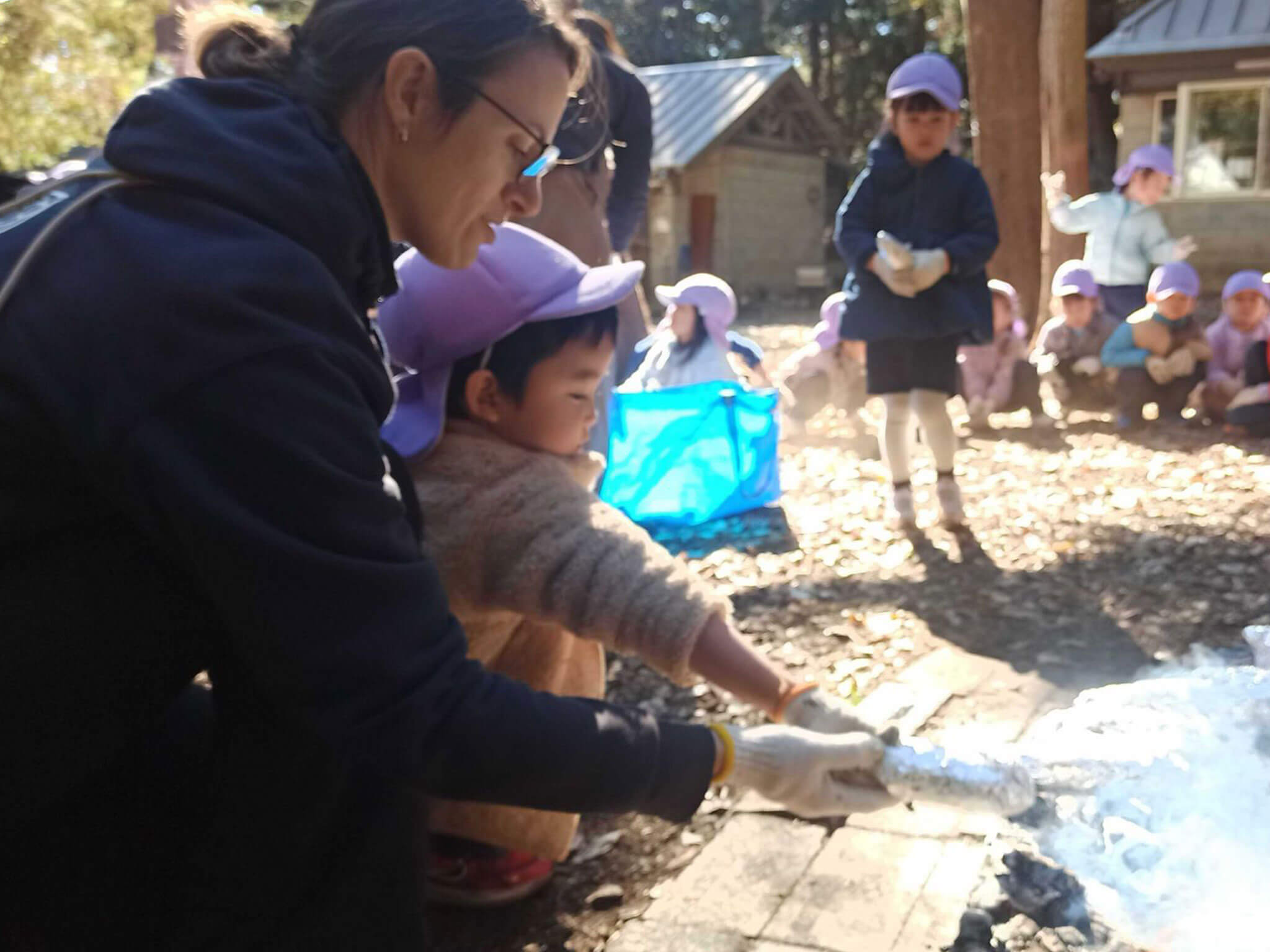
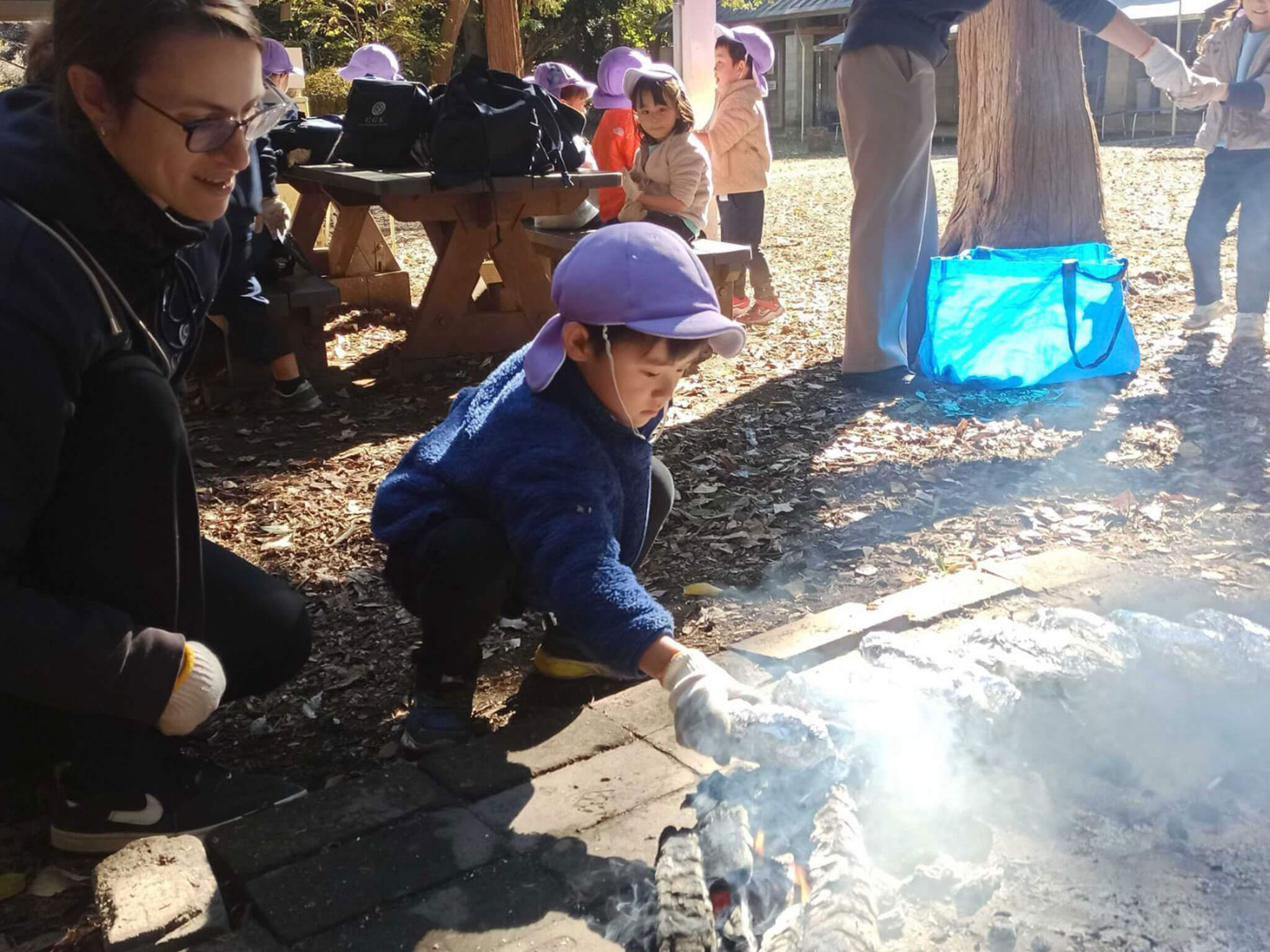
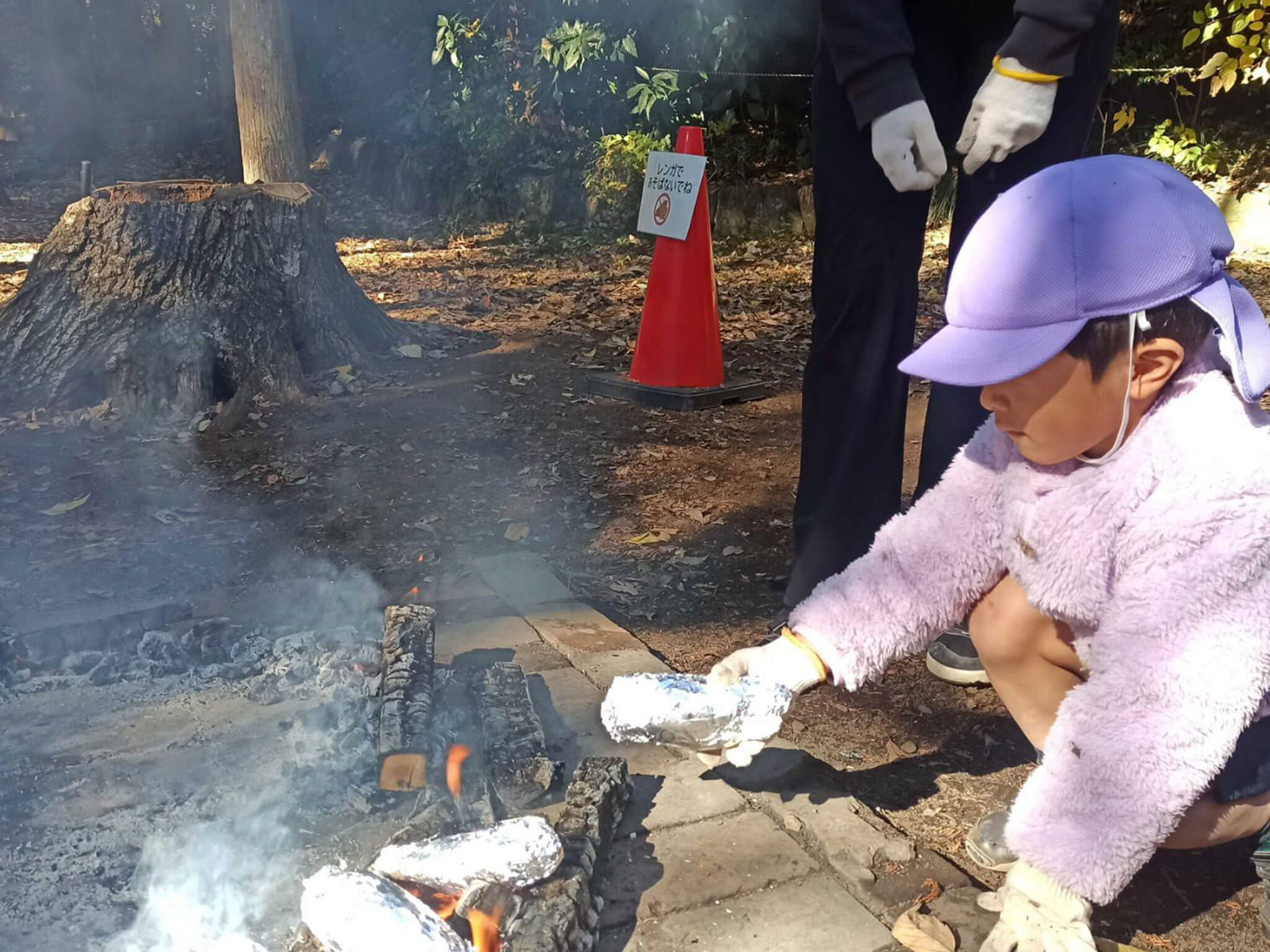
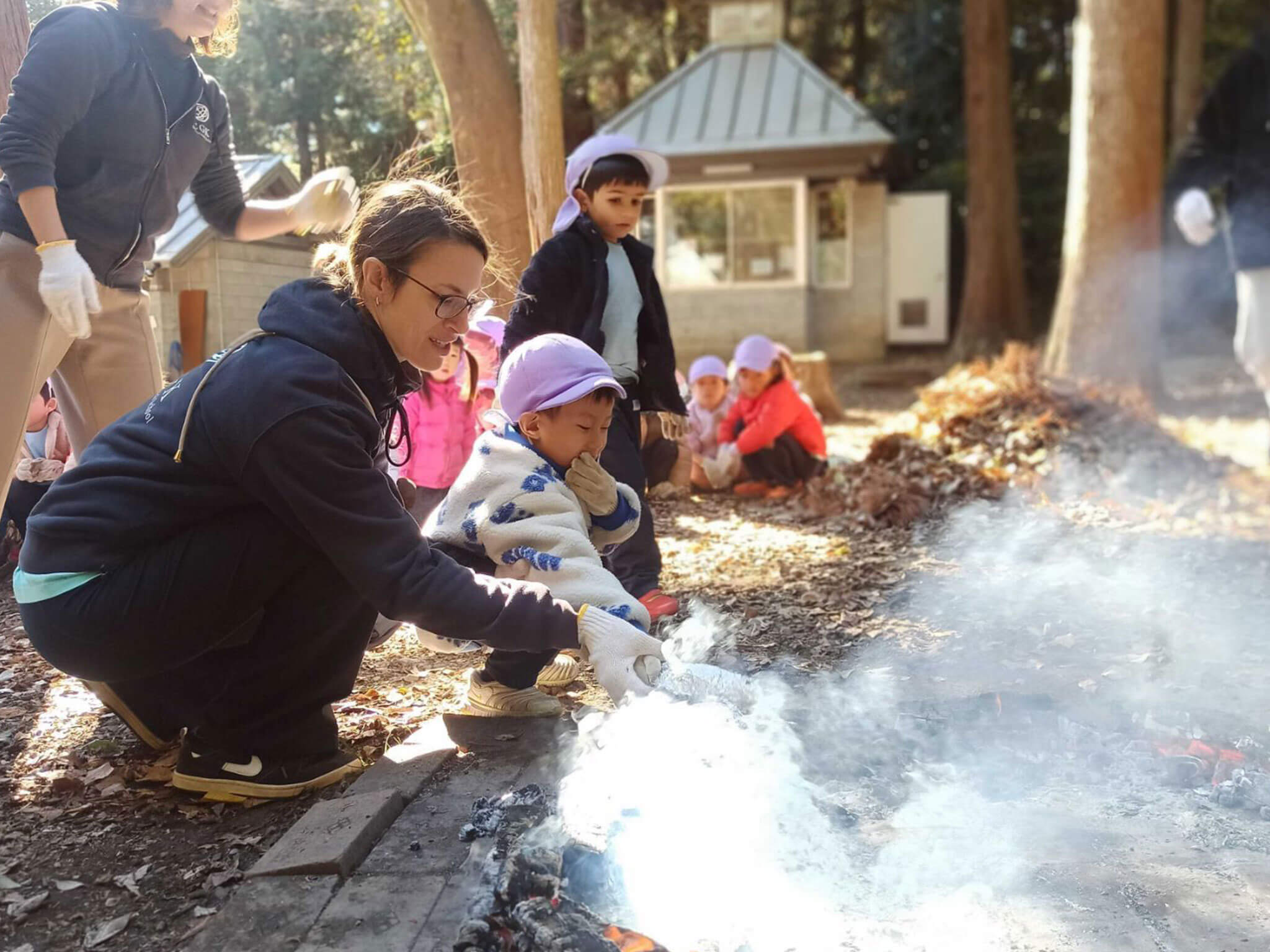
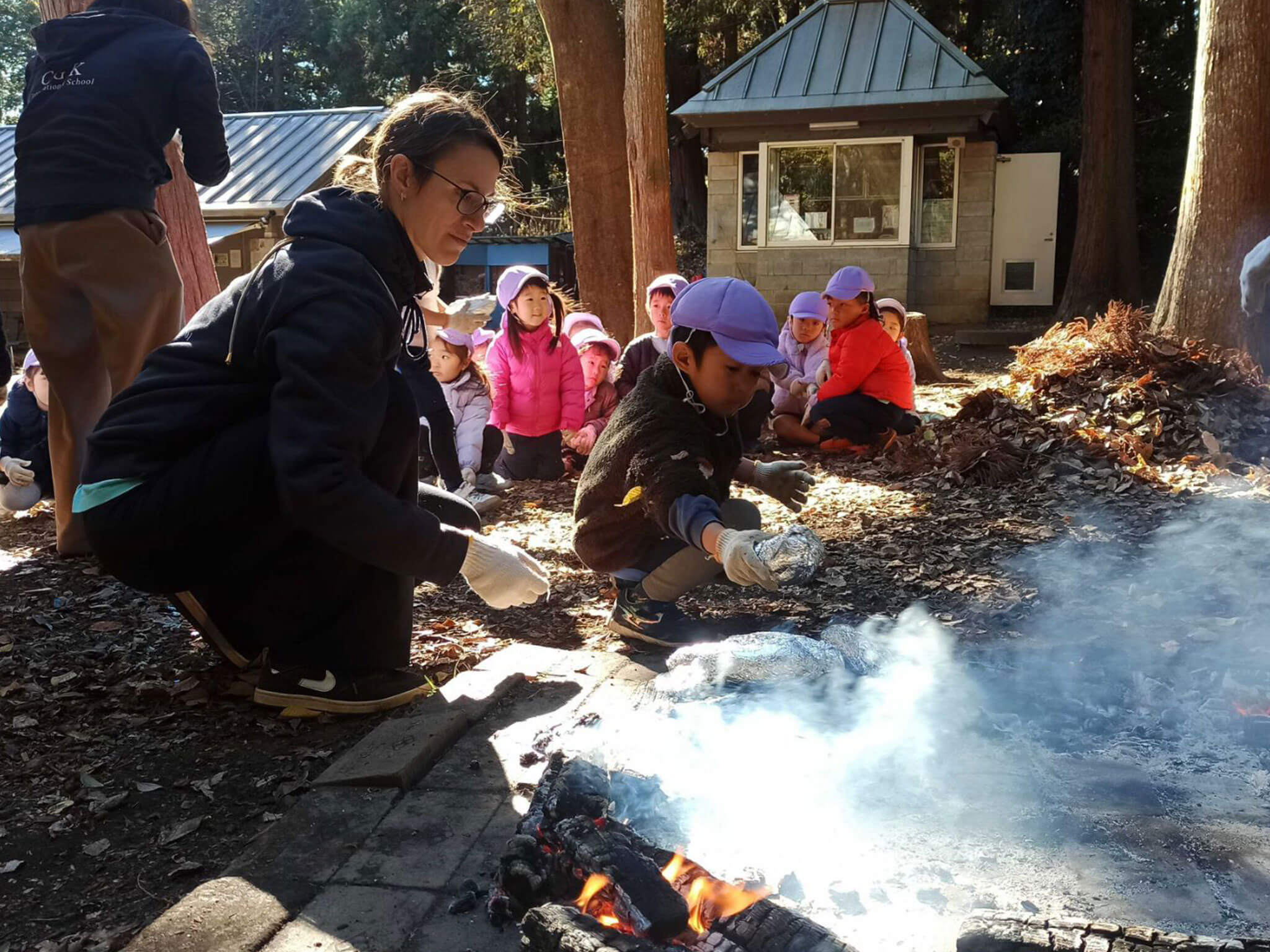
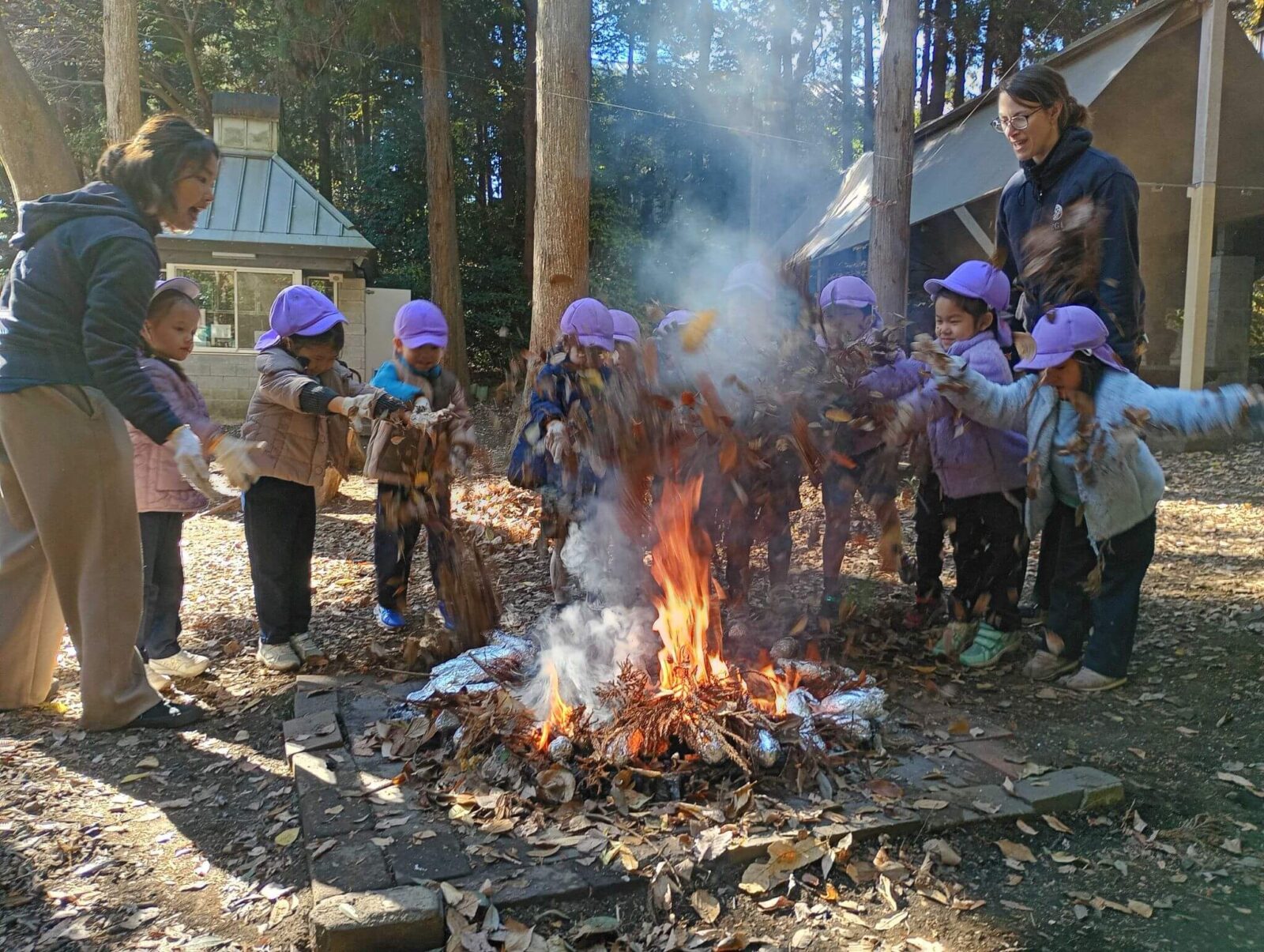
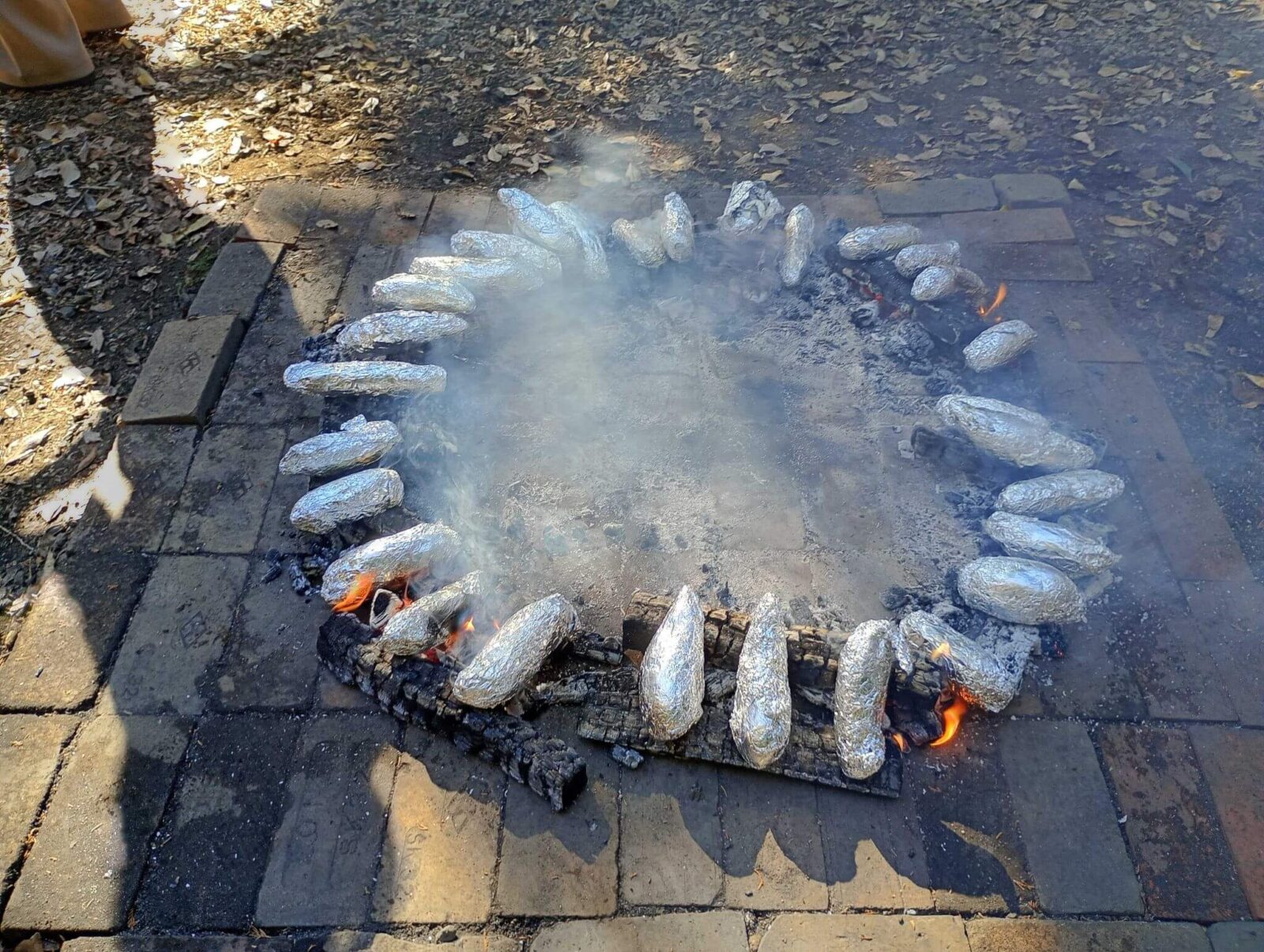
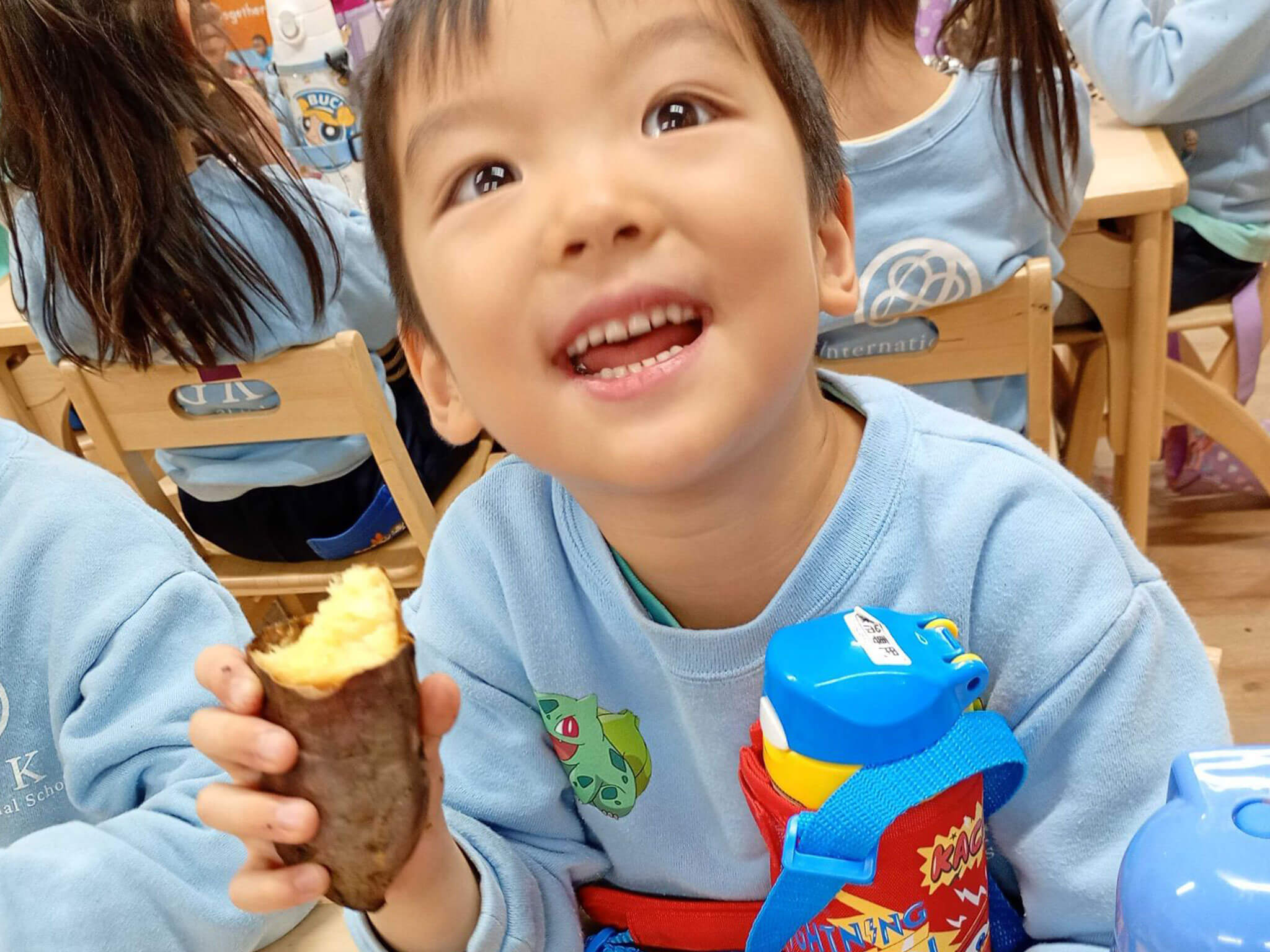
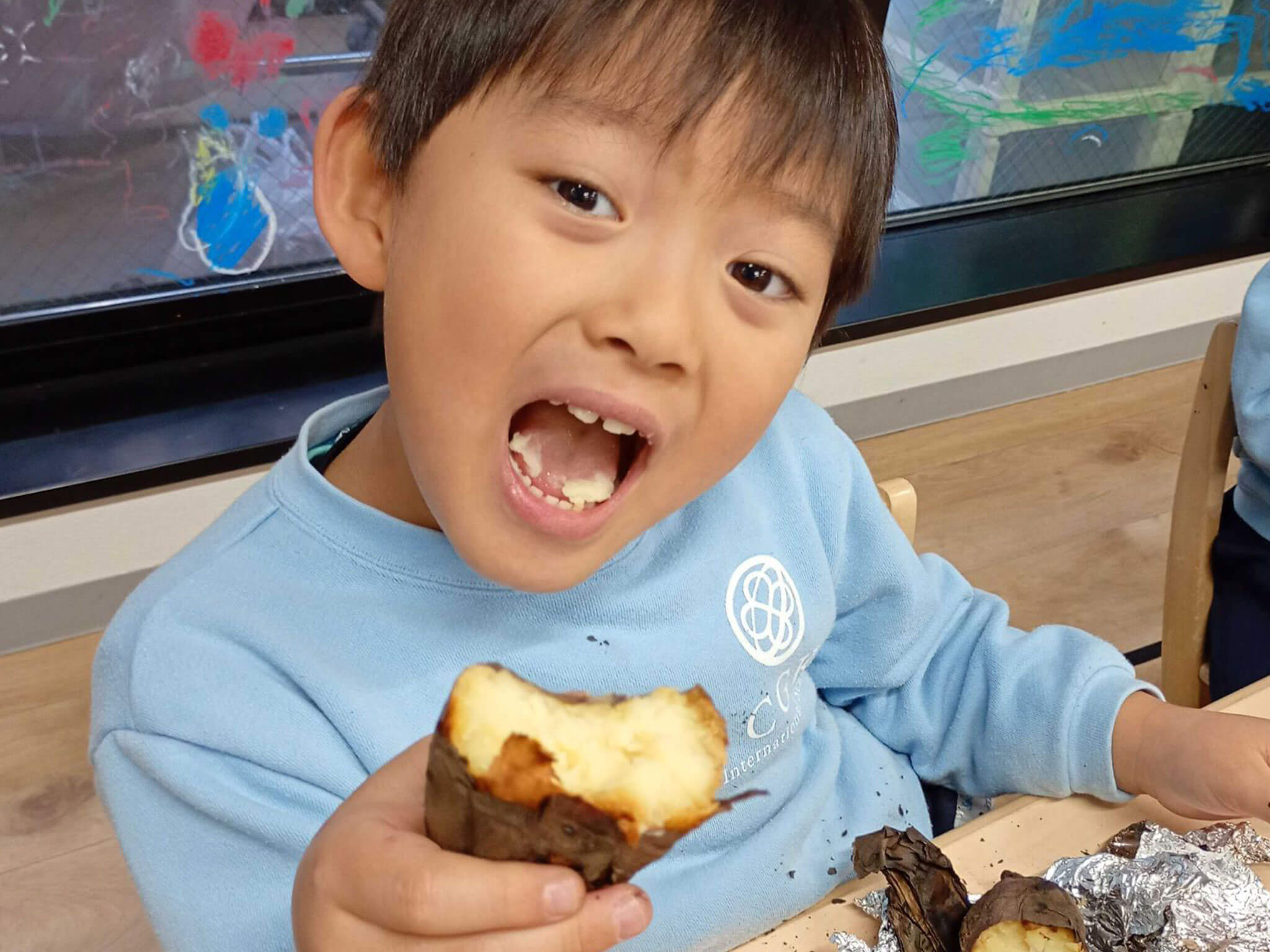
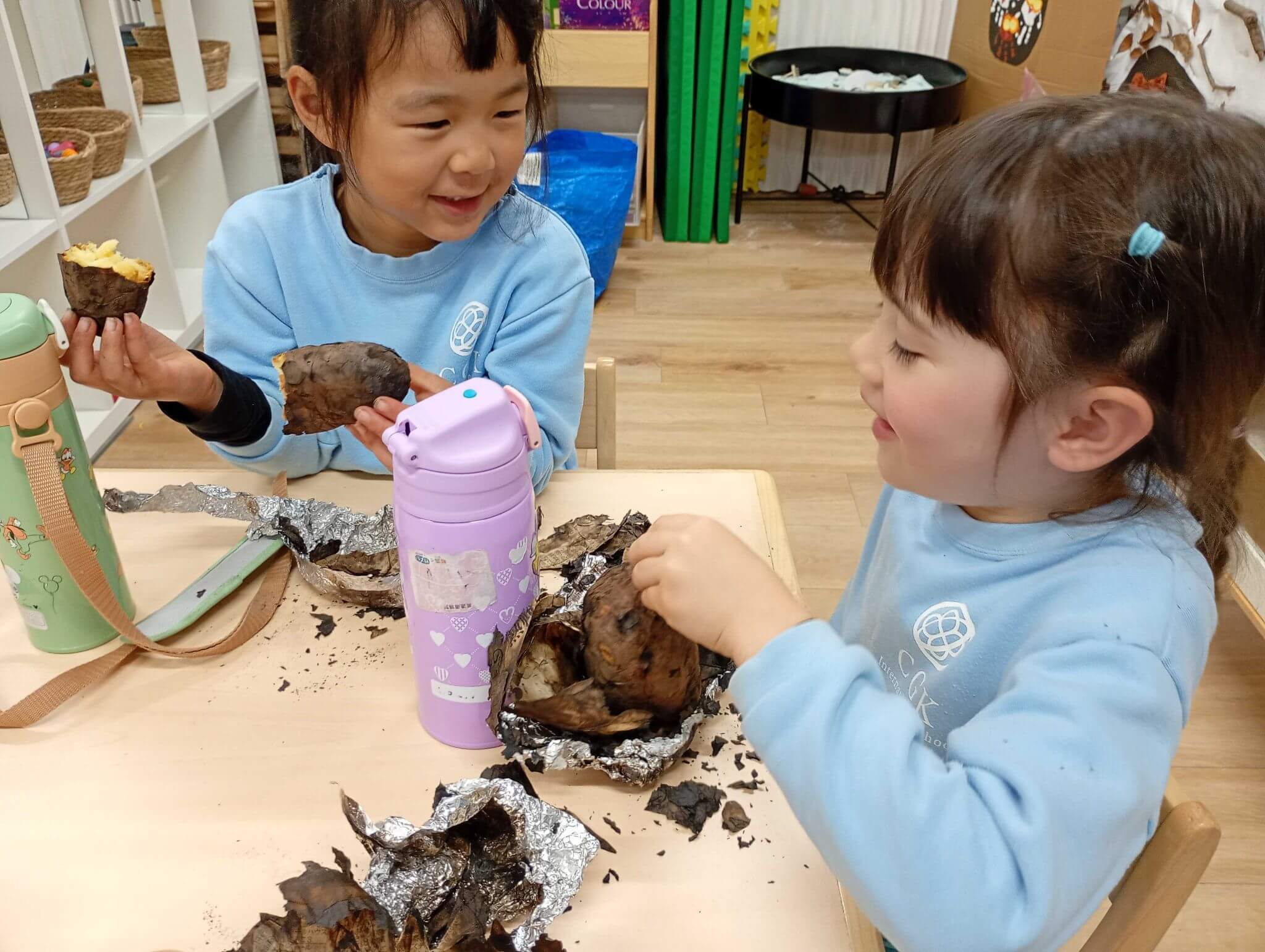
In Mountain class, we brought the sweet potatoes we harvested last month to Kodomo Shizen Park and took on the challenge of making roasted sweet potatoes.
Through the entire process—from harvesting the sweet potatoes to enjoying the finished roasted treat—the children gained many valuable learning experiences. First, they prepared almost everything themselves: wrapping the sweet potatoes in wet newspaper and aluminum foil, collecting fallen leaves in the park, and carefully placing the potatoes near the fire. We often heard them asking and thinking aloud, “How should we wrap this?” or “Is this enough?” as they worked. Many children could be seen calling out to one another and cooperating with their friends as they moved through each step. It was wonderful to watch their confidence grow as they took responsibility and prepared everything on their own.
When the long-awaited moment finally arrived and the children tasted the roasted sweet potatoes they had made themselves, their faces lit up with joy. “It’s delicious!” and “It’s so sweet!” could be heard all around. Most of the children happily finished every bite, clearly feeling a strong sense of achievement and satisfaction.
Through this experience, the children learned the joy and importance of “trying things by themselves” and “taking on challenges.” It was also a meaningful opportunity for them to realize how each step connects to the next and leads to a rewarding outcome.
Jungle A
(3-year-olds)
Thank you, and Happy Holidays!
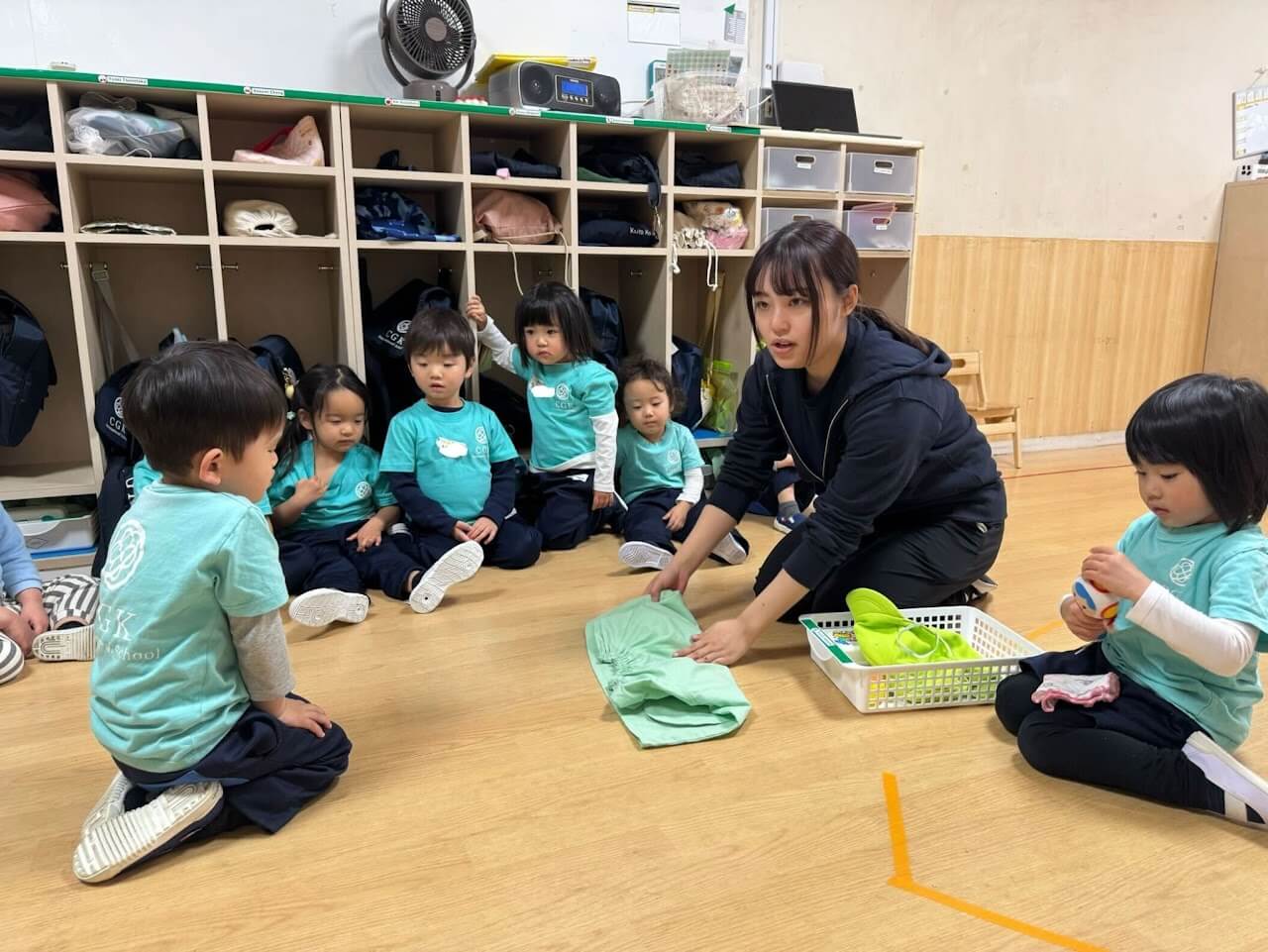
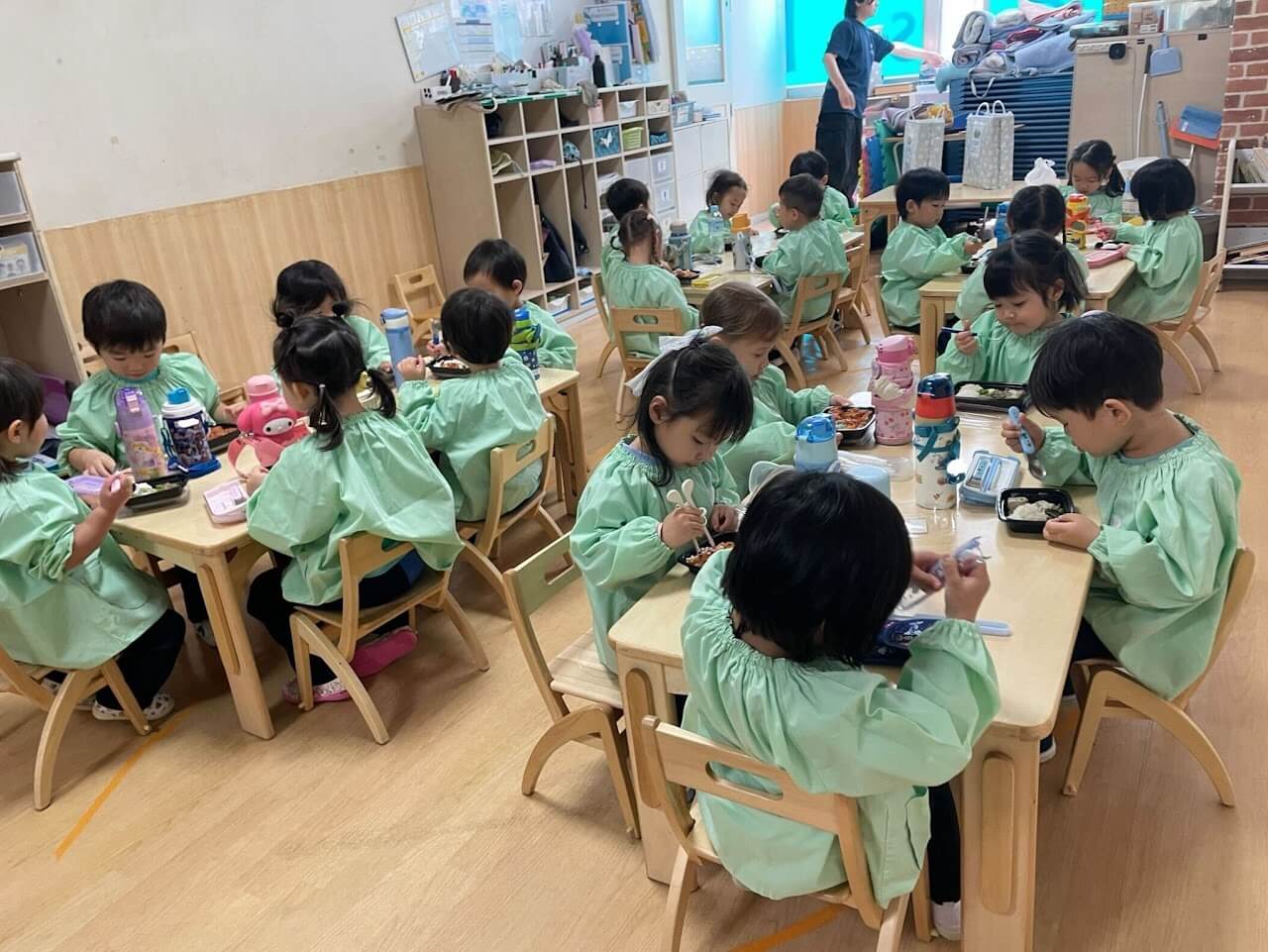
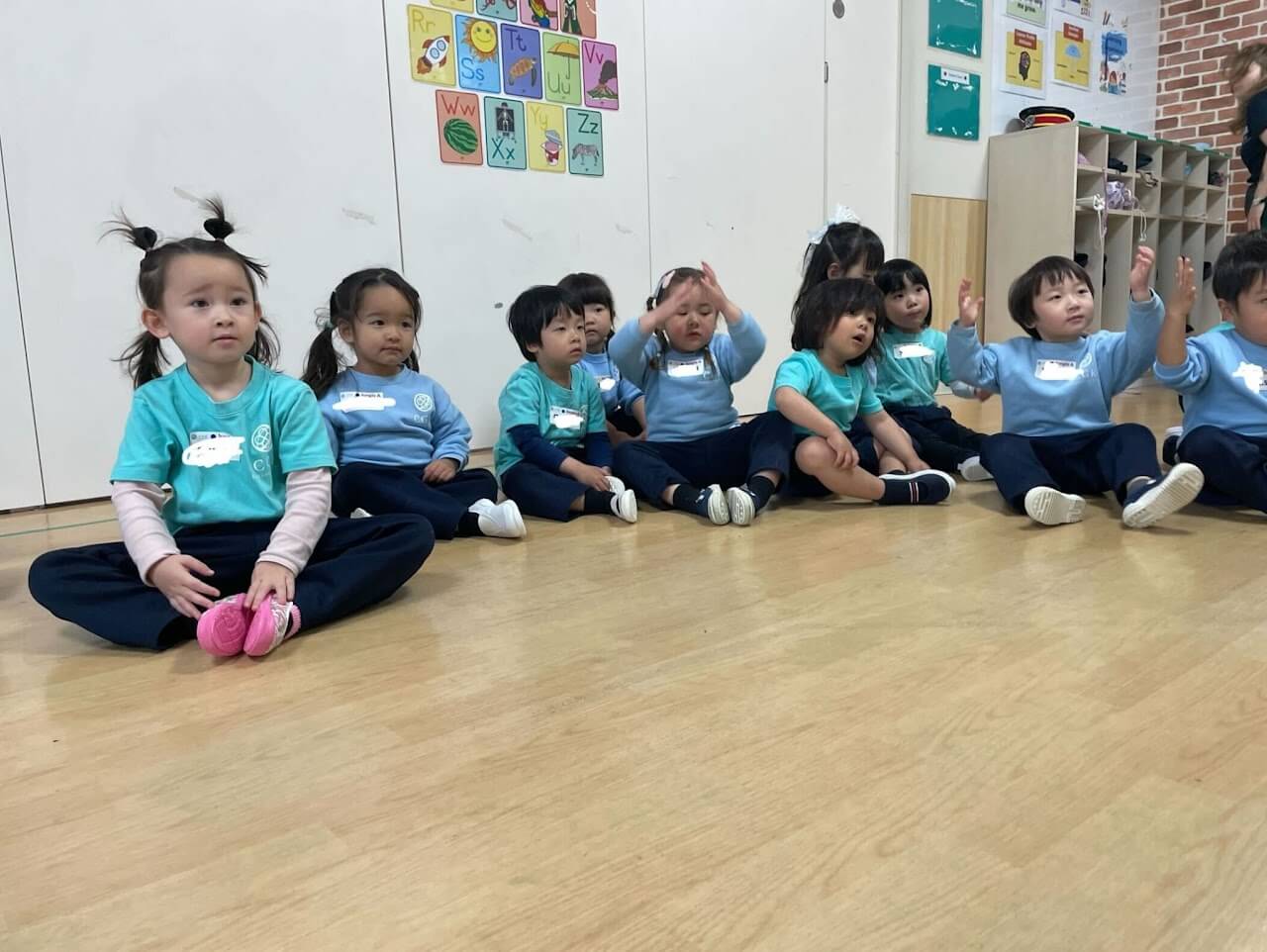
As we get ready to welcome the new year, we would like to extend our heartfelt thanks to everyone for all of your support so far. The students are doing a fantastic job, and whilst preparing for our Student Led Conferences, we had the chance to look back at some of our earlier moments together as a class; seeing just how much the students have grown and changed it is a fantastic reminder of just how far they have come and how well they have settled in to the class. Thank you for all that you do that helps our Jungle friends come to school each day with smiles on their faces and positive attitudes to match! The next few months will be filled with events and before we know it our Jungle friends will be moving on to their next chapter. So however you choose to spend the time off, we hope the winter break can provide some rest and recuperation for your families and we are already looking forward to welcoming everyone back in 2026.
Heave-ho! Pull, pull!
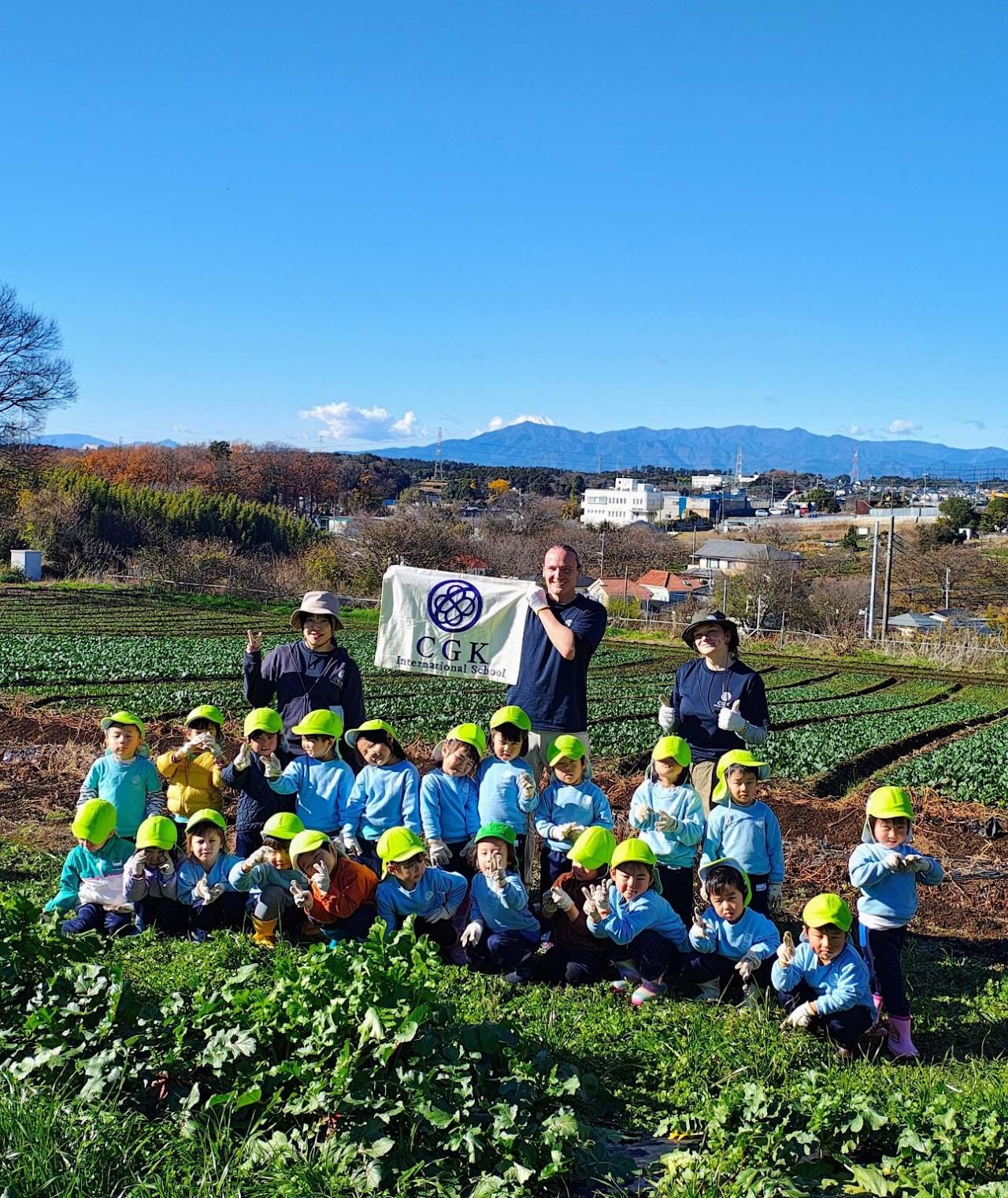
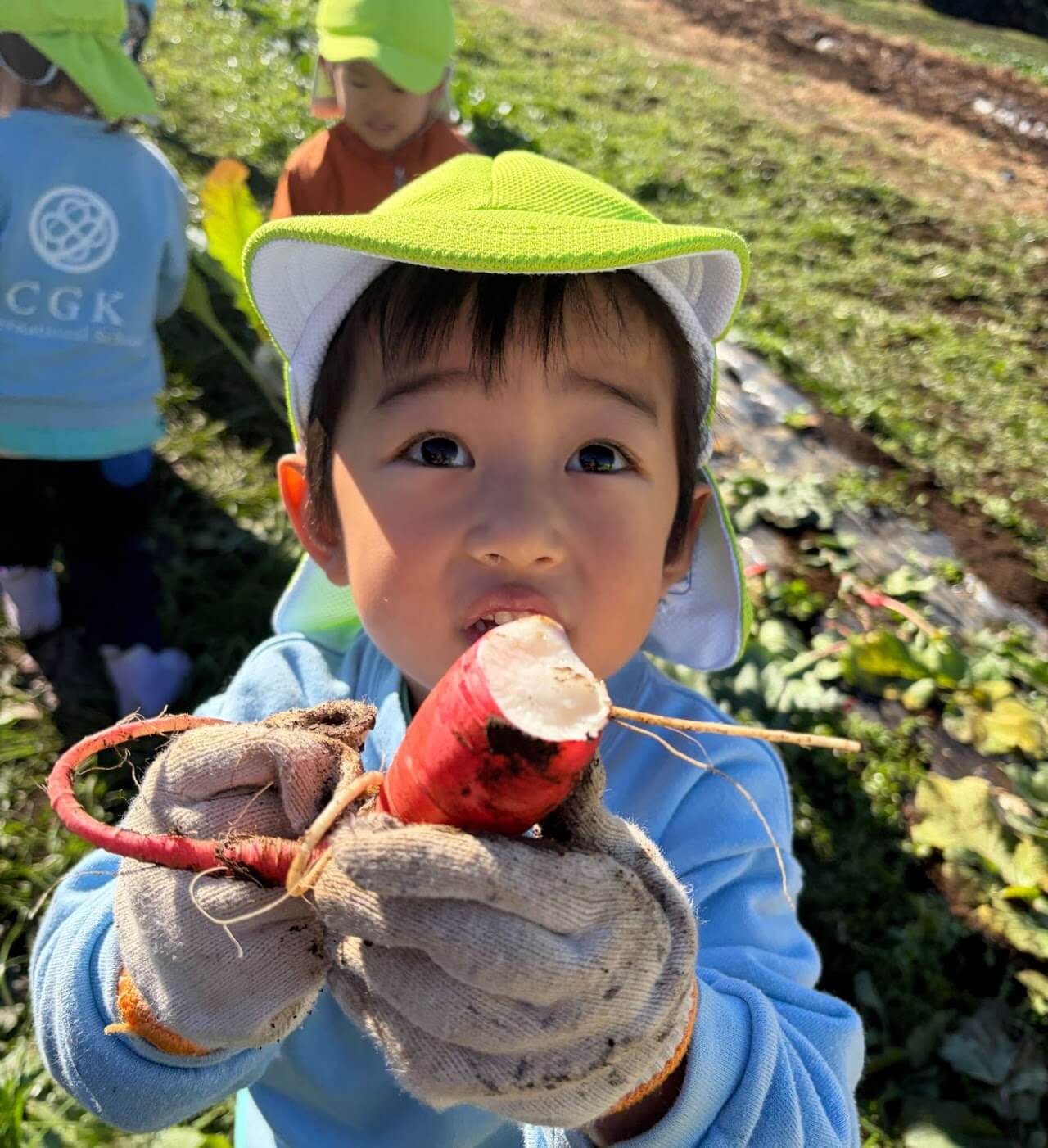
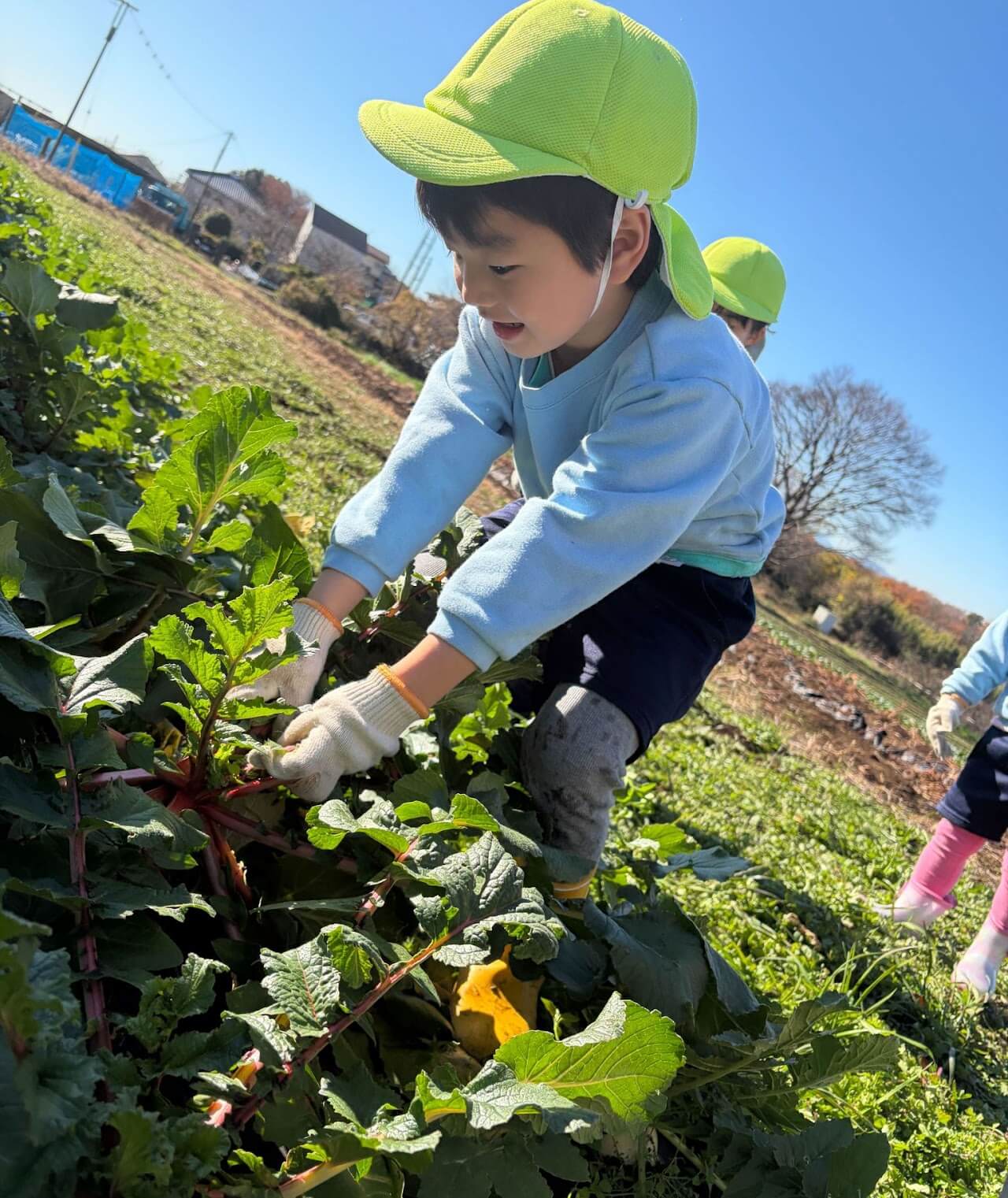
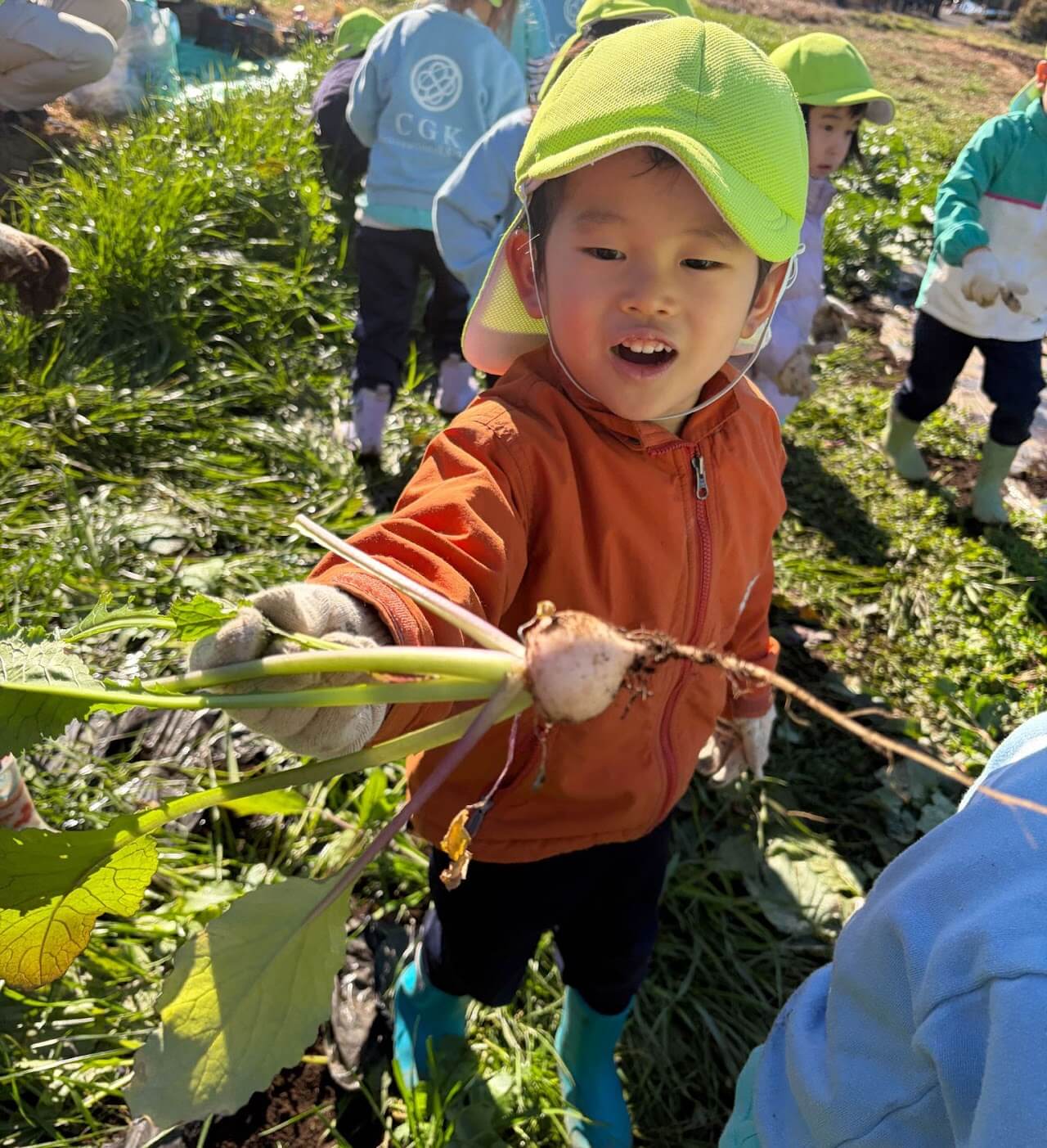
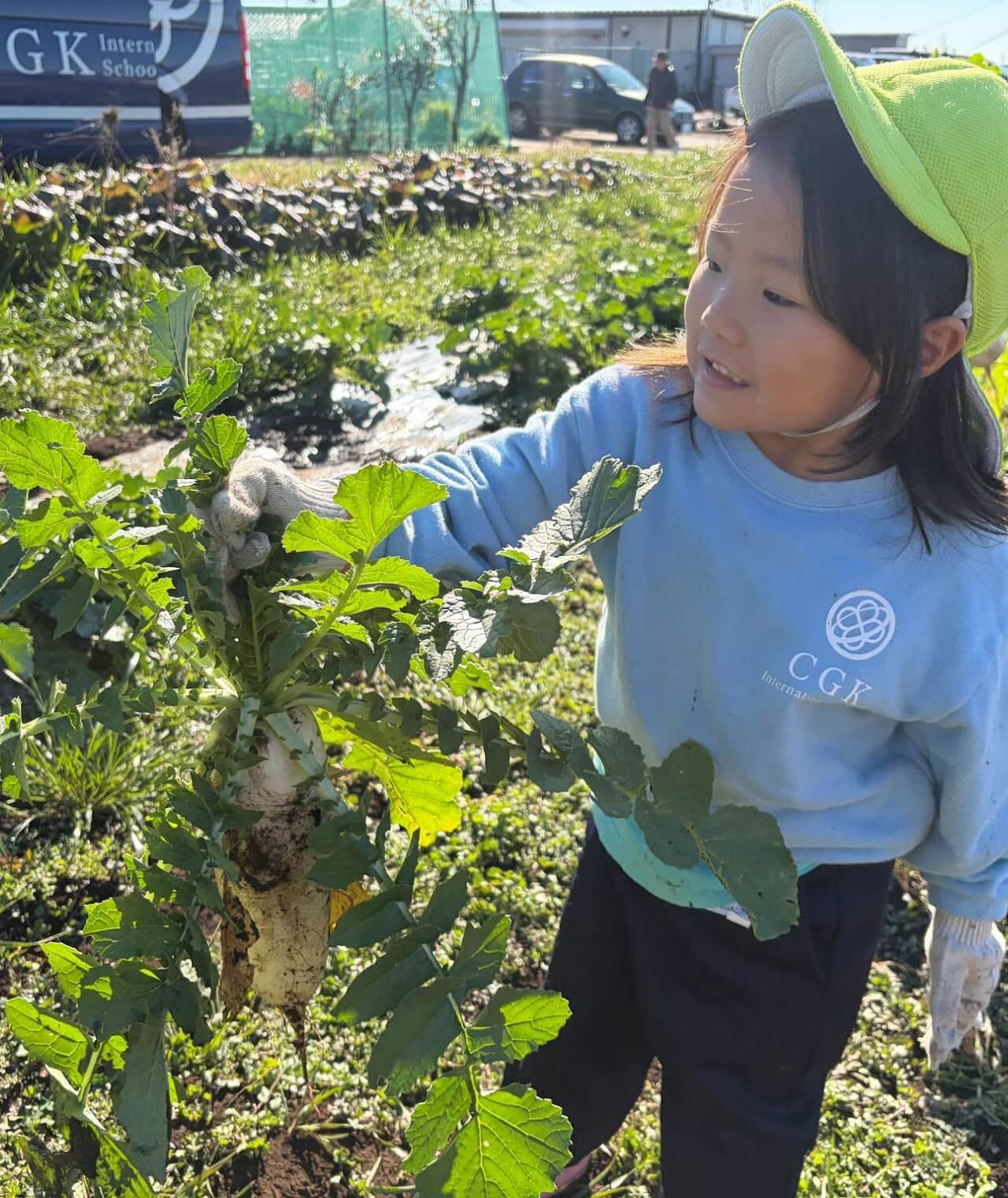
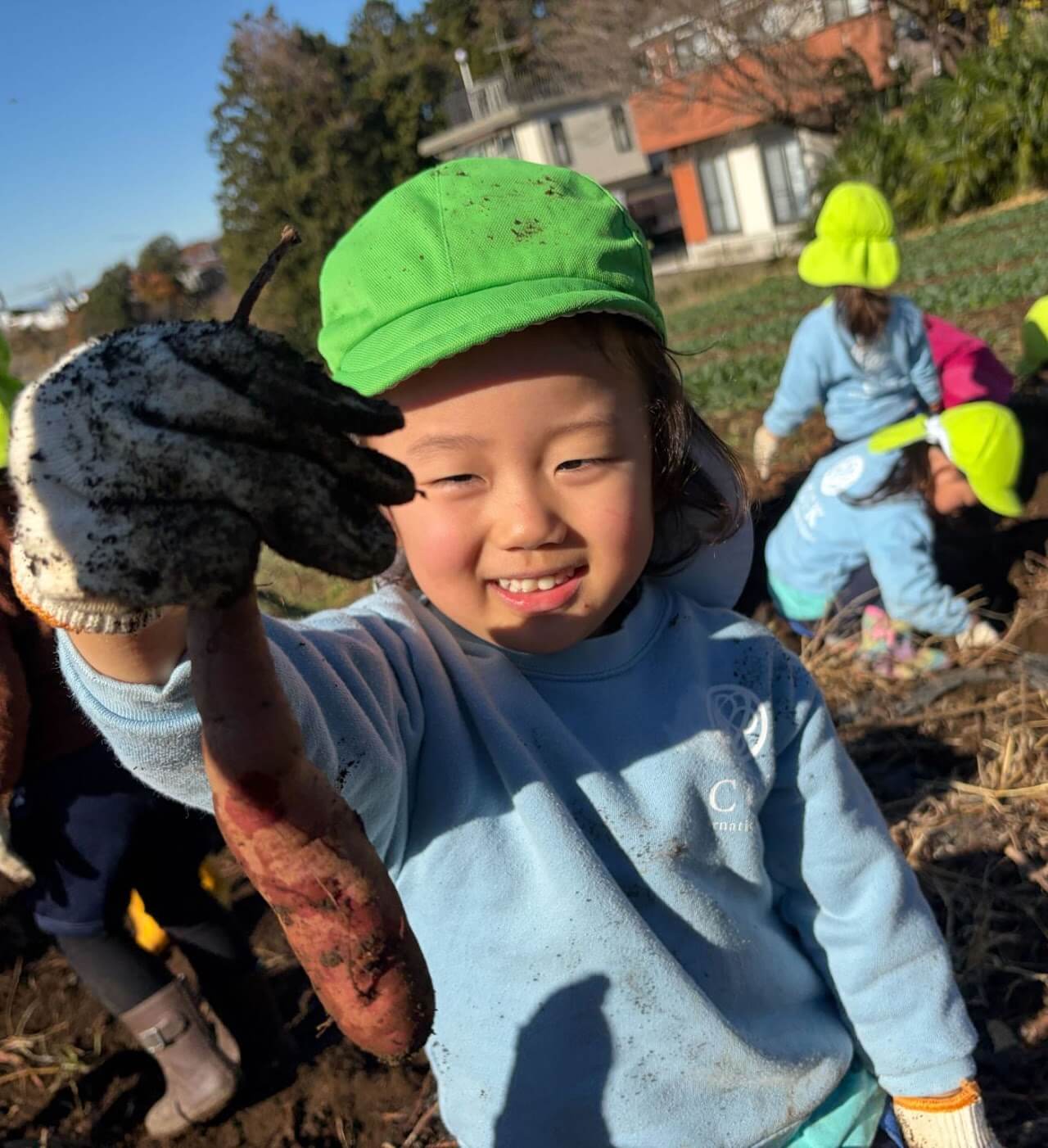
We finally went on our long-awaited harvesting trip! On the day, the children arrived full of excitement, saying, “We’re going to dig up daikon today, right?” Even the slightly longer walk felt fun as they chatted eagerly: “How should we harvest them?” “If there’s a big turnip, help me pull it out!”
When we arrived at the farm, we found that the daikon radishes and turnips planted by the Mountain class had grown beautifully. With a cheerful “Let’s do our best—ready, go!” it was time to start harvesting. The children pulled with all their might, cheering, “We got one!” “It’s huge!” Their excitement was contagious. Remembering the picture book The Giant Turnip that we had read beforehand, some children worked together, pulling side by side just like in the story.
Thanks to the kindness of the farmer, Mr. Fujimata, we were also given the chance to try digging up sweet potatoes. Finding where the sweet potatoes were hidden wasn’t easy, but the children enjoyed digging with determination alongside their teachers and friends.
We hope you’ll enjoy tasting the vegetables your children harvested with such care at home, and take the time to listen to their stories about this special experience.
Jungle B
(3-year-olds)
Heave-Ho! Daikon Digging and More
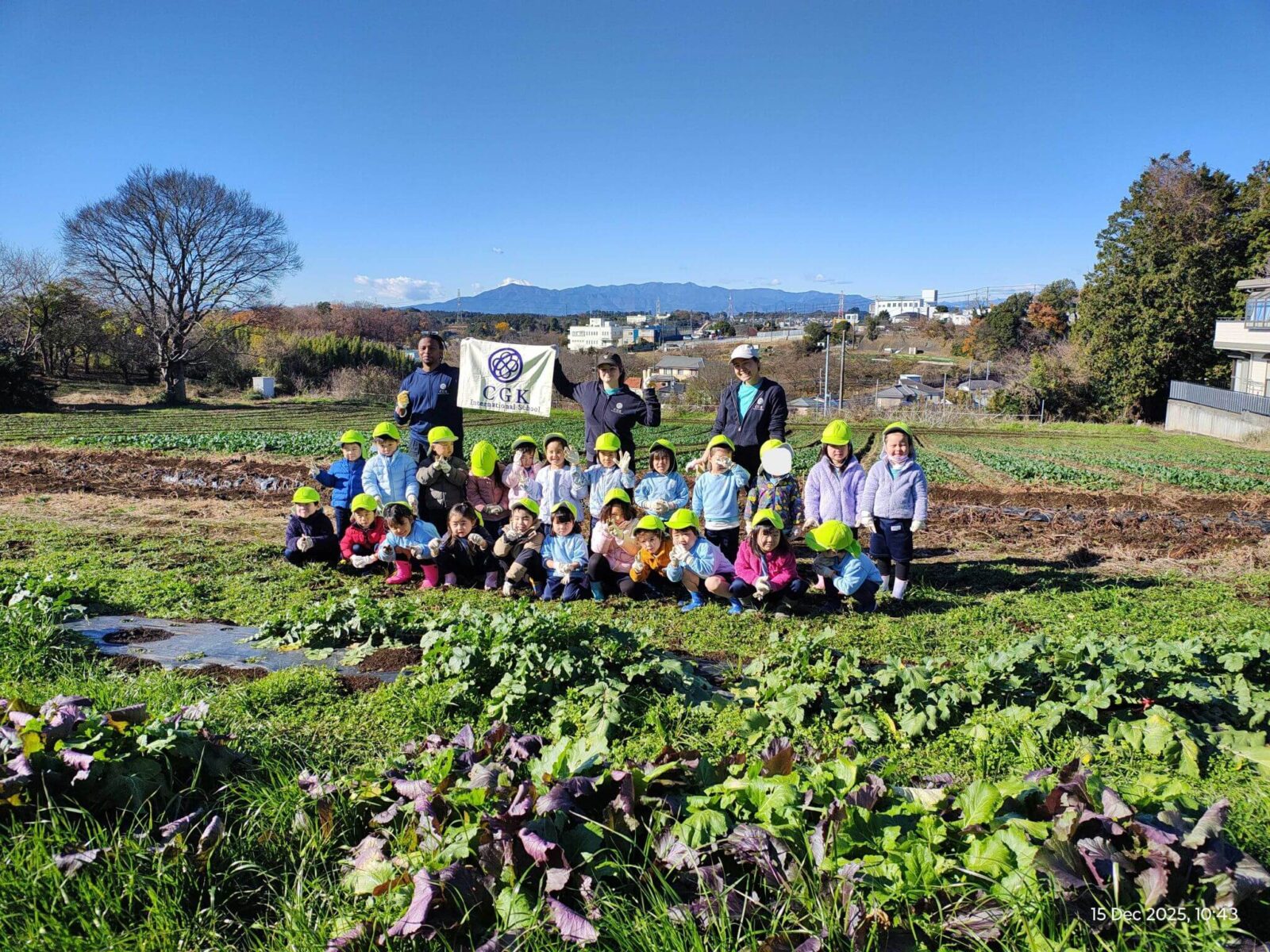

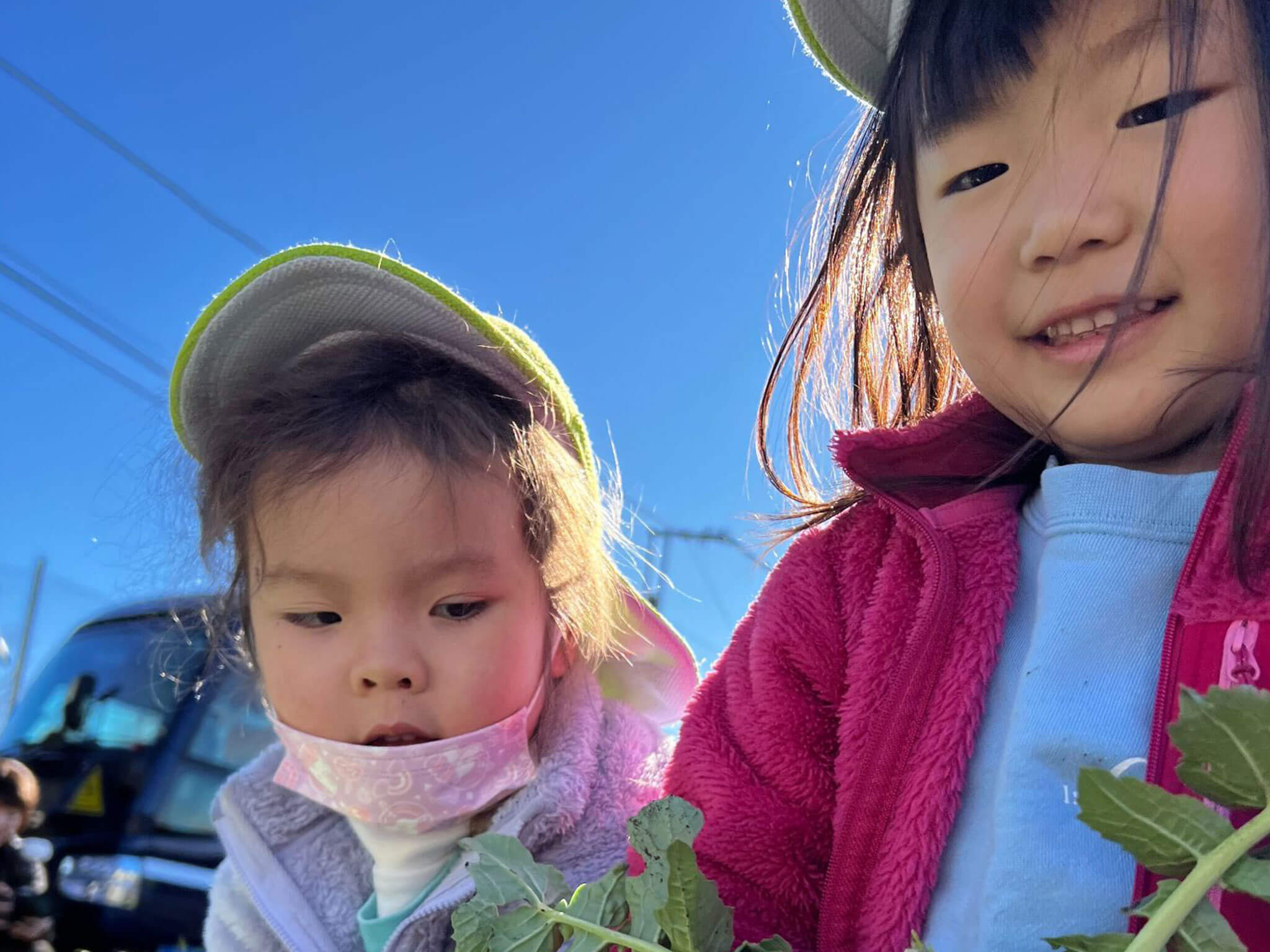
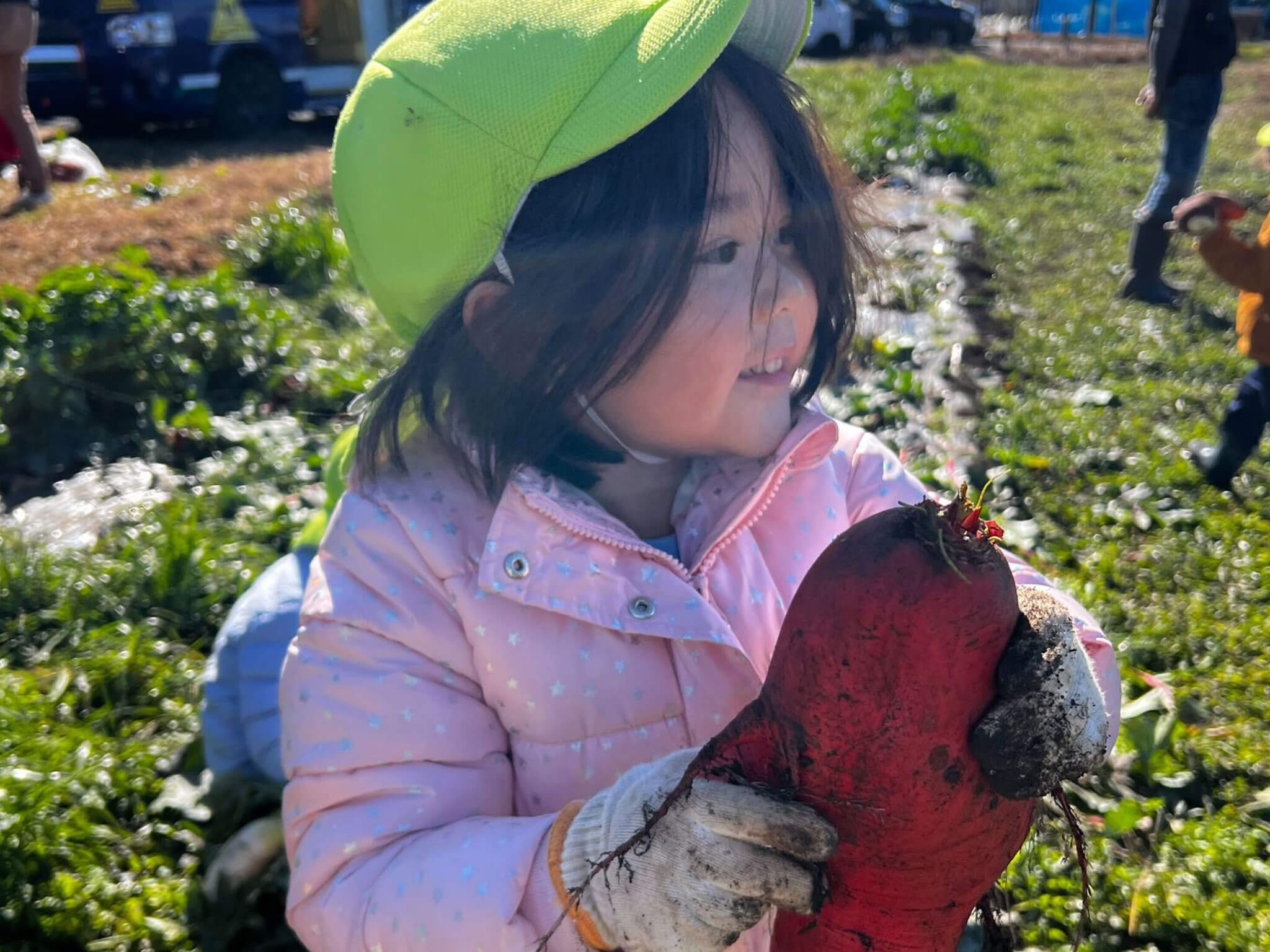
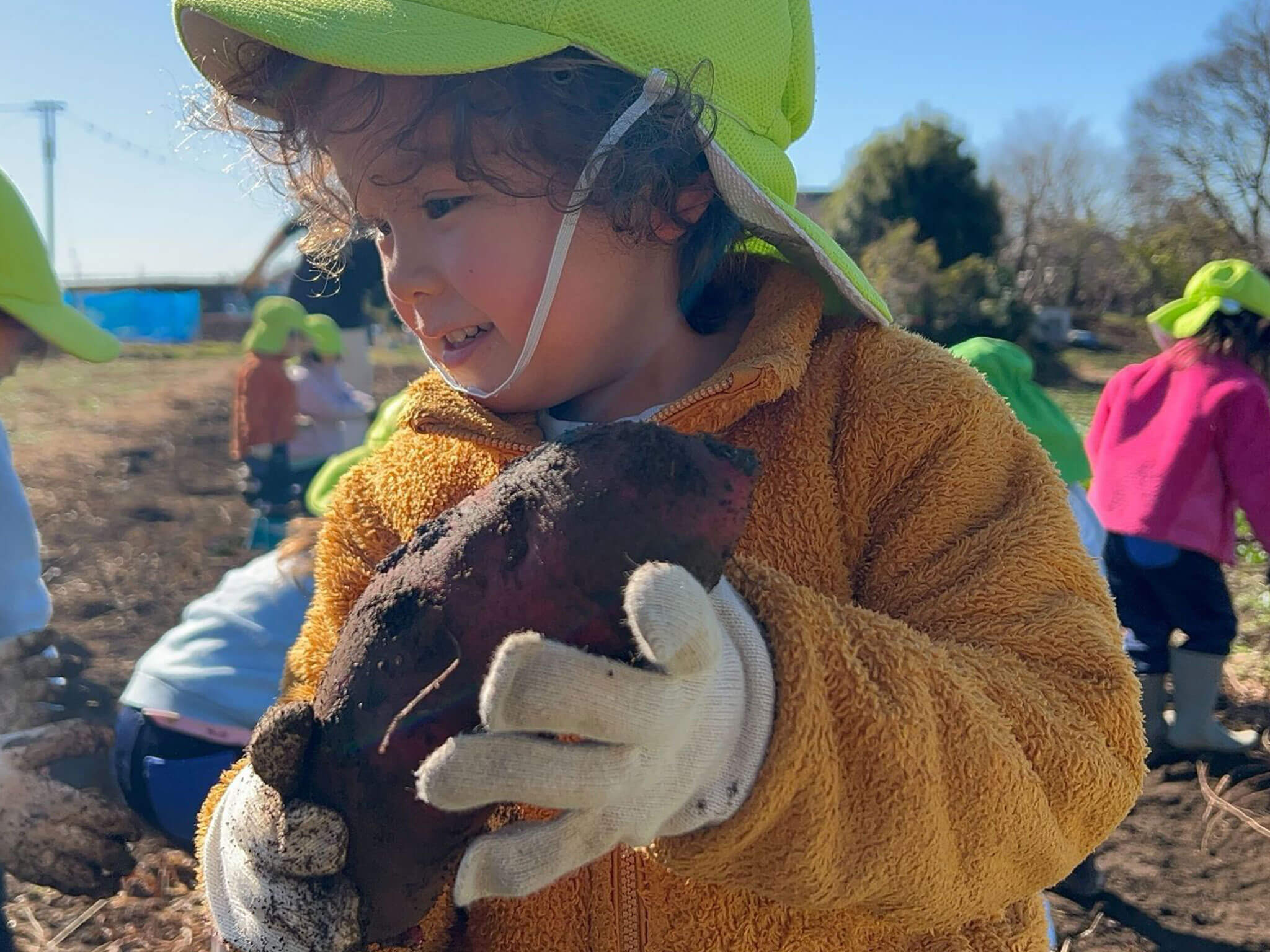
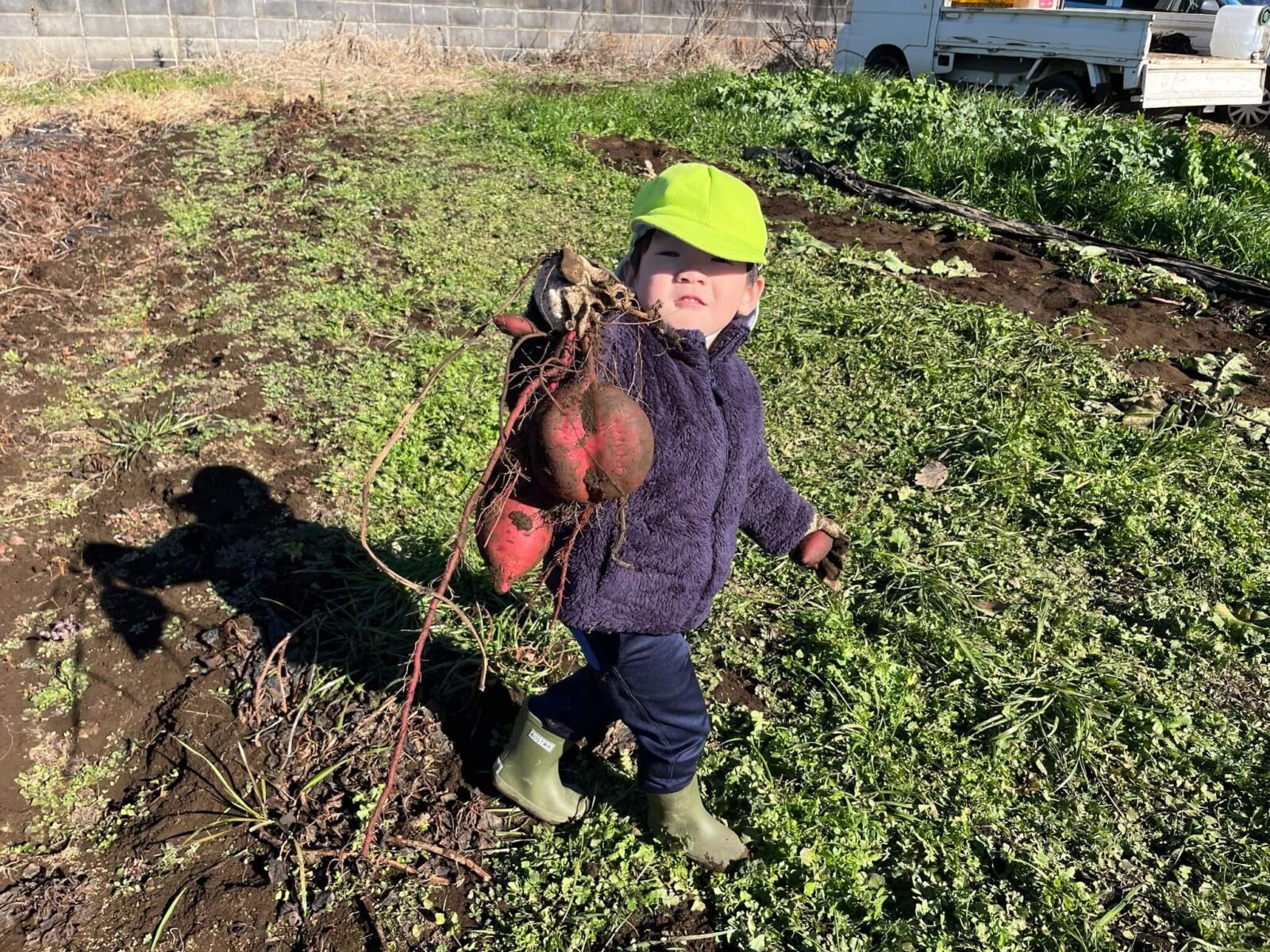
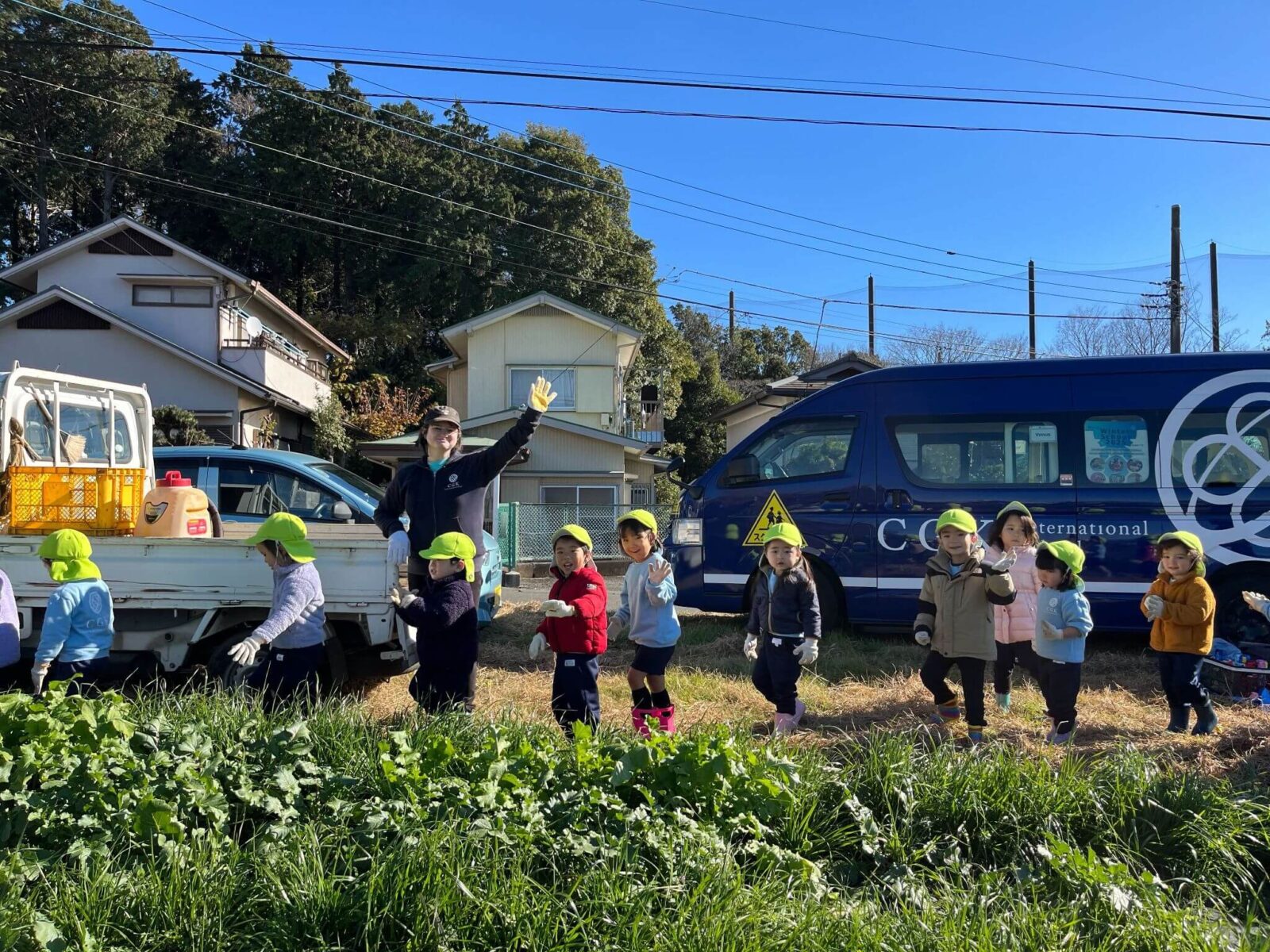
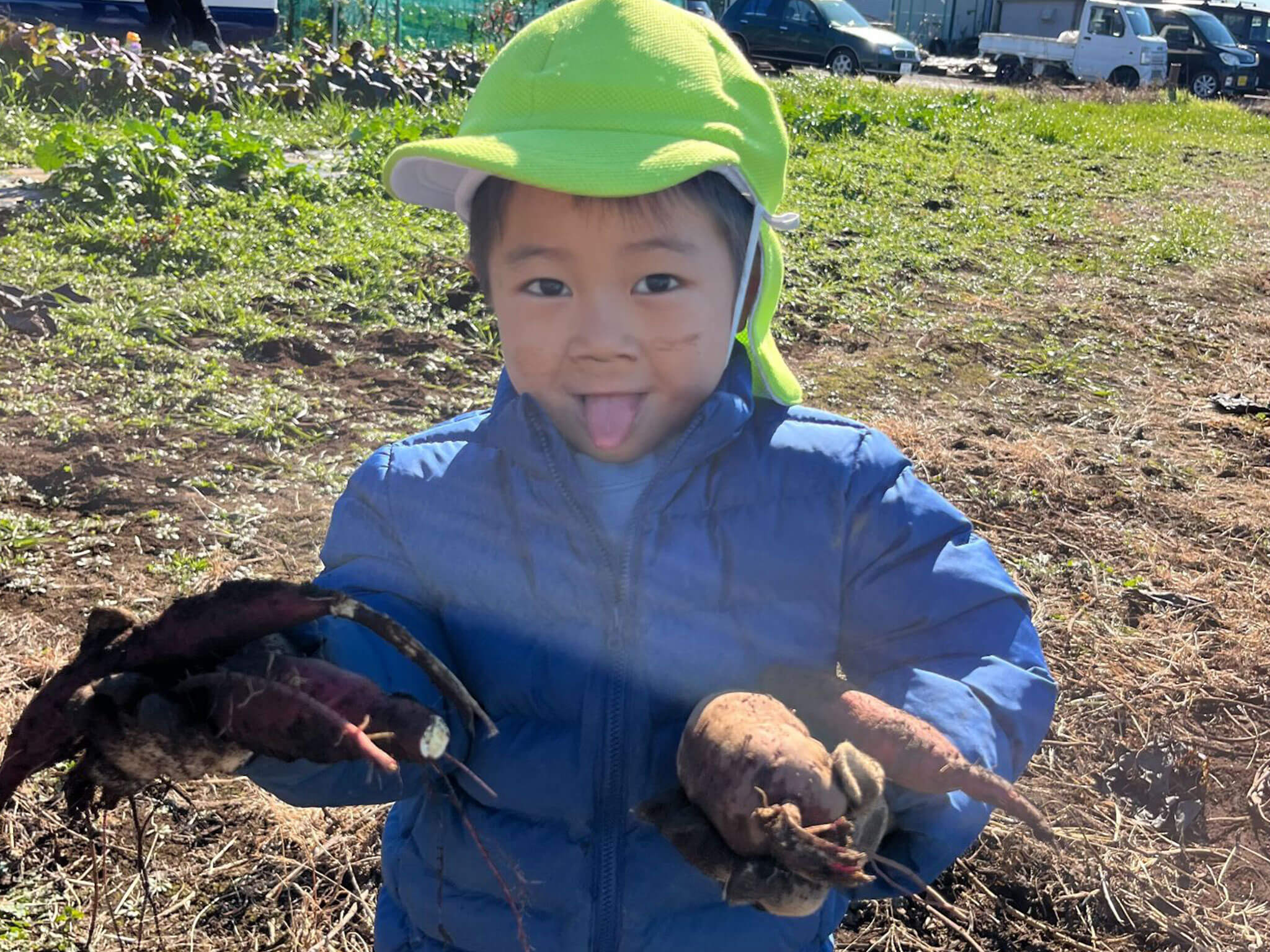
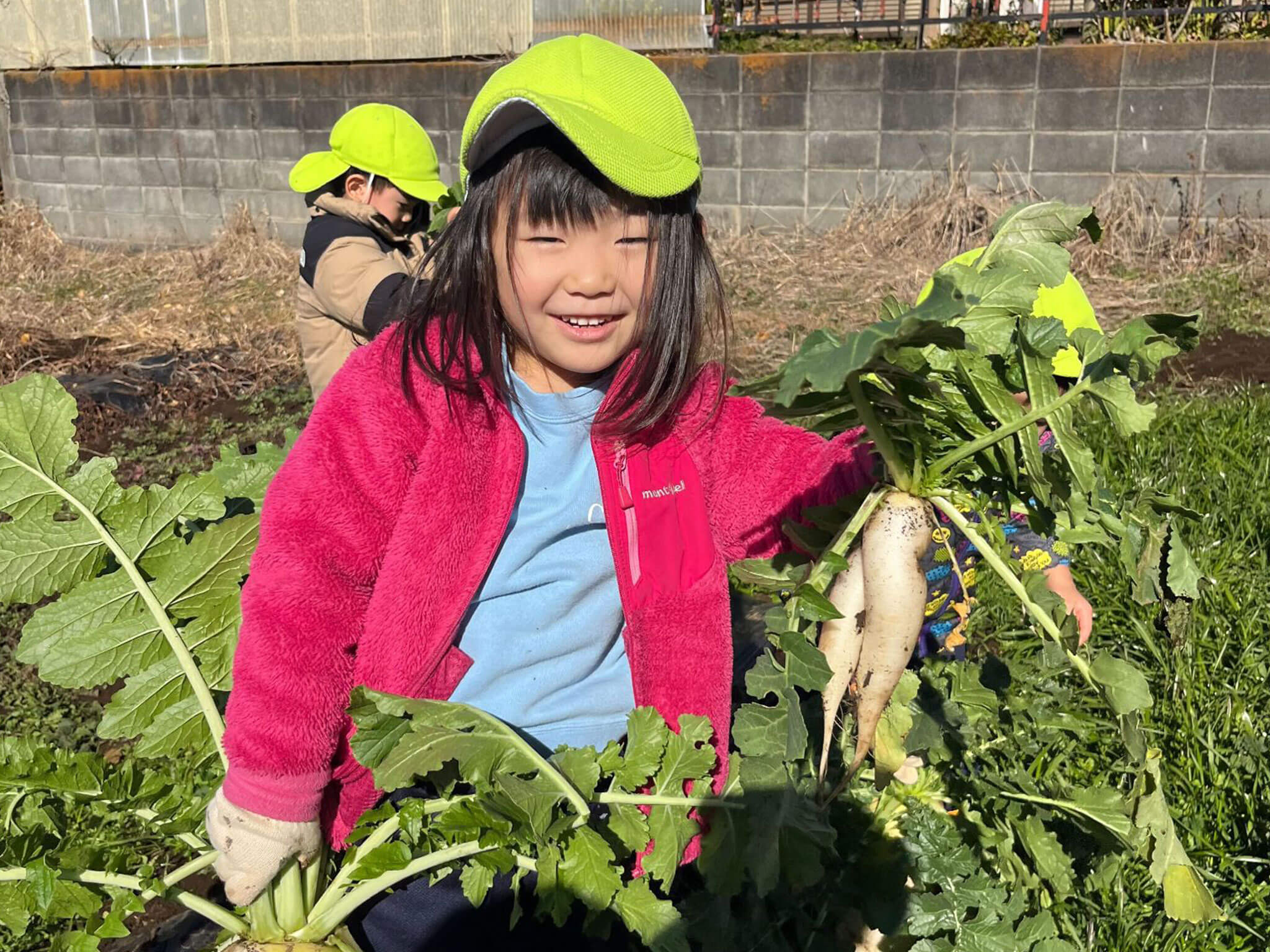
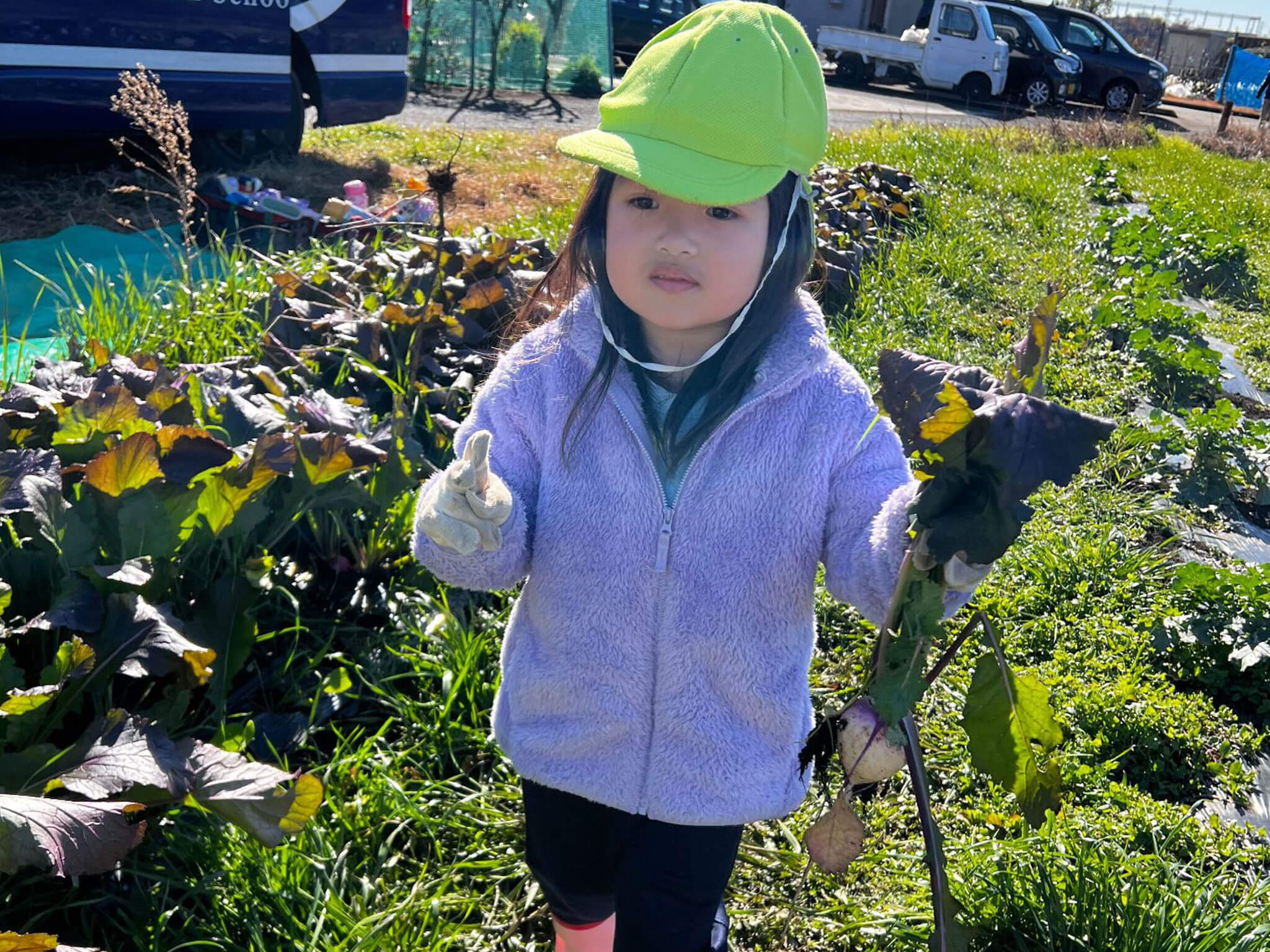
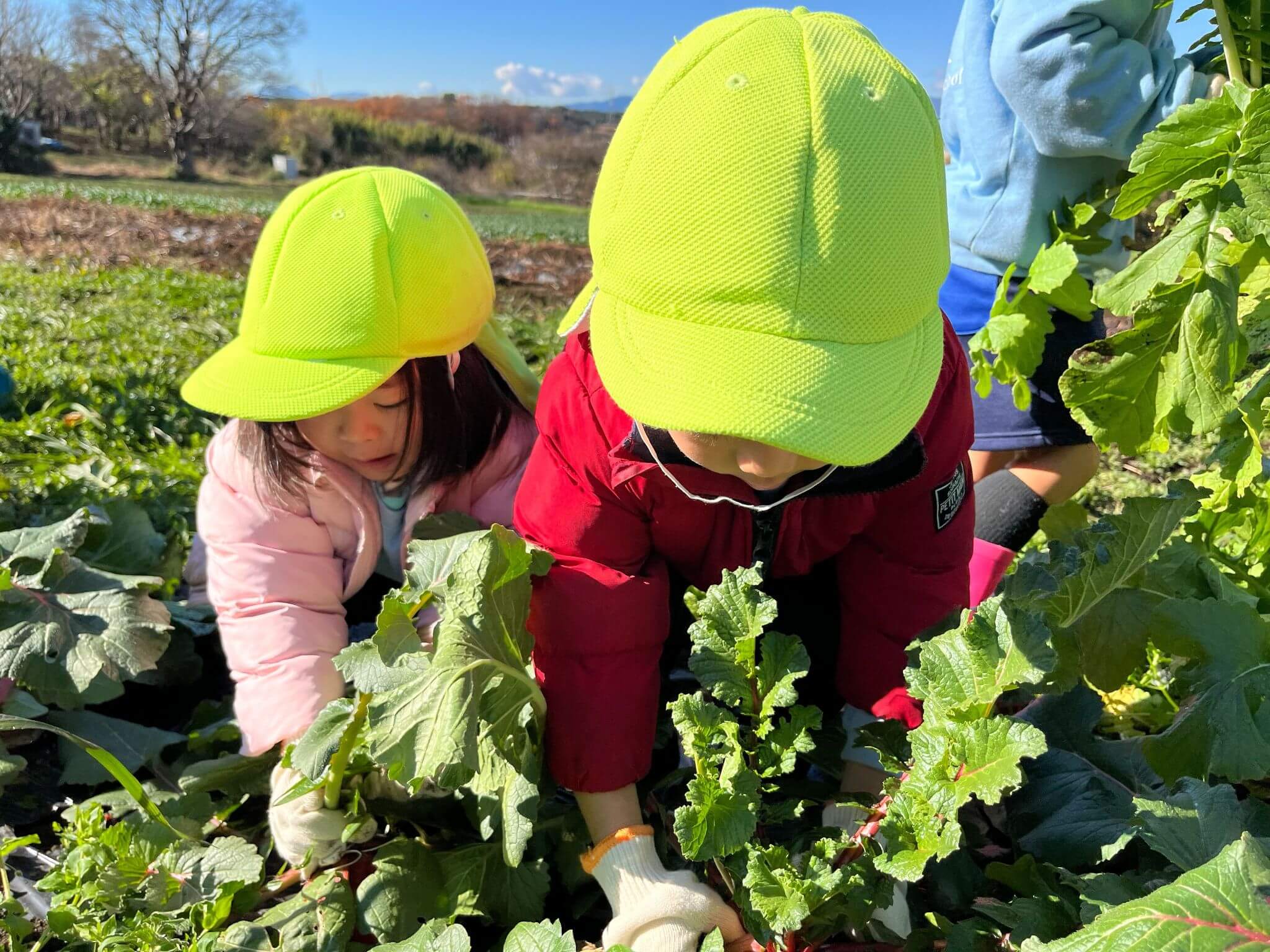
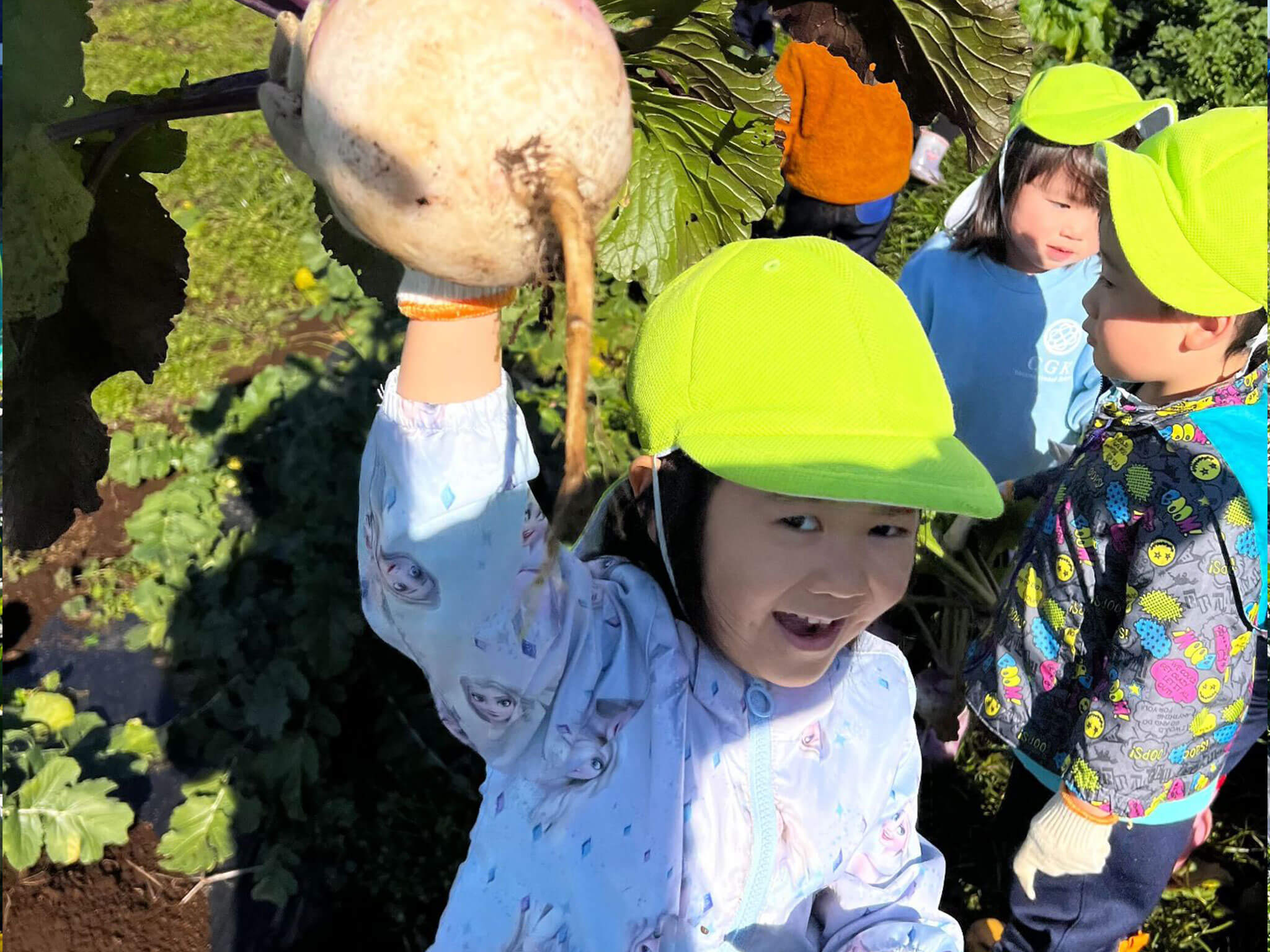
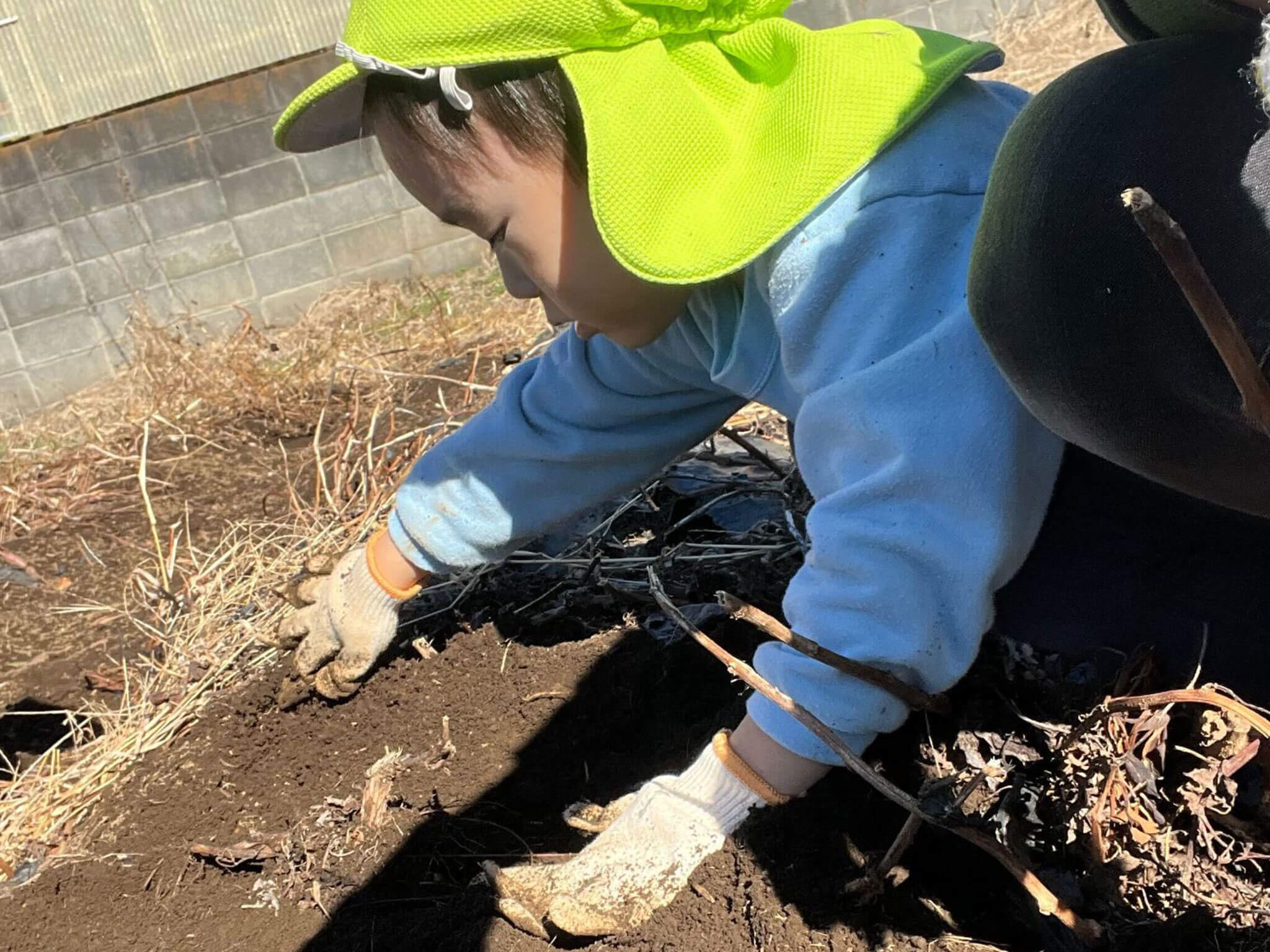
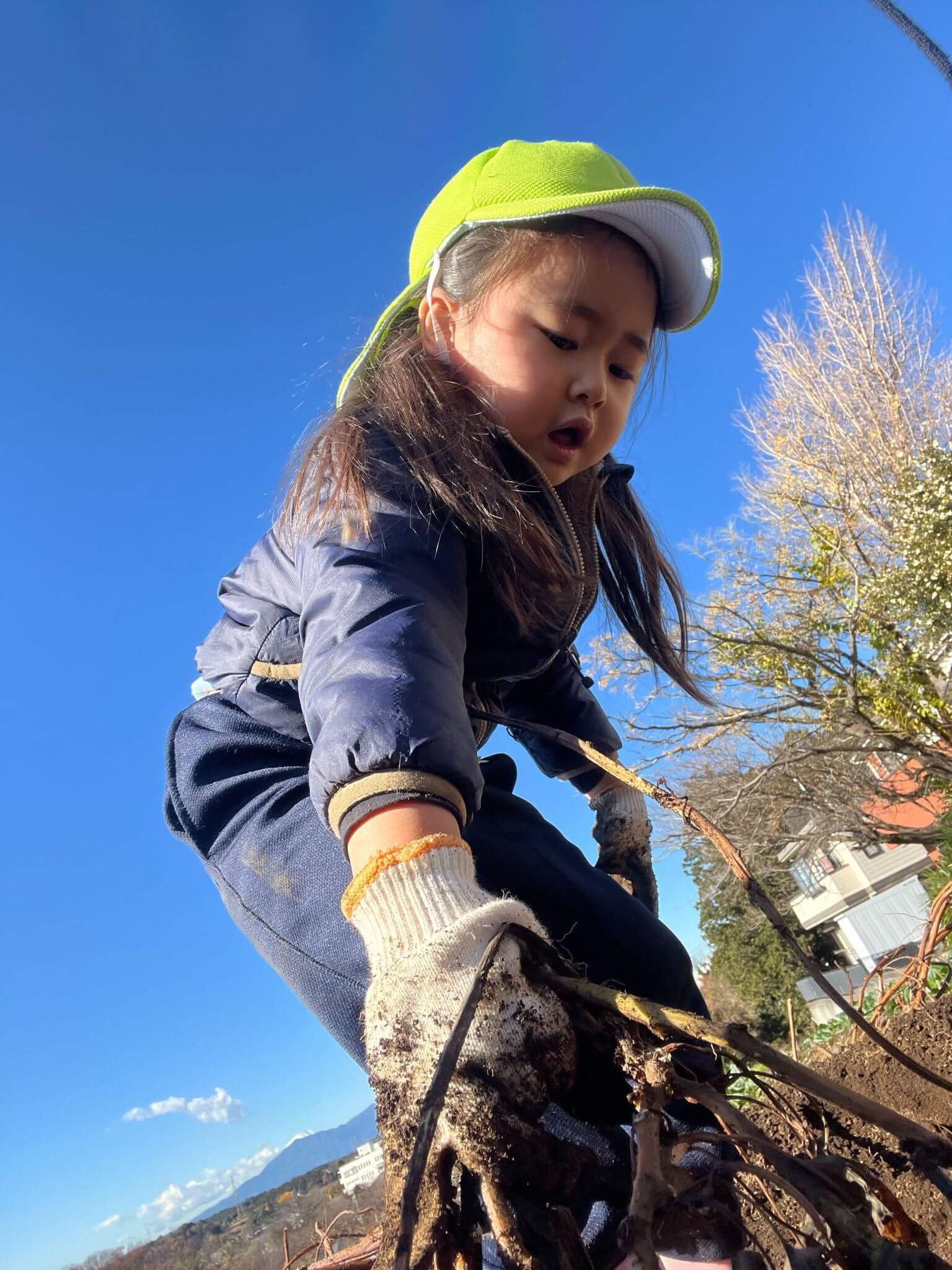

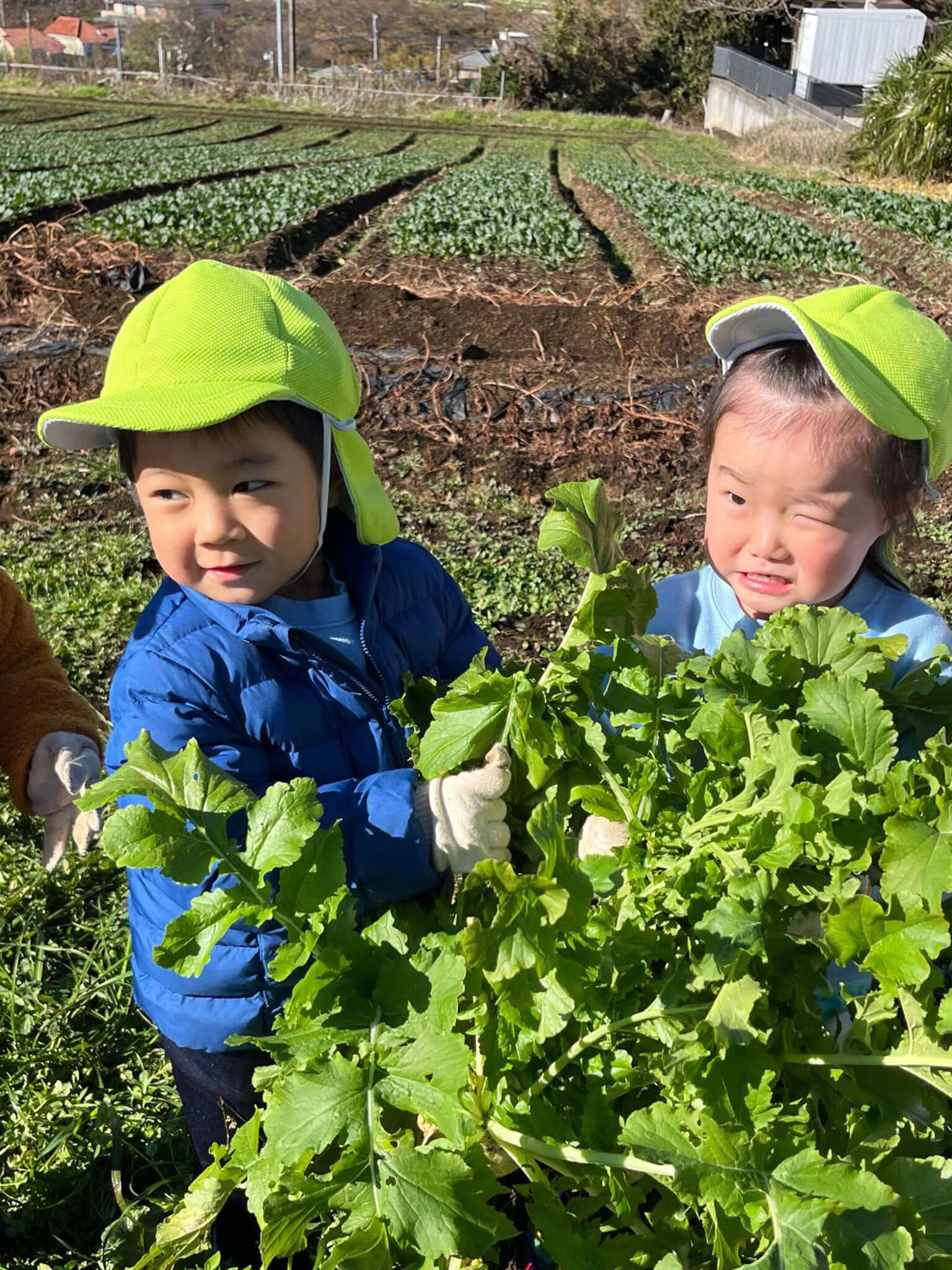
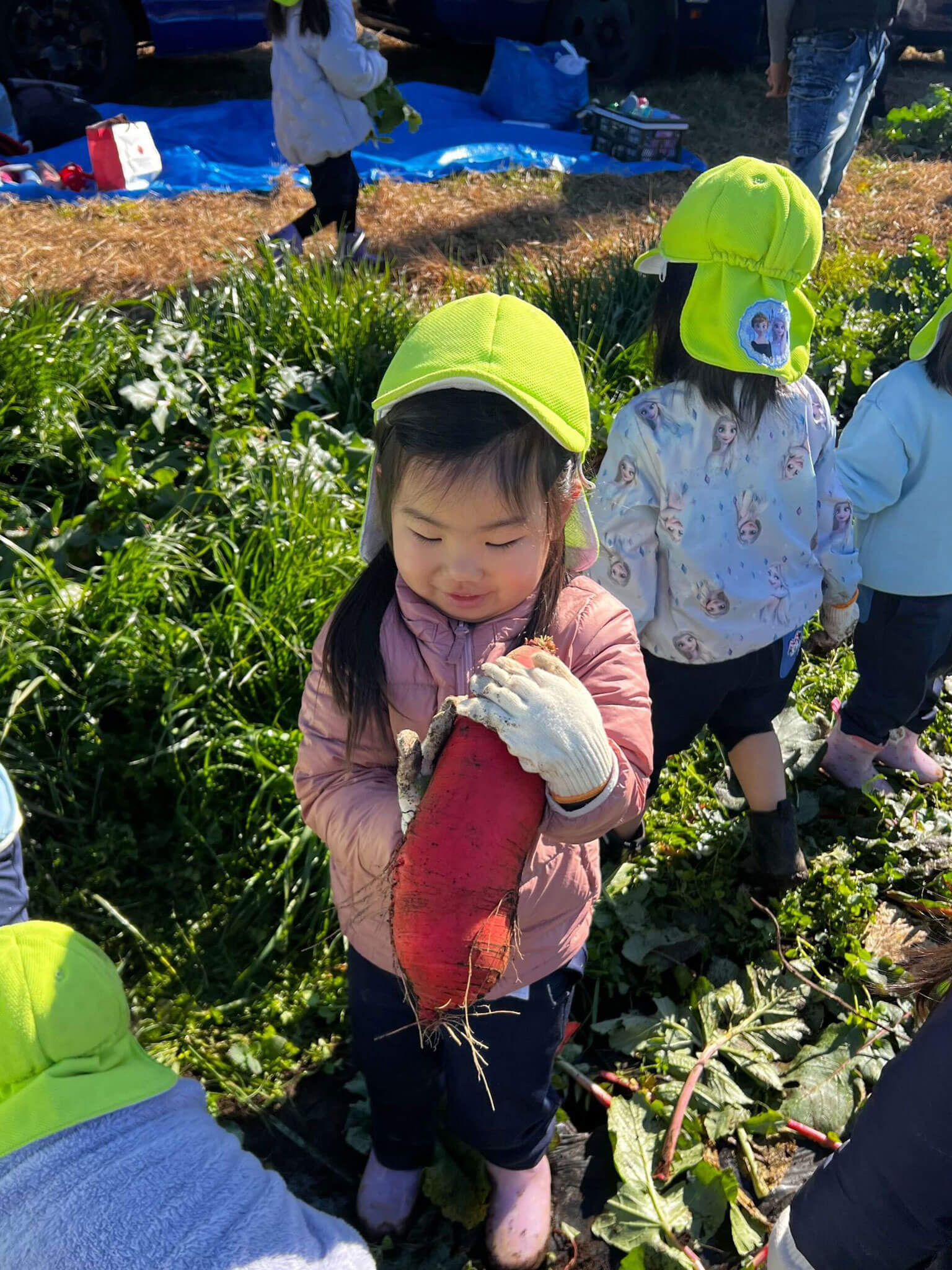
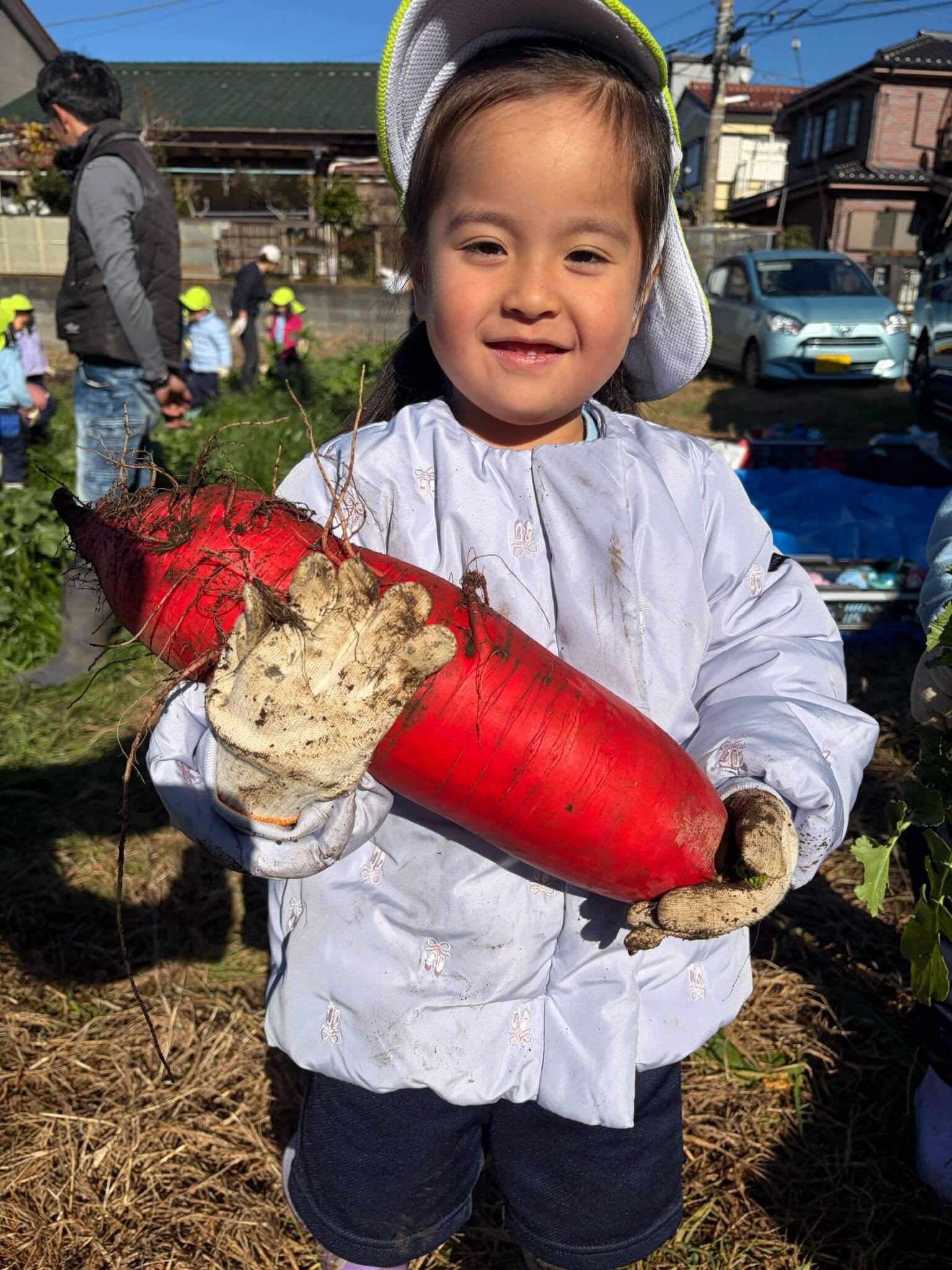


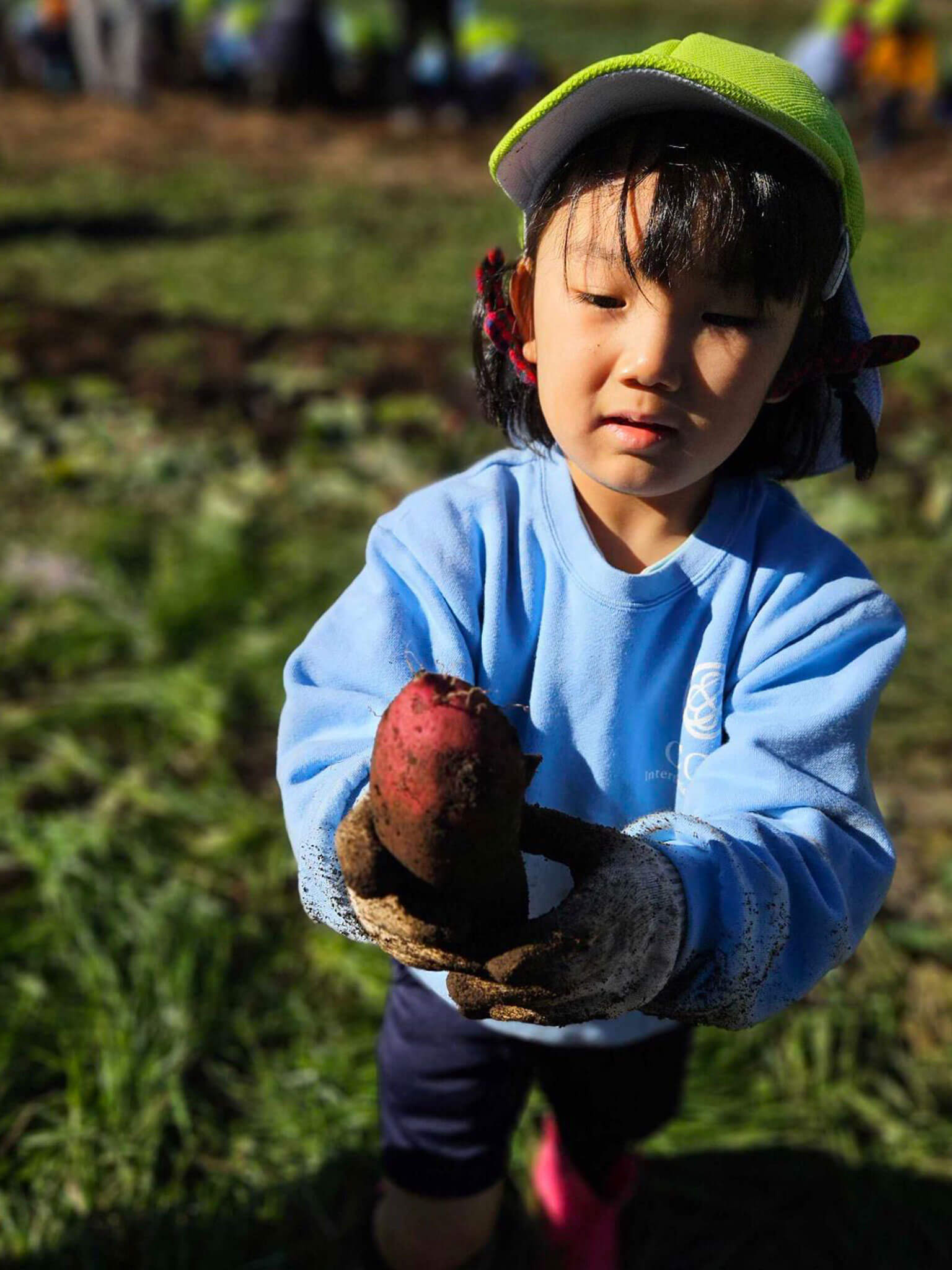
We had an exciting adventure as Jungle B headed out to the farm for a hands-on harvest day. The children’s eyes lit up as they explored the fields, feeling the squishy soil beneath their feet and learning where food comes from. With lots of encouragement and giggles, they worked together to pull long daikon radishes from the ground, amazed by how big and white they were once they popped free. This experience connected beautifully with our current UOI, How the World Works, as the children observed how plants grow and change over time.
The fun continued as the Jungle class searched for sweet potatoes hidden beneath the soil. Their hands dug carefully, noticing how the soil moved and shifted as they uncovered their vegetables, directly linking to our inquiry into How Things Can Change and Move. Each discovery was met with cheers and proud smiles as the children shared their findings with friends and teachers. This farm visit was a joyful and meaningful learning experience, bringing together nature, movement, and curiosity while creating special memories for our Jungle class.
Learning Through a Harvest Experience
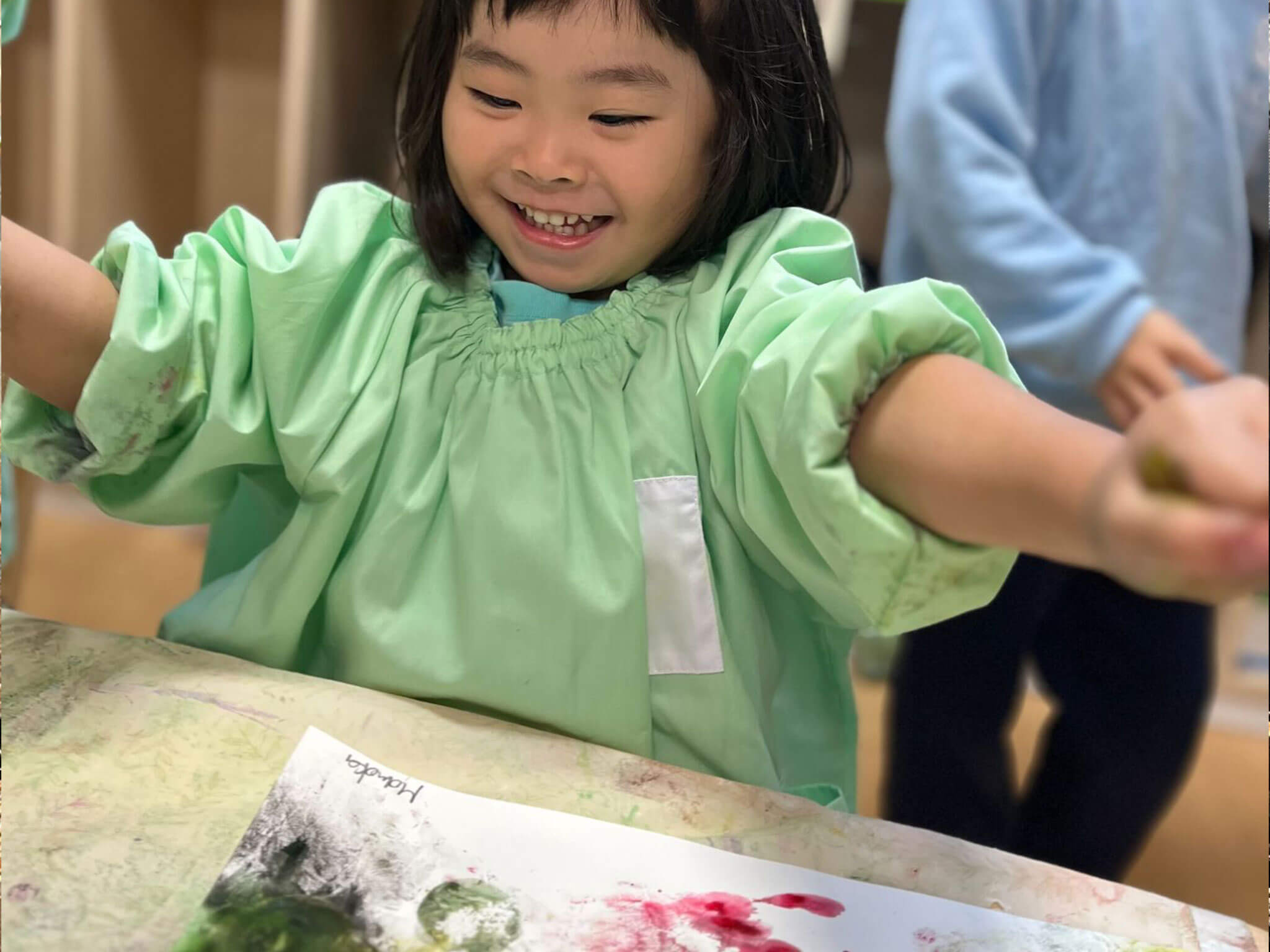
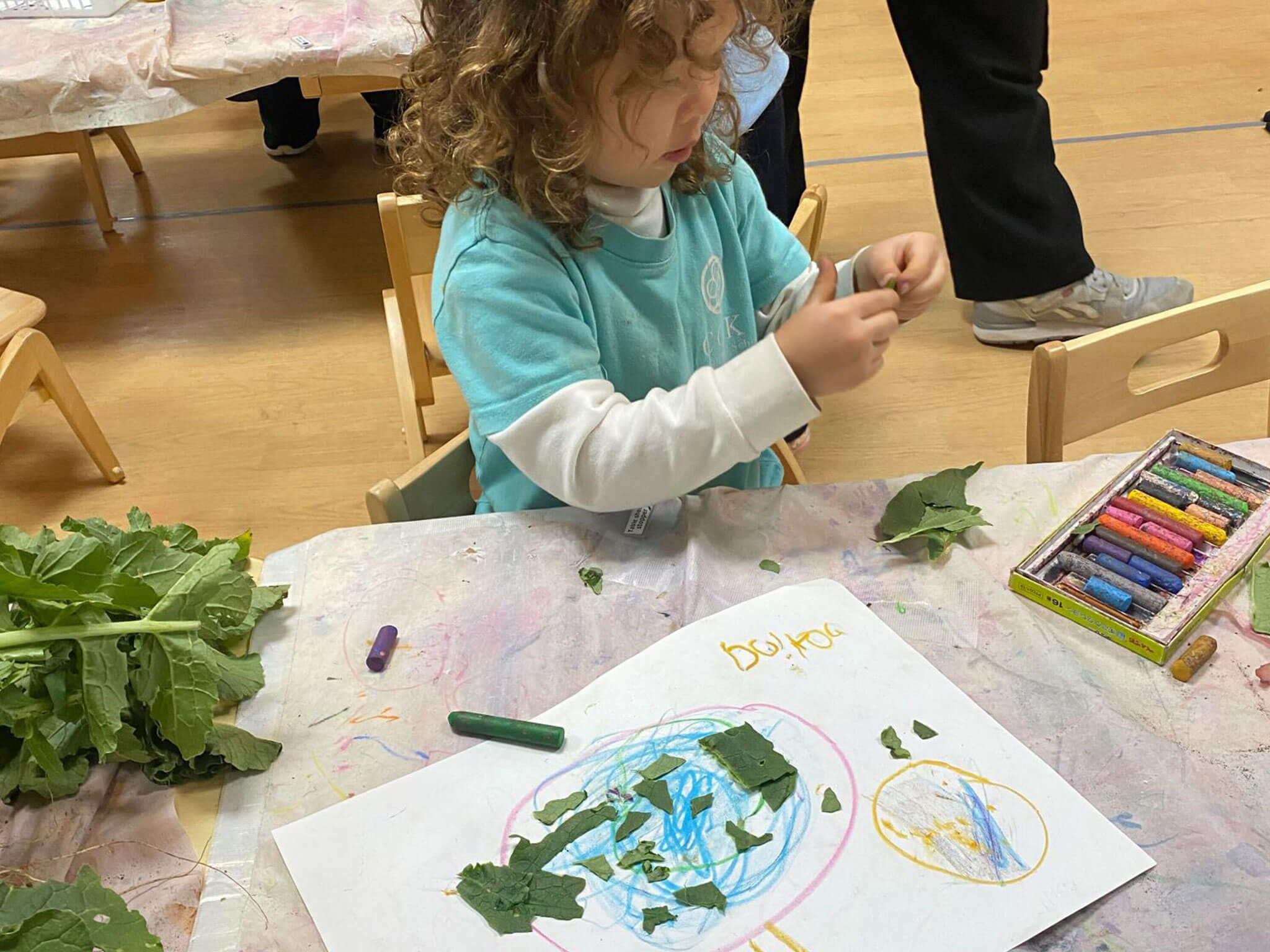
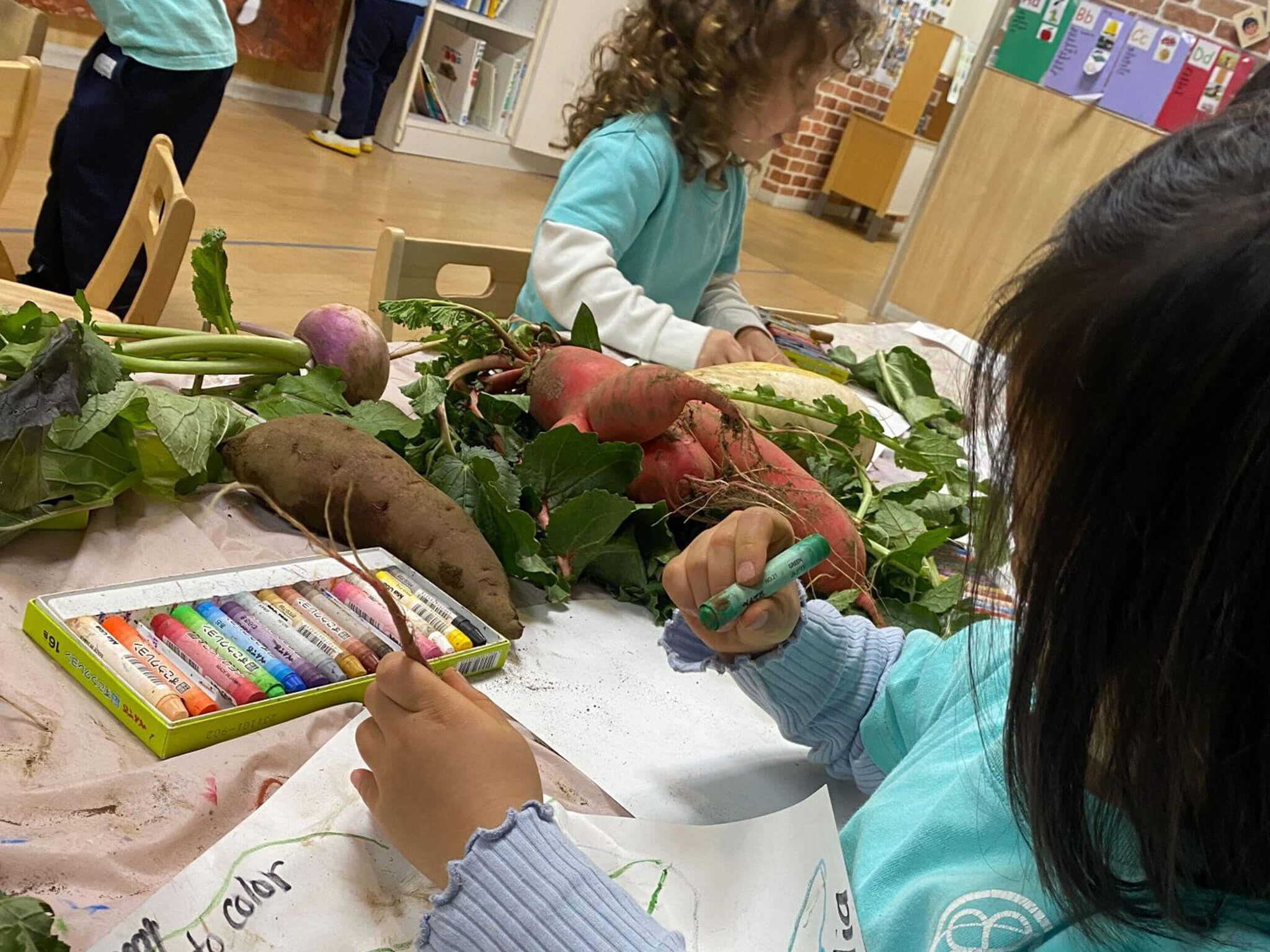
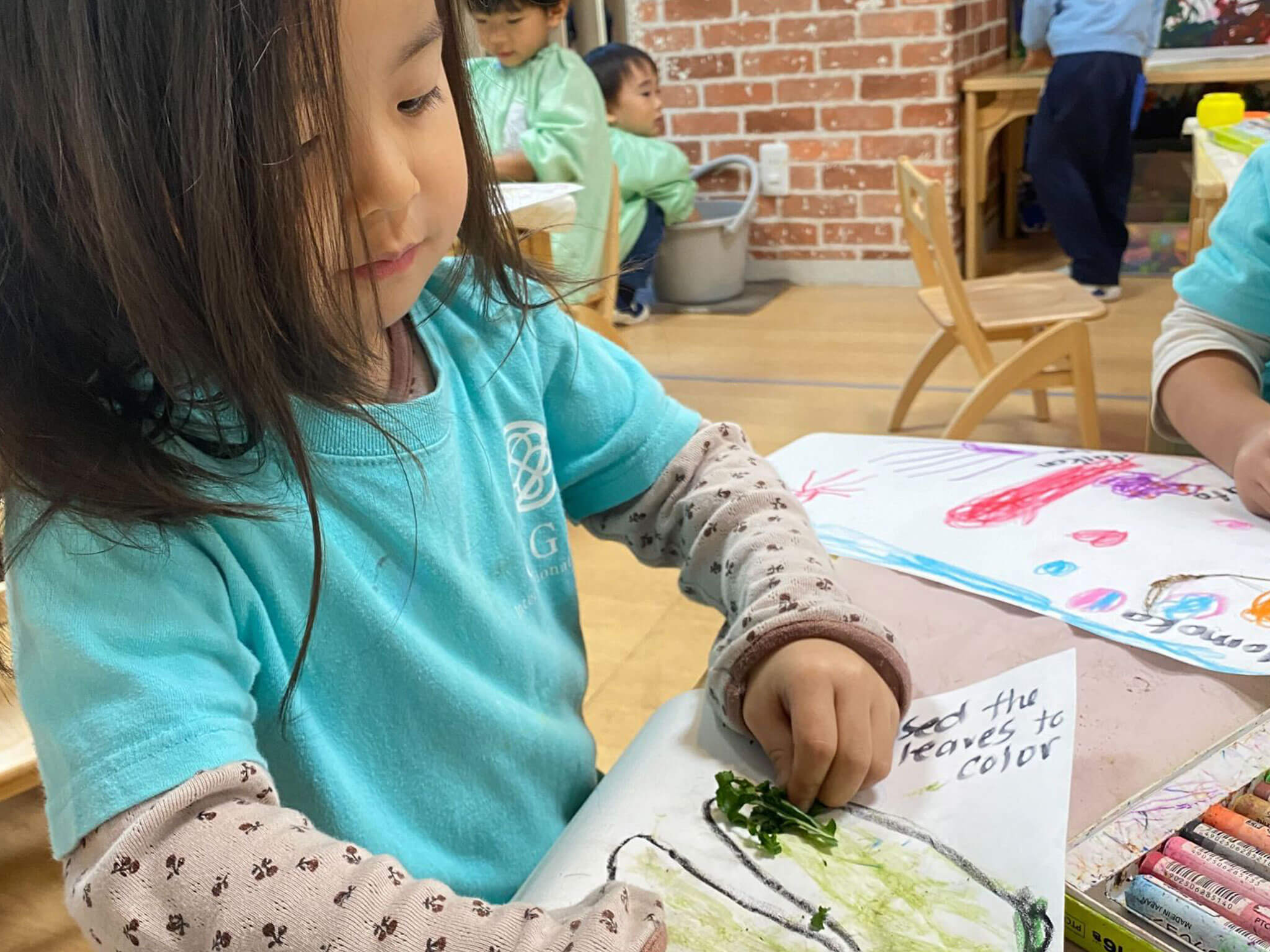


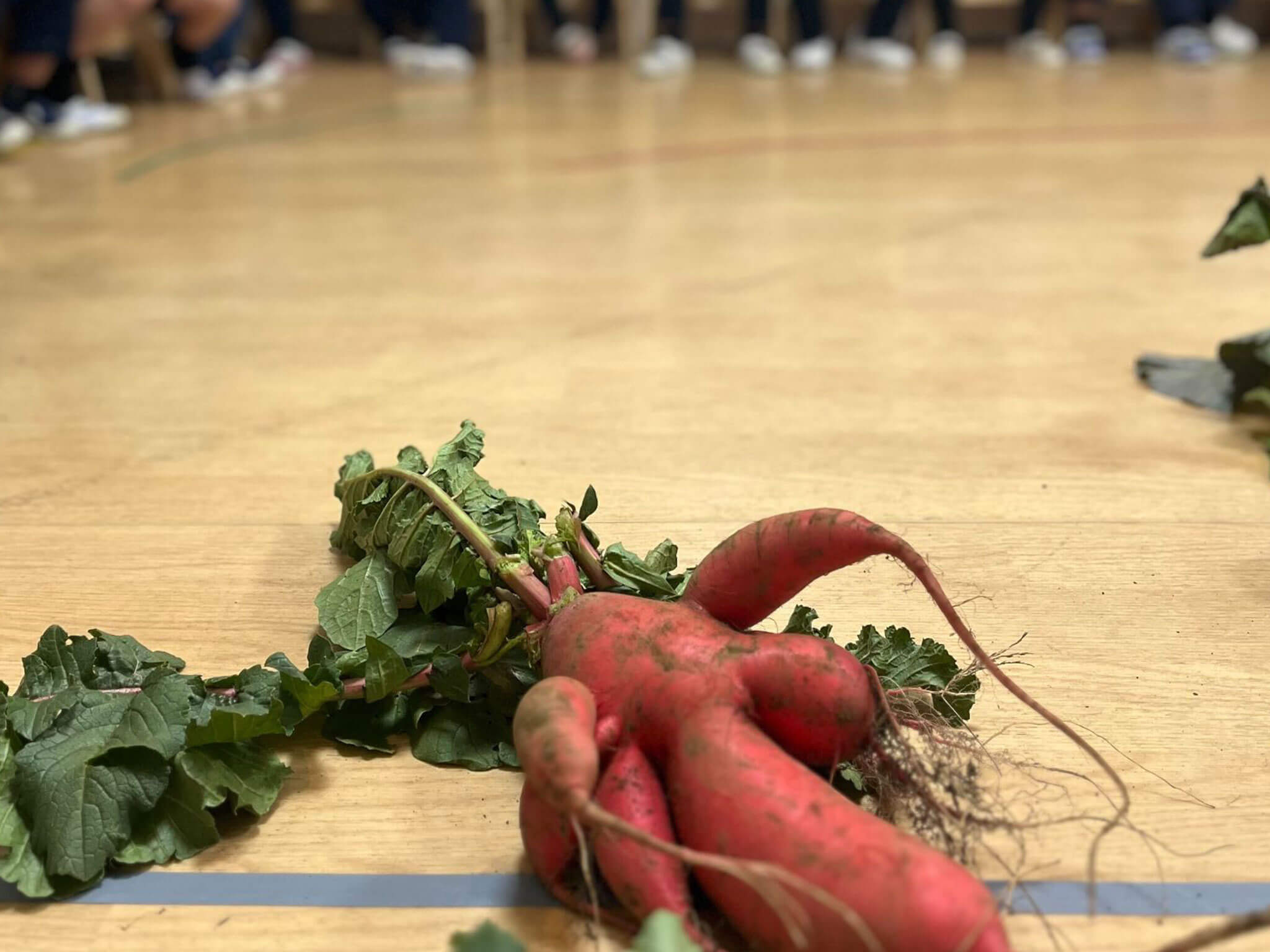

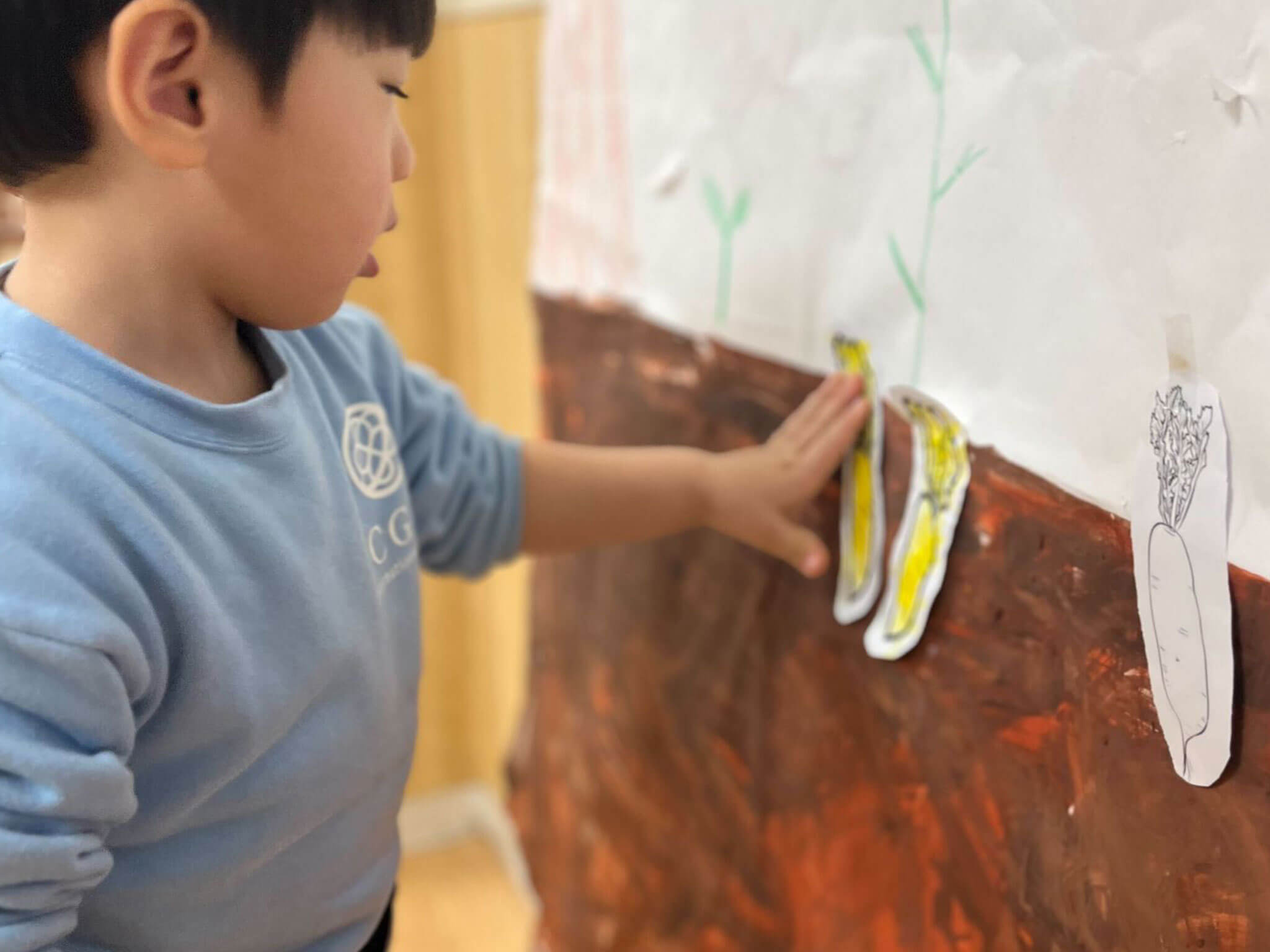
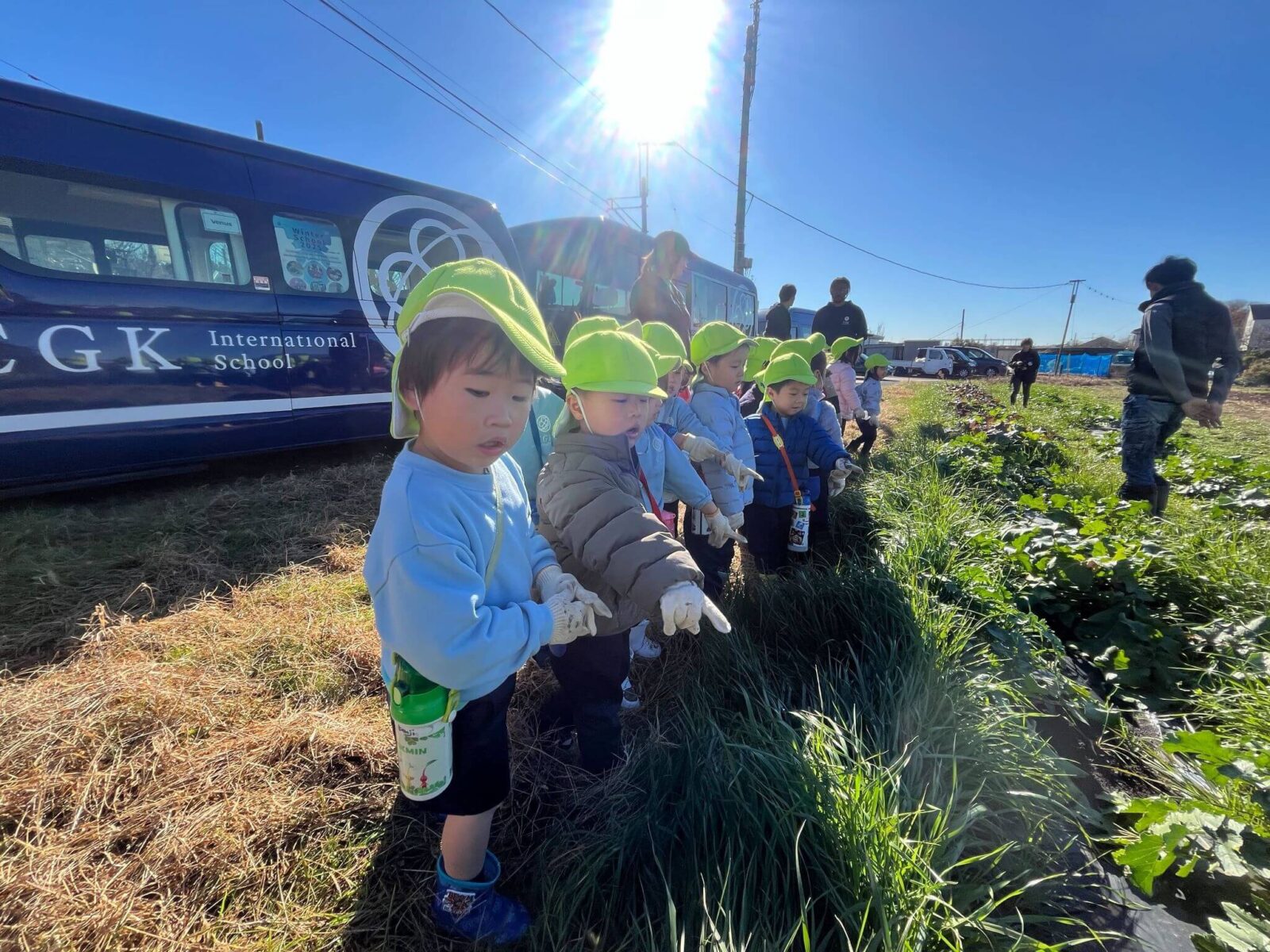
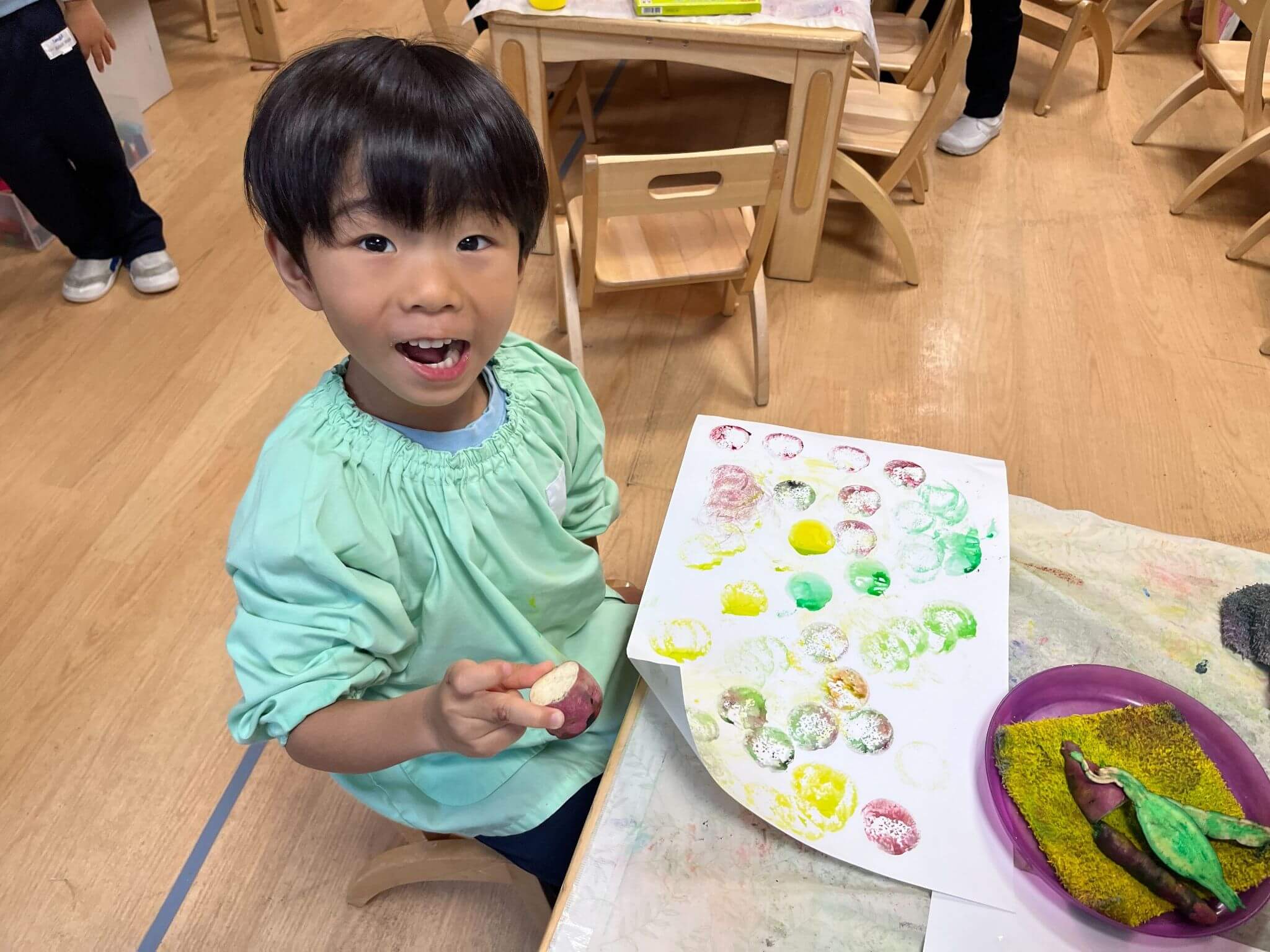
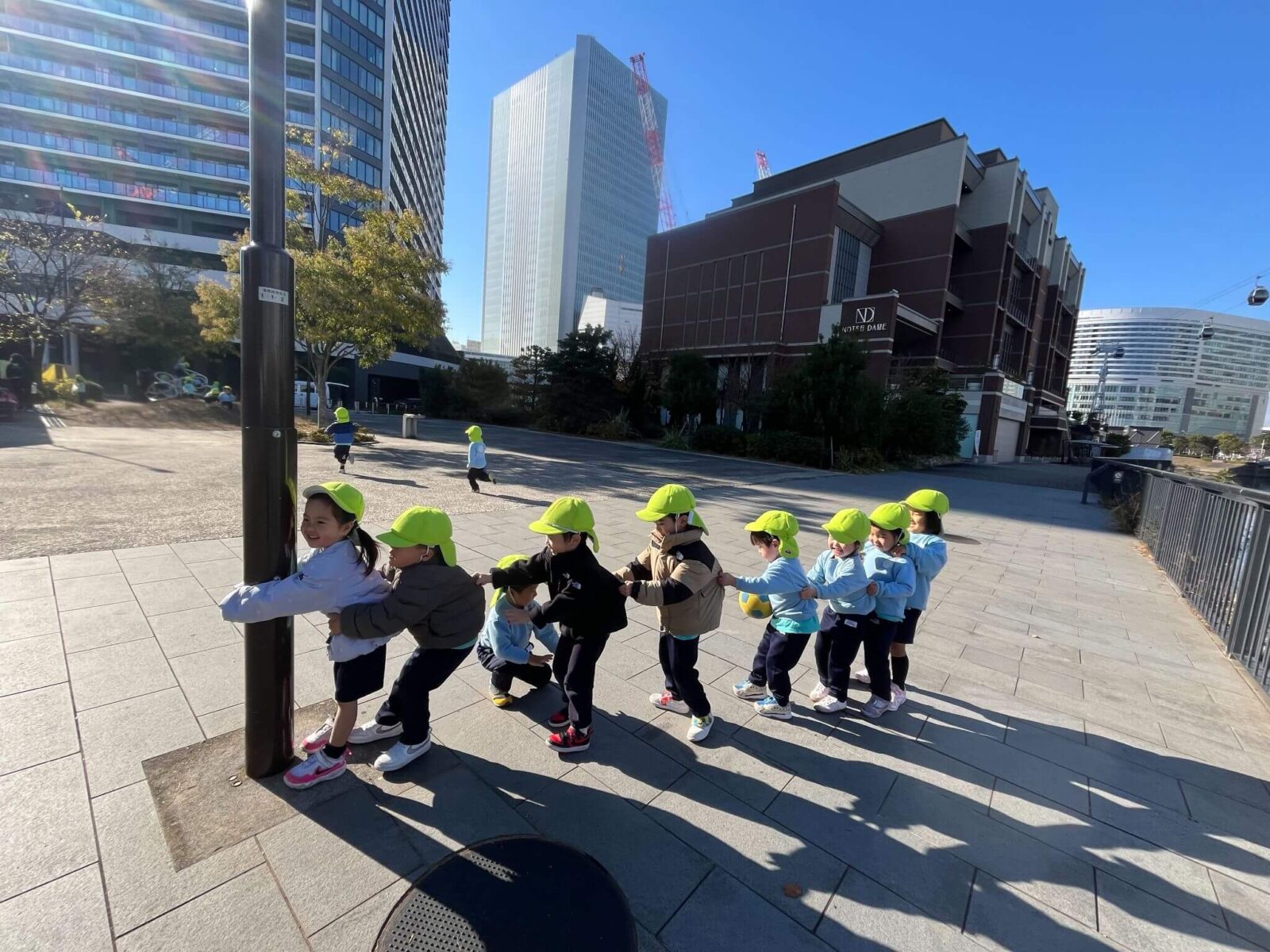
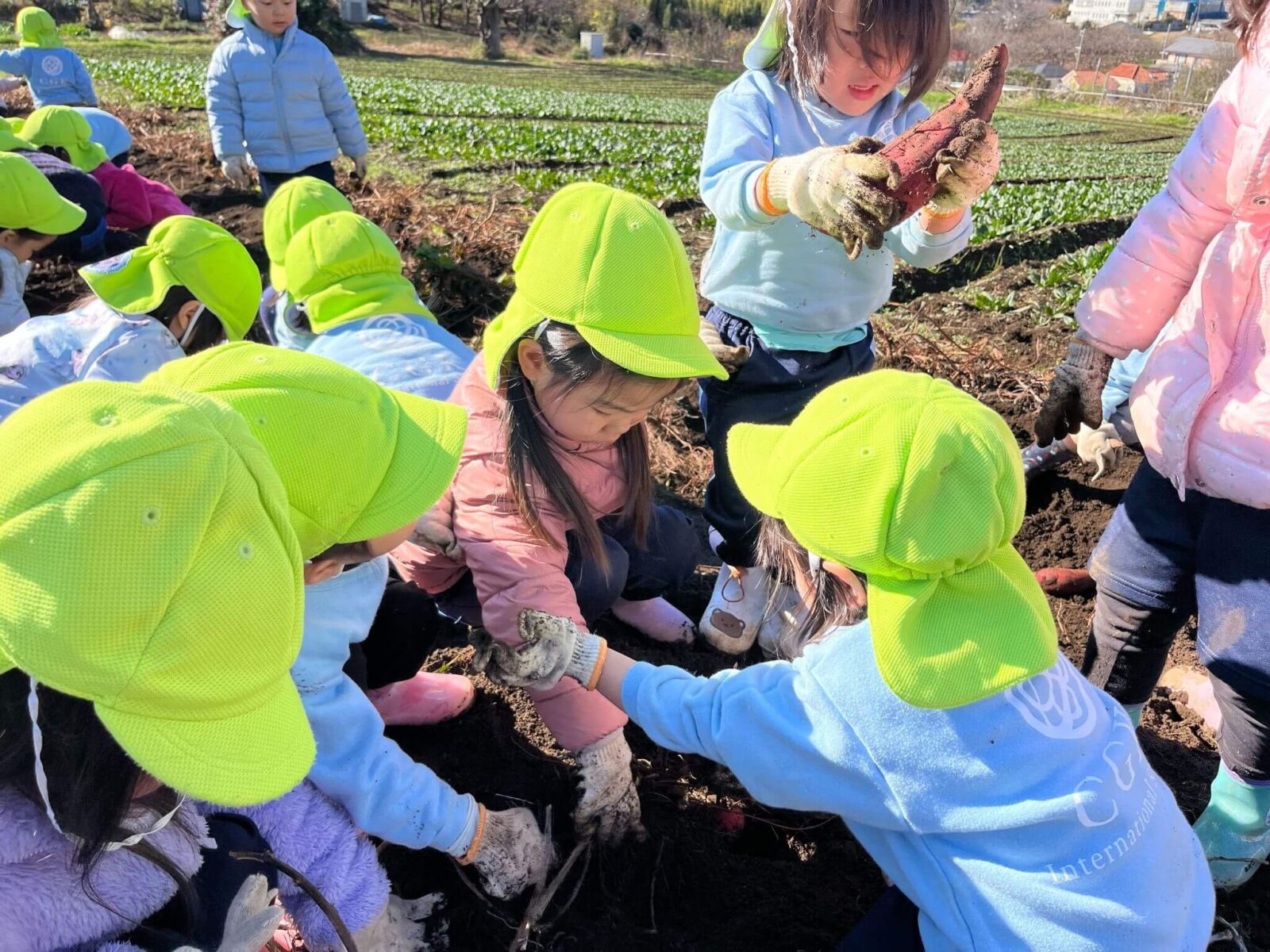
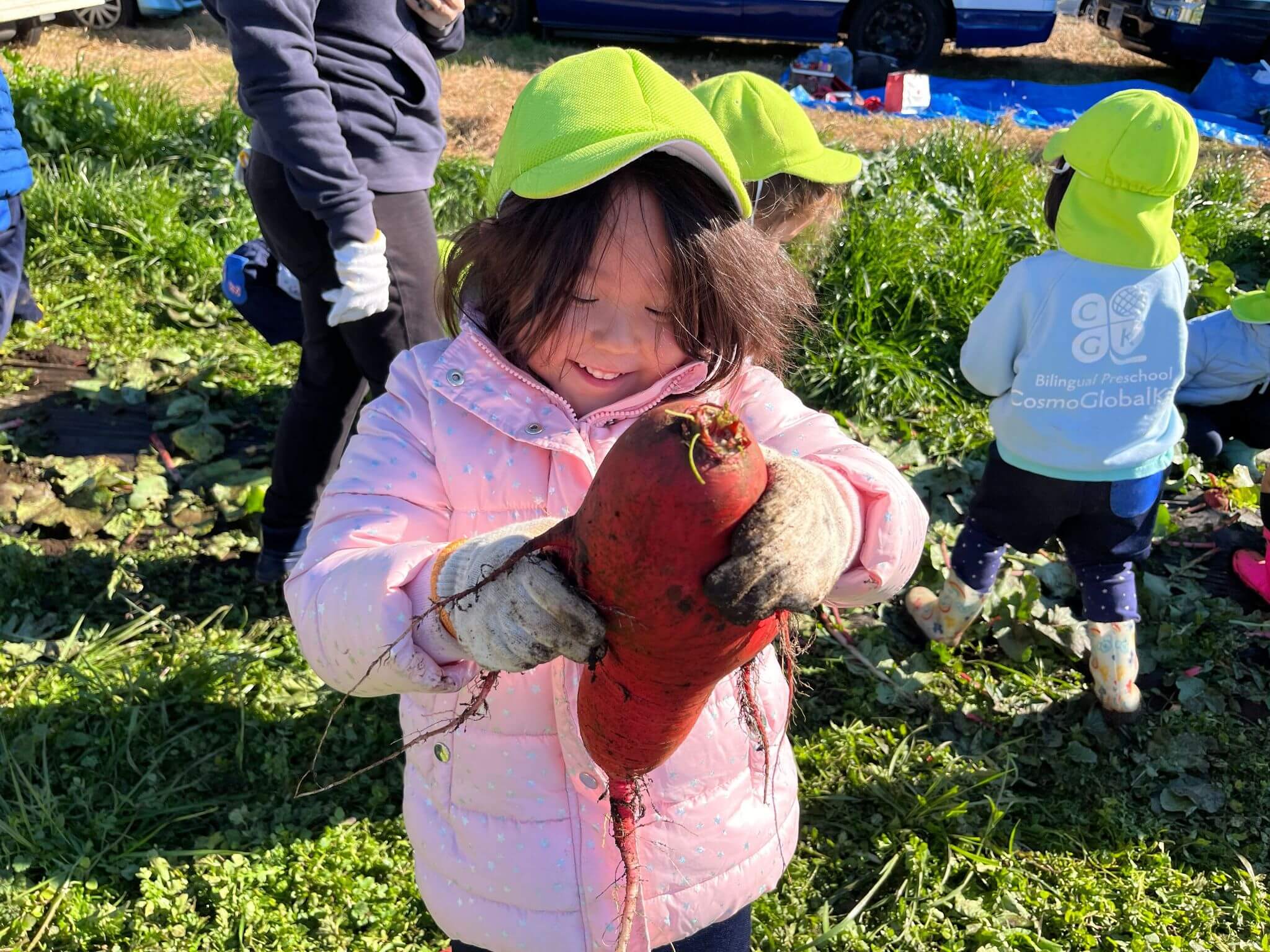
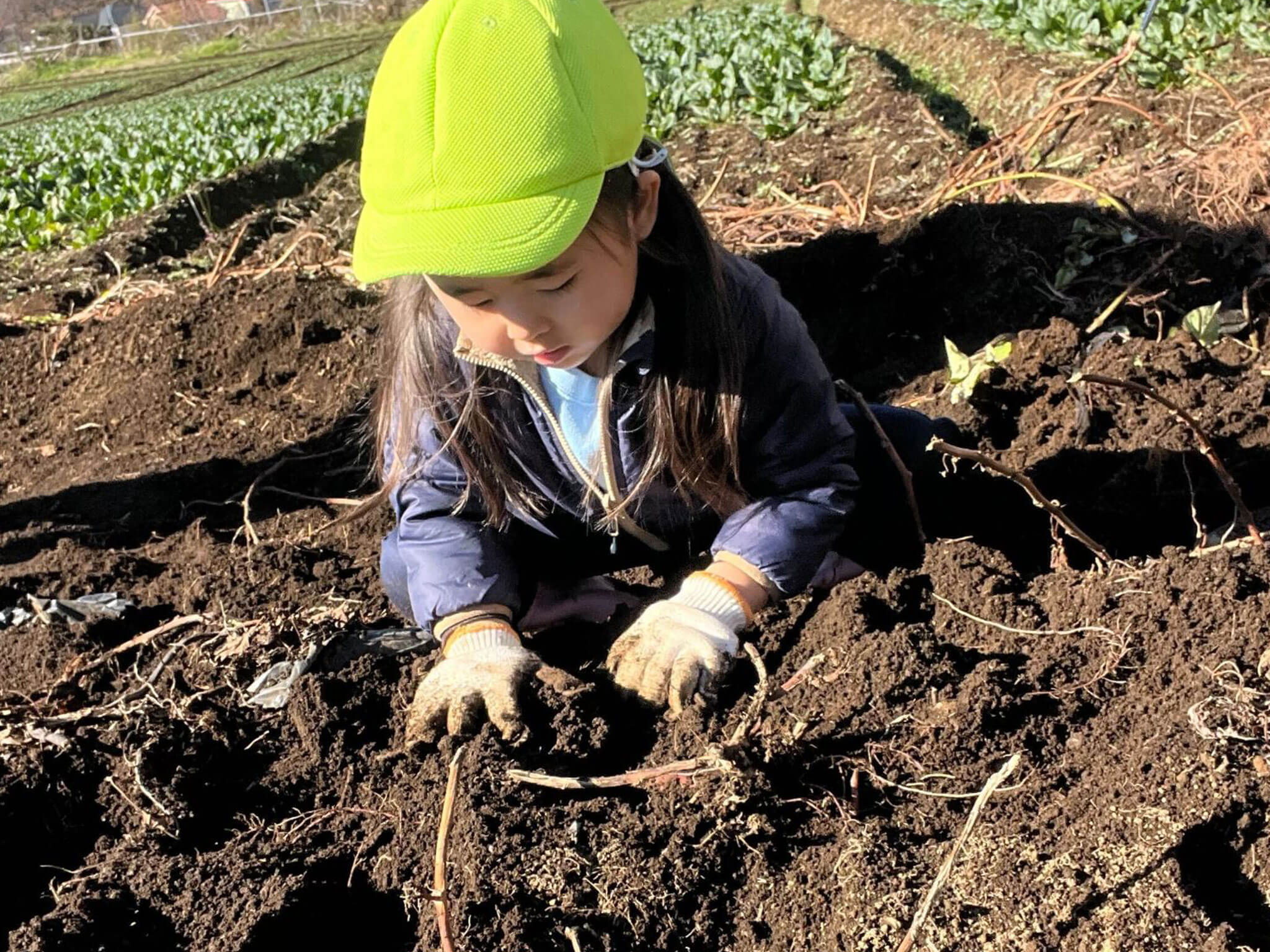
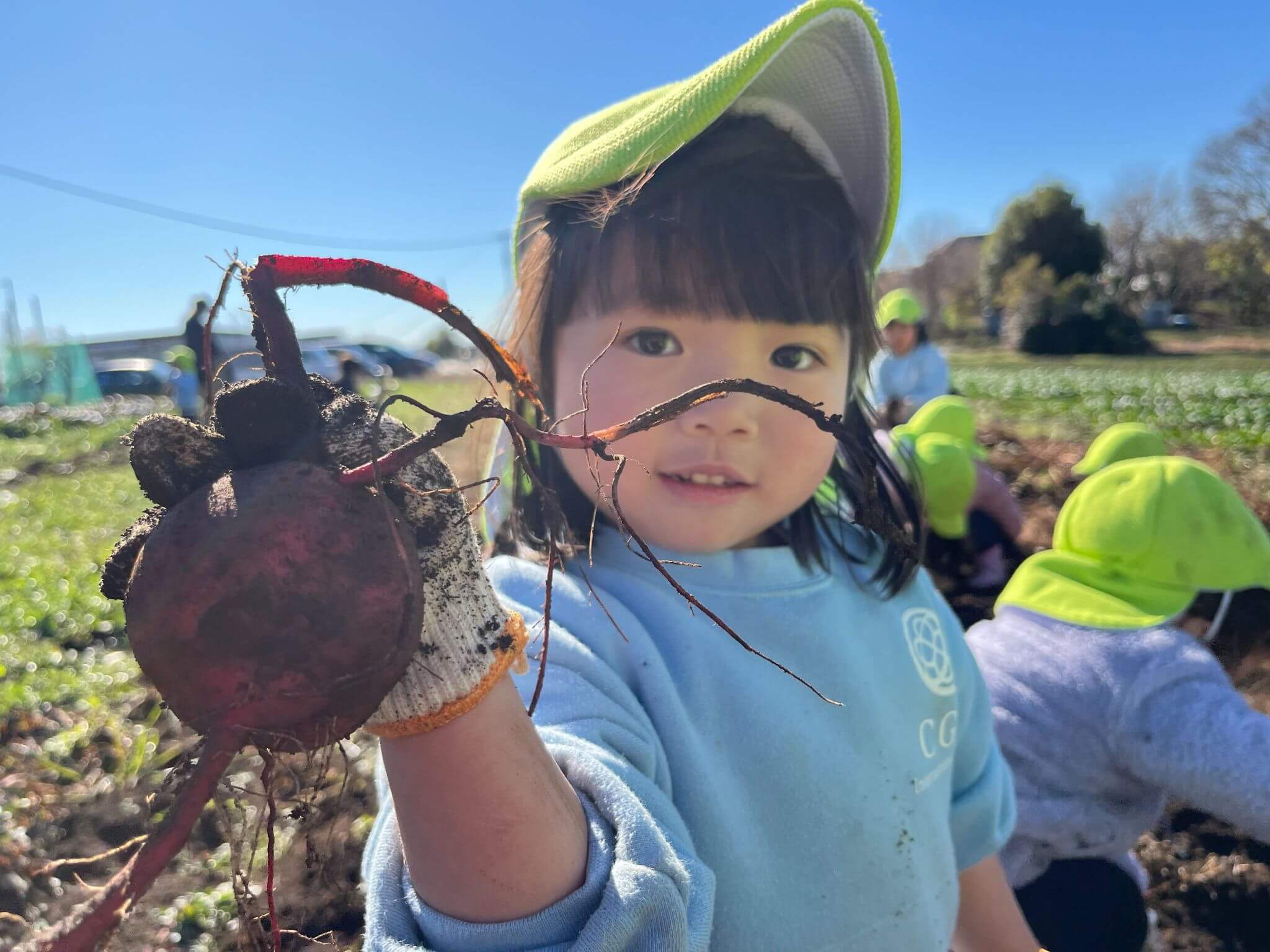
The other day, blessed with wonderful weather, we were able to enjoy the long-awaited harvest experience that the children had been looking forward to. Wearing work gloves and full of enthusiasm, the children headed to the farm ready to get started. At first, they struggled a little with vegetables that had grown even bigger than expected, but they didn’t give up. They pulled with all their strength, called out to friends for help, linked arms and worked together just like in the picture book The Giant Turnip, and even dug around the soil—trying different strategies until they successfully harvested many vegetables. Seeing vegetables of different shapes, sizes, and colors, the children exclaimed, “Wow!” with excitement as they eagerly moved from one harvest to the next. Their joyful expressions left a strong impression on us.
In our current unit, How the World Works, we began by classifying living and non-living things and have been deepening our learning through questions such as what living things need to survive, where those needs come from, and where living things live. While the children have gradually come to understand that things which grow are living, it has still been challenging for them to recognize living things that do not move. Plants, in particular, are “living things that don’t move.”
Through this harvest experience—where vegetables planted and carefully grown over several months by the older Mountain class students were seen, touched, and harvested—the children were able to truly understand the process of how something grows from a seed, becomes bigger, and eventually turns into food. This hands-on experience was incredibly valuable for them.
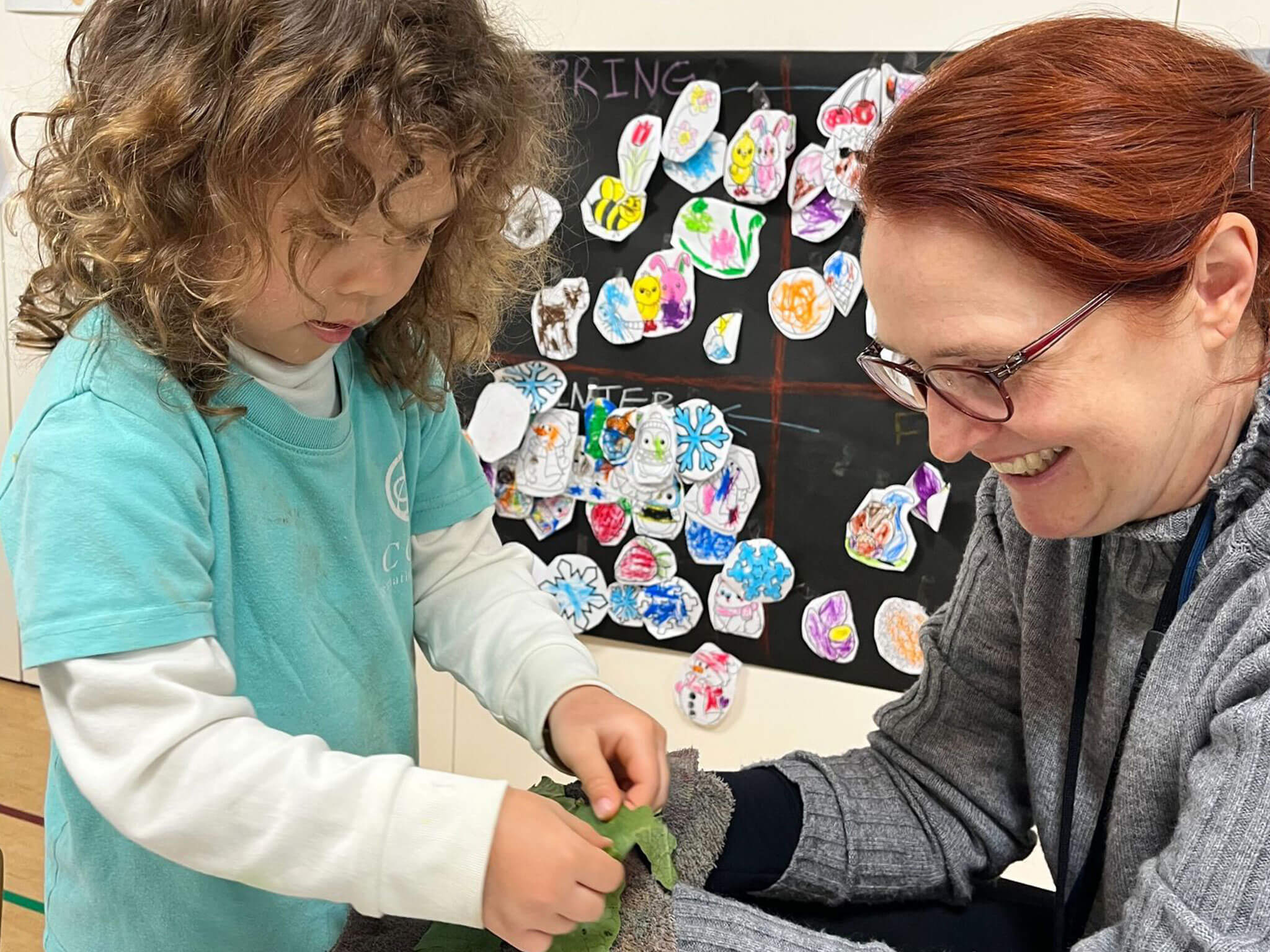
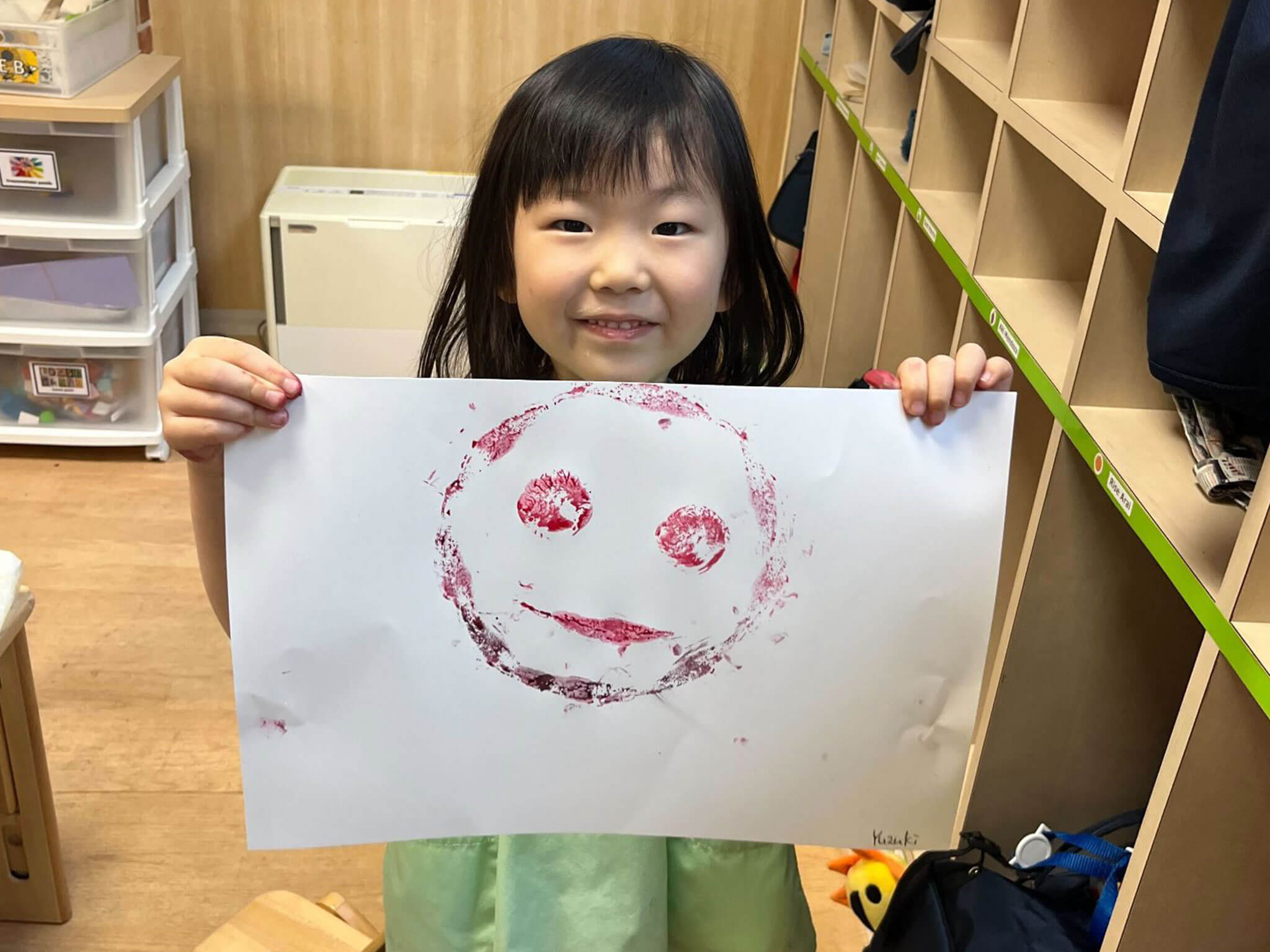
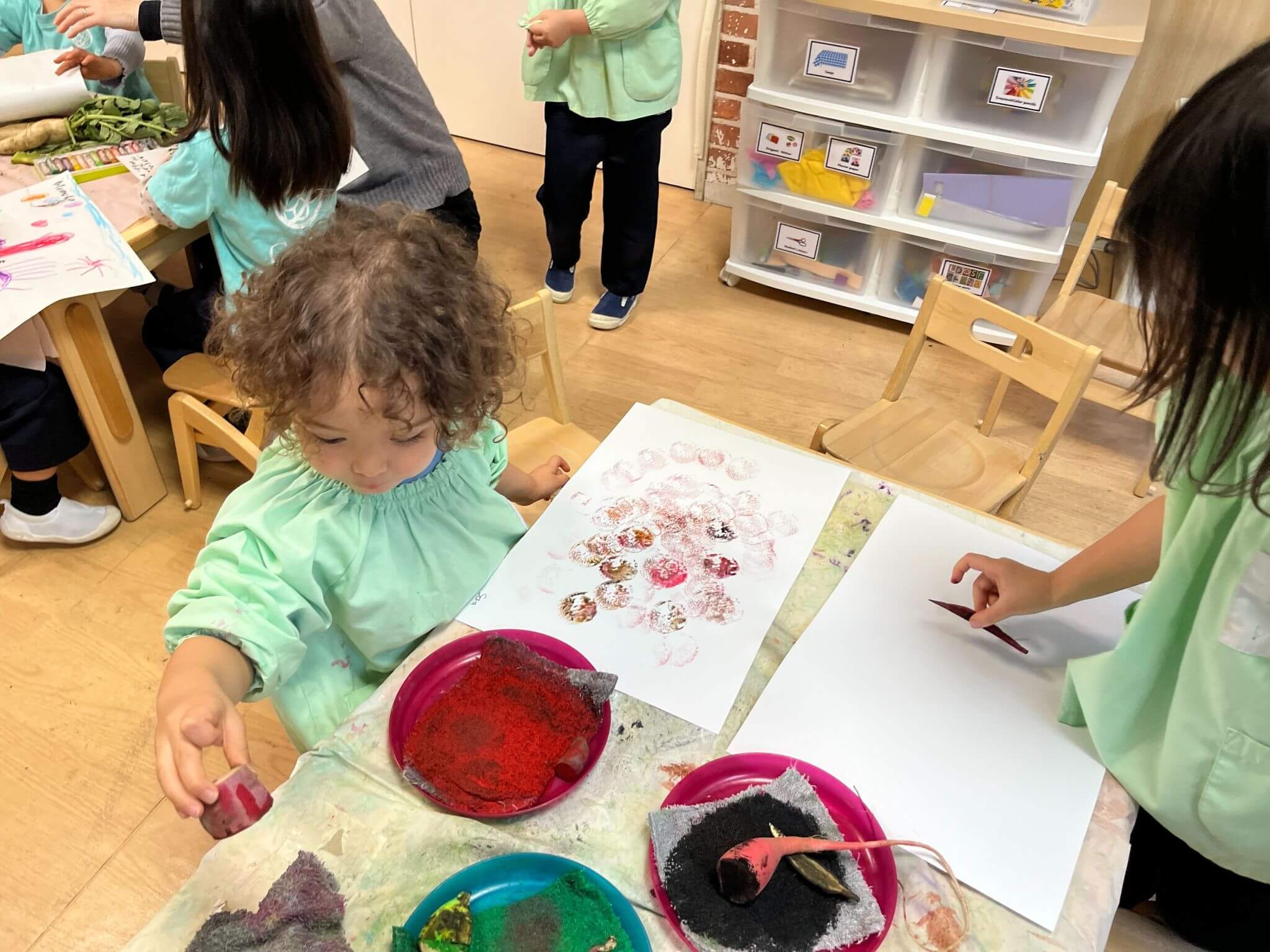
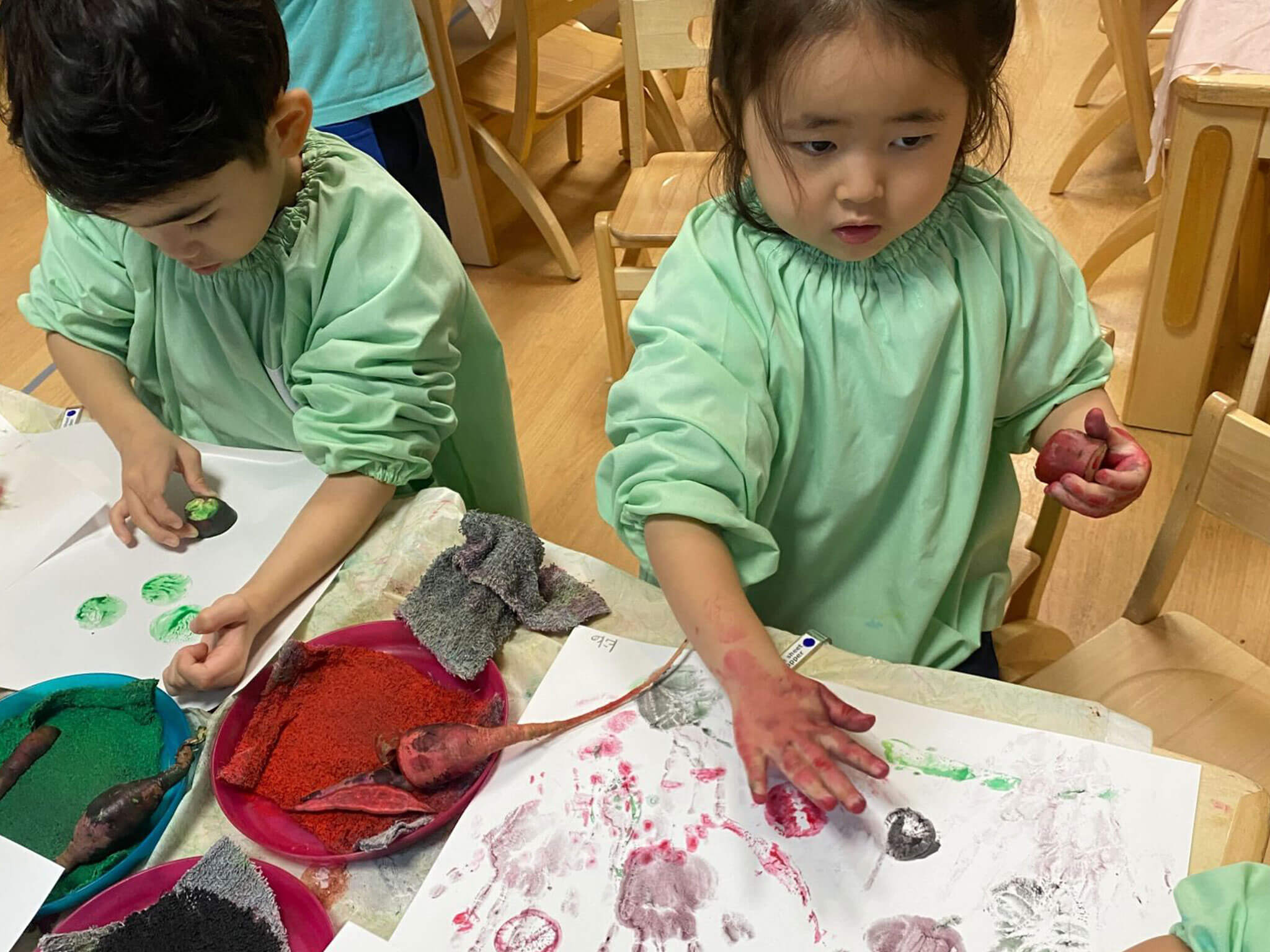
The following day, during art activities such as vegetable observation drawings and vegetable stamping, the children took time to closely observe details they hadn’t noticed during the harvest itself, such as smells, shapes, weight, and differences in color. Although we initially planned to simply draw the vegetables, the children’s curiosity led to new ideas: drawing directly on the vegetables with crayons, or using leaves and soil attached to them as part of their artwork. This natural inquiry expanded the activity into a rich and creative art experience.
In the days that followed, we heard many children say things like, “I ate the vegetables with my family,” and “They were happy, and that made me happy!” Even children who are usually hesitant about vegetables showed a willingness to try them because of the special experience of harvesting them themselves. From a food education perspective as well, this was a highly meaningful experience.
Overall, this harvest experience supported the children’s growth in curiosity, cooperation, and understanding of nature, helping them develop both physically and emotionally.
Ocean
(2-year-olds)
SLC and Daikon Harvesting
SLC
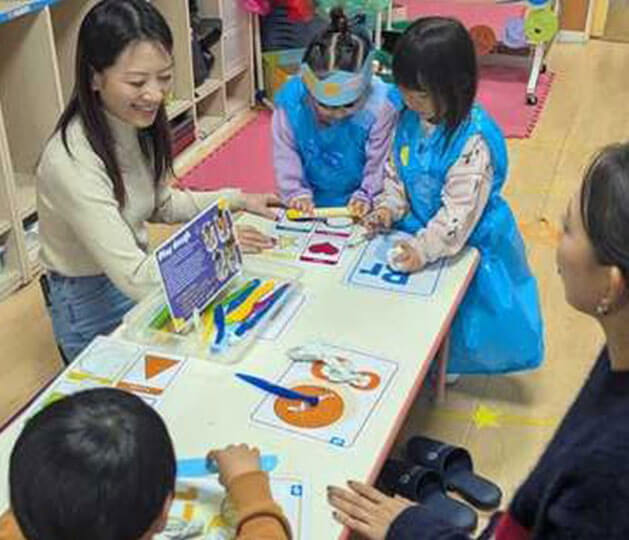
On December 7th, our Ocean students enjoyed their very first Student-Led Conference (SLC) at CGK. In the days leading up to the event, the children excitedly practiced with some of their favorite classroom activities, preparing to show their parents how they learn and play. Ocean friends especially love exploring with playdough, diving into shape-matching art, and, most recently, matching alphabet shapes. These hands-on experiences not only spark joy but also strengthen fine motor skills, enrich language development, and build early cognitive understanding. As the children mold dough, compare shapes, and pair pieces together, they practice color and size recognition, develop hand strength, and explore early math concepts through playful discovery.
Our alphabet activities have also taken center stage this month as Ocean friends continue building early language and communication skills. Through songs, stories, and tactile letter play, the children are beginning to connect sounds with symbols and relate them to familiar words in their daily lives. Alphabet matching and tracing offer opportunities for focus, independence, and creativity, all while supporting key motor and cognitive growth. These explorations tie beautifully into our yearlong units, “Who We Are” and “How We Express Ourselves,” where children learn about identity, choices, and self-expression. During role-play as princesses, doctors, firefighters, and other community figures, the Ocean students reflect on what these roles mean and how they can act with kindness, responsibility, and courage. With gentle guiding questions, we help them think deeply about their actions and imagine how they can be the best version of themselves, both in the classroom and beyond.
Daikon
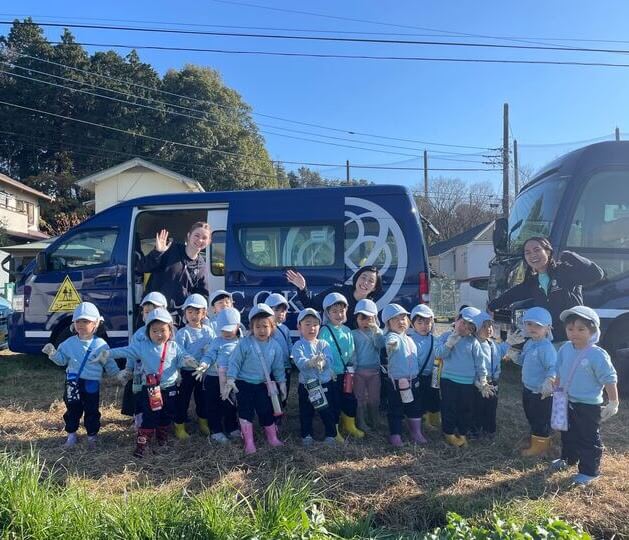
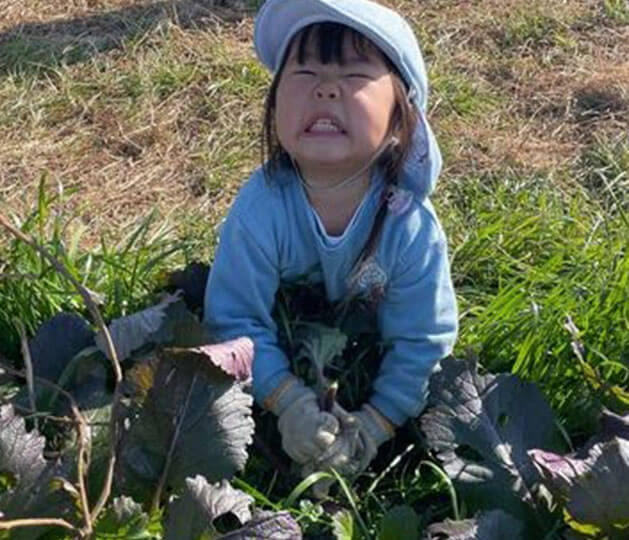
Ocean Friends had an exciting day where they experienced the fun of harvesting daikon and radishes. With rain boots and big smiles, the children boarded the bus to the farm, ready to explore what was hiding beneath the soil. At first, many of the children gently pulled on the leafy tops, watching closely as their teachers showed them how to hold near the bottom. With a little help and lots of encouragement, the ocean friends gave a big pull, and out popped giant daikons and round radishes! Ocean friends were fascinated by the textures and smells around them. They touched the cool earth, noticed tiny insects, and proudly held up their freshly harvested vegetables. This hands-on experience helped them learn where food comes from while using all their senses. Throughout the trip, the children practiced taking turns, helping one another, and trying something new. For many Ocean Friends, this was their first time harvesting vegetables, making it a special and memorable experience.
Over the next few days, Ocean Friends enjoyed the vegetables they had harvested. With teachers’ help, the children washed the daikon and took turns helping to prepare them. First we talked about kitchen safety- the students acknowledged that the knife and peeler are not toys, and that they always need an adult to supervise when using. Next, each child had the opportunity to peel or cut the daikon. In between, we looked closely and felt the different shapes and textures it had. The green leaves, thin peelings, and chunks of vegetables were looked at, sniffed and described by the students. Next, we all tried a piece of the daikon, which was met with mixed reactions! Some friends found it delicious, some spicy, and others didn't enjoy the taste.
The next day, we made miso soup. The students watched closely as the vegetables were added to the pot and the soup slowly cooked. When it was time to eat, the children were excited to taste the miso soup made from their own harvest. Many happily finished their bowls, and some even asked for more. Making and eating the soup together helped the children feel proud of their hard work and made the vegetables taste extra delicious.
Our First Shopping Trip Together and Making Miso Soup
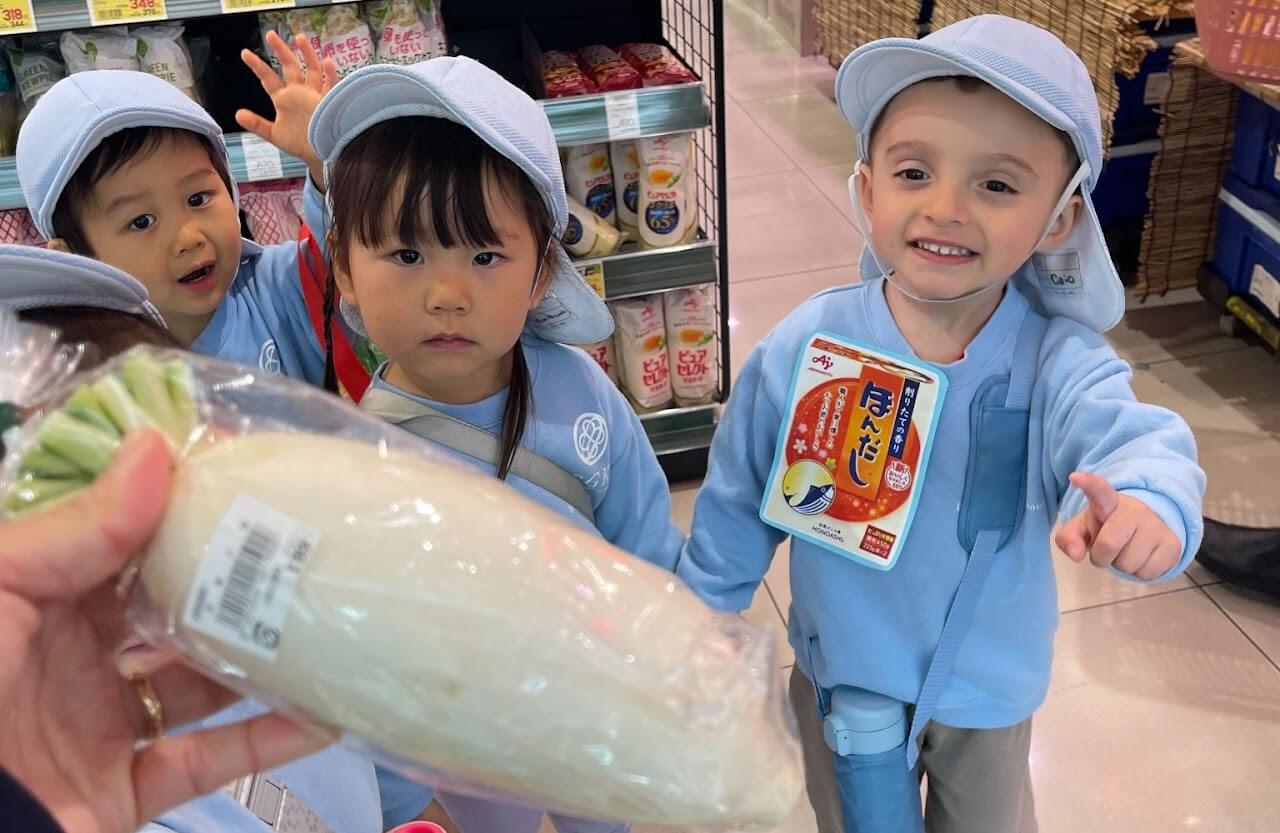

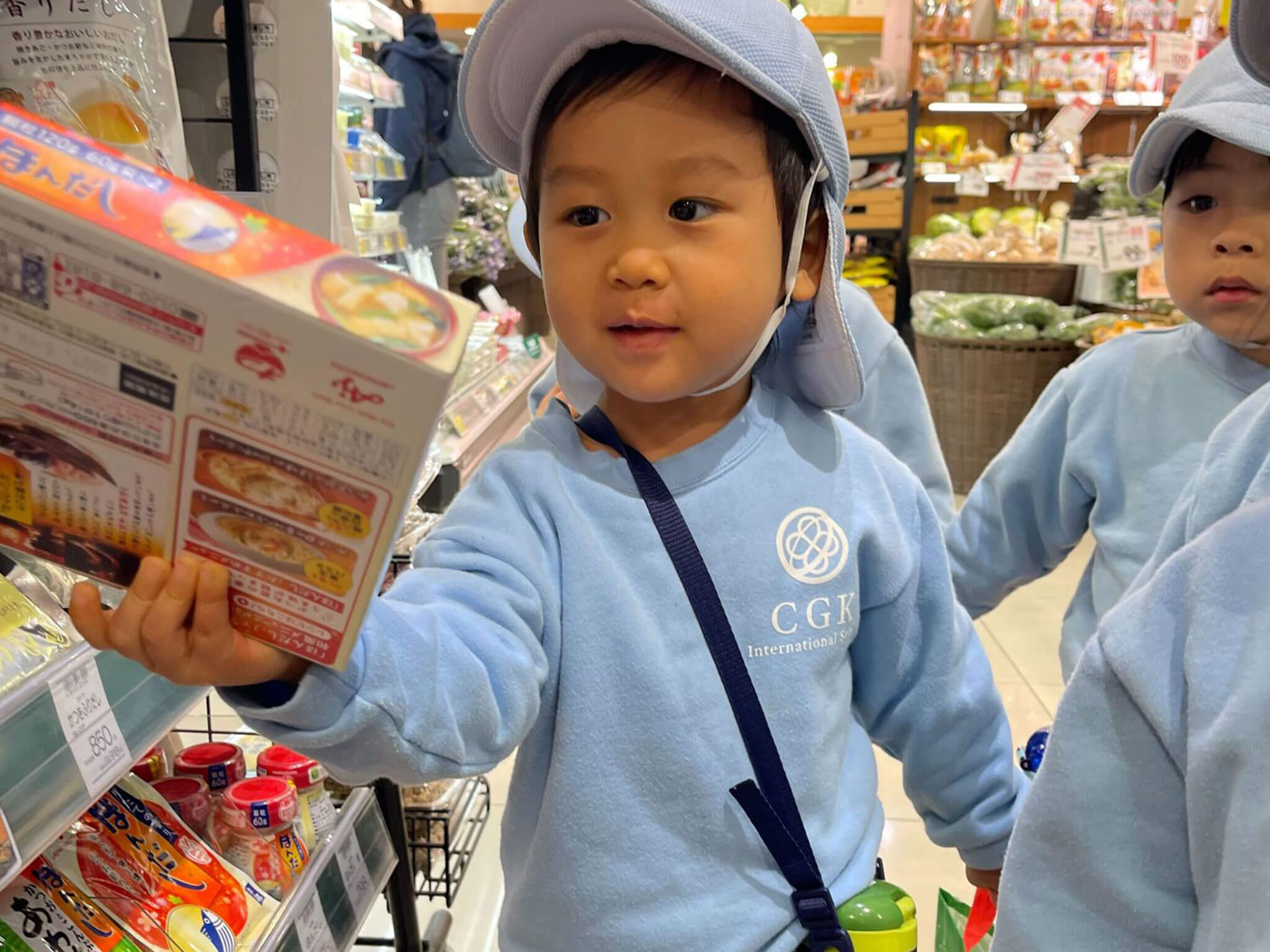
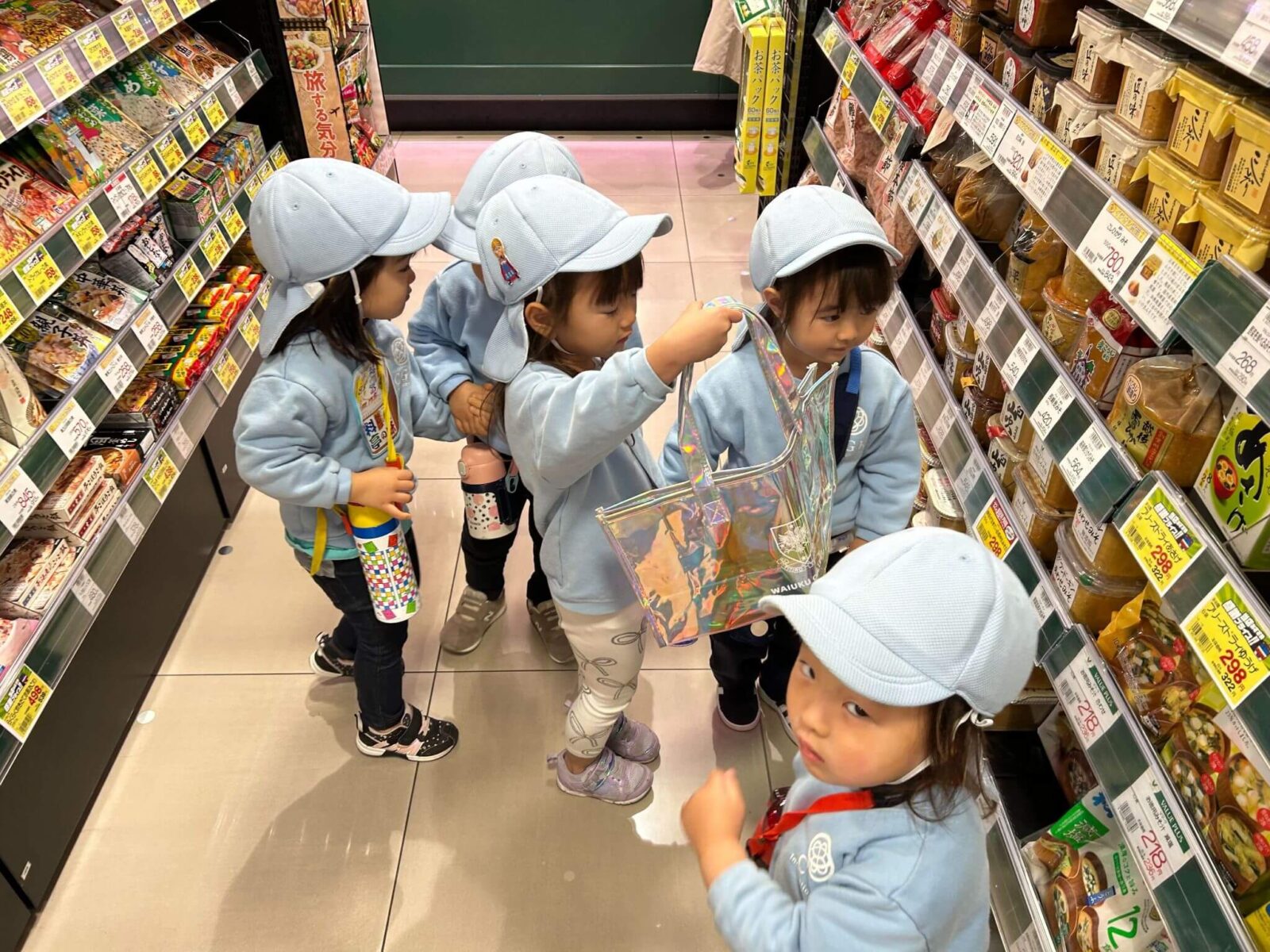

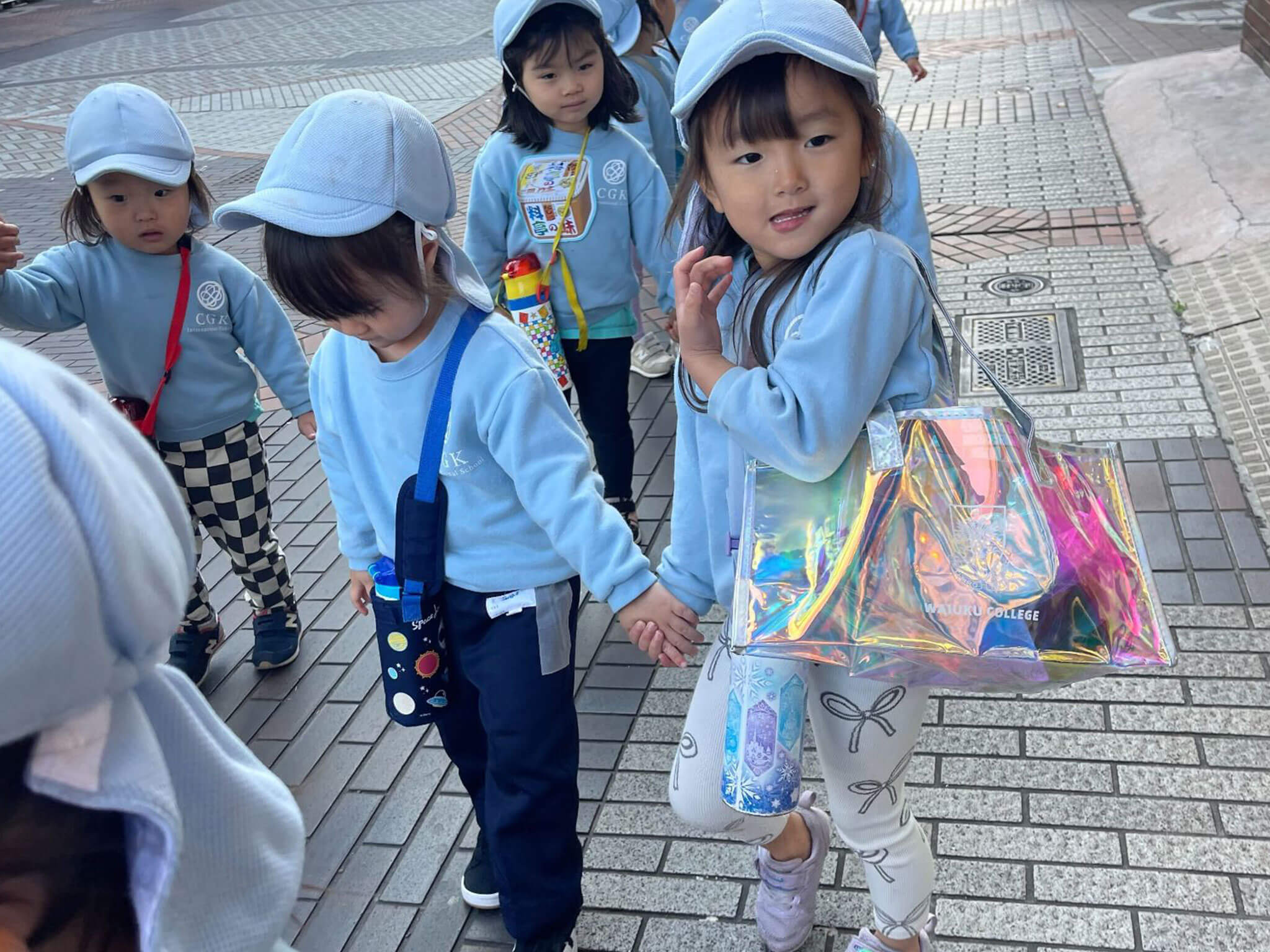


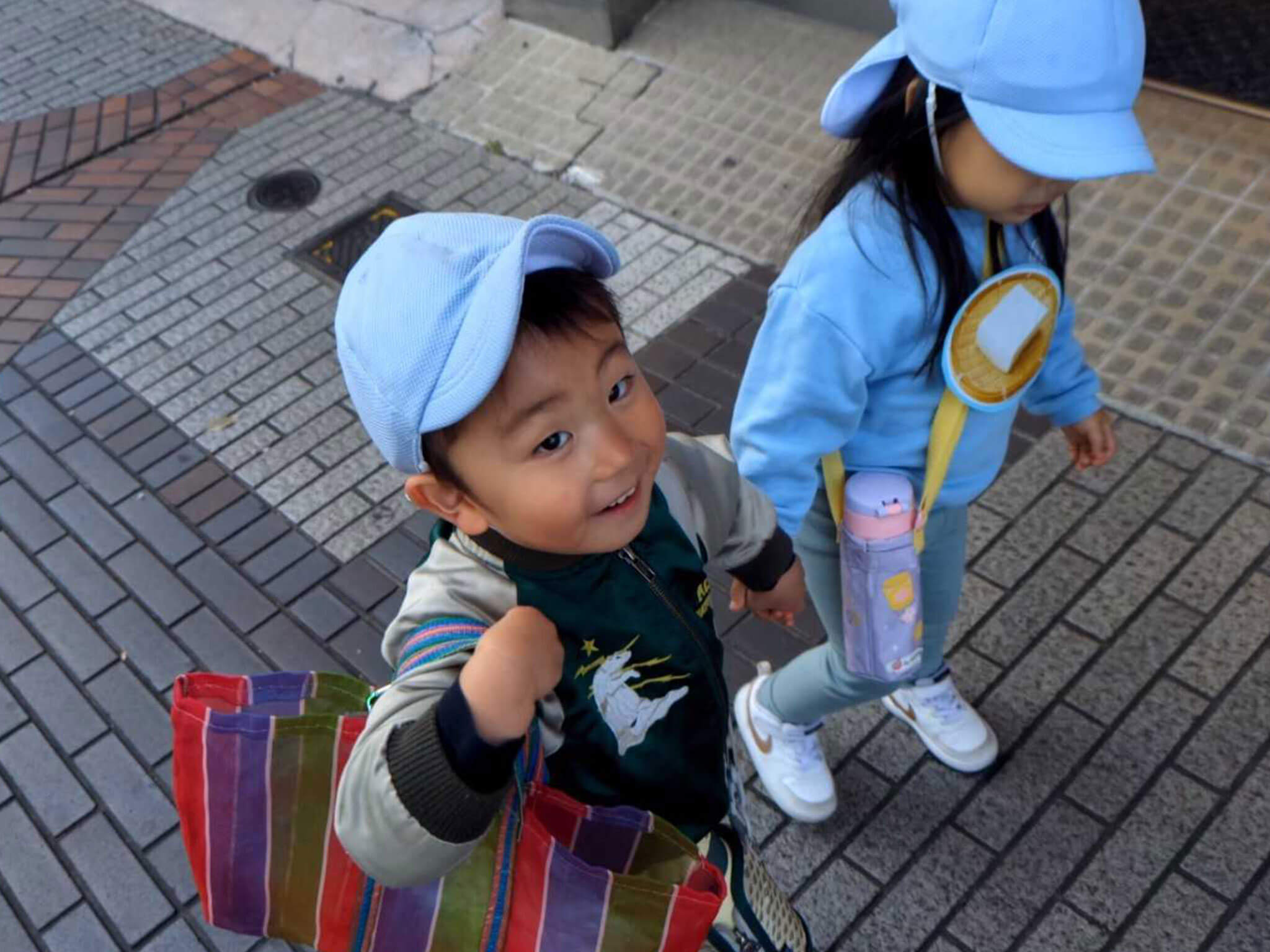
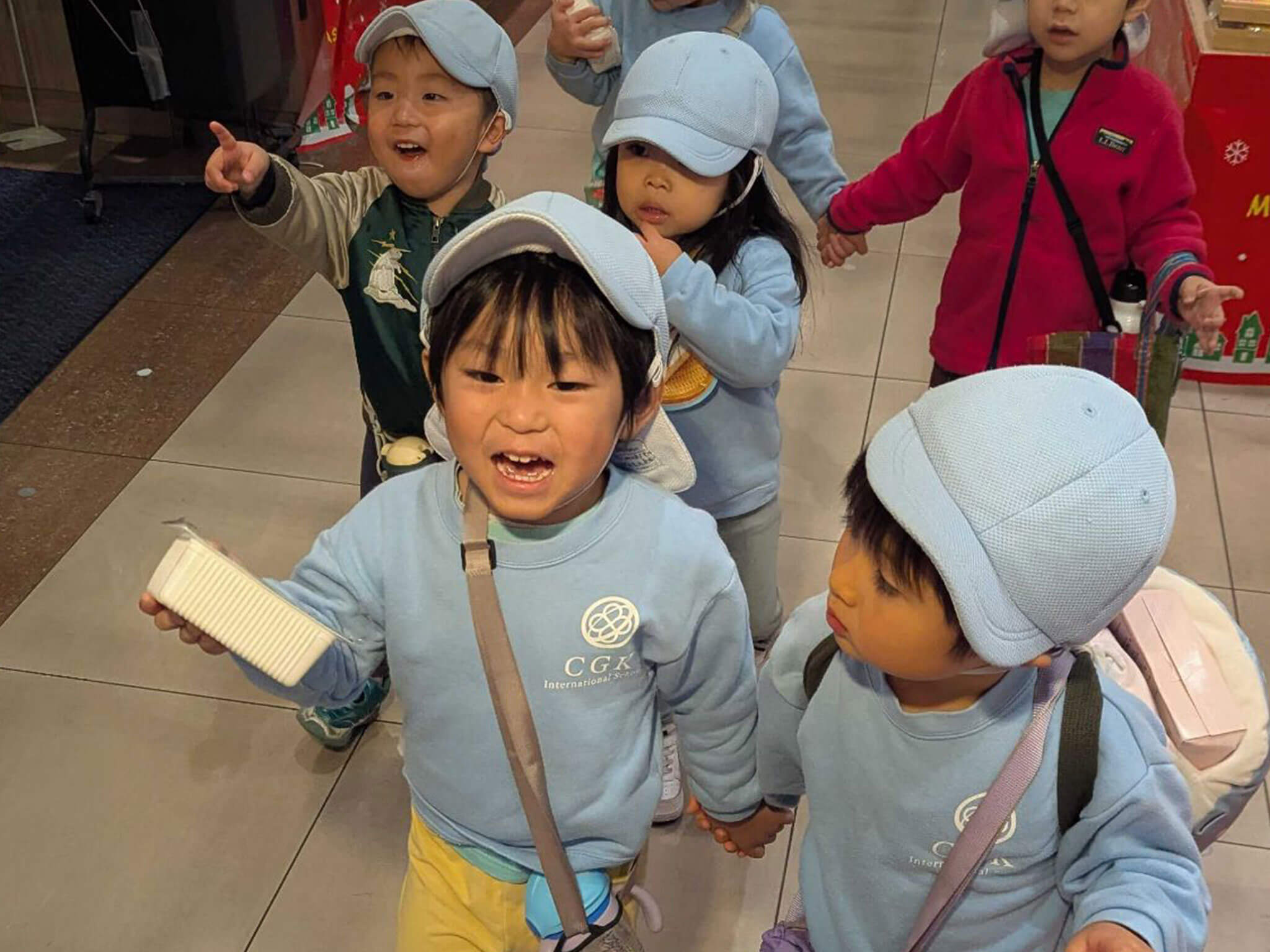
On December 18th, the children went on a shopping trip they had been eagerly looking forward to. Divided into three groups, they set out with a clear goal: to find miso, dashi stock, and tofu. As they searched for the ingredients in the store, the children excitedly talked with their friends, saying things like, “I’ve eaten this before!” “We have this at home!” and “I like this one!” They showed great curiosity about the wide variety of foods around them.
When they found the items they were looking for, cheerful voices rang out with “We found it!” The children carefully held the ingredients, making sure not to drop them. Some even kindly called out to other groups, saying, “It’s over here!” showing a wonderful willingness to help beyond their own group. When a teacher asked, “Now that we’ve found everything, can we leave?” the children confidently replied, “No! We have to pay!” This showed that they already had some understanding of what shopping involves, and the real-life experience helped deepen that understanding even more.
During this shopping trip, each child took on a role—holding pictures of the items to find, carrying the eco-bag, bringing the ingredients to the register, or paying the money. Everyone took responsibility for their role and worked hard. Some children felt a little disappointed, saying, “I wanted to do that too…” but they gradually began to realize that there are many ways to help and that working together means sharing roles. Seeing their understanding grow was truly impressive.
Thanks to everyone’s cooperation, the shopping trip was a great success, and we hope to carry this experience forward into future activities.
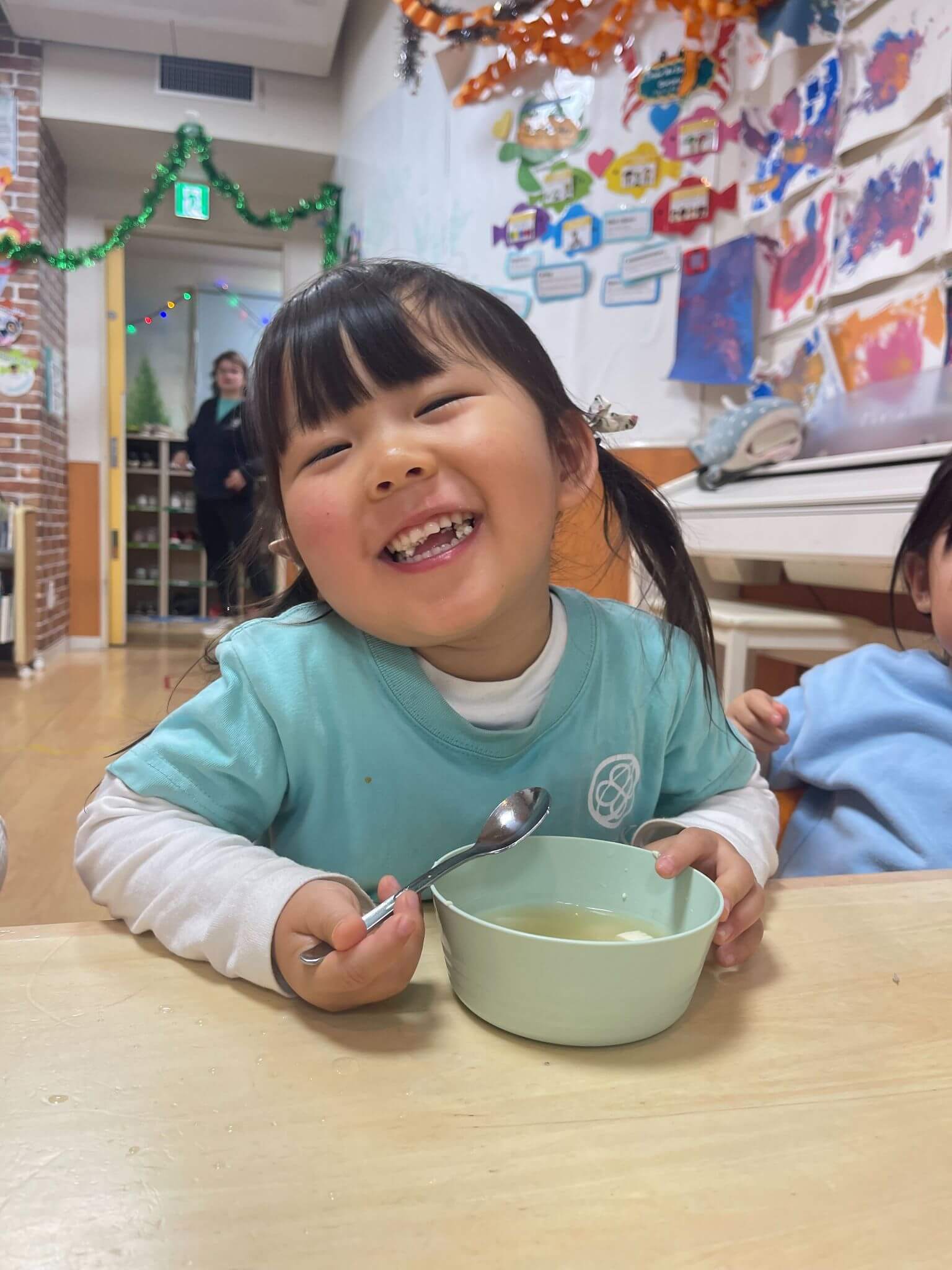

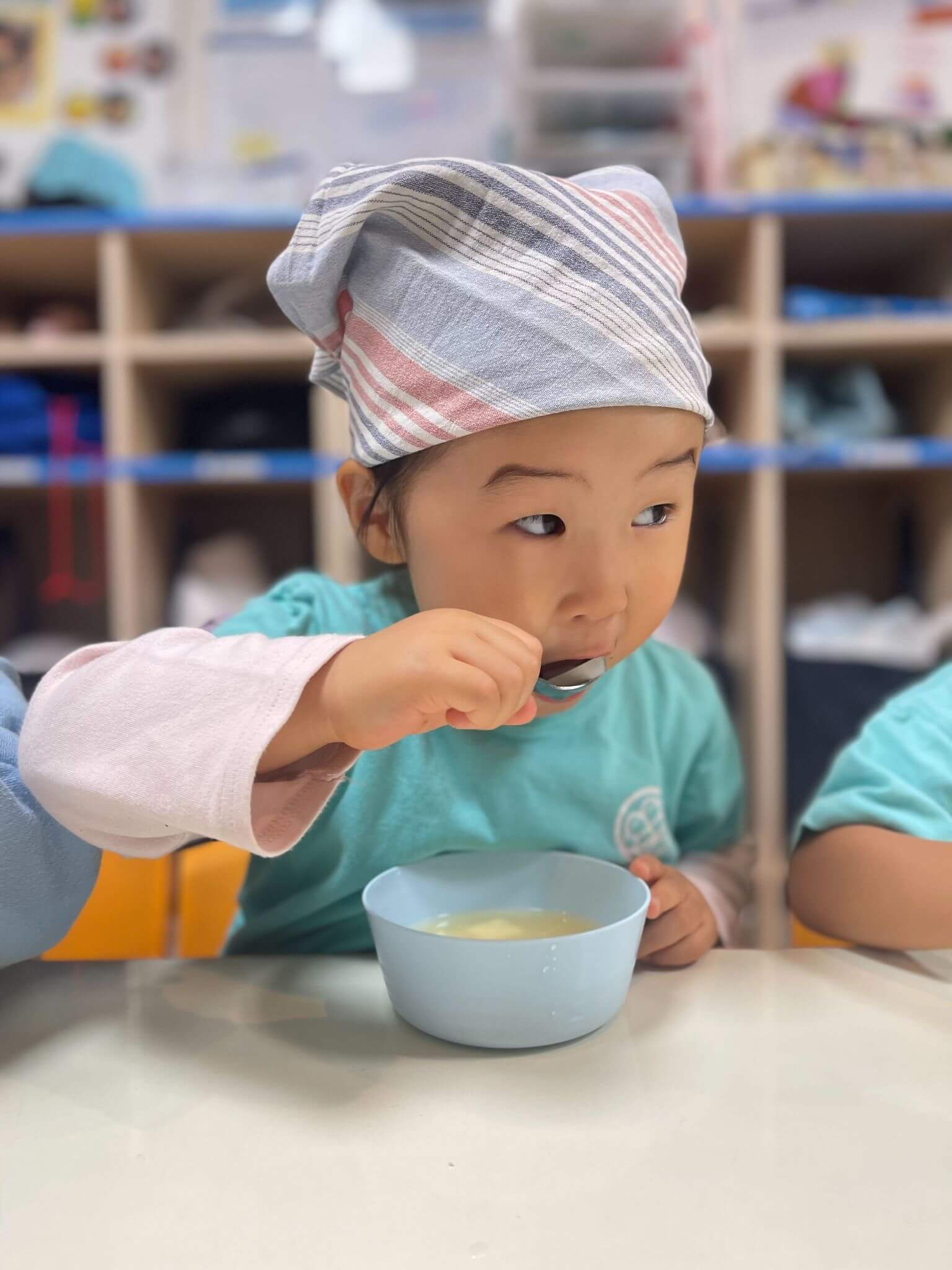
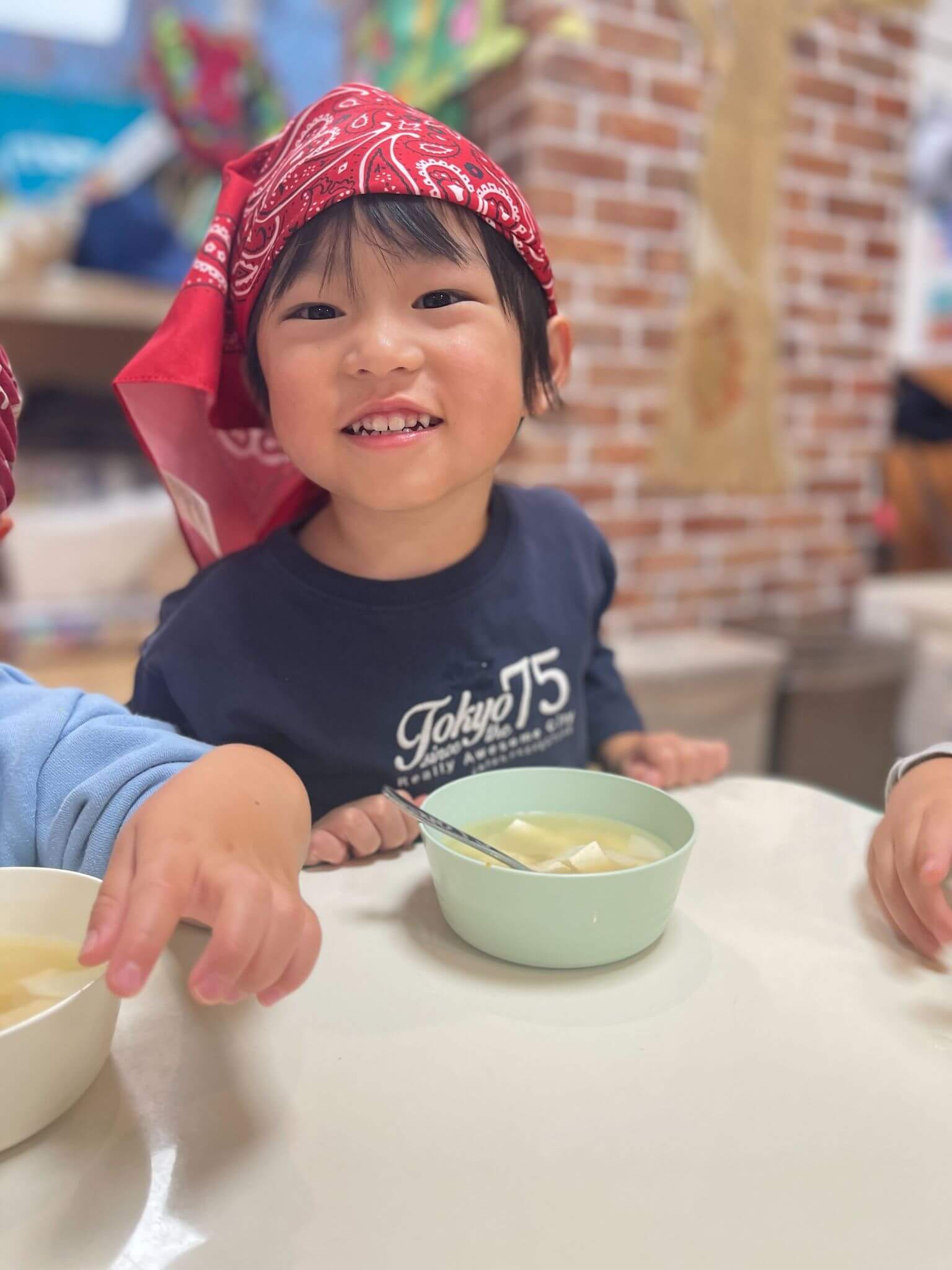
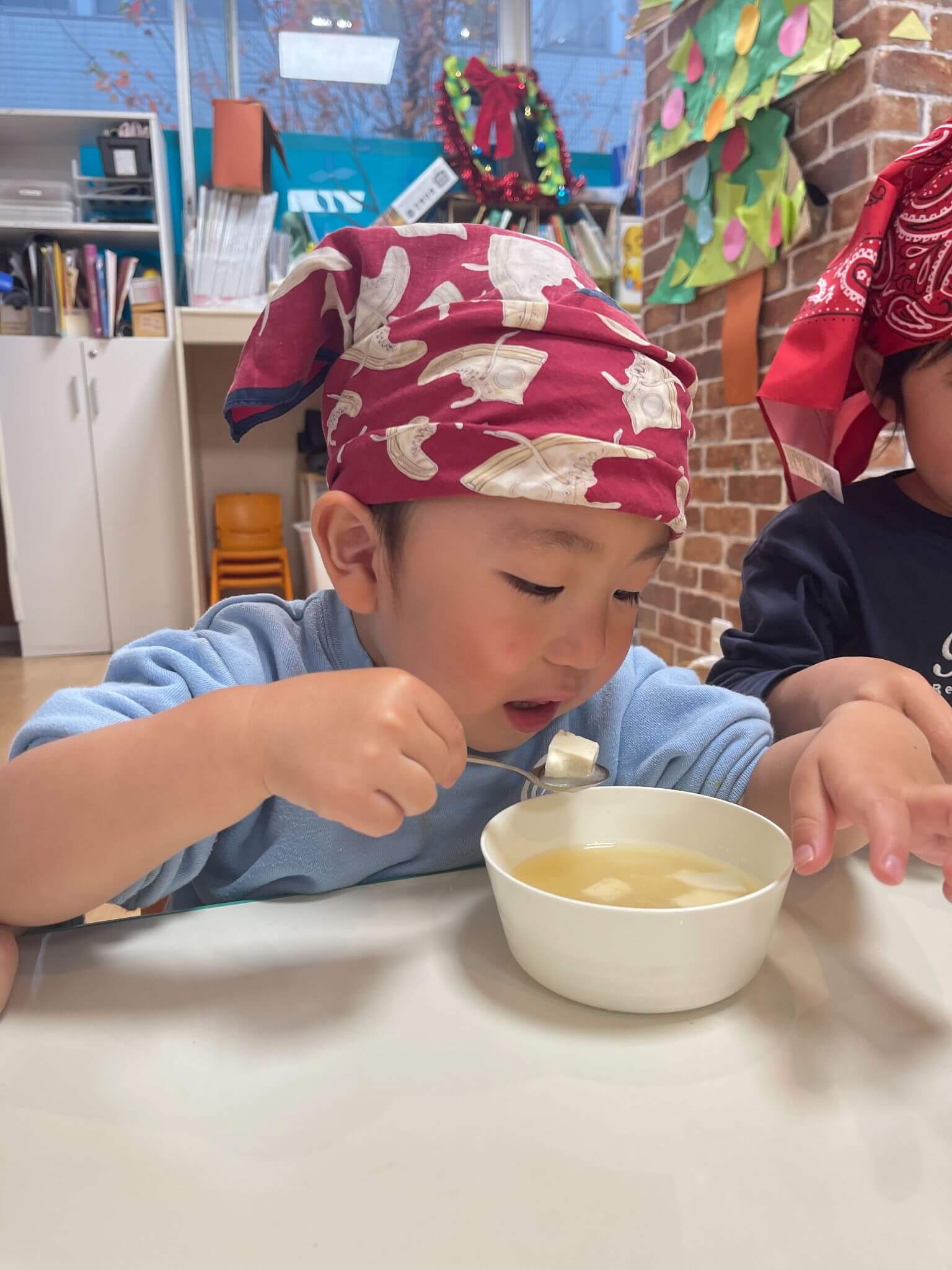
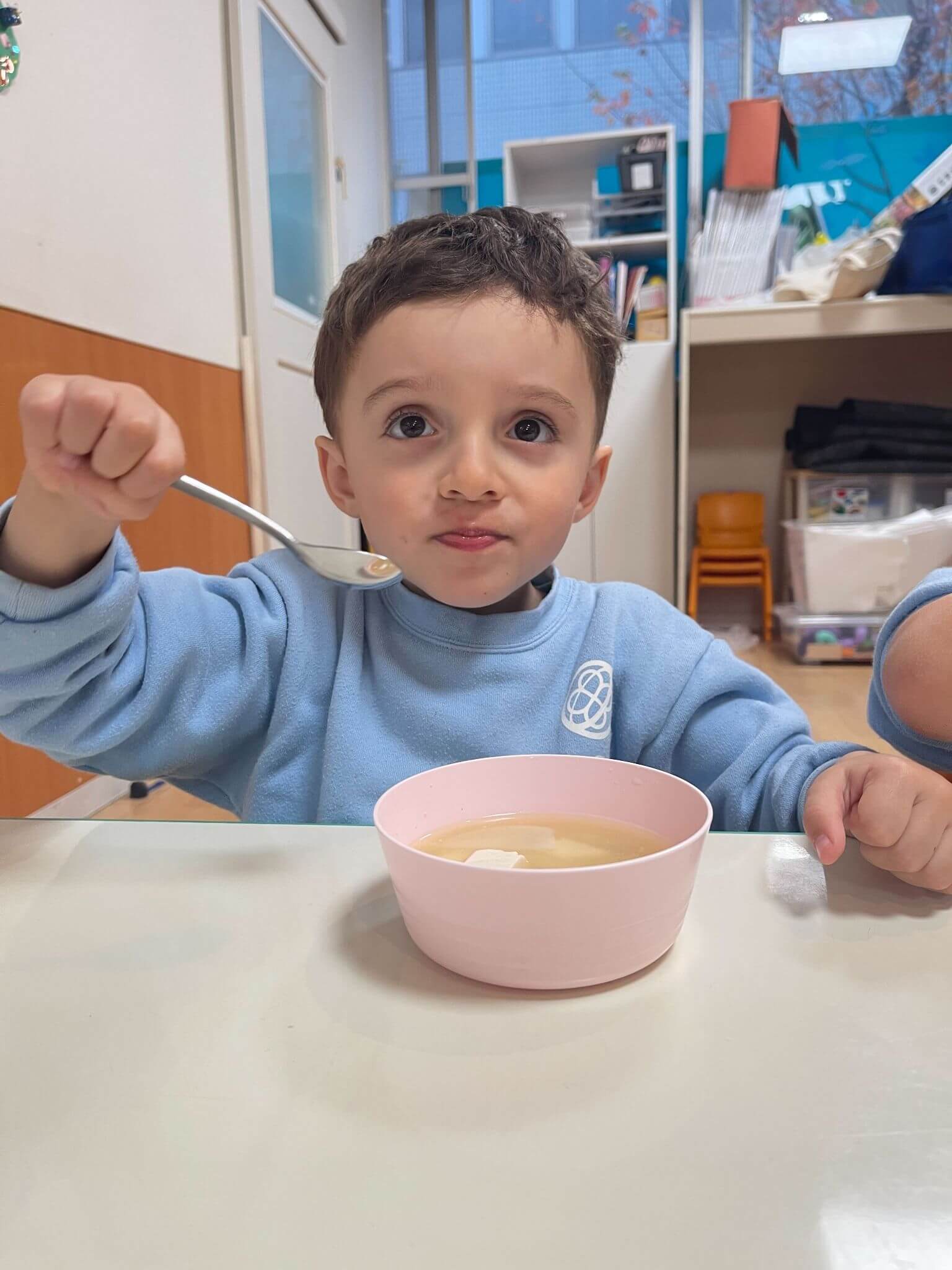
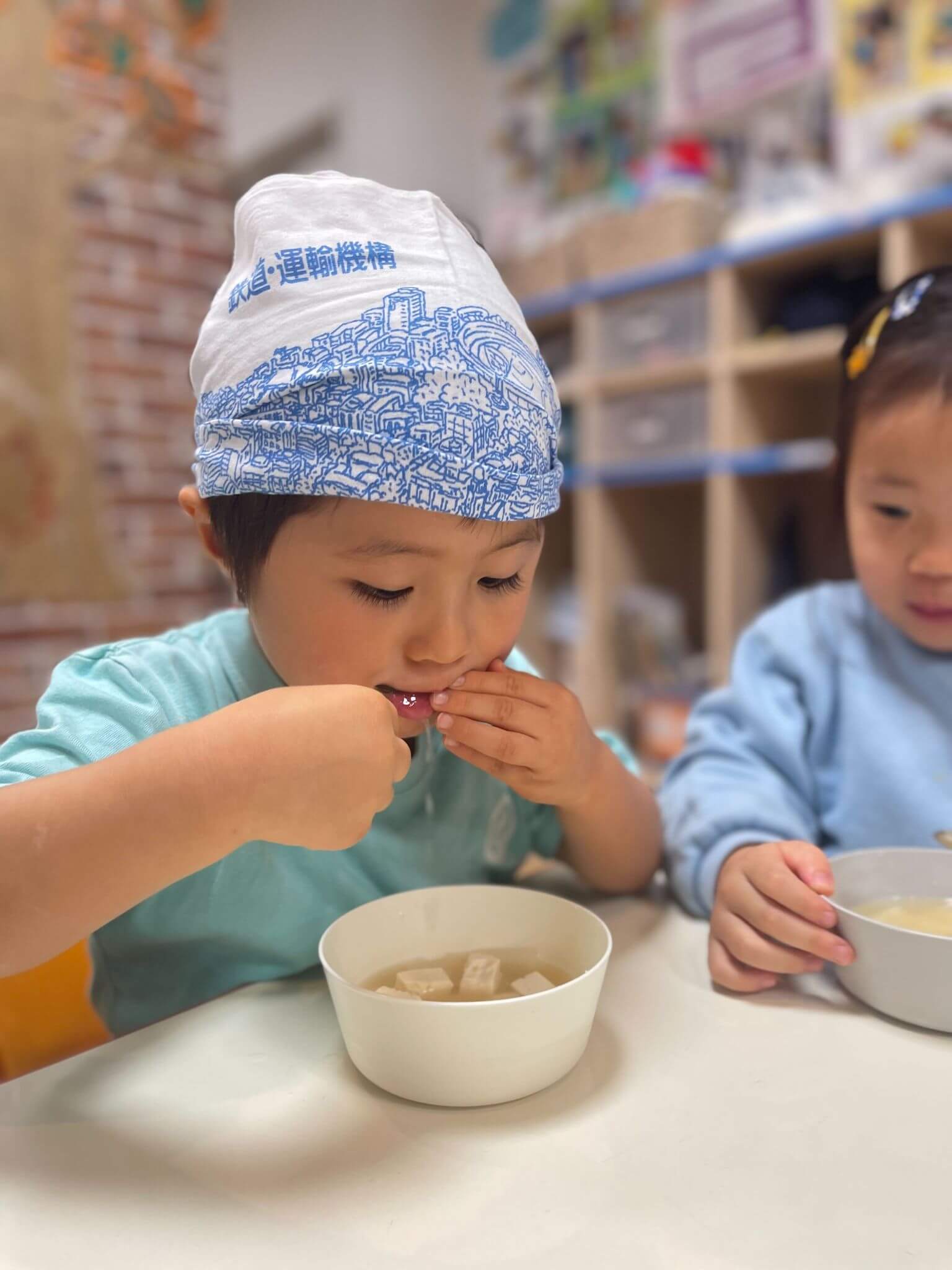
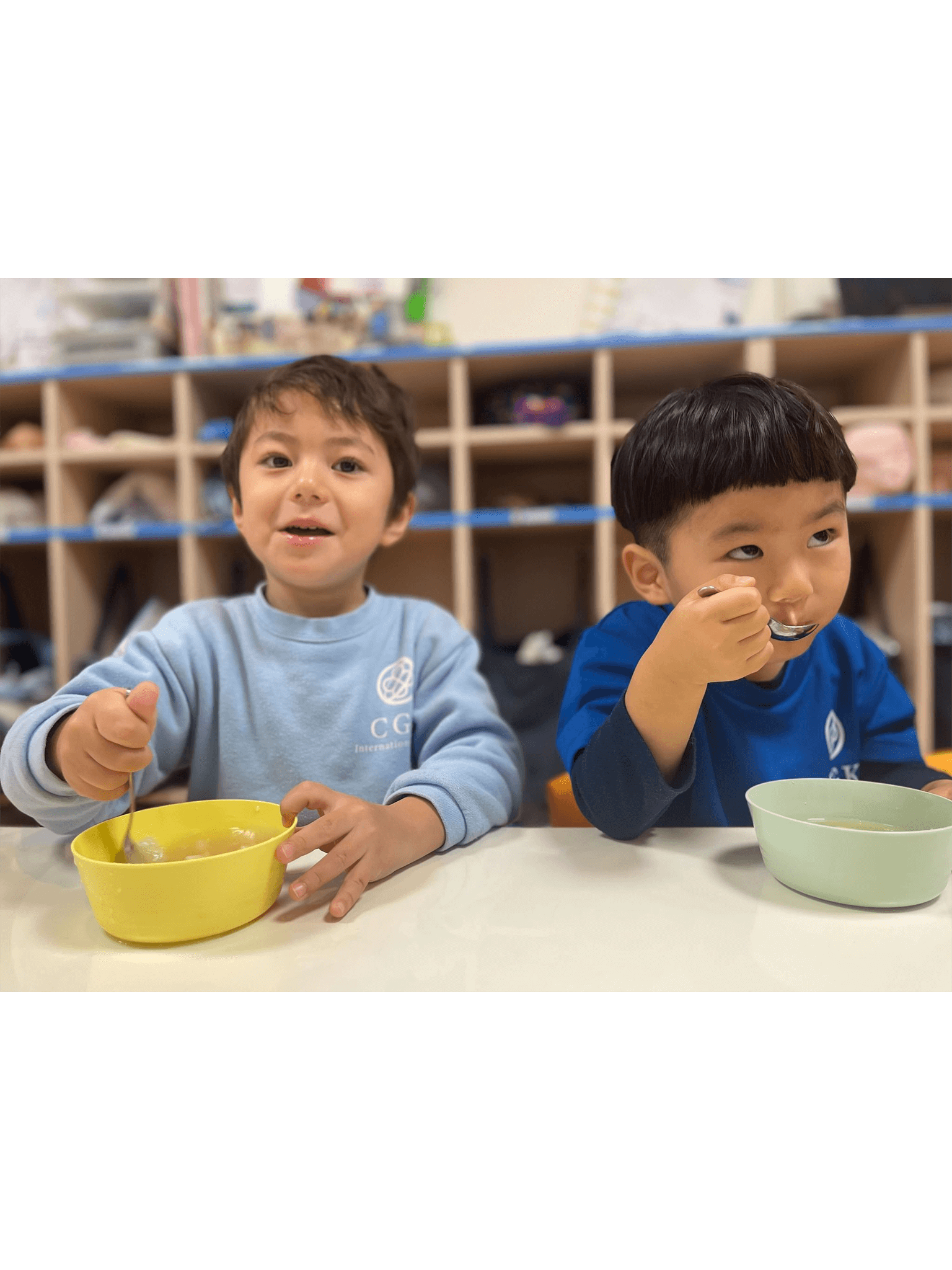
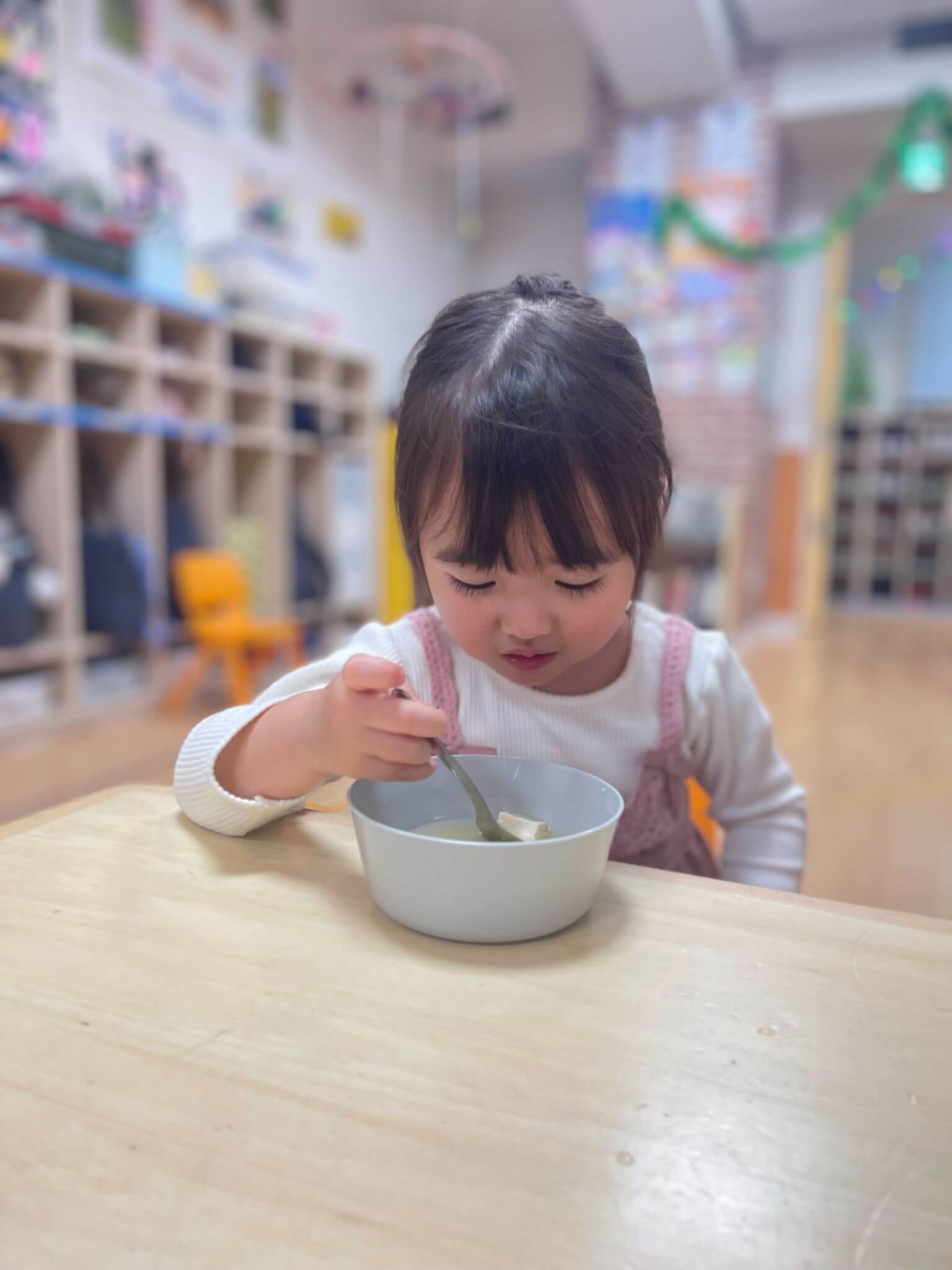
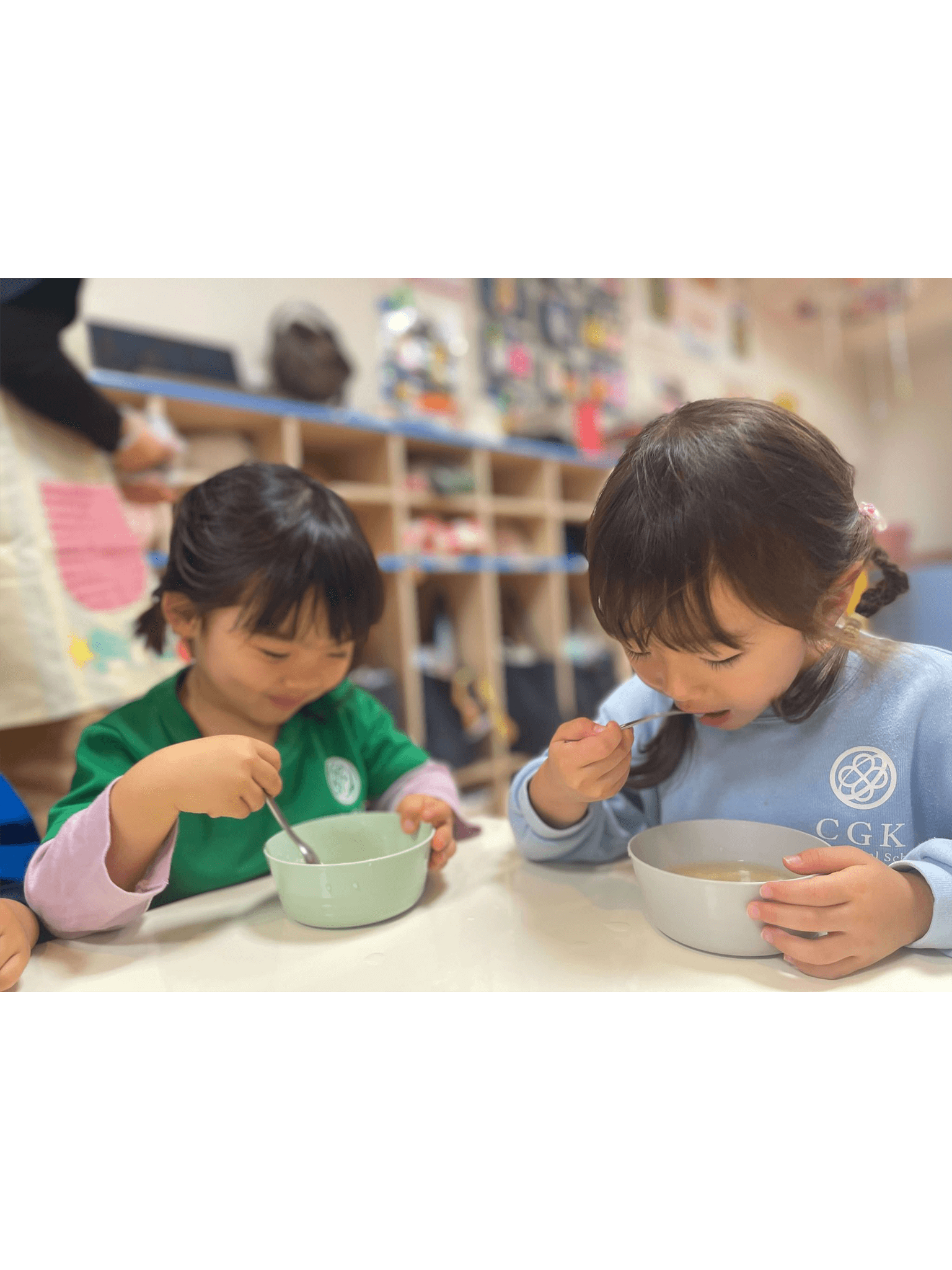
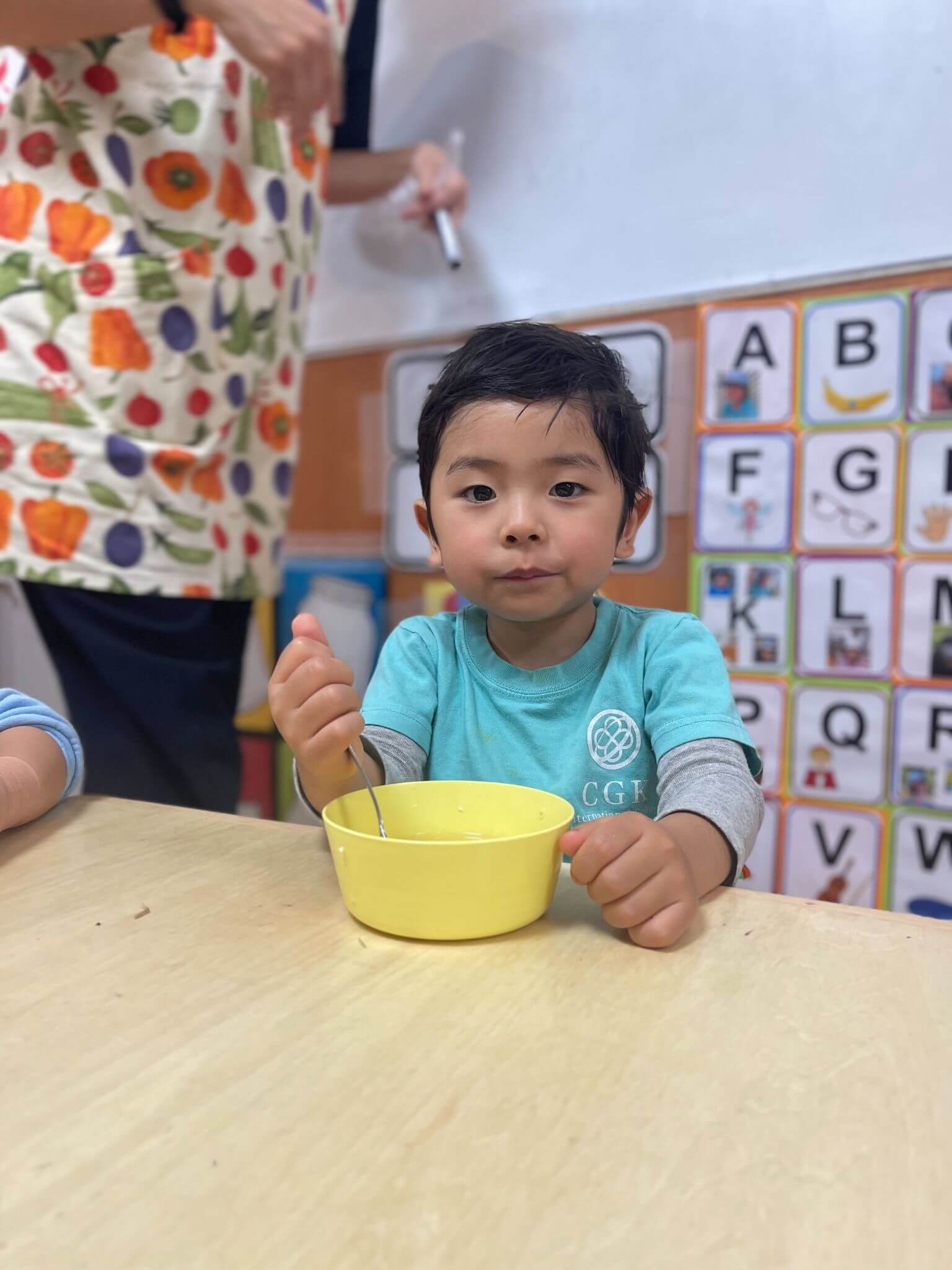
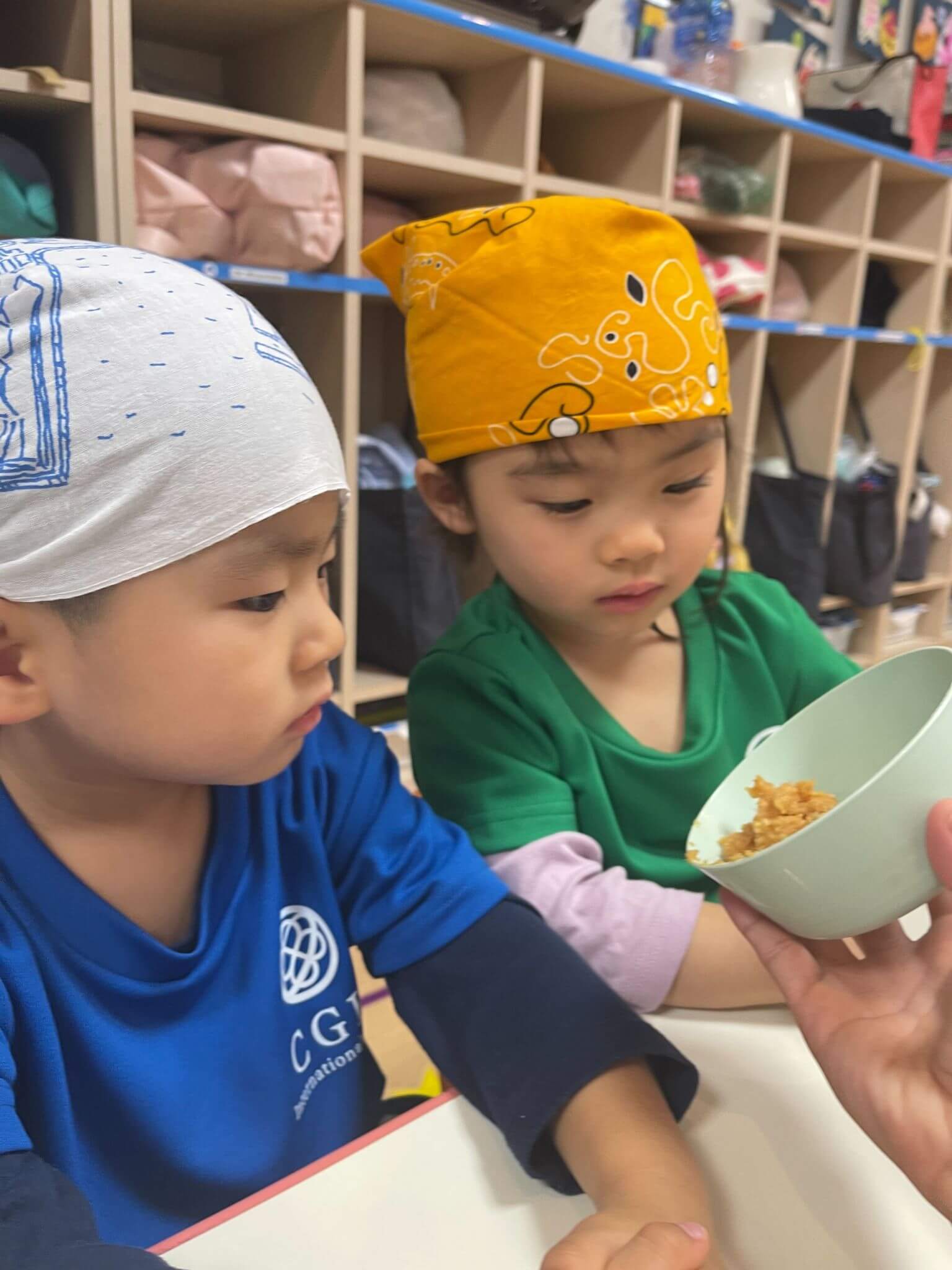
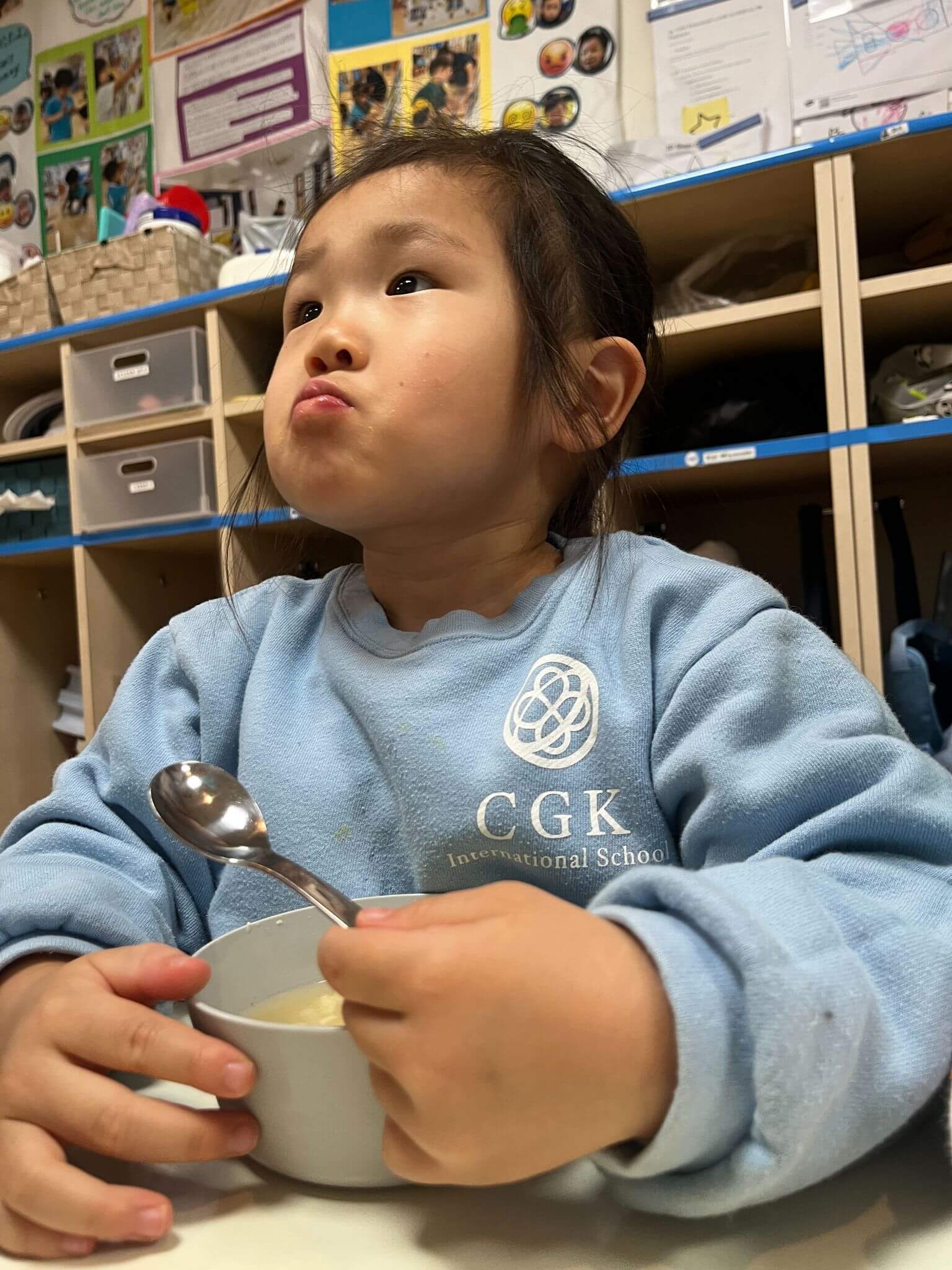
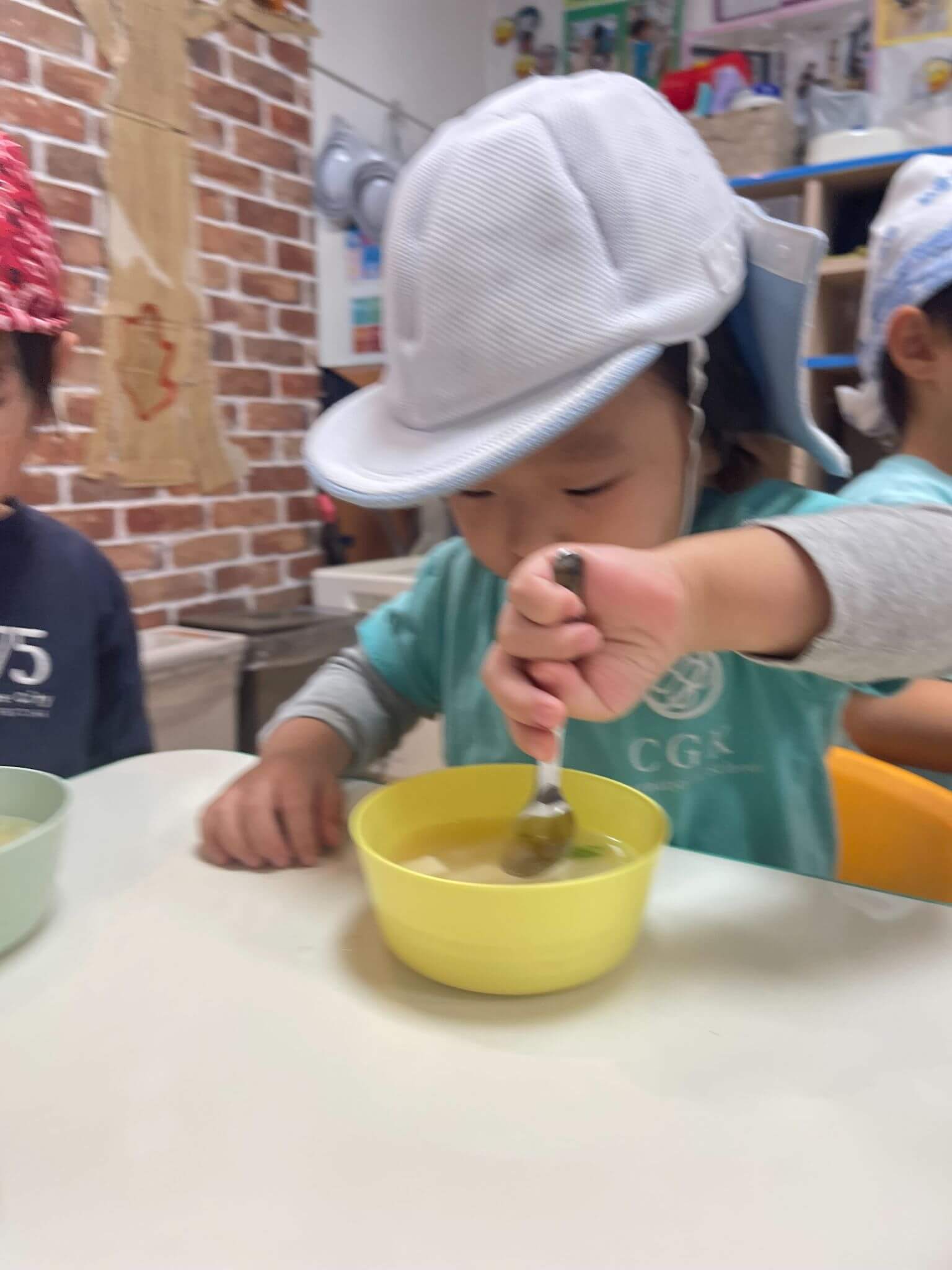
The day after the shopping trip, the Ocean class children transformed into little chefs and enjoyed making miso soup together. Using daikon radish from the previous day and turnips on the day itself, they challenged themselves with peeling and cutting using knives. As they worked, they learned firsthand how to use tools safely and what to be careful about, concentrating seriously on the task at hand.
As the cooking continued, the children’s excitement grew, with many saying, “I want to try!” The experience of doing things themselves and saying “I did it!” seemed to boost their confidence. They also used all five senses—touching the peels, smelling the ingredients, and tasting tofu. As they tried to put their experiences into words, we could see their expressive abilities and vocabulary expanding.
The children made many discoveries along the way, such as “When you heat water, it turns into hot water!” and “The white stuff coming out of the pot is called steam!” They also followed the important rule of not touching hot pots very well.
Finally, it was time to taste the soup! Many children exclaimed, “It’s delicious!” and “I want more!” with lots of second helpings. During reflection time, they proudly said, “We made it ourselves!” Some children even felt encouraged to try vegetables they usually don’t like, simply because they had cooked them themselves.
This experience became a valuable opportunity that nurtured the IB learner profile attributes of being open-minded and risk-takers, and it was a truly meaningful learning experience for the children.
Elementary School / Middle School
Students in the Lead: CGK’s Student-Led Conference
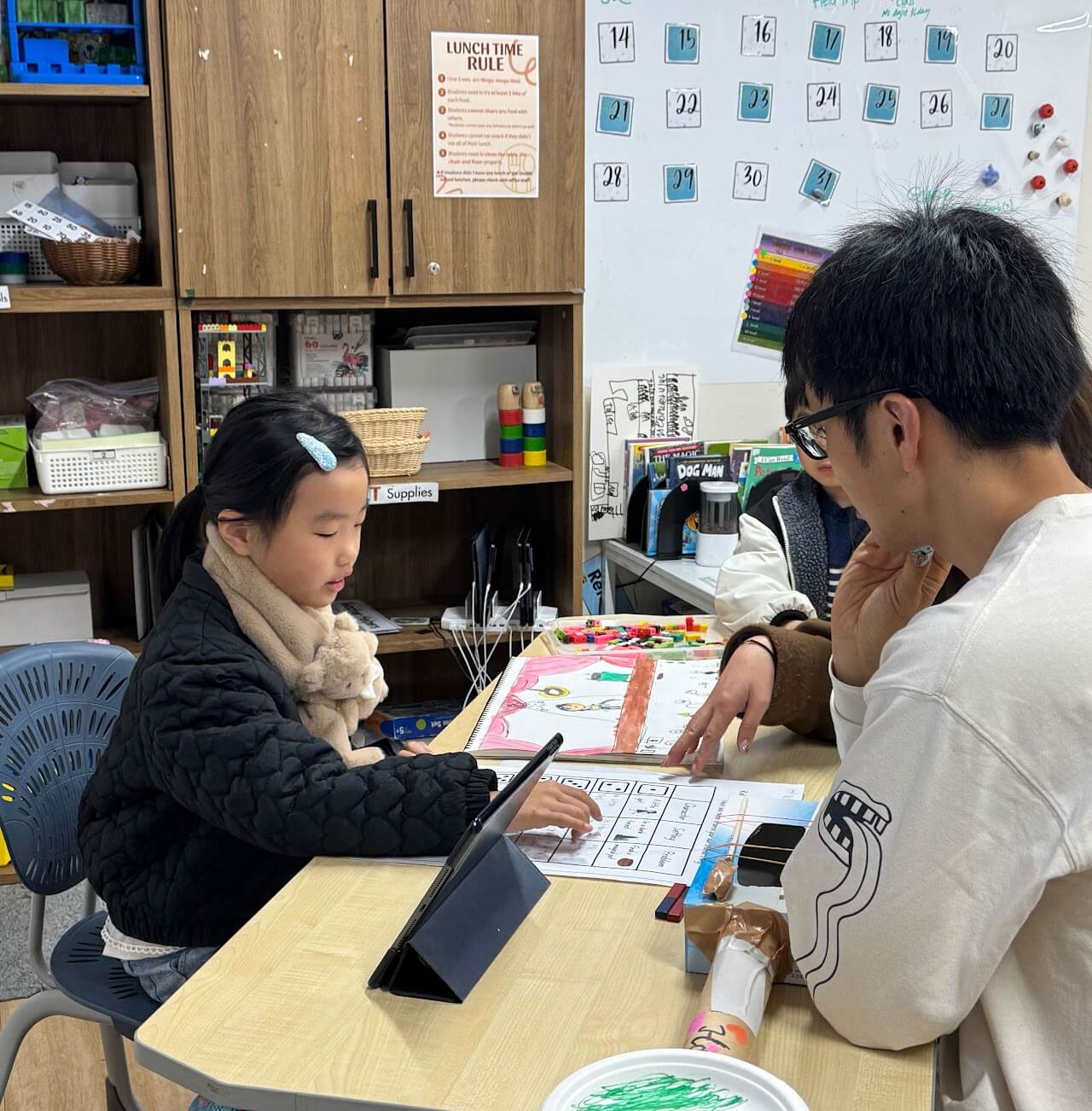
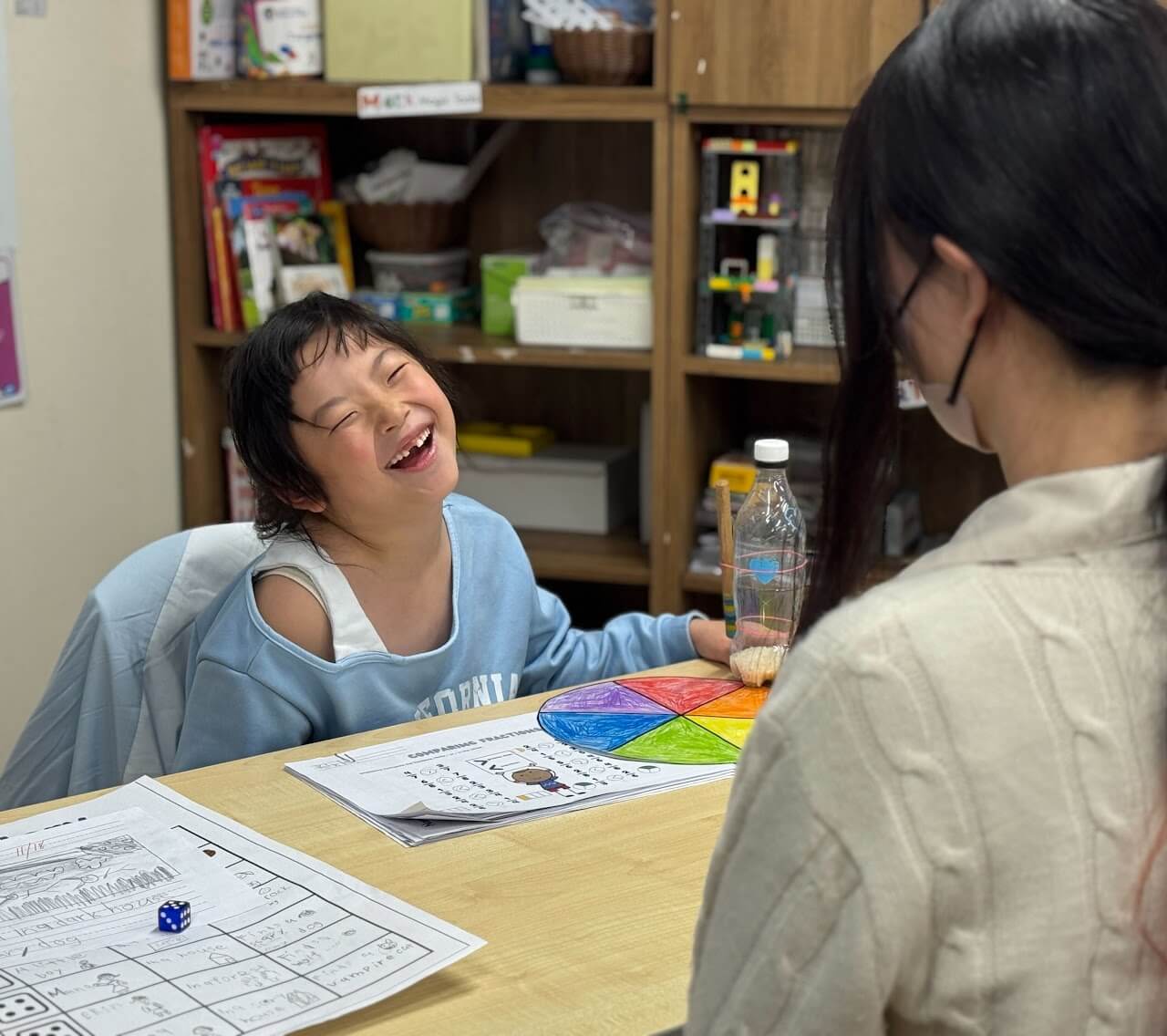
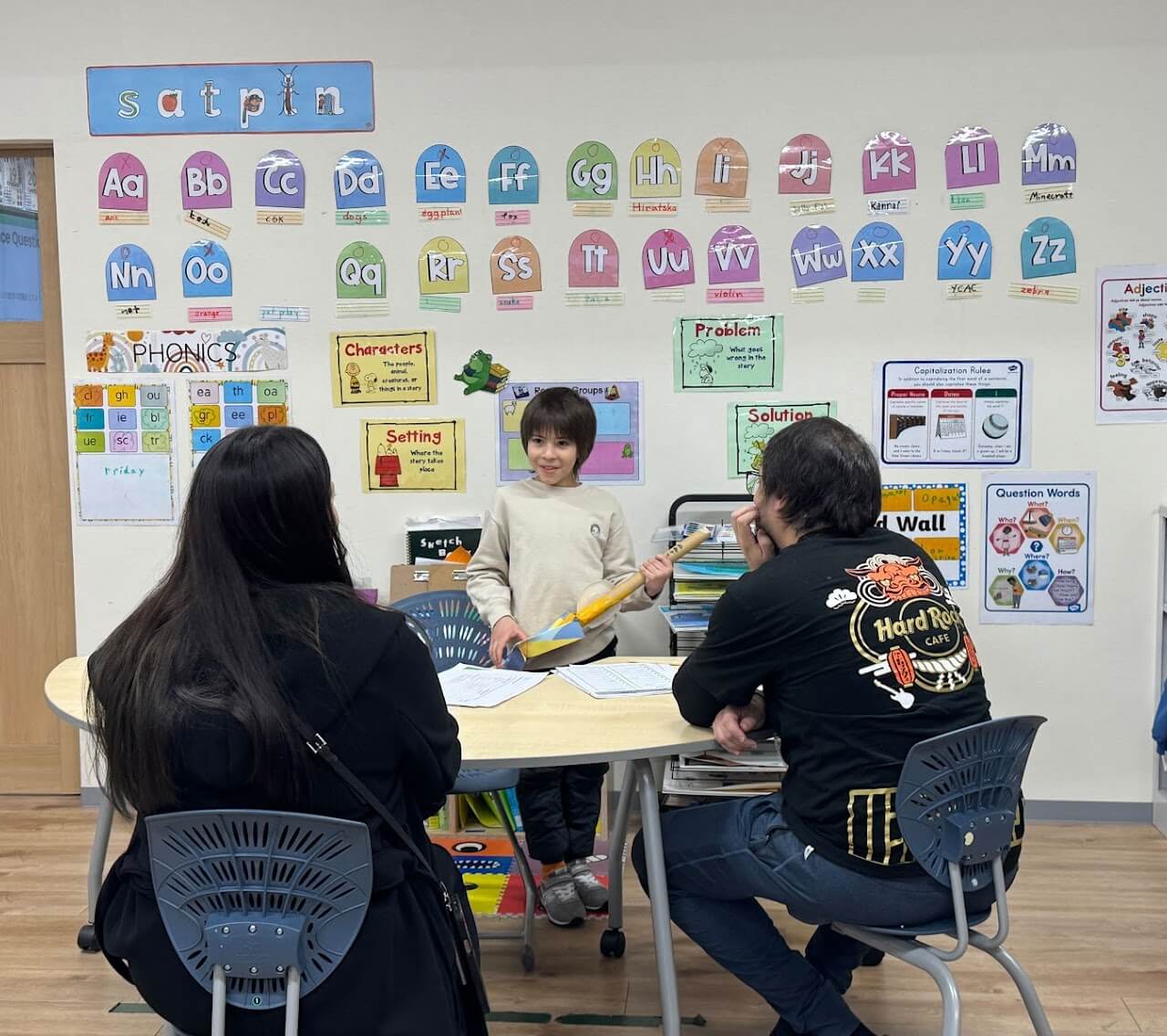
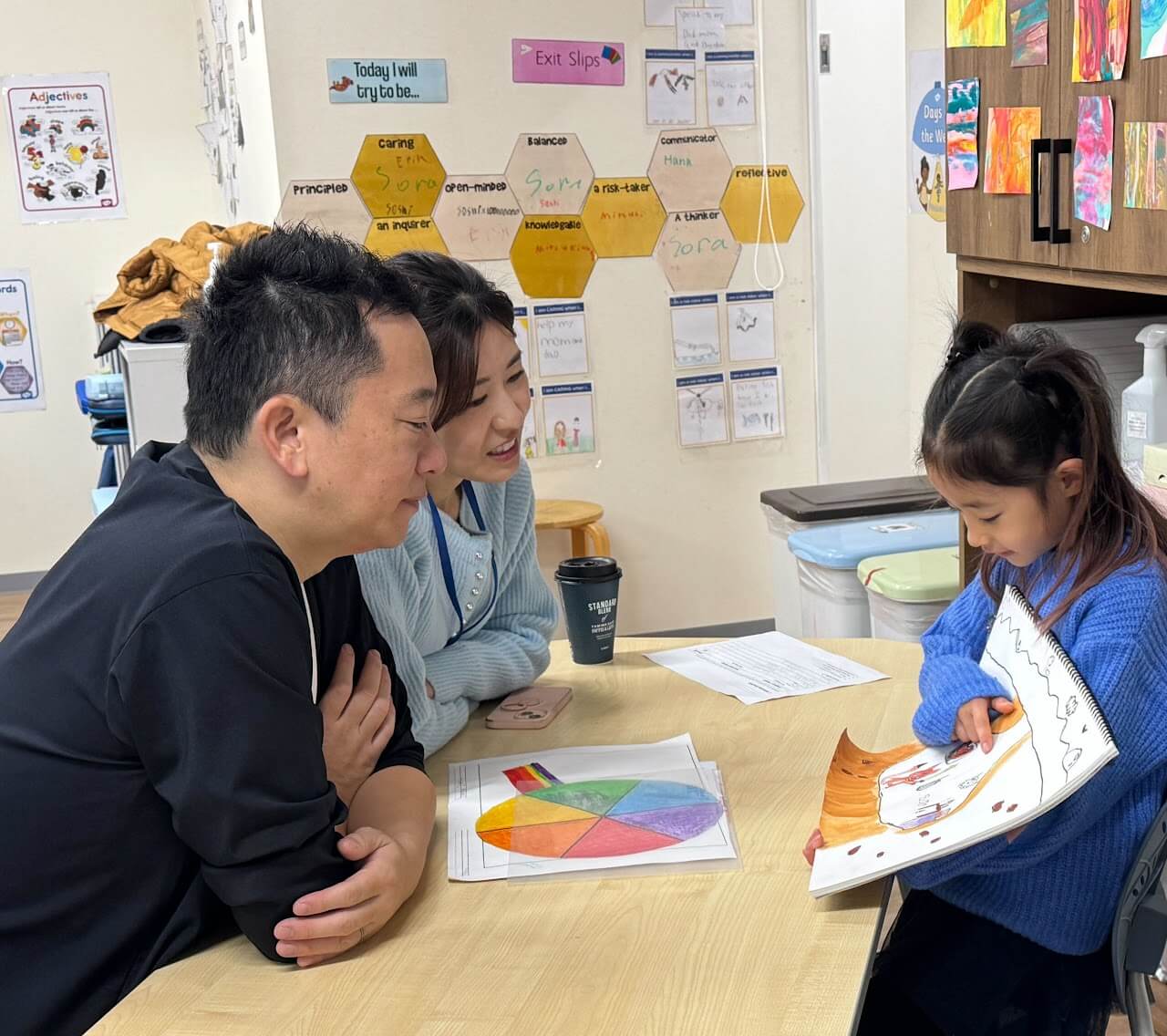
“Every day is a journey, and the journey itself is home.” — Matsuo Bashō
When students come home from school, most parents, if not all, are eager to hear about the day’s discoveries and highlights. Typically, these inquiries are met with brief responses or sometimes remain unanswered. However, during CGK’s Student-Led Conference, these conversations truly come alive, offering a vibrant and engaging way for students to share their educational journey with their families.
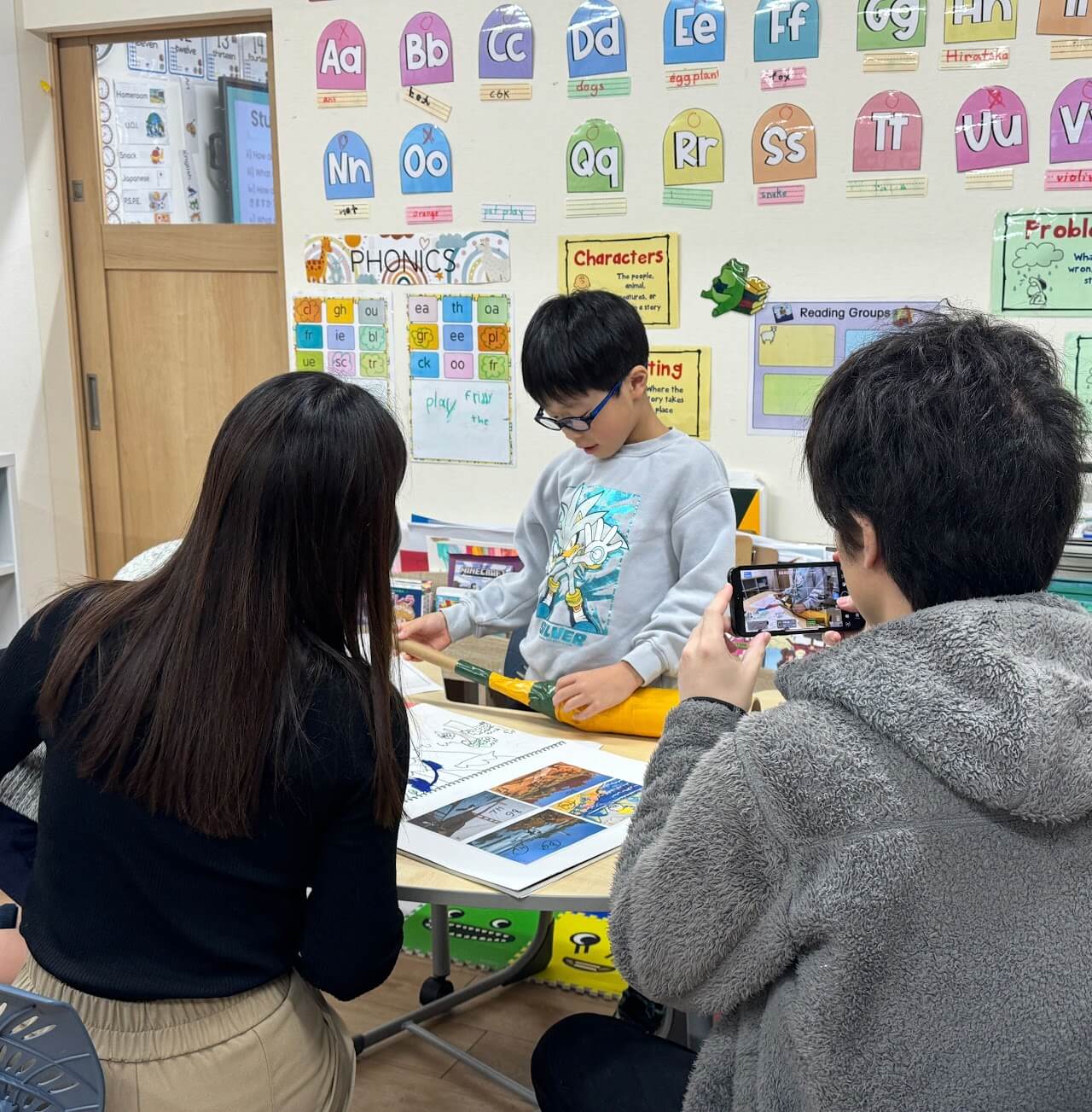
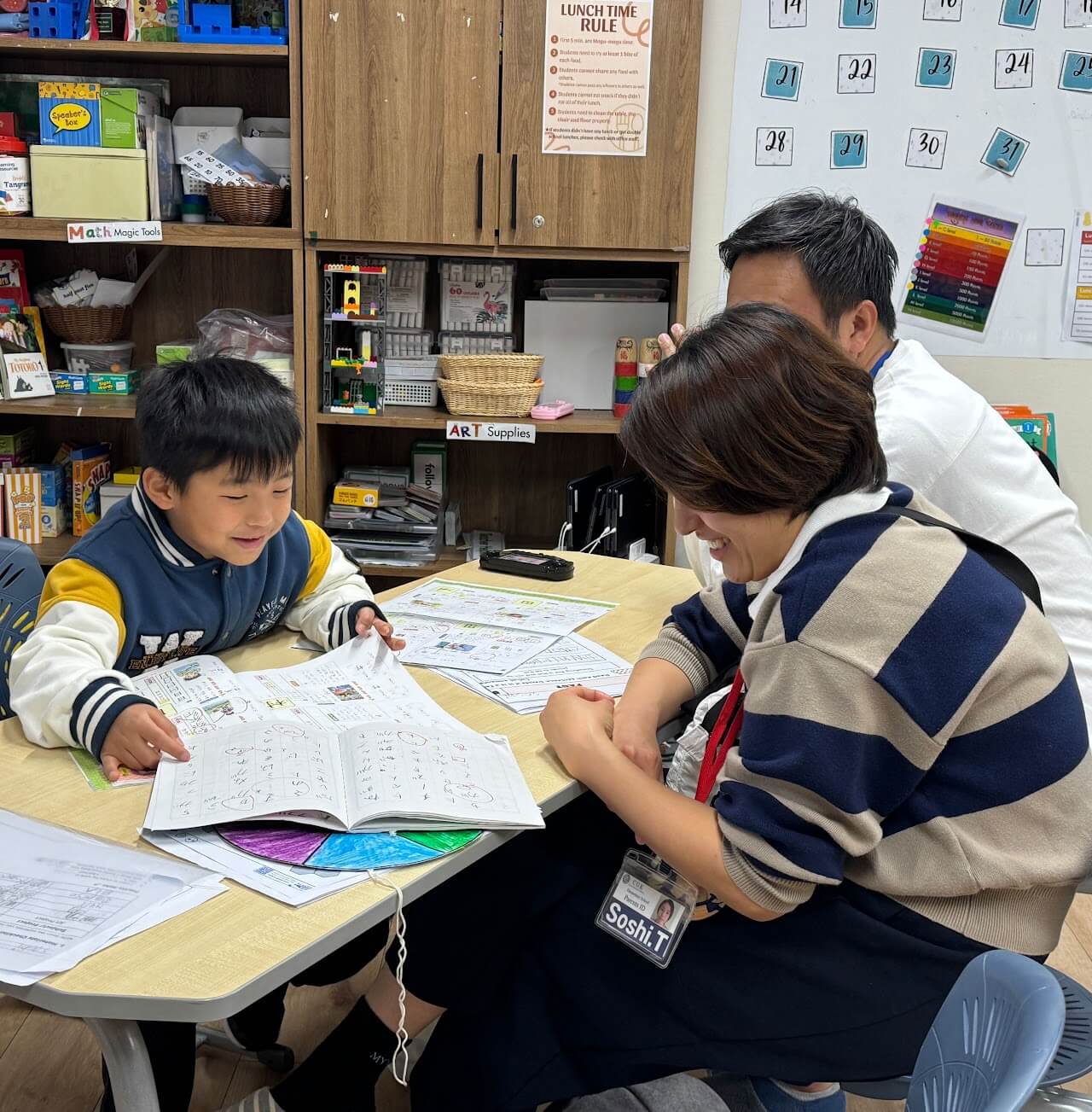
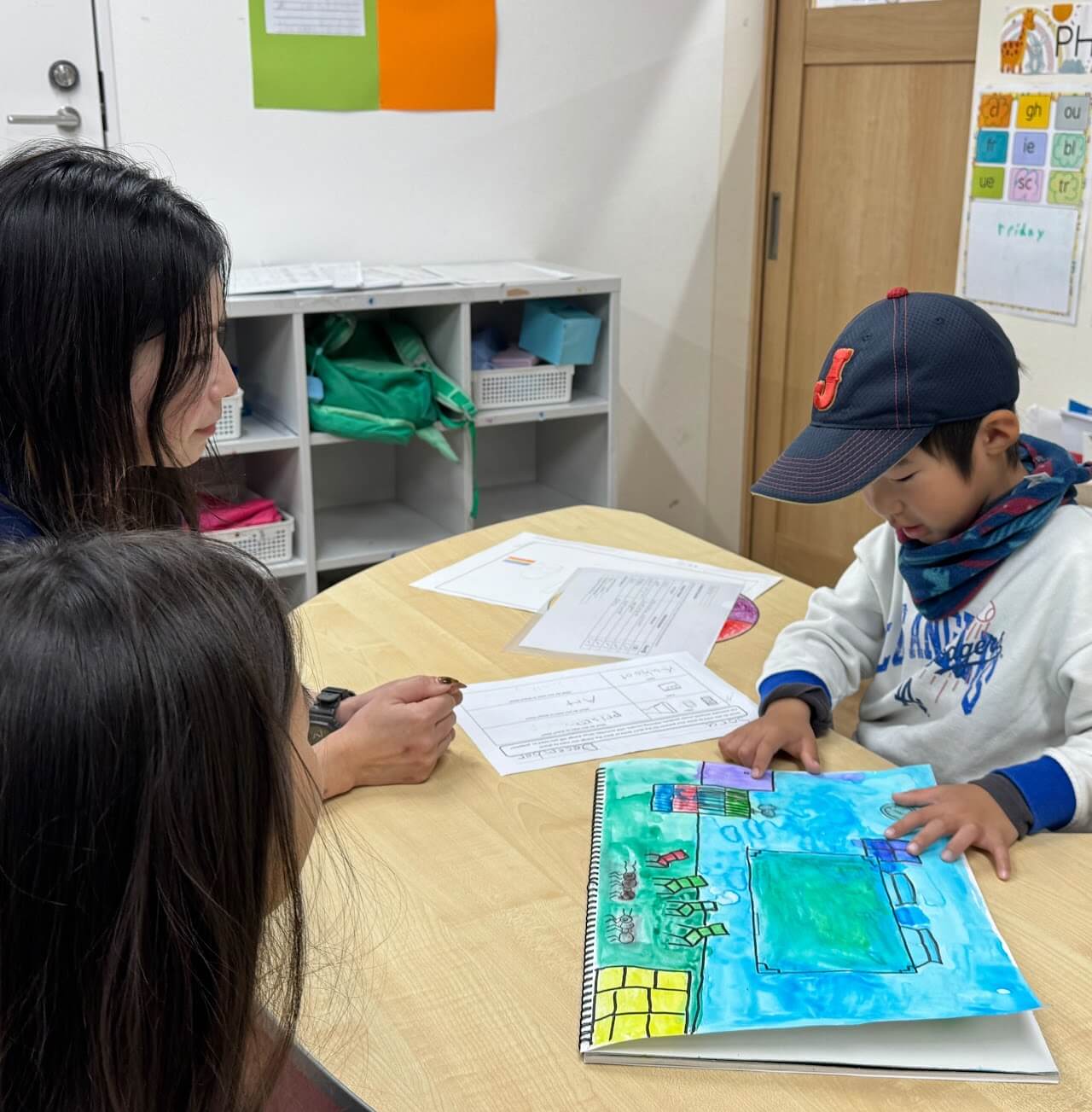
On December 7th, CGK held a Student-Led Conference for students from preschool through middle school – an event that transformed classrooms into spaces of storytelling and reflection, as students took the lead in sharing the work they had personally handpicked with their families. Each piece represented something meaningful to them: subjects, projects, and activities they were most proud of.
During the conference, students guided their parents through classrooms and learning spaces, explaining their work in their own words. They spoke about what they learned, why they chose each piece, and what they found meaningful or challenging. Many students also reflected on their progress and shared goals for future learning.
Teachers were present to support and encourage, but the highlight remained on student voice and ownership. By leading the conversations themselves, students practiced confidence, reflection, and communication - skills that extend far beyond academics. Taking ownership of their learning allowed students to experience a deep sense of pride in what they know and can do.
As an International Baccalaureate (IB) school, CGK values learning experiences that place students at the center. The Student-Led Conference offered families a deeper understanding of their child’s learning journey, while allowing the students to express their learning in the language they felt most comfortable with.
The event was more than a presentation – it was a moment of connection. For students, it was a chance to be seen and heard. For families, it was an invitation into their children’s growth. It reminded everyone that learning is not just about reaching a destination, but about growing every step of the way.
Thank you to our CGK families for taking the time to attend and for your support. And of course, kudos to all our CGK students for the effort they put into this event—it was truly all them!
Afterschool
-
-
Hello Everyone,
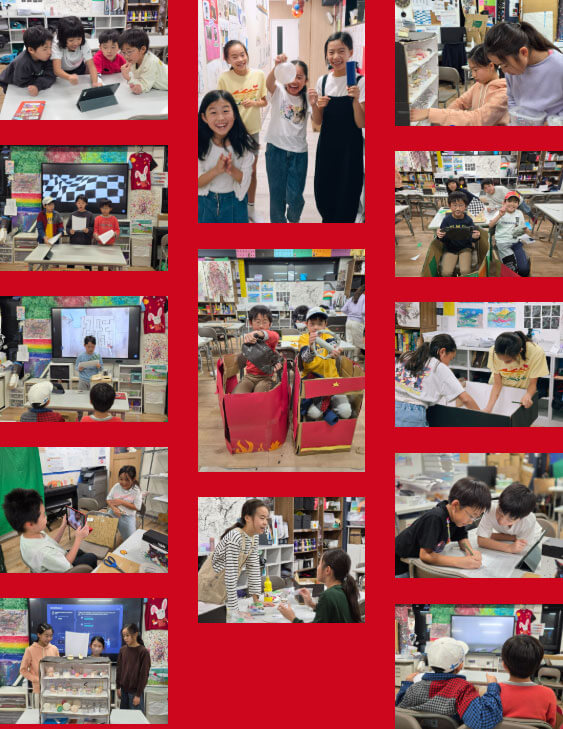
In the Upper Grade class on Wednesday students decided for their student choice project to work on ‘Free Presentation’. The class really enjoys having the absolute freedom to choose what they want to do so they regularly decide to do ‘Free Presentation’ when they have the opportunity.
One of the groups has been working on a car race movie using a green screen and editing using the iMovie app. They decided on their own roles such as director, actors, editor, camera man, and have been working each week to add to their story. The level of editing has been really impressive.
Another group has been working on a miniature food shop. Over the weeks they have been making very realistic miniatures with lots of fine details that they can display on a shelf unit they made.
The final group had a lot of ideas and made funny videos using several apps, a miniature sushi shop, and various games that utilize magnets in their design.
We are all looking forward to welcoming the parents to presentation week and showing off the students' work!
Sincerely,
Study Abroad and Global Initiatives
2025 Summer CGK Study Abroad
Australia
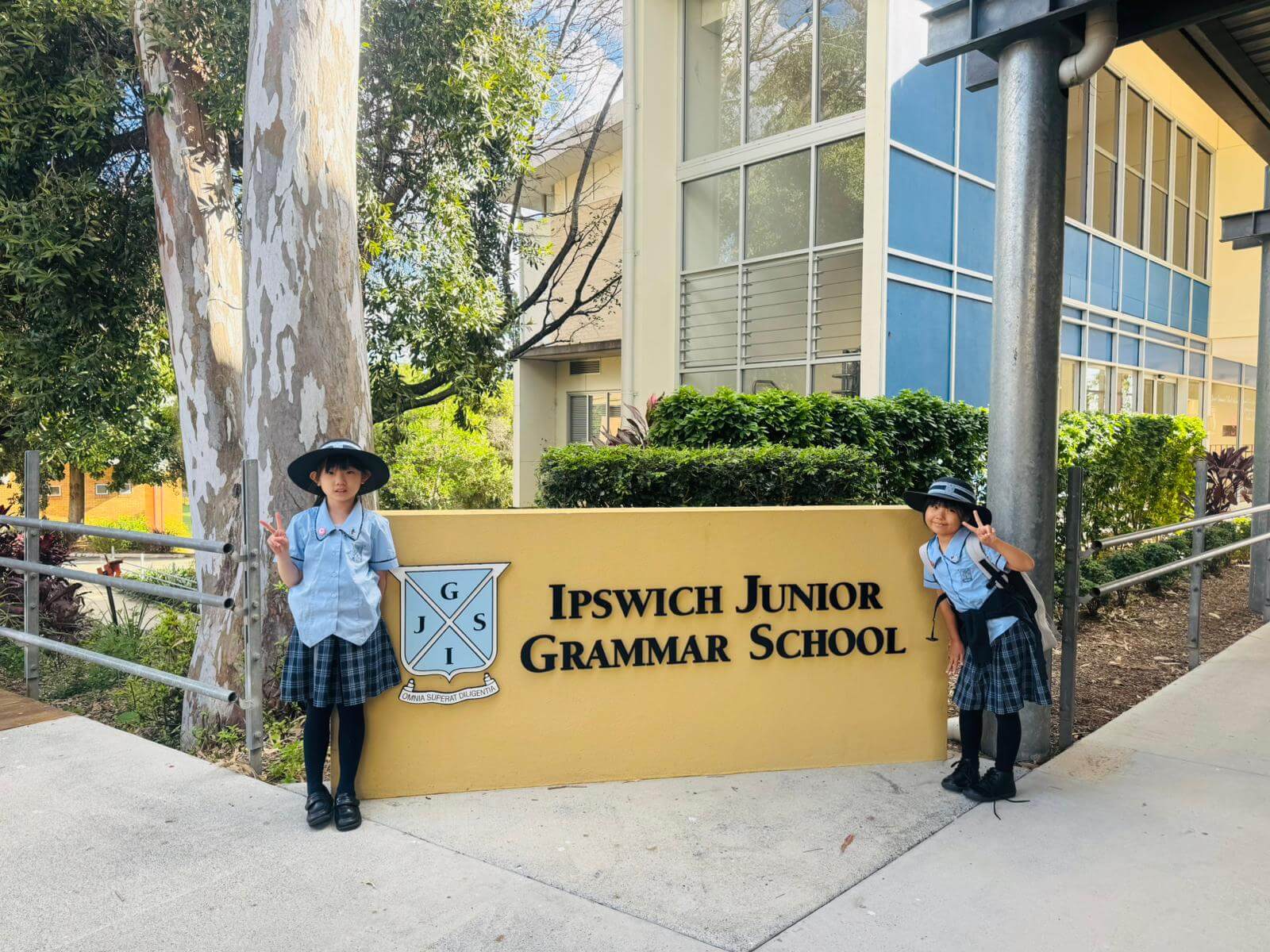
Ipswich Girls Grammar School (私立女子一貫校) CGK G3 Ako, AS G2 Yusei
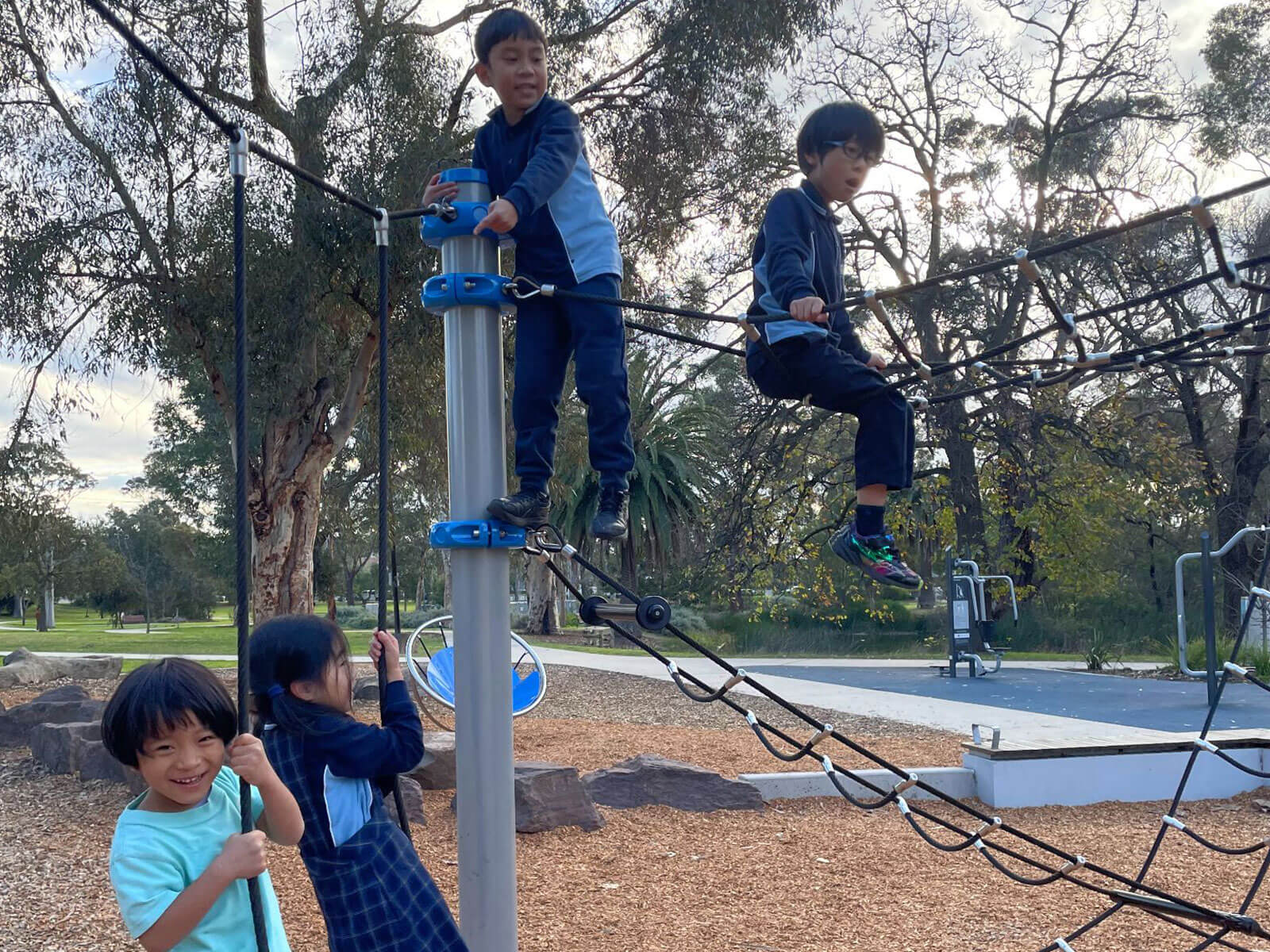
Essendon North Primary School(公立小学校・IB PYP校) CGK G1 Kokone, Mitsuki
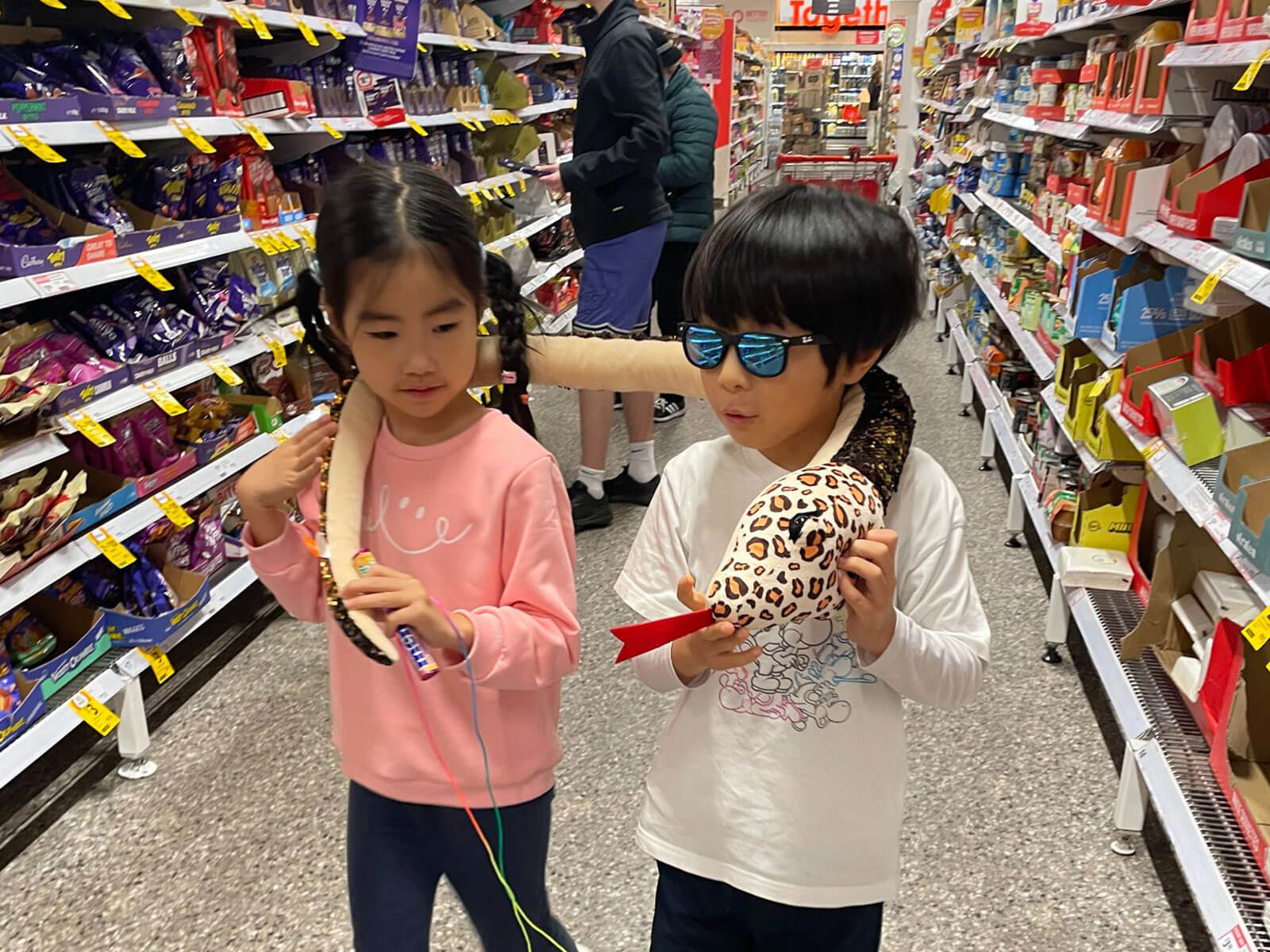
Essendon North Primary School(公立小学校・IB PYP校) CGK G1 Kokone, Mitsuki
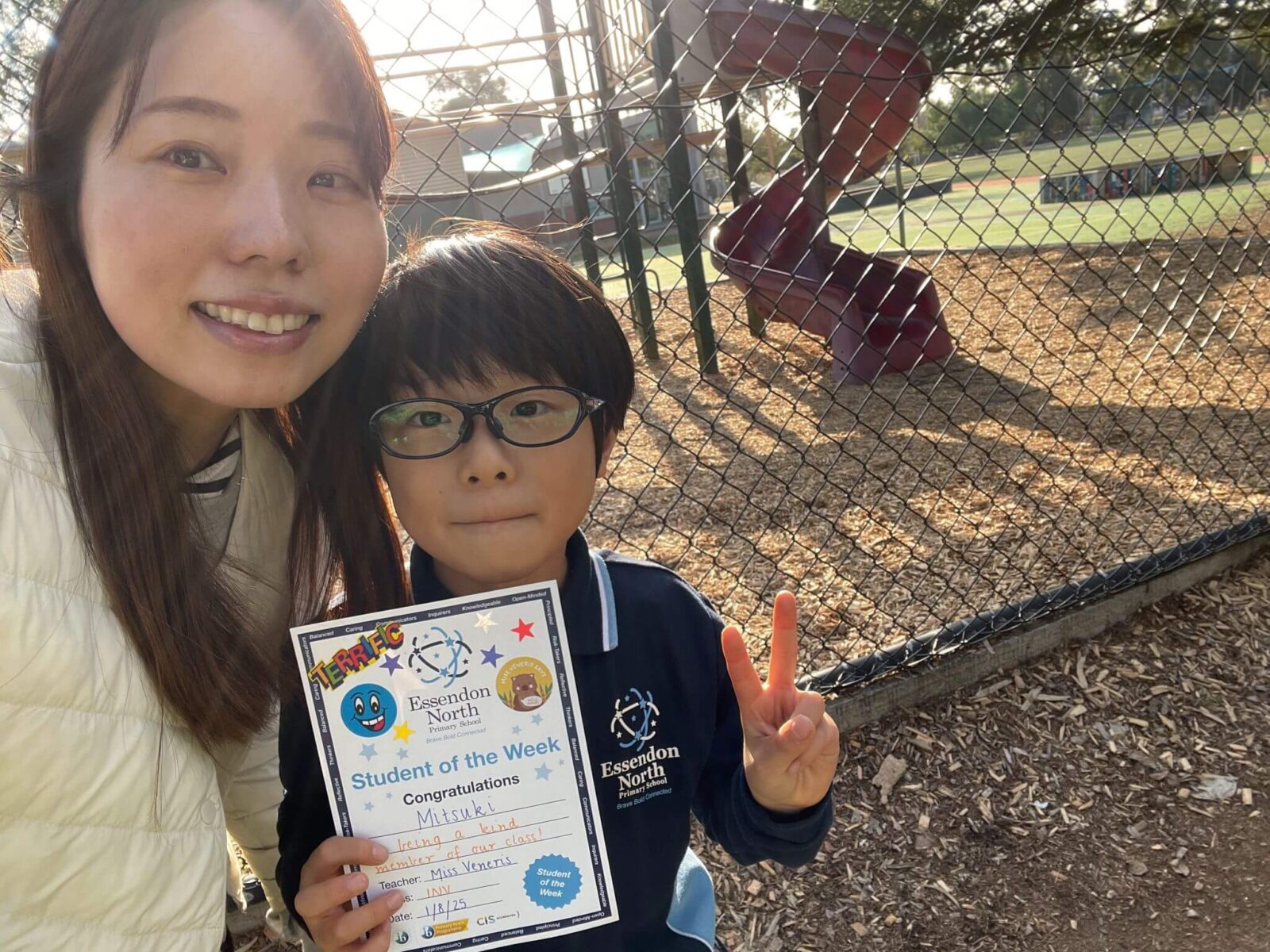 Essendon North Primary School(公立小学校・IB PYP校)CGK G1 Mitsuki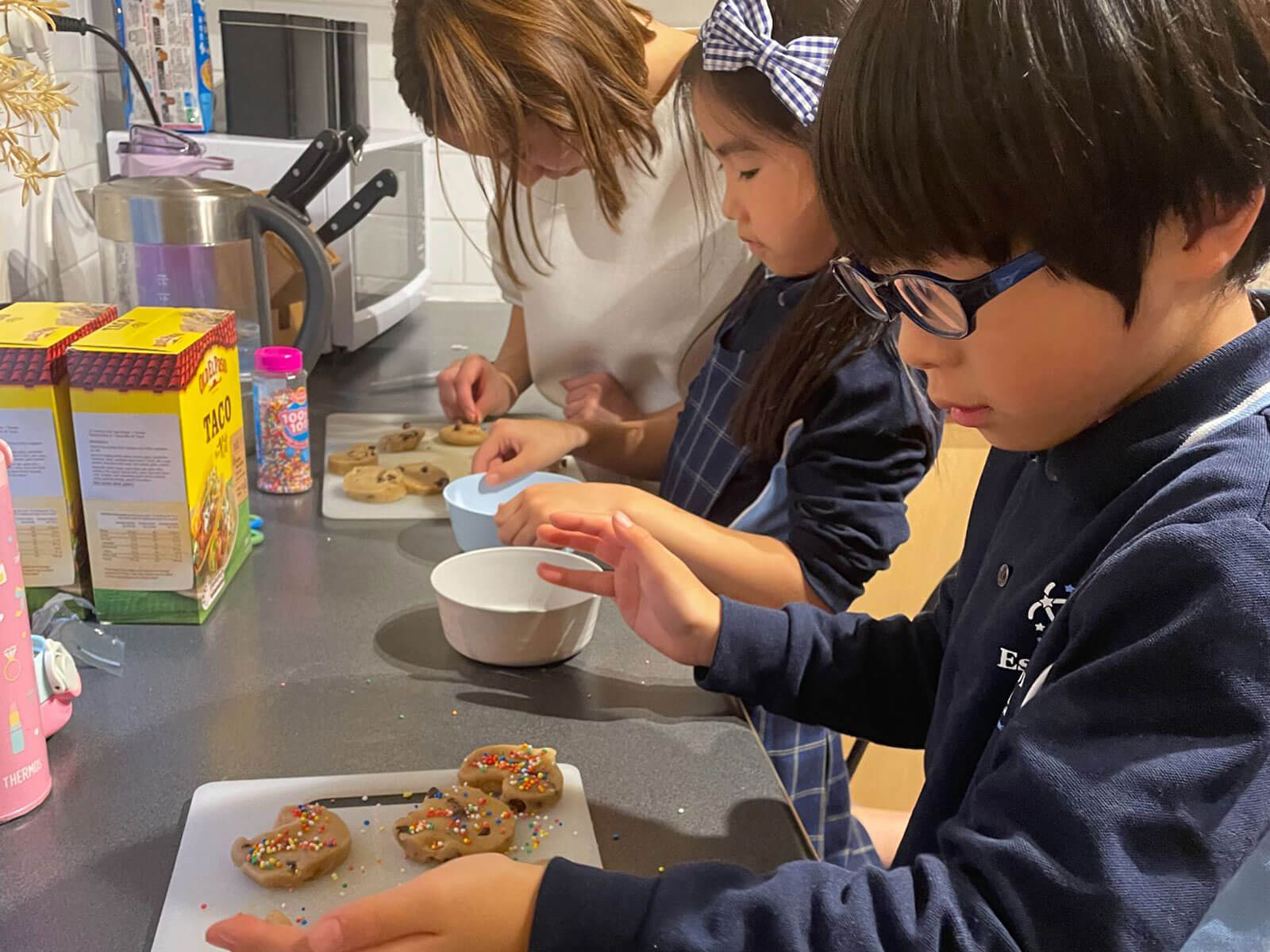
Essendon North Primary School(公立小学校・IB PYP校) CGK G1 Kokone, Mitsuki
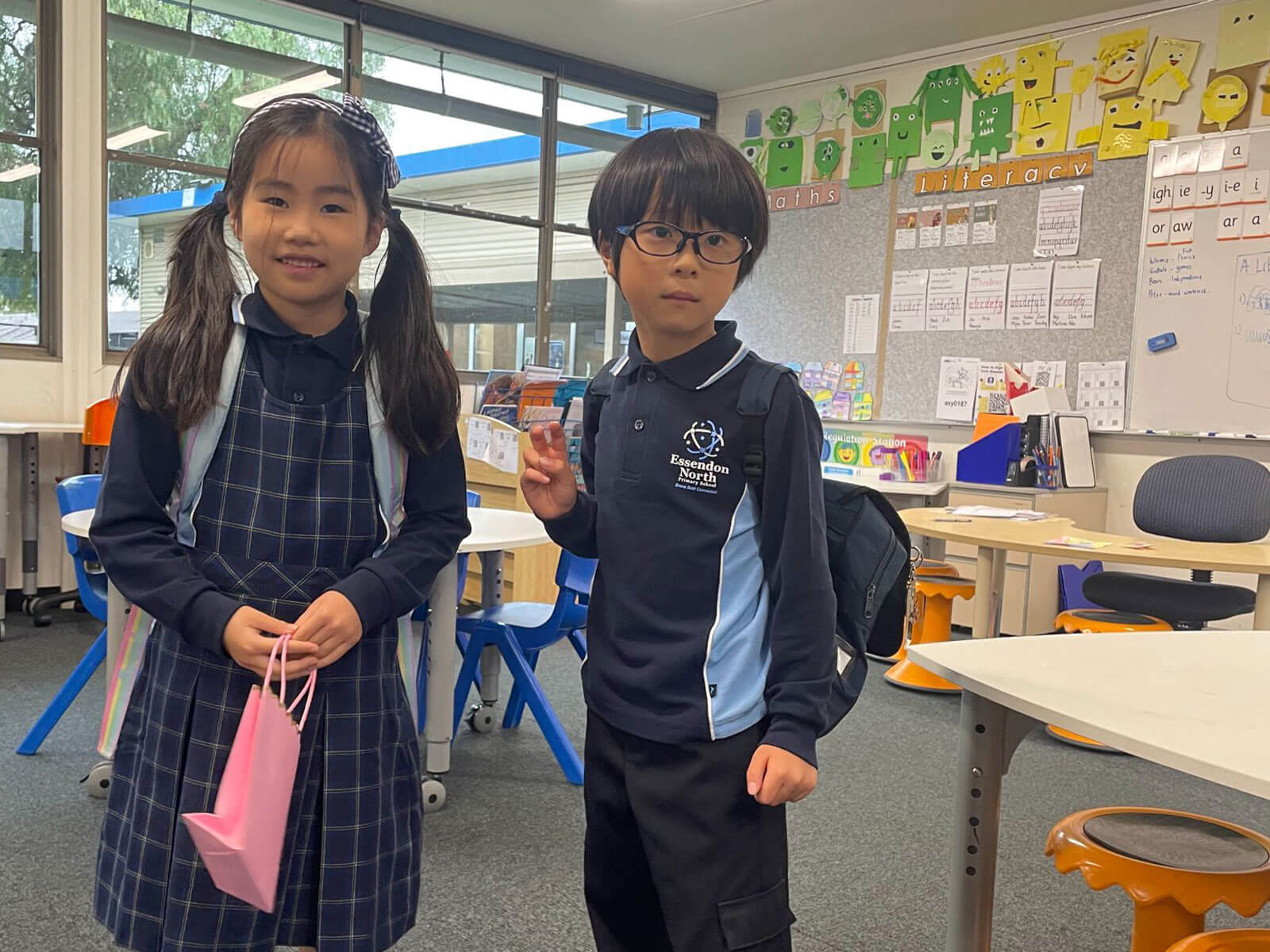
Essendon North Primary School(公立小学校・IB PYP校) CGK G1 Kokone, Mitsuki
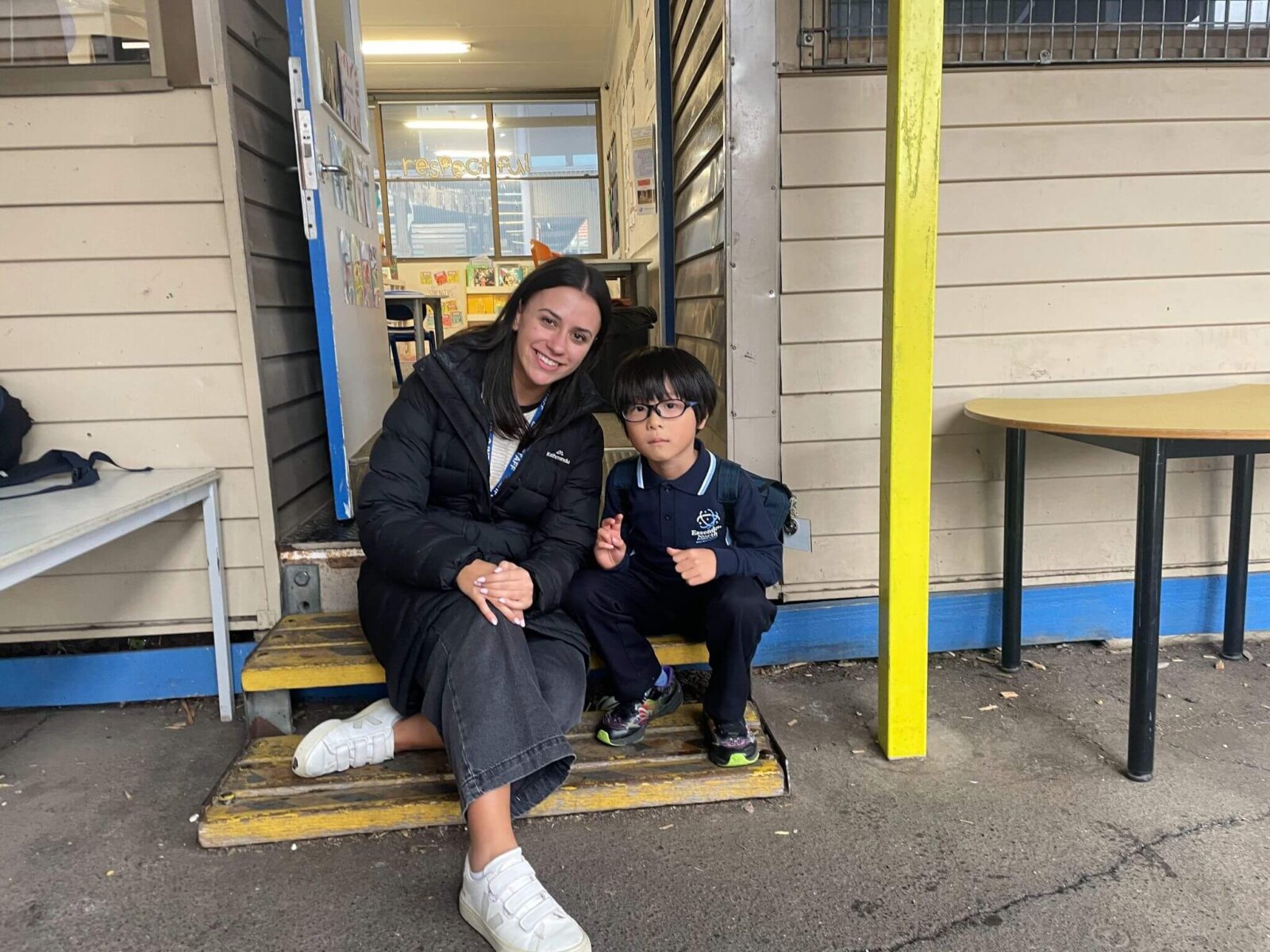
Essendon North Primary School(公立小学校・IB PYP校) CGK G1 Mitsuki
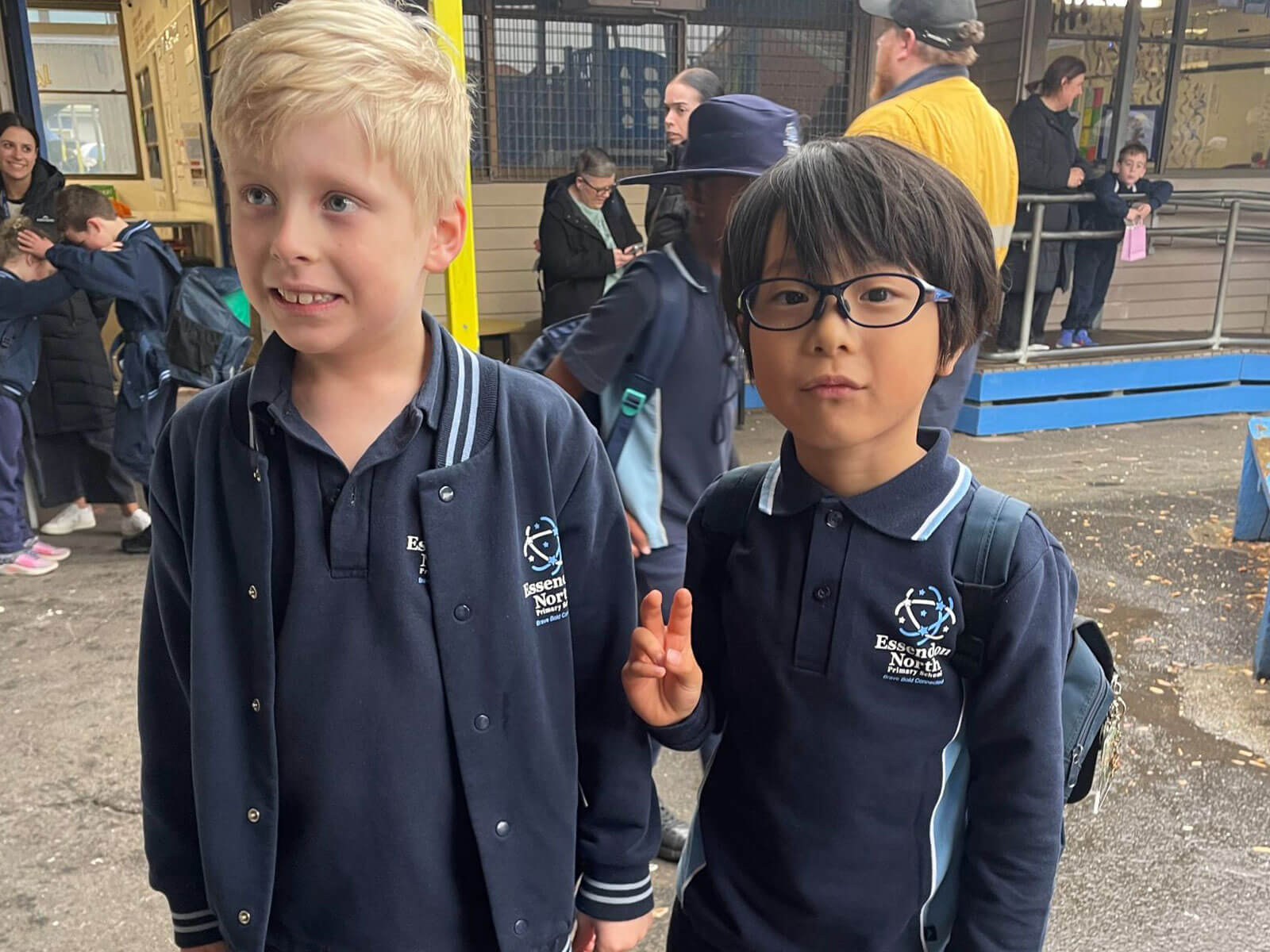
Essendon North Primary School(公立小学校・IB PYP校) CGK G1 Mitsuki
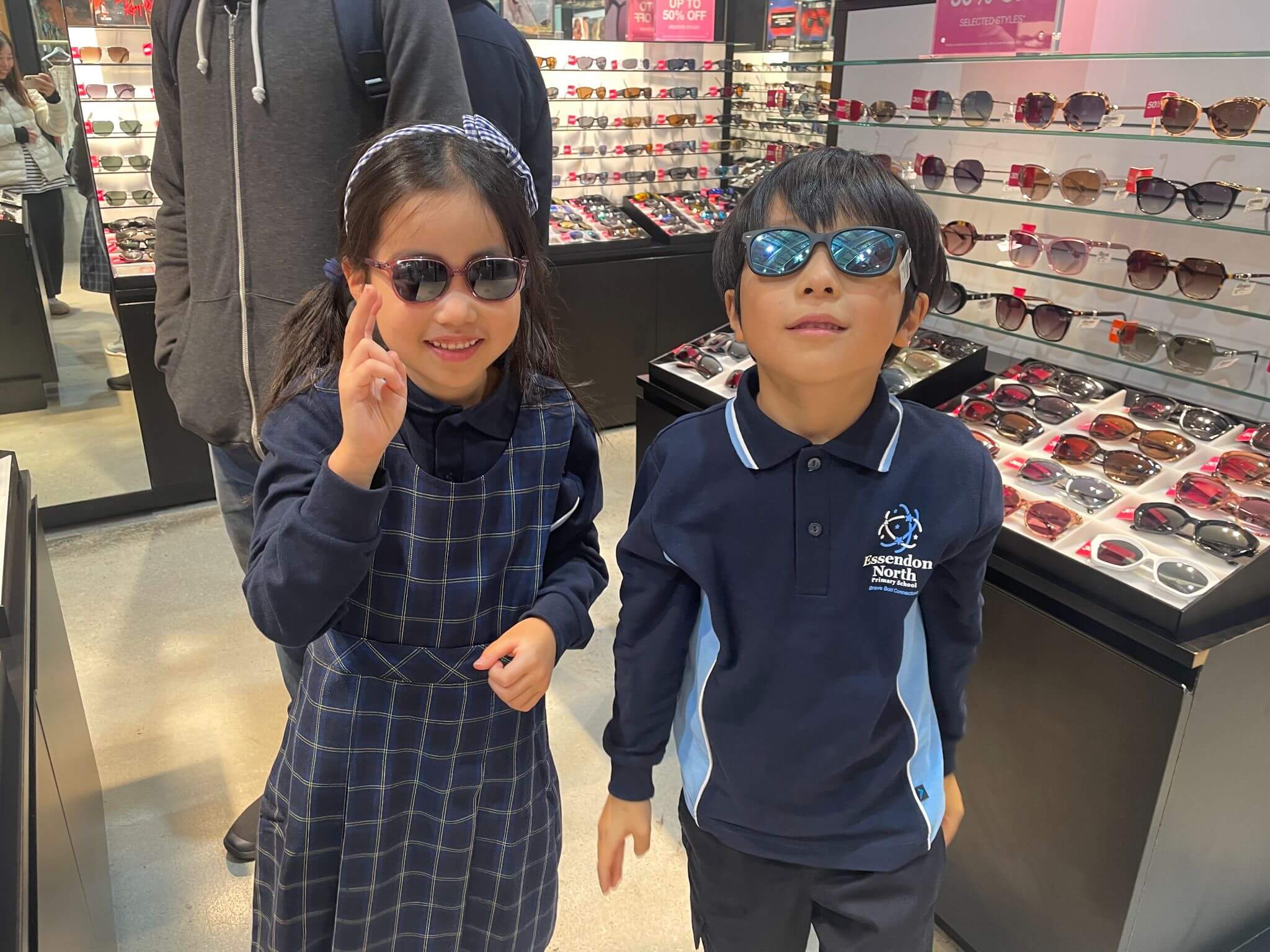
Essendon North Primary School(公立小学校・IB PYP校) CGK G1 Kokone, Mitsuki
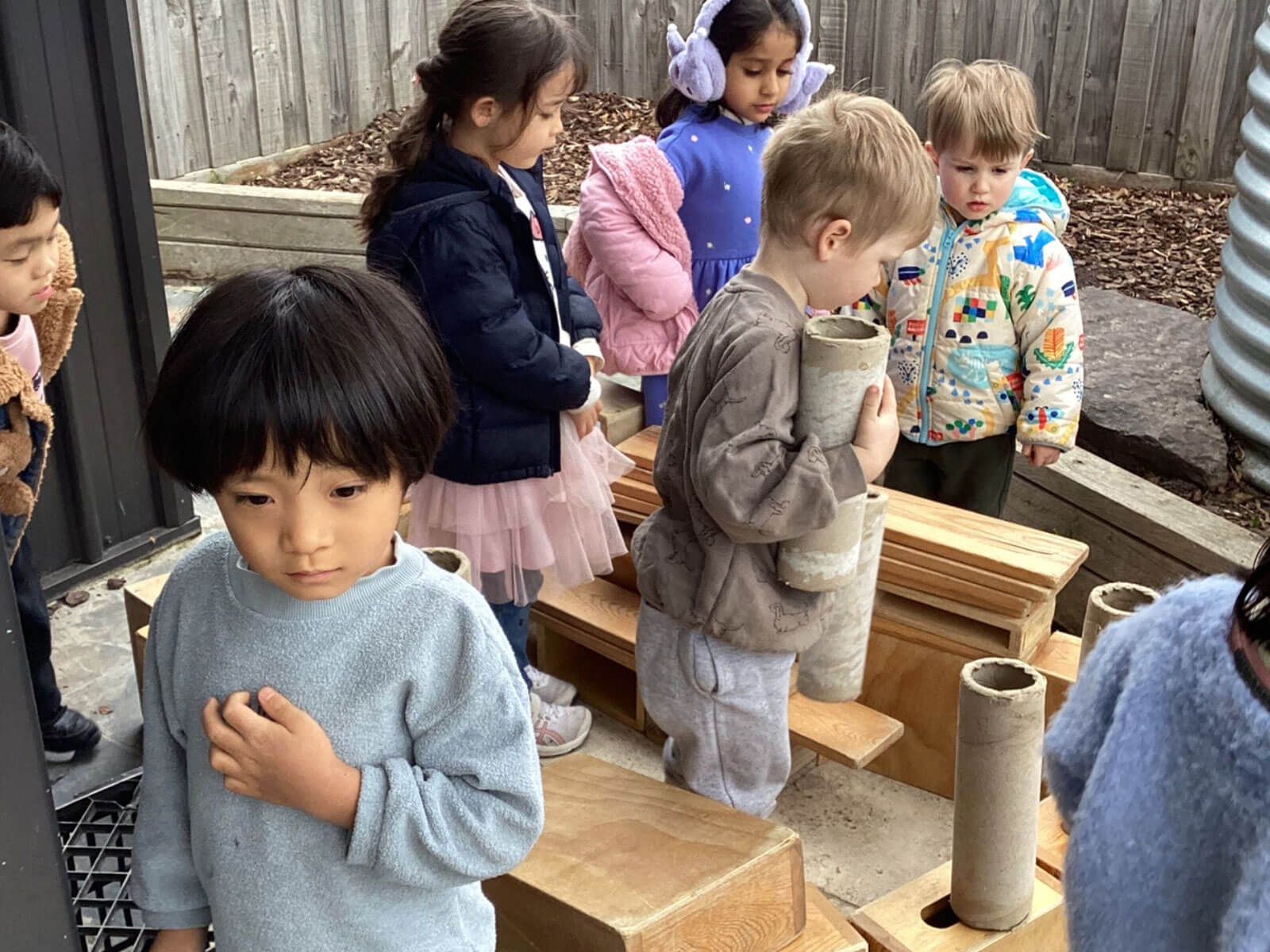
Guardian Childcare & Education South Melbourne (保育園) CGK Mountain Taiki
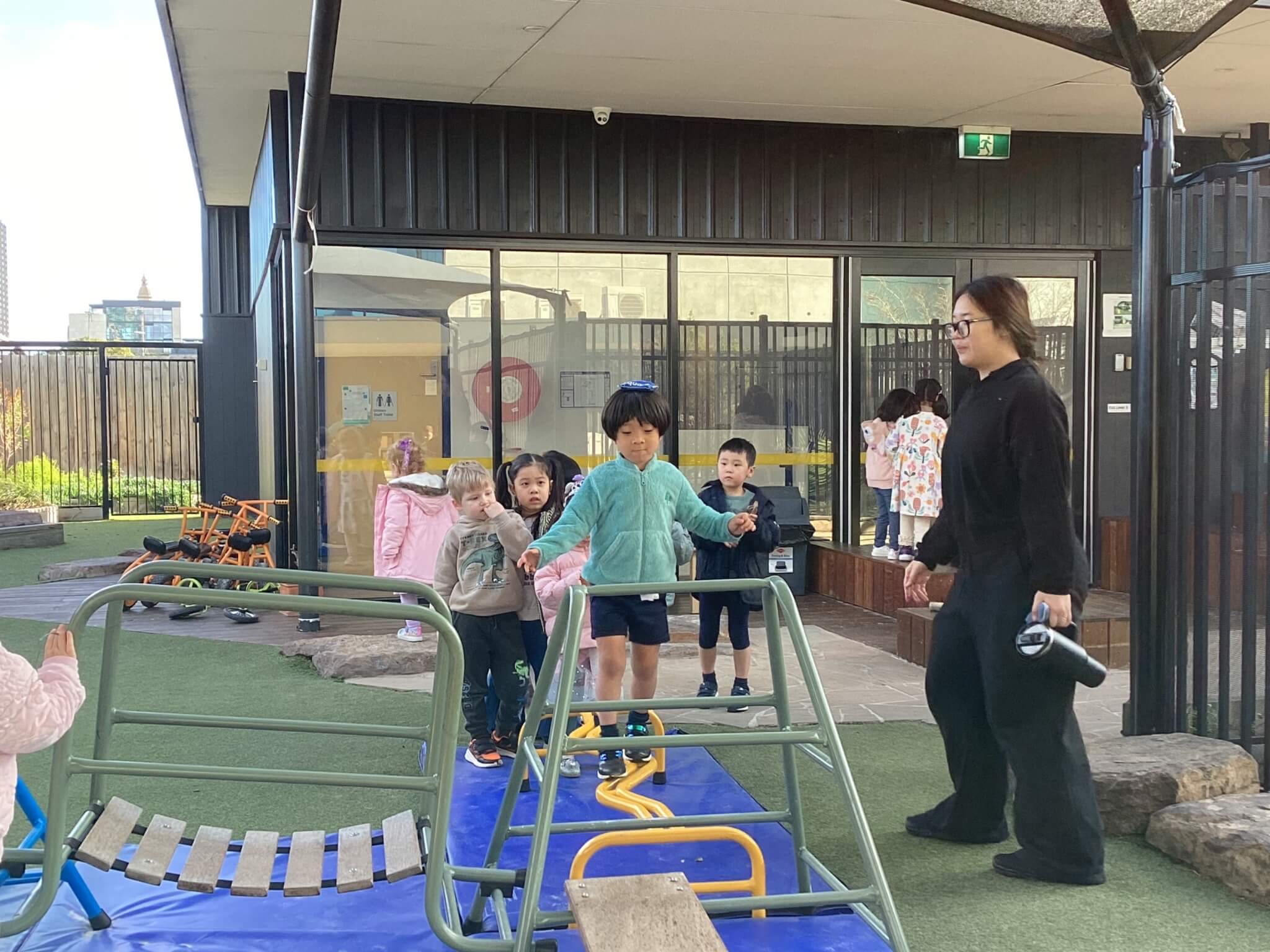
Guardian Childcare & Education South Melbourne (保育園) CGK Mountain Taiki
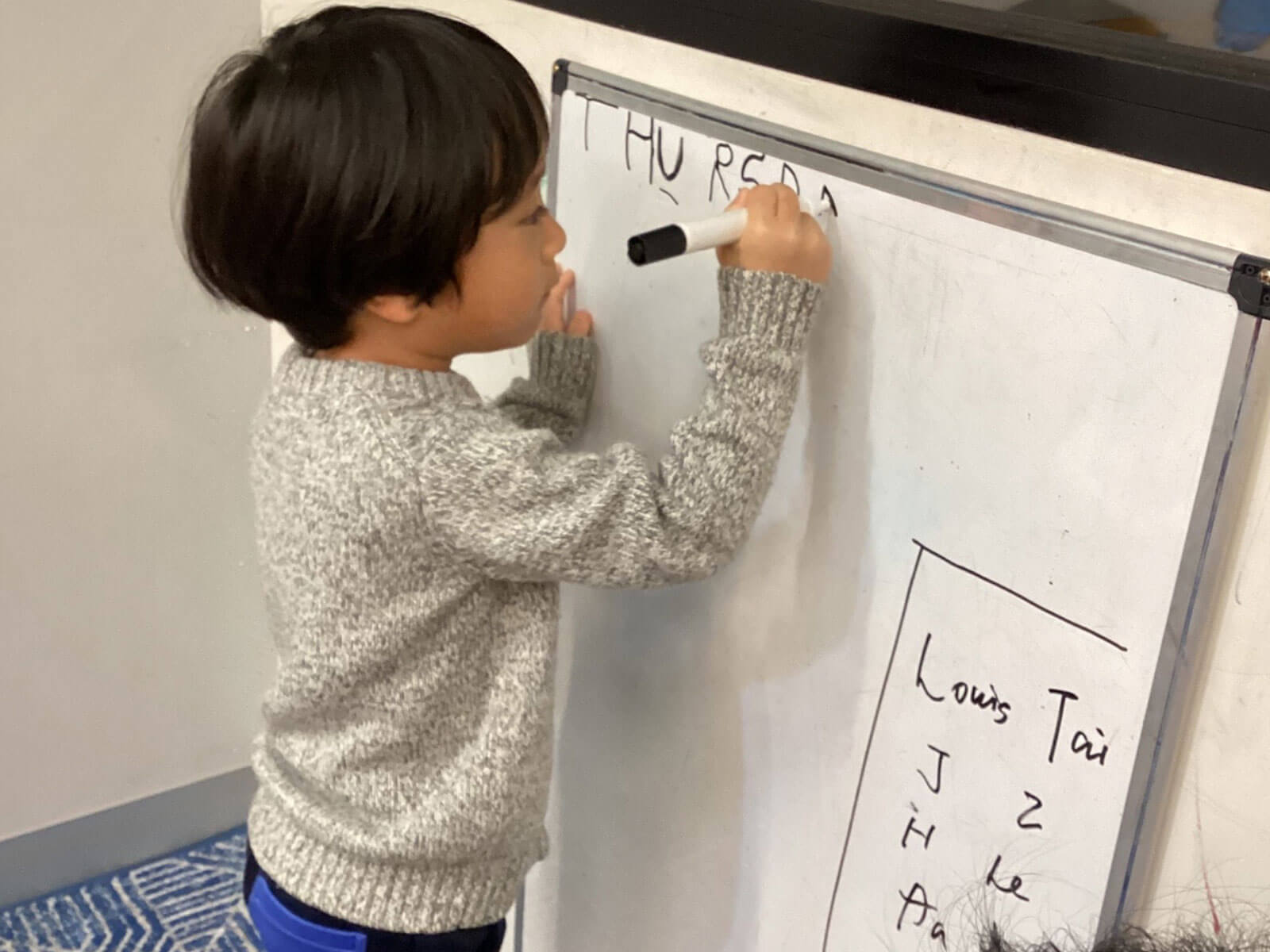
Guardian Childcare & Education South Melbourne (保育園) CGK Mountain Taiki
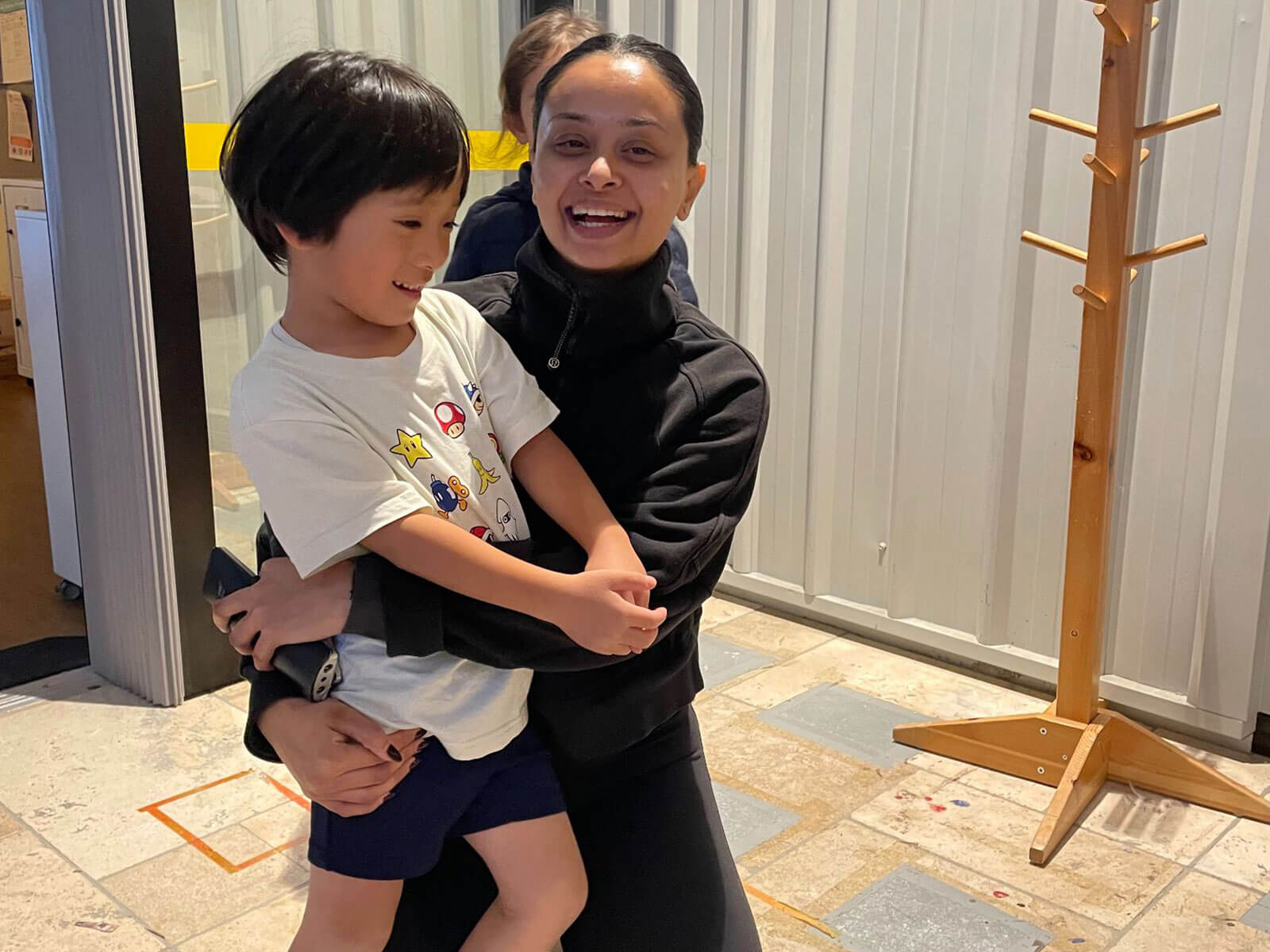
Guardian Childcare & Education South Melbourne (保育園) CGK Mountain Taiki
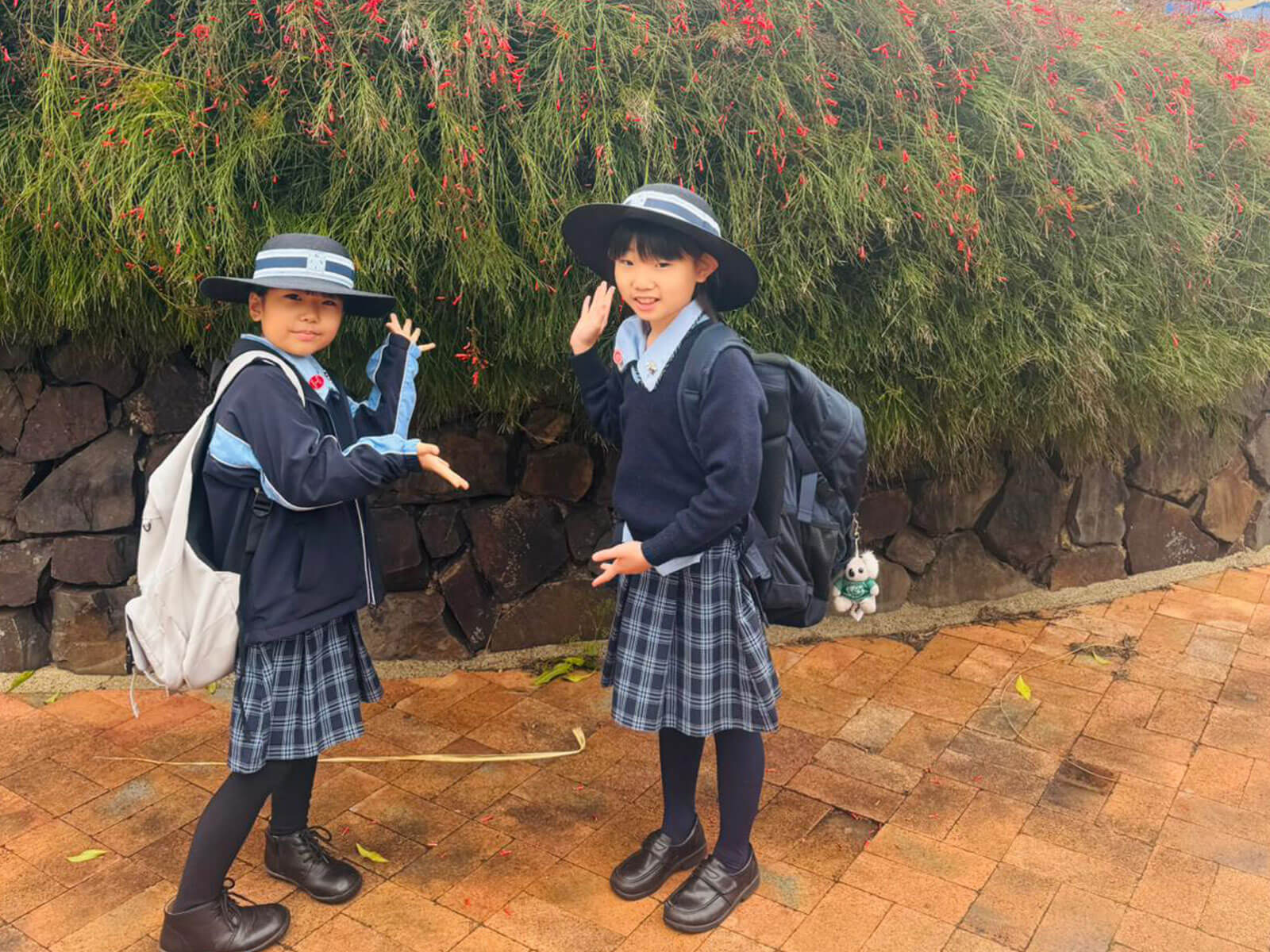
Ipswich Girls Grammar School (私立女子一貫校) CGK G3 Ako, AS G2 Yusei
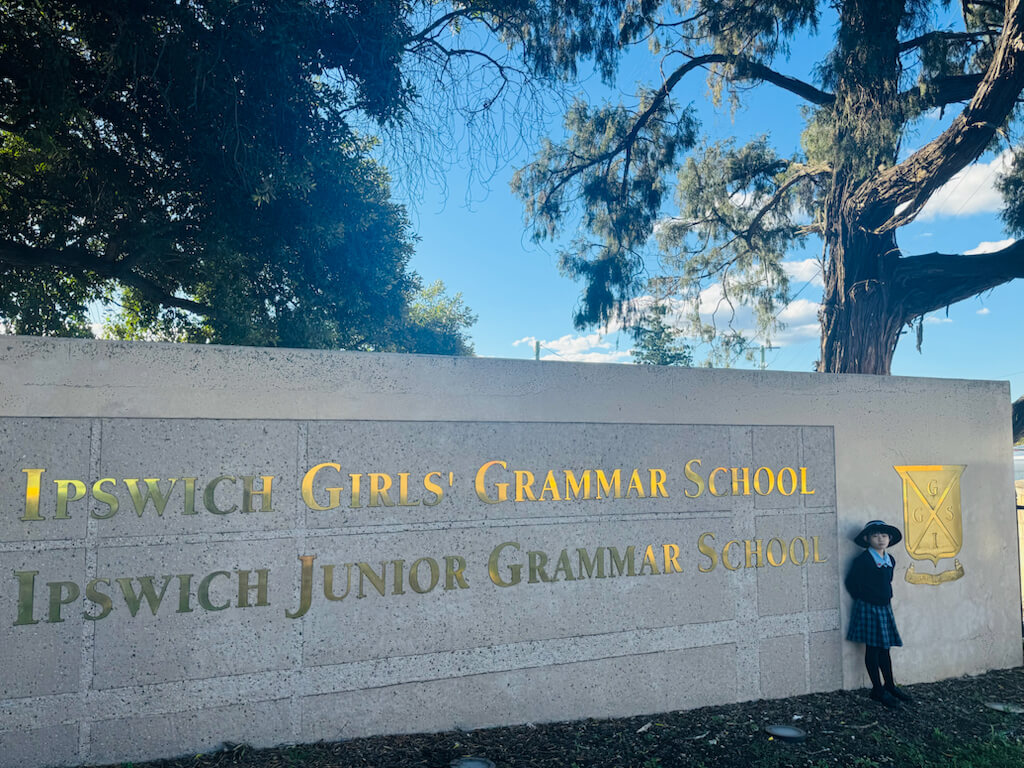
Ipswich Girls Grammar School (私立女子一貫校) CGK AS G2 Yusei
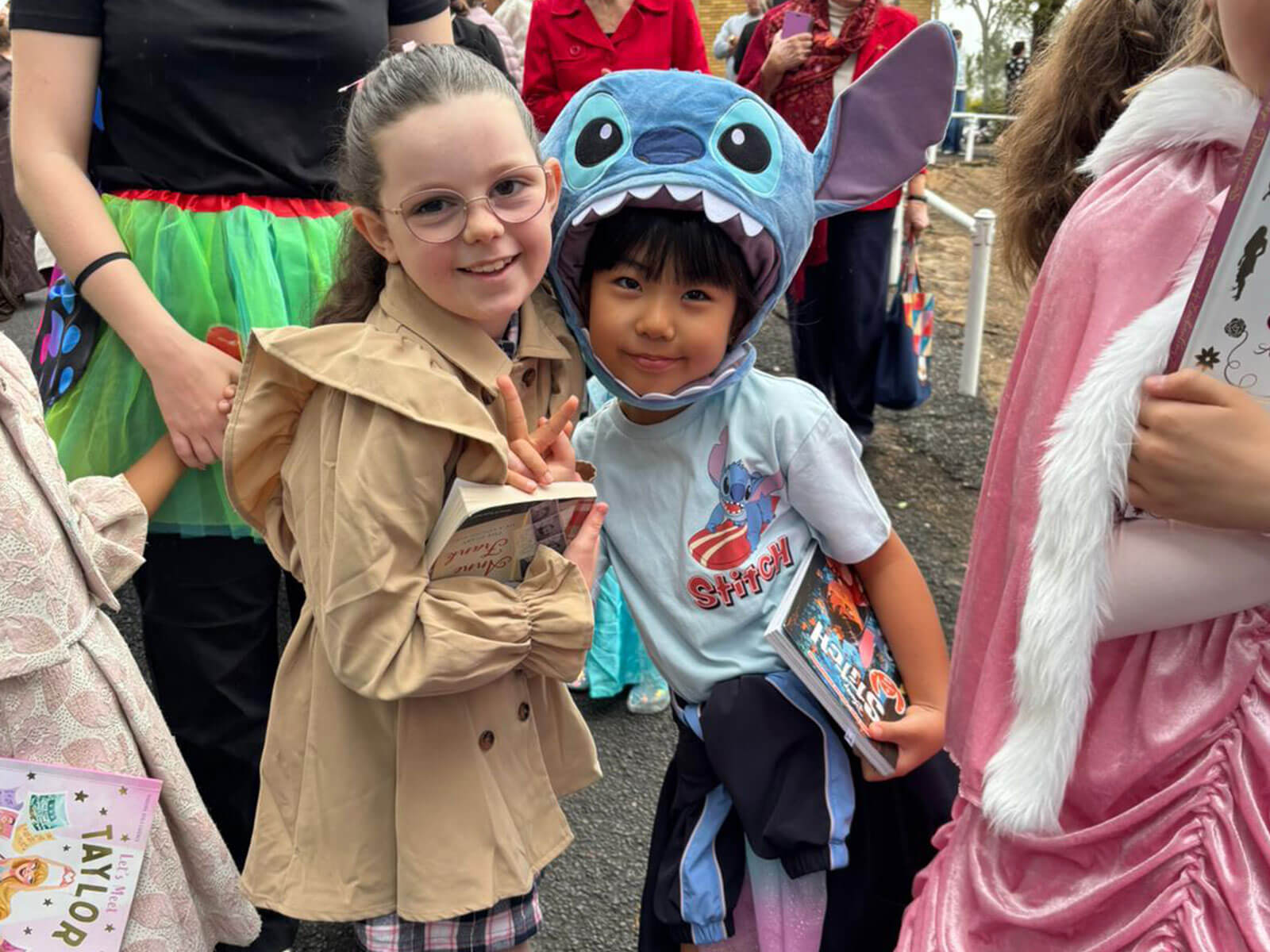
Ipswich Girls Grammar School (私立女子一貫校) CGK G3 Ako
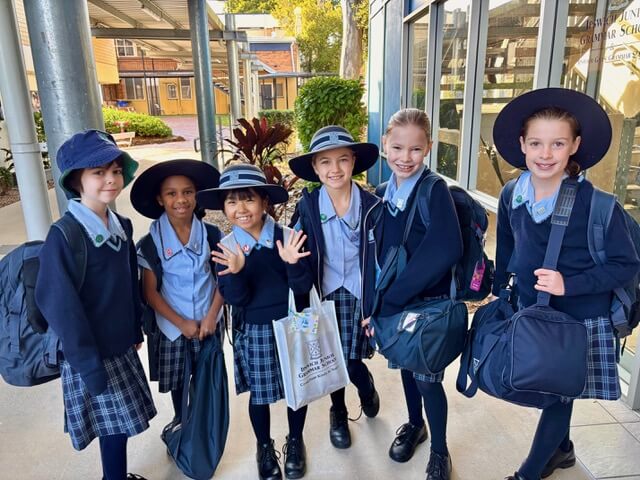
Ipswich Girls Grammar School (私立女子一貫校) CGK G3 Ako
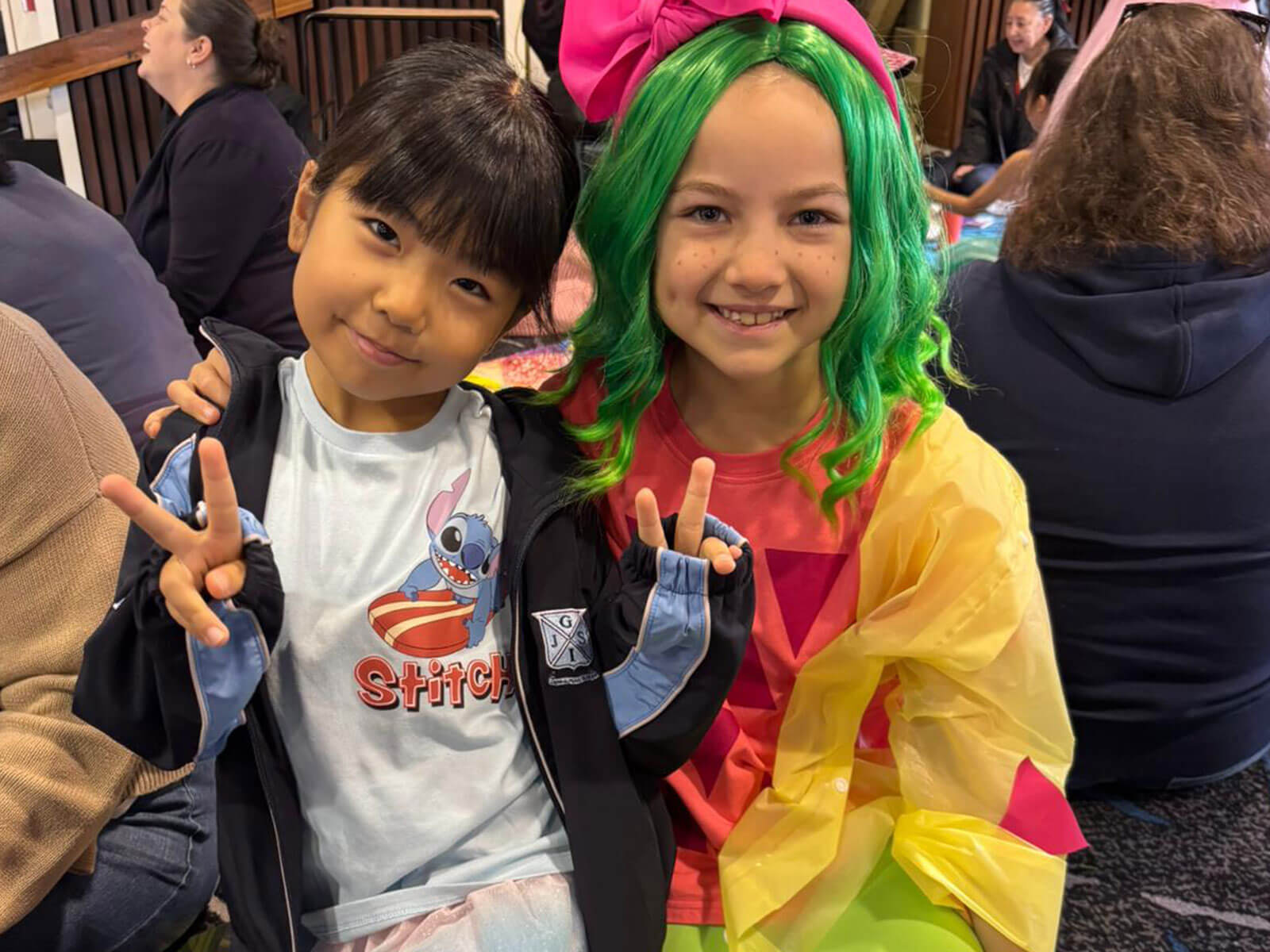
Ipswich Girls Grammar School (私立女子一貫校) CGK G3 Ako
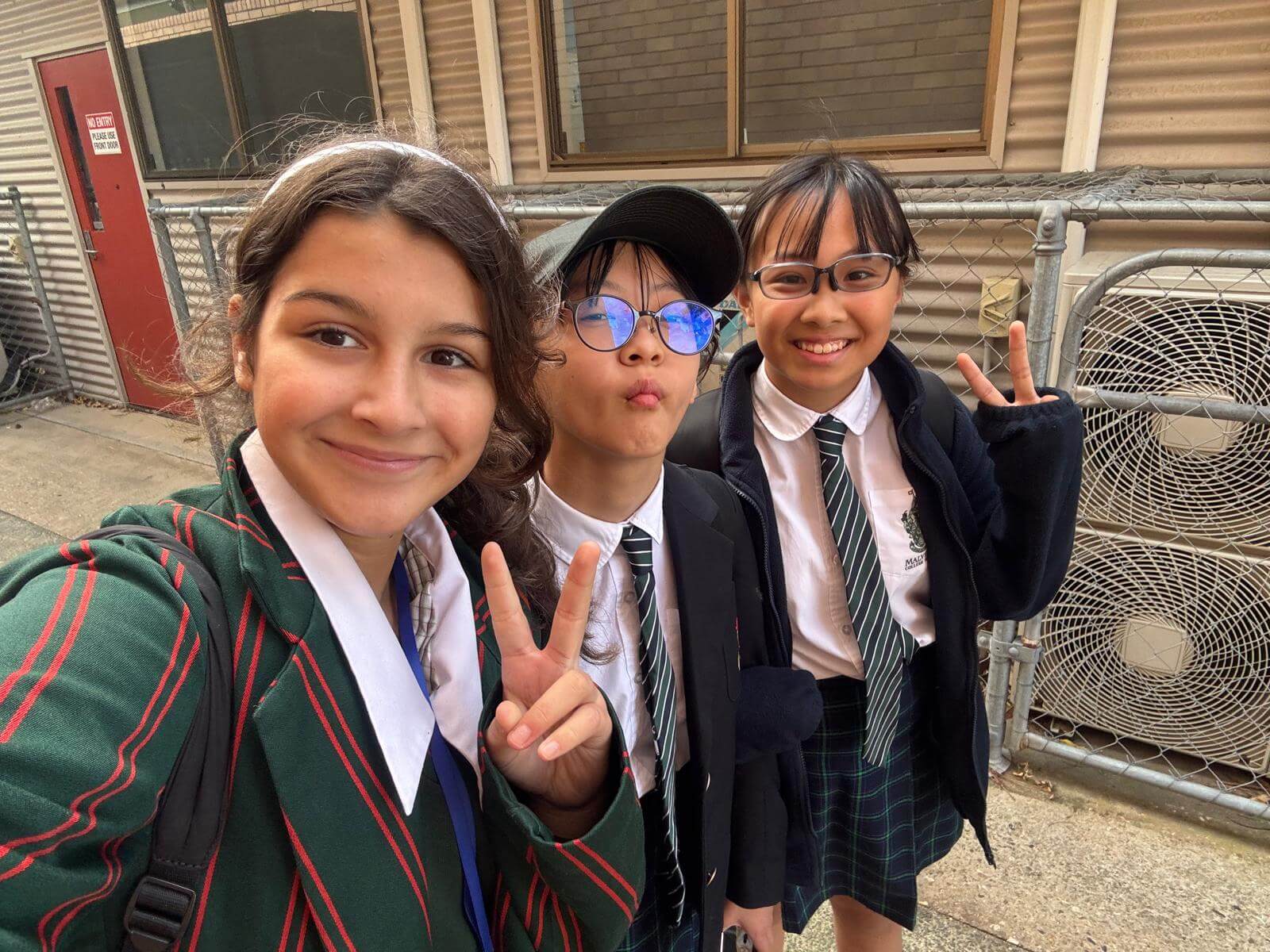
St.Pauls (私立一貫校) CGK G7 Alisa
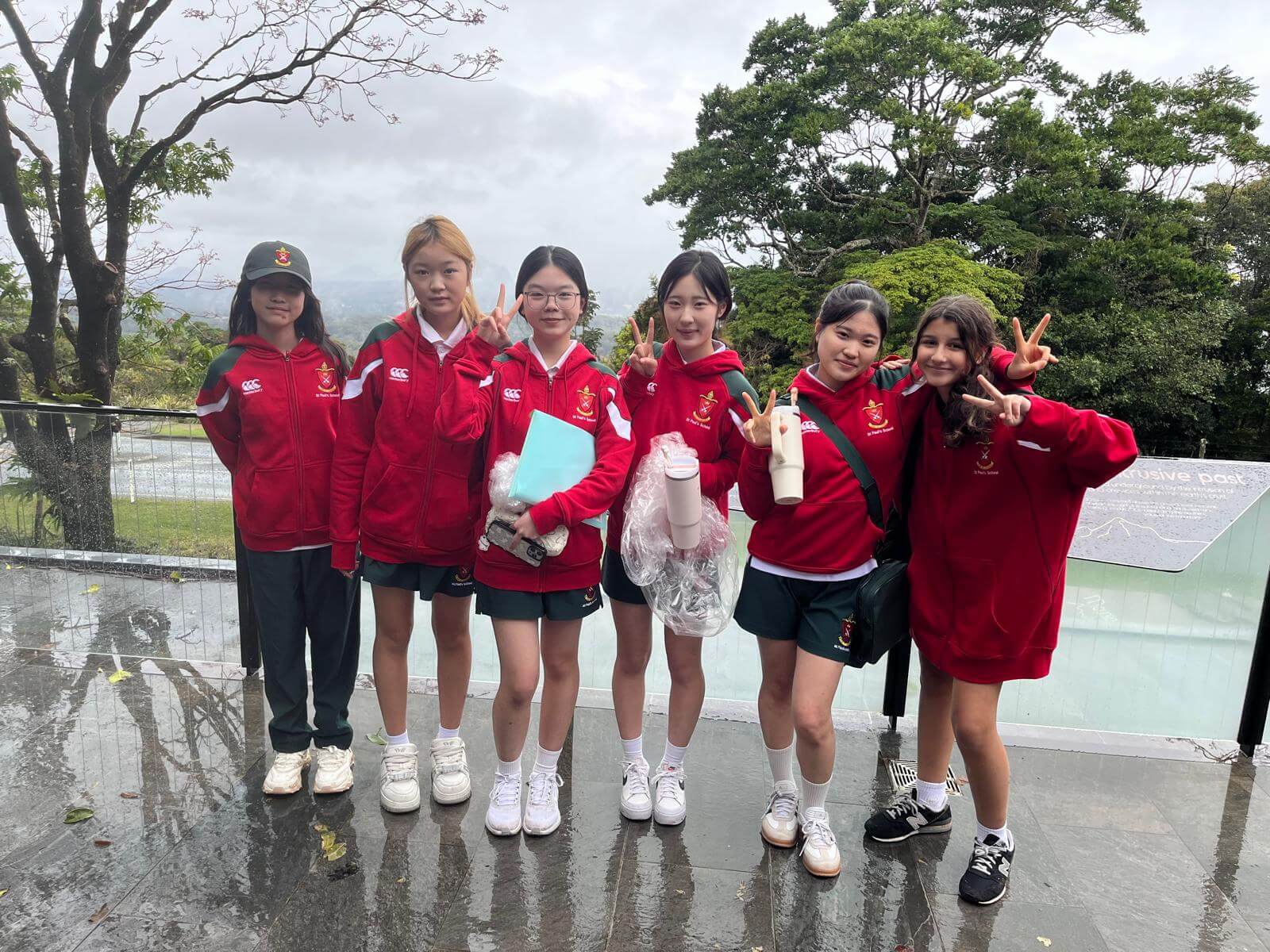
St.Pauls (私立一貫校) CGK G7 Alisa
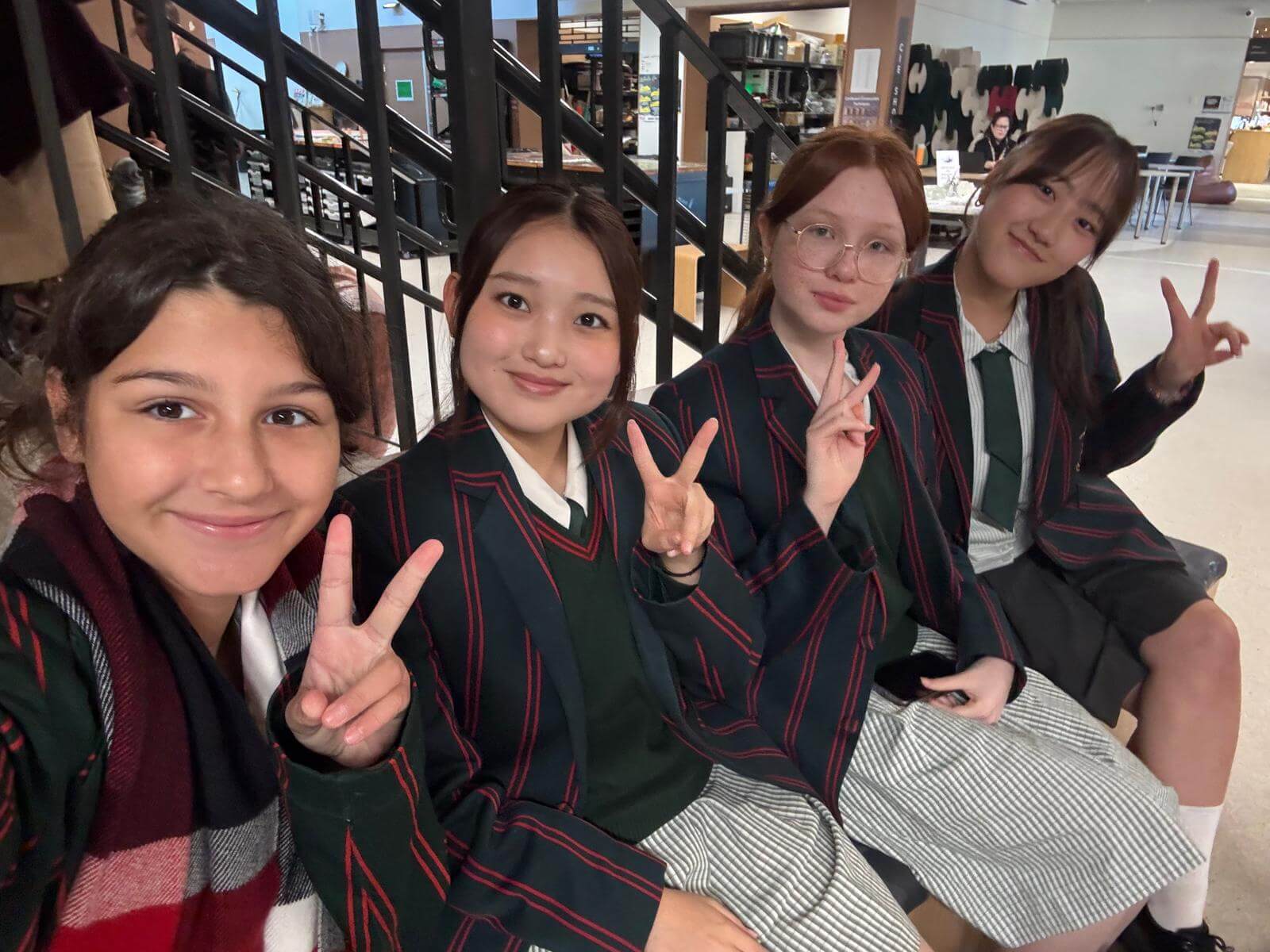
St.Pauls (私立一貫校) CGK G7 Alisa
Canada
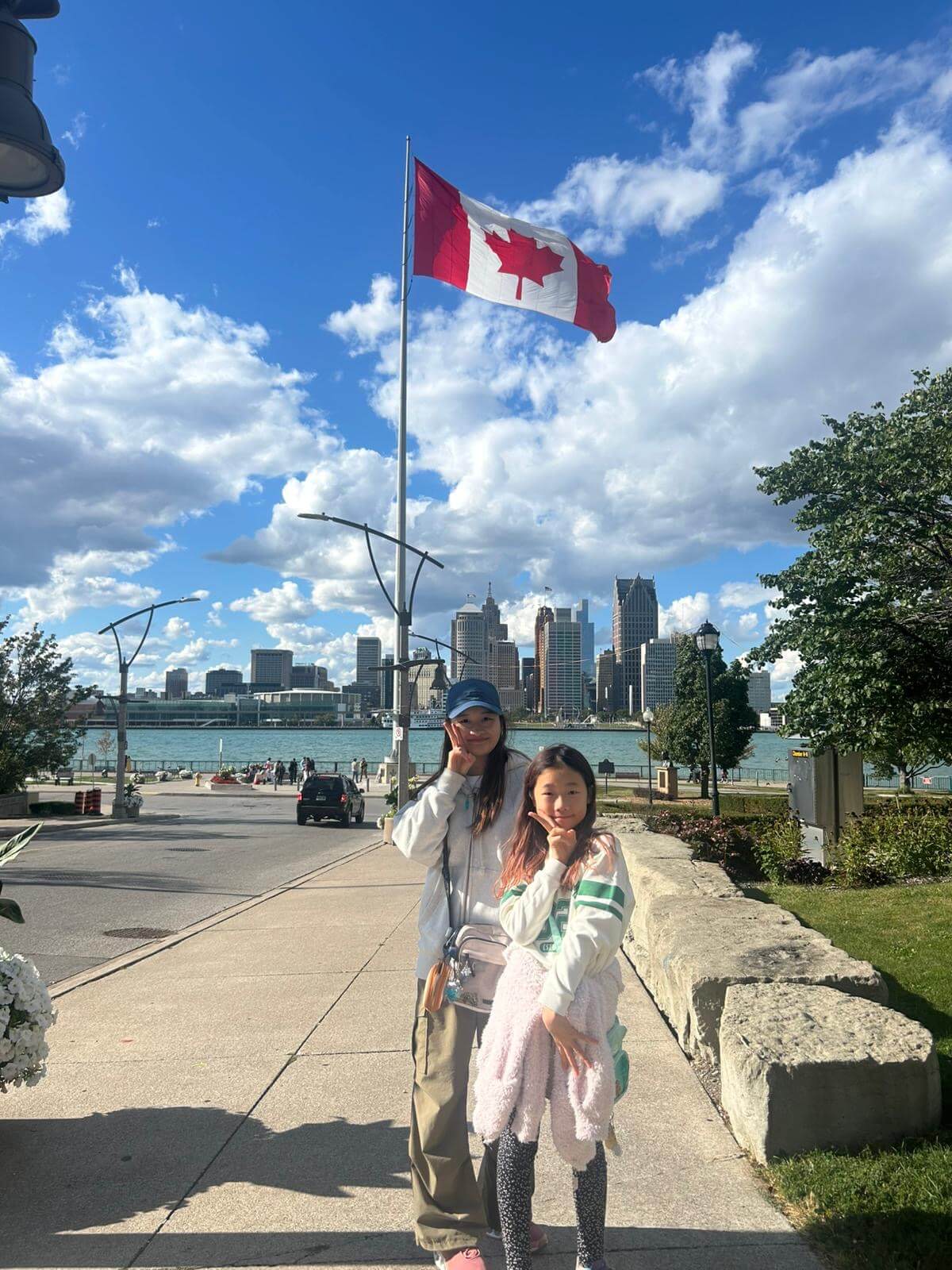
Assumption College Catholic Middle School (公立中学校) CGK G7 Sedona, St. James Elementary (公立小学校) CGK G4 Nasuka
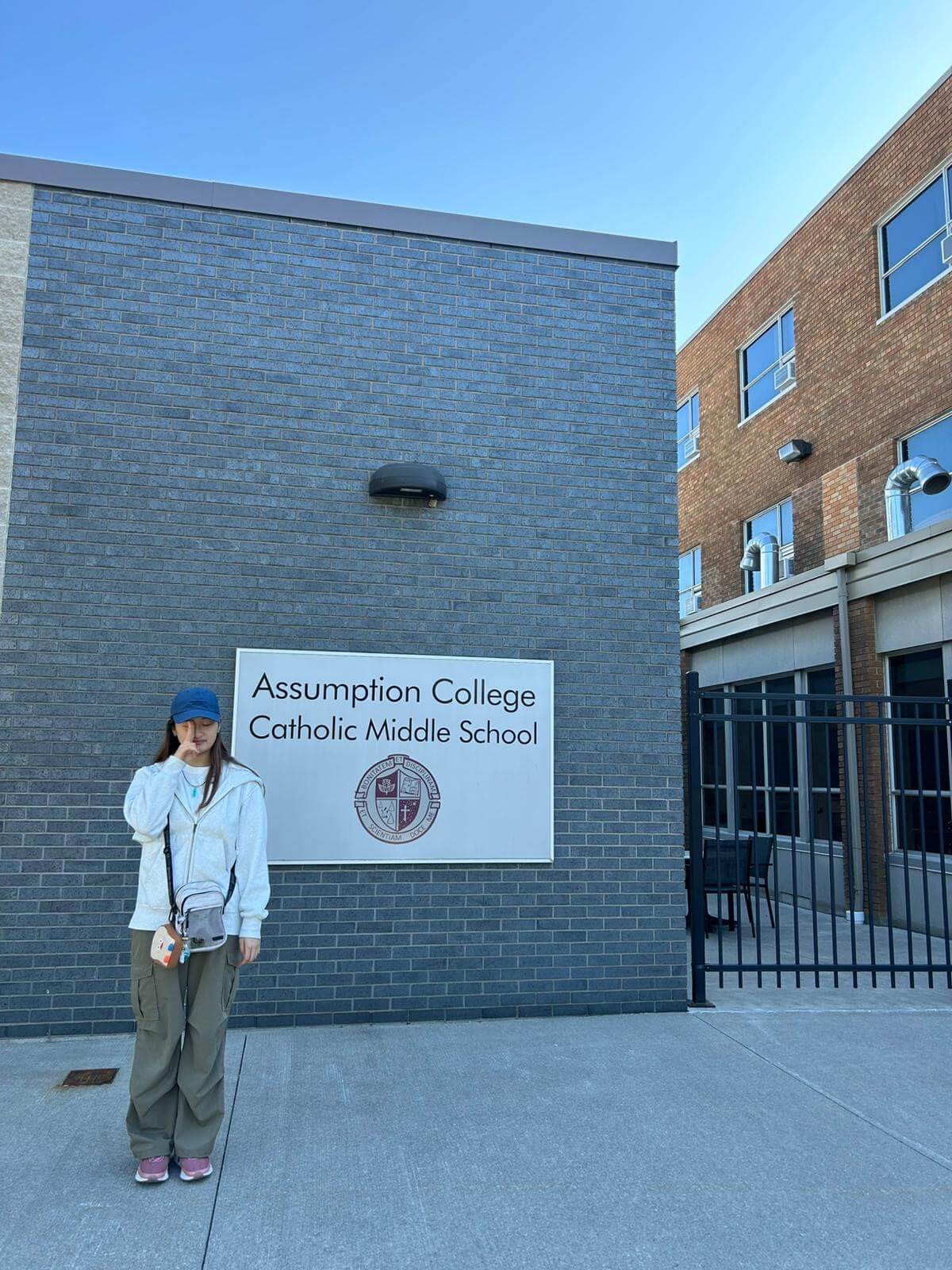
Assumption College Catholic Middle School (公立中学校) CGK G7 Sedona
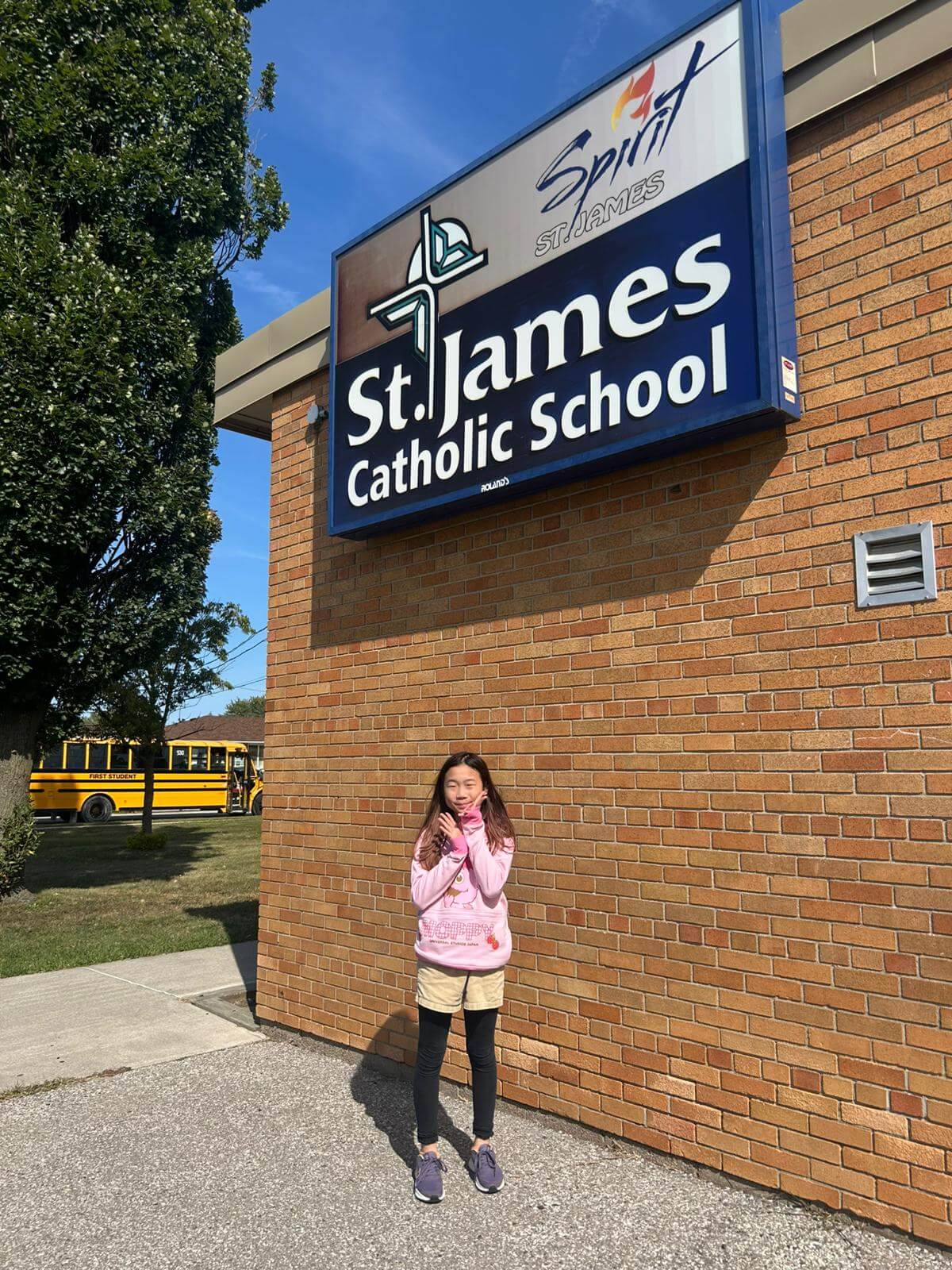
St. James Catholic Elementary School (公立小学校) CGK G4 Nasuka
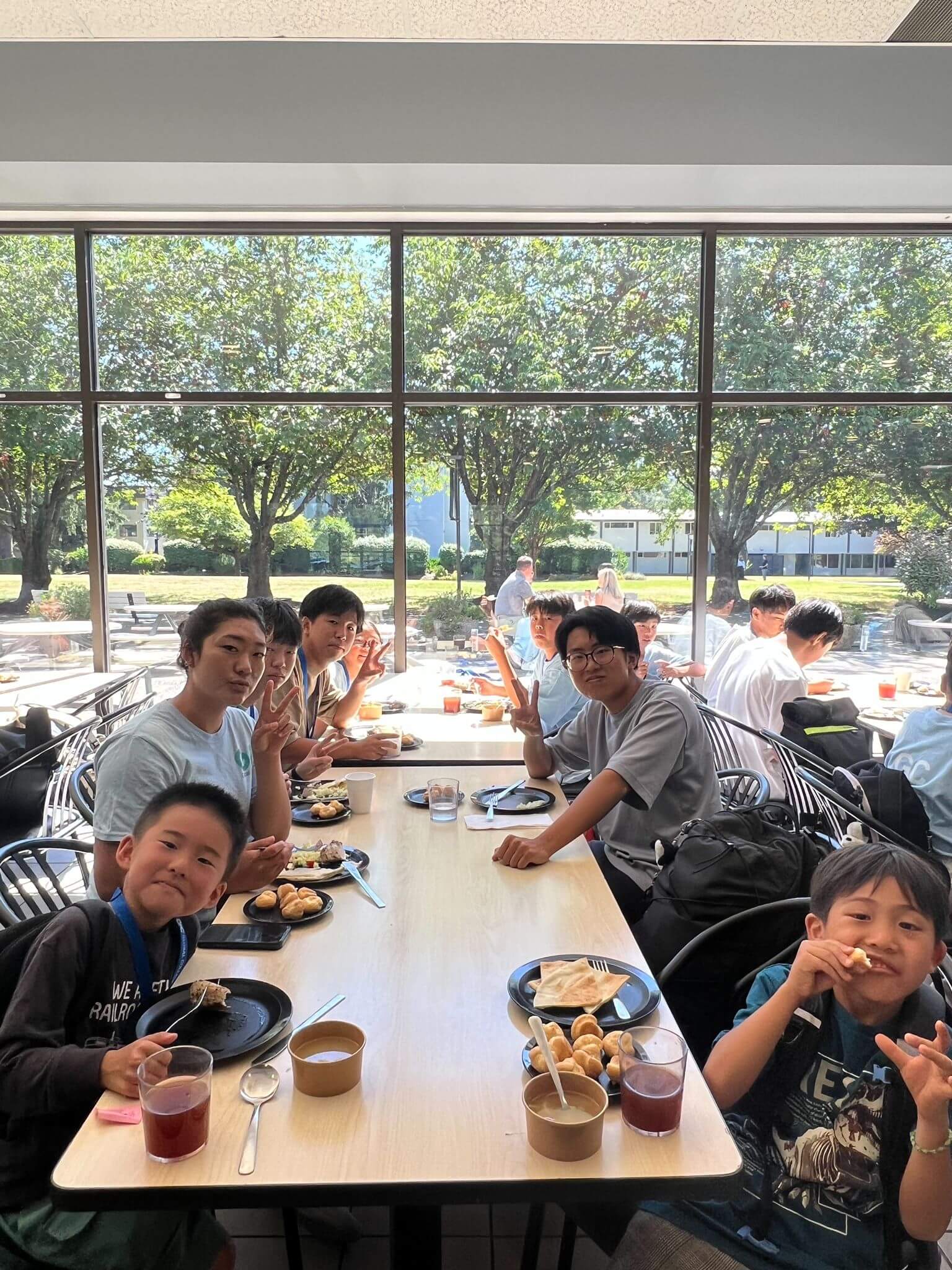
Global College Summer Camp, CGK AS G1 Aoba
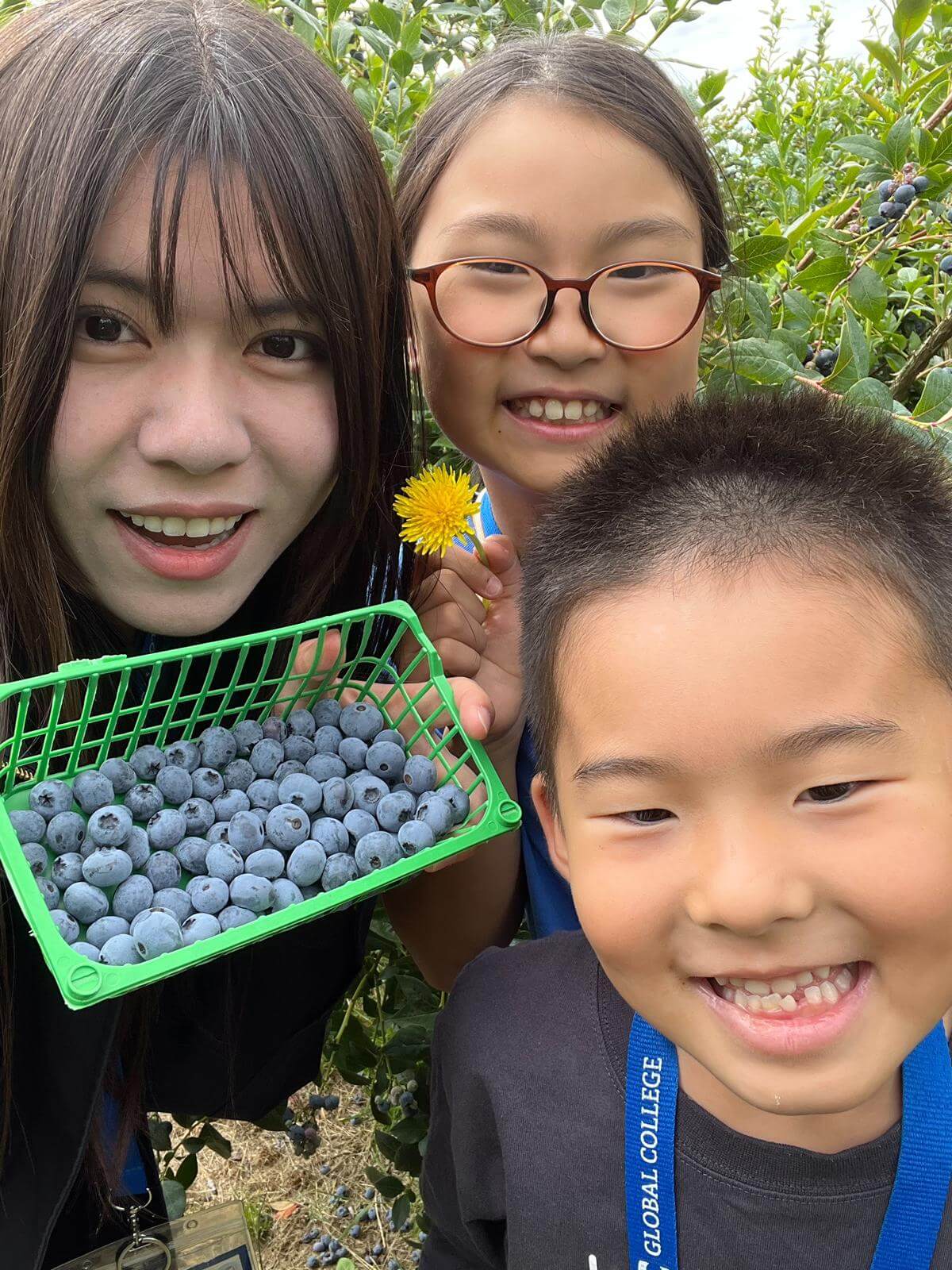
Global College Summer Camp, CGK AS G1 Aoba
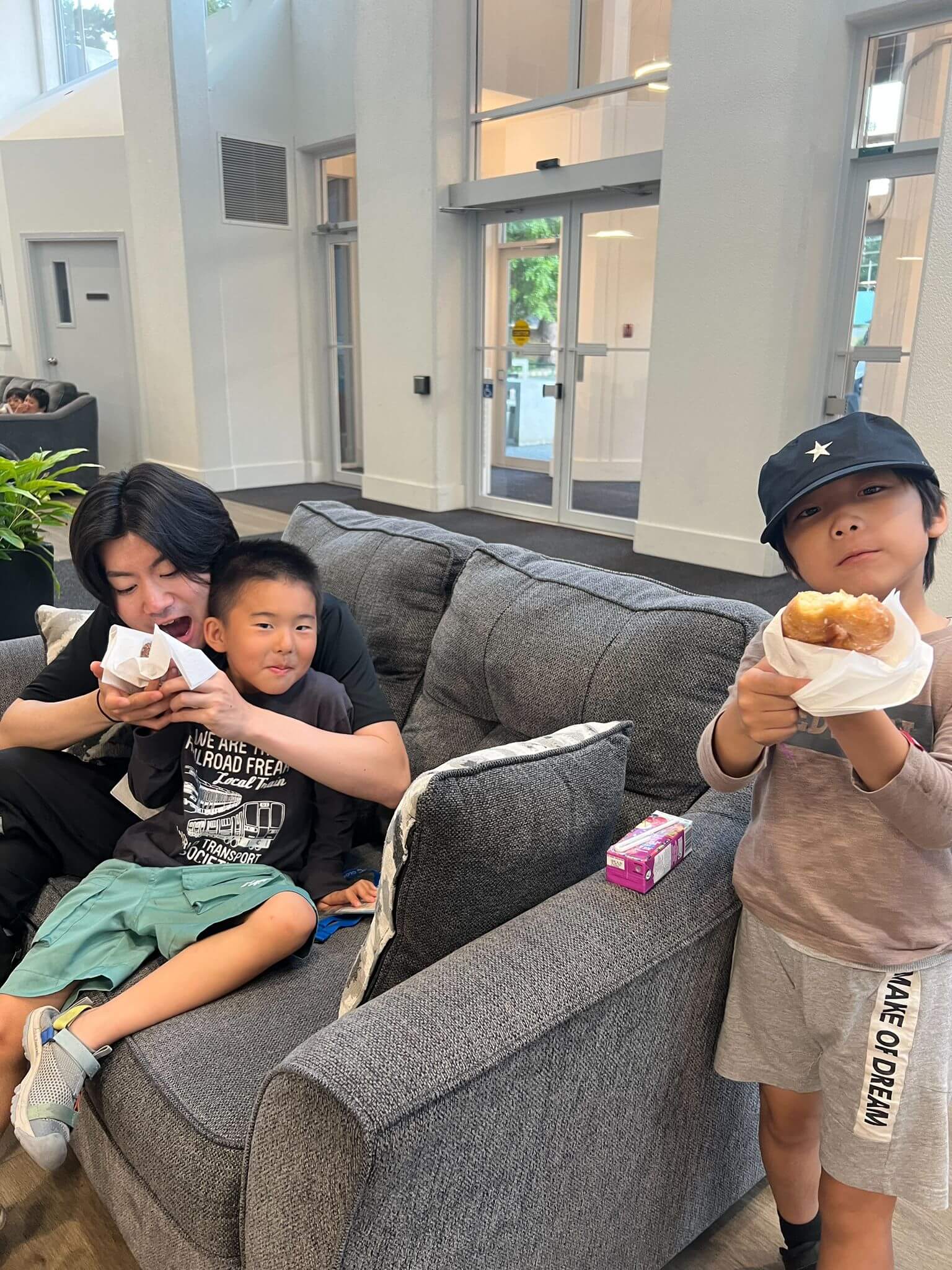
Global College Summer Camp, CGK AS G1 Aoba
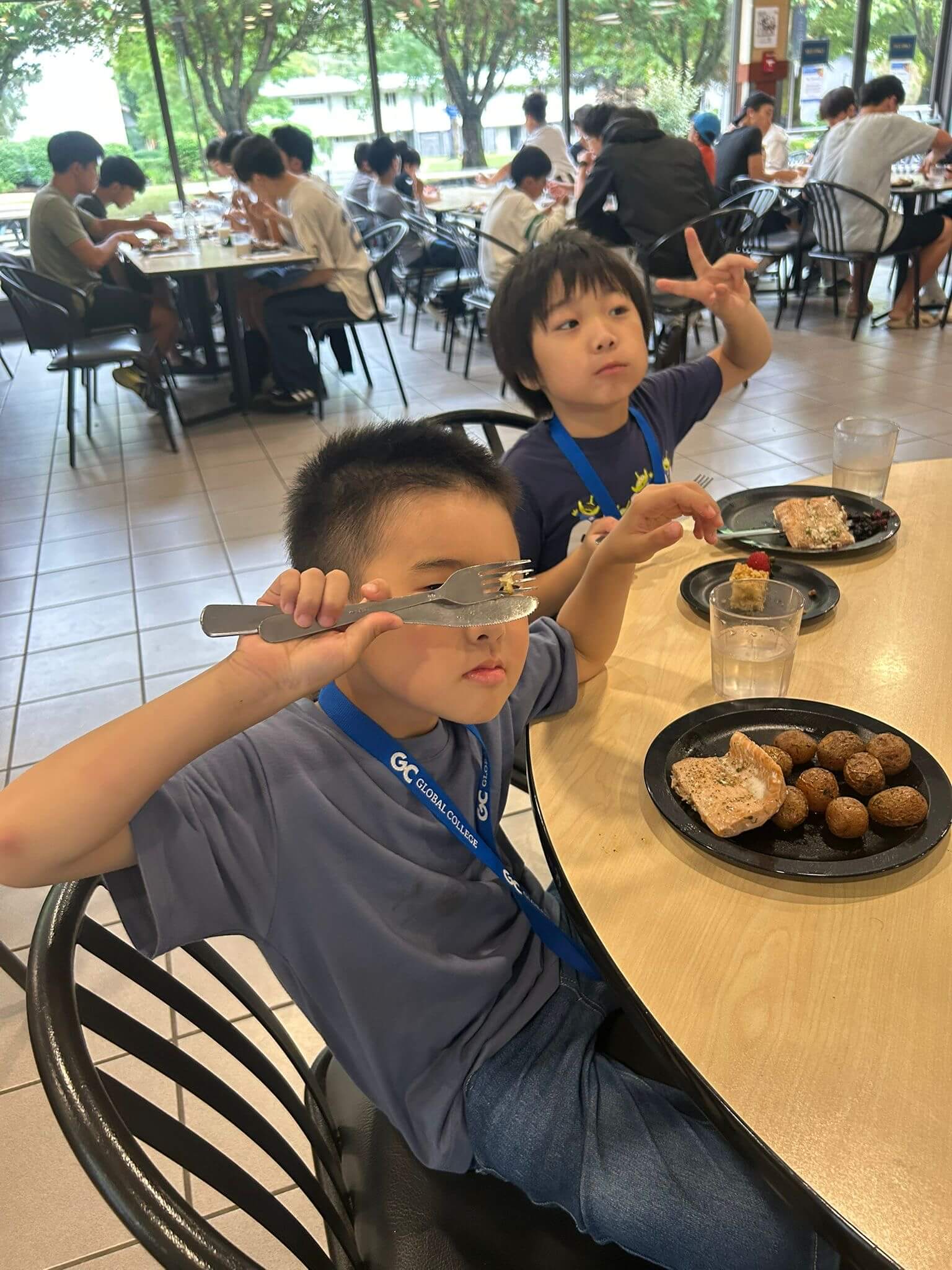
Global College Summer Camp, CGK AS G1 Aoba
New Zealand
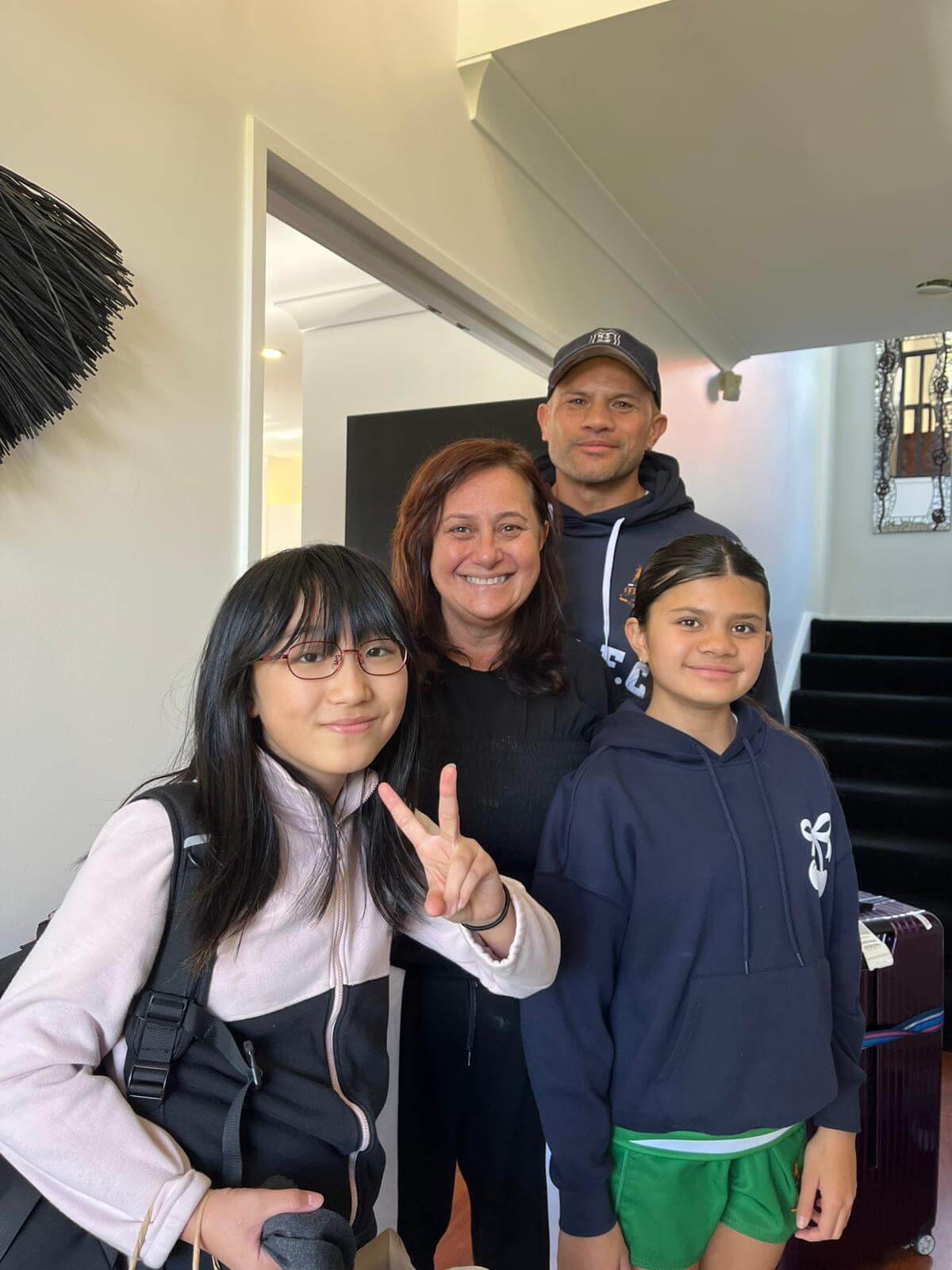
Belmont Intermediate School (公立中学校) CGK G6 Yuina
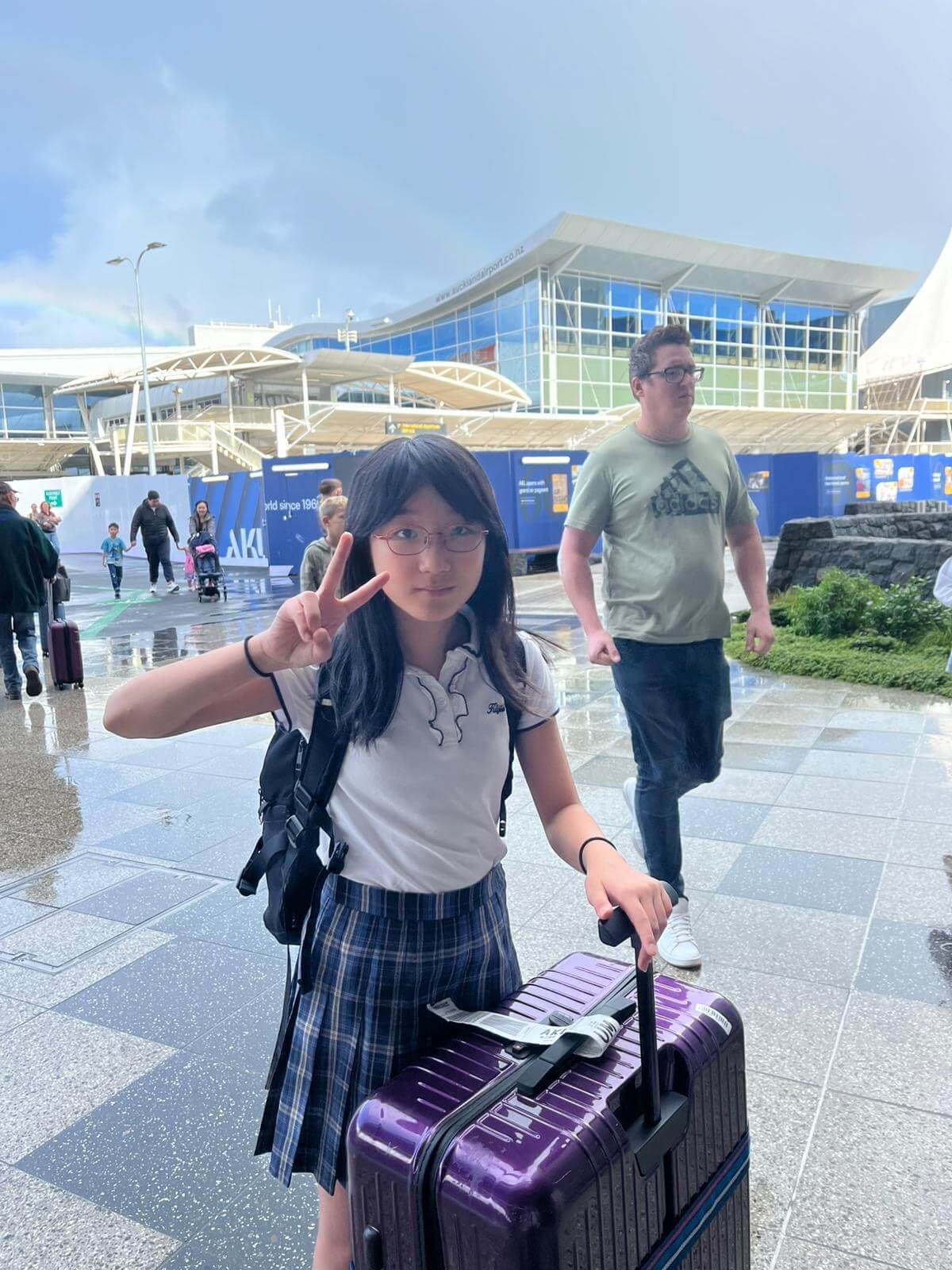
Belmont Intermediate School (公立中学校) CGK G6 Yuina
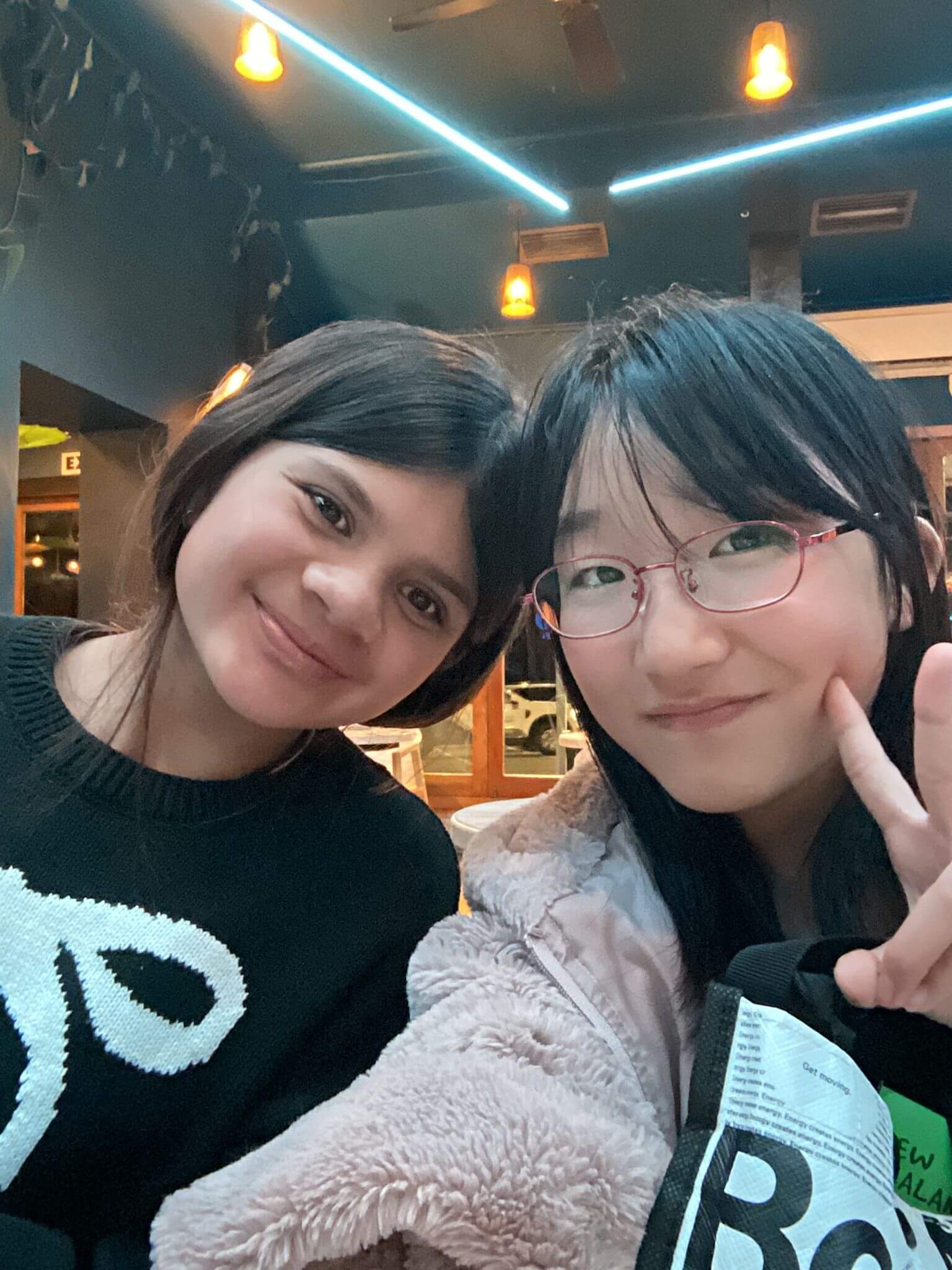
Belmont Intermediate School (公立中学校) CGK G6 Yuina
In 2025, a total of 24 CGK students have already participated in or are scheduled to join overseas study abroad programs.
This summer’s short-term study abroad programs were a great success, with solo and parent–child opportunities realized in Australia, New Zealand, and Canada.
✦Highlights of This Summer
- A CGK Preschool graduate and current After-School Grade 1 student achieved a solo study abroad in Canada!
- A CGK Elementary Grade 1 student became the first to study abroad at an IB PYP school in Australia!
- A Grade 7 student began their solo long term study abroad journey!
Through these challenges, each student broadened their horizons and returned with greater self-confidence.
Study Abroad Destinations:
- Australia
St. Paul’s School (Private all-through school)
Essendon North Primary School (Public primary school, IB PYP)
Ipswich Girls' Grammar School (Private all-through girls' school)
Browns English Language School (Language school)
Guardian Childcare & Education South Melbourne (Childcare centre) - New Zealand
Belmont Intermediate School (Public middle school) - Canada
Global College Camp
Assumption College Catholic Middle School (Public middle school)
St. James Catholic Elementary School (Public primary school)
At CGK, we will continue to value each child’s unique challenge, carefully supporting them with safe and suitable study abroad options tailored to their needs and duration.
On October 6, one of this summer’s destinations — Belmont Intermediate School in New Zealand — will be visiting CGK!
A special information session will be held by their local coordinator. Don’t miss this opportunity!
Study Abroad Highlights (Video)
-
[Study Abroad in NZ] Owairoa Primary School
-
[ES Solo Study Abroad in NZ] Gulf Harbour School
-
[Study Abroad in NZ] Owairoa Primary School (5 year olds)
-
[ES Solo Study Abroad in Canada] Summer Camp in Vancouver
Currently recruiting participants for study abroad programs
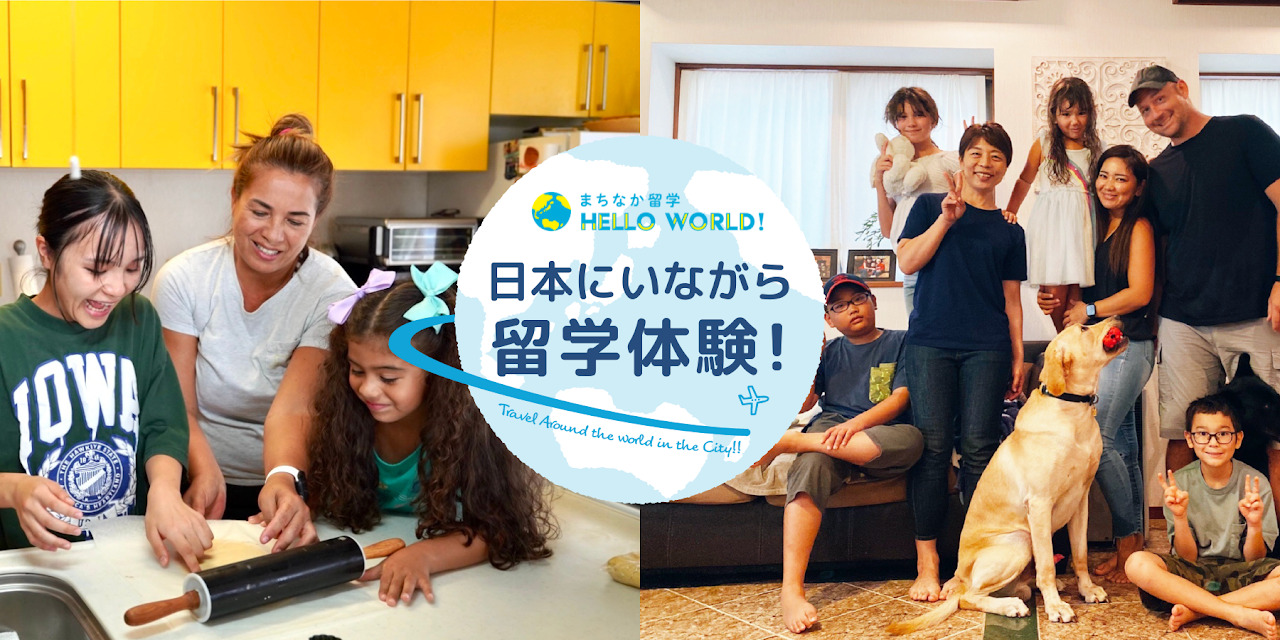


- Throughout the year (on weekends or during long breaks, either for day trips or overnight stays)
- You can experience a homestay with a foreign family residing in Japan.
- Deadline: Approximately one month prior to your desired dates
- For details/application, please contact Mayu at the Office.
Accepting short-term international students from overseas - Wanted host families
-

-
CGK has a positive stance on accepting international students from abroad with a view to encouraging multicultural cooperation. Students from different cultures and backgrounds can interact with and help each other at CGK, bringing rich diversity to the classroom. This environment of diversity provides each student with a valuable opportunity to learn different viewpoints and increase mutual understanding.
At CGK, we believe that diversity improves educational development. By learning and working together, students from different backgrounds will grow into leaders with global perspective. In addition, experiencing diverse opinions and values will help them develop tolerance and empathy.
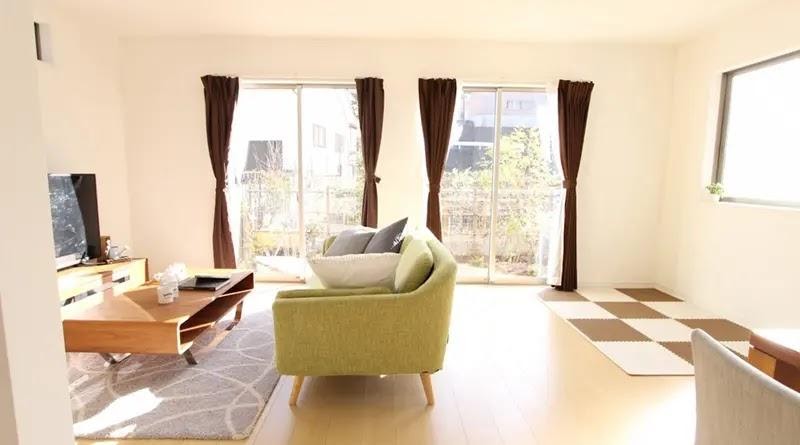
In order to create an environment conducive to hosting short-term students, we are looking for host families; if you are a CGK family interested in registering as a host family, please contact Mayu at the Office (Toddle is OK).
-
CGK Extra
Website Updates
Professional Development Day: Strengthening Our Practice as an IB Learning Community