







CGK Times
A global learning community for discovering
and pursuing your happiness
September 2026
Front Page & Features
CGK School Festival 2026
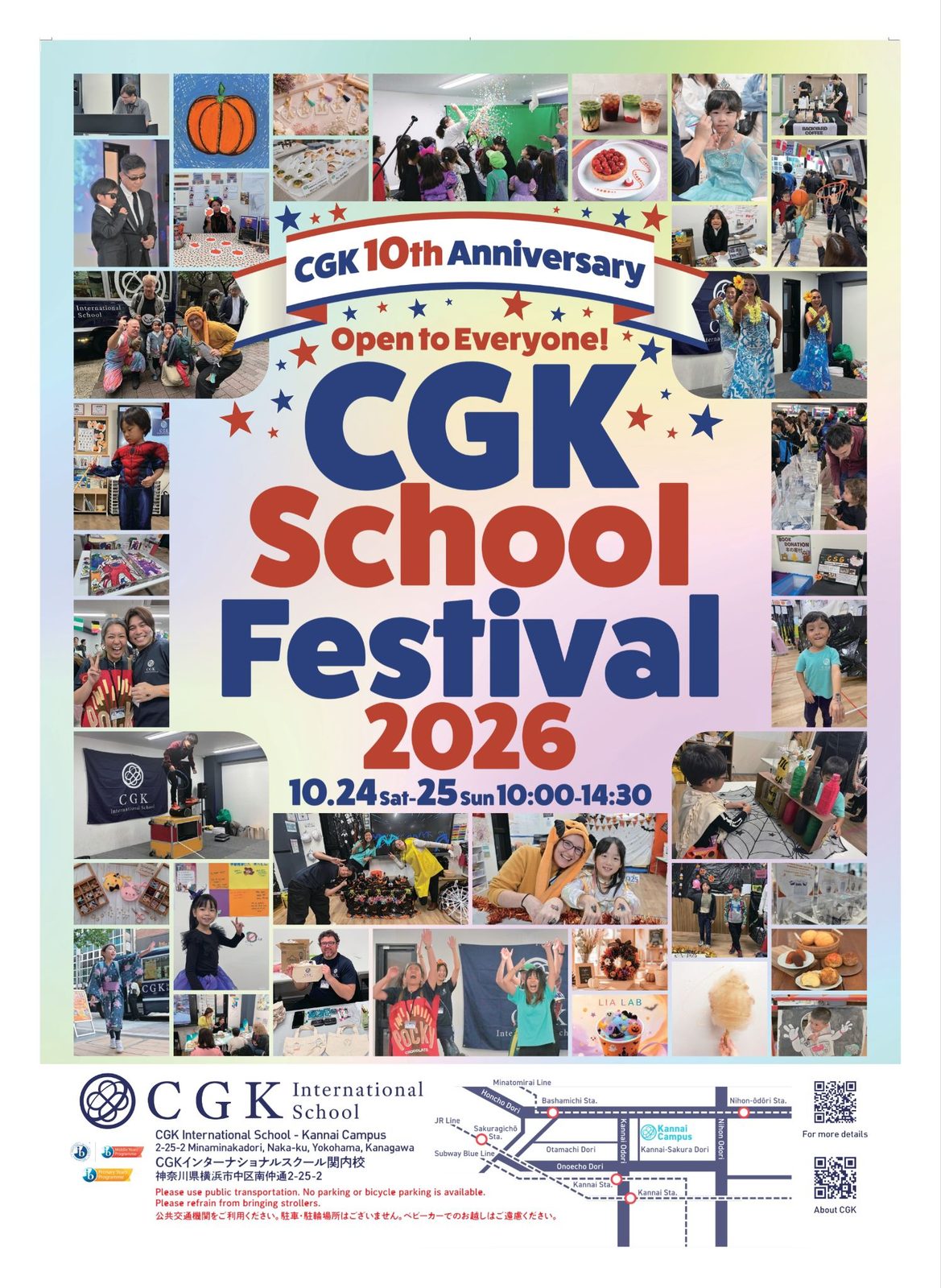
We're excited to announce this year's School Festival!
The School Festival is always special to CGK as it is the one event that brings together all our departments and the communities that are connected to them. As well, we receive a lot of support from groups and businesses from Yokohama which we truly appreciate. This year's School Festival is particularly special as we will also be celebrating CGK's 10th Anniversary! With so many reasons to celebrate, this year's School Festival has been expanded to over two days on Saturday 10/24 and Sunday 10/25; double the days, double the fun!
As always everyone is welcome to the School Festival so please bring your family and friends and join us for a lot of amazing events and performances as well as some great workshops and vendors providing food and drinks. Please check out the School Festival website for more information.
Also, if you are able to help us display the School Festival flyers or posters, please let us know by completing this Google Form. Your help and assistance is greatly appreciated!
We look forward to you joining us at School Festival 2026!
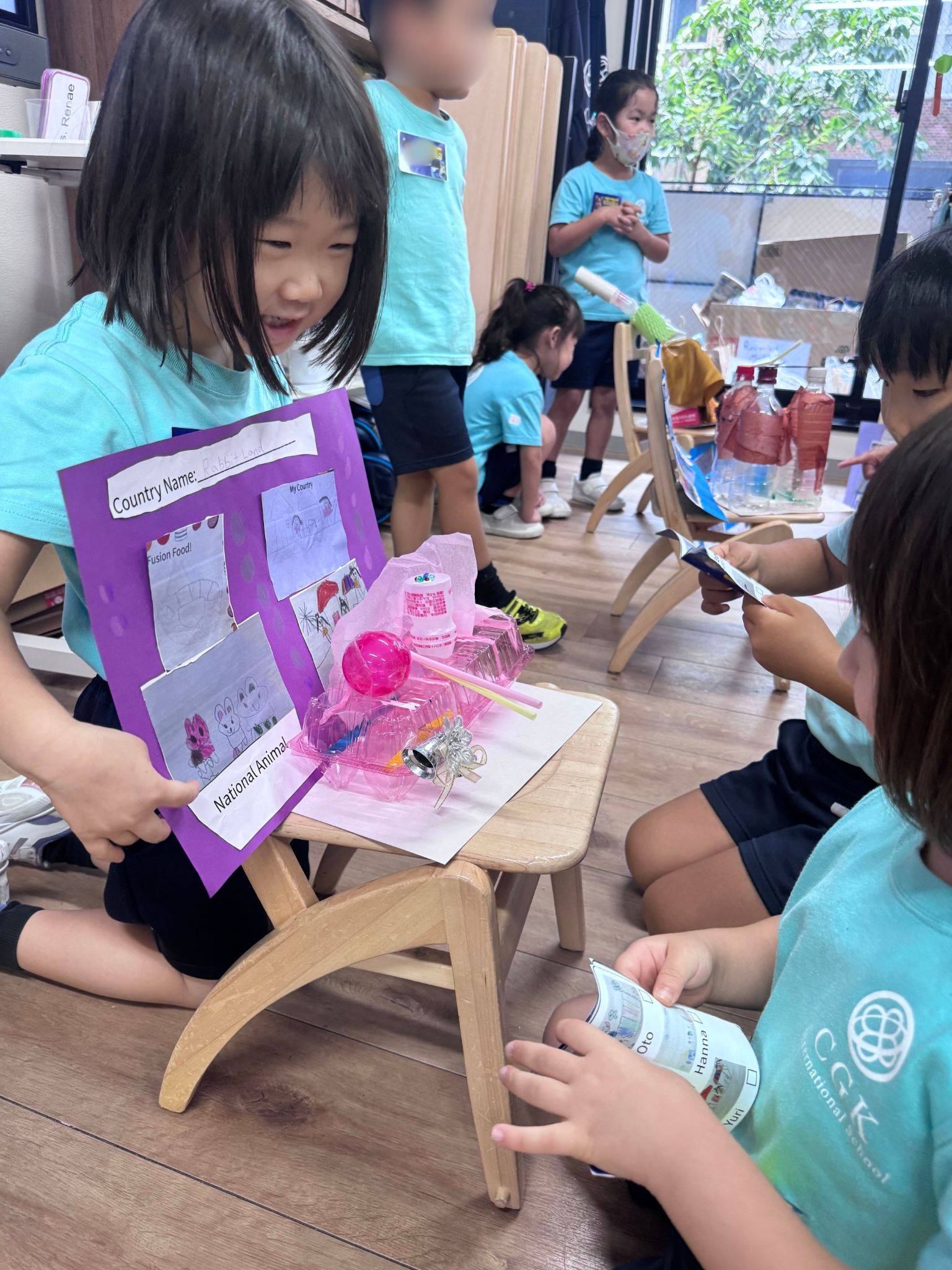
Preschool
CGK Awards
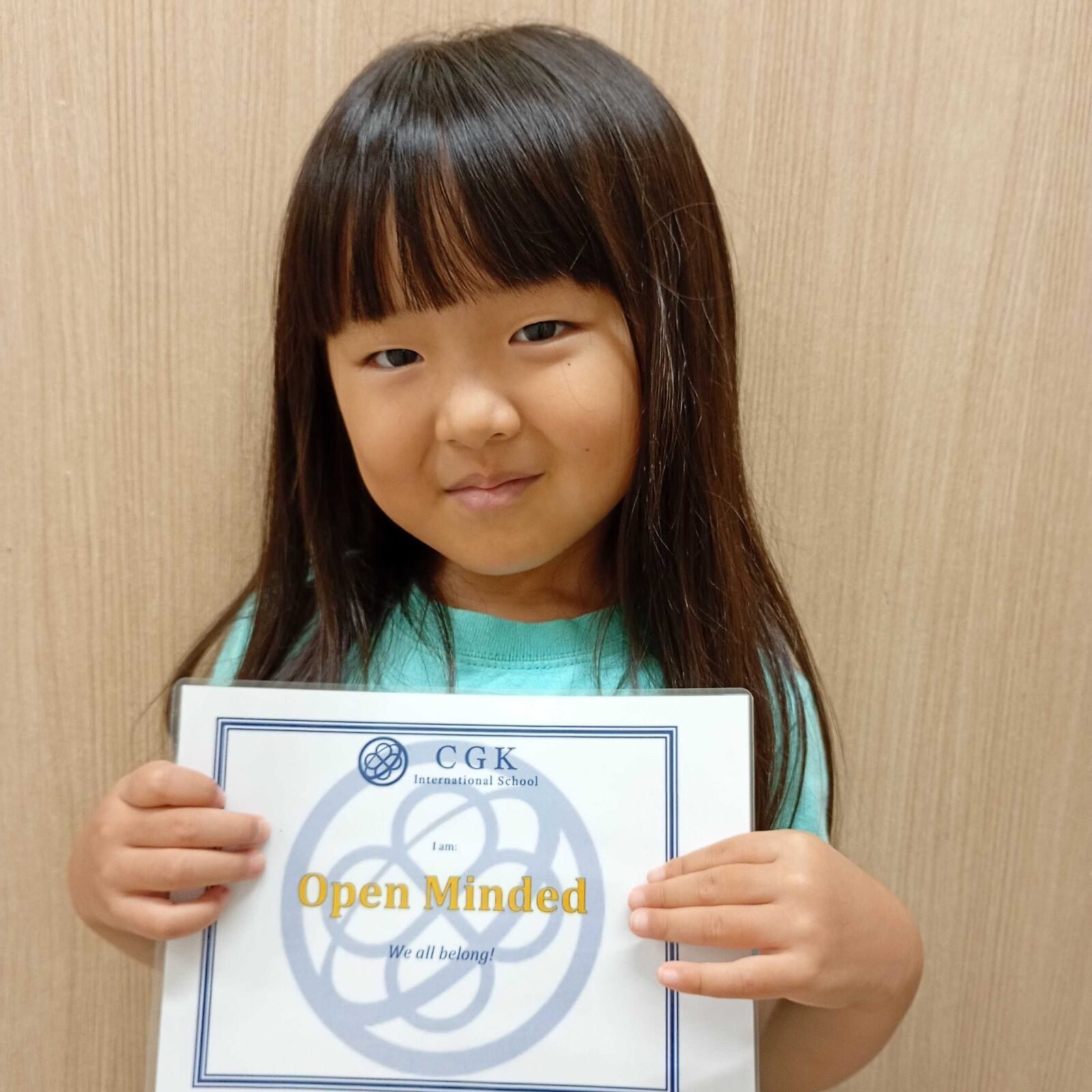
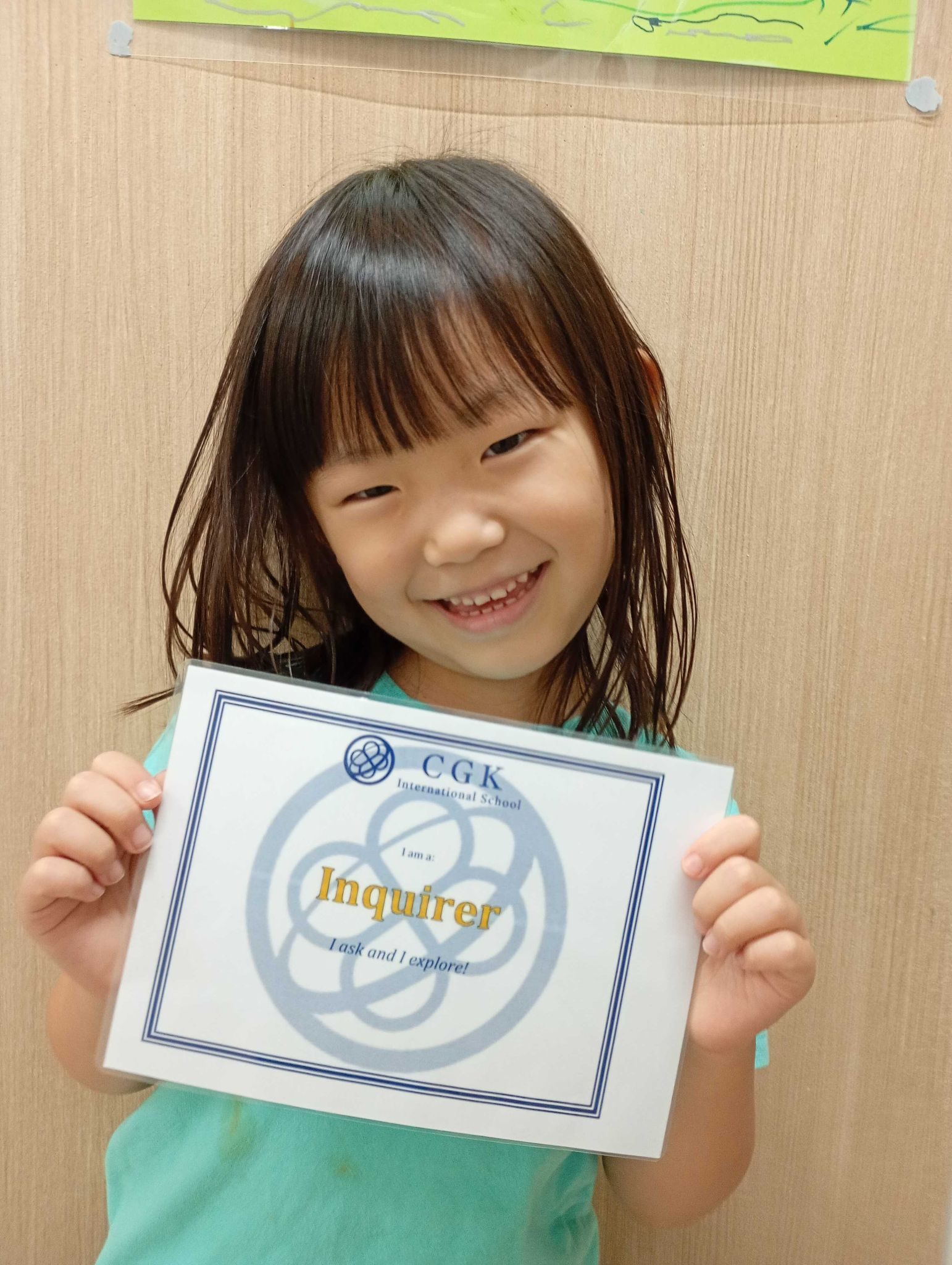
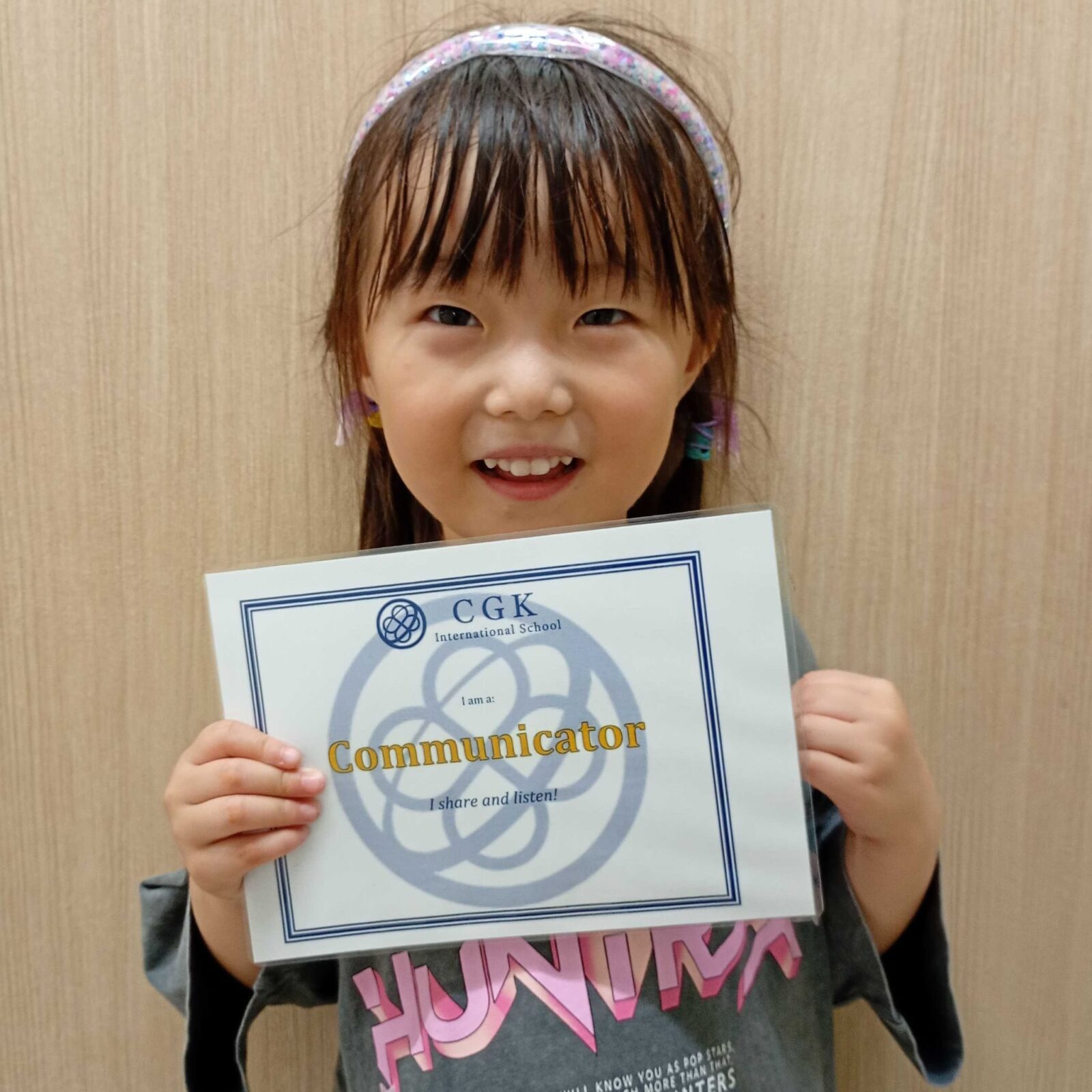
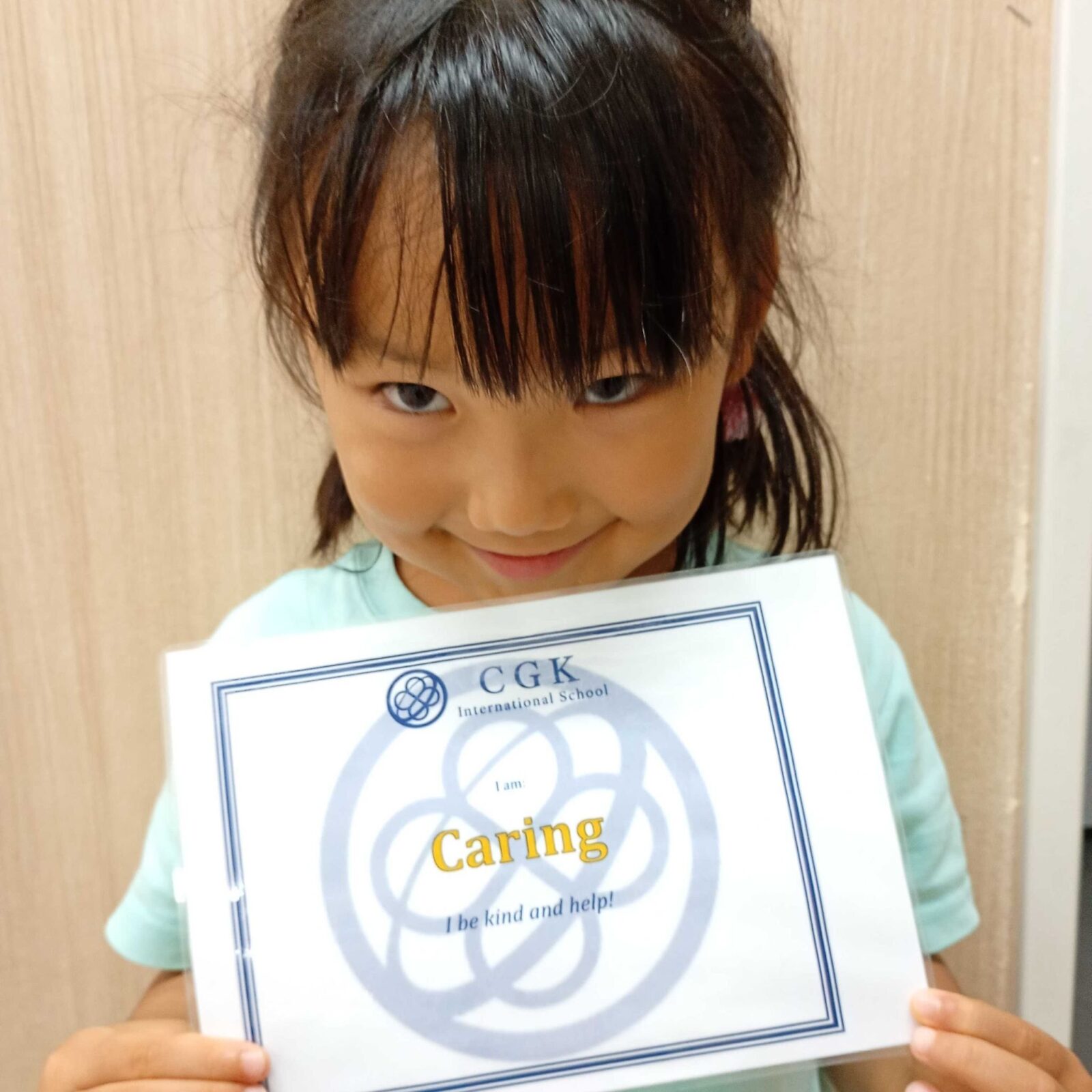
Welcome to the world renowned, highly respected, and much revered CGK Awards! Each month we would like to highlight the children from each class who have displayed qualities that are part of the IB Learner Profile. These are qualities that we want our children to have and to share with the world. With that, the recipients of this month's CGK Achievement Awards are:
Jungle A (3-year-olds)
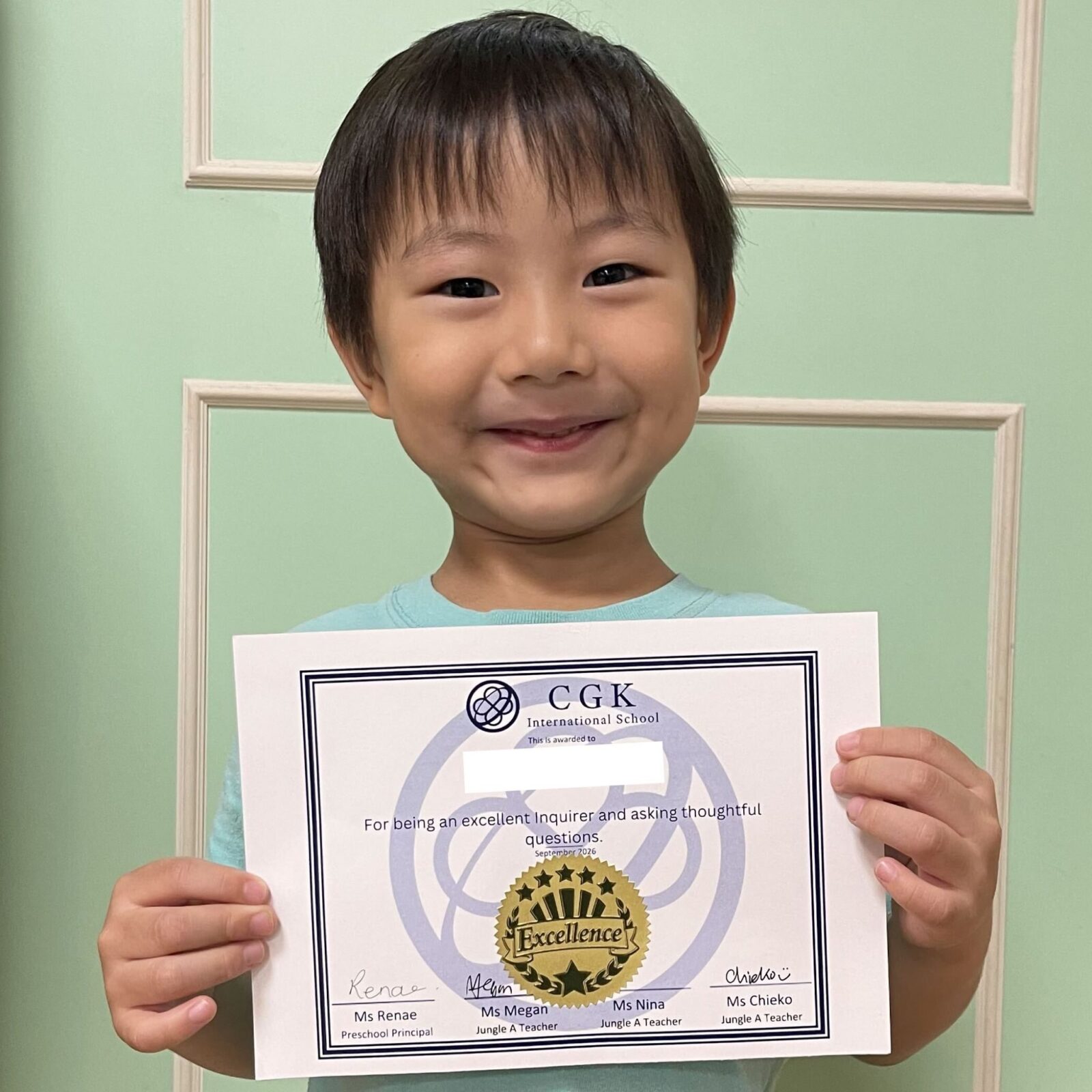
- E. - For remembering information about her friends and teachers!
- L. - For asking amazing questions during Circle Time
Jungle B (3-year-olds)
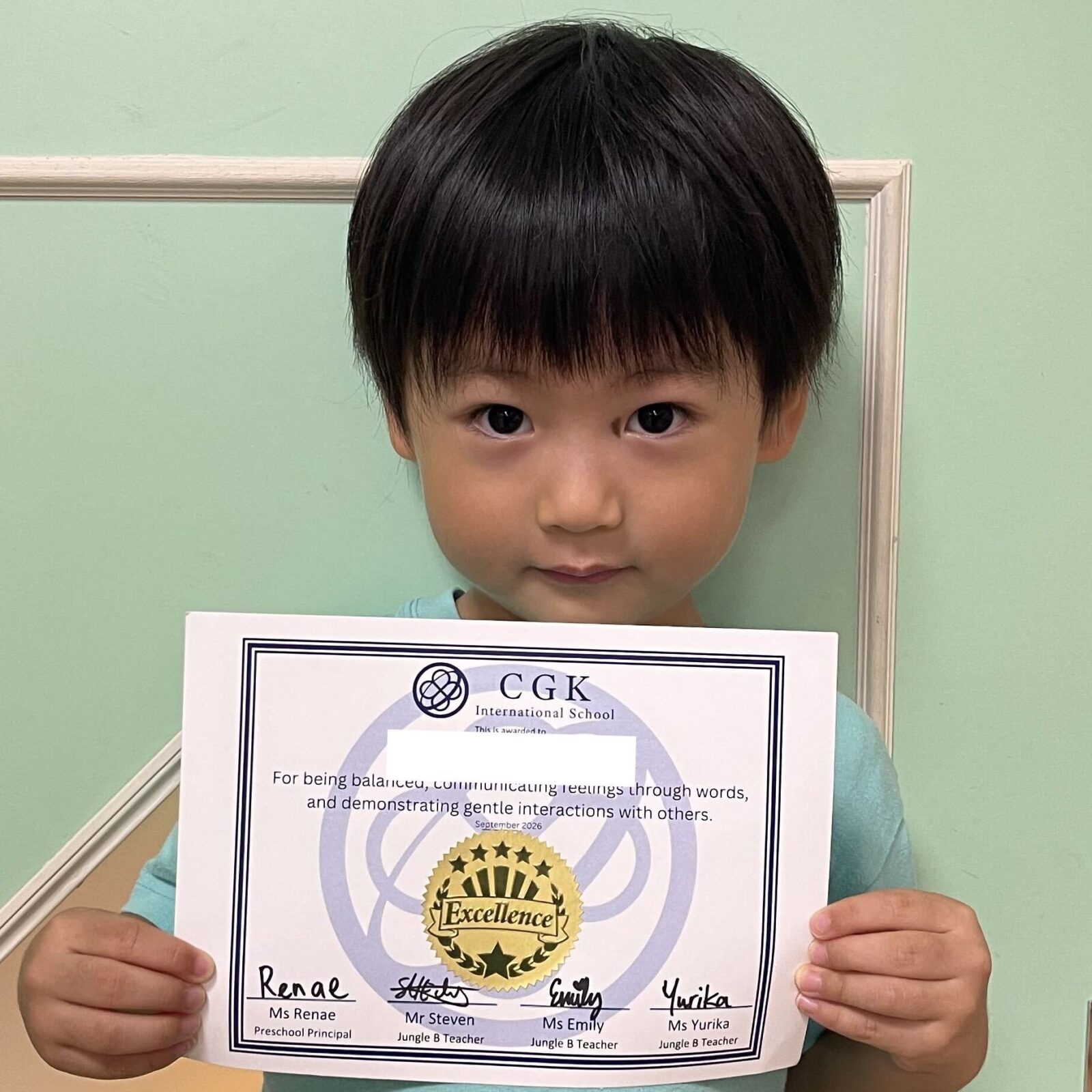
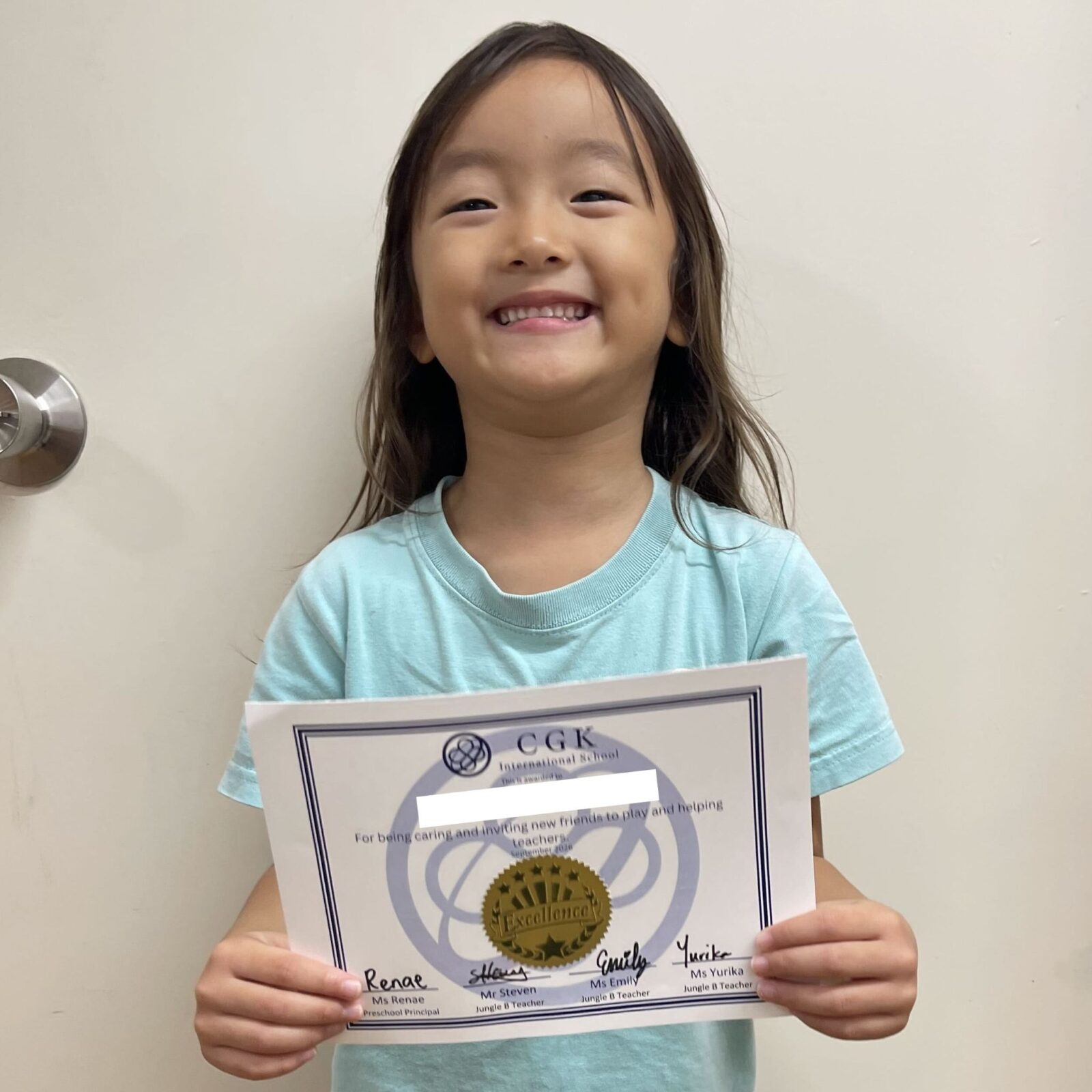
- L. - For inviting new friends to play with her and for helping teachers.
- T - For being balanced by communicating his feelings through words and demonstrating gentle actions through words.
Mountain A (4-year-olds)
- Y. - For asking insightful questions, eagerly diving into classroom quizzes, and always seeking to discover how the world works.
- M. - For expressing your needs, asking for help, and embracing new routines like using the bathroom independently.
Mountain B (4-year-olds)
- E. - For showing communication skills, engaging positively with her classmates, and building new friendships.
- M. - For being a kind and caring friend who helps and supports new classmates.
Sky (5-year-olds)
- B. - For carefully considering how to express his ideas using Hiragana.
- M. - For going out of her comfort zone to help her friends.
- T. - For always asking many questions during sharing time.
Sky (5-year-olds)
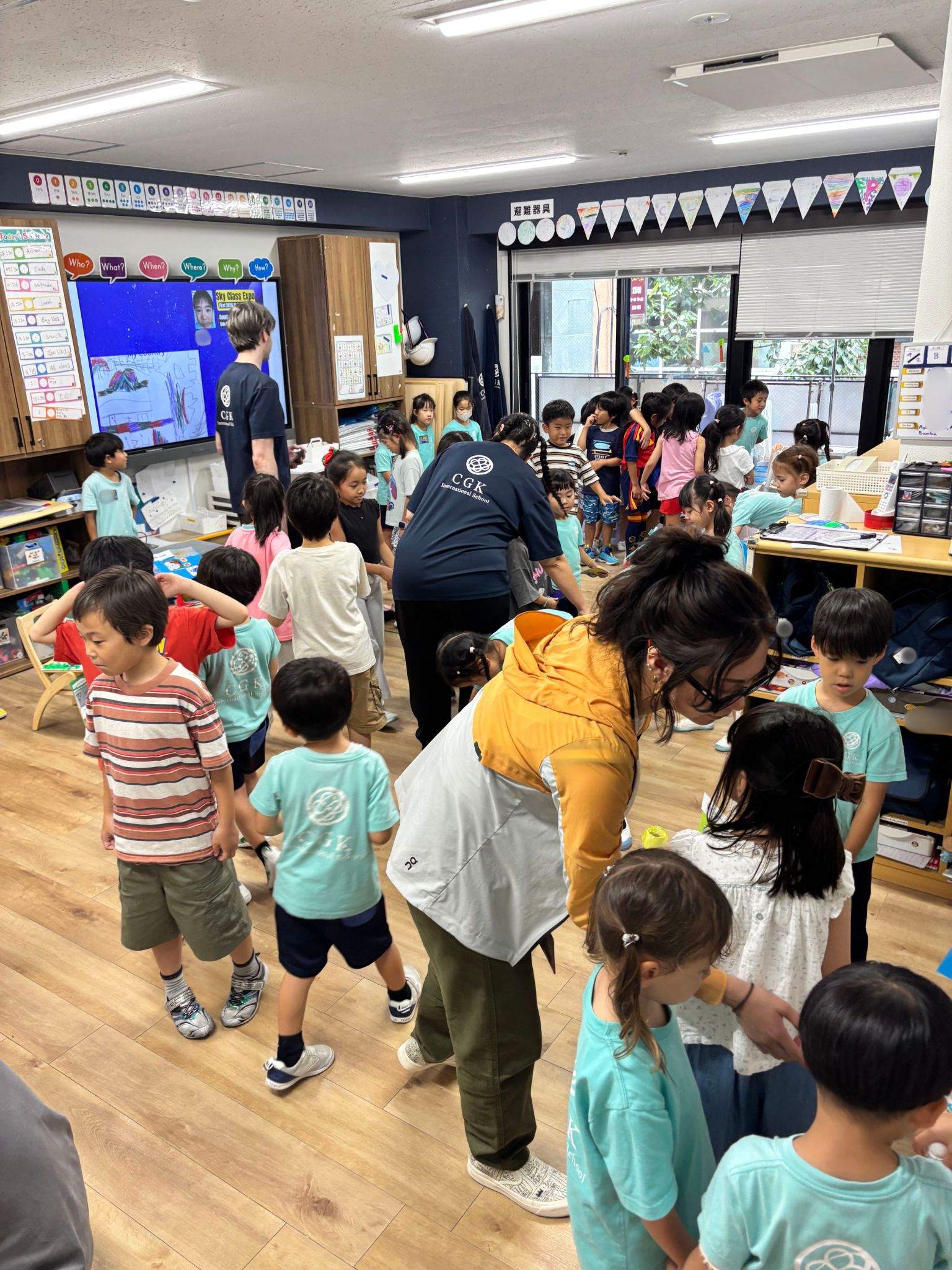
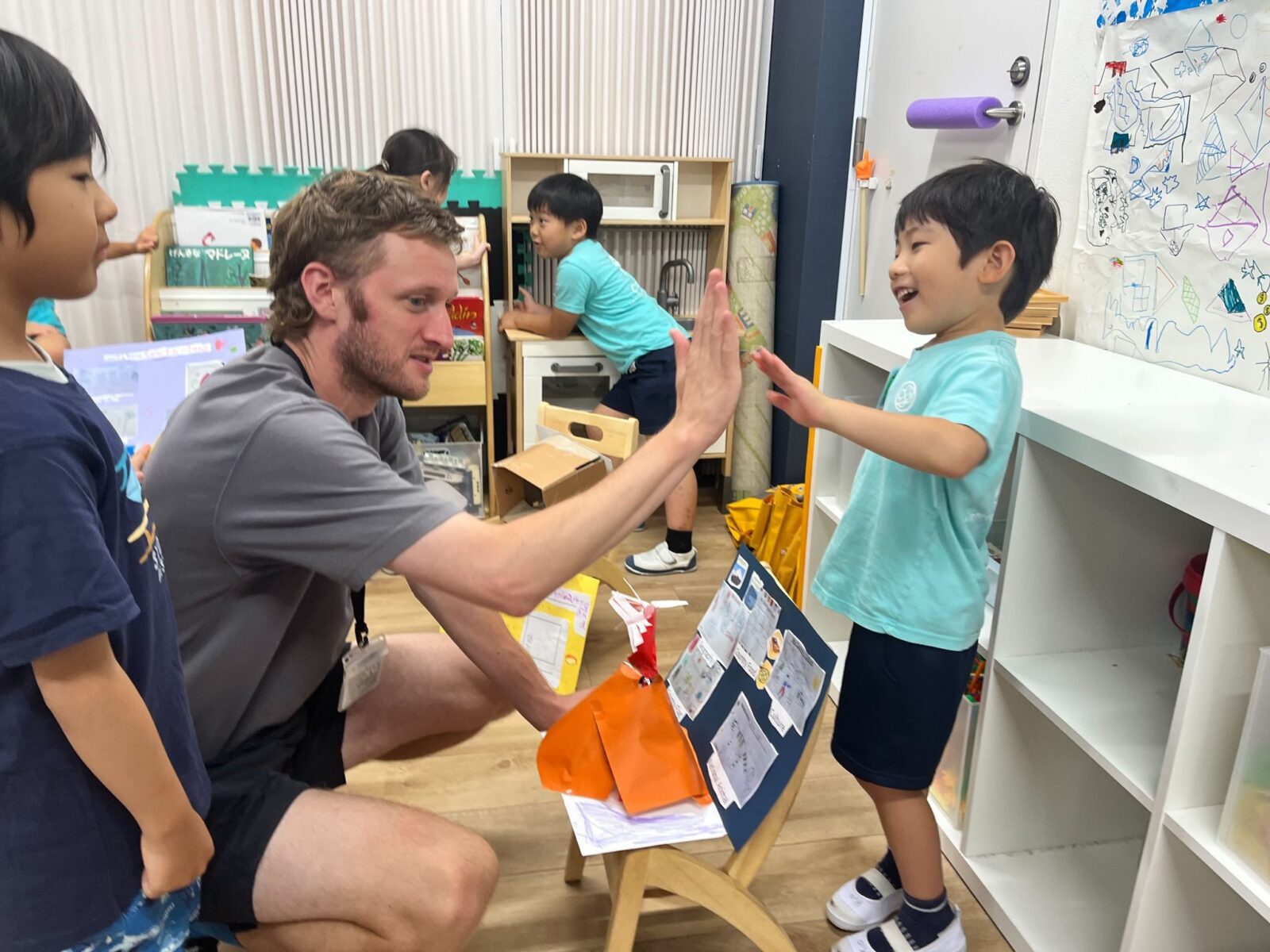
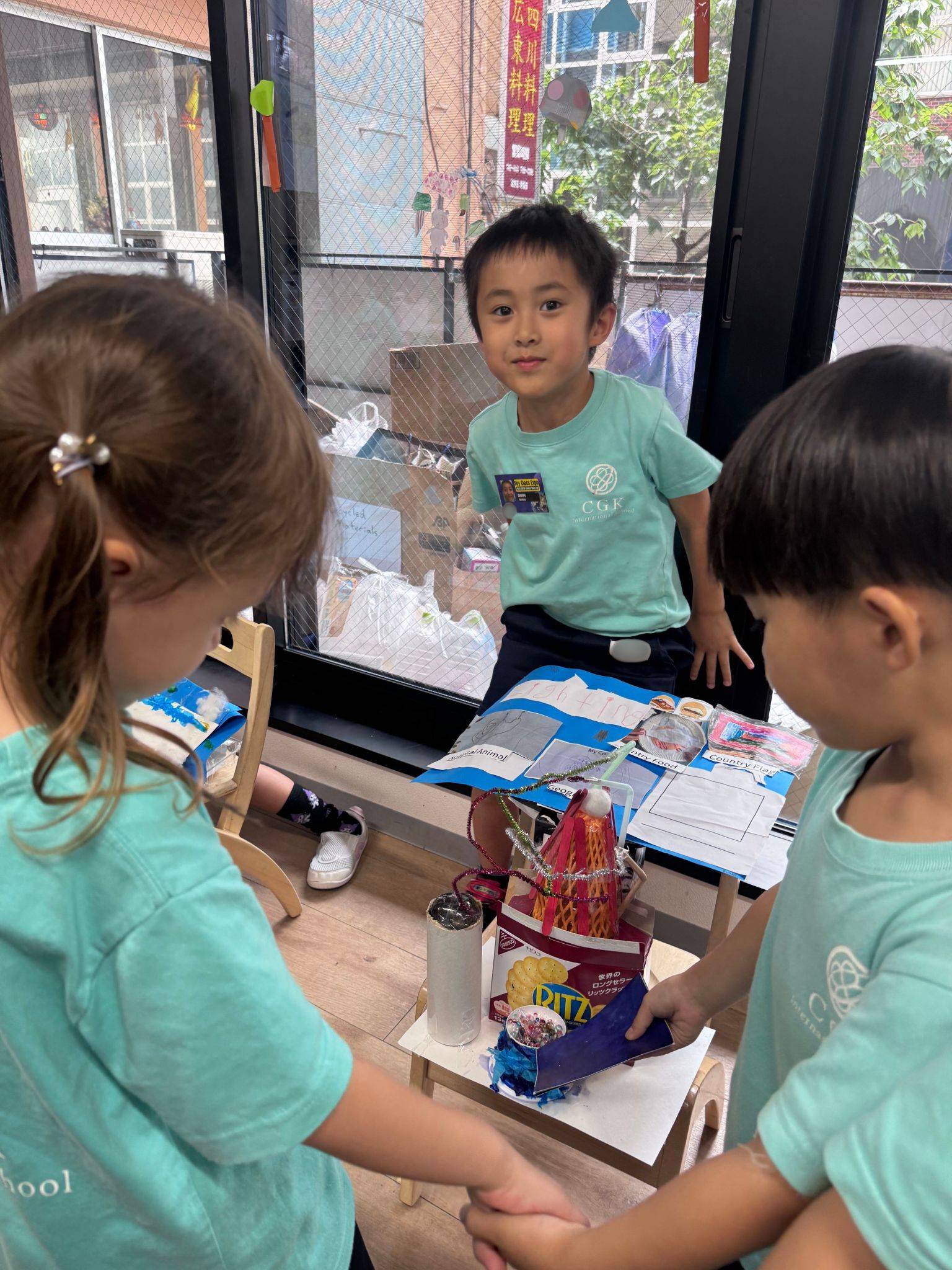
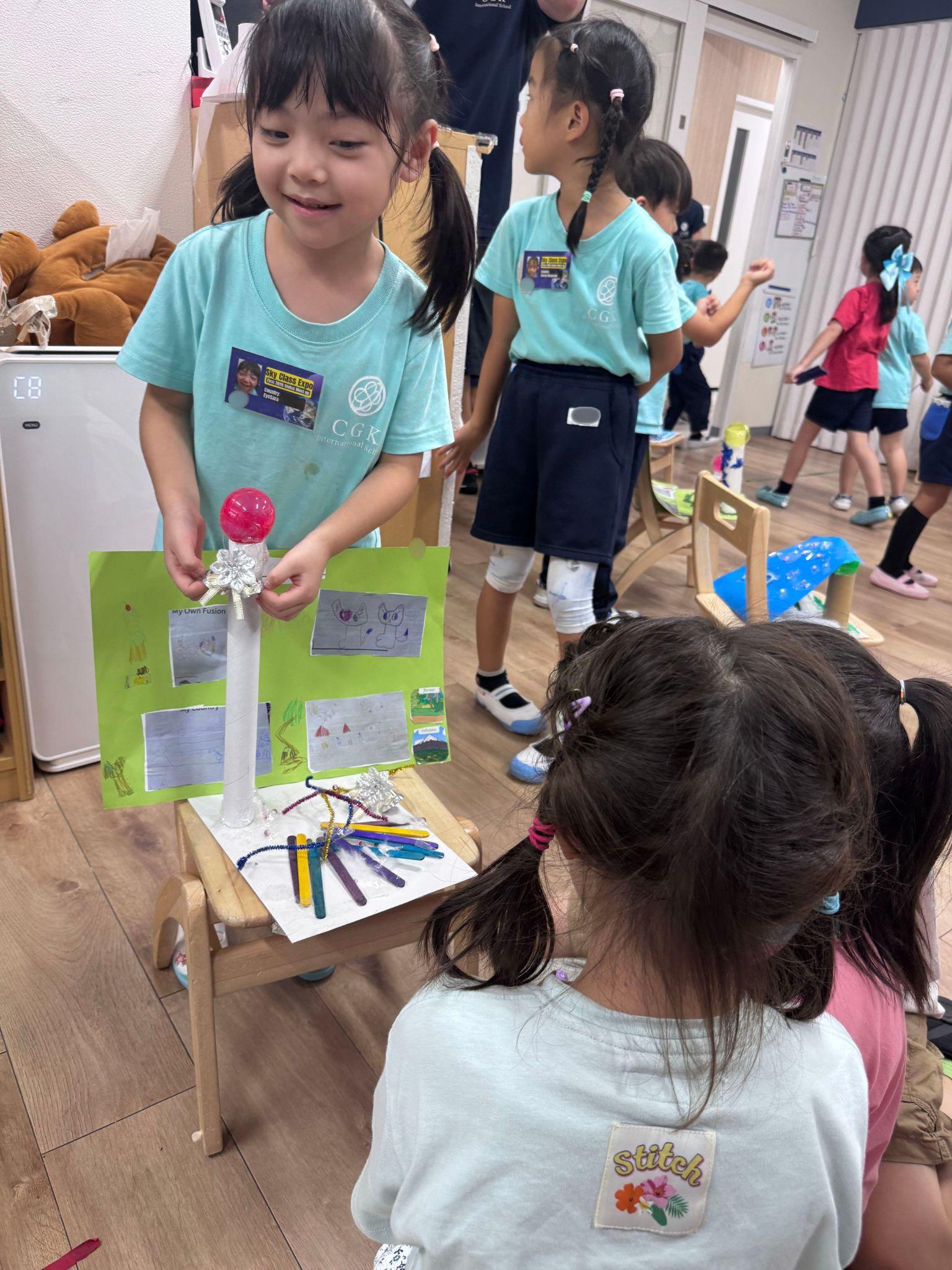
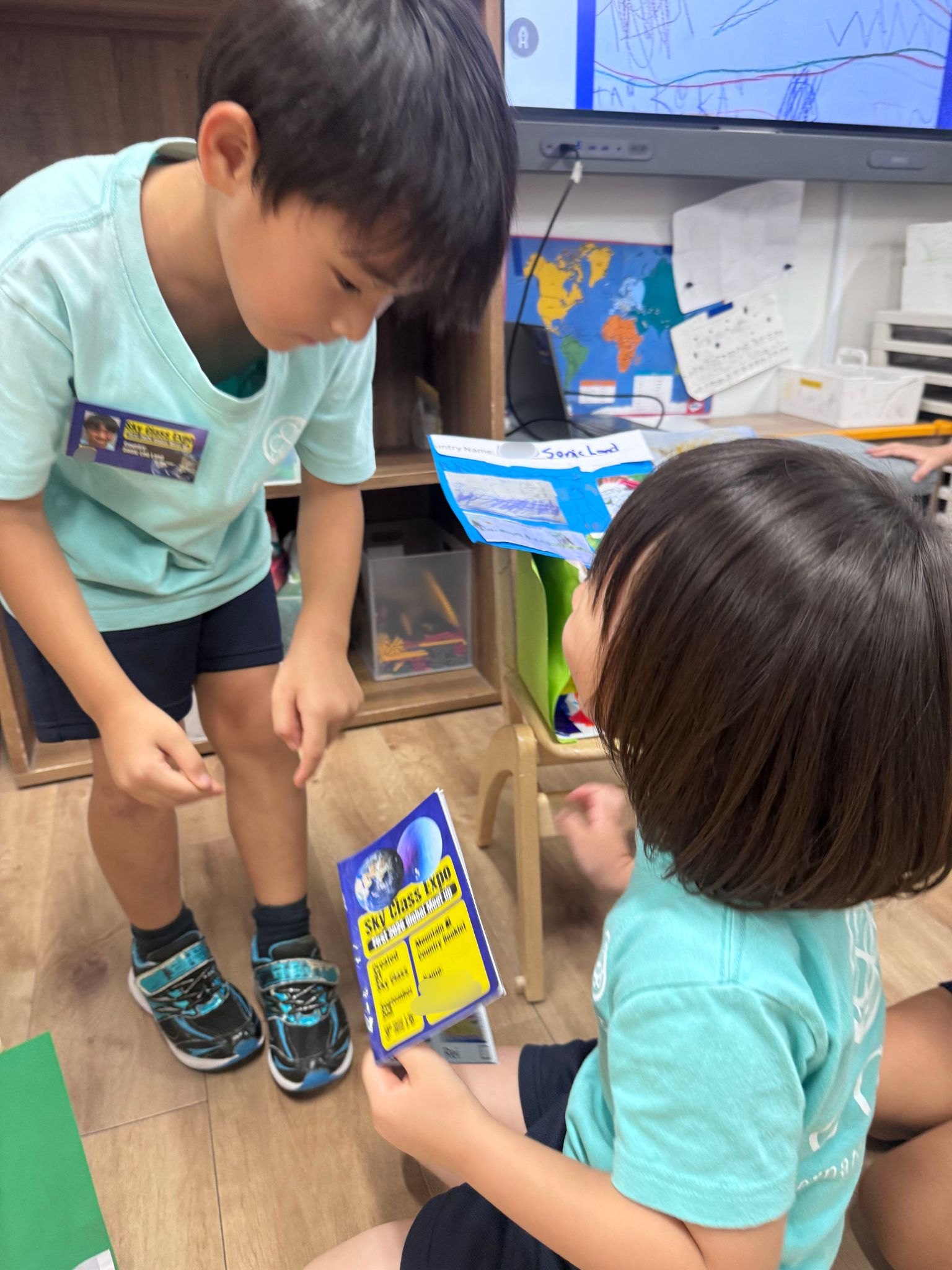
Sky Class Expo 2026!
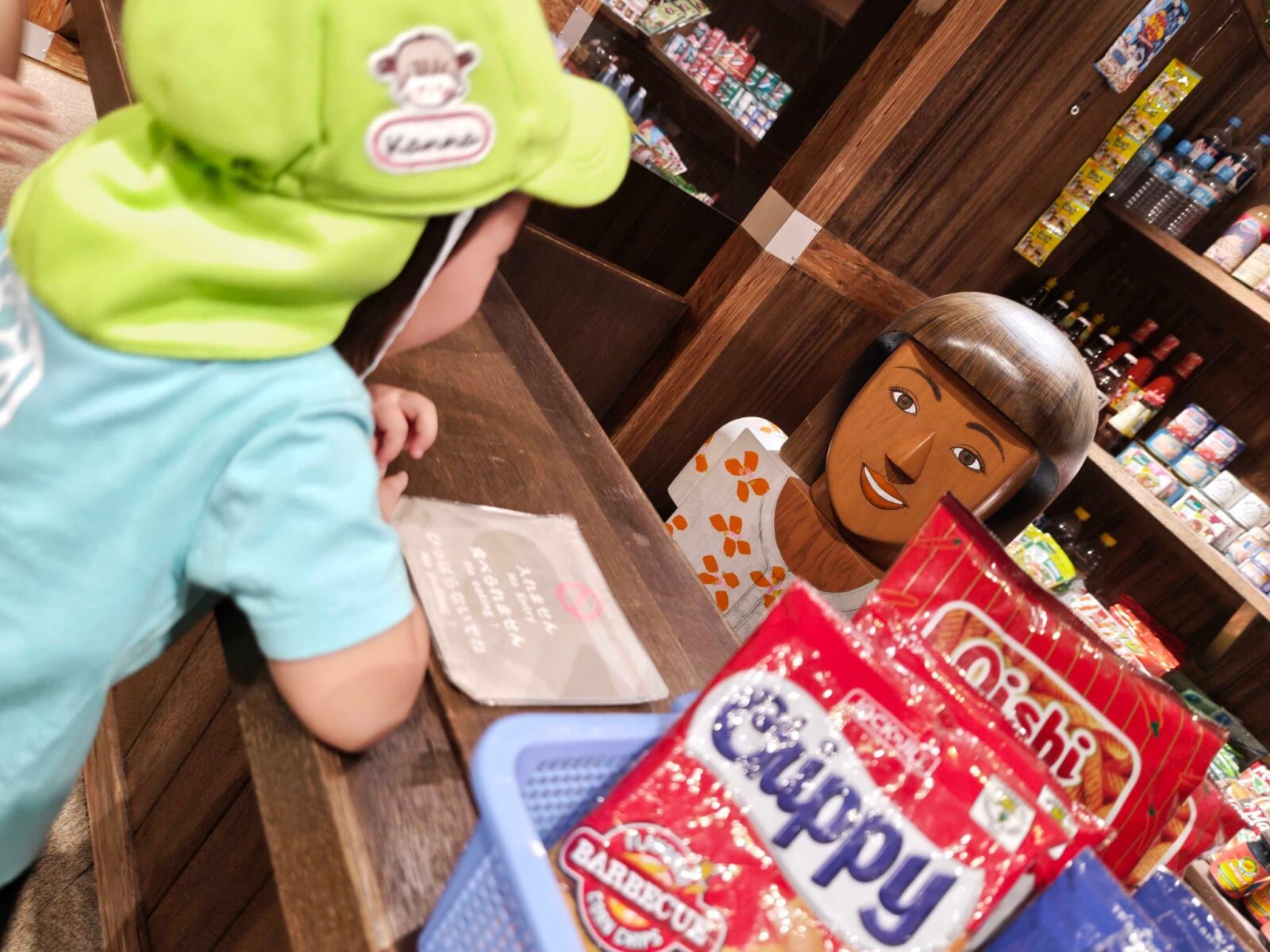
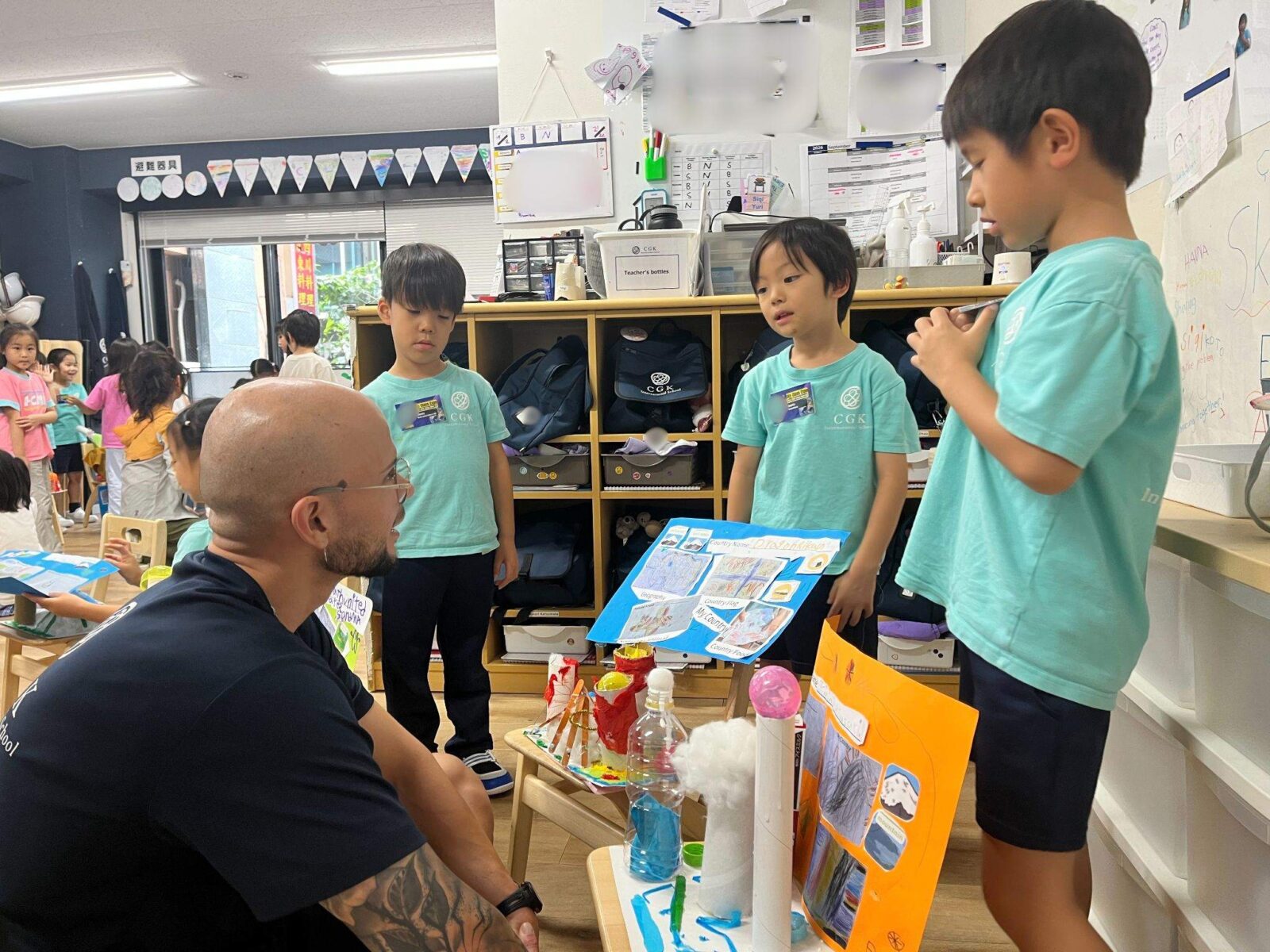
Where do we belong, and what makes a place unique? As part of our Where We Are in Place and Time Unit of Inquiry, the Sky students explored how geography, culture, people, animals, food, and traditions can contribute to the identity of a place.
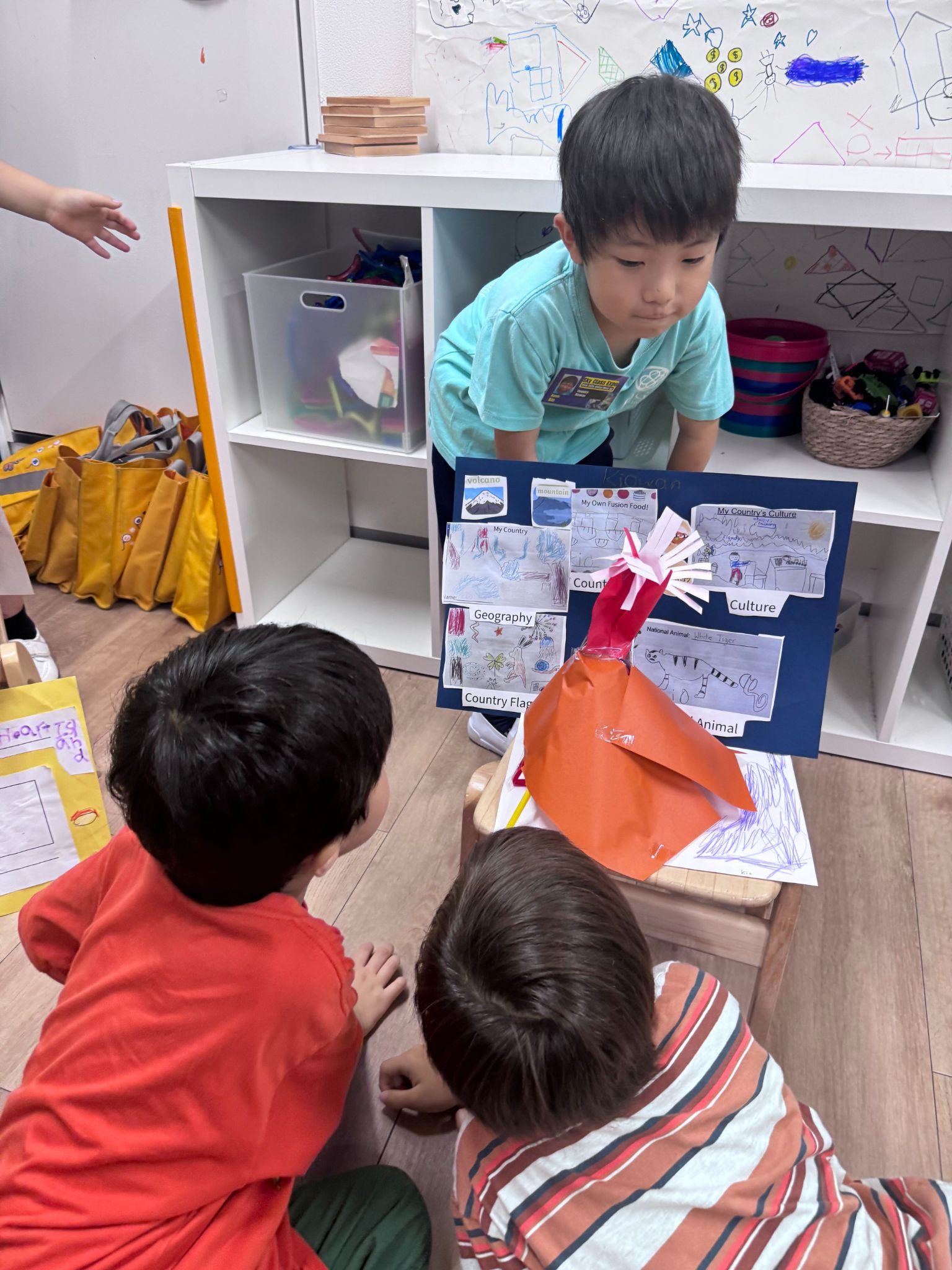
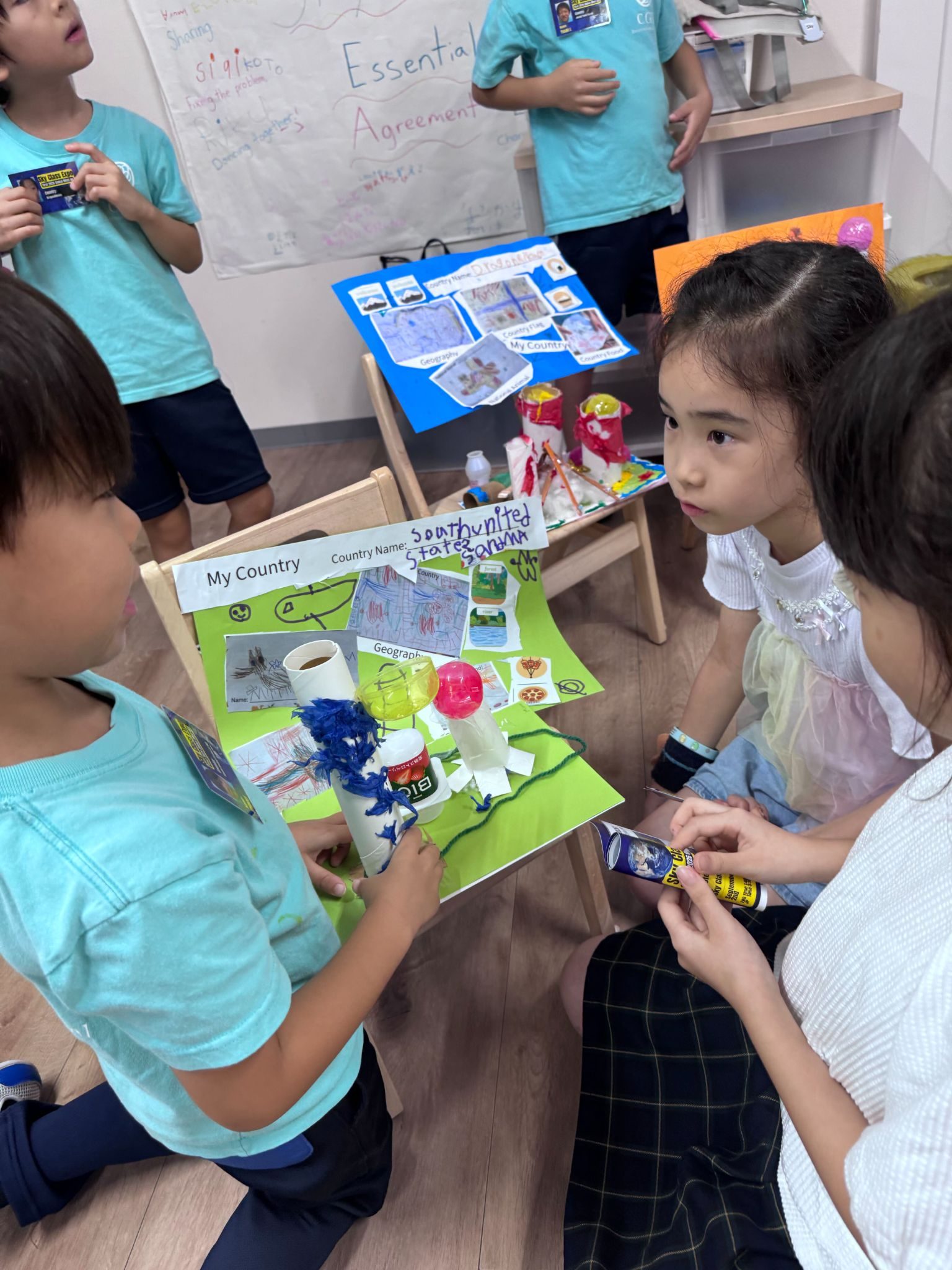
Throughout the unit, the students explored different countries and cultures, investigated how places have changed over time, and considered how migration and exploration can influence the development of cultures. They then used their learning to create their own unique countries, making decisions about their geography, national animals, food, culture, flags, clothing, and exports.
To bring their ideas to life, each student created a diorama representing their country. They carefully developed their ideas and made connections between the different features of their countries, creating places that reflected their own imagination and understanding.
The learning culminated in the Sky Class Expo, where students welcomed visitors from across the school and proudly shared their countries. They explained their ideas, answered questions, and had the opportunity to see how their classmates had interpreted the same concepts in completely different ways.
It was wonderful to see the Sky students take ownership of their learning and become the experts of their own countries!
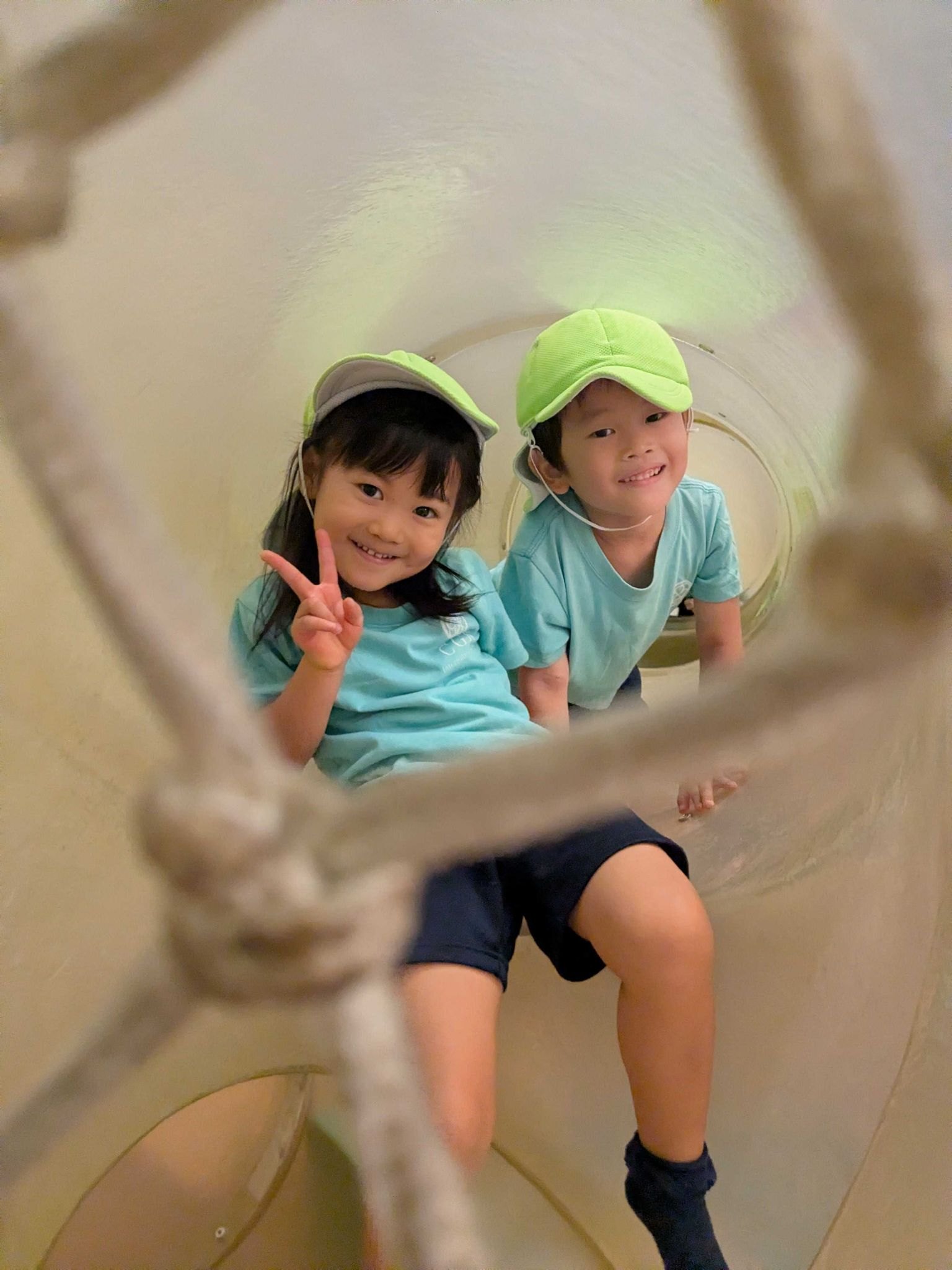
Discovering a Wider World Through Real Experiences: Field Trips to Earth Plaza and Haneda Airport
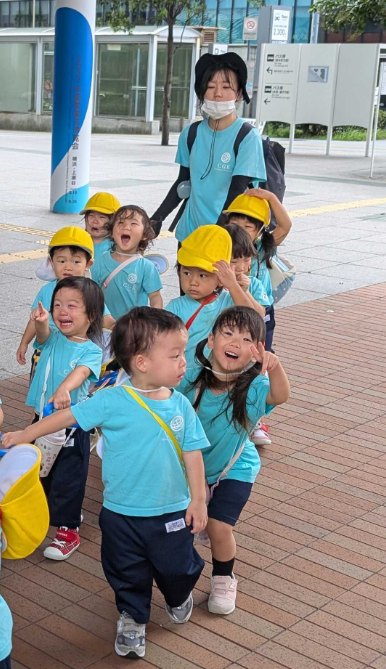
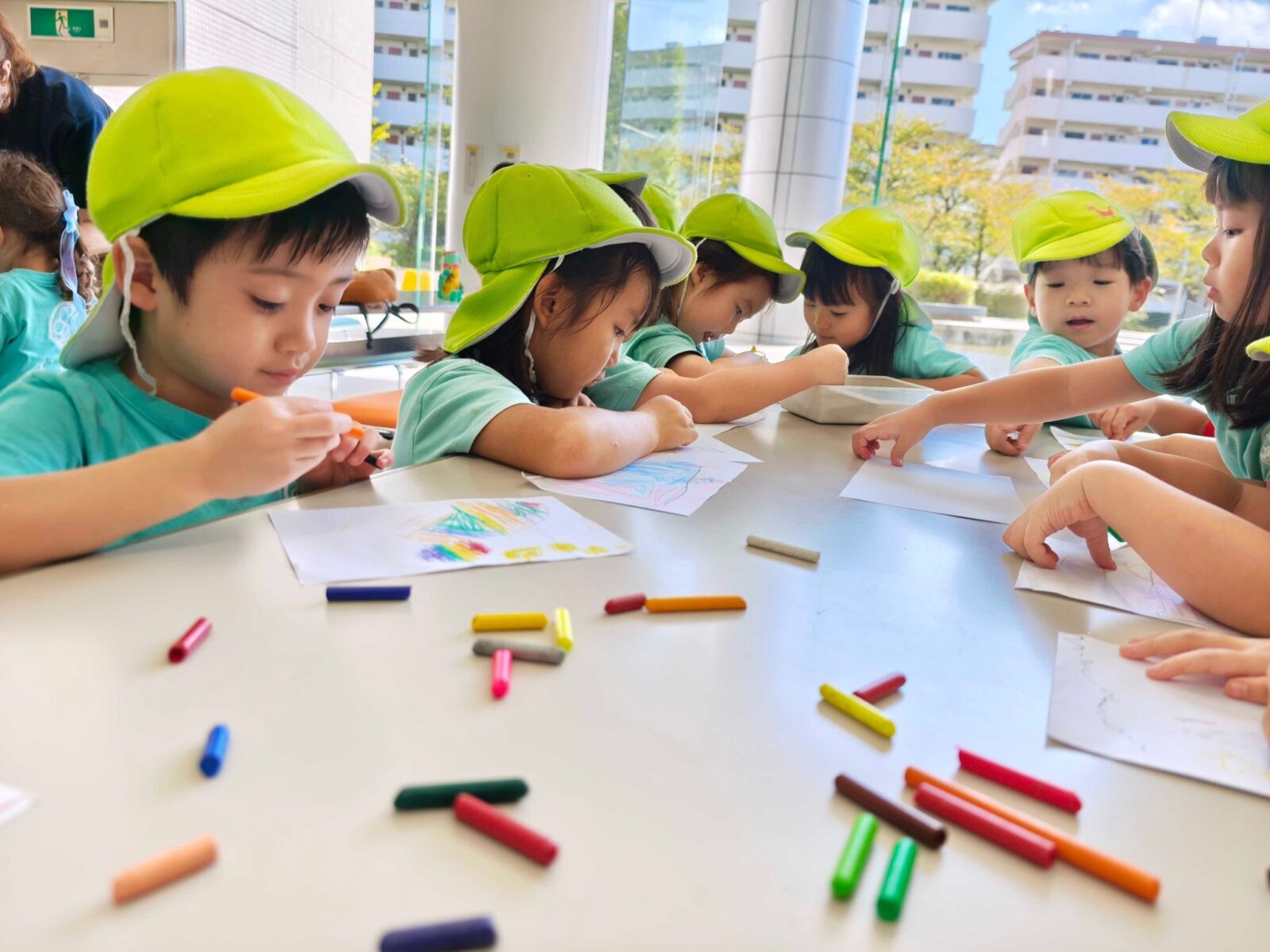
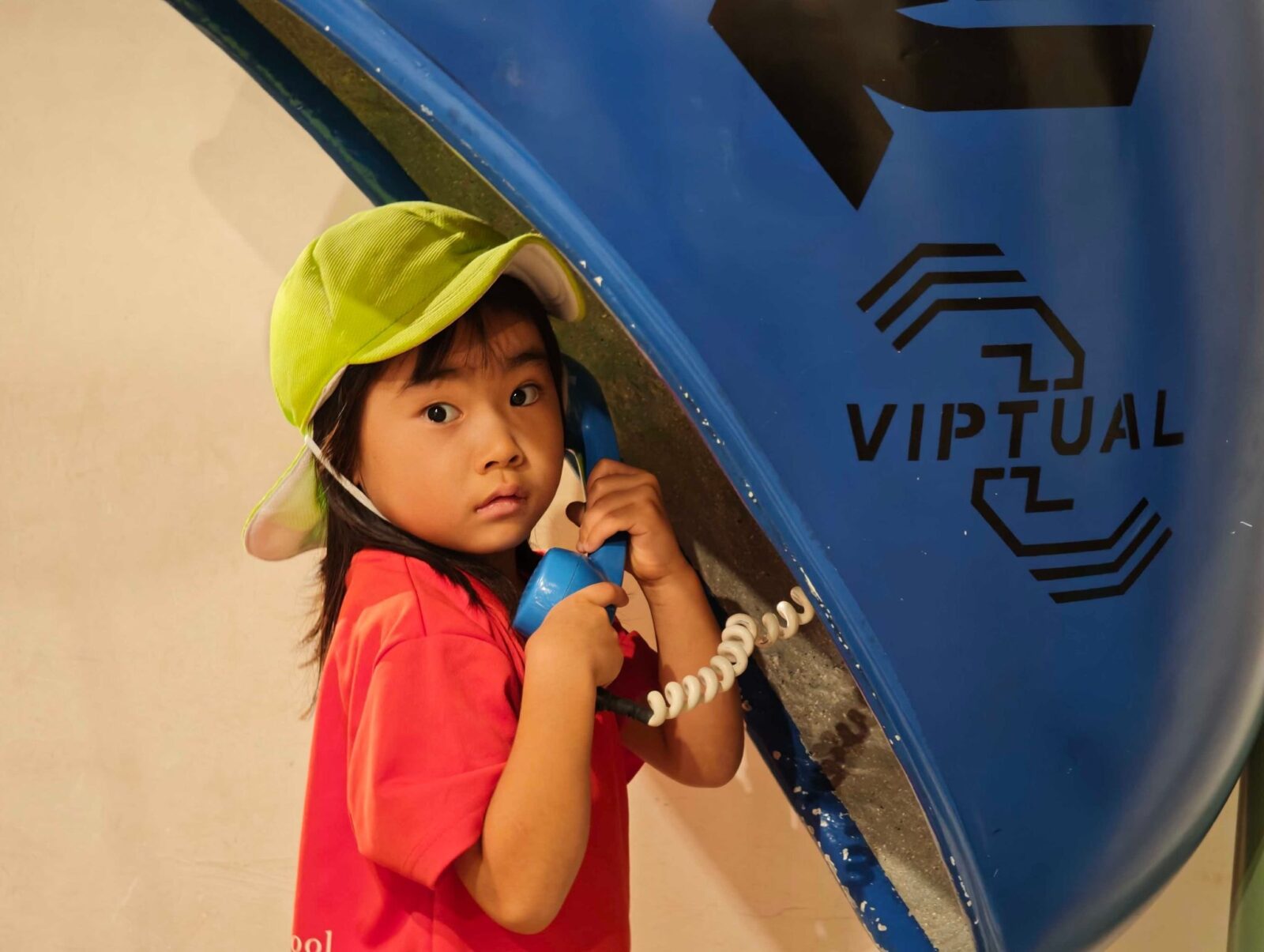
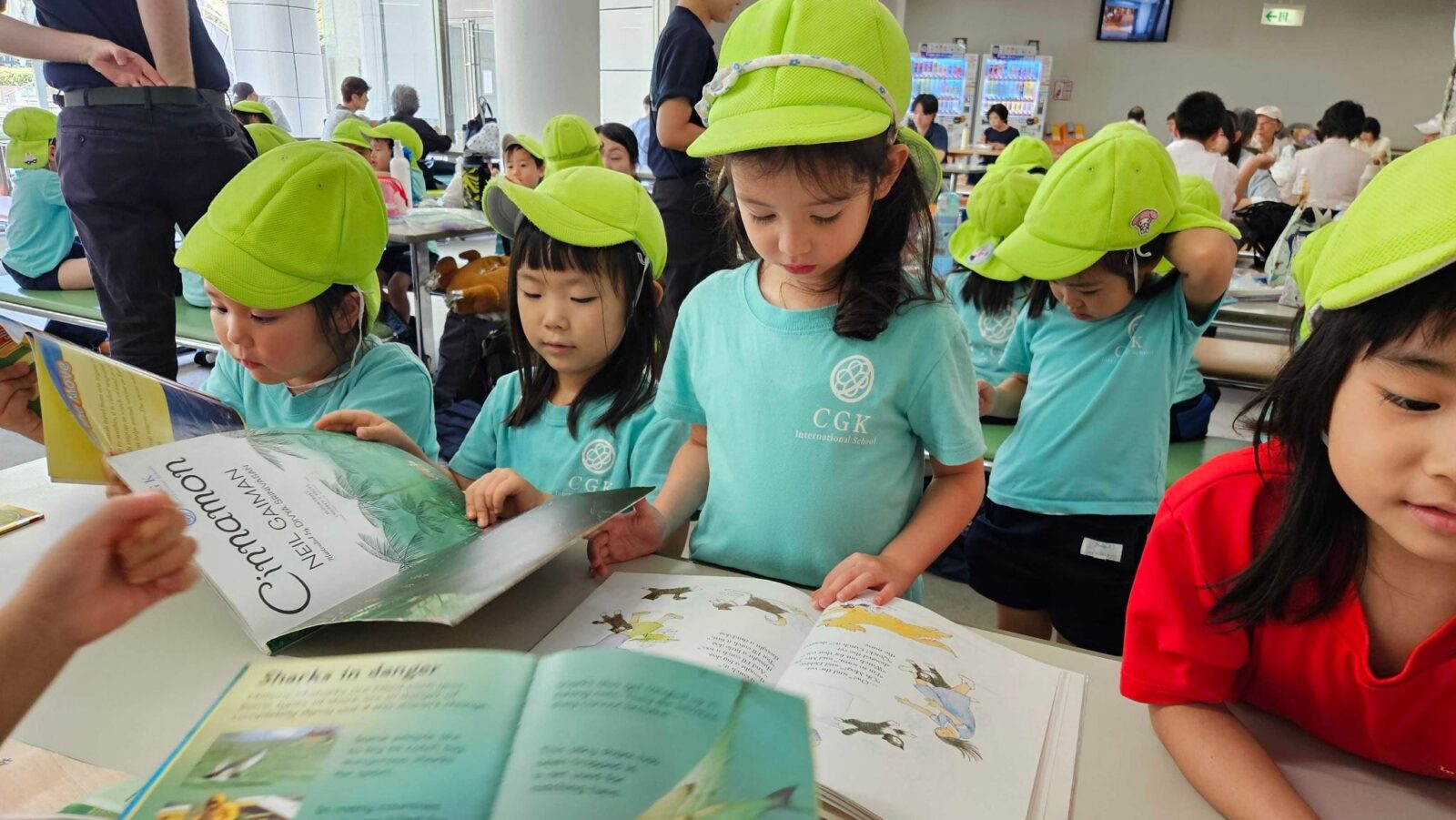
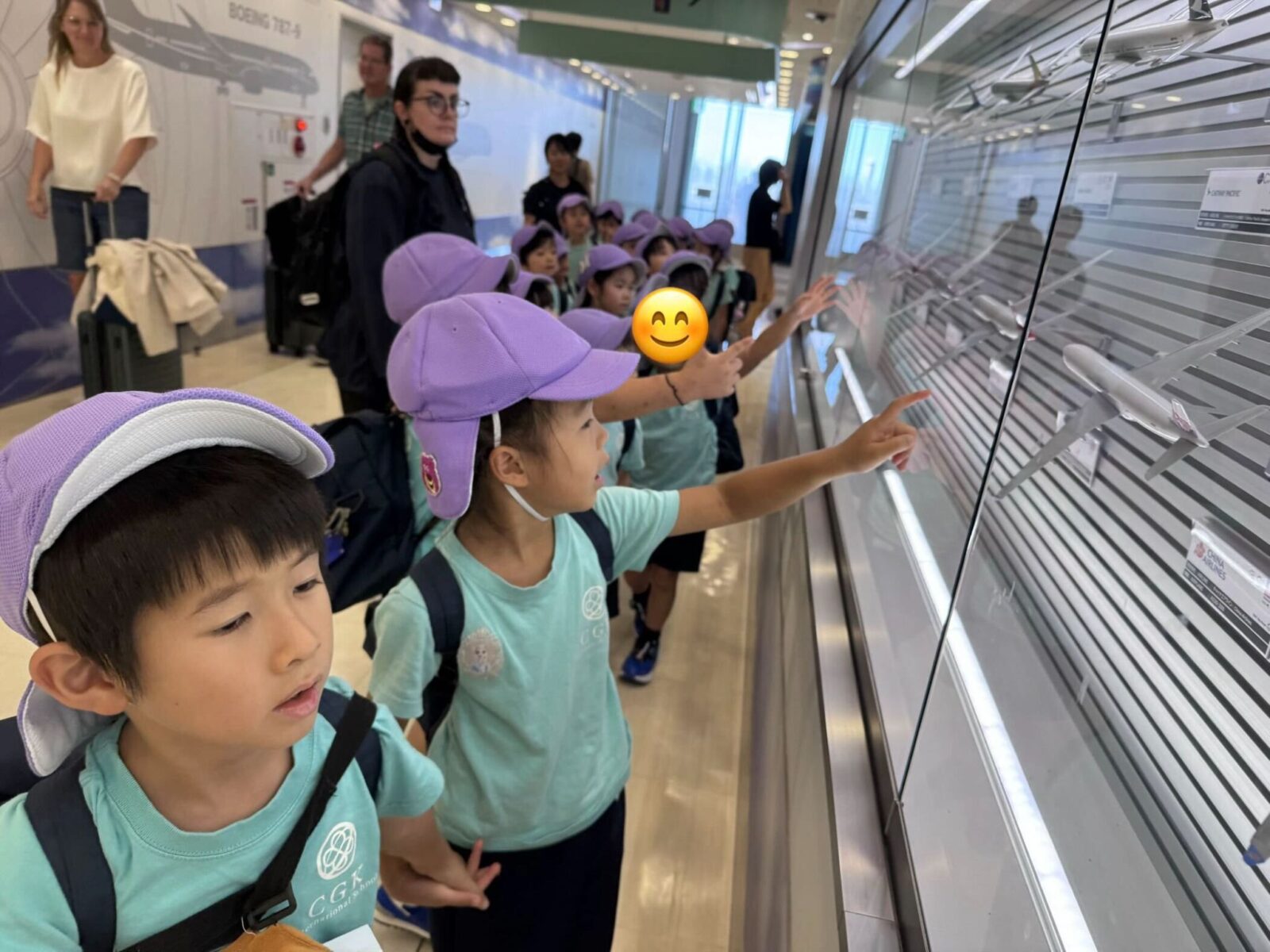
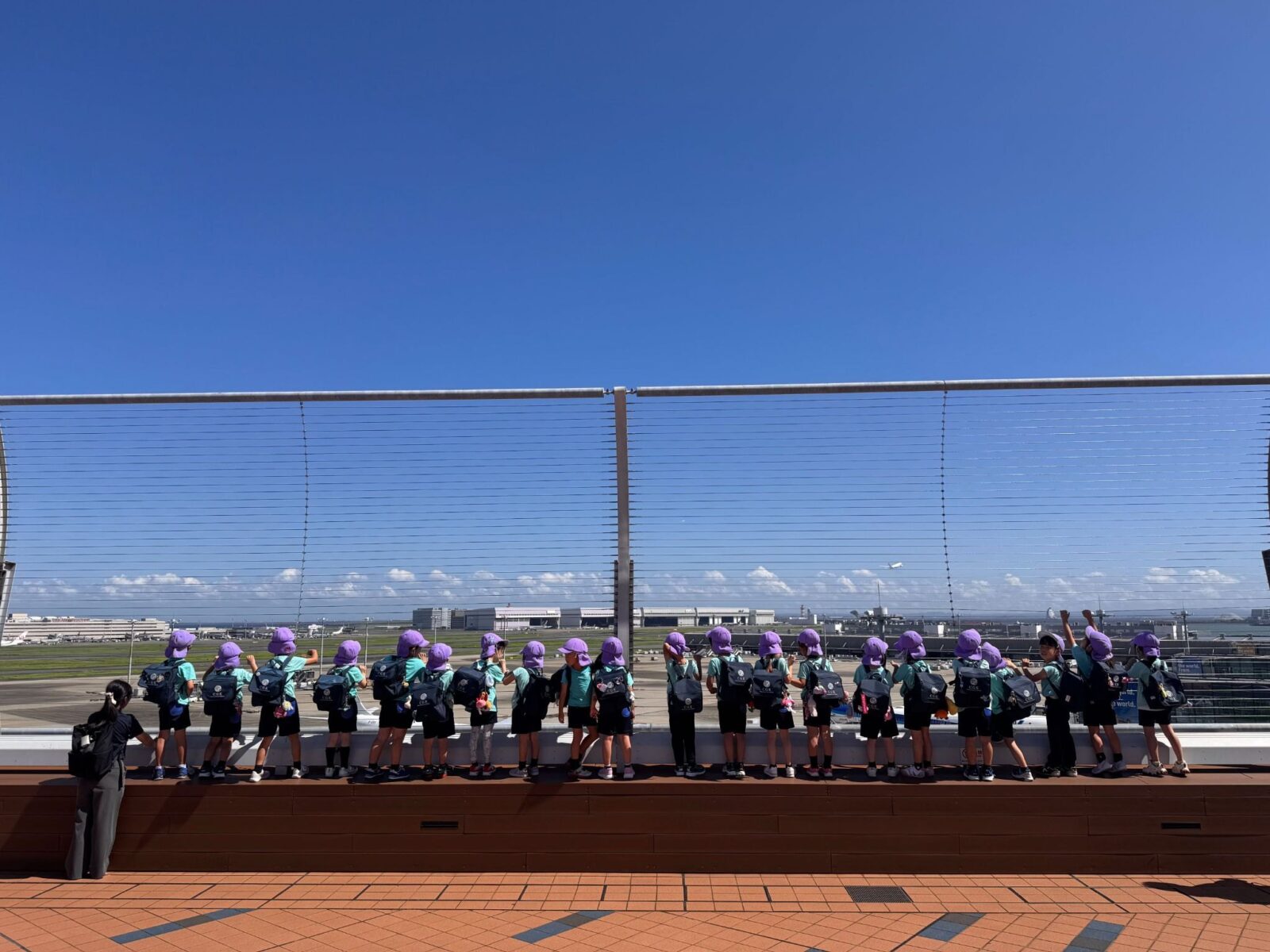
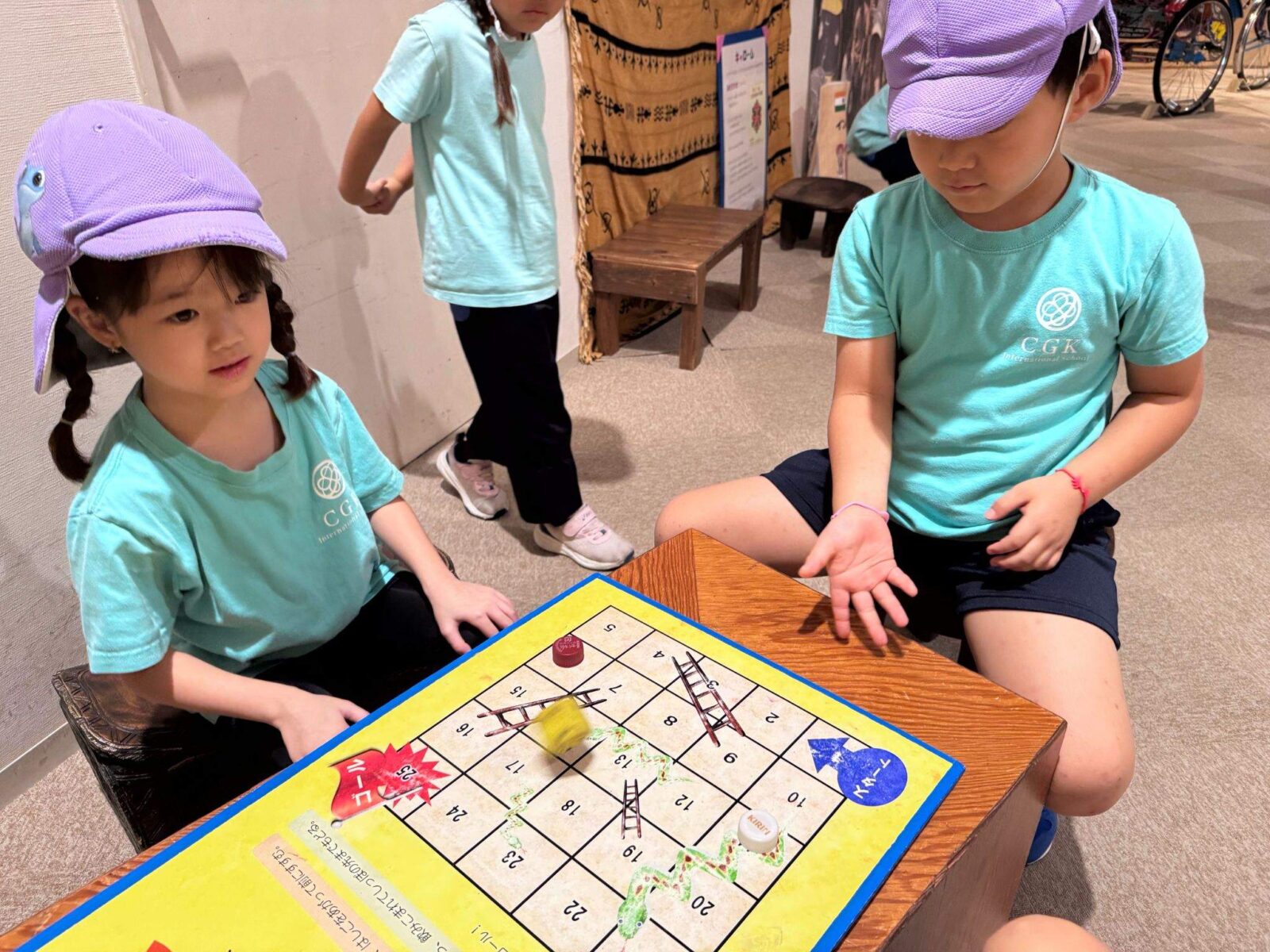
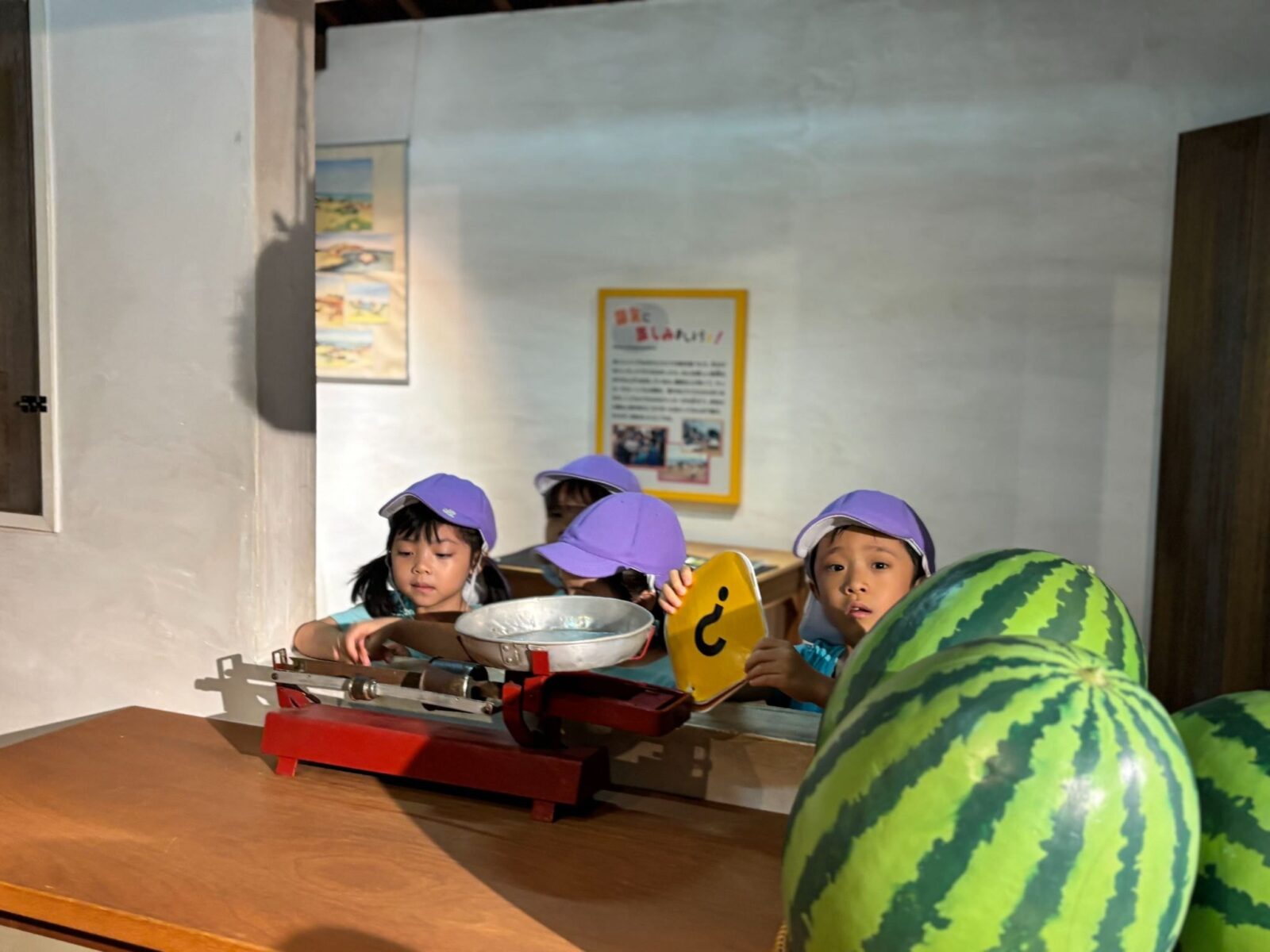
This month, as part of our inquiry into “Where we are in place and time,” we went on field trips to two destinations: Earth Plaza and Haneda Airport Terminal 3.
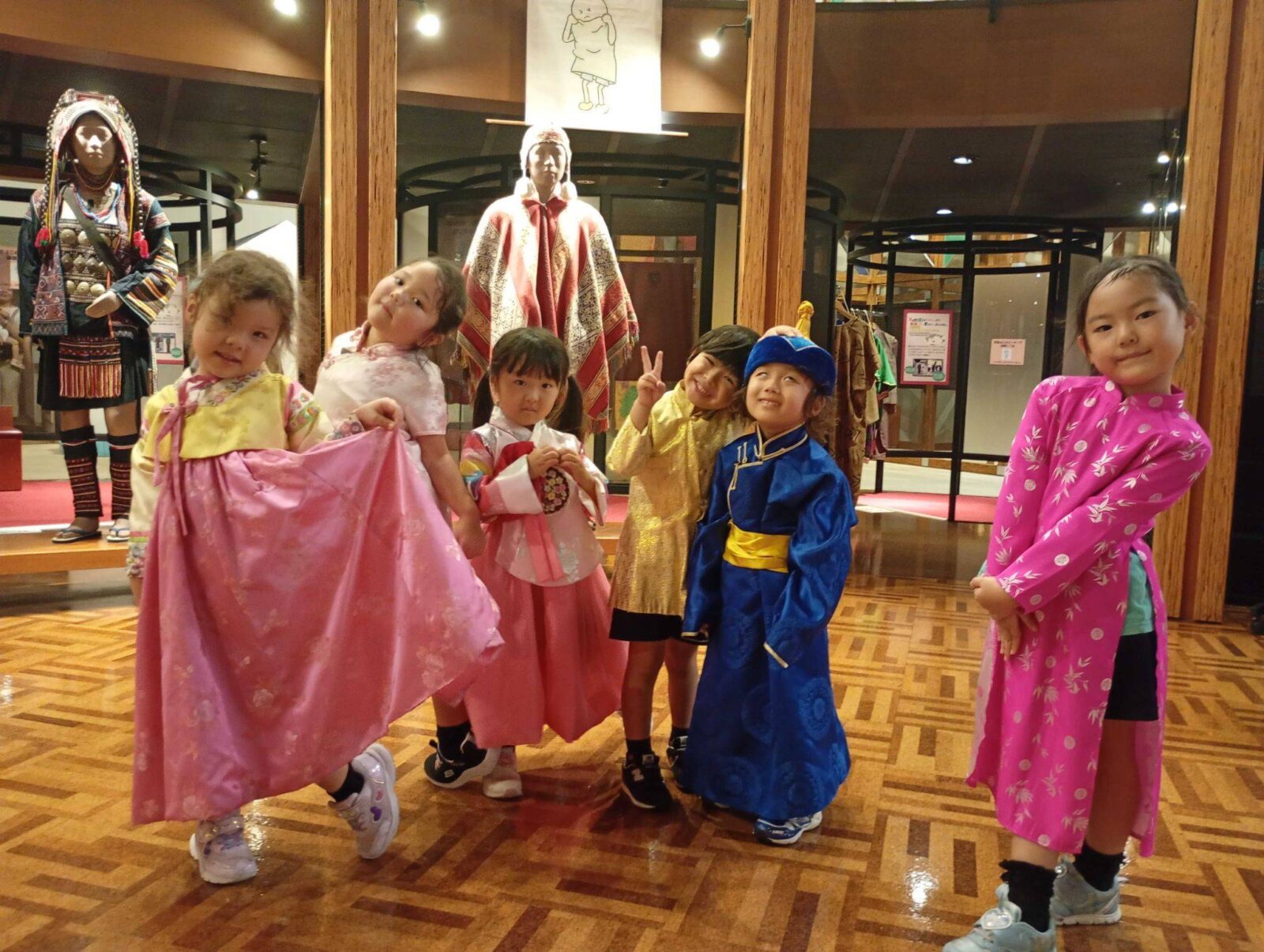
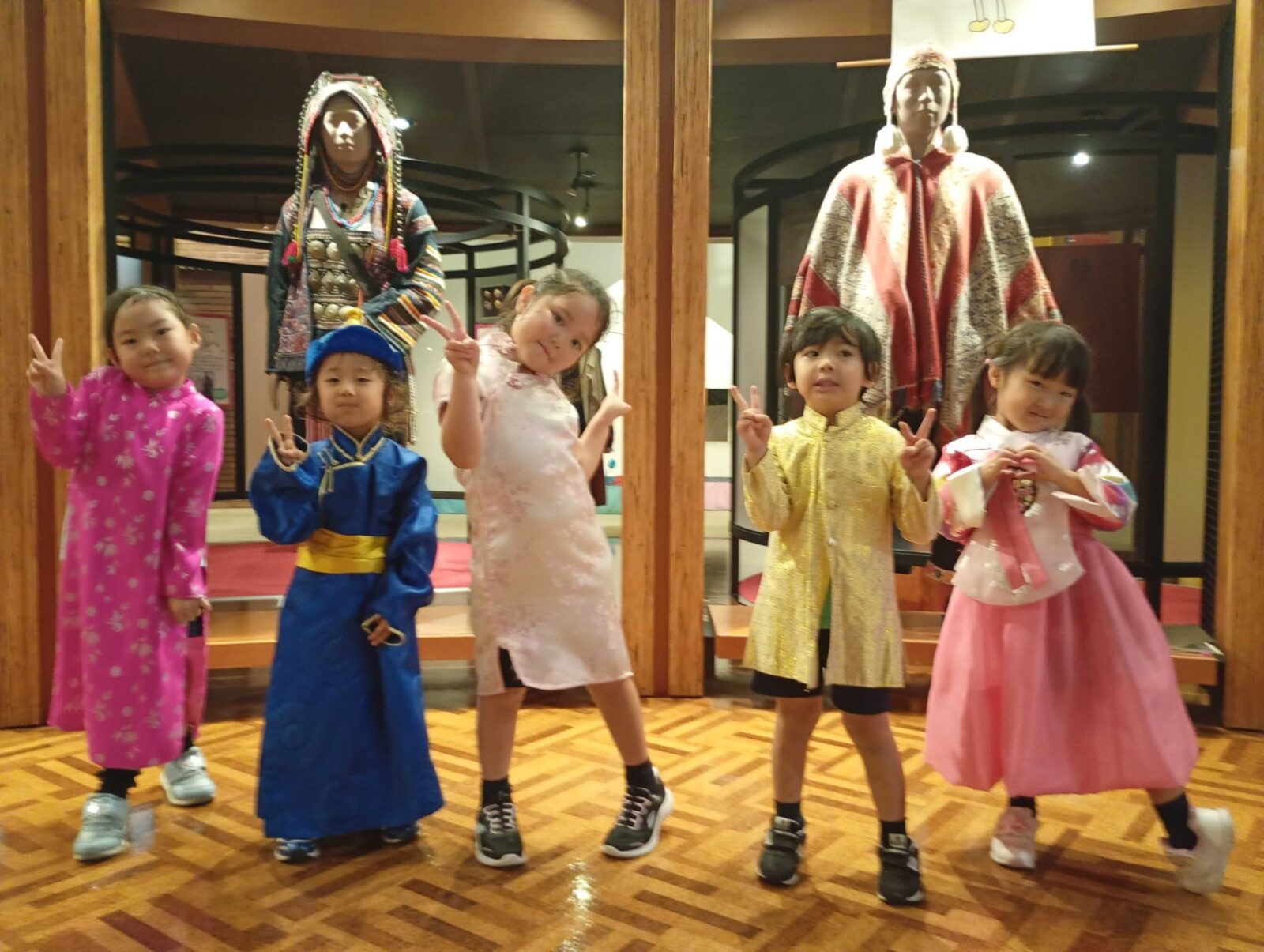
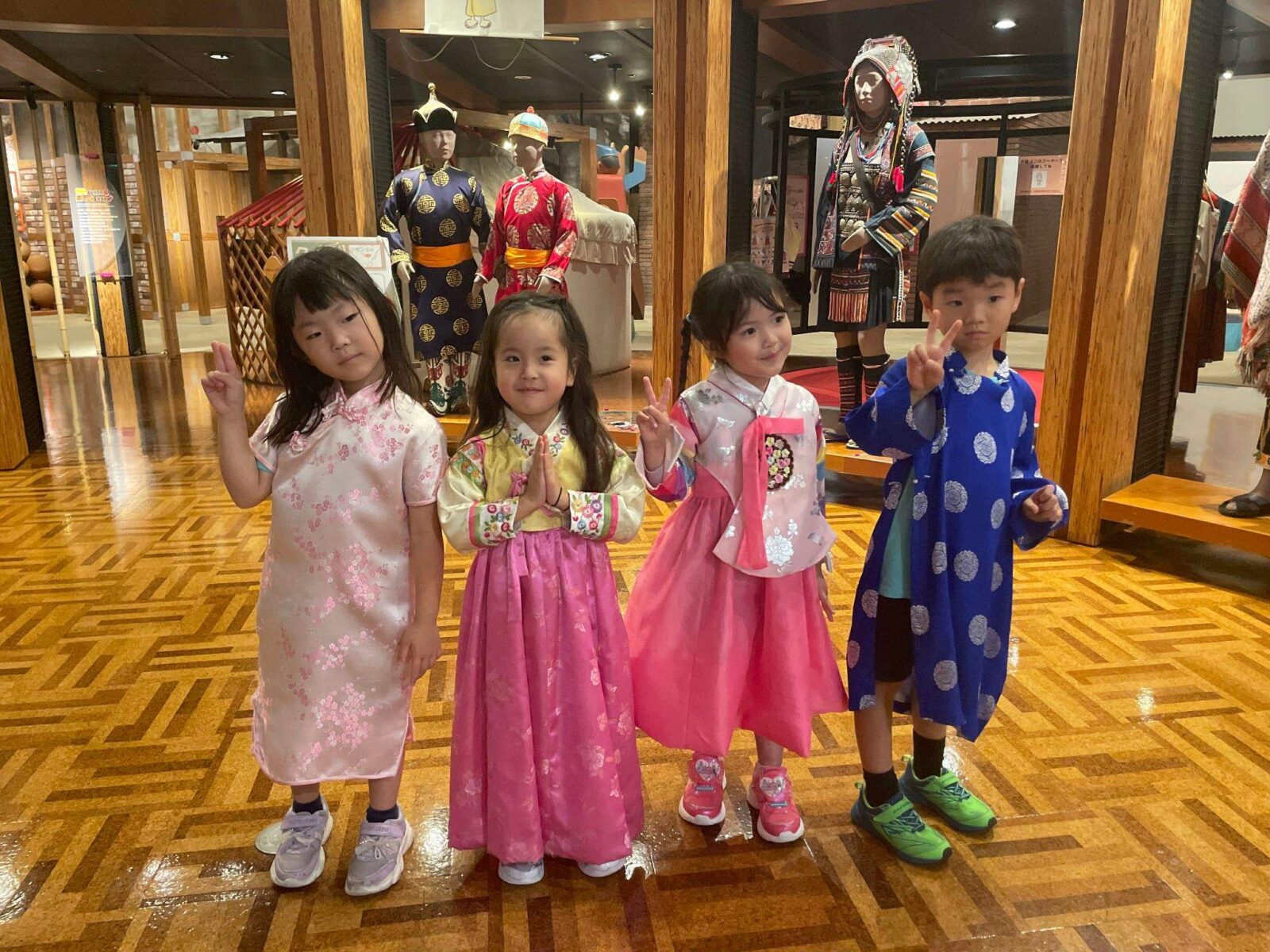
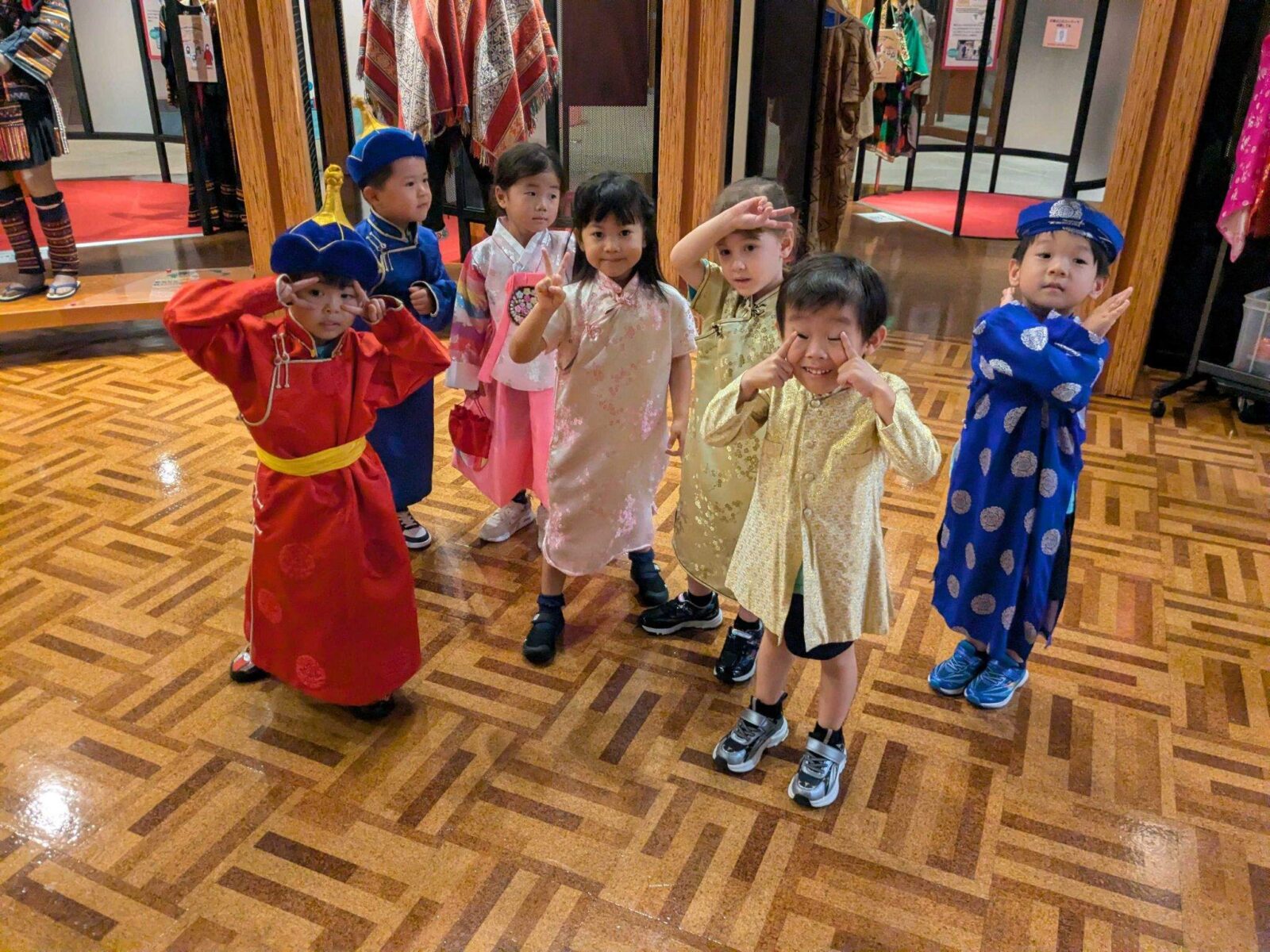
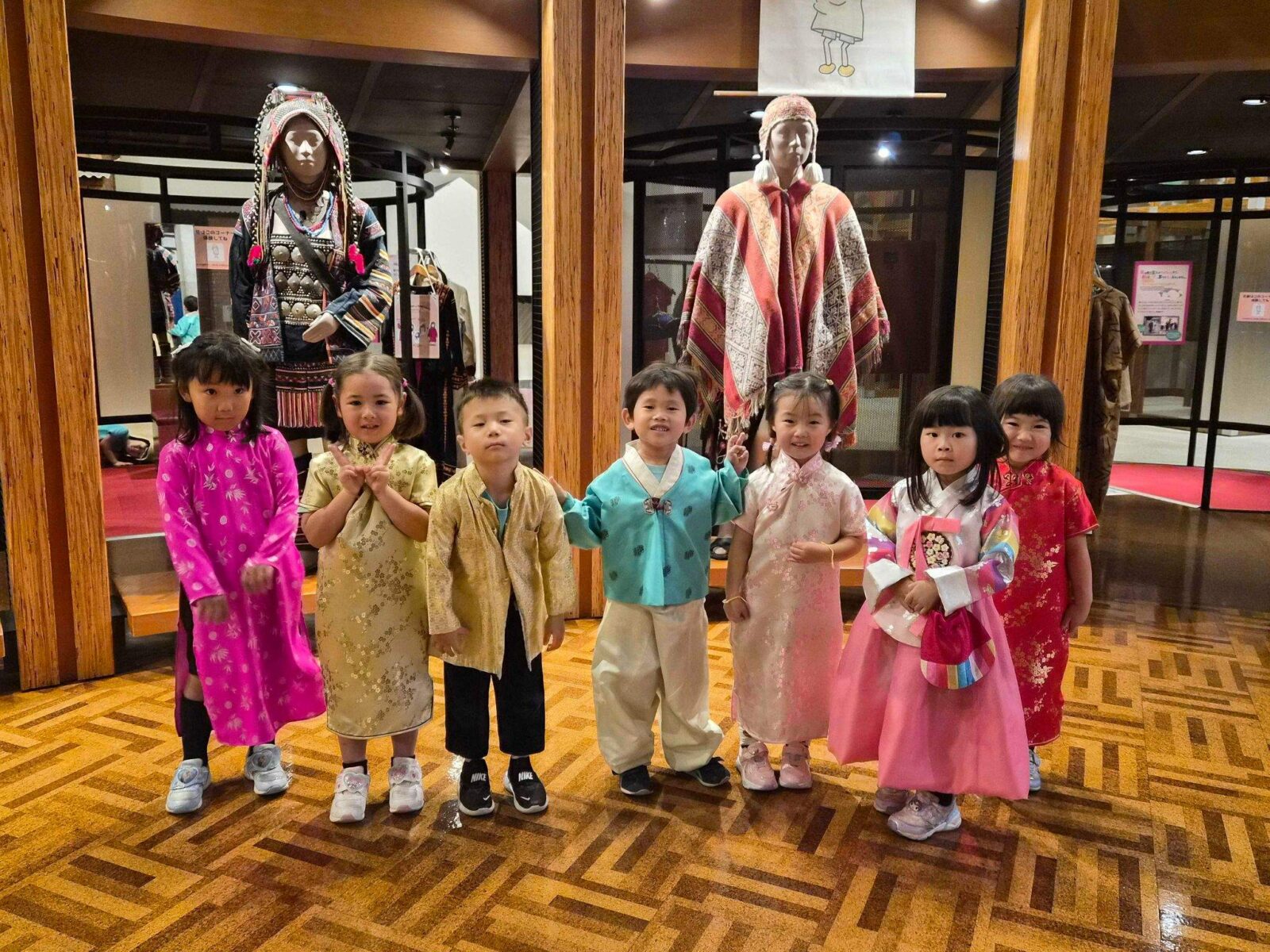
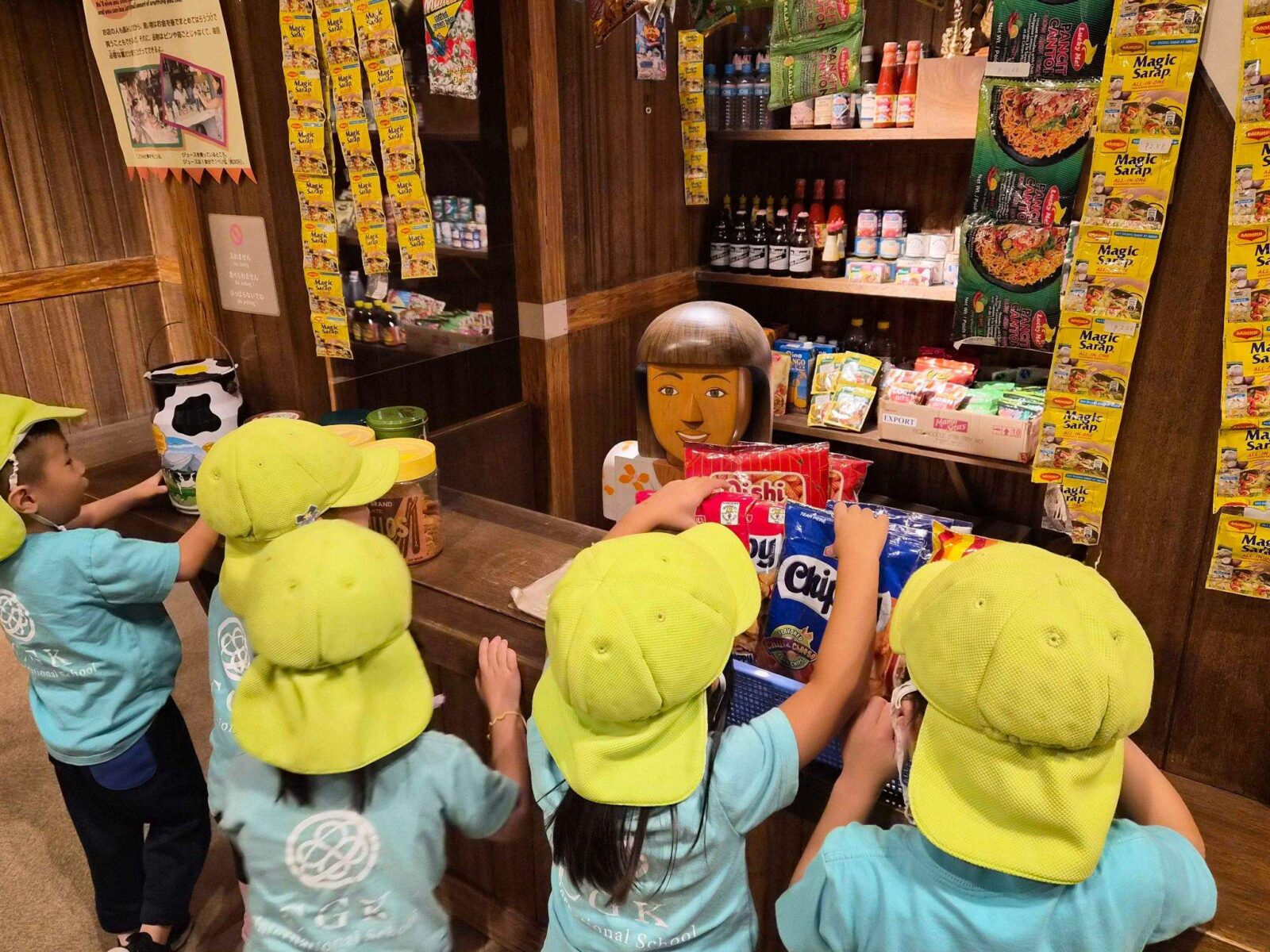
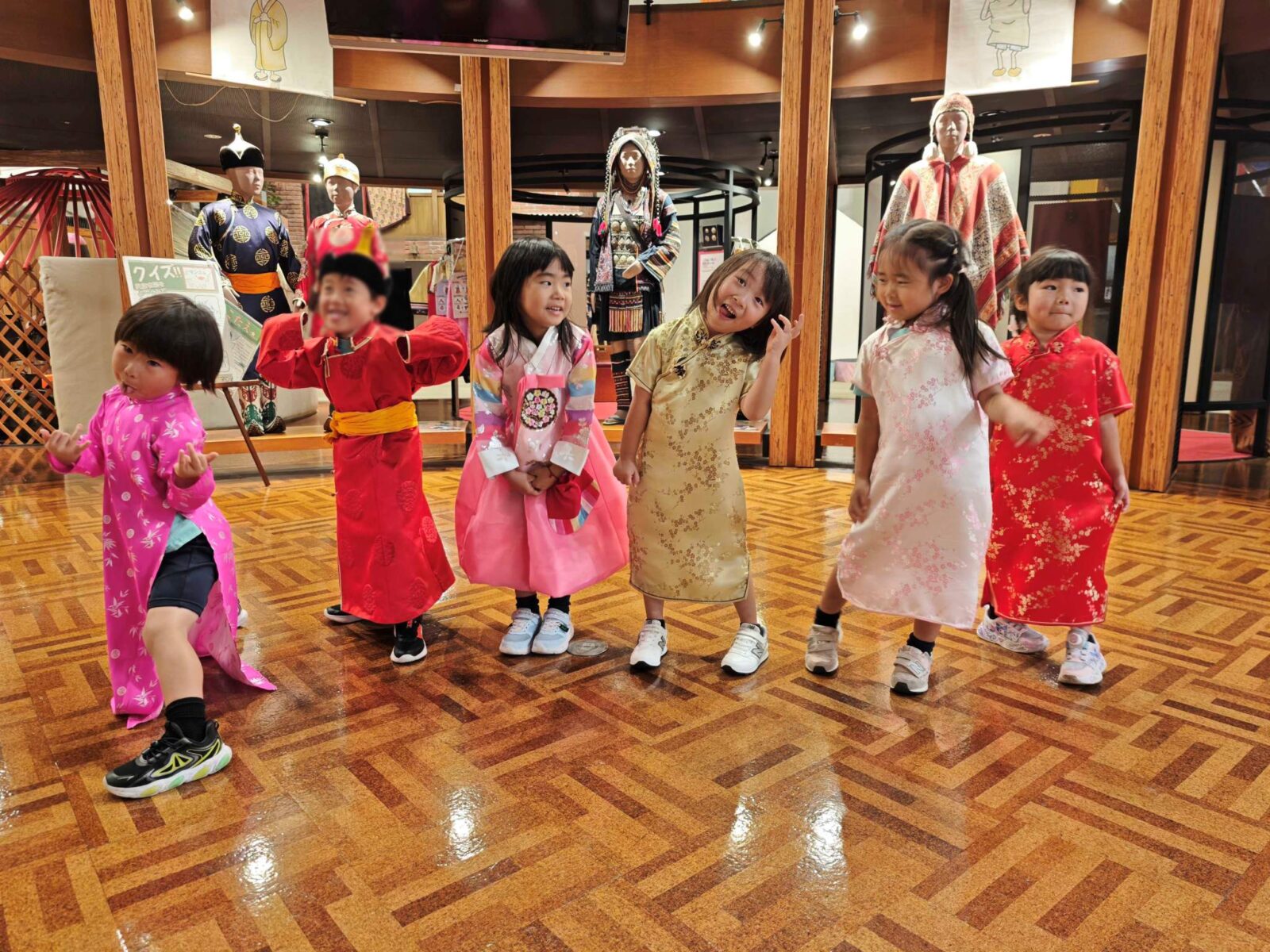
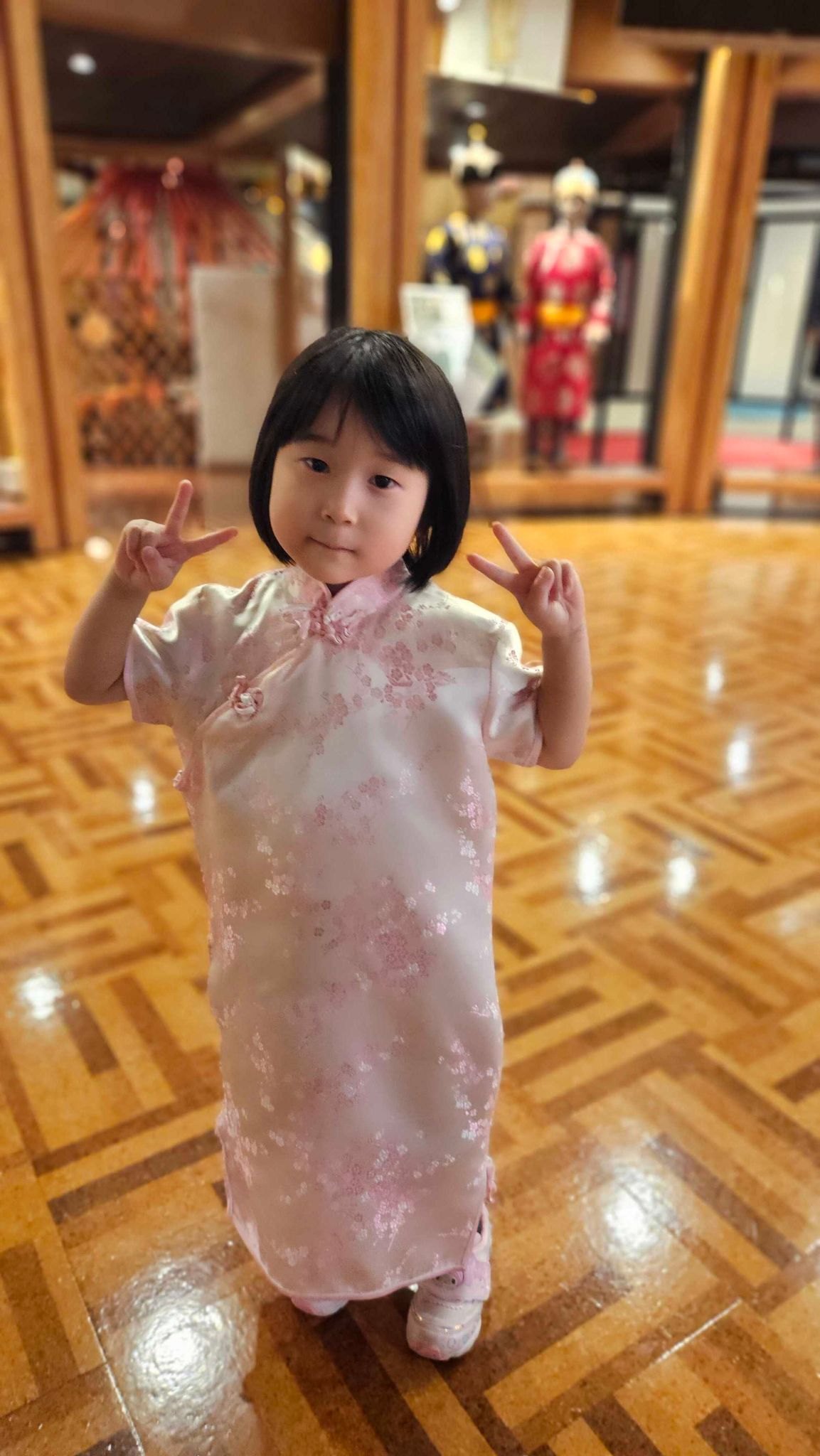
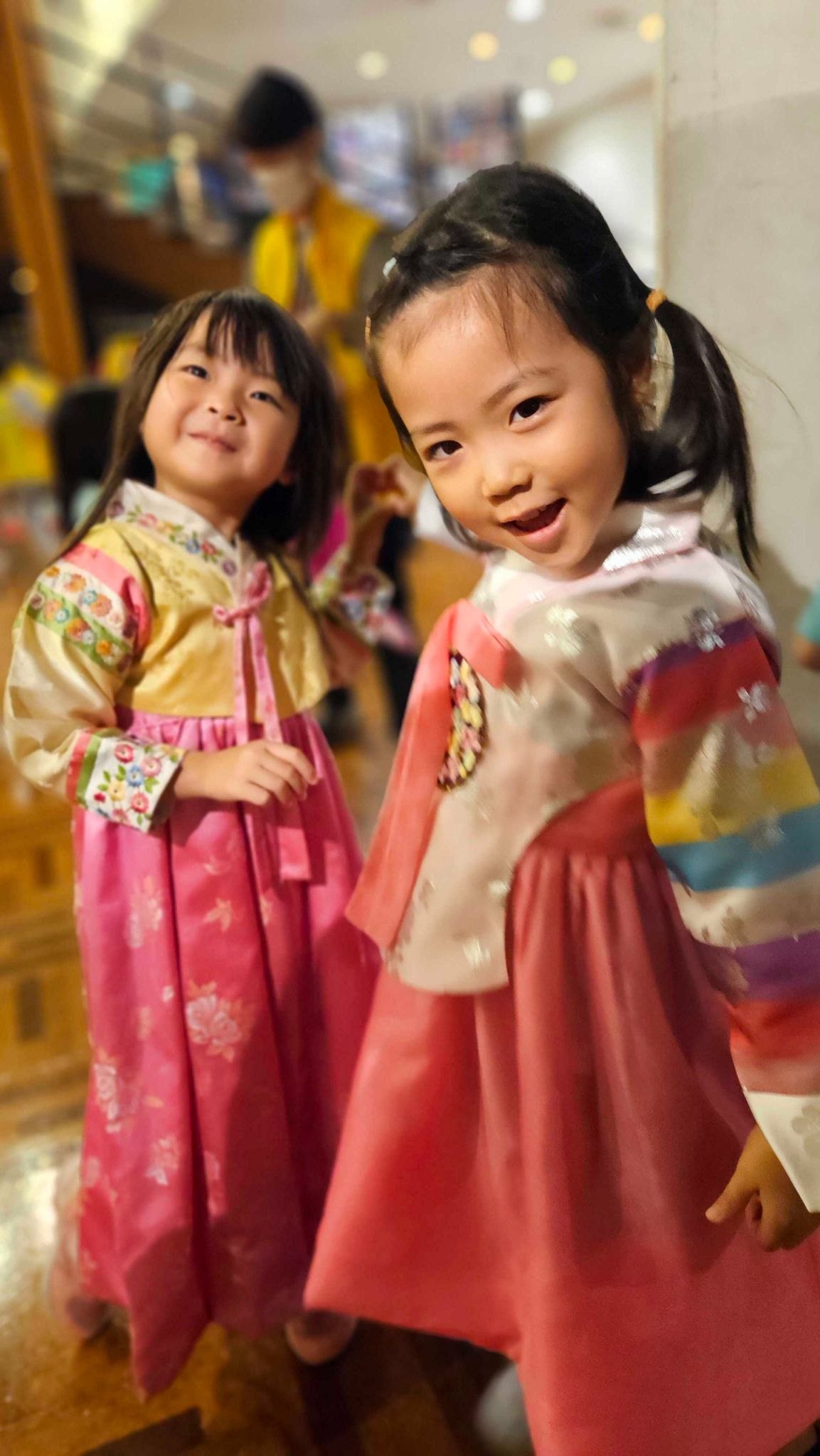
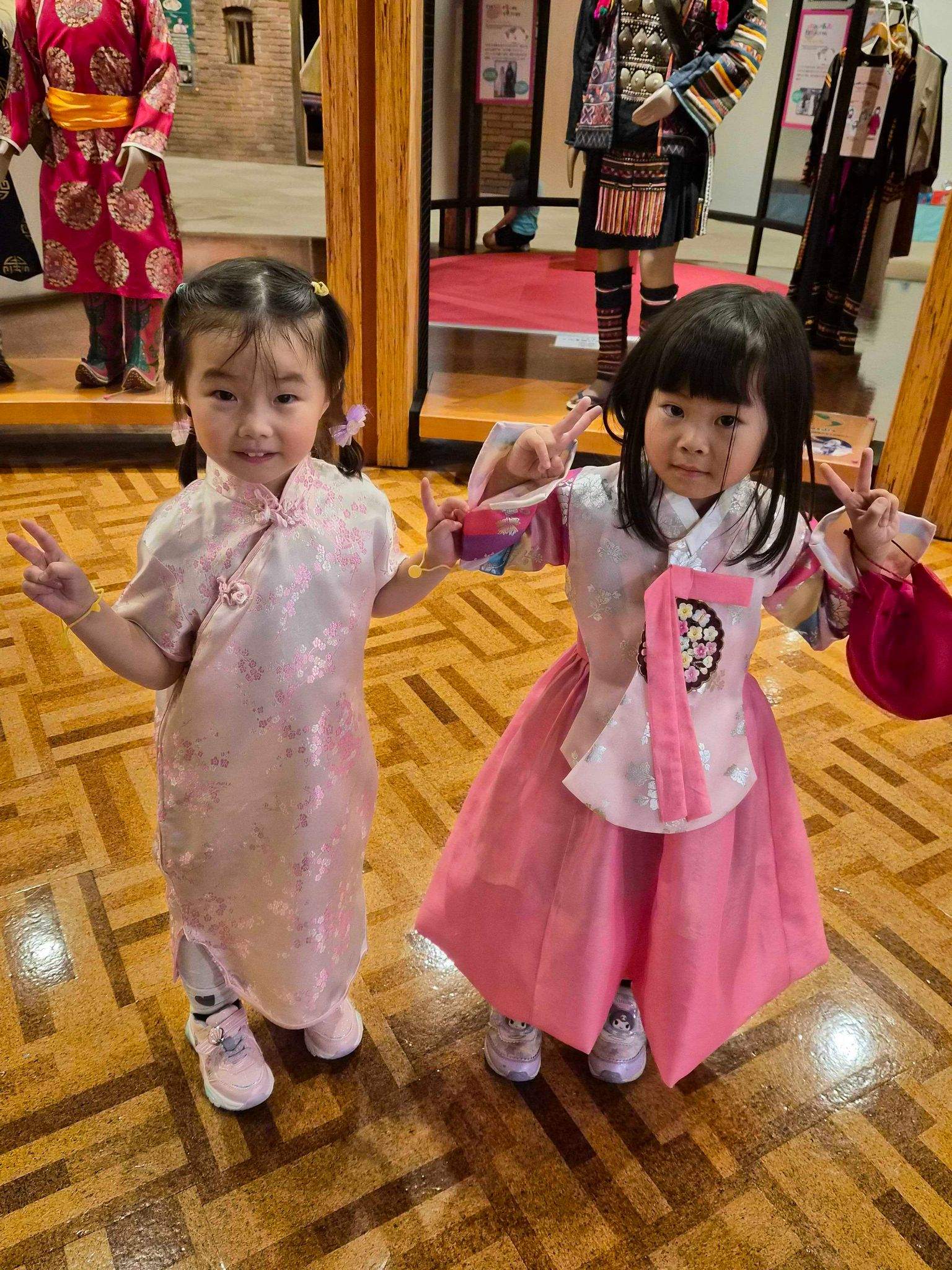
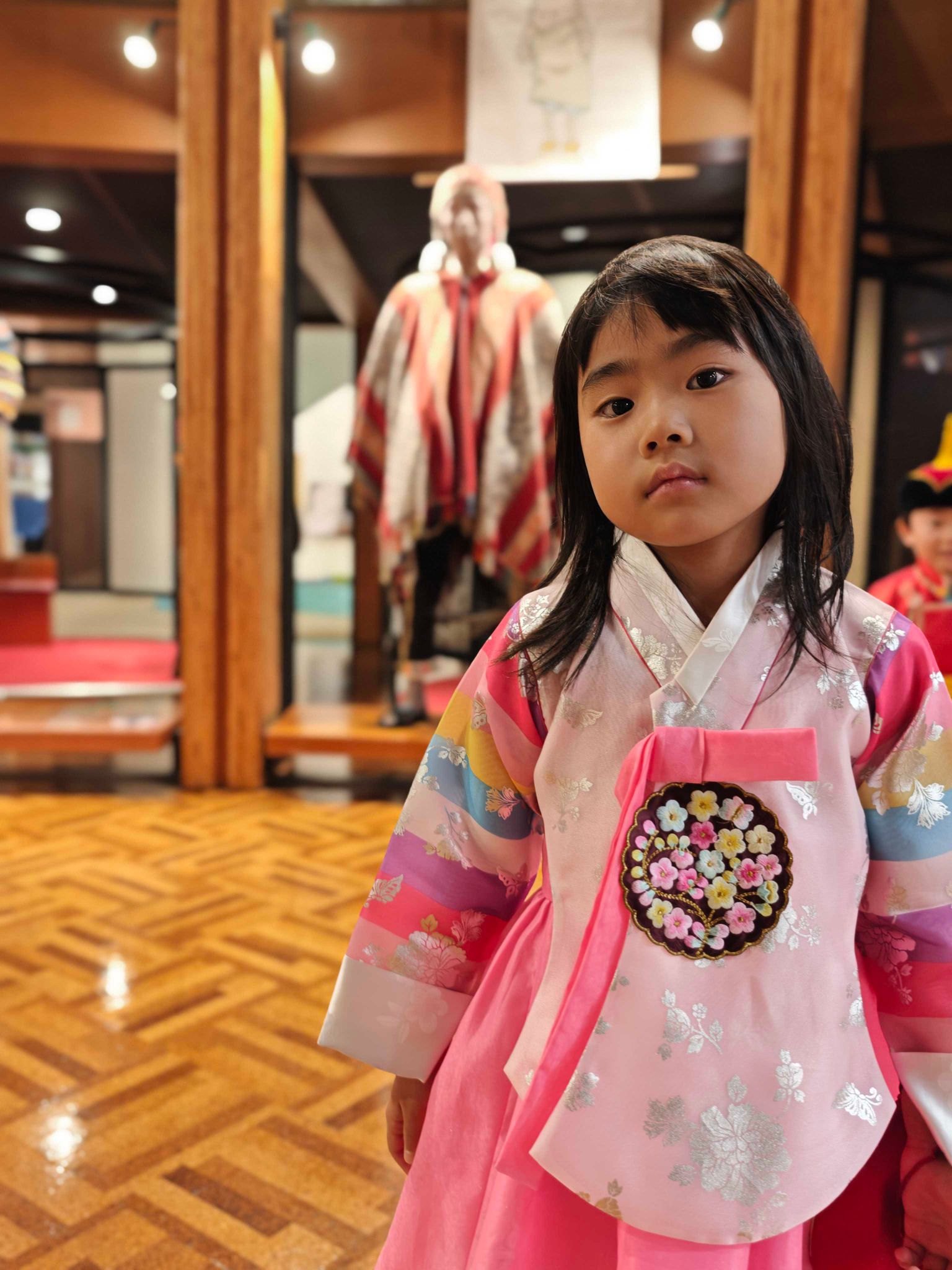
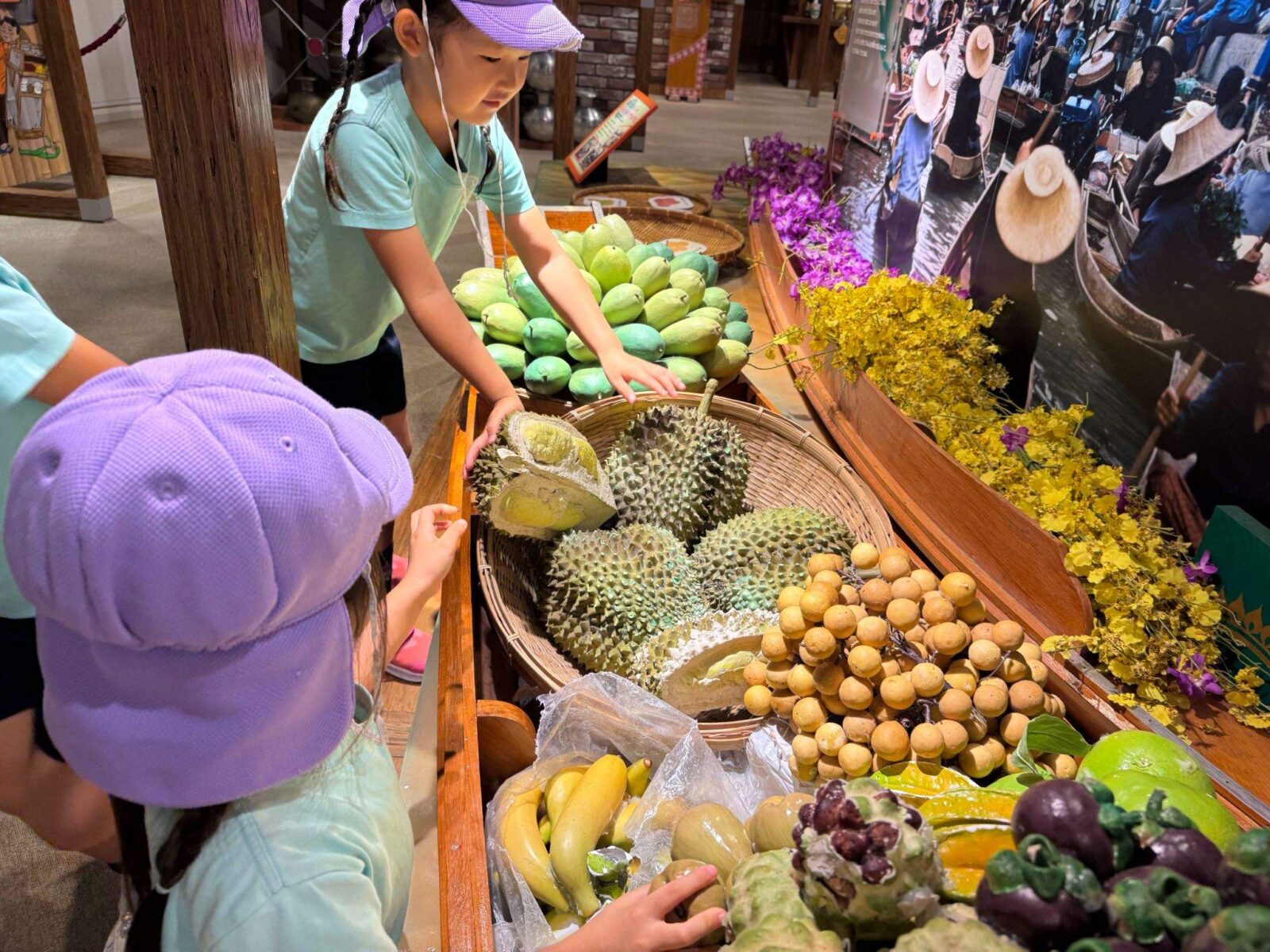
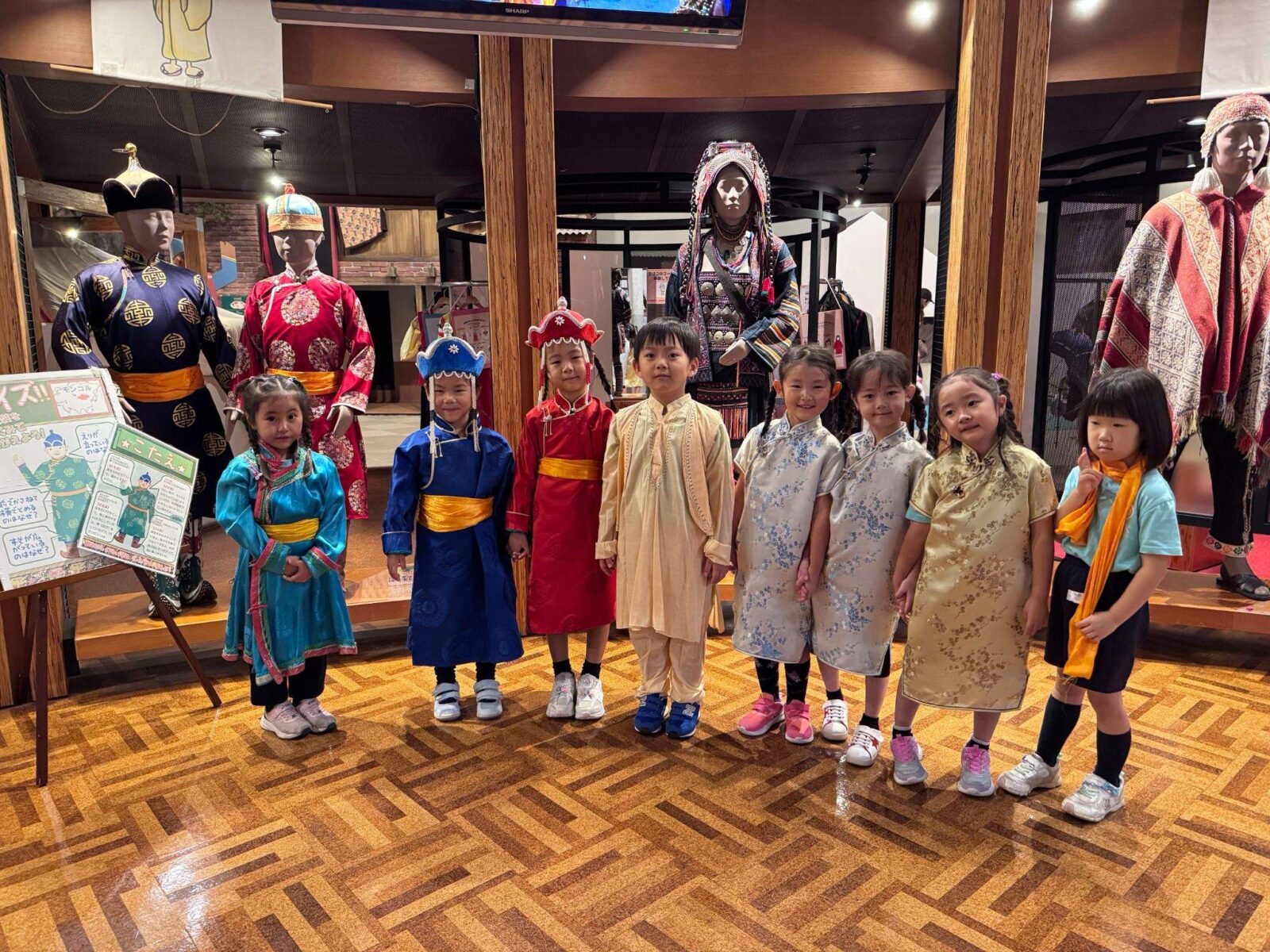
At Earth Plaza, the children stepped beyond the materials and videos we usually use in lessons. They had the opportunity to wear clothing from around the world and handle everyday objects from other cultures. These first-hand experiences brought their curiosity and new interests to life.
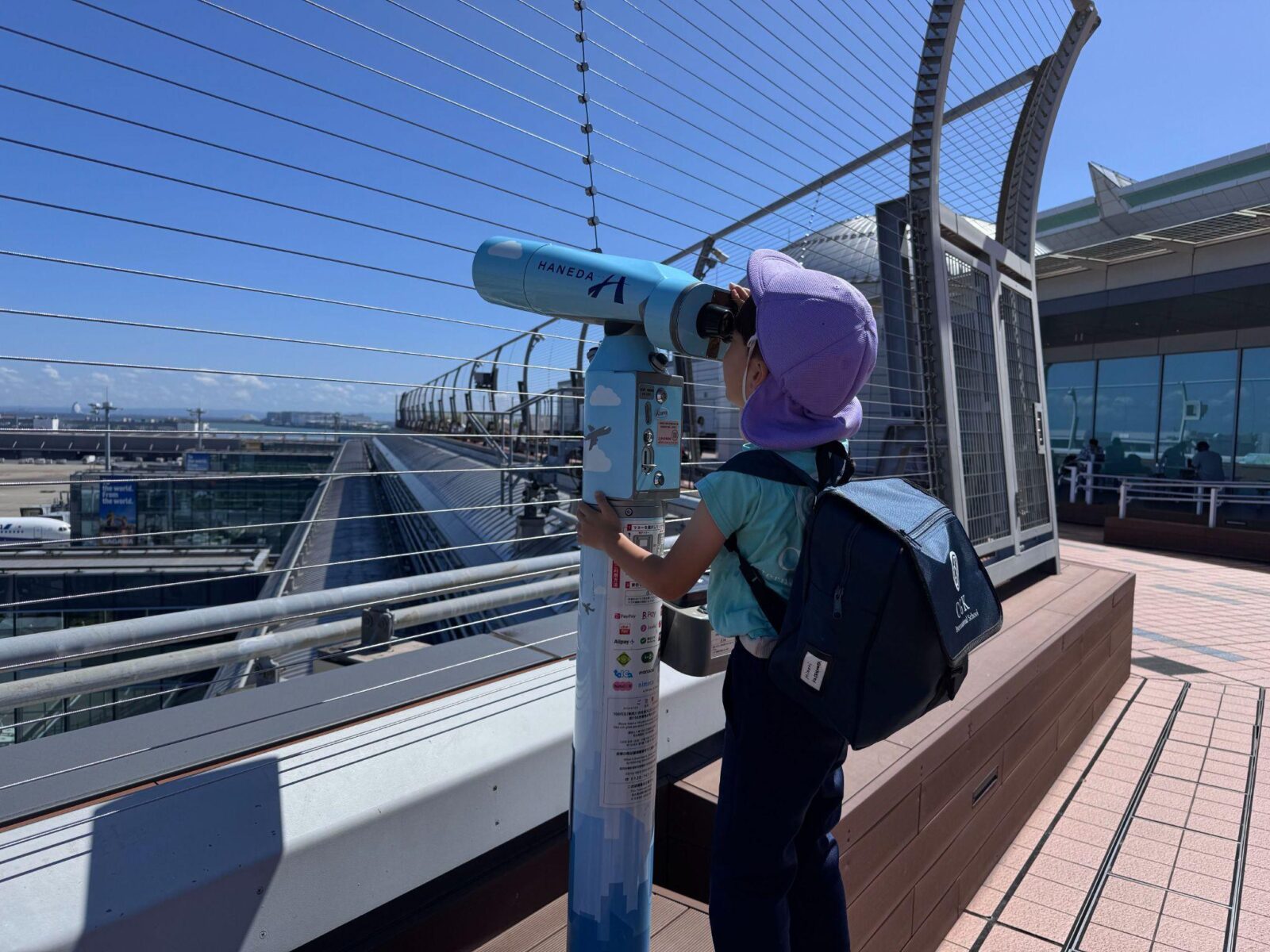
At Haneda Airport, a familiar place that some children had visited on family trips, we explored with the intention of looking from a different perspective. By paying close attention to the facilities and signs, the children discovered for themselves how people and goods move between Japan and other countries, and found evidence of the connections between their own lives and the wider world.
Throughout this unit, the children have traced Yokohama’s history and learned how Japan and other countries have interacted from the past to the present. Bringing together their classroom inquiry and the authentic experiences of these two field trips helped connect their knowledge and provided a wonderful opportunity to deepen their learning.
Mountain A & B (4-year-olds)
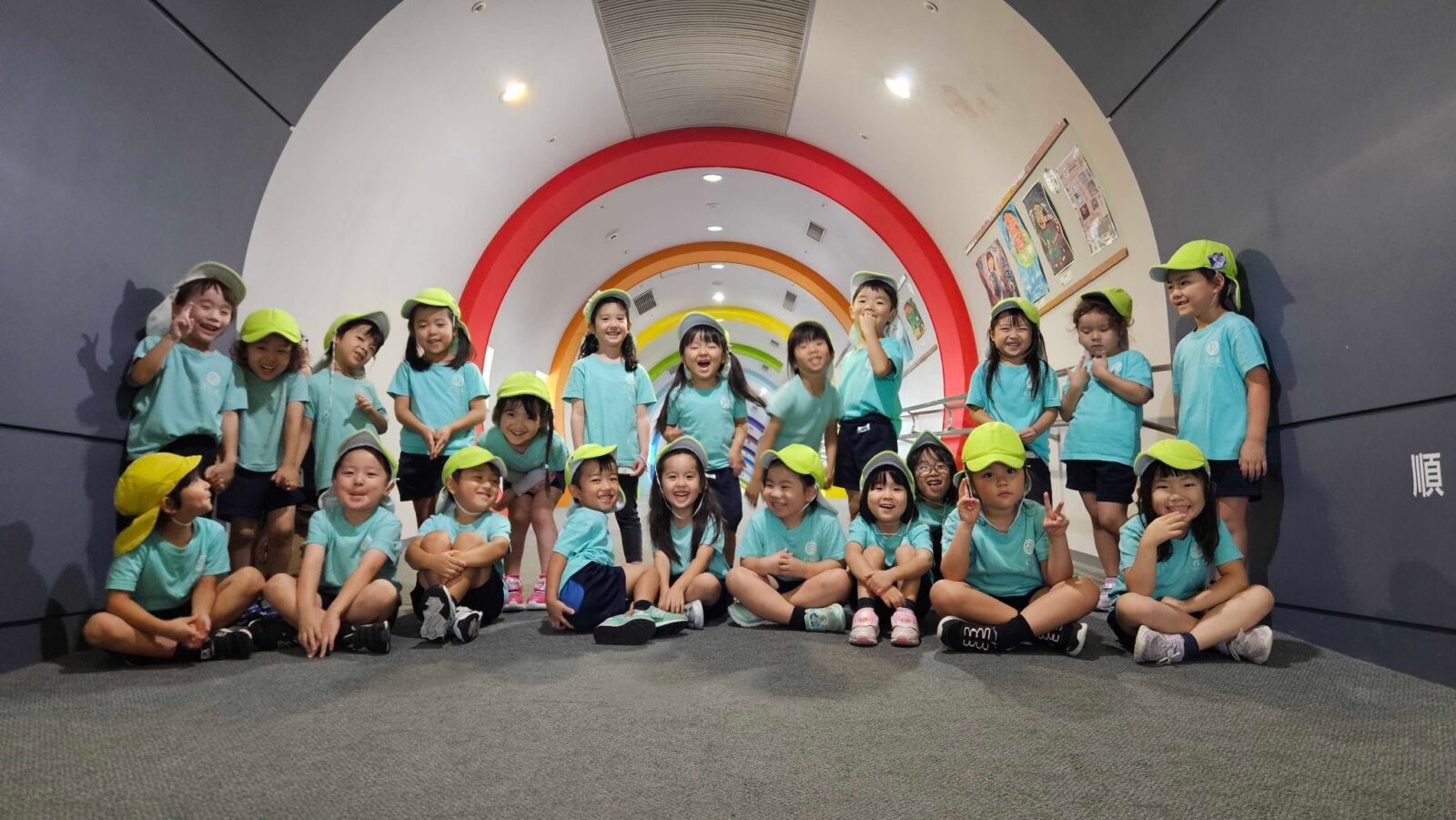
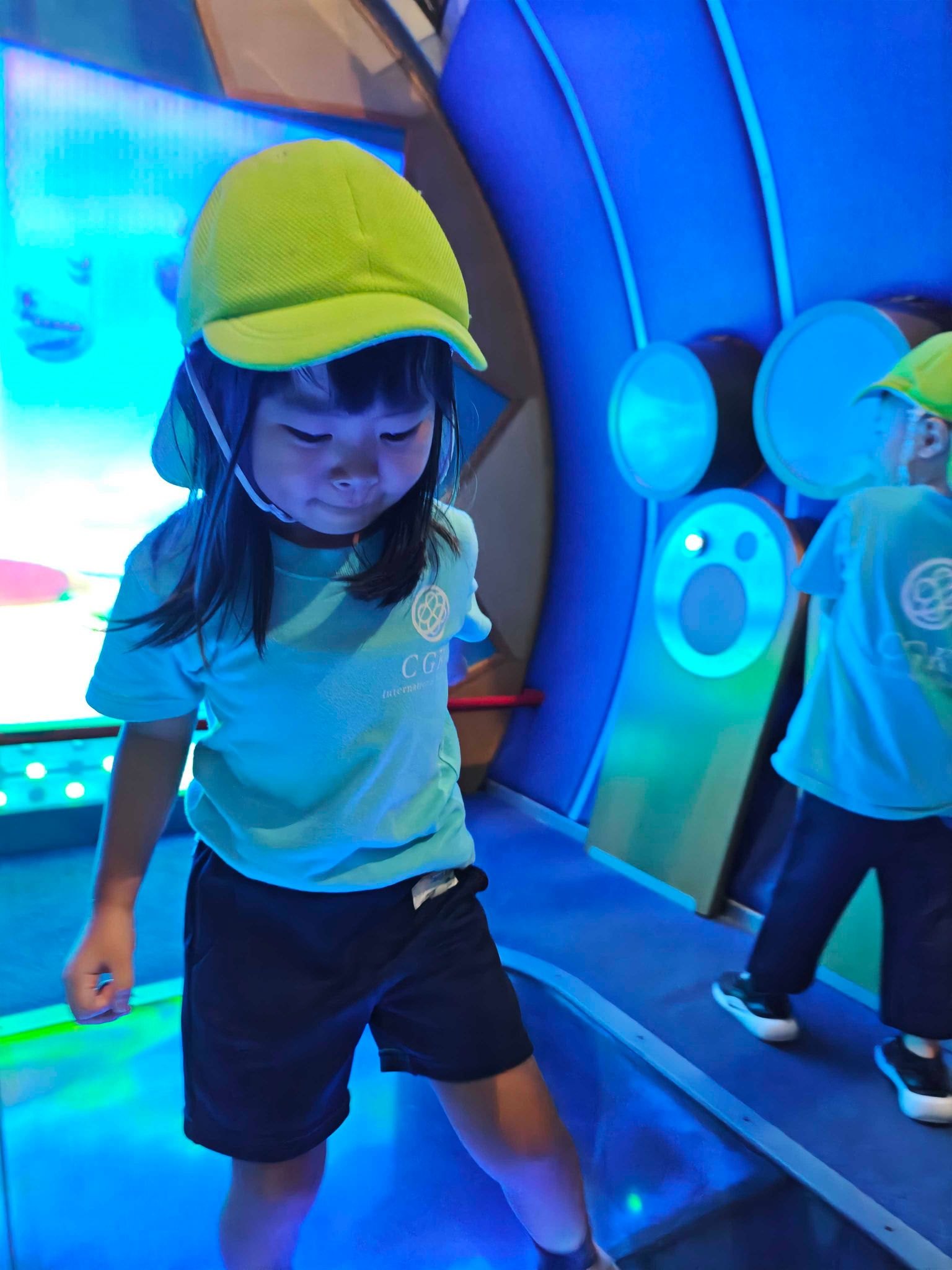
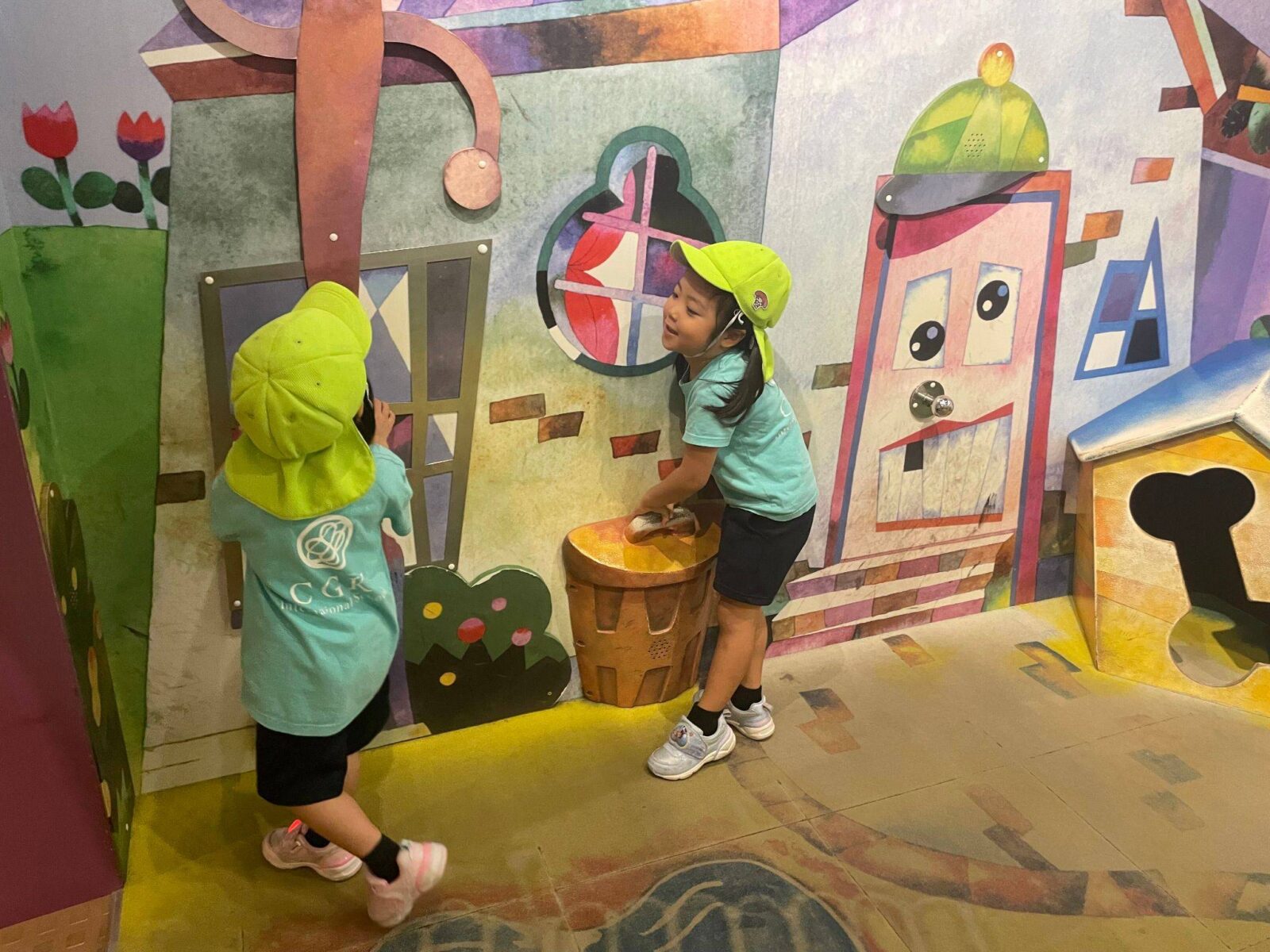
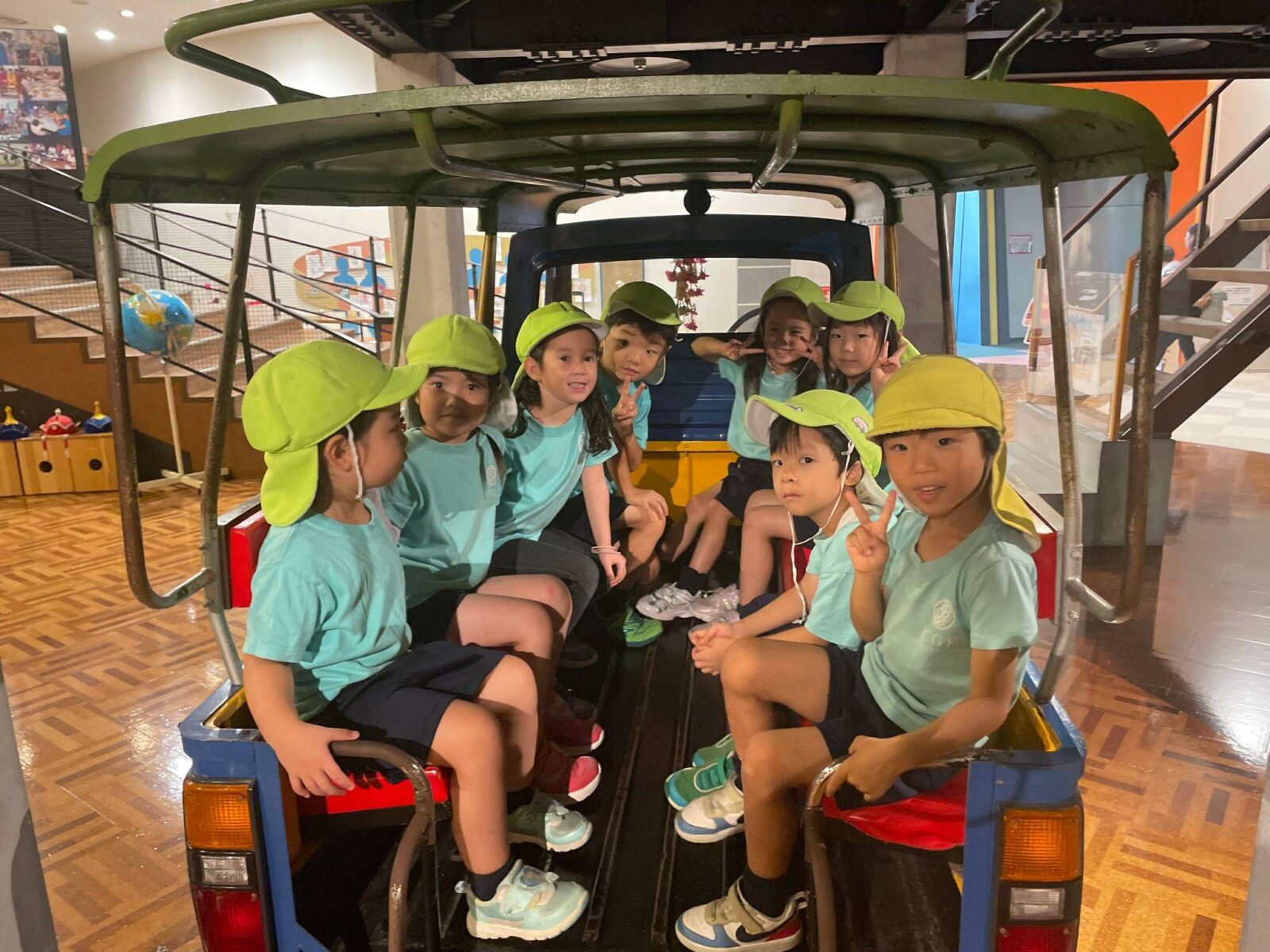
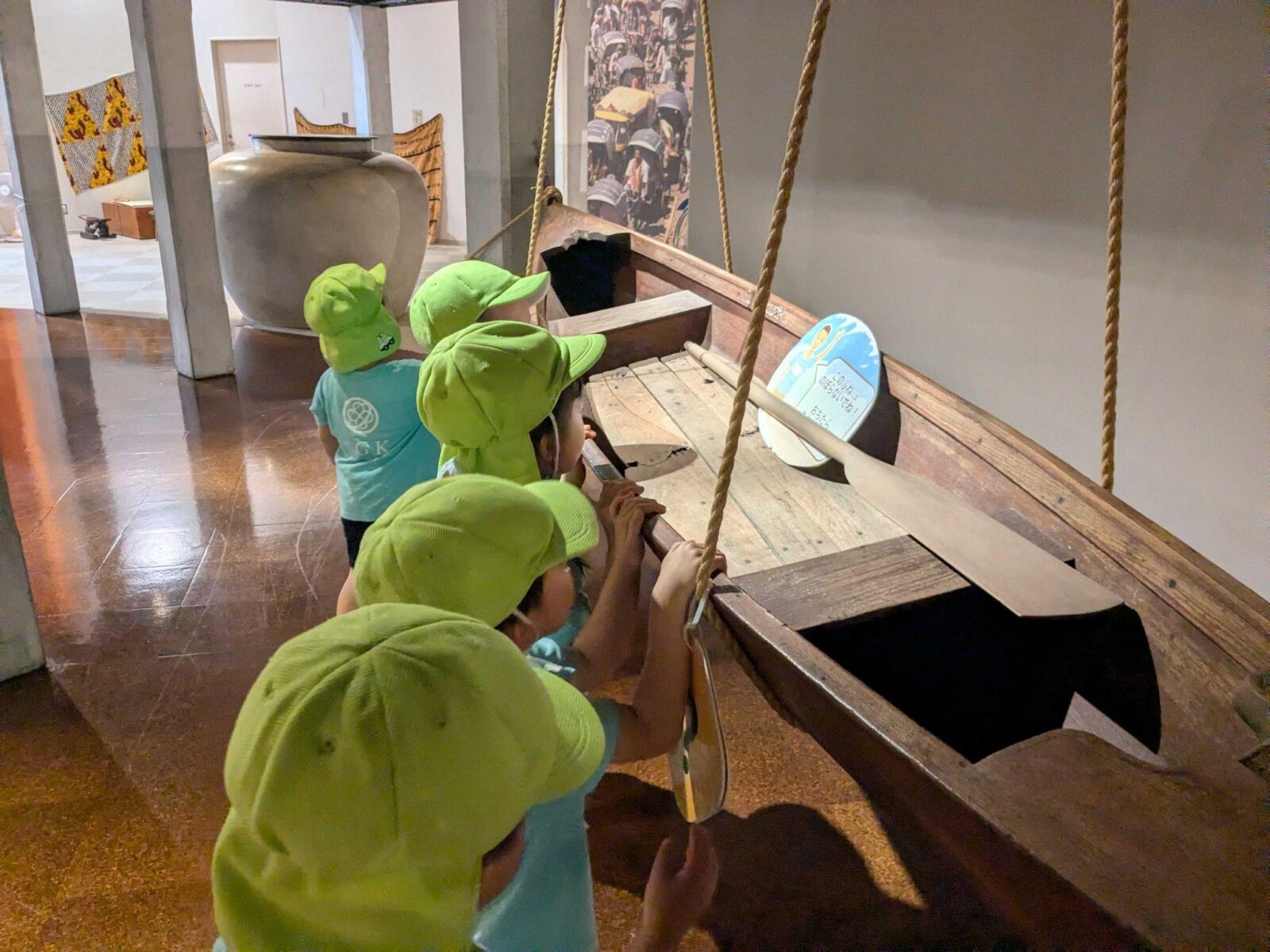
Earth Plaza
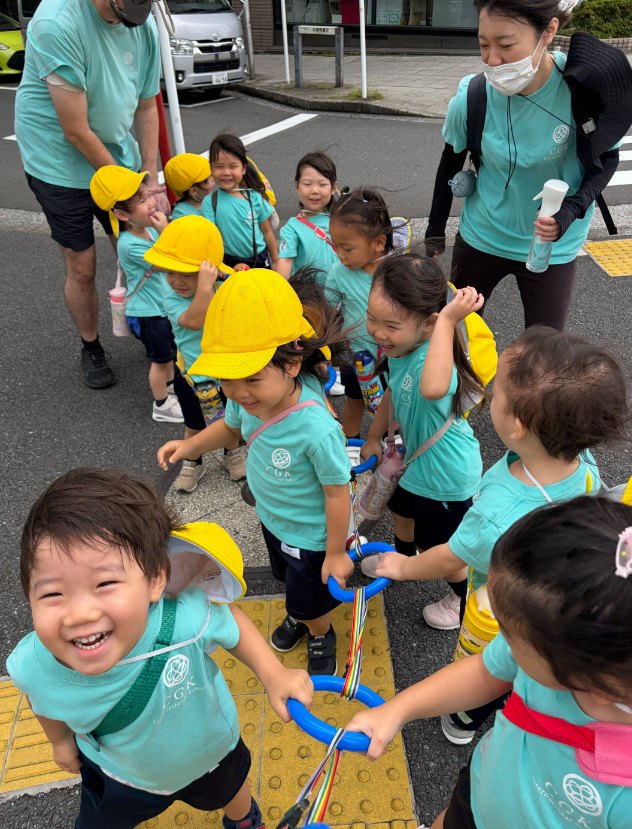
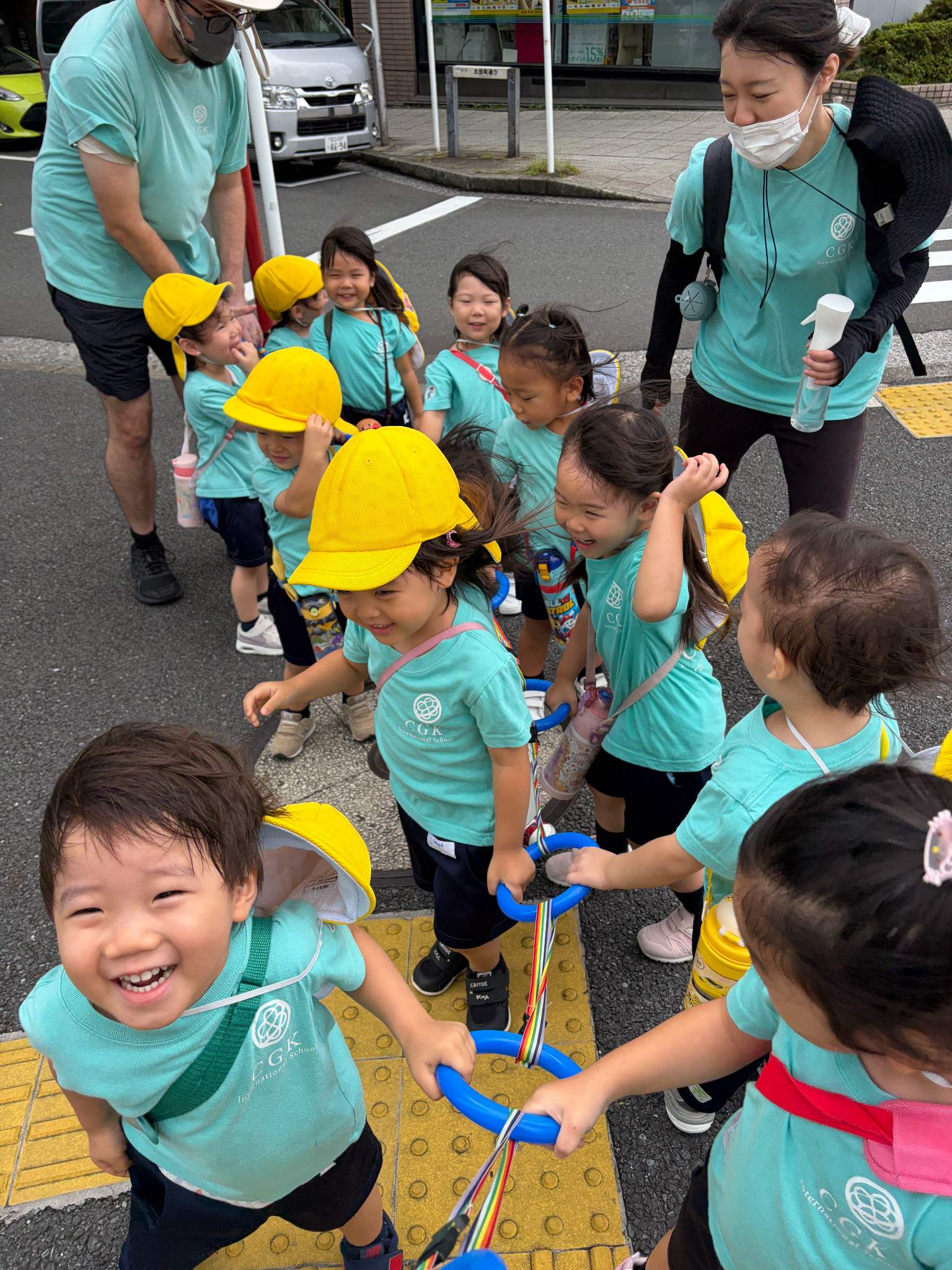
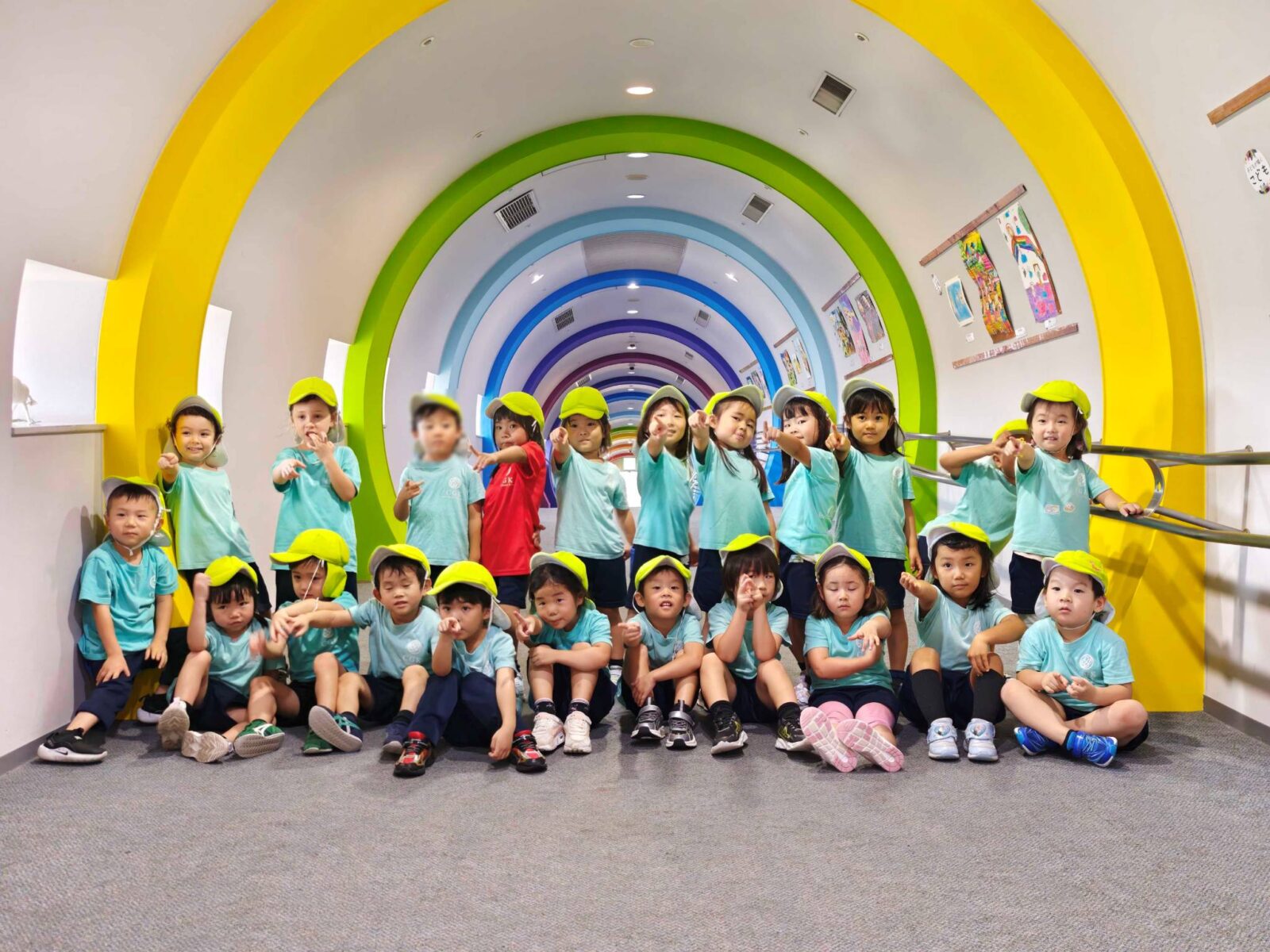
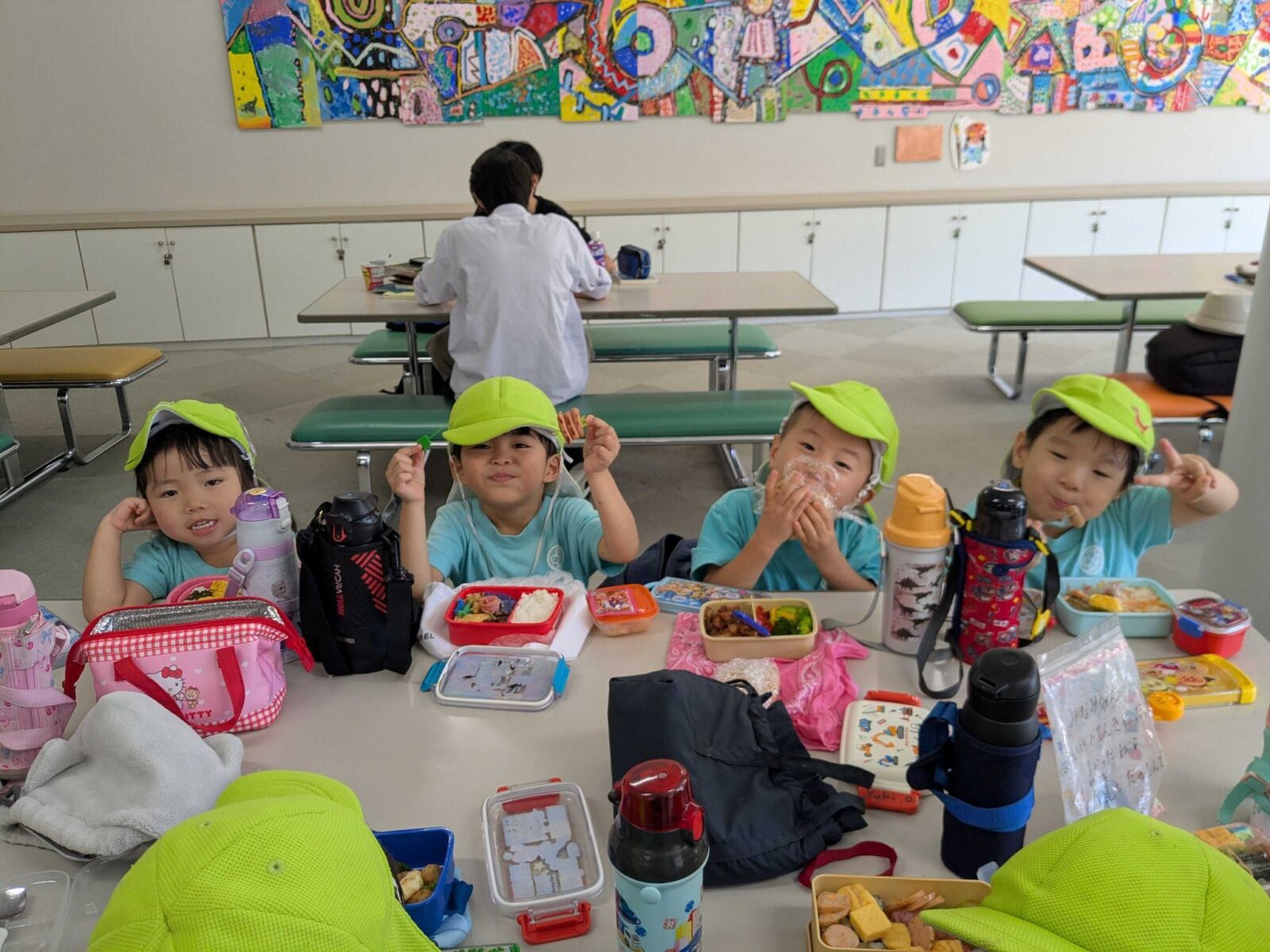
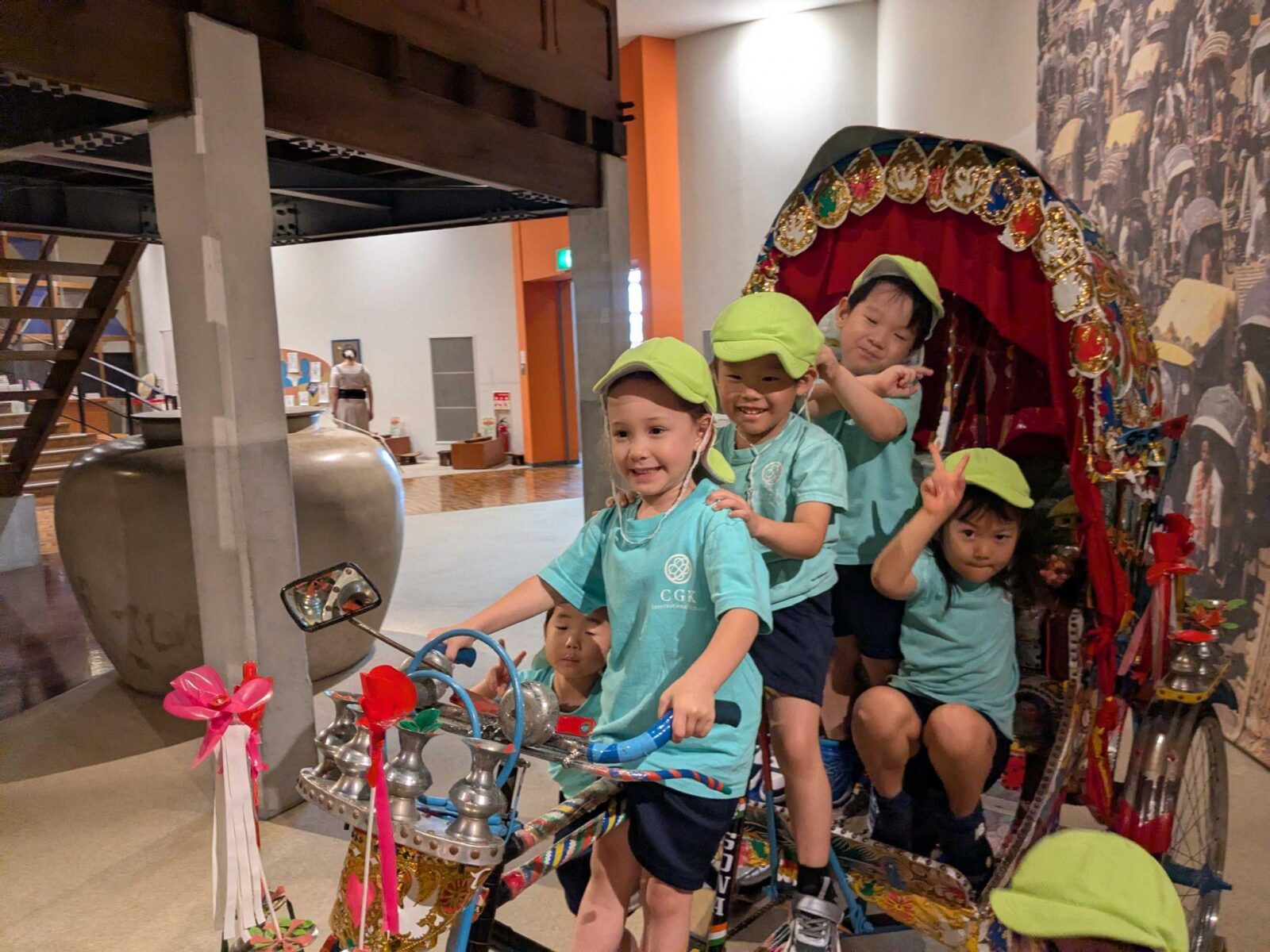
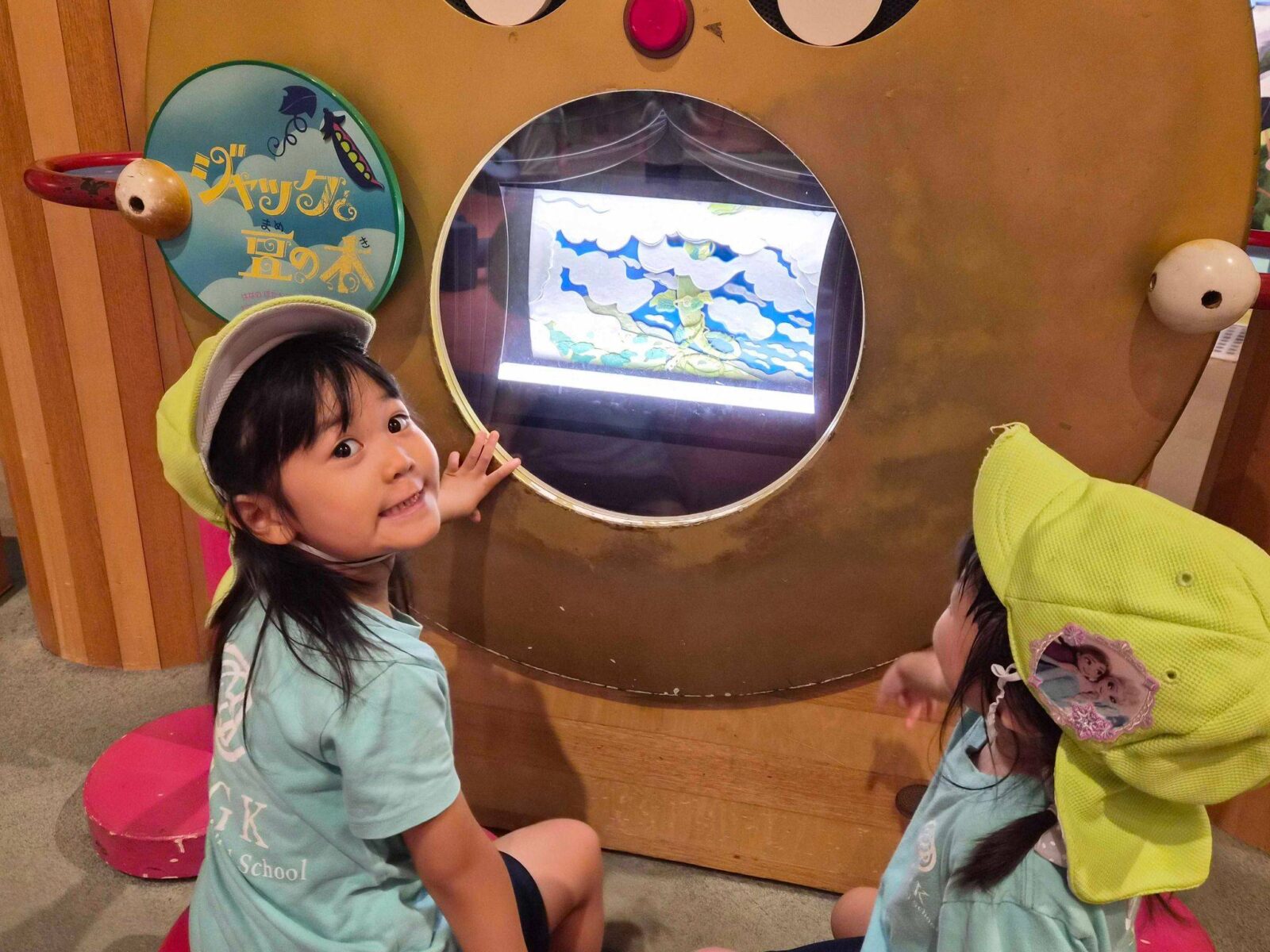
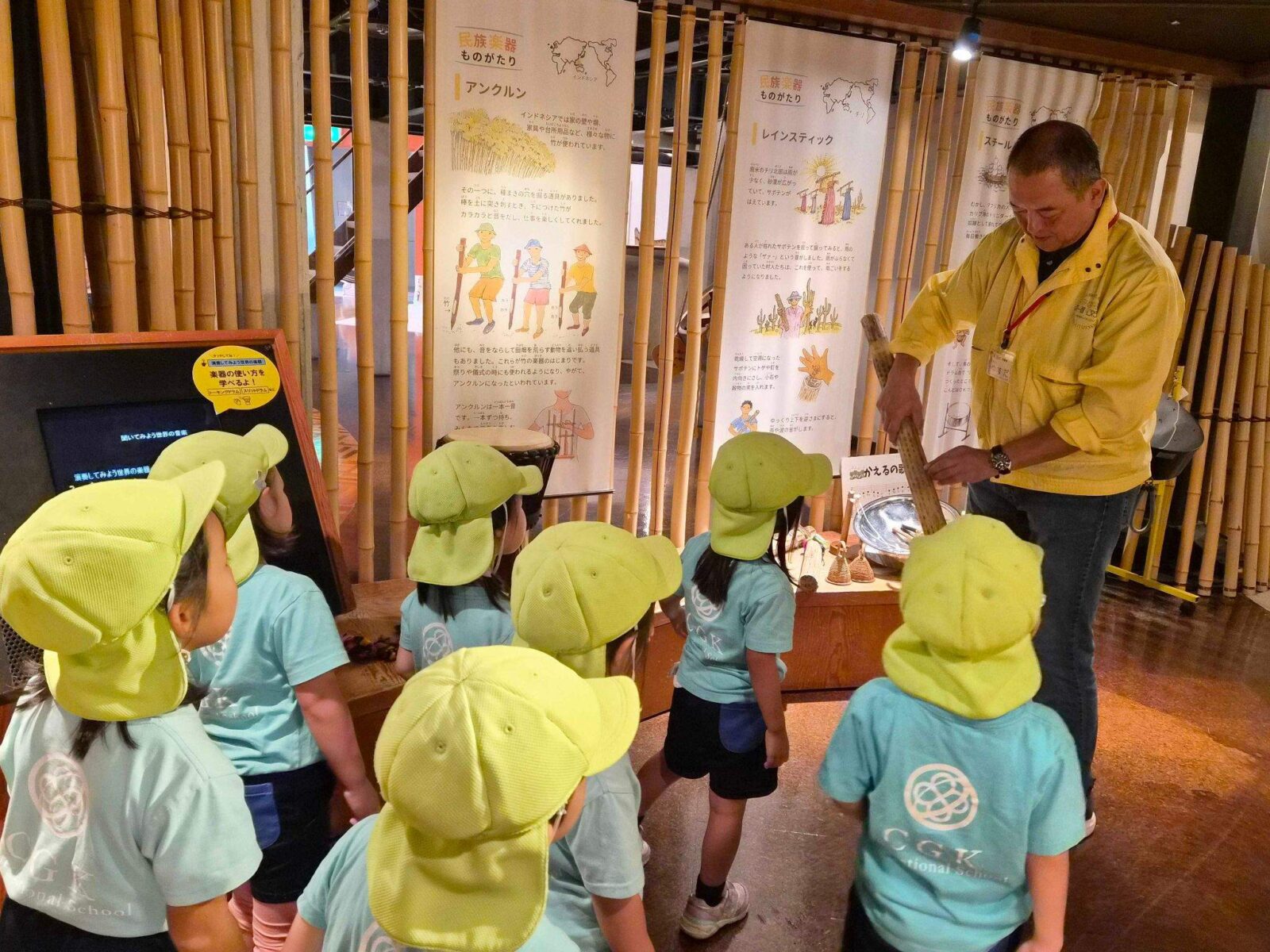
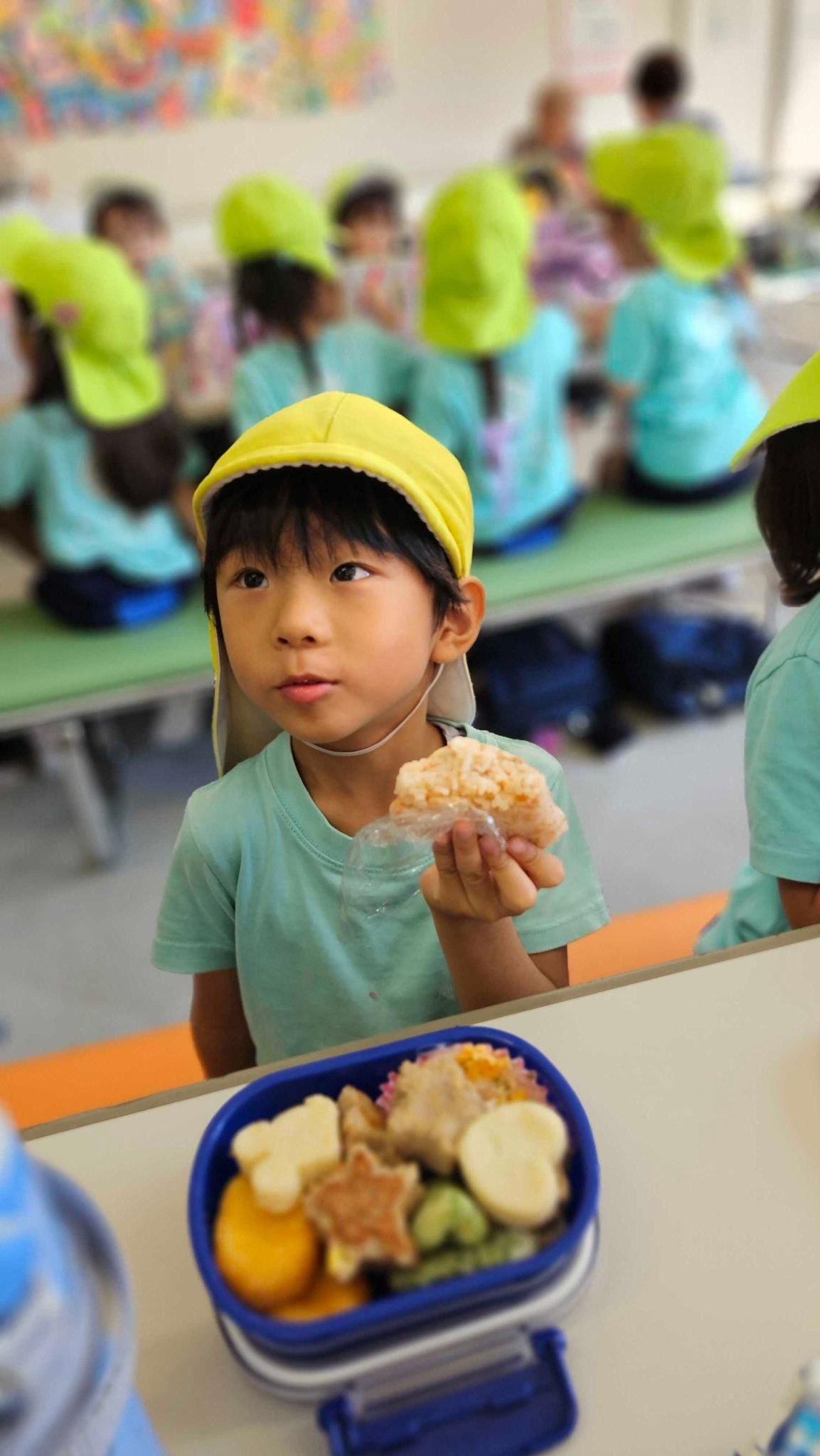
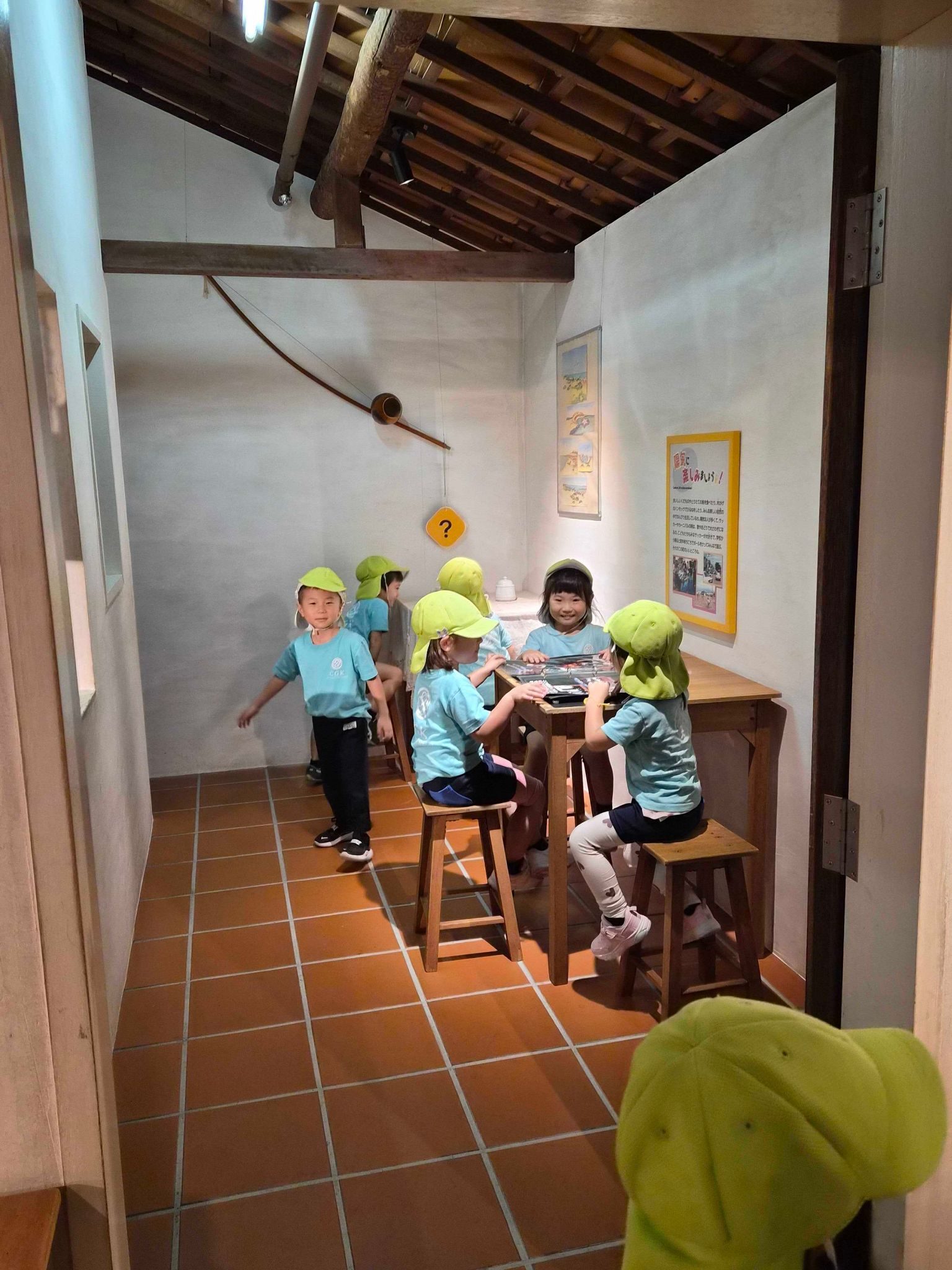
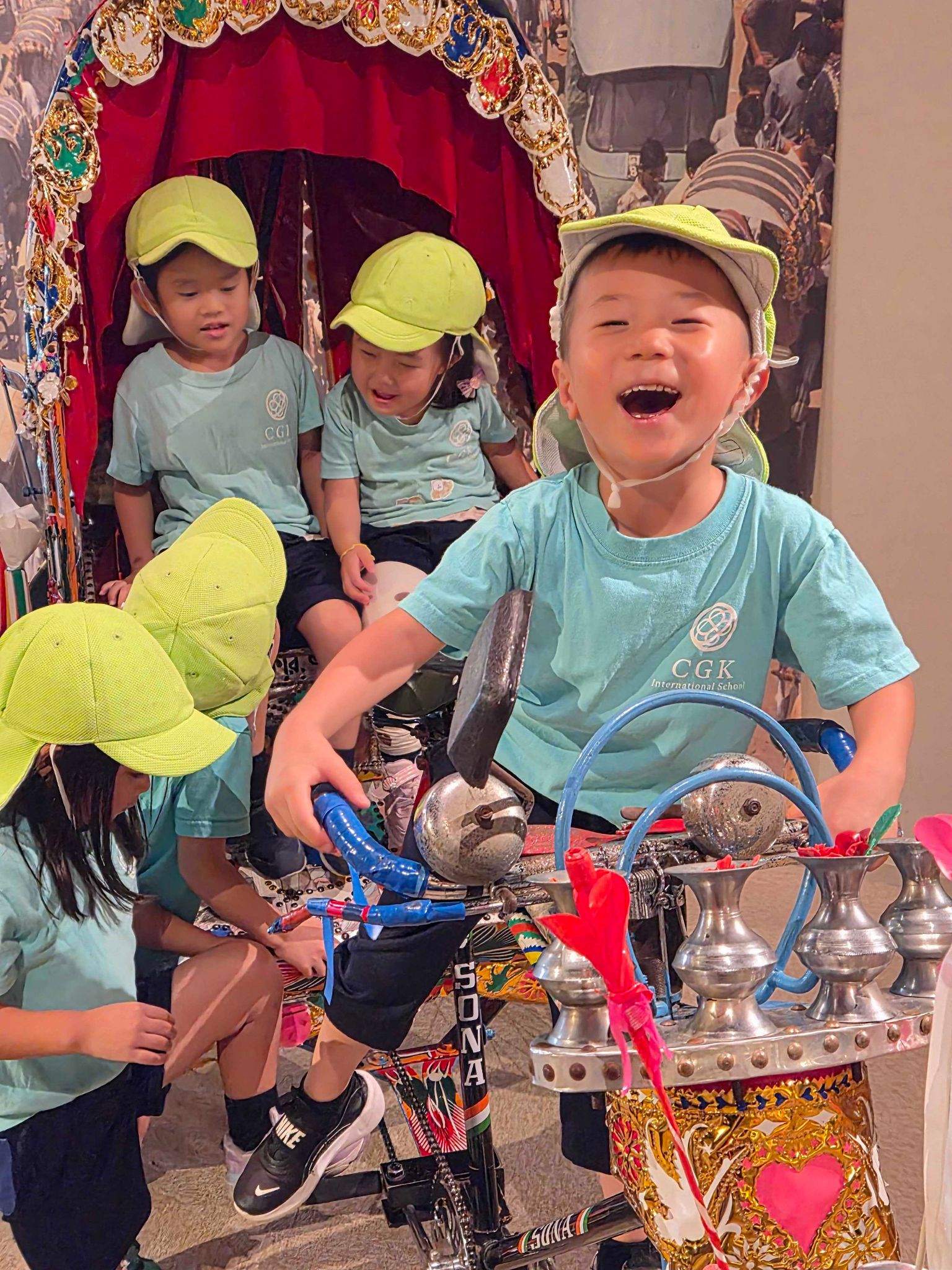
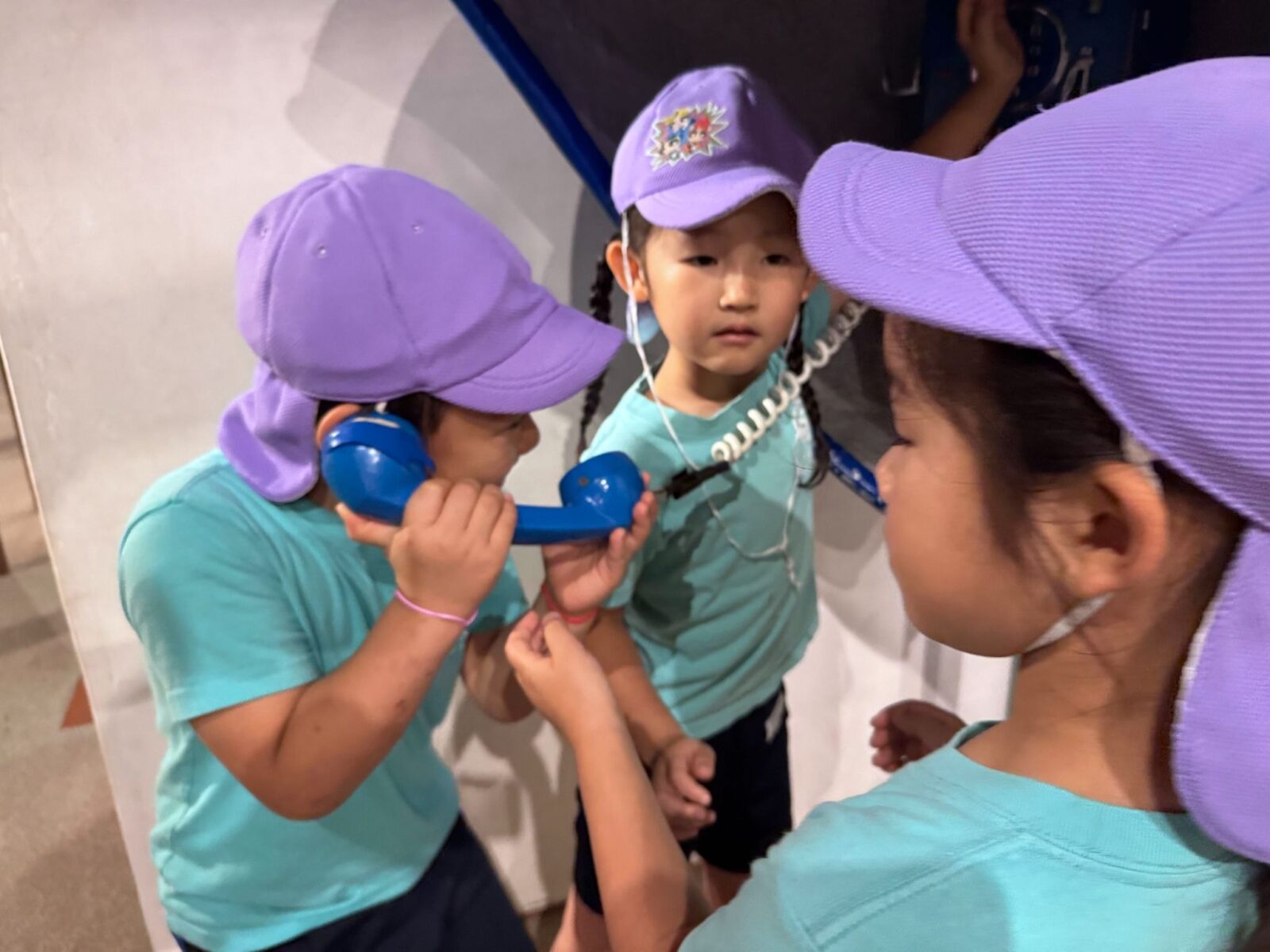
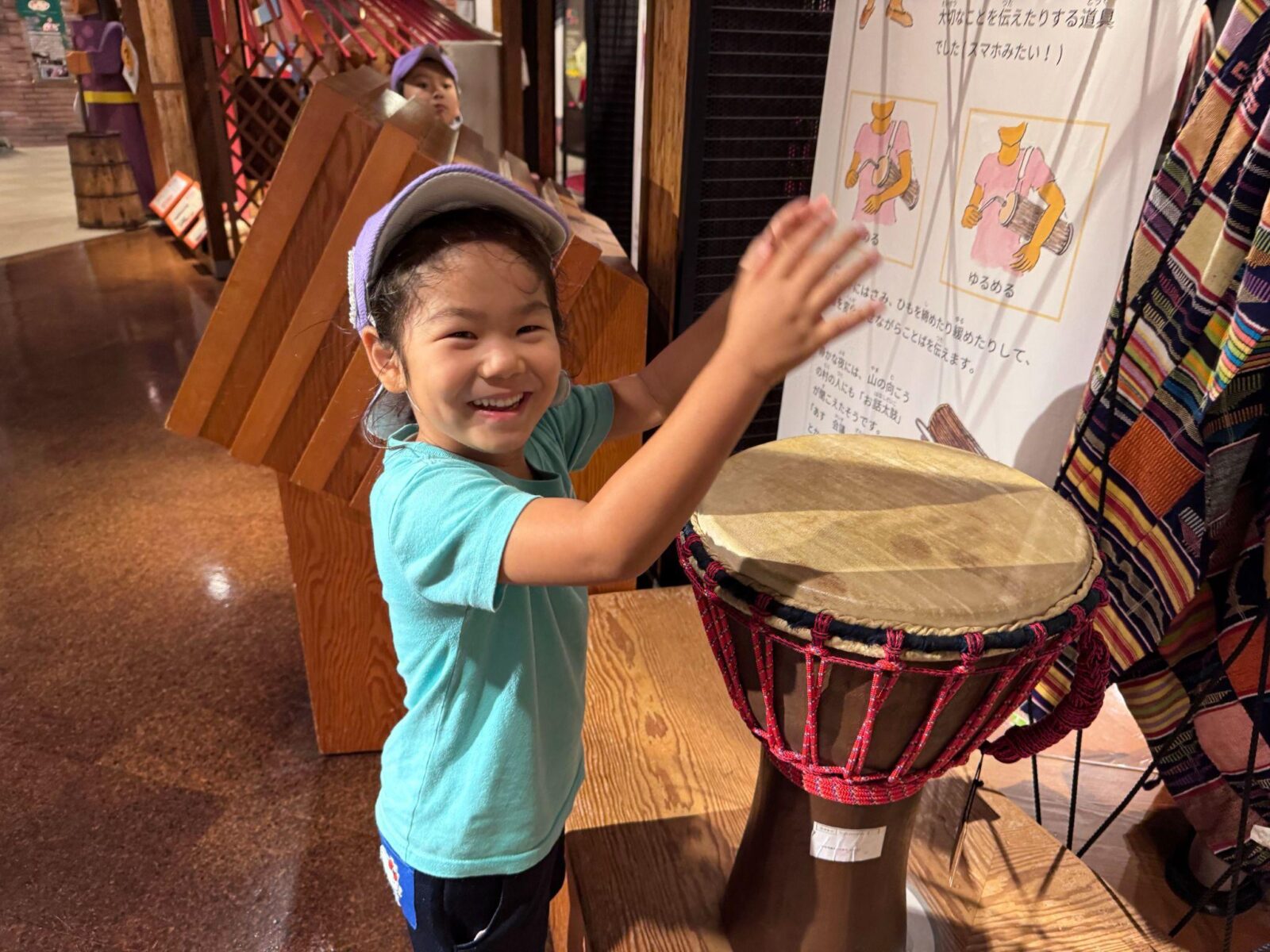
Our Mountain A and Mountain B students recently visited Earth Plaza (あーすぷらざ) for a special field trip that brought together many of the ideas we explored in our recent Units of Inquiry, How We Organize Ourselves and Who We Are. Throughout these units, the children learned about the importance of rules and routines, working together, being inclusive, and caring for ourselves and others. Our visit to Earth Plaza provided a wonderful opportunity to connect these ideas to the wider world and reflect on how people live and care for one another in different ways.
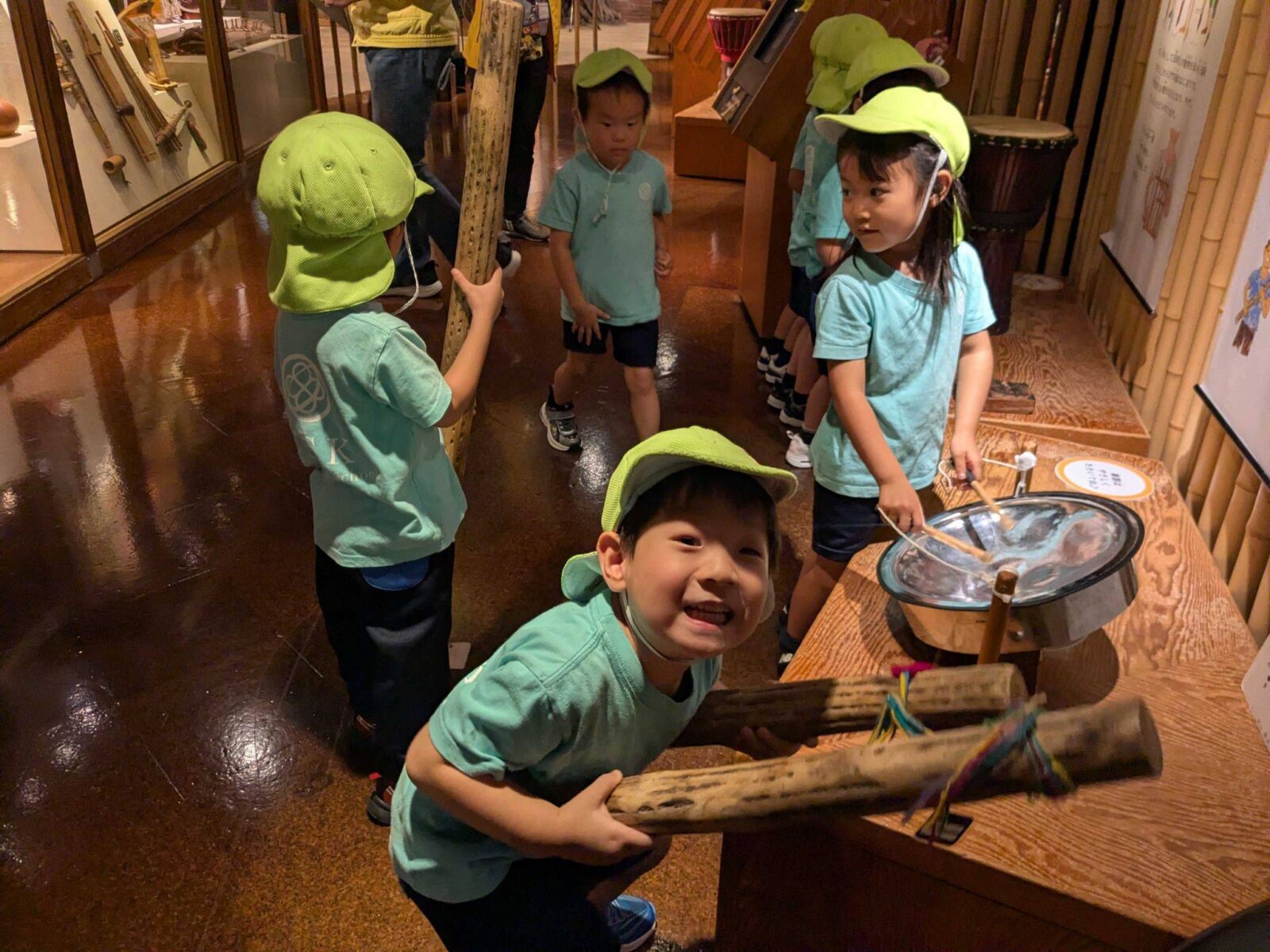
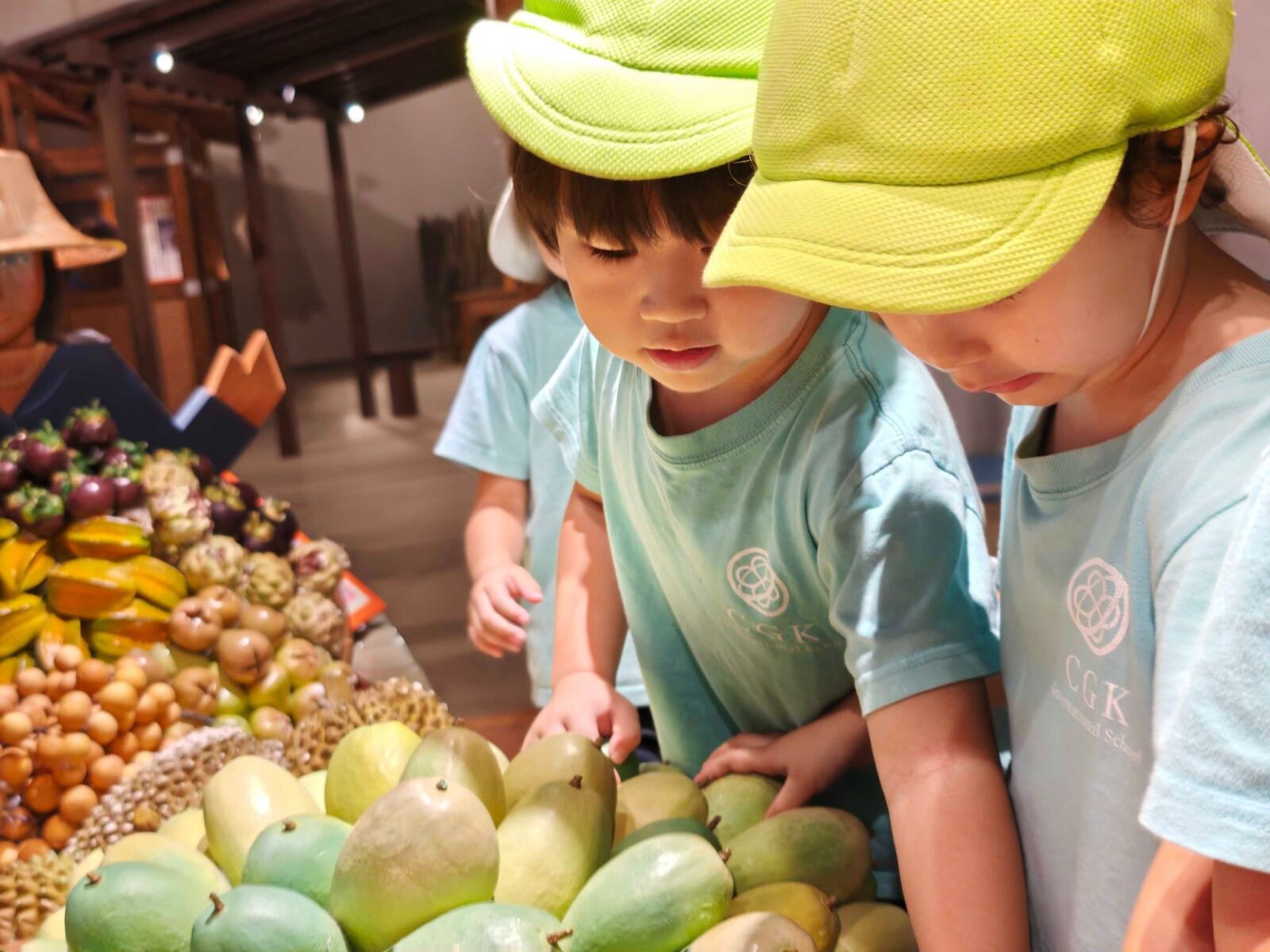
Earth Plaza was also a meaningful place to explore our understanding of diversity and inclusion. The children had opportunities to discover different cultures through musical instruments, traditional clothing, and other displays from around the world. As they explored, they were encouraged to notice both the similarities and differences between people and cultures. These experiences helped us extend our conversations about being open-minded, respecting others, and recognising that everyone has a place in our shared community.
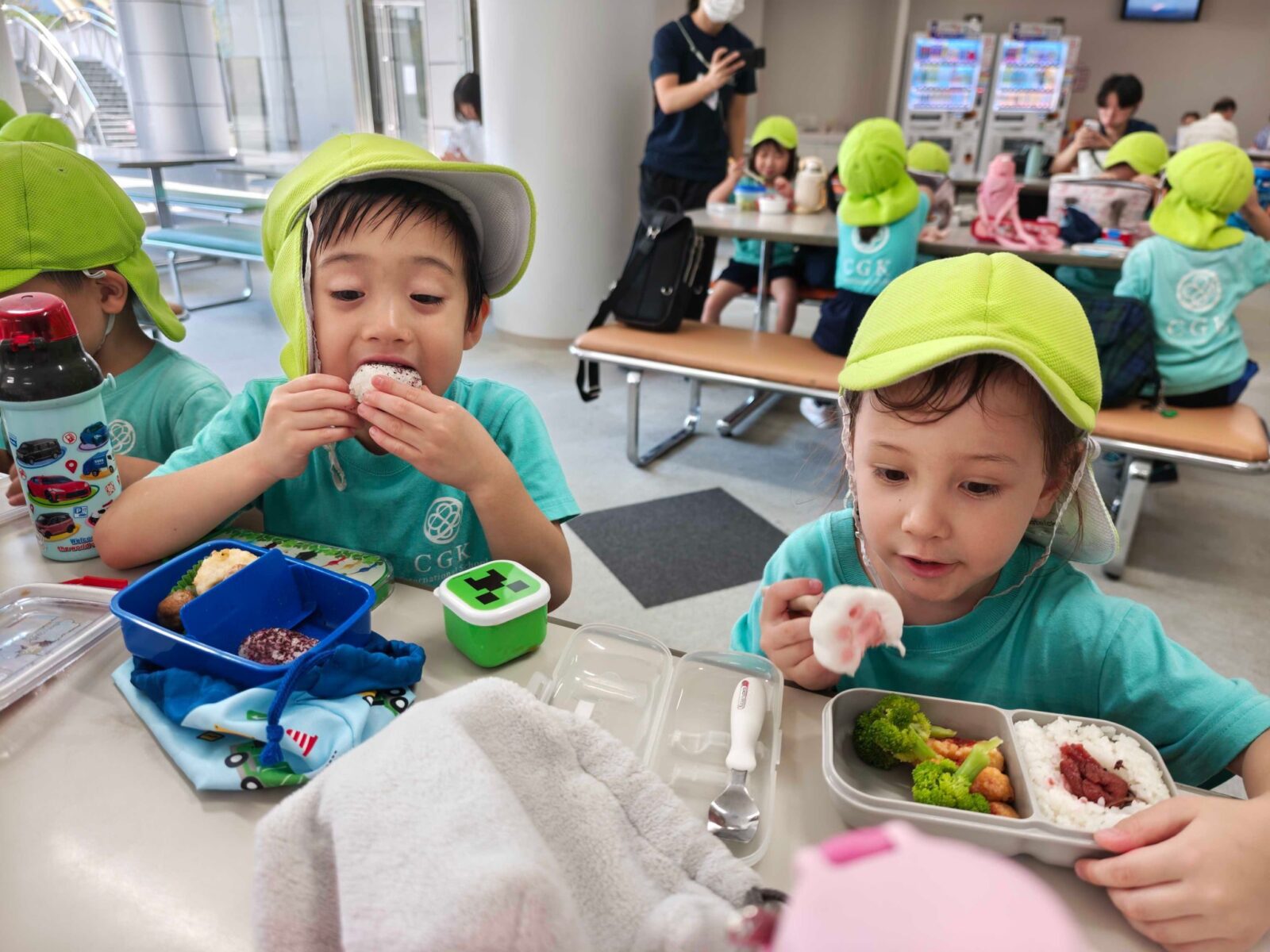
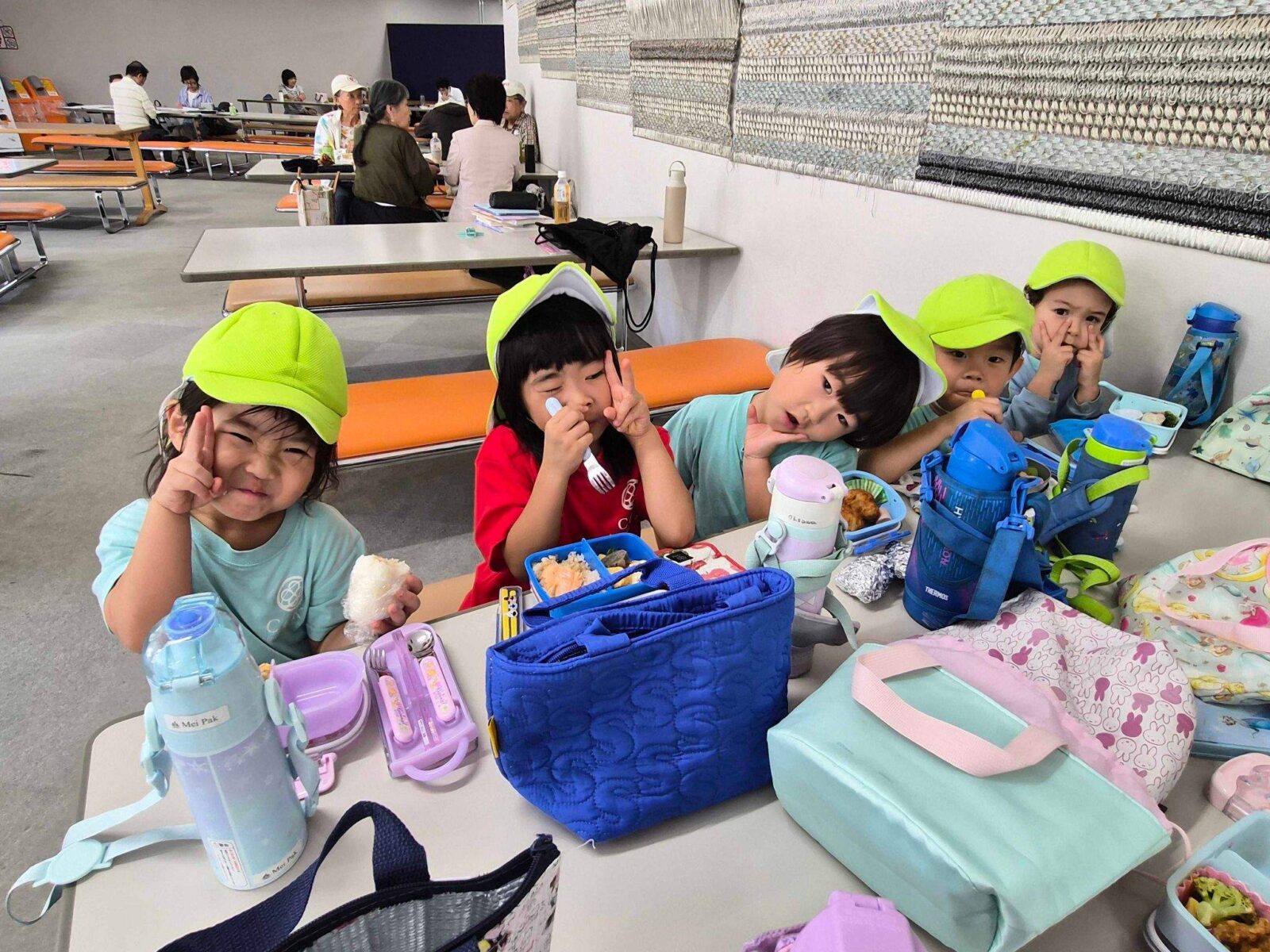
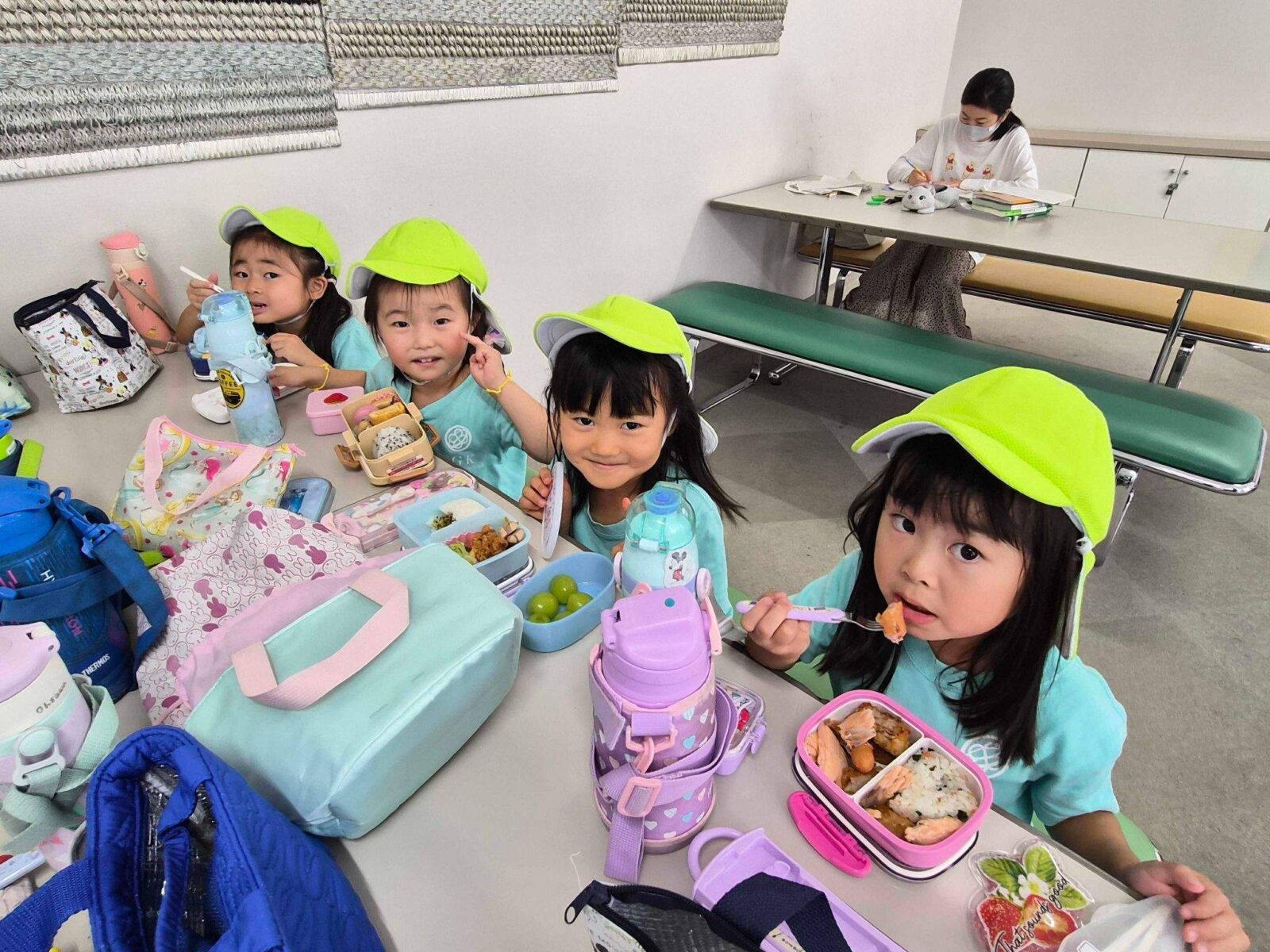
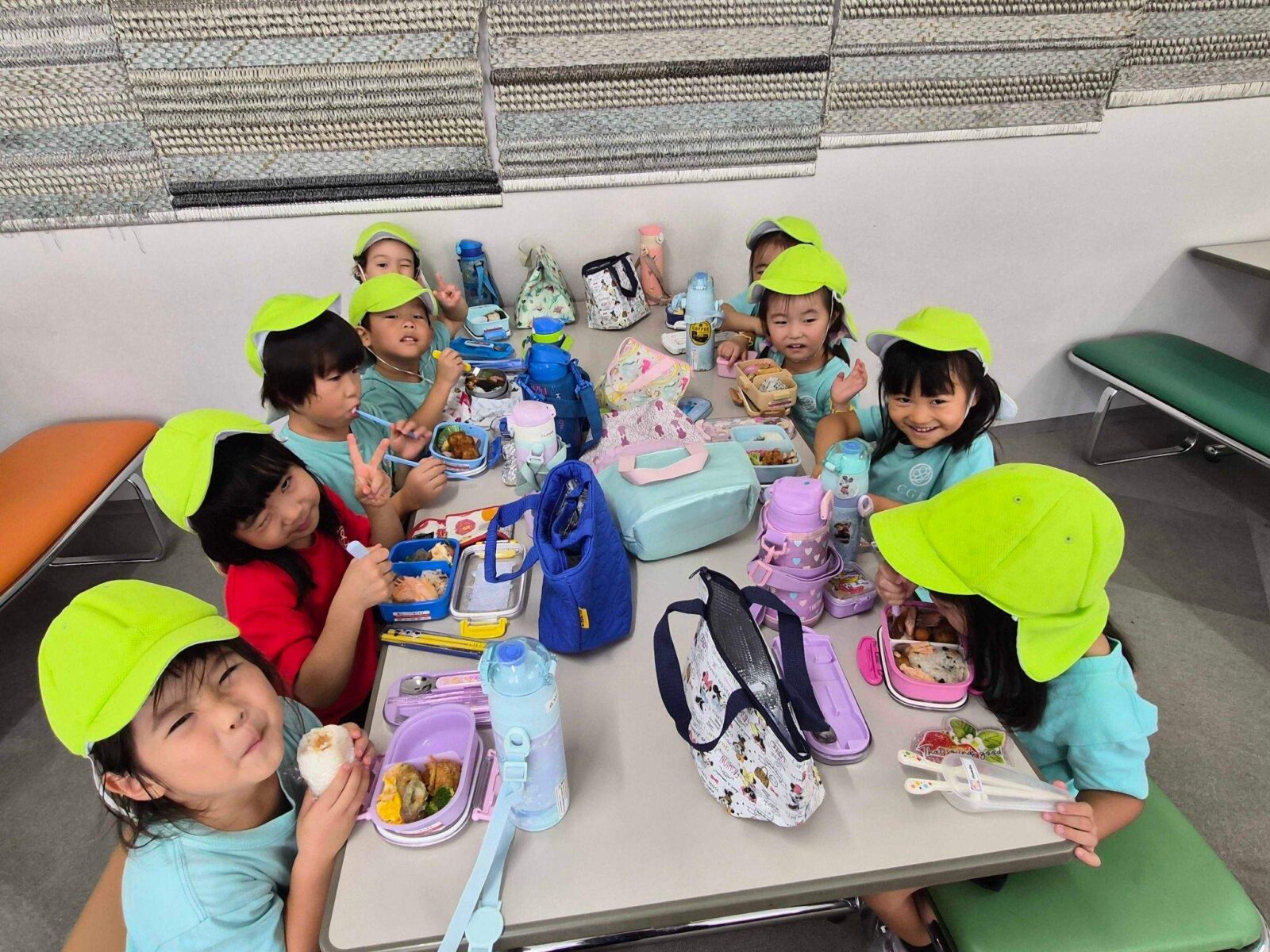
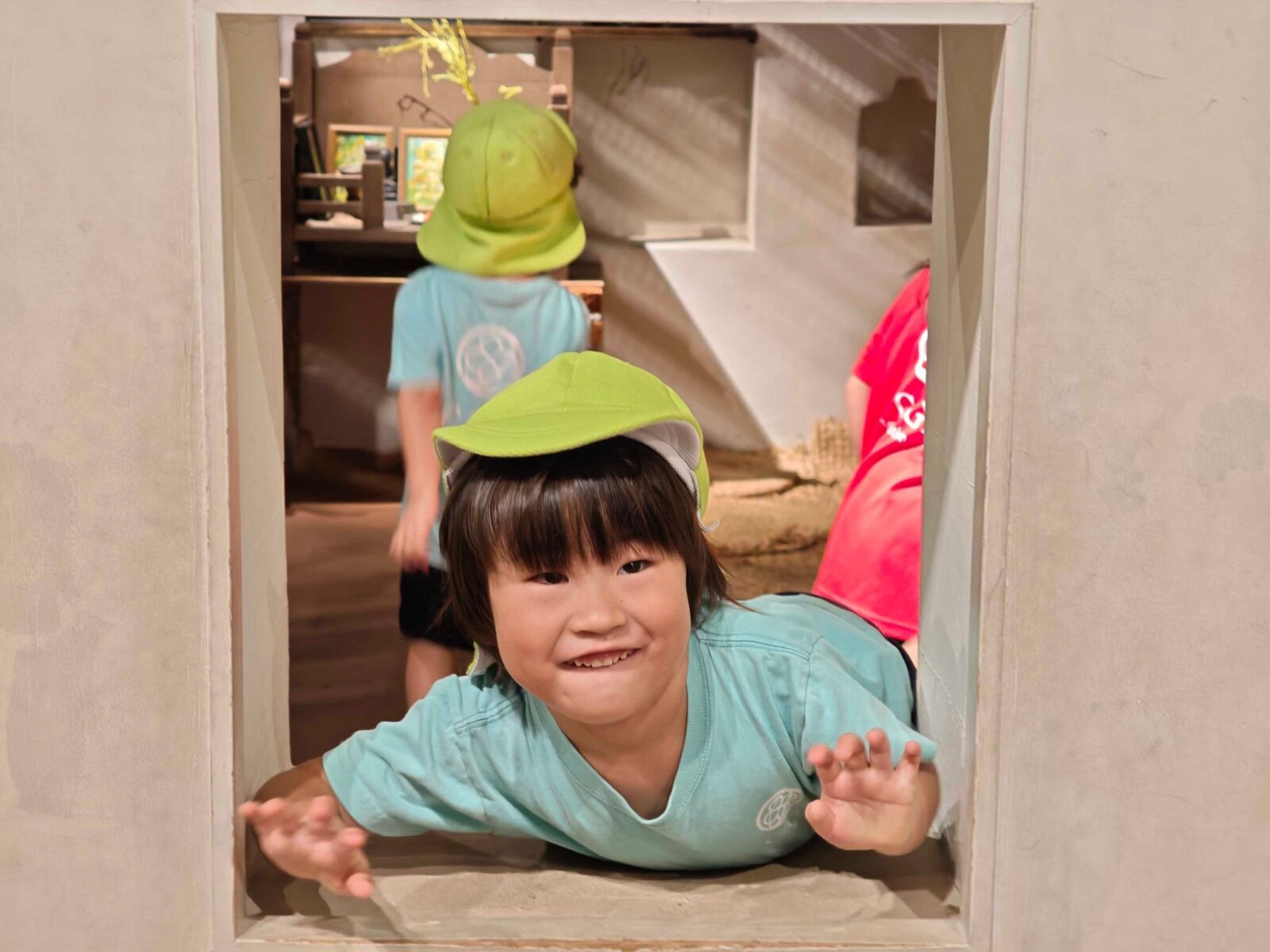
The trip also gave us a natural introduction to our new Unit of Inquiry, Sharing the Planet. As we begin thinking about how we share our world with animals and care for the living things around us, we will also explore the idea that we share our world with other people. The children had a wonderful time exploring the play area and, of course, enjoying the lunches lovingly prepared by their families. It was a joyful day of playing, discovering, connecting, and learning together, while bringing our previous learning into a real-world experience.
Sharing the Planet: Our Lives and Environments
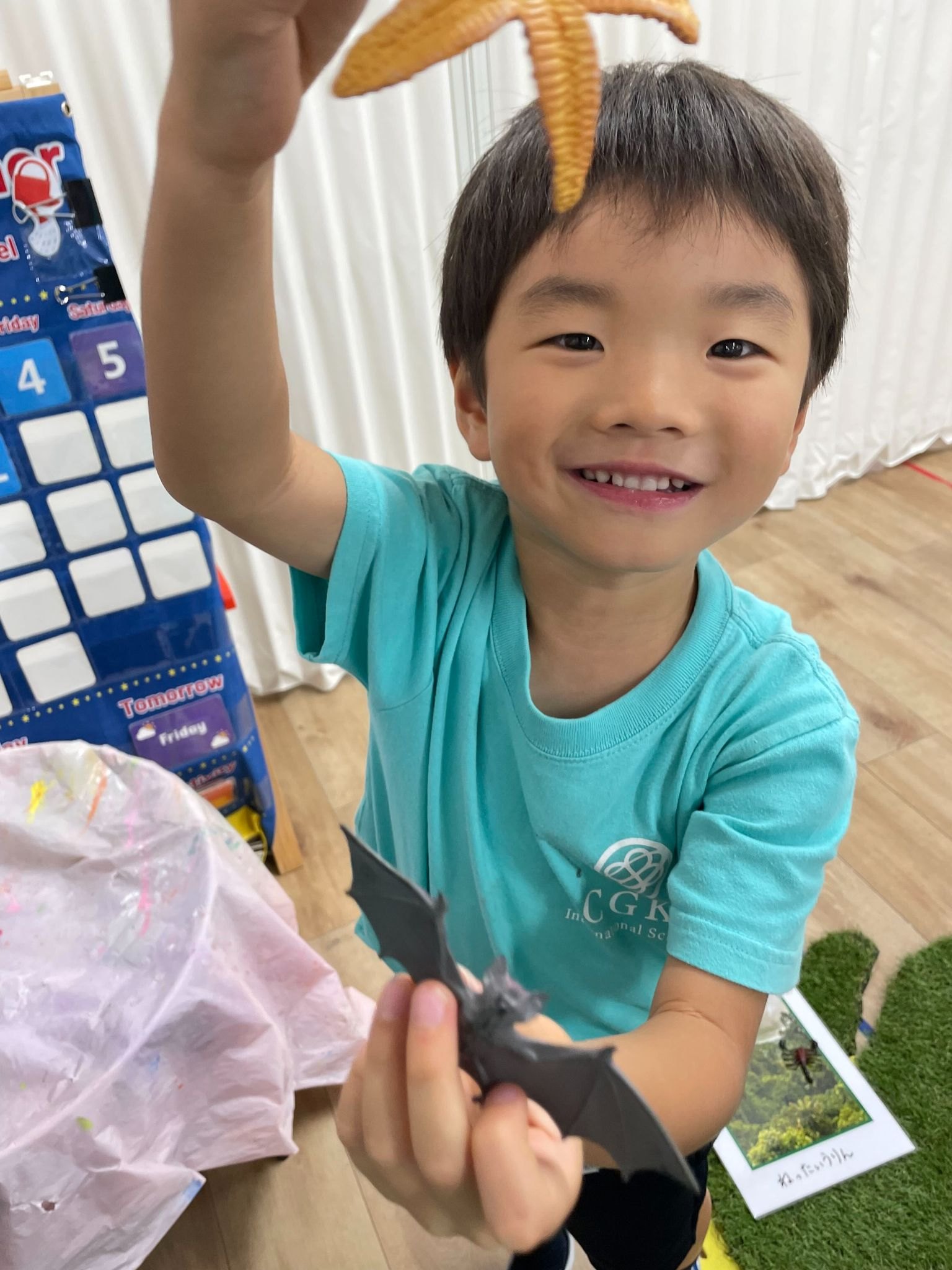
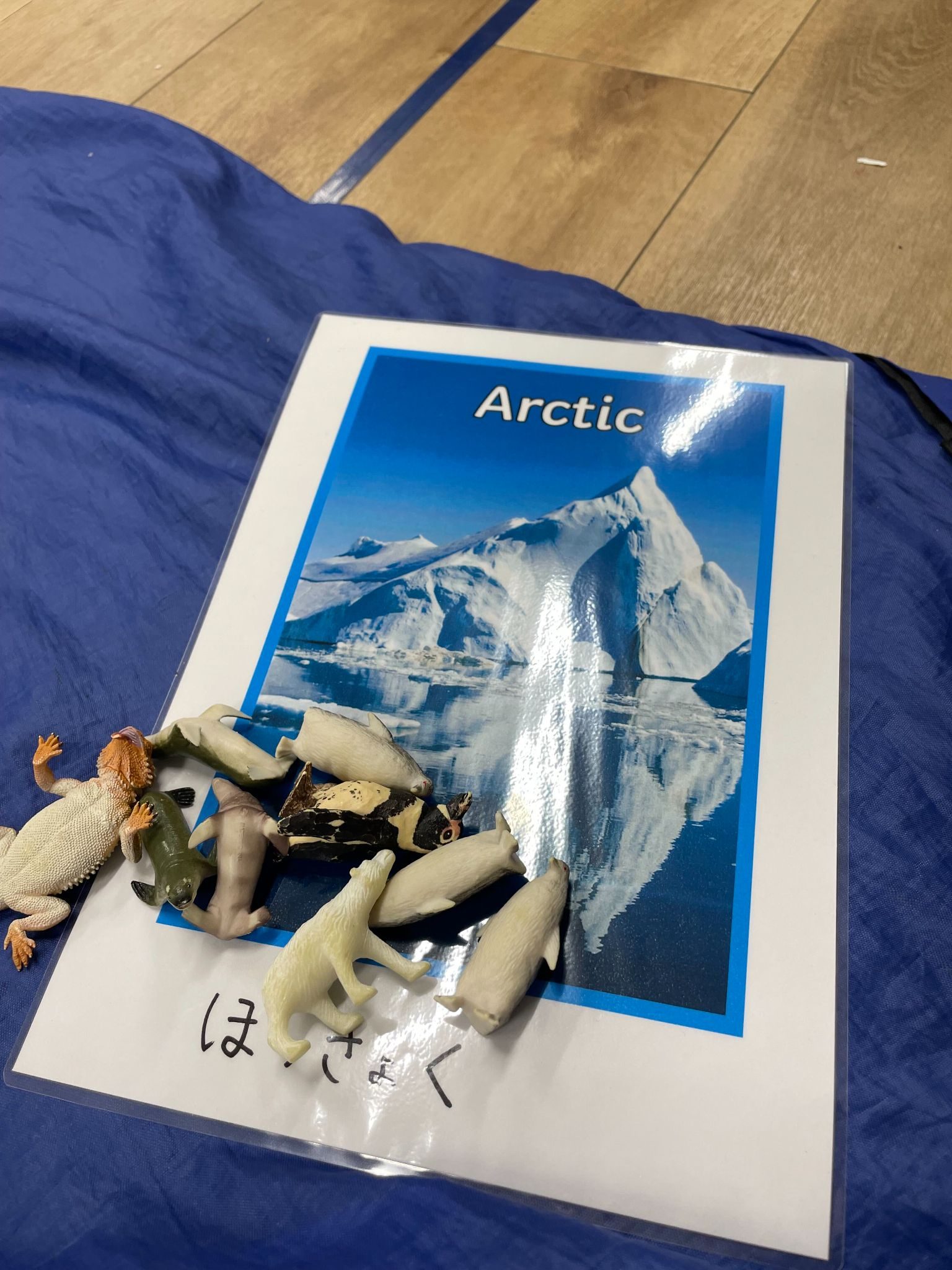
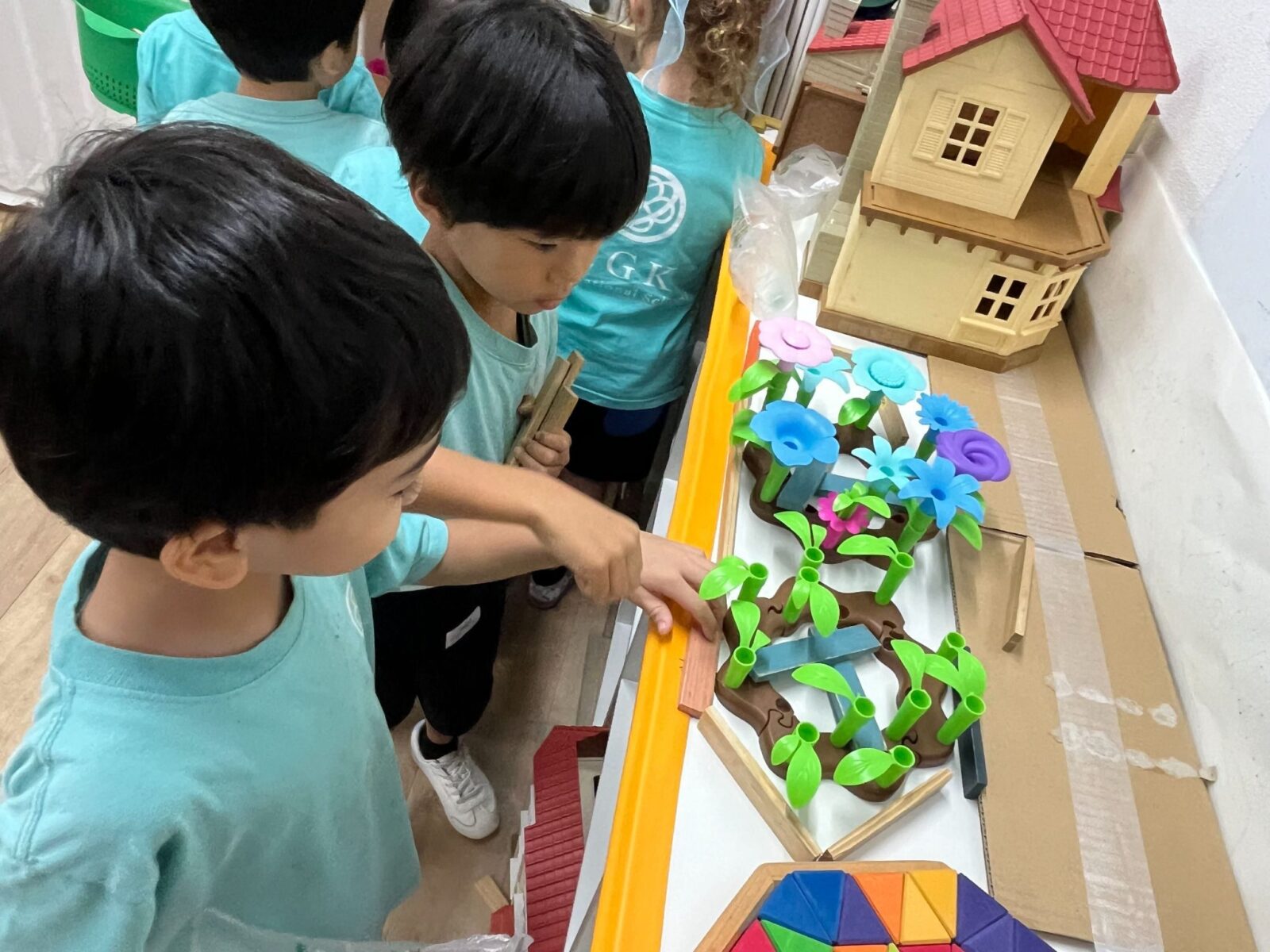
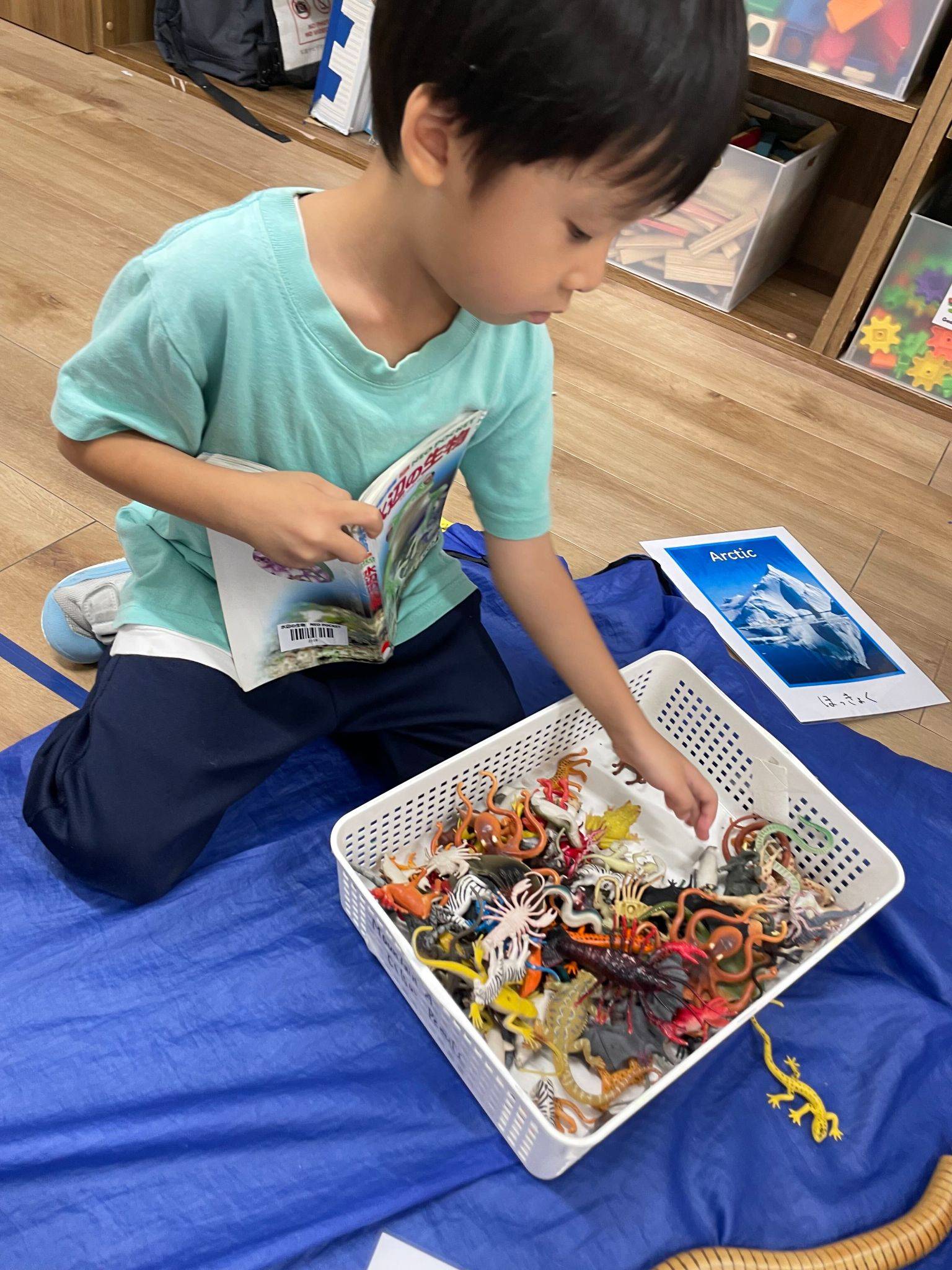
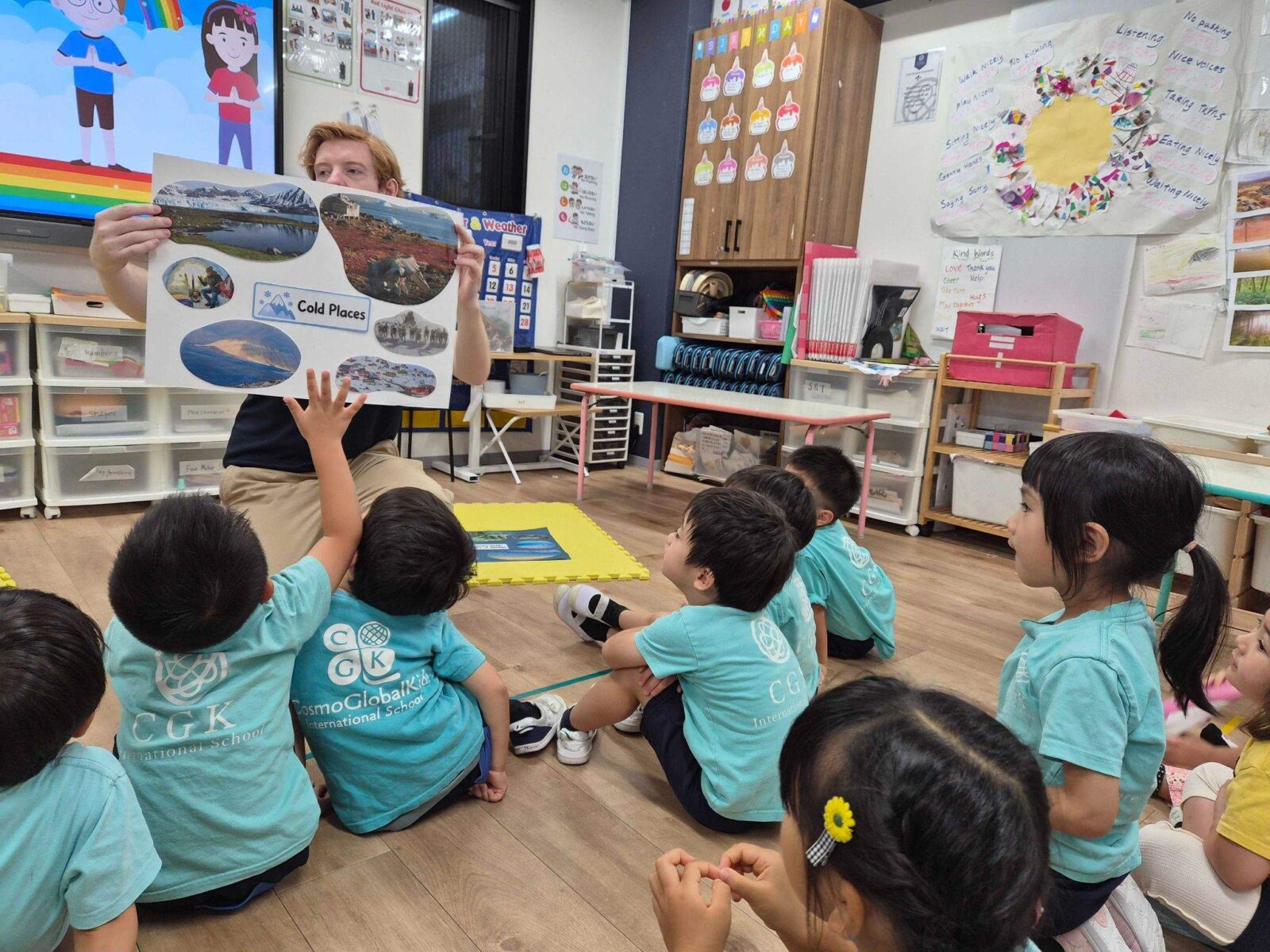
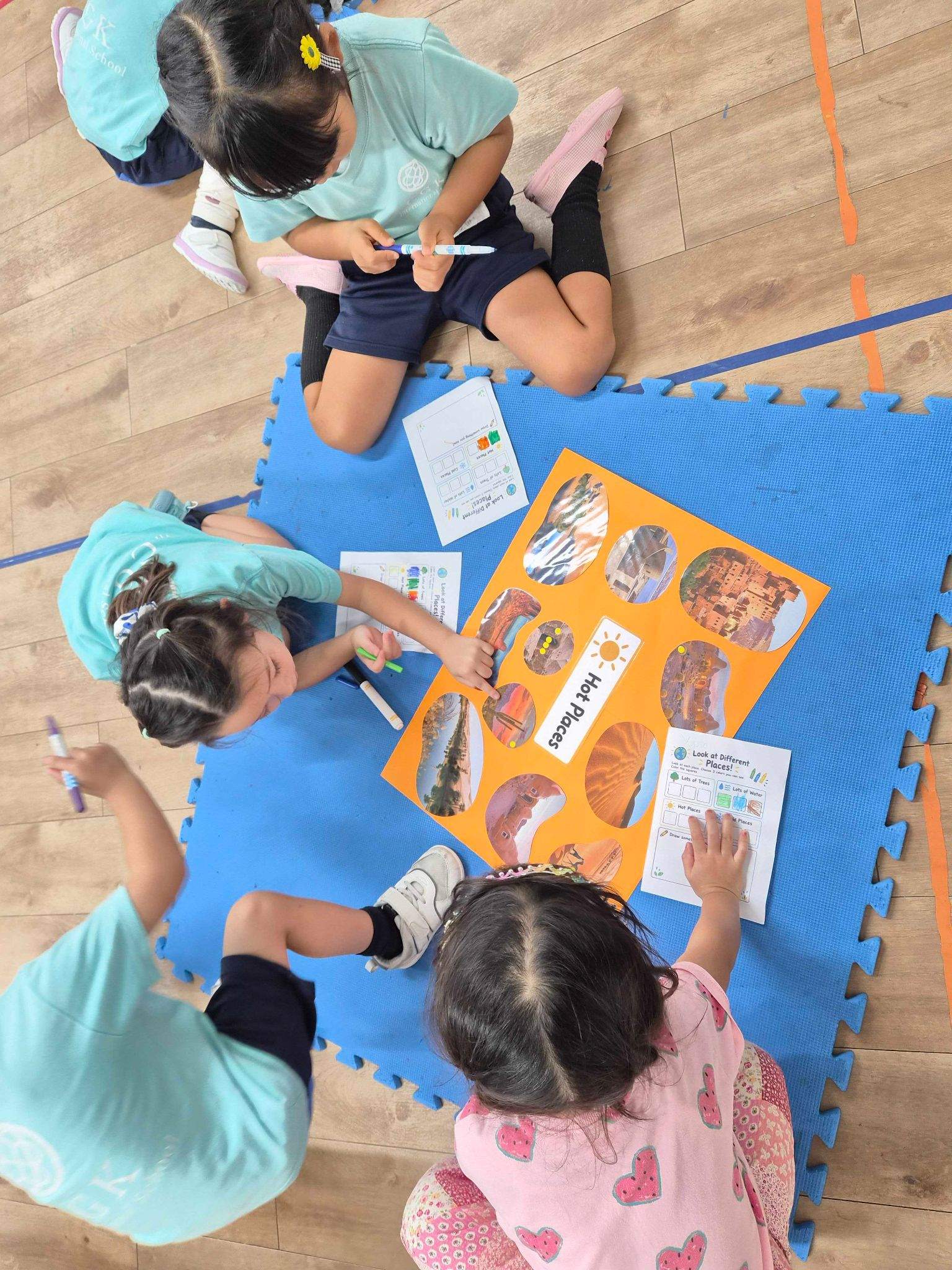
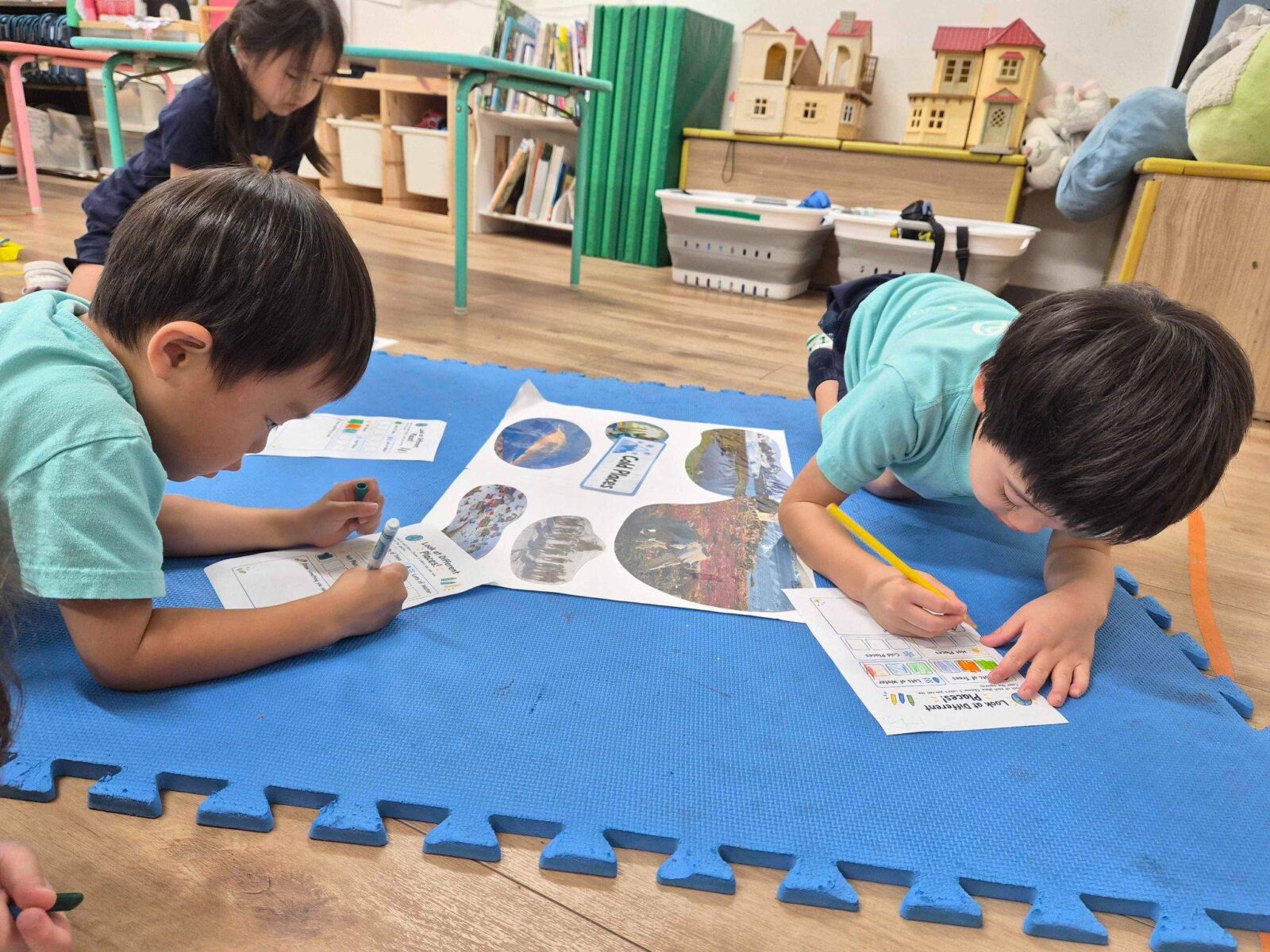
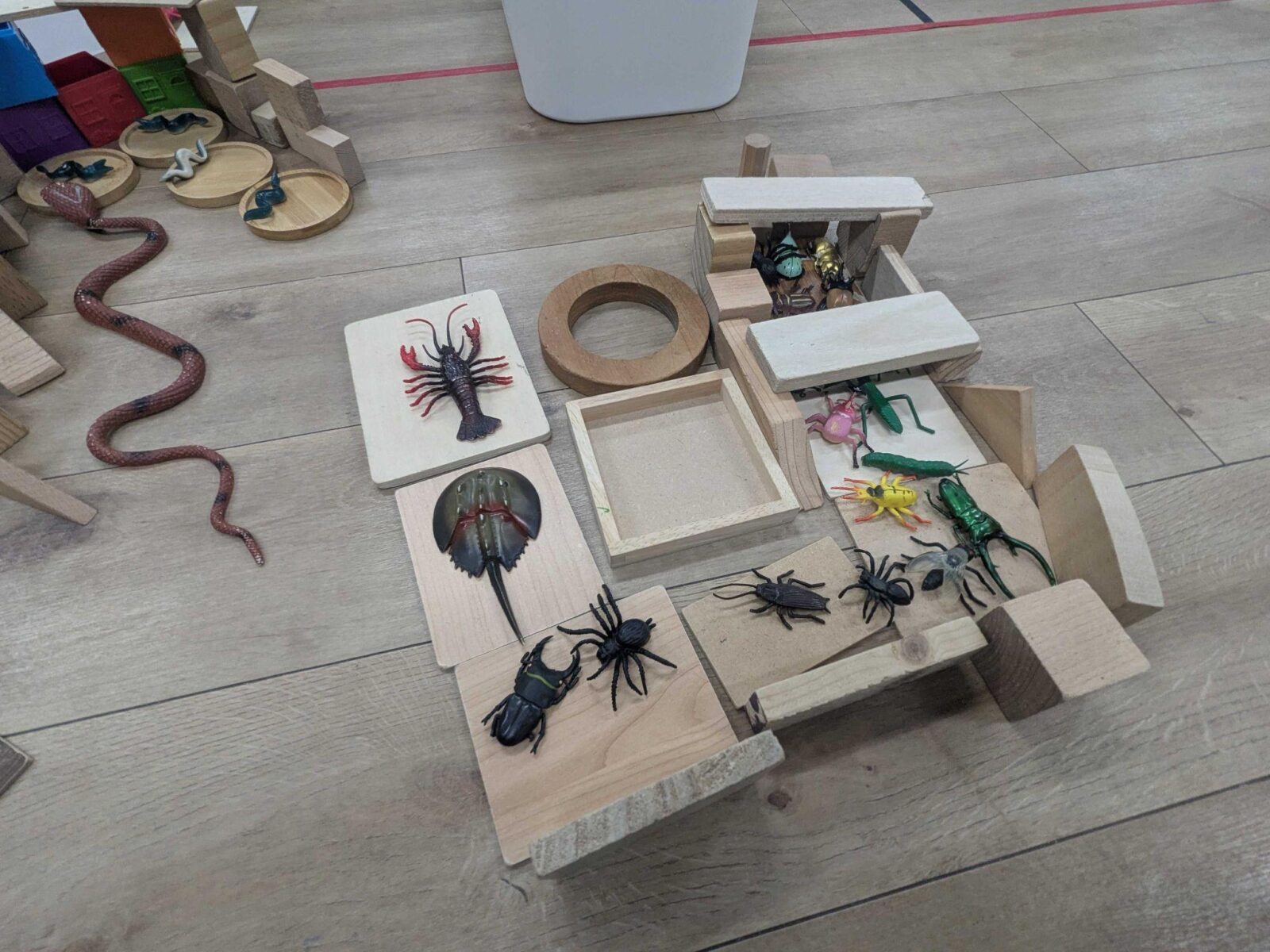
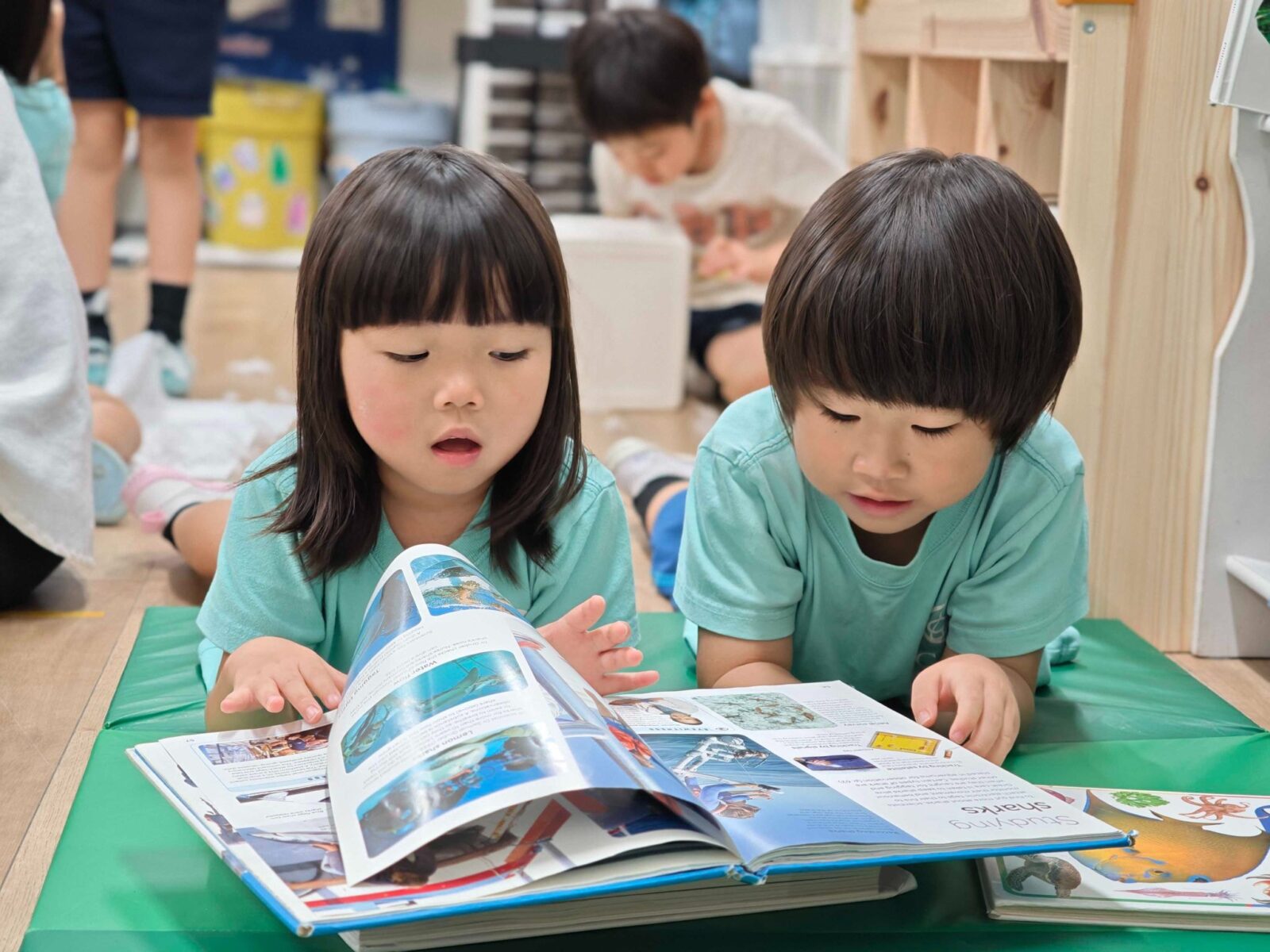
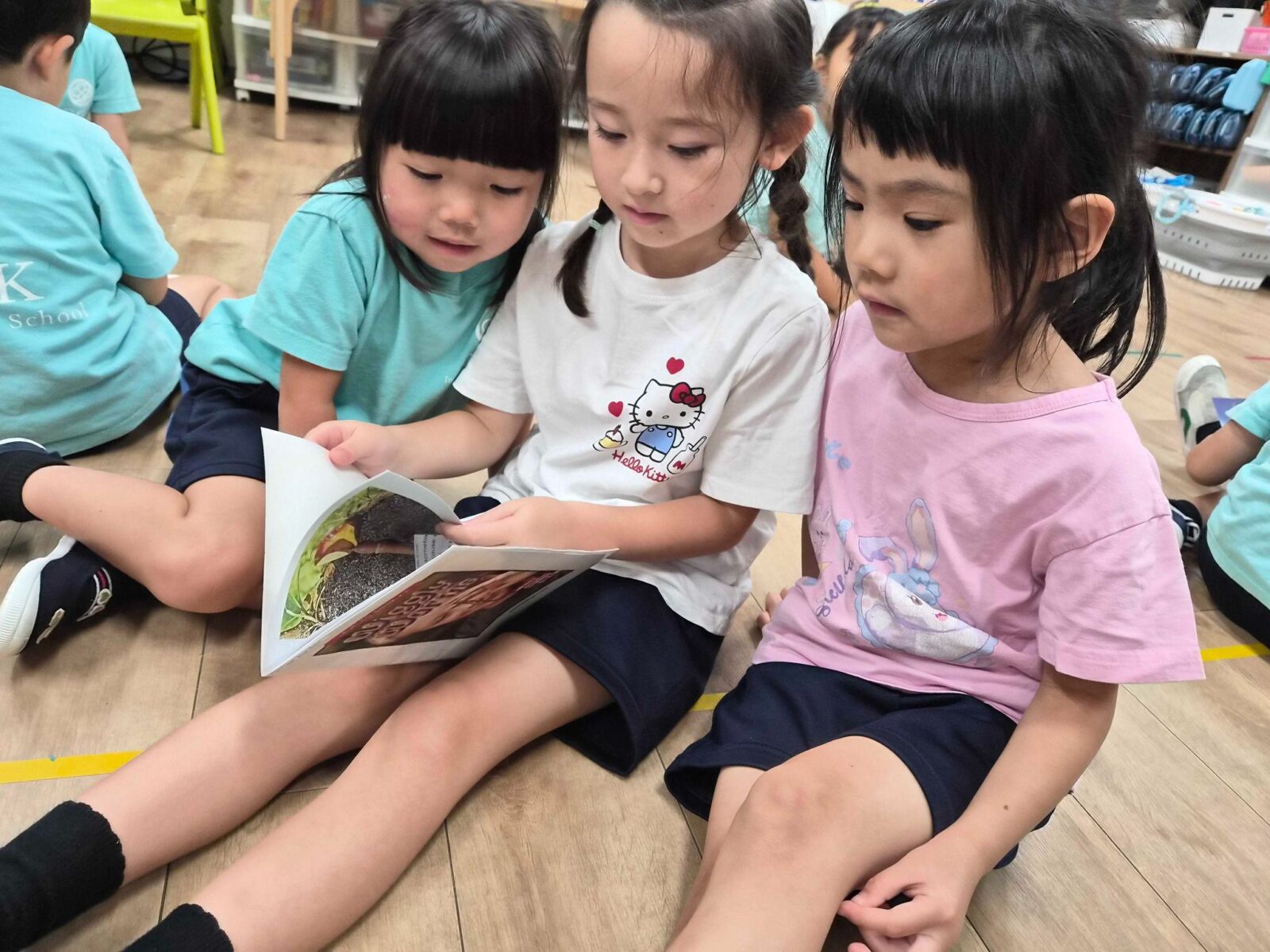
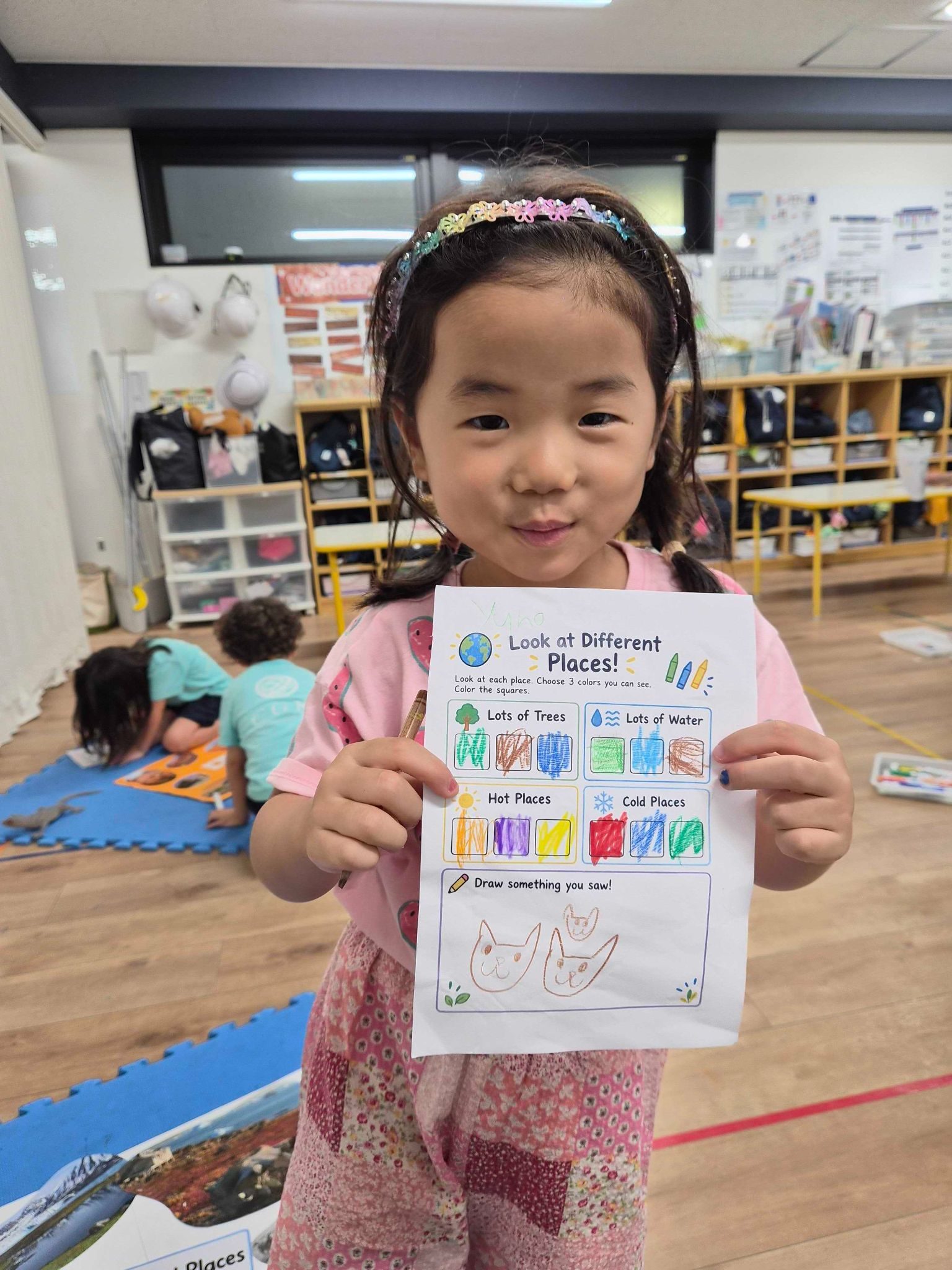
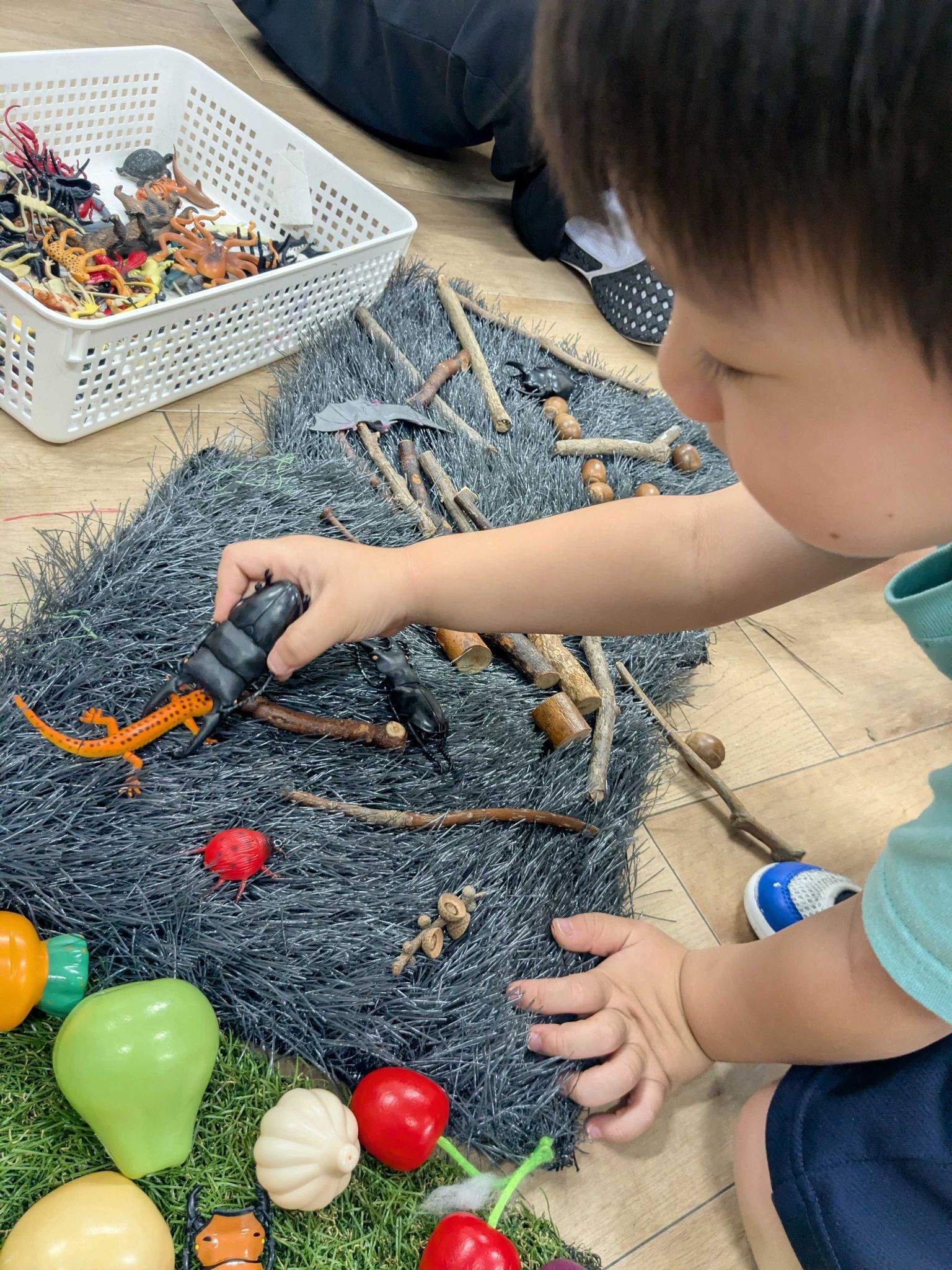
Our 4-year-old classes are currently learning about the environments around us and the living things that inhabit them through the unit Sharing the Planet. We began by exploring the word “habitat” and considering which living things can be found in places such as deserts, the Arctic, oceans, and forests. Using illustrated reference books and sorting animal figures by habitat, each child explored questions such as, “Where does this animal live?” and “Why does it live here?”
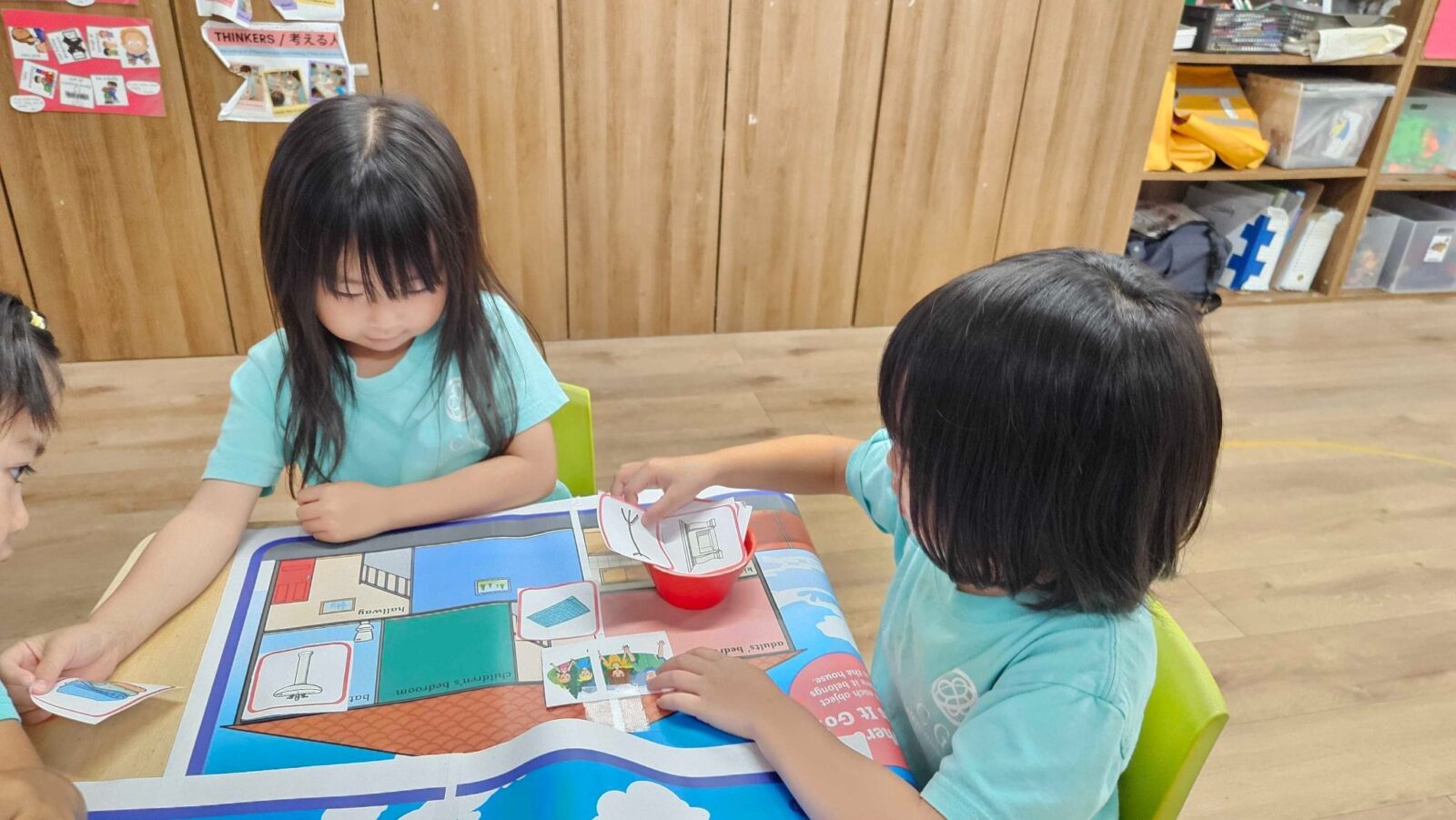
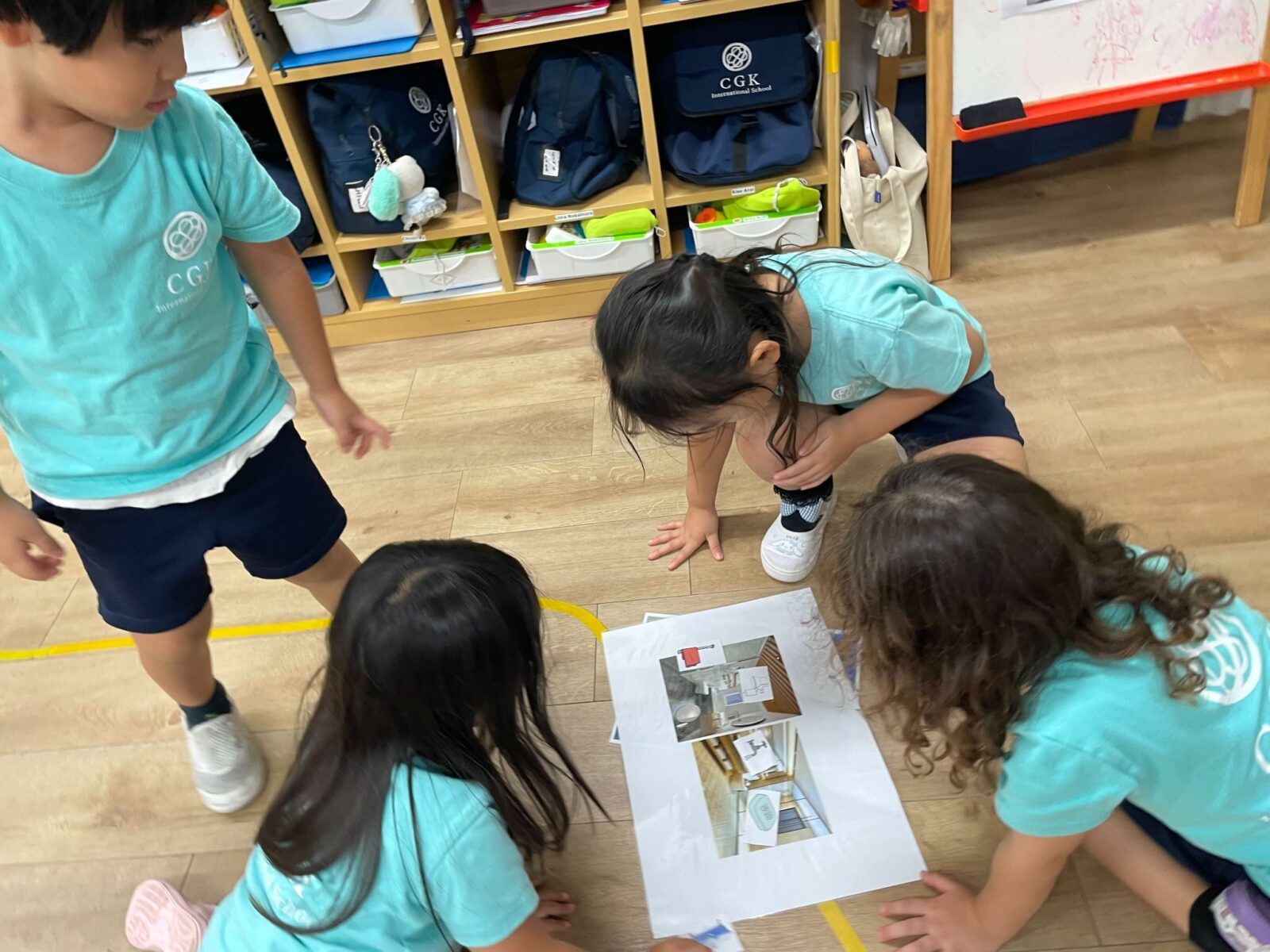
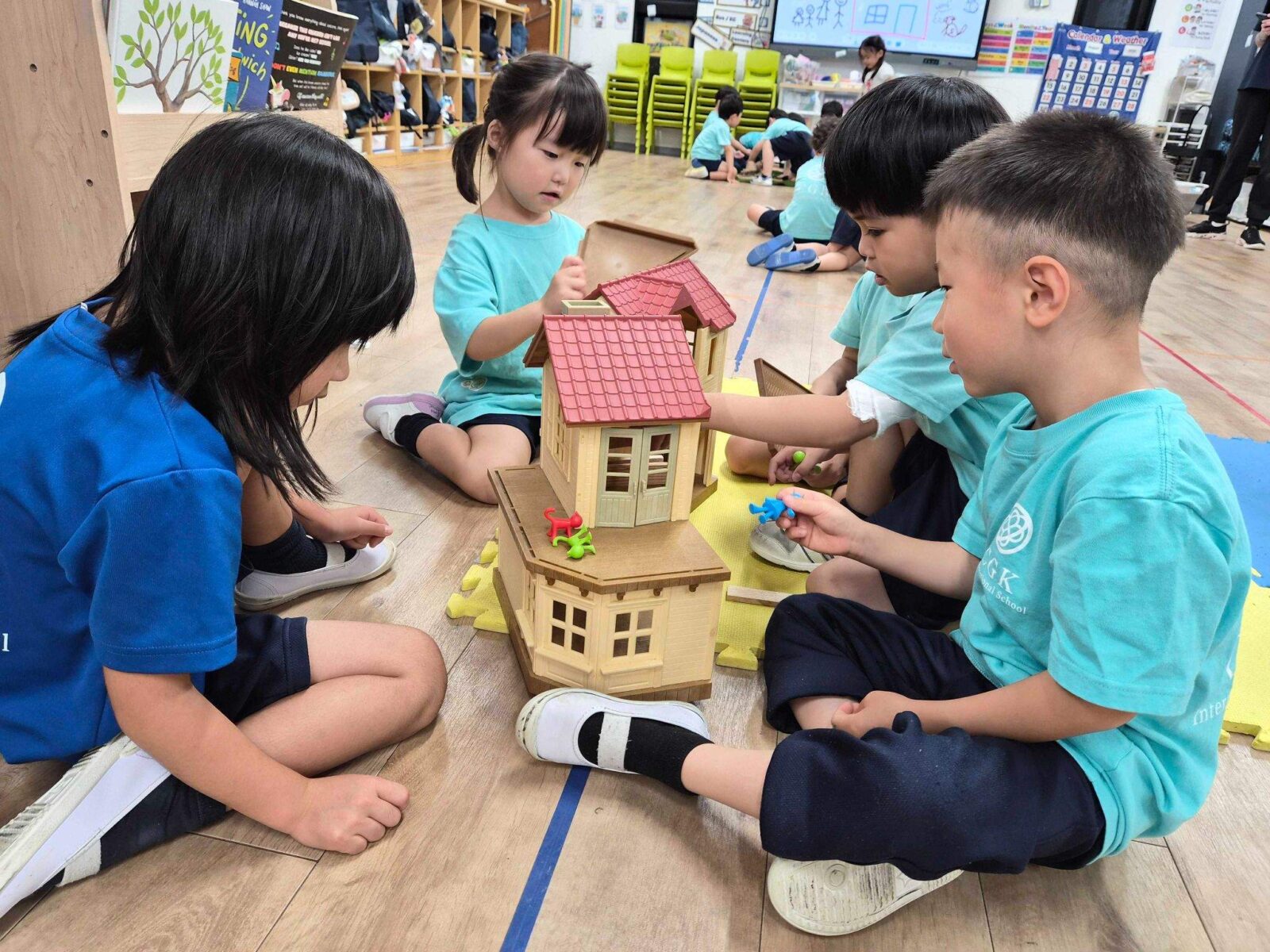
Next, we considered the “homes” of animals, insects, and other living things. Each has a place to live that suits its size and way of life. The question “Are animals the only ones who live in homes?” led us to think about human homes too. By considering what is inside a home and how people live there, the children discovered similarities and differences between the places where humans and other living things live.
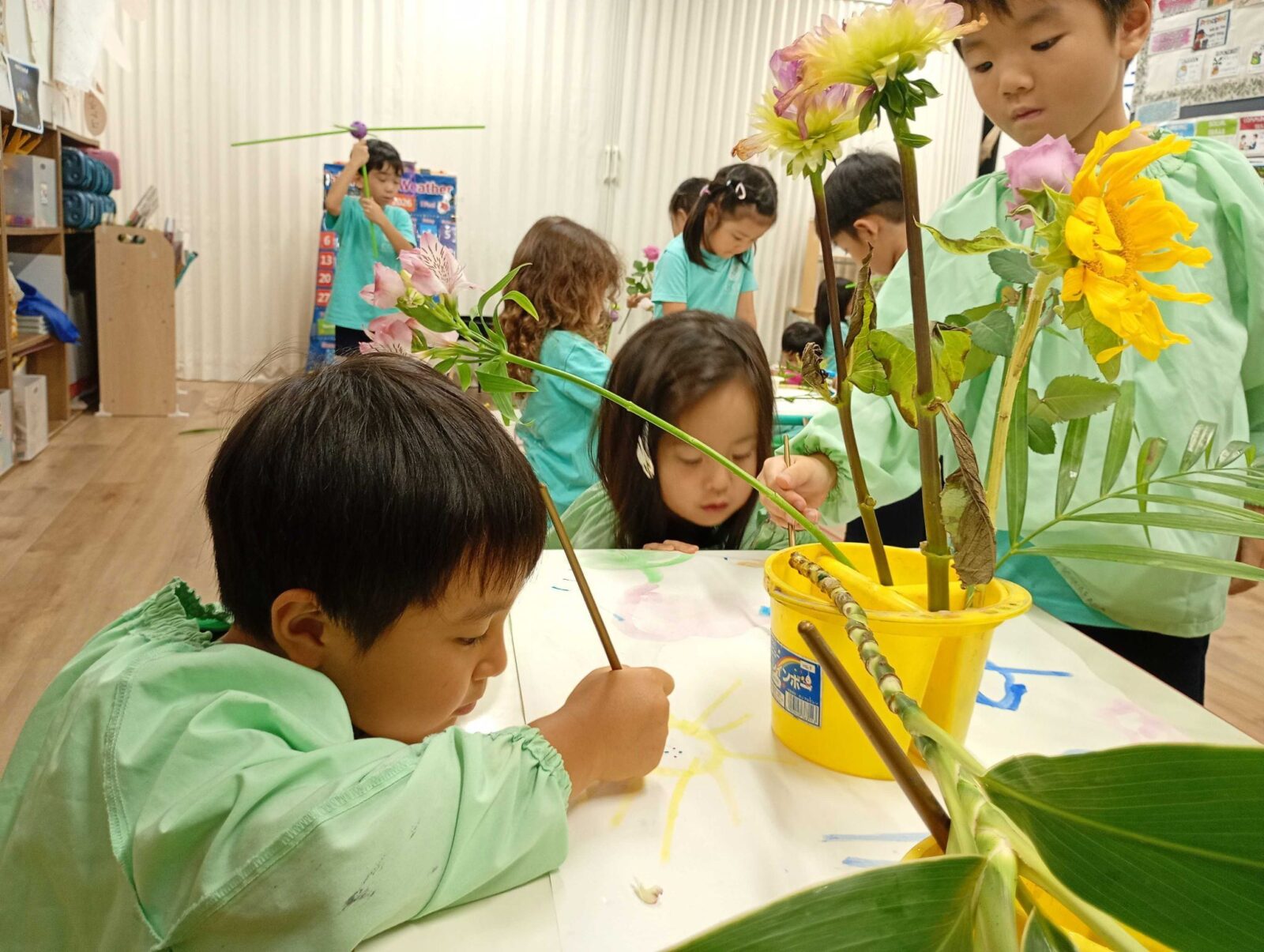
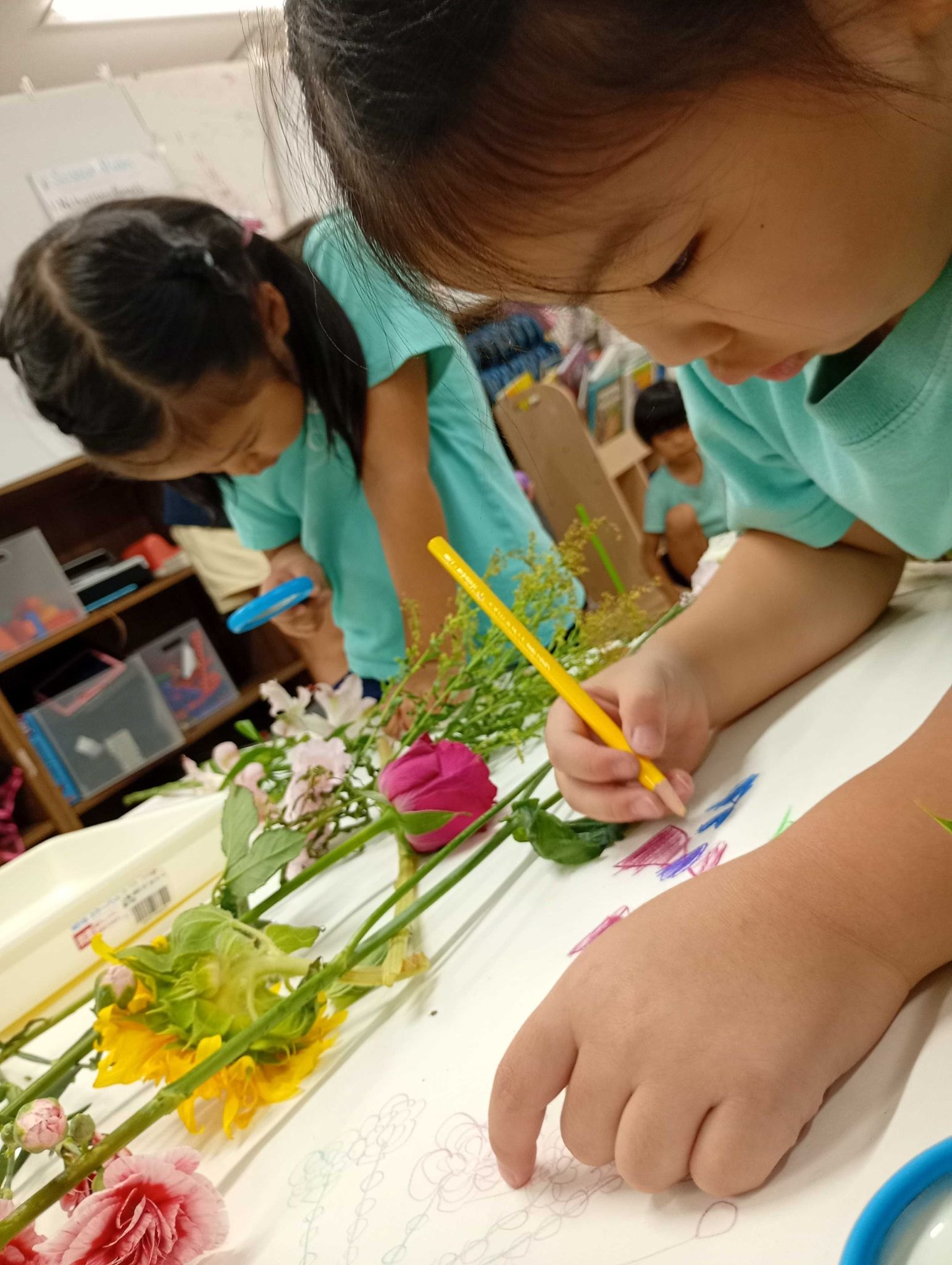
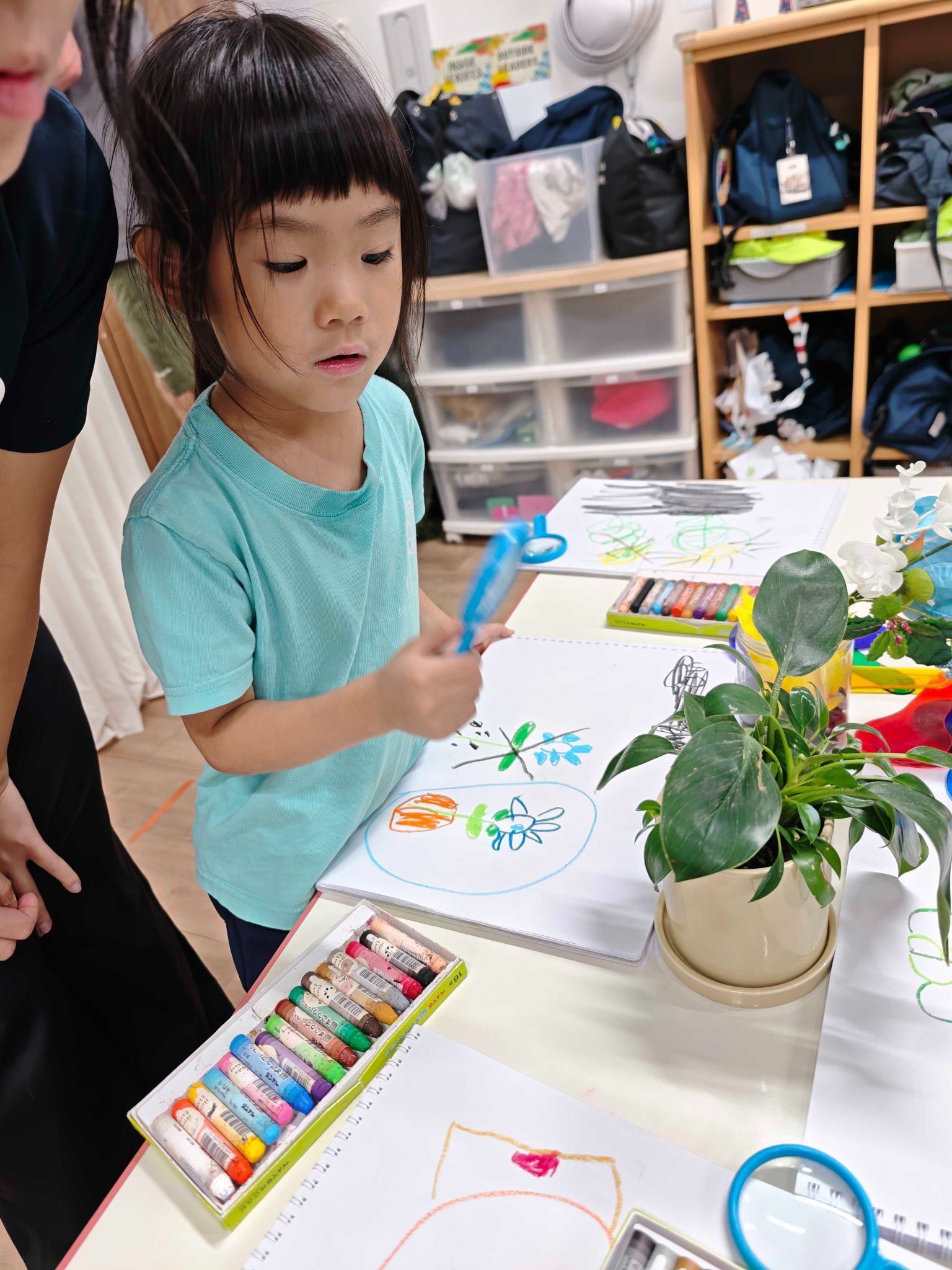
We also observed plants and considered what they need to grow and how they connect to our own lives. Looking closely at familiar plants encouraged the children to ask “Why?” and “How does that work?” about things they might otherwise pass by without noticing.
Through these inquiries, the children are beginning to recognise that humans and other living things have environments that suit their ways of life. We will continue to value their connections with nearby nature and living things as we extend our learning towards the question, “How are we connected to the many different living things on Earth?”
Jungle A & B (3-year-olds)
Every Day Brings New Choices!
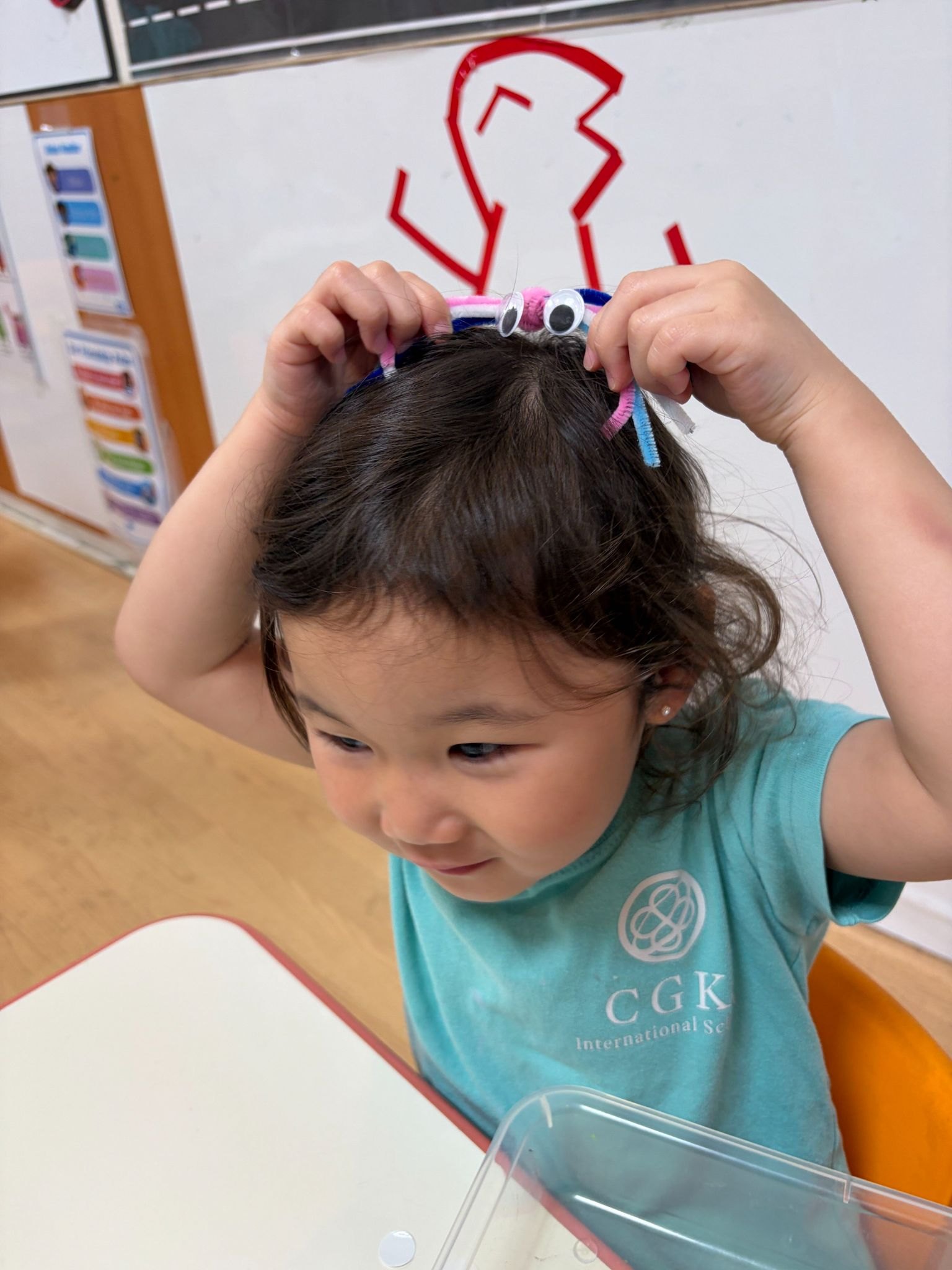
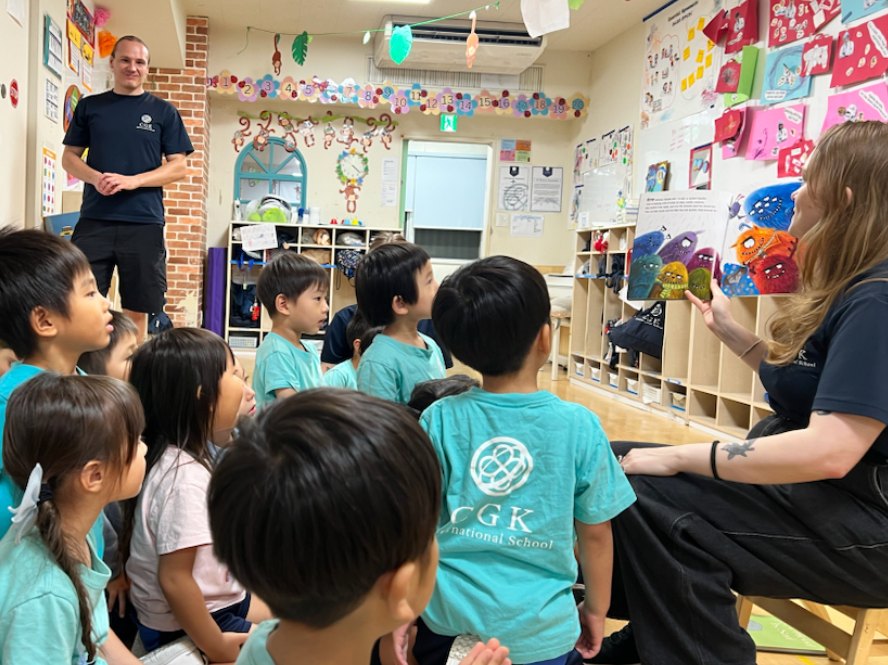
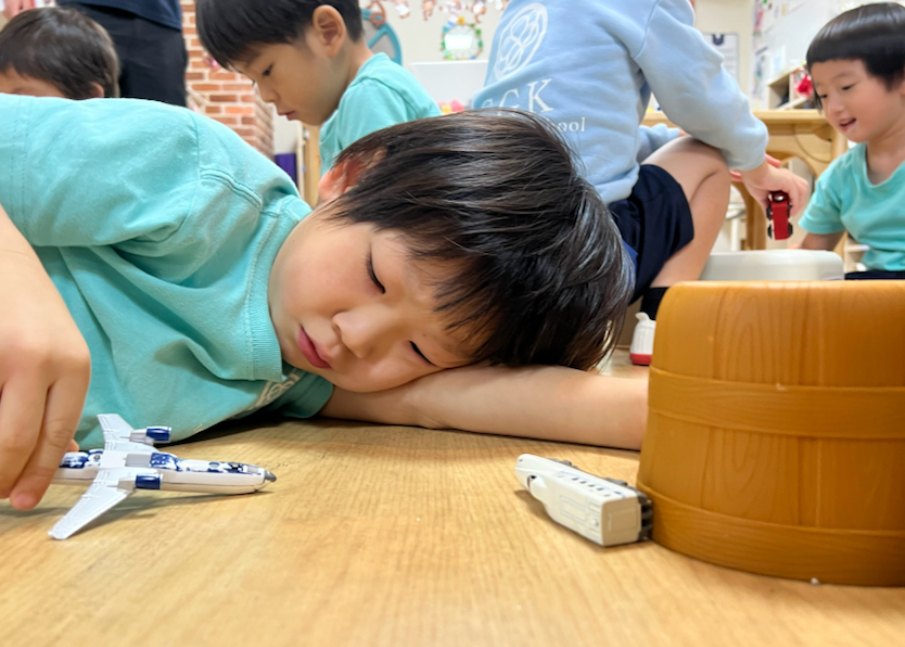
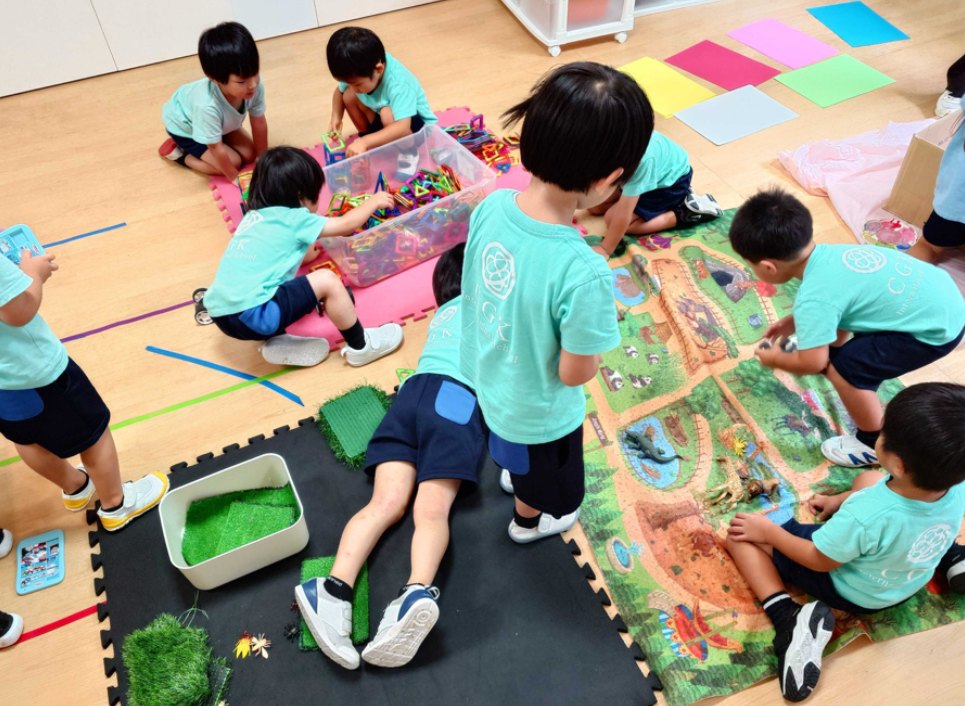
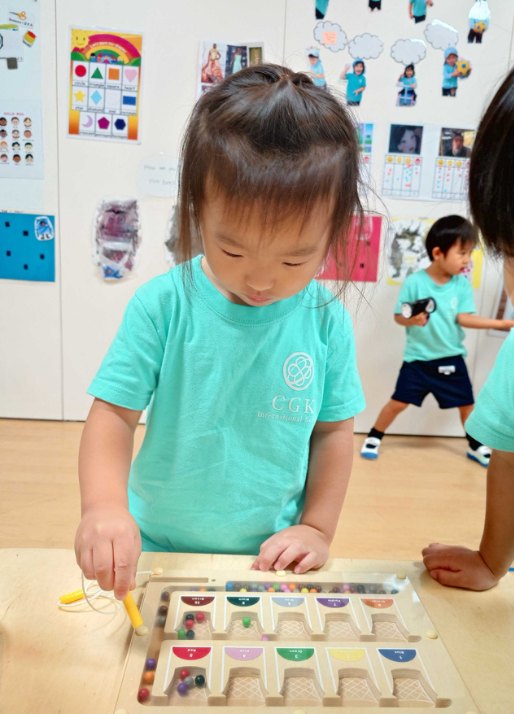
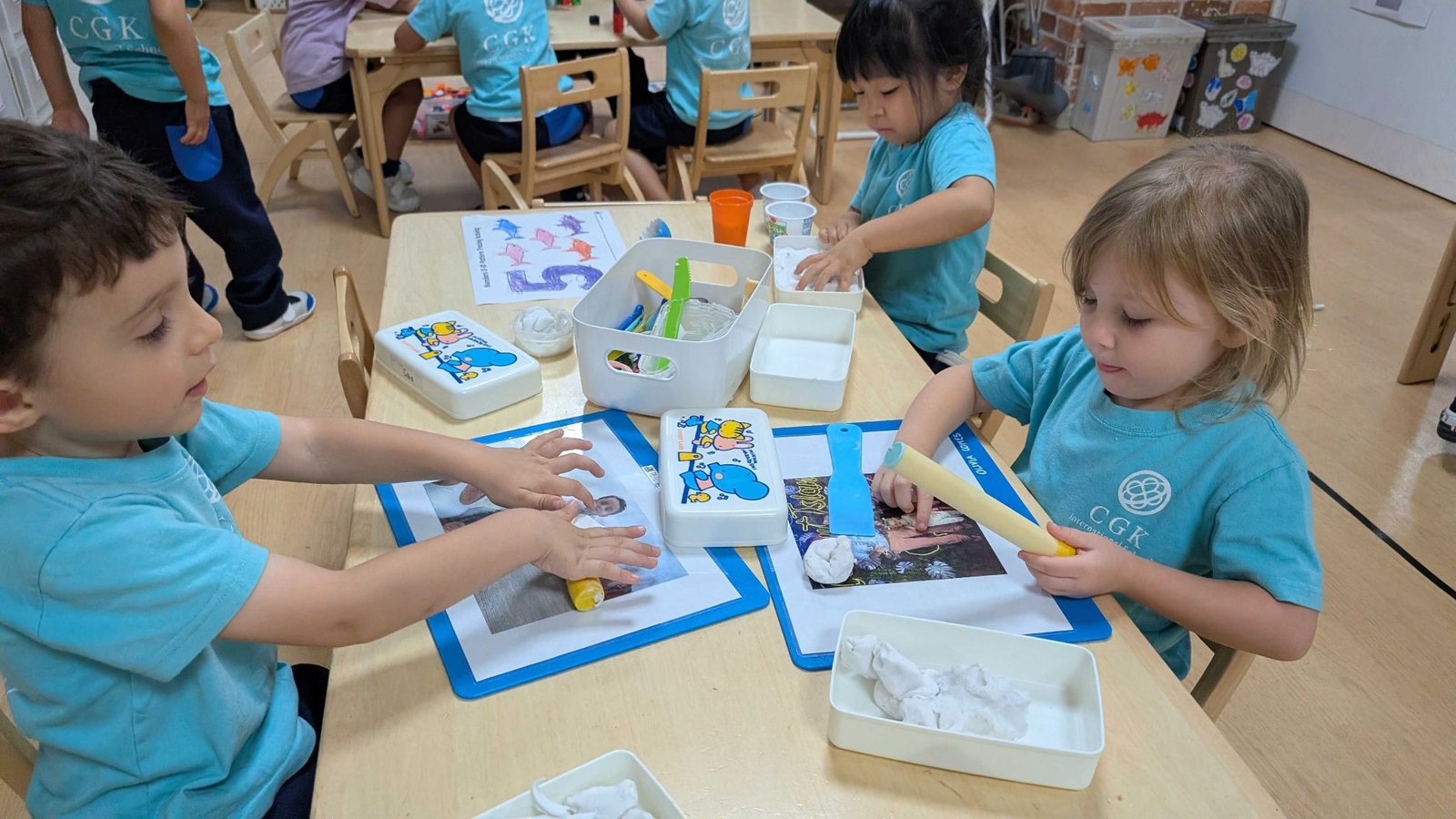
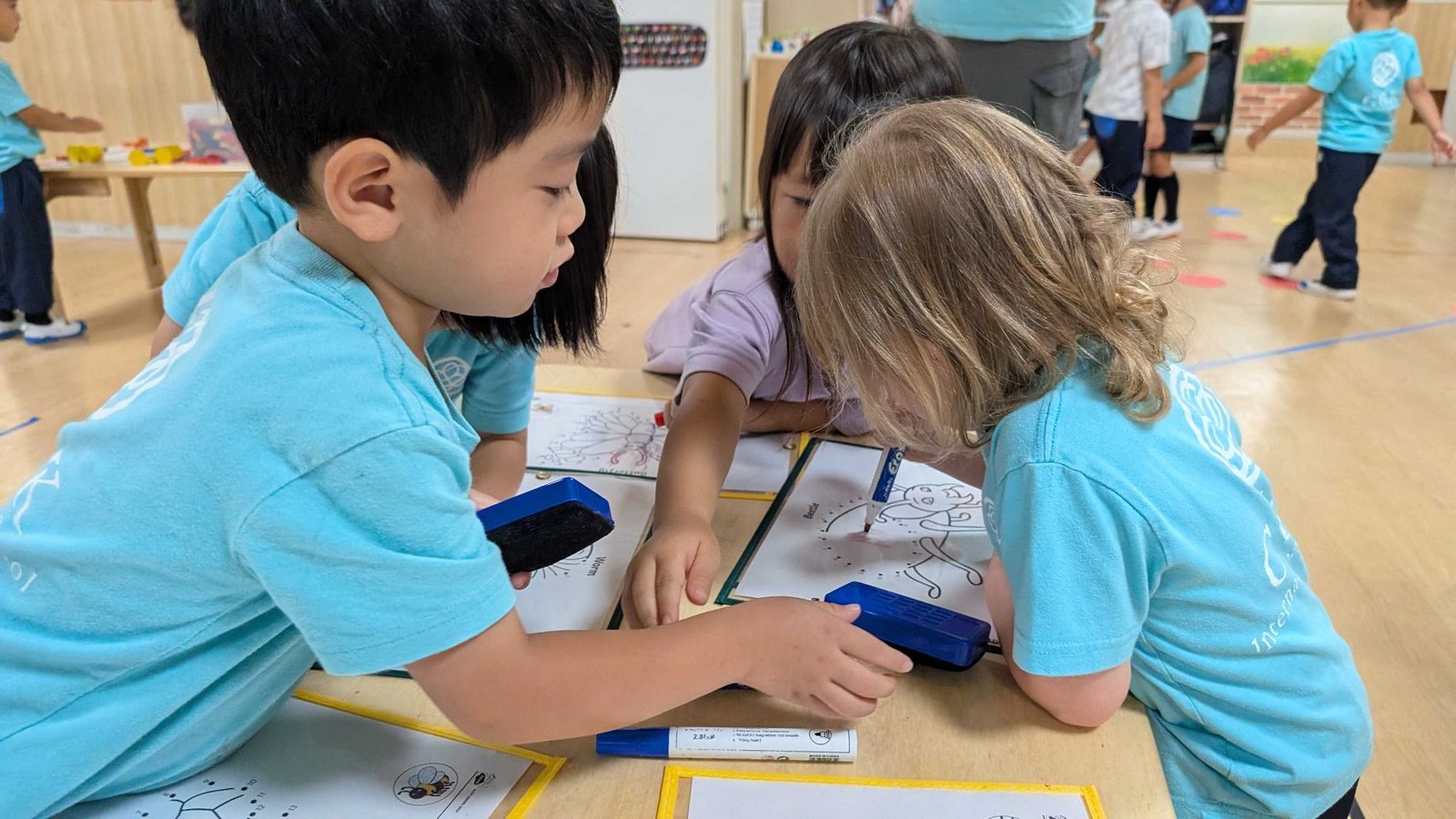
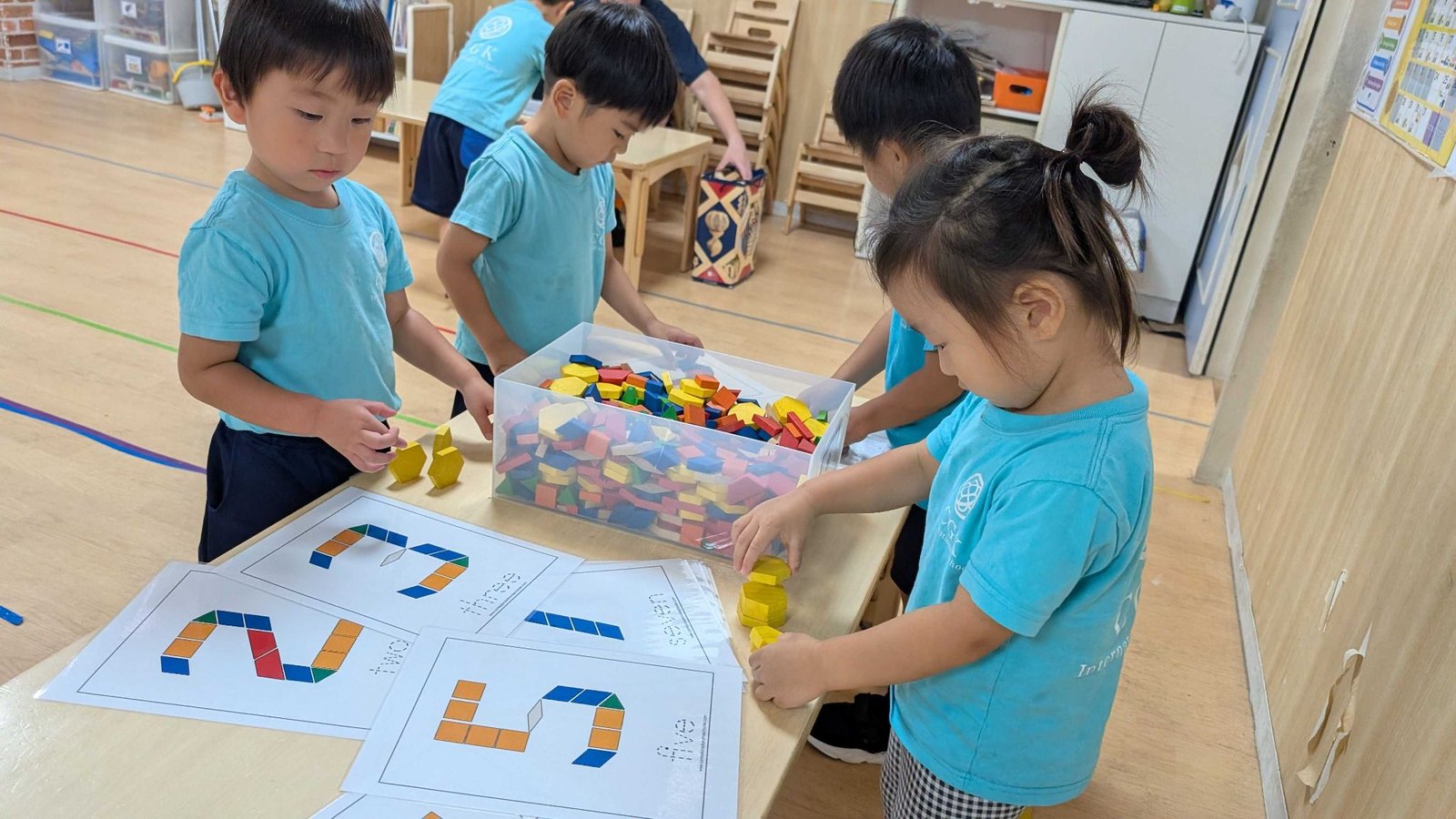
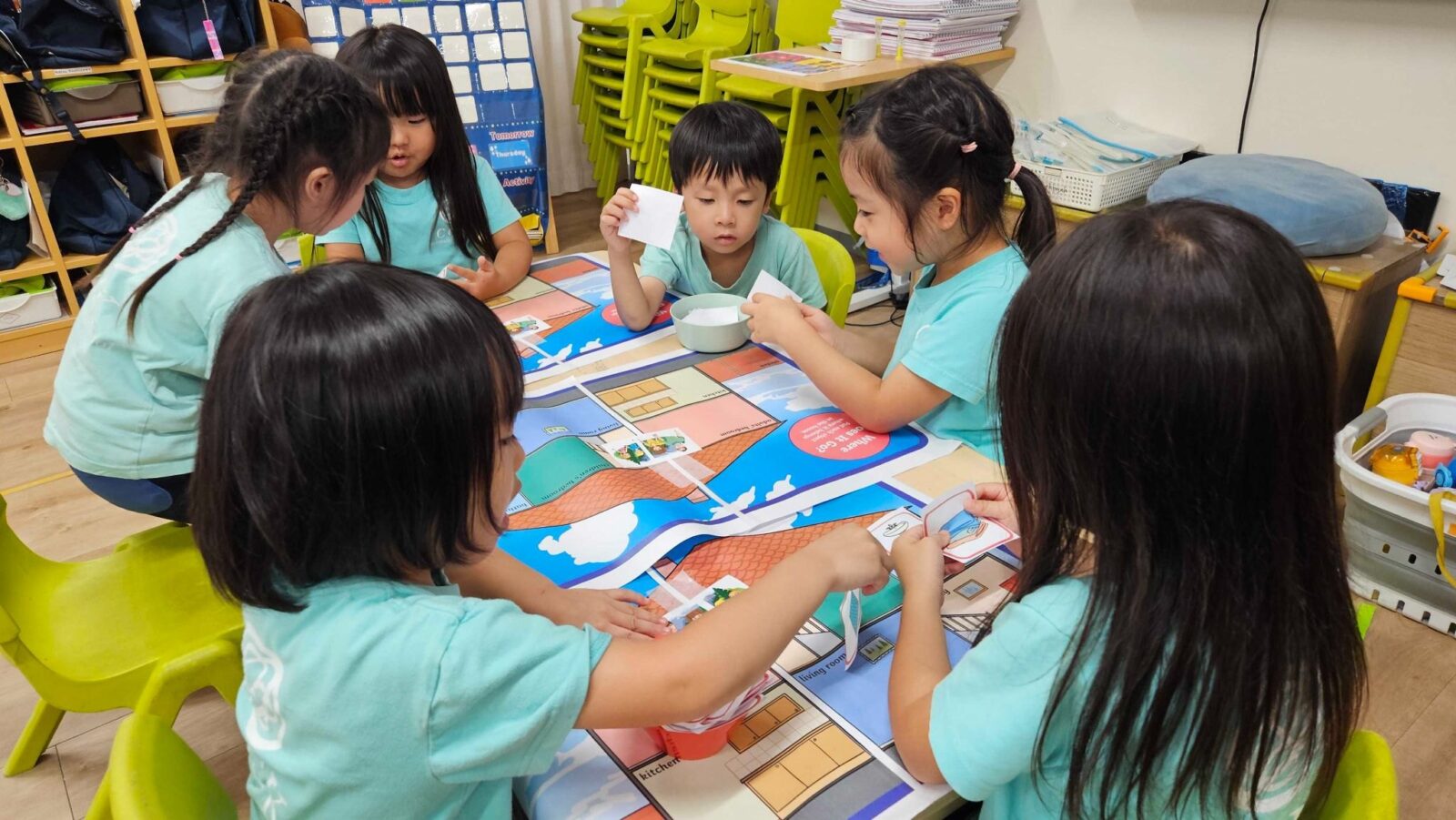
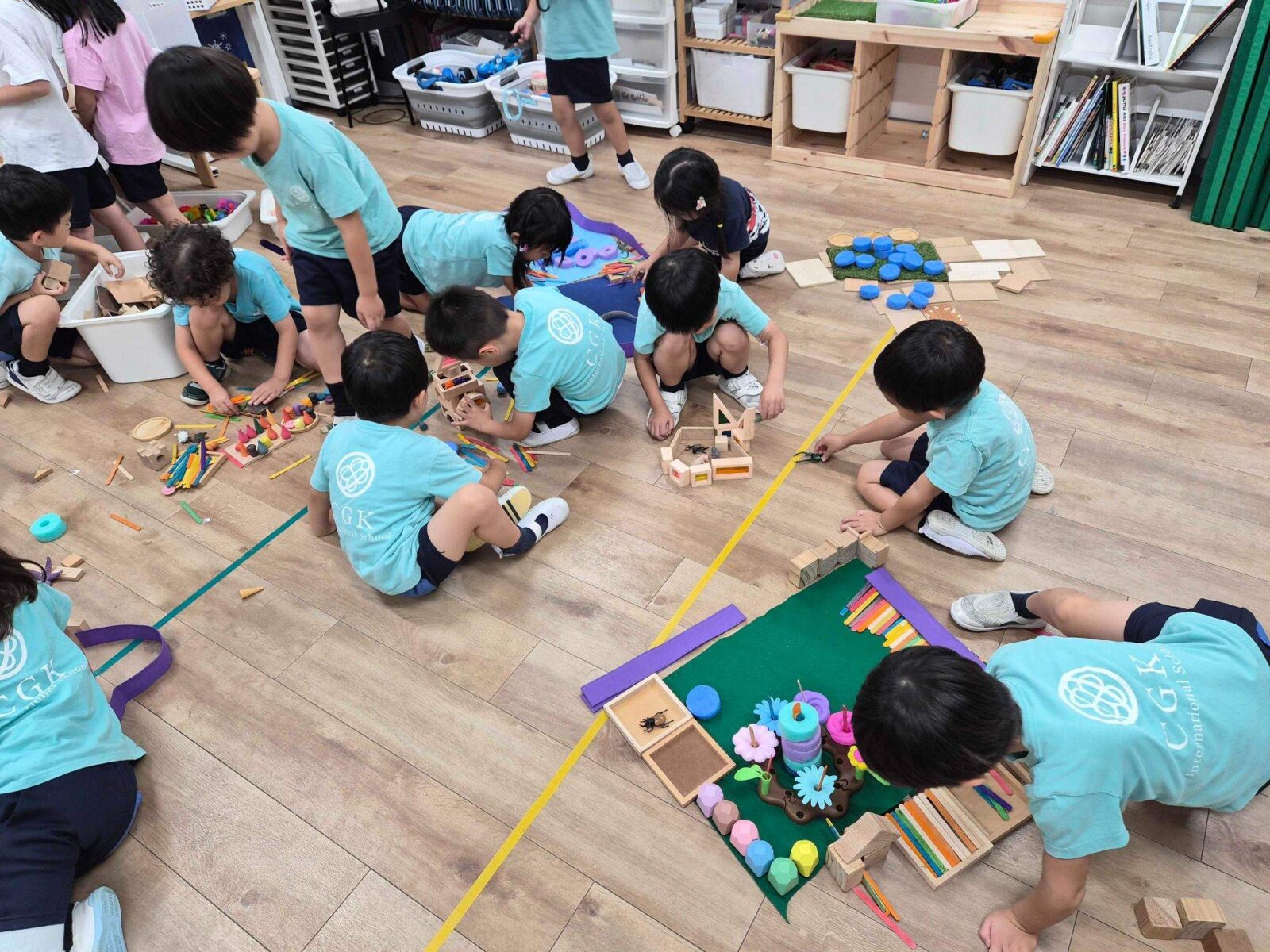
Student choice and agency is an important part of the IB curriculum. Unlike traditional school settings, our classrooms are centred around the children and their interests, making the topics we discuss more appealing and the exploration more engaging. With that being said, not all students learn in the same way - some prefer to use their hands, building and making things; others might prefer sensory activities involving sounds or touch... enter, learning centres! These allow the students to explore at their own pace and choose how they engage with the lessons. As our Jungle friends have gained more confidence we have had the chance to do joint literacy and math centres on Friday afternoons. These are designed to introduce concepts such as patterns, shapes, counting and writing in ways that will help the students in the future but without the pressure of there being a 'right or wrong' answer. Whilst this is a relatively new concept for our students - in terms of the maths and literacy - they have taken to the learning centres really well and it has proven to be a wonderful opportunity for Jungle A and B to get together as one big class! Whilst you may already be familiar with the concept of learning centres, often the idea that they can be used to teach more 'traditional disciplines' is a surprise to many! As ever if you have any questions about our learning centres and how we choose the activities, please let us know!
Rain, Rain, Go Away!
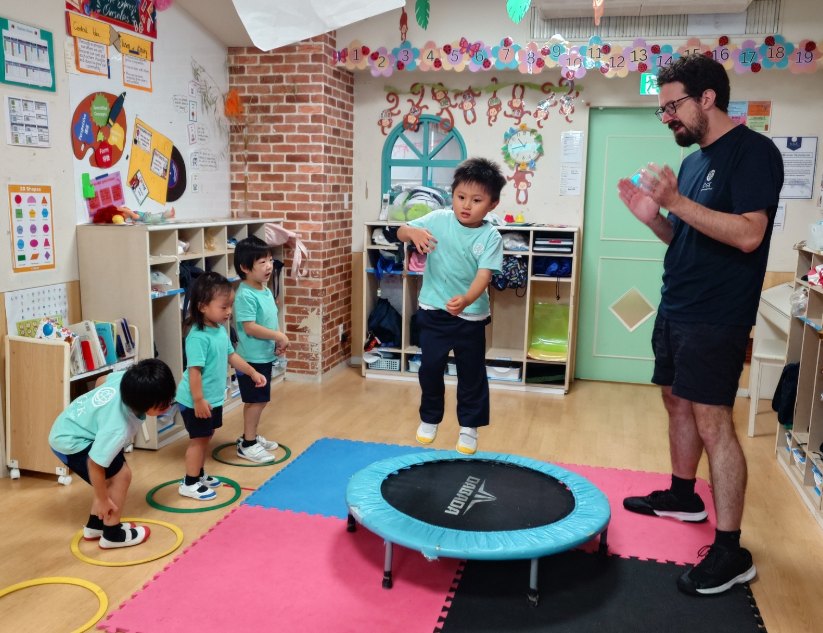
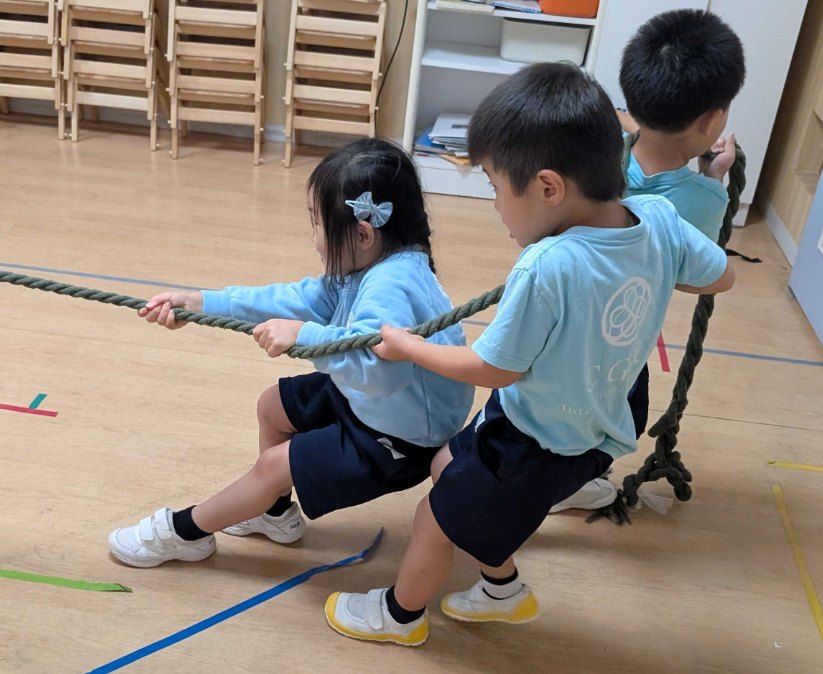
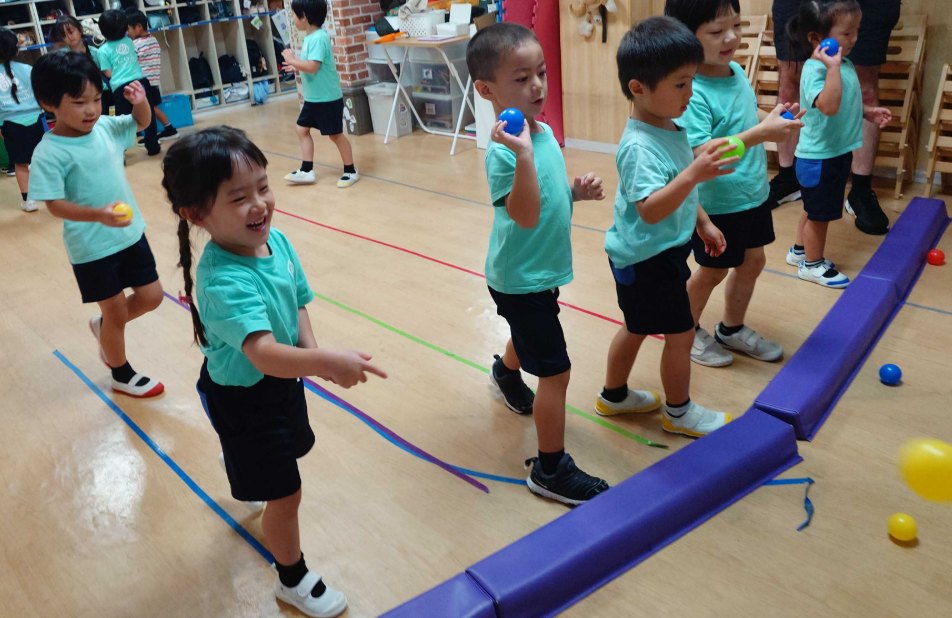
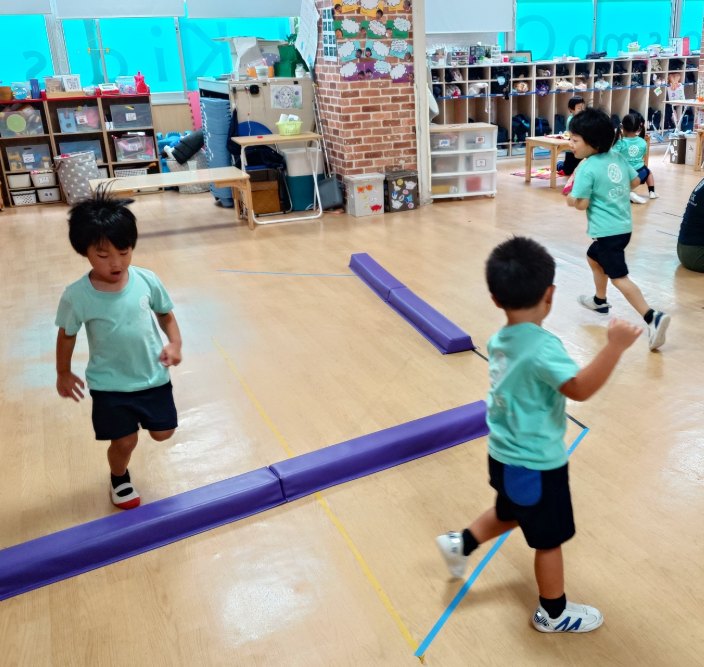
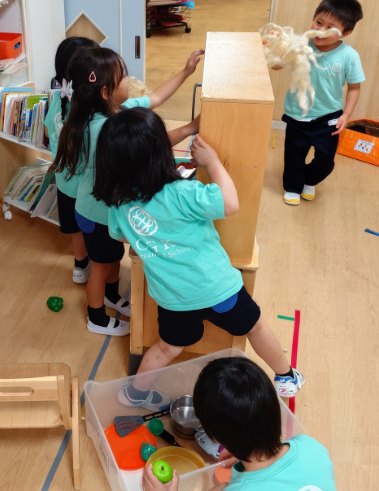
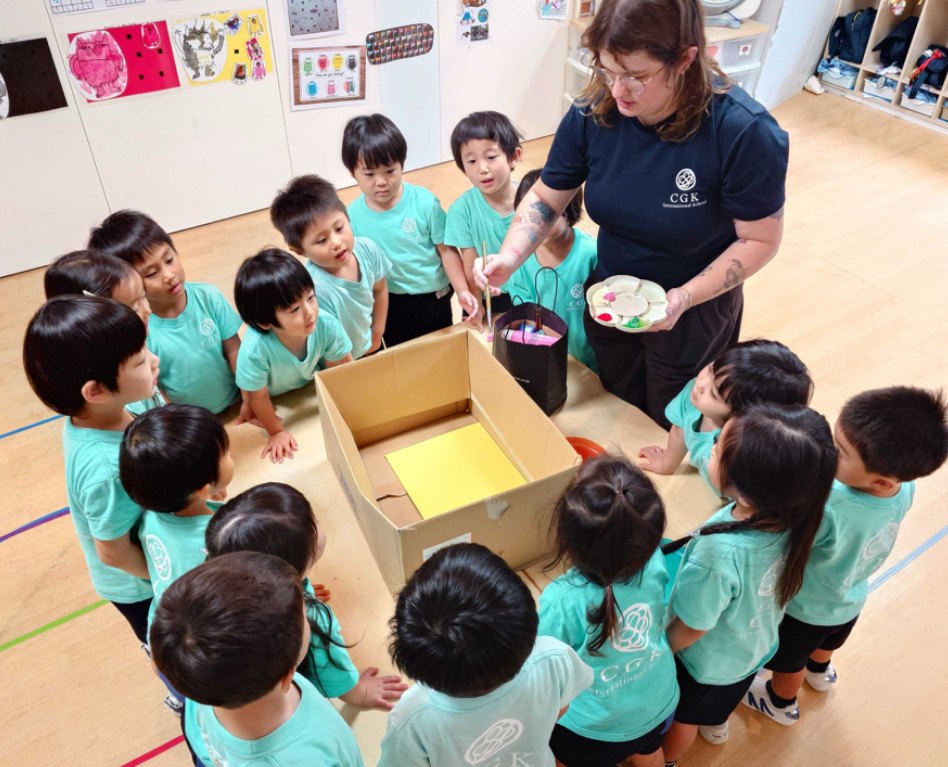
Rainy days have been keeping Jungle B indoors, but that certainly hasn’t stopped us from having fun! We have been staying active with lots of running, jumping, dancing, and movement games around the classroom. We have been developing our physical skills, coordination, and body awareness while giving our young learners plenty of opportunities to make choices, take risks, and enjoy being active together. Even when the weather says “stay inside,” Jungle B says “let’s move!”
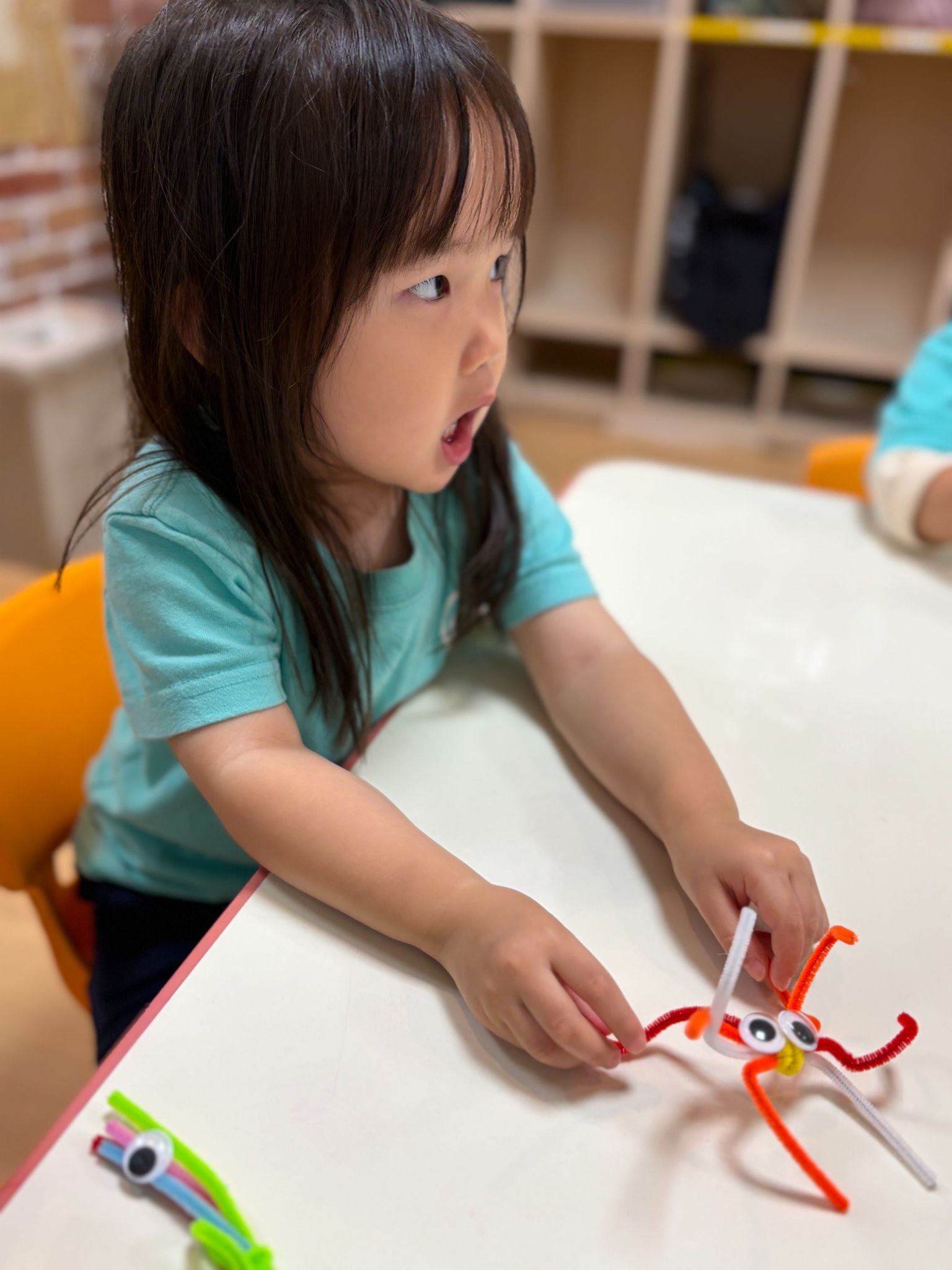
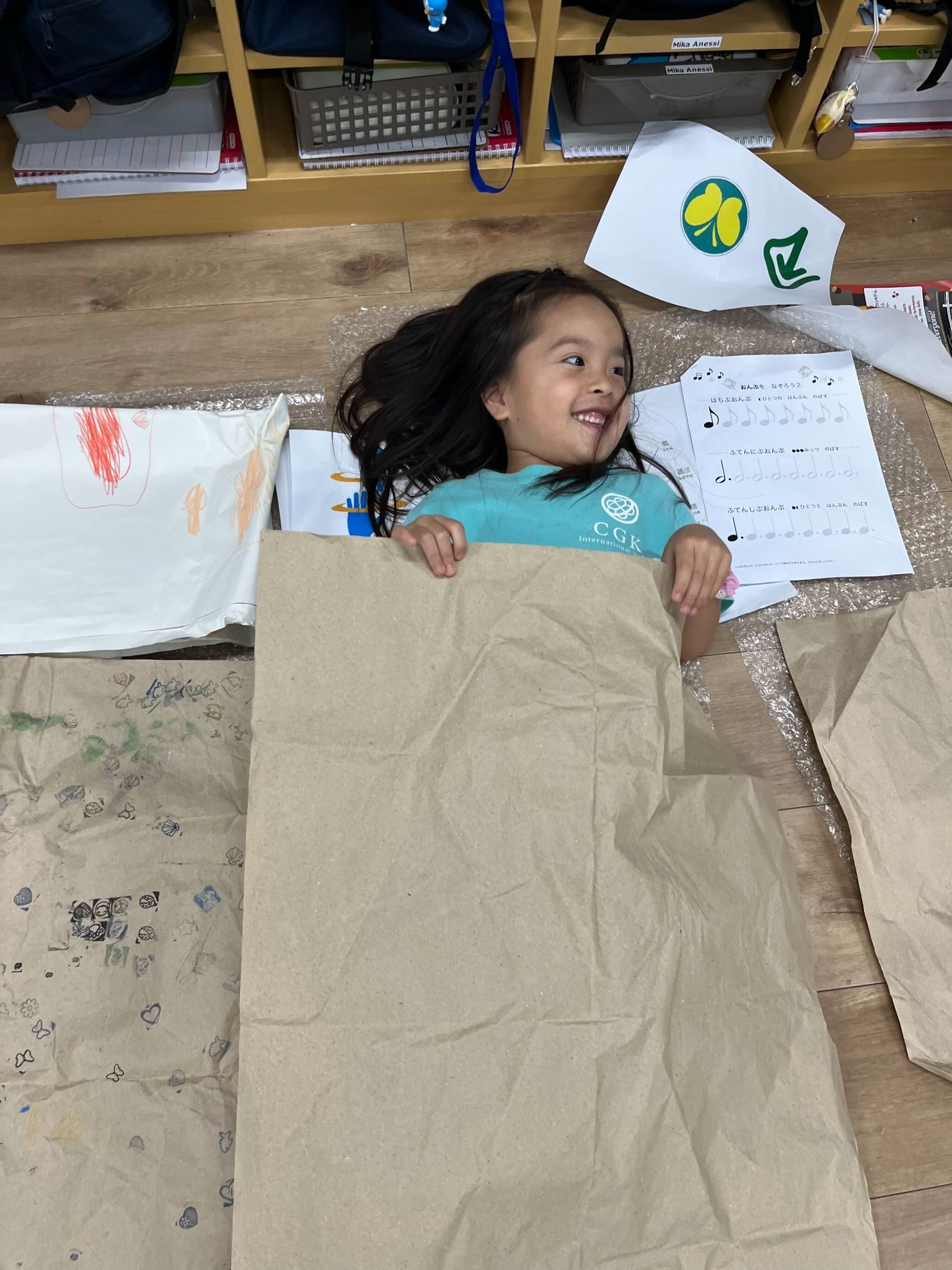
Our indoor time has also been filled with creativity and exploration. Through a variety of crafts, Jungle B has been experimenting with different materials and tools while developing their fine-motor skills and expressing their own ideas. We love seeing the different ways each child approaches a creative experience, as there is never just one way to make something!
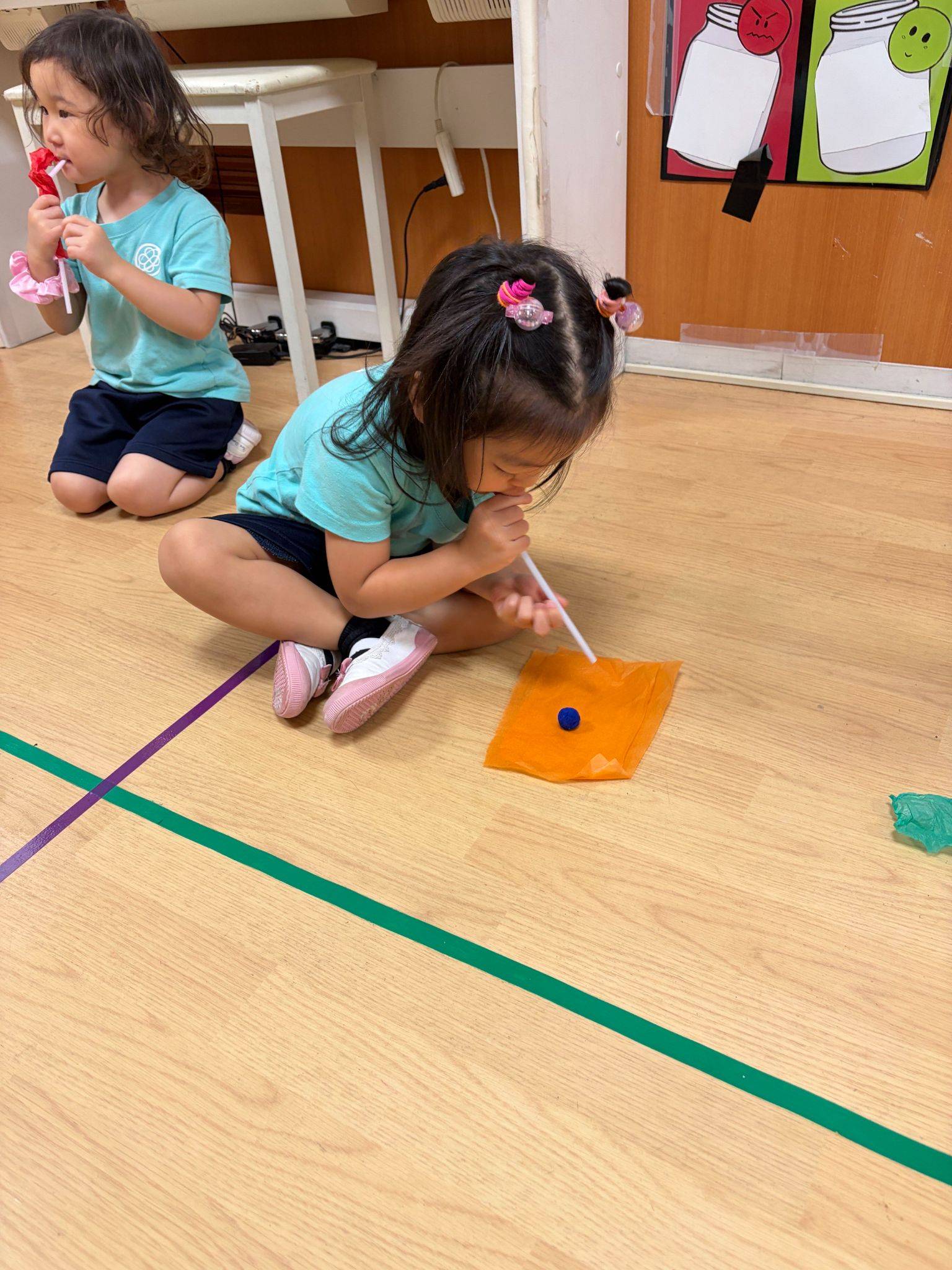
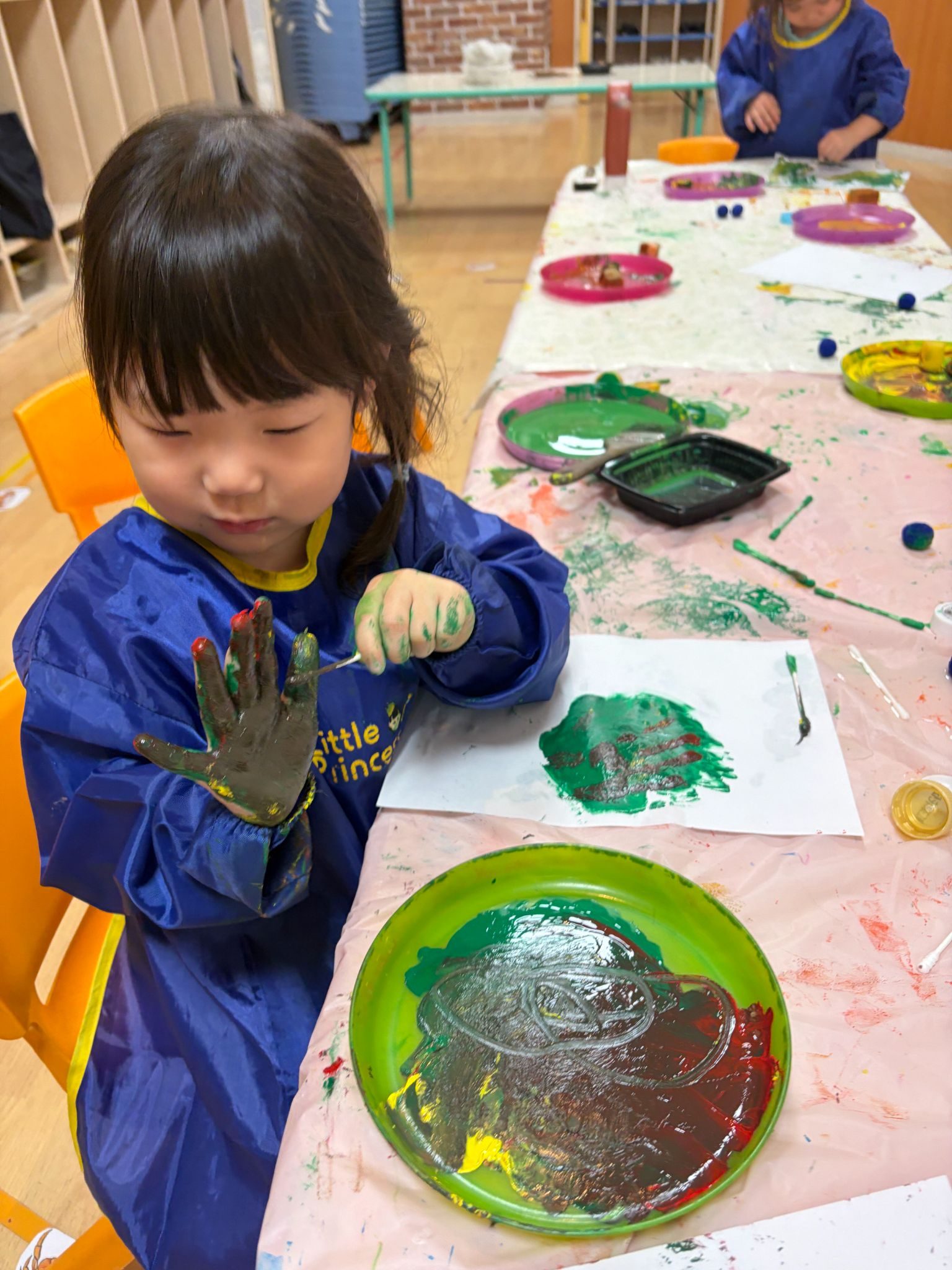
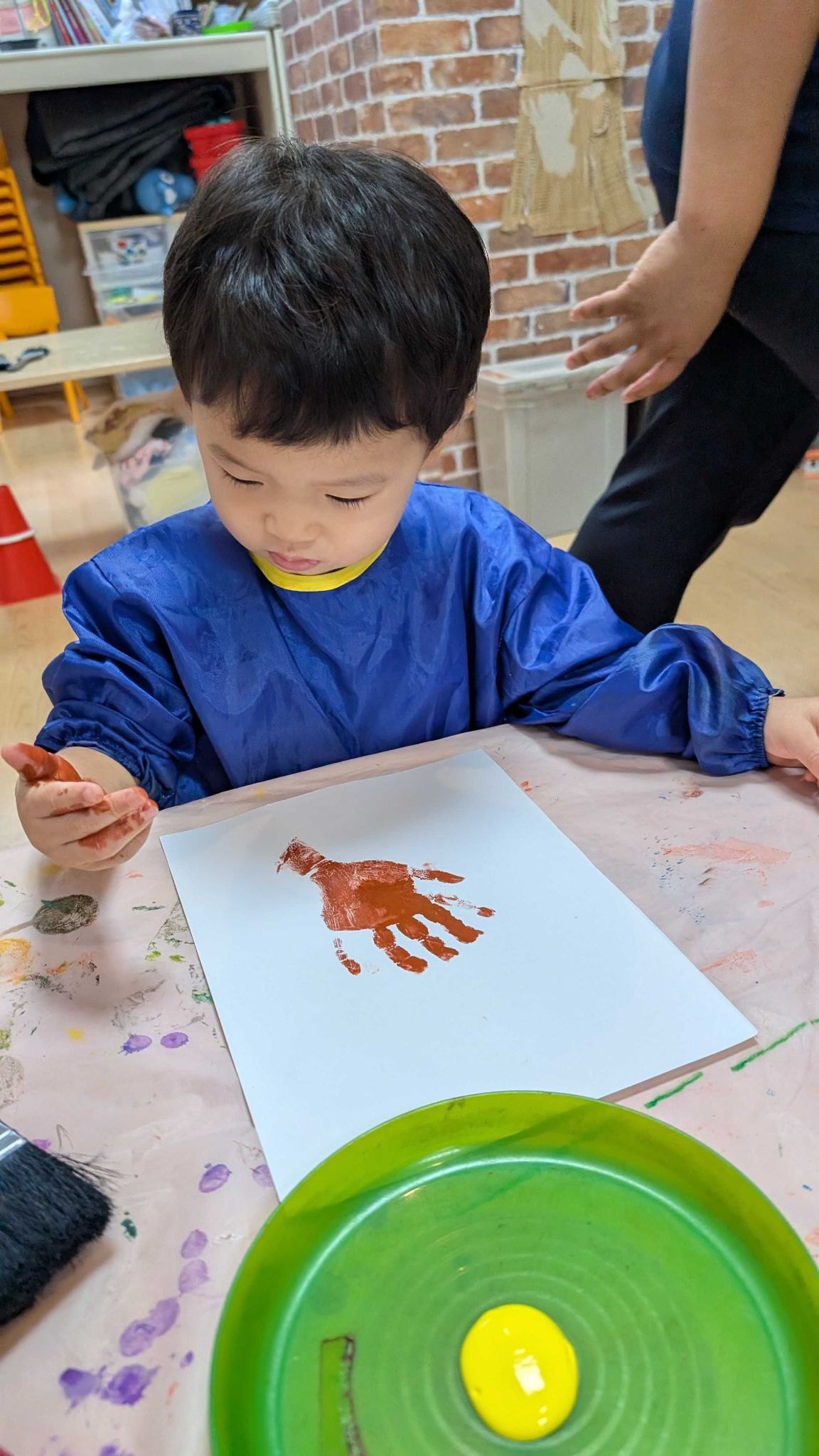
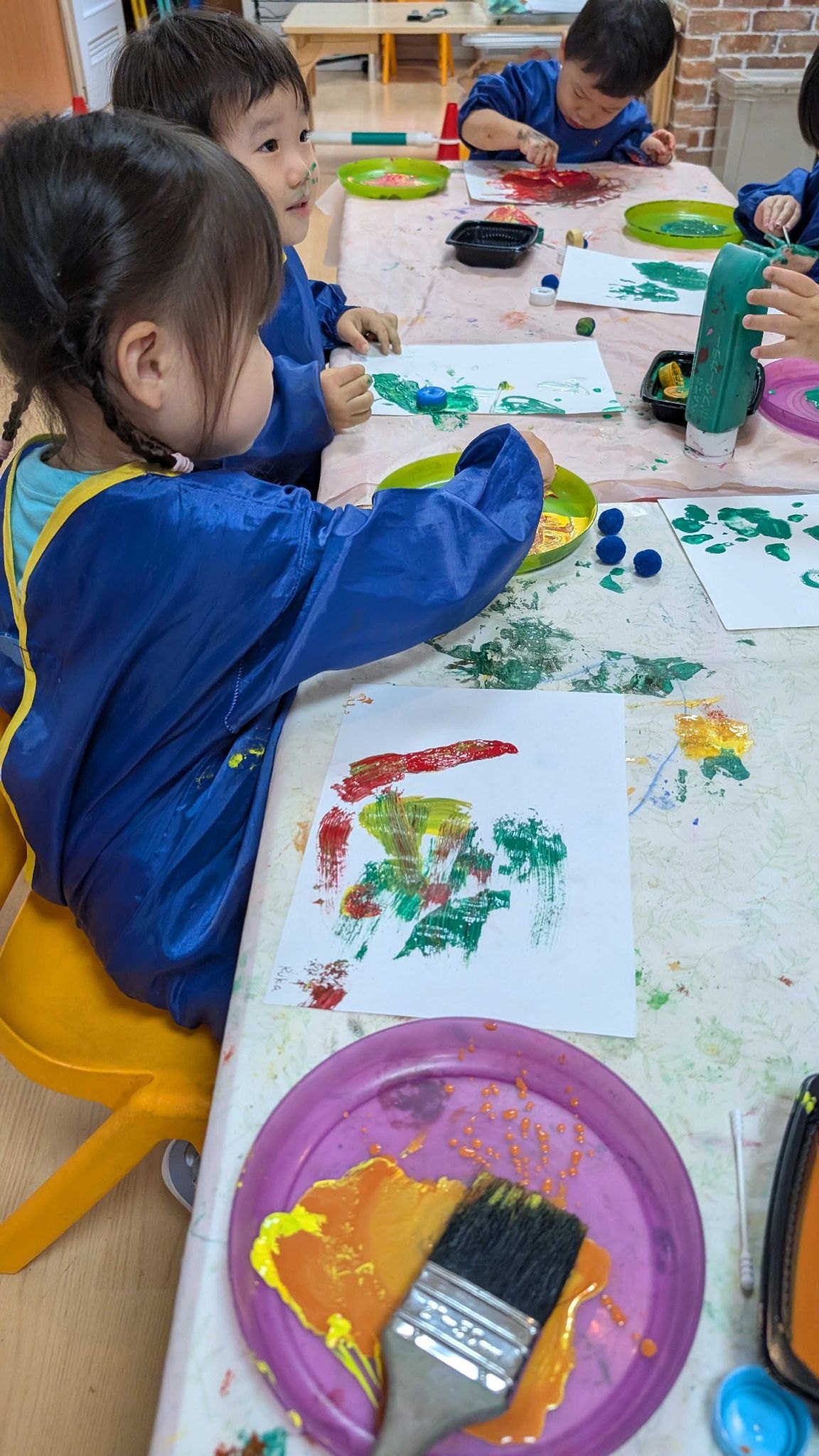
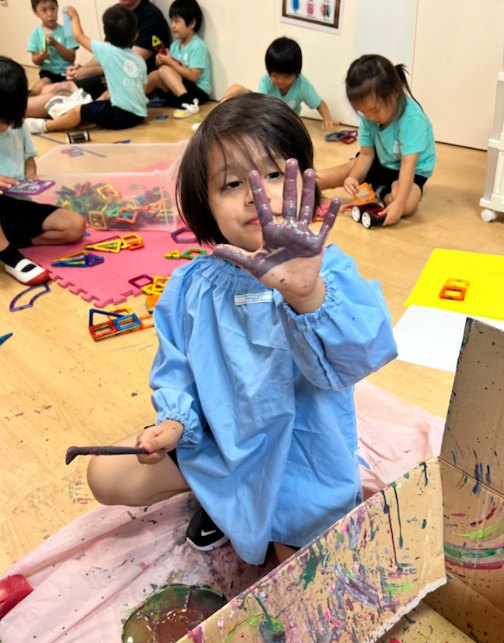
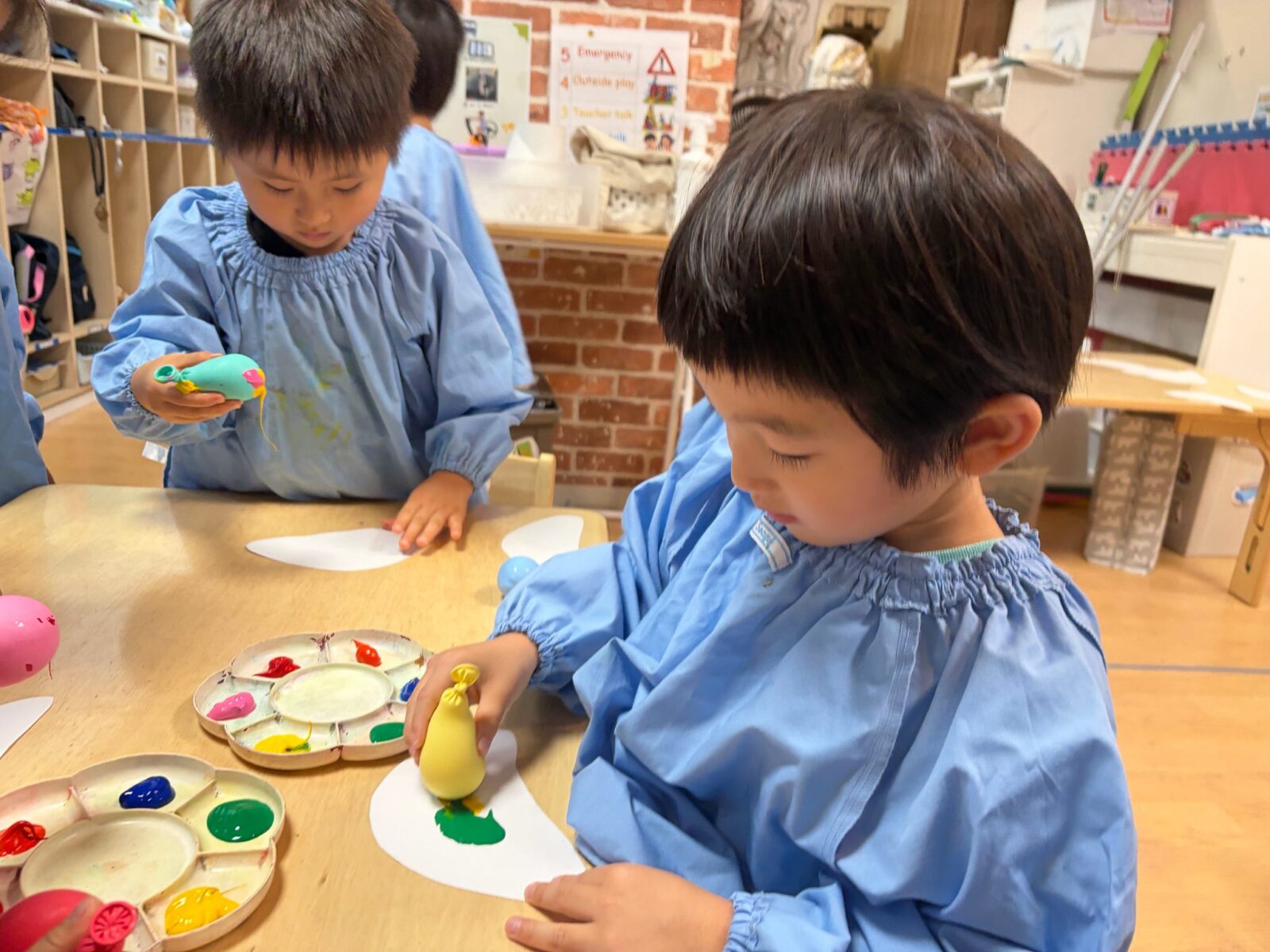
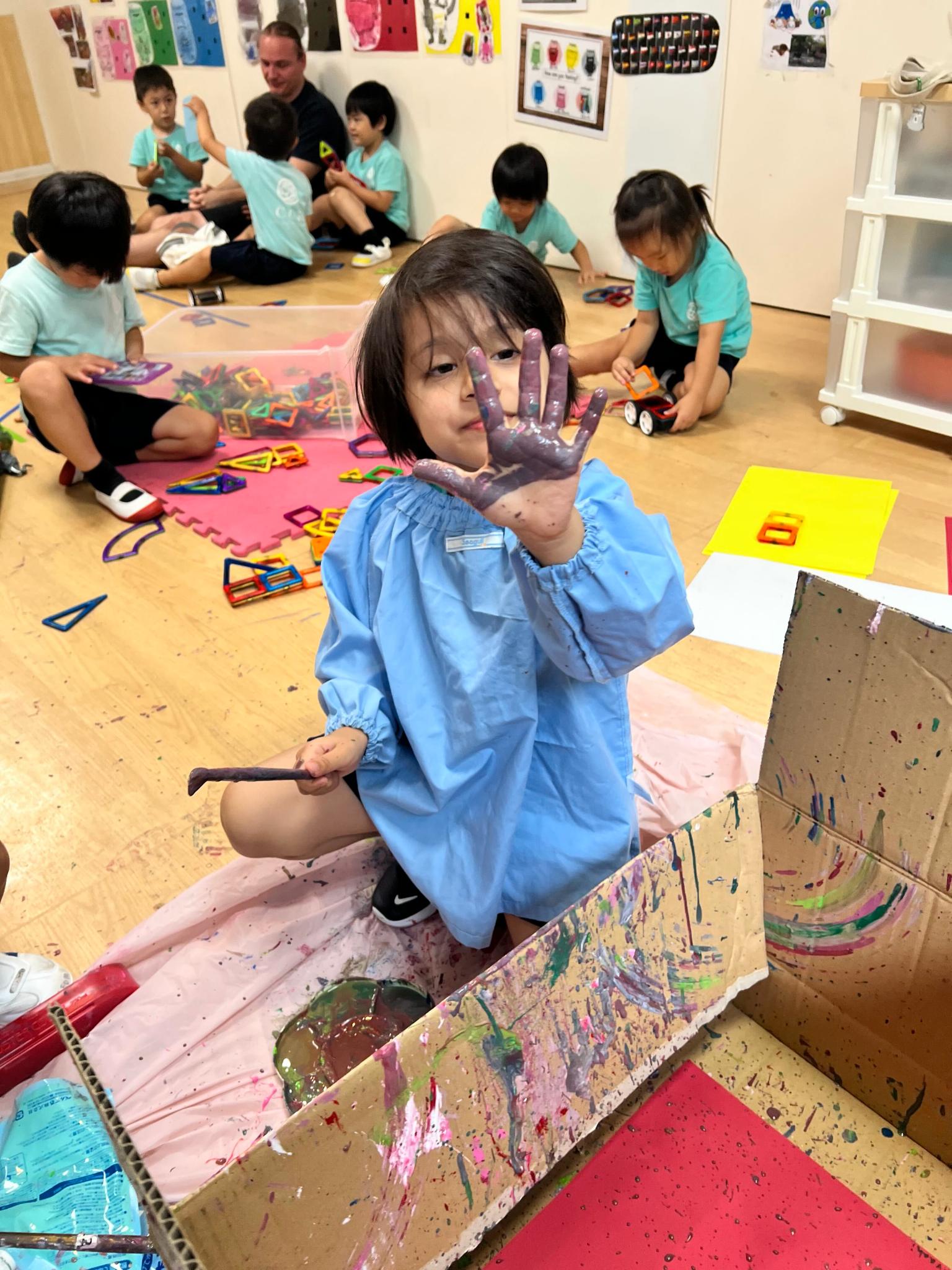
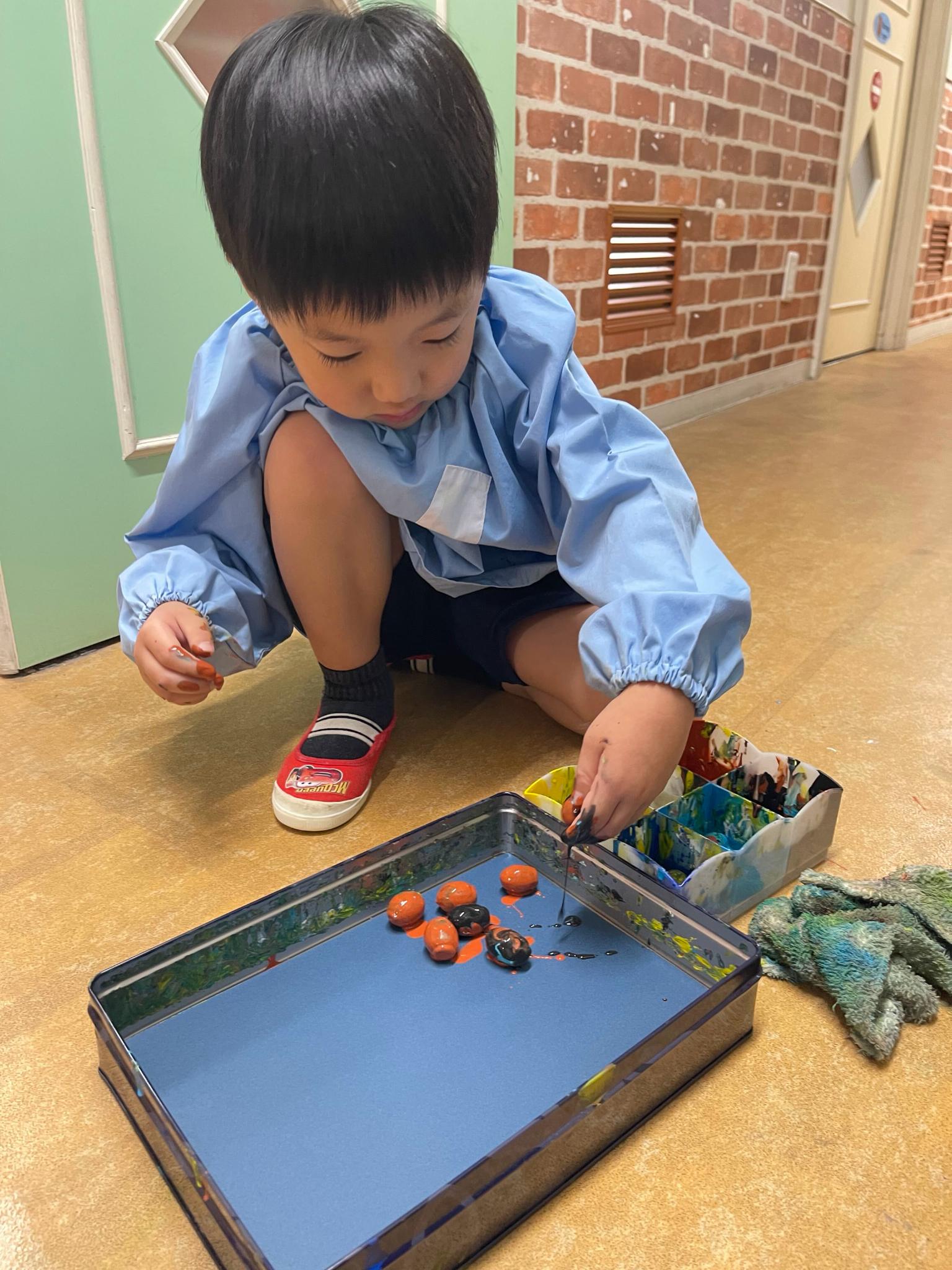
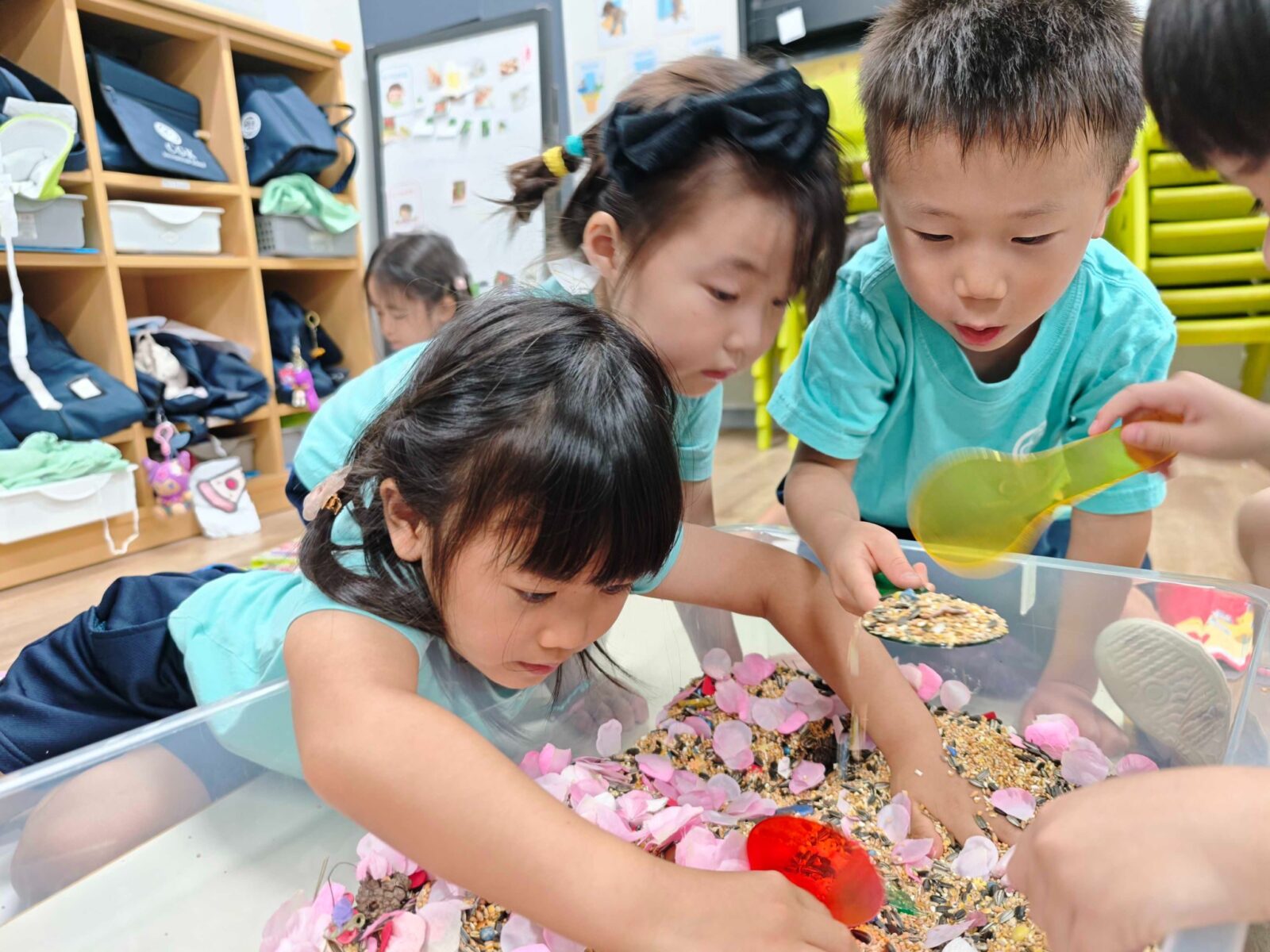
We have also been putting on our little scientist hats during painting experiments! The children explored how moving a paintbrush in different ways can create different patterns and marks. Swishing, tapping, dragging, and making big or small movements all produced different results. Through this hands-on inquiry, students were encouraged to observe, experiment, make predictions, and discover what happens when they change their movements.
Another exciting experiment involved tissue paper and water. We discovered that when we add water to colorful tissue paper, the color can transfer onto blank paper, creating beautiful and unexpected designs. It was a wonderful opportunity for our young inquirers to explore cause and effect, while developing their curiosity, creativity, and willingness to try something new. Rainy days may keep us inside, but they certainly haven’t stopped Jungle B from being active, creative, and curious!
Discover, Experience, and Express Autumn!
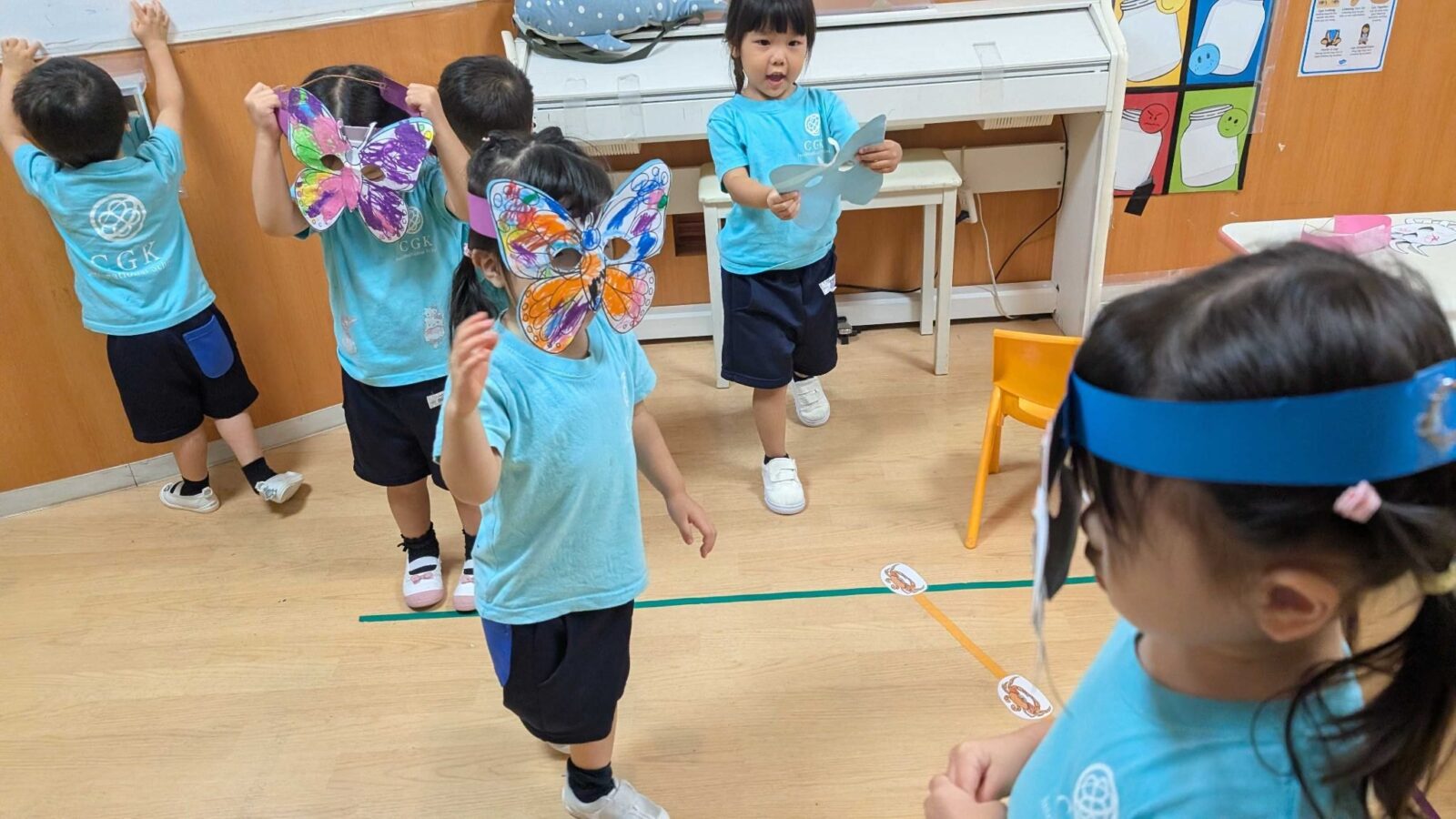
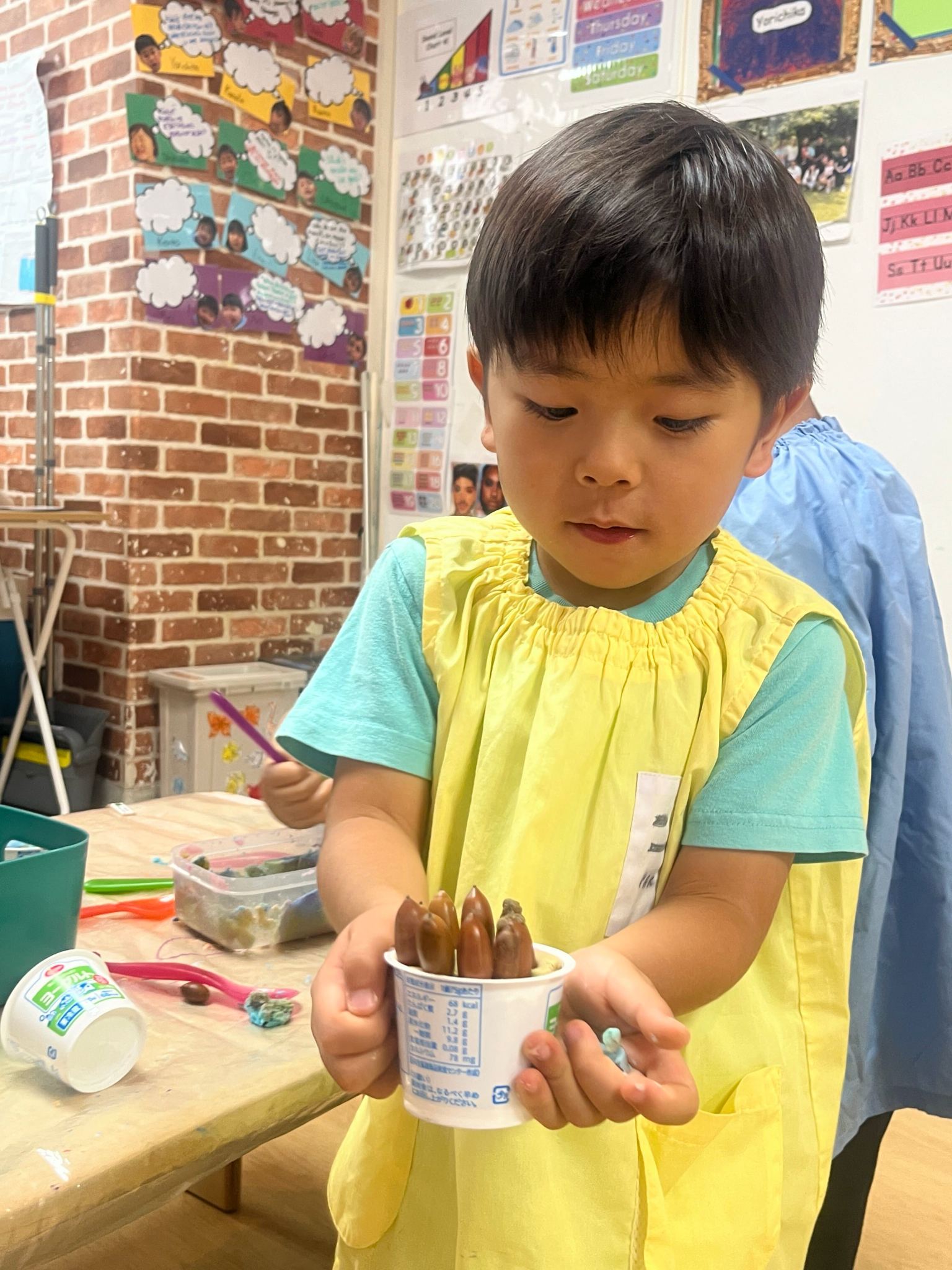
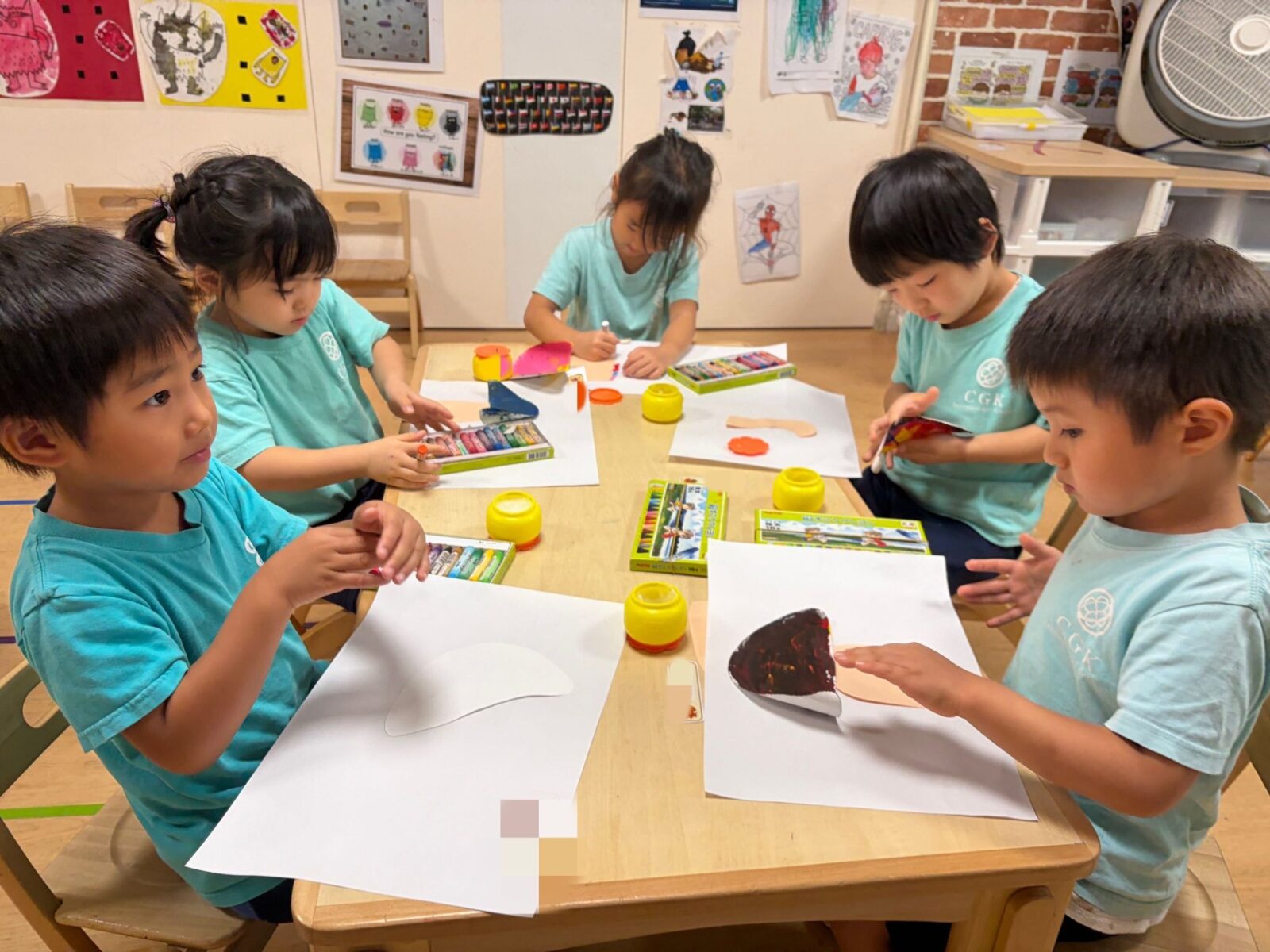
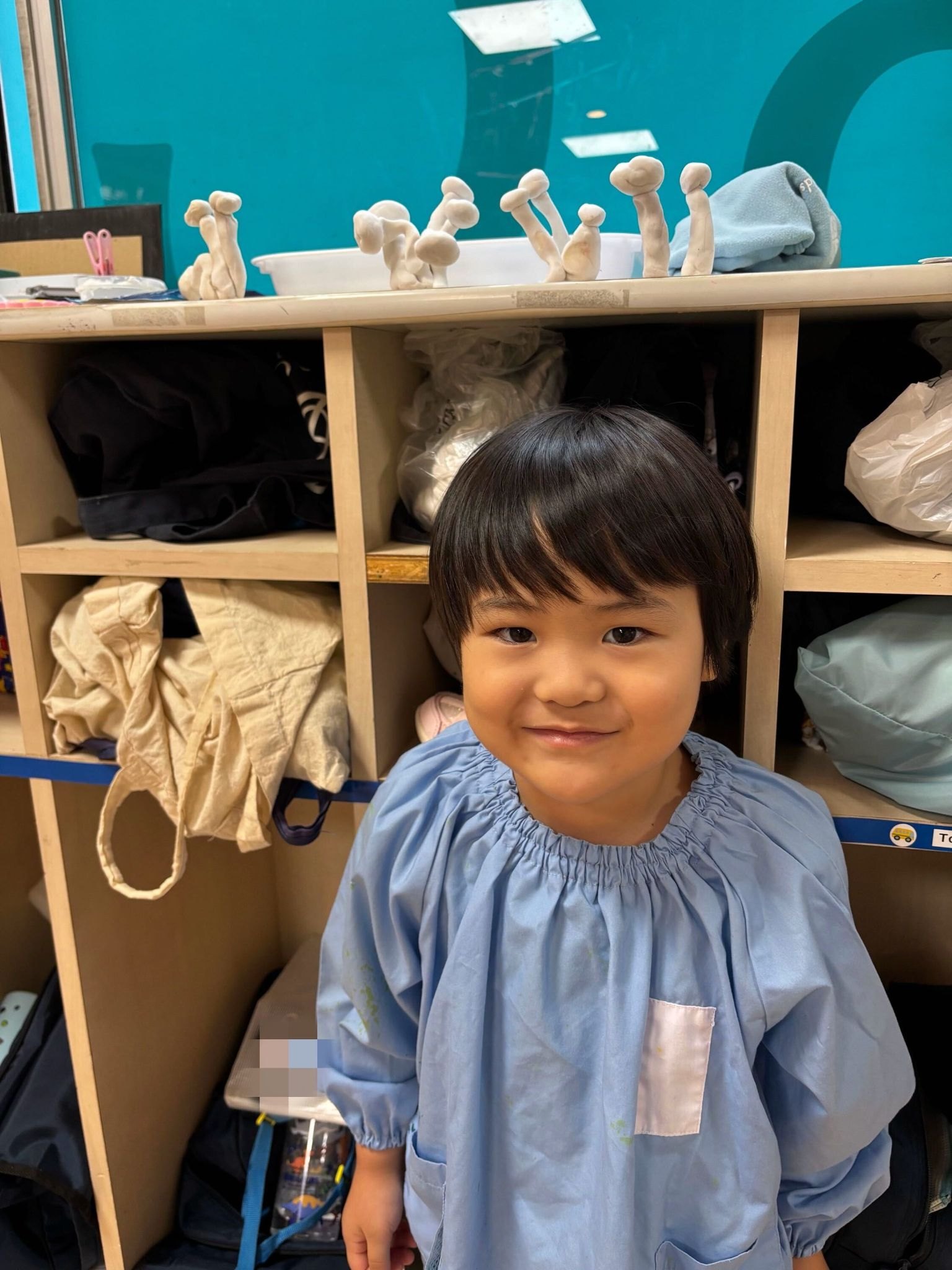
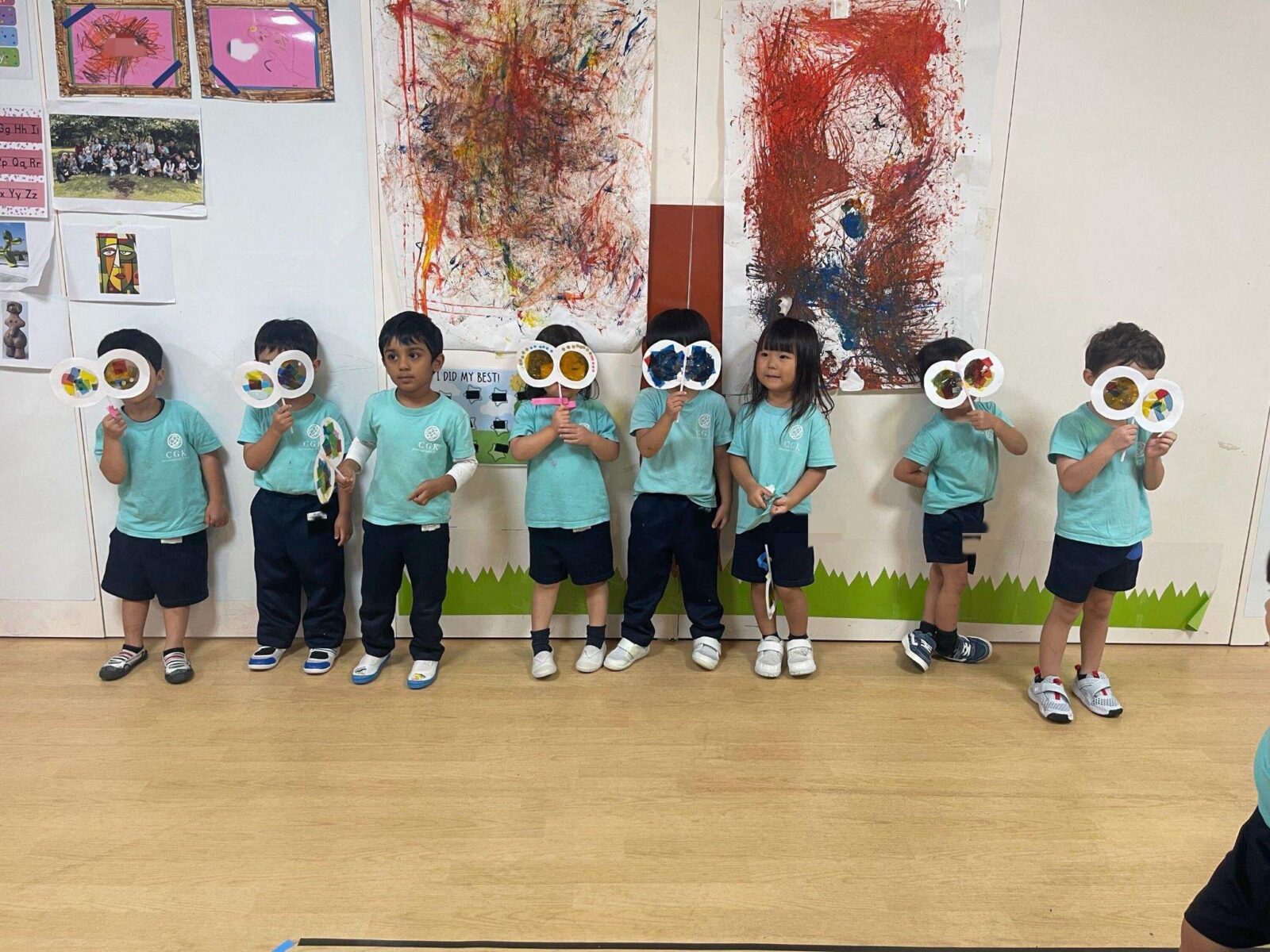
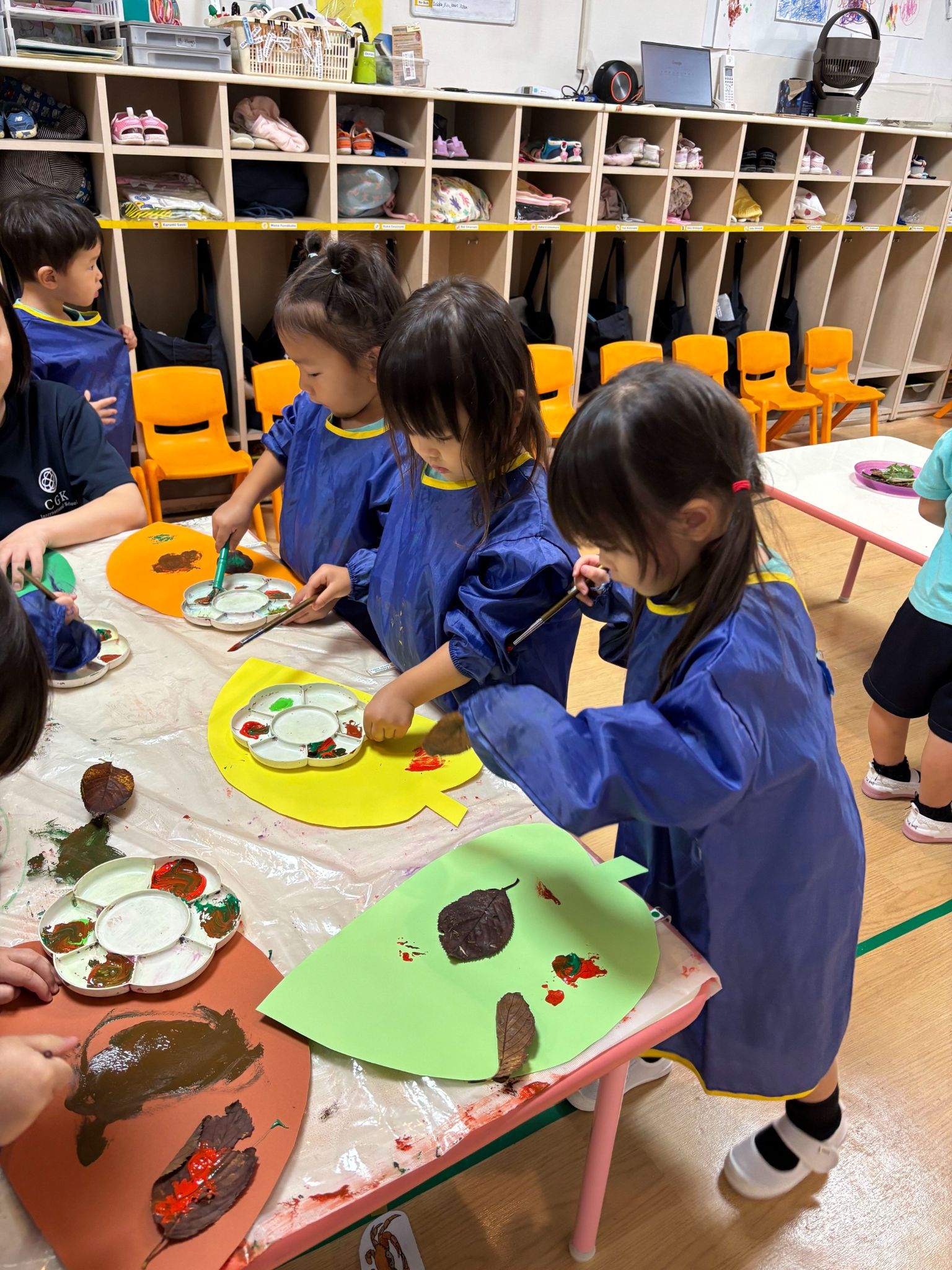
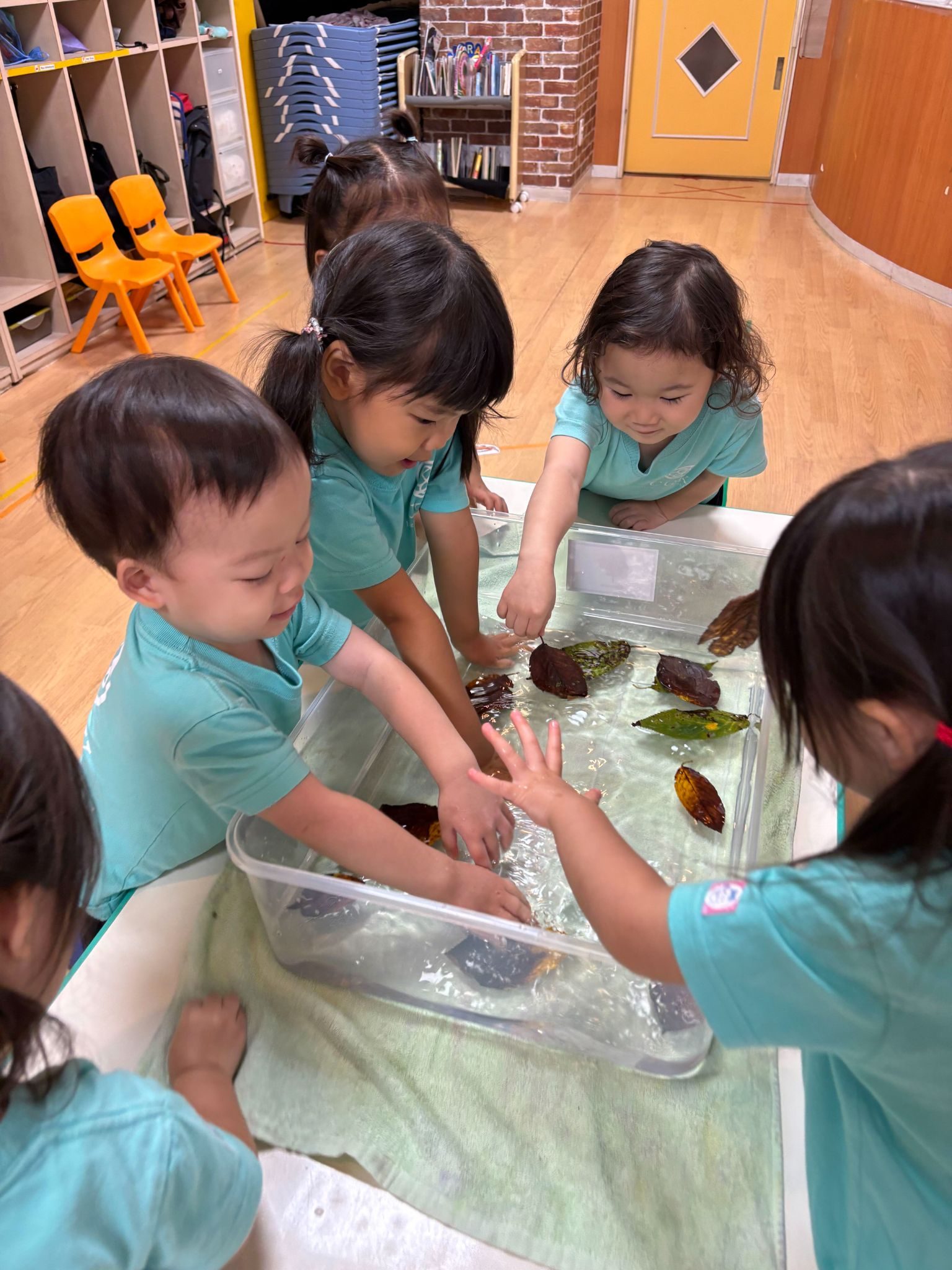
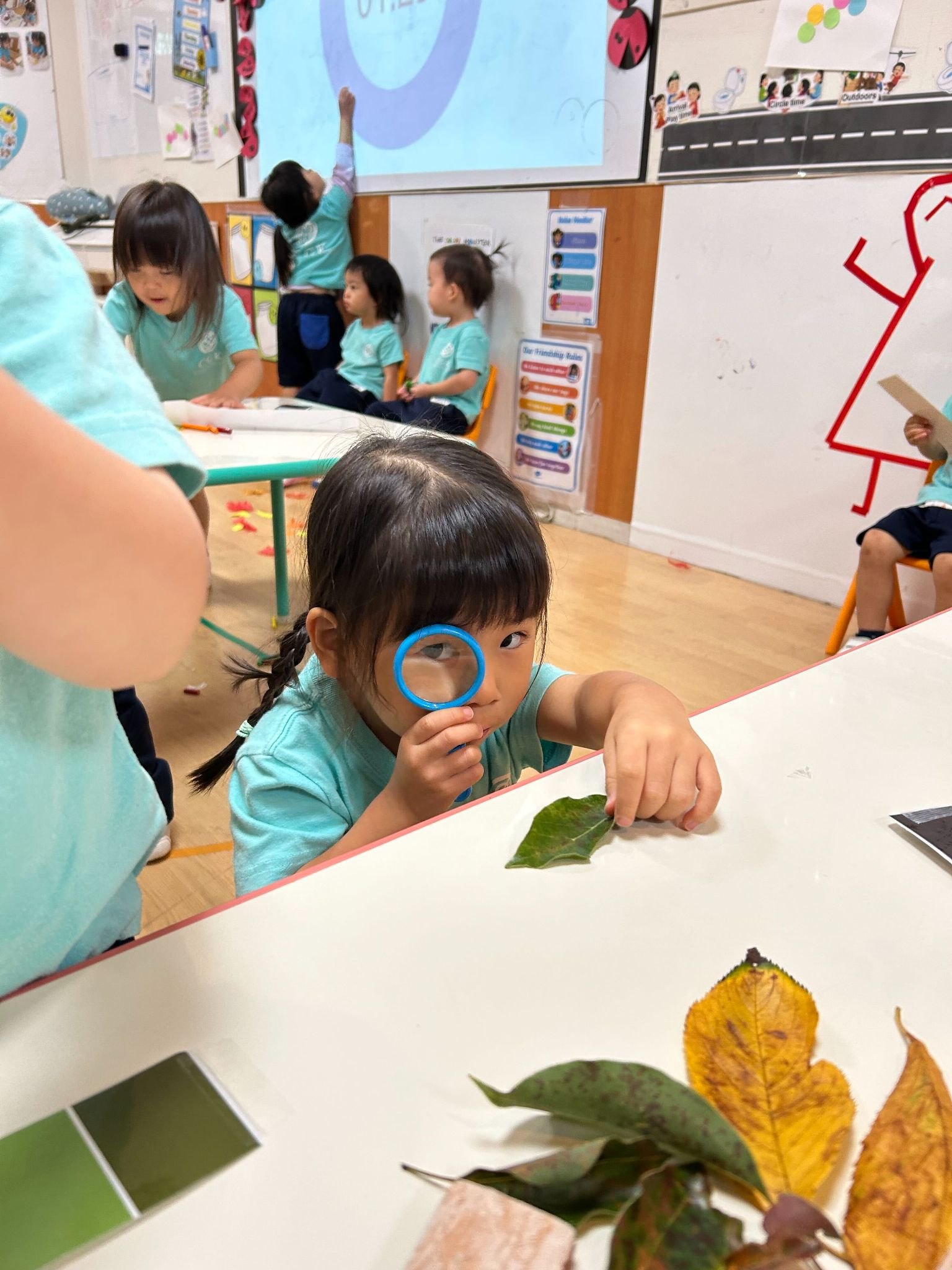
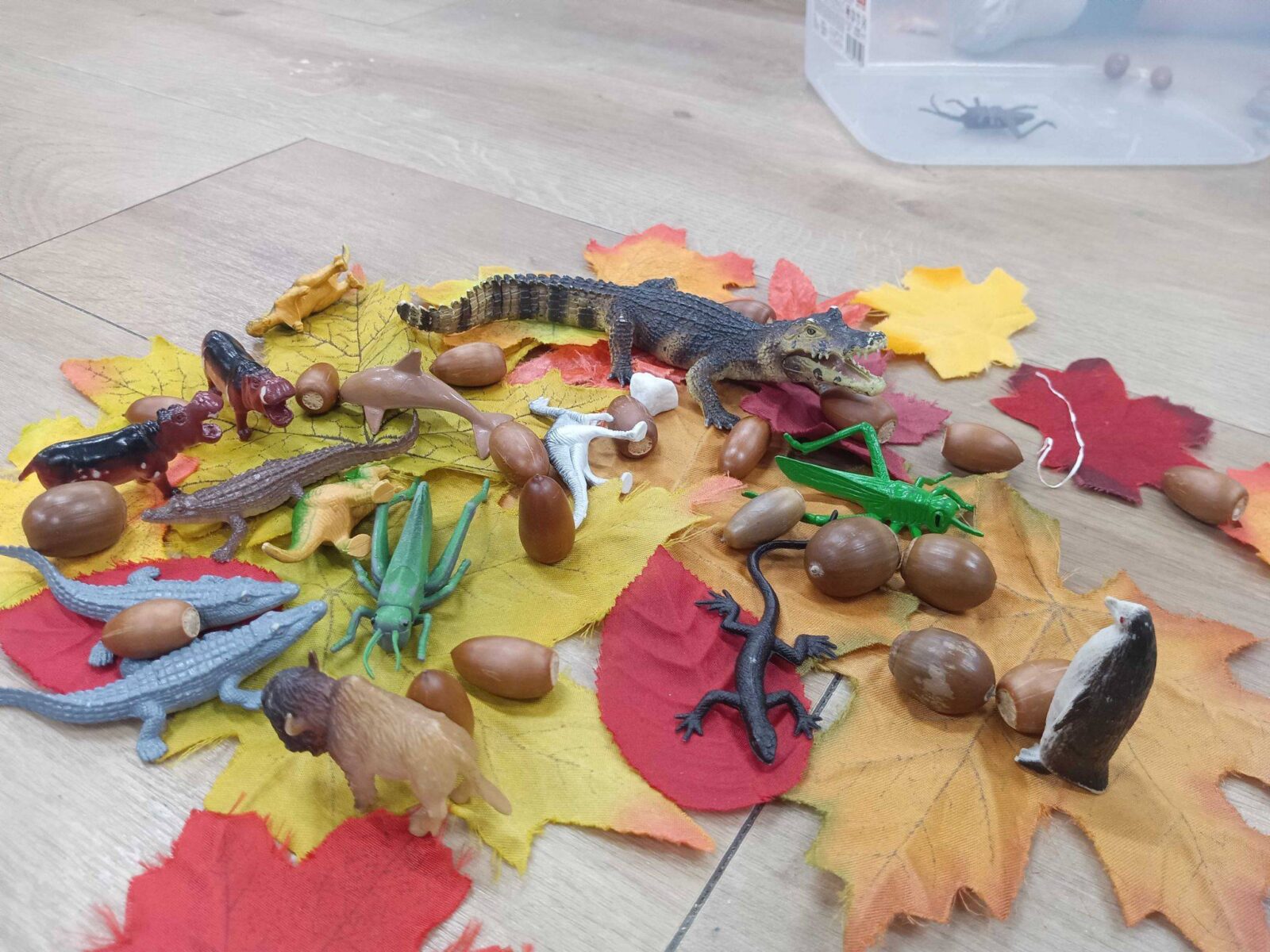
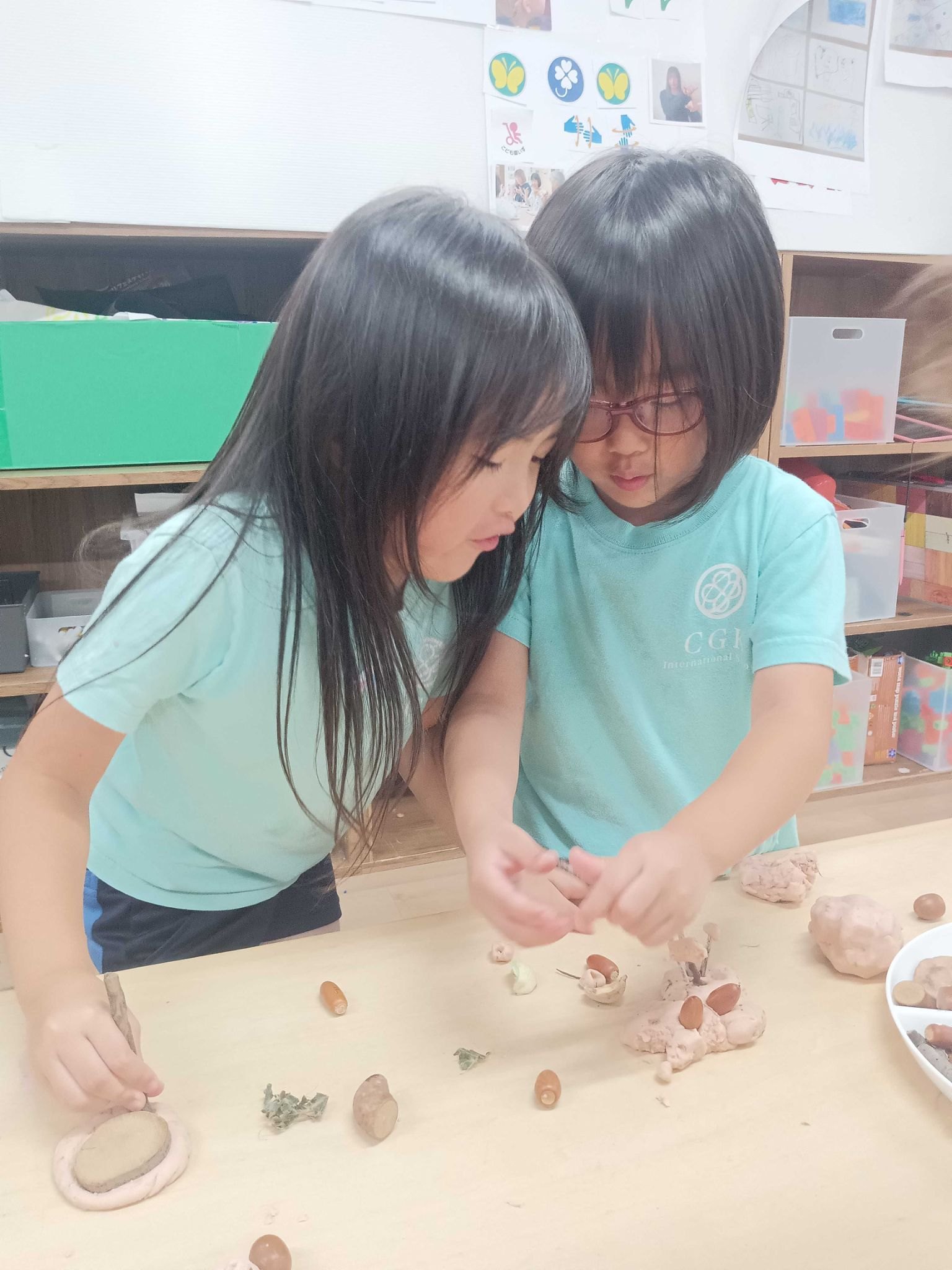
As the temperature gradually drops, we are finding more moments that remind us autumn is on its way. From art and food to sports, there is so much to enjoy in this season. This month, to bring our How We Express Ourselves unit to a close, each class took part in a variety of activities involving art, autumn plants, and food. We enjoyed singing seasonal songs such as “Kinoko,” “Tonbo no Megane,” and “Donguri Korokoro,” as well as making crafts connected to each song. In addition to developing an interest in autumn’s plants and creatures through music, the children explored the season by looking at photographs of plants and natural objects, touching them, and comparing their colours and shapes. We also saw them asking questions such as “What is this?” and “Where can we find it?” and enjoying their own discoveries through conversations with teachers and friends.
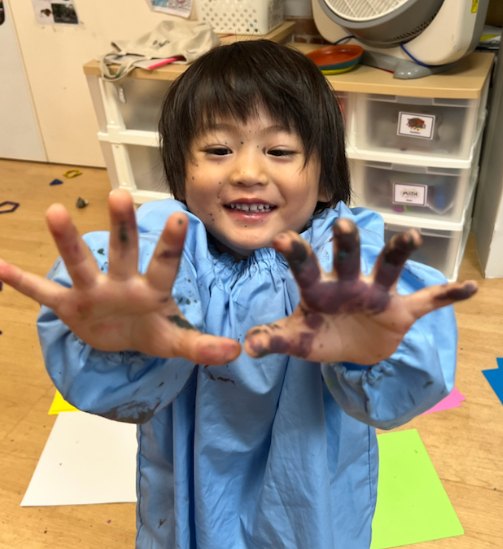
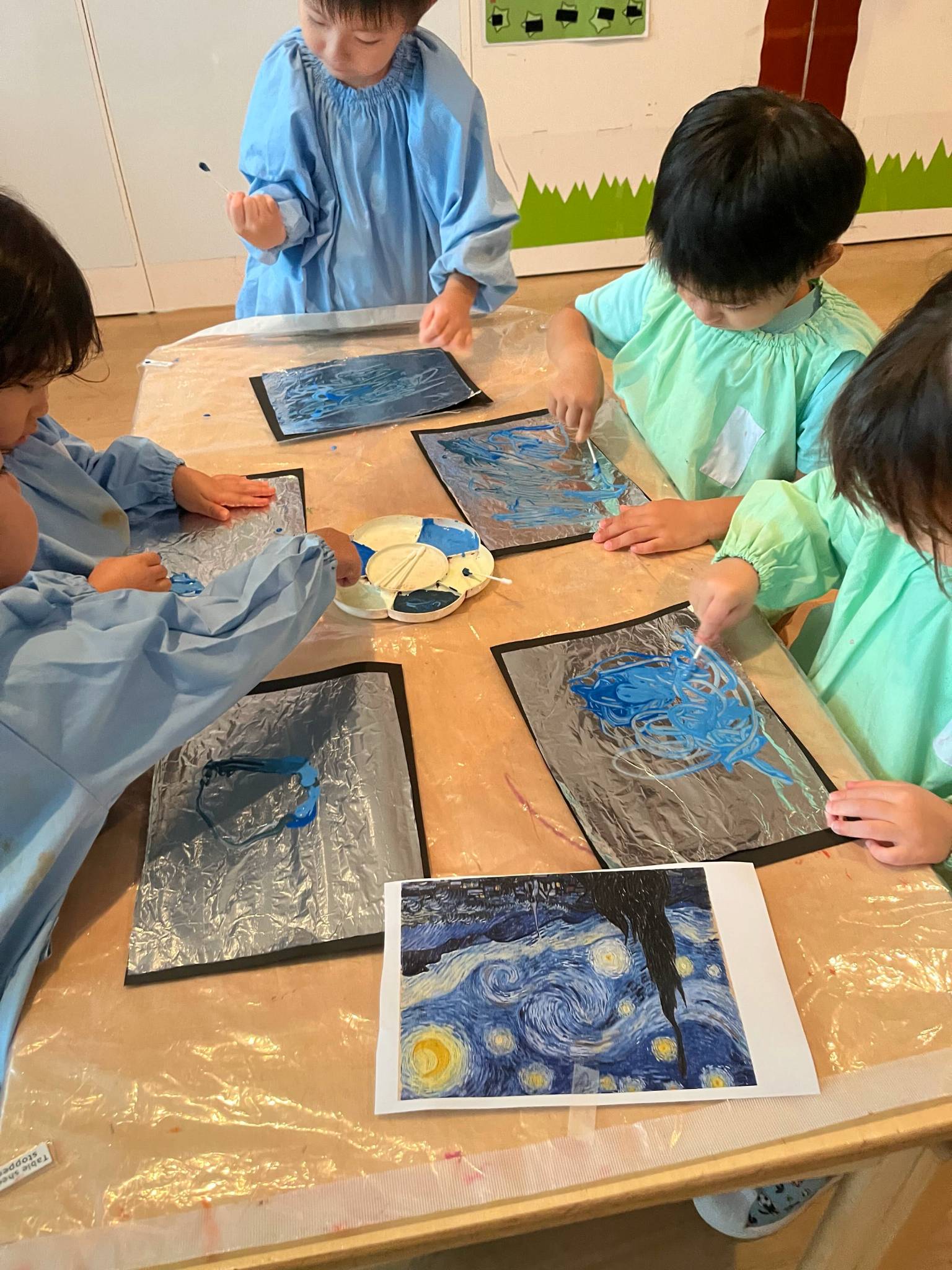
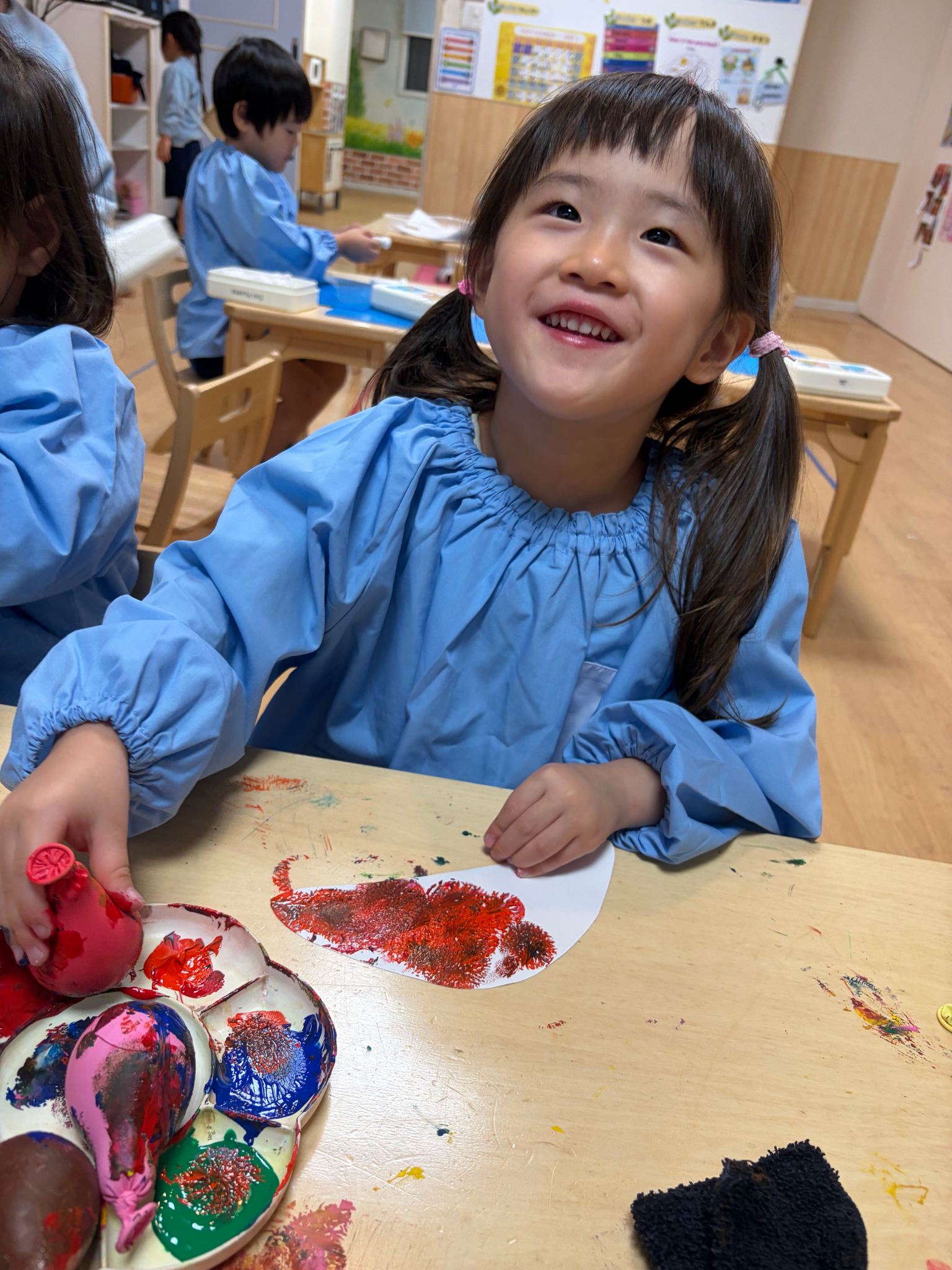
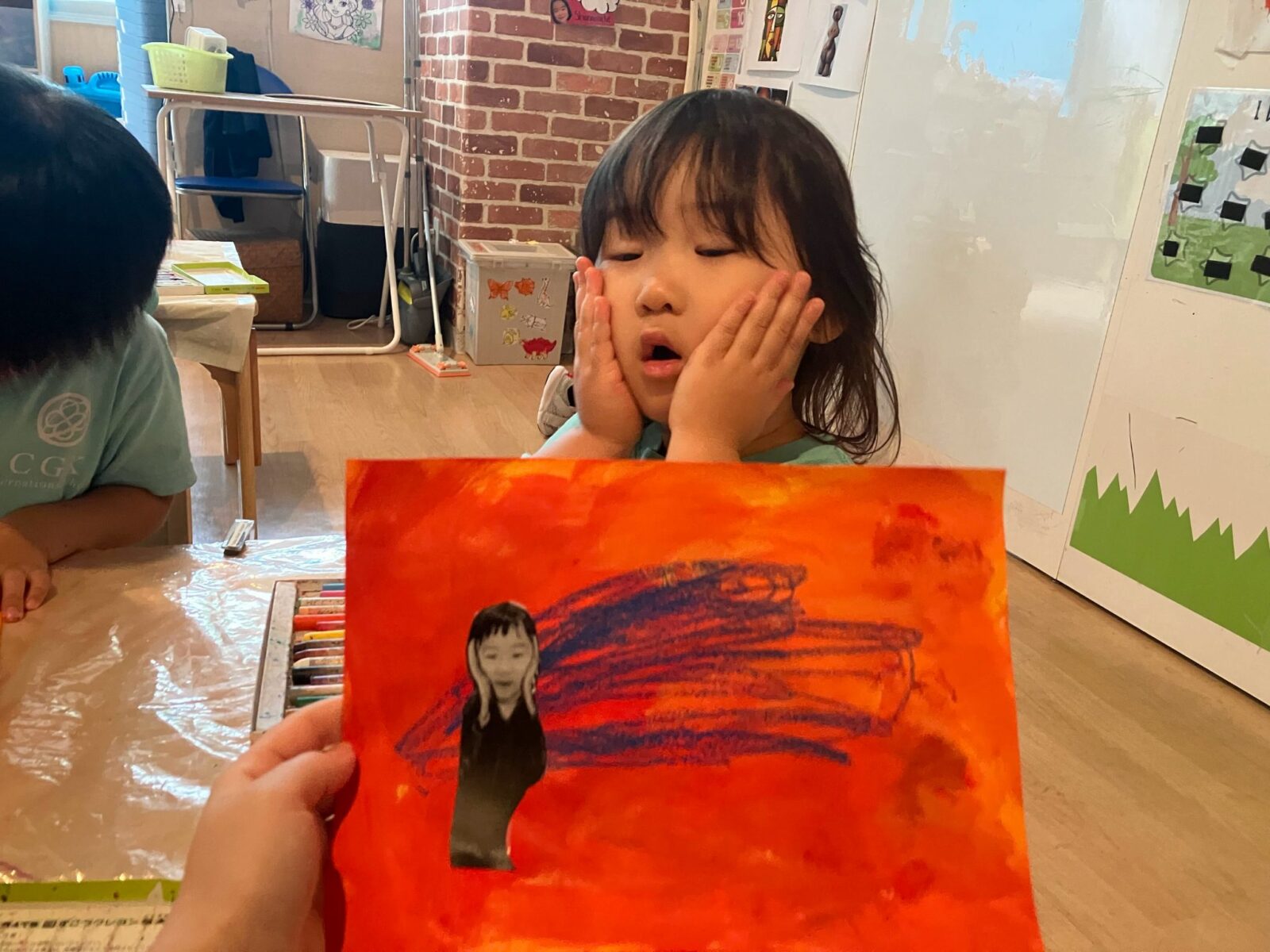
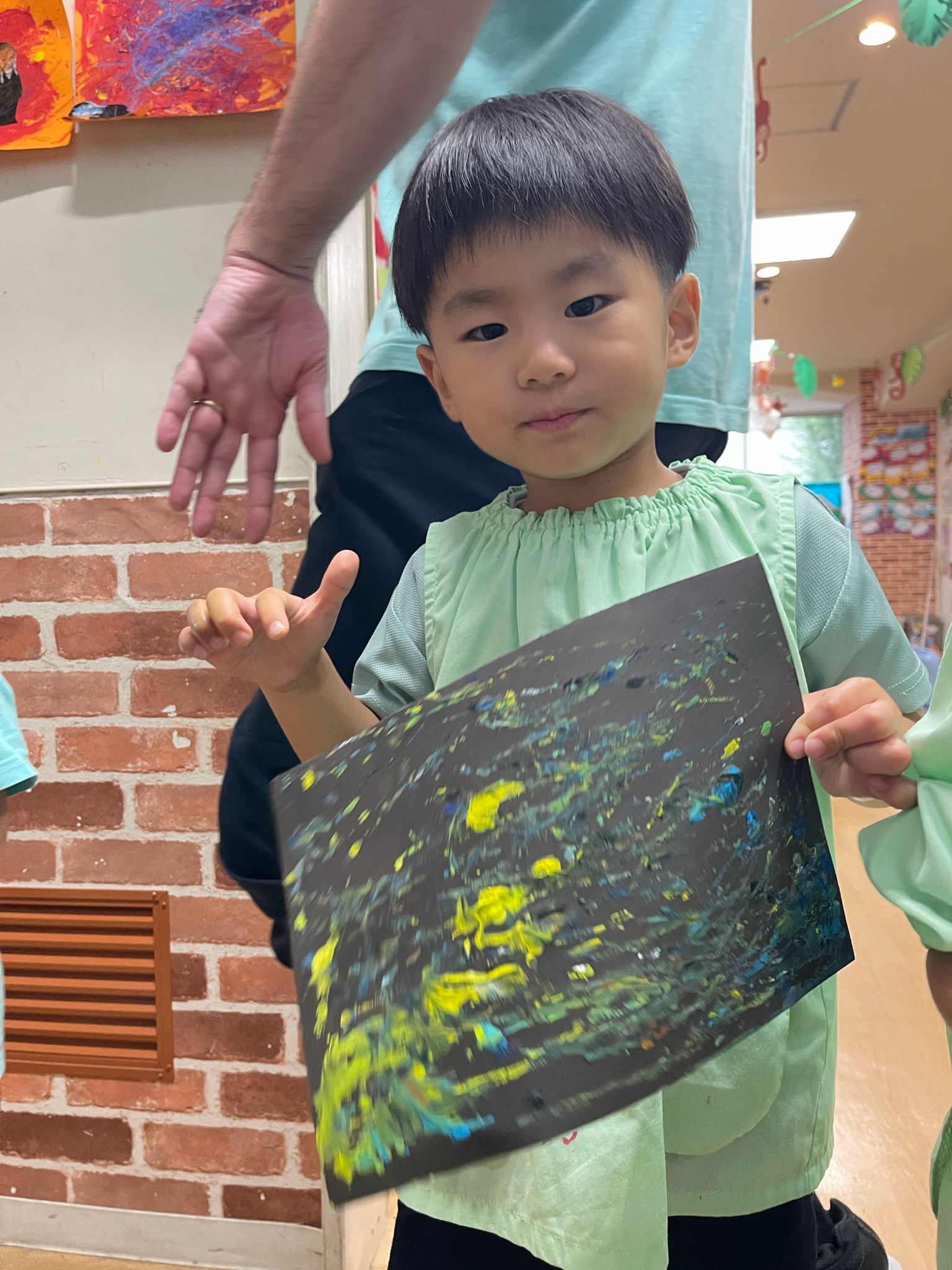
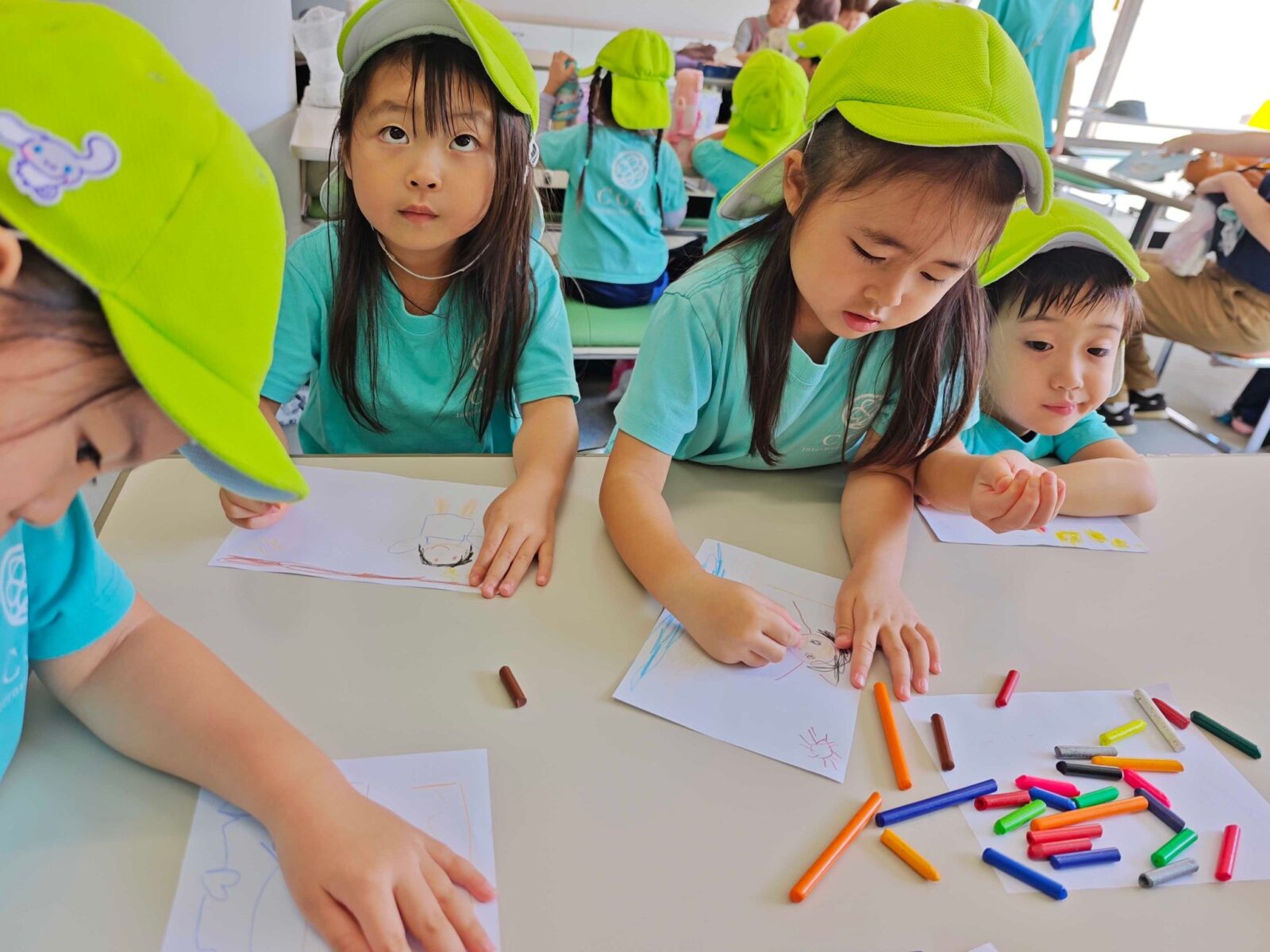
In this unit, we also explored the idea that there is more than one way to express ourselves. The children tried different techniques, from painting to combining a variety of materials, without limiting themselves to a single method. It was interesting to see how different their finished creations were, even when they used the same materials. As they worked, they shared thoughts such as “Wouldn’t it look even better if I did this?” and “I chose this colour because it’s a ___!” Rather than simply applying colour, they considered how to bring their ideas to life and made thoughtful choices. There were also moments when they chose their favourite colours and shapes, or looked at friends’ work and noticed, “This is the same!” or “This part is different!” Through these experiences, the children are gradually discovering the joy of expressing themselves in their own ways while valuing their feeling of “This is what I want to do.”
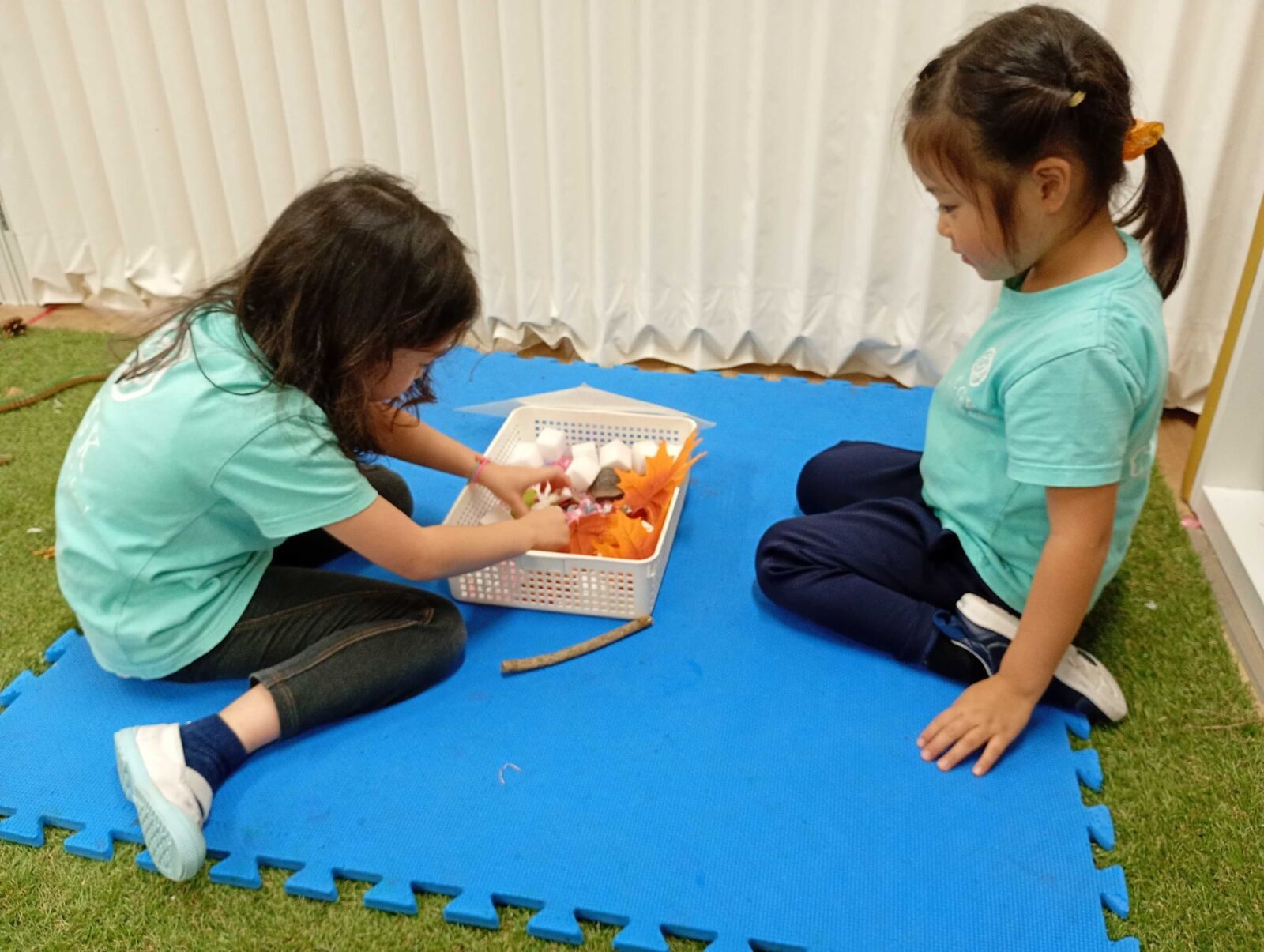
With so many rainy days this month, we had fewer opportunities to go outdoors. When we have more sunny days, we would like to enjoy looking for signs of autumn in nature. Finding fallen leaves, acorns, and other nuts with their own eyes, and touching and experiencing them, will help extend the children’s interest in and discoveries about the season. We will continue to value their thoughts of “I want to try!” and “I wonder why?” as we offer activities that let each child enjoy expressing themselves in their own way through familiar nature and a variety of materials.
Ocean (2-year-olds)
Little Explorers, Big Discoveries
Congratulations Ocean friends on successfully navigating through our first unit “Who We Are”. Though we are moving on, a big part of IB is making connections and exploring the interests of our young learners. This allows us to make deeper connections with some of our previously loved topics as we journey on.
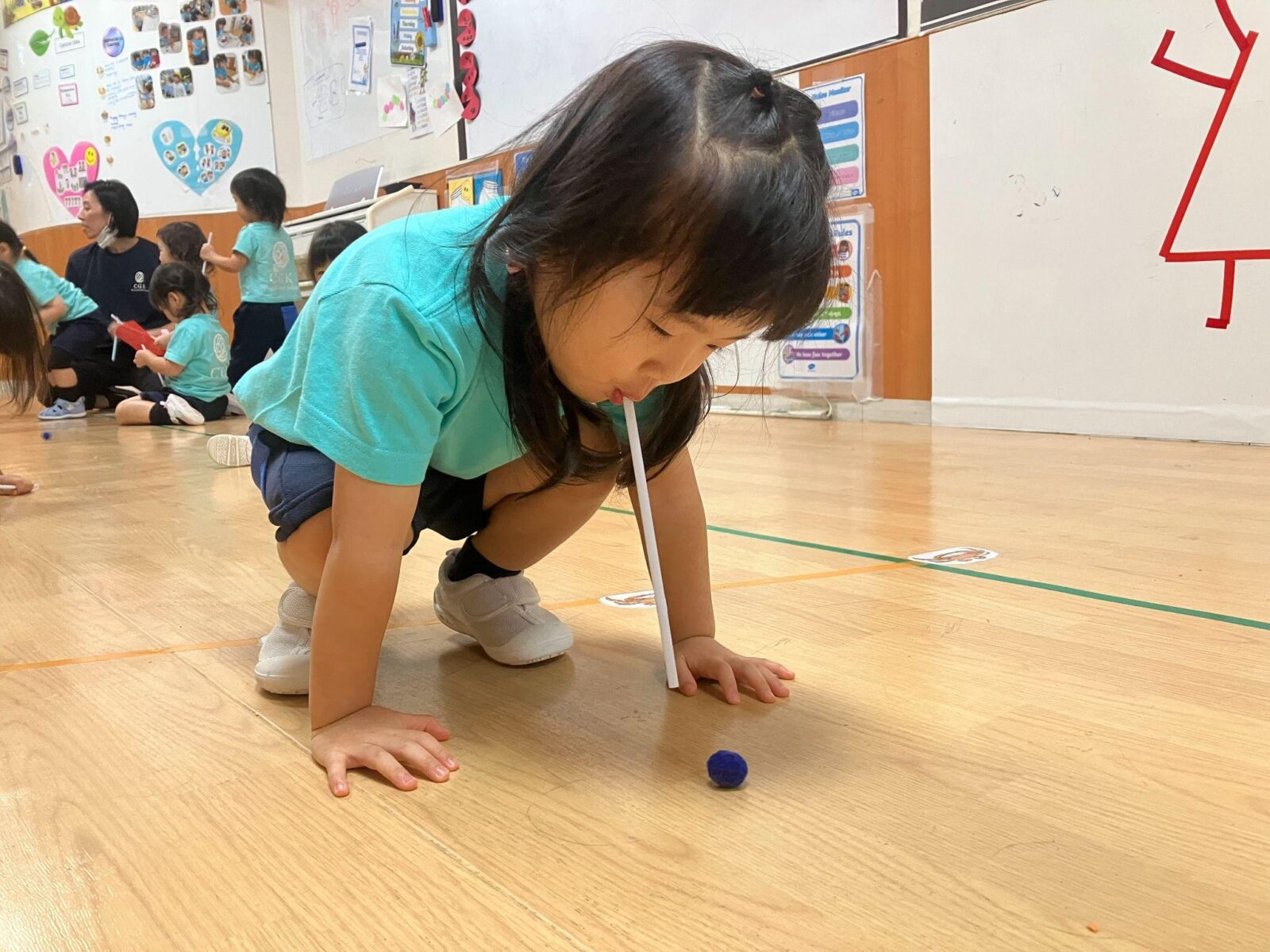
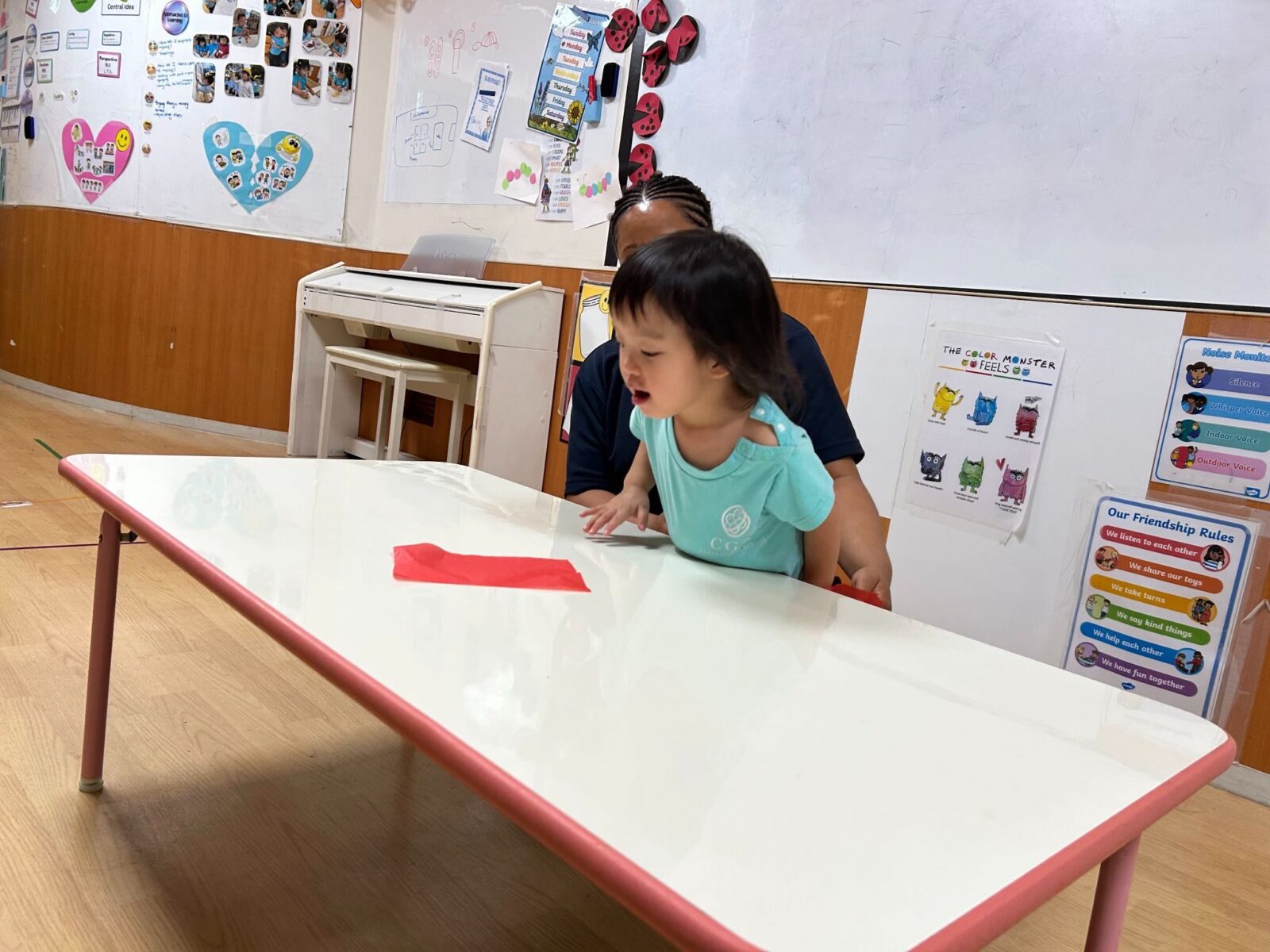
We started the month by exploring the changing seasons, with a focus on fall, noticing changes in the weather, leaves and the world around us. We also became curious about the wind, observing how it moves the trees and other objects and wondering, “How does the wind blow?”
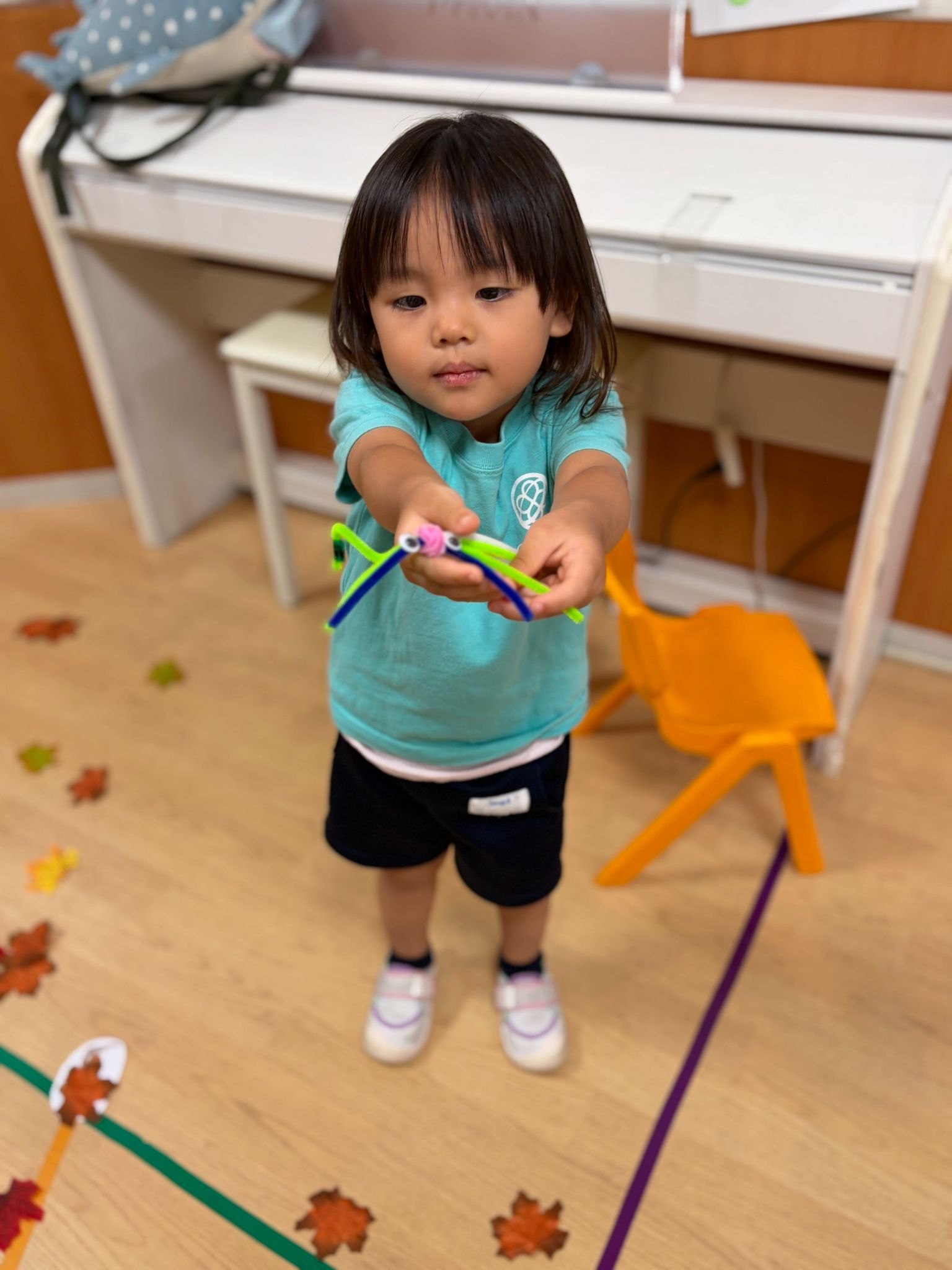
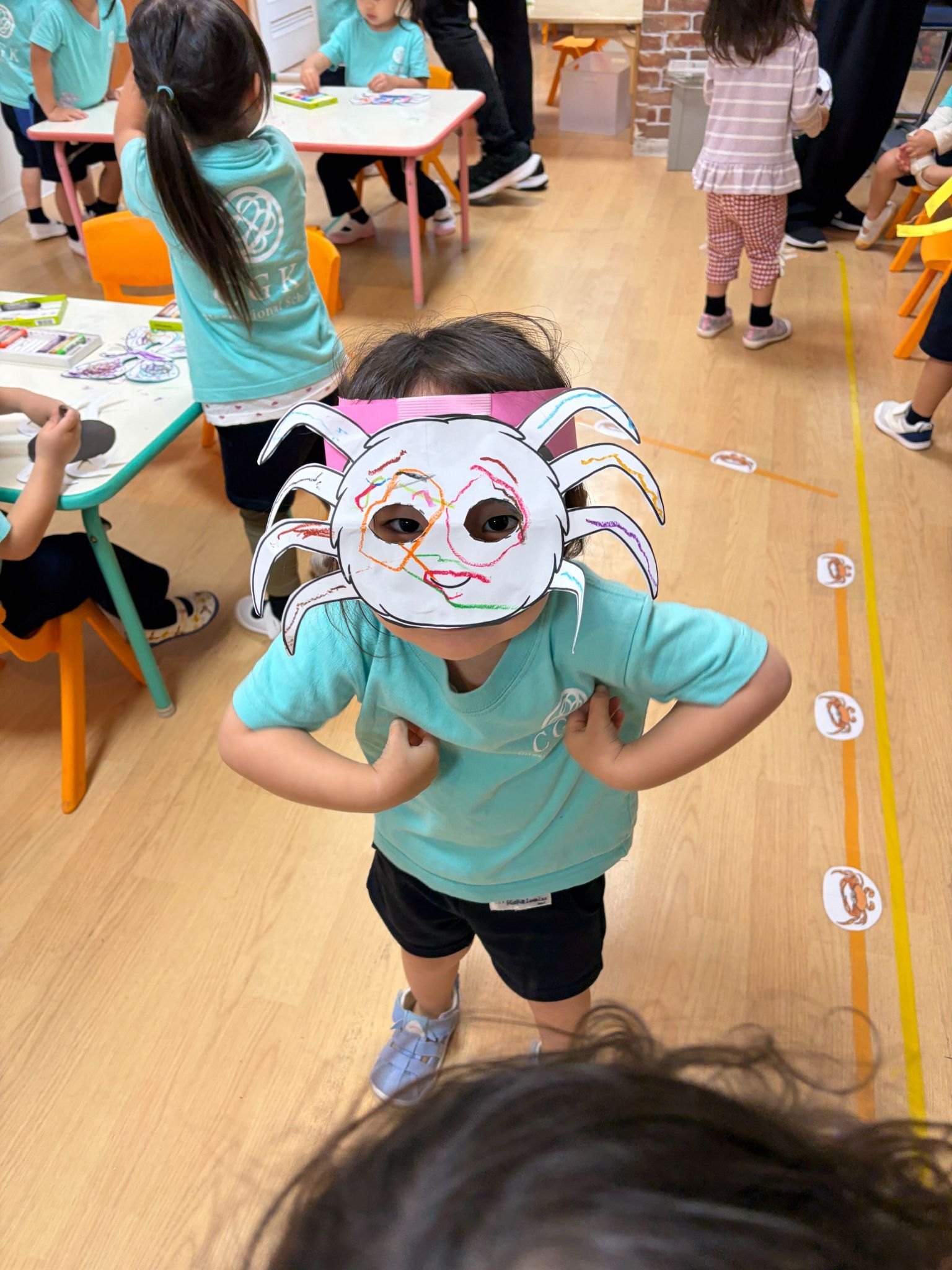
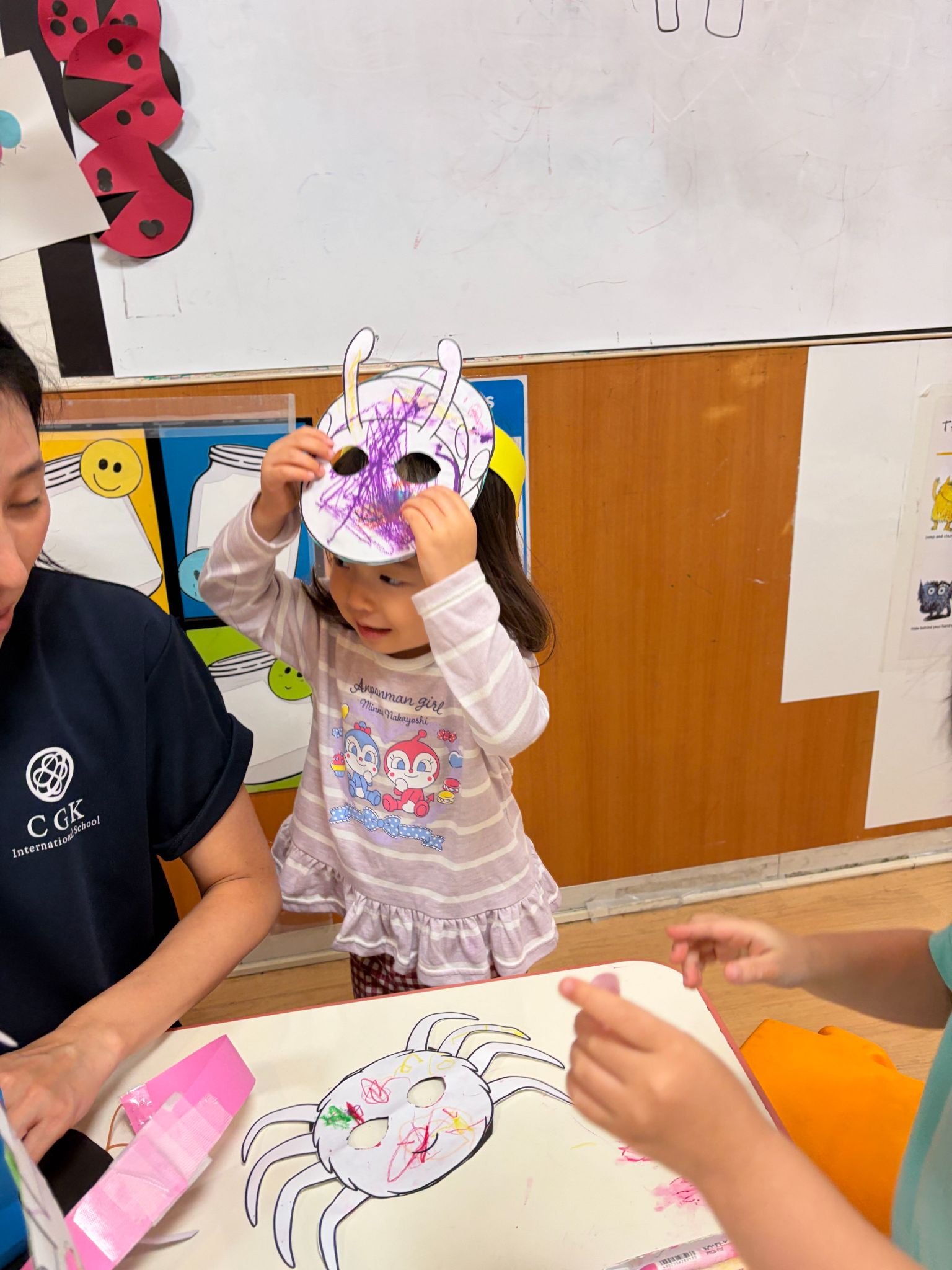
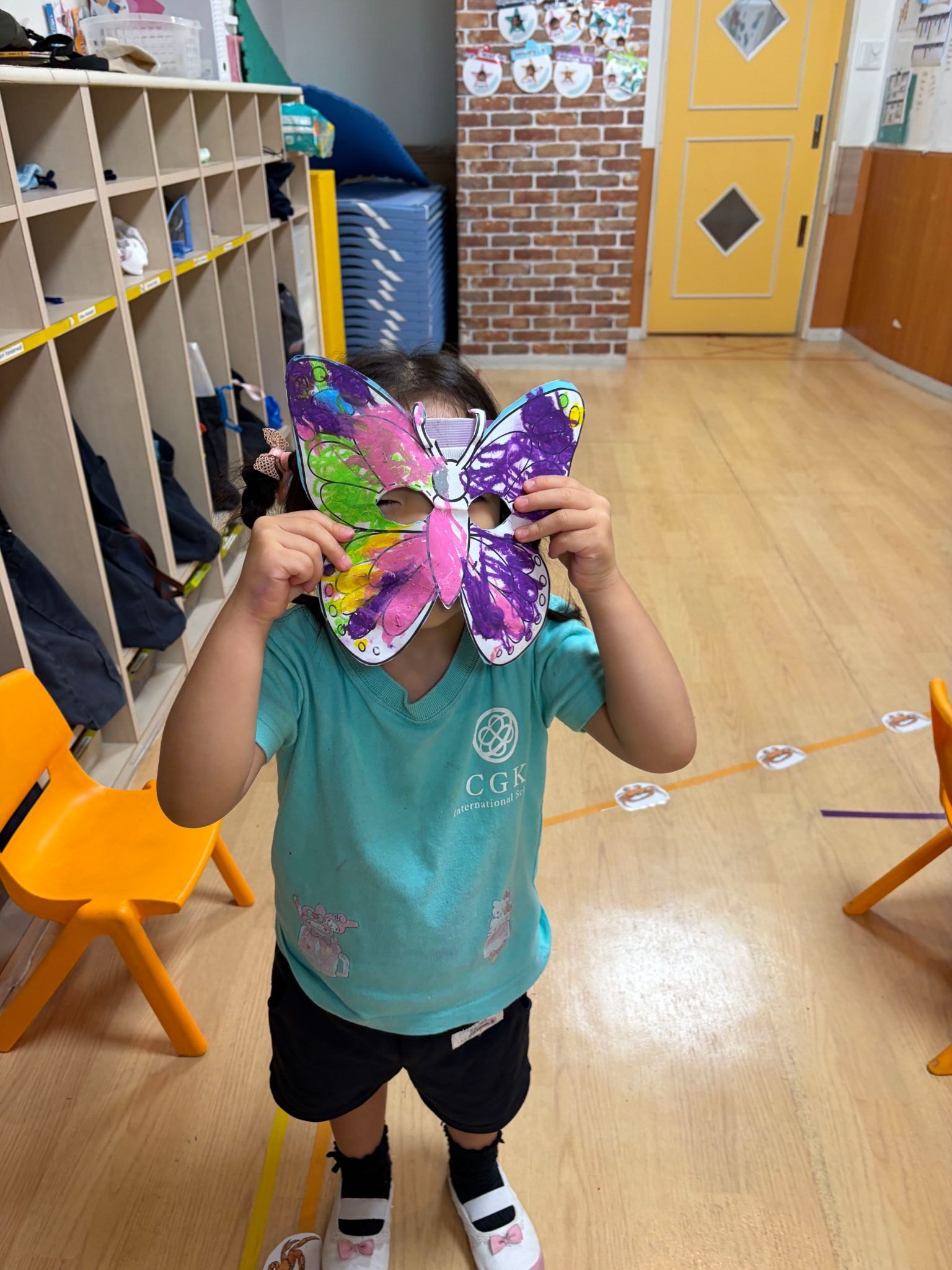
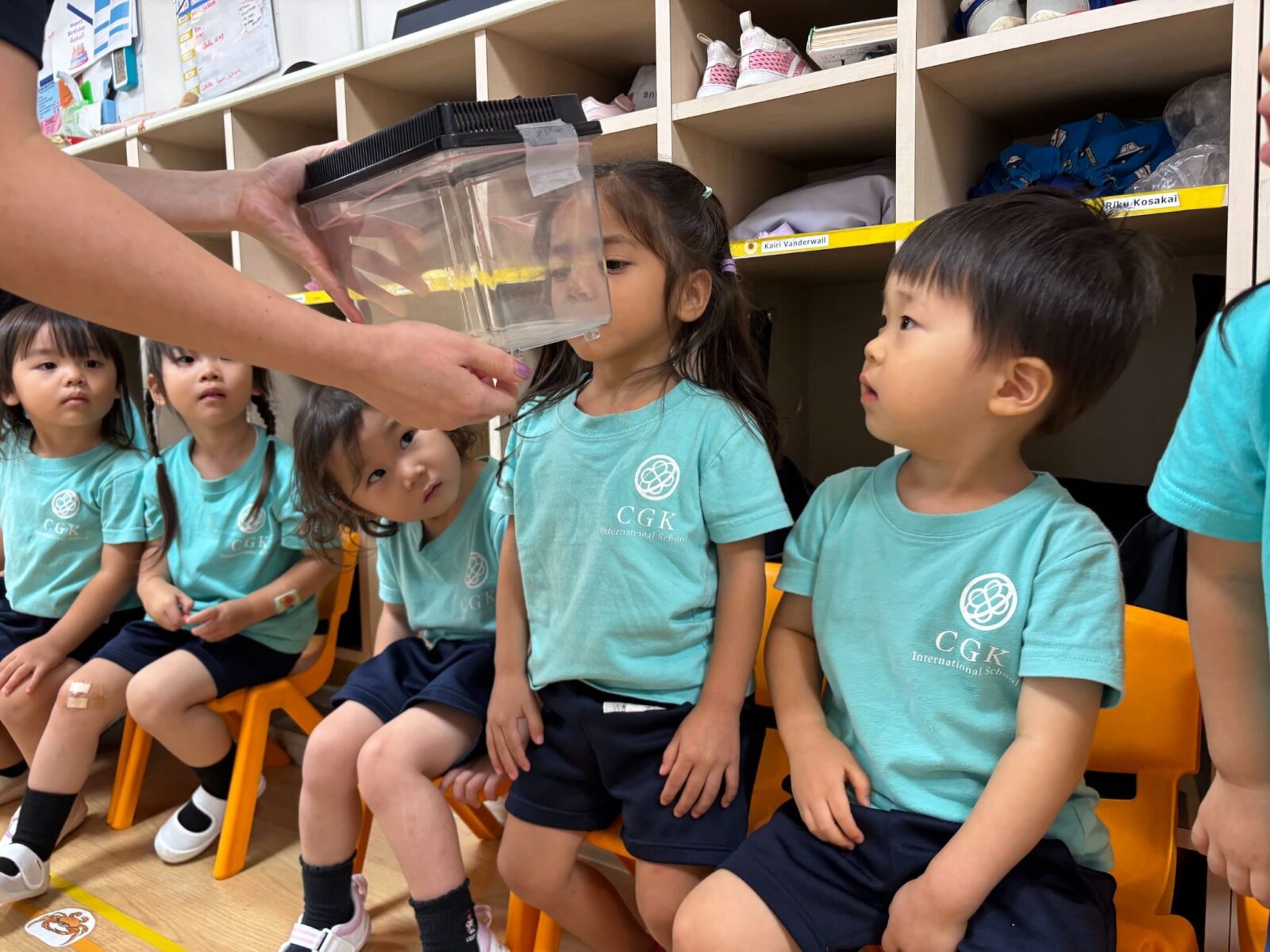
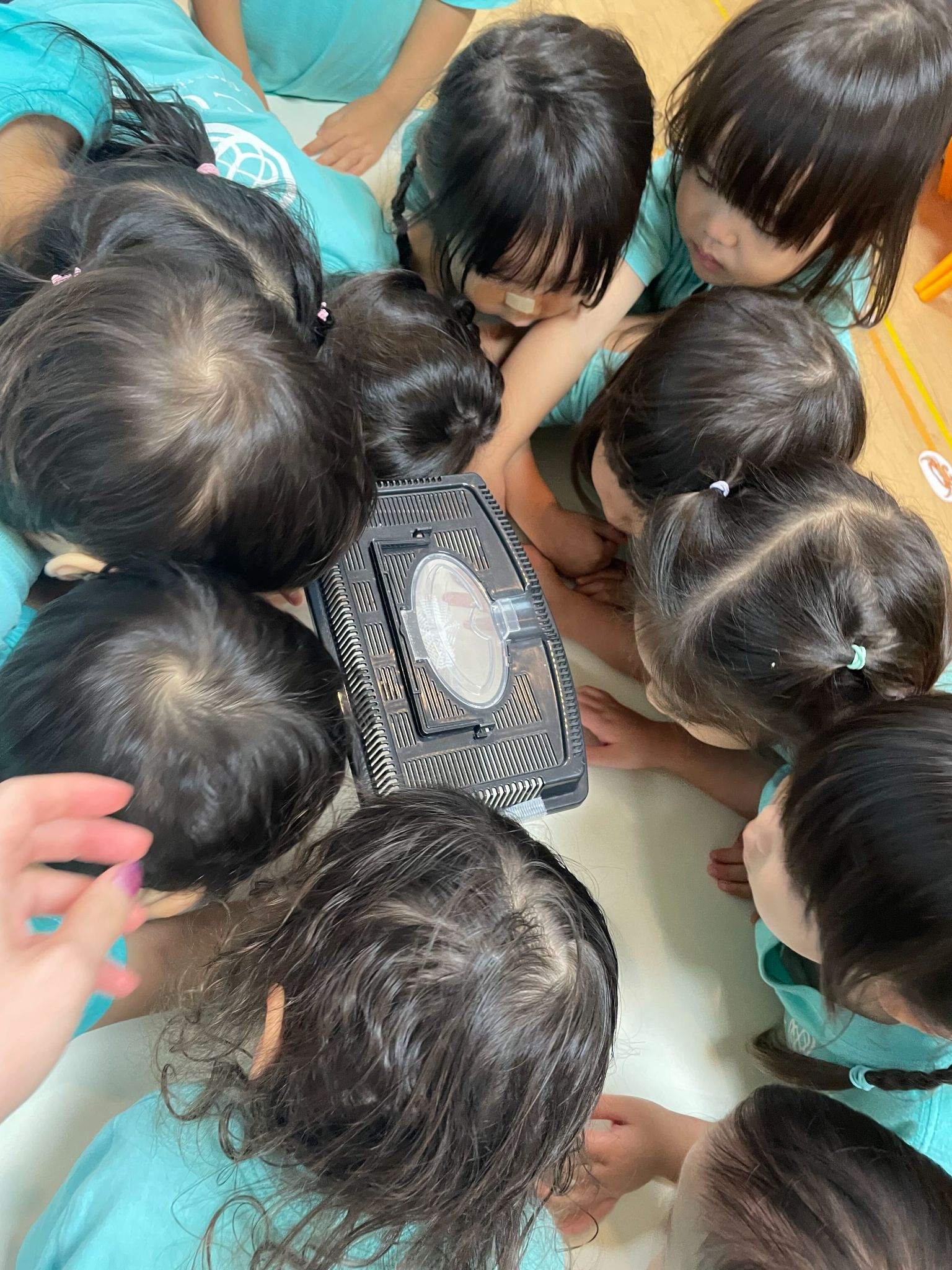
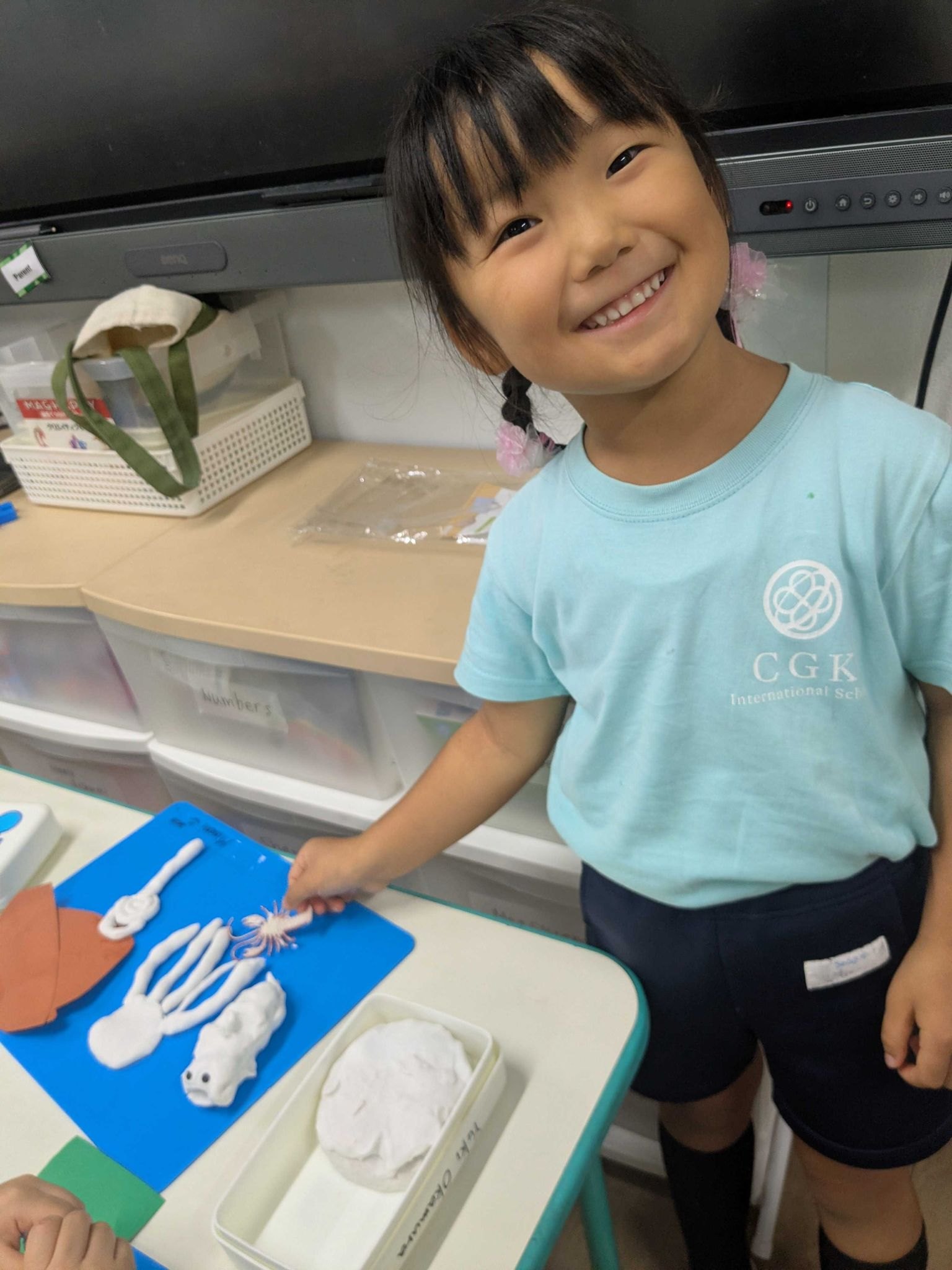
We gently ushered them into the inquiry “How We Express Ourselves” through our exploration of minibeasts. We started by touching on our first unit of “Who We Are” creating a connection between past concepts such as features of the face and body. Our Ocean friends were able to express their knowledge by reflecting on what we covered and producing the vocabulary in English of what they observed. They developed their thinking and inquiry skills by paying attention to detail to notice the similarities and differences between themselves and minibeasts.
Through these explorations we were able to discover that we differ in size and features but we also share some features and they even have a family, just like us. We took some time to contemplate on what that could mean for the way we play with and take care of them. When we see minibeasts can we step on them? How would that make them feel? As we continue exploring this unit our Ocean friends will be encouraged to notice changes, explore why things happen and consider how their actions can affect others and the world around them. Here is to more wondering, exploring and discovering!
Learning Through Nature
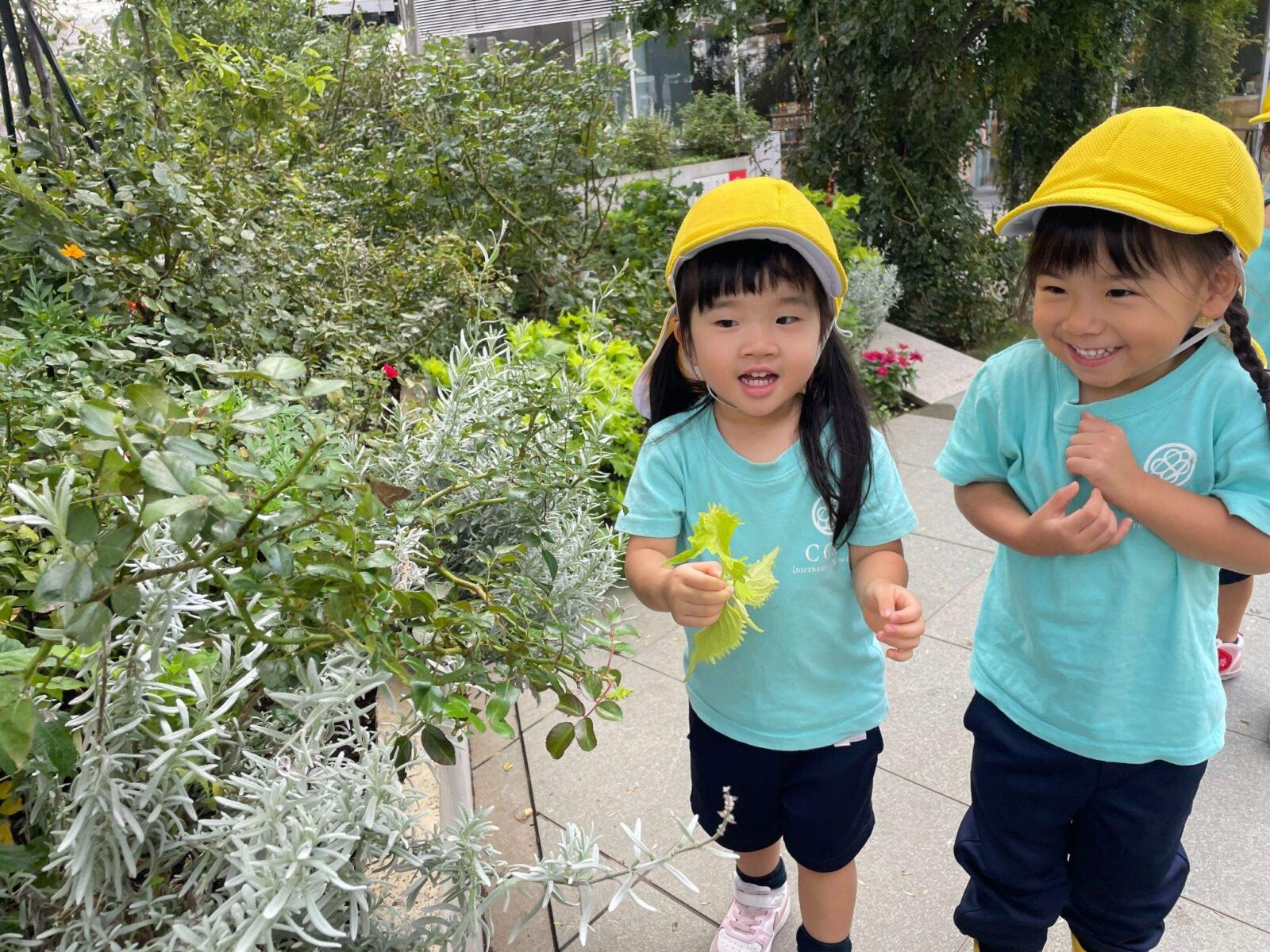
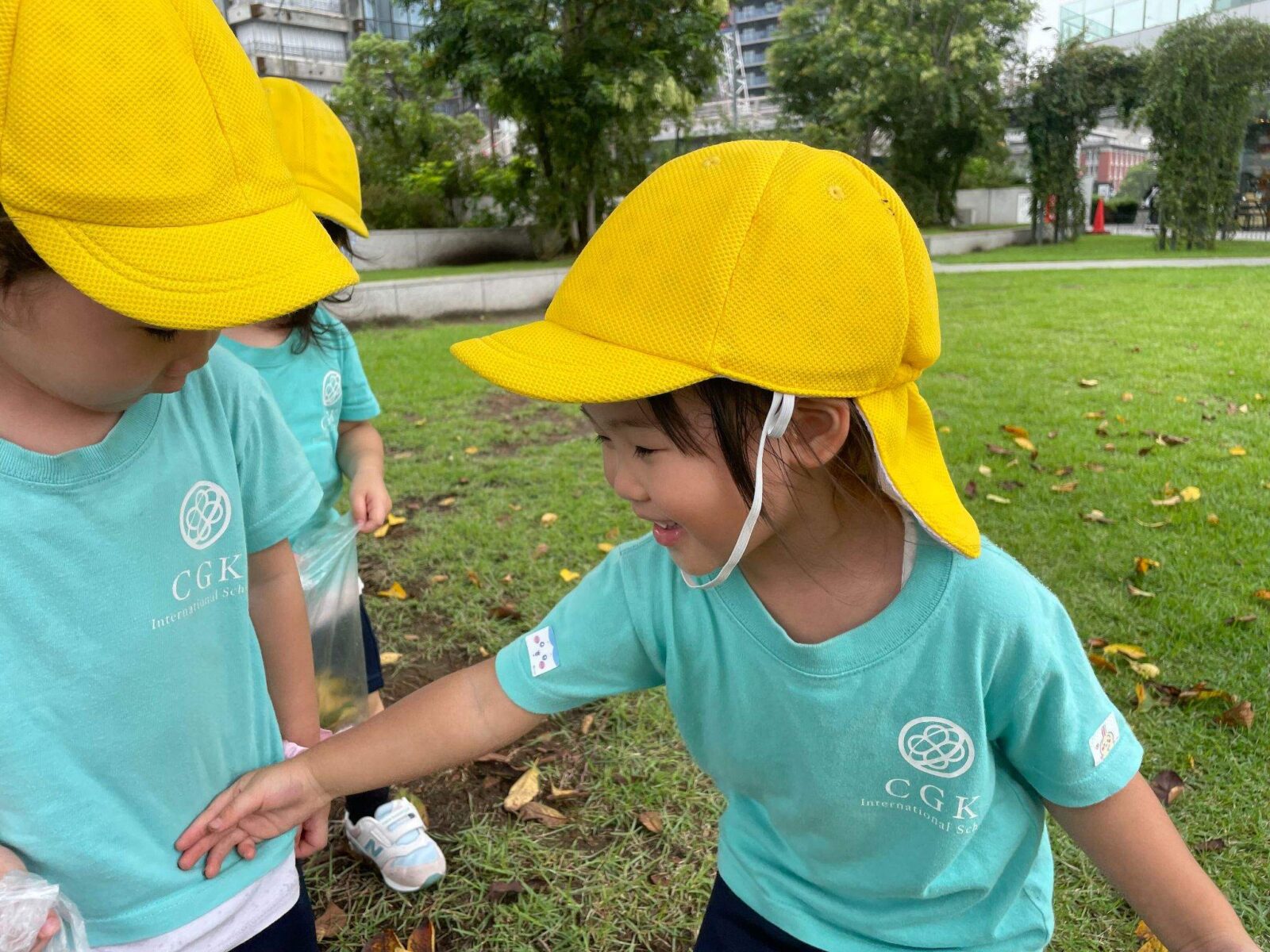
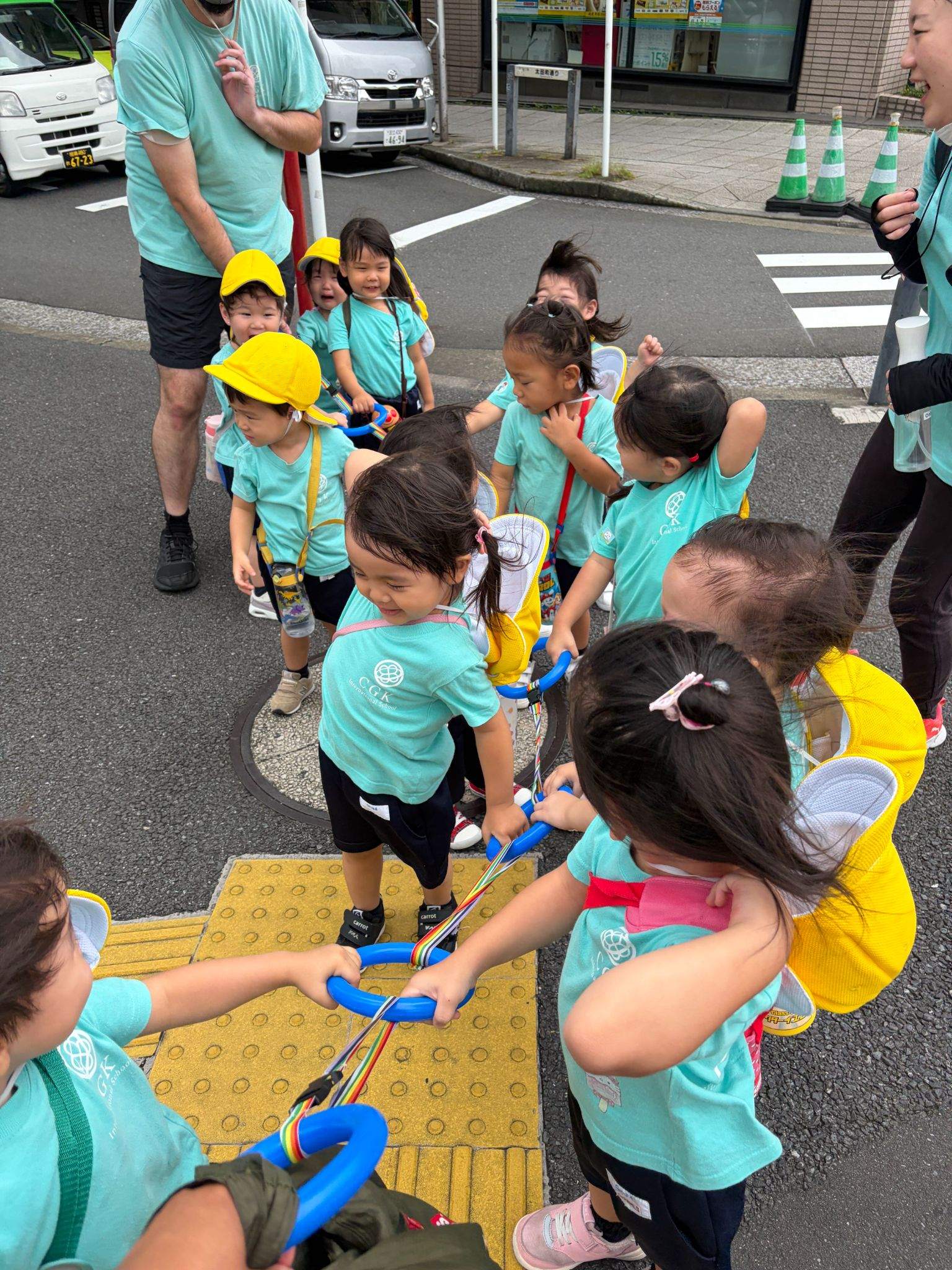
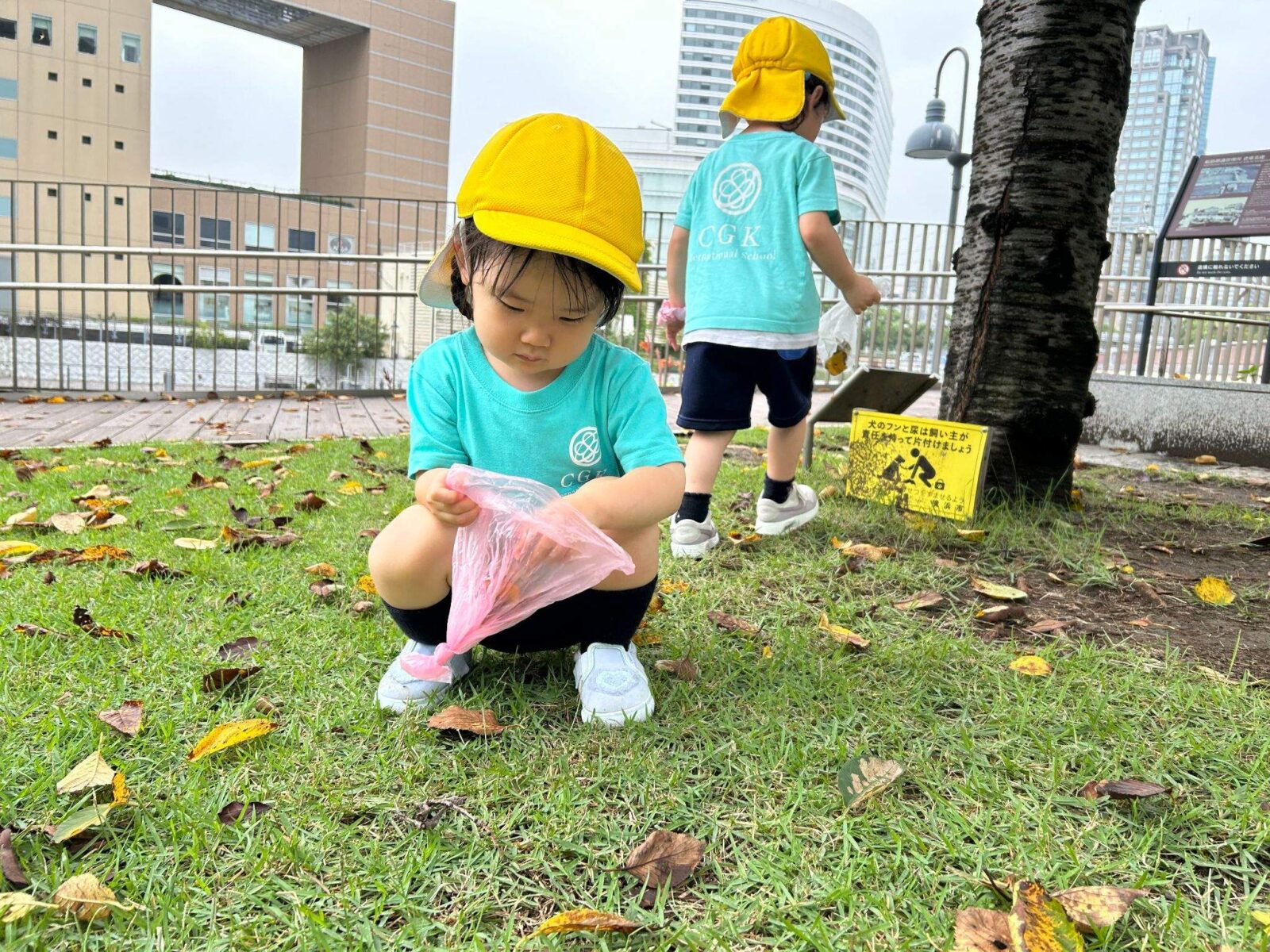
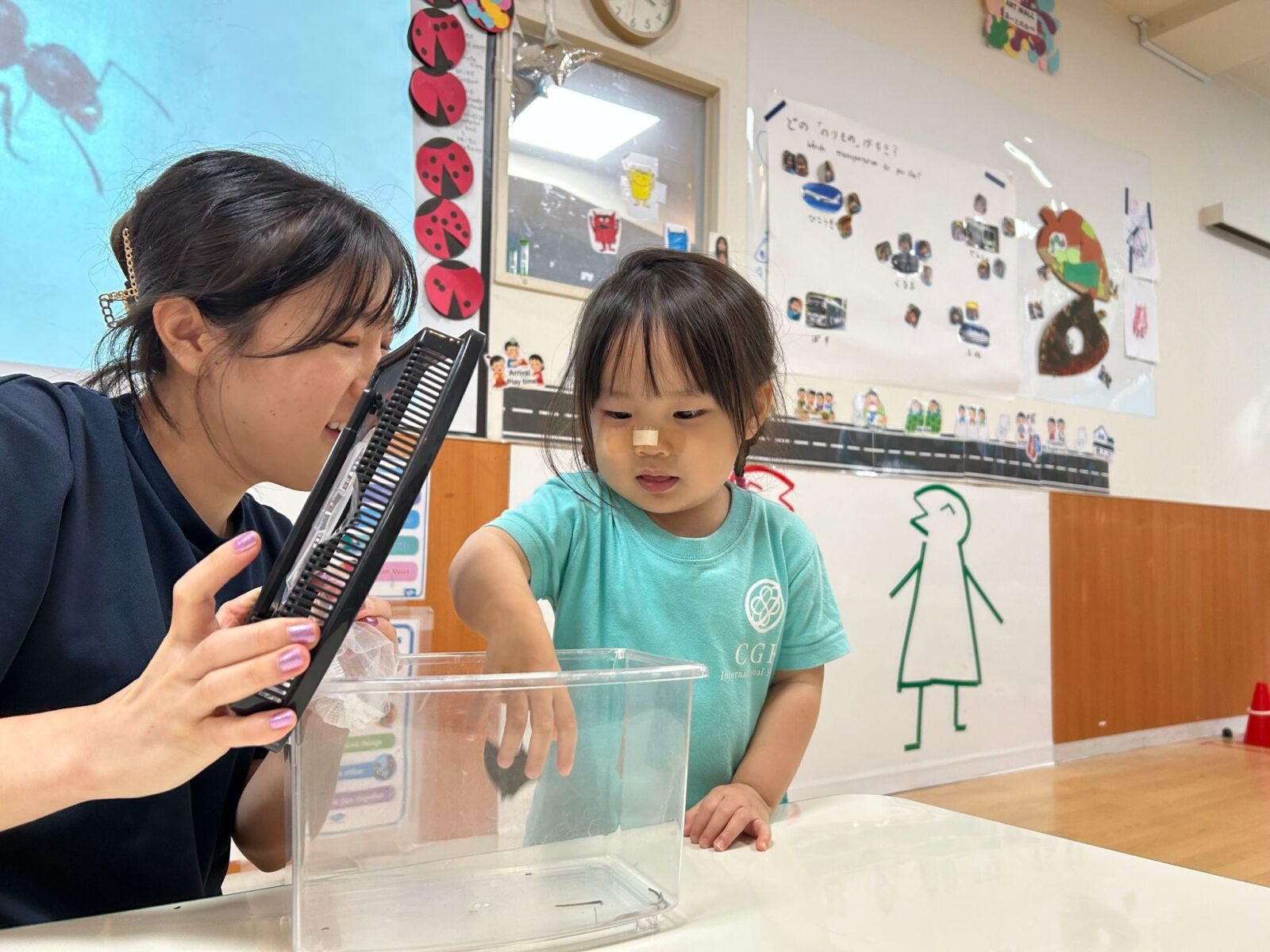
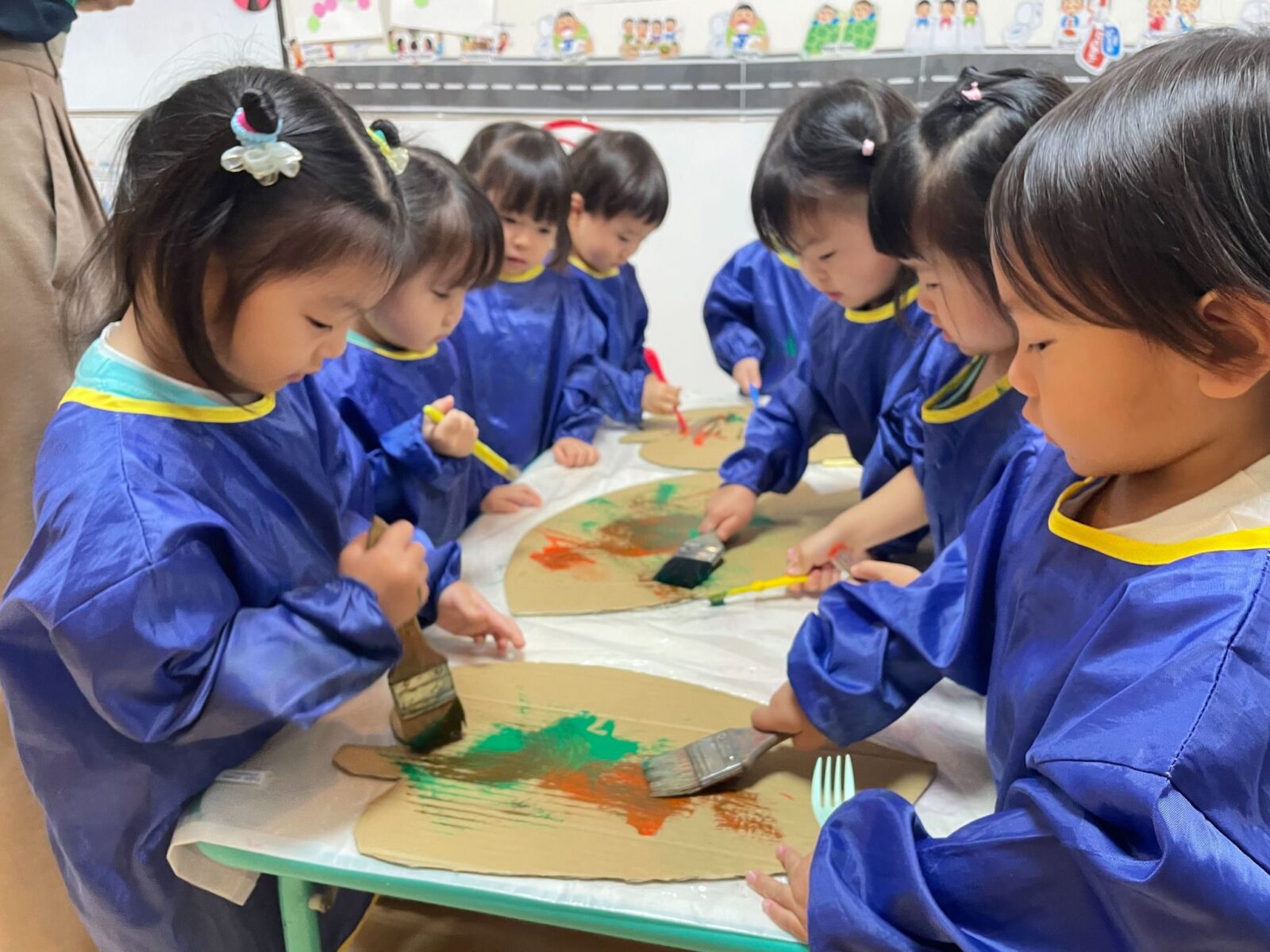
The autumn breeze has become pleasant, and we are gradually beginning to feel the arrival of the season. Time has passed quickly, and the children now have about half a year left in Ocean Class. As the outdoor temperature begins to fall and we head towards the colder months, the children are still full of energy and enjoying outdoor play despite the changing temperatures. In September, we spent plenty of time connecting with nature. Through living things such as ants and butterflies in the green spaces near City Hall and in local parks, as well as the changing colours of leaves, the children have been gradually noticing seasonal changes. During Japanese lessons, we used colour charts to observe leaves and expressed their colours by painting on a large piece of cardboard. Calling out “Red!” and “Yellow!”, the children enjoyed the changes in colour and showed an interest in observing the nature around them.
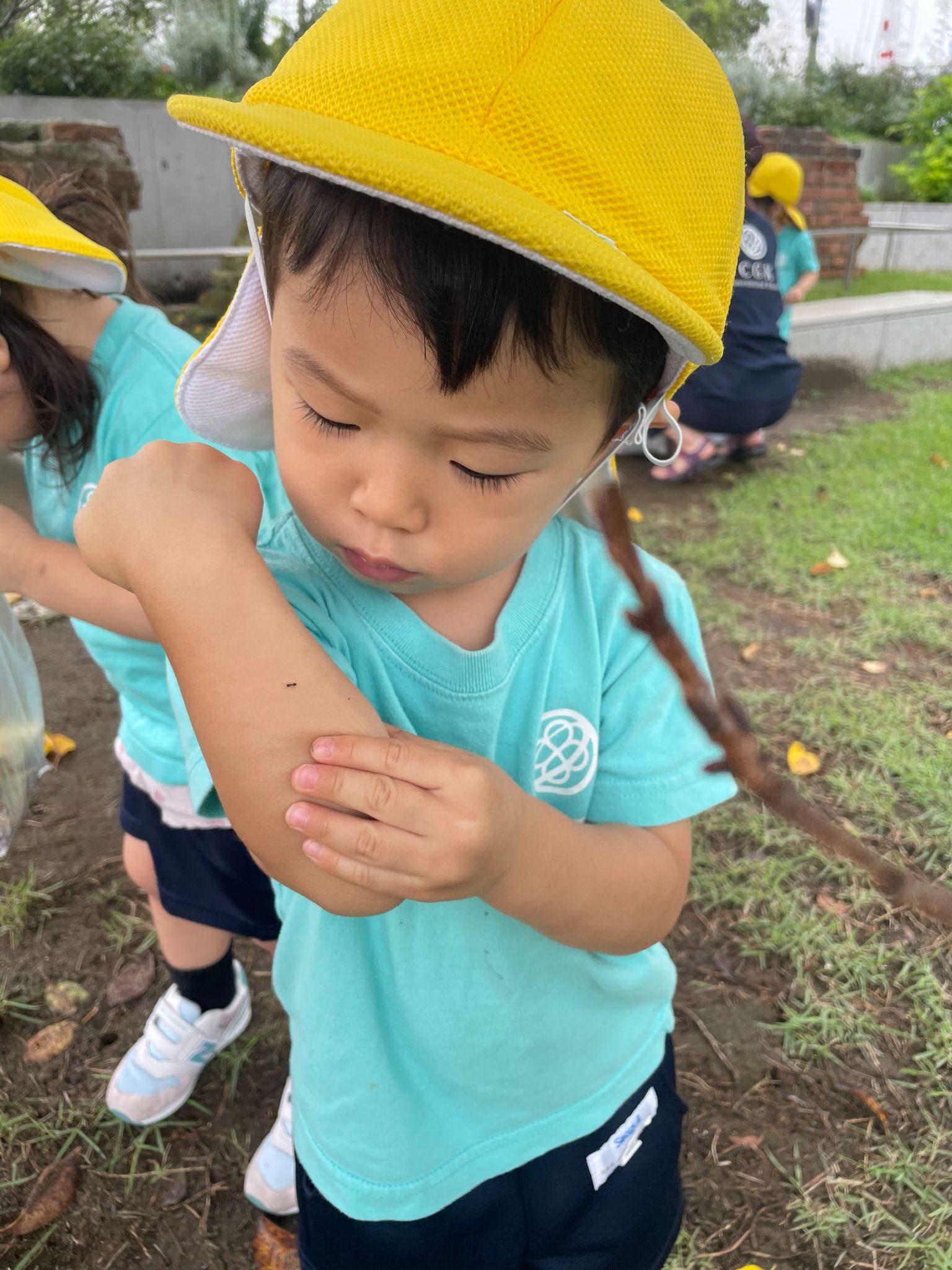
At the park, the children searched for living things, asking “Where are the ants?” and calling out “A butterfly!” On windy days, they felt the strength of the wind with their whole bodies, looking at their friends and laughing together as they enjoyed nature through their senses. Questions such as “Do ants eat leaves?” emerged, and their curiosity about “Why?” and “What will happen?” led into our lessons. We also saw the children observing ants for themselves and describing what they noticed in words.
We will continue to connect the children’s small questions and discoveries to learning, valuing the interest in their immediate environment and the ability to notice, think, and inquire for themselves that are also important in IB learning. By cherishing each child’s feelings of “I want to try!” and “I want to know!”, we will continue to offer warm support so that they can enjoy their school life.
Elementary School / Middle School
Tiny House Project: Mathematics in Action
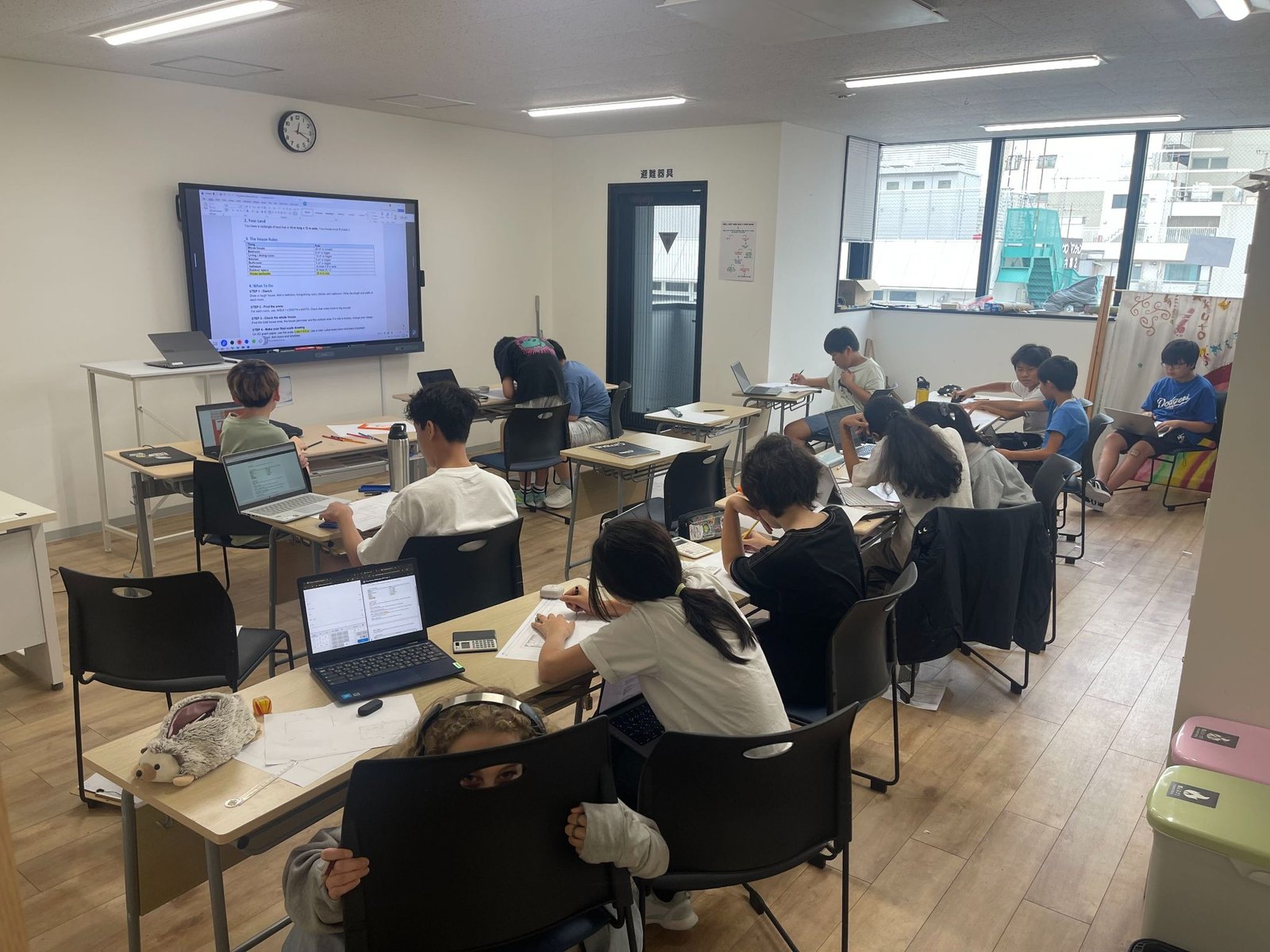
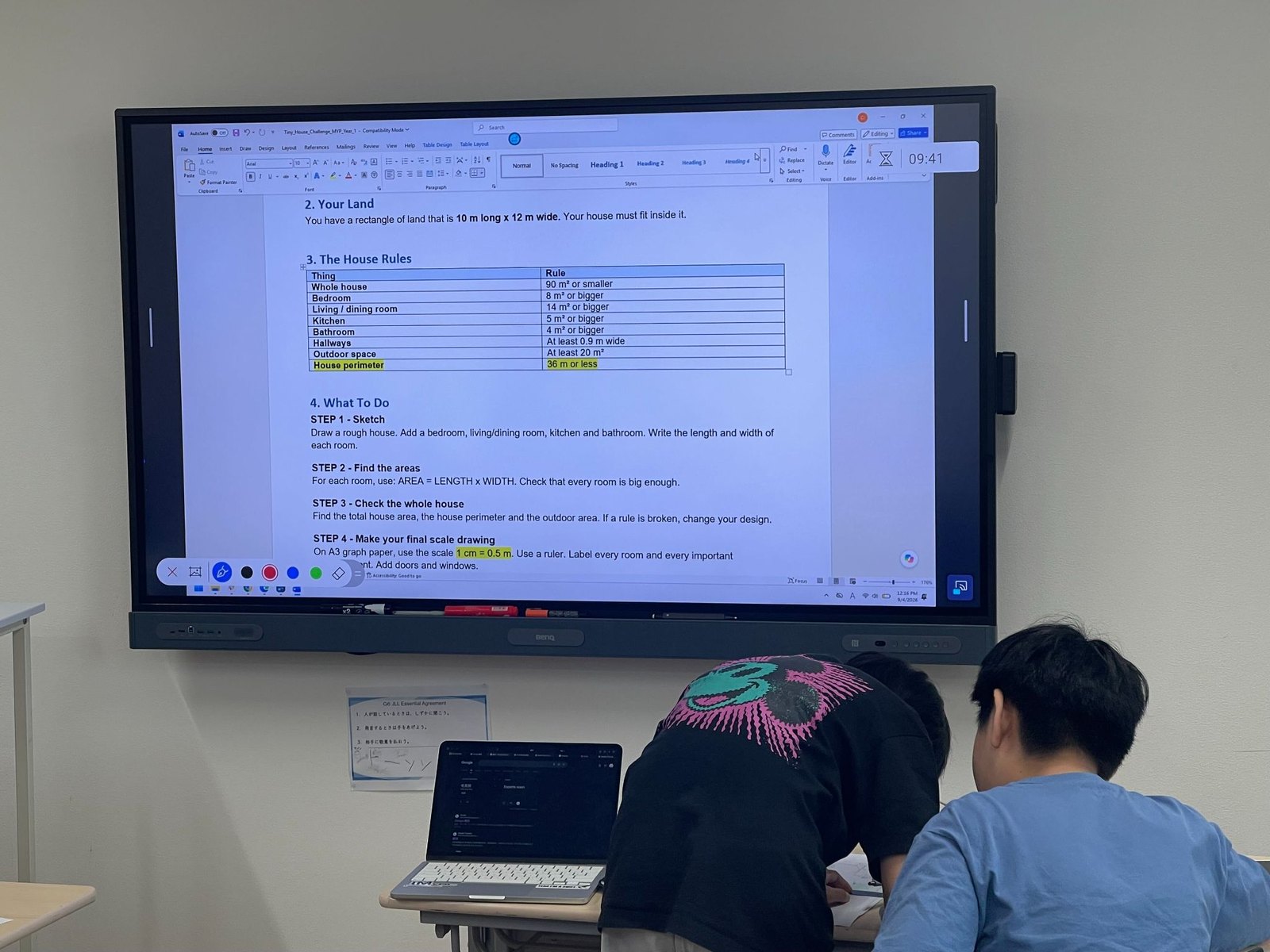
This month, students explored how mathematics can be applied to real-world design through our Tiny House Project.
Students were challenged to design a tiny house floor plan, using their understanding of measurement, area and spatial reasoning to plan how a limited amount of space could be used effectively. They considered the dimensions of different rooms and features while ensuring that their designs remained mathematically accurate.
The project encouraged students to think creatively while also applying the mathematical skills we have been developing in class. As their designs progressed, students had opportunities to check measurements, reconsider how they had used the available space, and make improvements to their plans.
Through the project, students were able to see a practical application of mathematics and how concepts such as area and measurement are important in fields such as architecture and design.
It was great to see the variety of ideas students produced and the different ways they approached the same design challenge.
Afterschool
Summer School: Hydraulic and Pneumatic Machines
During the summer, our students took part in a series of Mini Projects designed to give them even more freedom to explore their own interests and ideas. Unlike our longer PBL projects, Mini Projects are shorter, more student-led experiences where students have greater freedom to choose what they want to investigate, how they want to approach it, and what they want to create. We also set aside free presentation days, giving students the opportunity to share their work in whatever way best suited their project. The result was a wonderful variety of creative, thoughtful, and surprisingly ambitious projects.
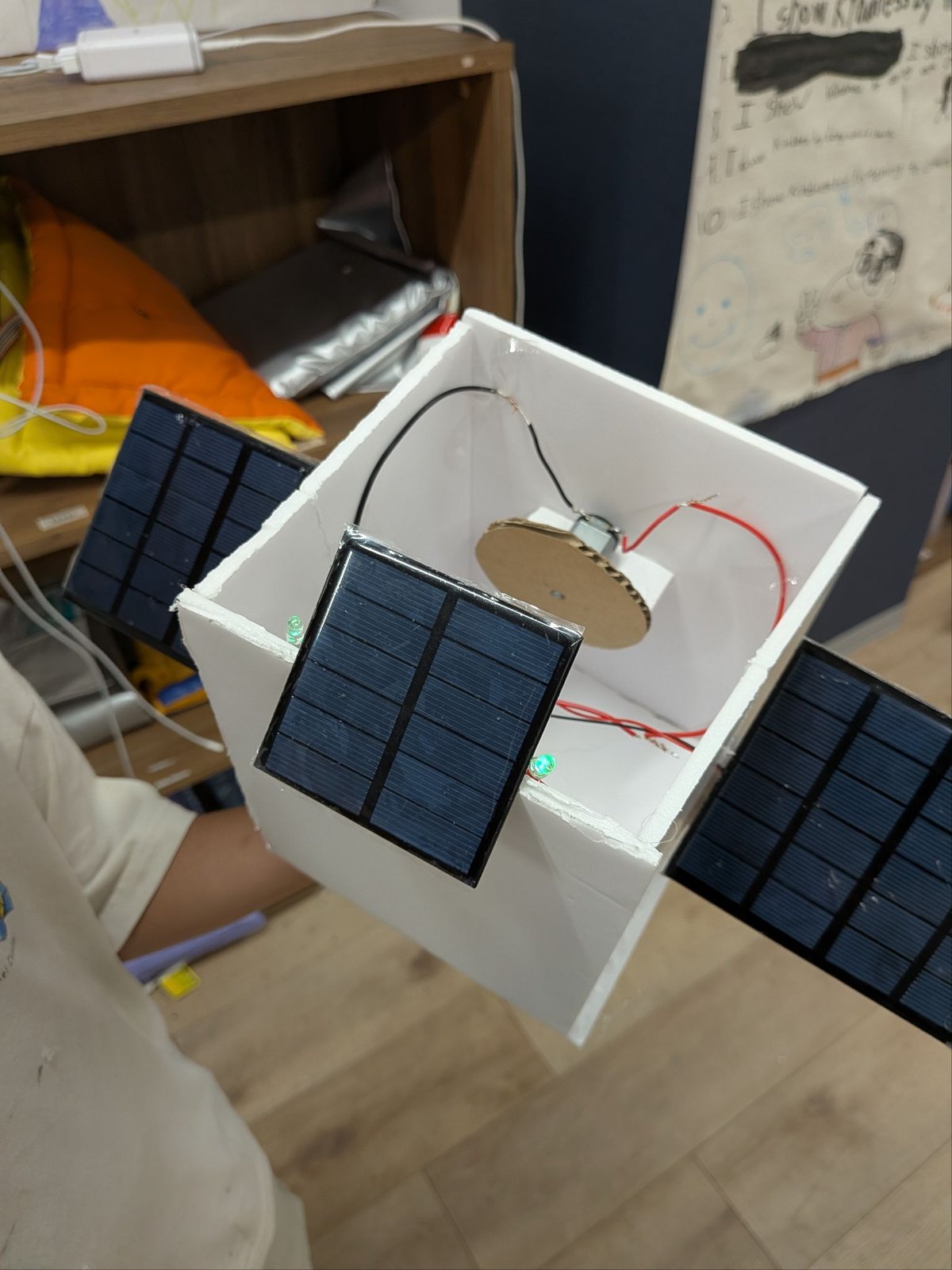
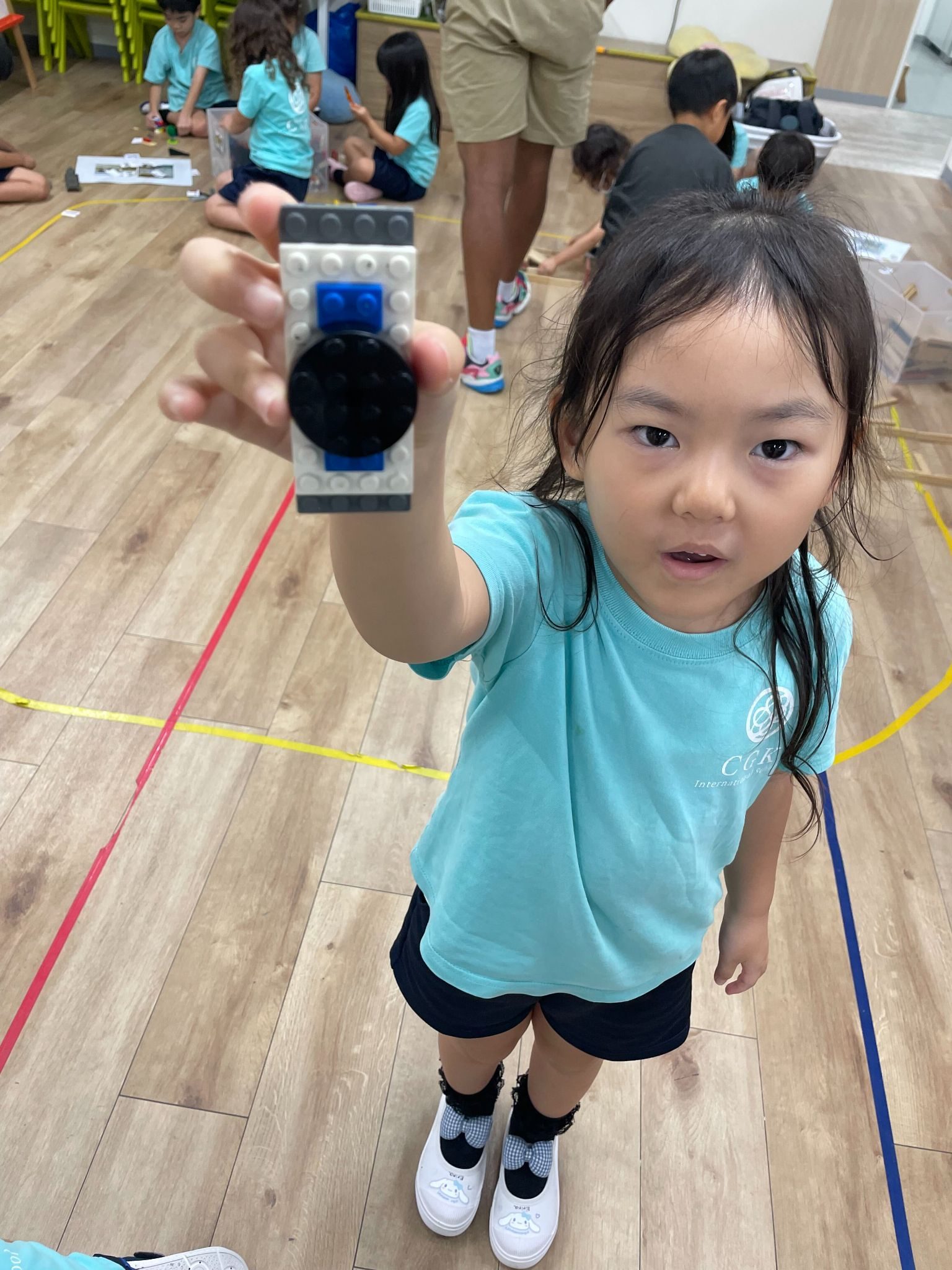
One project that particularly stood out was a student’s model satellite. After choosing the topic himself, he researched how satellites move through space and how they generate and use power. He then applied what he learned to create a working model featuring real solar panels that power LEDs on the satellite. He also took his learning a step further by building his own solar-powered gyroscope, using a motor and rotating disc to demonstrate how a satellite can turn or maintain its orientation in space. What began as an interest in satellites became an opportunity to combine research, engineering, electronics, and problem-solving into one impressive project.
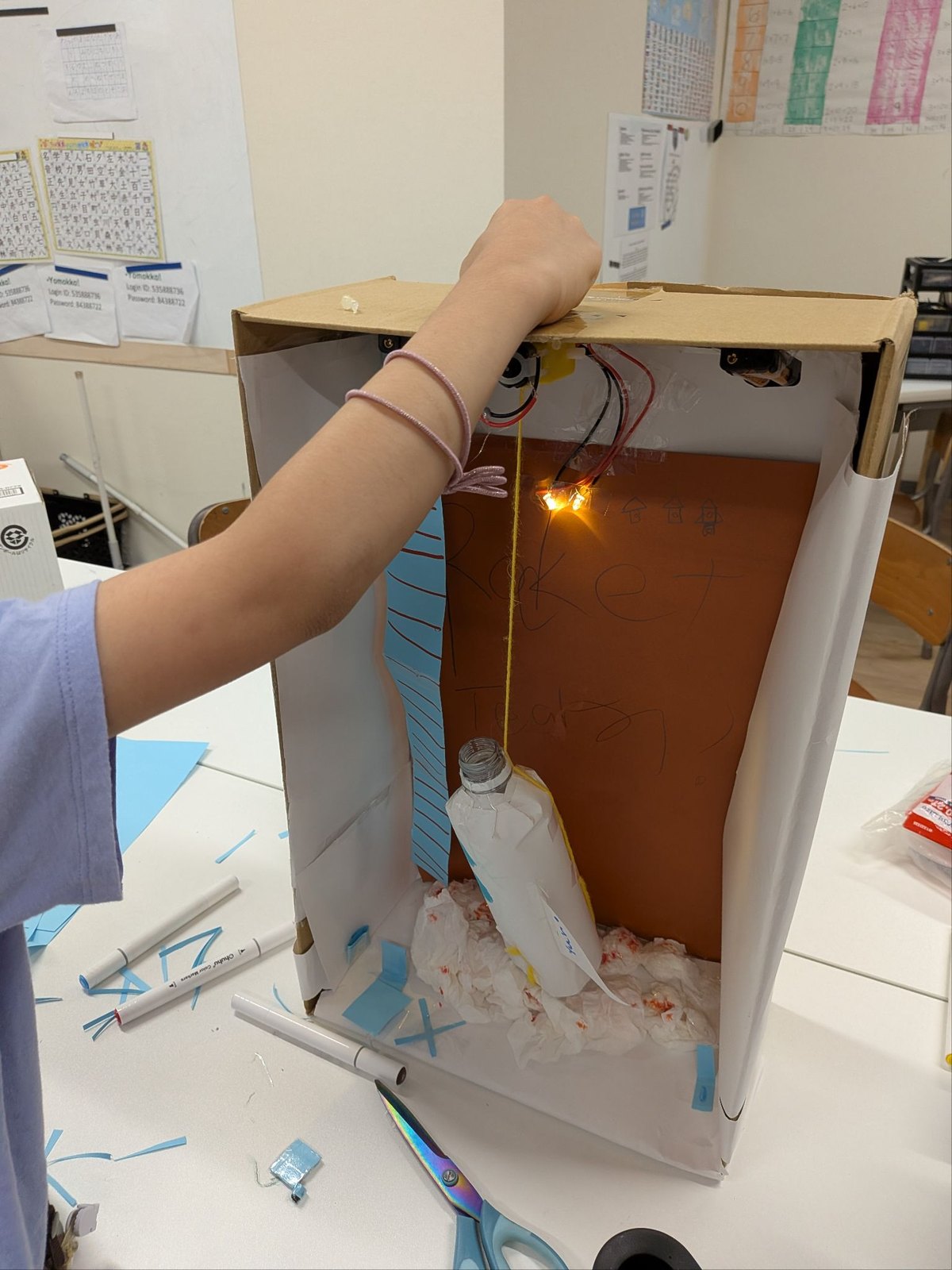
Another student explored rockets through our “A Scene in a Box” Mini Project. During her research, she discovered one of the fundamental challenges faced by every rocket: generating enough energy to reach escape velocity and overcome Earth's gravity. She wanted her model to demonstrate the idea rather than simply explain it, so she built a working rocket launch system using a motor and a reversible current switch. With this setup, her model rocket could launch and then reverse direction to land again on its own. It was an excellent example of how students can take something they learn through research and turn it into a hands-on demonstration of a scientific concept.
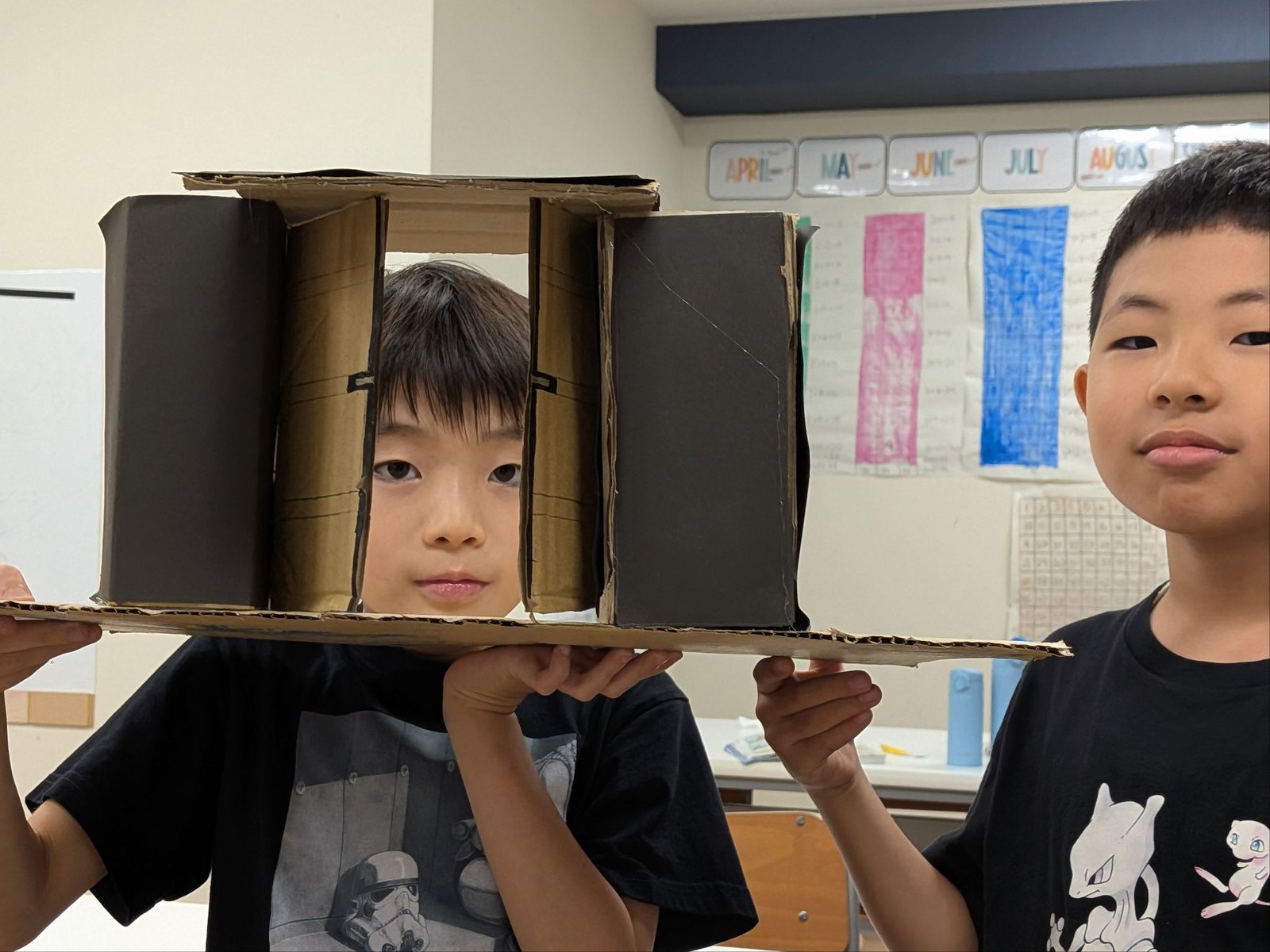
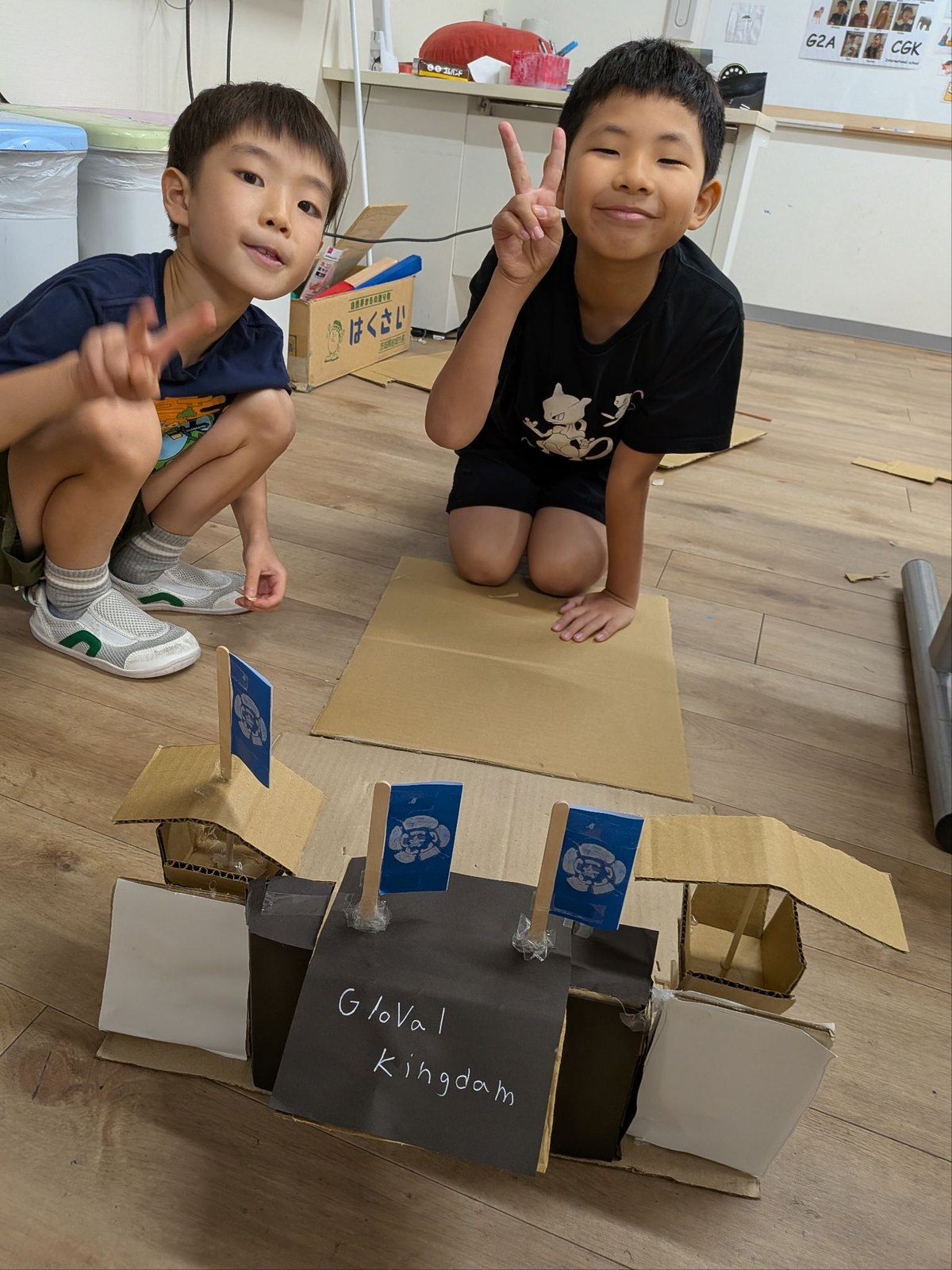
Our Mini Projects also gave students the chance to explore interests beyond science and technology. A group of students used their project to express their passion for history by creating an incredibly detailed model of a Japanese castle. To complete their work, they researched Japanese history, learned about the architecture of feudal Japan, and investigated the historical significance of major Japanese families and their family symbols. The final castle was an impressive piece of work, but the learning behind it was just as valuable. Across our summer Mini Projects, we were excited to see students take ownership of their learning, follow their curiosity, and turn their individual interests into meaningful creations.
Study Abroad and Global Initiatives
CGK Study Abroad Information Session
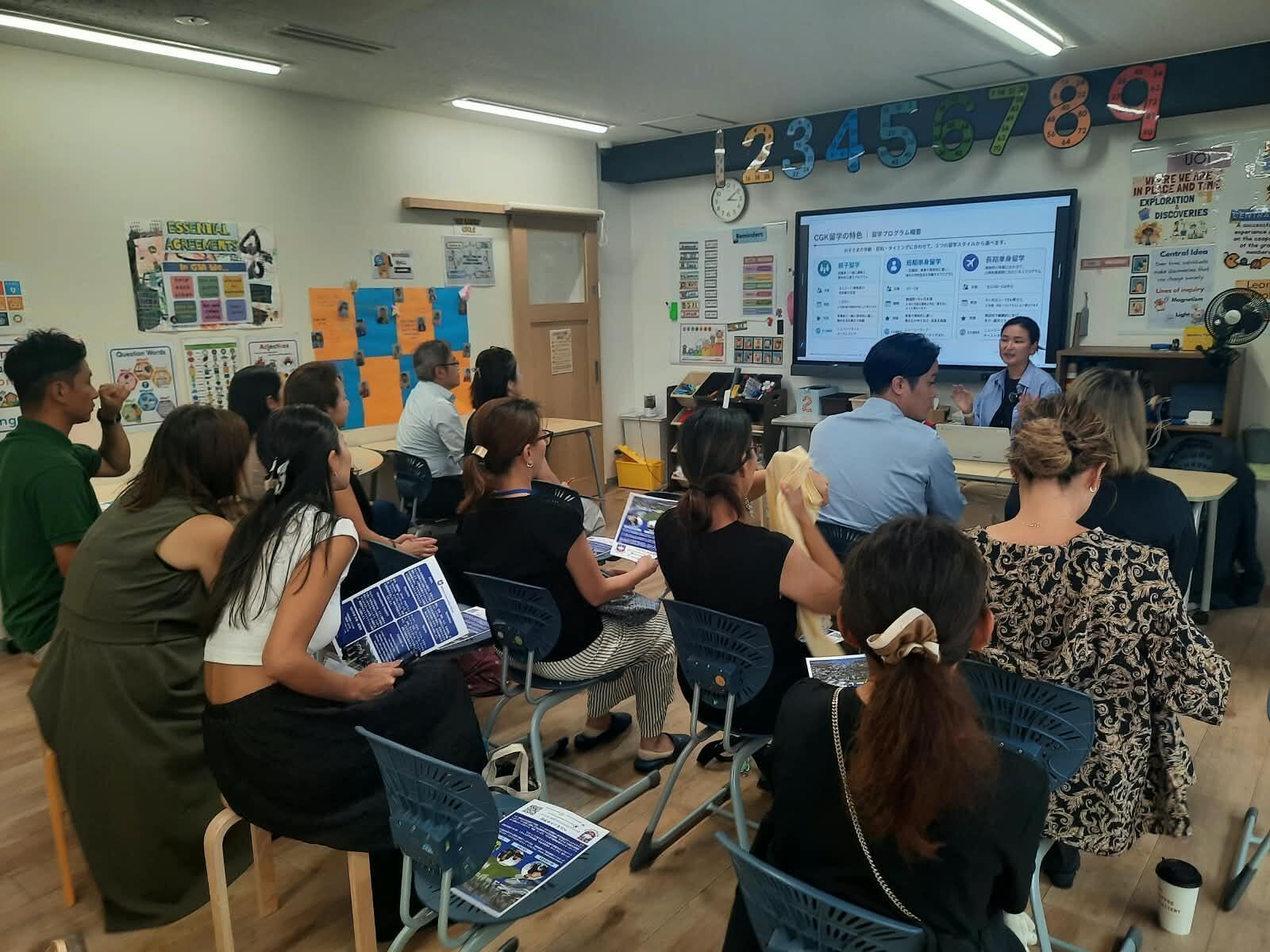
On September 14, CGK hosted a Study Abroad Information Session for families interested in overseas study opportunities.
The session gave families an opportunity to learn more about studying abroad, school life overseas, and the different pathways available to CGK students. We also had a lively Q&A session, with families asking a wide range of practical questions about studying abroad.
Hear Directly from a New Zealand School
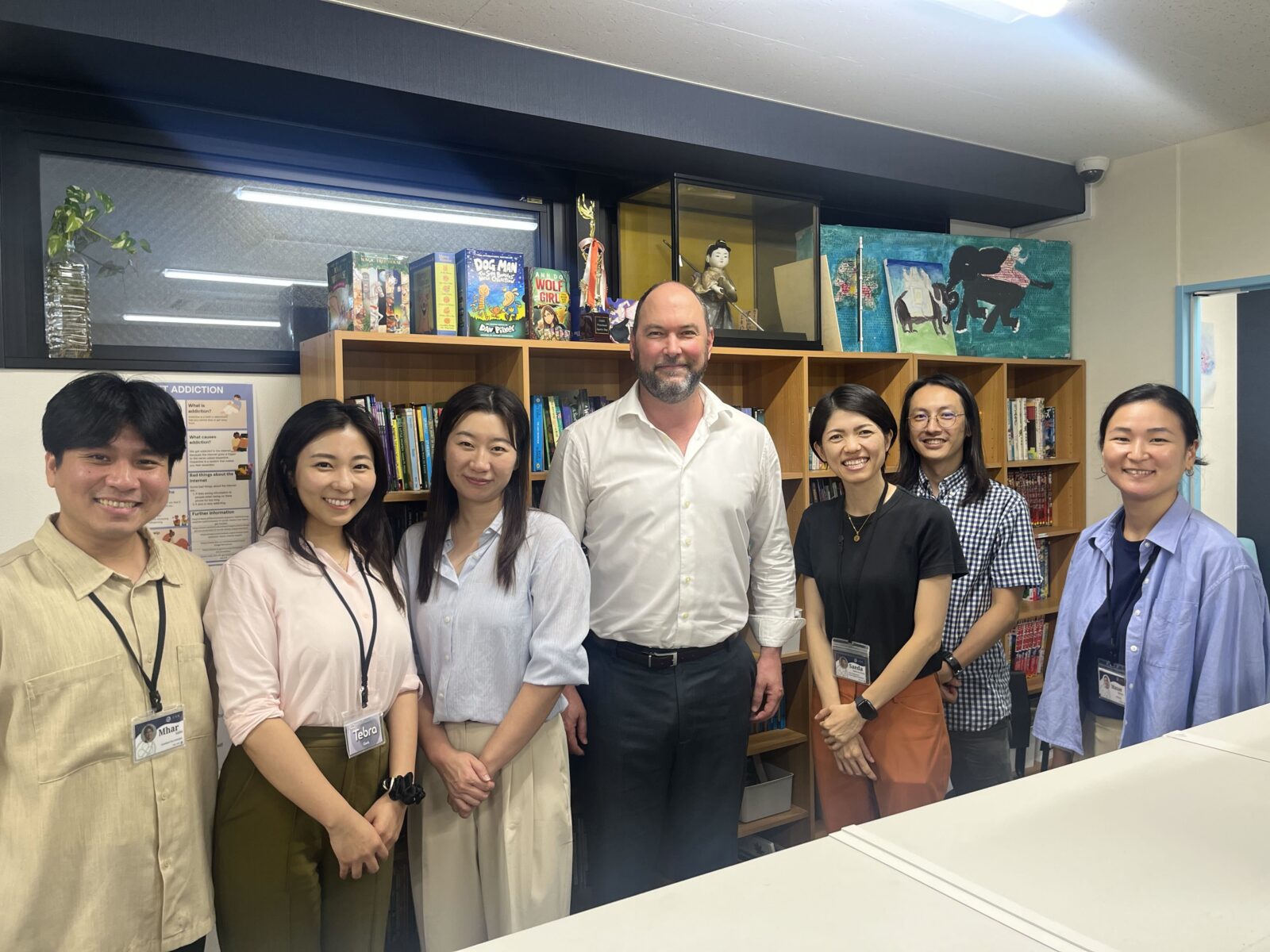
We were pleased to welcome Nick Hill, Principal of Belmont Intermediate School in New Zealand, and Lee Rang Lim, the school’s International Student Director, as guest speakers.
Alongside an introduction to CGK’s study abroad opportunities, Nick and Lee shared first-hand insights into life at Belmont, including the school’s approach to learning, everyday school life, and the support provided to international students.
Families also had the opportunity to speak directly with the school representatives during a dedicated Q&A session.
Questions covered a range of topics, from what the school environment is like and how international students are supported to what learning is like at Belmont. Hearing directly from the school team gave families a valuable opportunity to get a better sense of what everyday life as an international student could be like.
Finding the Right Fit for Each Student
One of the key takeaways from the session was the importance of finding a study abroad experience that suits each individual student.
Choosing a programme is about more than simply deciding where to go. Families also need to consider:
What age and grade will the student be when they go?
How long would they like to stay?
What kind of school experience are they looking for?
What are their interests and passions?
What would they like to experience and learn through studying abroad?
At CGK, we take the time to understand each student and family, and work together to explore schools, destinations, and timing that align with their goals and circumstances.
Taking the Next Step Through Individual Counselling
Following the session, participating families were invited to book individual counselling sessions. Since then, we have seen an increase in enquiries and counselling bookings from families who are interested in exploring study abroad opportunities in greater detail.
During individual counselling, we learn more about each student’s personality, interests, goals, and preferred timing. We then work with each family to explore what kind of study abroad experience could be the right fit and what options may be available.
Applications Now Open for Spring Study Abroad 2027
CGK is currently accepting applications for our 2027 Spring Study Abroad Programme during the spring break period.
2027 Spring Study Abroad – Registration Form
By learning about each student’s age and grade level, preferred timing and length of stay, as well as their goals and interests, we work together with each family to explore suitable schools and study abroad plans.
If you are considering the 2027 Spring Study Abroad Program, please feel free to contact Masae or Mayu at the CGK office.
2025 Summer CGK Study Abroad
Australia

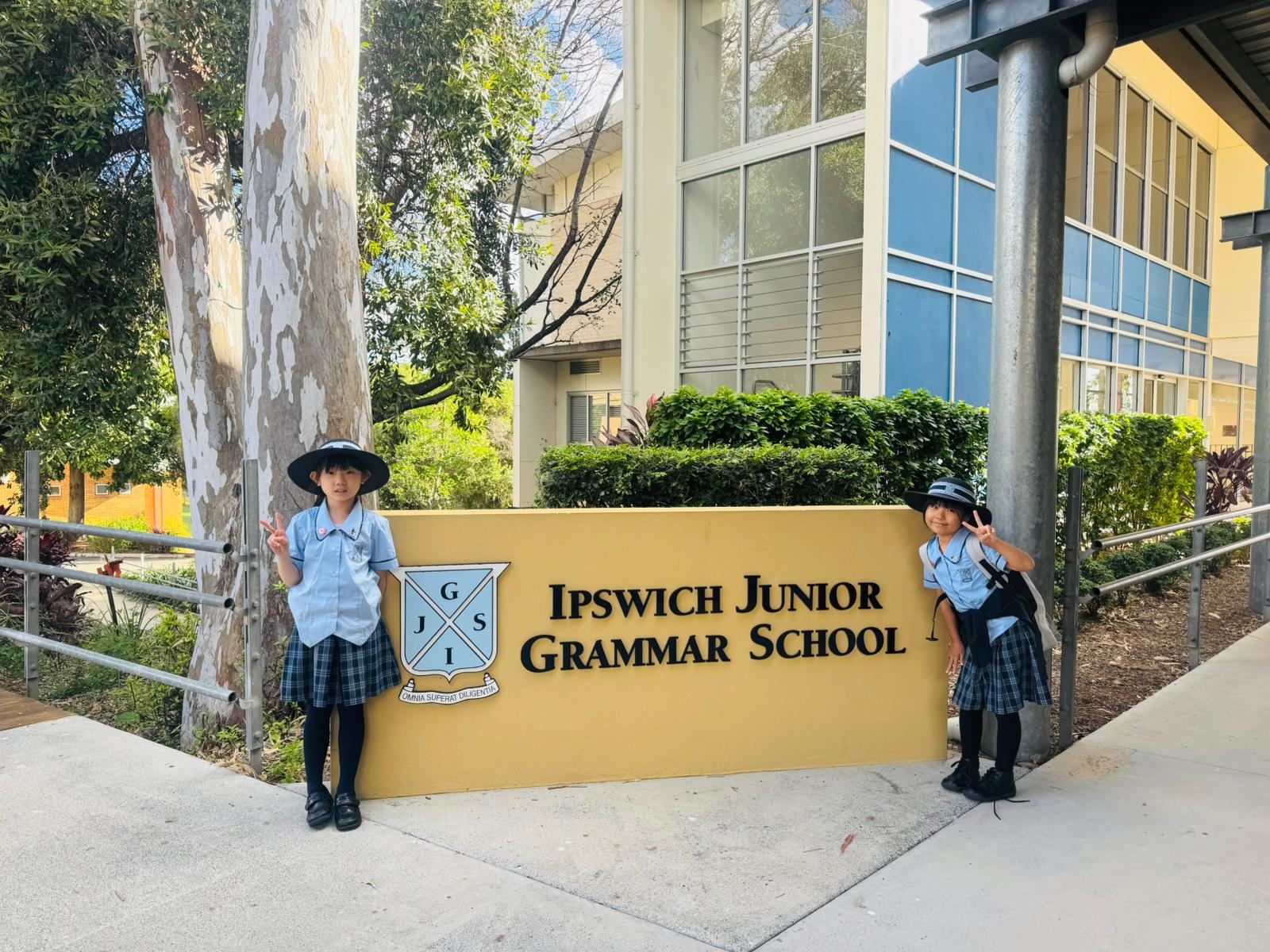
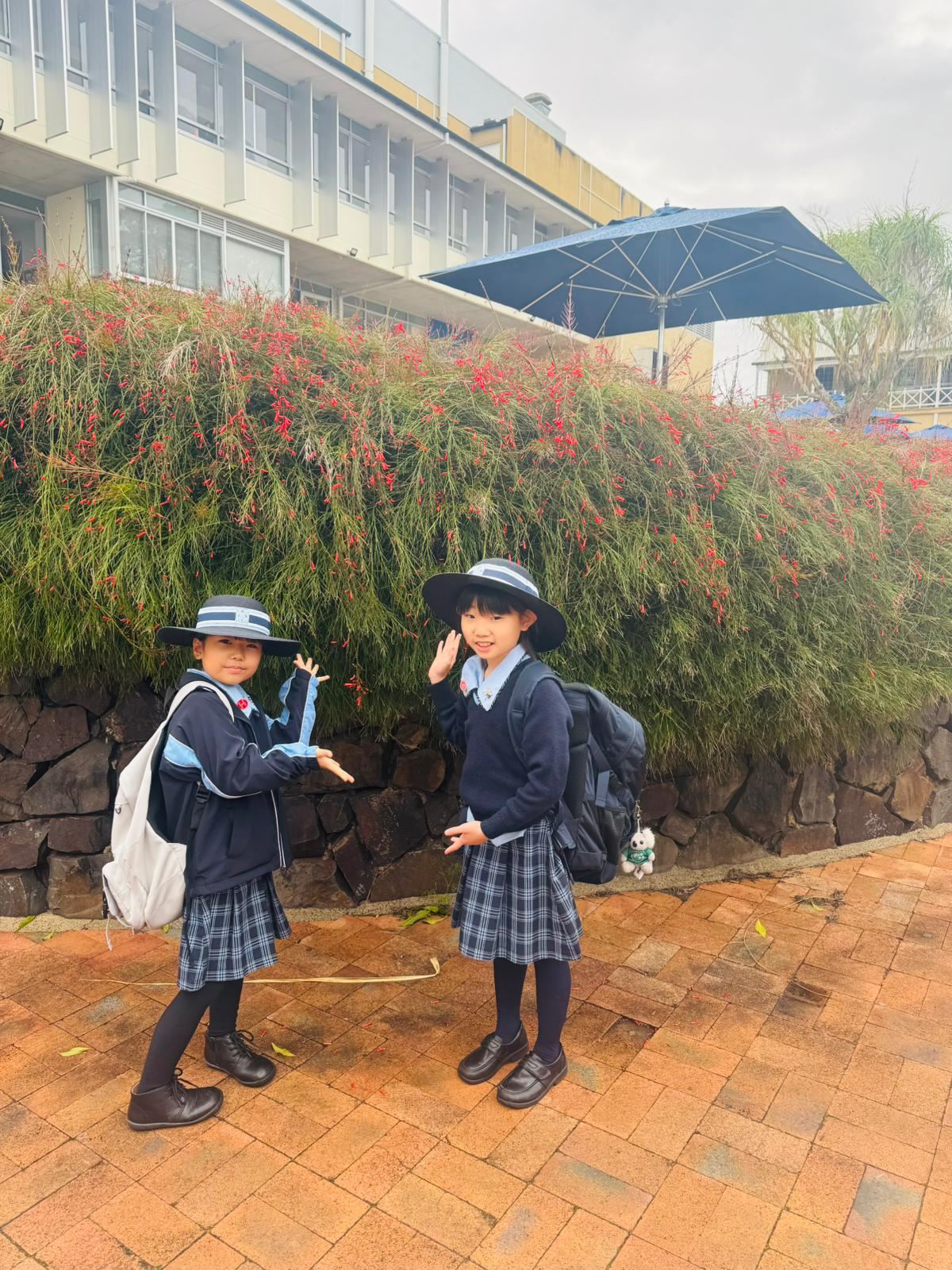
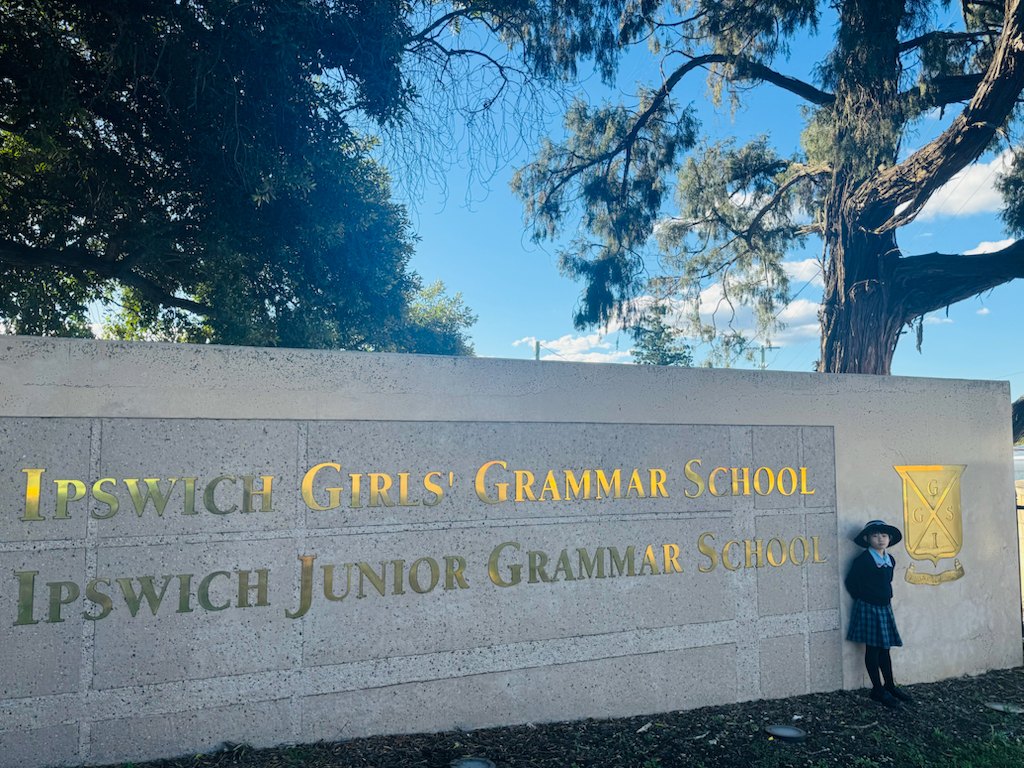
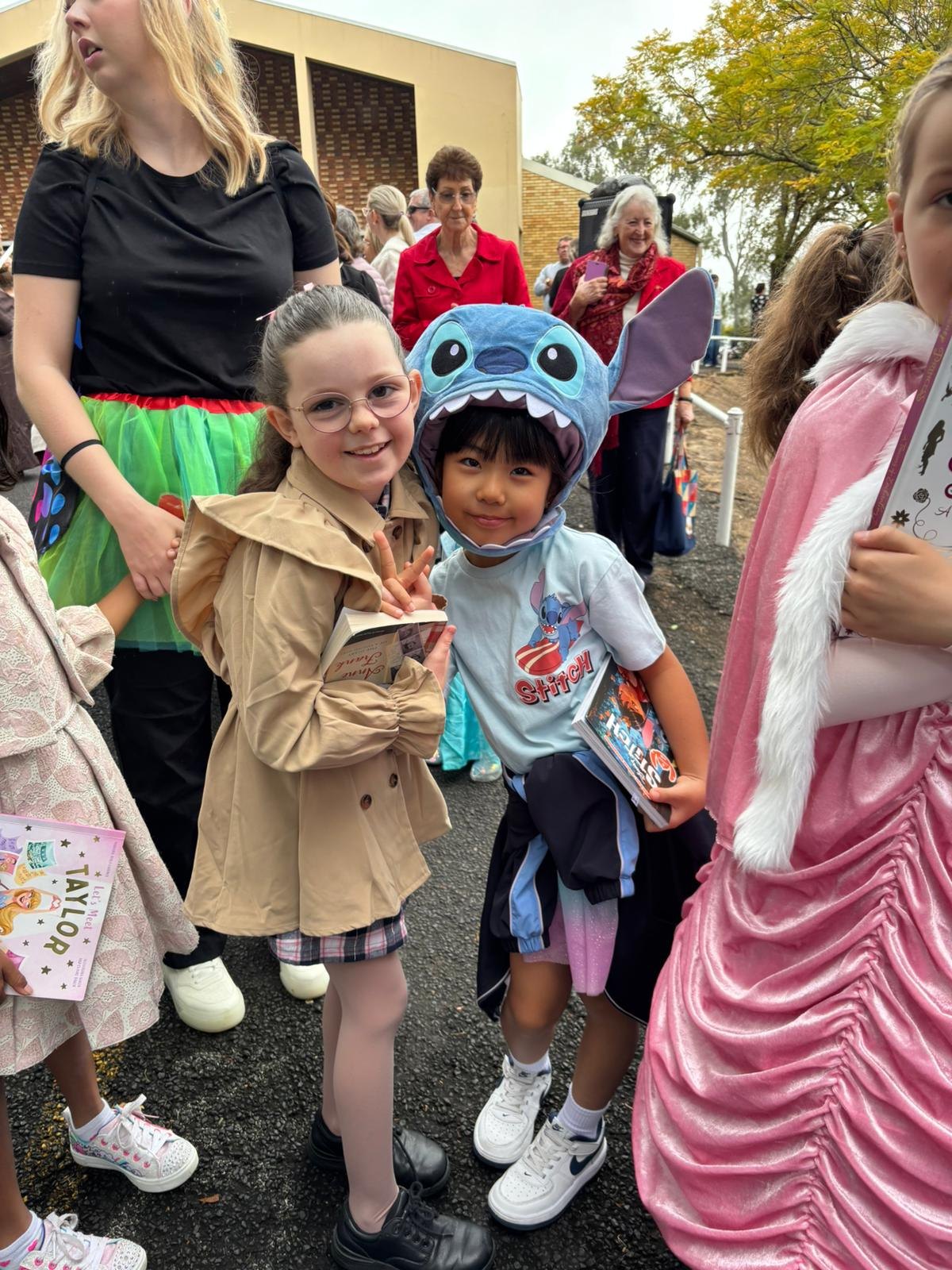
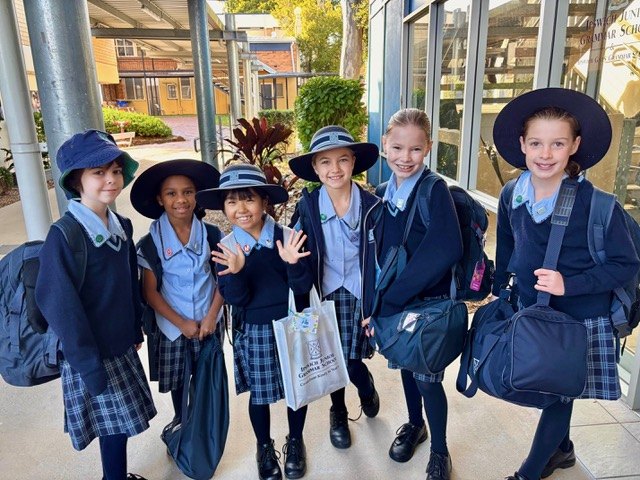
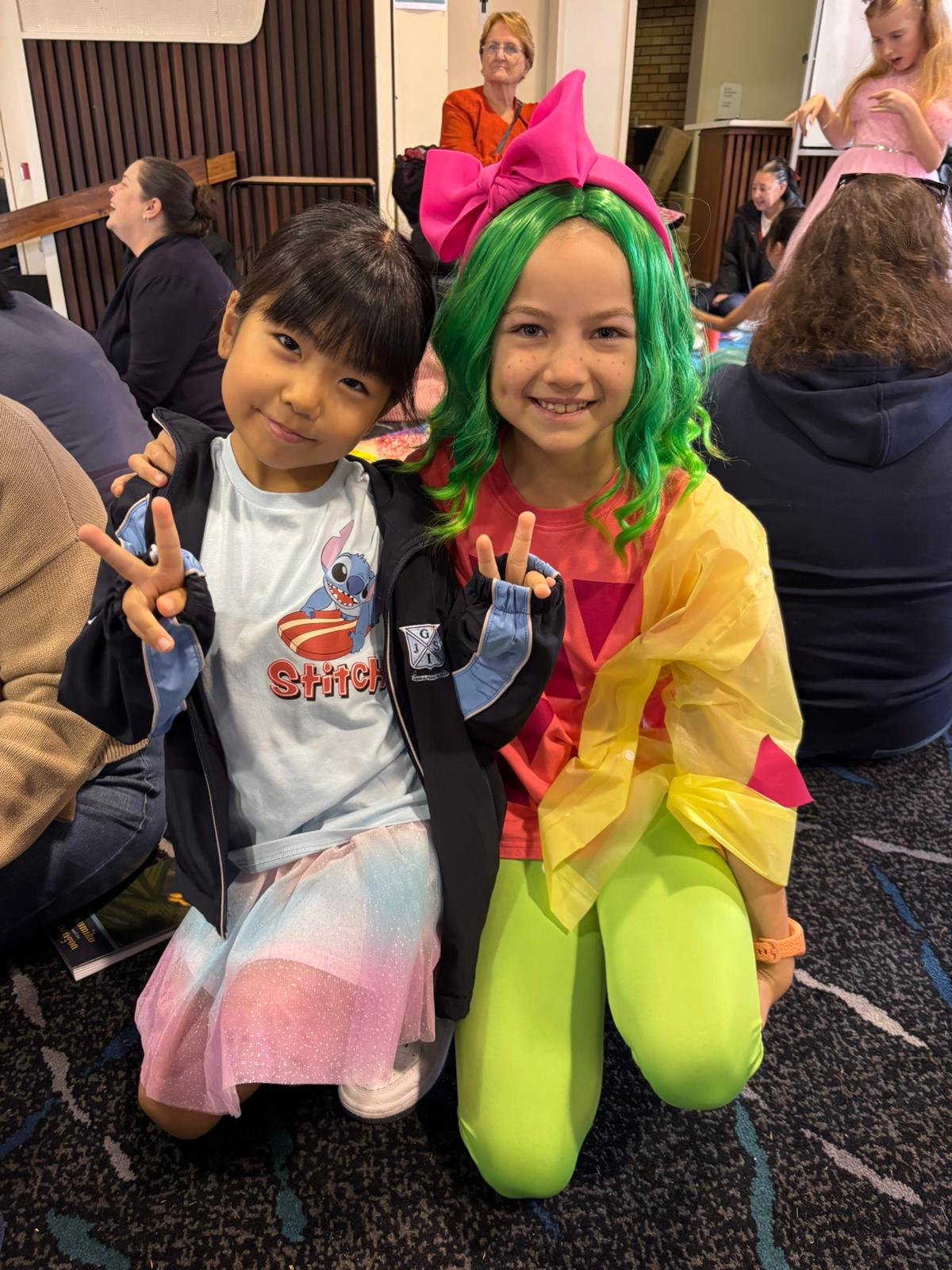
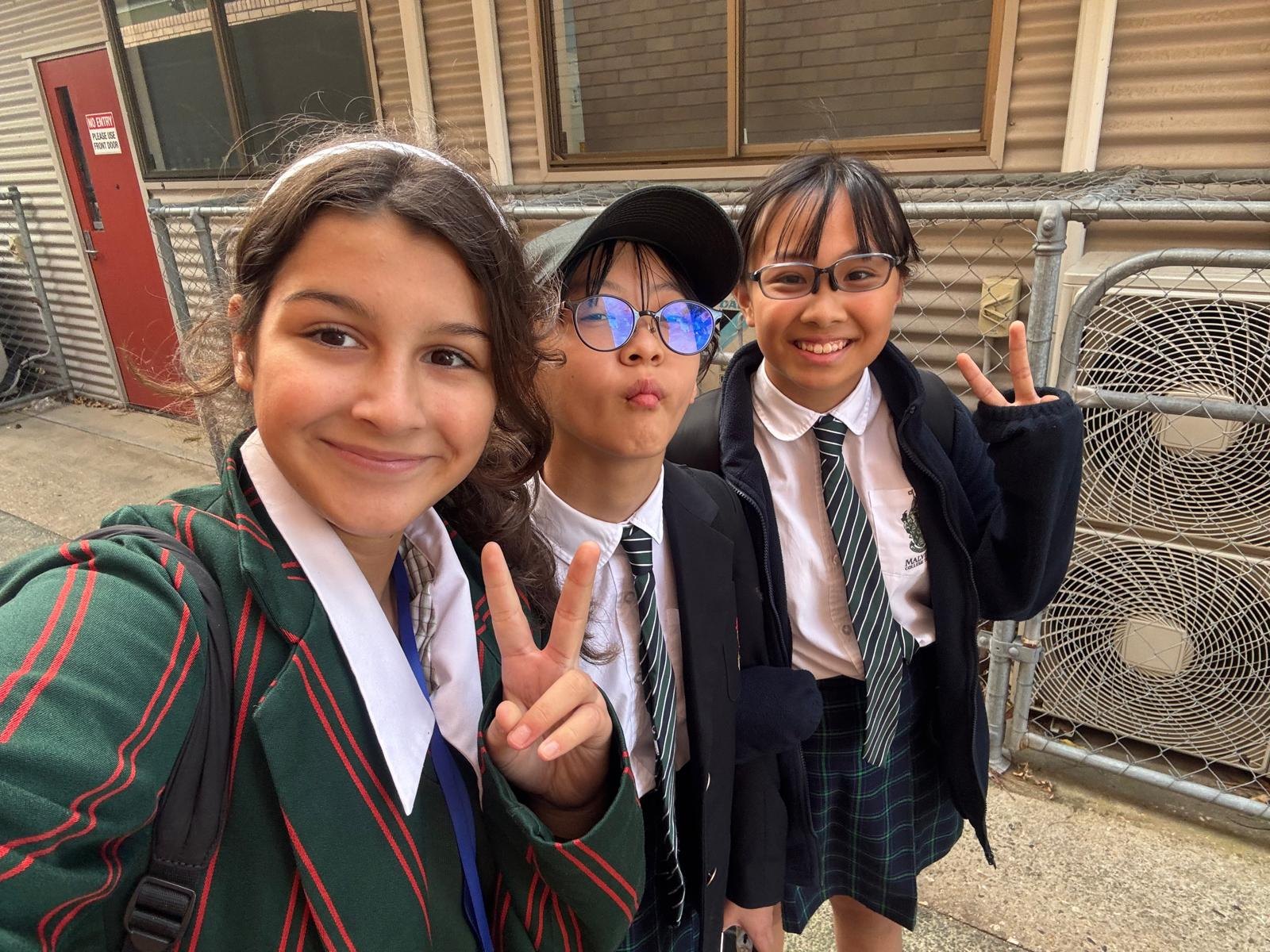
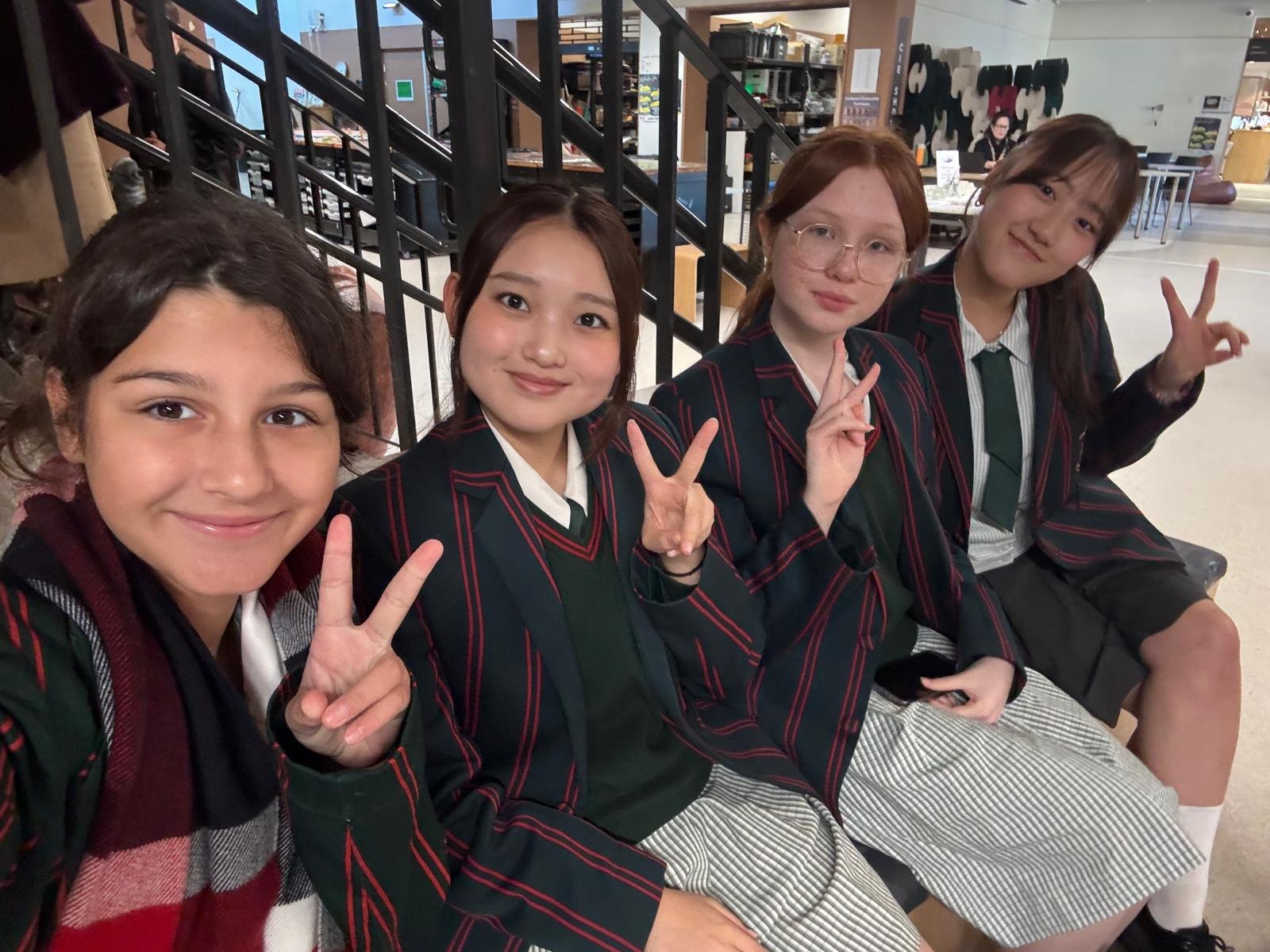
Ipswich Girls Grammar School (Private all-through girls' school) CGK G3 Ako, AS G2 Yusei

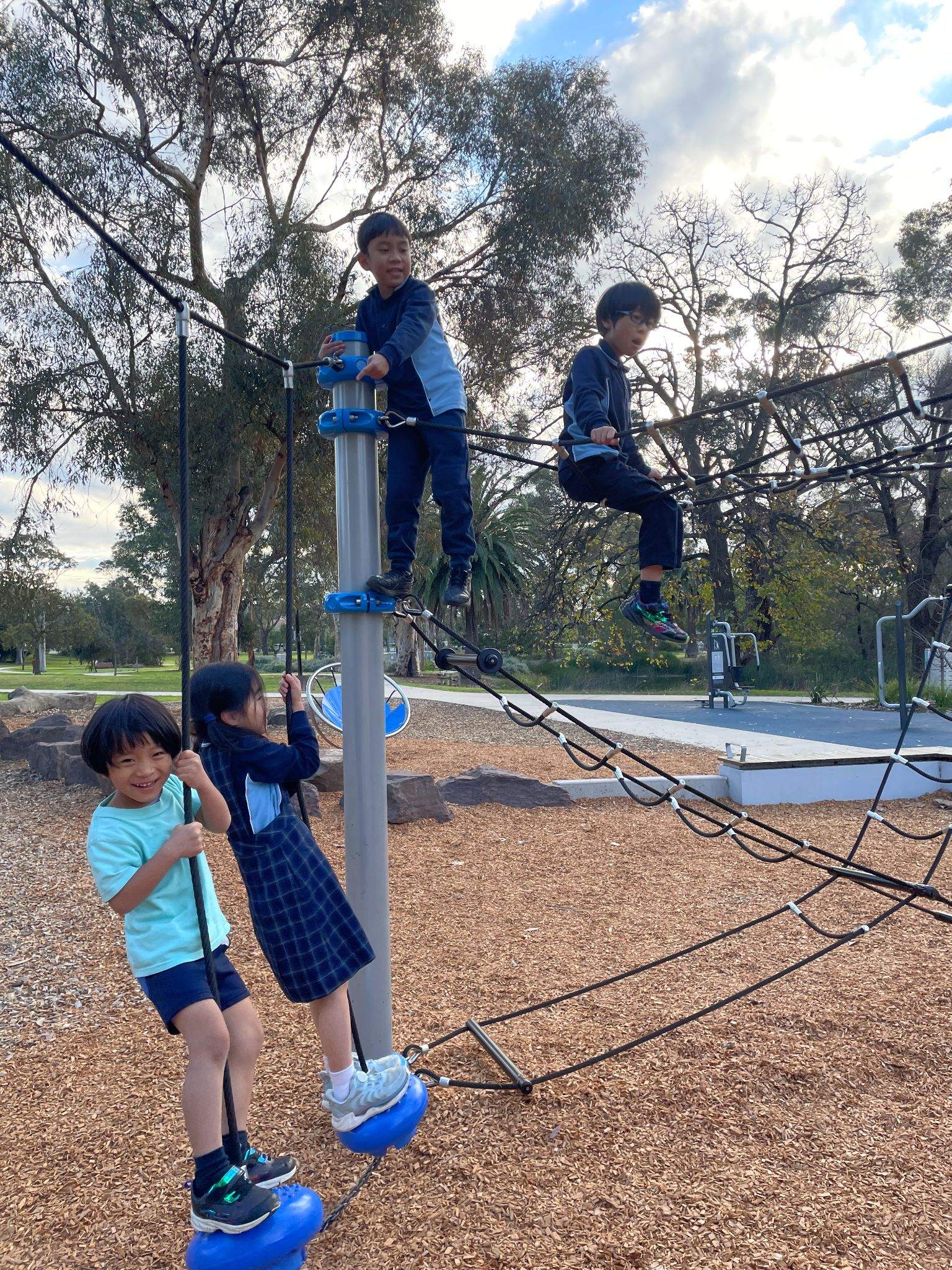
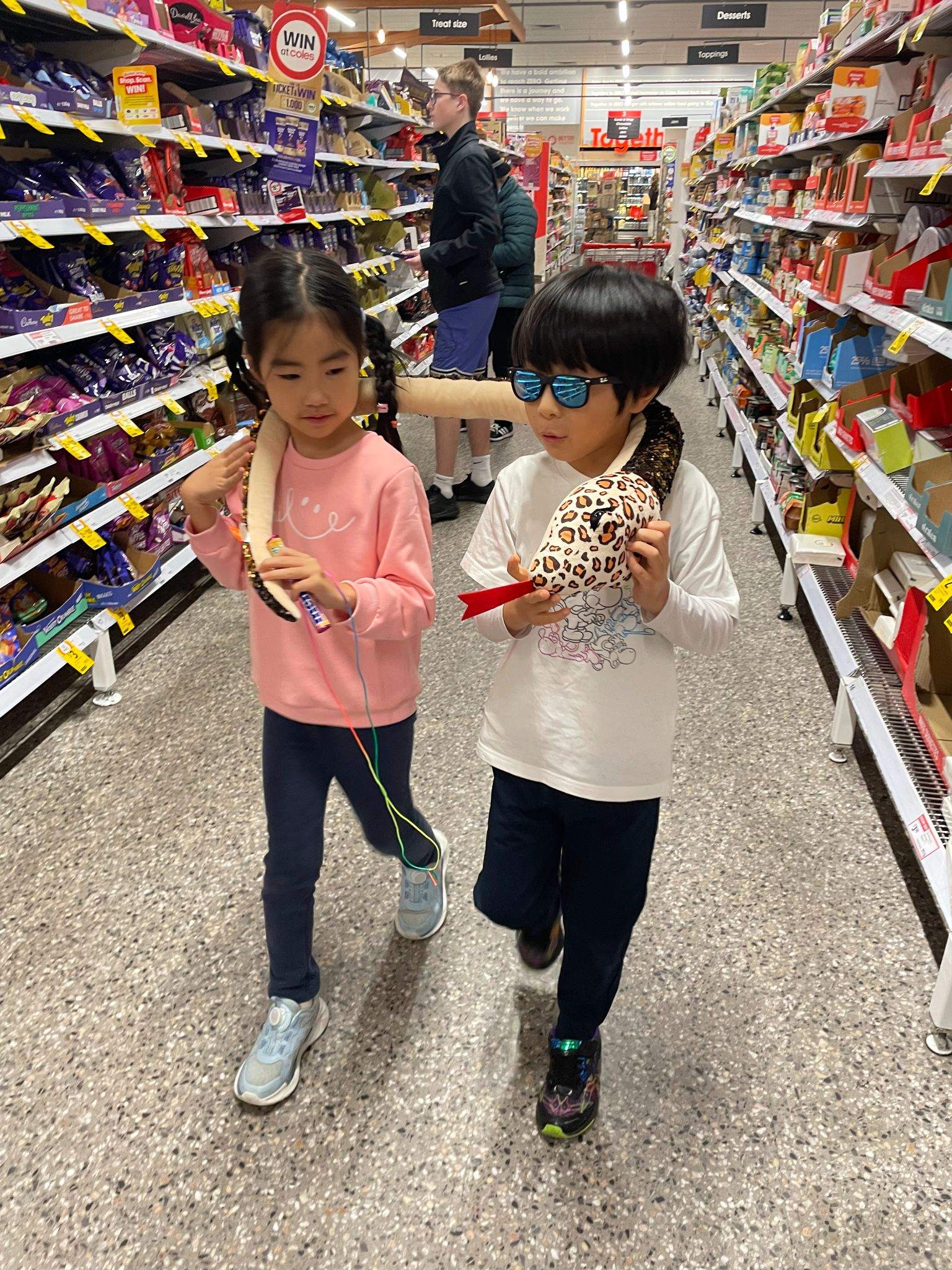
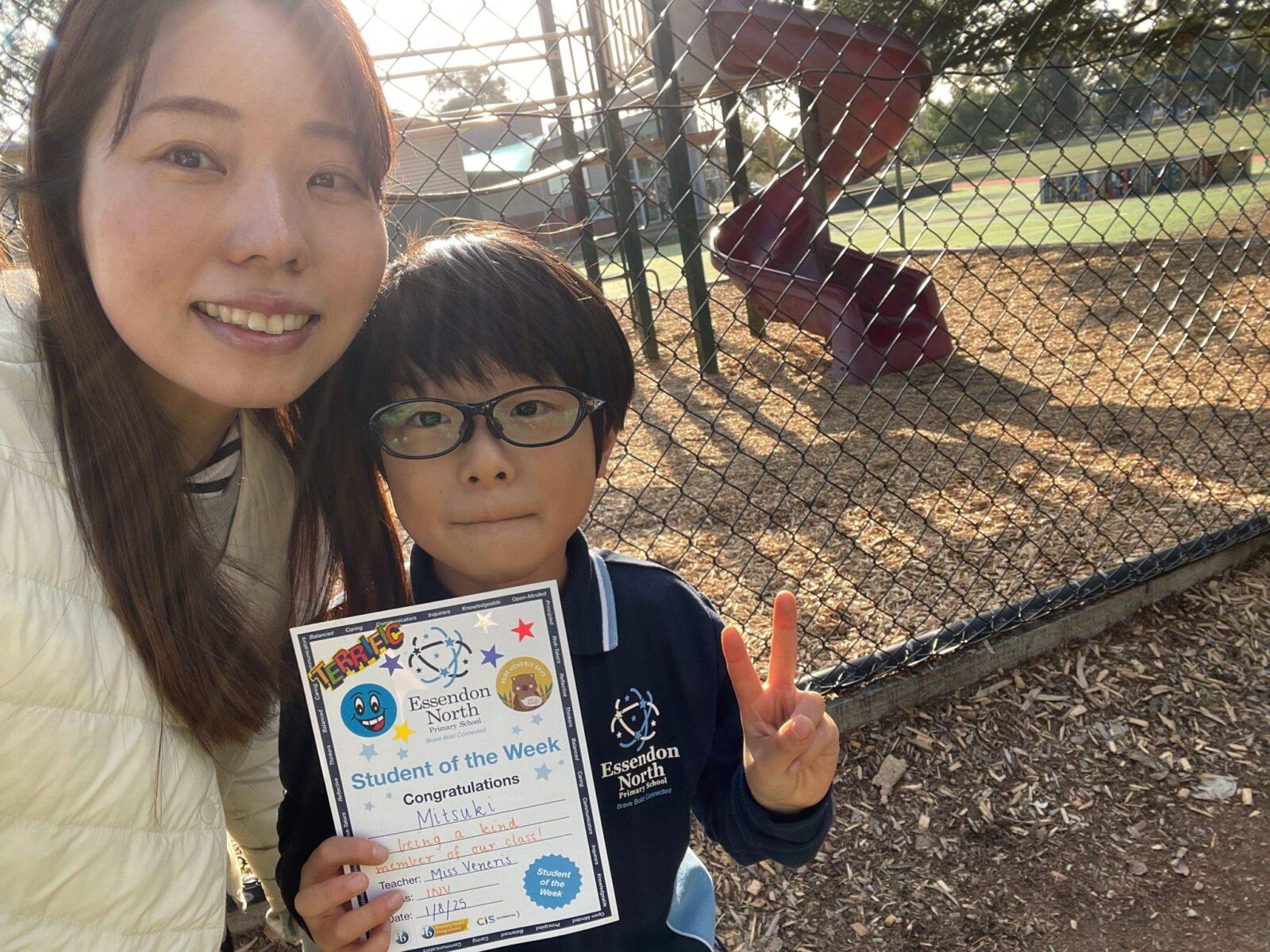
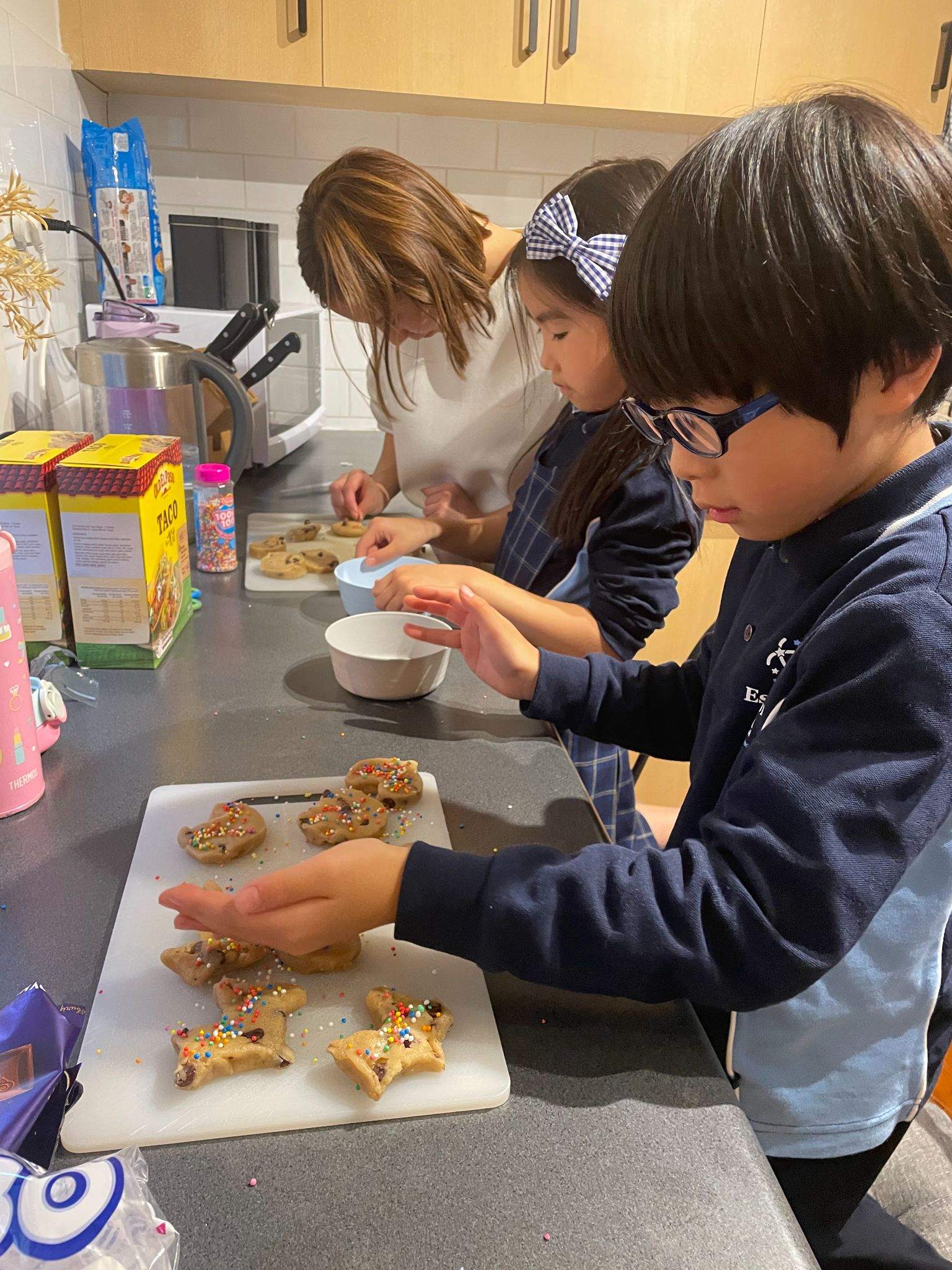
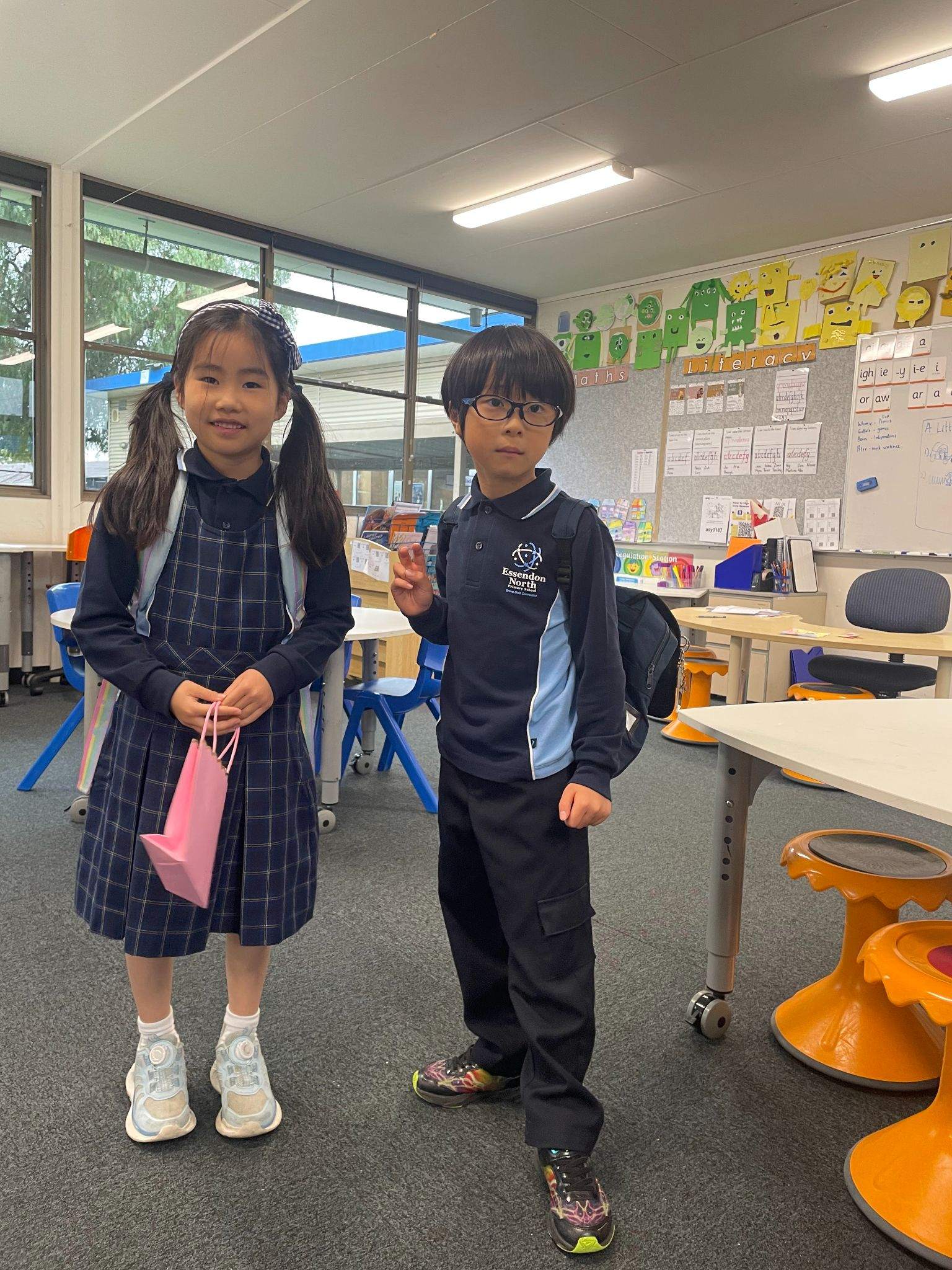
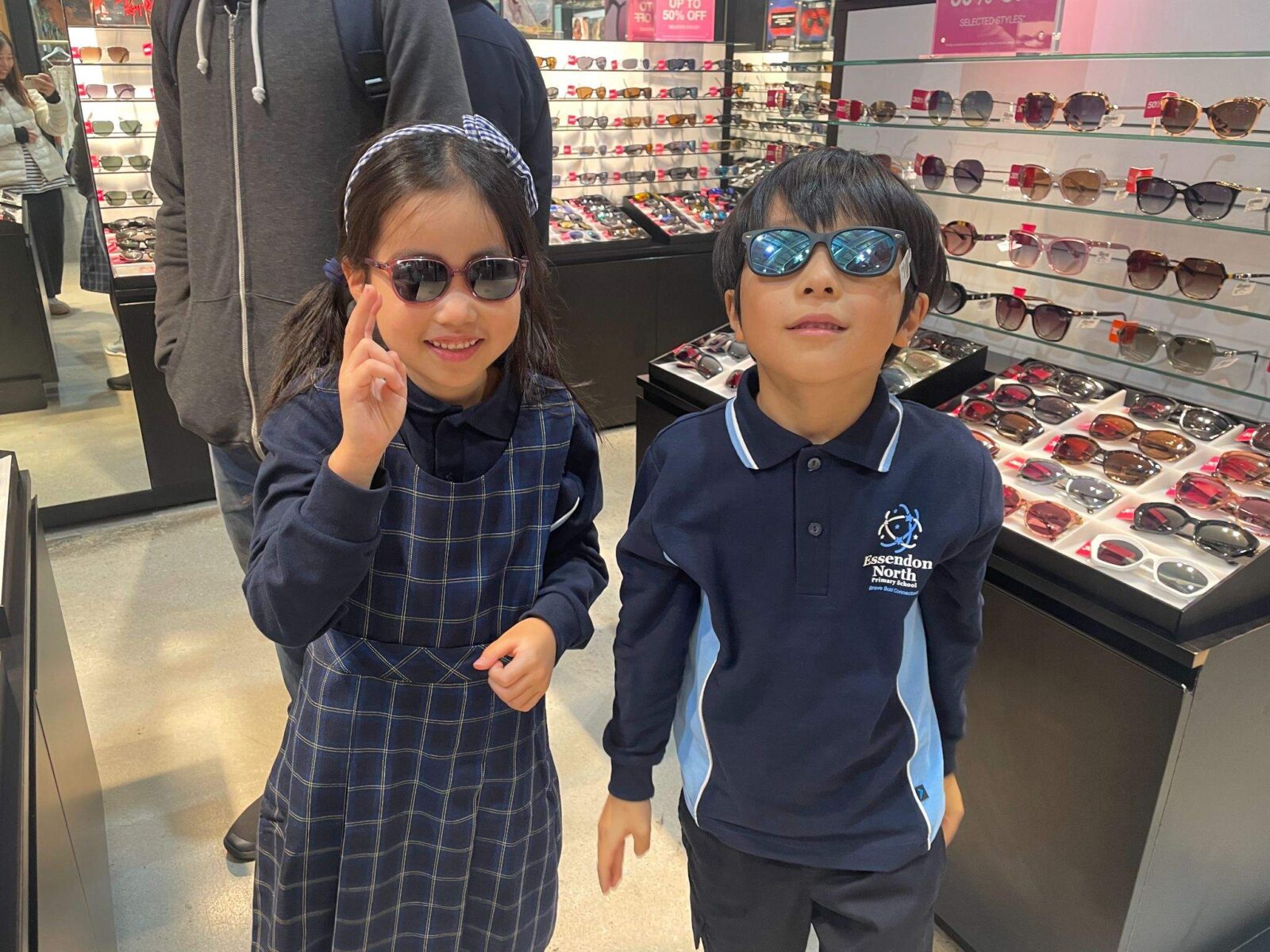
Essendon North Primary School(Public primary school, IB PYP) CGK G1 Kokone, Mitsuki

Essendon North Primary School(Public primary school, IB PYP) CGK G1 Kokone, Mitsuki

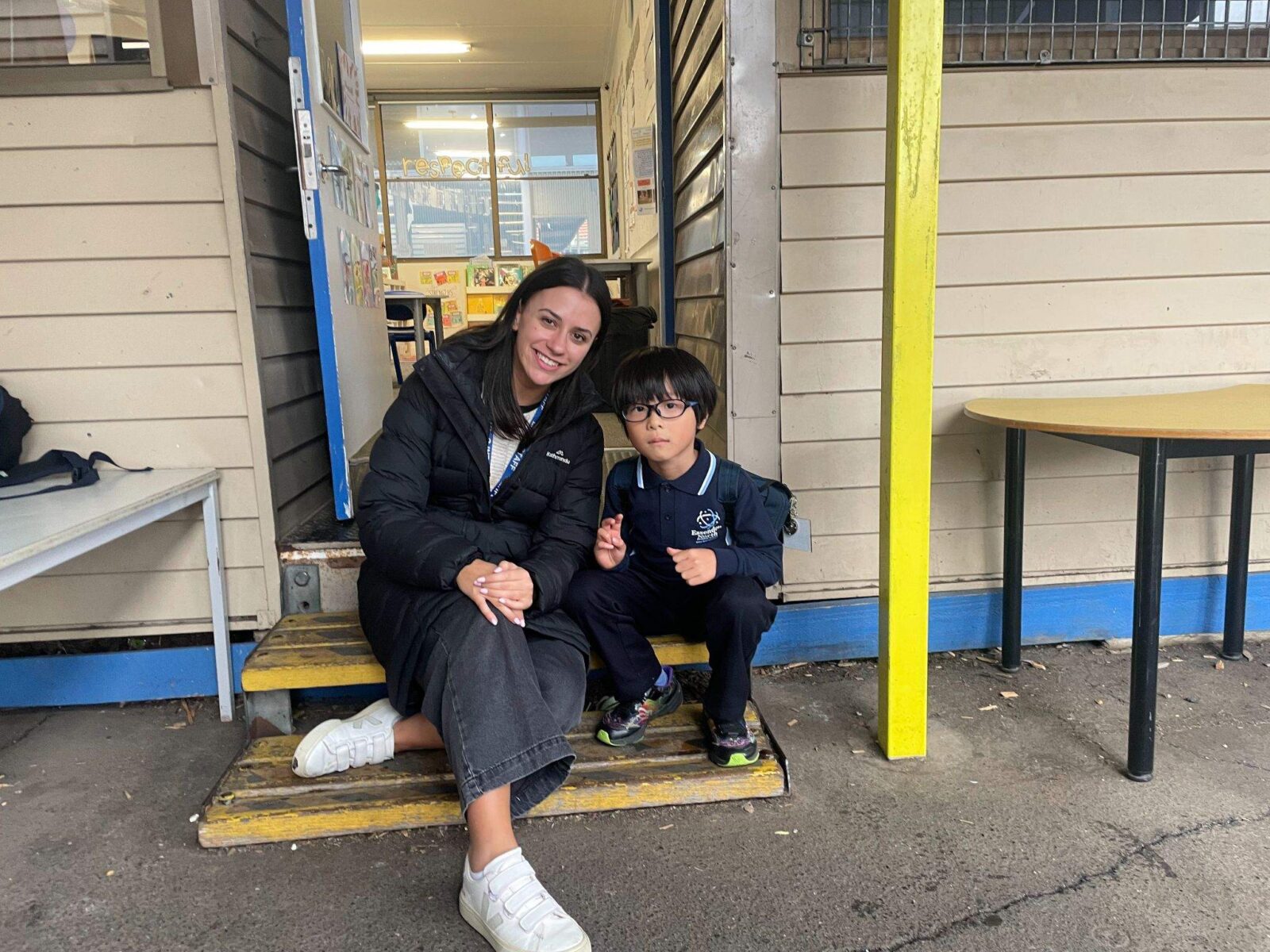
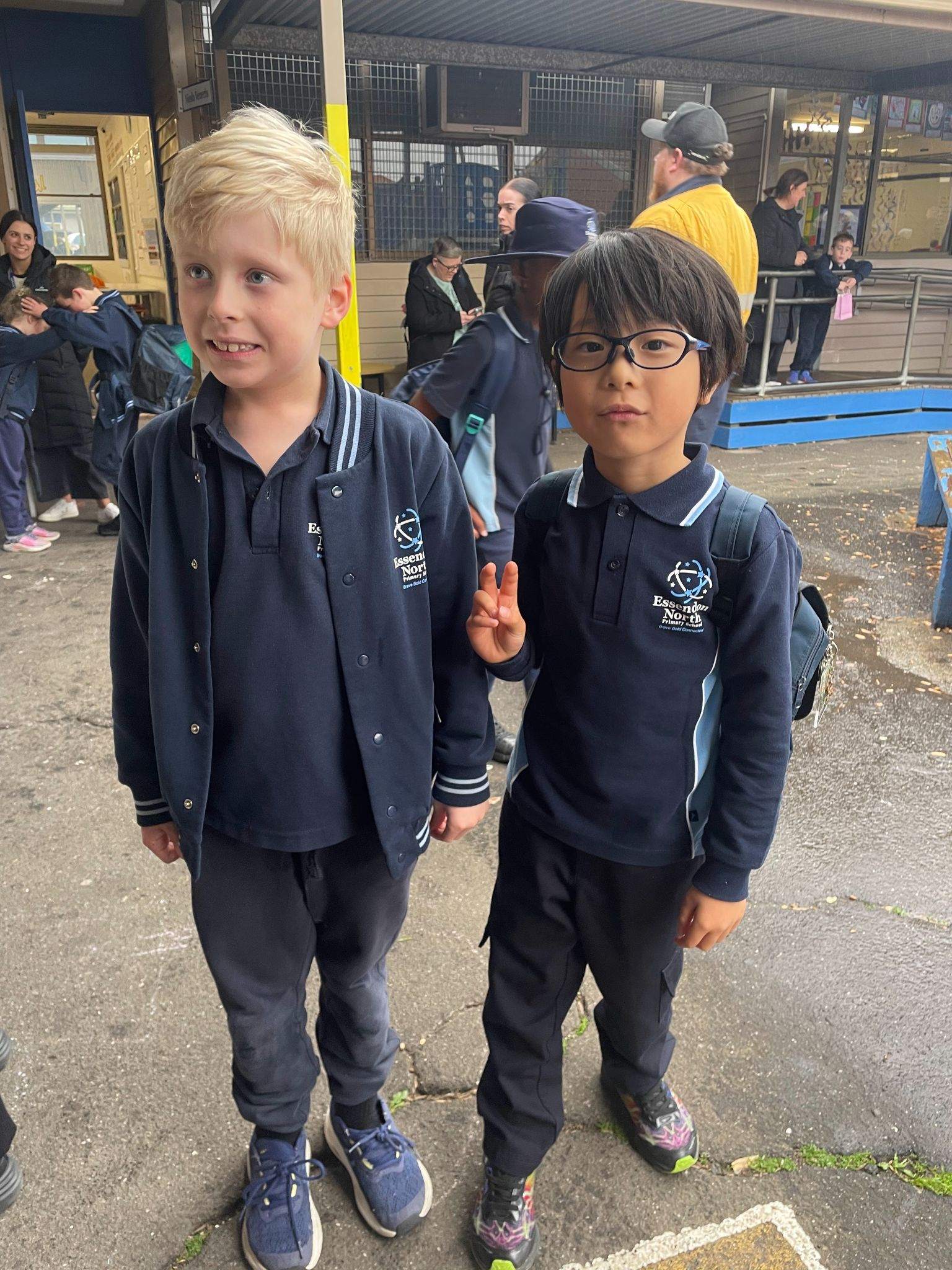
Essendon North Primary School(Public primary school, IB PYP)CGK G1 Mitsuki

Essendon North Primary School(Public primary school, IB PYP) CGK G1 Kokone, Mitsuki

Essendon North Primary School(Public primary school, IB PYP) CGK G1 Kokone, Mitsuki

Essendon North Primary School(Public primary school, IB PYP) CGK G1 Mitsuki

Essendon North Primary School(Public primary school, IB PYP) CGK G1 Mitsuki

Essendon North Primary School(Public primary school, IB PYP) CGK G1 Kokone, Mitsuki

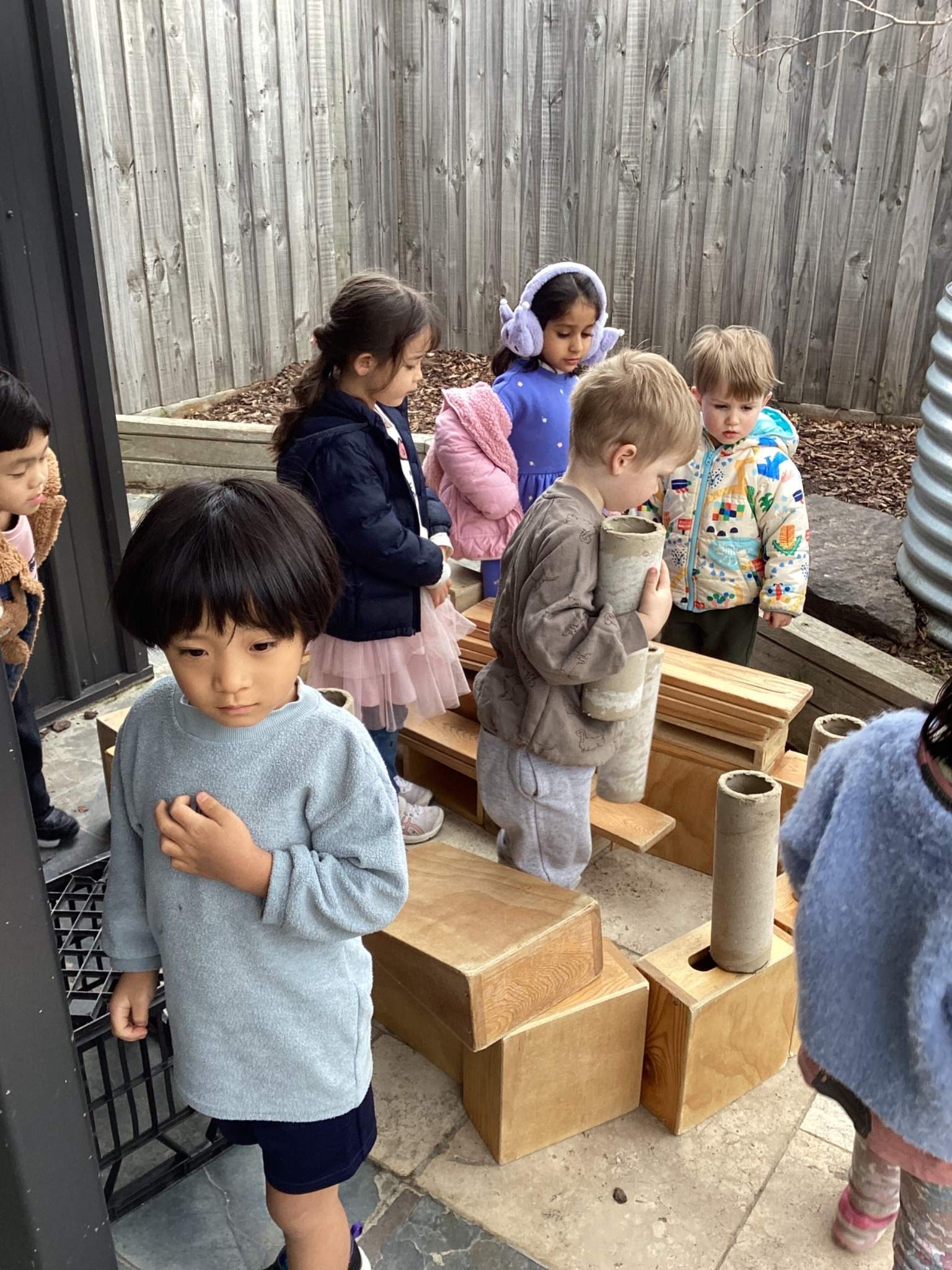
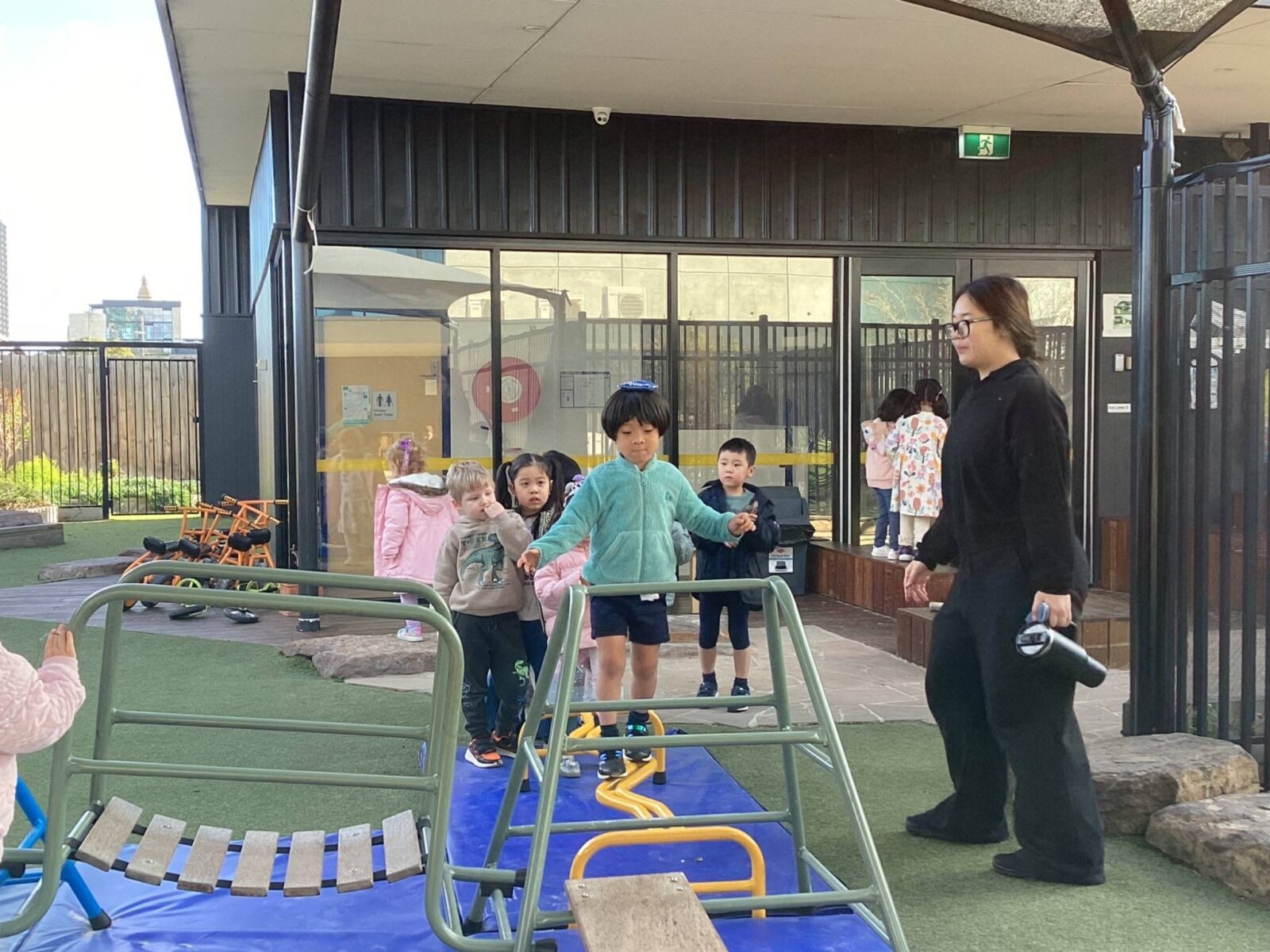
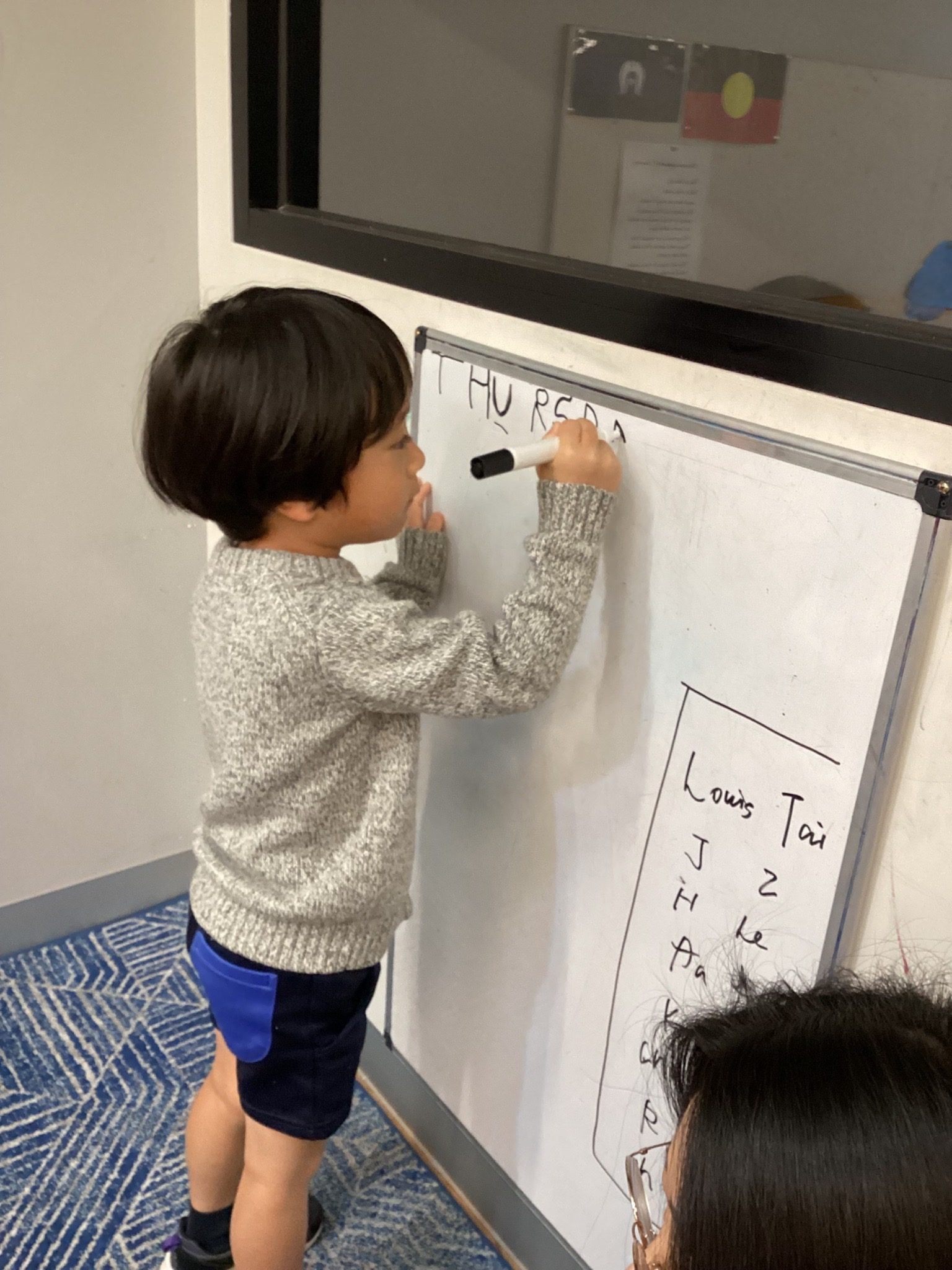
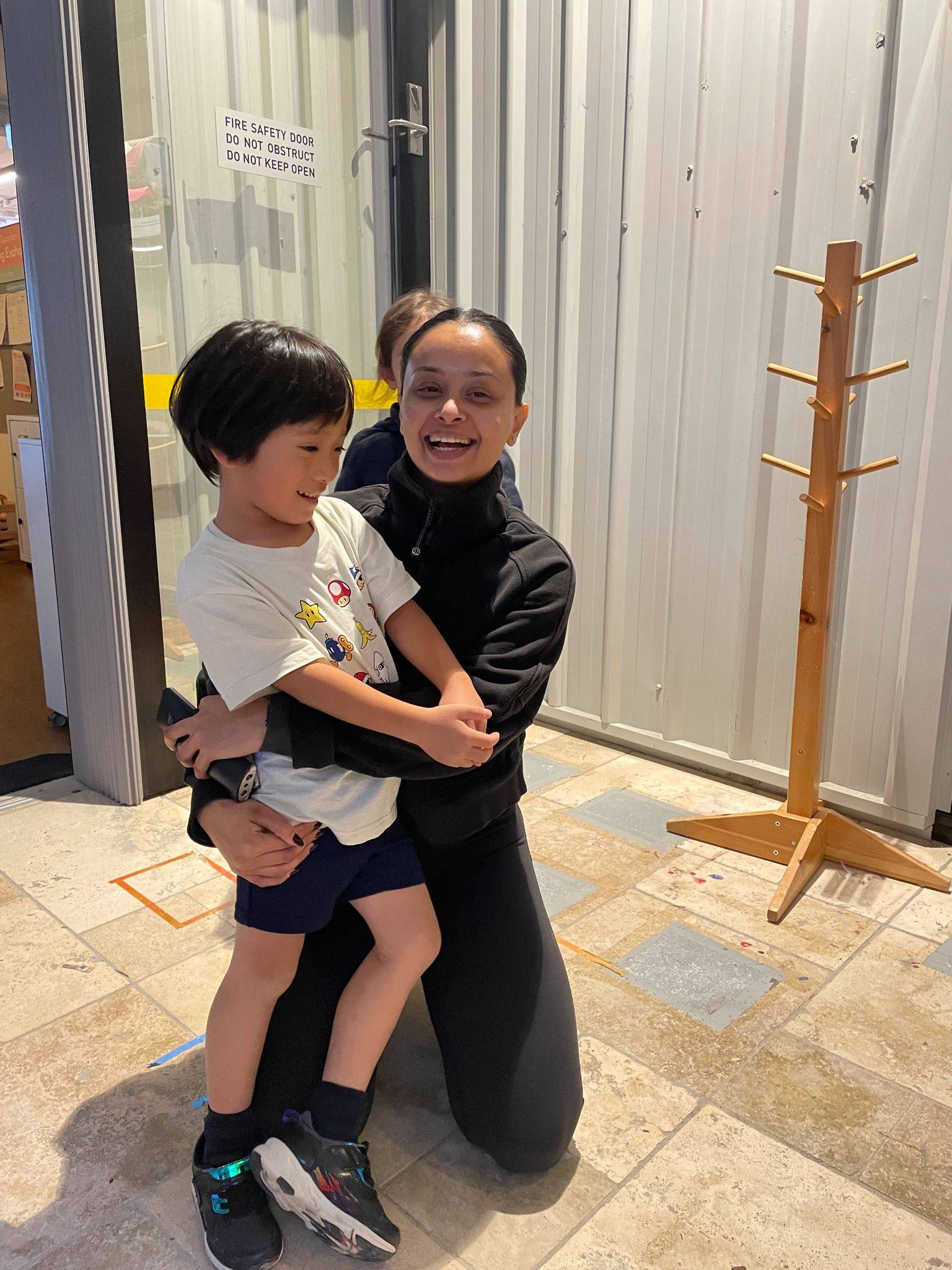
Guardian Childcare & Education South Melbourne (Childcare centre) CGK Mountain Taiki

Guardian Childcare & Education South Melbourne (Childcare centre) CGK Mountain Taiki

Guardian Childcare & Education South Melbourne (Childcare centre) CGK Mountain Taiki

Guardian Childcare & Education South Melbourne (Childcare centre) CGK Mountain Taiki

Ipswich Girls Grammar School (Private all-through girls' school) CGK G3 Ako, AS G2 Yusei

Ipswich Girls Grammar School (Private all-through girls' school) CGK AS G2 Yusei

Ipswich Girls Grammar School (Private all-through girls' school) CGK G3 Ako

Ipswich Girls Grammar School (Private all-through girls' school) CGK G3 Ako

Ipswich Girls Grammar School (Private all-through girls' school) CGK G3 Ako

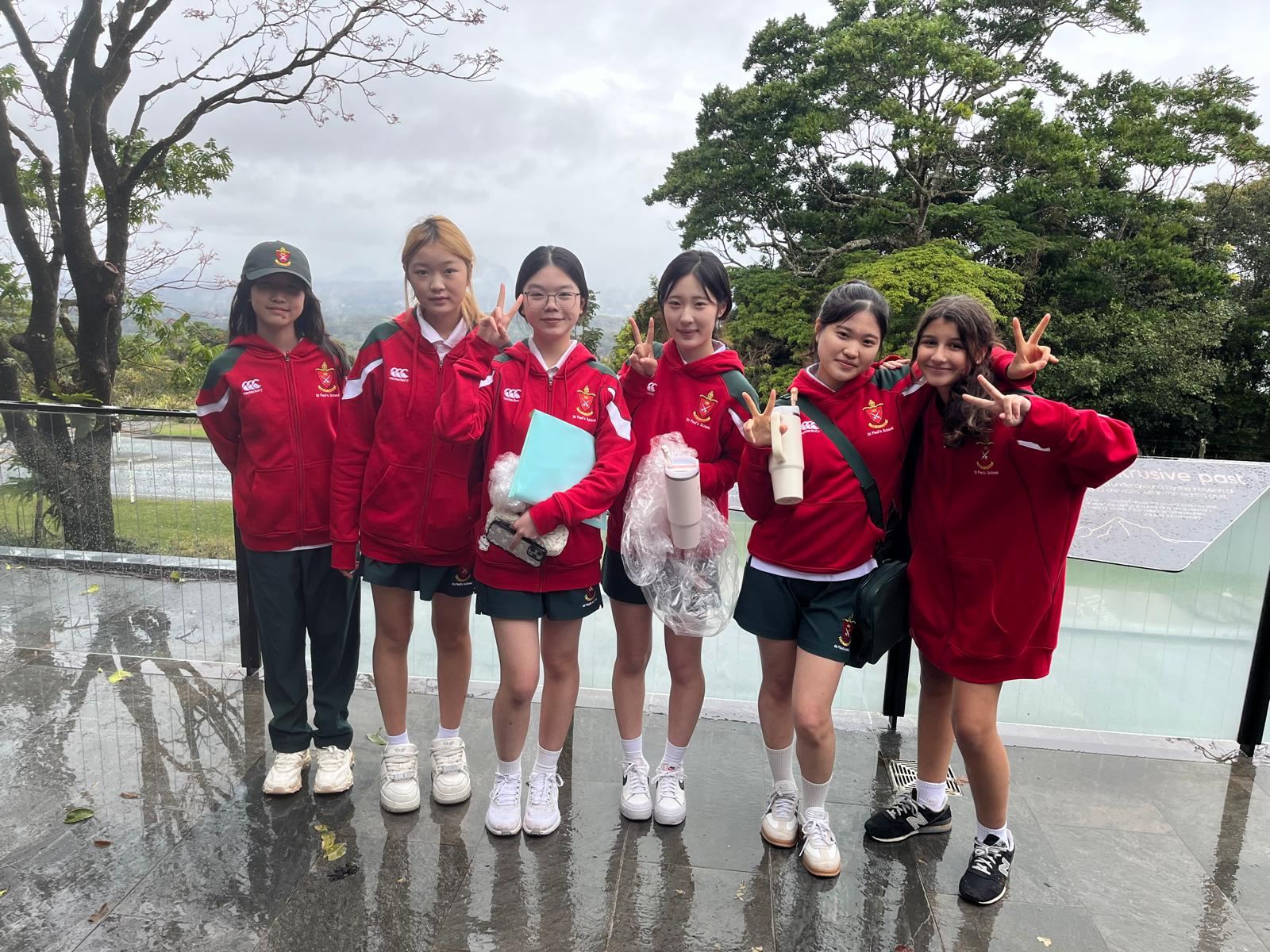
St.Pauls (Private all-through school) CGK G7 Alisa

St.Pauls (Private all-through school) CGK G7 Alisa

St.Pauls (Private all-through school) CGK G7 Alisa
Canada

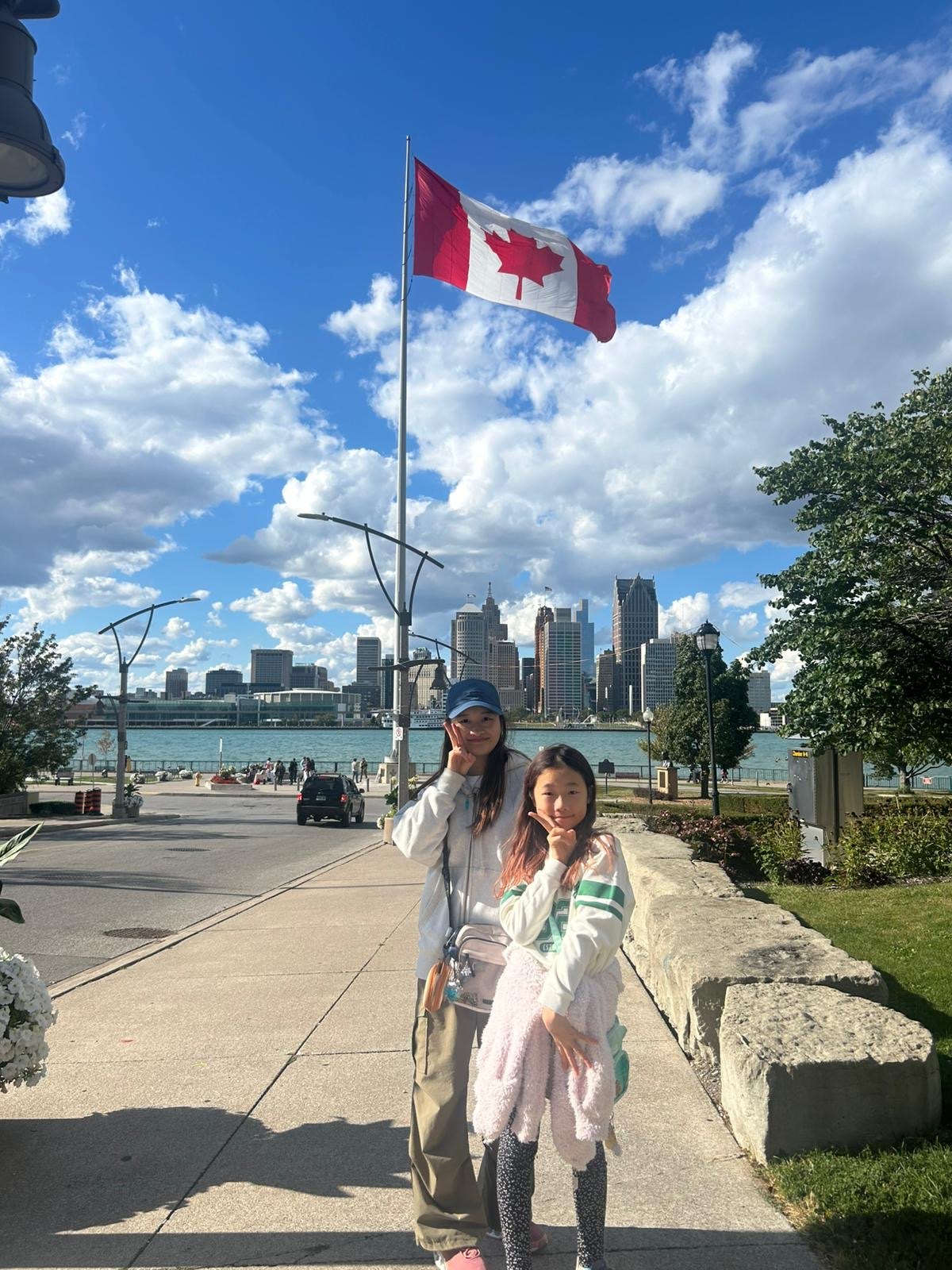
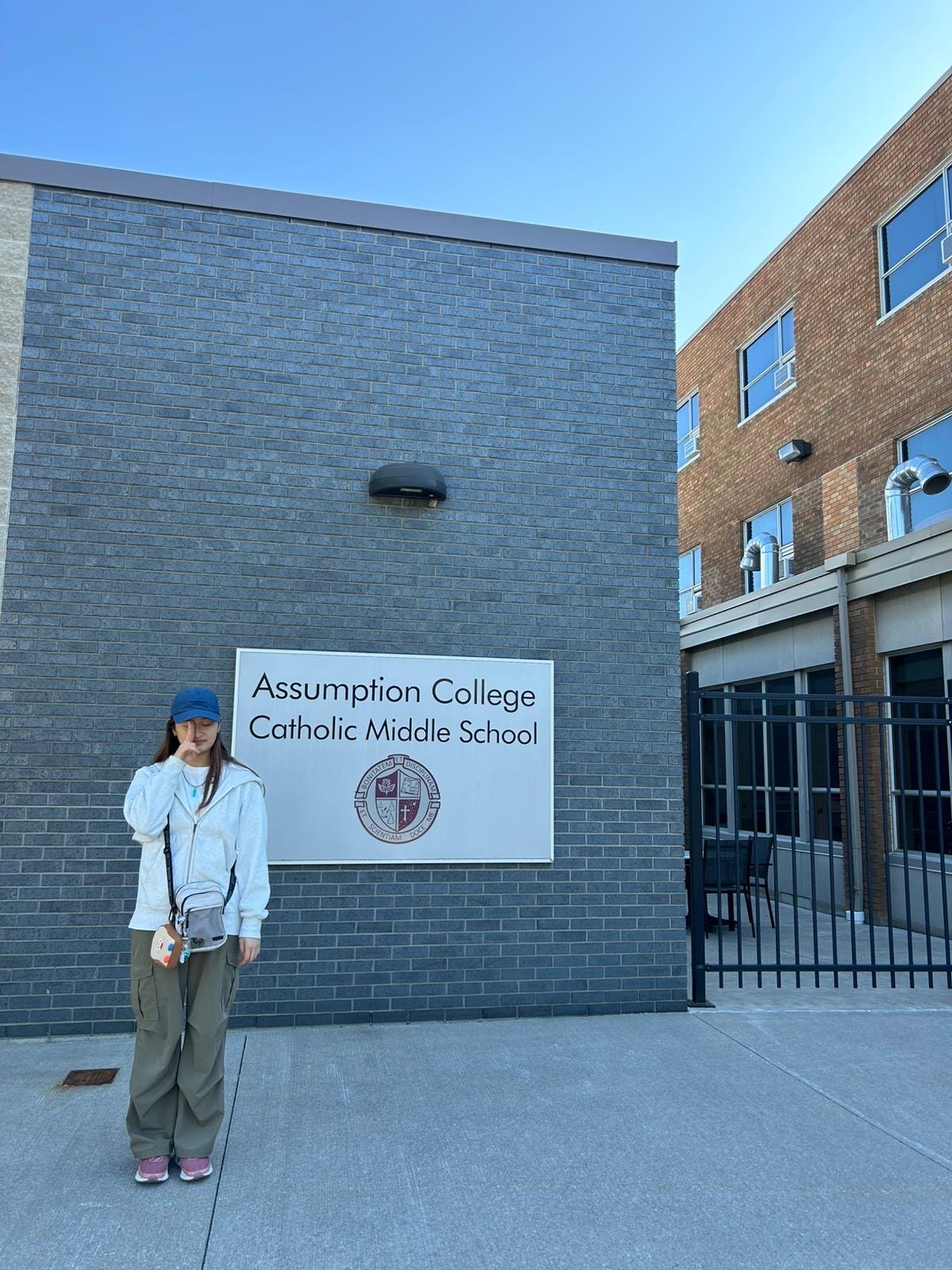
Assumption College Catholic Middle School (Public middle school) CGK G7 Sedona

Assumption College Catholic Middle School (Public middle school) CGK G7 Sedona

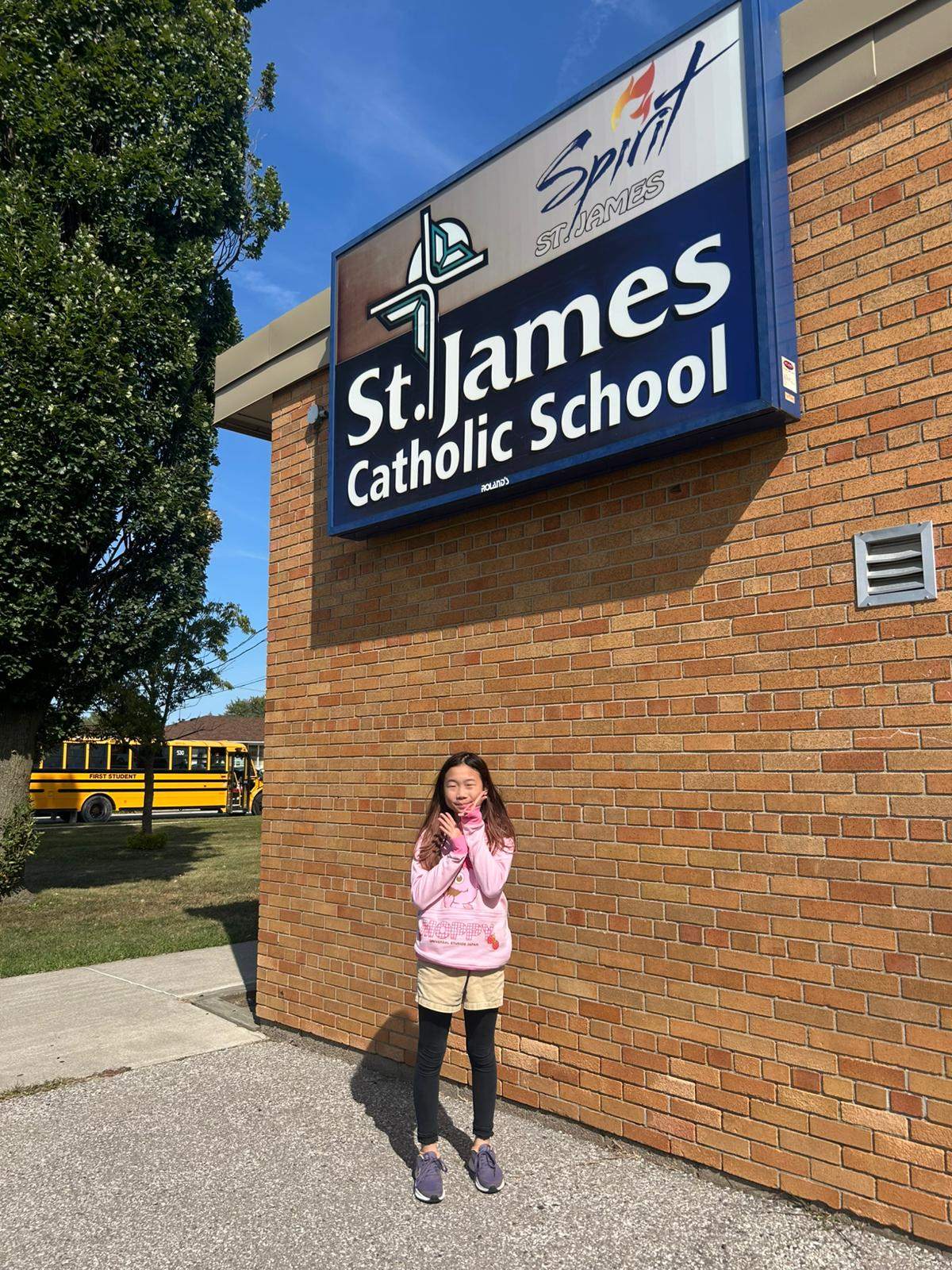
St. James Catholic Elementary School (Public primary school) CGK G4 Nasuka

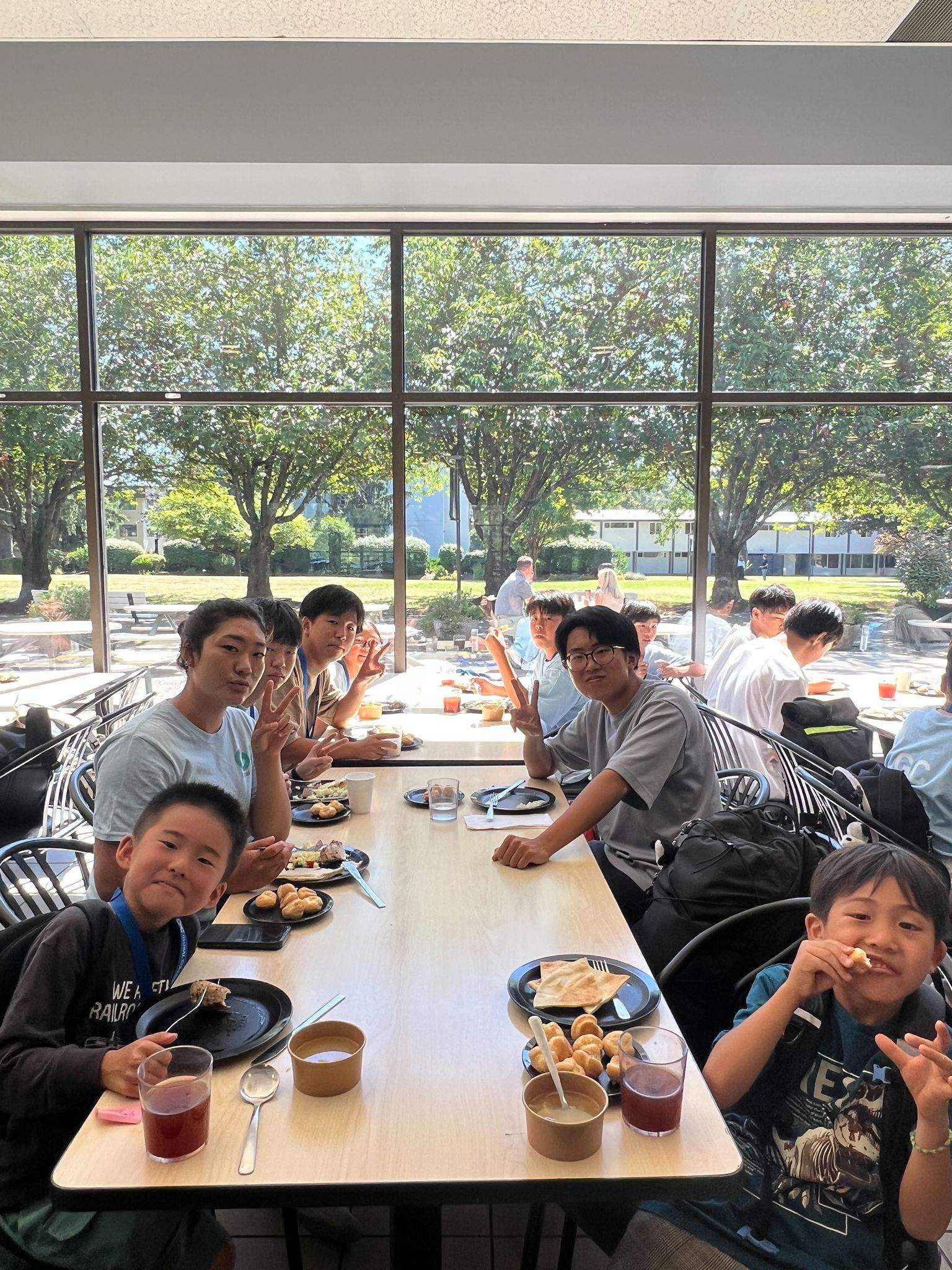
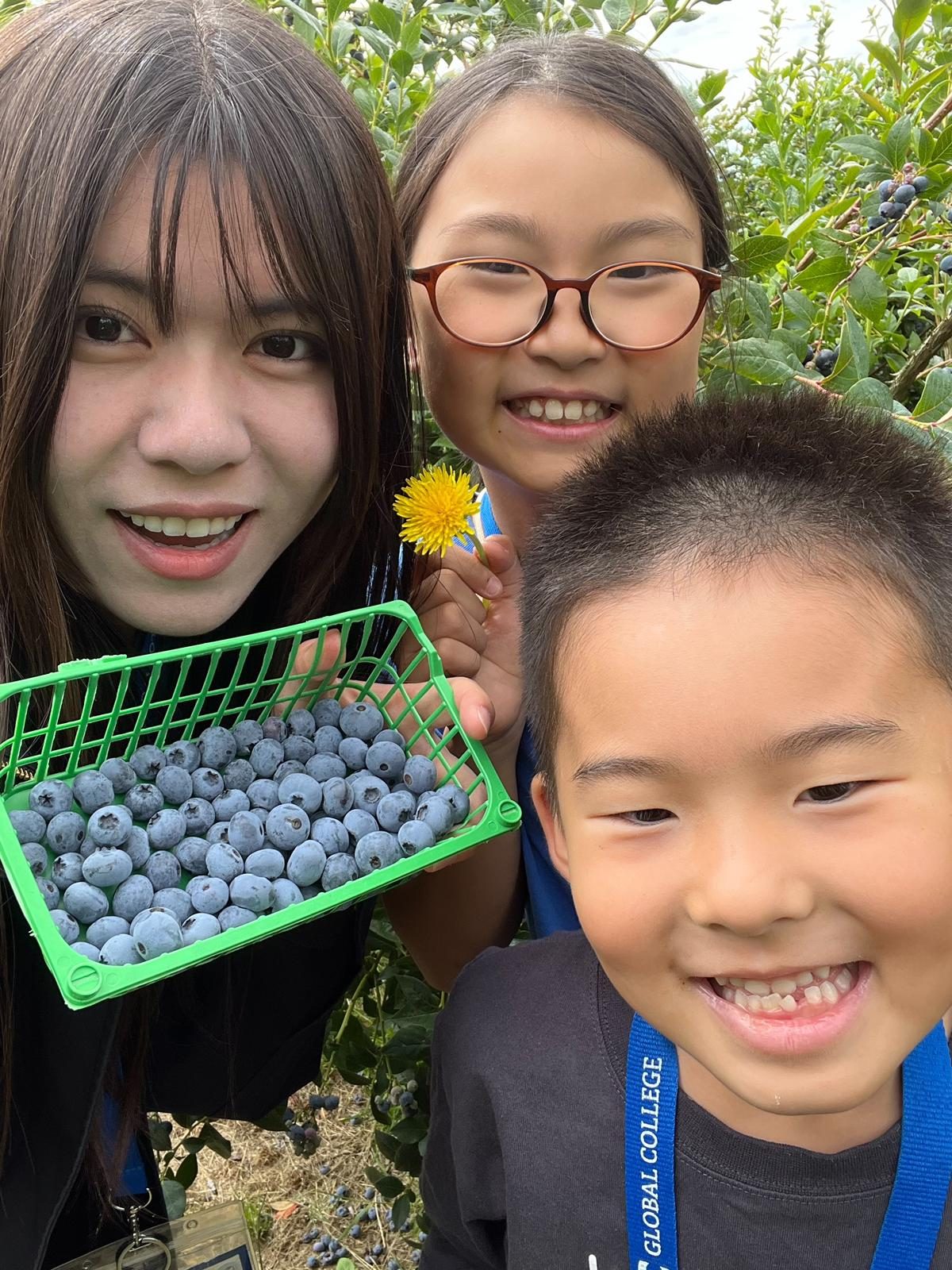
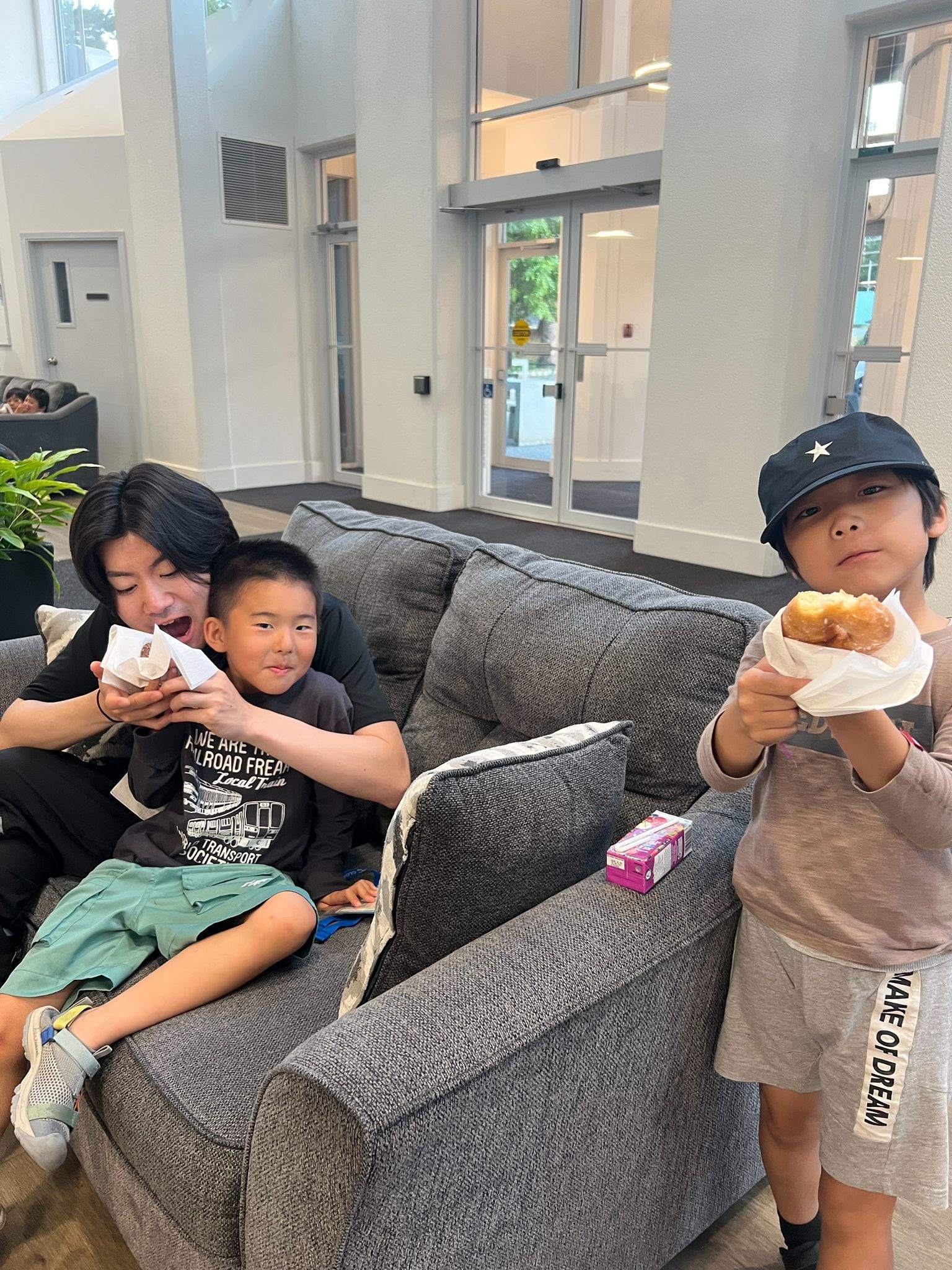
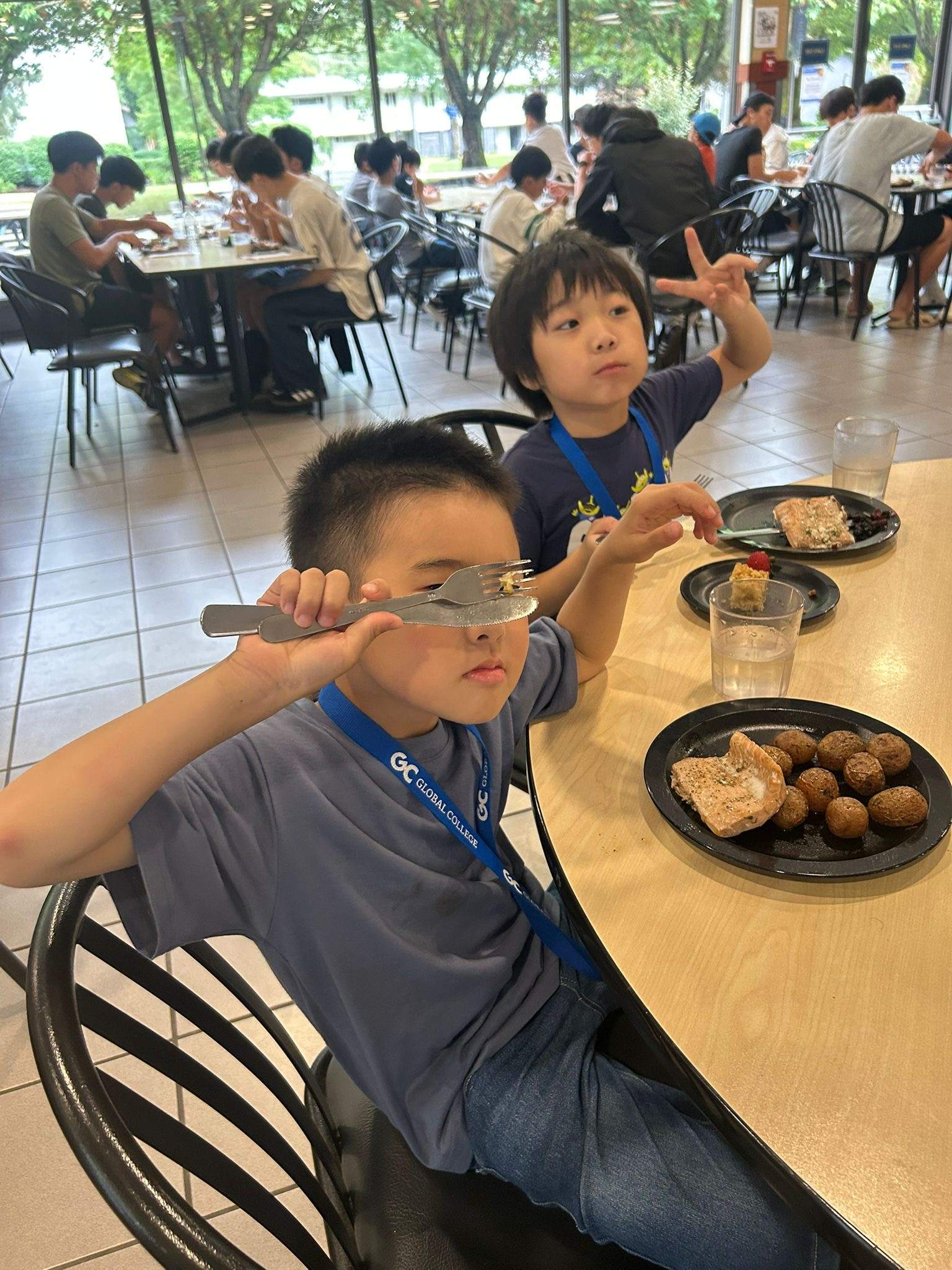
Global College Summer Camp, CGK AS G1 Aoba

Global College Summer Camp, CGK AS G1 Aoba

Global College Summer Camp, CGK AS G1 Aoba

Global College Summer Camp, CGK AS G1 Aoba
New Zealand

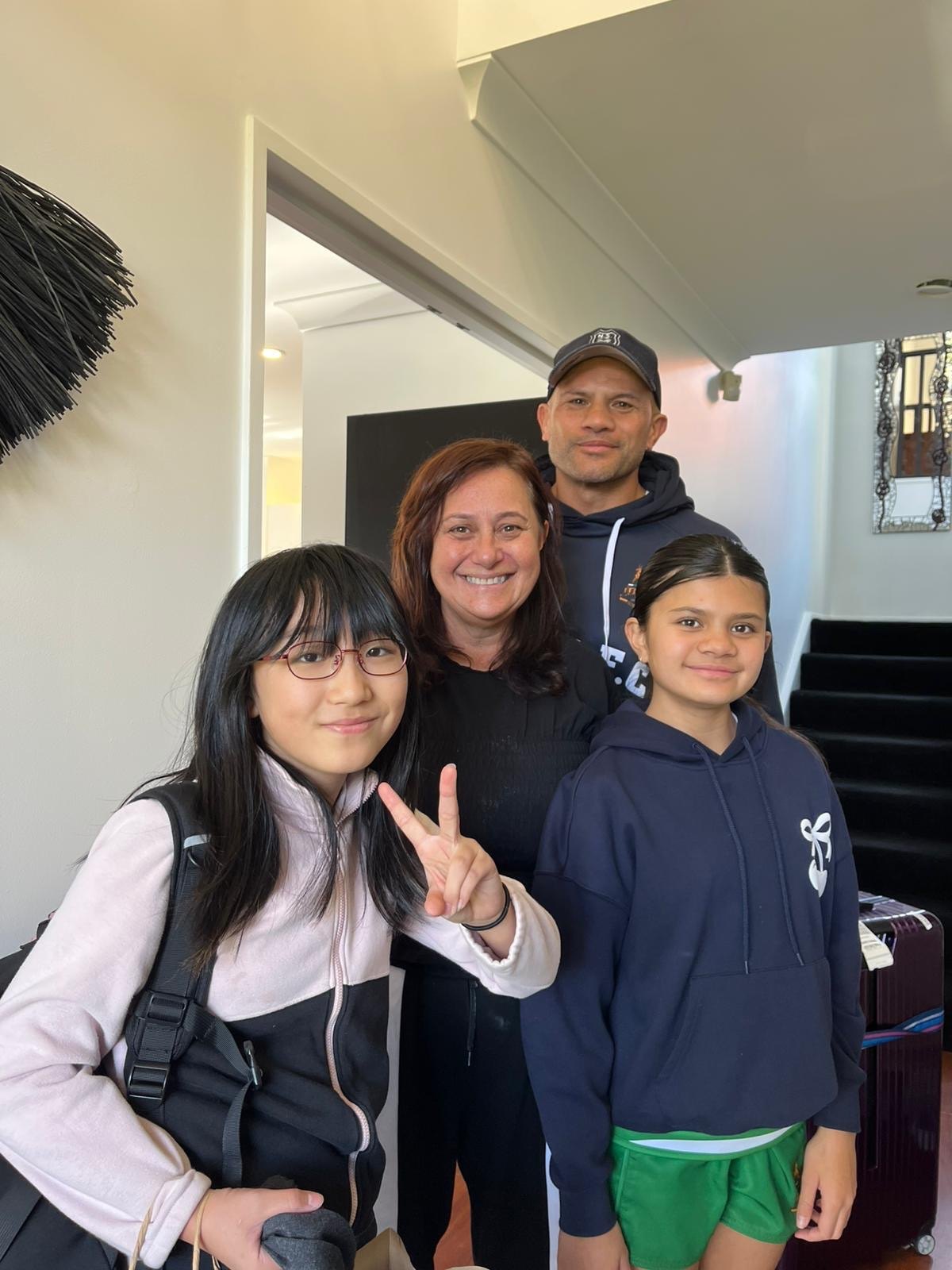
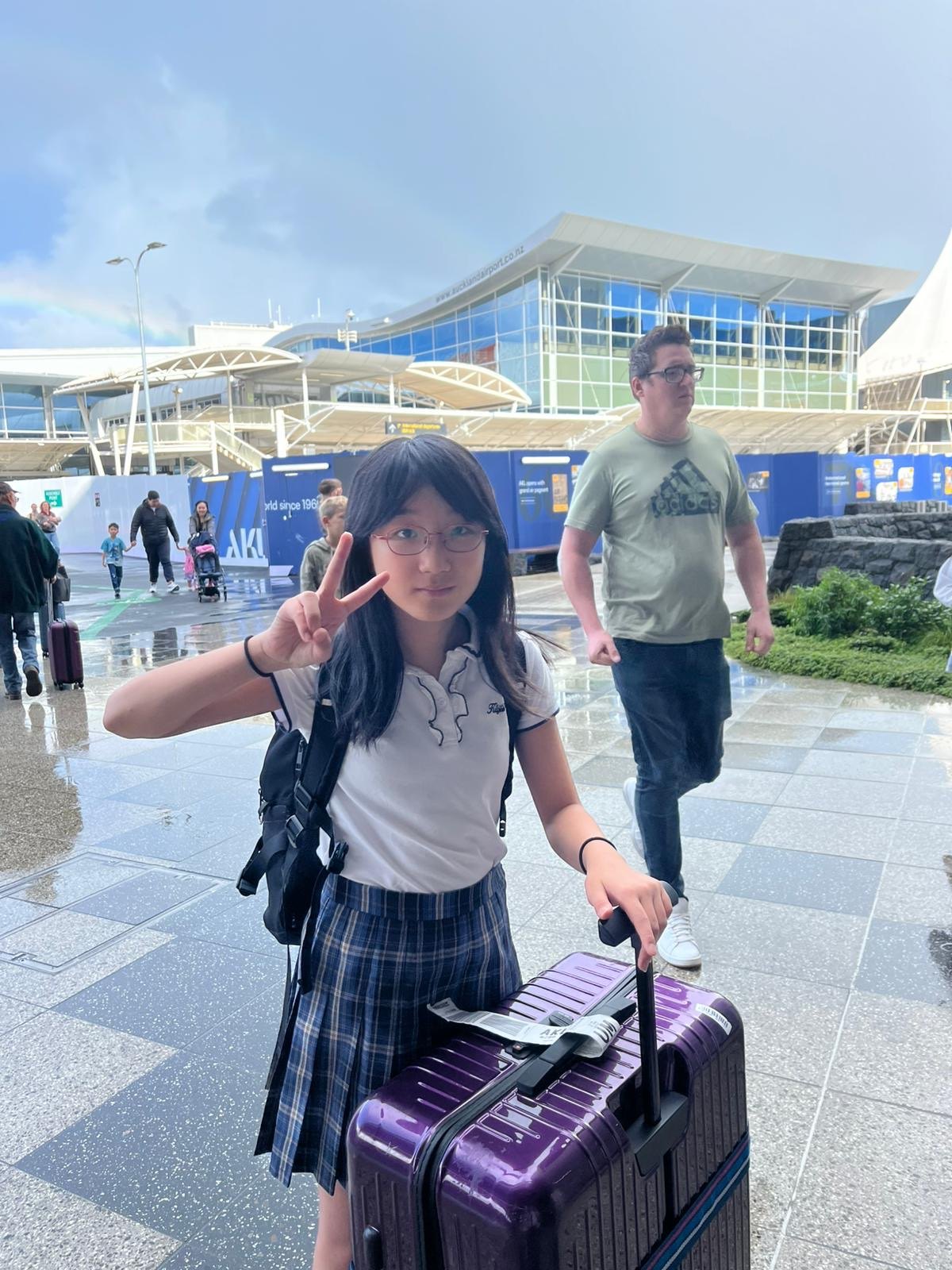
Belmont Intermediate School (Public middle school) CGK G6 Yuina

Belmont Intermediate School (Public middle school) CGK G6 Yuina

Belmont Intermediate School (Public middle school) CGK G6 Yuina
In 2025, a total of 24 CGK students have already participated in overseas study abroad programs.
This summer’s short-term study abroad programs were a great success, with solo and parent–child opportunities realized in Australia, New Zealand, and Canada.
CGK Summer 2025 Study Abroad Highlights
- A CGK Preschool graduate and current After-School Grade 1 student achieved a solo study abroad in Canada!
- A CGK Elementary Grade 1 student became the first to study abroad at an IB PYP school in Australia!
- A Grade 7 student began their solo long term study abroad journey!
Through these challenges, each student broadened their horizons and returned with greater self-confidence.
Study Abroad Destinations:
- Australia
St. Paul’s School (Private all-through school)
Essendon North Primary School (Public primary school, IB PYP)
Ipswich Girls' Grammar School (Private all-through girls' school)
Browns English Language School (Language school)
Guardian Childcare & Education South Melbourne (Childcare centre) - New Zealand
Belmont Intermediate School (Public middle school) - Canada
Global College Camp
Assumption College Catholic Middle School (Public middle school)
St. James Catholic Elementary School (Public primary school)
At CGK, we will continue to value each child’s unique challenge, carefully supporting them with safe and suitable study abroad options tailored to their needs and duration.
Study Abroad Highlights (Video)
[Study Abroad in NZ] Owairoa Primary School
[ES Solo Study Abroad in NZ] Gulf Harbour School
[Study Abroad in NZ] Owairoa Primary School (5 year olds)
[ES Solo Study Abroad in Canada] Summer Camp in Vancouver
Currently recruiting participants for study abroad programs
- Throughout the year (on weekends or during long breaks, either for day trips or overnight stays)
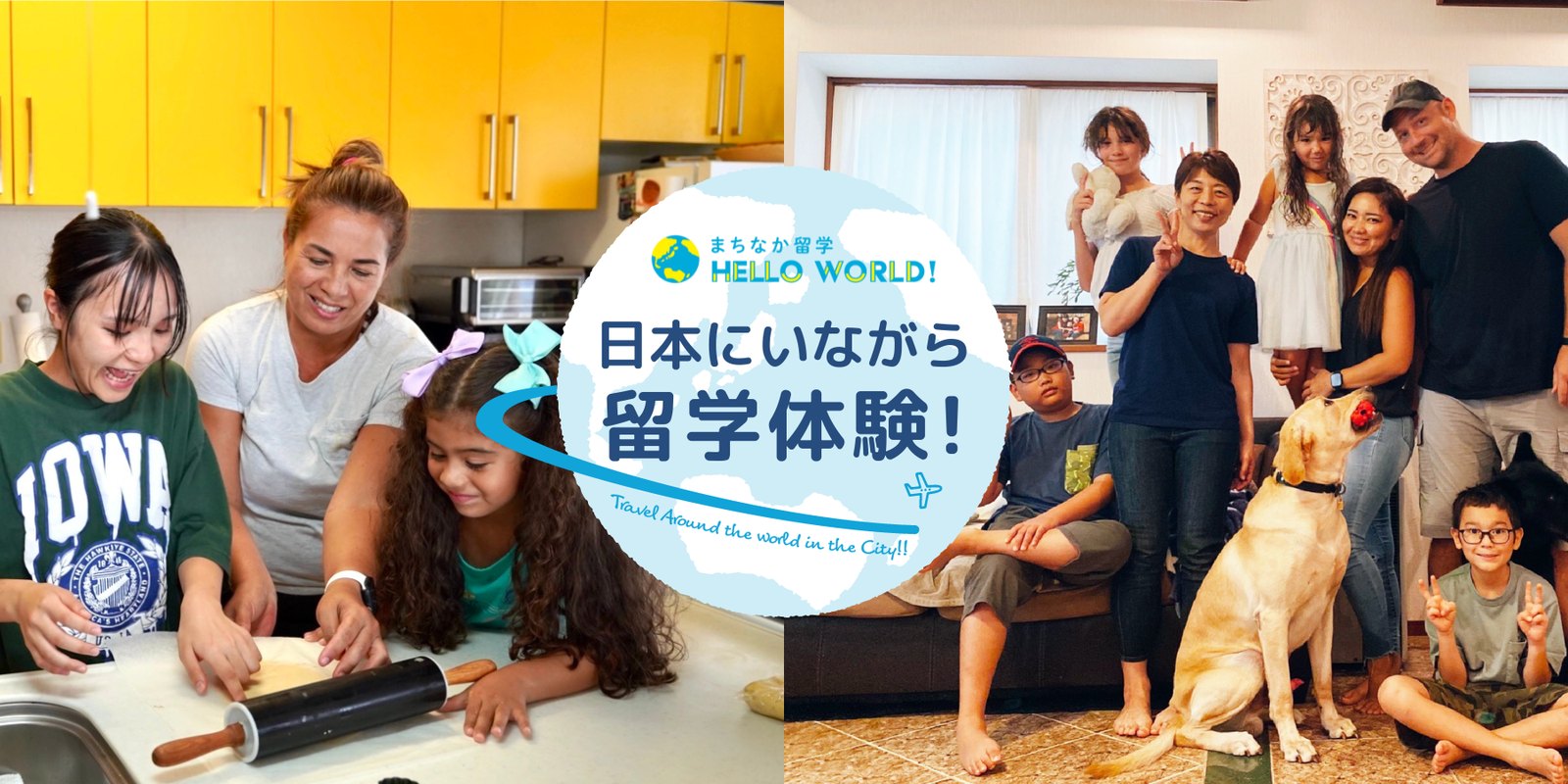
- You can experience a homestay with a foreign family residing in Japan.
- Deadline: Approximately one month prior to your desired dates
- For details/application, please contact Mayu at the Office.