IB PYP World School with Inquiry-based Curriculum Providing World Standard Childcare and Global Education
Through "childcare" and "global education" from early childhood, CGK International School nurtures the physical and mental growth of children to provide them with infinite future possibilities. As an IB PYP World School, we offer a high-quality inquiry-based learning curriculum and aim to develop future lifelong learners.
What we nurture in these early childhood years are not only "cognitive skills," which are directly manifested as learning outcomes, but also "non-cognitive skills," such as communication and emotional maturity, which are important throughout the future. As an integrated school that continues through high school, we also focus on social-emotional learning, emphasizing appropriate timing and approach rather than short-term results.
We arouse children's interest and curiosity in new worlds and nurture them to have a truly global perspective.
Fulfilling Childcare & Education Program
At CGK, children are cared for full time from 8:30am to 5:00pm (8:00am to 6:30pm if extended care is included). There are no shorter hours or less than 5 day-a-week courses. (Only 2 year olds can choose from 2-5 days per week.)
While providing attentive care as a preschool, we offer a full curriculum along with a variety of programs, which are of the highest standard in both quantity and quality.
CGK has introduced the IB program, which is highly acclaimed around the world, and as an IB PYP World School, we implement an inquiry-based learning curriculum. One of CGK's founding missions has been to help our children develop a spirit of inquiry, and being an IB PYP World School is very important to us.
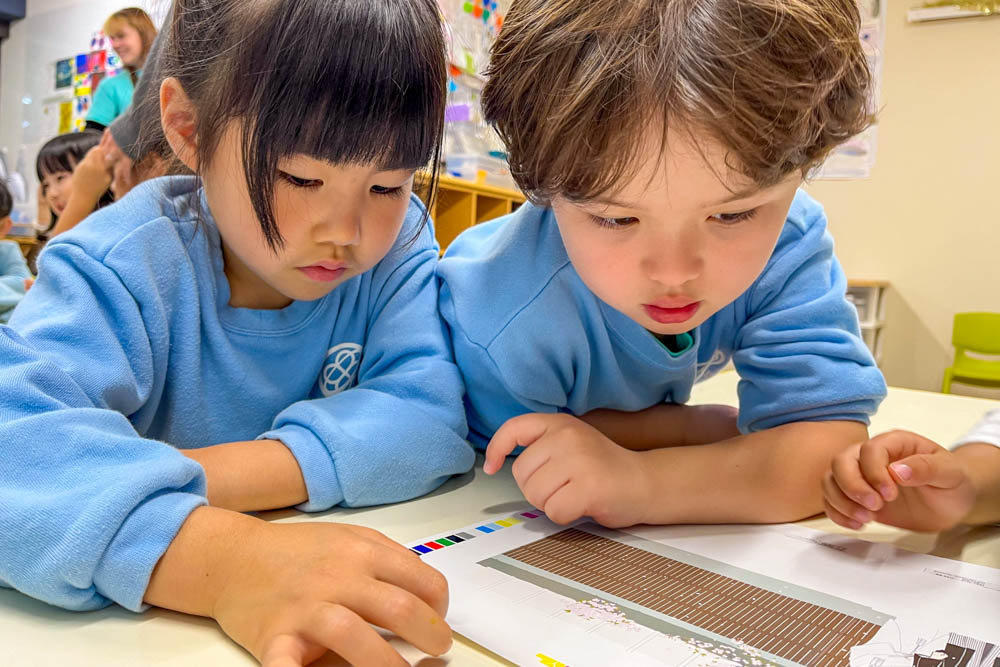
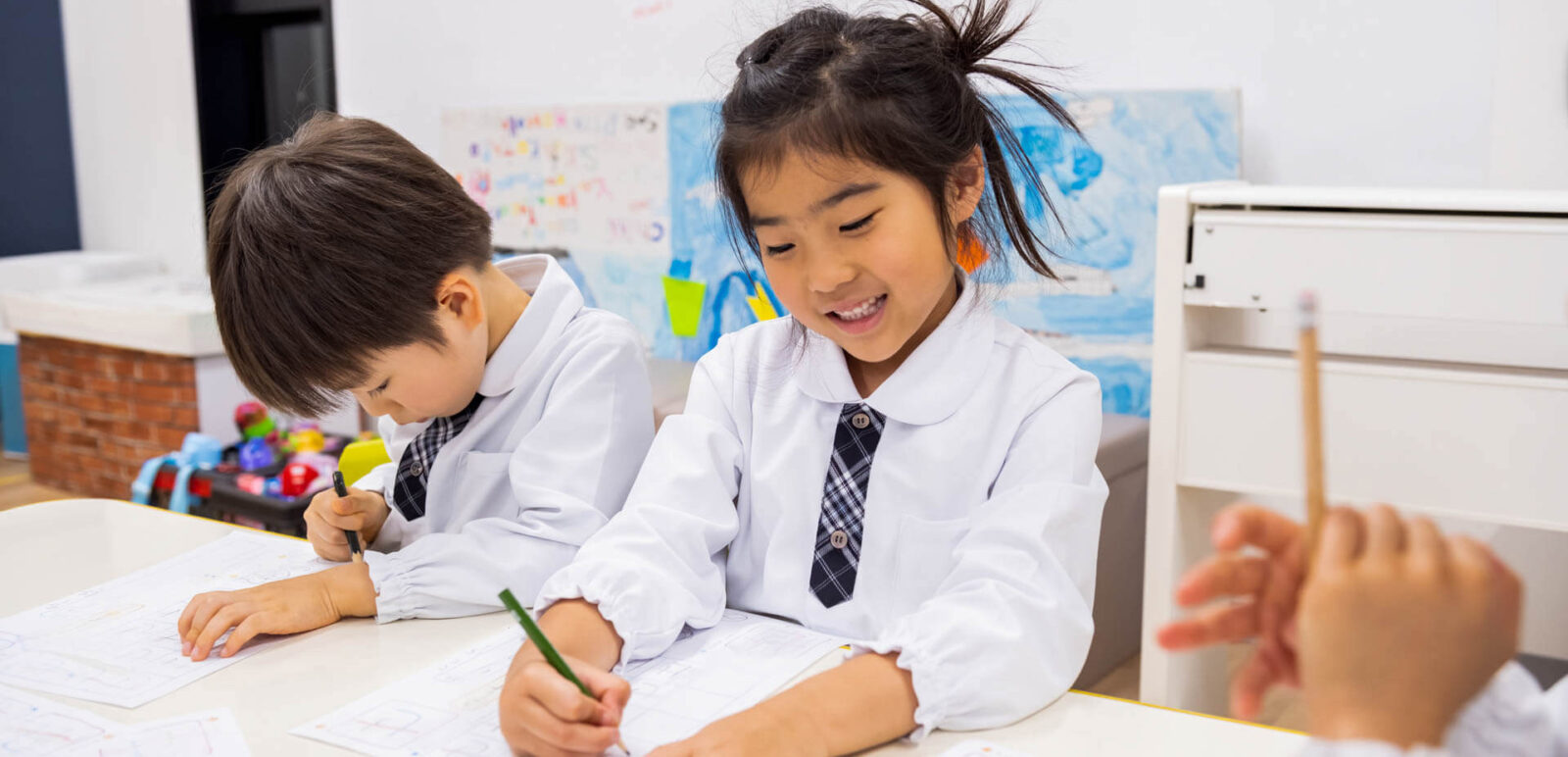
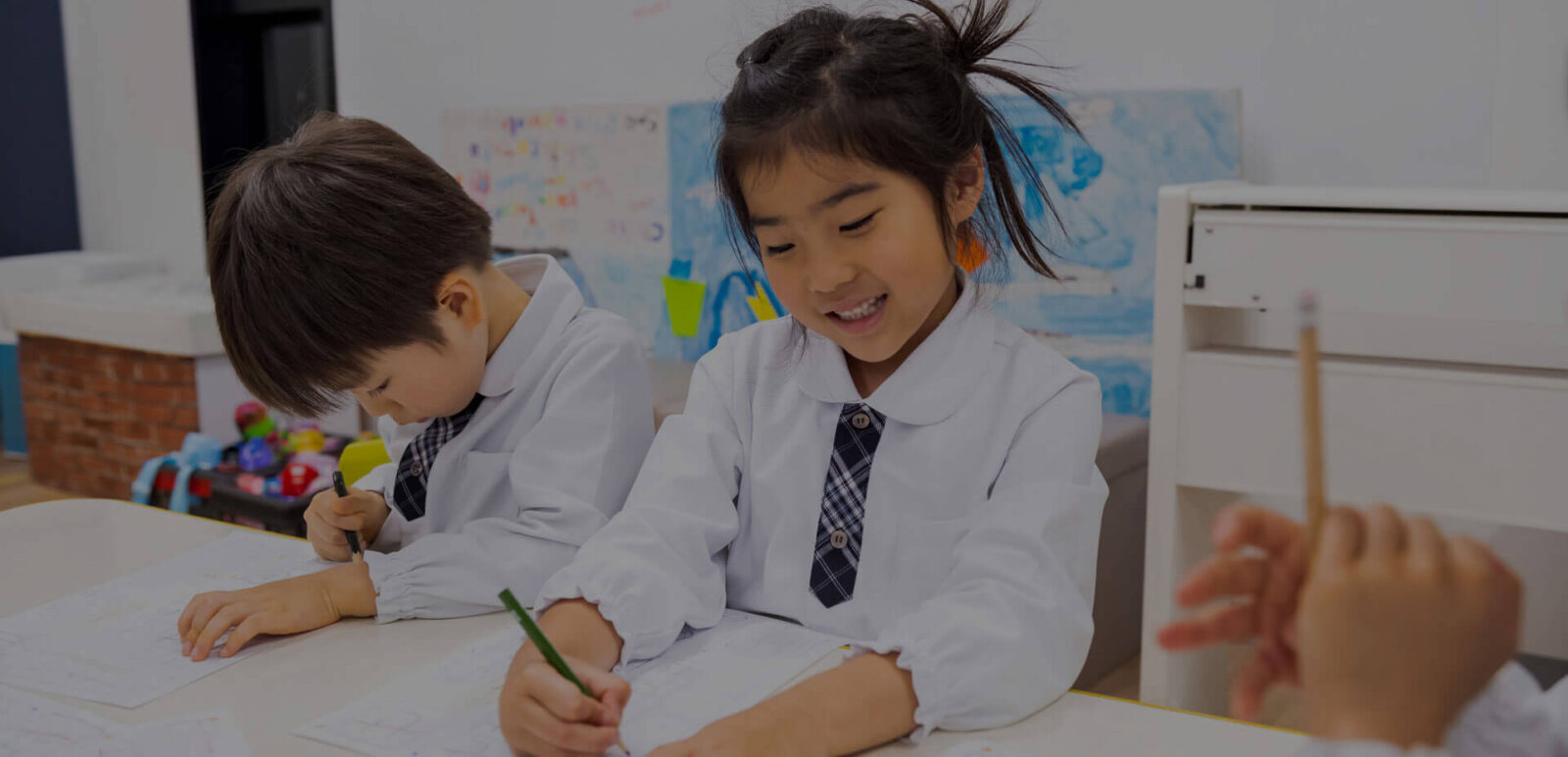
Through the IB transdisciplinary program, children naturally connect and understand the basic knowledge and concepts of multiple subjects without being aware of the boundaries of the subjects. IB is an ideal form of education in which children actively and vigorously enjoy inquiring and learning, rather than the old image of learning in which students sit in chairs and mechanically work on assigned tasks. Because it is student-centered, children naturally deepen their learning as if they were playing.
All of our Japanese teachers are qualified nursery teachers (hoikushi). Appropriate support by highly professional nursery teachers who are familiar with the growth of children in early childhood is very important not only for childcare but also for the quality of education, and we also collaborate with parents appropriately. As a preschool in Japan, we flexibly incorporate the best aspects of both Japan and other countries to provide childcare and education that emphasizes the development of non-cognitive skills based on a foundation that emphasizes children's wellbeing.
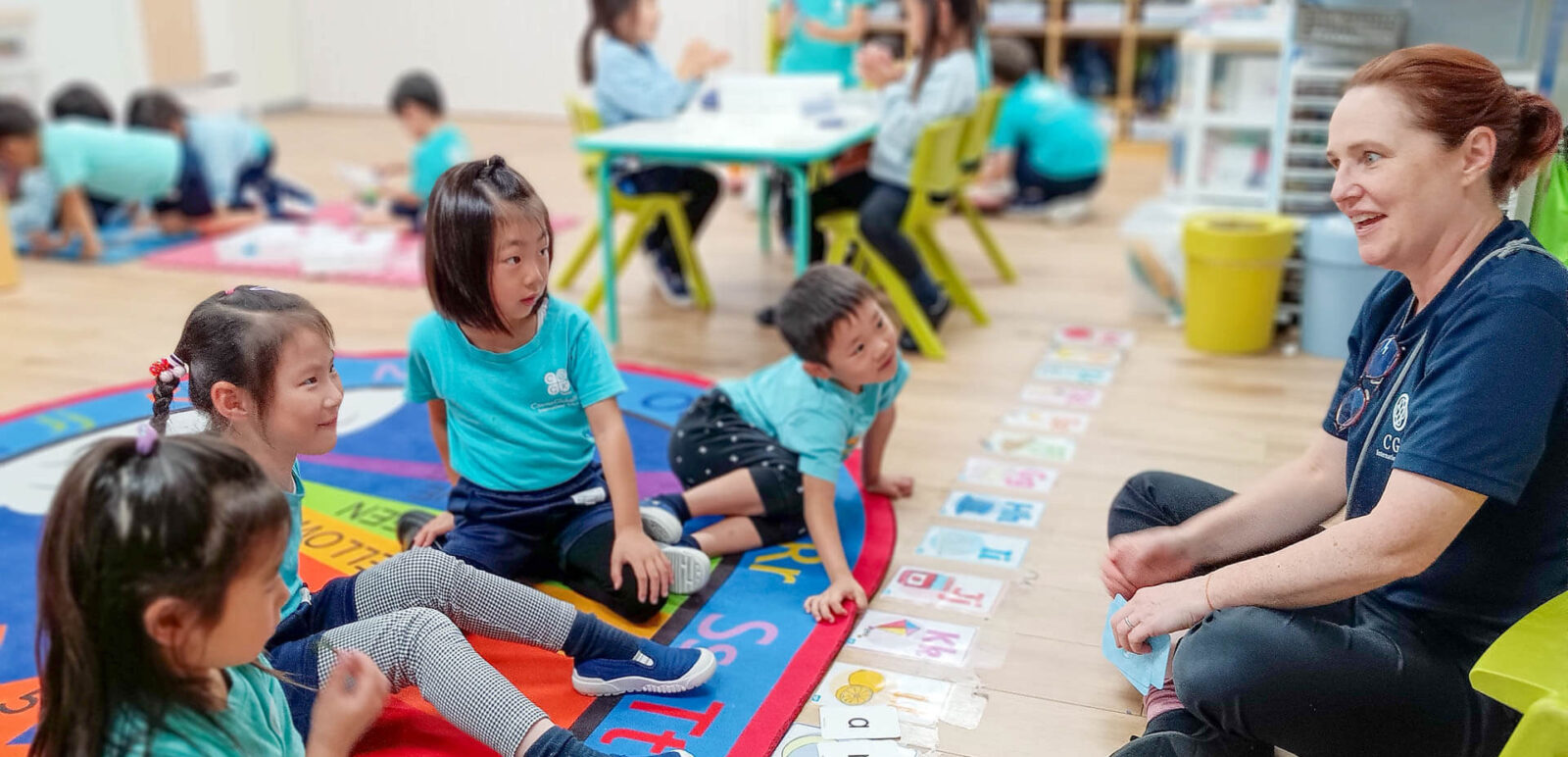
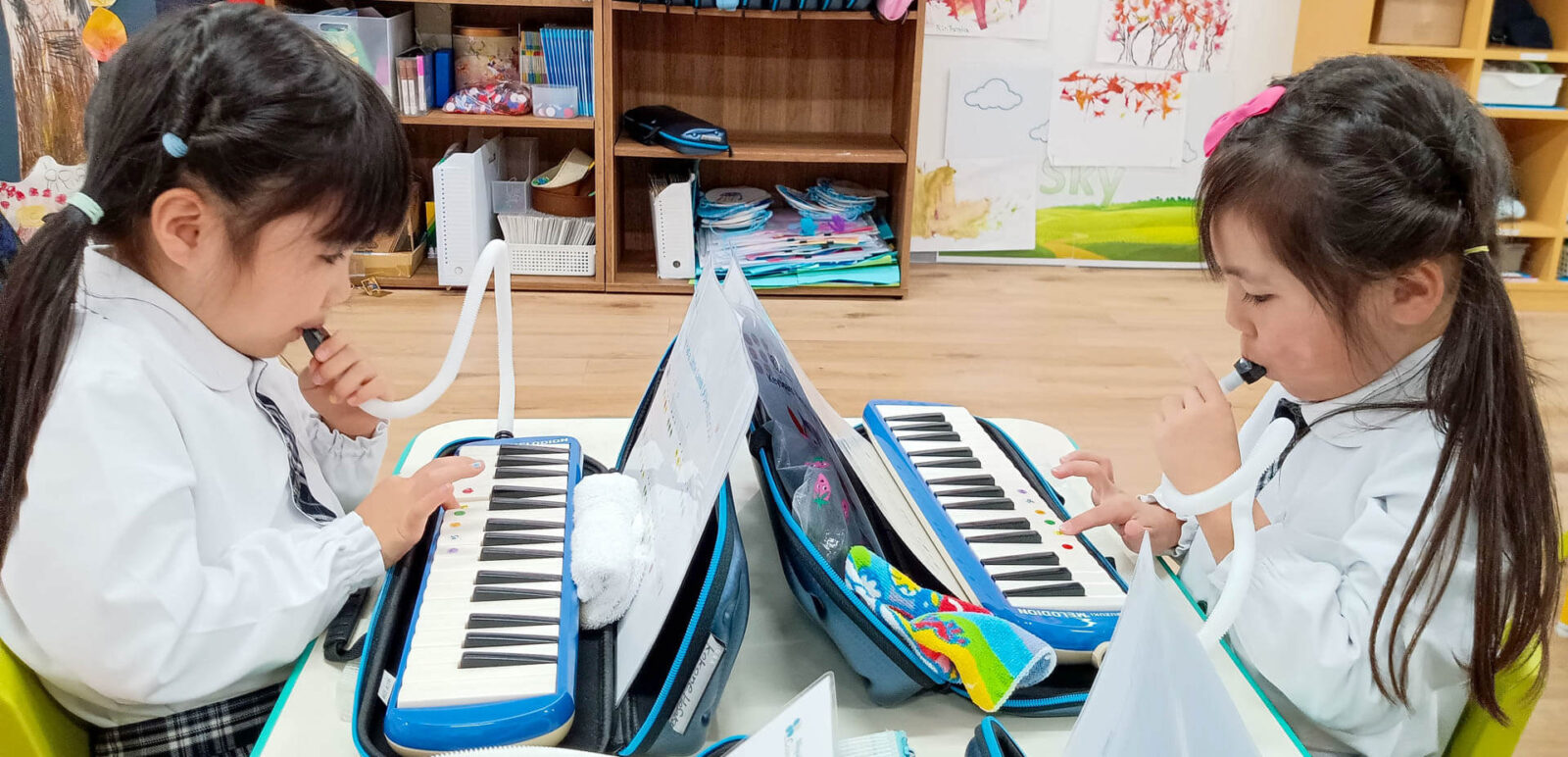
During daily Japanese language classes, children learn what they would learn in a Japanese preschool or kindergarten, such as cooperation, consideration, discipline, manners, etiquette, songs, crafts, musical instruments, and offer seasonal events, in cooperation with non-Japanese classes. With Japanese language time, IB inquiry-based learning is also approached in both English and Japanese to deepen inquiry and understanding.
We have adopted the Singapore Maths curriculum, widely recognized as the best math curriculum in the world. Students who learned Singapore math regularly test the highest in international assessments such as the PISA test.
Our grade aligned math skills take into account the standards of multiple countries, including Japan, and are designed to ensure our students will be well prepared for any academic challenges regardless of where they may continue their learning after CGK.
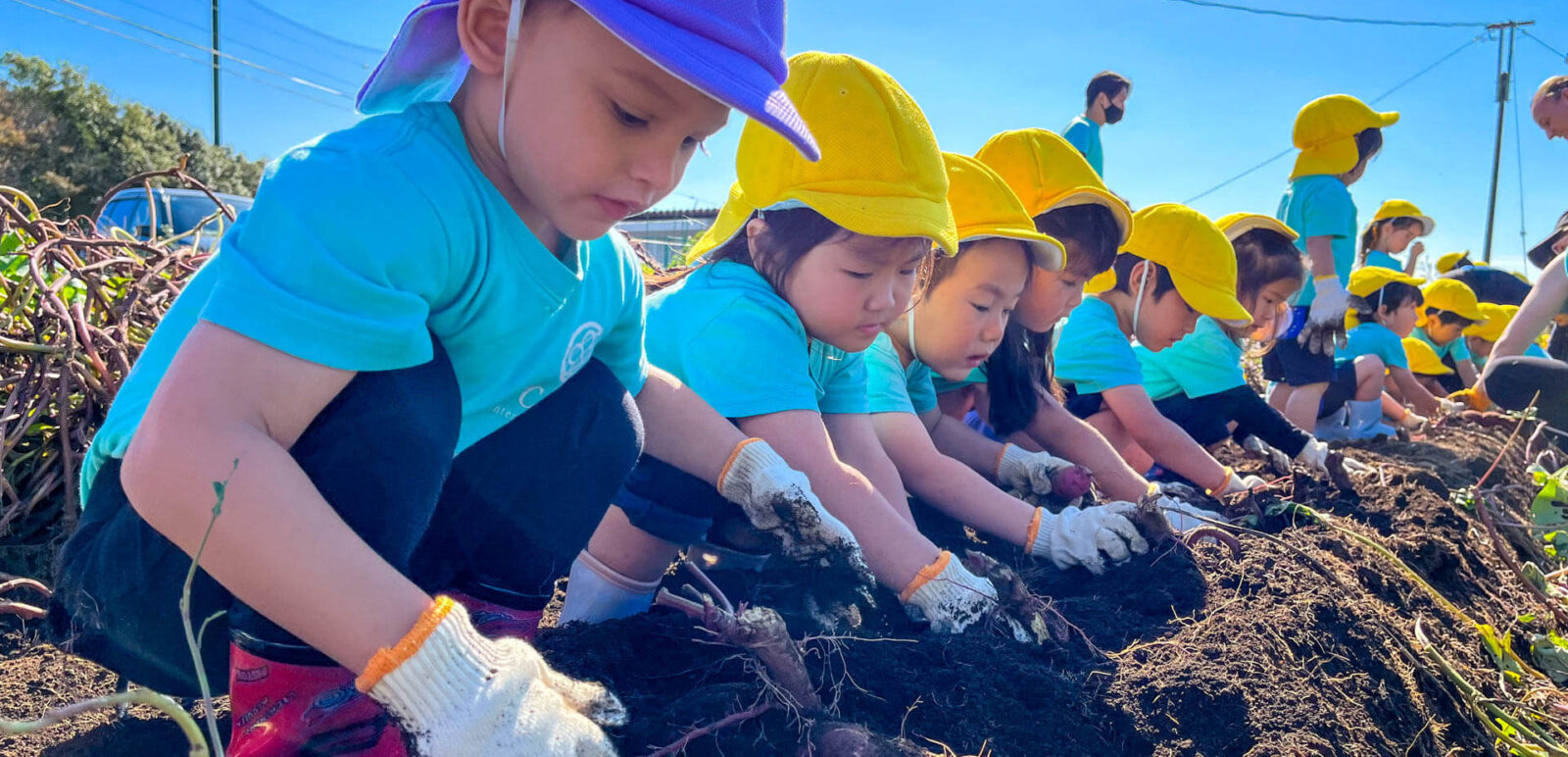
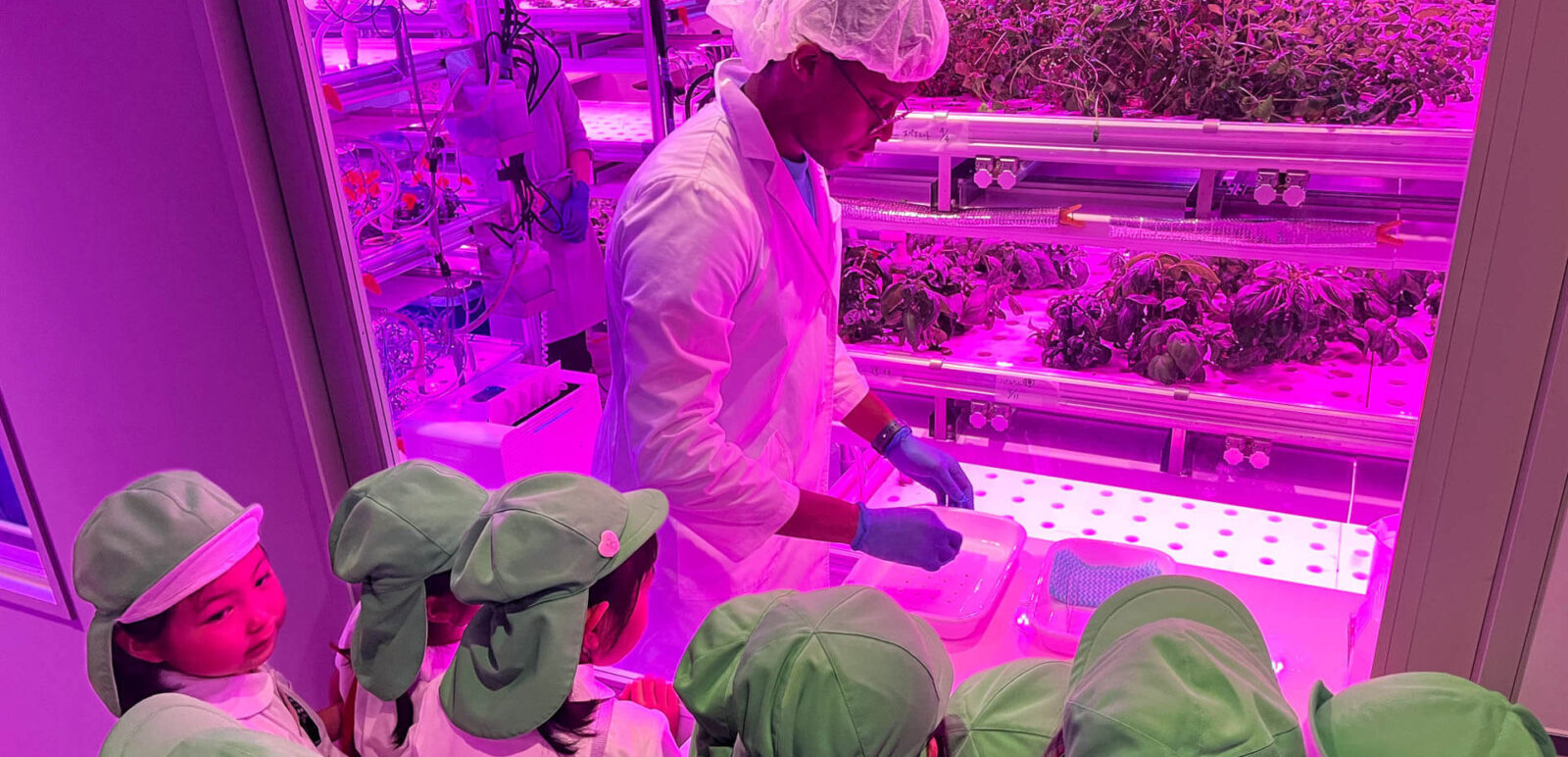
We collaborate with an Italian restaurant and farmers to create food education programs. On a daily basis, we not only teach the importance of food and good manners, but also offer a variety of hands-on experiences.
In the farming experience, we not only enjoy harvesting, but also provide special experiences with an awareness of the aim of each one, such as weed pulling, plowing, planting, cooking with the harvest, and cooking lessons by professional chefs and renting out a restaurant to experience a course meal. Using the example of food distribution from producer to consumer, we are working to deepen understanding of food from diverse perspectives. In a series of activities, we actively incorporate the SDGs into our food education, not only from the perspective of our daily lives, but also from the larger perspective of global issues related to food.
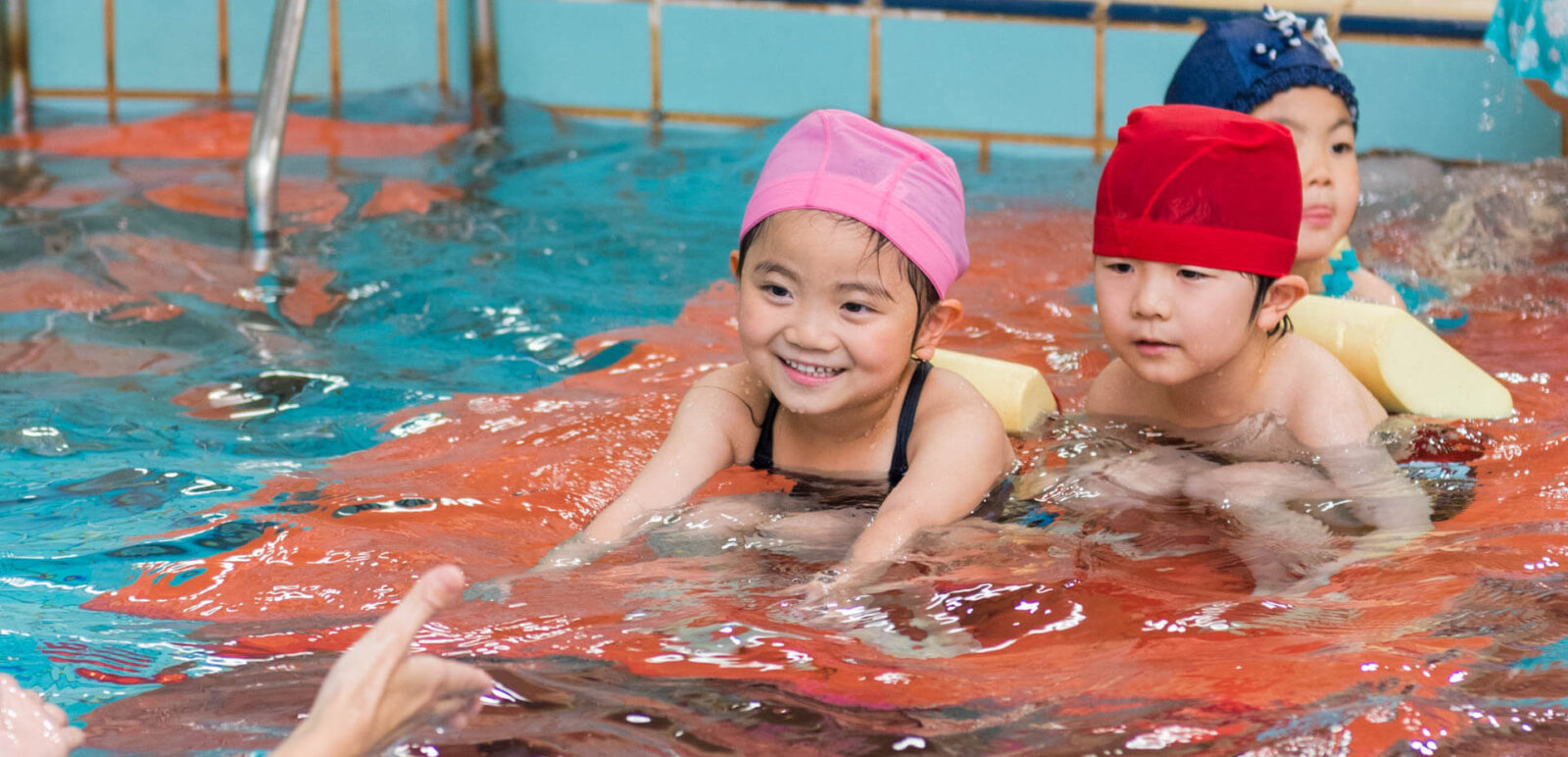
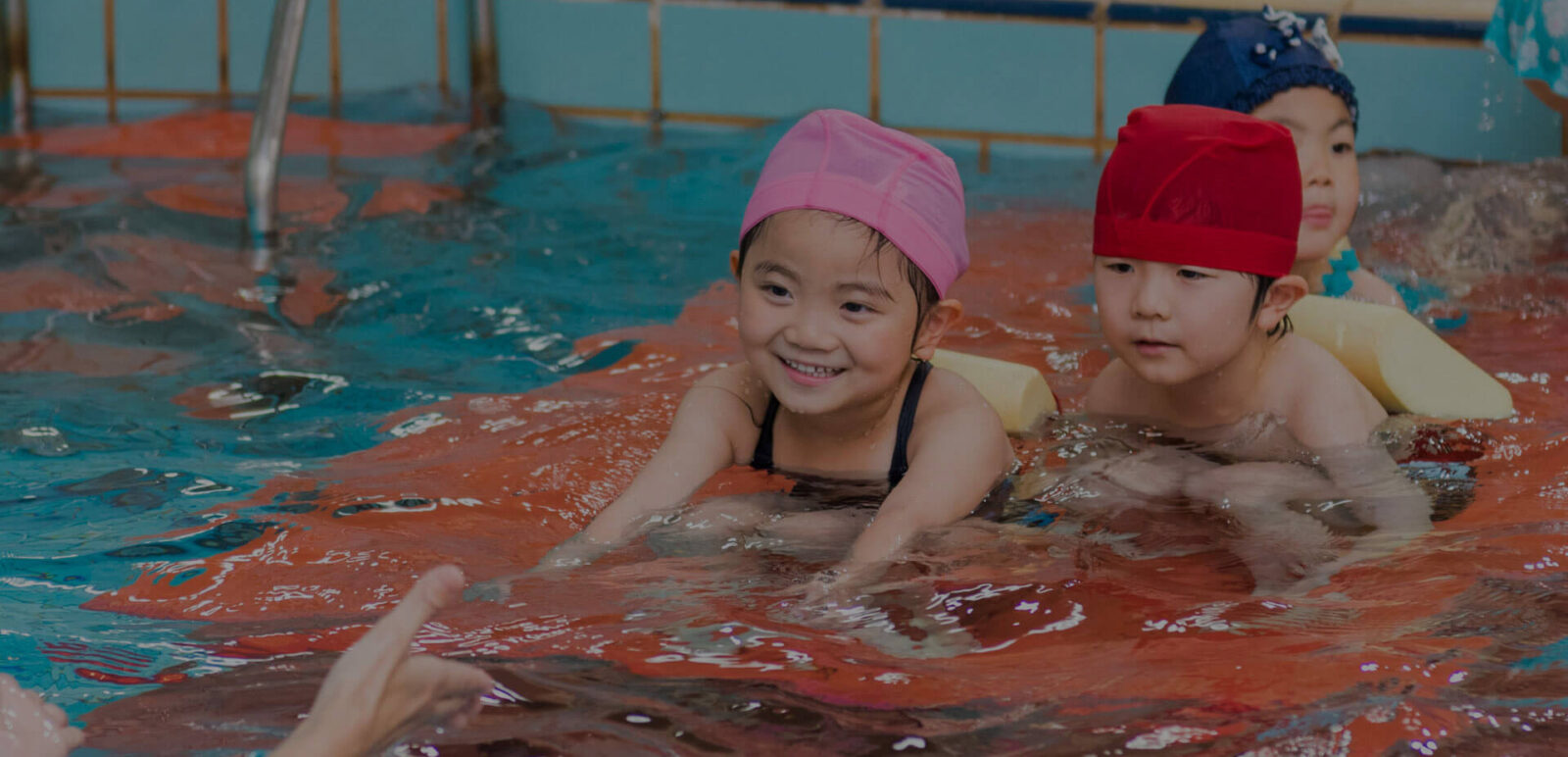
Our P.E. and swimming classes are taught by professional instructors. The P.E. classes are based on the inquiry-based learning of the IB program, rather than just physical exercise and physical fitness.
We also offer year-round private swimming instruction in a heated indoor facility. Through 42 lessons starting at Age 3 class, students will learn the fundamentals of swimming.
Through a variety of events, both large and small, both inside and outside the school, students learn and experience many things that lead to a diverse spirit of inquiry.
These experiences are made possible with the cooperation of the local community (partners) and CGK student's families. We actively incorporates field trips as part of the children's inquiry-based learning, welcoming guest teachers and visiting various locations by school bus to further enhance the education provided to the children.
We offer optional classes after 4:30pm on weekdays to further nurture our children's individuality, abilities, and interests.
Programming and dance are offered in English, and Pygmalion and Ronri Engine are offered in Japanese. Pygmalion uses a math approach, while Ronri Engine uses a Japanese (Kokugo) approach to foster logical thinking. The Ronri Engine helps children attending international schools to further strengthen their Japanese language skills.
We offer a variety of programs to encourage children to become independent, lifelong learners. In addition to educational activities conducted under a student-centered policy on a daily basis, we offer programs such as hiking, international exchange events, Machinaka Ryugaku, overseas tours and short-term study abroad programs for parents and children so that children can gradually step up and become independent according to their level.
We place particular emphasis on our study abroad programs, and while we offer a variety of programs abroad, we strongly recommend going abroad because it gives children the opportunity to experience a new world. Exposure to different values and ways of thinking allows room to think and grow. Many of these programs can be participated in from preschool age.
Unlicensed Nursery School
(Since opening, we have received a Certificate of Compliance according to the "Guidelines for Non-licensed Daycare Facilities" (認可外保育施設指導監督基準 under Ministry of Health, Labour and Welfare) seven years in a row without any written or verbal censure on any point. In the annual on-site inspection, a wide range of checks are carried out, from facility safety standards, disaster prevention, fire prevention, and evacuation drills, health and hygiene management, to the assignment of qualified personnel, guidance plans, childcare records, etc.)
2 year olds: Approx. 36, 3 year olds: Approx. 24, 4 year olds: Approx. 48, 5 year olds: Approx. 24 *Ages as of April 1st *Please note that the number of the capacity is subject to change.
School Days
Monday to Friday
School Hours
8:00-18:30 (Regular school hours 8:30-17:00)
School Holidays
Saturdays, Sundays, National holidays, Golden Week (Approx. 1 week), Summer holidays (Approx. 1 week), Winter holidays (Approx. 1 week), Spring holidays (Approx. 1 week)
Access
<Bashamichi Campus (Age 2 and Age 3 classes)>
3-minute walk from Bashamichi Station (馬車道駅) on the Minatomirai Line (directly to/from the Tōyoko Line and Fukutoshin Line)
4-minute walk from Sakuragicho Station (桜木町駅) on the JR Keihin-Tōhoku Line
5-minute walk from Kannai Station (関内駅) on the Yokohama Municipal Subway Blue Line
<Kannai Campus (Age 4 and Age 5 classes)>
4-minute walk from Bashamichi Station (馬車道駅) on the Minatomirai Line (directly to/from the Tōyoko Line and Fukutoshin Line)
5-minute walk from Nihon-ōdōri Station (日本大通り駅) on the Minatomirai Line (directly to/from the Tōyoko Line and Fukutoshin Line)
5-minute walk from Kannai Station (関内駅) on the Yokohama Municipal Subway Blue Line
7-minute walk from Kannai Station (関内駅) on the JR Keihin-Tōhoku Line
Other
Uniform, school lunch, bus transportation
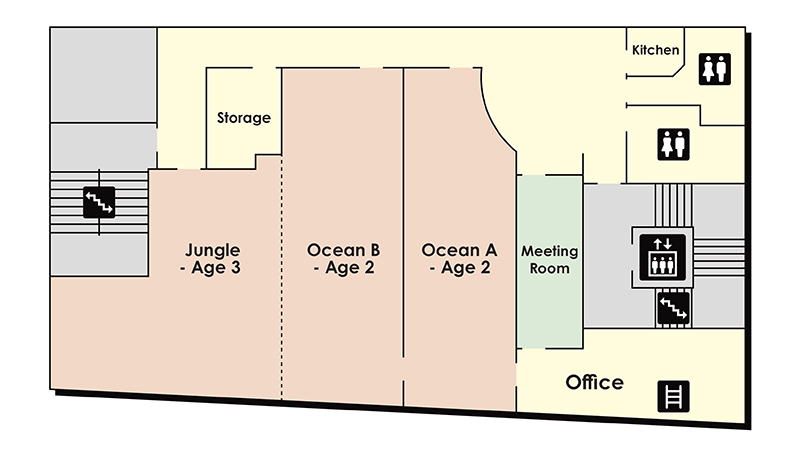
Bashamichi Campus (Age 2 and Age 3 classes) Layout
At CGK Elementary School, mathematics and Japanese language are taught through Units of Inquiry (UOI) wherever possible. When lessons focused on particular skills are more appropriate, subject content is also taught separately.
To explore a question in depth, children need to read for meaning, work with numbers and quantities, and put their thinking into words. Using those skills to investigate a question also helps them see why the skills matter. Foundations support inquiry; inquiry gives those foundations a purpose.
At CGK Elementary School (Grades 1-5), we connect subjects where meaningful while making time to develop individual skills carefully.
Consider a comparison. A child might initially feel that one quantity is greater than another. Using numbers or measurements to check that impression, then explaining the evidence, makes the comparison more precise. This is one example of mathematics and language becoming tools for thinking.
Leaving room for children to think does not mean withholding the knowledge or methods they need. There is a place for demonstrating a method, a place for practising it, and a place for children to decide how to apply it. Each has a role in supporting inquiry.
We do not have to choose between independent thinking and strong foundations. What matters is helping children move between the two.
@element_earth04 (Oct 24 & 25): Make your own moss terrarium.
@hanahanahandmade73 (Oct 25): Sticker workshop and handmade items.
Heal the Future (Oct 24): Plant-based ingredients and natural supplements, from Kamakura.
October 24 (Sat) & 25 (Sun), 2026 | 10:00–14:30 CGK Kannai Campus, Yokohama Open to the public. Free admission; no advance booking for entry. Some activities are paid. Exhibitor dates vary. More details via the link in our profile.
スポーツに、小さな世界づくりに、ハンドメイド。CGK School Festival 2026の出展者を、今回も5組ご紹介します!
TD Flag Football (10/24・25): 参加賞もあるフットボールの的当て。
横浜エクセレンス (10/24): バスケットボールのシュート体験。
Element Earth (10/24・25): 自分だけの苔テラリウムづくり。
はなはなハンドメイド (10/25): 切手風シールづくりとハンドメイド品。
Heal the Future (10/24): 植物由来原料・自然派サプリメントを扱う鎌倉の企業。
A little water on a hand. A small step into something new. 💧
Ocean Class (2-year-olds) tried its first water play at the end of July, as featured in August`s CGK Times.
Some children began cautiously, pouring small amounts from cups onto hands and feet. As they grew more comfortable, they explored spray bottles, water guns and toys that floated or sank.
Popular water guns also brought a social challenge: there were not enough for everyone at once. Children asked to use them, waited and passed them on. Sometimes waiting was frustrating too.
The story holds both enjoyment and difficulty. Exploring something new includes learning about our own feelings and those of our friends.
From CGK Times, August 2026. More school stories: website in our profile.
手に少し、水をかけてみる。新しい遊びへの、小さな一歩。💧
CGK Times 8月号では、Oceanクラス(2歳児)が7月末に初めて楽しんだ水遊びを紹介しています。
The machine was finished. The explanation mattered too.
At the end of CGK Afterschool`s two-day hydraulic and pneumatic machine project, teams demonstrated their creations and explained their choices and difficulties.
One team`s challenge was improving how well its machine could lift. In its presentation, the team described overcoming that obstacle through communication, teamwork and repeated testing—and by not giving up.
A working model shows one outcome. Explaining the changes and challenges reveals more of the learning behind it.
The project was part of Summer School, featured in August`s CGK Times. CGK Afterschool programme: Grades 1–9.
From CGK Times, August 2026. More school stories: website in our profile.
Show & Tell does not end when the speaker finishes.
In Mountain B Class (4-year-olds), children regularly share something meaningful to them: a favourite object, an interest or a personal experience.
Then it is their friends` turn—not simply to wait, but to listen, decide what they want to know and put a question into words.
Teachers have noticed children becoming more comfortable sharing their ideas with the group. The repeated opportunities matter: speaking, listening and asking are all part of participating in a classroom community.
One object can open many conversations.
From CGK Times, August 2026. More school stories: website in our profile.
In a two-day Summer School project at CGK Afterschool, teams built hydraulic and pneumatic machines.
Teachers provided instructions for the base. From there, students made their own adjustments through a cycle of design → build → test → improve, keeping one function in mind: lifting different materials.
There was something concrete to test—not just whether a model looked finished, but what it could do. Each round gave teams another opportunity to consider a change.
The finished machine is only part of the story. The decisions made along the way matter too.
CGK Afterschool programme: Grades 1–9.
From CGK Times, August 2026. More school stories: website in our profile.
A campsite indoors. Real opportunities to share. ⛺
When summer heat limited time outside, our teachers brought Jungle A and B Classes (3-year-olds) together for an indoor camping adventure.
Children caught pretend fish, cooked on a DIY barbecue and roasted cotton-ball marshmallows over a pretend fire. Tents and sand slime added opportunities to imagine, touch and explore.
The teachers planned the stations with a purpose: sharing with children from both classes. “Share, please” and “Wait, please” were part of the play as children took turns.
The campsite was make-believe. The practice in patience, communication and kindness was real.
From CGK Times, August 2026. More school stories: website in our profile.
Meet our workshop exhibitors! 🎨 School Festival 2026 — introductions, round 2
• Becca Dufie @becca.dufie — Painting and creative expression (Oct 24–25) • Mariella @mariella_japan — Ocean resin art (Oct 24) • Atelier Theresia @ateliertheresia — Handmade creations (Oct 25) • Michel Art School @michel_art_school — Creative art for children (Oct 24–25) • The Tome of Masa @thetomeofmasa — Create your own four-panel manga (Oct 24–25) • Sofi*a style @sofia_style_maiko — Halloween wreath making (Oct 25) • LIA LAB @lialab_official — Multilingual craft activities (Oct 24) • Happy Beans @happybeans_englishsitter — Make your own bag charm (Oct 24)
Oct 24–25, 2026 | 10:00–14:30 | CGK Kannai Campus, Yokohama Free admission; workshop fees apply. No advance booking needed for entry. Details via our profile`s Website link → School Festival. Photos include examples of exhibitors` work. Offerings and dates may change.
Film-making, collaborative art, plant exploration, two field trips, a harvest festival and Halloween: choose your days and join us for as little as one day.
Grades 1-6 with previous English-learning experience October 13, 14, 15, 16, 23 and 26 CGK Kannai Campus, Yokohama Regular days 10:00-14:00 / Field-trip days 10:00-16:00
CGK families: Autumn School also runs on October 23 and 26, the School Festival substitute holidays for CGK students.
See the programme and fees via Website in our profile, then Seasonal School. Book by 17:00 on the business day before attendance; bookings close when full.
For children aged 2–5, what does inquiry look like in the early years?
At CGK International School in Yokohama, children learn through questions, play, relationships, and hands-on experiences. Our Open School introduces families to the IB PYP approach, daily life at our international preschool, and the care and learning environment children experience at CGK.
■ Saturday, October 3, 2026 9:00–10:30 | Japanese 11:15–12:45 | English & Japanese ■ CGK International School, Kannai Campus ■ Advance registration required; capacity is limited.
Art, light, movement—and learning beyond the classroom.
At teamLab Borderless, CGK Middle School students explored how technology can become creative expression. Sharing the experience also meant practising communication, collaboration and self-management.
Sky Class (5-year-olds) explored world flags, cultures and the history of places, then created airplanes and boats of their own. Curiosity about the world became thinking and making.
CGK Afterschool students explored six types of simple machines around the school, then used their discoveries to begin building hydraulic and pneumatic machines in teams.
初の2日間開催!/Our first-ever TWO-DAY festival! 📅 2026年10月24日(土)・25日(日)/Oct 24 (Sat) & 25 (Sun), 2026 ⏰ 各日10:00–14:30/10:00 AM–2:30 PM each day 📍 CGKインターナショナルスクール関内校/CGK International School, Kannai Campus
在校生・ご家族はもちろん、一般の方も大歓迎! ゲーム、音楽・パフォーマンス、さまざまなブースを、ご家族やお友だちと楽しみませんか? Everyone is welcome! Bring family and friends for games, music, performances and fun booths.
入場無料・事前予約不要。当日は受付でLINEでの参加登録をお願いします。 FREE admission; no advance booking required. Please register via LINE at reception.
出展者9組をご紹介!/Meet our nine vendors: ① タルトリーアルベール/Tarterie ALBERT|タルト&キッシュ/Tarts & quiches|24–25 @tarteriealbert ② ルカデリ オーガニックキッチン/Luca Deli Organic Kitchen|オーガニックBento/Organic bento|24–25 ③ バックヤードコーヒージャパン/Backyard Coffee Japan|コーヒー&国産抹茶/Coffee & Japanese matcha|24–25 @backyardcoffee.japan ④ 新緑/Shinryoku|おにぎり&お惣菜/Onigiri & deli dishes|24のみ/only @shinryoku_onigiri ⑤ メゾンエスティア/Maison Hestiā|オーガニック素材のケーキ&パン/Organic cakes & breads|24–25 @maison_hestia_ ⑥ 101美食/101 Bisyoku|ダージーパイ/Taiwanese fried chicken cutlet|24のみ/only ⑦ Mogu Mogu 横浜元町本店/Mogu Mogu Yokohama Motomachi|お弁当&お惣菜/Bento & deli dishes|24–25 @mogumogumotomachi ⑧ オーガニックわたあめ わっしょい/Organic Cotton Candy Wasshyoi|無添加わたあめ/Additive-free cotton candy|24–25 @wassyoi_nouen ⑨ つながる青木堂/Tsunagaru Aokido|神田須田町から参加するイベントプロジェクト/An event project from Kanda-Sudacho|25のみ/only @syuhey.ohtsuka ※数字は10月の出店日です。/Dates above are in October.
一昨年(2024年)のSchool Festivalの様子はこちら! Watch our School Festival from two years ago (2024): https://www.youtube.com/watch?v=J79pXK8fFs8
掲載順不同。出展者・出店日・内容は変更になる場合があります。 Listed in no particular order. Lineup, dates and offerings may change.
Learning does not only happen inside the classroom.
CGK Middle School students observed the structure, height, shapes, patterns, and design of Tokyo Tower. The visit gave them a chance to see how mathematical ideas from class are used in the design and construction of a landmark they could experience for themselves.
Looking at a familiar city from a new perspective can make mathematics feel much more tangible.
A new school meal can feel like a very big experience when you are two. At CGK, we approach that transition with curiosity, play, and patience. 🍎
Ocean Class explored food through picture books, conversations about favorite fruits and vegetables, pretend picnics and meals, and hands-on sensory experiences. Real vegetables invited close observation; colorful spaghetti became an art material; a pretend farm helped children consider where food comes from.
These activities do more than introduce nutrition. Touch, texture, language, and shared play help young learners understand the world, express preferences, collaborate with friends, and approach unfamiliar foods with growing confidence.
Thoughtful early-years education meets children where they are. By letting them first explore food through familiar stories, sensory play, and imagination, teachers support wellbeing and a positive relationship with new experiences.